
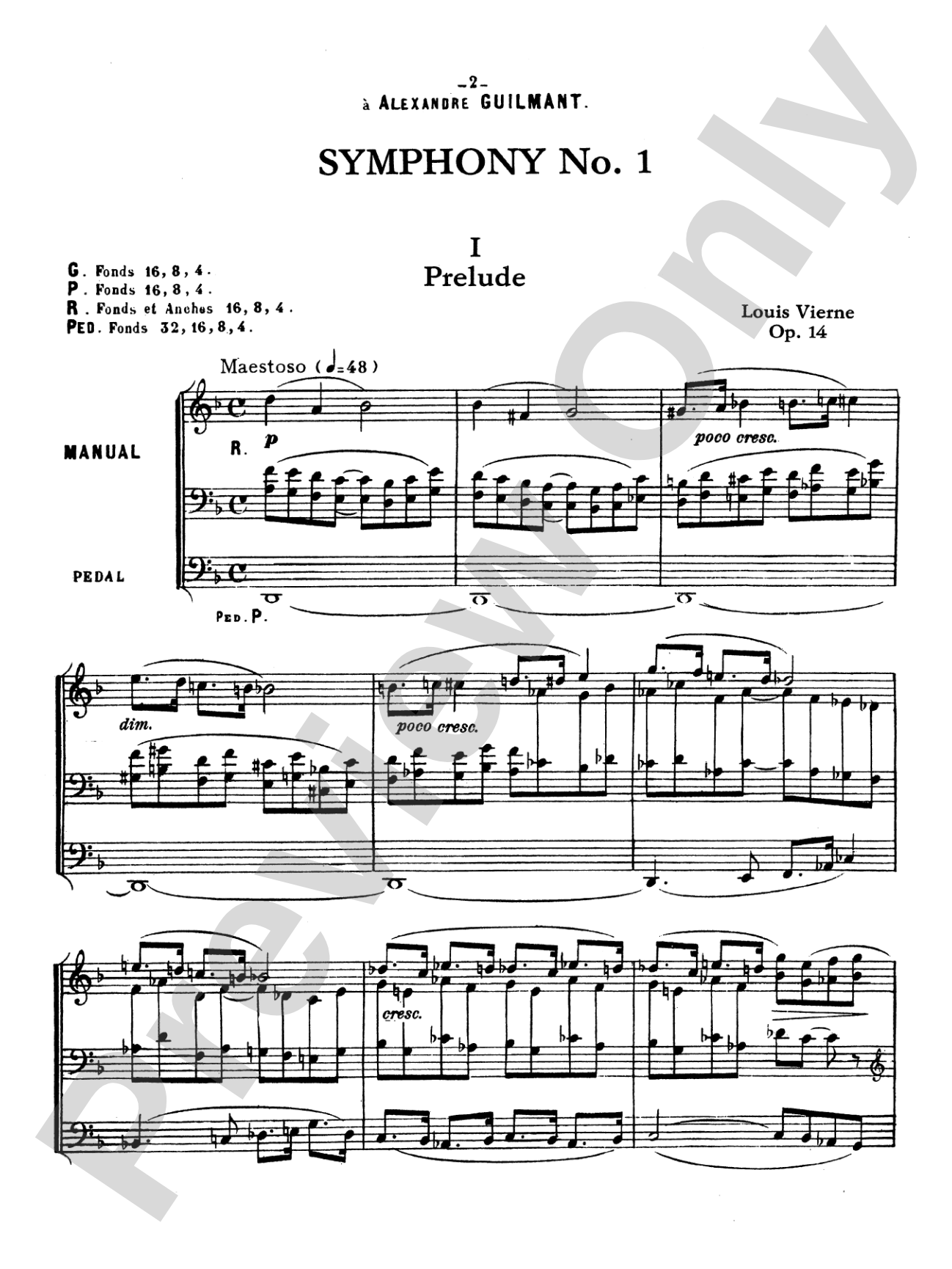
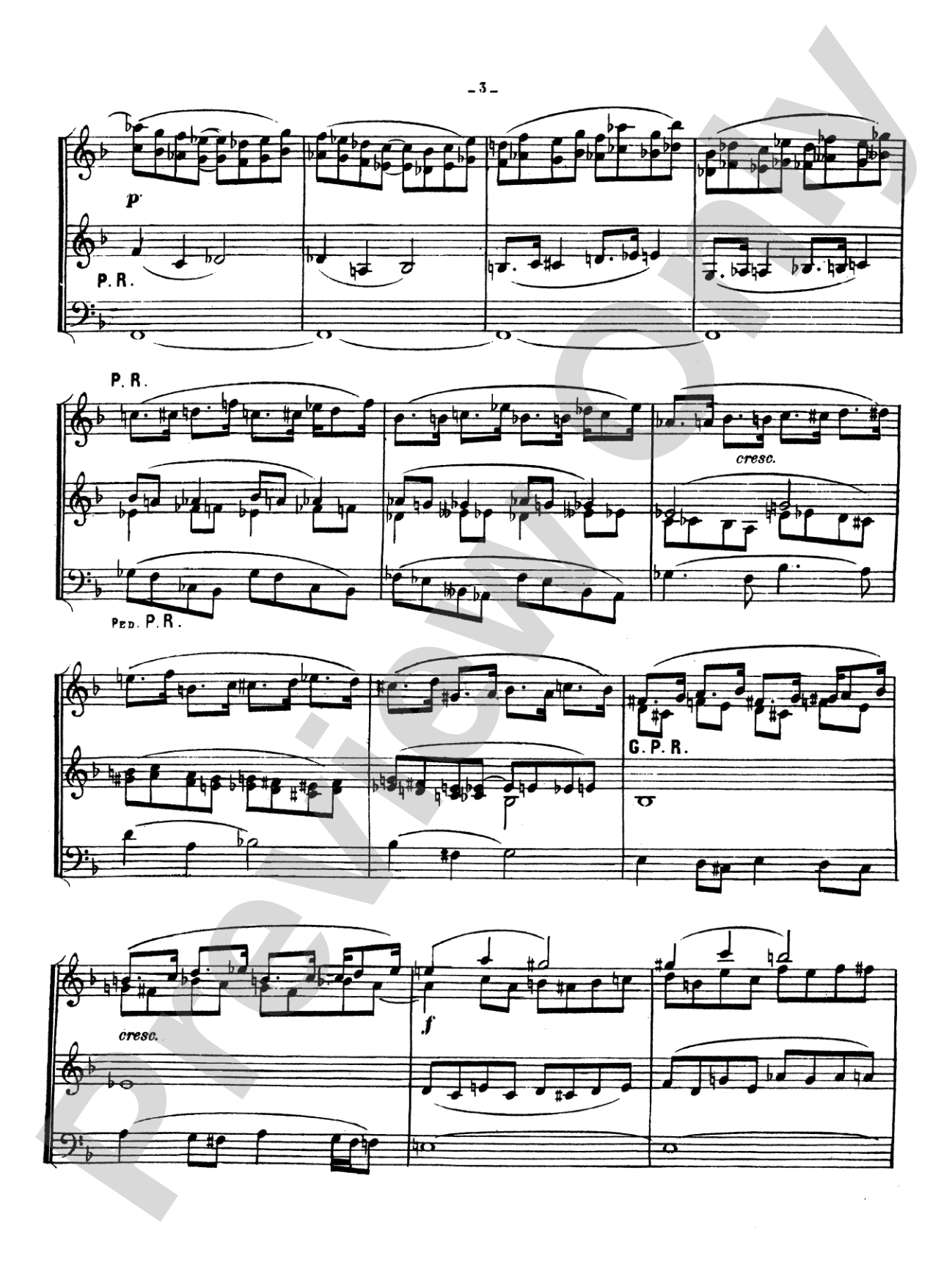
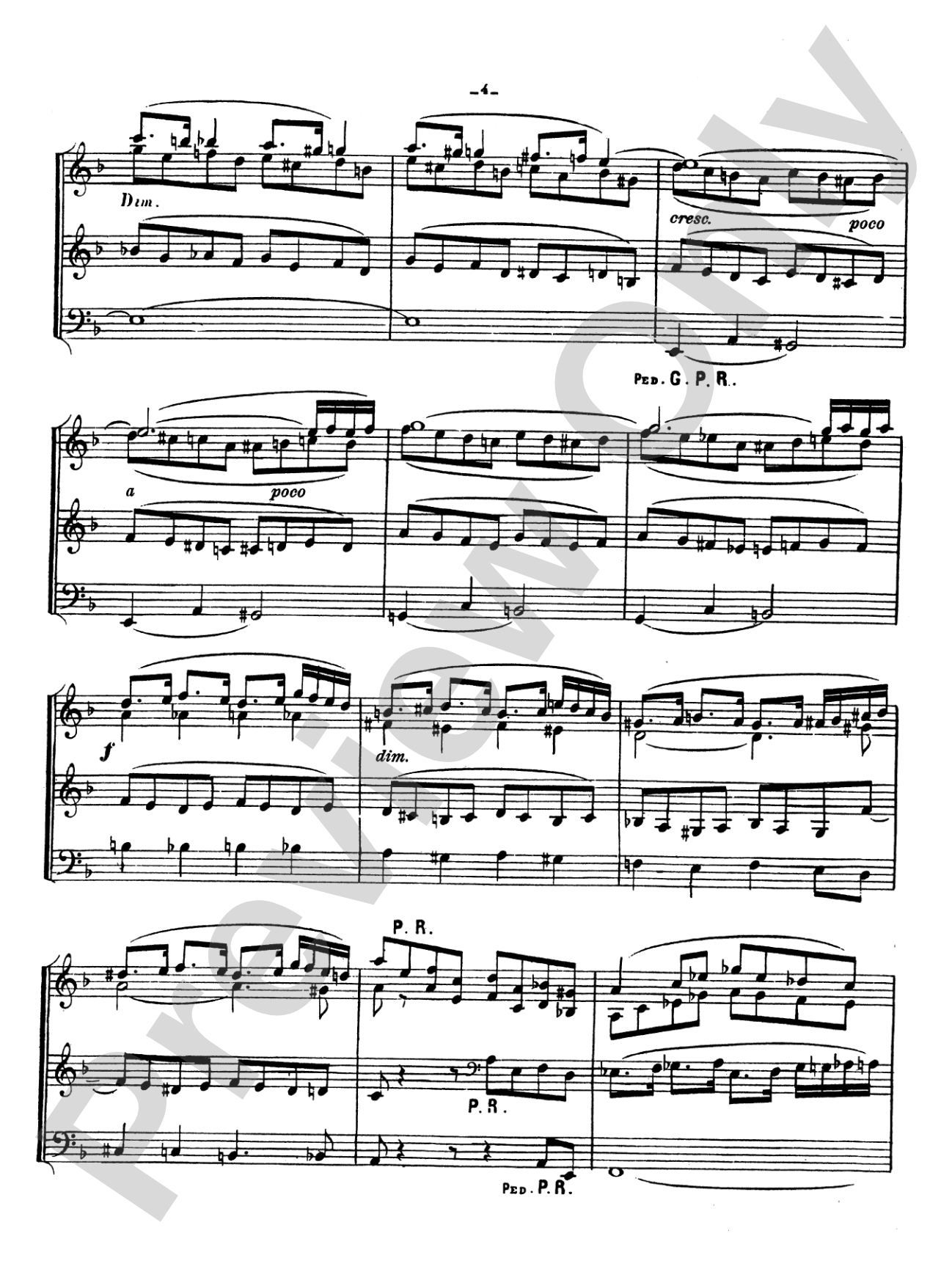
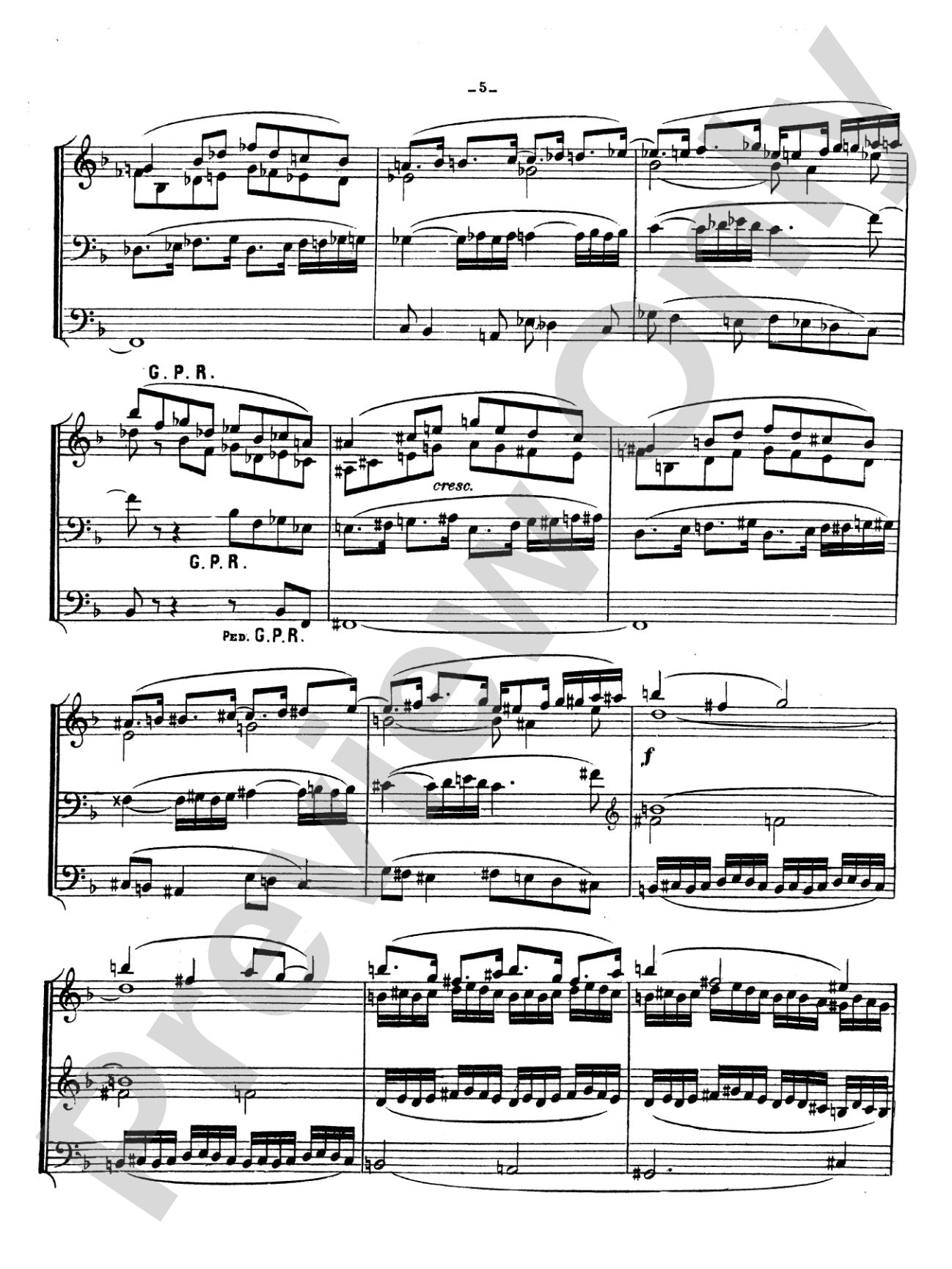
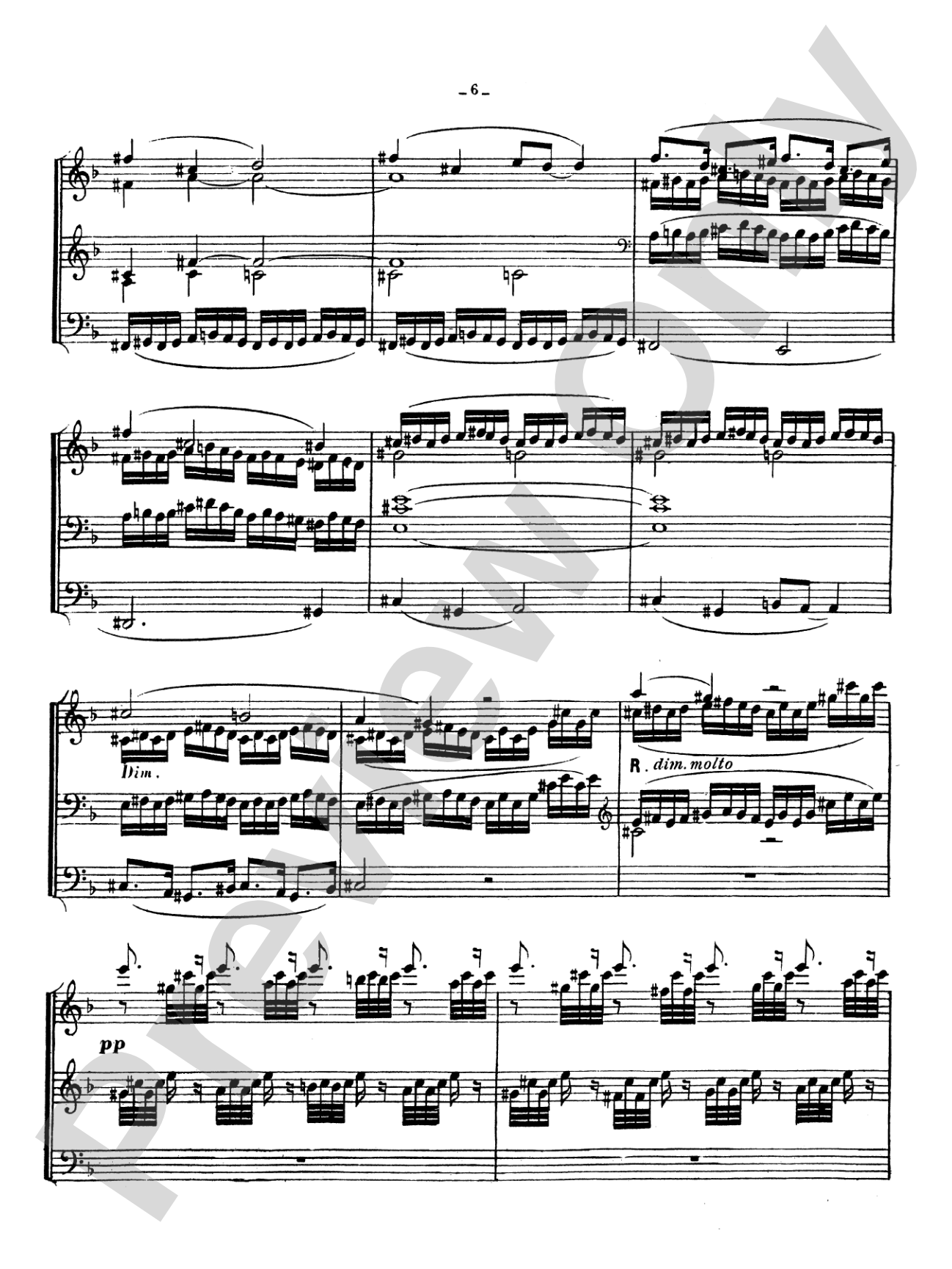
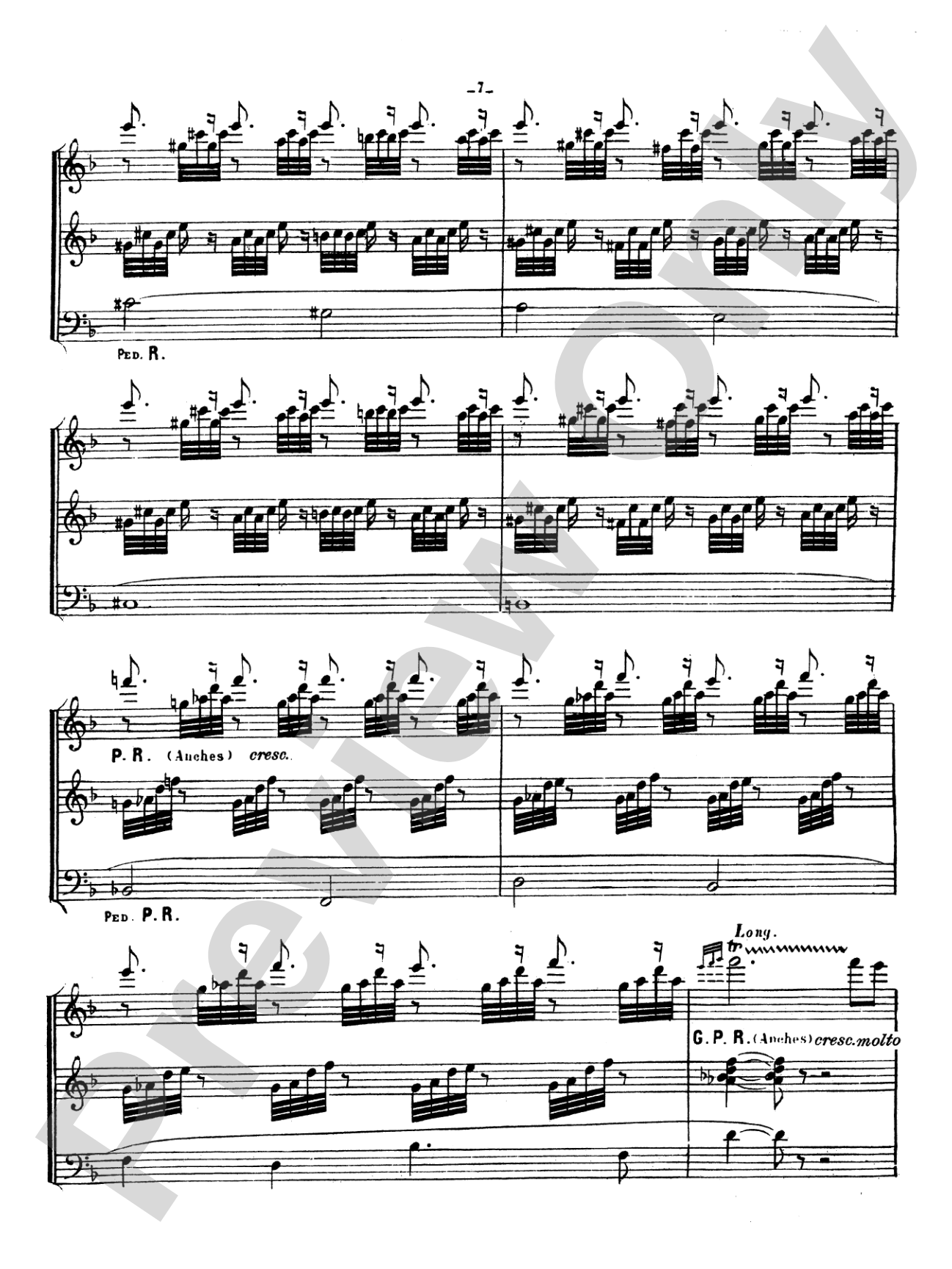
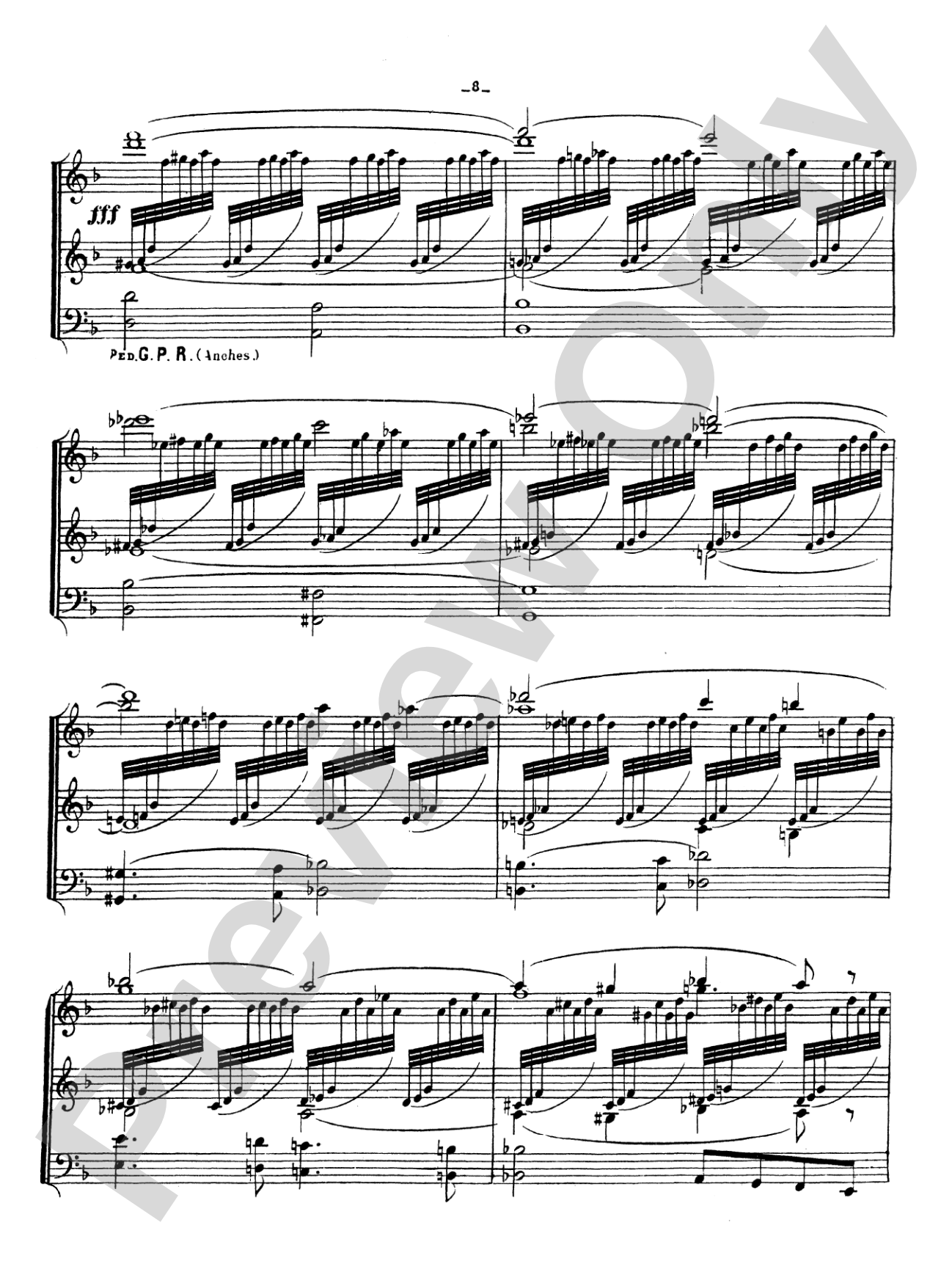
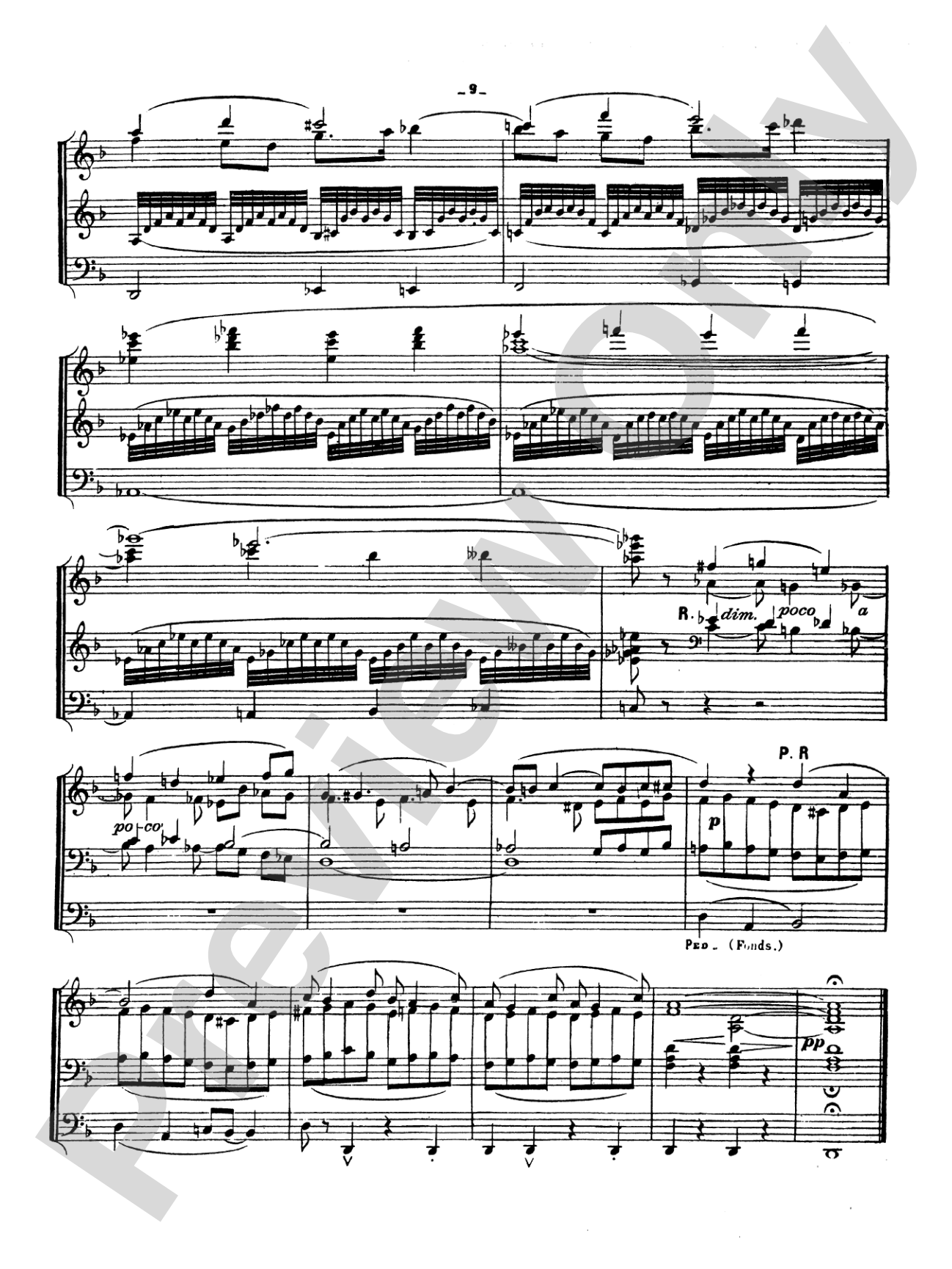

Vierne: Symphony No. 1, Op. 14: Organ Book
By Louis Vierne
Item: 00-PK-0003373

$12.99
Pickup currently not available
Buy Extra Parts (Digital PDF Download)
| Product | Price | Quantity |
|---|---|---|
| Vierne: Symphony No. 1, Op. 14 | $1.99 | |
| Vierne: Symphony No. 1, Op. 14 | $1.99 | |
| Vierne: Symphony No. 1, Op. 14 | $1.99 | |
| Vierne: Symphony No. 1, Op. 14 | $1.99 | |
| Vierne: Symphony No. 1, Op. 14 | $1.99 | |
| Vierne: Symphony No. 1, Op. 14 | $1.99 |
Parts Added to Cart!
Related Items
Symphony No. 1, Opus 14: Organ Book |
$12.95
|
View |
Description
Expertly arranged Organ Solo by Louis Vierne from the Kalmus Edition series. This is from the Romantic and 20th Century eras.


Don't just read it, hear it, play along with it, and watch your students grow with it. In MakeMusic Cloud, Vierne: Symphony No. 1, Op. 14: Organ Book comes alive with professional accompaniment, adjustable tempo, and built-in practice tools that turn solo practice into real progress.
Open in the Player
Jump straight in and assign it today.
Start Your Free Trial
Open this title and explore the full library in minutes.
Sample Audio
No sample audio found.
Sample Video
No sample videos found.
Additional Details
Series:
Kalmus Edition
Publisher:
Alfred Music
Page Count:
56
SKU:
00-PK-0003373
More about this title
About the Composer: Louis Vierne
Louis Vierne (1870-1937) was a French organist and composer who shaped the organ repertoire of the late Romantic era. Blind from birth, Vierne studied with César Franck and became the titular organist at Notre-Dame de Chartres, where he composed most of his significant works. His six organ symphonies remain cornerstones of the concert organ literature, blending French symphonic traditions with the tonal possibilities of the instrument.
Vierne's approach to organ composition bridged Franck's improvisatory language and the emerging modernist vocabulary of the early 20th century. His symphonies demand technical command, interpretive maturity, and deep understanding of organ registration, making them essential repertoire for serious organists and a touchstone for understanding how the instrument evolved as a vehicle for large-scale musical thought.
Why we love this
Symphony No. 1 in D minor stands as one of the most structurally ambitious and musically rewarding works in the organ solo repertoire. It gives organists the chance to command extended forms with genuine architectural weight while exploring the full expressive range of the instrument across multiple movements. Programming this score signals serious repertoire commitment and rewards listeners with music that moves seamlessly from intimate lyricism to full orchestral grandeur.
What to expect
The symphony unfolds with the grandeur and narrative sweep of a late-Romantic orchestral work translated to the organ's terms. You move through moments of intimate, almost improvisational introspection alongside passages of architectural power and brilliance, all unified by Vierne's gift for melodic invention and harmonic sophistication. The piece feels both deeply personal and monumental, demanding that you inhabit both the intricacy of the counterpoint and the scale of the form.
Who it's for
This score serves organists with solid technical foundations and experience reading complex manual divisions and pedal work. It suits advanced students preparing for competitions, recital programs, or degree requirements, as well as mature organists seeking to deepen their engagement with symphonic organ literature. It is not an introductory work.
How to get the most out of it
- Study the registration indications carefully; Vierne's specified stops shape the harmonic color and emotional arc of each section, and respecting his voice-leading choices depends on understanding which manual carries the primary voice.
- Map the pedal line with attention to its independence; the pedal part functions as a true symphonic voice, not merely harmonic support, and clarity here anchors the overall structure.
- Balance the transition between movements as if conducting separate symphonic gestures; resist rushing the attacca moments, and use silence strategically to reset the listener's ear.
- Approach the climactic passages with control rather than volume alone; Vierne achieves his most powerful effects through full-organ registration combined with strict rhythmic and harmonic discipline.
How to use it
This work anchors a full organ recital or serves as the centerpiece of a concert devoted to French Romantic organ music. It pairs well with shorter character pieces or movements from other symphonies, allowing you to explore Vierne's compositional range across a single program. It also works as a standalone liturgical concert piece for churches with substantial organ resources.
Skills your students will build
- Reading extended keyboard textures across multiple manuals simultaneously
- Executing smooth manual and pedal coordination in rapid passage work
- Understanding registration as a compositional tool rather than mere ornamentation
- Shaping large multi-movement forms with consistent architectural integrity
- Balancing lyrical cantabile playing with rhythmic precision in faster sections