

Variations on Vanyusha: String Orchestra Conductor Score & Parts
Traditional / arr. Elena Roussanova Lucas
Grade: 3.5
Item: 00-PK-0001731

$55.00
Pickup currently not available
Buy Extra Parts (Digital PDF Download)
| Product | Price | Quantity |
|---|---|---|
| Variations on Vanyusha: Score | $8.00 | |
| Variations on Vanyusha: 1st Violin | $5.99 | |
| Variations on Vanyusha: 2nd Violin | $5.99 | |
| Variations on Vanyusha: Viola | $5.99 | |
| Variations on Vanyusha: Cello | $5.99 | |
| Variations on Vanyusha: String Bass | $5.99 |
Parts Added to Cart!
Related Items
Variations on Vanyusha: String Orchestra Conductor Score & Parts |
$55.00
|
View |
Description
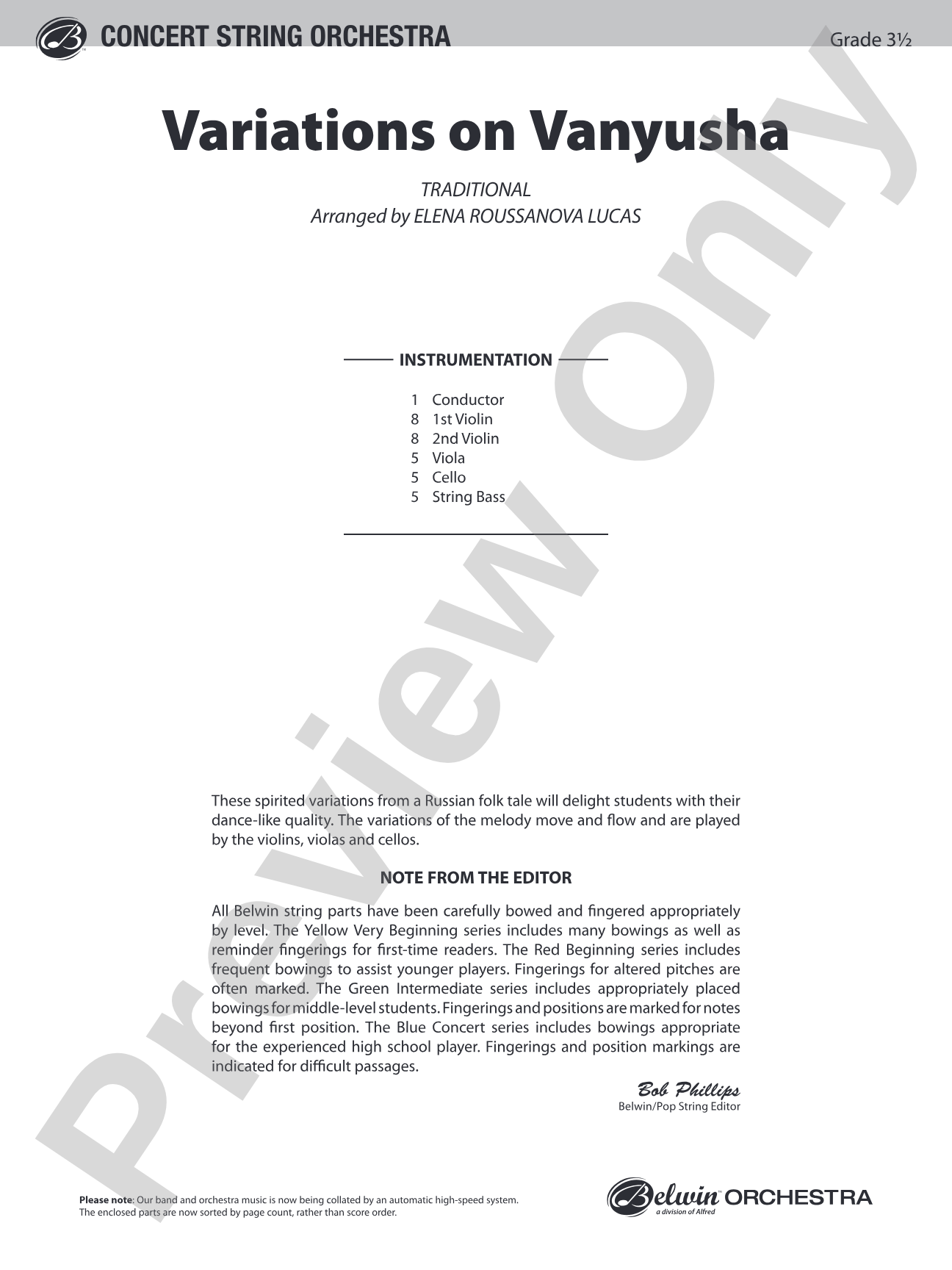
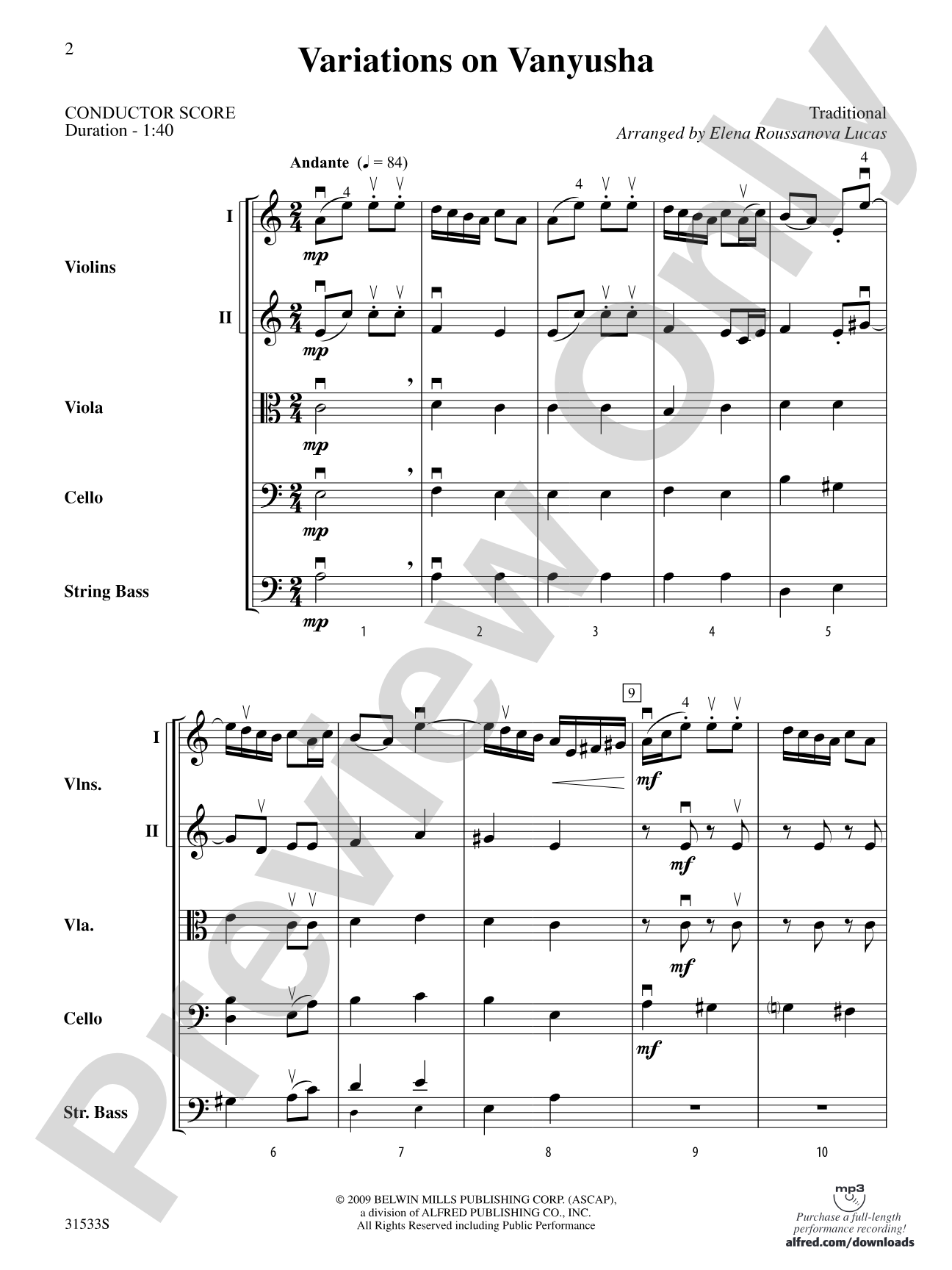
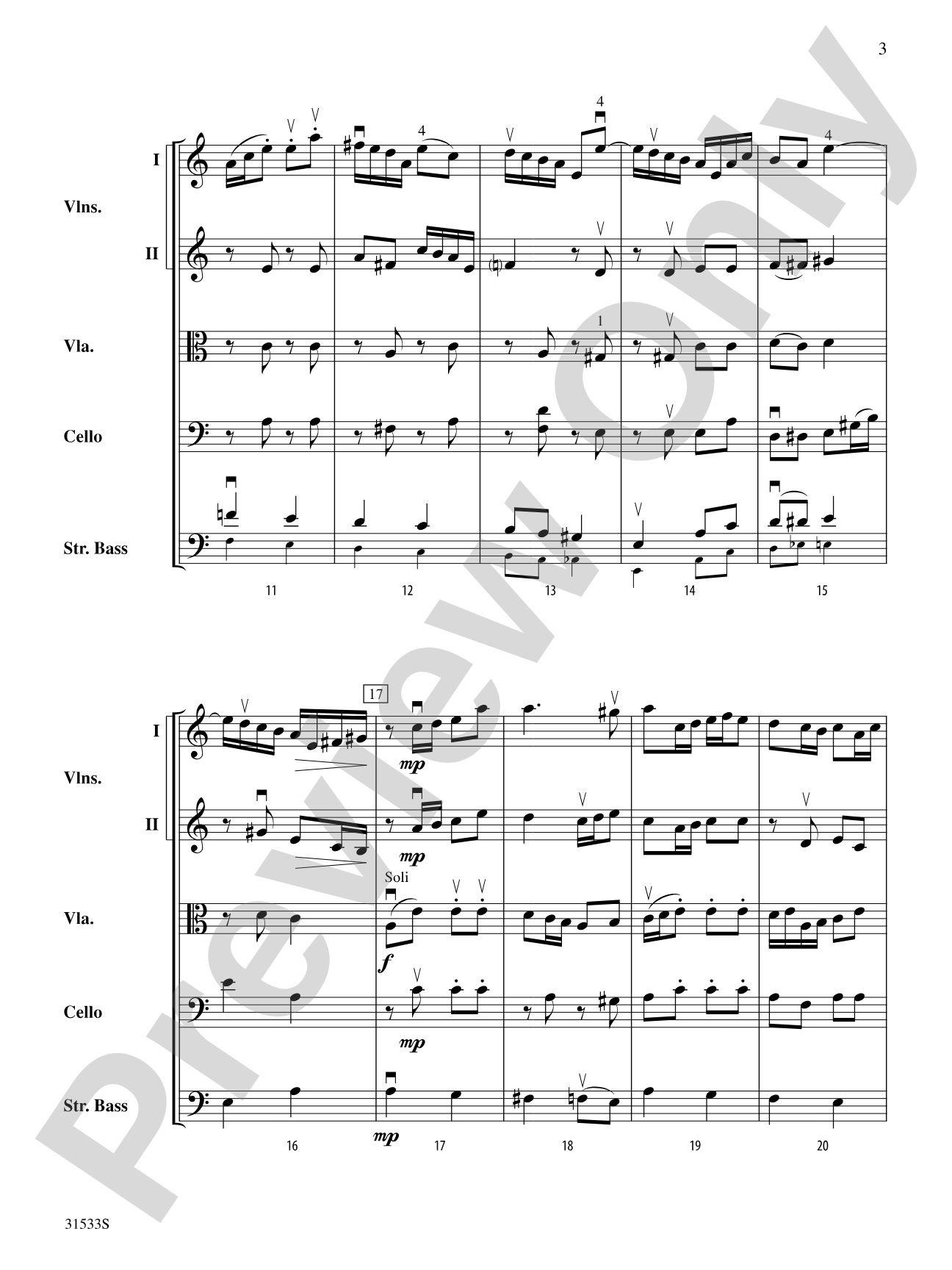
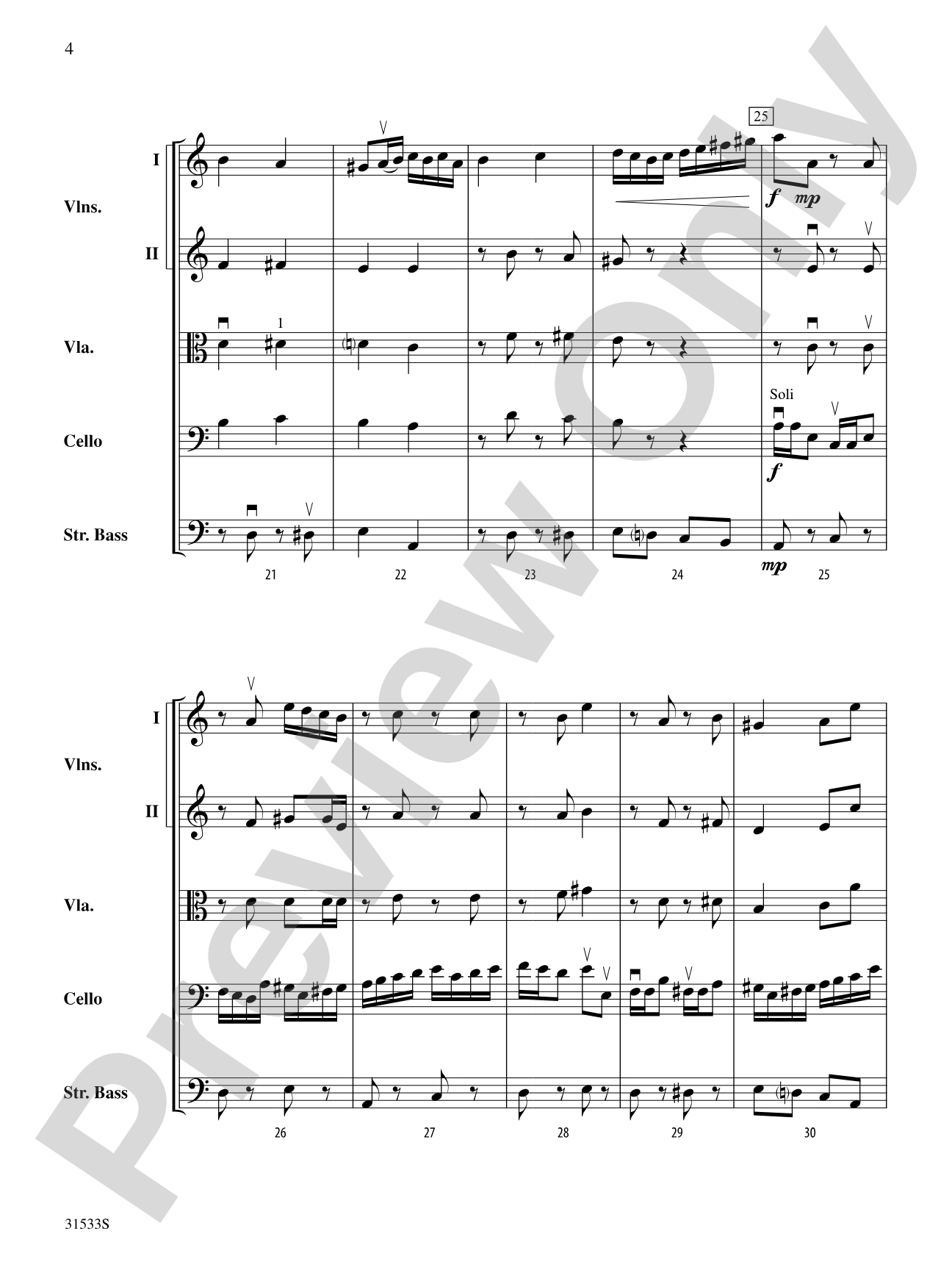
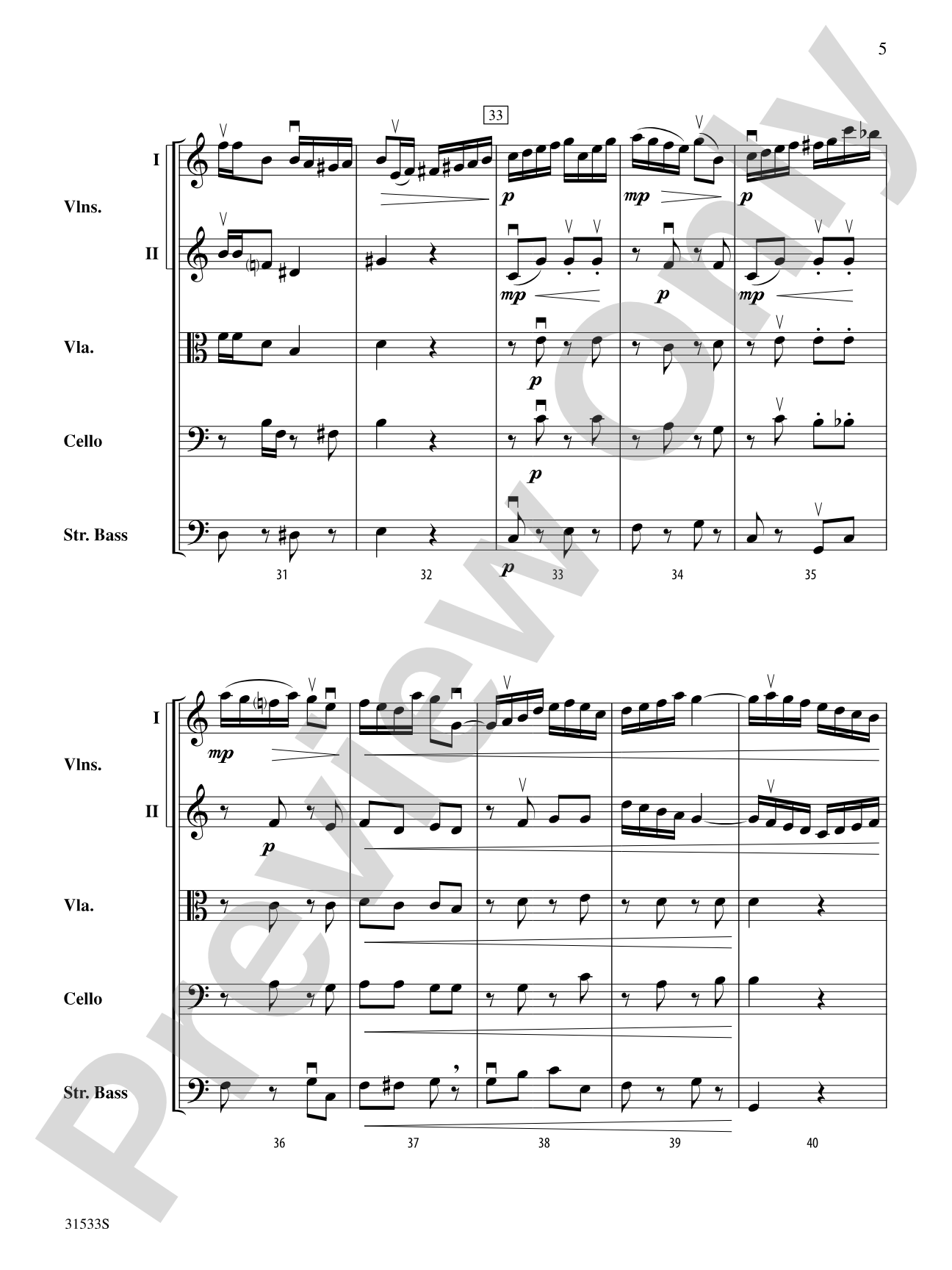
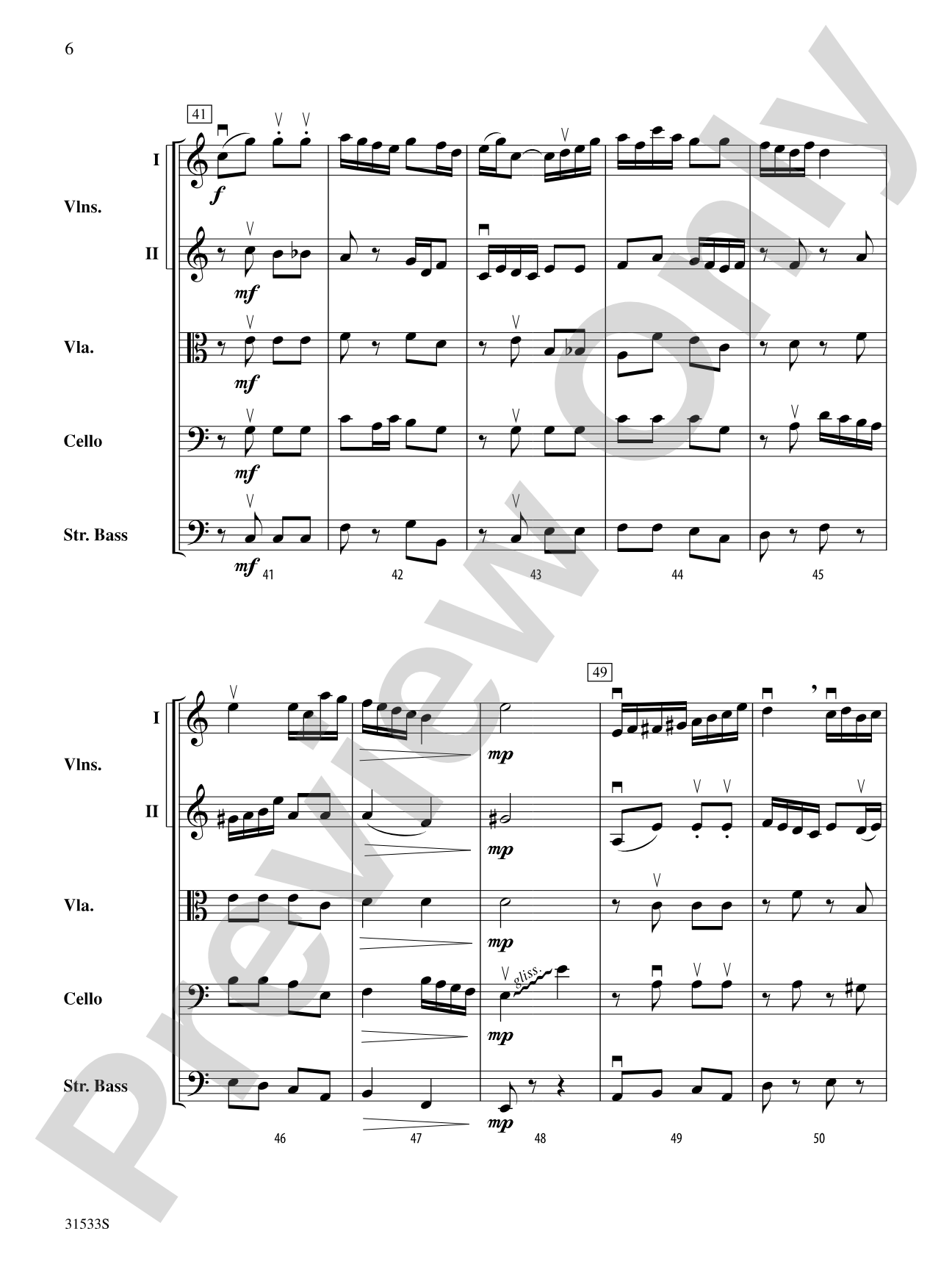
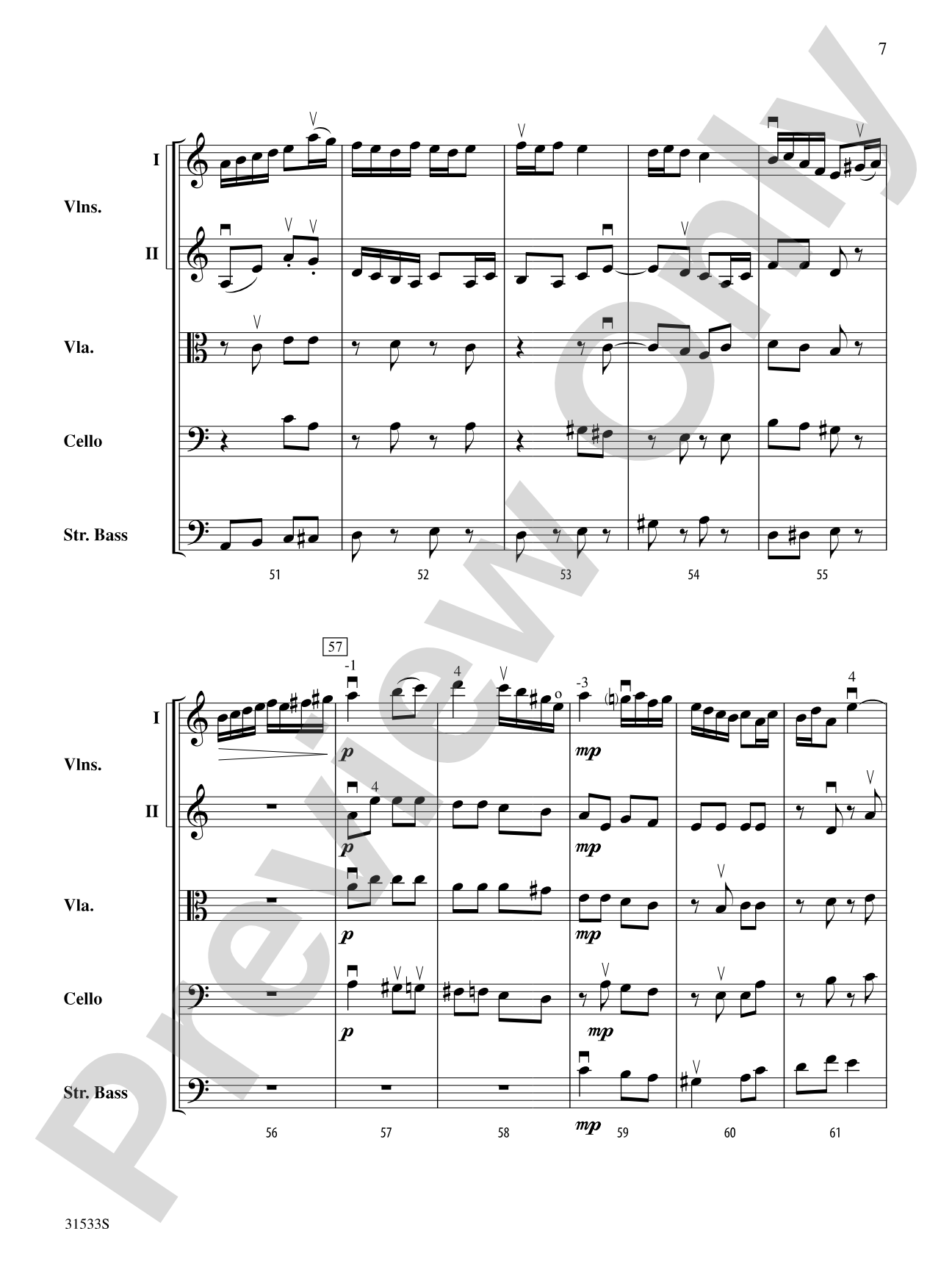
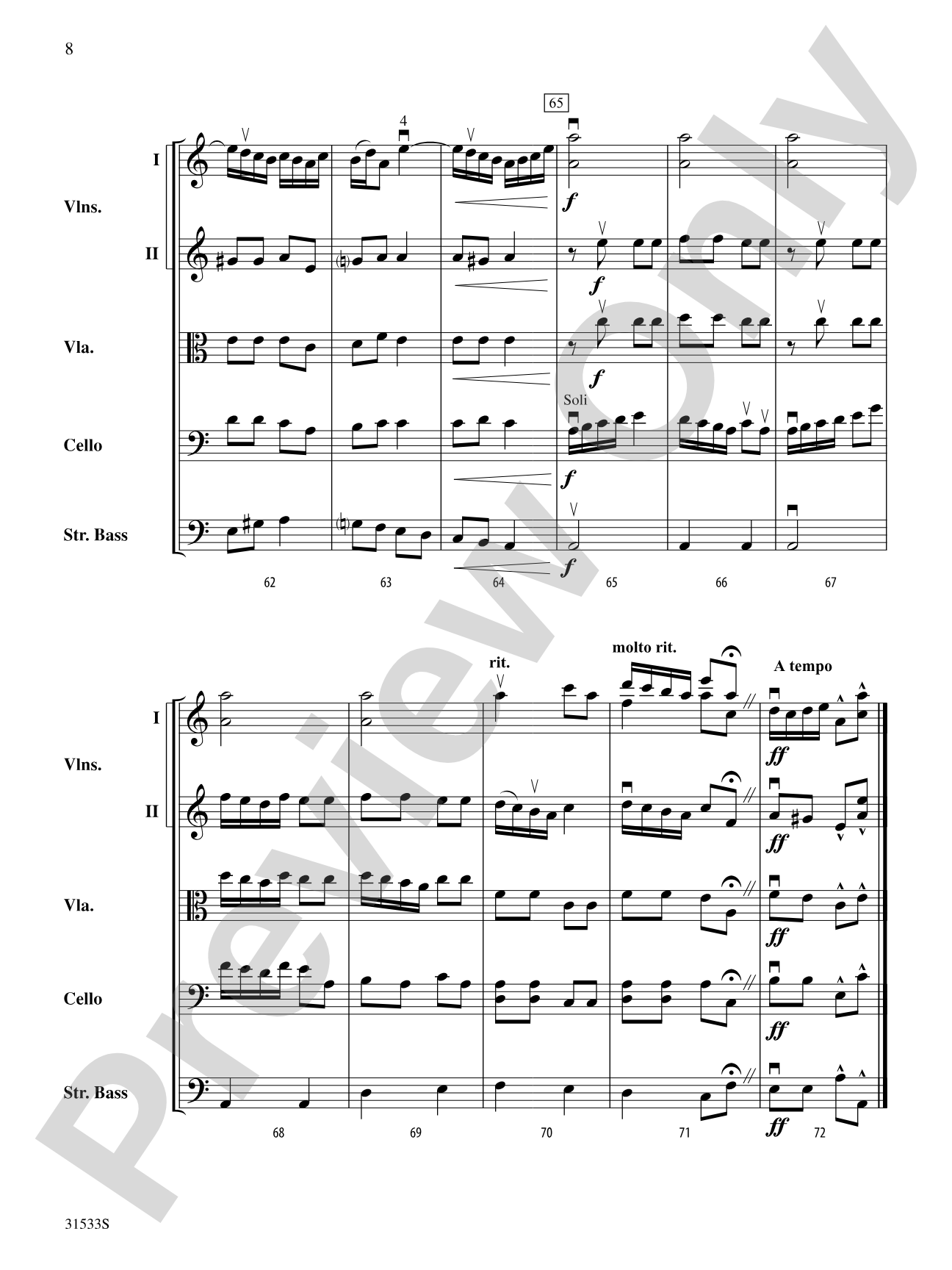
These spirited variations from a Russian folk tale will delight students with their dance-like quality. The variations of the melody move and flow and are played by the violins, violas and cellos.


Don't just read it, hear it, play along with it, and watch your students grow with it. In MakeMusic Cloud, Variations on Vanyusha: String Orchestra Conductor Score & Parts comes alive with professional accompaniment, adjustable tempo, and built-in practice tools that turn solo practice into real progress.
Open in the Player
Jump straight in and assign it today.
Start Your Free Trial
Open this title and explore the full library in minutes.
Sample Audio
1
Audio File
--:--
0:00
0:00
Sample Video
No sample videos found.
Additional Details
Series:
Belwin Concert String Orchestra
Publisher:
Alfred Music
Page Count:
70
SKU:
00-PK-0001731
More about this title
About the Arranger: Elena Roussanova Lucas
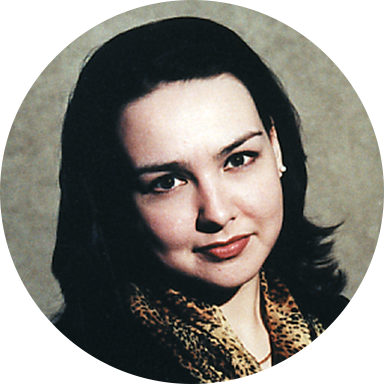
Elena Roussanova Lucas trained at Moscow's most rigorous conservatories, beginning piano study at age three and advancing through the Central Music School's prodigy program. She earned her Red Diploma (Summa Cum Laude) in Composition, Music History, Music Theory, and Instrumentation from the Tchaikovsky Conservatoire of Moscow, where she studied composition under Tihon Khrennikov and Tatiana Choodova. She also holds a diploma in Piano Pedagogy and Piano Accompaniment from the Ippolitov-Ivanov Music College.
A member of the United Russian Composers Union, Lucas has had her work performed by major Russian orchestras including The Tchaikovsky State Orchestra of Moscow and The Radio and TV Orchestra of Moscow, as well as chamber ensembles and soloists of international standing. She has presented masterclasses in composition and performed as a pianist across Moscow, the United Kingdom, the Netherlands, and the United States, earning First Prize in a Russia-wide piano competition sponsored by the Russian Ministry of Culture. She has taught at Boston University.
Why we love this
Roussanova Lucas captures the infectious energy of Russian folk tradition while tailoring it perfectly for developing string orchestras. The variations unfold logically across the ensemble, keeping the melodic interest moving between sections so that students stay engaged while building technical confidence at this grade level.
What to expect
This is folk music alive with motion and playfulness. The variations dance and shift like the telling of a Russian tale, spirited and full of character, with a sense of forward momentum that keeps the listener and the players genuinely delighted.
Who it's for
String orchestras at the intermediate level will find this arrangement accessible yet rewarding. It works well for ensembles with a full complement of violas and cellos, as the scoring distributes the melodic material generously across all sections.
How to get the most out of it
- Shape each variation distinctly by adjusting the ensemble's approach to vibrato and bow pressure; the sections should feel like chapters of a story rather than repetitions of the same idea
- Balance the lower strings carefully when violas and cellos carry the theme; these students need confidence in their melodic role, so avoid letting the violins overwhelm the texture
- Maintain the dance-like quality by keeping the pulse steady and forward-moving, even in slower sections; this folklore context rewards rhythmic clarity and lilt rather than rubato
How to use it
Program this on a concert featuring world music or folk traditions, or use it as a festival entry that showcases your orchestra's technical and ensemble balance skills. Its accessible grade level and spirited character also make it an ideal choice for a spring concert that builds student confidence before advancing to more complex repertoire.
Skills your students will build
- Melodic independence across string sections (violin, viola, cello)
- Balance and blend when the theme passes between ensemble sections
- Rhythmic clarity and steady pulse in folk-inspired material
- Variation recognition and phrase shaping across multiple iterations of a theme