
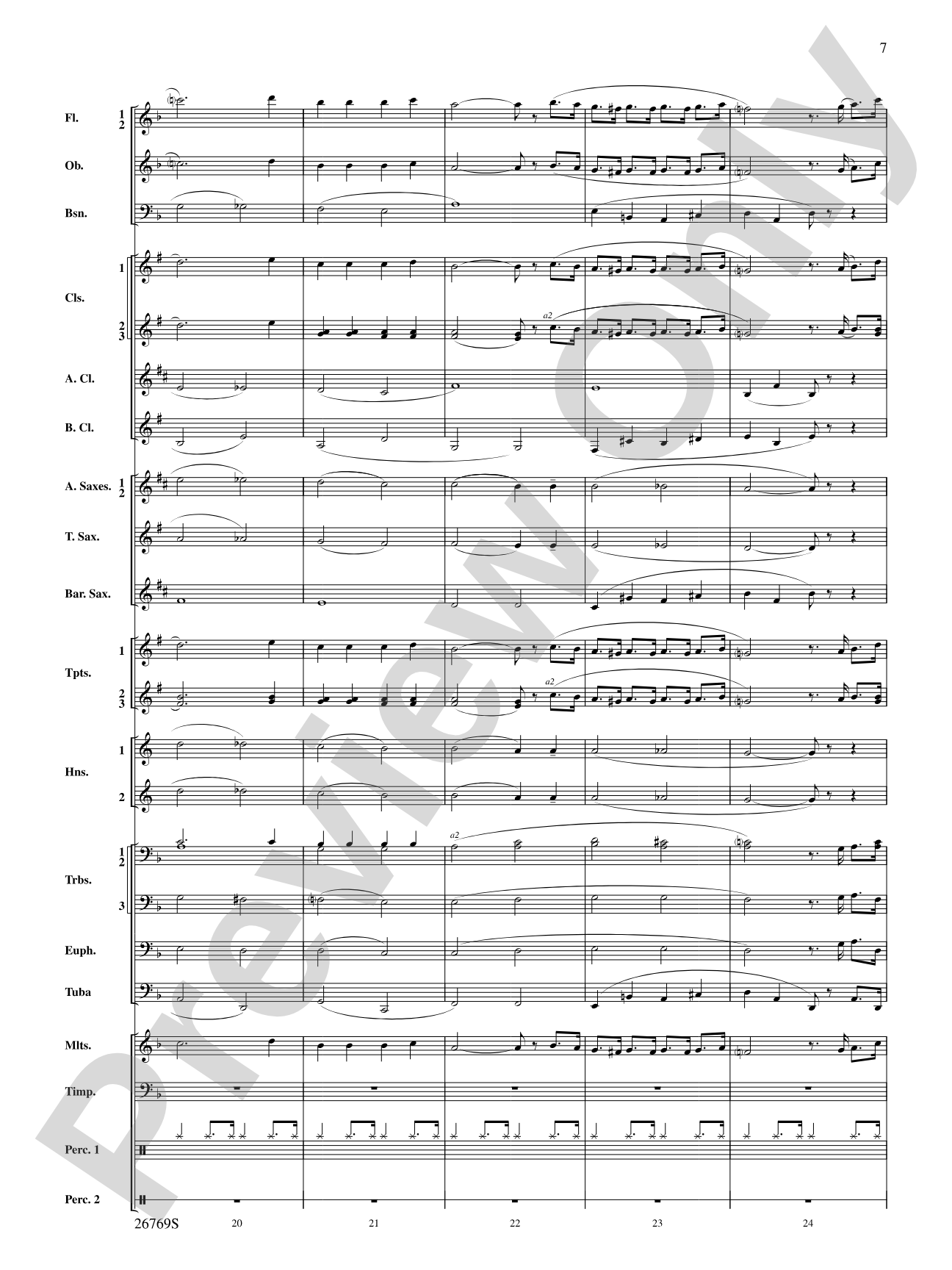
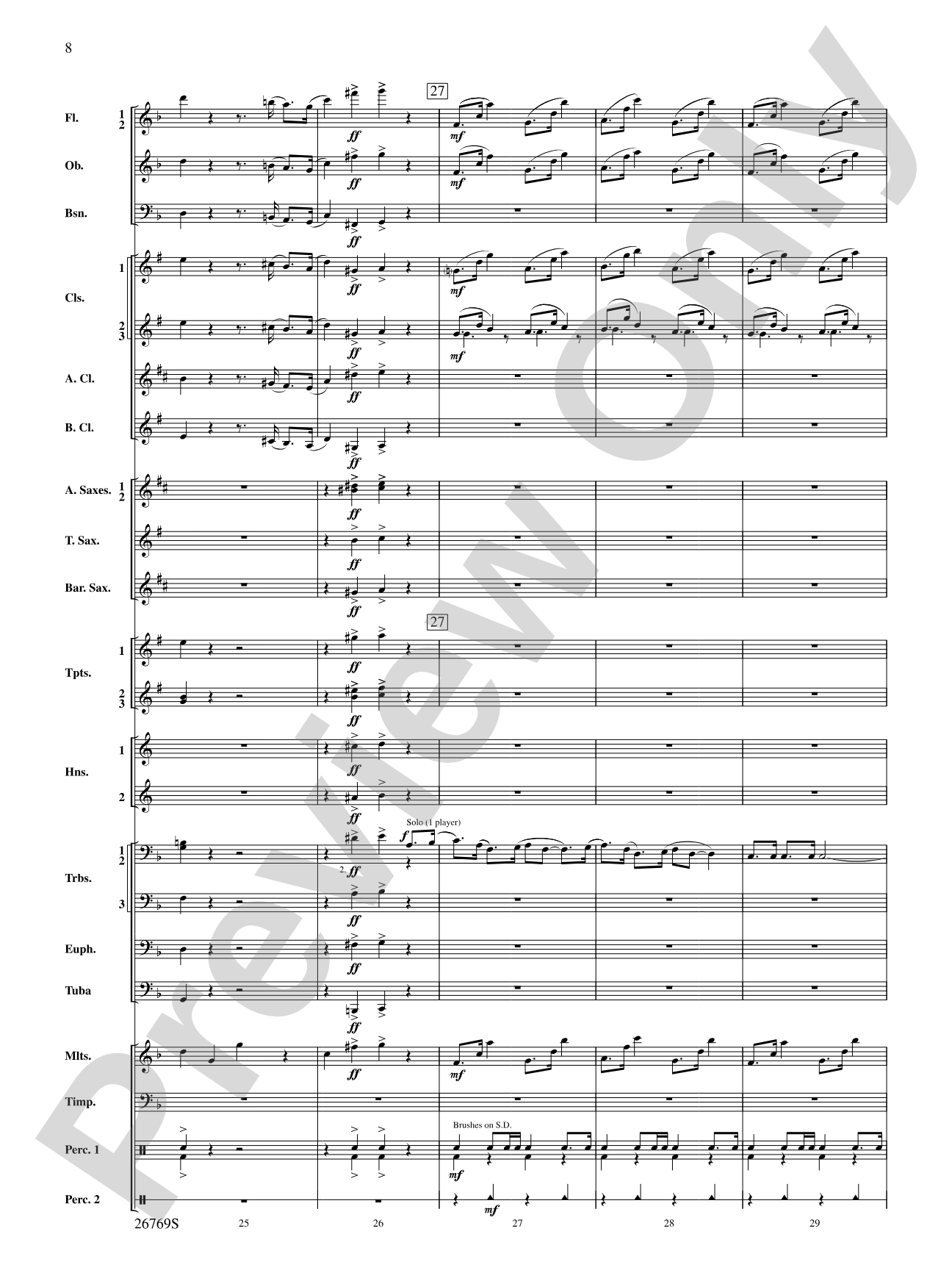
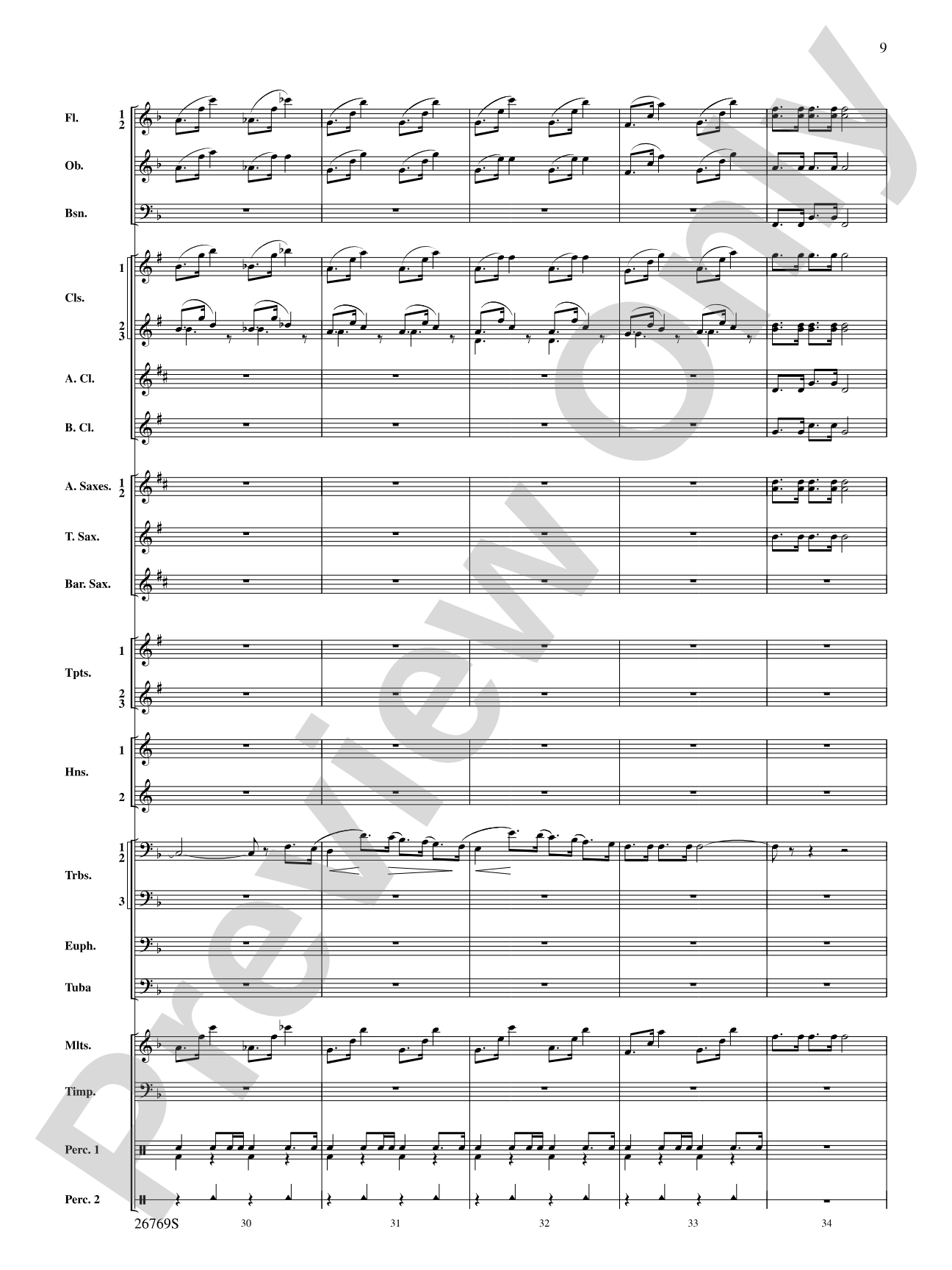
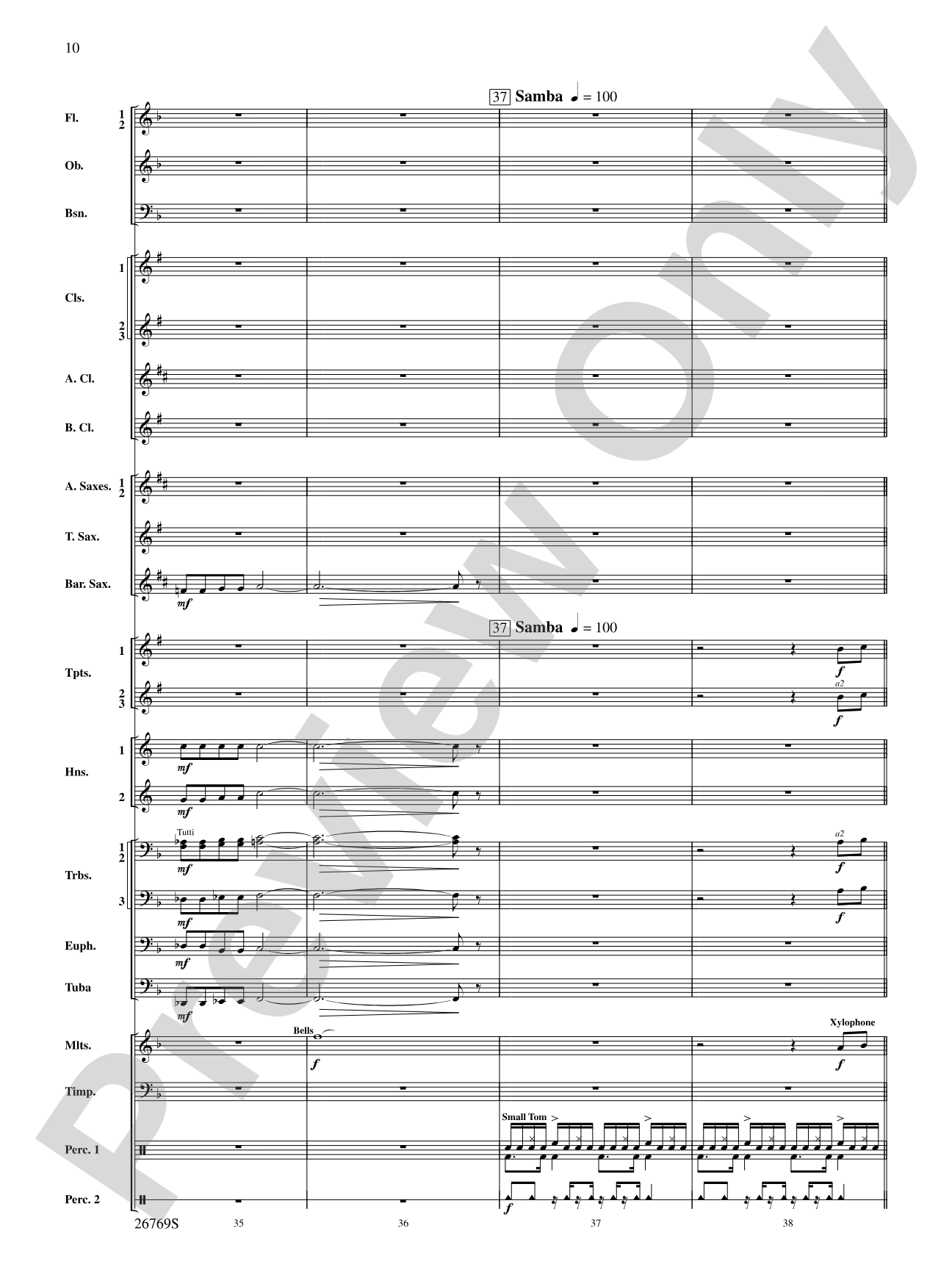
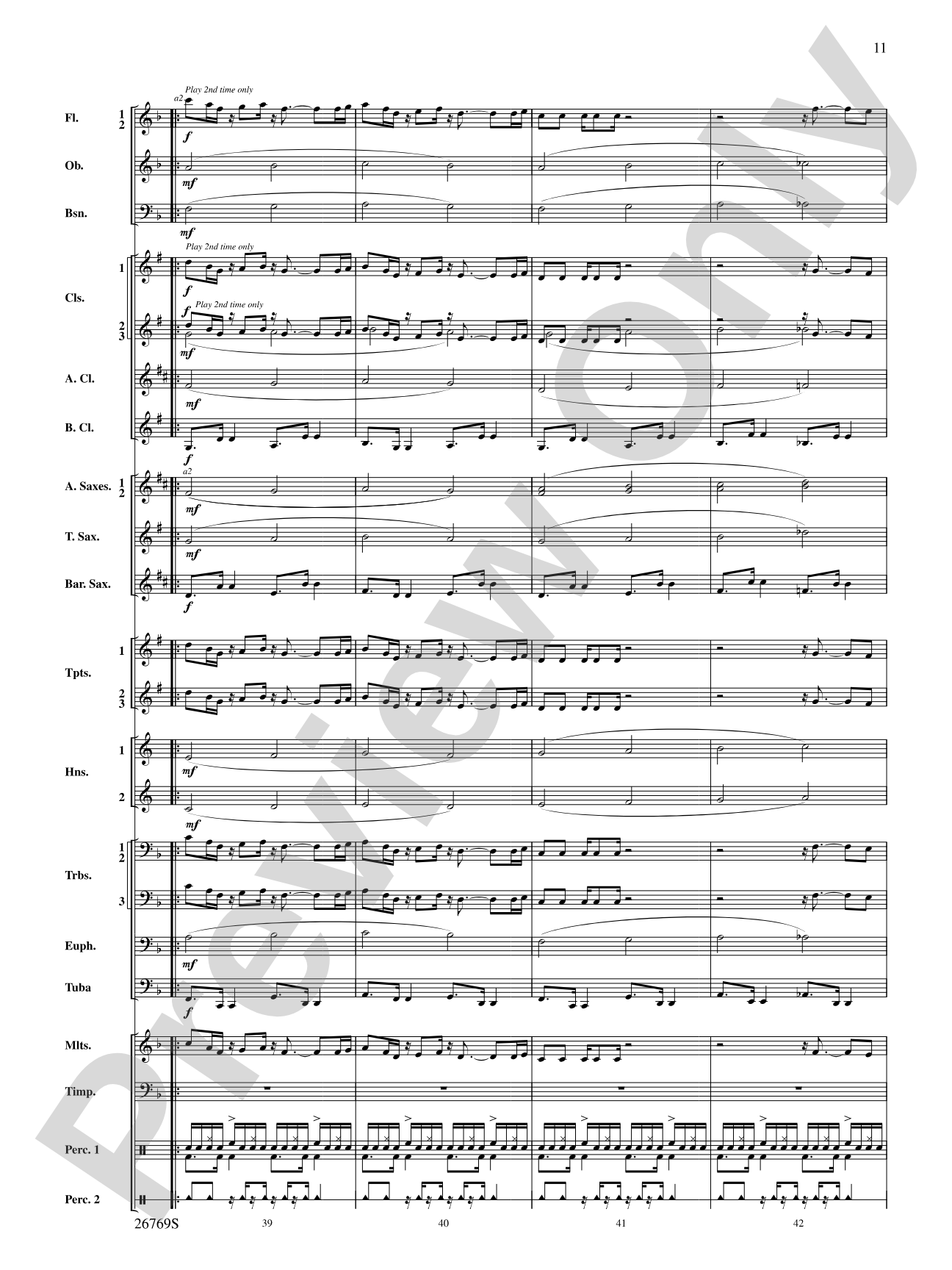
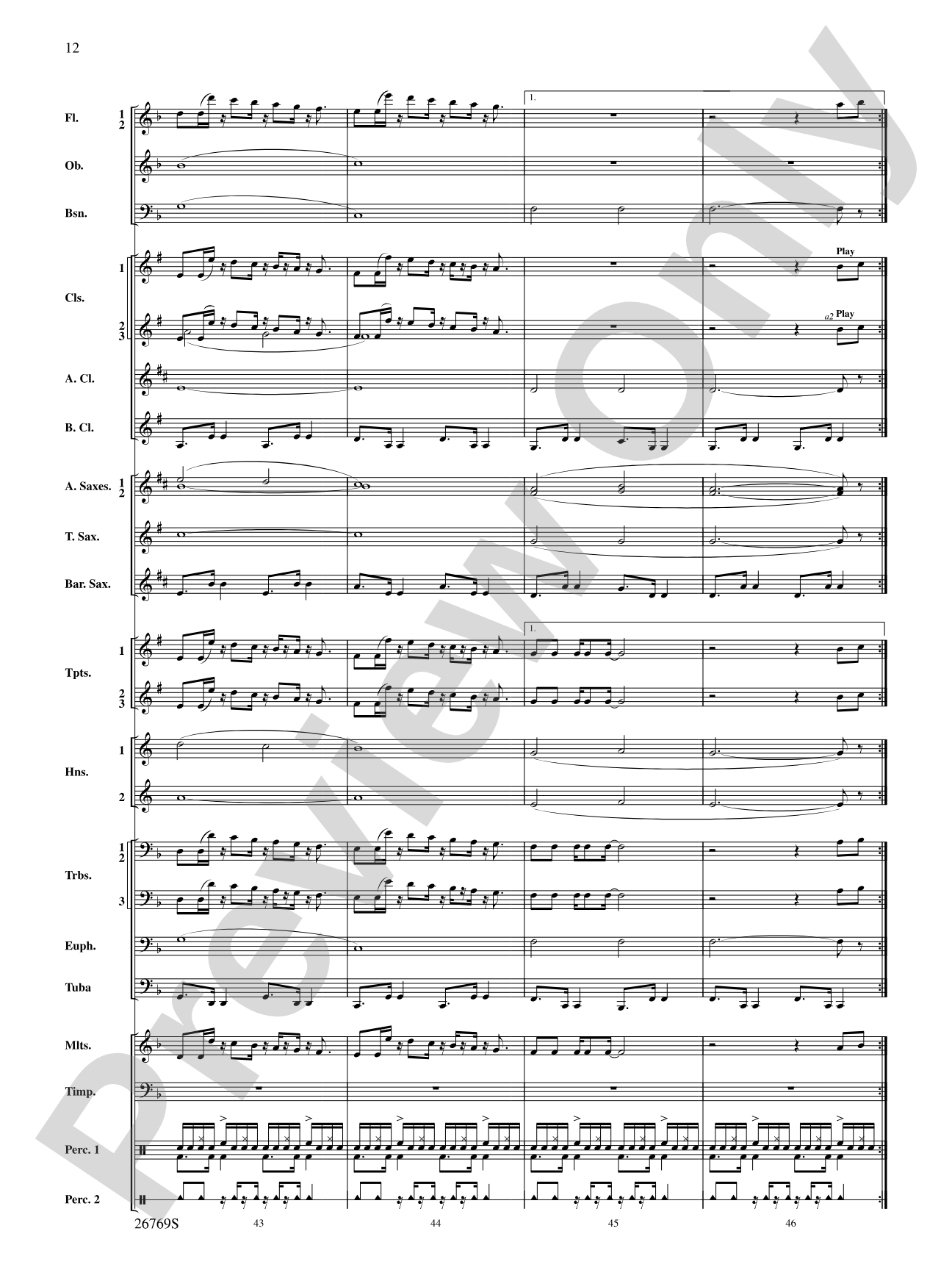
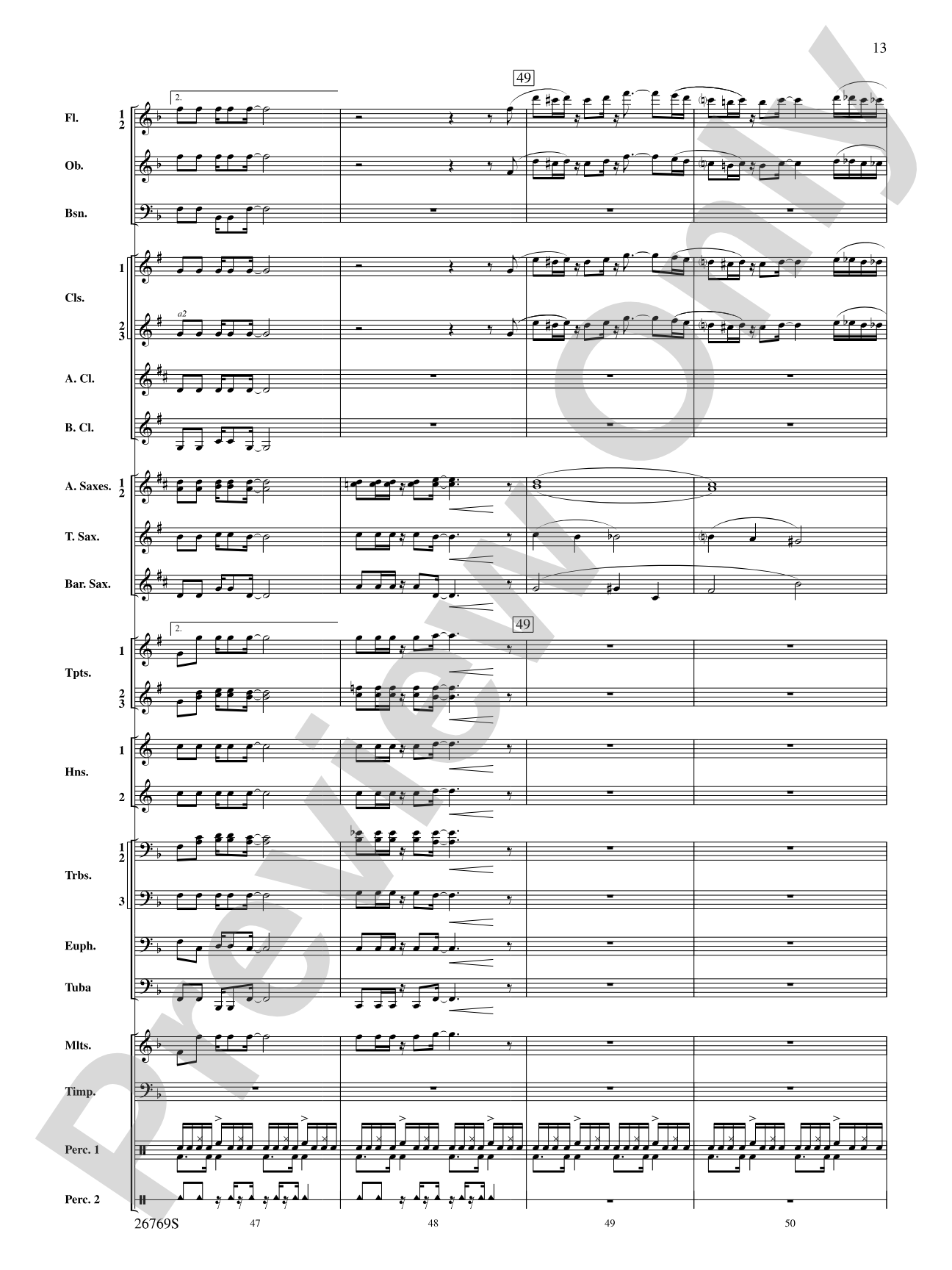
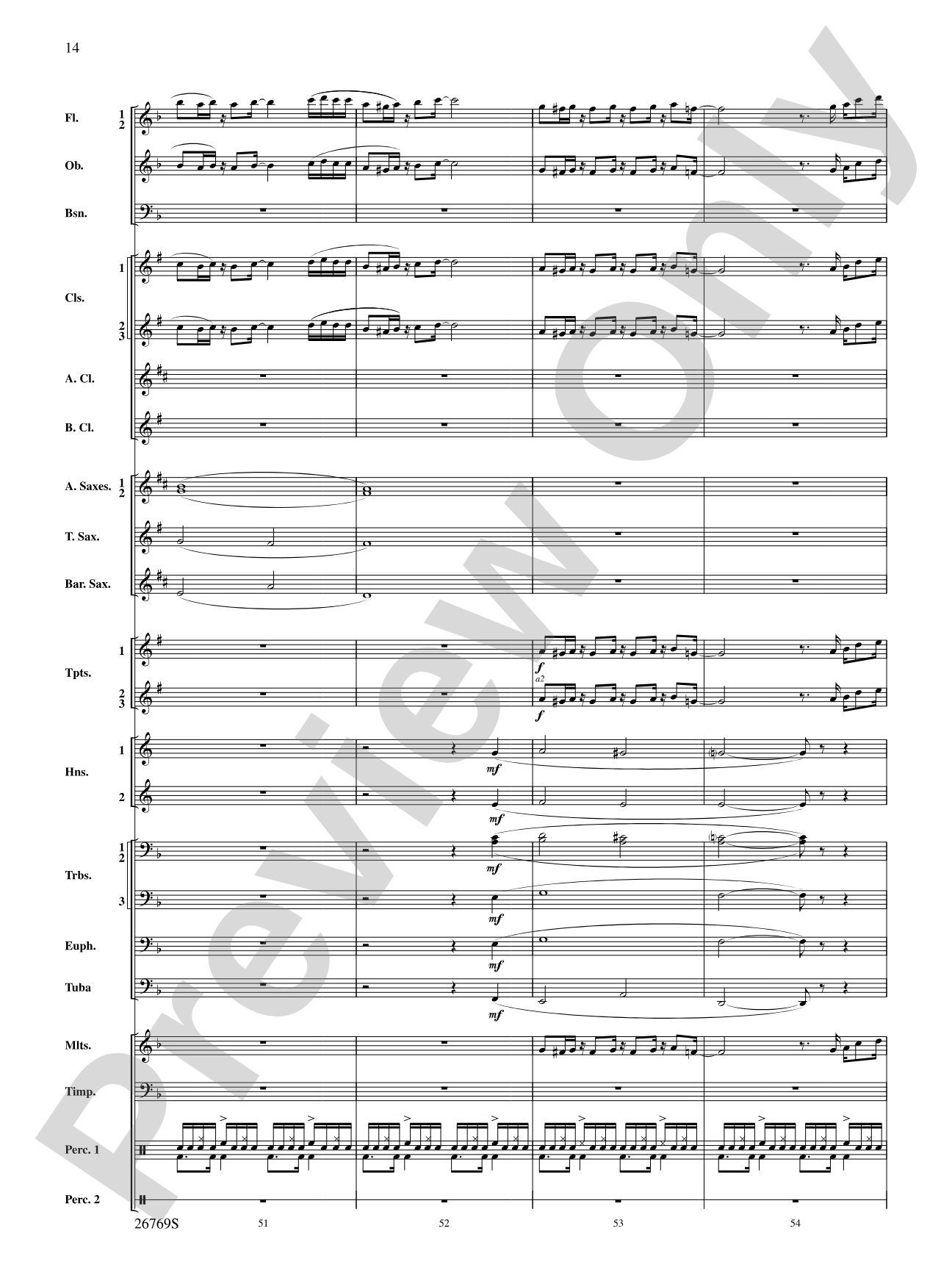
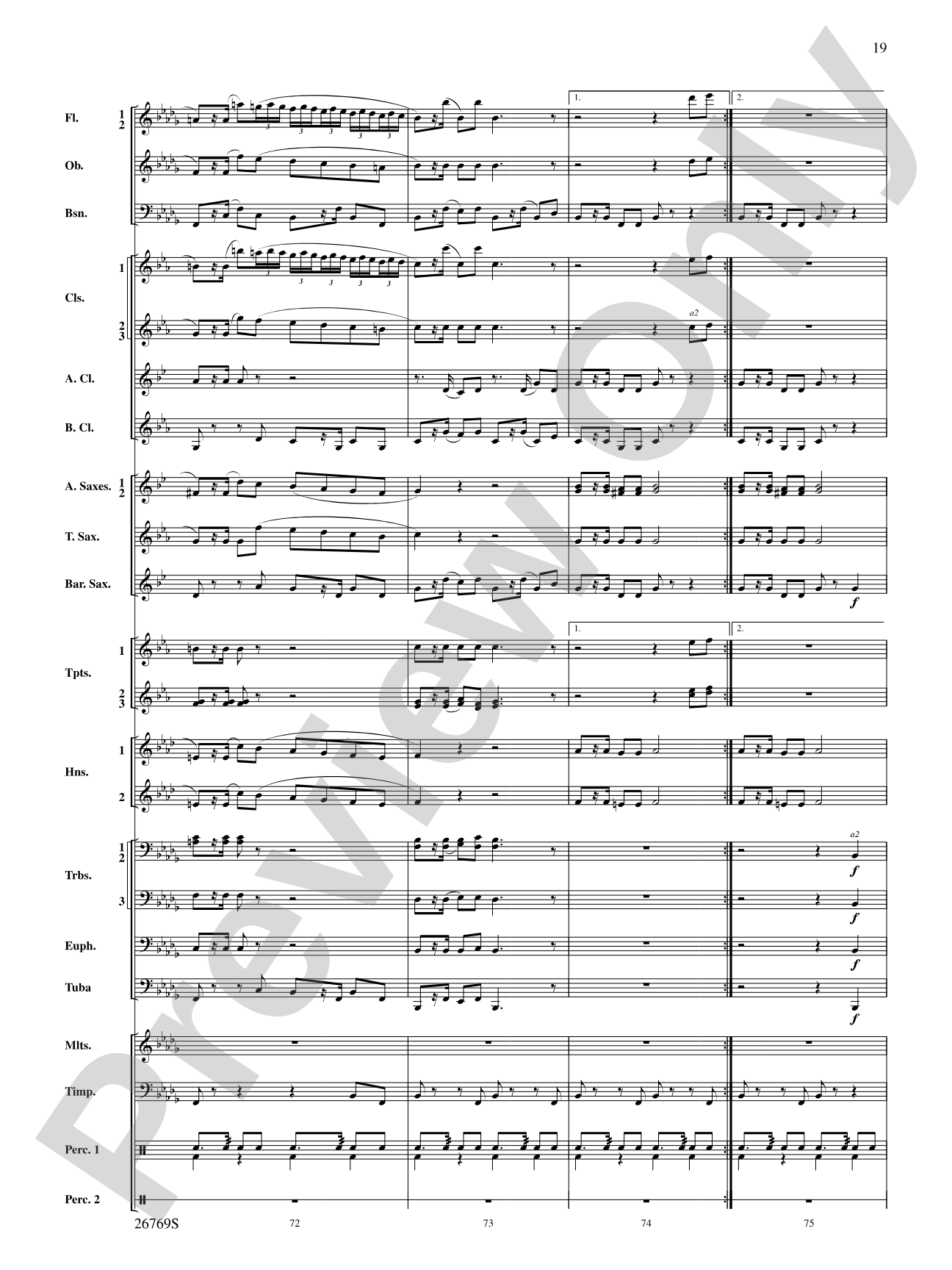
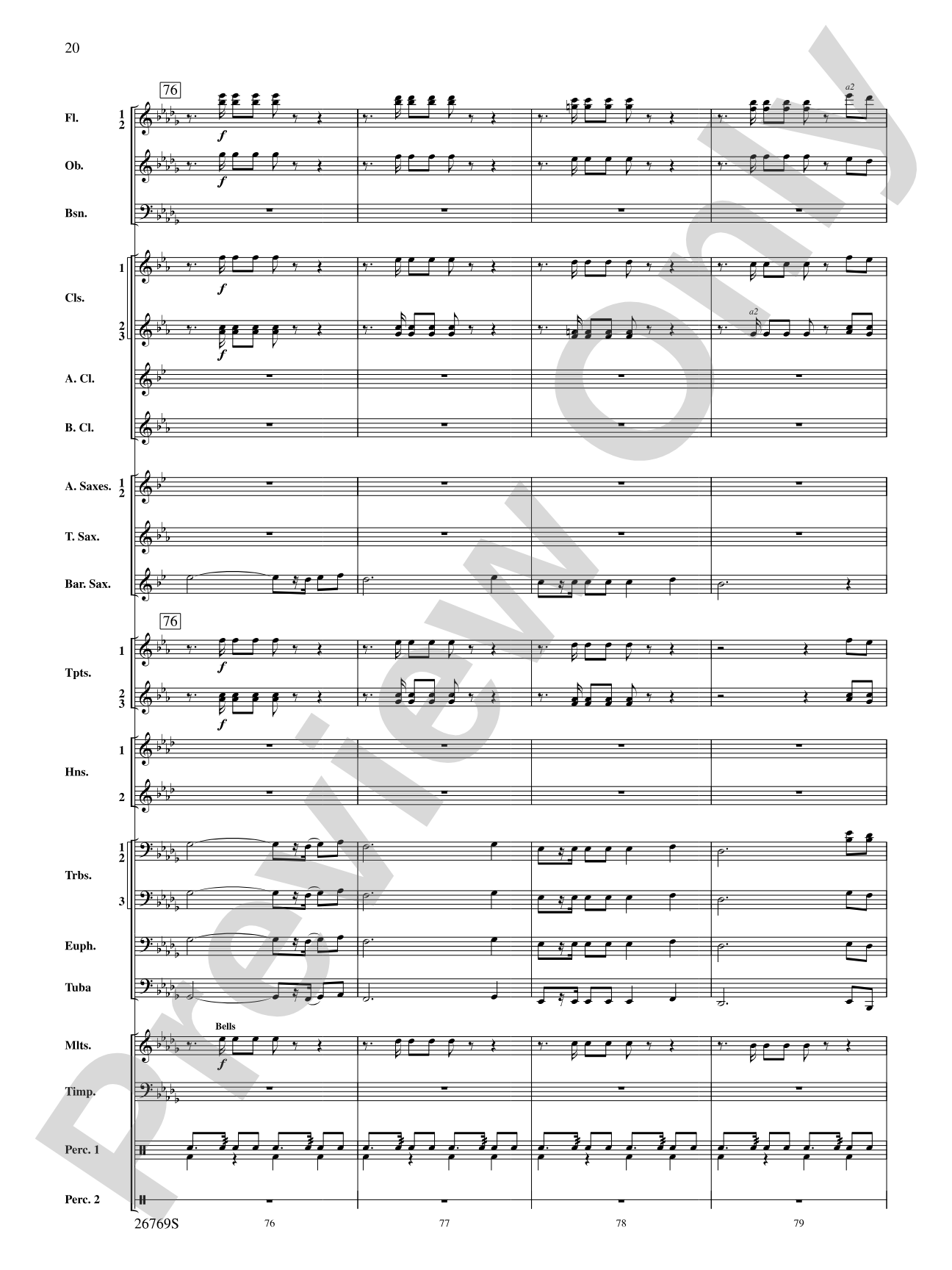
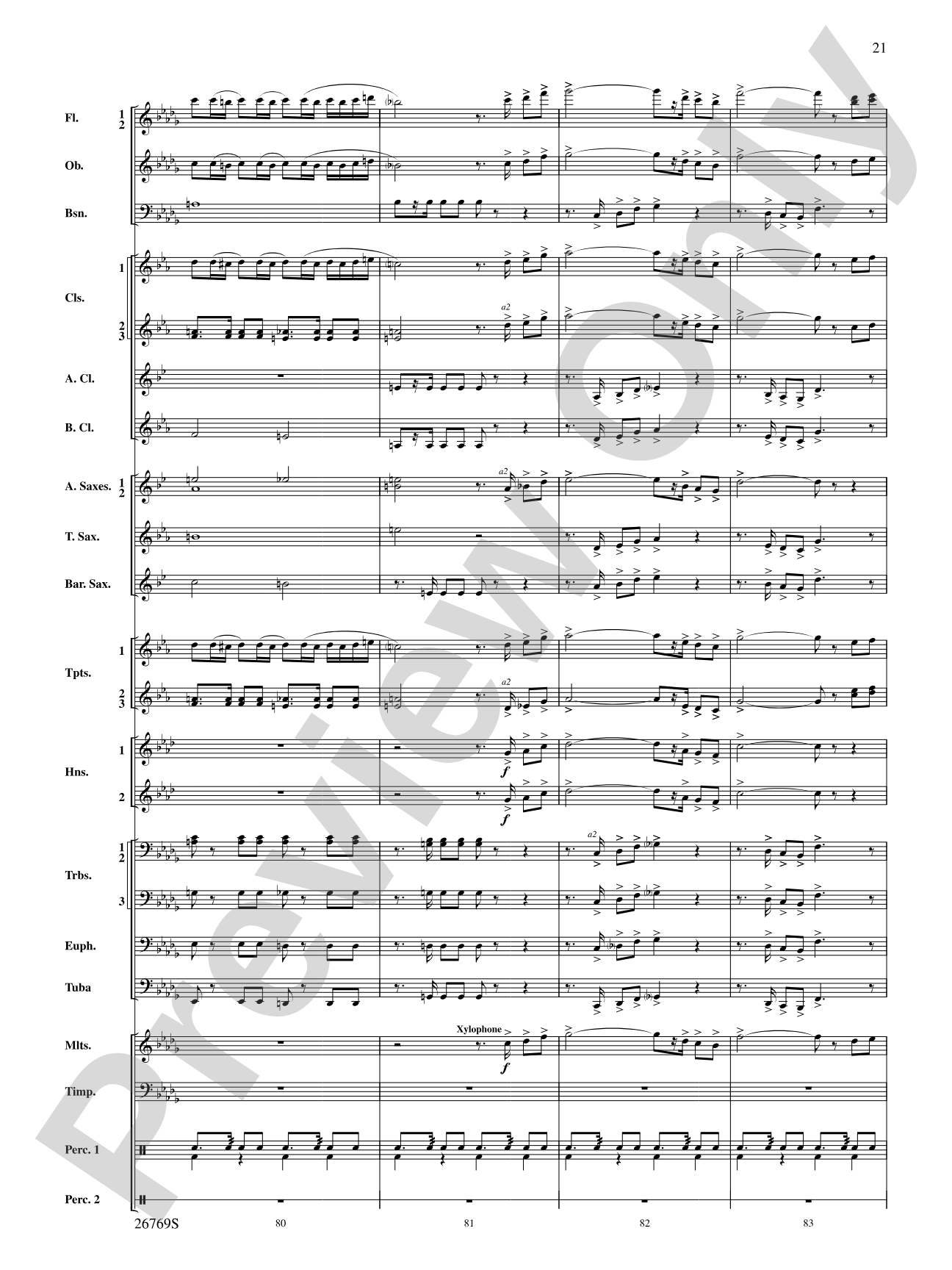
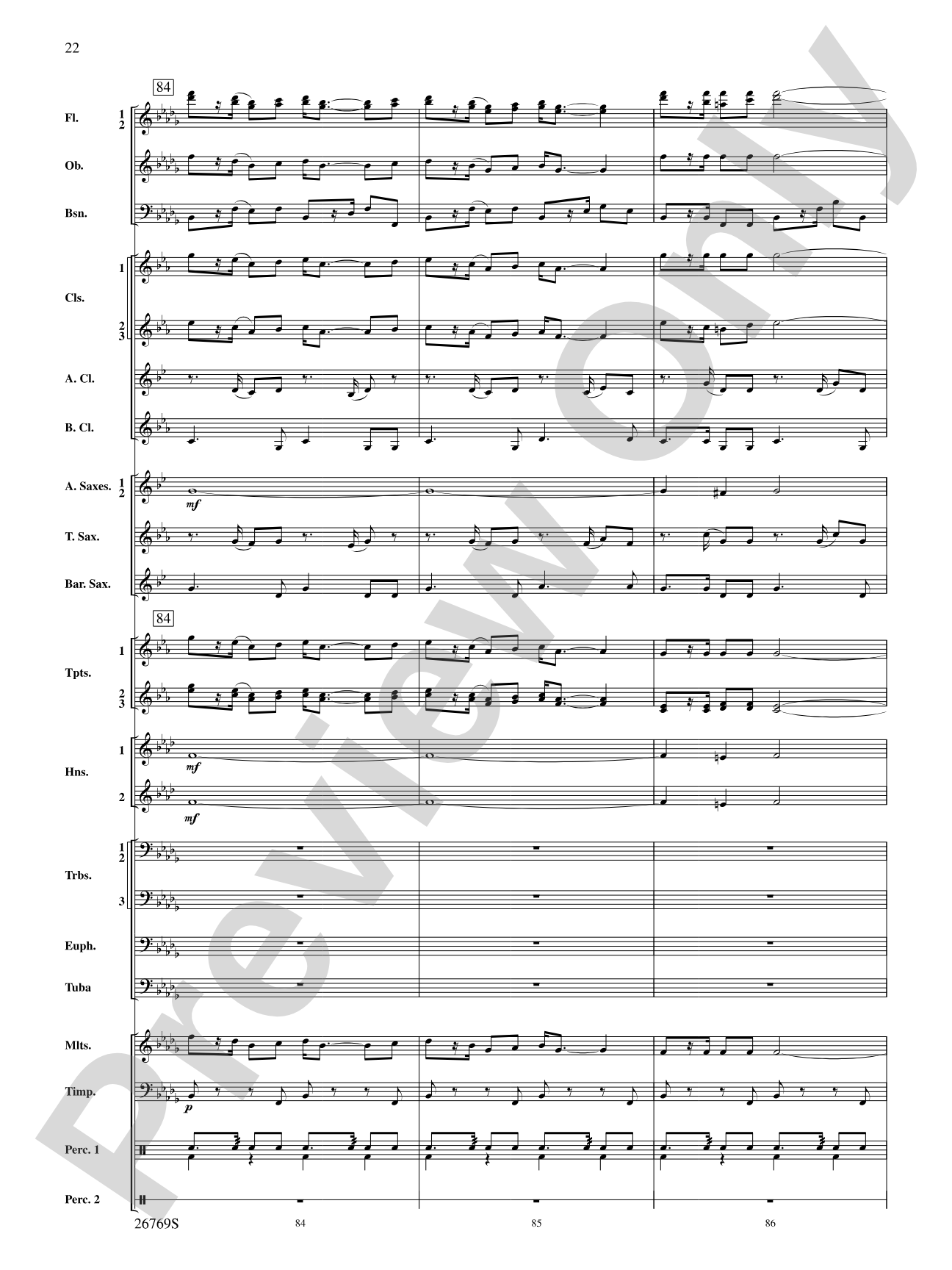

Variations on If I Only Had a Brain (from The Wizard of Oz): Concert Band Conductor Score & Parts
Music by Harold Arlen, lyric by E. Y. Harburg / arr. Roy Phillippe
Grade: 3 (Medium Easy)
Item: 00-PK-0001229

$65.00
One moment…
Description
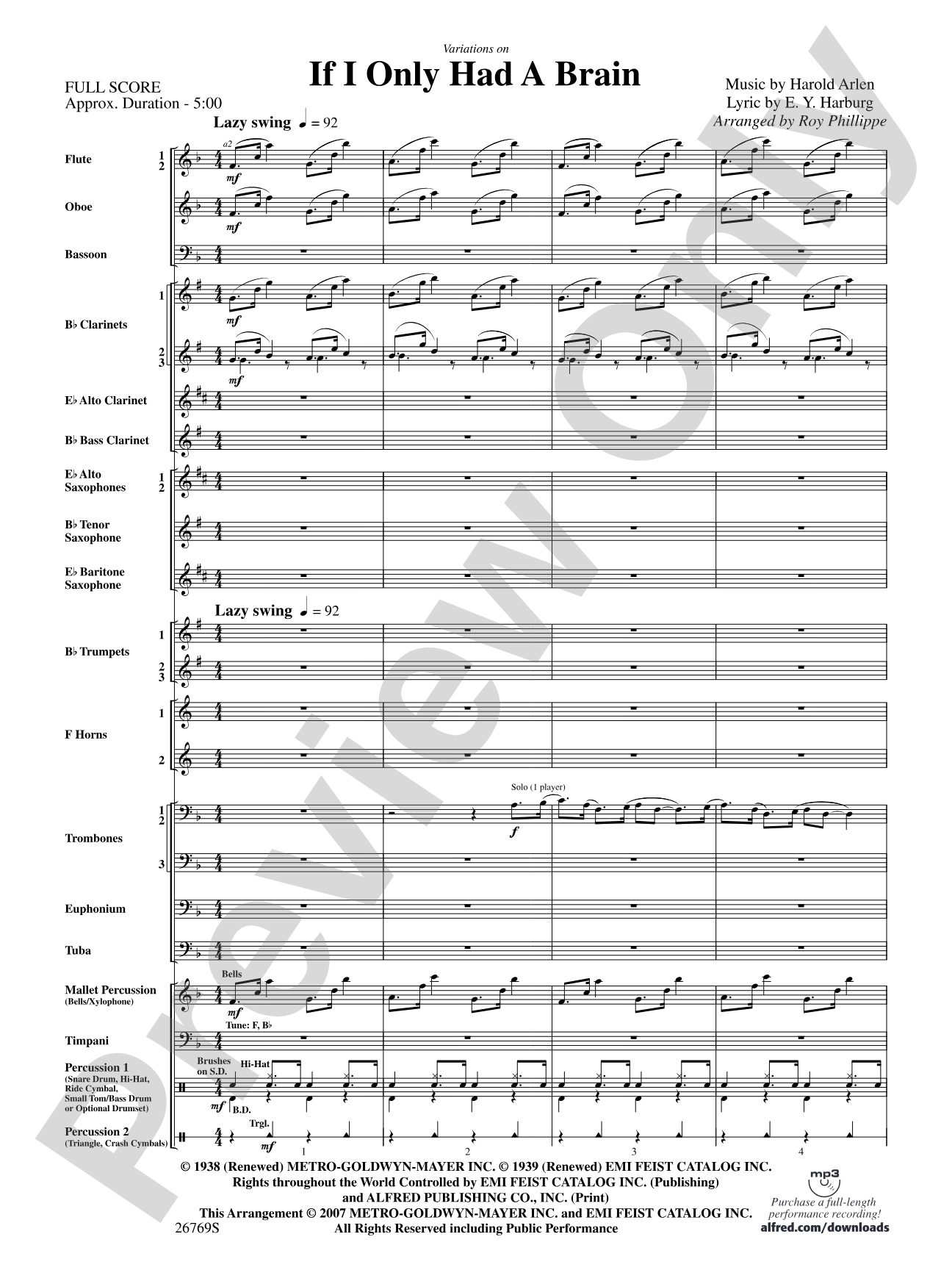
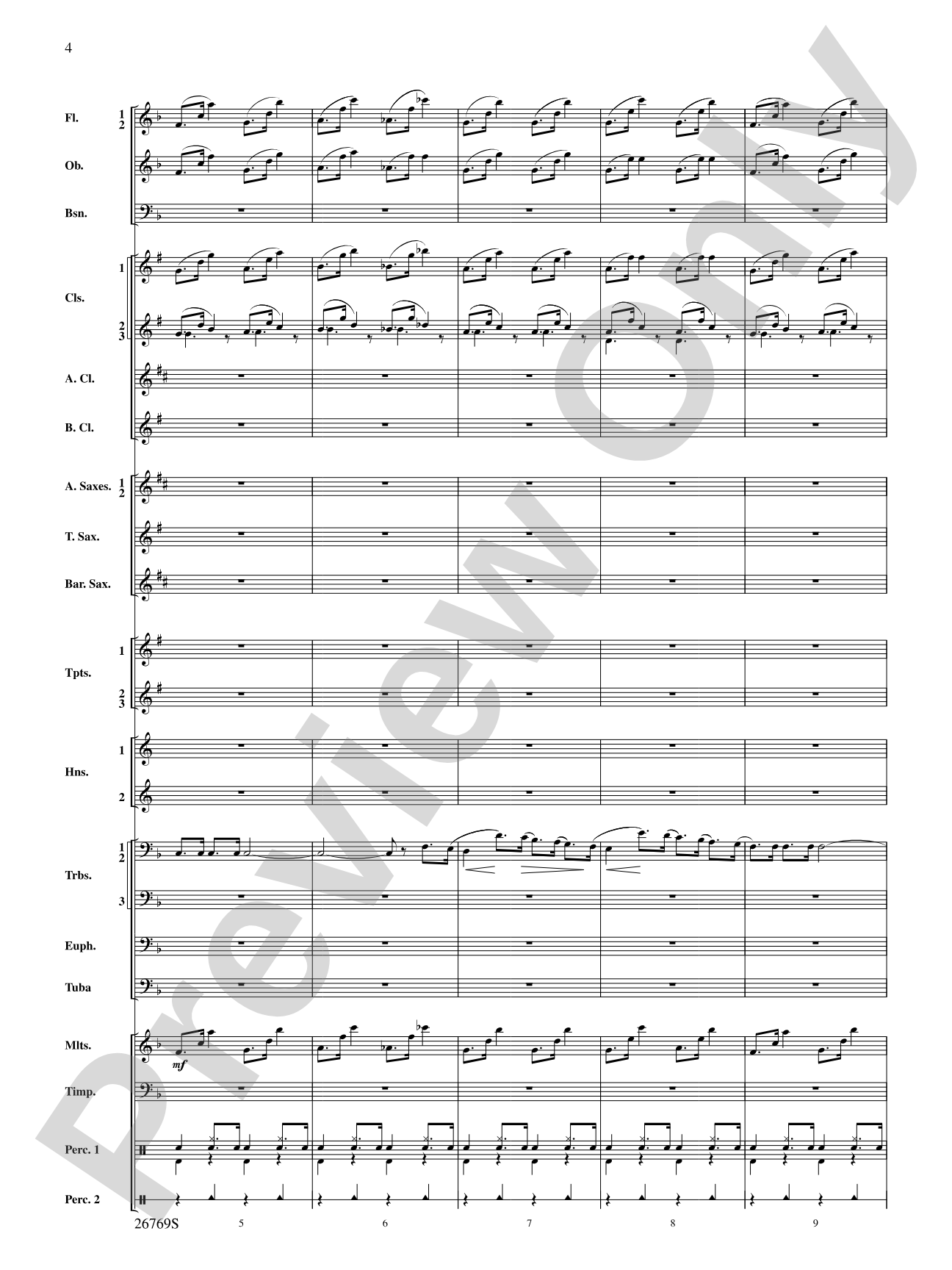
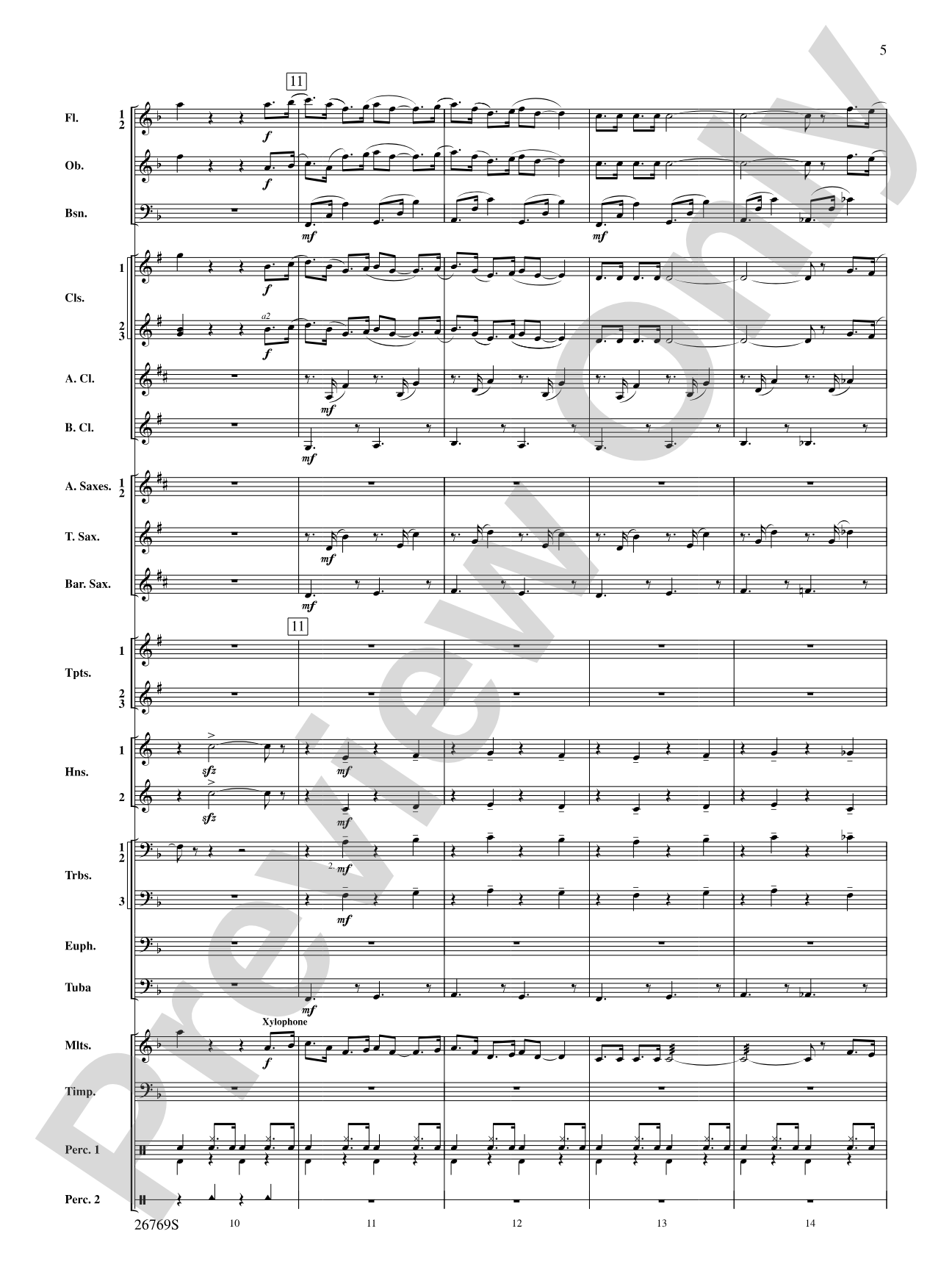
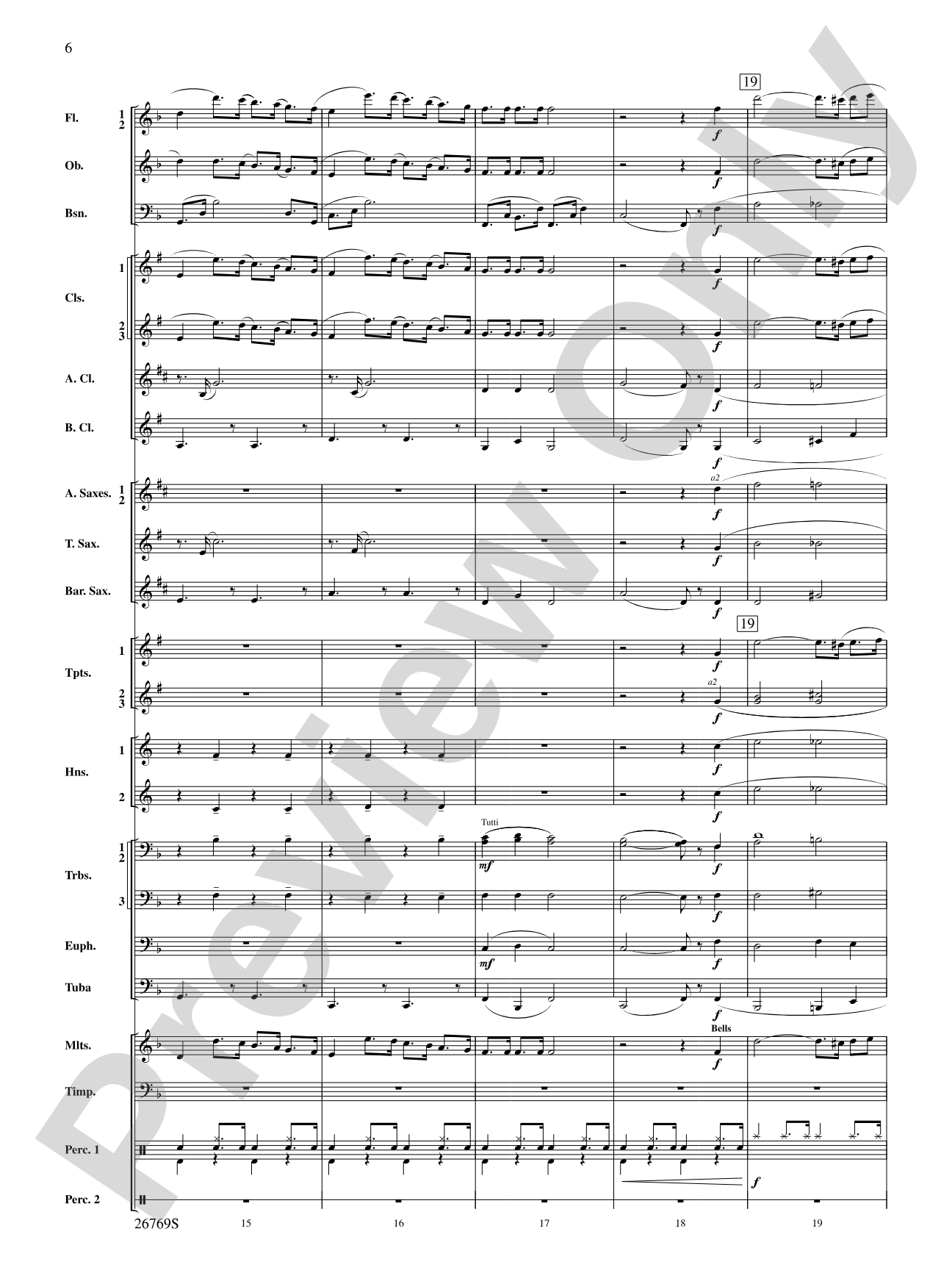
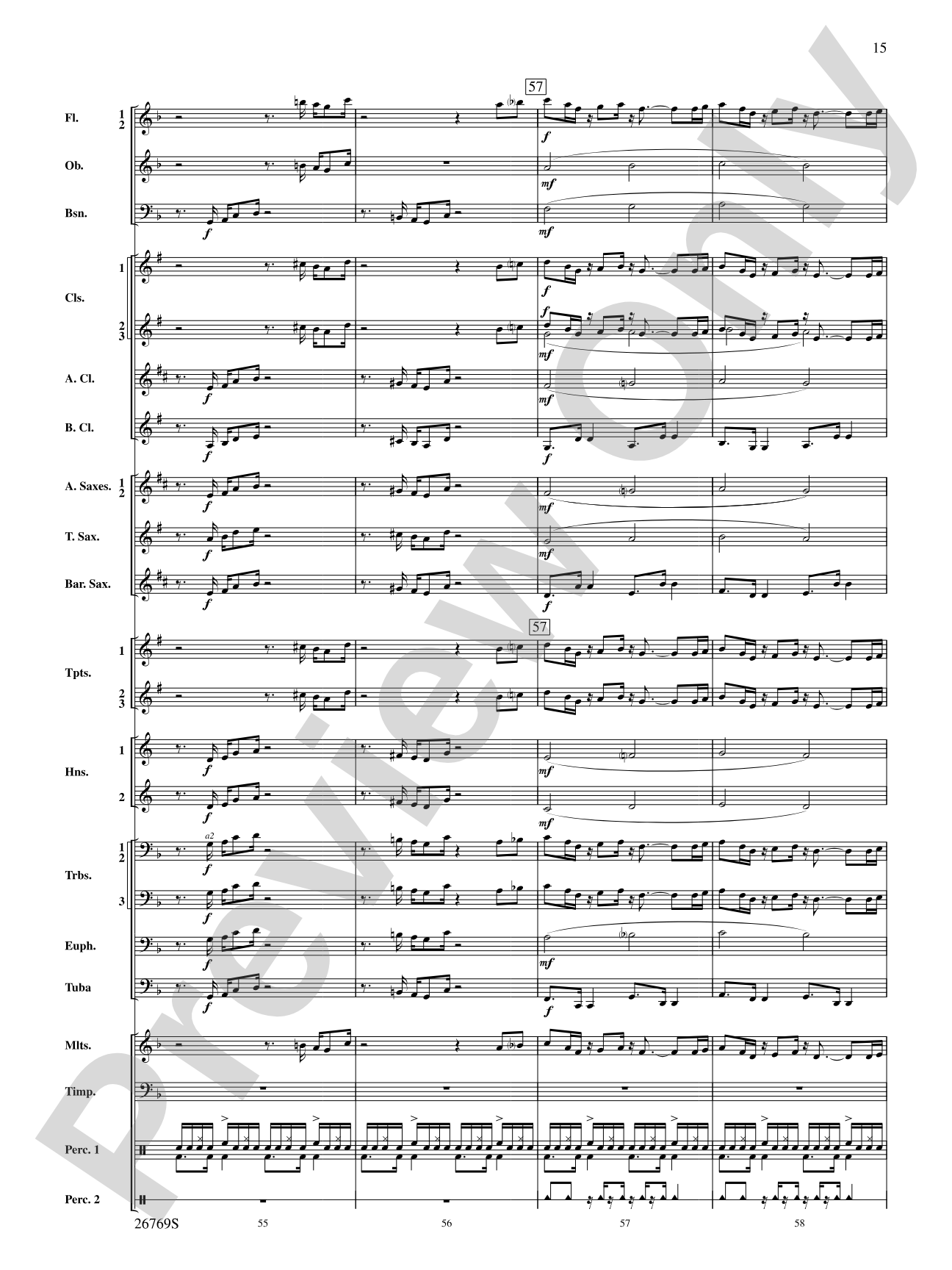
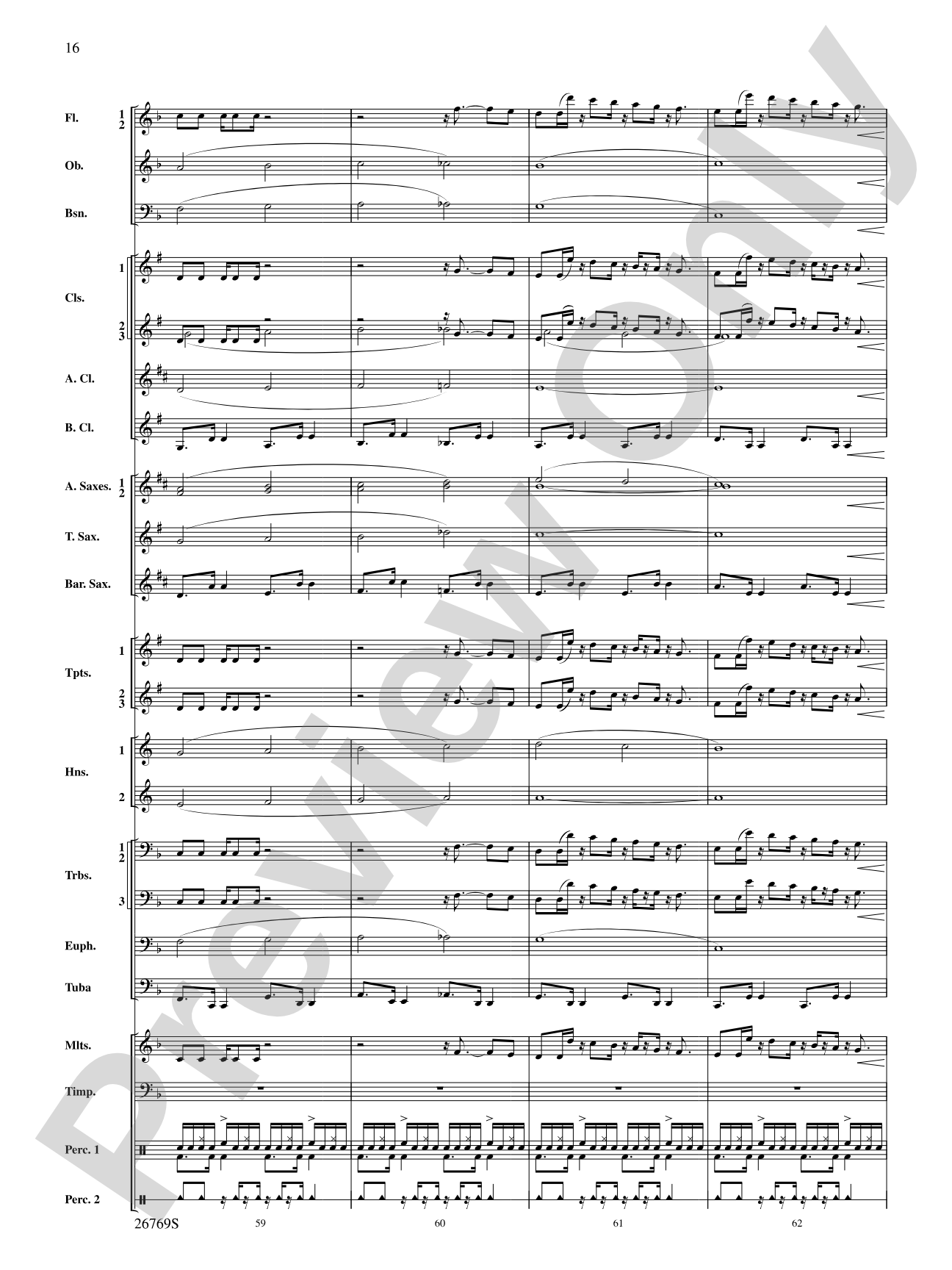
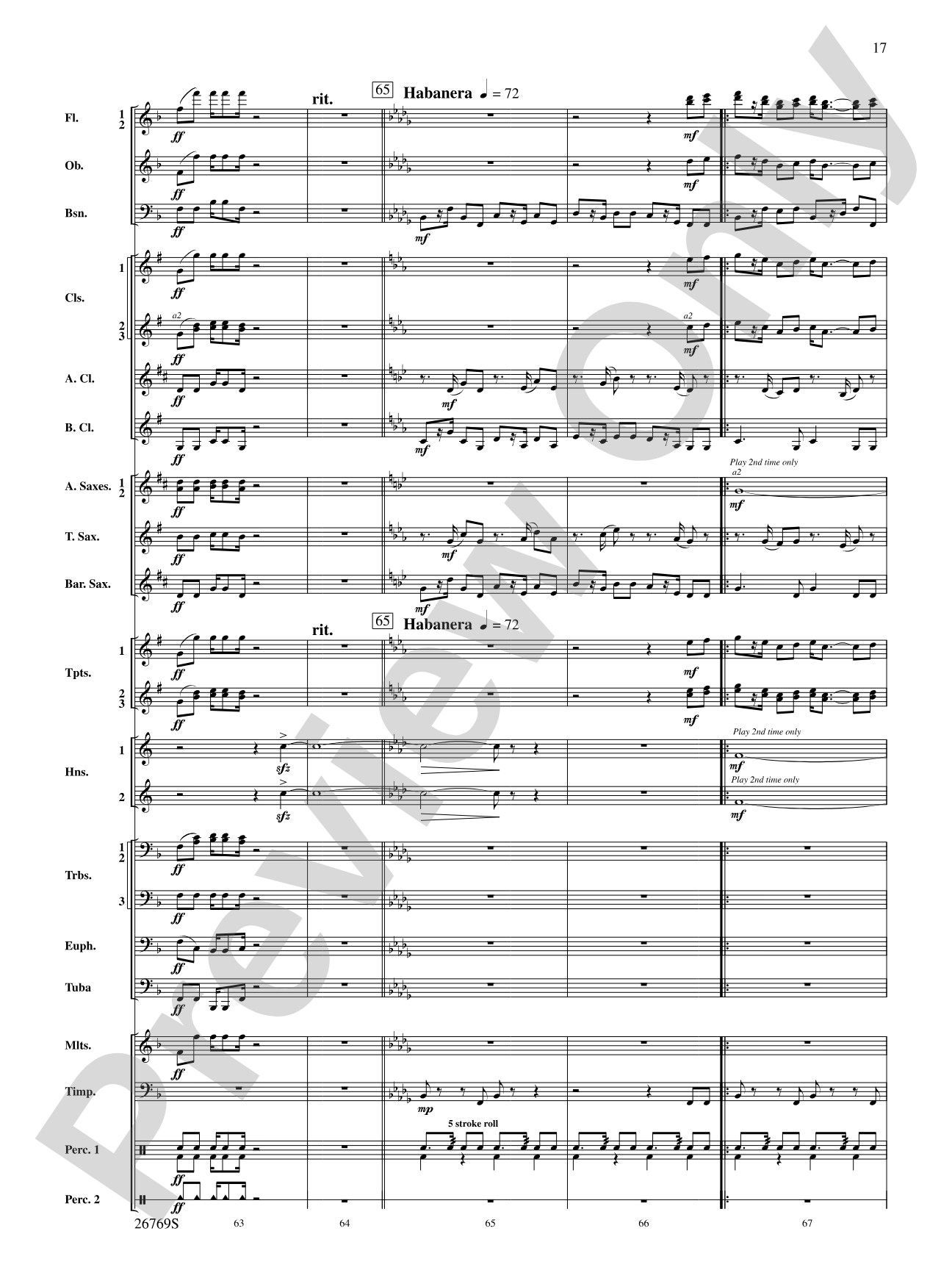
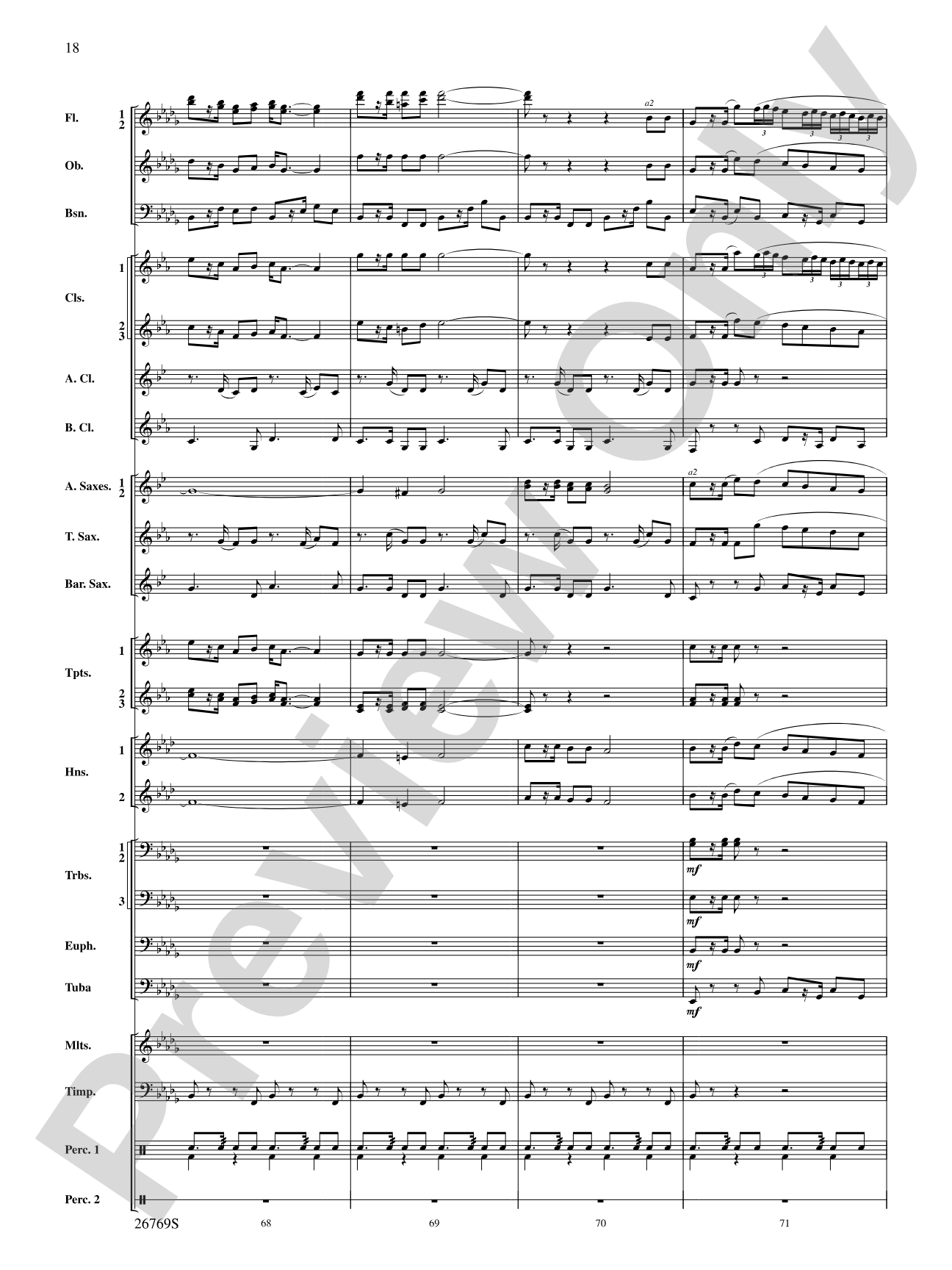
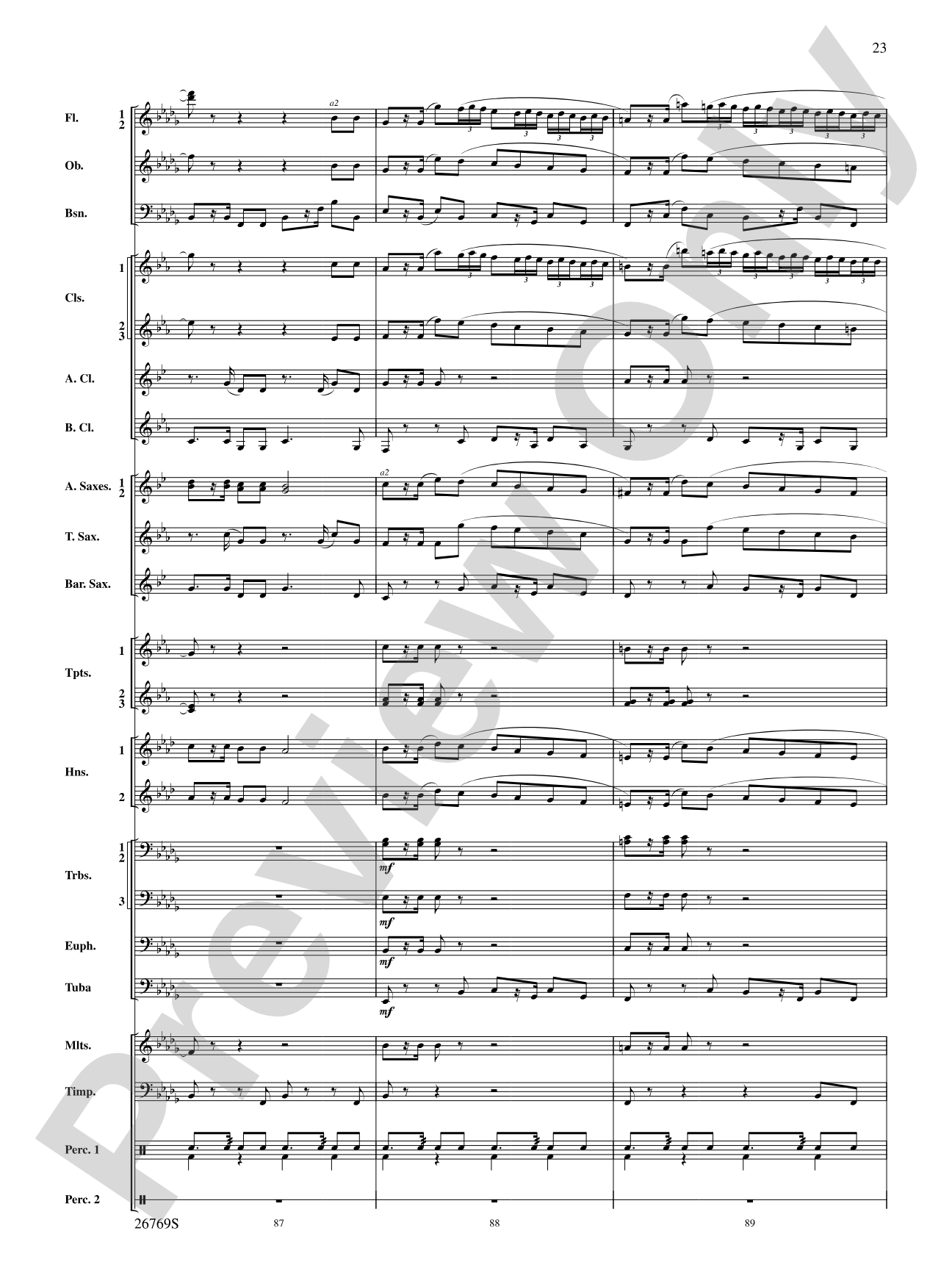
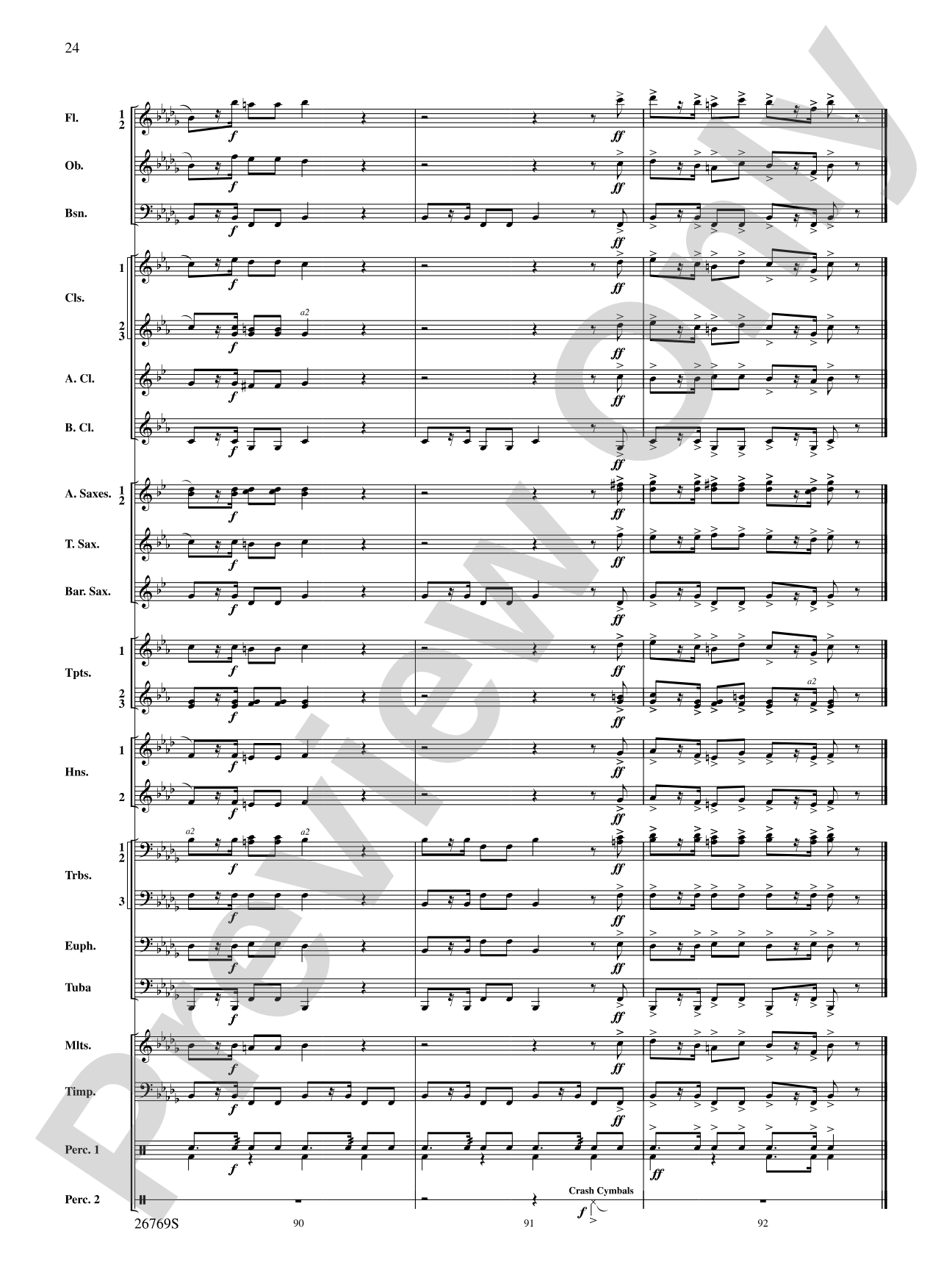
Roy Phillippe has crafted a collection of variations on this revered theme. The initial theme is stated by the trombones, and the styles include swing, samba and habanera. Great fun! This title is available in MakeMusic Cloud.


Don't just read it, hear it, play along with it, and watch your students grow with it. In MakeMusic Cloud, Variations on If I Only Had a Brain (from The Wizard of Oz): Concert Band Conductor Score & Parts comes alive with professional accompaniment, adjustable tempo, and built-in practice tools that turn solo practice into real progress.
Open in the Player
Jump straight in and assign it today.
Start Your Free Trial
Open this title and explore the full library in minutes.
Sample Audio
1
Audio File
--:--
0:00
0:00
Sample Video
No sample videos found.
Additional Details
Series:
Pop Concert Band
Publisher:
Alfred Music
Page Count:
120
SKU:
00-PK-0001229
More about this title
About the Composer: Harold Arlen
Harold Arlen (1905-1986) composed some of the most enduring melodies in American popular song, with a gift for writing themes that stick in the listener's ear immediately and never leave. His collaborations with lyricist E. Y. Harburg produced iconic songs for film and stage, most famously the score for The Wizard of Oz, where "If I Only Had a Brain" became one of cinema's most recognizable tunes.
Arlen's harmonic language blended jazz idioms with Broadway sophistication, making his work accessible to general audiences while offering enough musical substance to reward careful listening and performance. For band directors, his melodies provide excellent vehicles for teaching phrasing, style variation, and the art of making a simple theme sing across different instrumental colors.
Why we love this
Roy Phillippe's variations take a melody that every musician and audience member recognizes and transform it into a multi-movement exploration that keeps players engaged without overwhelming a Grade 3 ensemble. The parade of styles (swing, samba, habanera) gives your band a chance to explore genuine contrasts in groove and articulation, turning what could be a novelty into a legitimate teaching piece about stylistic flexibility.
What to expect
Playful and energetic throughout, with the opening trombone statement introducing that wistful familiarity before the arrangement launches into groove-based variations. Each new style feels like stepping into a different room of the same house, keeping the core melody recognizable while the rhythmic and harmonic landscape shifts underneath it.
Who it's for
Concert bands at the middle school or early high school level who want something entertaining and stylistically diverse without pages of exposed solos or difficult rhythmic unisons. This works equally well for groups building confidence and groups looking to program something that audiences recognize and enjoy.
How to get the most out of it
- Let the trombone section own the opening statement of the theme. They set the tone for everything that follows, so balance the opening so their melody cuts clearly through the texture.
- In the swing section, commit fully to the swing feel from the rhythm section outward. Looser articulation and a laid-back pulse make this style land; half-hearted swing reads as awkward.
- The samba and habanera require different rhythmic feels than the swing material. Mark these sections clearly in your score so you shift the ensemble's approach to subdivision and accent, not just tempo.
- Use dynamic contrast between sections to highlight the variety. Each style variation deserves its own dynamic profile so the form stays clear to the listener.
How to use it
This fits naturally on a spring or end-of-year concert where the band wants a crowd-pleasing moment alongside standard concert repertoire. The Grade 3 accessibility means you can build a set of variations pieces at this level, or program it as a palate-cleansing change of pace between classical or lyrical selections.
Skills your students will build
- Stylistic contrast and shift (swing feel, samba groove, habanera rhythm)
- Leading and following in sectional textures (giving and receiving melodic focus)
- Maintaining rhythmic precision through tempo-based variations
- Dynamic shaping and phrasing across different harmonic contexts
- Ensemble blend and balance when the melody passes between instrumental choirs