
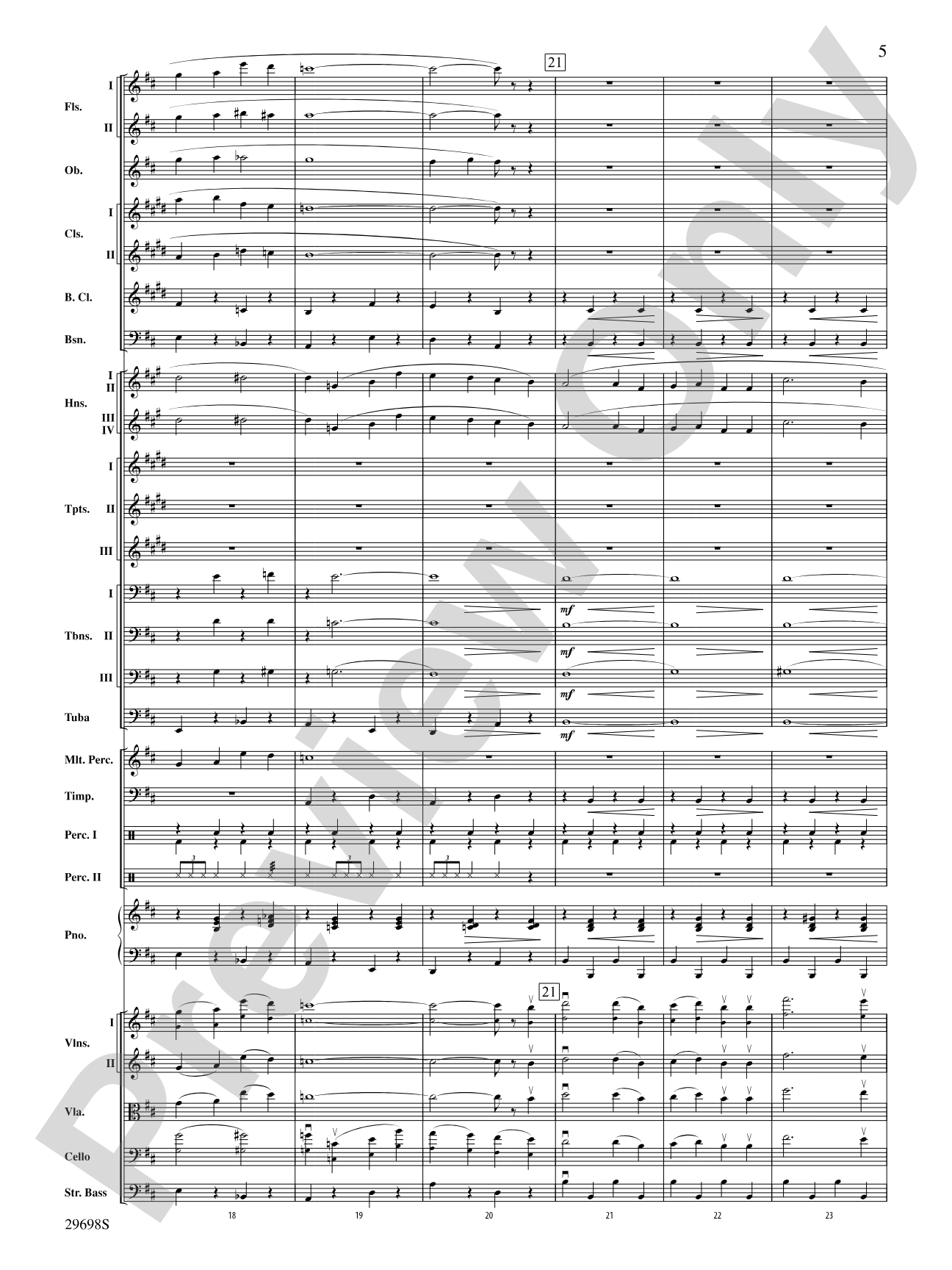
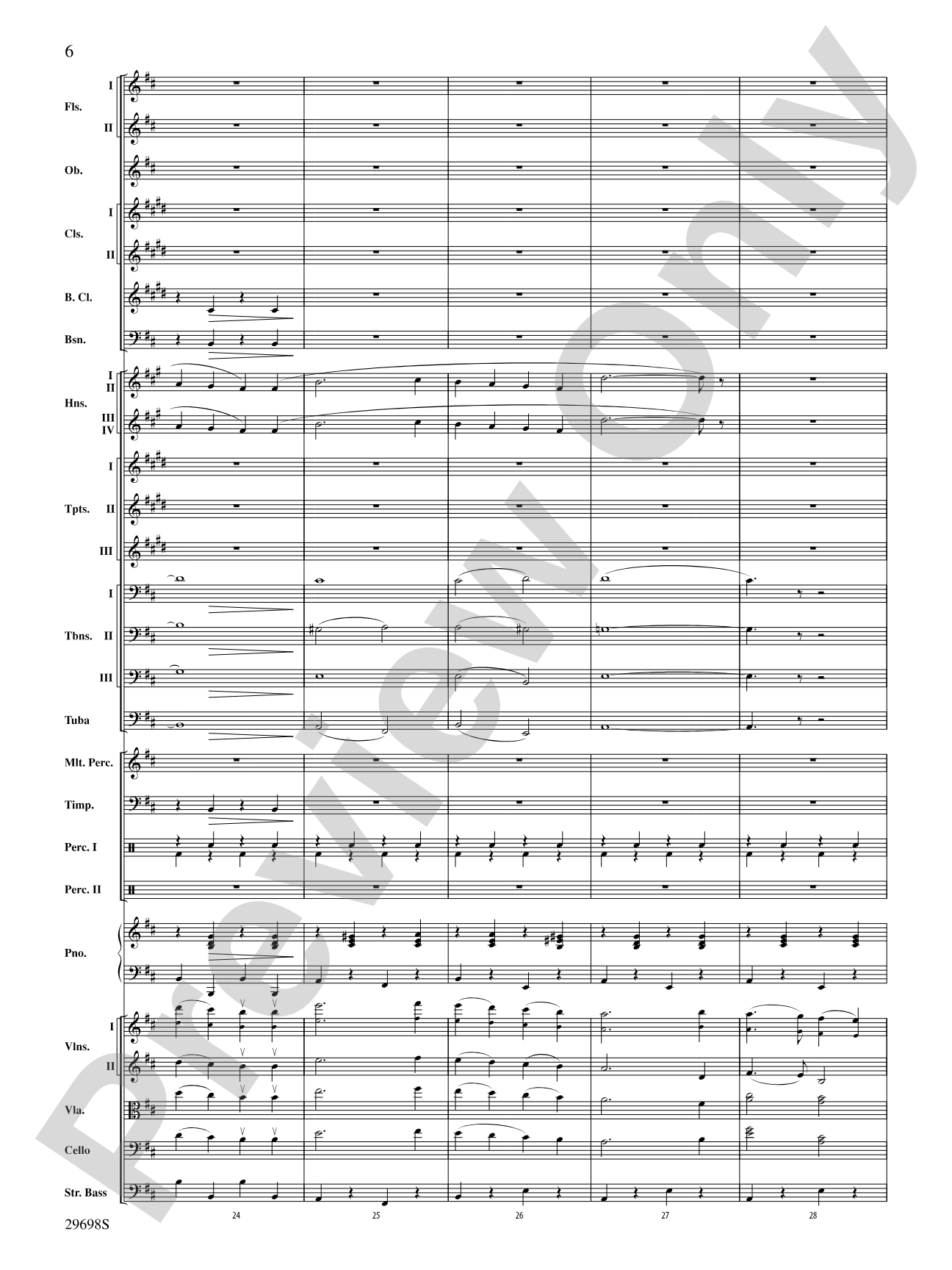
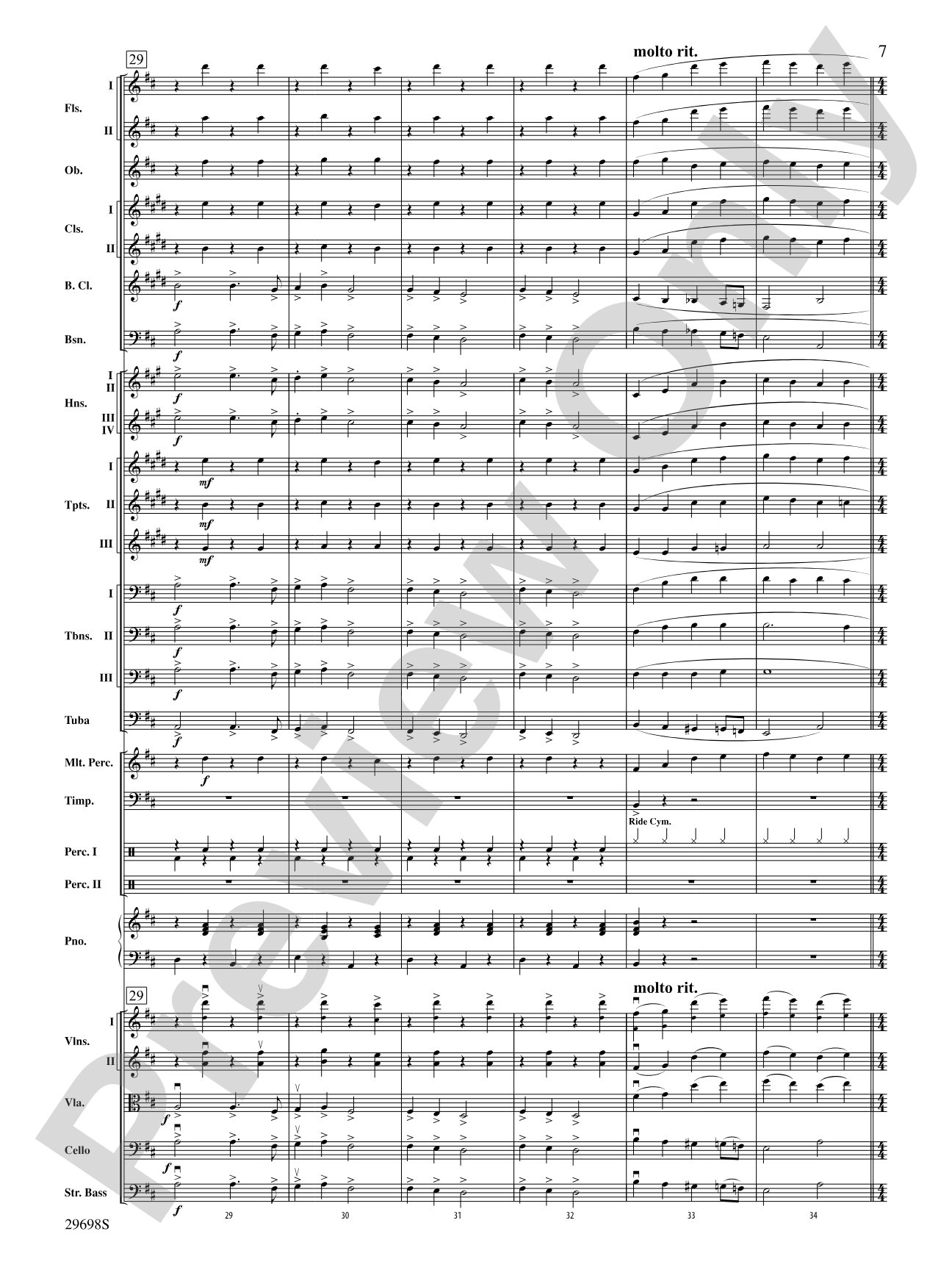
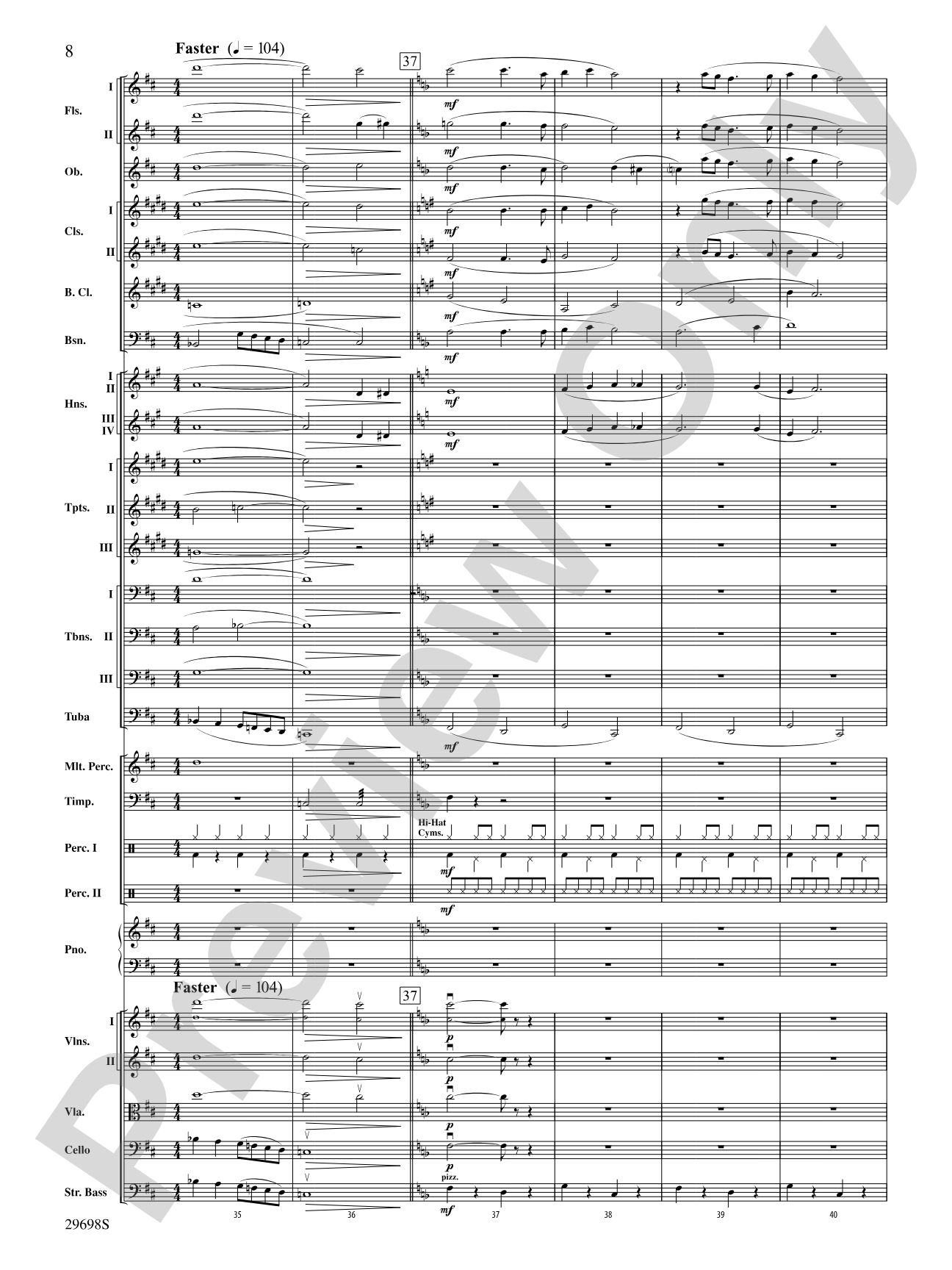
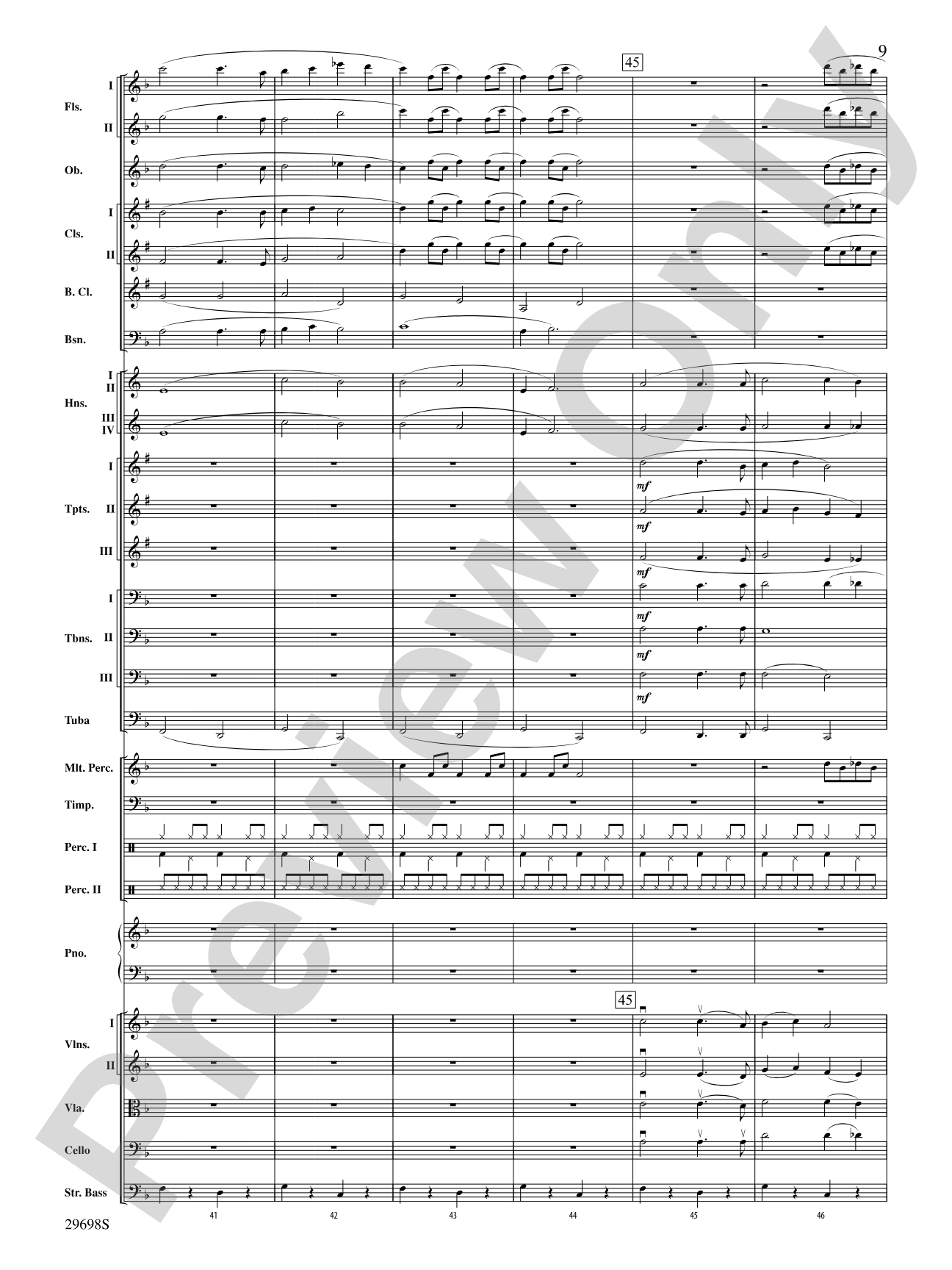
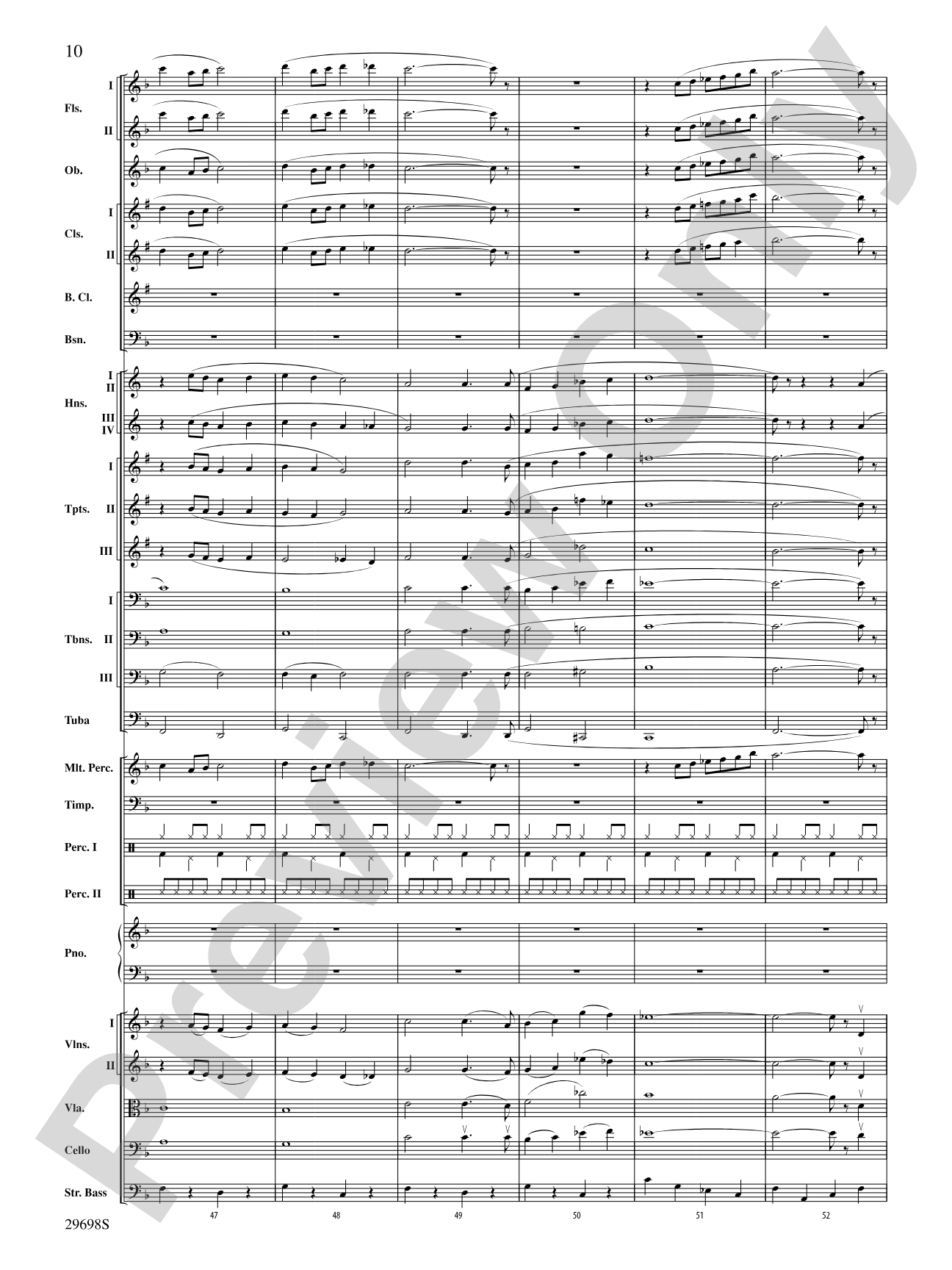
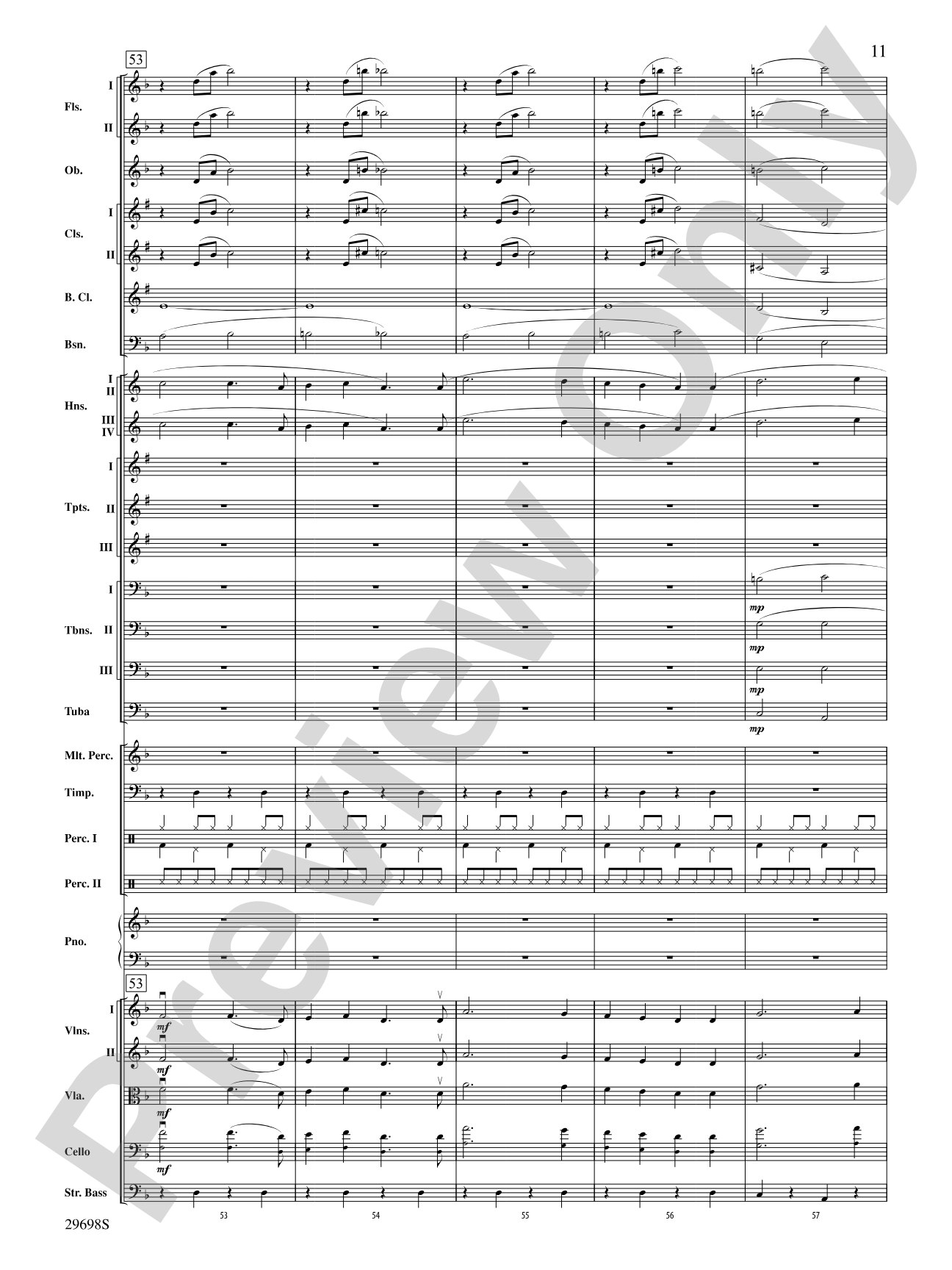
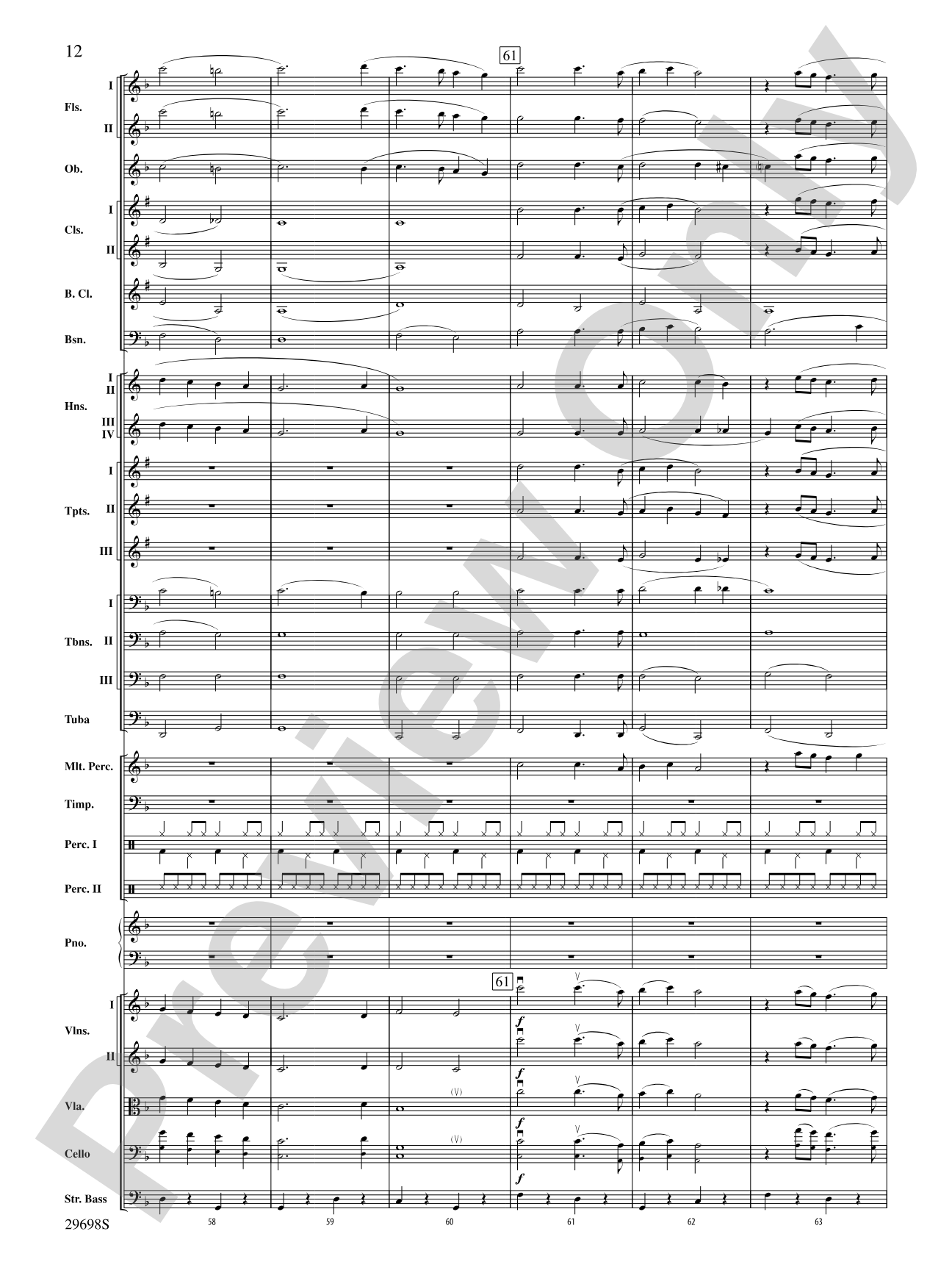
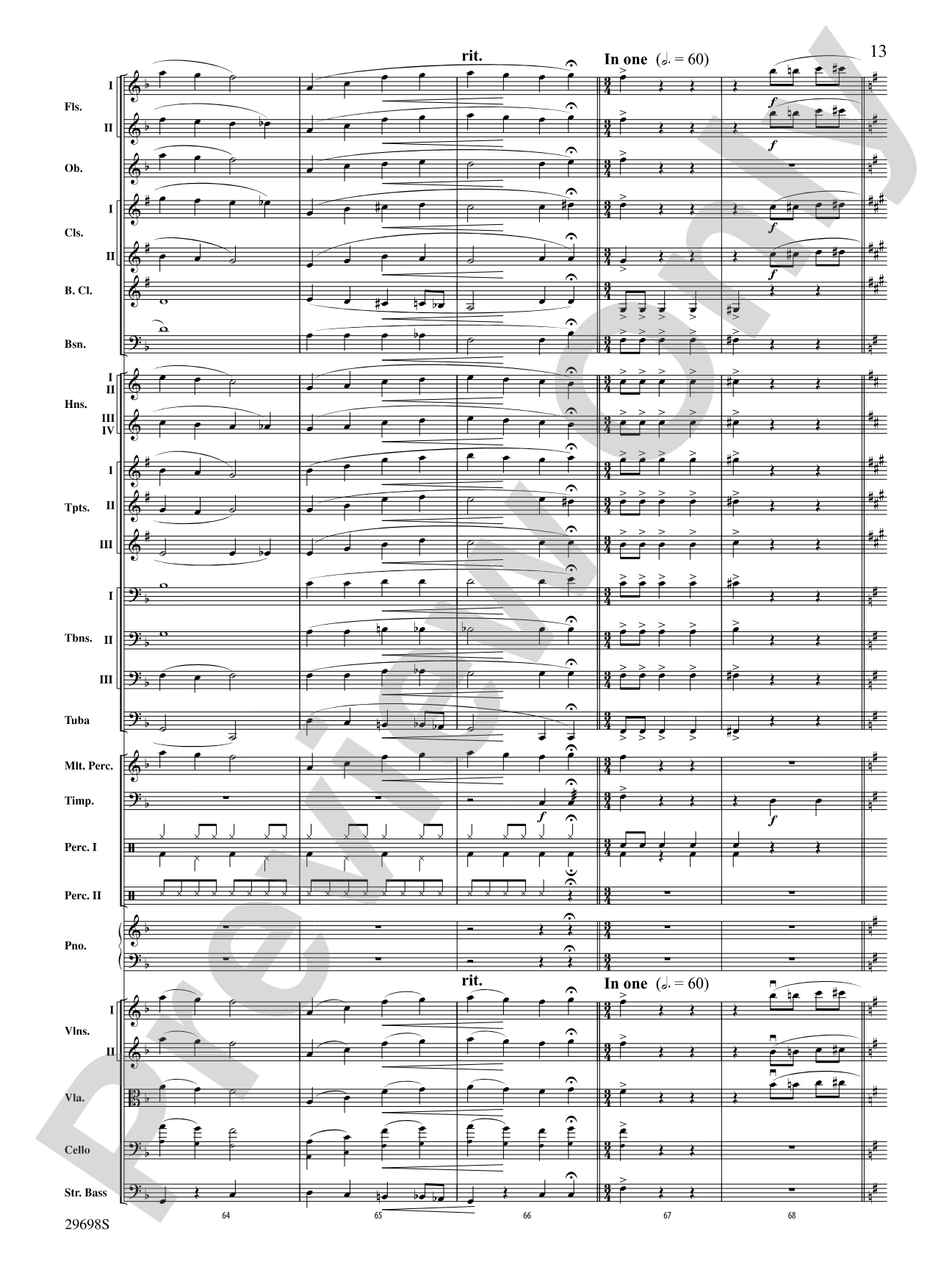
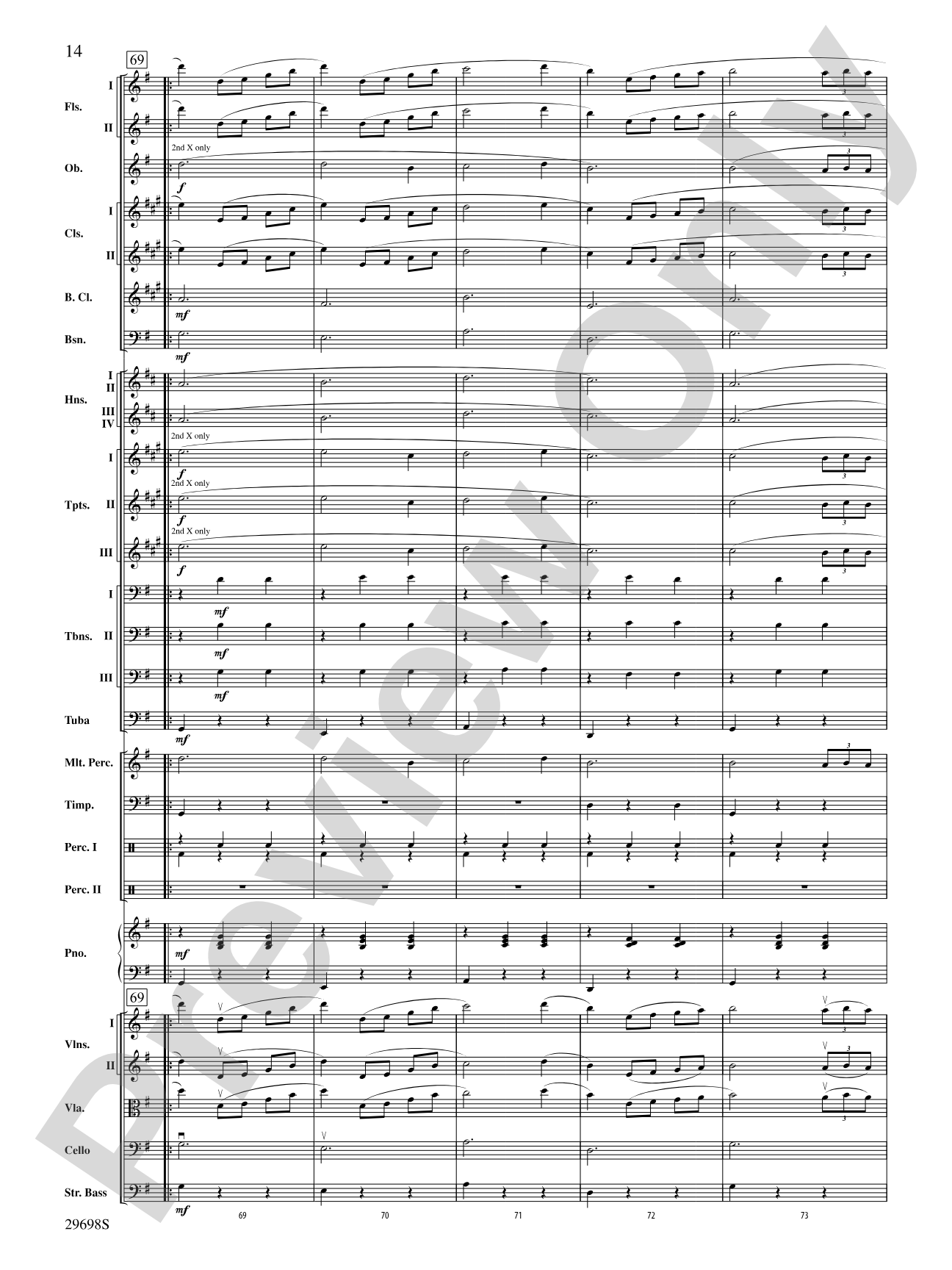
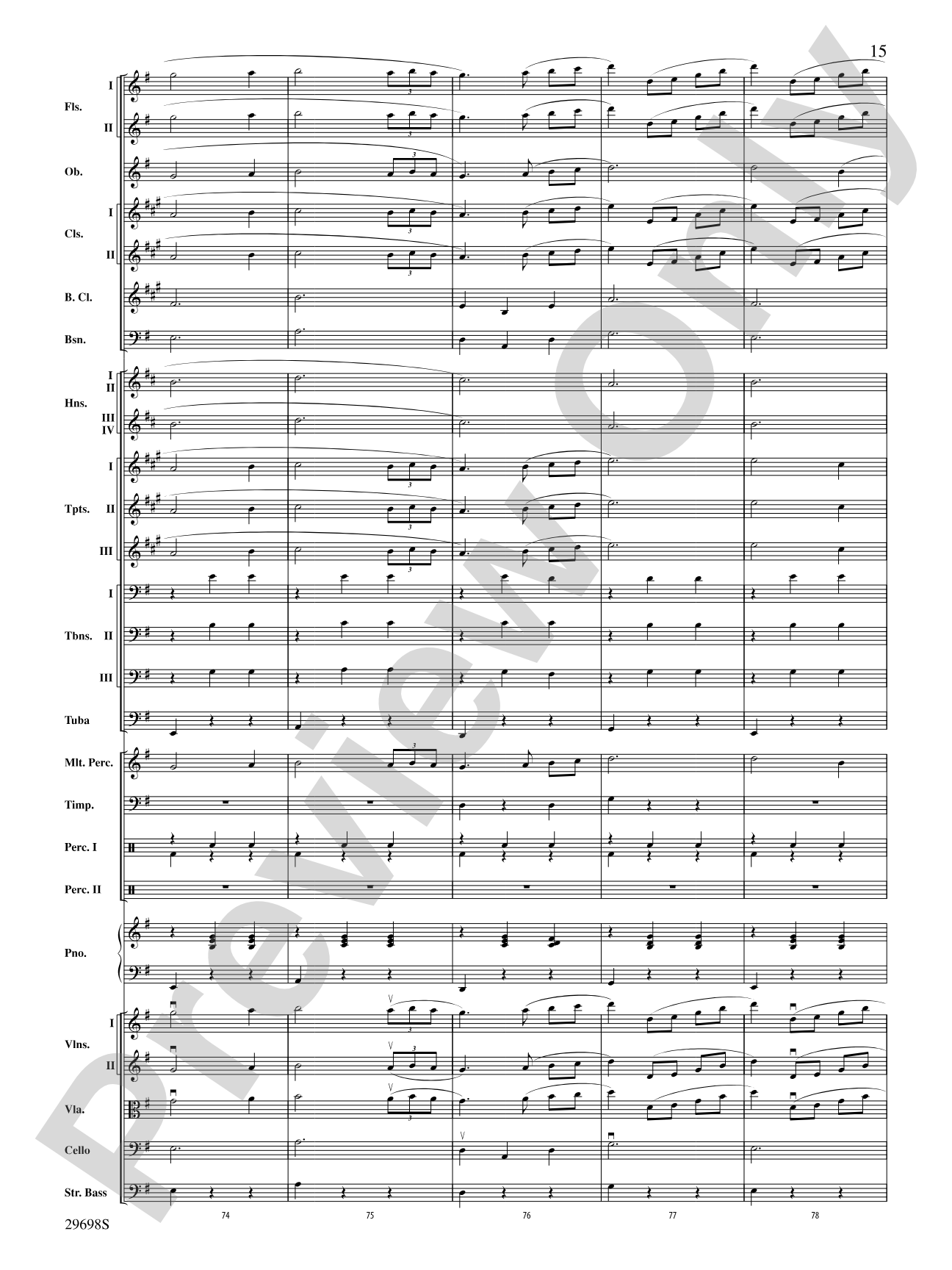
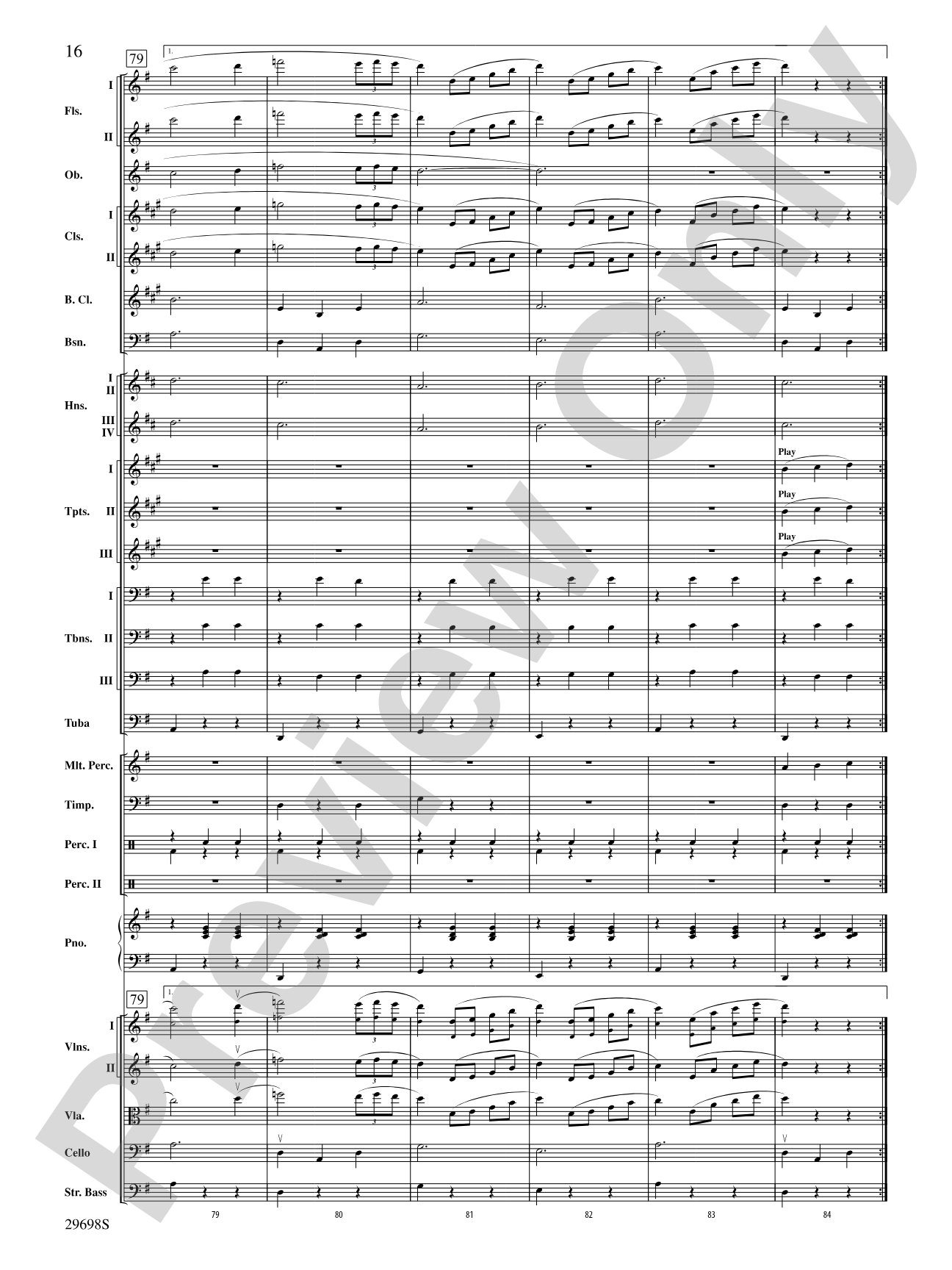
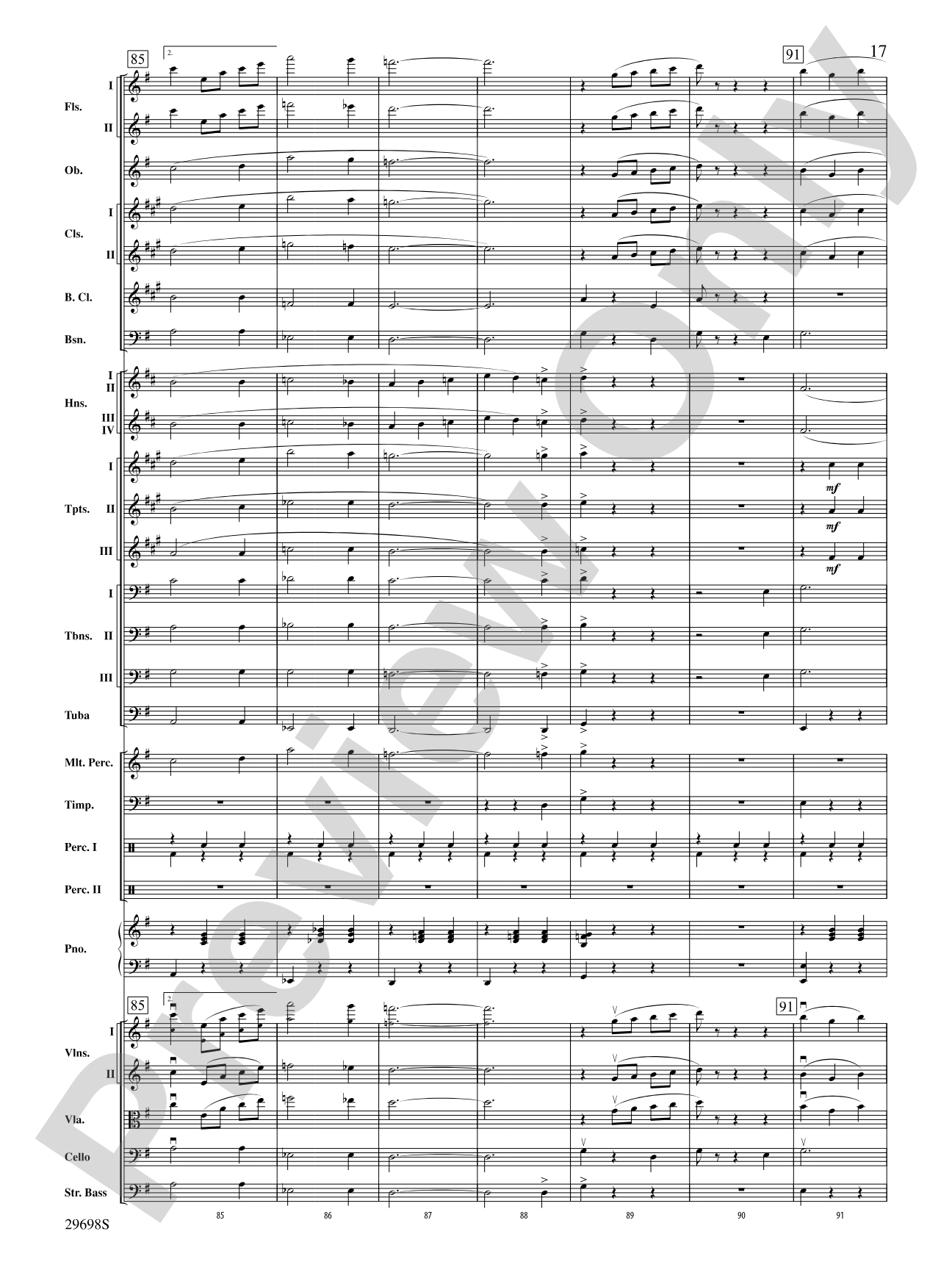
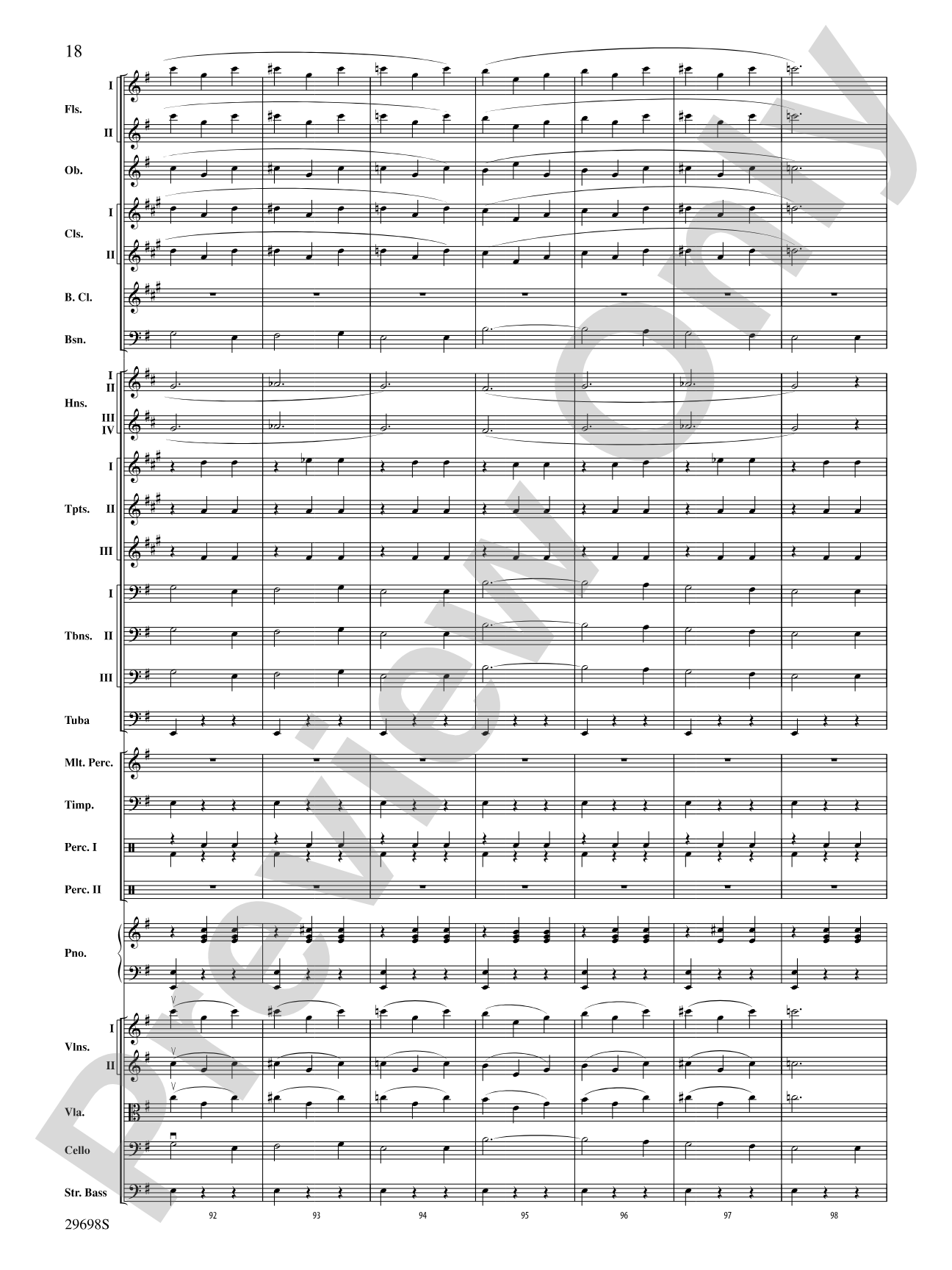
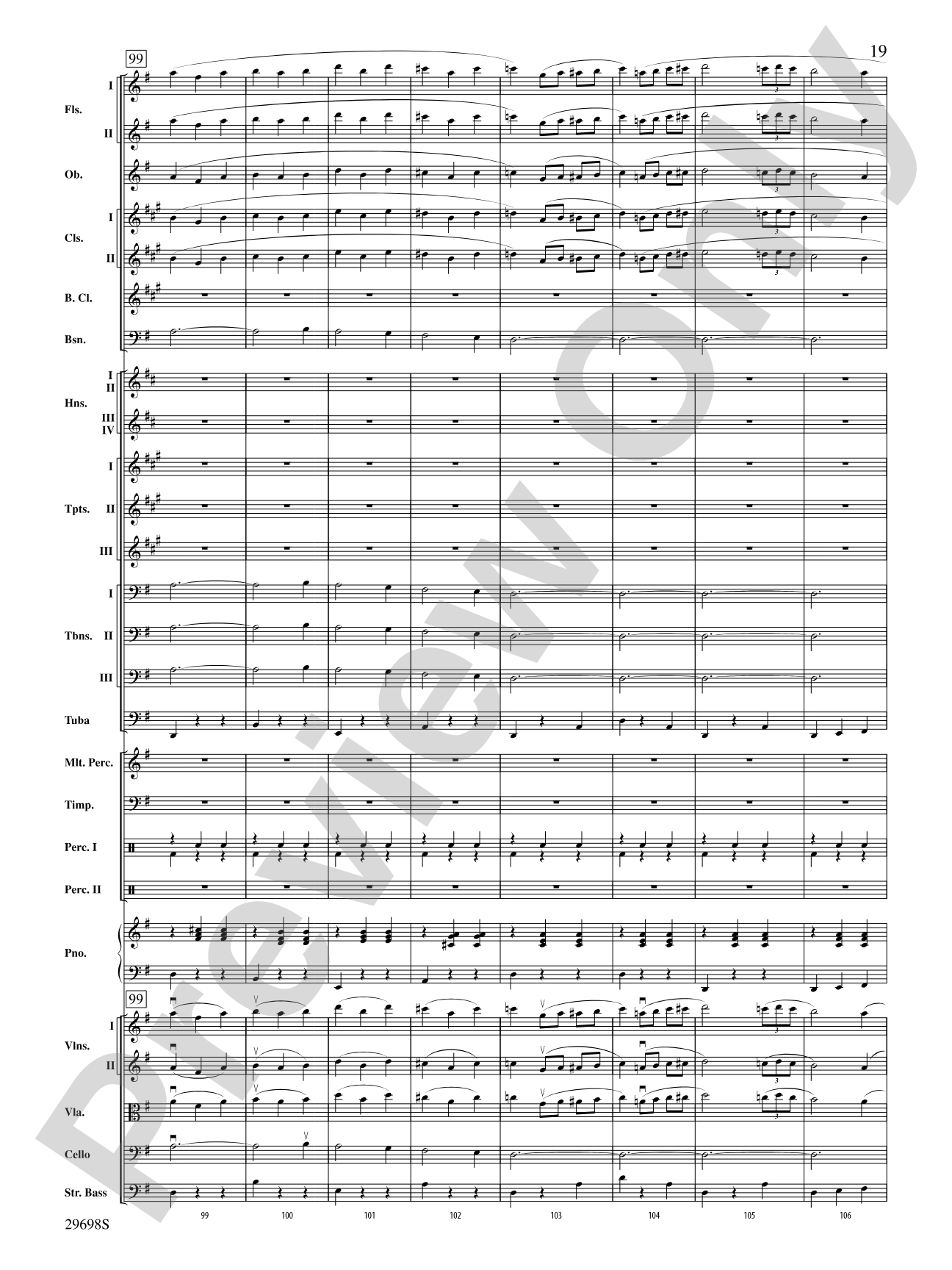
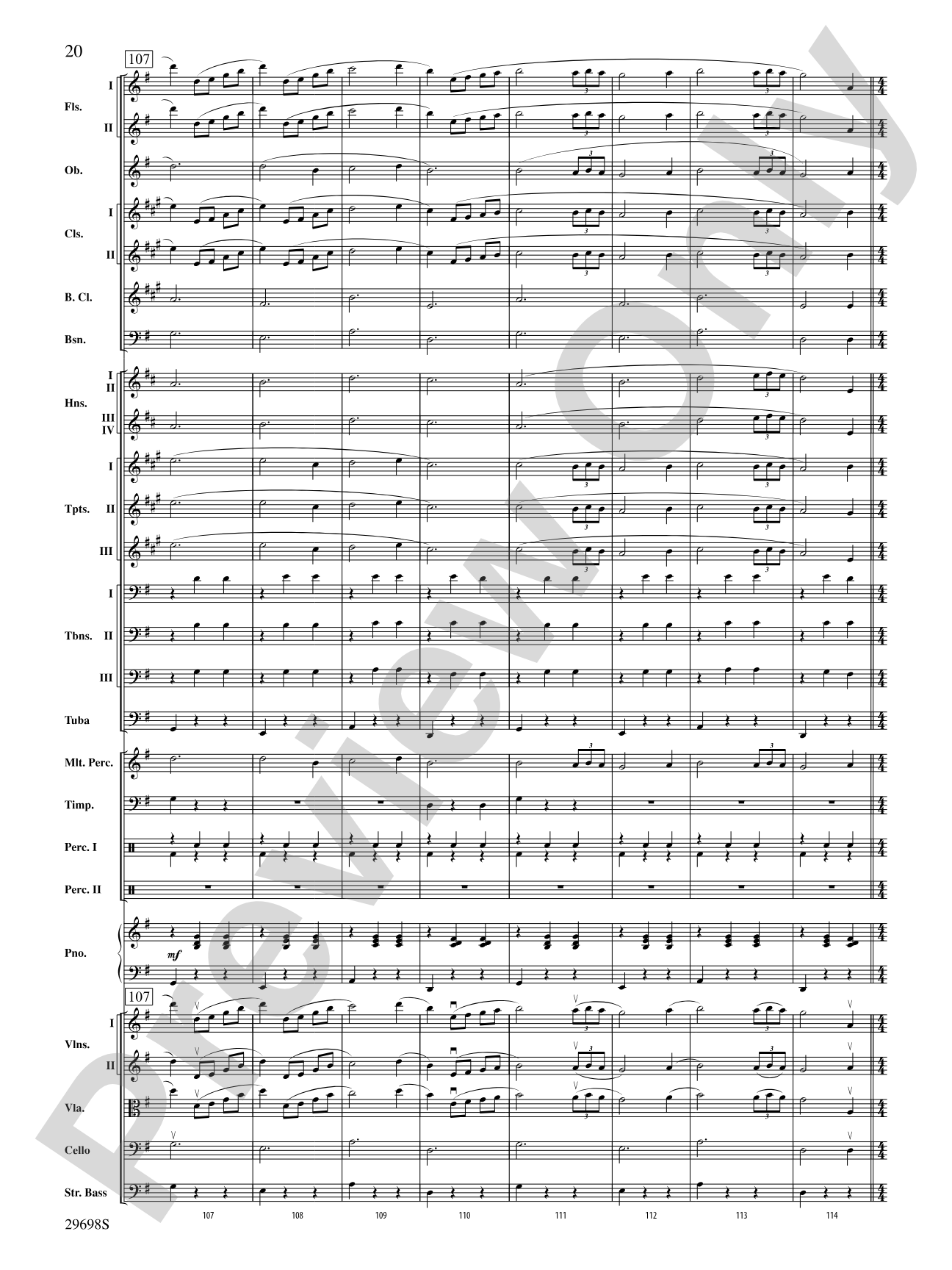
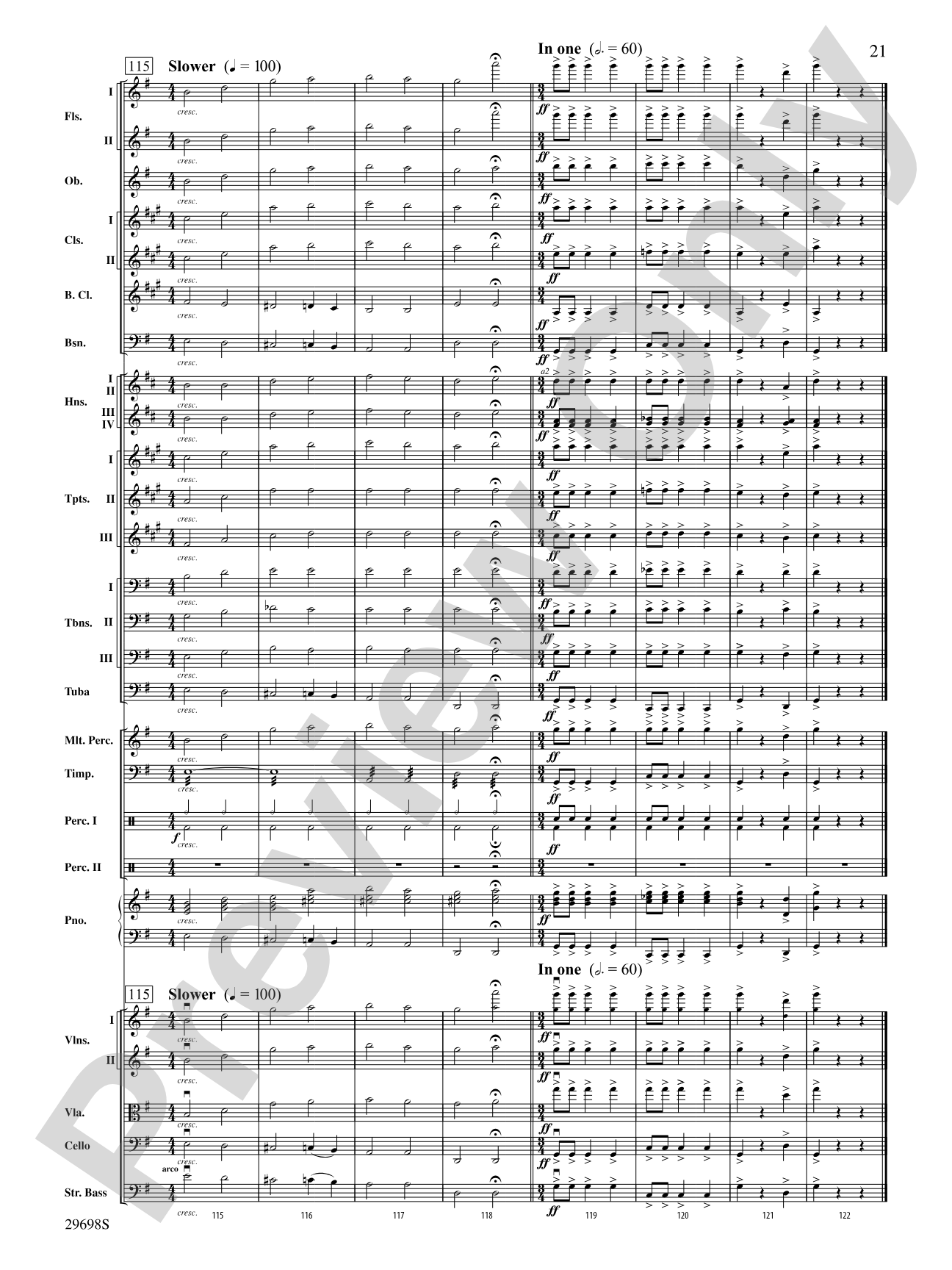




Variations on Ding! Dong! The Witch Is Dead!: Full Orchestra Conductor Score & Parts
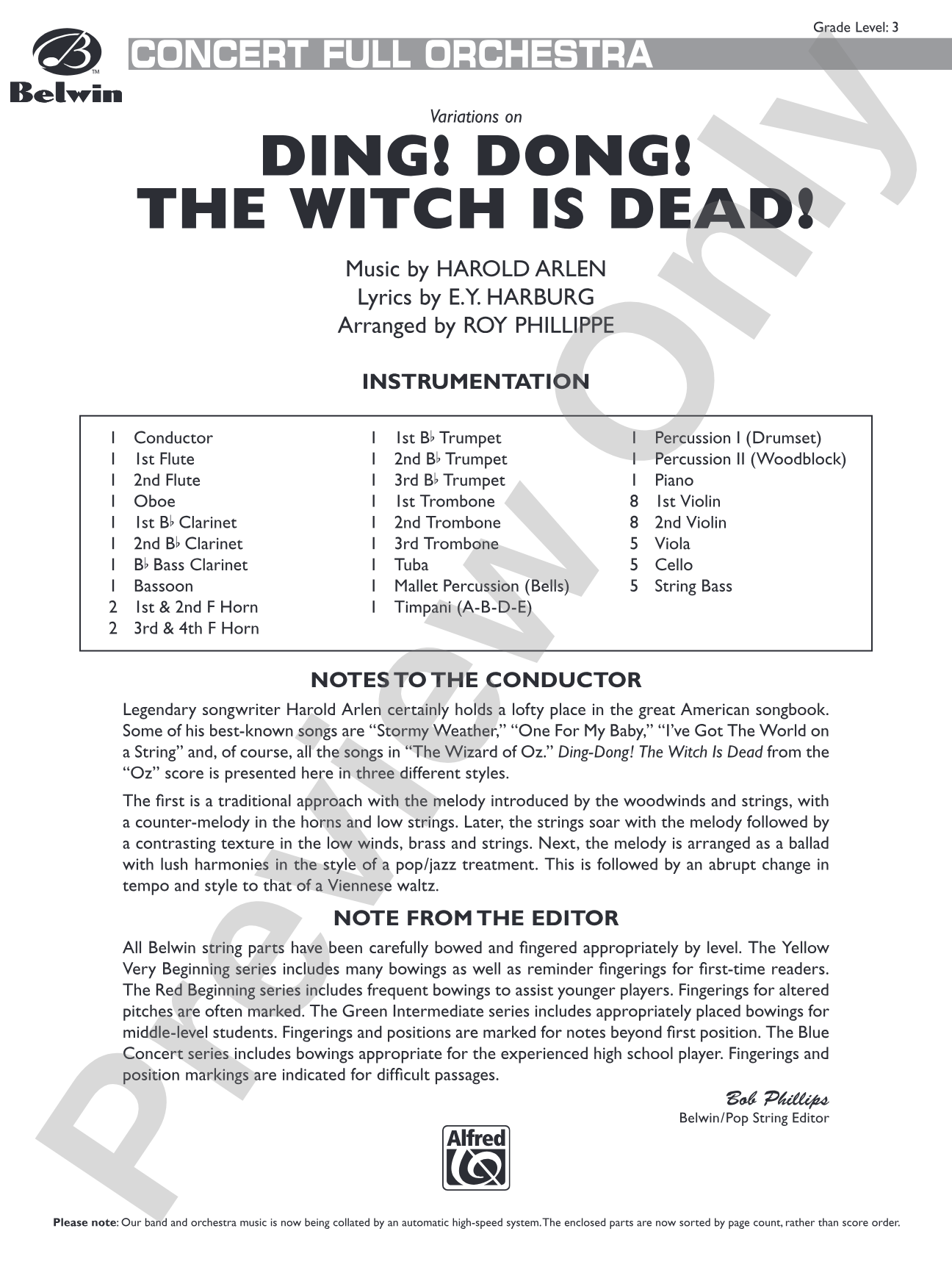
Music by Harold Arlen, lyrics by E. Y. Harburg / arr. Roy Phillippe
Grade: 3
Item: 00-PK-0001571

$72.00
One moment…
Description
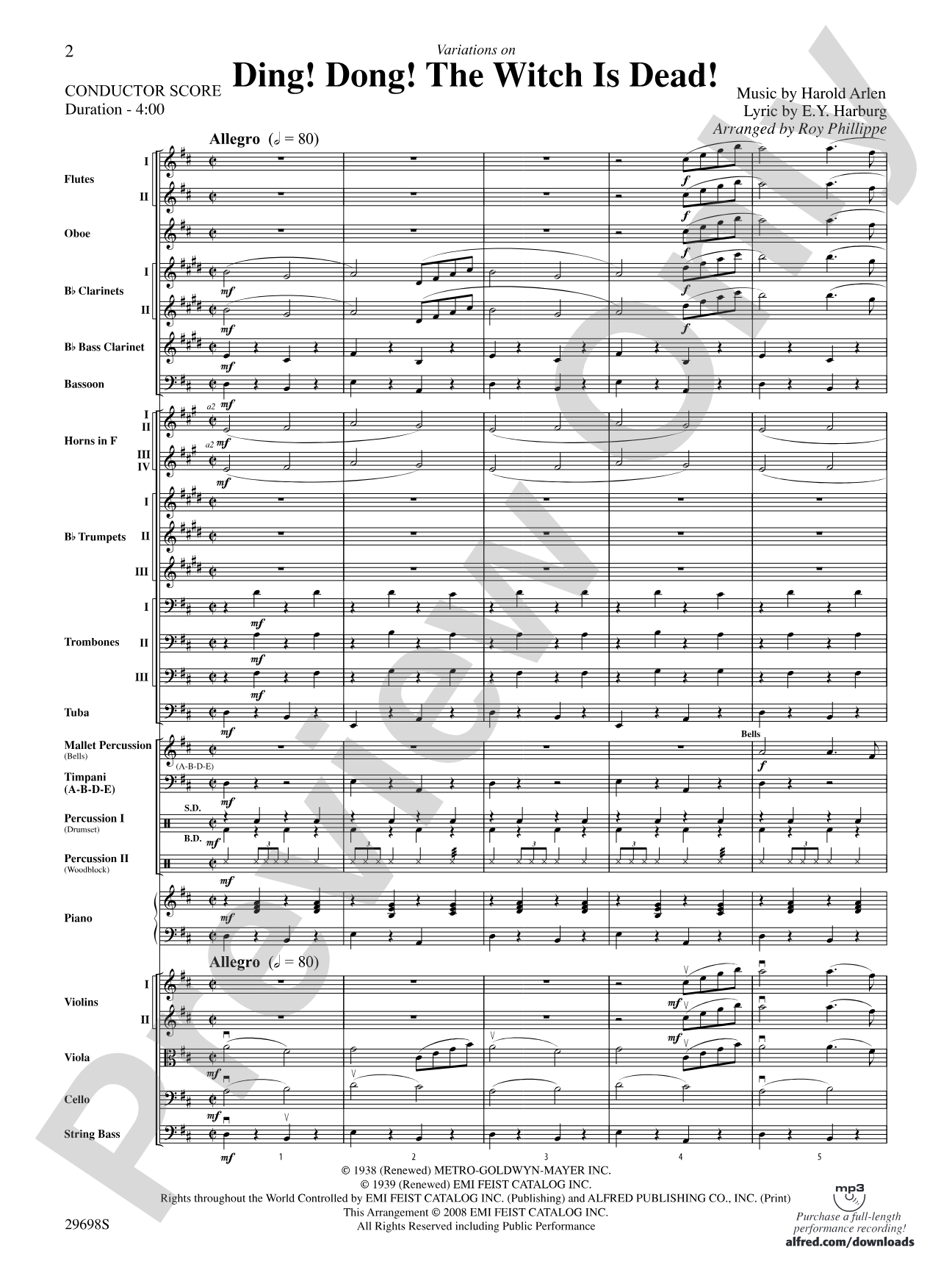
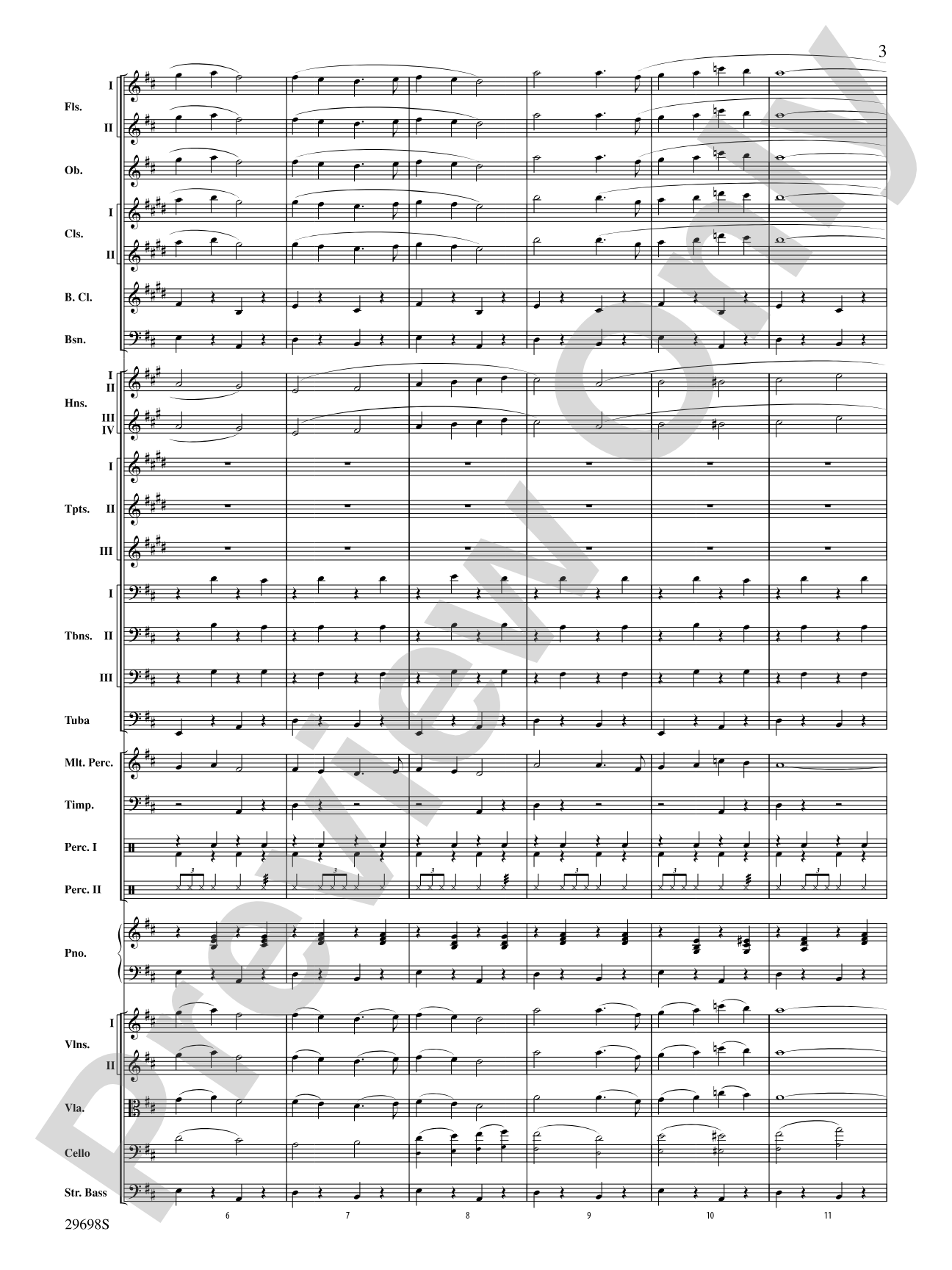
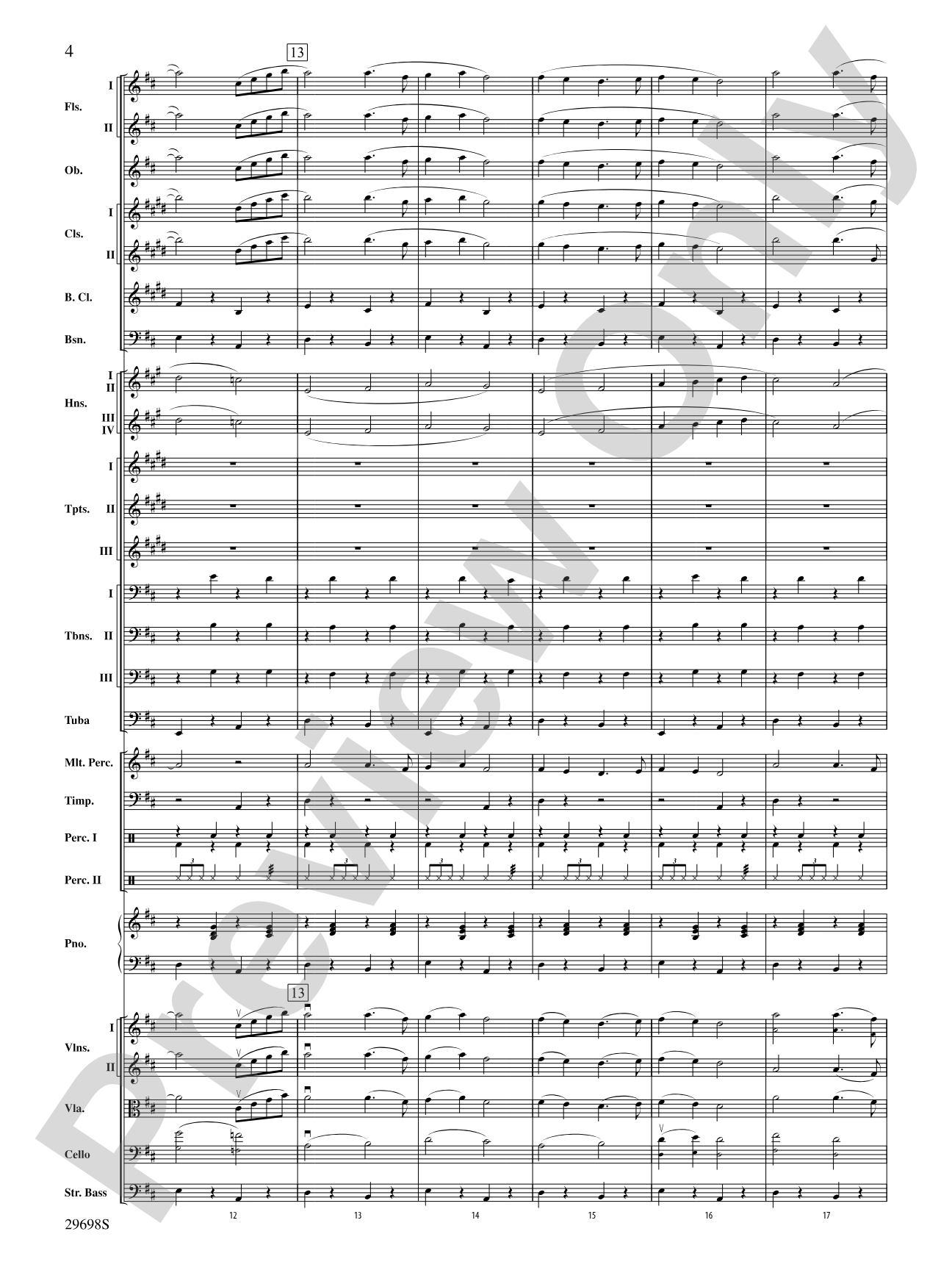
This is the classic song from The Wizard of Oz as you've never heard it before! Presented in three different styles--- traditionally, as a ballad and as a Viennese waltz--- this chart will make a great opener or closer to your pops or film music concert. (4:00)


Don't just read it, hear it, play along with it, and watch your students grow with it. In MakeMusic Cloud, Variations on Ding! Dong! The Witch Is Dead!: Full Orchestra Conductor Score & Parts comes alive with professional accompaniment, adjustable tempo, and built-in practice tools that turn solo practice into real progress.
Open in the Player
Jump straight in and assign it today.
Start Your Free Trial
Open this title and explore the full library in minutes.
Sample Audio
1
Audio File
--:--
0:00
0:00
Sample Video
No sample videos found.
Additional Details
Series:
Pop Concert Full Orchestra
Publisher:
Alfred Music
Page Count:
204
SKU:
00-PK-0001571
More about this title
About the Composer: Harold Arlen
Harold Arlen (1905-1986) composed some of the most enduring melodies in American popular music and film. His gift for writing songs that blur the line between pop accessibility and sophisticated harmony made him a natural choice for Hollywood's golden age; his scores for The Wizard of Oz, Easter Parade, and A Star Is Born defined the sound of movie musicals for generations of composers who followed.
For music educators, Arlen's work offers a masterclass in melody. His songs sit naturally in the voice and orchestra alike, making them ideal for students learning how memorable themes can carry a piece regardless of harmonic complexity. Teachers turn to Arlen arrangements repeatedly because students respond to the music immediately, and that engagement translates into better preparation and more confident performances.
Why we love this
Roy Phillippe's arrangement proves that a Grade 3 chart doesn't mean one-dimensional writing. By reimagining the tune in three distinct styles within a single performance, he gives your orchestra permission to explore contrasting textures and moods while keeping all parts technically accessible. The traditional framing, ballad treatment, and Viennese waltz variation demand just enough ensemble maturity to feel special without requiring advanced soloists or extreme ranges.
What to expect
The opening straightforward rendition captures the original song's bright victory, then the arrangement slows and deepens into something more reflective and lyrical. By the time the Viennese waltz arrives, the piece becomes playful and spirited again, inviting the orchestra to celebrate the journey from one treatment to the next.
Who it's for
Orchestra directors programming pops and film music concerts who want a recognizable crowd-pleaser with real musical substance. This arrangement rewards orchestras with solid fundamental technique and the rhythmic security to shift between contrasting styles without losing cohesion.
How to get the most out of it
- Balance the melodic material across string, wind, and brass sections as the arrangement passes themes between choirs. Phillippe's orchestration invites transparency; resist the urge to thicken every layer.
- Shape the ballad section with genuine rubato. A Grade 3 orchestra can handle gentle tempo flexibility when the conductor models it clearly through the first rehearsals.
- Drill the waltz rhythm pattern early and separately. Once students feel the lilt, the playfulness of that final section emerges naturally and the piece lands with character.
- Use the four-minute runtime to pace your concert thoughtfully. The piece's three-part structure lets it breathe as either a standalone moment or a bridge between heavier works.
How to use it
Open a pops concert with this chart to establish a lighter tone and warm audience engagement from the first notes. Alternatively, place it as a closer following more substantial classical or contemporary work, letting the three variations provide a satisfying recap of the evening's stylistic range without requiring silence between movements.
Skills your students will build
- Executing style shifts within a single piece (traditional song form, ballad phrasing, waltz meter and rhythm)
- Balance and blend when melodic material moves between orchestral choirs
- Ensemble articulation across different accompaniment figures
- Flexible tempo adjustment and rubato in the ballad section
- Reading and performing waltz rhythm patterns accurately at Grade 3 level