
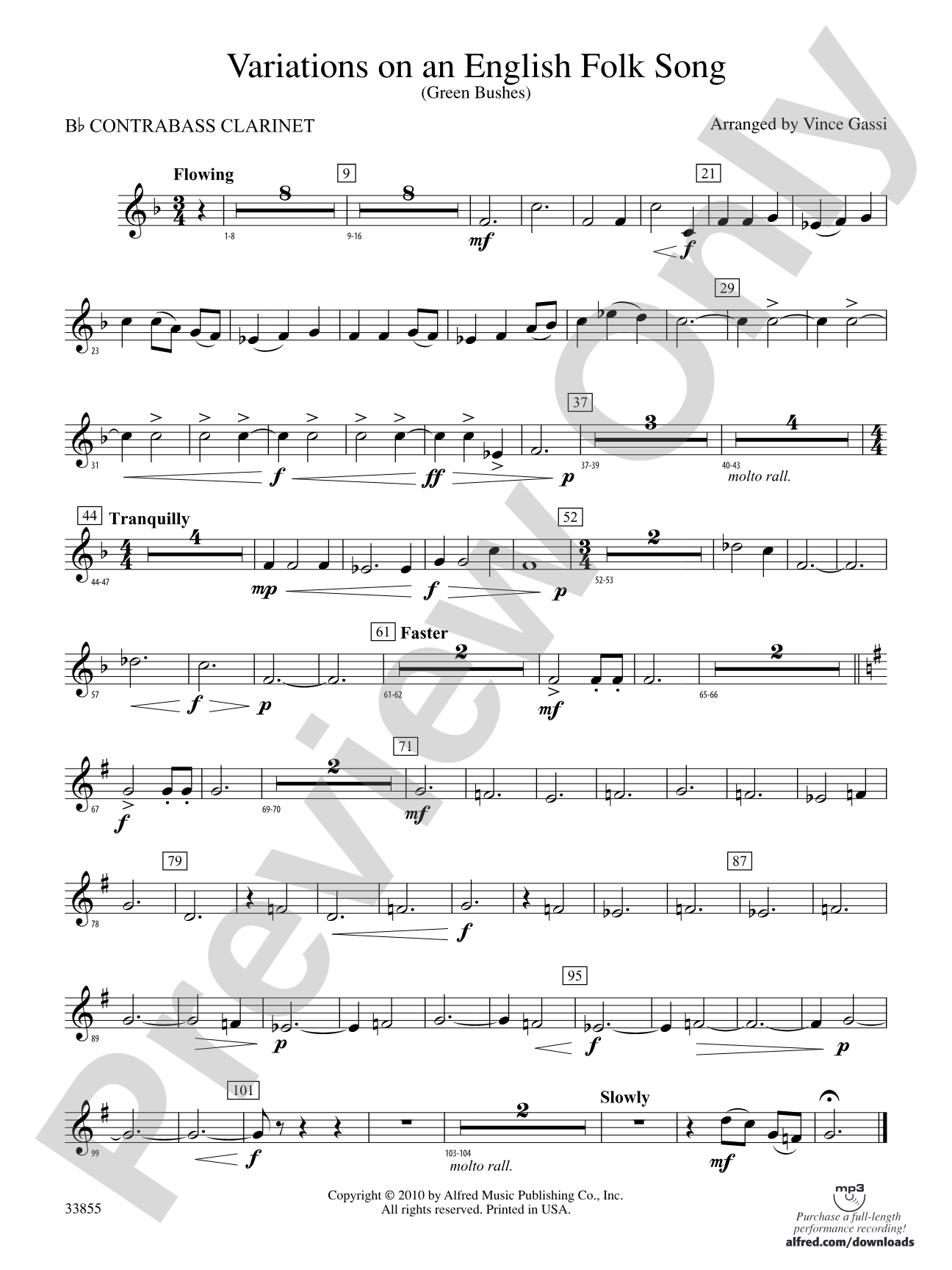

Variations on an English Folk Song: (wp) B-flat Contrabass Clarinet
Arr. Vince Gassi
Grade: 2 (Medium Easy)
Item: 00-PC-0014586_wpBCBC
$3.00
Pickup currently not available
Description
How beautiful are English Folk Songs! This simple, yet appealing setting of Green Bushes is a perfect change of pace for your next concert and will provide ample opportunity for your students to work on expression and shading. Melody and countermelody interweave amidst dreamy harmonies, transporting you to another time and place.


Don't just read it, hear it, play along with it, and watch your students grow with it. In MakeMusic Cloud, Variations on an English Folk Song: (wp) B-flat Contrabass Clarinet comes alive with professional accompaniment, adjustable tempo, and built-in practice tools that turn solo practice into real progress.
Open in the Player
Jump straight in and assign it today.
Start Your Free Trial
Open this title and explore the full library in minutes.
Sample Audio
1
Audio File
--:--
0:00
0:00
Sample Video
No sample videos found.
Additional Details
Series:
Young Symphonic
Publisher:
Alfred Music
Page Count:
148
SKU:
00-PC-0014586_wpBCBC
More about this title
About the Arranger: Vince Gassi
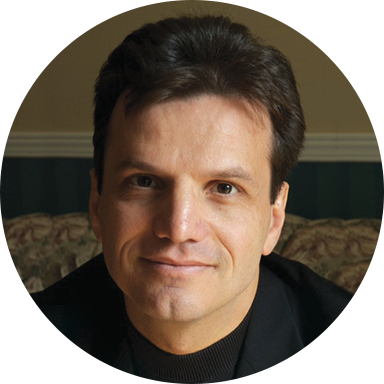
Vince Gassi has been composing and arranging for young musicians since earning his Bachelor of Music from the University of Western Ontario. His studies at the Dick Grove School of Music in Los Angeles and his Ph.D. from York University in Toronto shaped a compositional voice that balances accessibility with musical substance. Over more than a quarter-century teaching instrumental music at the elementary and secondary levels, he has developed an intuitive sense for what engages student musicians.
With more than 100 published titles to his name since 2006, Gassi has become a trusted voice in the concert band repertoire. He regularly appears at major festivals including the Midwest Clinic, serves as a guest conductor and adjudicator across North America, and leads workshops on creative engagement and digital workflow for music directors. His commissions and arrangements have been performed throughout North America, Europe, and Japan.
Why we love this
Gassi's treatment of this English folk melody respects the tune's inherent beauty while giving it genuine concert band texture. The interweaving of melody and countermelody creates natural opportunities for sectional independence and ear training, making it rewarding for students to discover how lines fit together. At Grade 2, it strikes the rare balance of being musically substantial enough for a legitimate concert program without demanding virtuosity.
What to expect
The arrangement evokes a gentle journey through pastoral English countryside, where a familiar folk melody unfolds against soft harmonic undercurrents. Dreamy and reflective without becoming sentimental, it creates an introspective mood that invites listeners to experience a beloved tune as if hearing it anew.
Who it's for
Concert bands at the Grade 2 level looking for literature that works equally well on a contest stage or a concert hall. Directors seeking a piece that teaches expression and shading without requiring advanced technical facility will find the simple melodic profile and accessible harmonies ideal for focused rehearsal on musical concepts rather than technical problems.
How to get the most out of it
- Shape the primary melody with long-lined phrasing rather than letting it fragment into separate notes. Your students will find the folk song easier to breathe and connect to if they hear it sung as a continuous line.
- Balance the countermelody carefully so it enriches rather than obscures the main tune. Have students identify where their line is supporting versus leading, then adjust dynamic awareness accordingly.
- Take time in sectional rehearsals to isolate moments where harmony shifts or color changes. Even at this grade level, marking where the 'dreamy harmonies' deepen creates the interpretive awareness Gassi built into the arrangement.
- Let the transposition between key areas breathe naturally rather than rushing through modulations. These shifts are where students experience how a familiar tune can feel transported to a new emotional landscape.
How to use it
Program this as a thoughtful interlude between more rhythmically active works to give your concert shape and emotional variety. It also pairs naturally with other folk-based literature or transcriptions, allowing you to build a concert around cultural traditions and arranged music. The piece works equally well in festival or contest contexts, where its focus on expression and artistic shading appeals to adjudicators and audiences alike.
Skills your students will build
- Sustaining long melodic lines with consistent tone and phrase shape
- Balancing melody and countermelody within the same ensemble
- Responding to dynamic and harmonic shifts to shape overall form
- Listening for and responding to voice leading changes across key areas
- Creating expression through nuance rather than technical display