
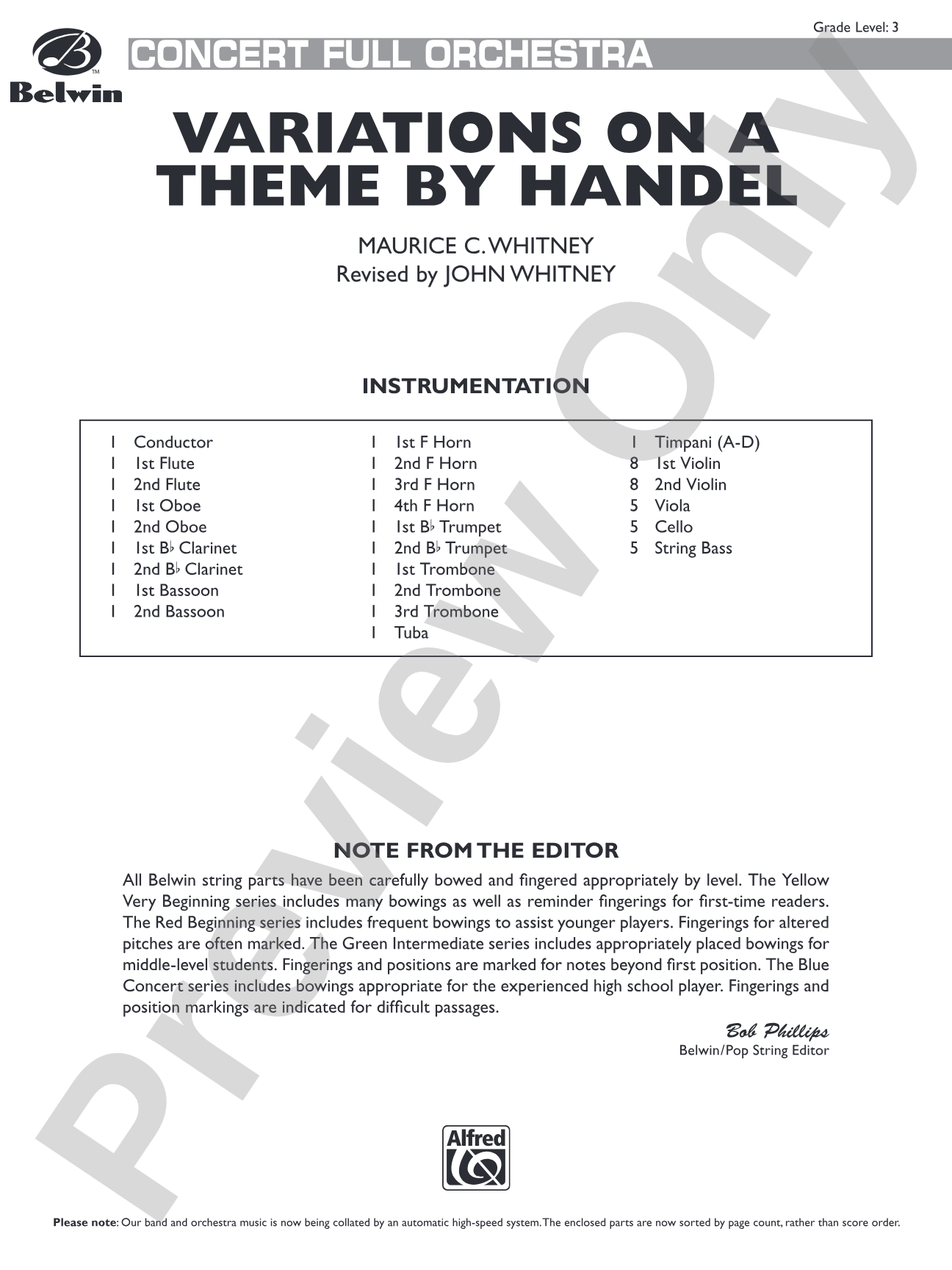
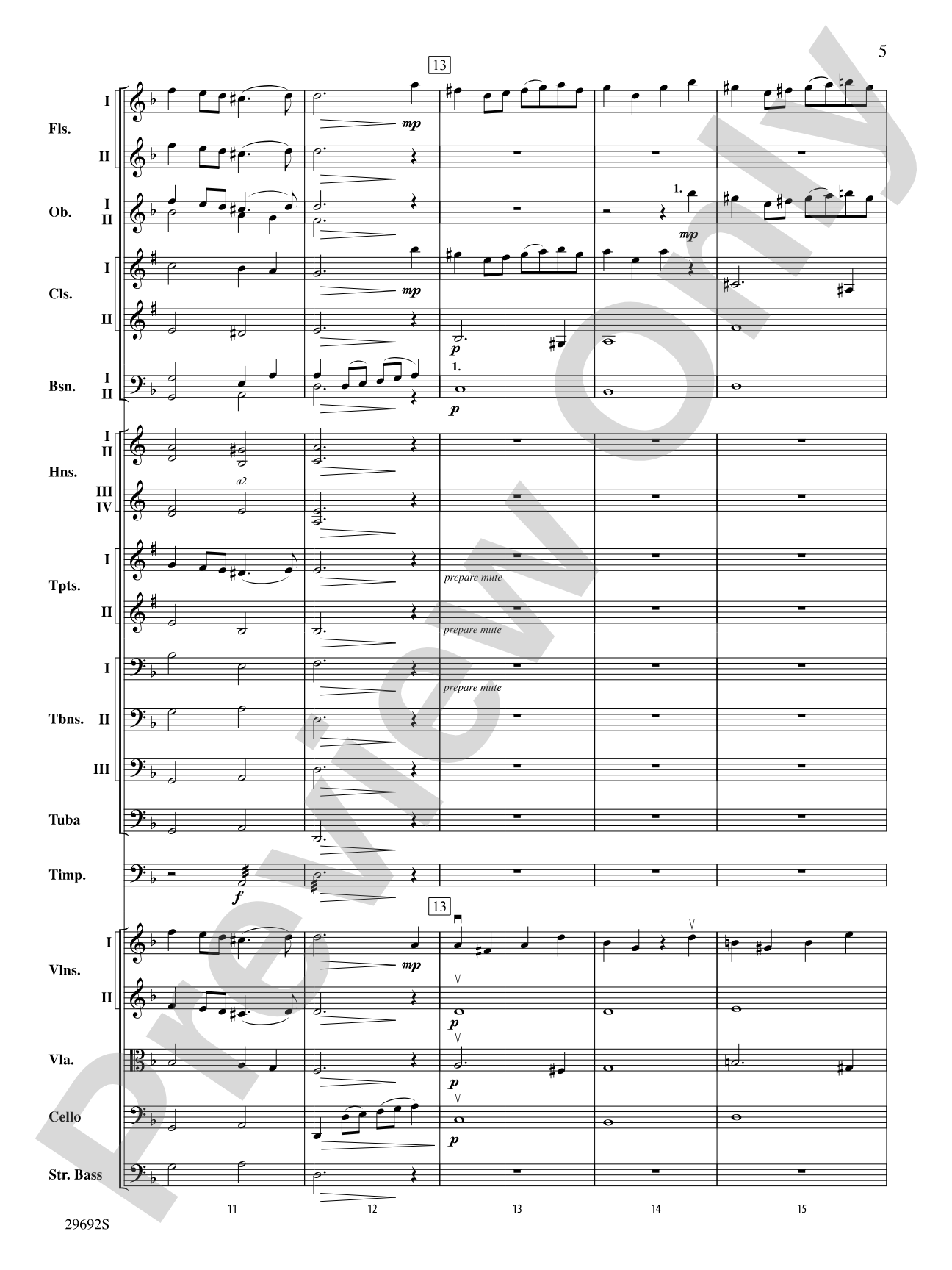
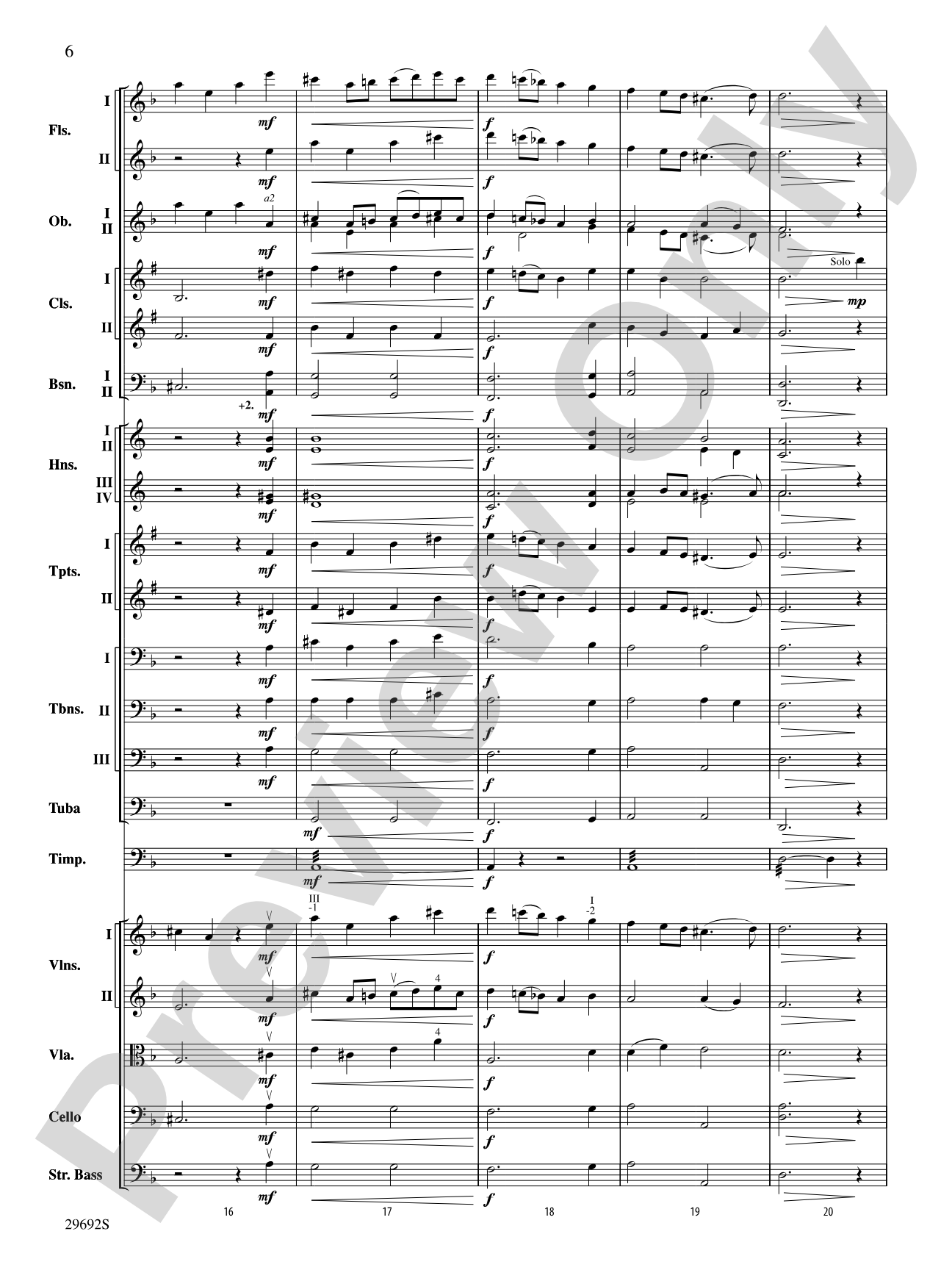
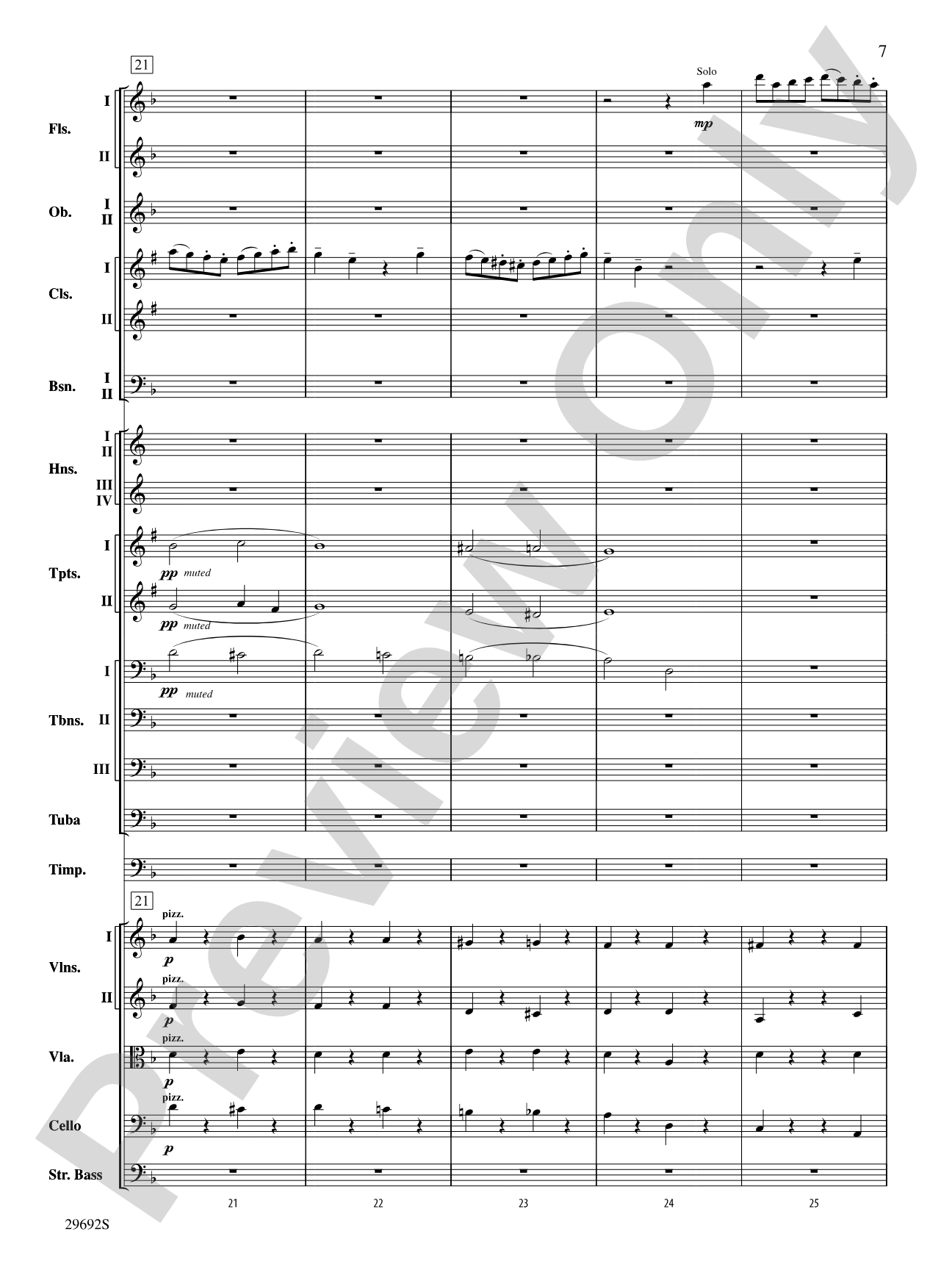
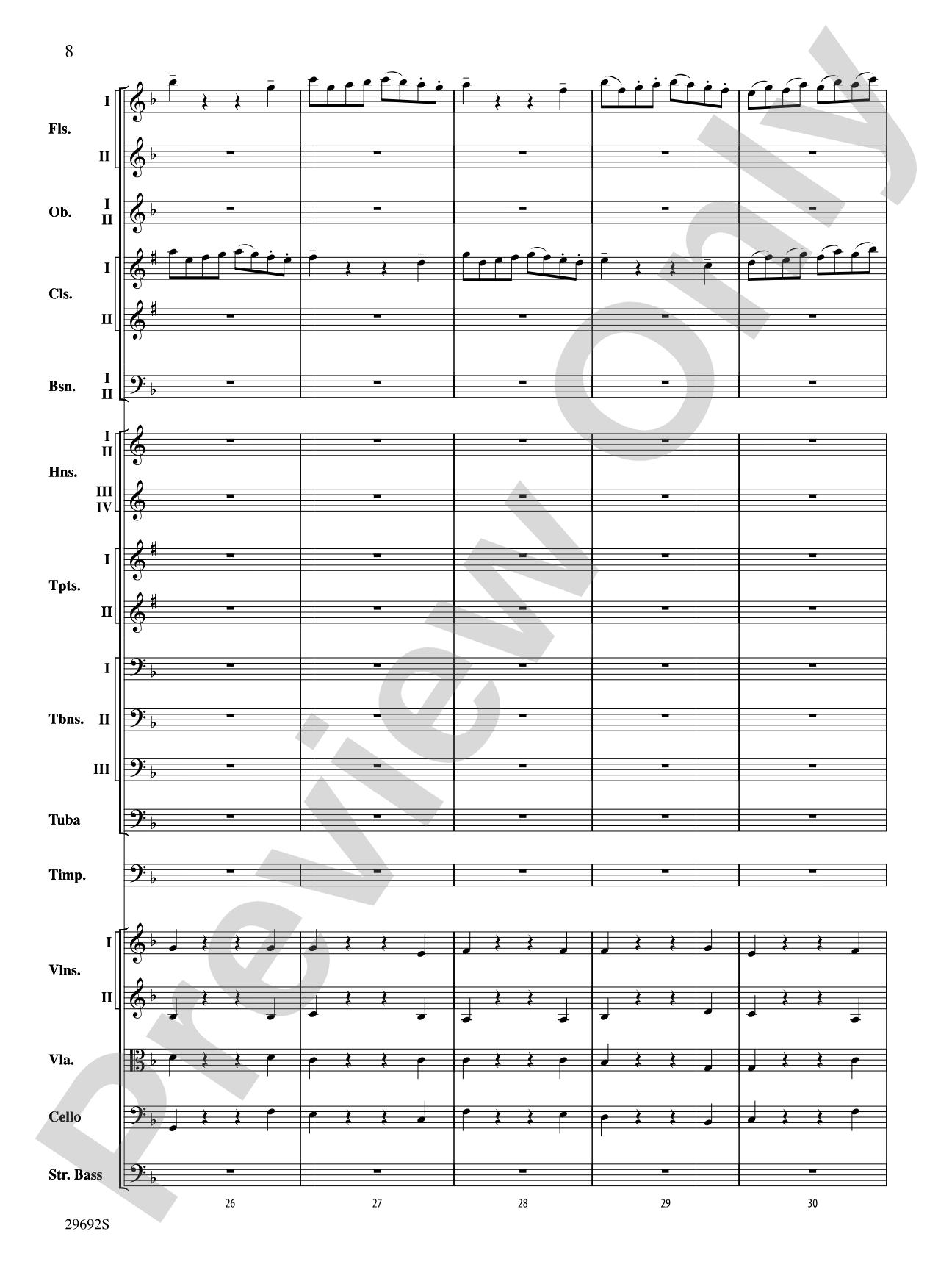
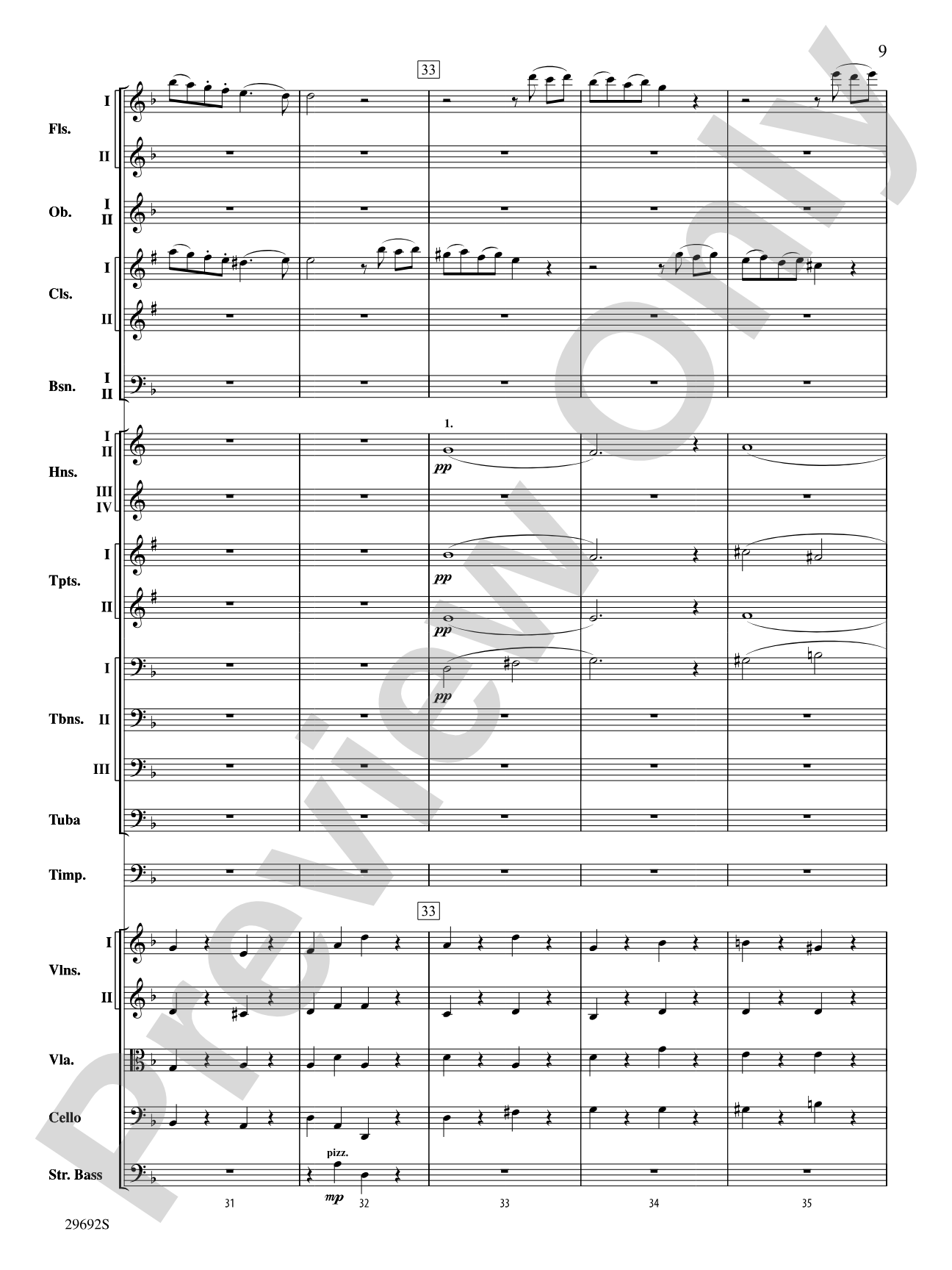
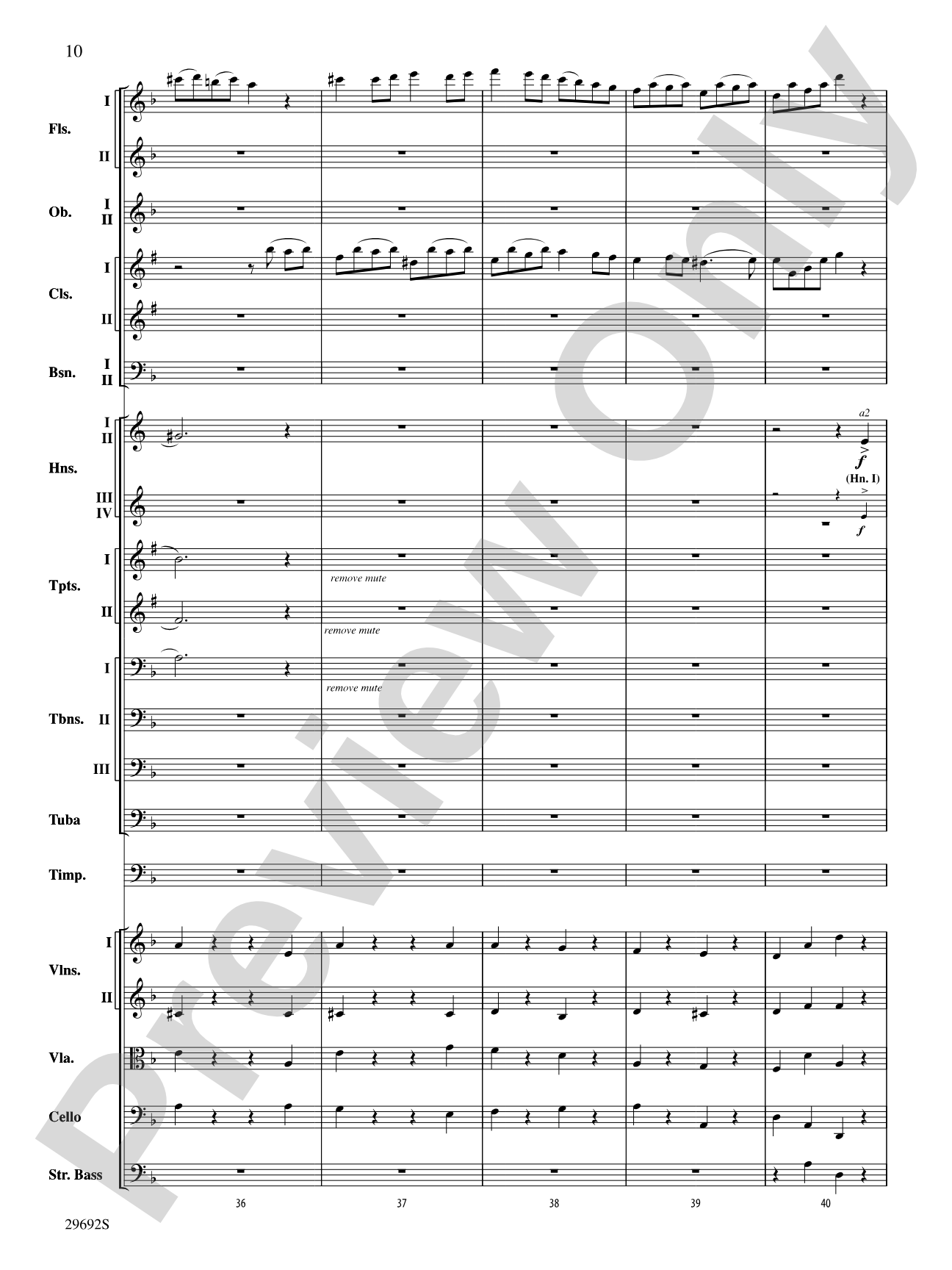
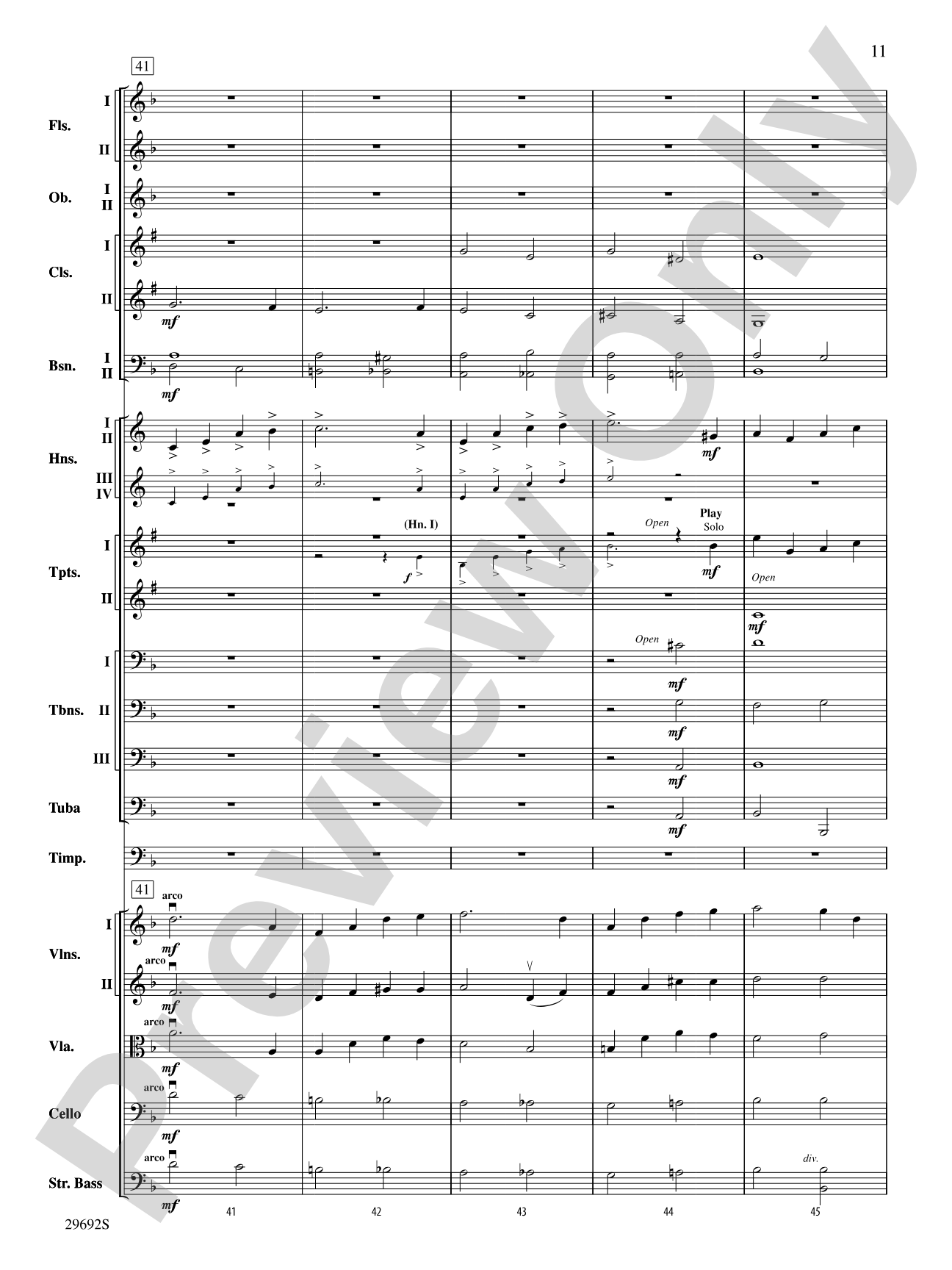
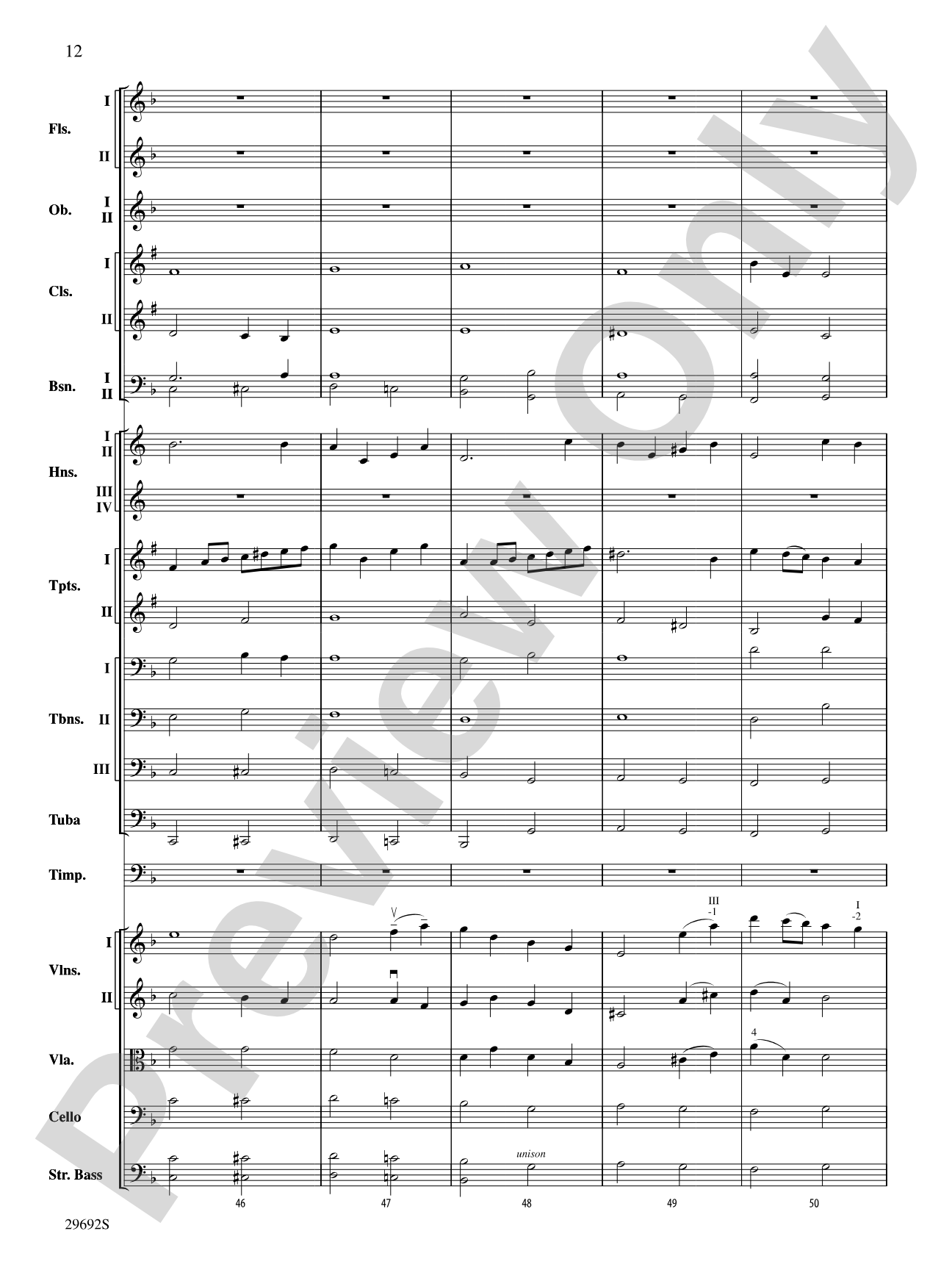
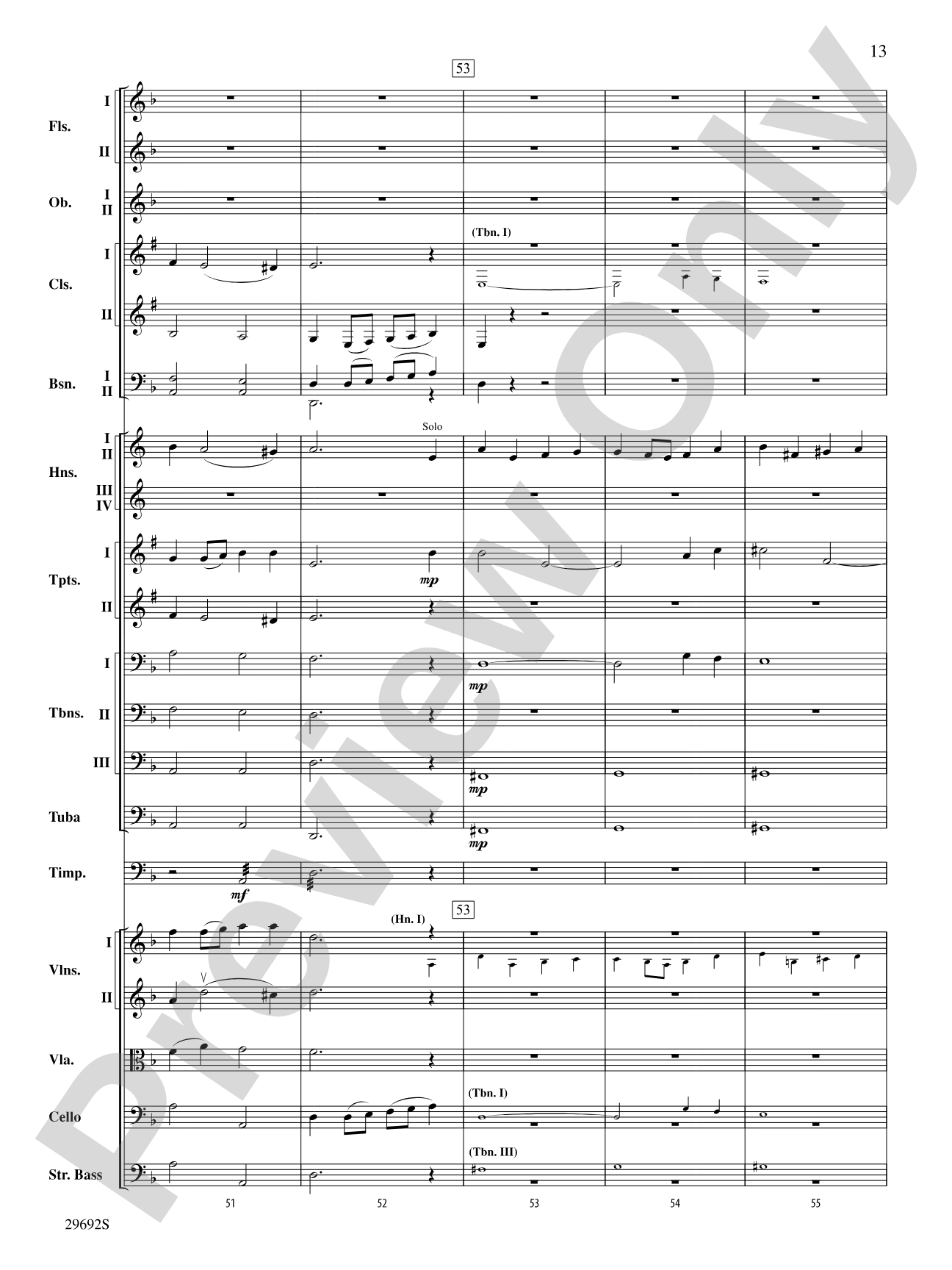
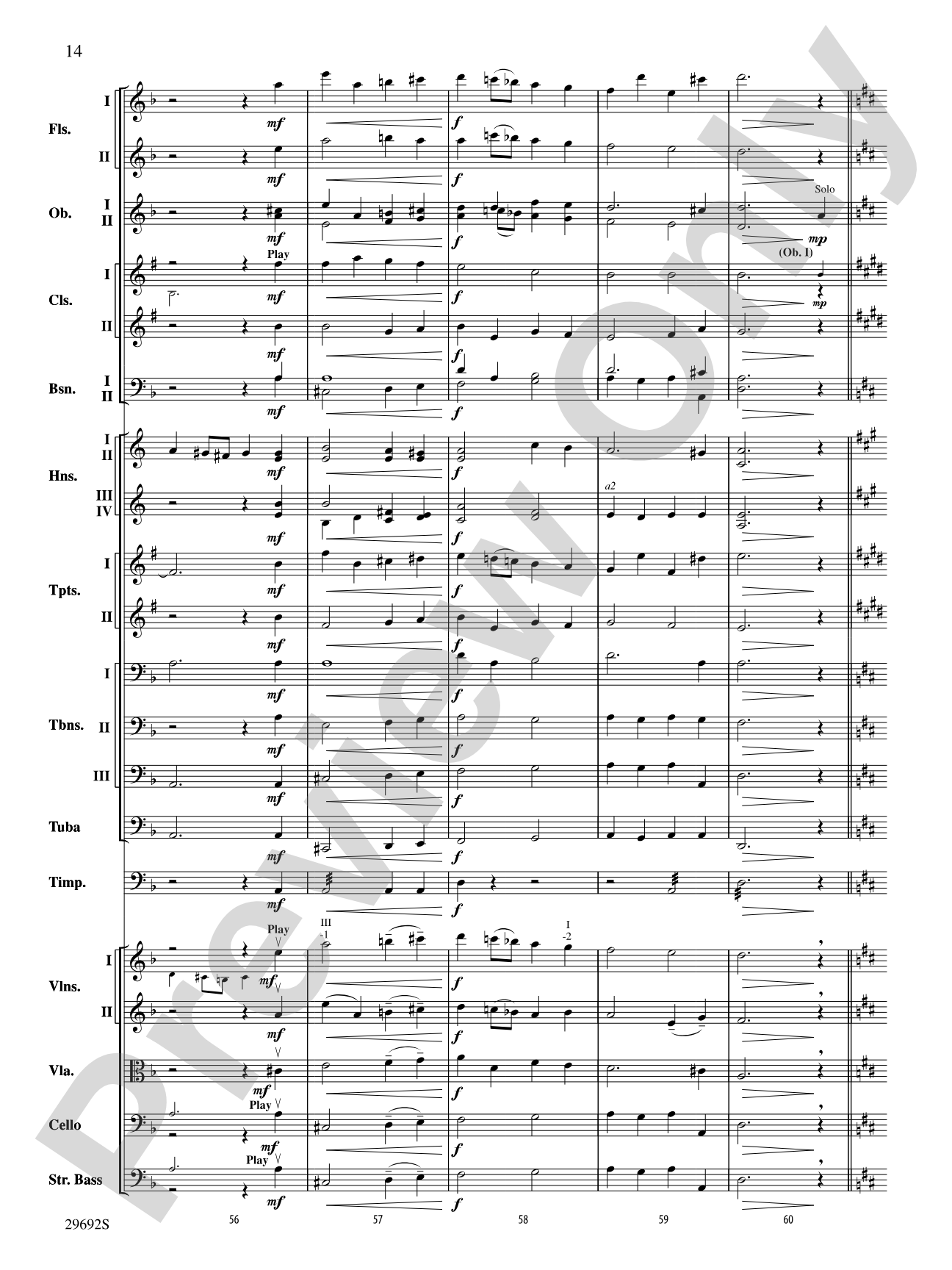
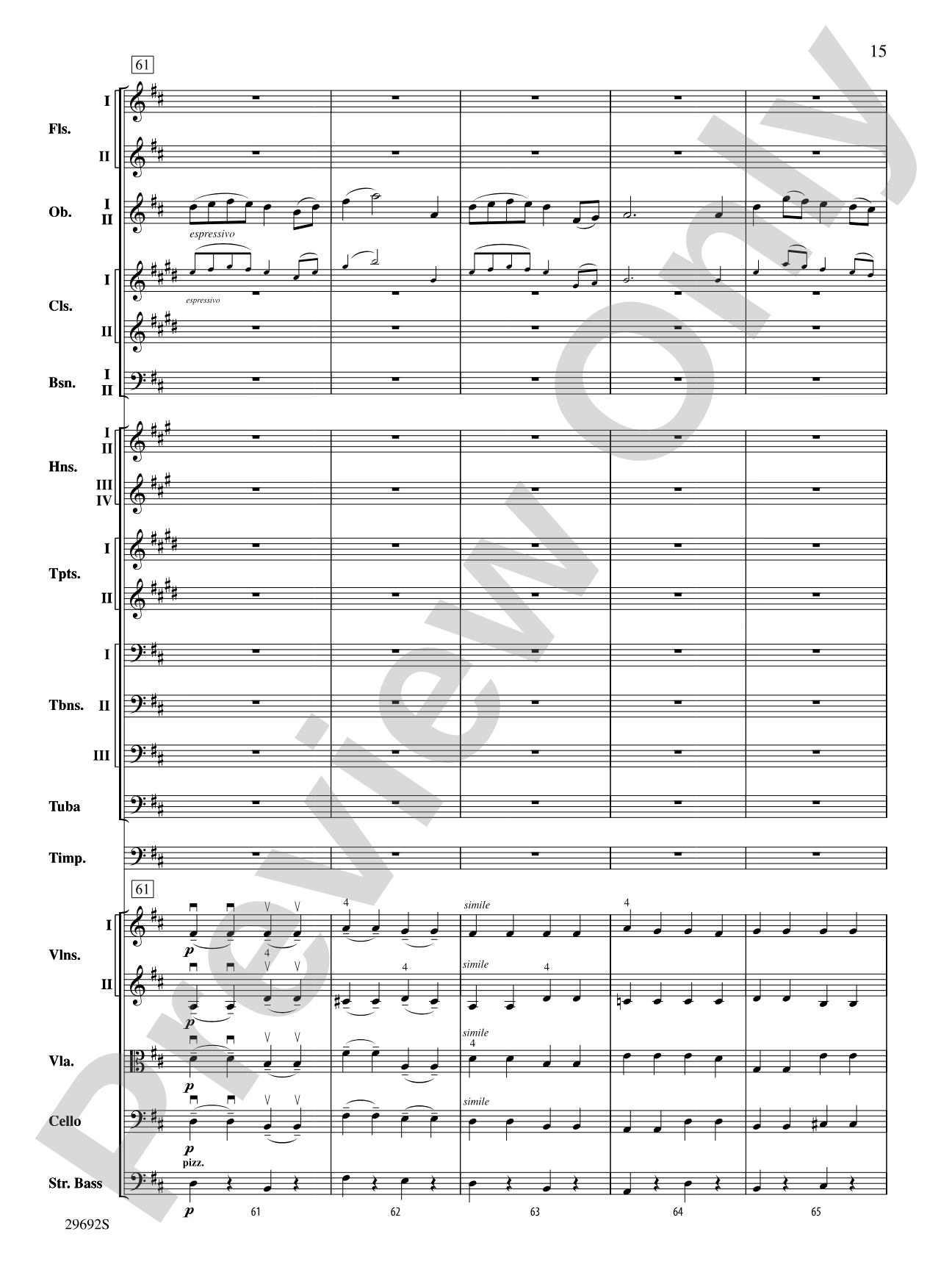
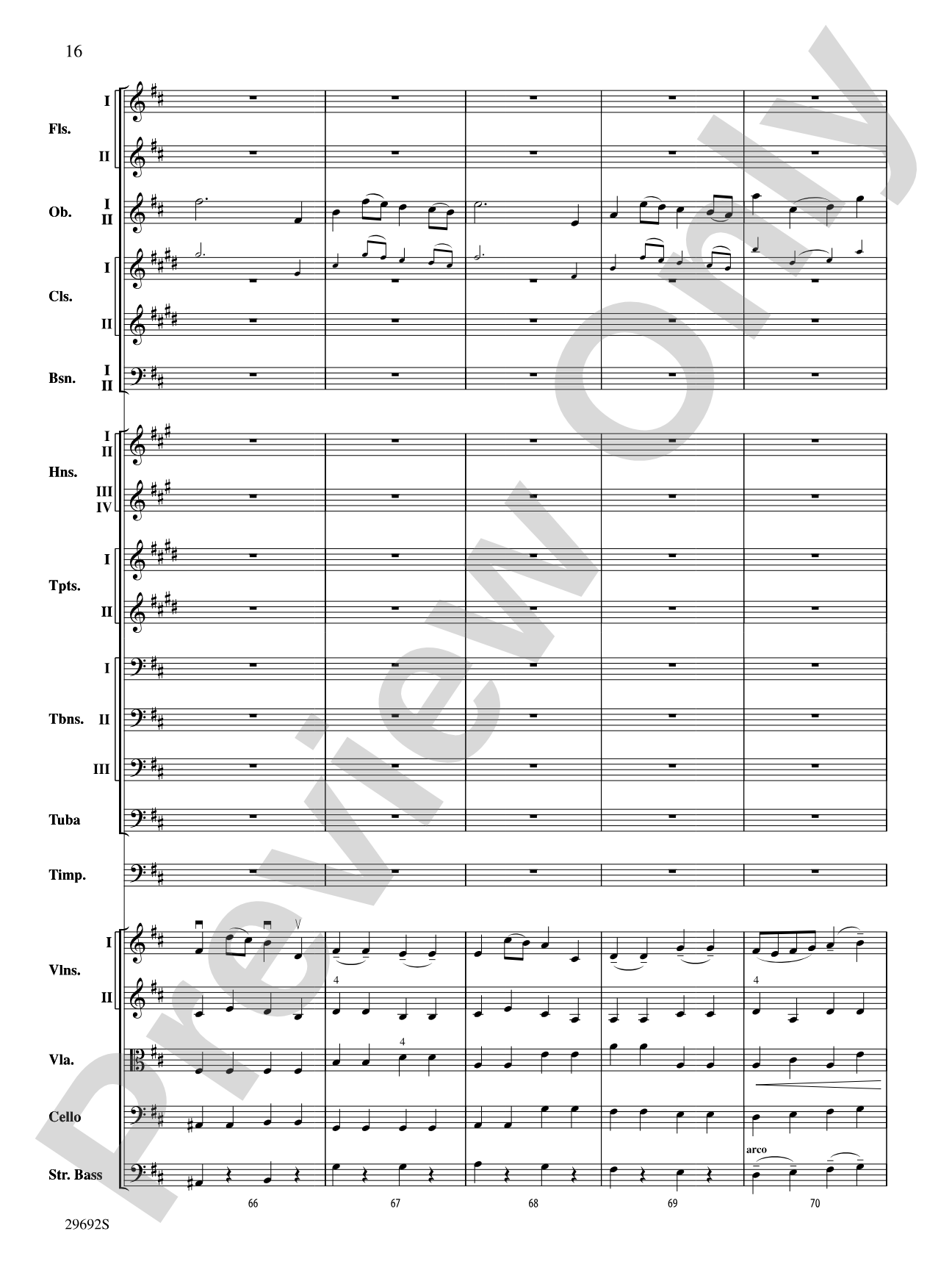
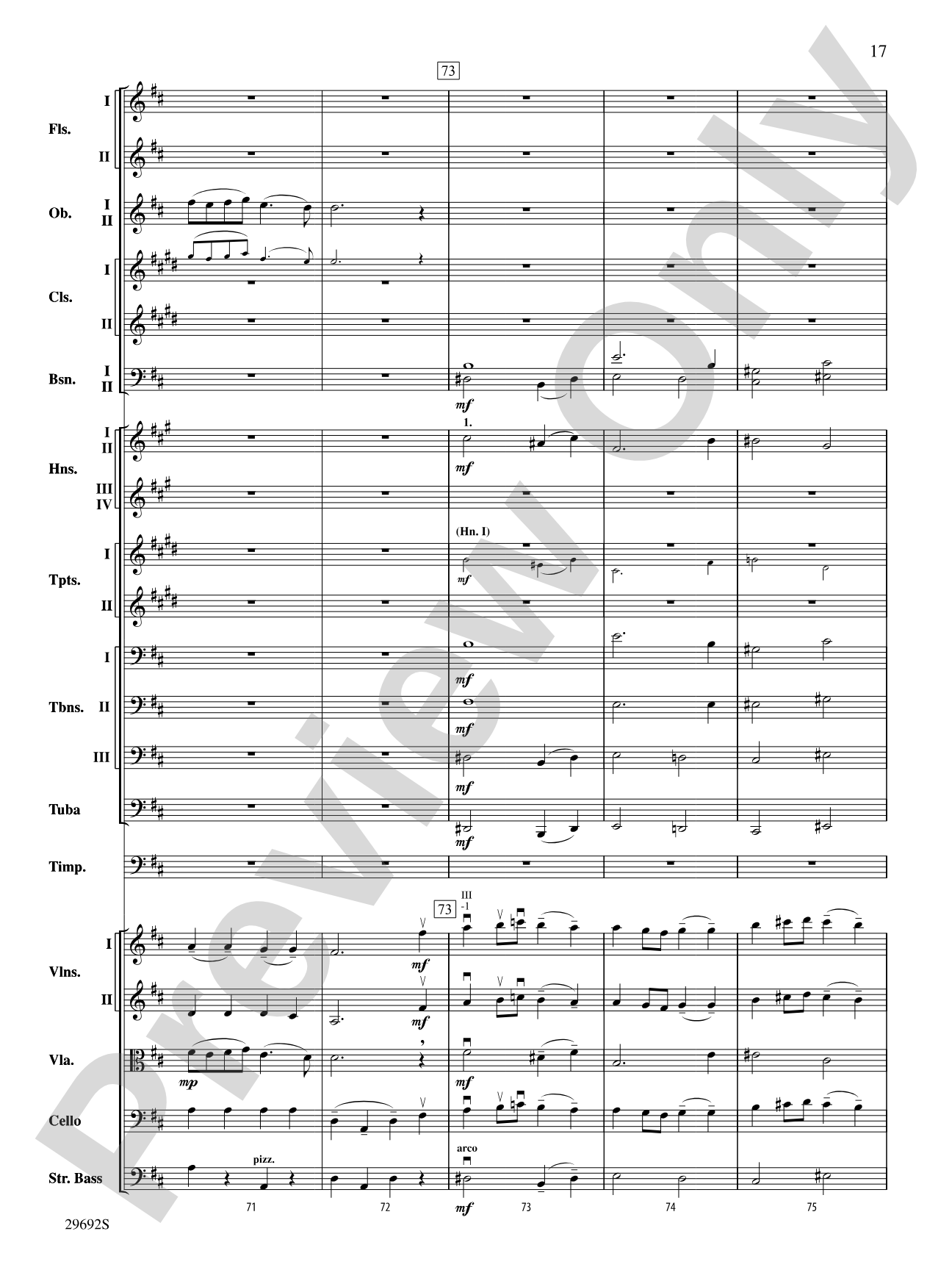
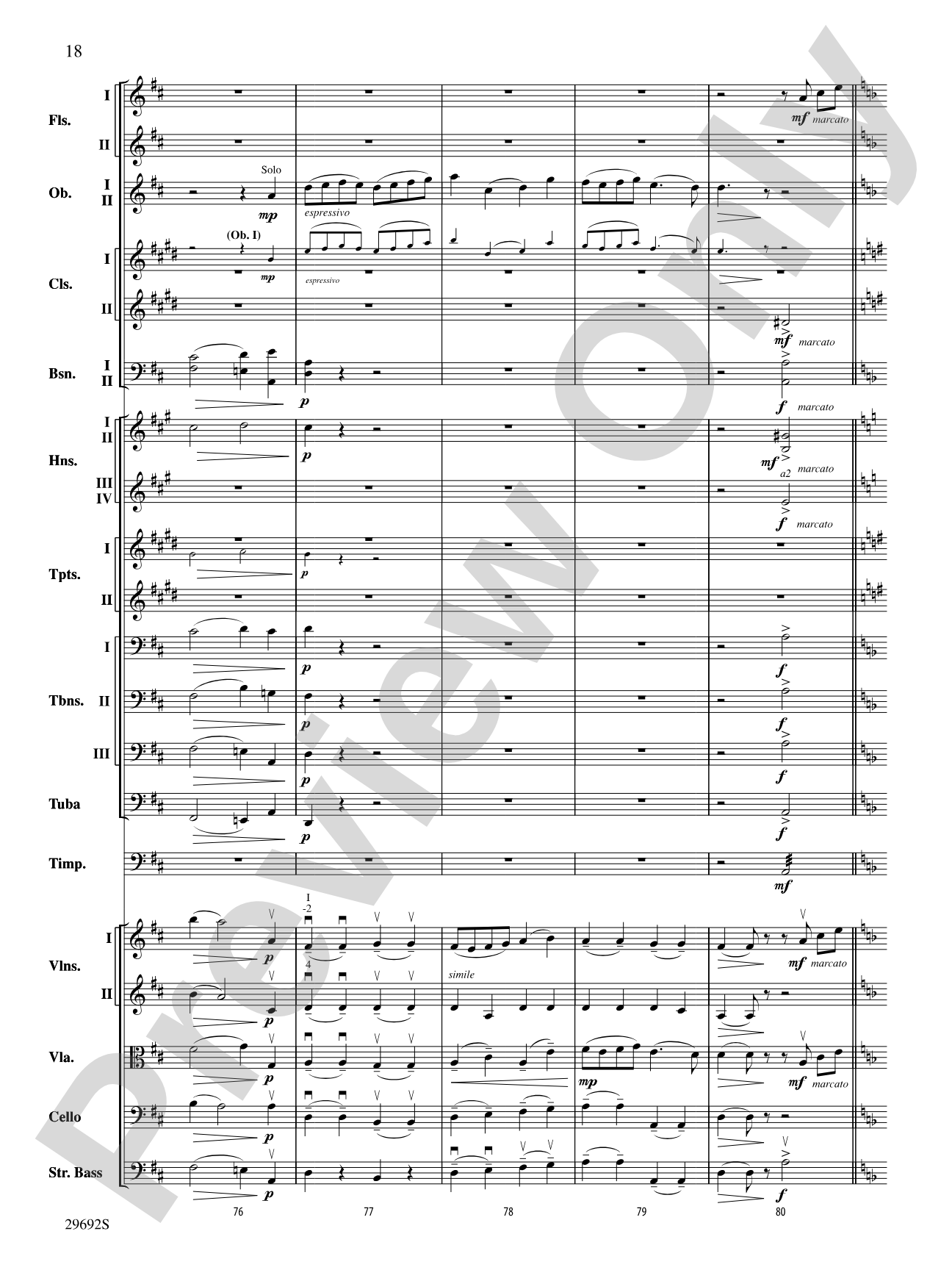
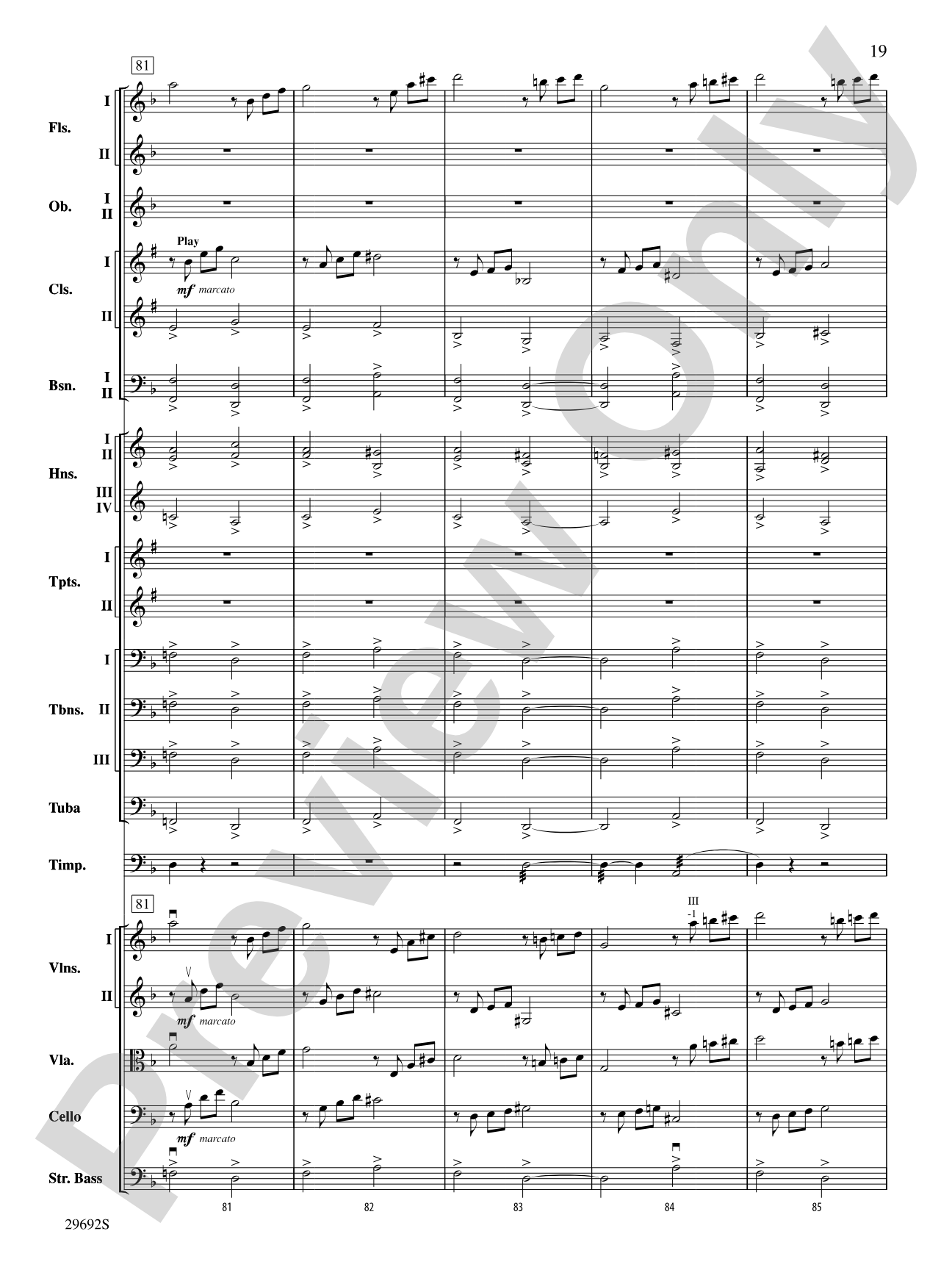
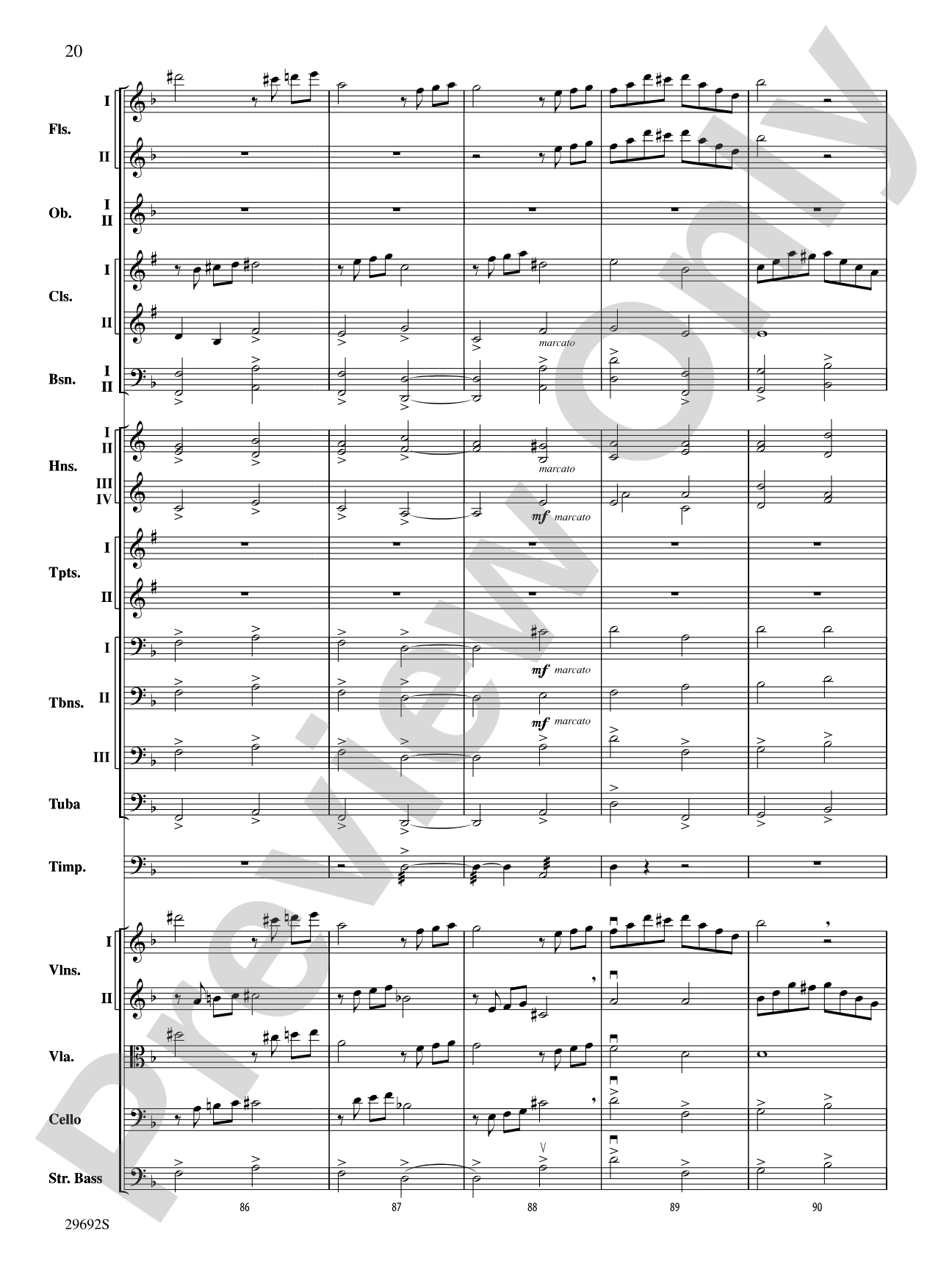
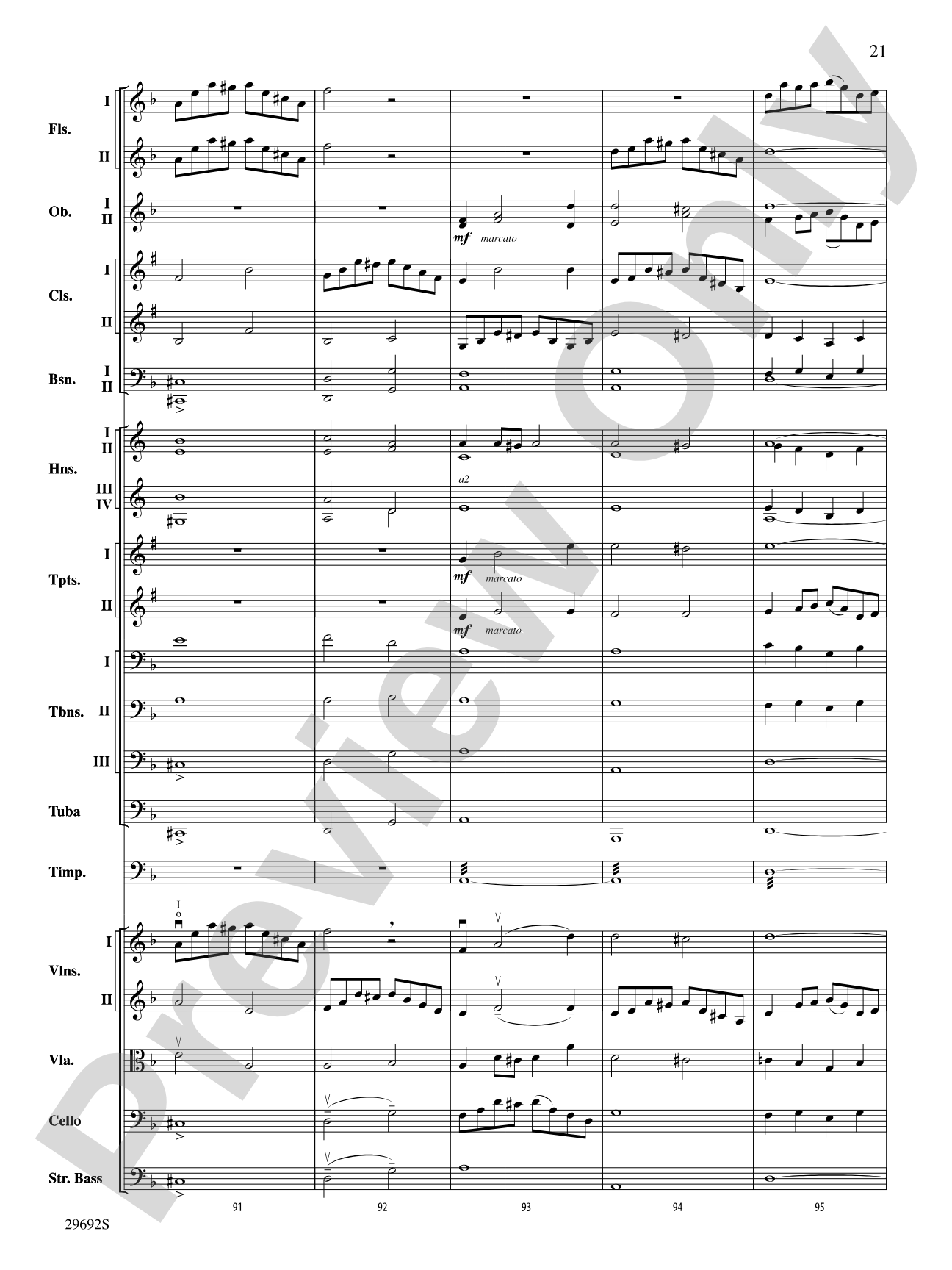
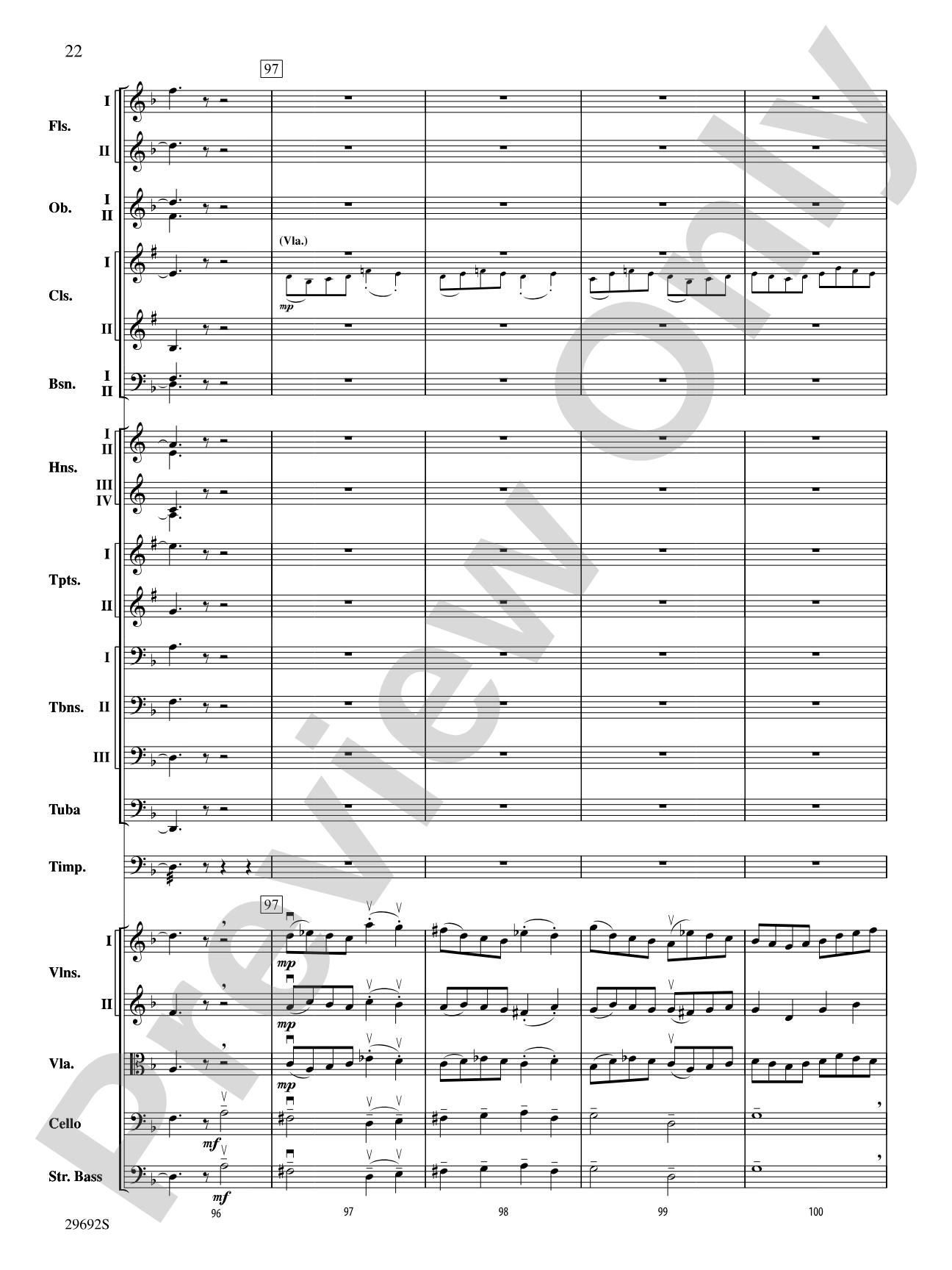
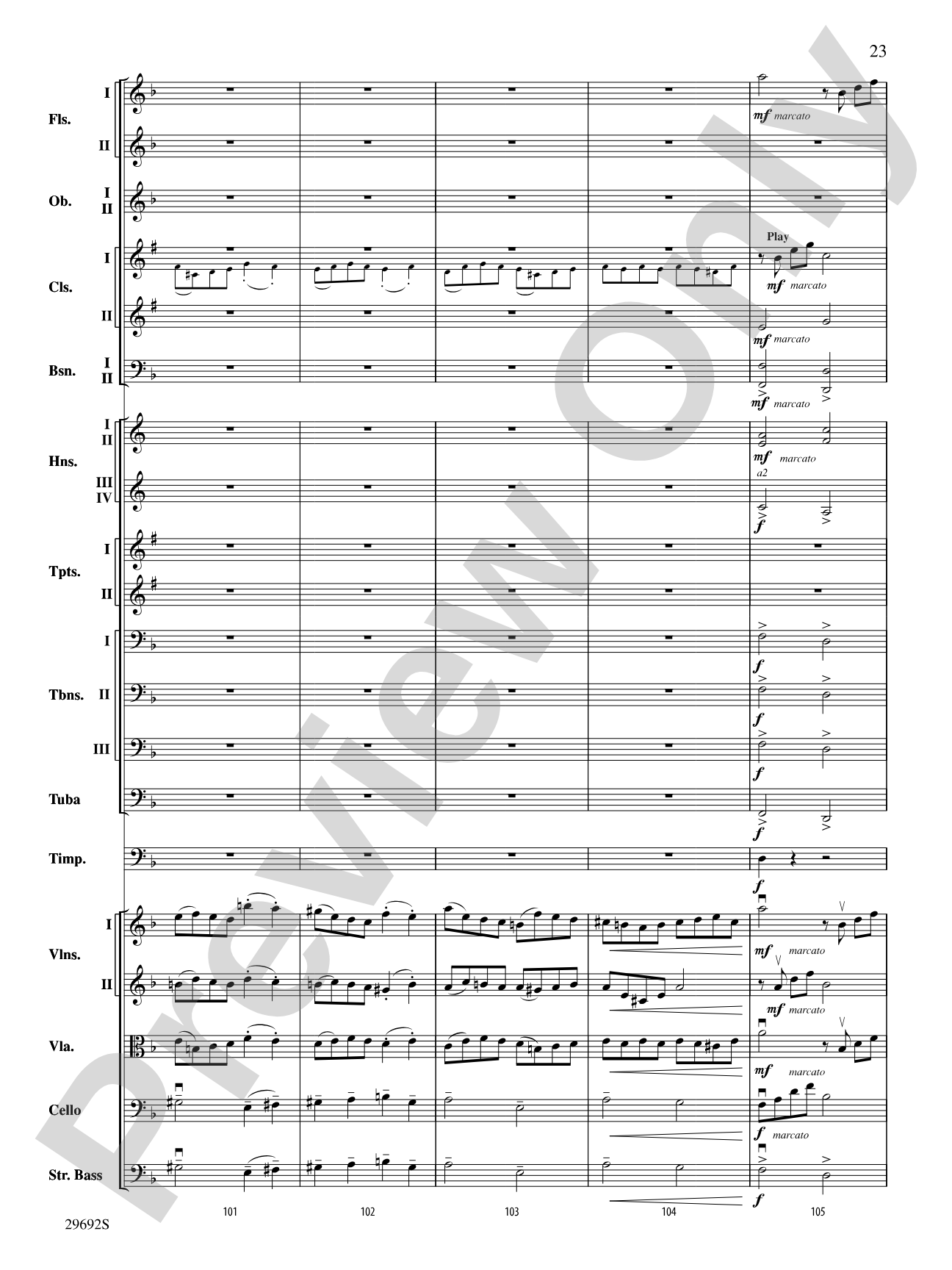
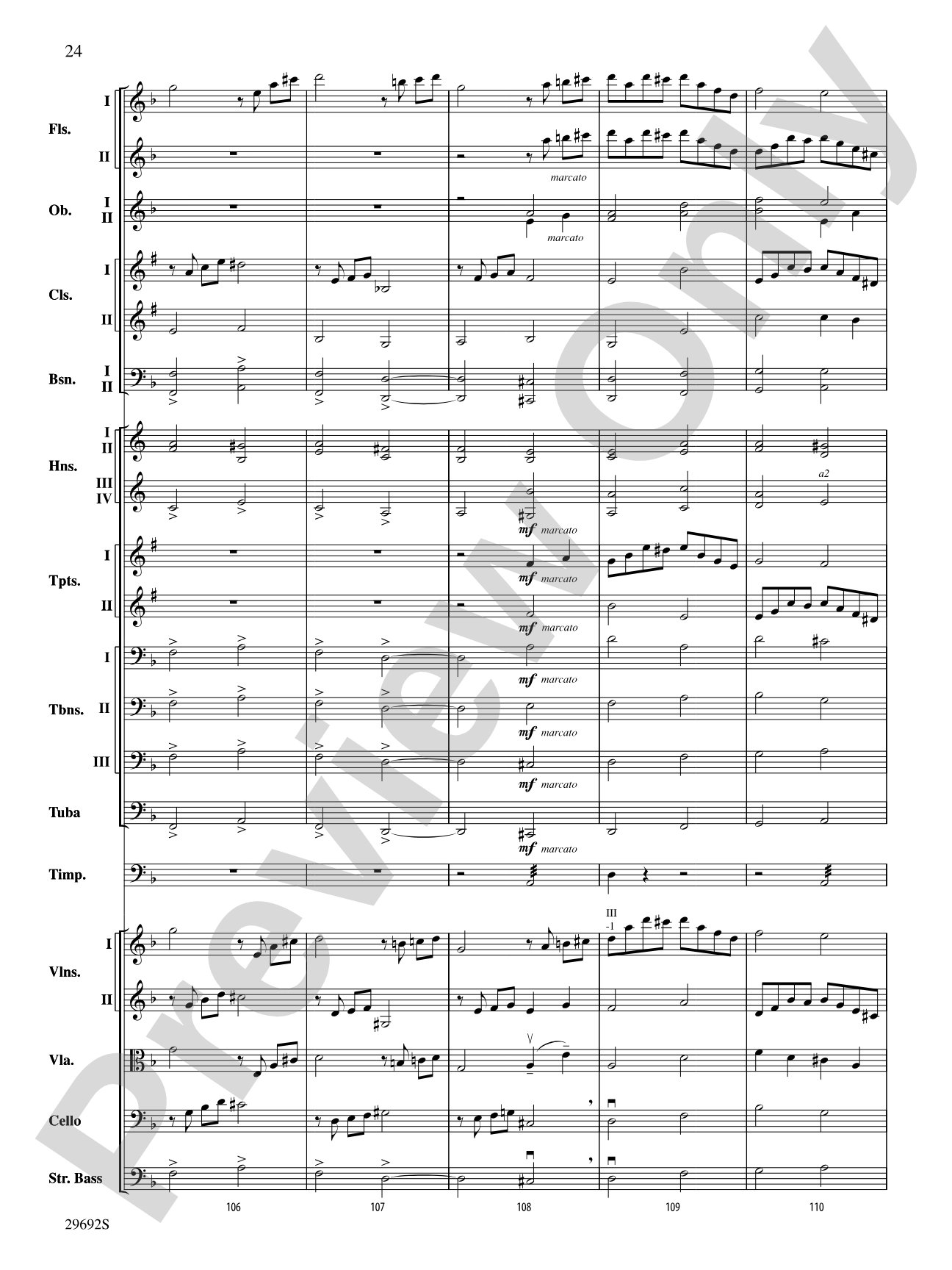
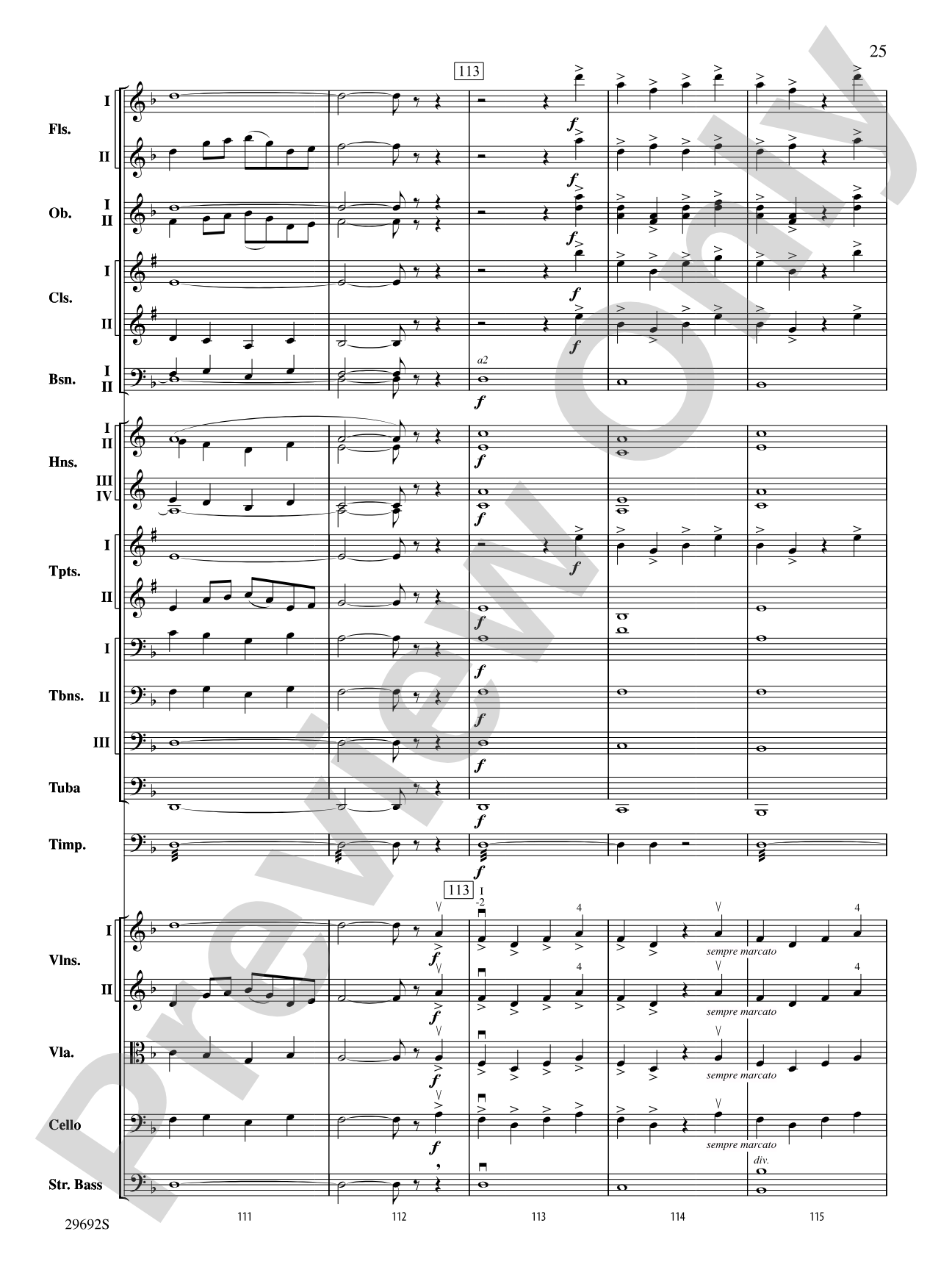
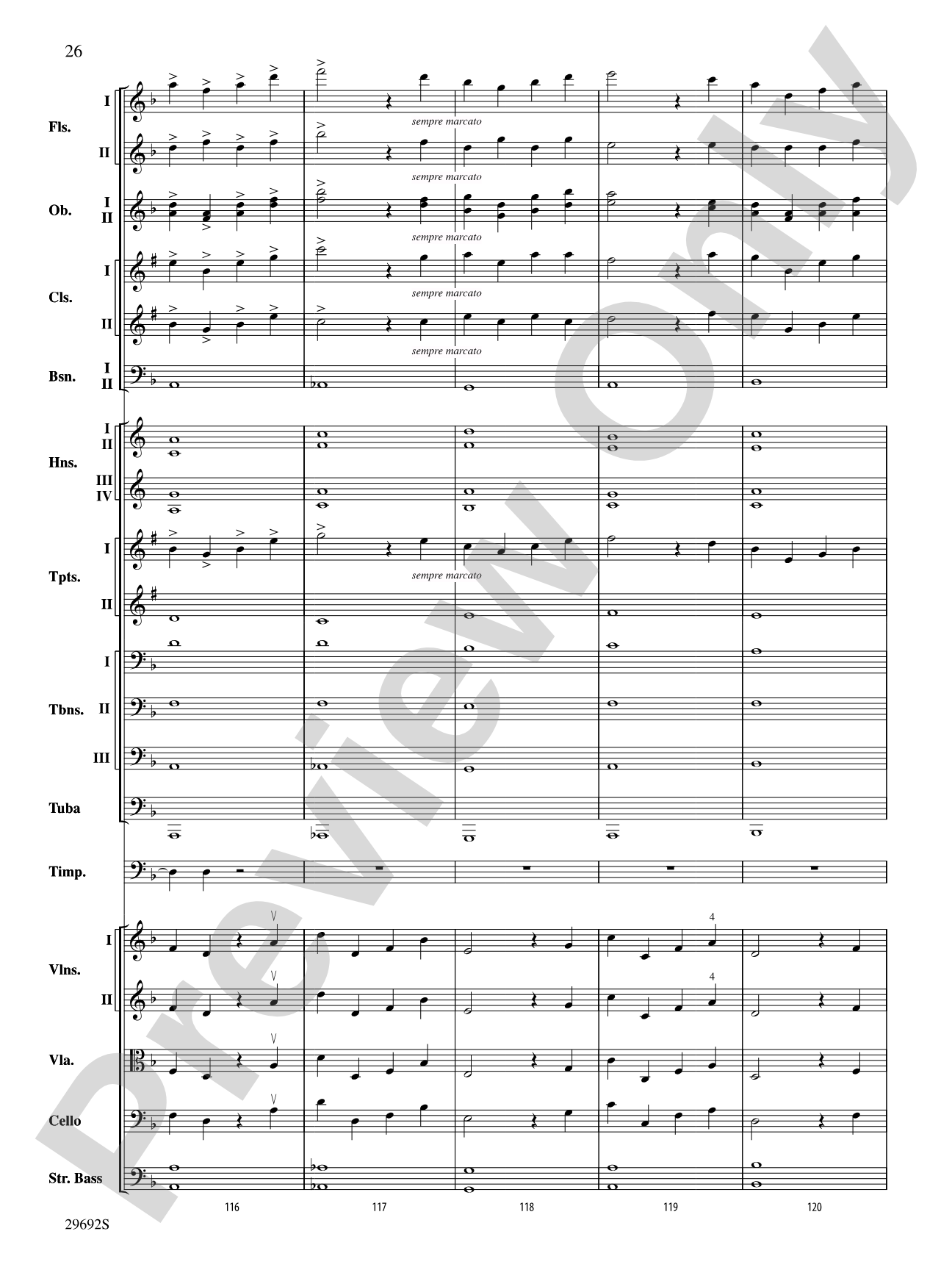
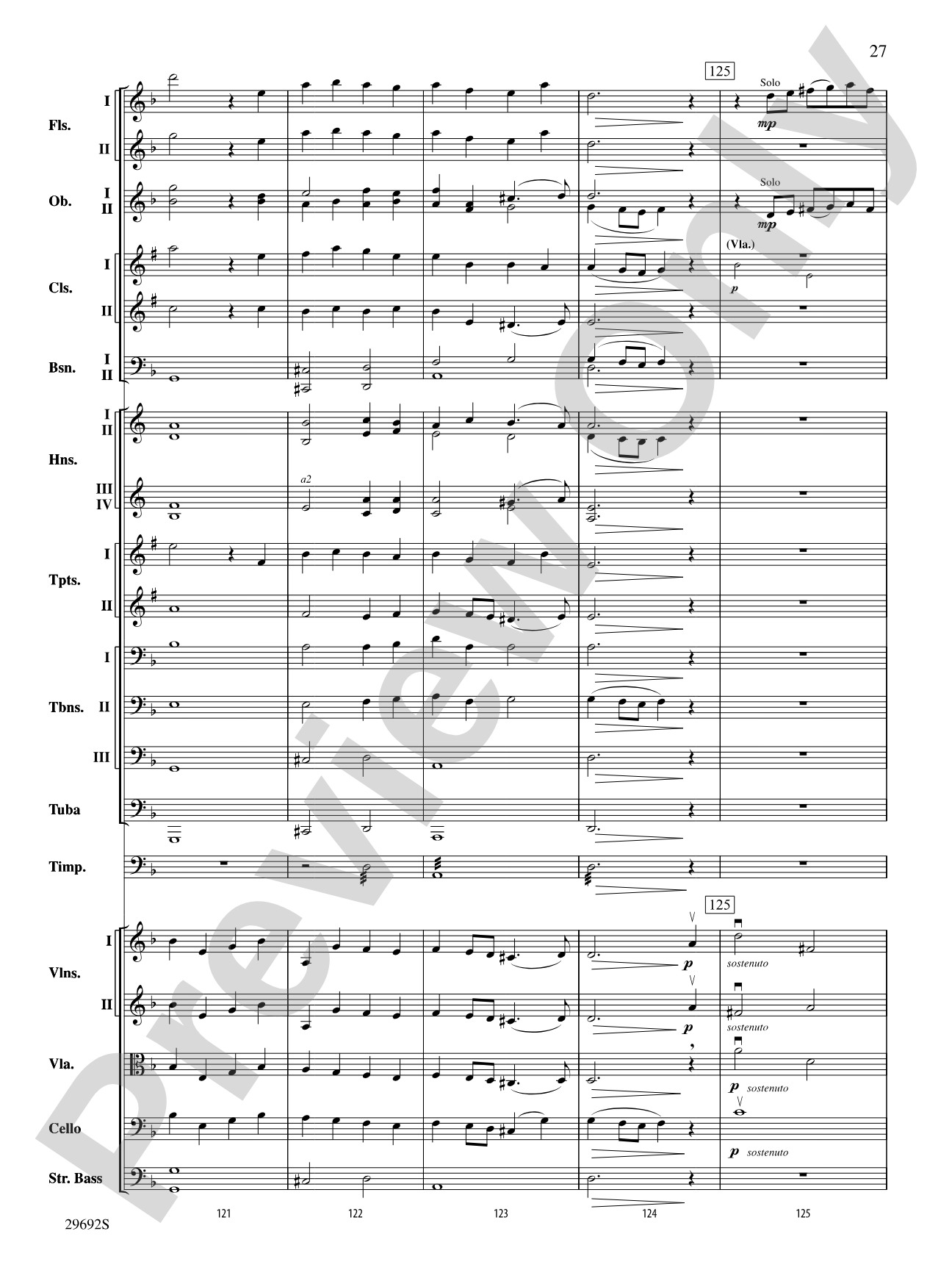
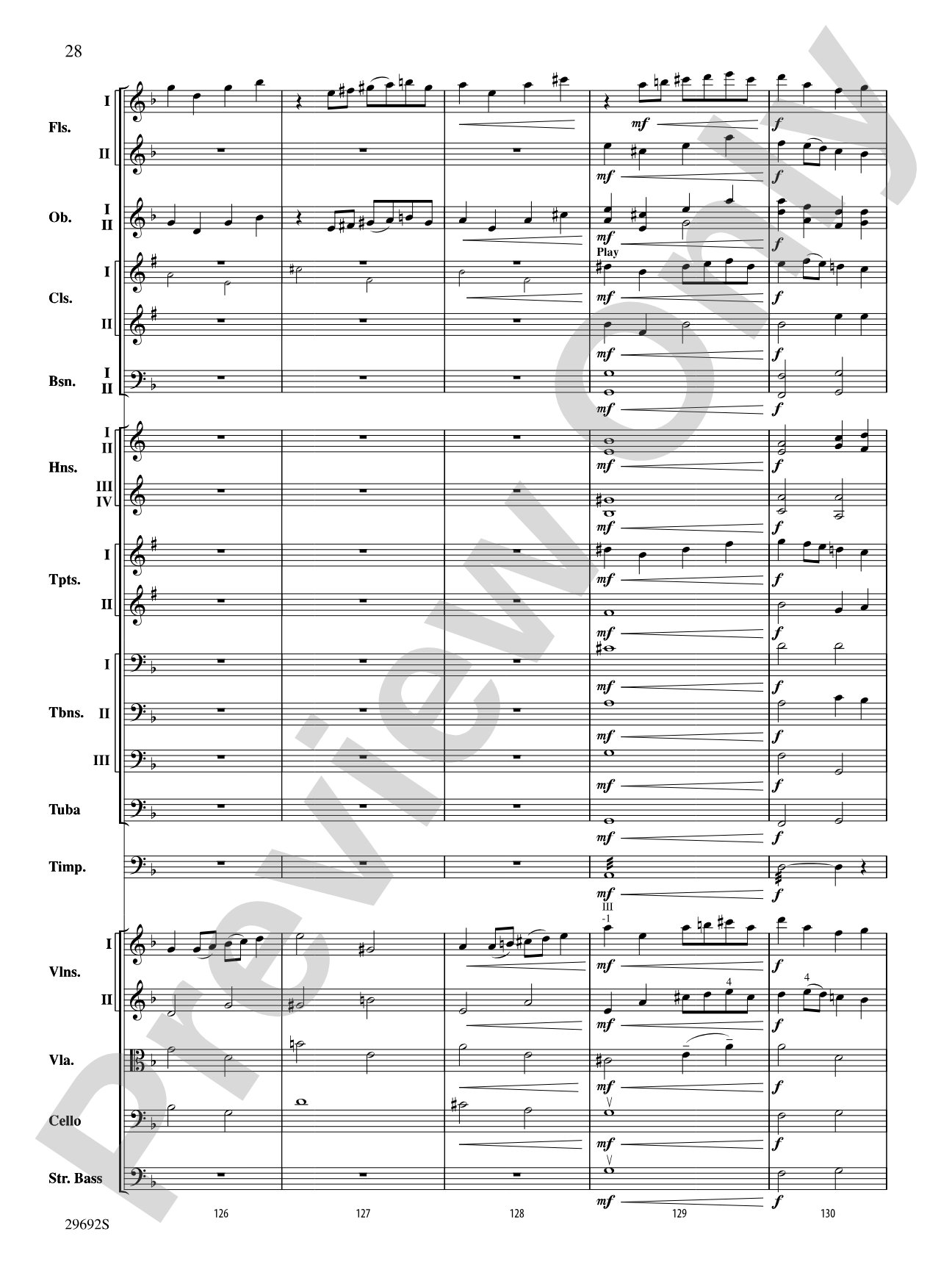
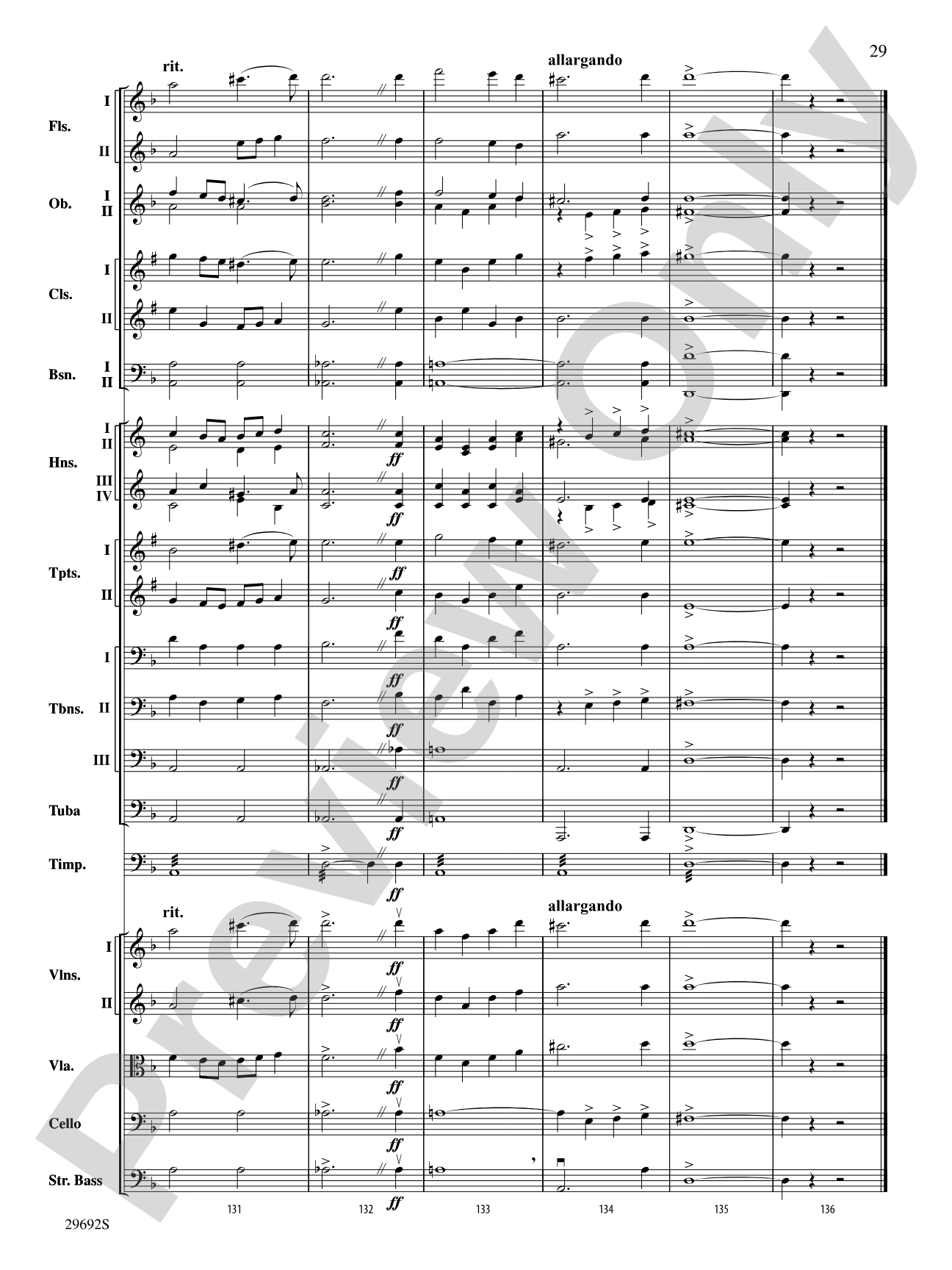




Variations on a Theme by Handel: Full Orchestra Conductor Score & Parts
By Maurice C. Whitney
Grade: 3
Item: 00-PK-0001567

$63.00
One moment…
Description
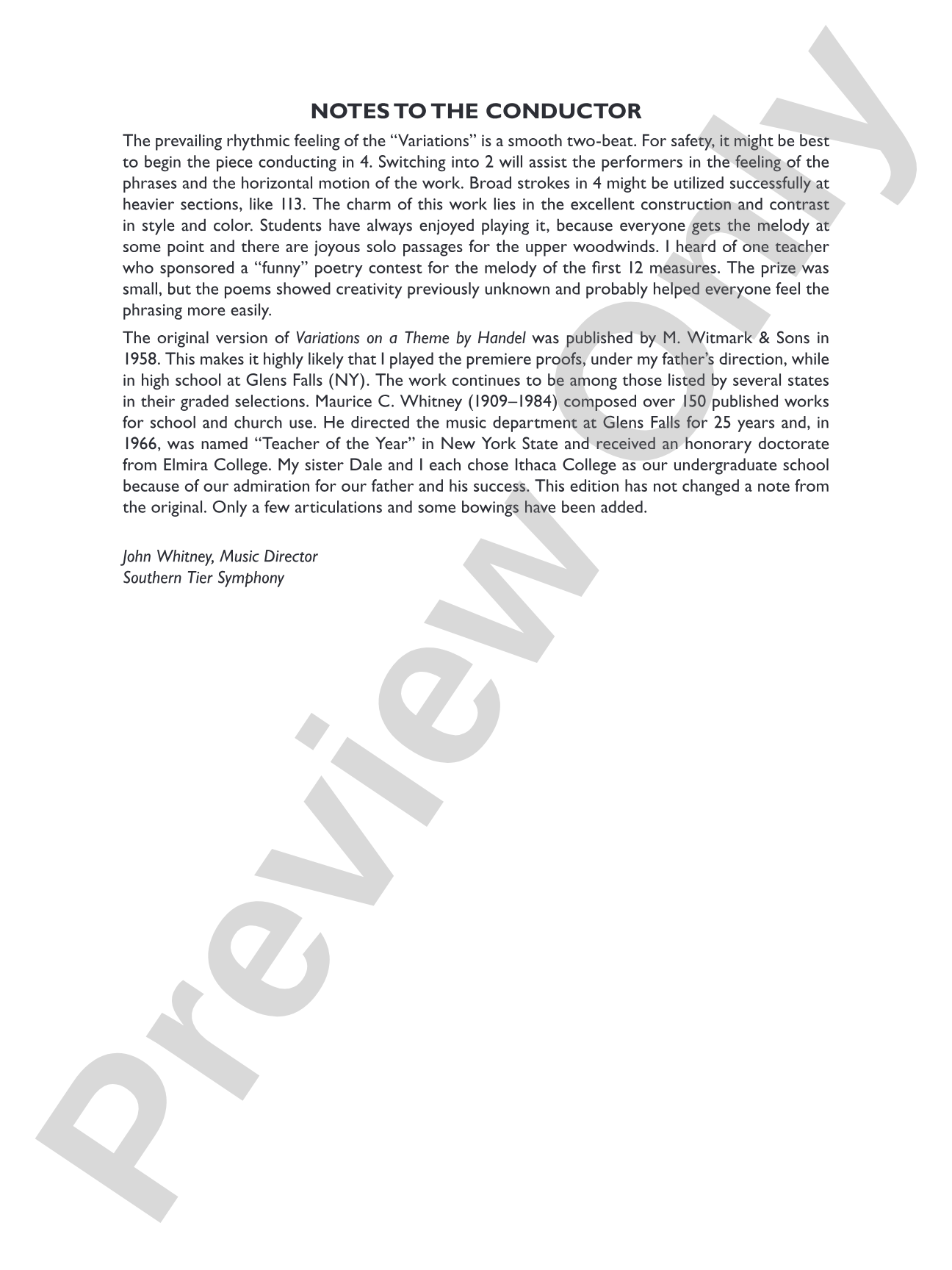
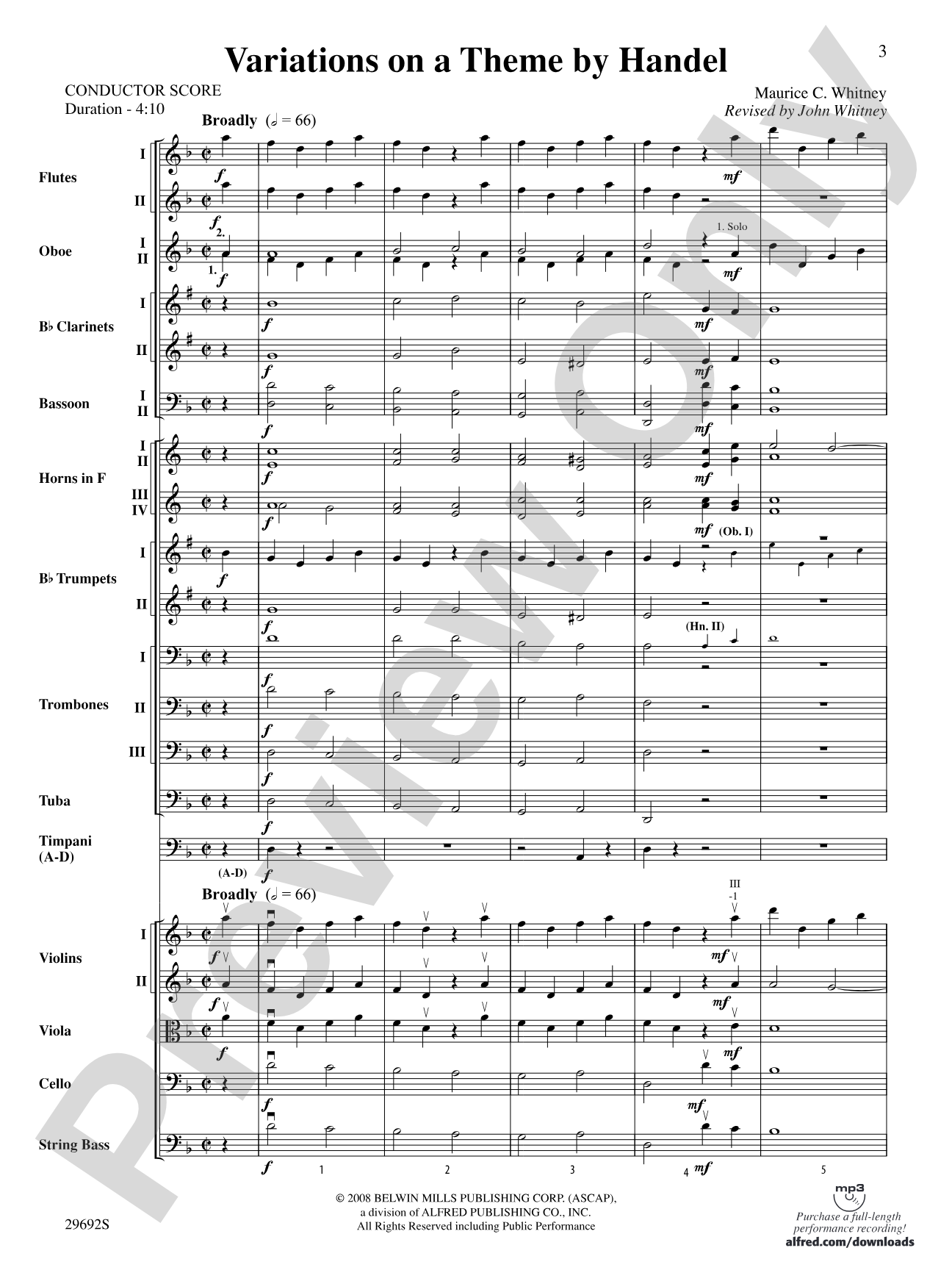
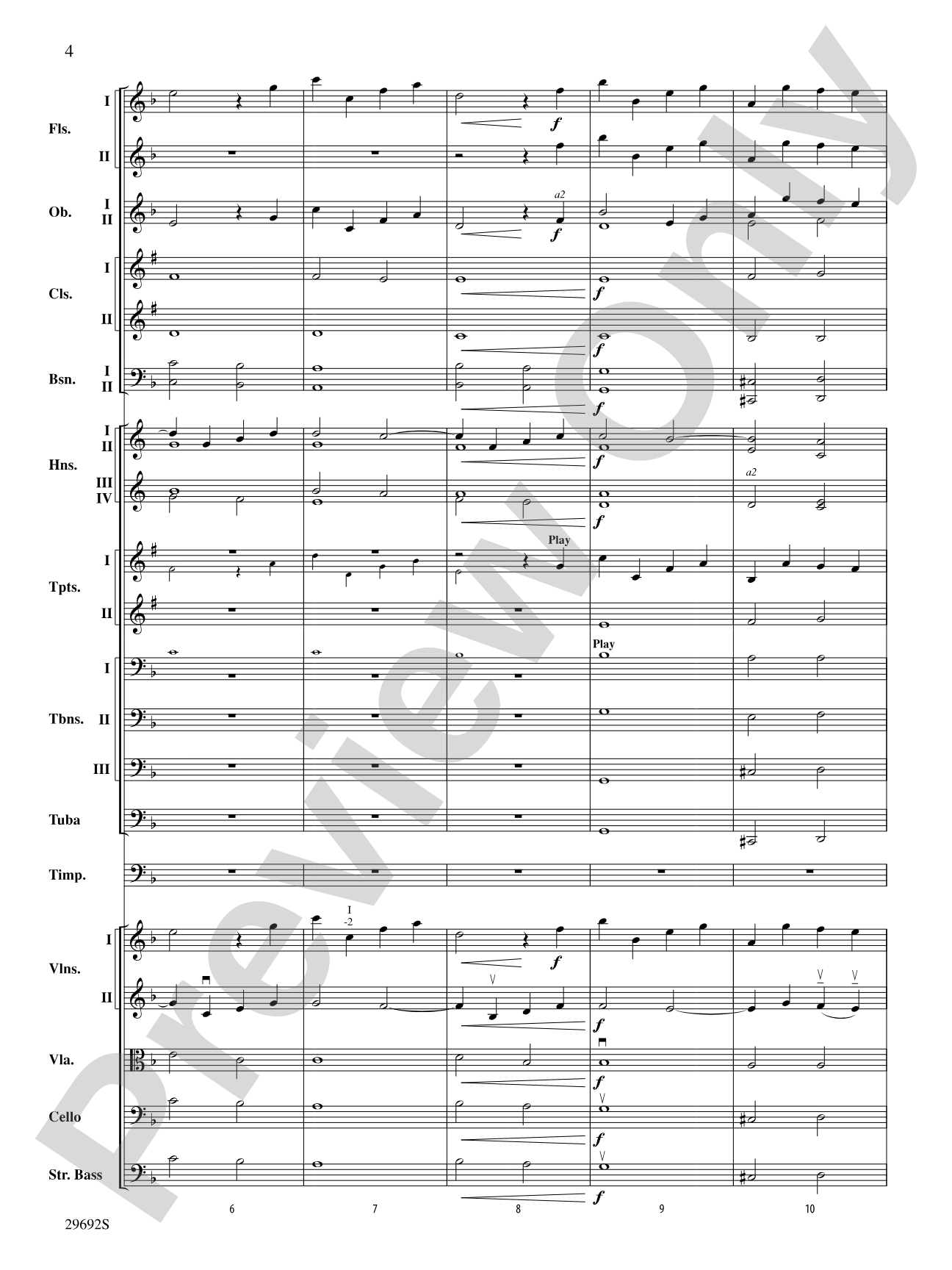
The charm of this work lies in the excellent construction and contrast in style and color. Students have always enjoyed playing it, because everyone gets the melody at some point and there are joyous solo passages for the upper woodwinds. Originally published in 1958, and still on state lists, this new edition is true to the original with only a few articulations and bowings added. (4:10)


Don't just read it, hear it, play along with it, and watch your students grow with it. In MakeMusic Cloud, Variations on a Theme by Handel: Full Orchestra Conductor Score & Parts comes alive with professional accompaniment, adjustable tempo, and built-in practice tools that turn solo practice into real progress.
Open in the Player
Jump straight in and assign it today.
Start Your Free Trial
Open this title and explore the full library in minutes.
Sample Audio
1
Audio File
--:--
0:00
0:00
Sample Video
No sample videos found.
Additional Details
Series:
Belwin Concert Full Orchestra
Publisher:
Alfred Music
Page Count:
178
SKU:
00-PK-0001567
More about this title
About the Composer: Maurice C. Whitney
Maurice C. Whitney was an accomplished composer and arranger who understood the practical needs of school orchestras. His work in the mid-twentieth century focused on creating pieces that balanced musical substance with accessibility, earning him a lasting place on state contest lists across the country.
Whitney's arrangements demonstrate sophisticated orchestration paired with genuine pedagogical insight. He wrote for the orchestras he knew: young ensembles with varying levels of ability, where every section deserved meaningful material and the chance to carry important lines.
Why we love this
This arrangement respects the architecture of its Baroque source while giving every section a moment to shine. The structure ensures that students at Grade 3 stay engaged throughout, and the craftsmanship means it reads cleanly on the page without sacrificing musical substance. After nearly seven decades in print and on festival lists, it remains one of the most reliable choices for orchestras ready to step into serious repertoire.
What to expect
Elegant and joyous, with the clarity of Baroque melody supported by the richer orchestral colors available to a modern ensemble. There is genuine warmth in the writing, and enough structural variety to keep both players and listeners engaged without becoming complicated or heavy.
Who it's for
Grade 3 orchestras looking for repertoire that challenges them musically while remaining technically accessible. This work suits orchestras with complete instrumentation and the depth to balance solo passages against full ensemble sections.
How to get the most out of it
- Shape the phrasing in each section to reflect where the thematic material sits; when the melody passes between woodwind and string choirs, ensure the transition feels inevitable rather than abrupt.
- Balance the solo passages in the upper woodwinds against the supporting harmonies. These moments are designed to be heard clearly, so give them room without asking the lower sections to pull back artificially.
- Articulation and bowing markings have been added thoughtfully in this edition. Use them as a guide for achieving cohesion across the orchestra rather than as absolute directives; slight adjustments for your specific ensemble's needs are appropriate.
- Pay attention to the contrasts in style and color that Whitney builds. Mark phrase goals in your score and rehearse transitions between sections to maintain forward momentum and clarity of intent.
How to use it
Program this on a concert where you want to showcase both your orchestra's rhythmic precision and its ability to sing as a unified body. It pairs well with contemporary works or lighter Romantic pieces, giving the program architectural balance. This is also an excellent festival selection for ensembles building toward more demanding literature.
Skills your students will build
- Tracking thematic material across different instrumental sections
- Balance between solo passages and ensemble sections
- Baroque phrasing and articulation in an orchestral context
- Ensemble cohesion across woodwind, brass, and string choirs
- Stylistic contrast and color differentiation