
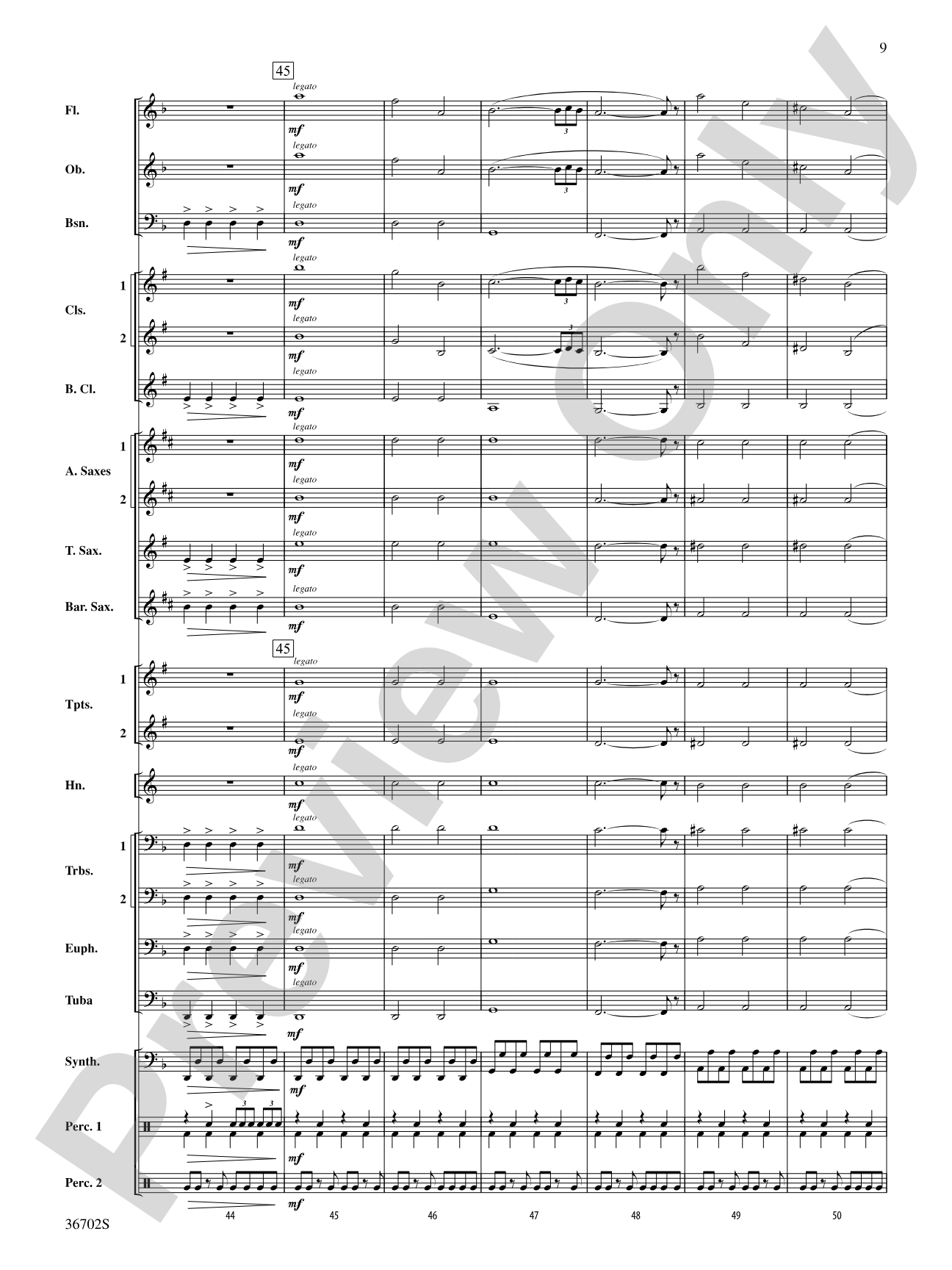
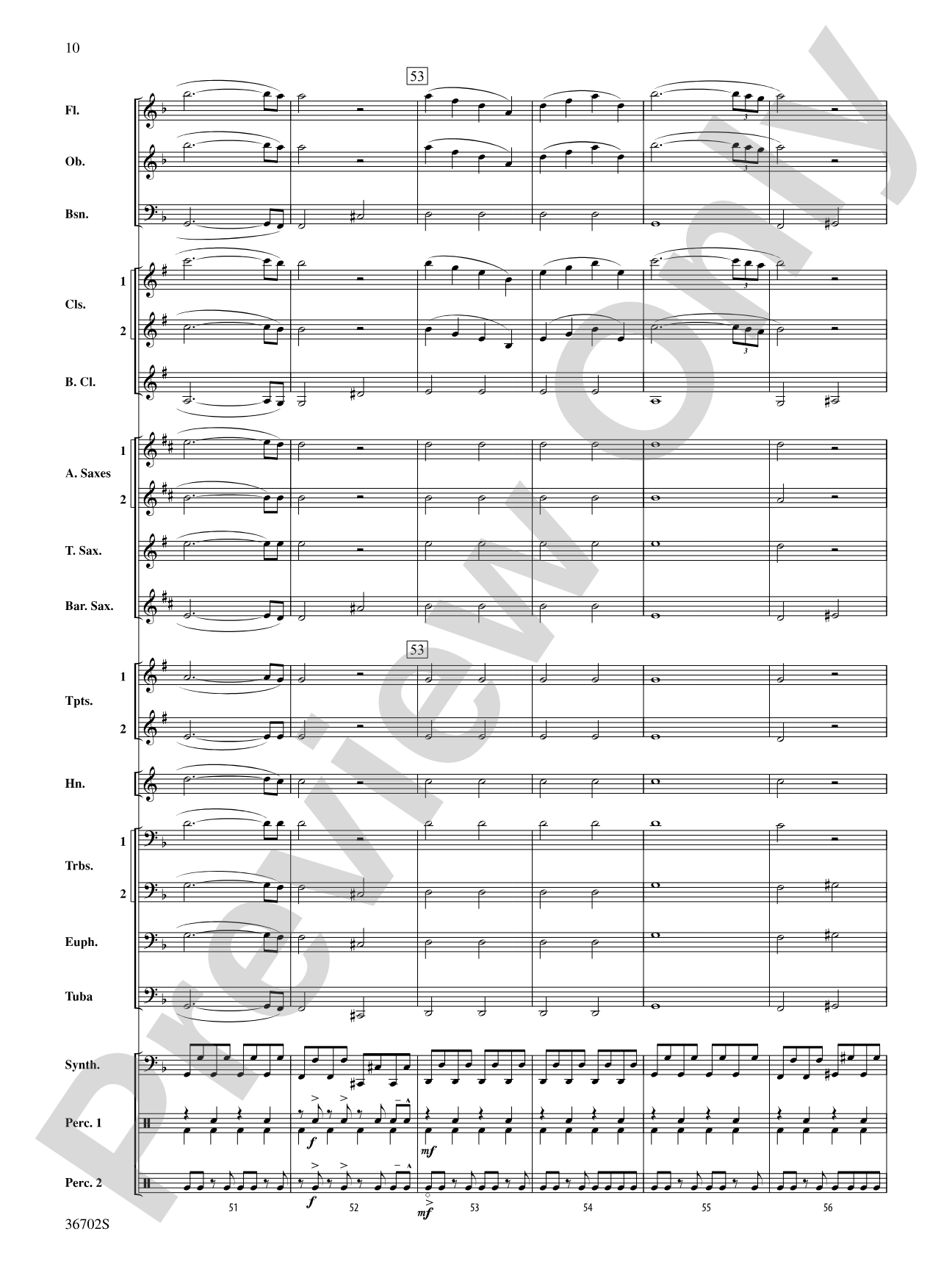
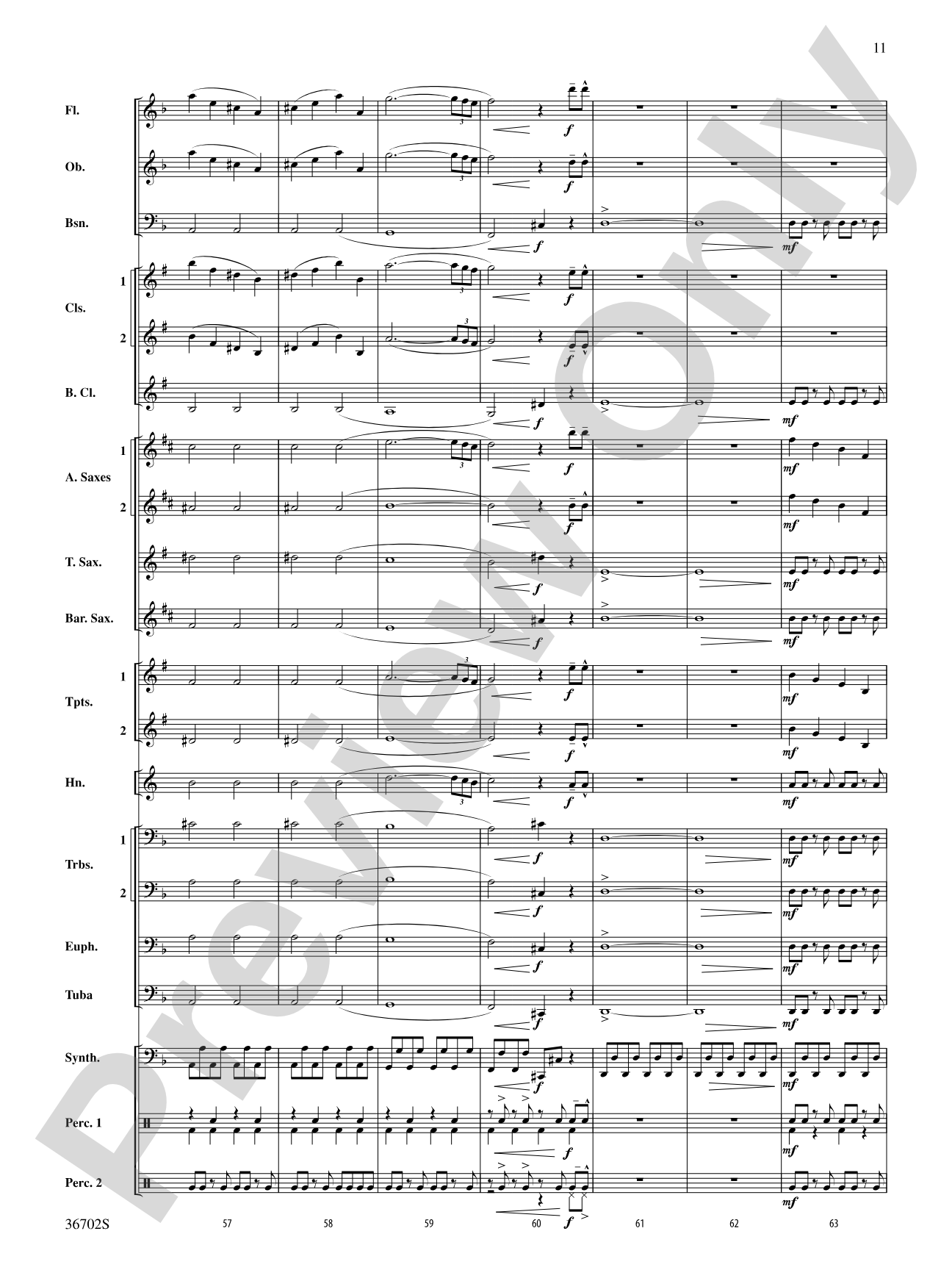
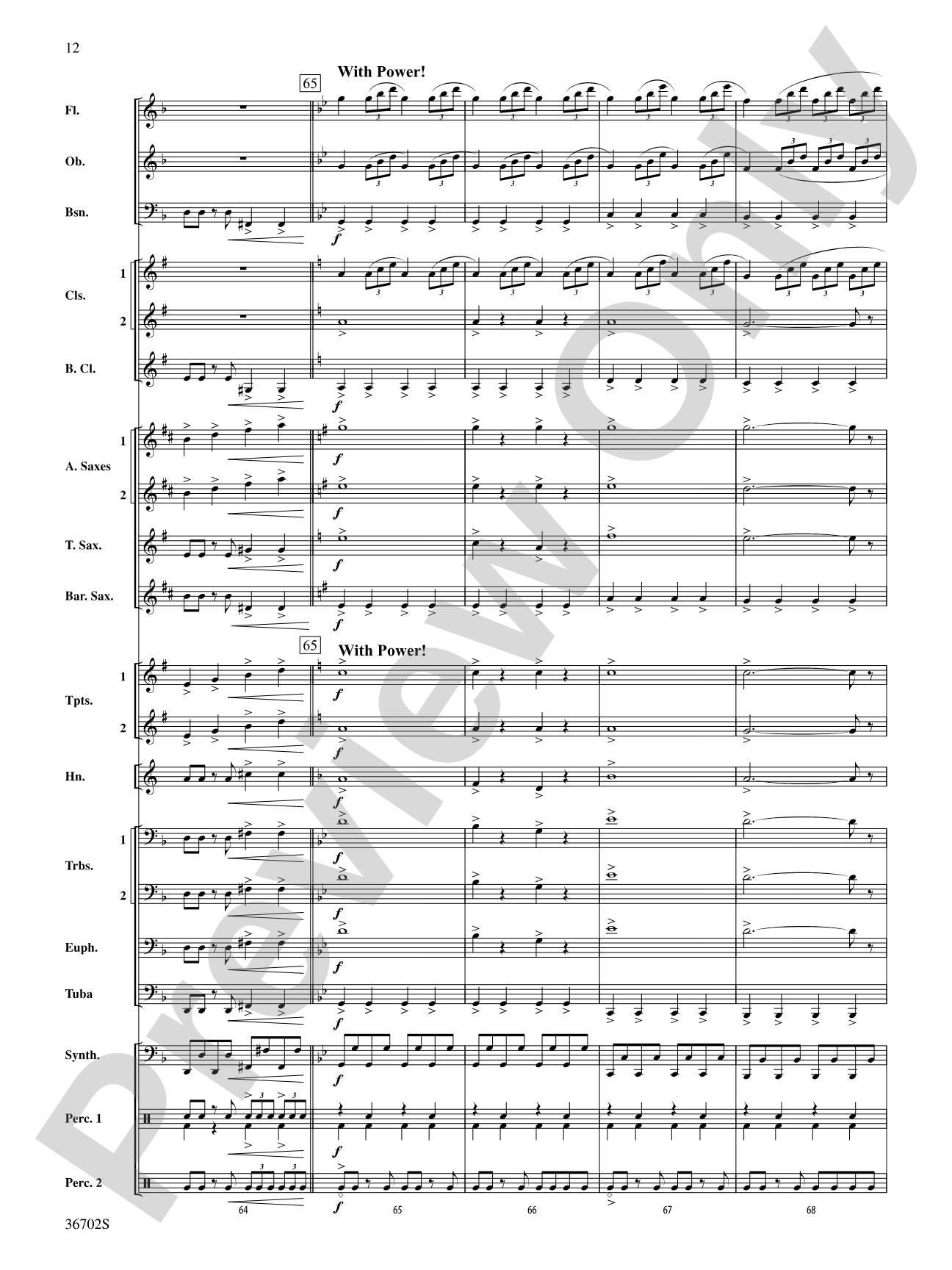


Uprising: Concert Band Conductor Score & Parts
Recorded by Muse
By Matthew Bellamy / arr. Steve Hodges
Grade: 2 (Medium Easy)
Item: 00-PK-0004842

$58.00
One moment…
Description
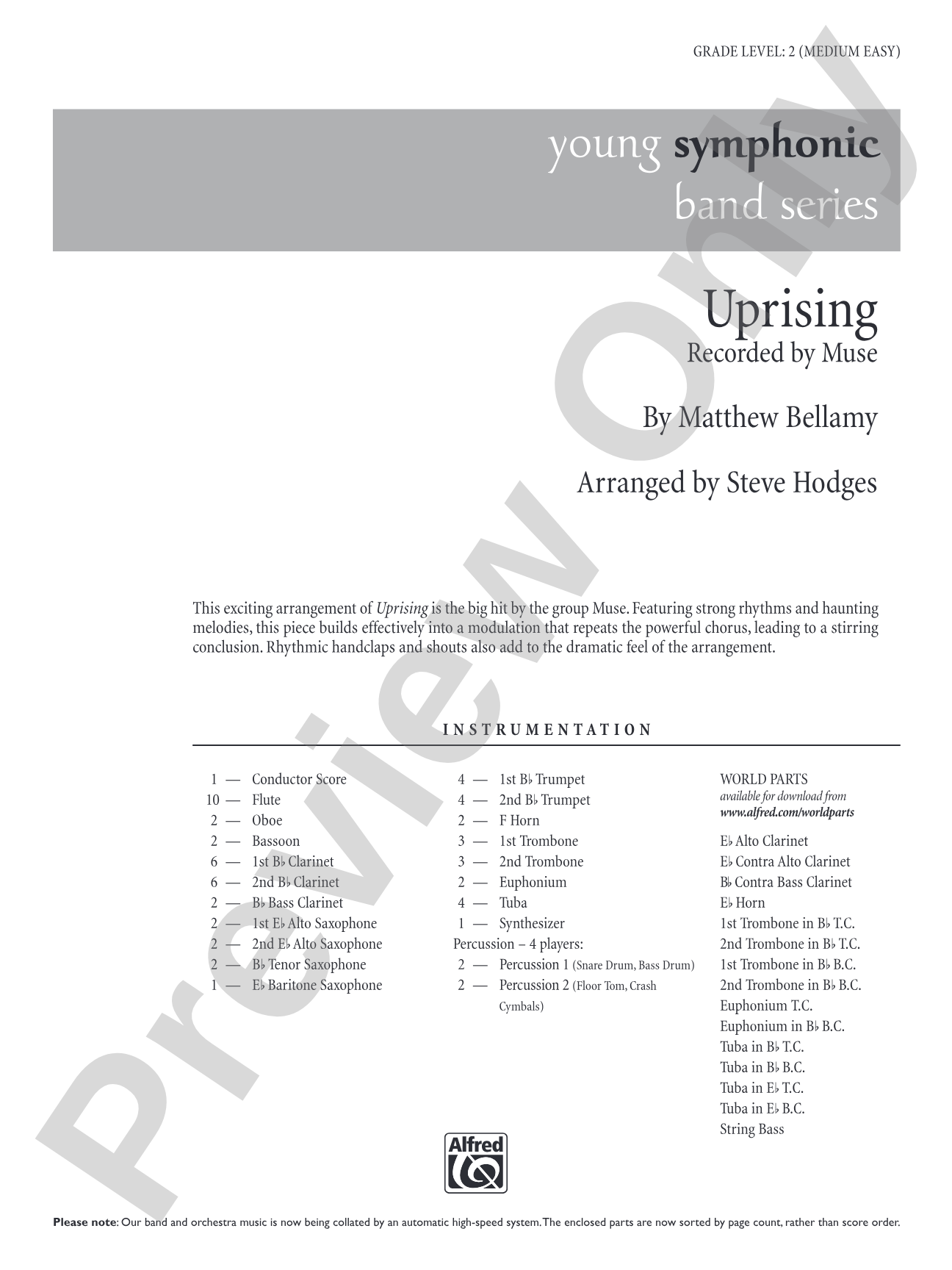
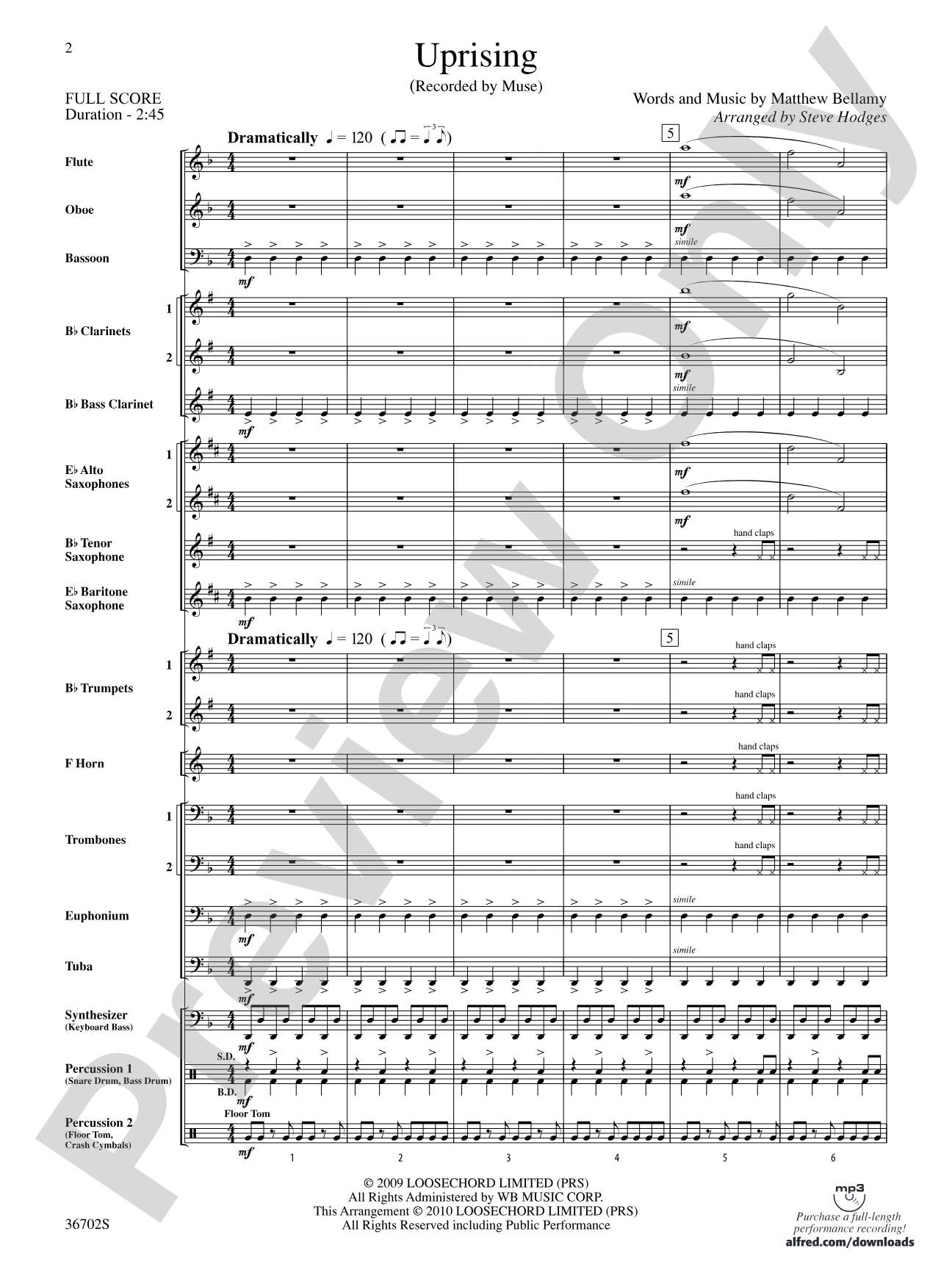
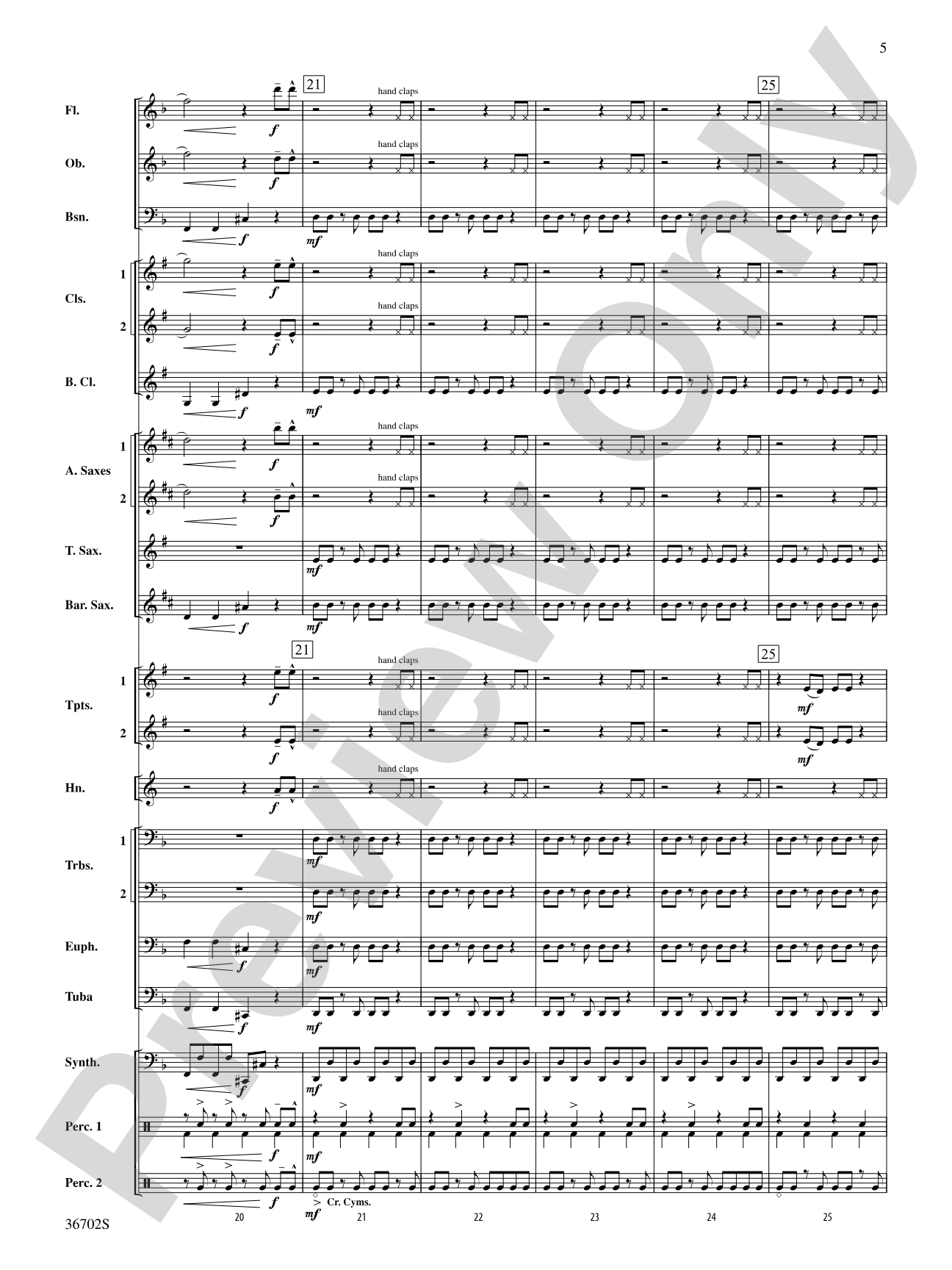
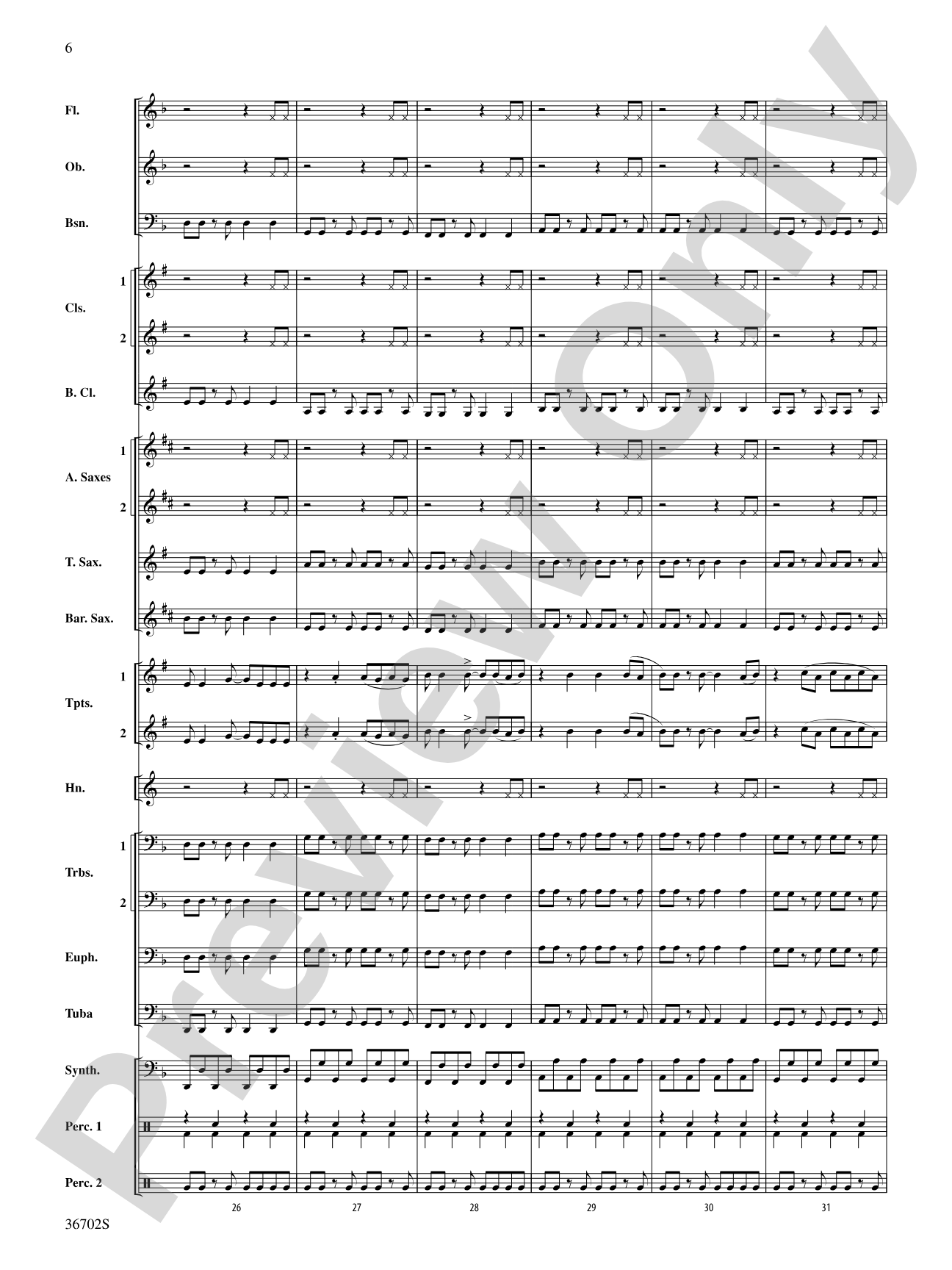
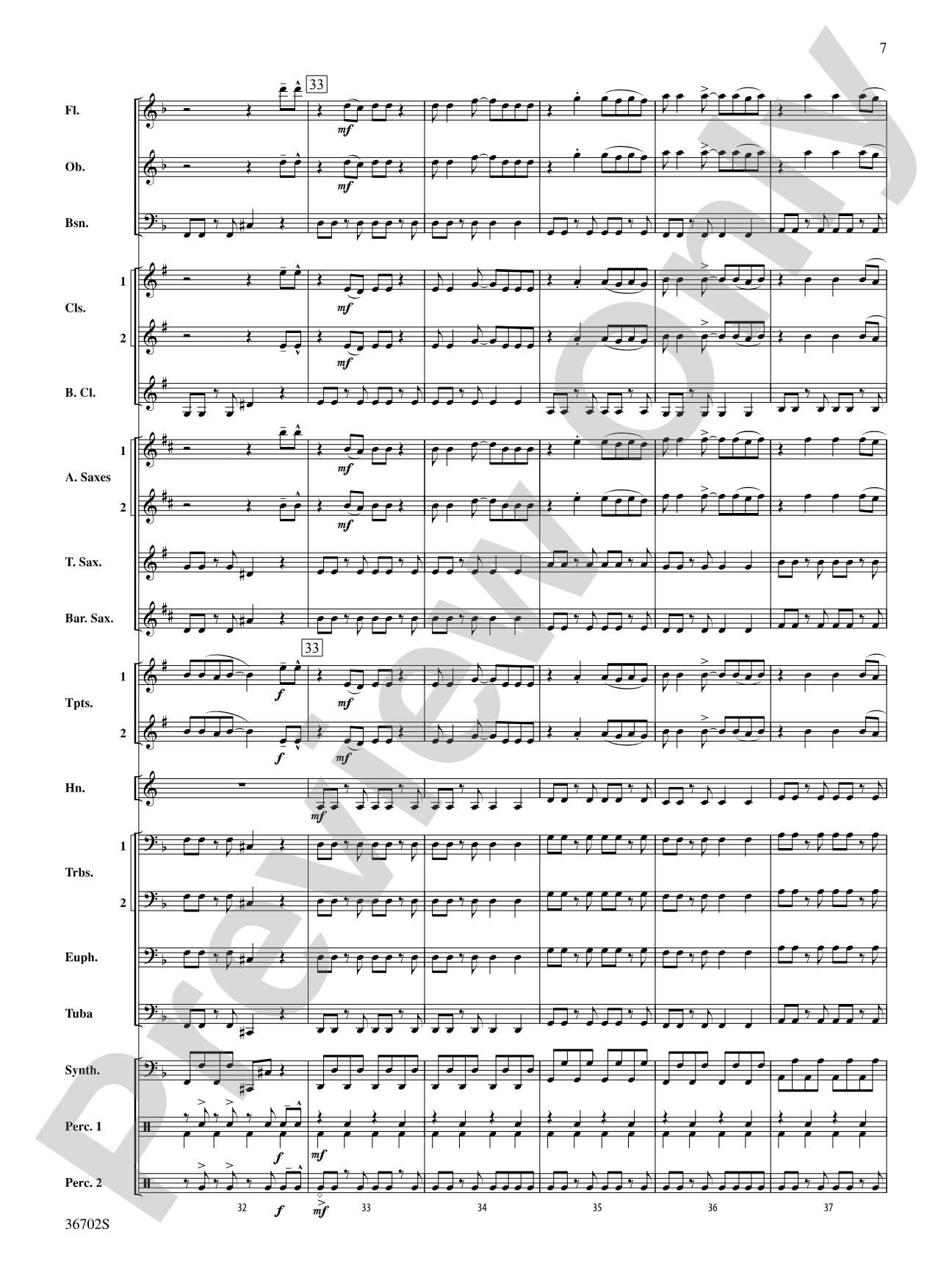
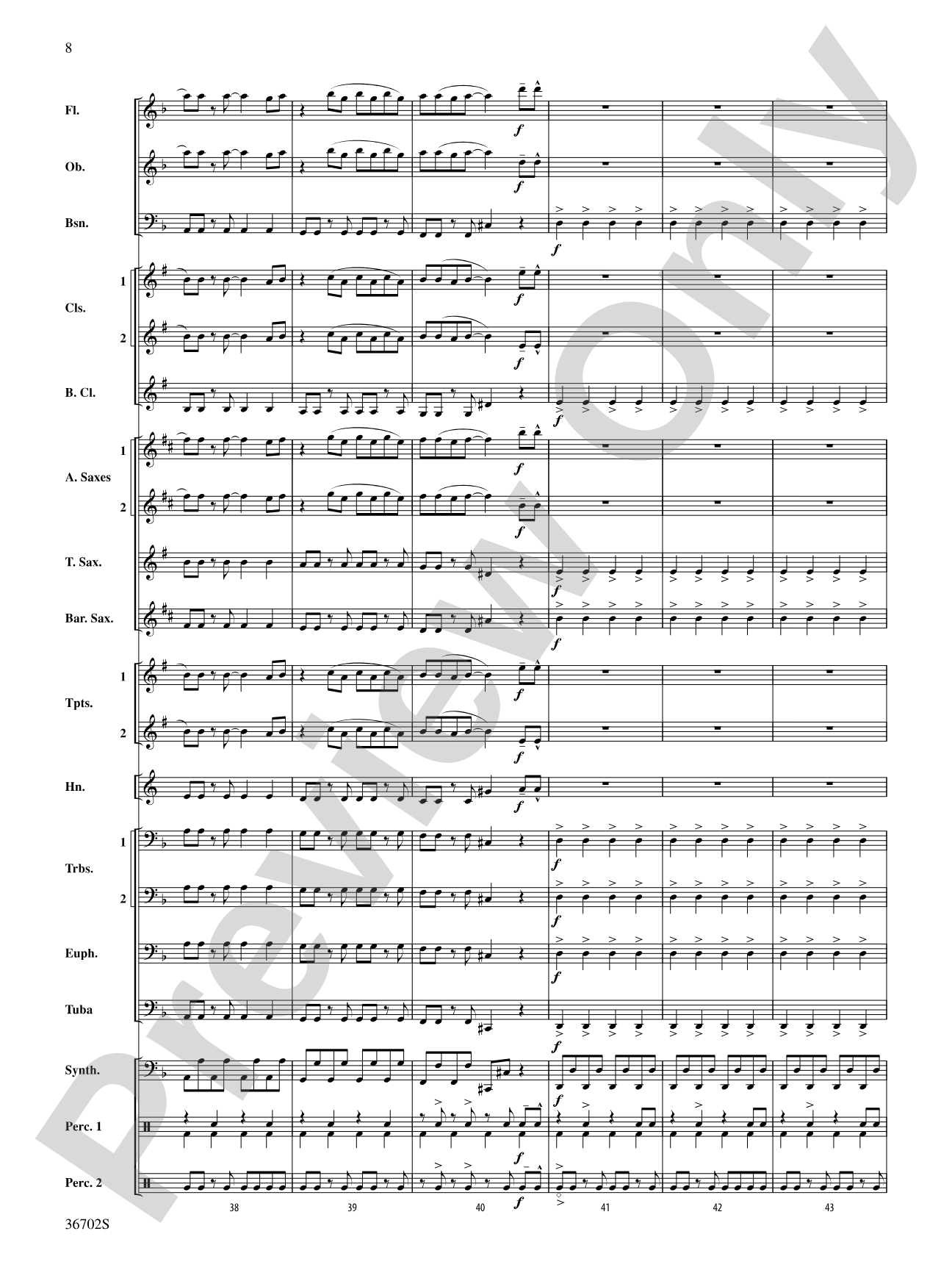
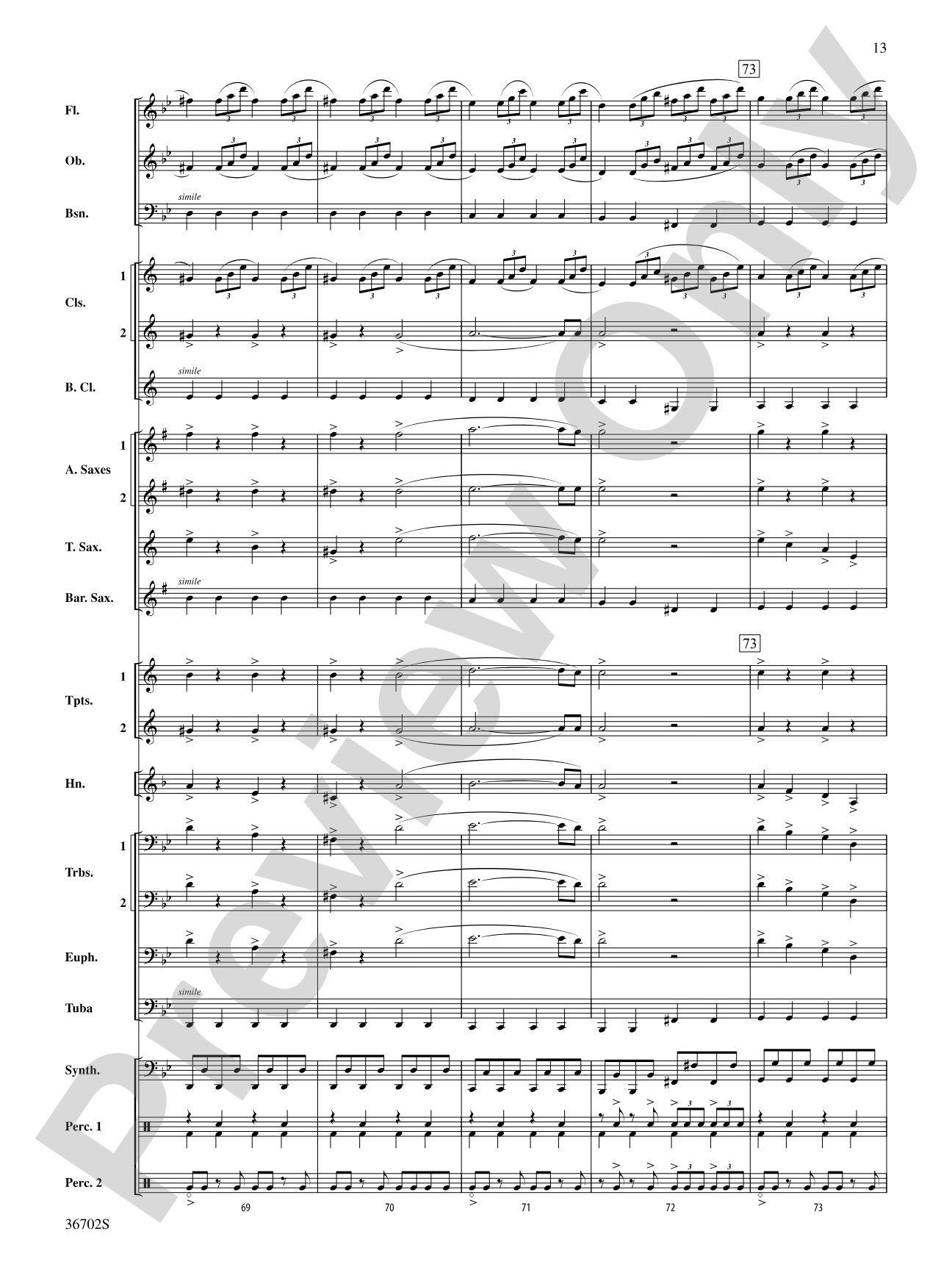
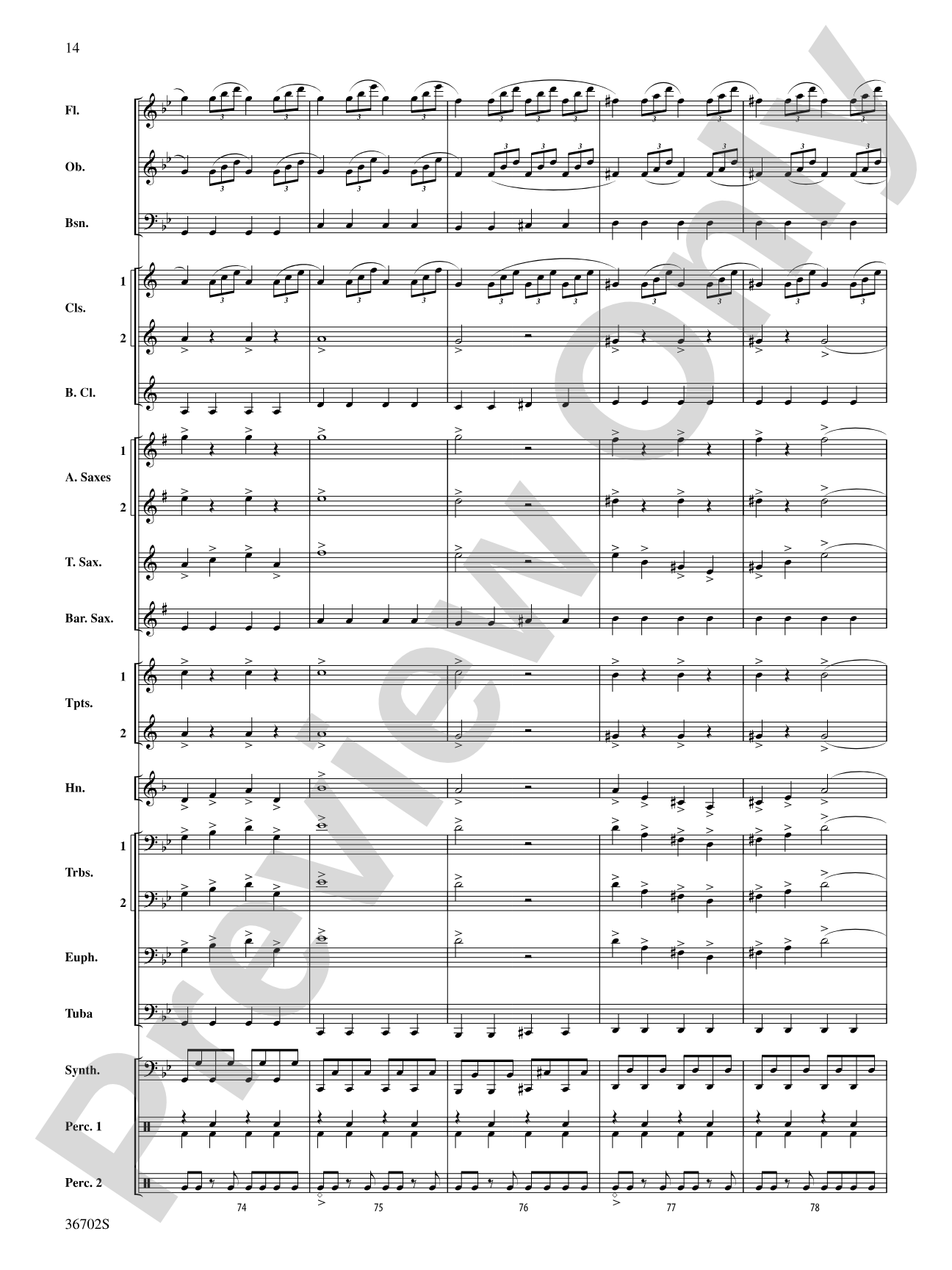
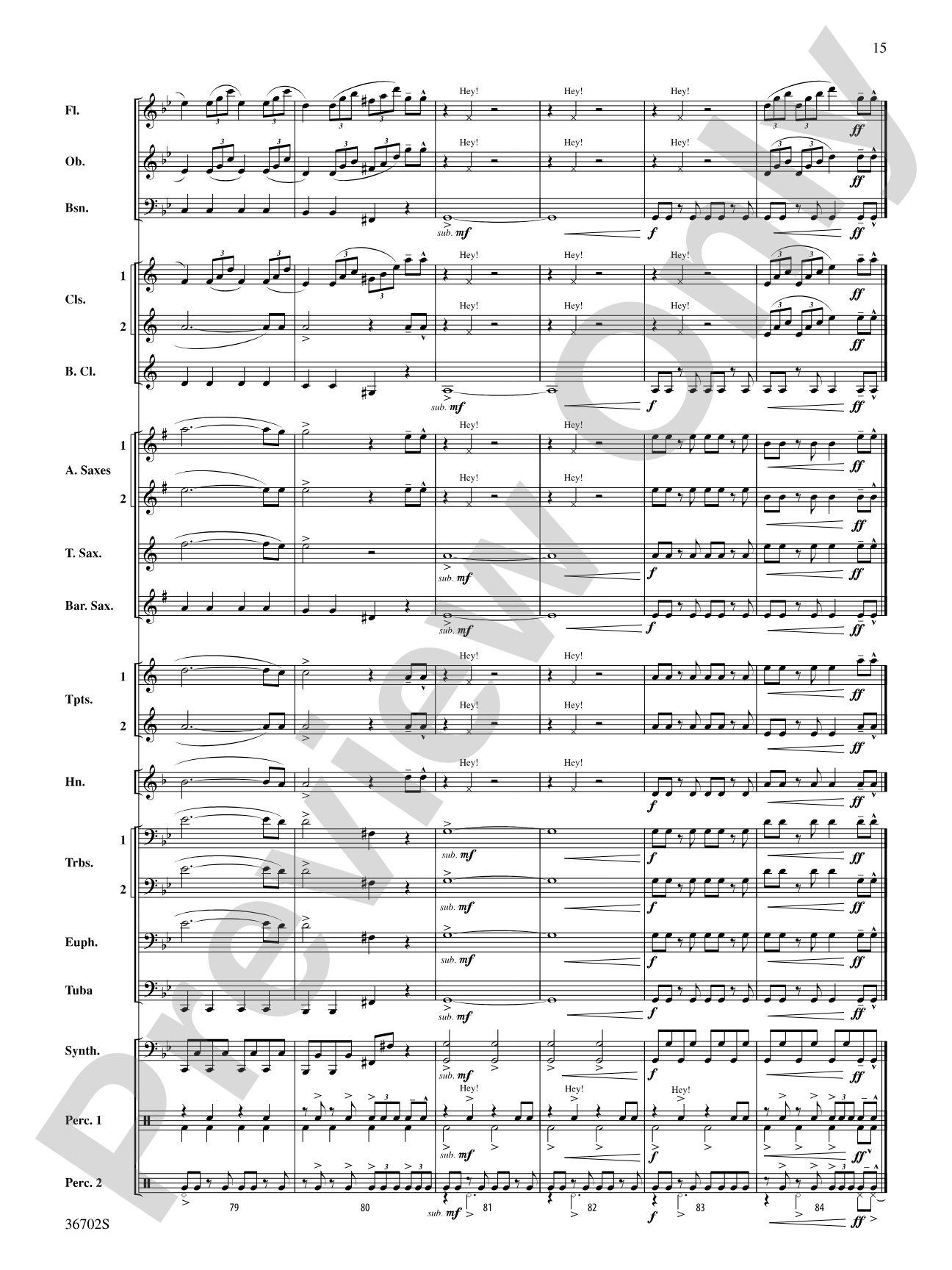
This exciting arrangement of Uprising is the big hit by the group Muse. Featuring strong rhythms and haunting melodies, this piece builds effectively into a modulation that repeats the powerful chorus, leading to a stirring conclusion. Rhythmic handclaps and shouts also add to the dramatic feel of the arrangement.


Don't just read it, hear it, play along with it, and watch your students grow with it. In MakeMusic Cloud, Uprising: Concert Band Conductor Score & Parts comes alive with professional accompaniment, adjustable tempo, and built-in practice tools that turn solo practice into real progress.
Open in the Player
Jump straight in and assign it today.
Start Your Free Trial
Open this title and explore the full library in minutes.
Sample Audio
1
Audio File
--:--
0:00
0:00
Sample Video
No sample videos found.
Additional Details
Series:
Young Symphonic
Publisher:
Alfred Music
Page Count:
248
SKU:
00-PK-0004842
More about this title
About the Composer: Matthew Bellamy
Matthew Bellamy is the lead vocalist, guitarist, and primary songwriter for Muse, the British rock band that emerged in the 1990s. His compositions blend progressive rock structures with electronic elements and dramatic dynamic shifts, creating music that translates effectively across genres and ensemble settings. Bellamy's work has become a fixture in contemporary music education because of its strong melodic hooks, rhythmic drive, and emotional range.
Why we love this
Steve Hodges has crafted an arrangement that preserves the driving energy of the original while staying accessible for Grade 2 ensembles. The addition of rhythmic handclaps and shouts transforms this into a participatory experience that energizes both players and audiences, making it a standout choice for building enthusiasm around concert band repertoire.
What to expect
Uprising captures urgency and defiance. The piece opens with a sparse, ominous quality before building into a propulsive, driving sound. The shouts and handclaps create a visceral, almost protest-like quality that feels immediate and alive rather than polished or distant.
Who it's for
Band directors seeking contemporary repertoire that connects with students and audiences alike. This arrangement works for groups that have secure fundamentals in rhythm reading and balance but are not yet ready for complex harmonic or structural demands.
How to get the most out of it
- Establish the rhythmic foundation early in sectional rehearsals. The handclaps and shouts are not decoration; they anchor the piece's momentum and require ensemble precision just like any melodic line.
- Shape the modulation carefully. This arrangement hinges on the key change building toward the repeated chorus. Conductors should mark the exact tempo adjustment needed and rehearse the transition with clear beats to avoid stumbling.
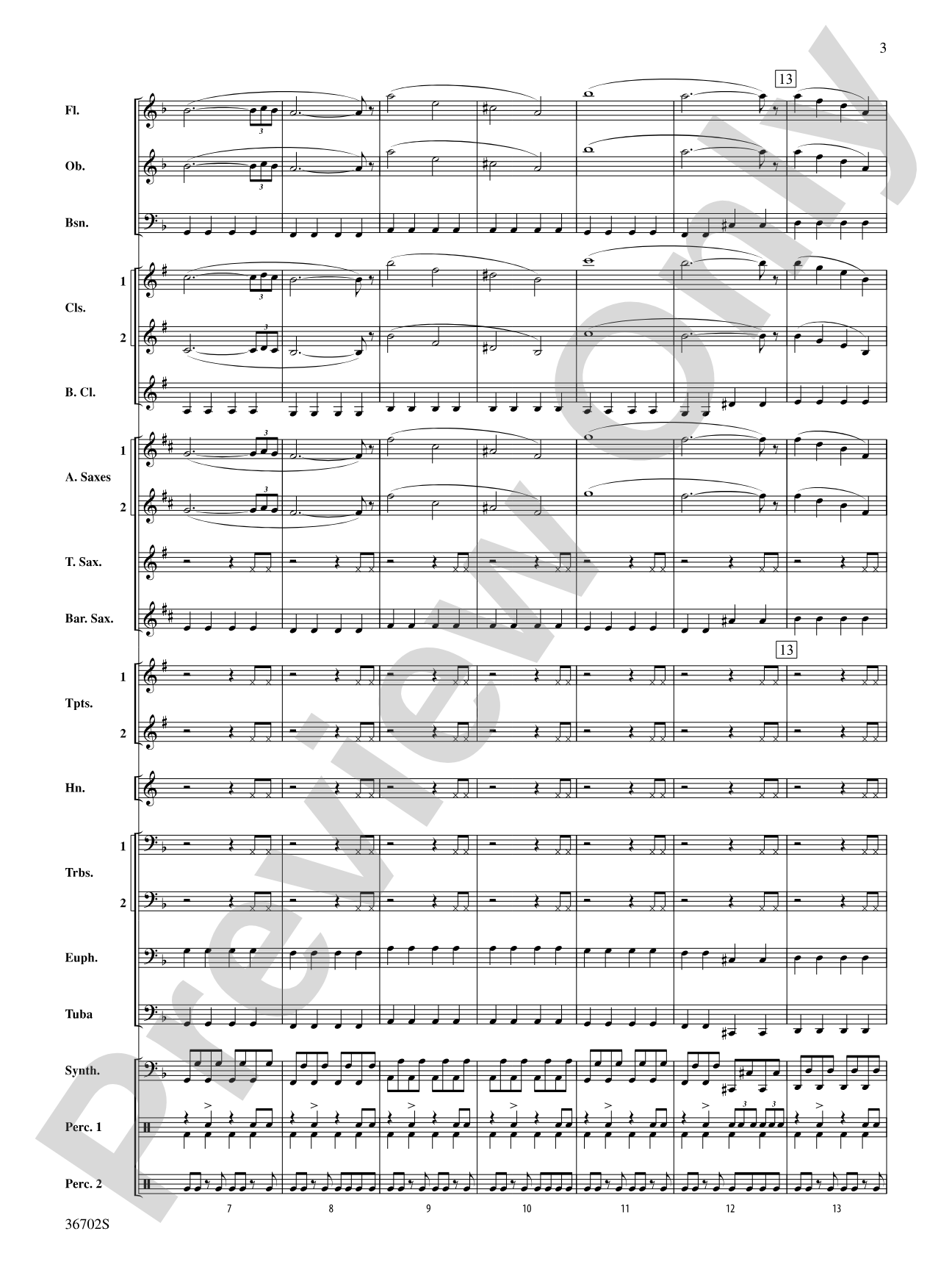
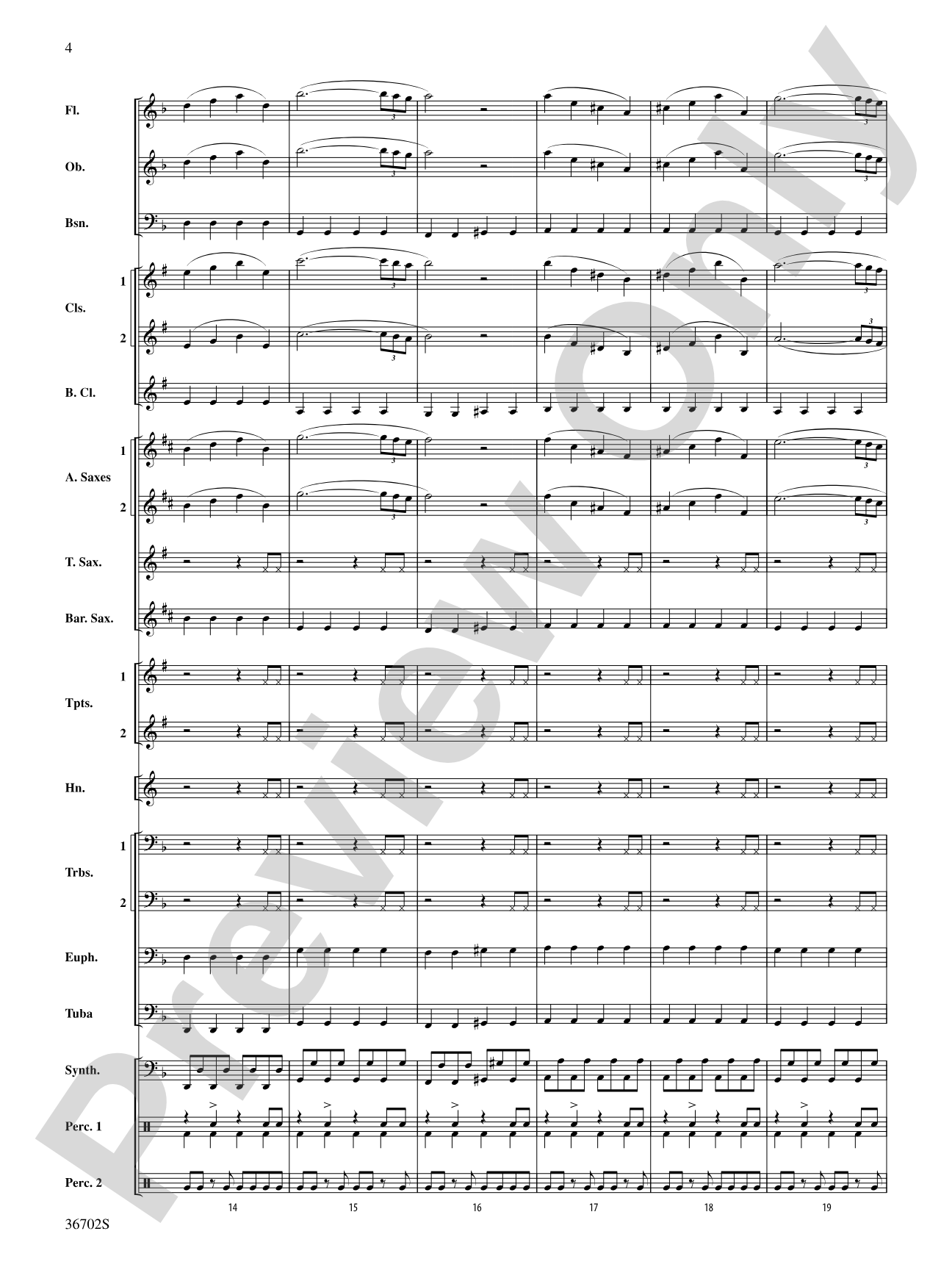
- Balance the haunting melody against the rhythmic accompaniment in the opening section. The lines support each other rather than compete, so listen for clarity in both layers during full ensemble runs.
How to use it
Program this alongside other contemporary or pop-influenced works to create a concert section that demonstrates the band's range and engagement with current music. It works especially well as a set-closer or encore because its energy and approachability leave audiences energized.
Skills your students will build
- Maintaining steady rhythms while managing ensemble coordination with non-pitched percussion elements
- Reading and executing dynamic contrasts across a modulation
- Balancing melody and accompaniment in tightly voiced arrangements
- Responding to dramatic tempo and dynamic shifts within a single phrase