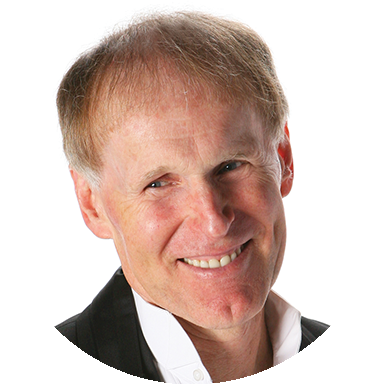
Kirby Shaw's influence spans five decades and six continents. With formal training in music education, choral composition, and conducting, he has built a career defined by infectious energy and deep musical knowledge. His work with vocal jazz ensembles at multiple universities earned national recognition, and his mentorship under legends like Bobby McFerrie, Al Jarreau, and Jon Hendricks shaped his distinctive approach to both performance and pedagogy.
Shaw's compositional output stands among the most recorded in American choral music. Over 2500 arrangements and original works bear his name, with nearly 20 million copies in circulation worldwide. His contributions have earned multiple ASCAP awards and commissions from major institutions, including the Mormon Tabernacle Choir. Beyond writing, Shaw continues directing the Jefferson State Choral Coalition at Southern Oregon University and performing with Just 4 Kicks, his jazz a cappella ensemble.
Why we love this
Shaw brings a spiritual warmth to this traditional song without sentimentality. The arrangement sits comfortably in most amateur choirs while offering enough textural variety to keep rehearsals engaging and prevent the piece from becoming rote. Its concise length makes it ideal for directors seeking a meaningful closer that resonates with audiences without demanding excessive rehearsal time.
What to expect
The arrangement radiates quiet confidence and hope. Voices move in gentle, supportive patterns that create a sense of shared belief rather than individual virtuosity. There's a timeless quality to it, grounded in spiritual tradition yet presented with Shaw's characteristic accessibility.
Who it's for
Any SATB choir working within inspirational or sacred programming. The piece sits well for high school choirs with solid musicianship and adult community ensembles; it's equally suited for festival programming or concert closers where meaning matters as much as technical display.
How to get the most out of it
Balance the soprano and alto lines carefully in the opening phrases; Shaw sets up the melody to be heard clearly, but the inner voices carry important harmonic color that shouldn't disappear.
Keep the overall tempo unhurried and let the text breathe. This is a song of assurance, not agitation, so resist any urge to rush through sections.
Pay attention to dynamic shape within phrases rather than treating each line as a single dynamic level. Small crescendos and diminuendos make the spiritual language feel authentic.
How to use it
Program this as a concert finale or as part of a spirituals-focused set that spans African American song traditions. Its brevity and emotional directness also make it work well following a more substantial or challenging piece, offering audiences a moment of reflection and connection before they leave.
Skills your students will build
Blend and balance in four-part harmony
Singing with textual intention and spiritual authenticity
Managing dynamics within phrases to support lyrical meaning
Coordination of sustained tones across choir sections
You May Also Like
Scan to Complete Your Purchase
Use your phone's camera to scan the code below
You'll log in on your phone and the order will be added to your account