
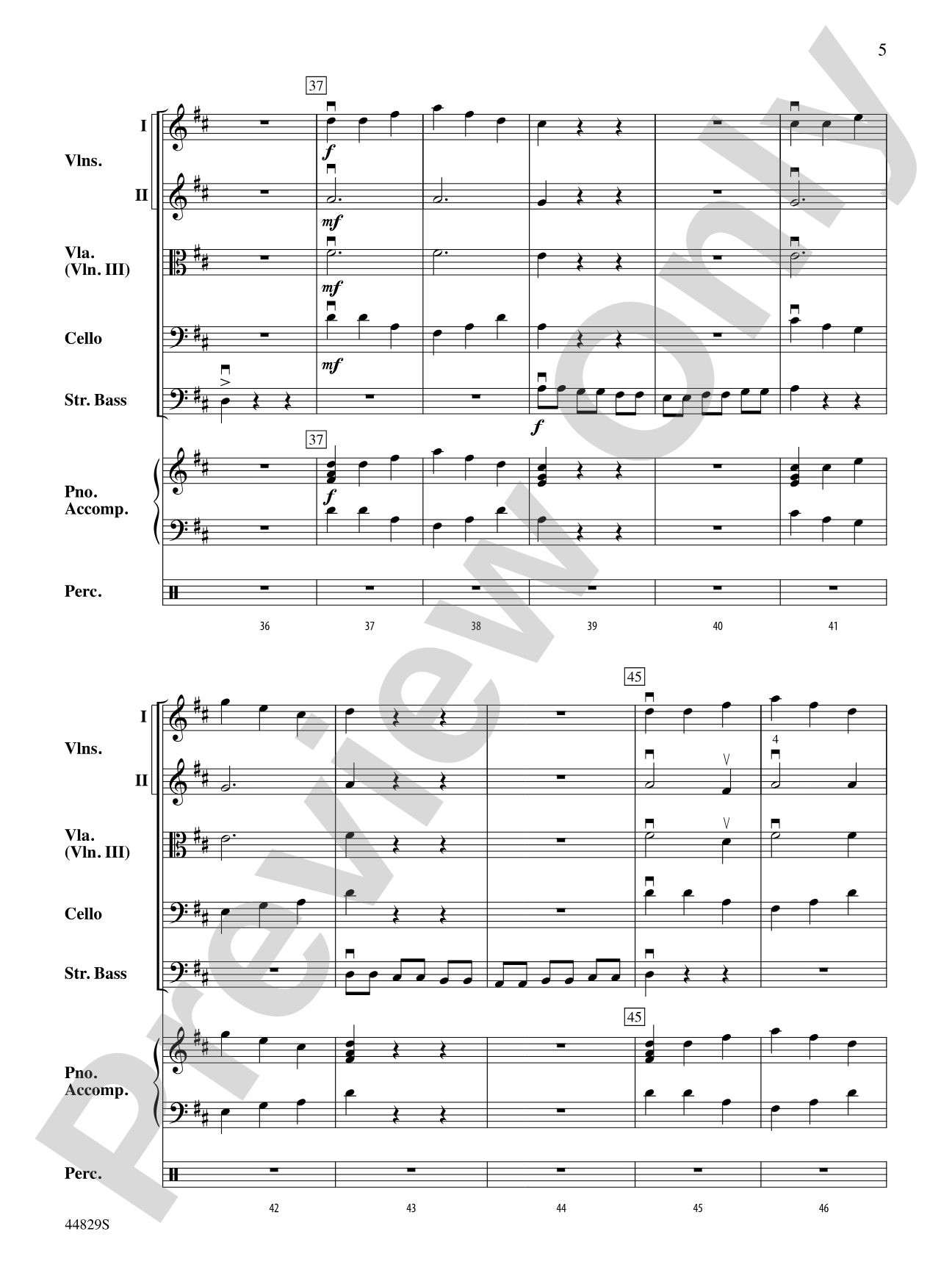
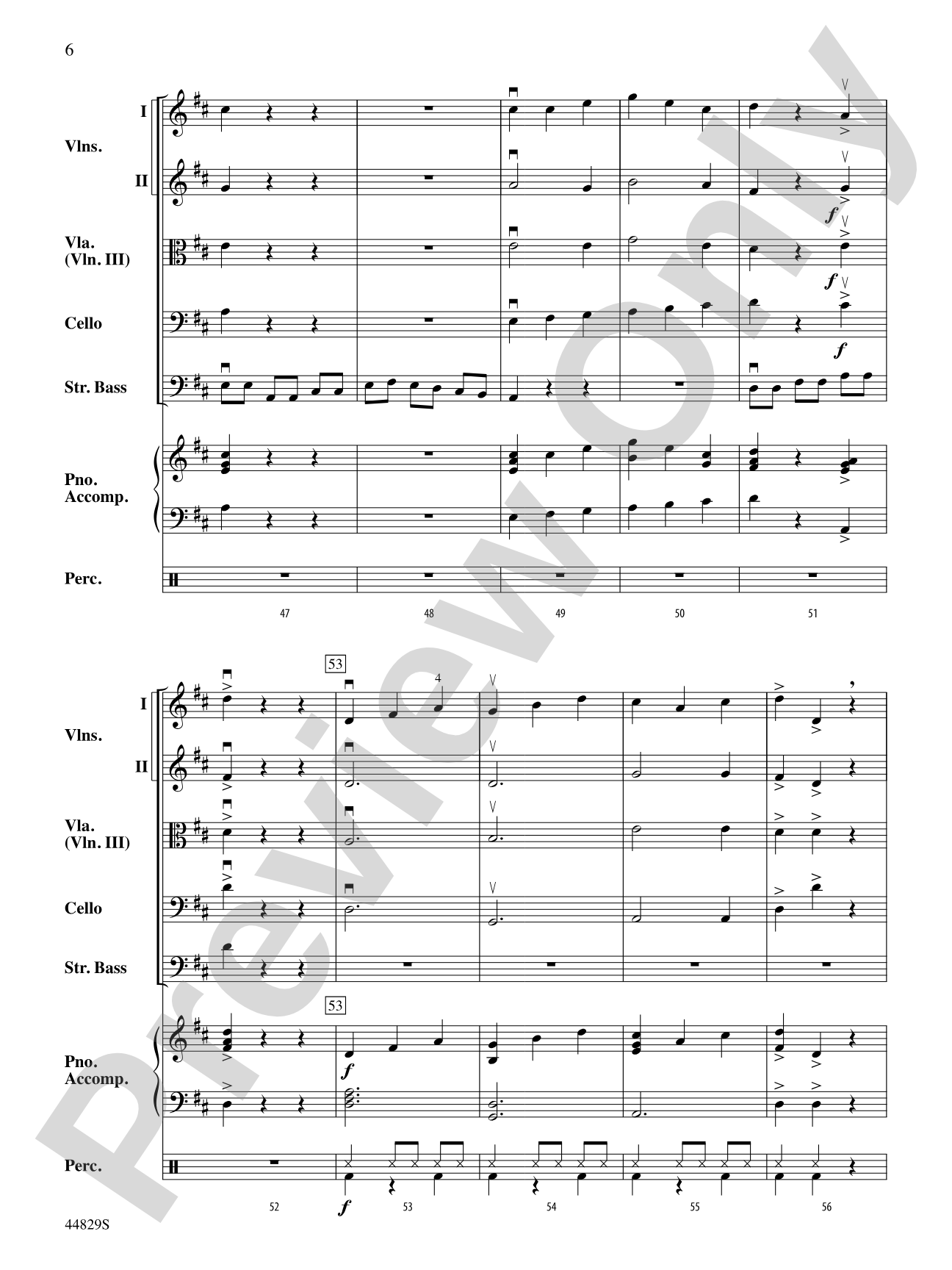
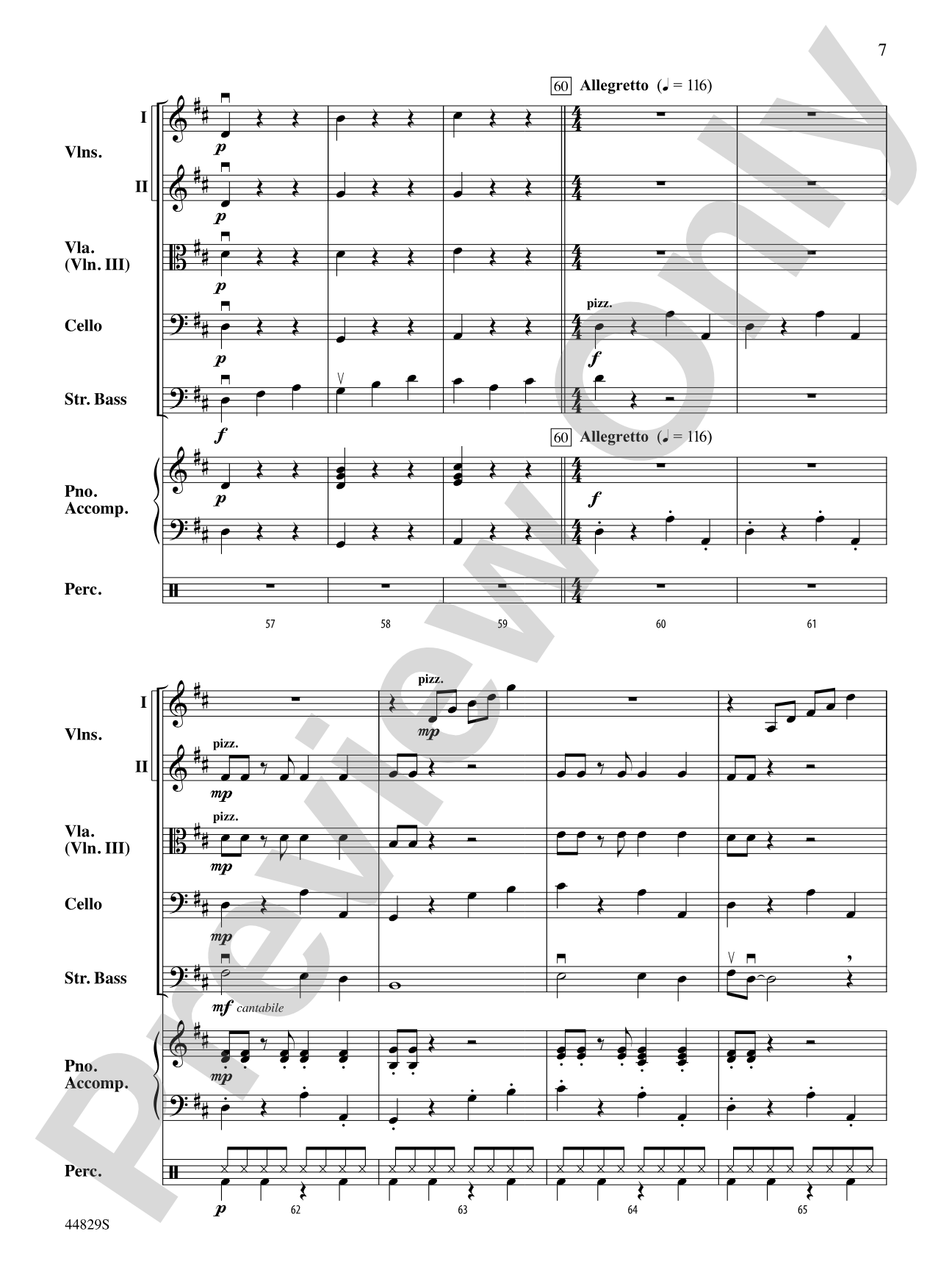
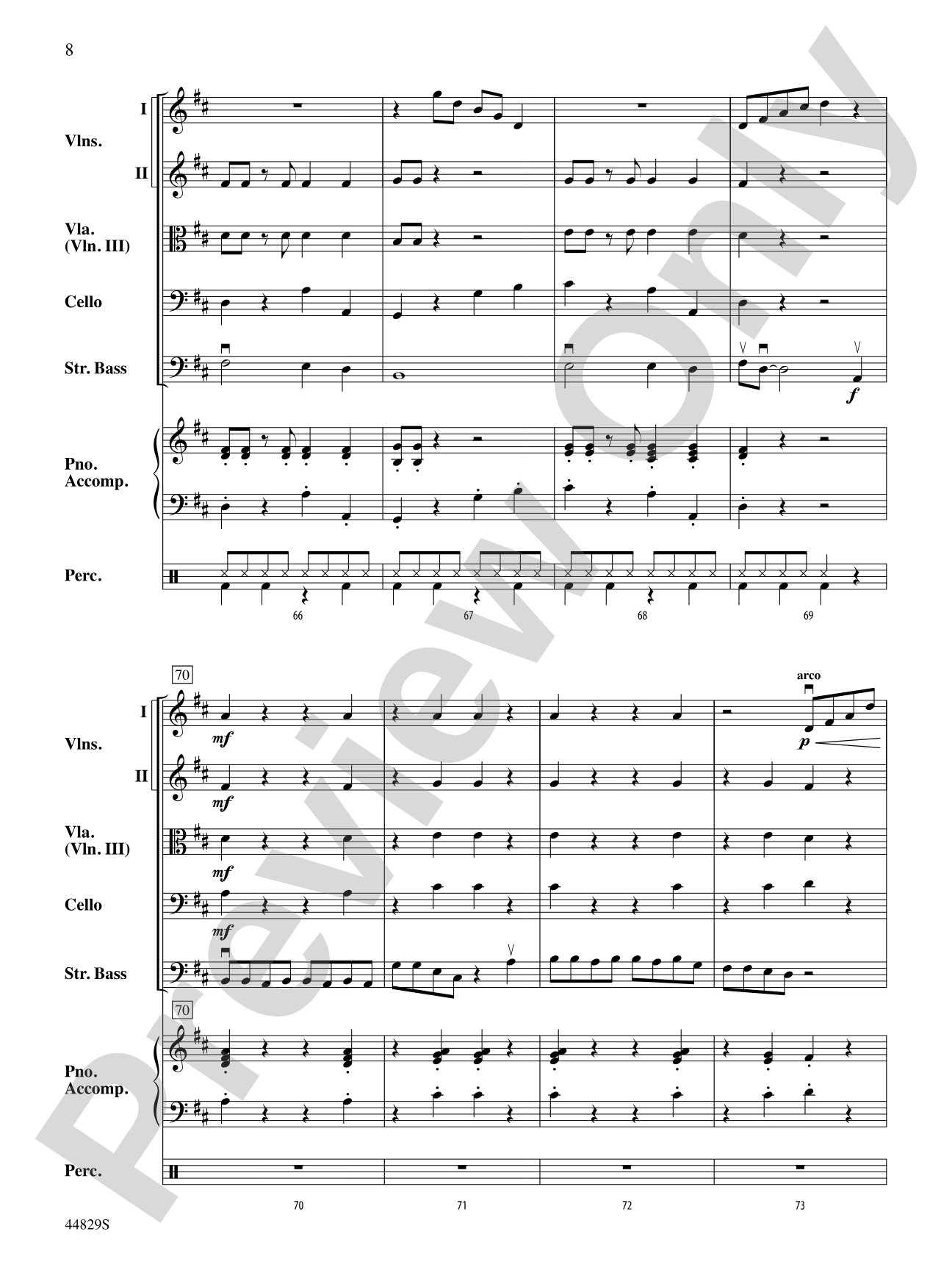
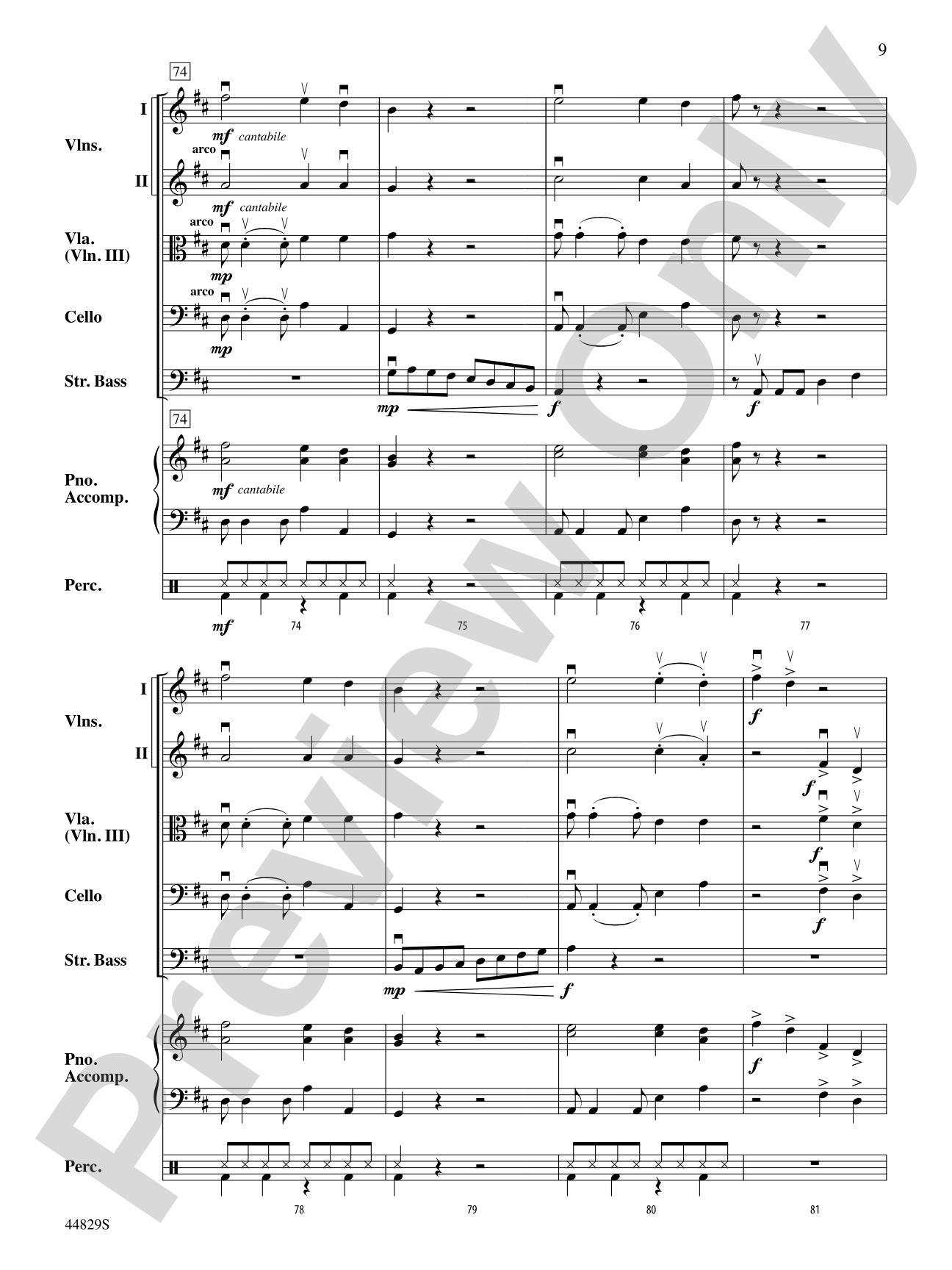
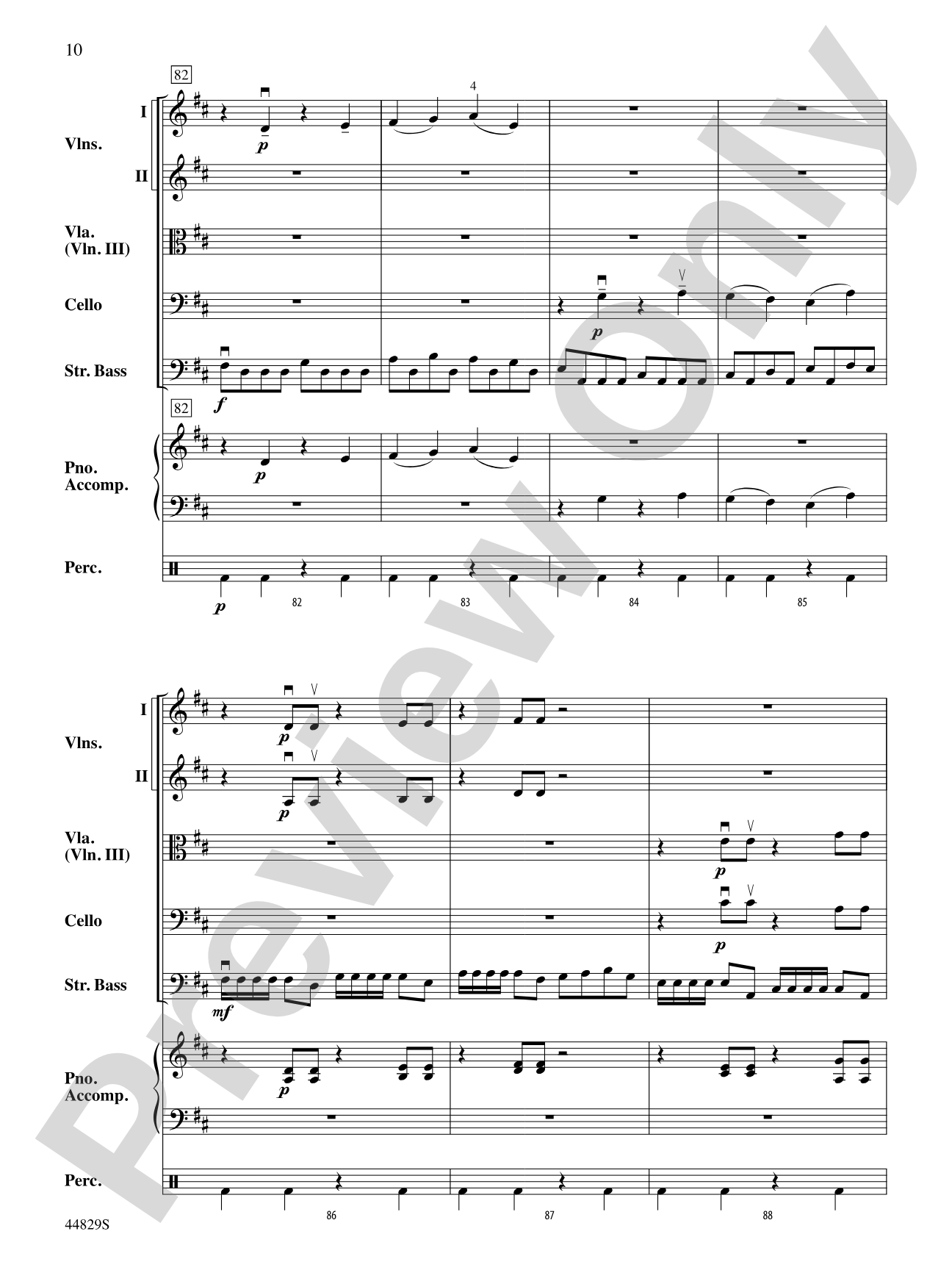
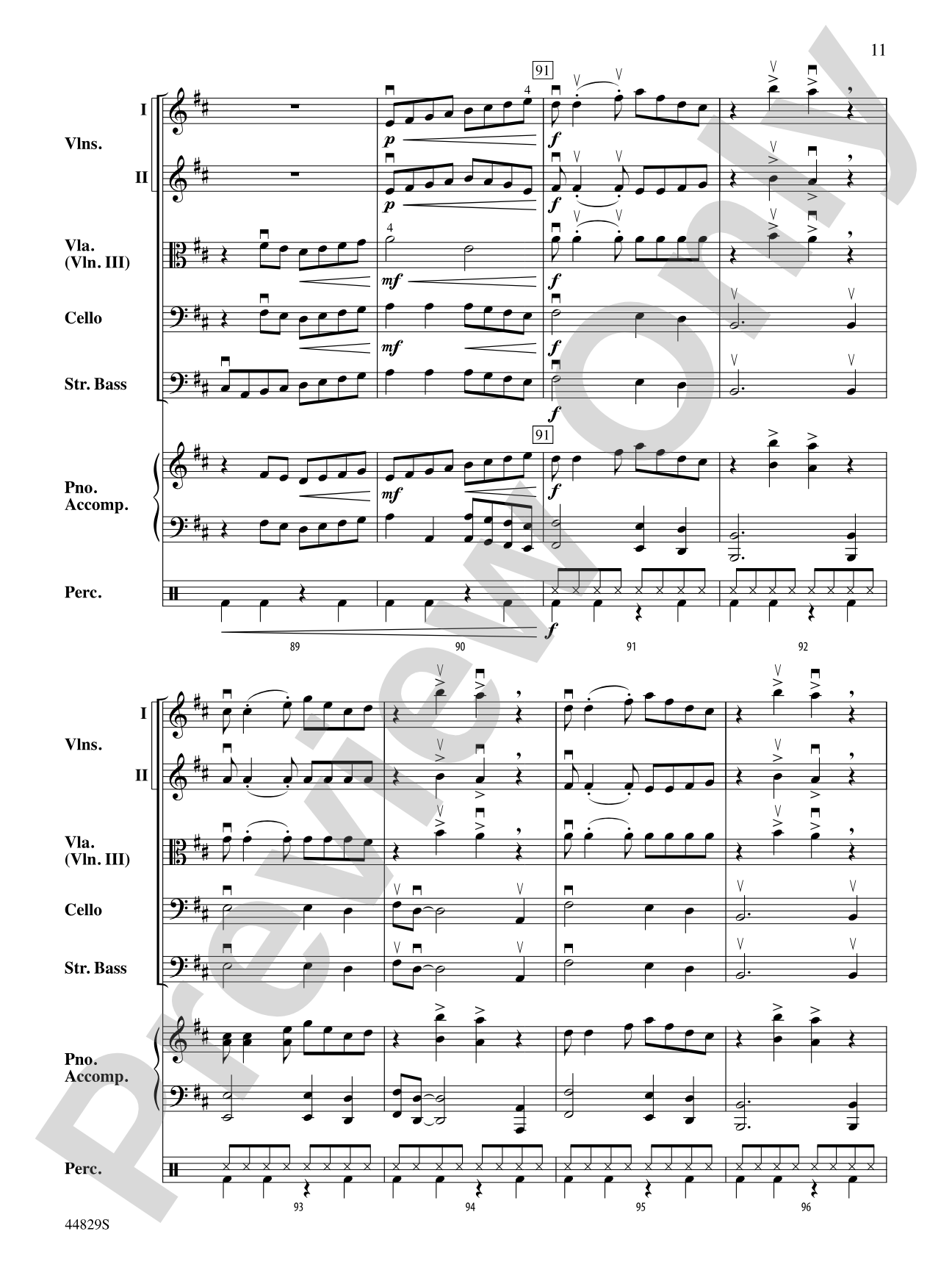
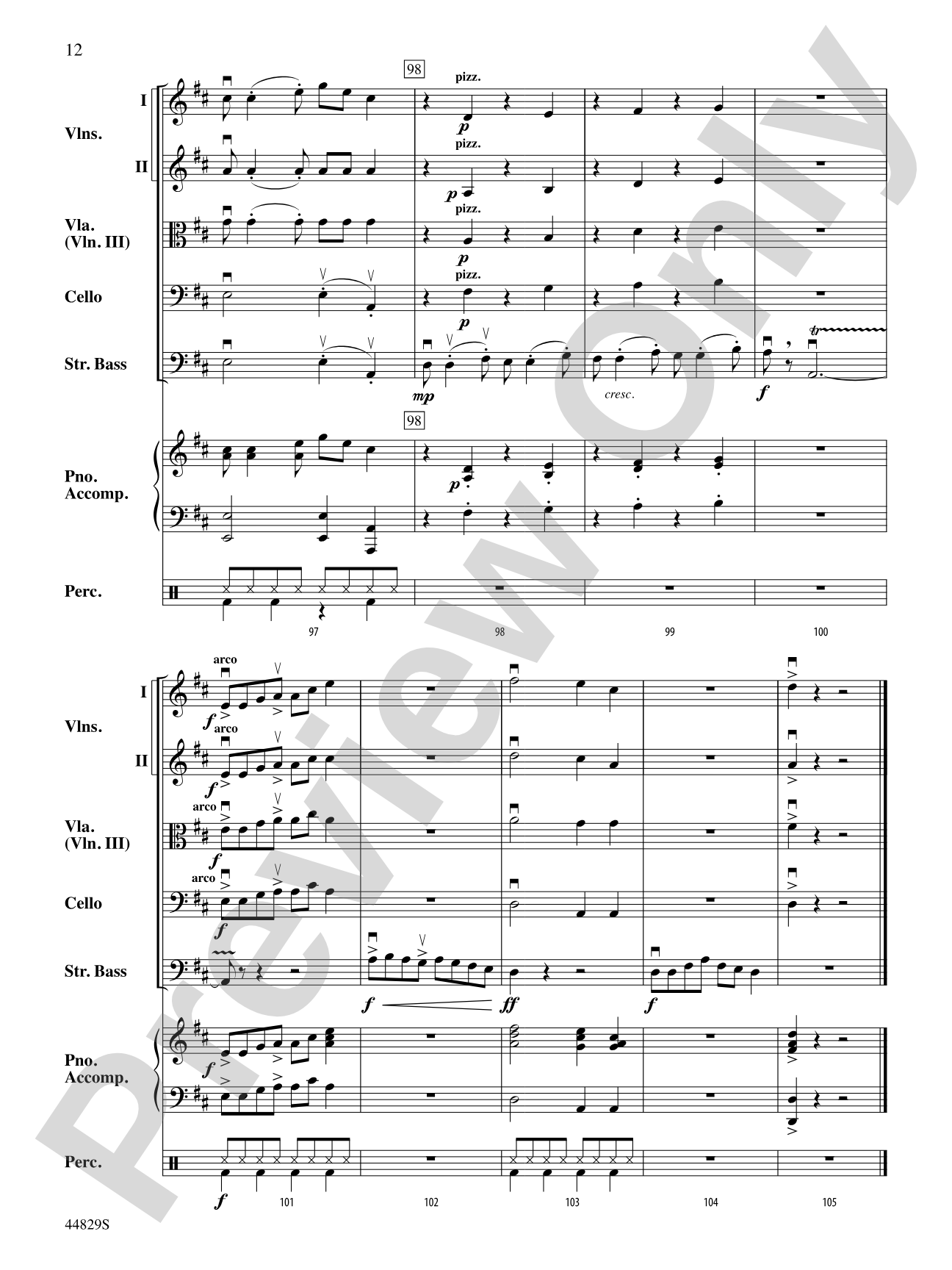

Uno, Dos, Bass!: Score
Bass Section Feature
By Richard Meyer
Grade: 2
Item: 00-PR-0005625
$8.00
Pickup currently not available
Description
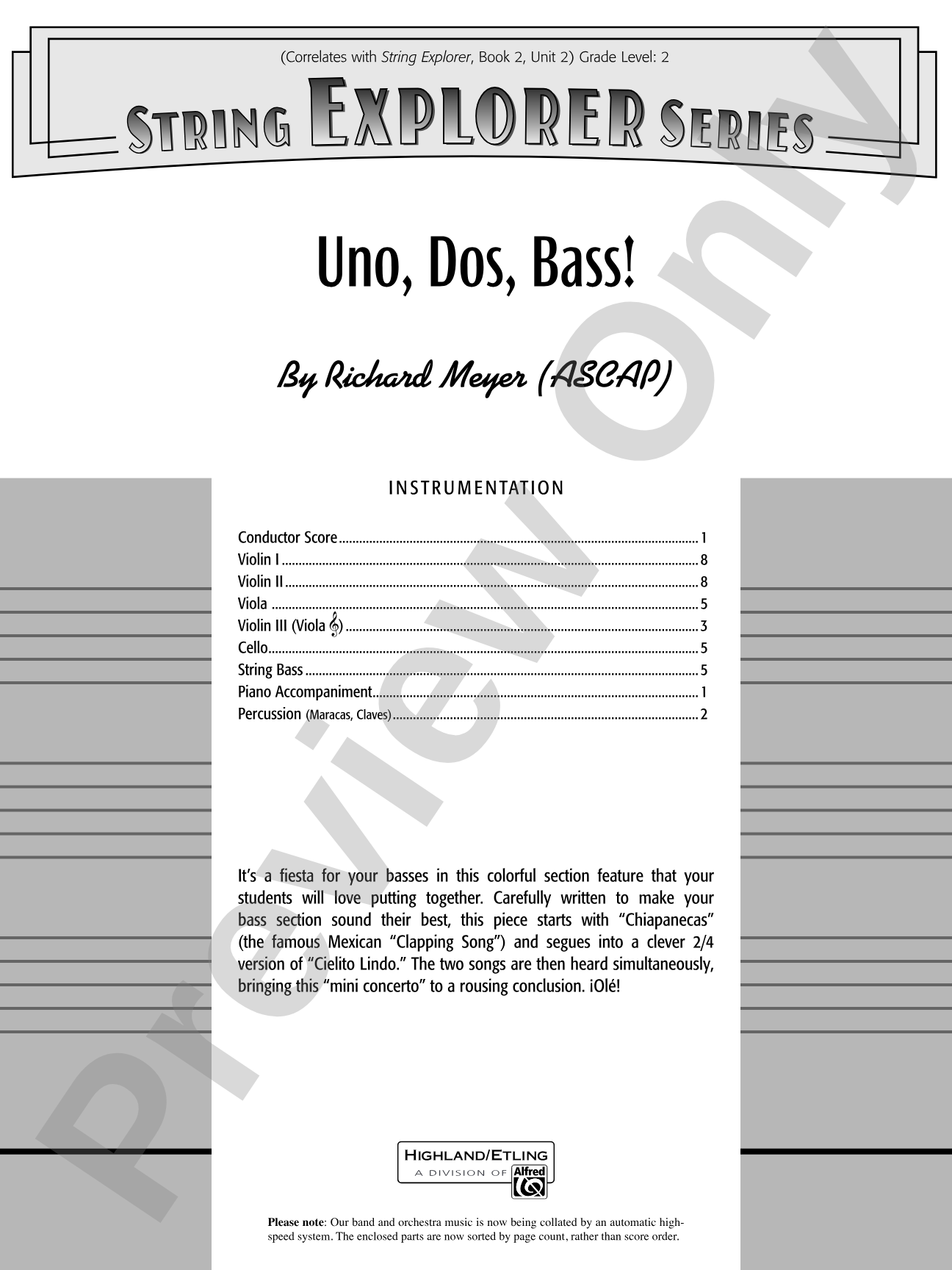
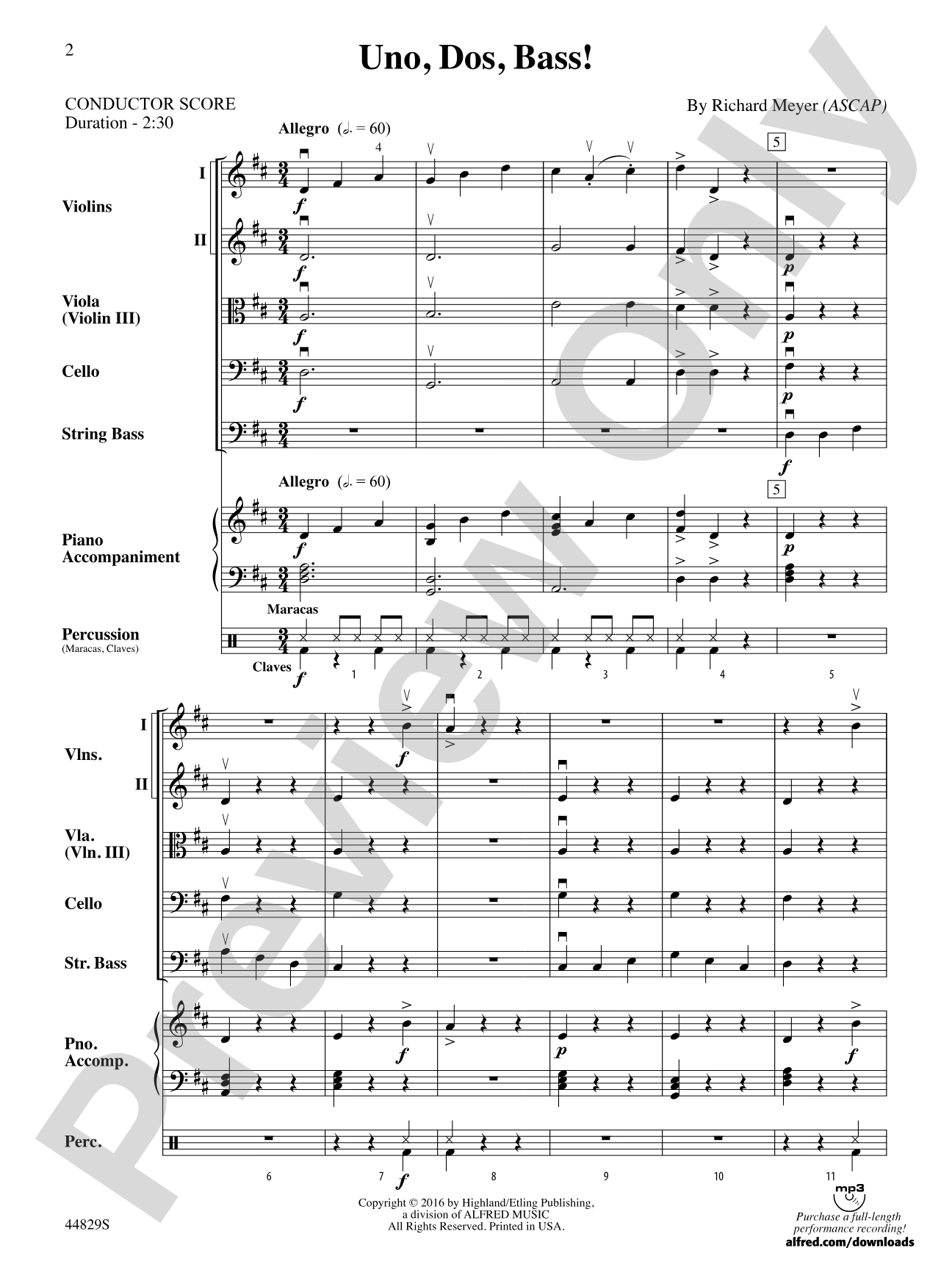
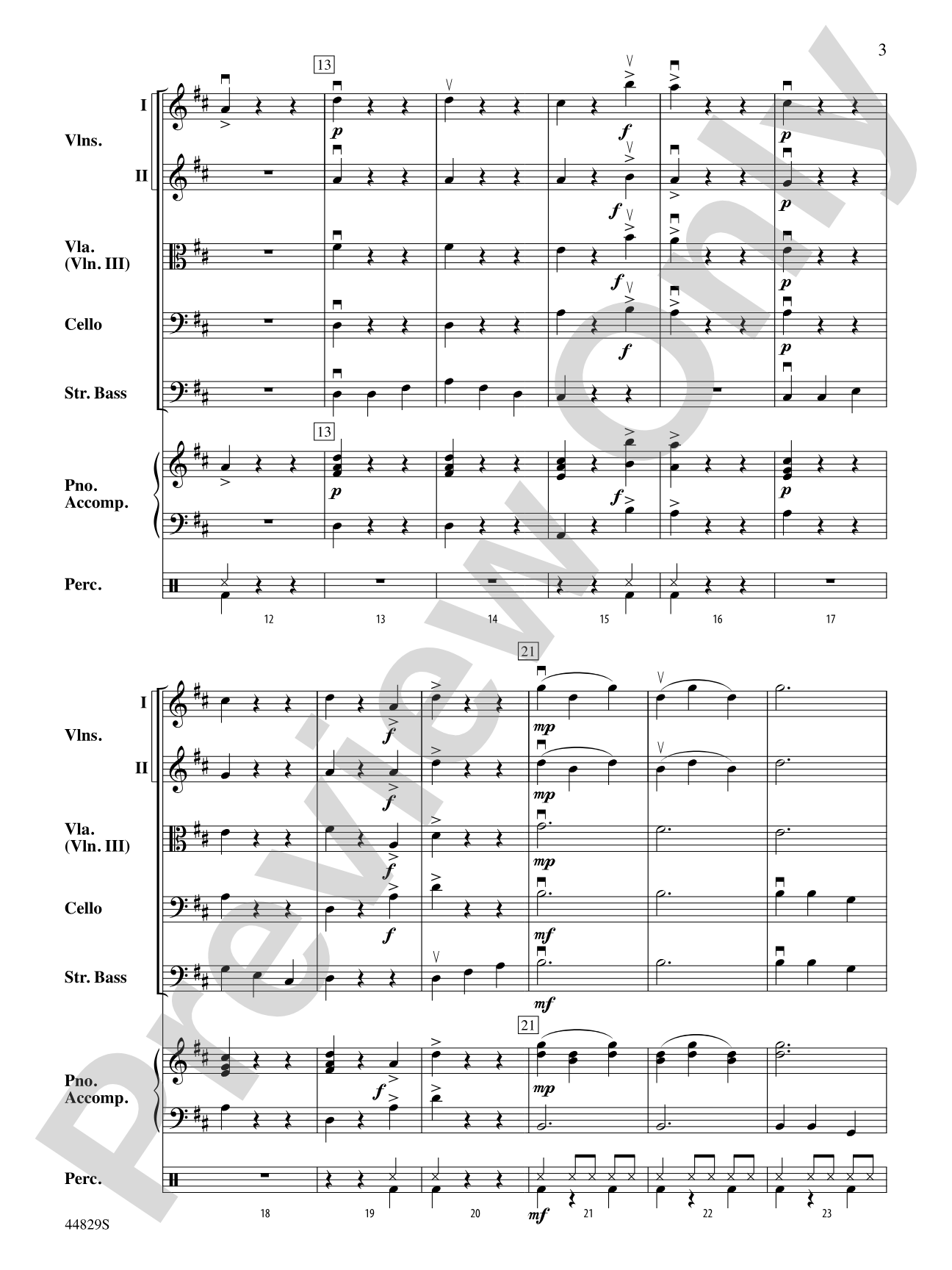
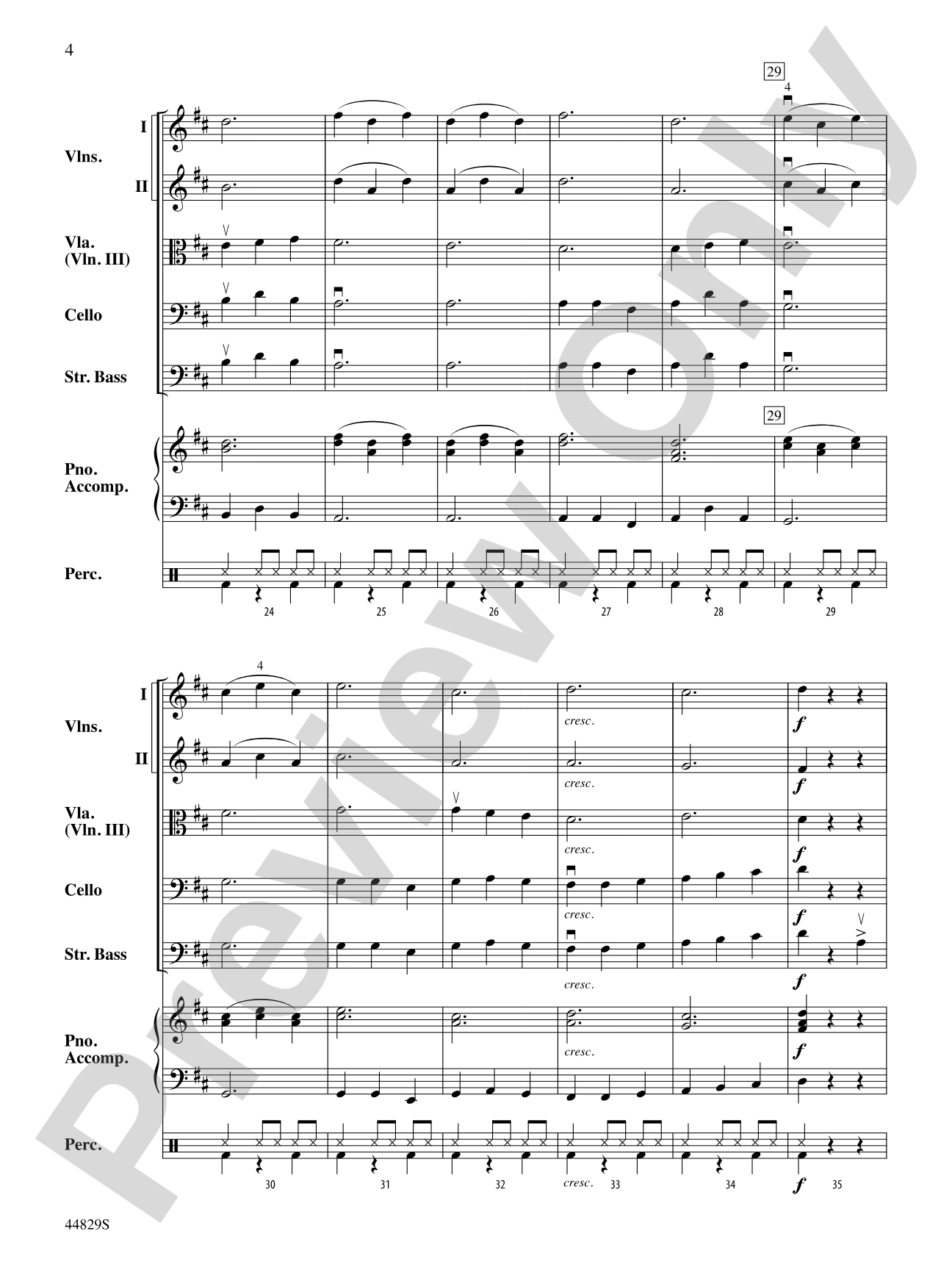
It's a fiesta for your basses in this colorful section feature that your students will love putting together. Carefully written to make your bass section sound their best, this piece written by Richard Meyer starts with "Chiapanecas" (the famous Mexican "Clapping Song") and segues into a clever 2/4 version of "Cielito Lindo." The two songs are then heard simultaneously, bringing this "mini concerto" to a rousing conclusion. ¡Olé! (2:30)


Don't just read it, hear it, play along with it, and watch your students grow with it. In MakeMusic Cloud, Uno, Dos, Bass!: Score comes alive with professional accompaniment, adjustable tempo, and built-in practice tools that turn solo practice into real progress.
Open in the Player
Jump straight in and assign it today.
Start Your Free Trial
Open this title and explore the full library in minutes.
Sample Audio
1
Audio File
--:--
0:00
0:00
Sample Video
Additional Details
Series:
Highland/Etling String Explorer
Publisher:
Alfred Music
Page Count:
144
SKU:
00-PR-0005625
More about this title
About the Composer: Richard Meyer

Richard Meyer brings three decades of string education experience to his composing and arranging work. As director of orchestras at Oak Avenue Intermediate School in Temple City, California, he transformed a program of 29 students into one of 200, while simultaneously overseeing the city's elementary string curriculum. His "Giving Bach" initiative, launched in 2009, has earned national recognition for using interactive concerts to serve special needs and underserved student populations across Southern California.
Beyond the classroom, Meyer has guest-conducted All-State orchestras across multiple states and served as clinician at the A.S.T.A. National Conference, the Texas Orchestra Directors' Association Conference, and university string workshops. As a composer and arranger, he has over 190 published works to his credit and spent 16 years as string editor for Alfred Publishing Company. He co-authored the String Explorer Series and Sight-read It for Strings, resources widely used in school string programs.
Why we love this
Meyer writes with a clear understanding of what makes bass sections shine. Rather than hiding the lower voices in accompaniment, he puts them front and center, building their confidence through a structure that rewards solid ensemble playing. The pairing of two familiar melodies ("Chiapanecas" and "Cielito Lindo") gives your basses recognizable material to anchor themselves to, making this both musically satisfying and engaging enough to keep students invested.
What to expect
From the opening claps of "Chiapanecas," the piece radiates Latin warmth and playfulness. The transition into the lilting 2/4 "Cielito Lindo" shifts the mood while keeping the festive energy alive, and when both melodies intertwine at the conclusion, the effect is joyful and surprisingly sophisticated for its grade level. Your orchestra will feel the momentum building toward that final "Olé."
Who it's for
This is an ideal feature for Grade 2 orchestras with developing bass sections who need confidence-building repertoire that celebrates their contributions. It works equally well in school concerts, festival programs, or as a morale booster for any orchestra where the bass and cello players deserve a moment in the spotlight.
How to get the most out of it
- Balance the bass line carefully during the "Chiapanecas" opening; Meyer has written this melody specifically for the bass section, so it should sing out clearly while the upper strings provide harmonic support.
- Drill the transition into the 2/4 "Cielito Lindo" section separately until your basses feel secure with the meter change; familiarity with the song will help, but the rhythmic shift still requires focused rehearsal.
- When both melodies sound simultaneously in the finale, have your basses practice their original "Chiapanecas" line in isolation so they don't accidentally drift toward the more prominent "Cielito Lindo" tune.
- Use the full 2 minutes and 30 seconds to let the energy build naturally; resist rushing the closer, which thrives on the clarity of two independent bass and cello lines working together.
How to use it
Program this early or mid-concert to energize your audience and showcase the often-underestimated musicality of your lower strings. It pairs well with other Latin-inflected light concert pieces or can serve as a palate cleanser between weightier repertoire. The 2:30 duration also makes it an excellent fit for shortened concert slots or festival programs.
Skills your students will build
- Playing a bass line as the primary melodic voice rather than accompaniment
- Shifting between duple and triple meters (transition from implied 3/4 to written 2/4)
- Balancing independent bass and cello lines when melodies are layered
- Ensemble intonation and rhythm in a feature context
- Reading and interpreting a conductor score with multiple independent parts