
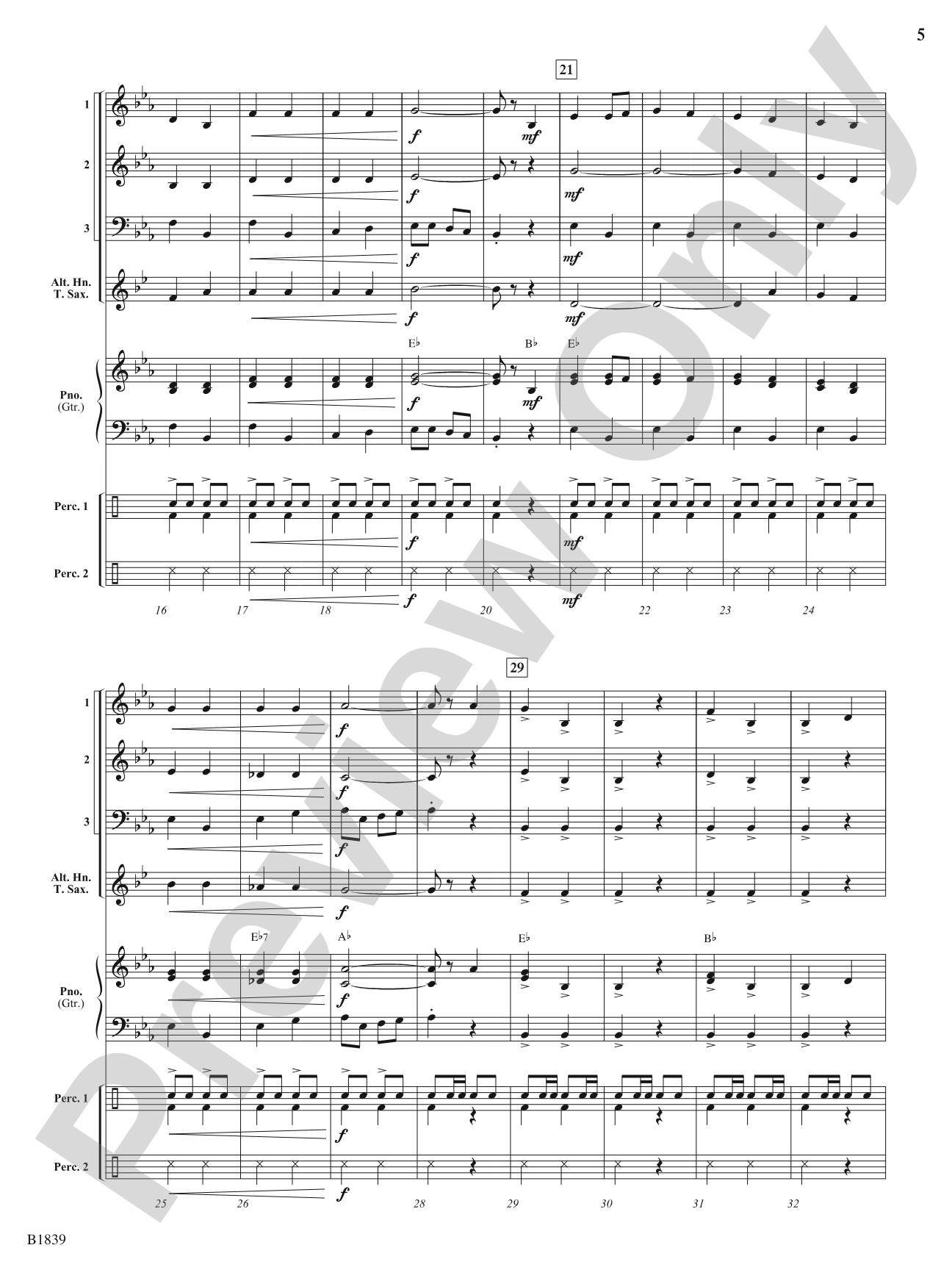
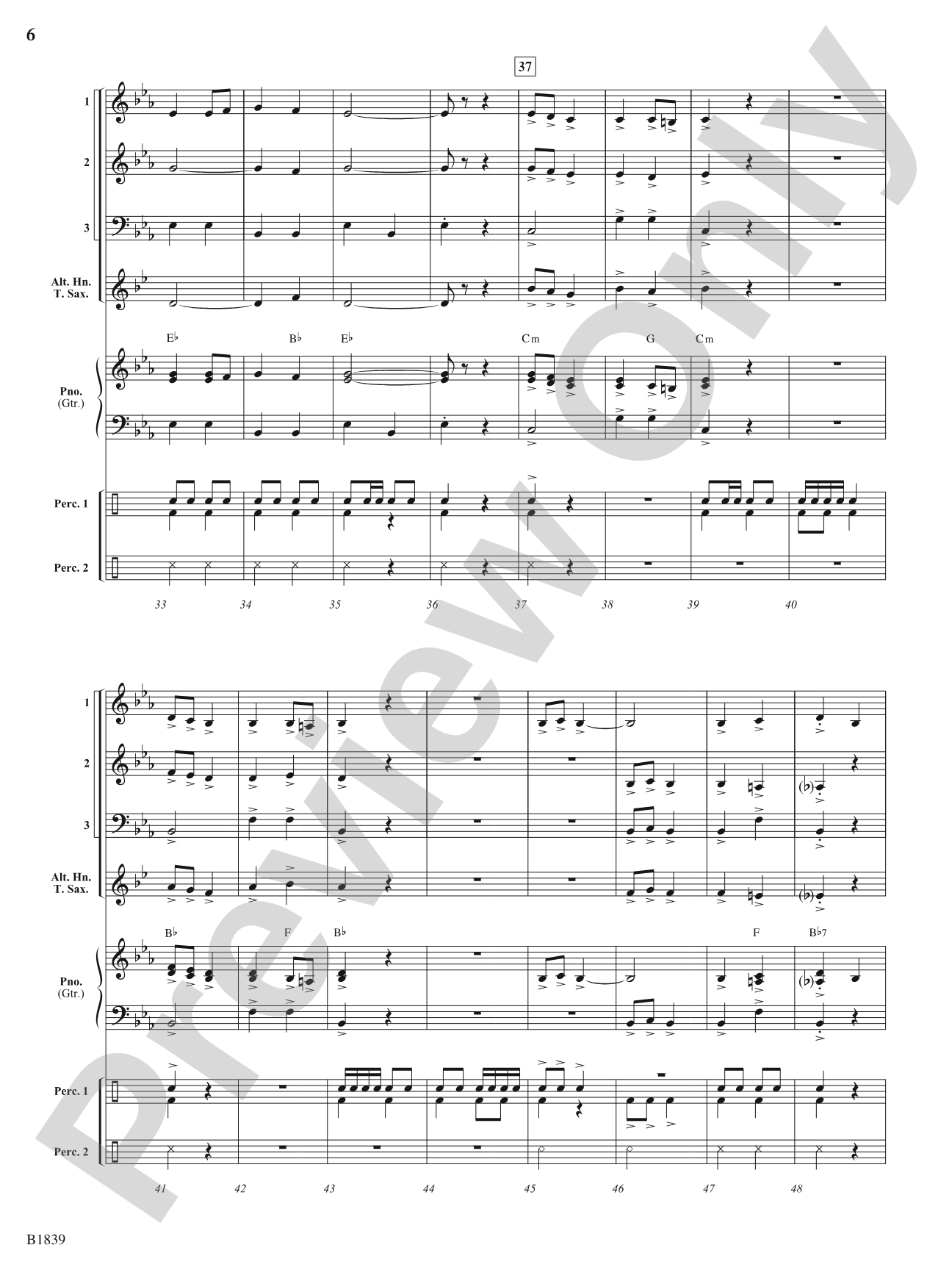
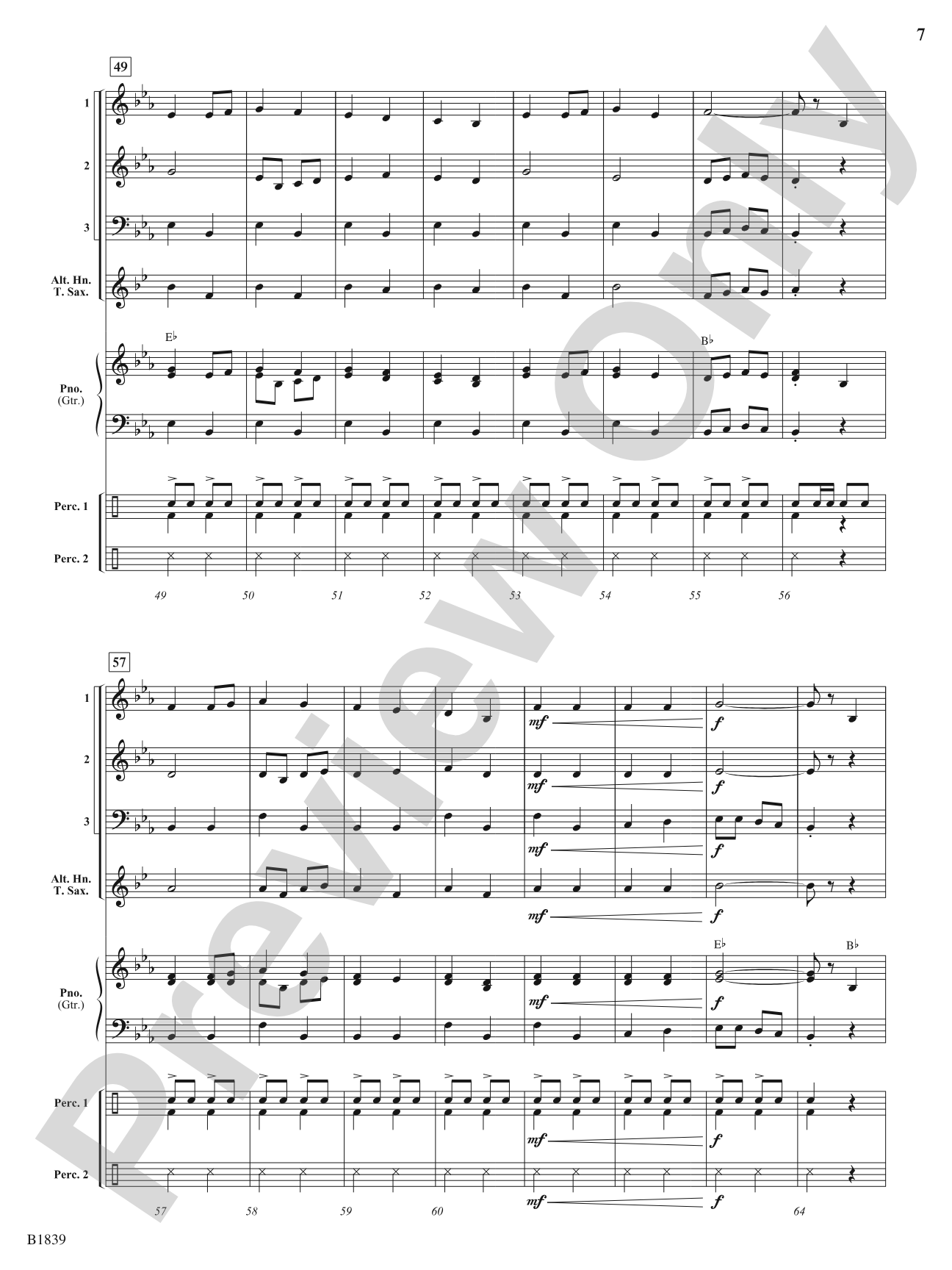
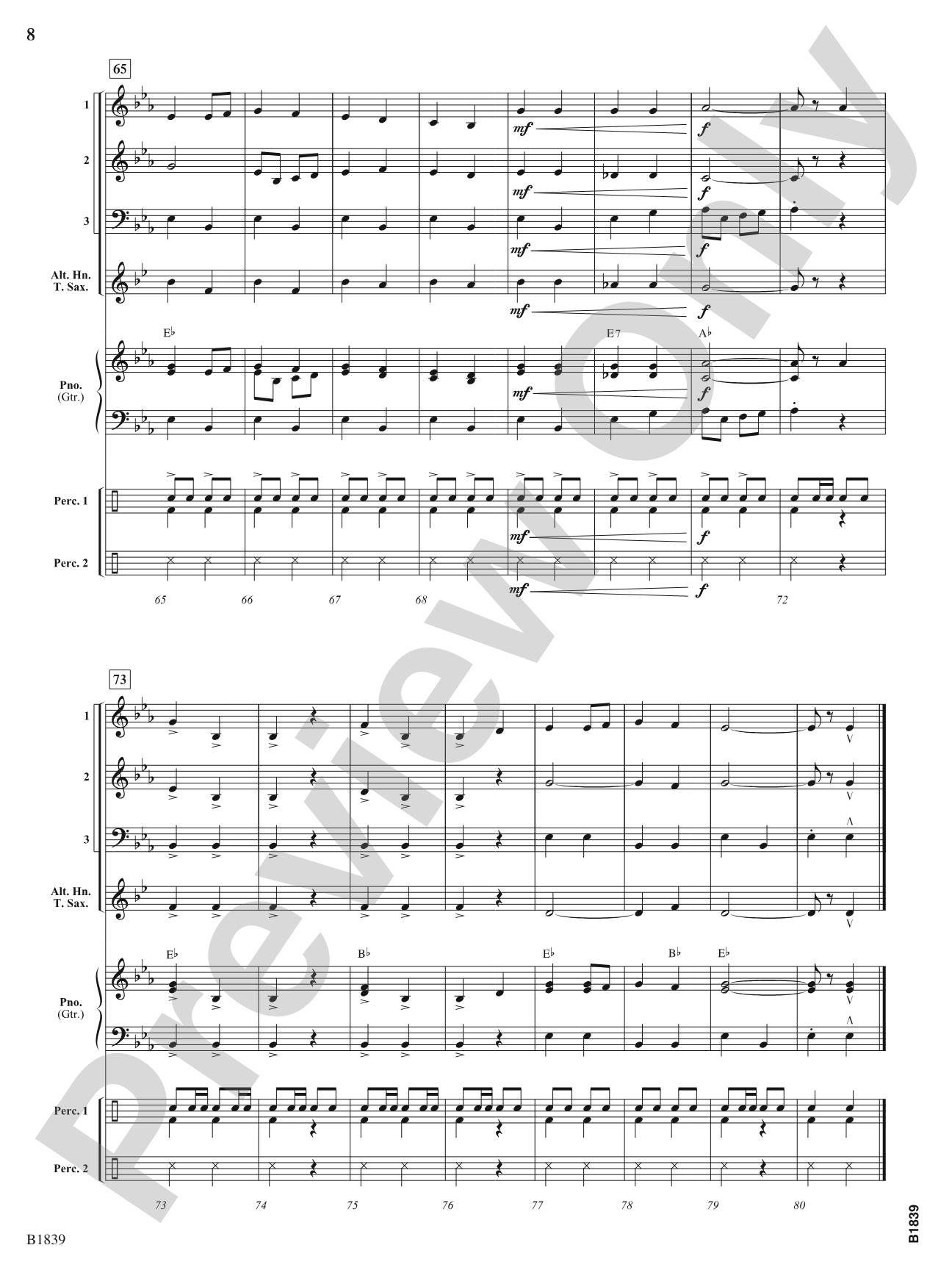

Union March: Flexible Band/String Ensemble Score & Parts
By Mekel Rogers
Grade: 1
Item: 98-DB1839
$45.00
Pickup currently not available
Buy Extra Parts (Digital PDF Download)
Parts Added to Cart!
Related Items
Union March: Concert Band Conductor Score & Parts |
$55.00
|
View | |
Union March: Concert Band Conductor Score & Parts |
$55.00
|
View | |
Union March: Concert Band Conductor Score |
$12.00
|
View | |
Union March: Flexible Band/String Ensemble Score & Parts |
$55.00
|
View | |
Union March: Flexible Band/String Ensemble Score |
$5.00
|
View |
Description
Now even the youngest of bands can play a great traditional march without excessive demands on chops or technique. Complete with opening strain, dog-fight section, and final strain, this musical march lets directors focus on teaching march style and phrasing. An excellent and welcome addition for very young bands!


Discover MakeMusic Cloud: thousands of interactive titles your students can play along with today.
Sample Audio
1
Audio File
--:--
0:00
0:00
Sample Video
No sample videos found.
Additional Details
Series:
The ReImagine Initiative
Publisher:
The FJH Music Company, Inc.
SKU:
98-DB1839
Instrumentation:
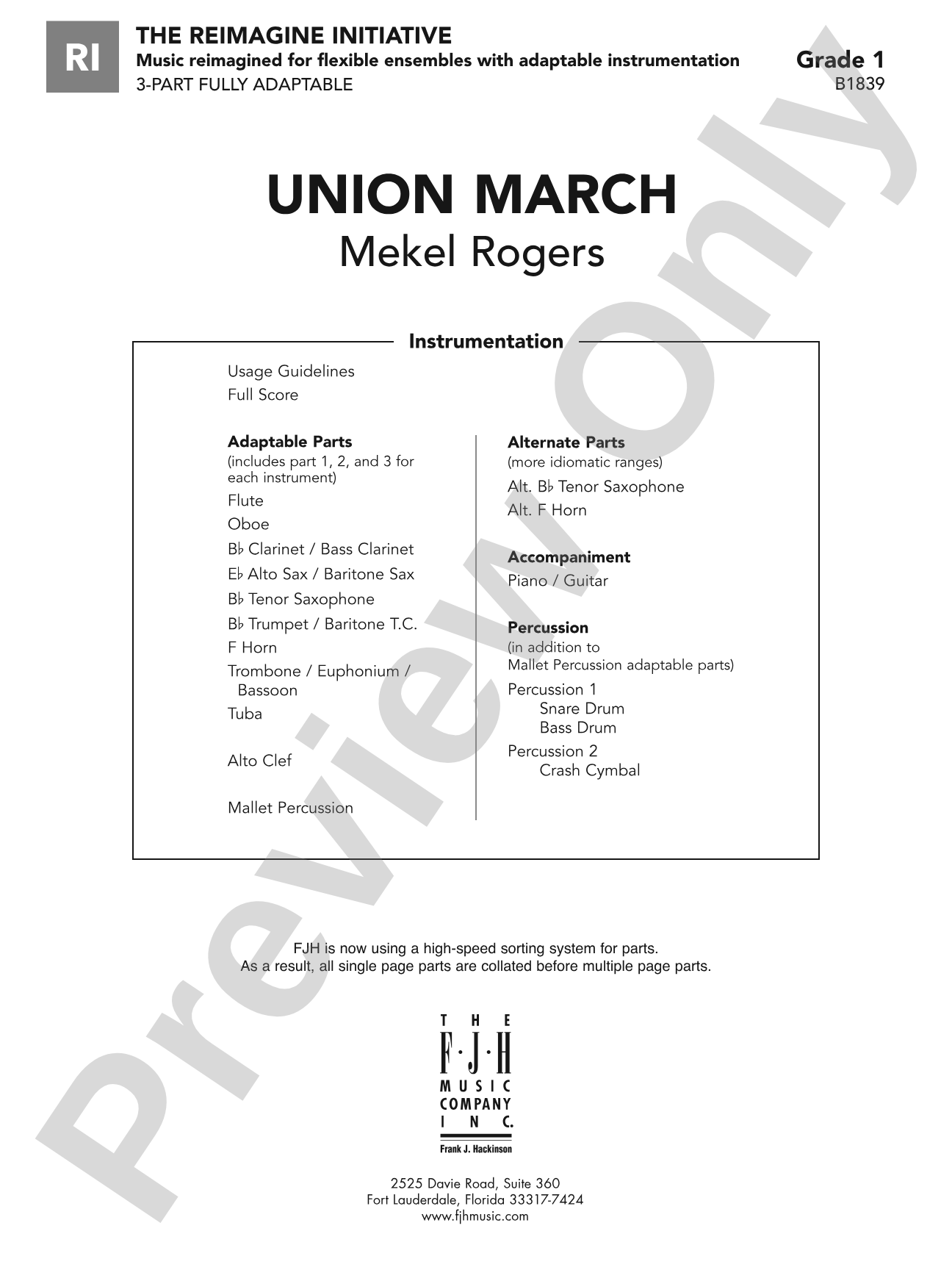
3-Part Fully Adaptable with Percussion
More about this title
Why we love this
Rogers gives Grade 1 bands permission to sound like a real ensemble without asking them to navigate technical obstacles or endurance demands. The three-part flexible instrumentation means you're not locked into a specific instrumentation lineup, and the march form itself is a gift for young musicians learning style, balance, and phrasing for the first time.
What to expect
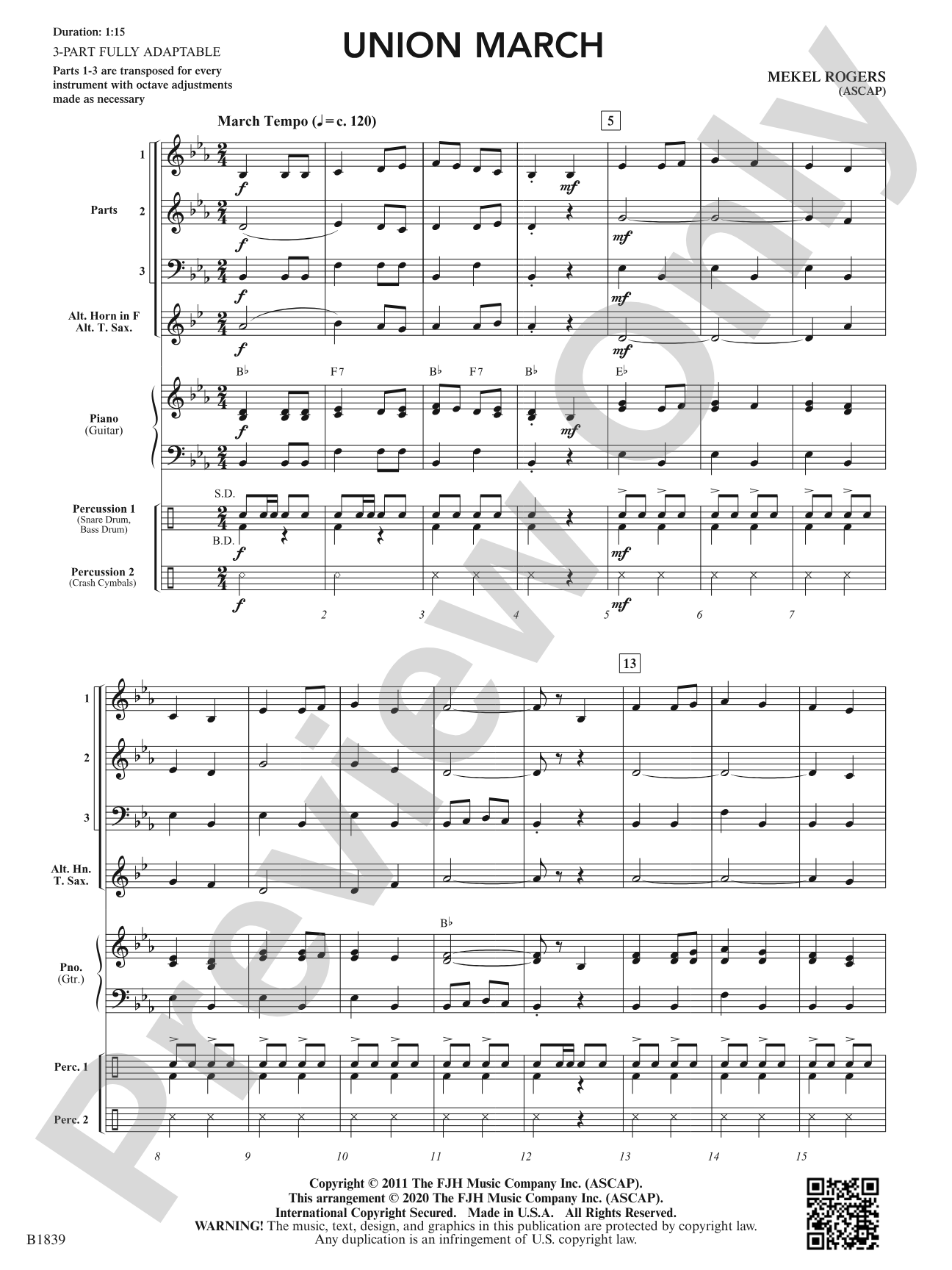
A genuine march with all the traditional architecture you expect: a proper opening strain that establishes the character, a spirited dog-fight section that lets players feel the swing of ensemble playing, and a satisfying final strain that brings listeners back to the main theme. The writing never sounds condescending; it sounds like a real march scaled to young hands and young ears.
Who it's for
Directors of young concert bands, community ensembles, and beginning mixed-age groups who need accessible march literature that doesn't compromise on style or form. This score and parts set works especially well for schools starting a band program or adding musicians mid-season.
How to get the most out of it
- Lean into the march style by emphasizing the pulse in the bass line; even young players feel the confidence boost when they hear a clear harmonic foundation.
- Take the dog-fight section at a tempo that allows clean articulation. This middle strain is where young players often rush, so a solid click track or a conductor's steady beat pays off.
- Balance melody against inner voices early in rehearsal. Grade 1 players often play all parts at full volume; teaching them to listen for the line while supporting it sets up habits they'll use all year.
How to use it
Use this as an early-season opener to establish march style and ensemble balance before moving into more demanding material. It also works beautifully on a spring concert when you want to program accessible literature that earned its place through musicality, not by being easy.
Skills your students will build
- March style and characteristic phrasing
- Balance between melody and harmonic parts
- Reading and executing repeats and form
- Ensemble pulse and listening in three-part texture
- Part flexibility across adapted instrumentation