
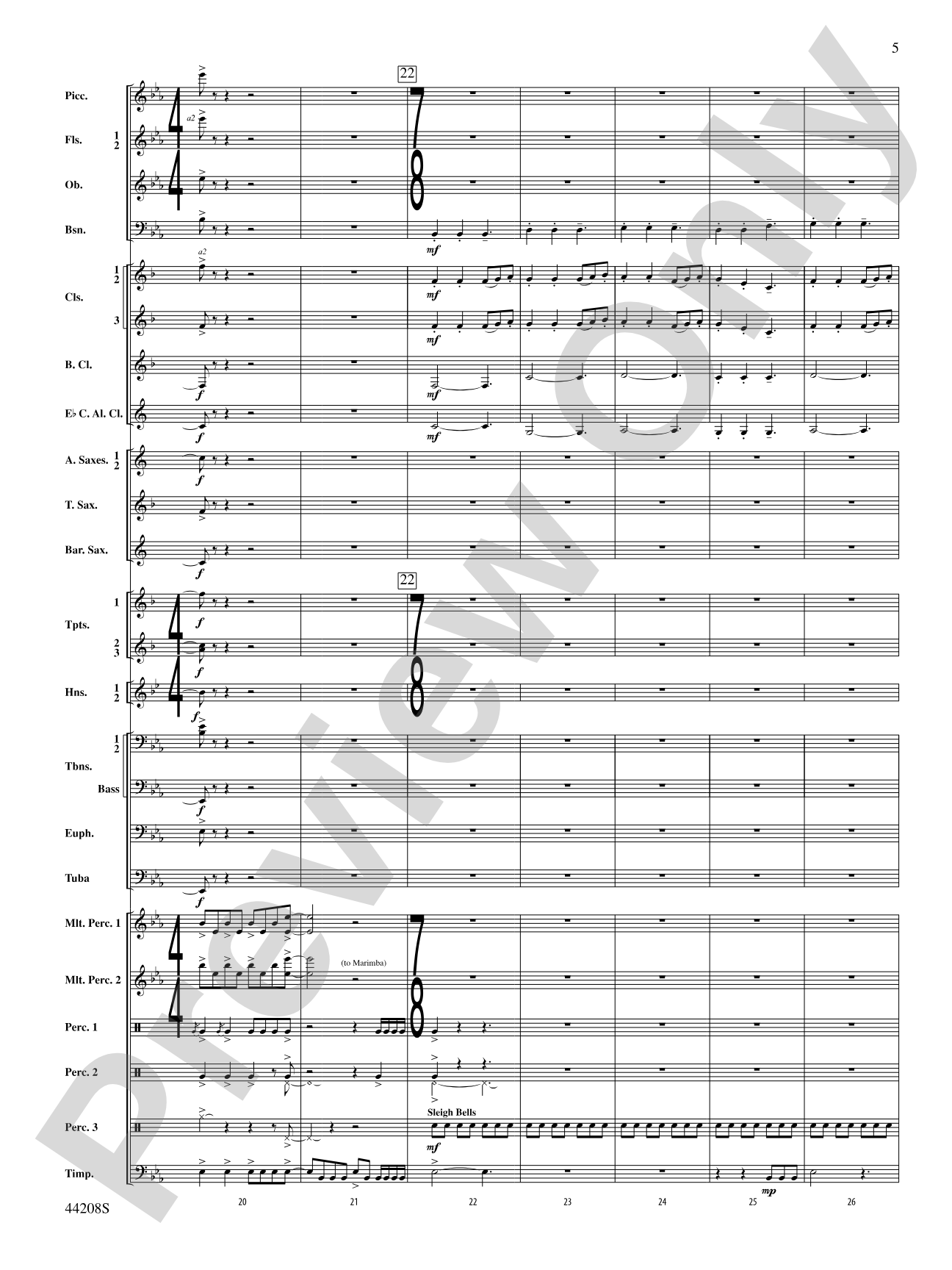
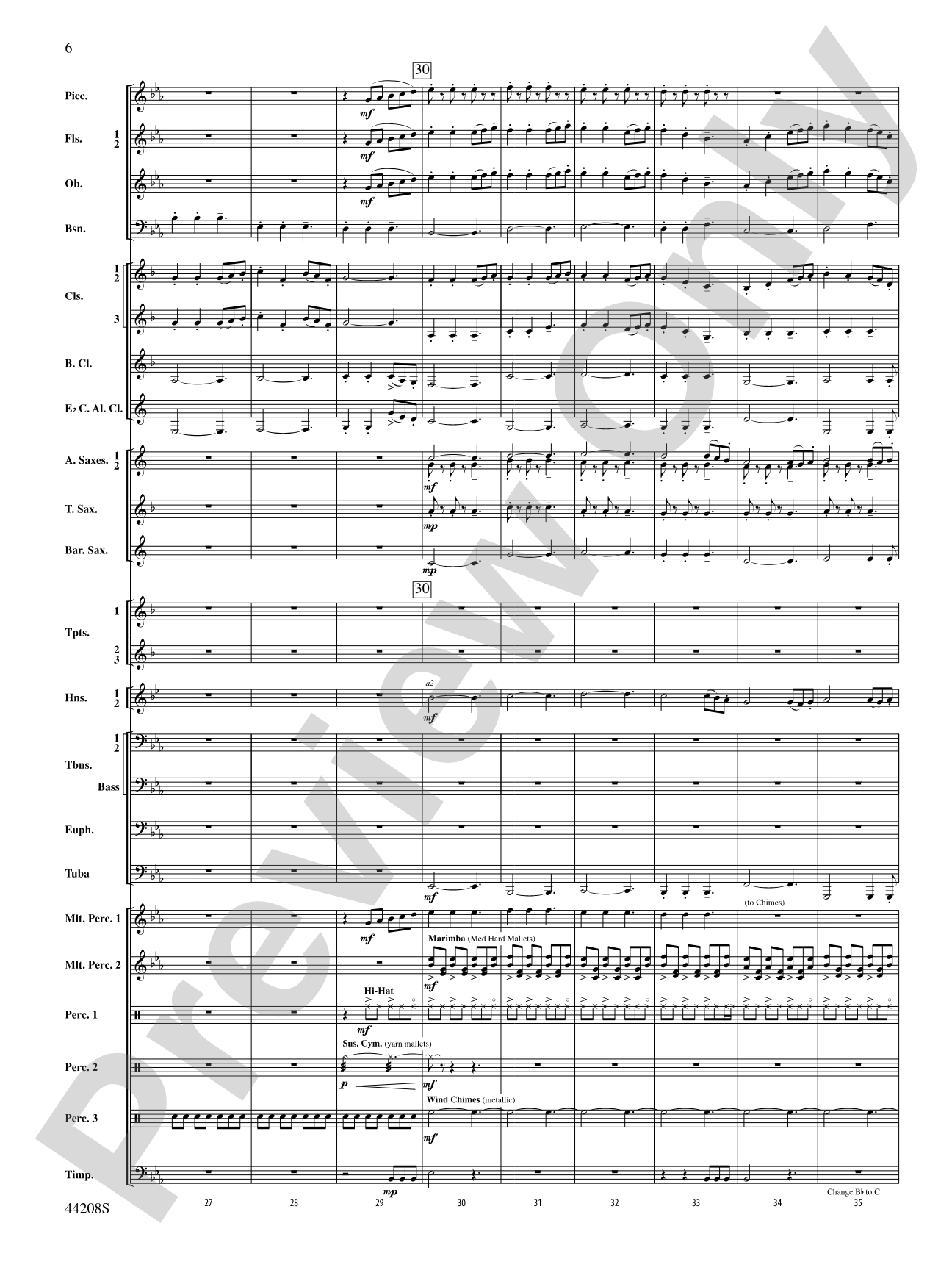
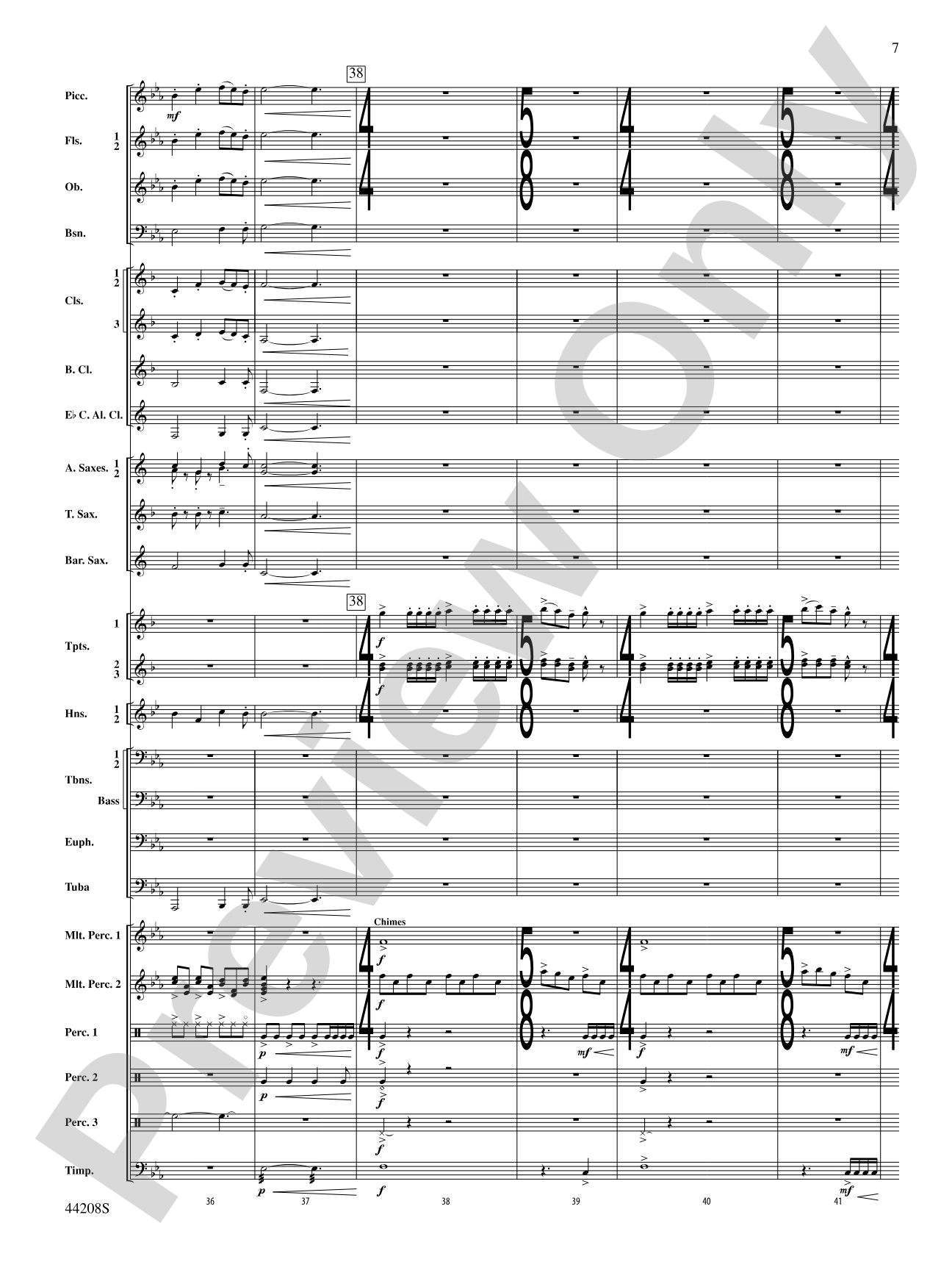
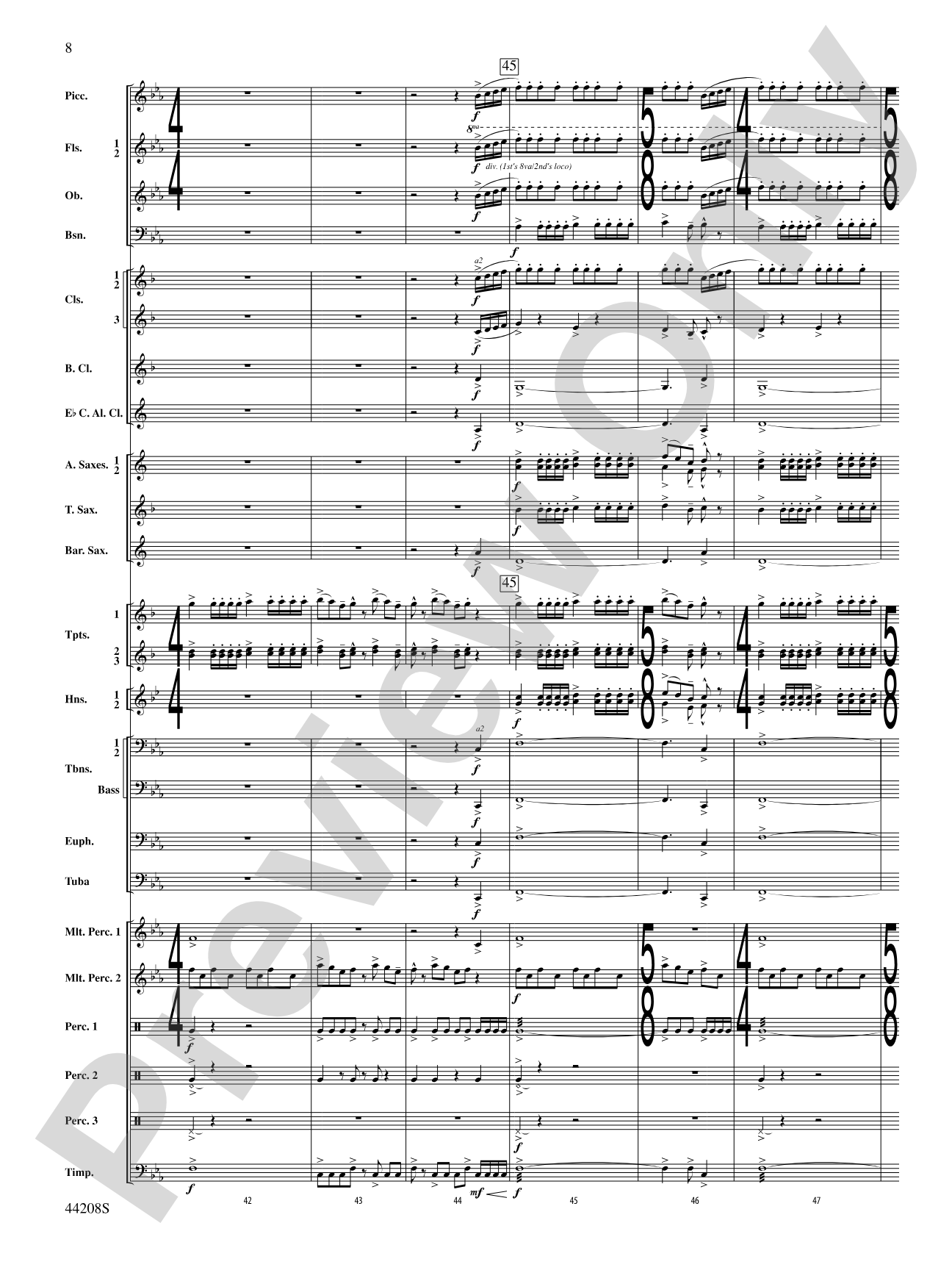
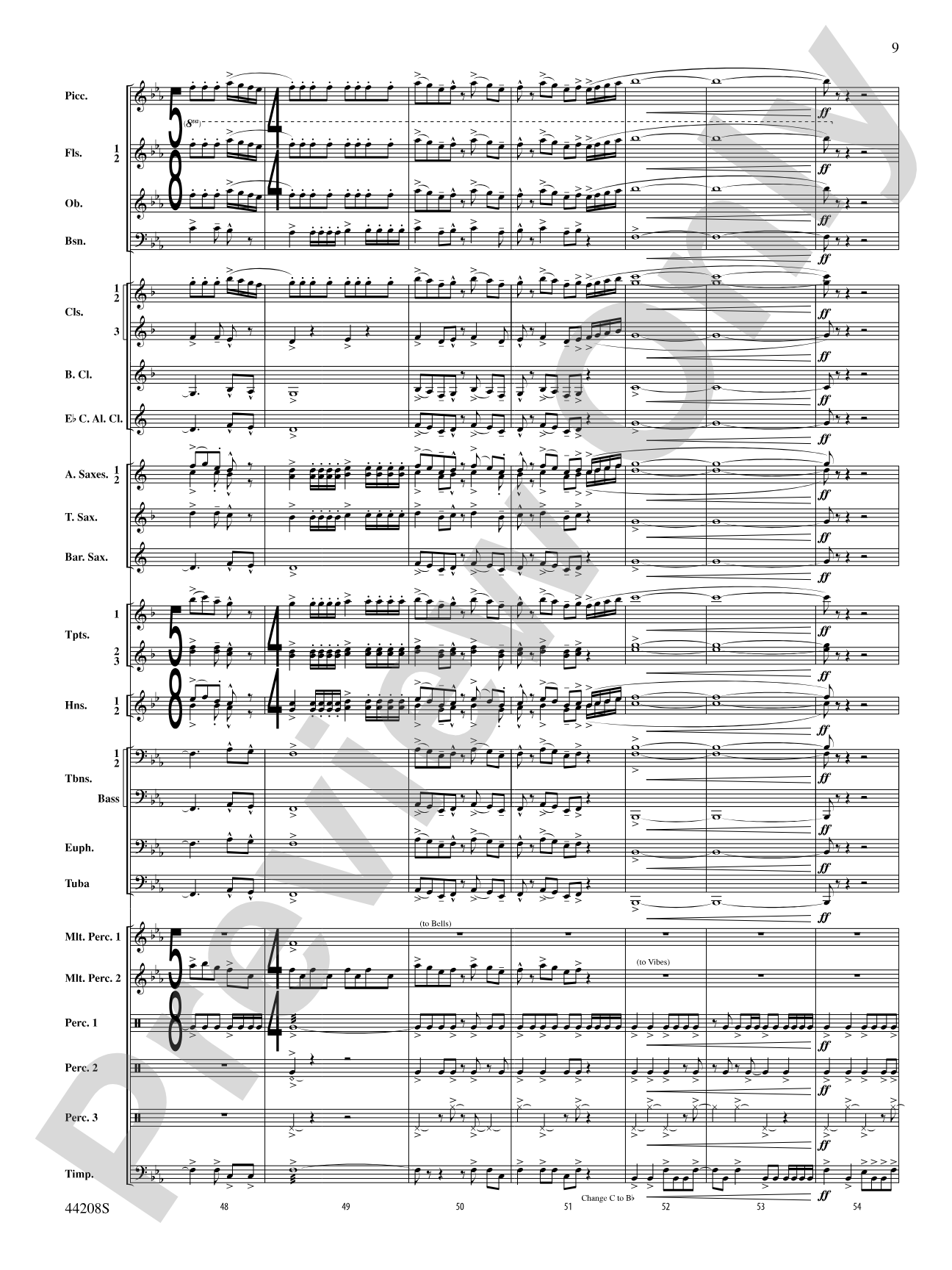
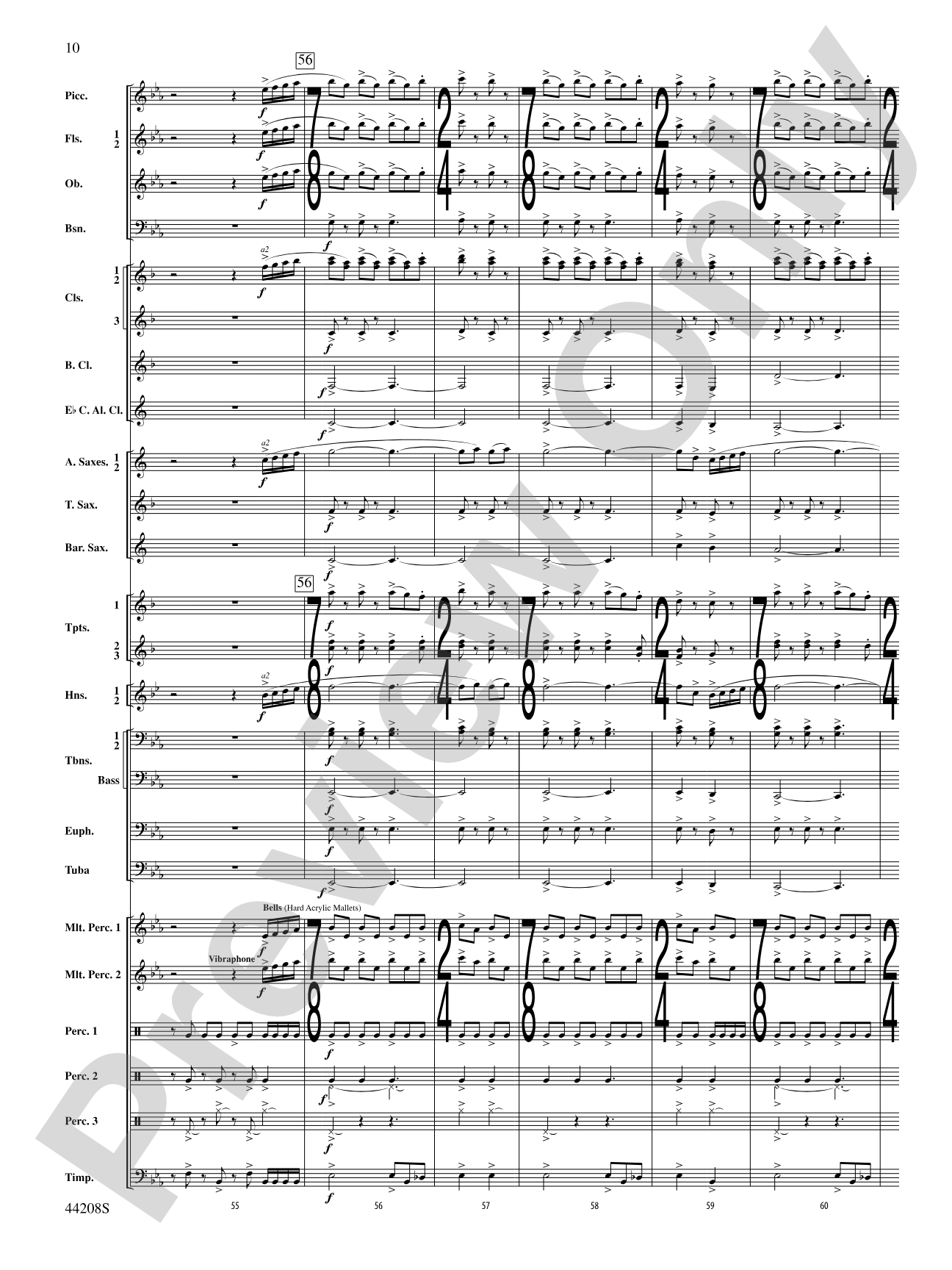
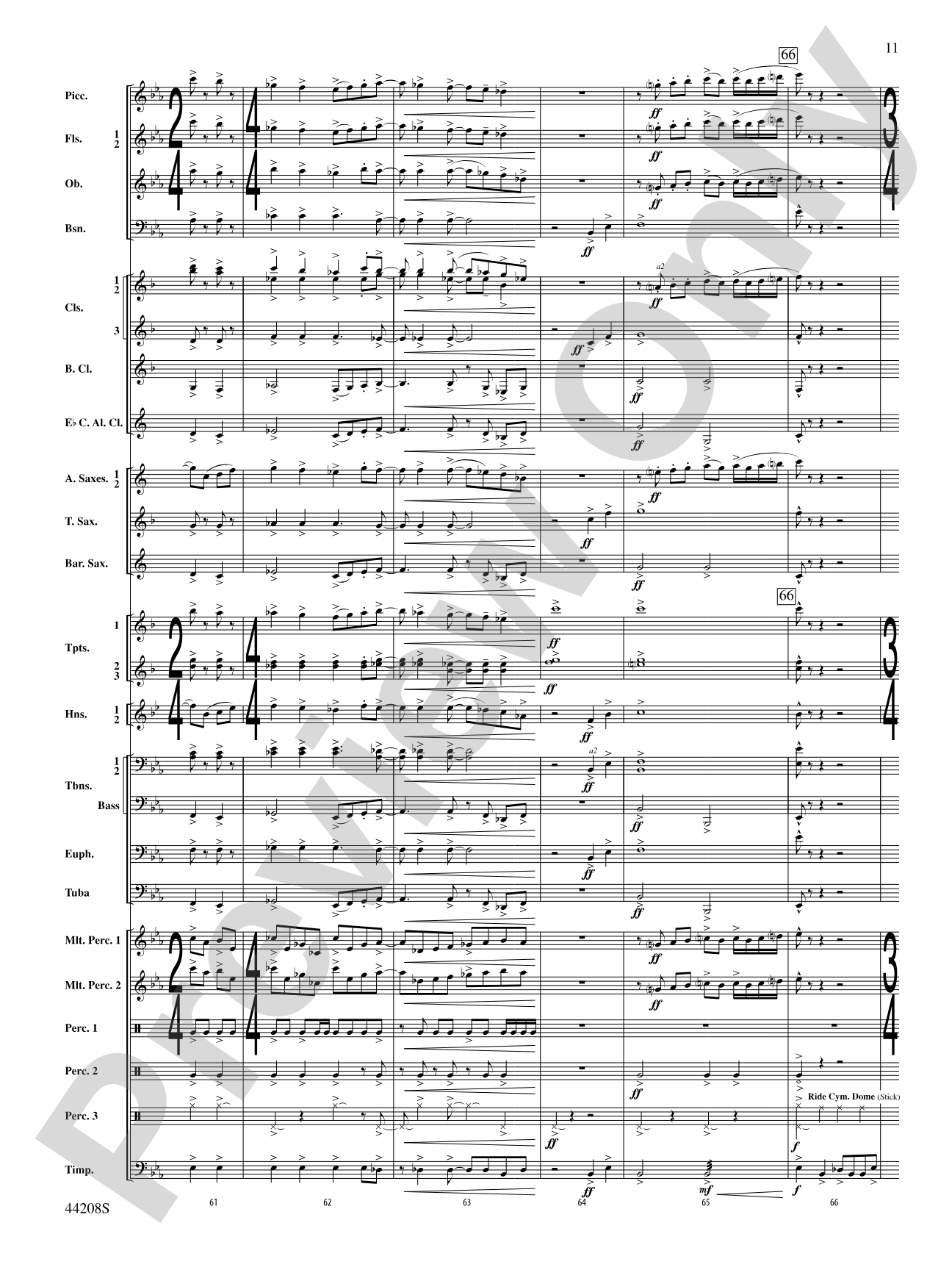
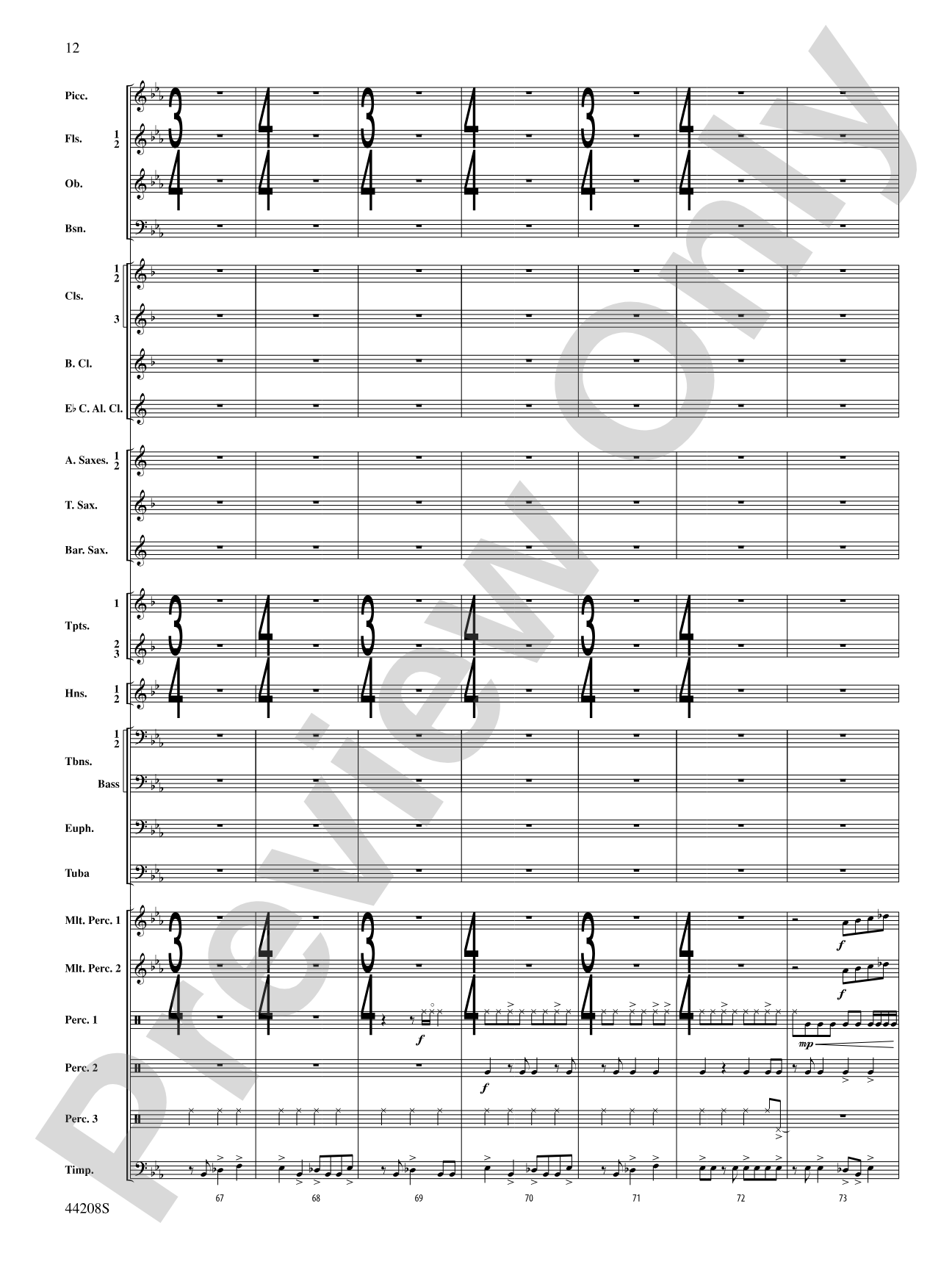
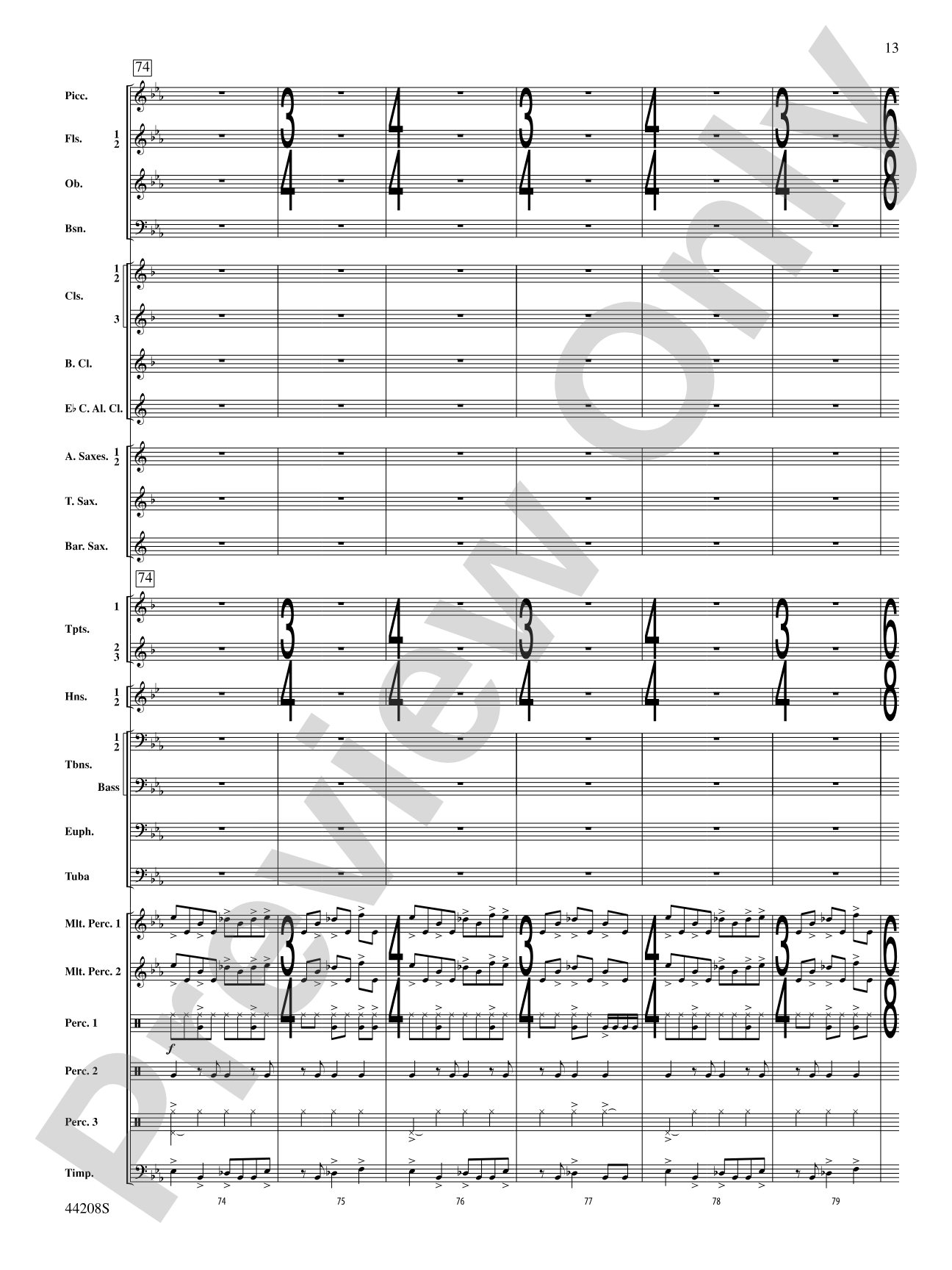
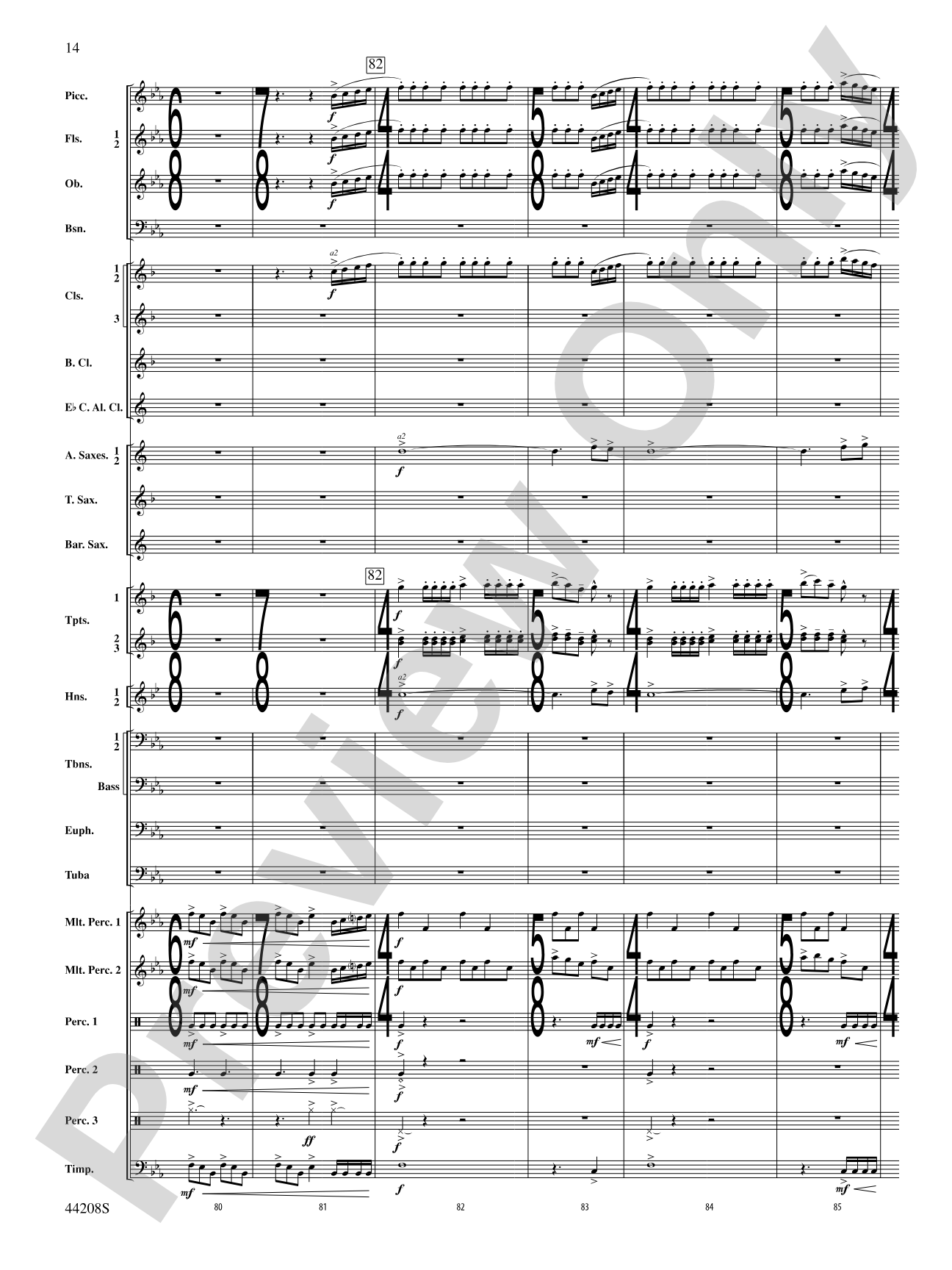
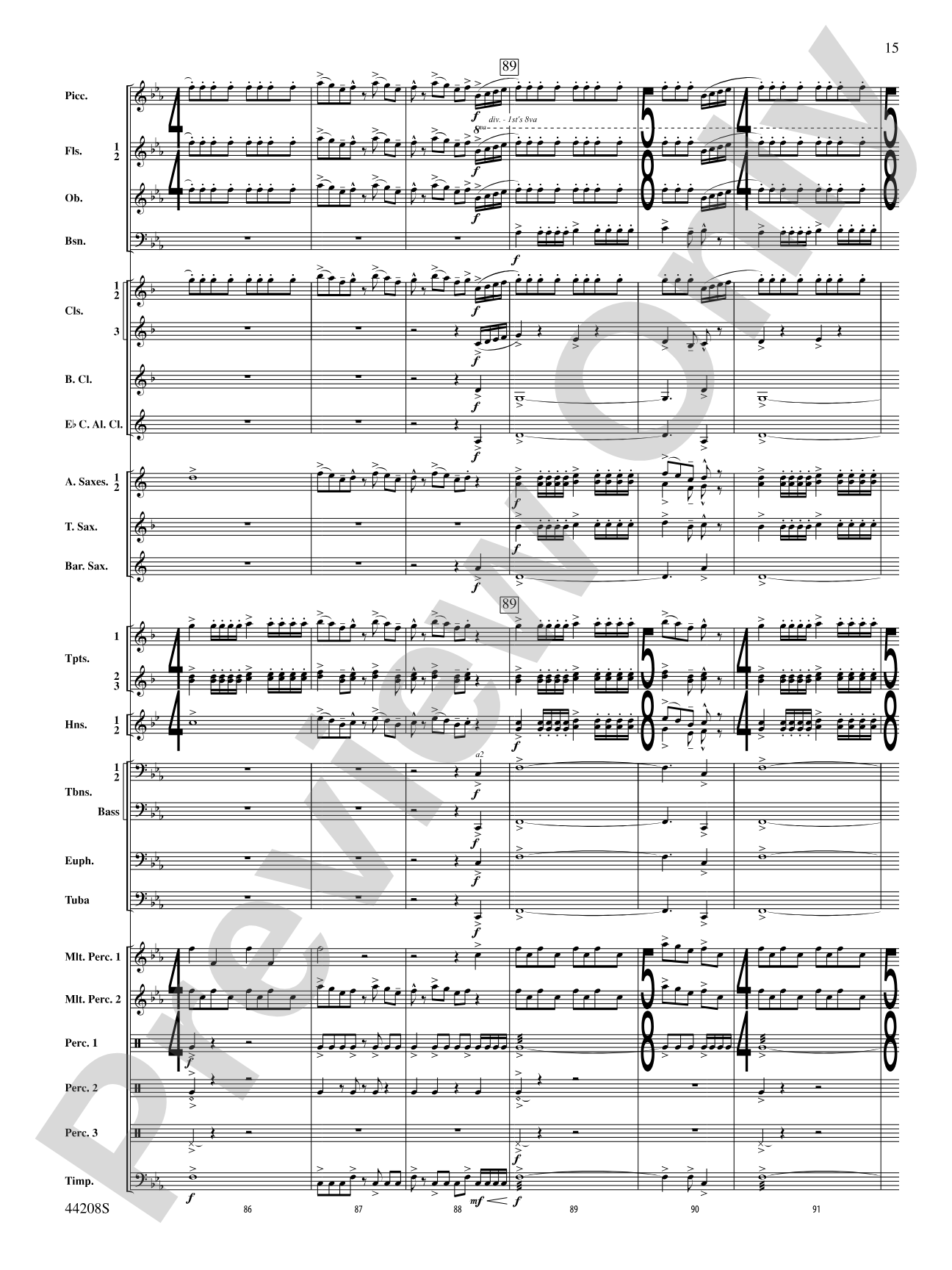
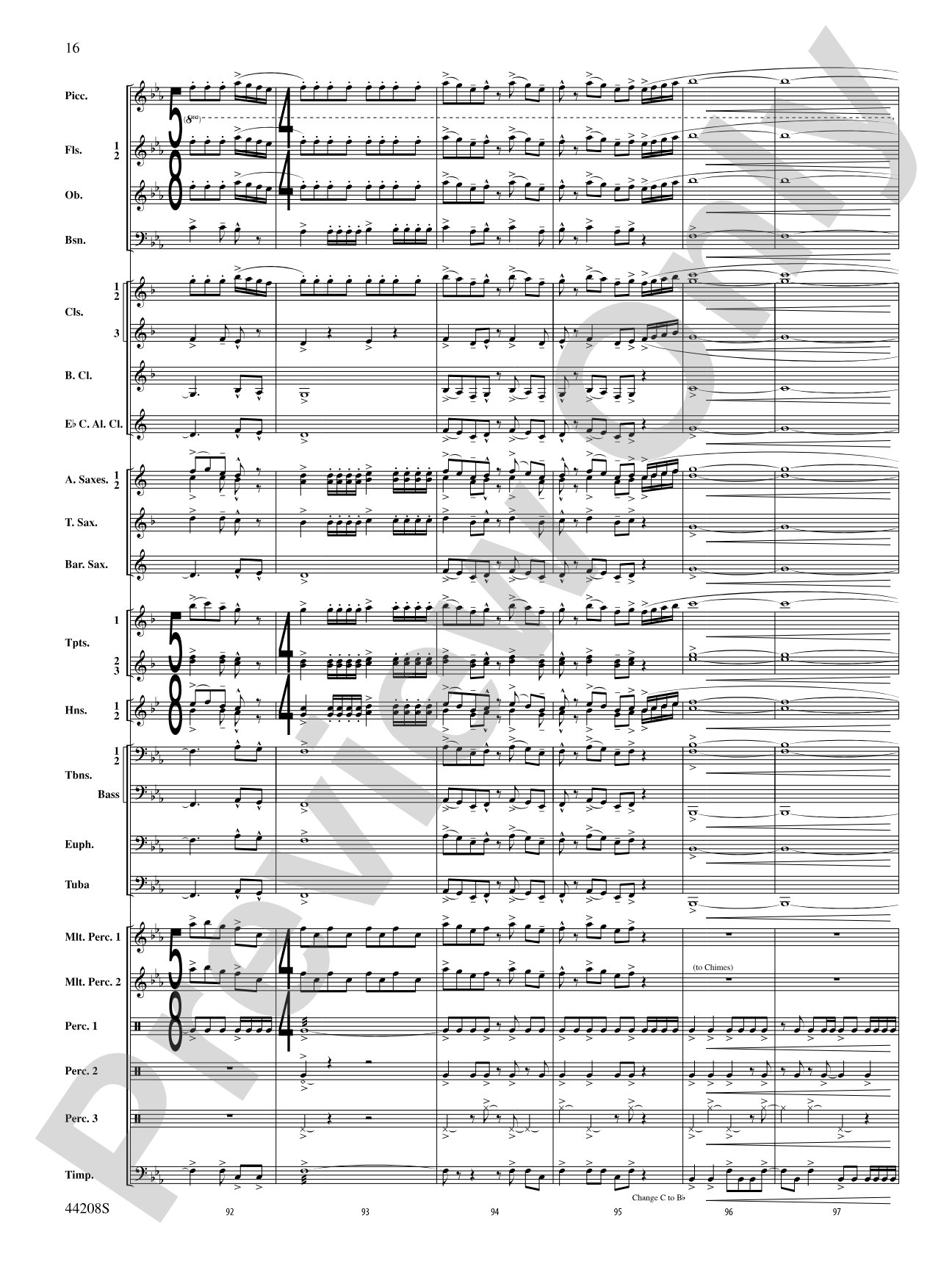
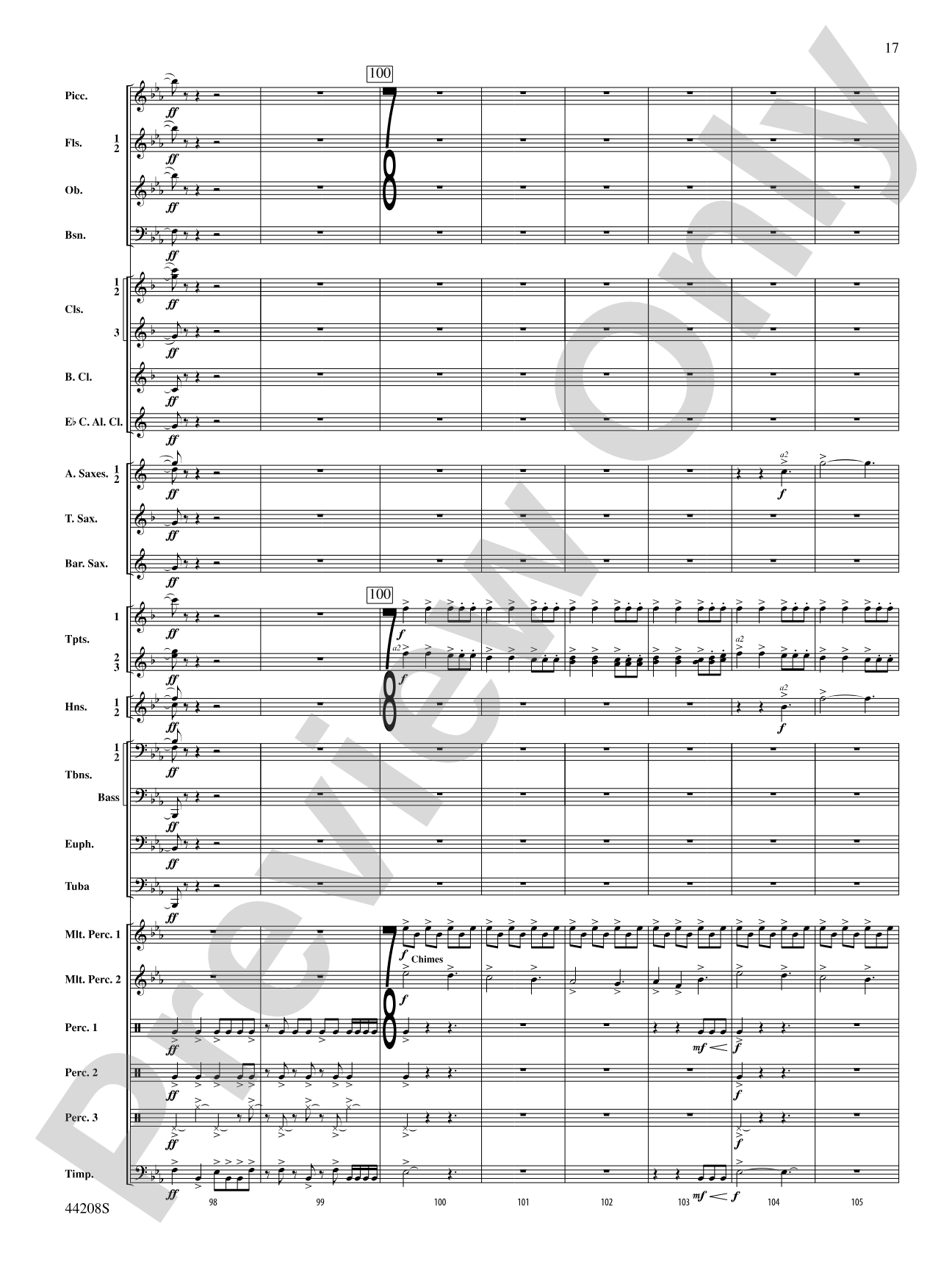
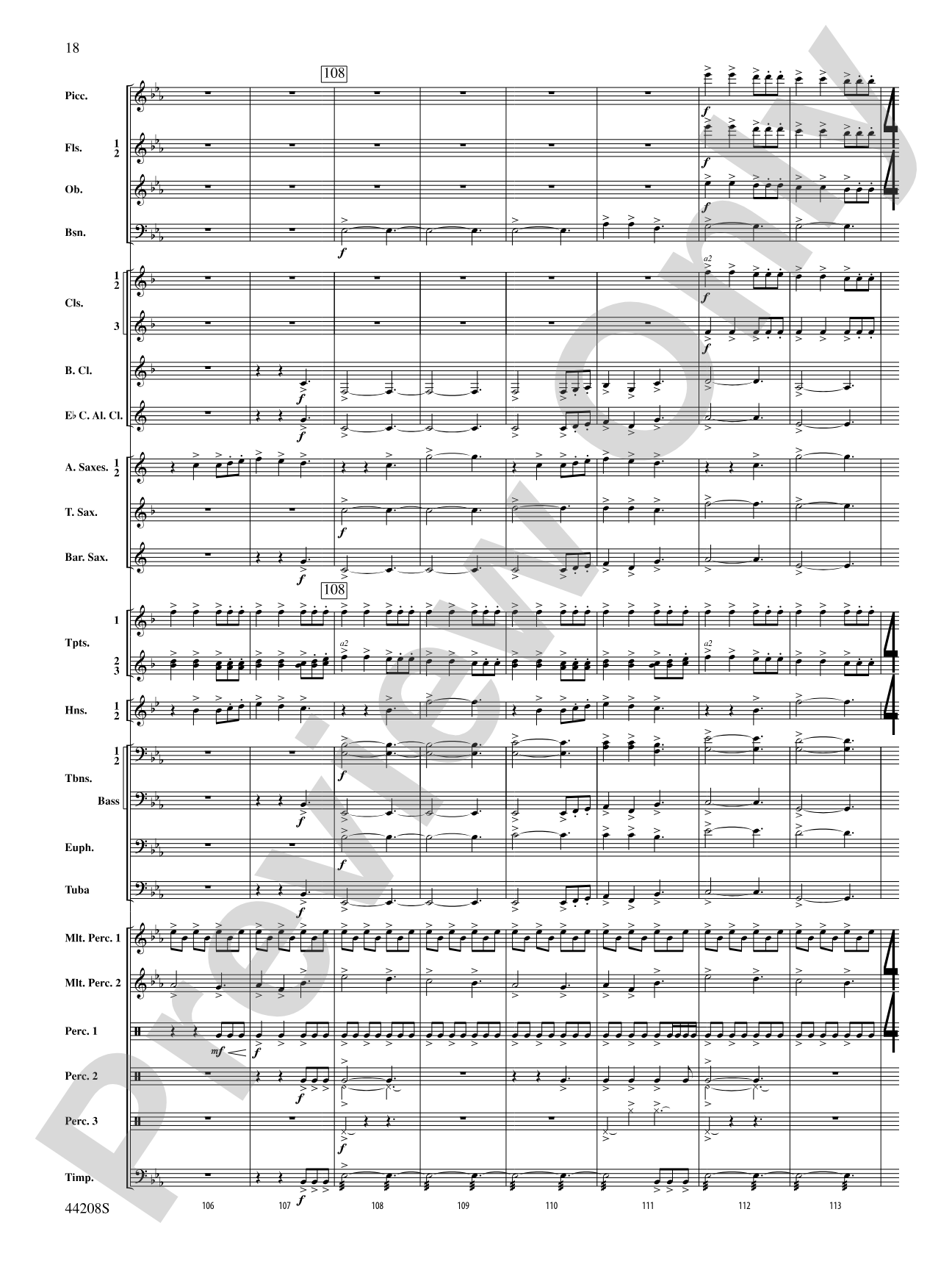
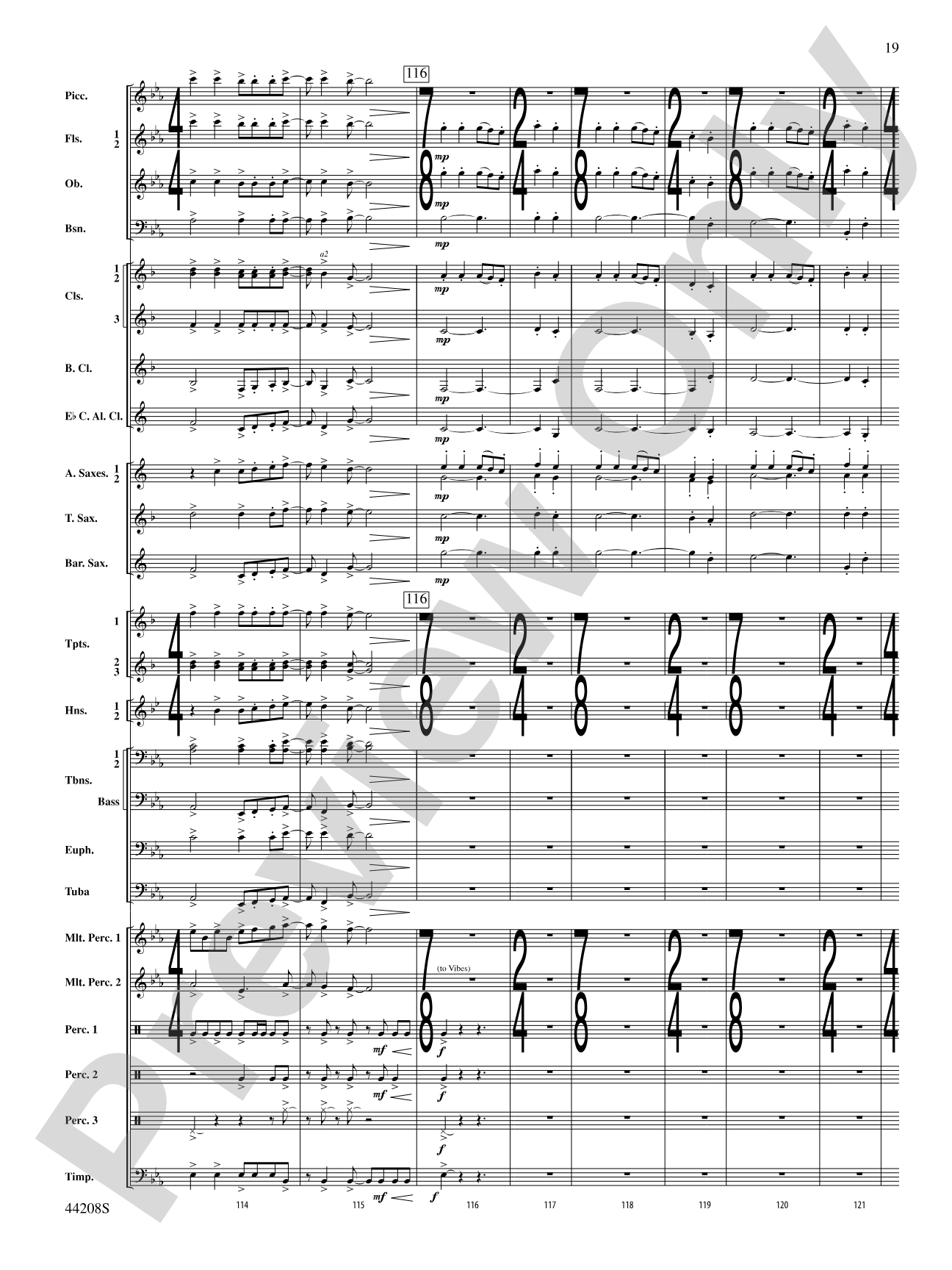
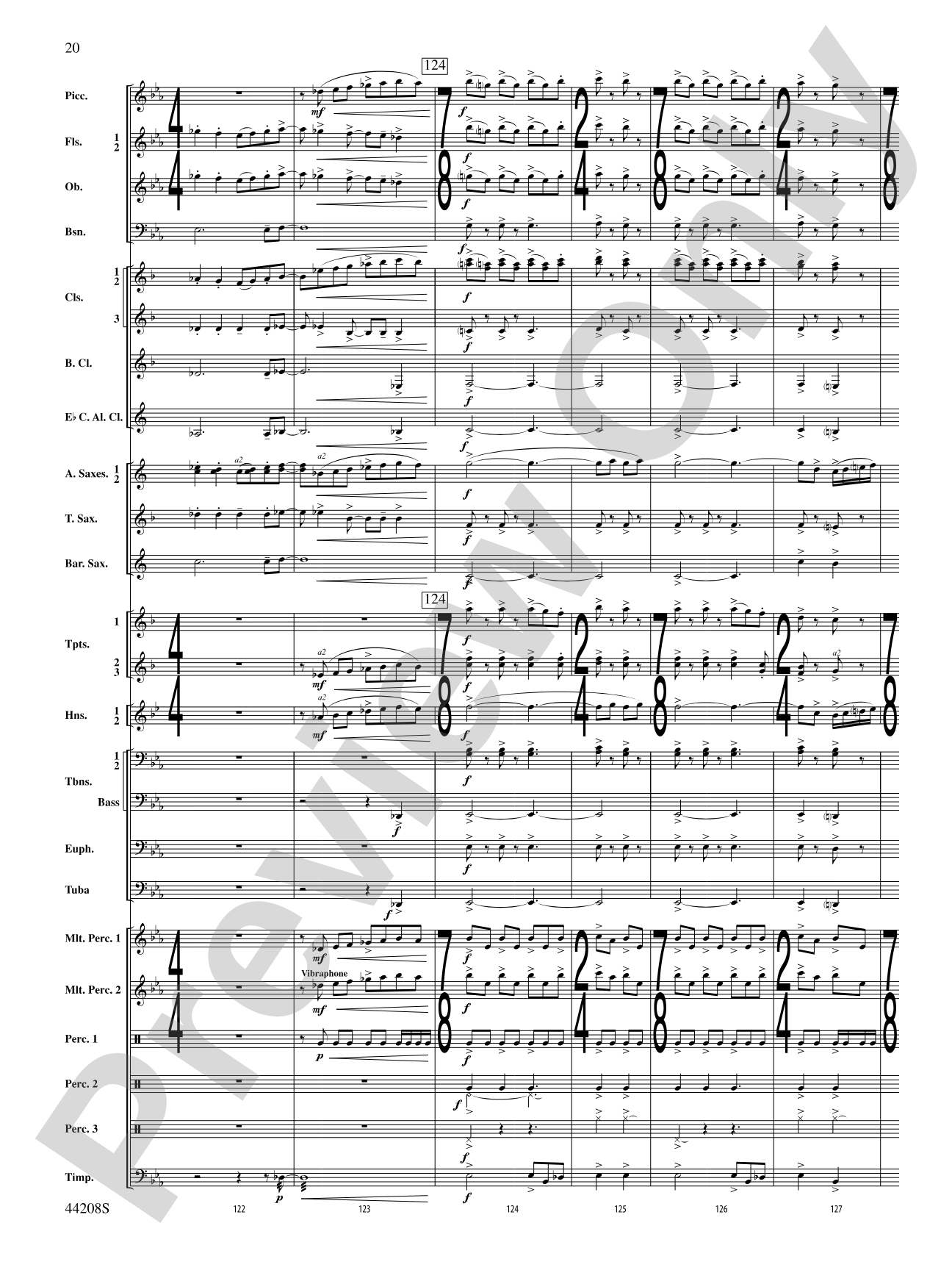
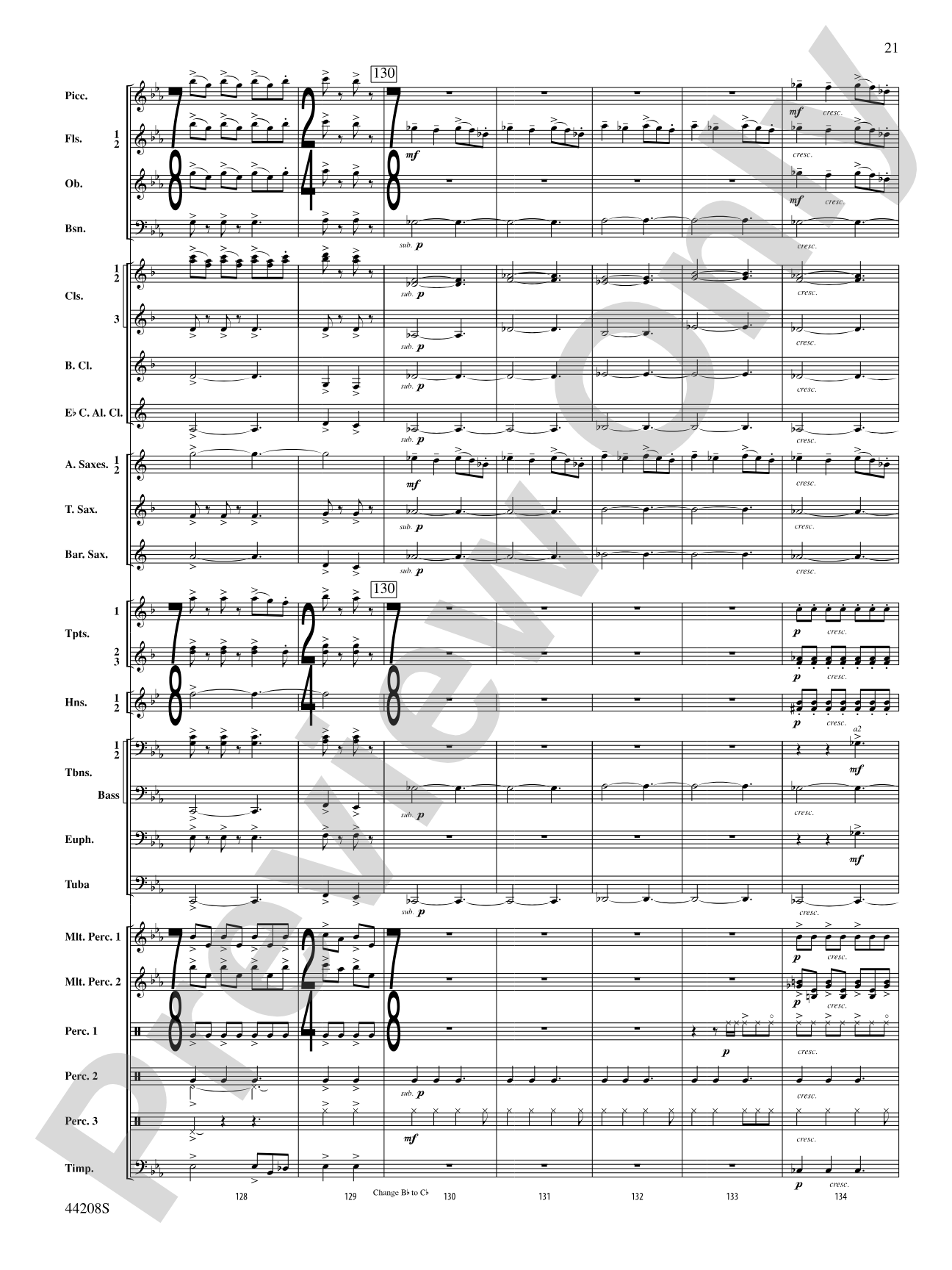
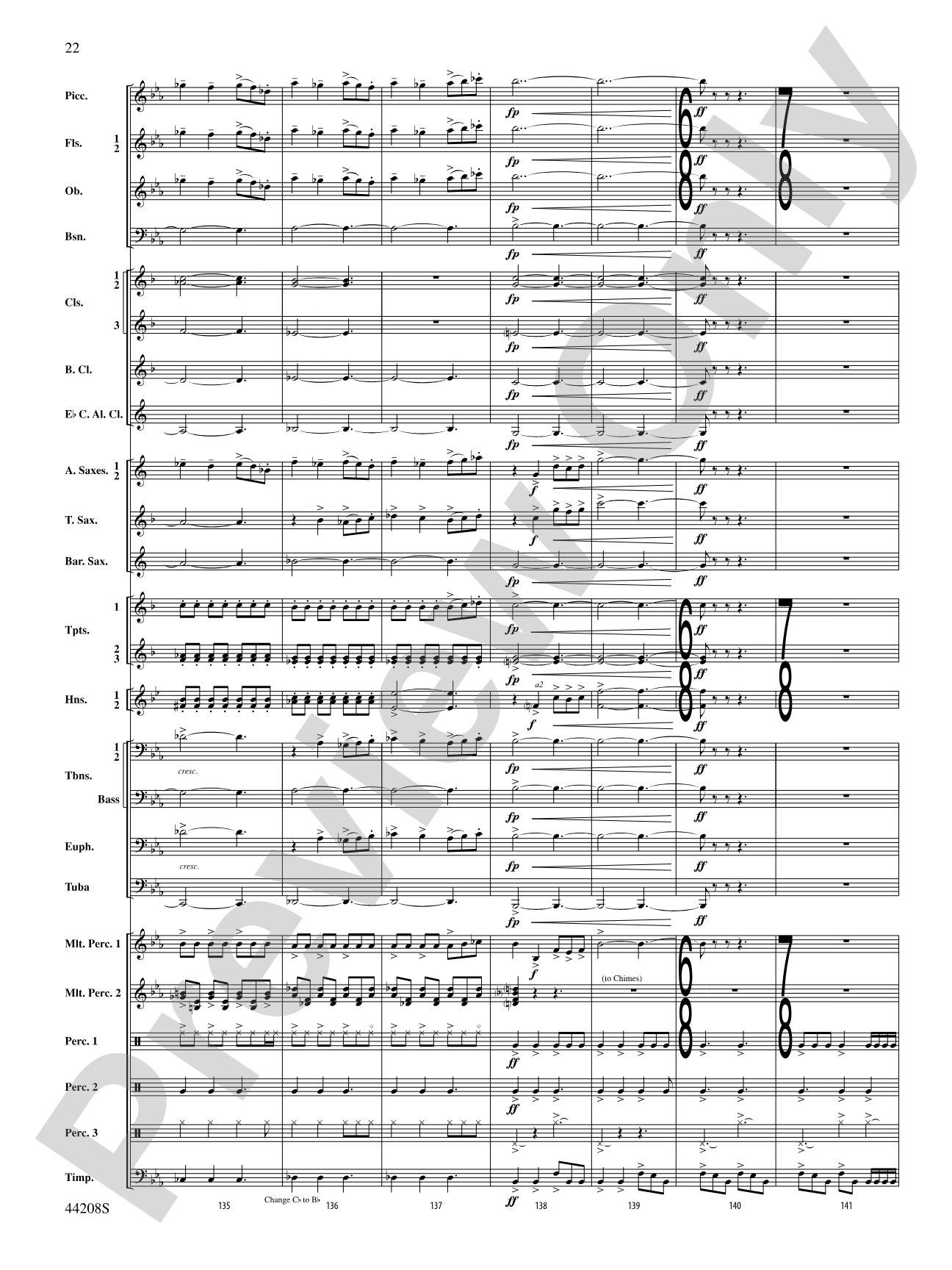
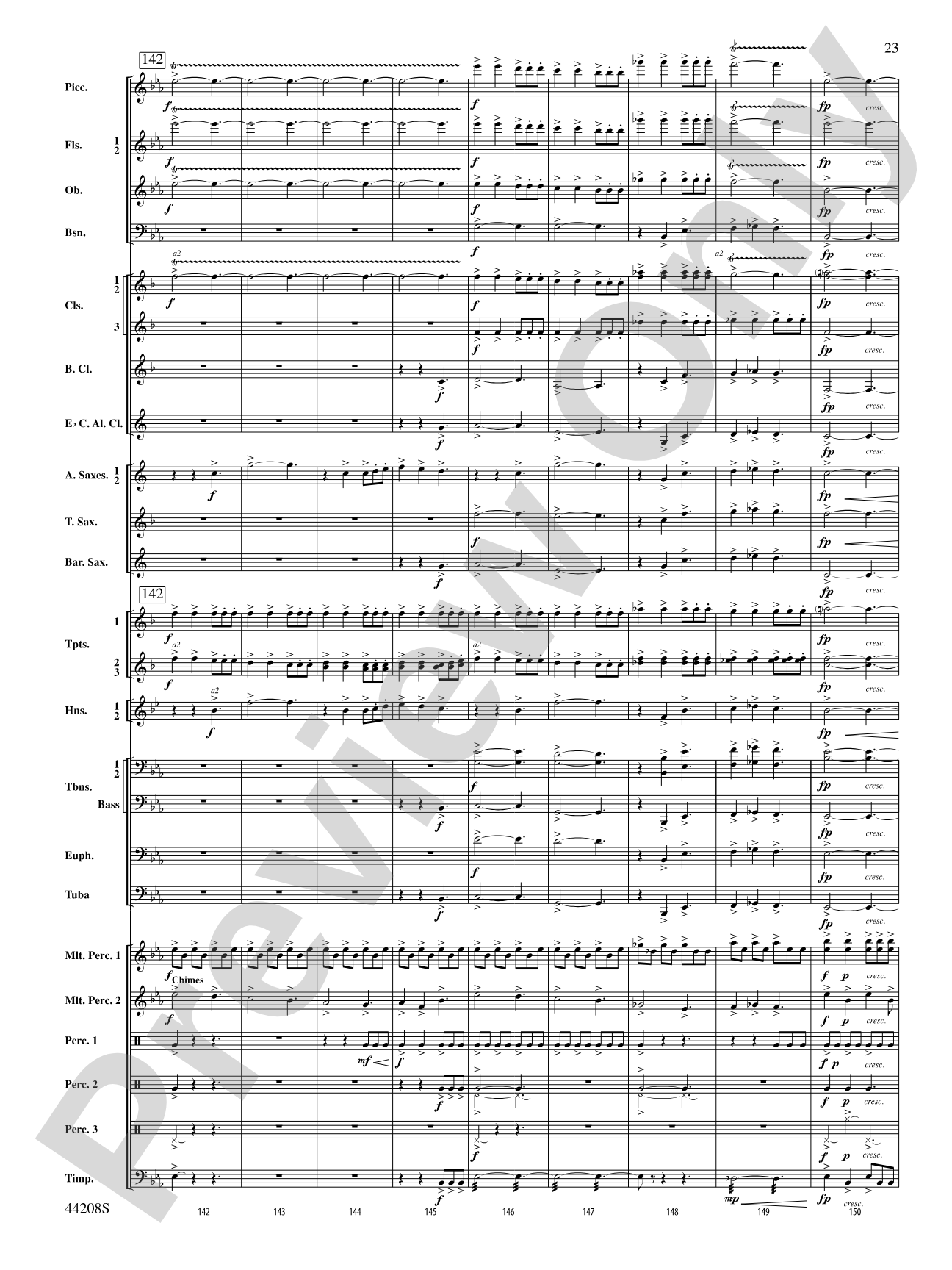
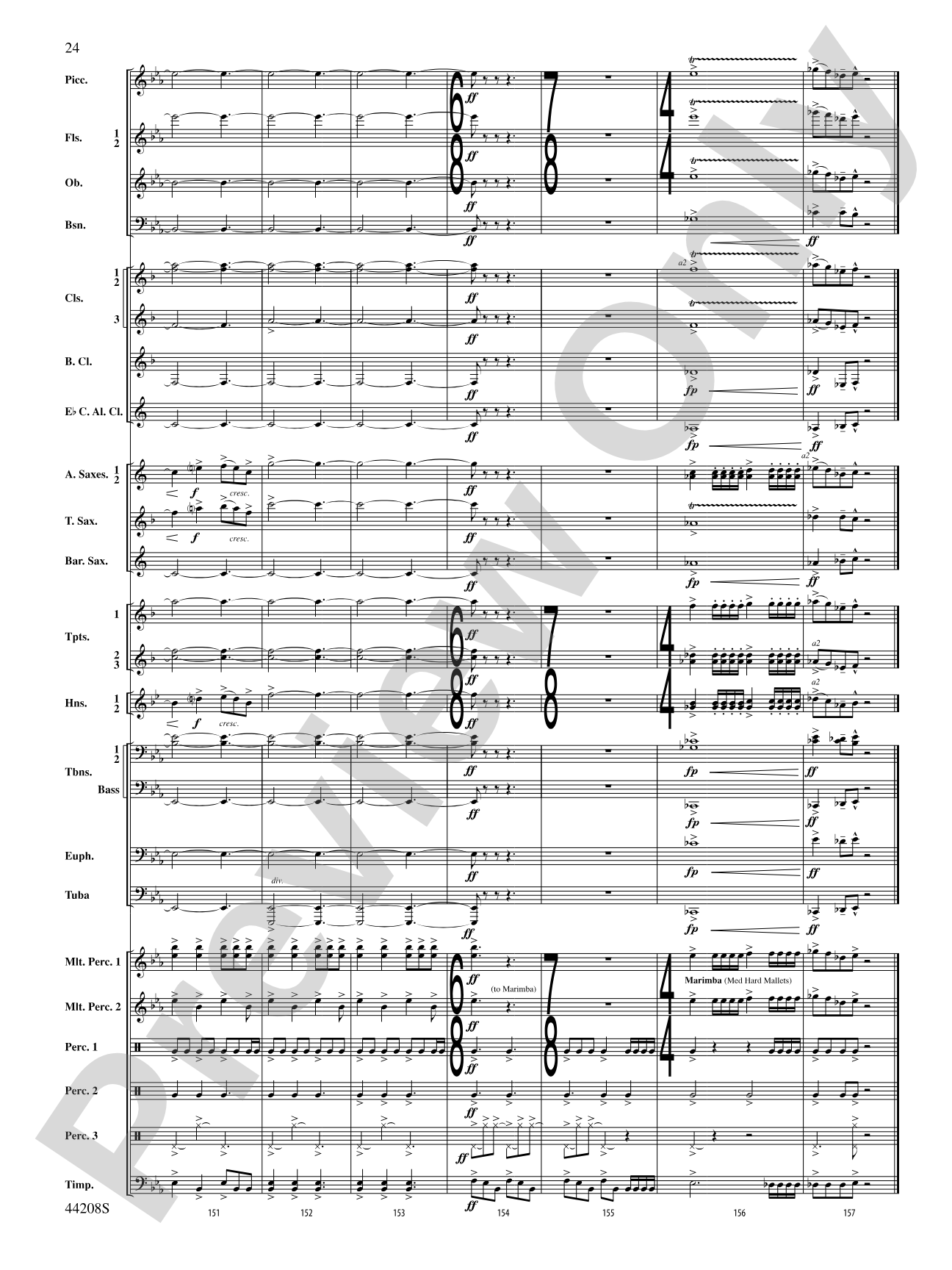

Undecim: Score
Eleventh Hour
By Randall D. Standridge
Grade: 4 (Medium Difficult)
Item: 00-PR-0005256
$11.00
Pickup currently not available
Description
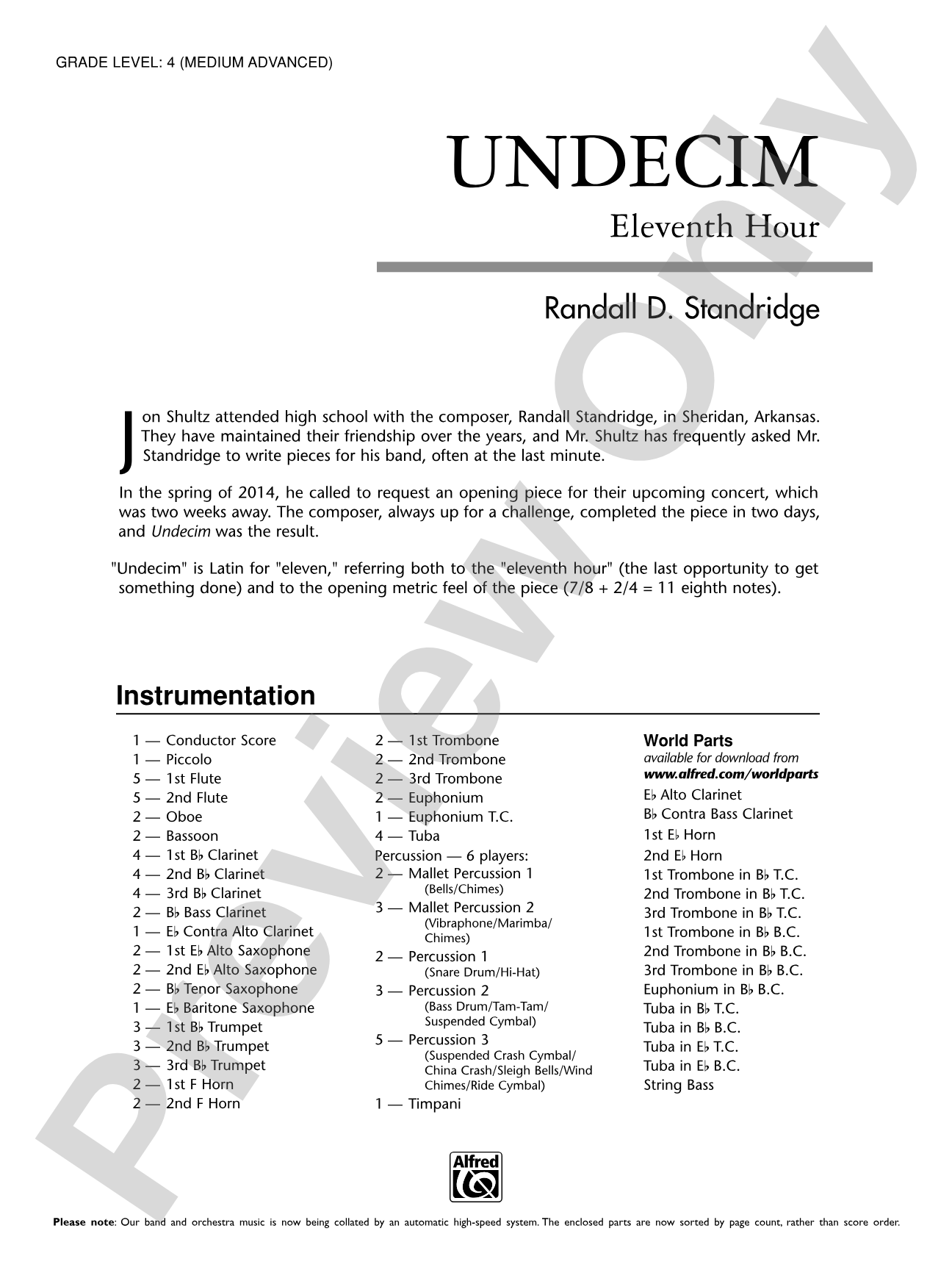
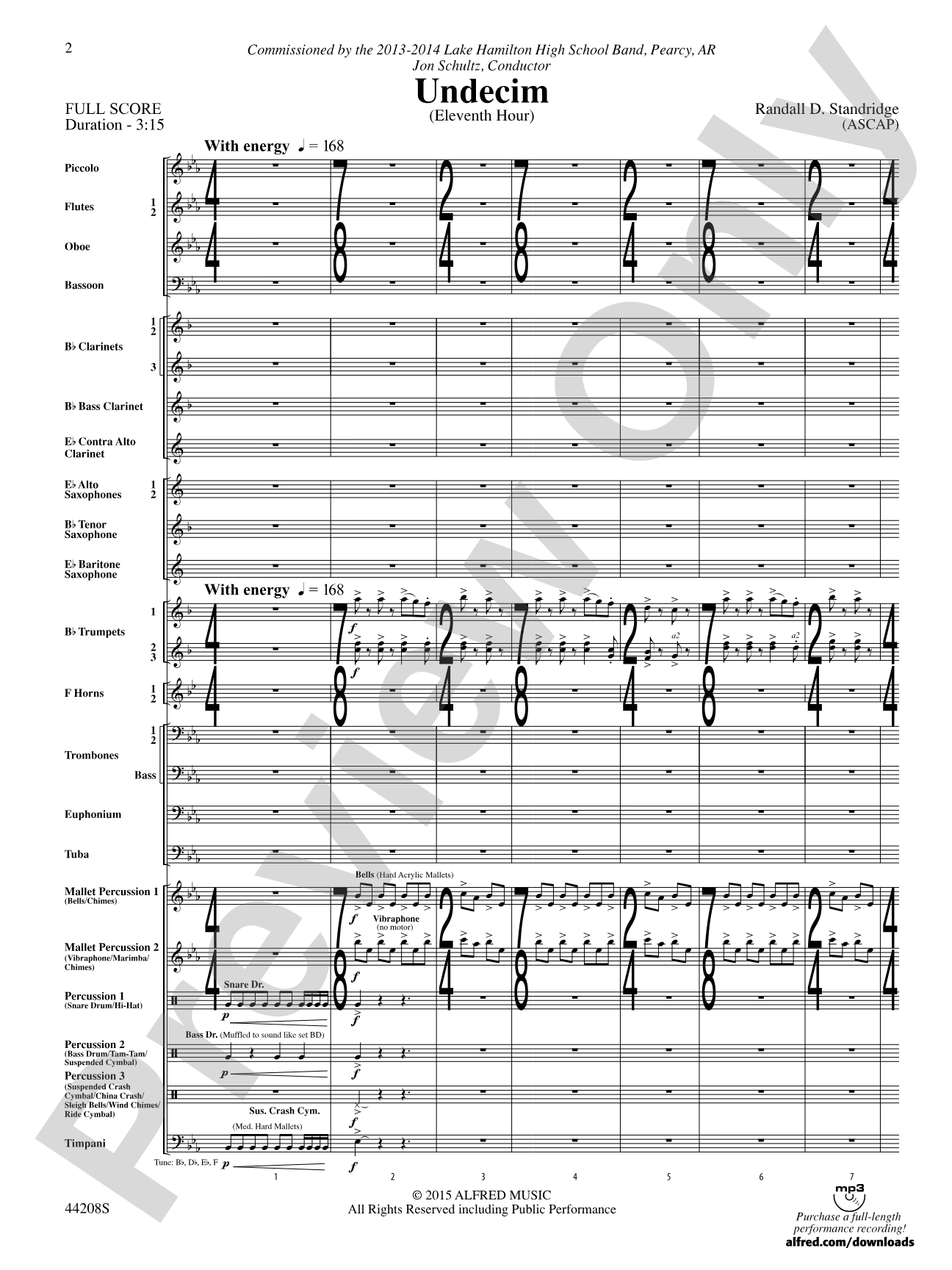
"Undecim" is Latin for "eleven," referring both to the "eleventh hour" (the last opportunity to get something done) and the opening metric feel of the piece (7/8 + 2/4 = 11 eighth notes). This high-energy opener is the perfect way to begin your next concert! (3:15) This title is available in MakeMusic Cloud.


Don't just read it, hear it, play along with it, and watch your students grow with it. In MakeMusic Cloud, Undecim: Score comes alive with professional accompaniment, adjustable tempo, and built-in practice tools that turn solo practice into real progress.
Open in the Player
Jump straight in and assign it today.
Start Your Free Trial
Open this title and explore the full library in minutes.
Sample Audio
1
Audio File
--:--
0:00
0:00
Sample Video
No sample videos found.
Additional Details
Series:
Alfred Concert Band
Publisher:
Alfred Music
Page Count:
316
SKU:
00-PR-0005256
More about this title
About the Composer: Randall D. Standridge
Randall D. Standridge is a prolific composer and arranger whose works span concert band, jazz ensemble, and educational settings. His compositions are known for combining contemporary harmonic language with accessible writing that challenges without overwhelming student musicians, making his catalog a staple in Grade 3-5 concert band repertoire across North America.
Why we love this
The metric ingenuity here is the draw. Rather than simply alternating time signatures, Standridge uses the math of the meters themselves as the compositional concept, creating a rhythmic hook that sticks with audiences and gives your ensemble a genuine interpretive challenge. It's the kind of opener that announces you're programming something thoughtful, not just filling a slot.
What to expect
High-octane and purposeful. The alternating meters create a forward-lurching momentum, like something urgent pushing toward a deadline. Despite the complexity under the hood, the piece feels visceral and driving, not cerebral or academic.
Who it's for
Concert bands at the Grade 4 level who are ready to tackle metric complexity as a compositional tool, not just a technical exercise. This works for ensembles preparing for festival adjudication or seeking a statement-making concert opener that audiences will remember.
How to get the most out of it
- Lock the meter combinations in sectional rehearsals before running full passages. Have each section count the 7/8 + 2/4 pattern independently first, then bring them together so the ensemble feels unified rather than fragmented.
- Maintain consistent energy throughout the three-minute duration. The high-octane character can fade if articulation softens in the second half; mark staccato and tonguing expectations clearly in parts and reinforce them in rehearsal.
- Balance the harmonic colors across the band. With a Grade 4 difficulty level, inner voices carry important material; ensure woodwind sections and low brass aren't swallowed by trumpet or clarinet lines.
- Use a clear, decisive conducting pattern for the meter shifts. Your hands should telegraph the 7/8 feel distinctly so the ensemble stays locked, especially during ensemble hits and rests.
How to use it
Program this as your opening number to set an energized tone and signal that your concert is built on careful compositional choices. Its three-minute duration makes it ideal for the first spot after a brief welcome, leaving room for contrasting material in the body of your program. It also serves well in contests or festivals where judges expect to see command of contemporary musical language.
Skills your students will build
- Reading and executing mixed meters (7/8 and 2/4 within the same phrase)
- Maintaining ensemble unity across metric complexity
- Precision articulation and rhythmic subdivision
- Interpreting and sustaining high-energy musical character over extended duration