

Ultimate Beginner Series: Have Fun Playing Hand Drums (For Bongo, Conga and Djembe Drums): A Fun, Musical, Hands-On Book and CD for Beginning Hand Drummers of All Ages
A Fun, Musical, Hands-On Book and CD for Beginning Hand Drummers of All Ages
By Ben James
Item: 00-PB-0002243
$19.99
Pickup currently not available
Related Items
Ultimate Beginner Series: Have Fun Playing Hand Drums (For Bongo, Conga and Djembe Drums): Drum Book & Online Audio |
$19.99
|
View |
Description
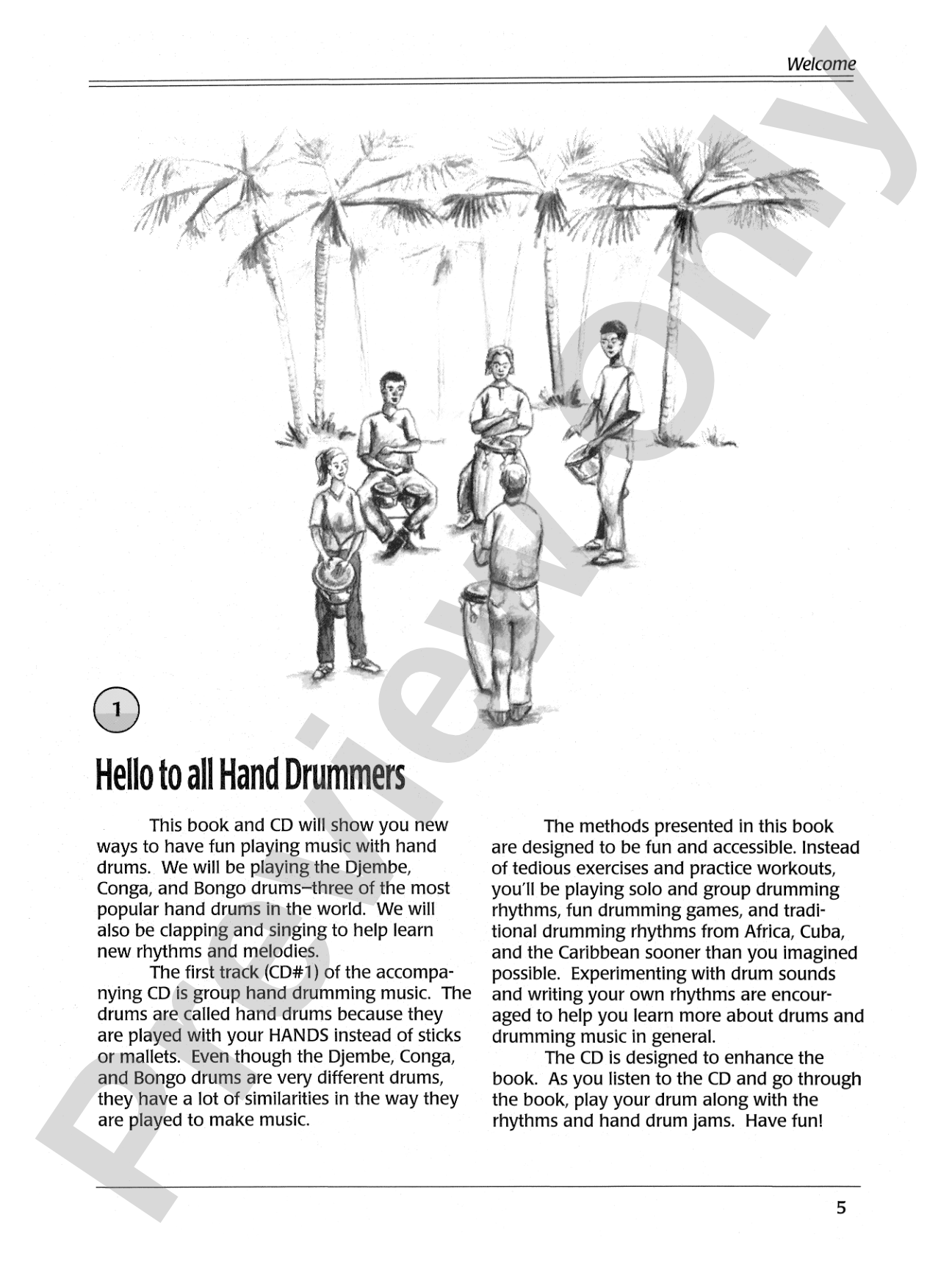
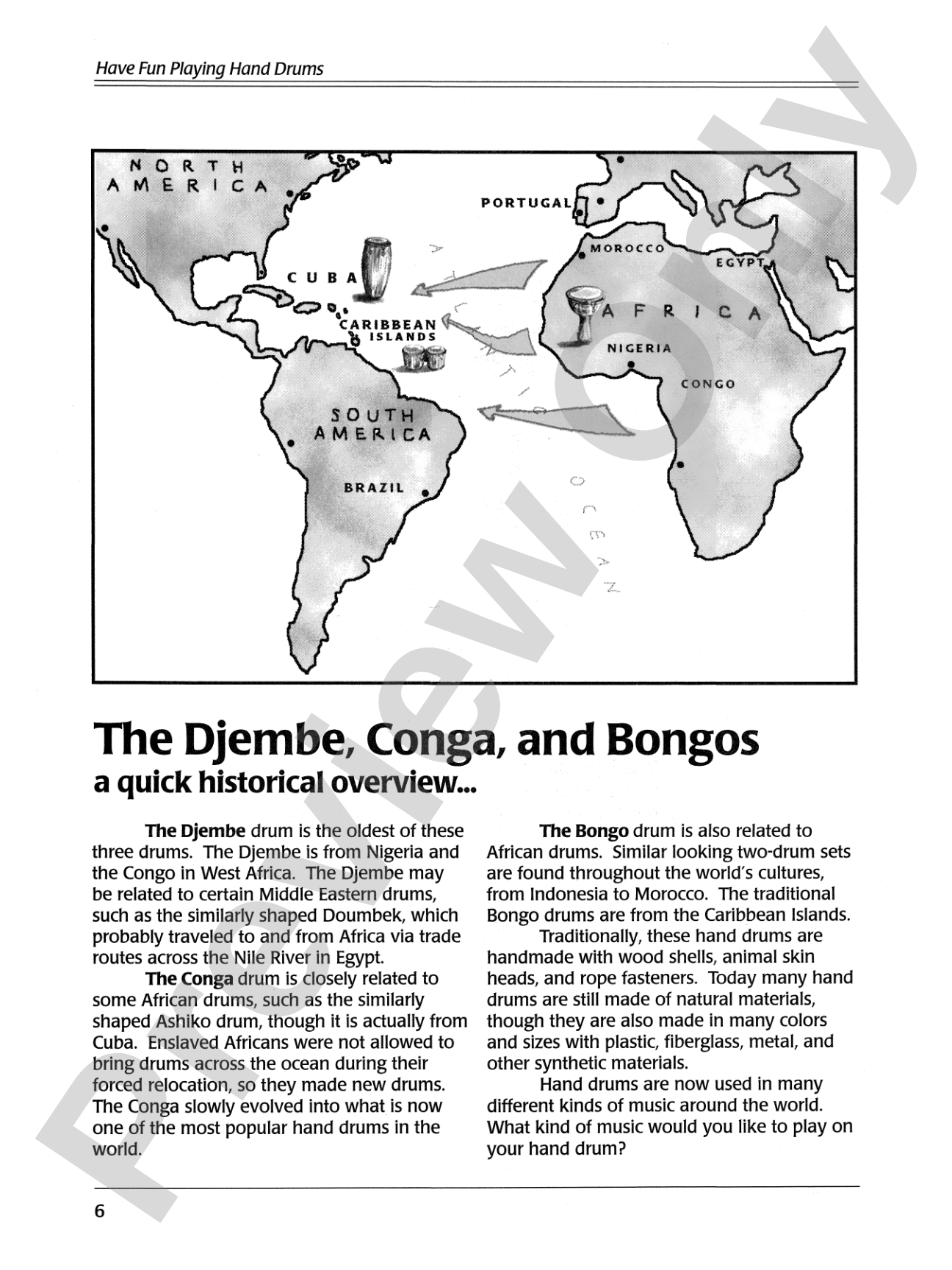
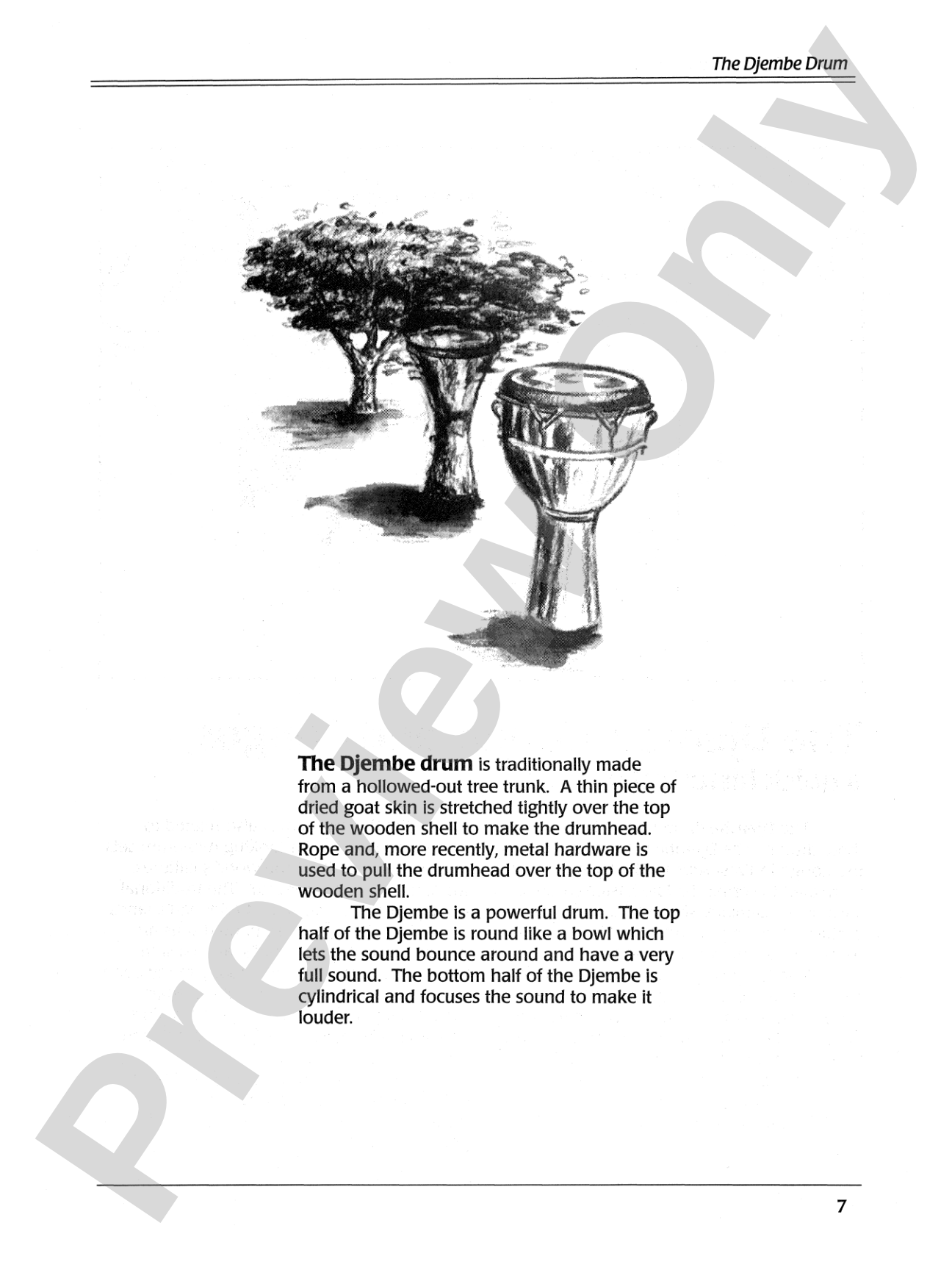
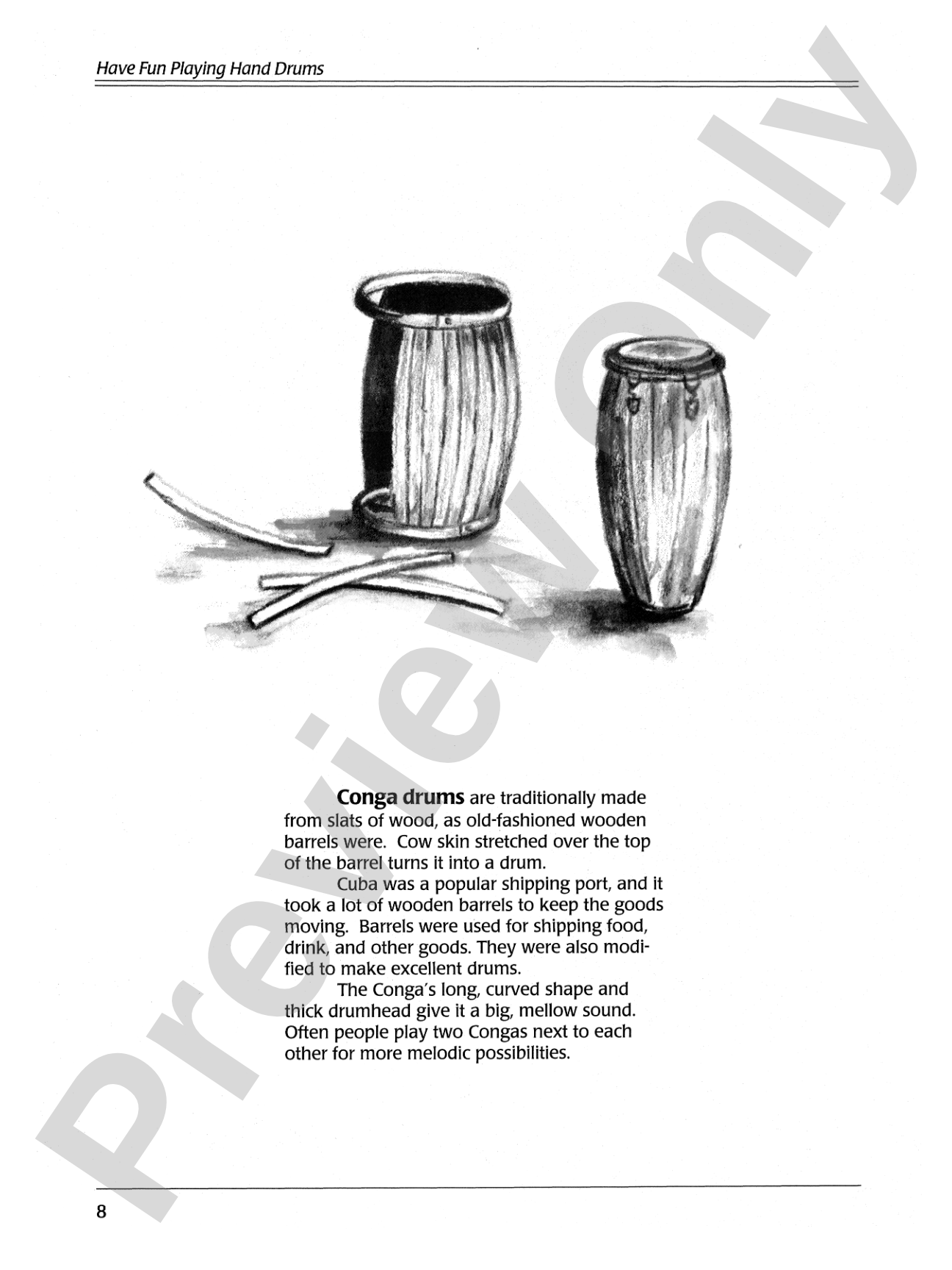
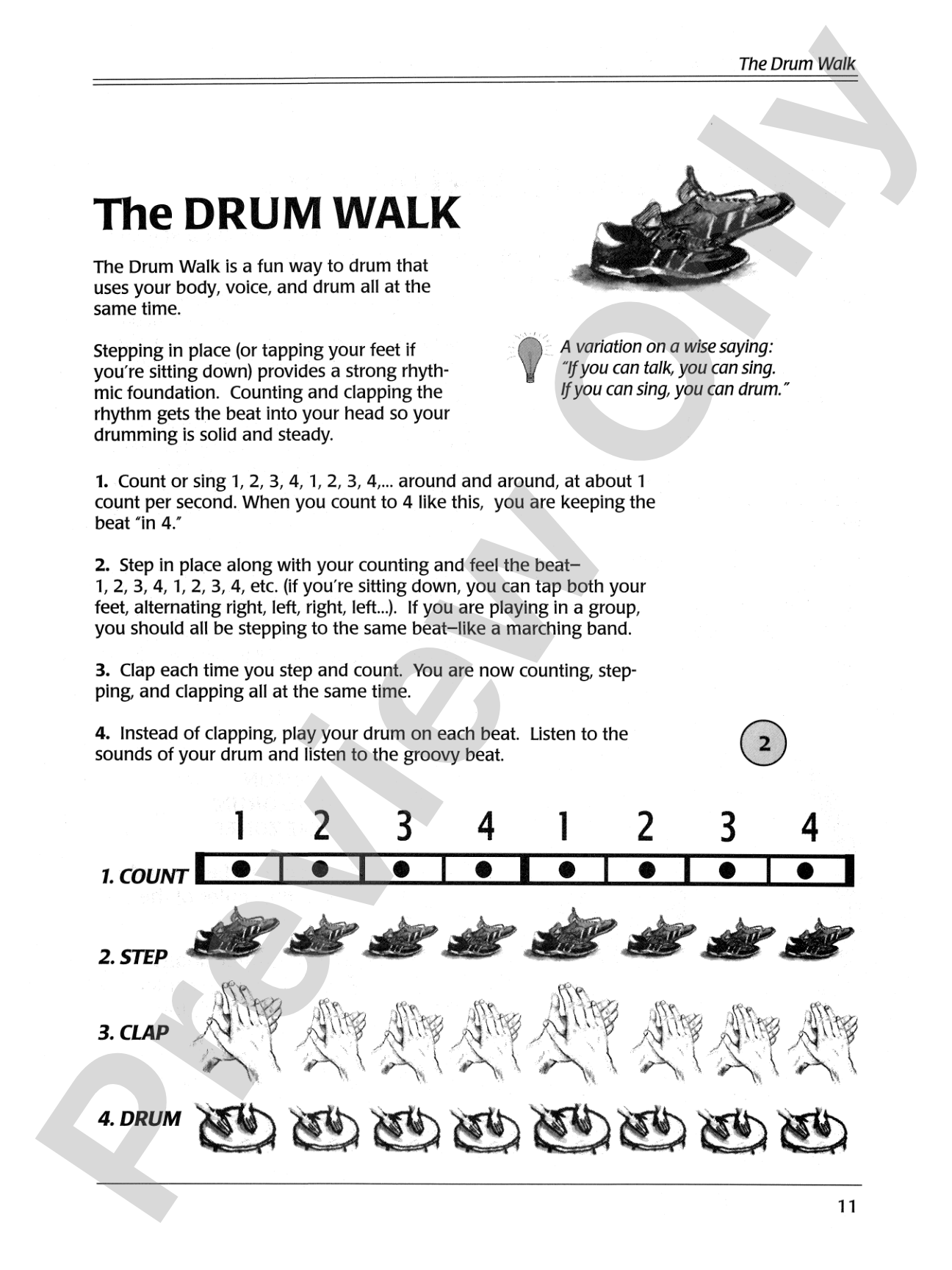
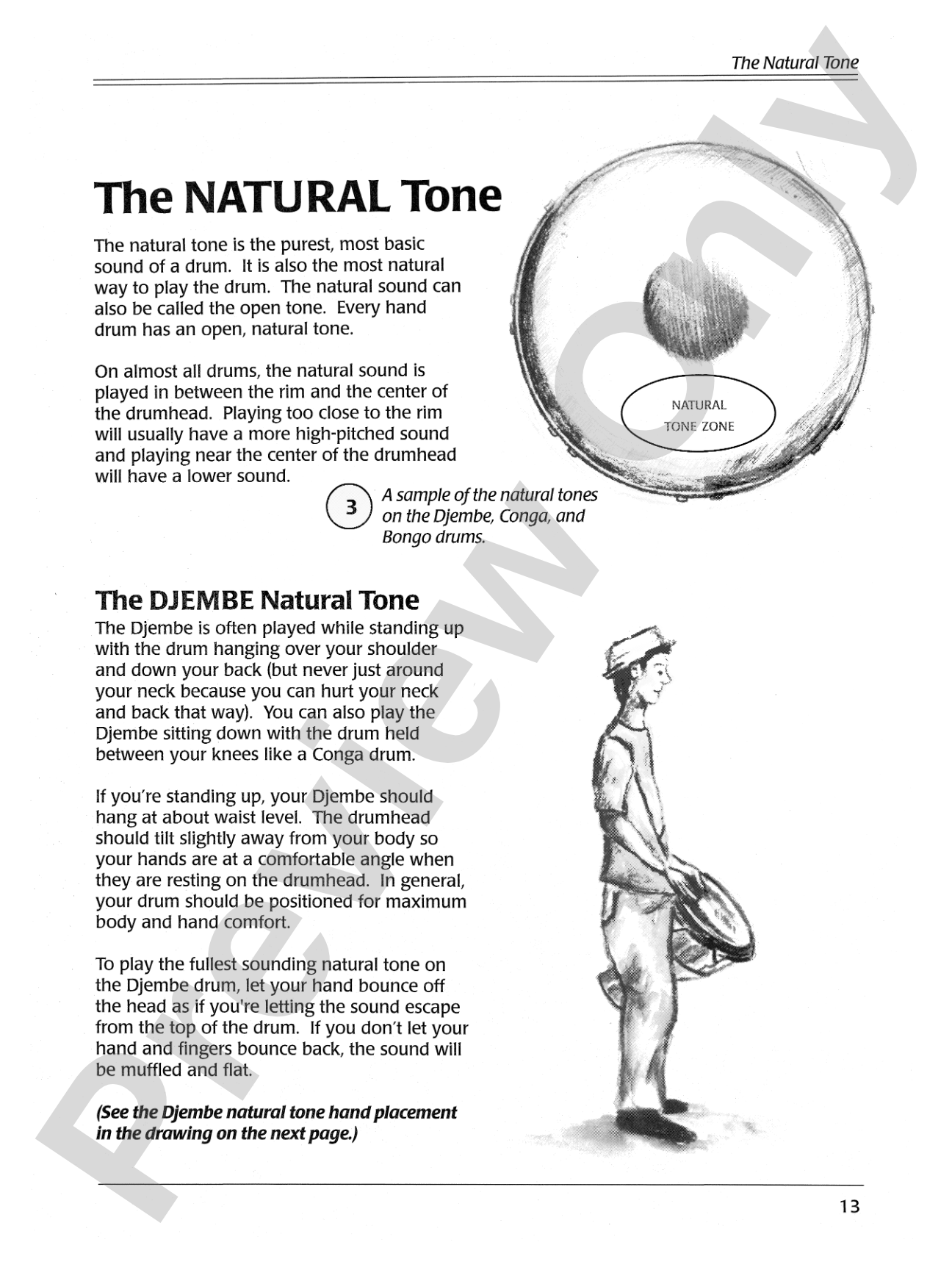
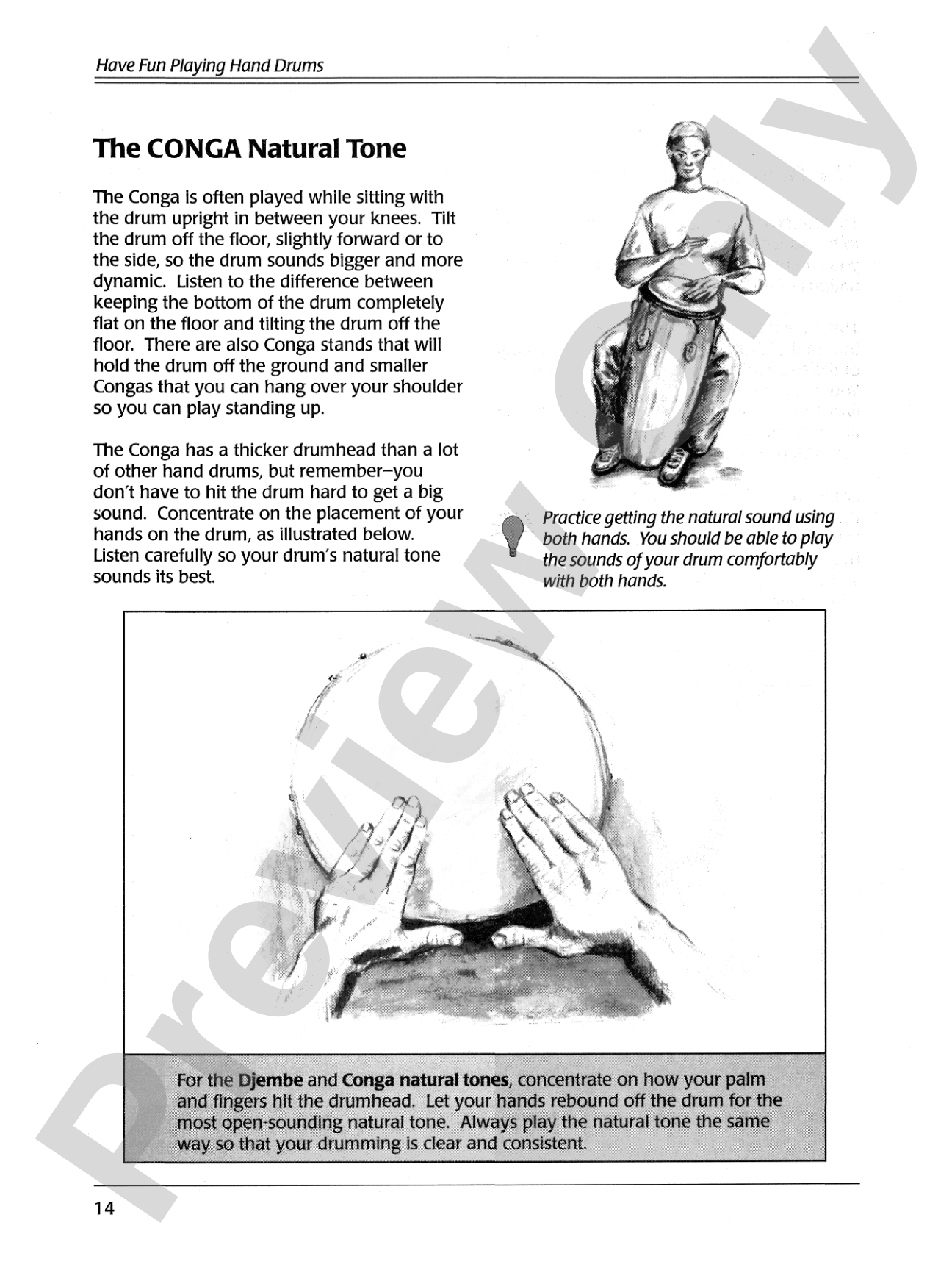
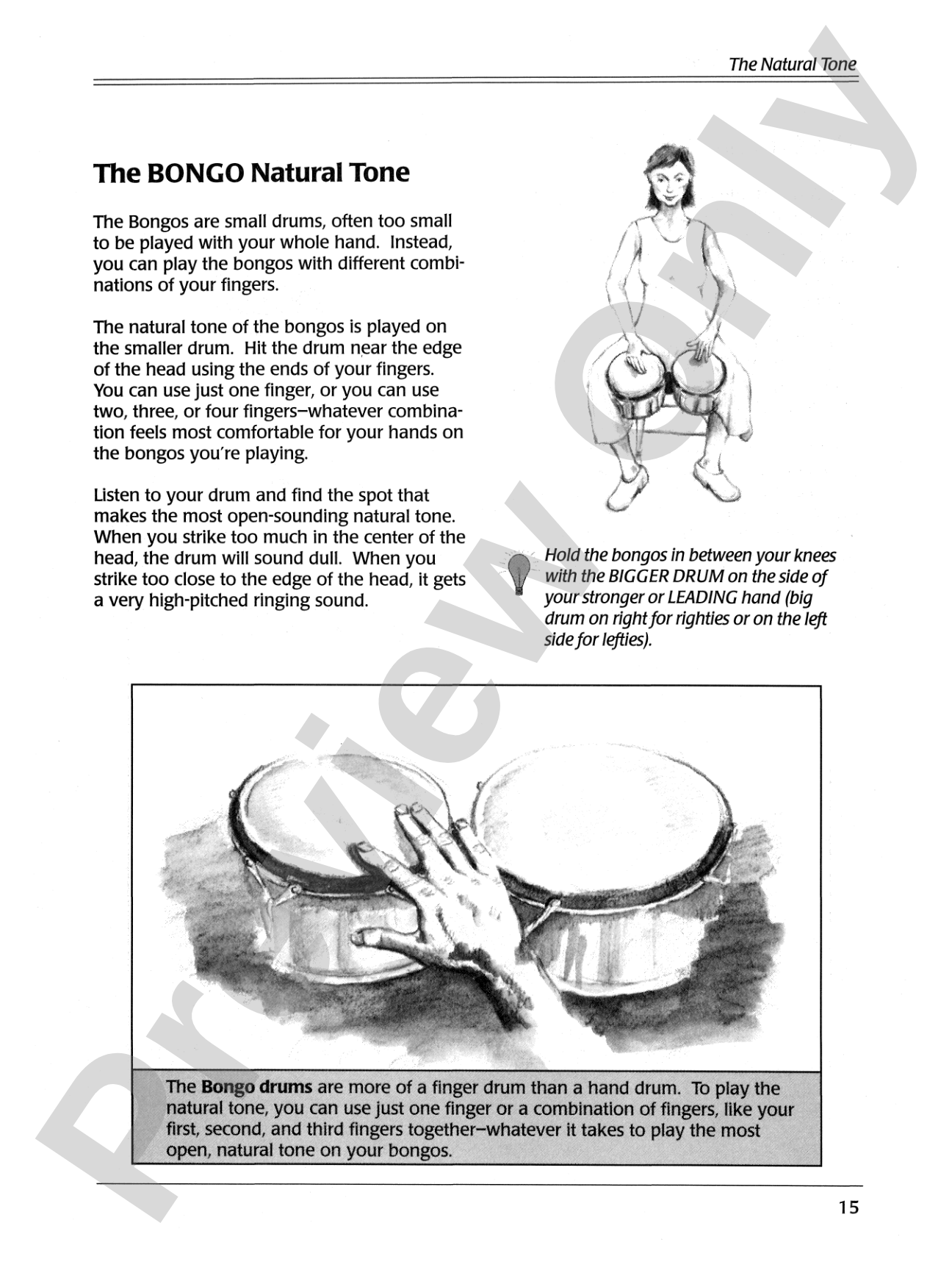
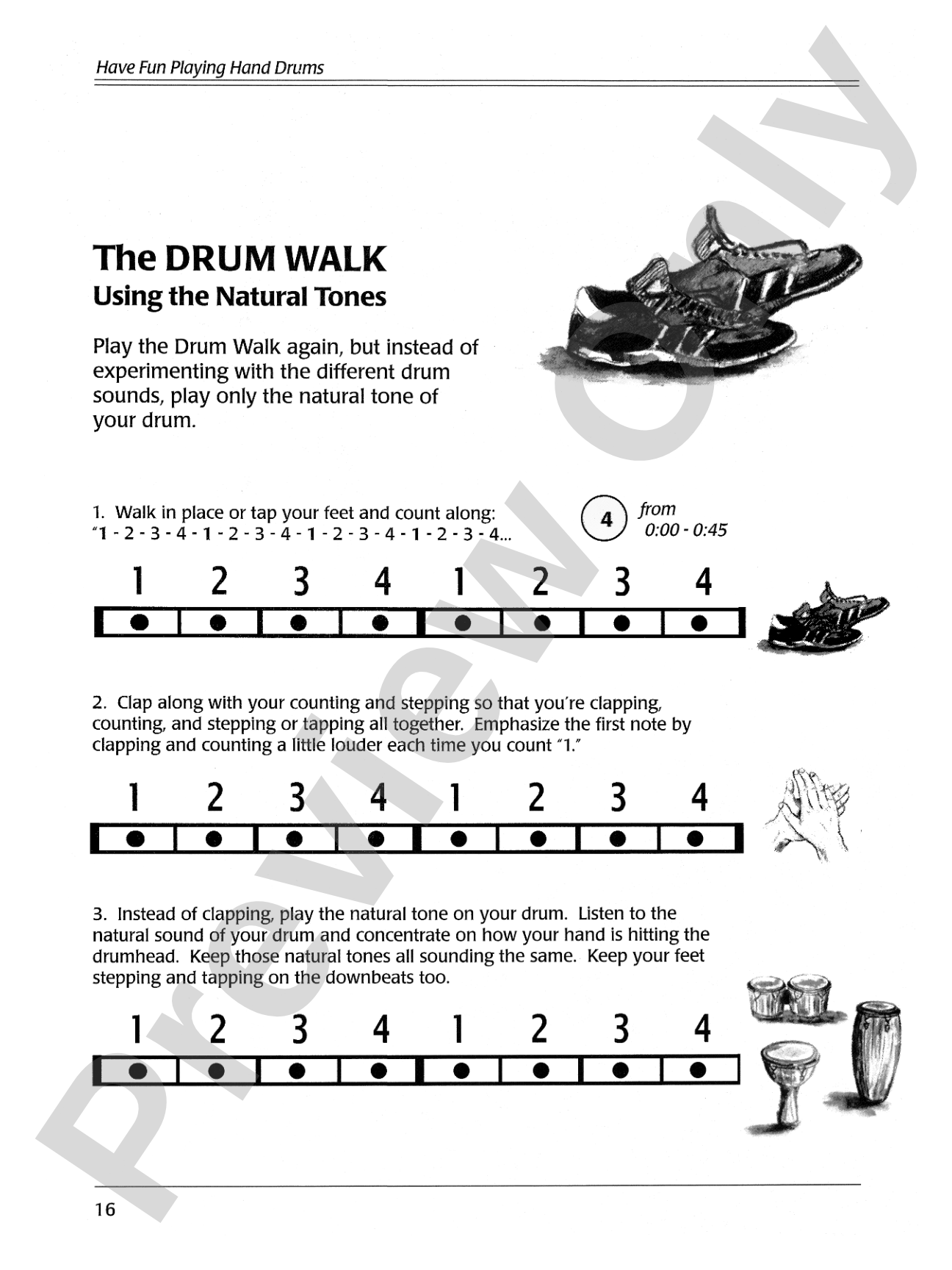
This book and audio package is for all beginners (children to fun-loving adults) who want to learn how to play the bongos, congas and djembe drums in a fun and musical way. Subjects covered include hearing the beat, listening to drum sounds, playing with groups, creating new rhythms, and The Drum Walk (to help build complete body coordination). Also covered are simple African and Caribbean rhythms to help take you to the next level of hand drumming. The recording contains audio versions of all lessons and inspiring play-along drumming music. Fully illustrated and highly user-friendly, this method is perfect for both classroom use and at-home drumming.


Ultimate Beginner Series: Have Fun Playing Hand Drums (For Bongo, Conga and Djembe Drums): A Fun, Musical, Hands-On Book and CD for Beginning Hand Drummers of All Ages isn't in MakeMusic Cloud just yet...but it could be. Let us know you'd like to see it, and you'll help shape what comes next. In the meantime, start a free trial and dive into thousands of interactive titles your students can play along with today.
Request This Title
Tell us you want it.
Start Your Free Trial
Explore everything that's ready to play right now.
Sample Audio
No sample audio found.
Sample Video
No sample videos found.
Additional Details
Series:
The Ultimate Beginner Series
Publisher:
Alfred Music
Page Count:
80
SKU:
00-PB-0002243
More about this title
Why we love this
Ben James builds genuine musicality from day one instead of treating hand drumming as a collection of techniques to check off. The inclusion of body coordination work (The Drum Walk) and listening exercises grounds students in the physicality and listening skills that matter long term. Pairing African and Caribbean repertoire with playalong tracks keeps beginners engaged and excited rather than isolated with a method book.
What to expect
Rhythmic exploration that encourages you to listen before you play. The inclusion of African and Caribbean grooves gives the material authentic cultural roots while remaining approachable for absolute beginners. Coupled with the audio recordings, the experience feels like learning from a drummer who understands how to build confidence alongside skill.
Who it's for
Beginning hand drummers of any age who respond to a structured but playful approach. Classroom teachers introducing world percussion, ensemble directors adding hand drums to existing programs, and adult learners seeking genuine musicianship (not just patterns) will all find this material accessible and rewarding.
How to get the most out of it
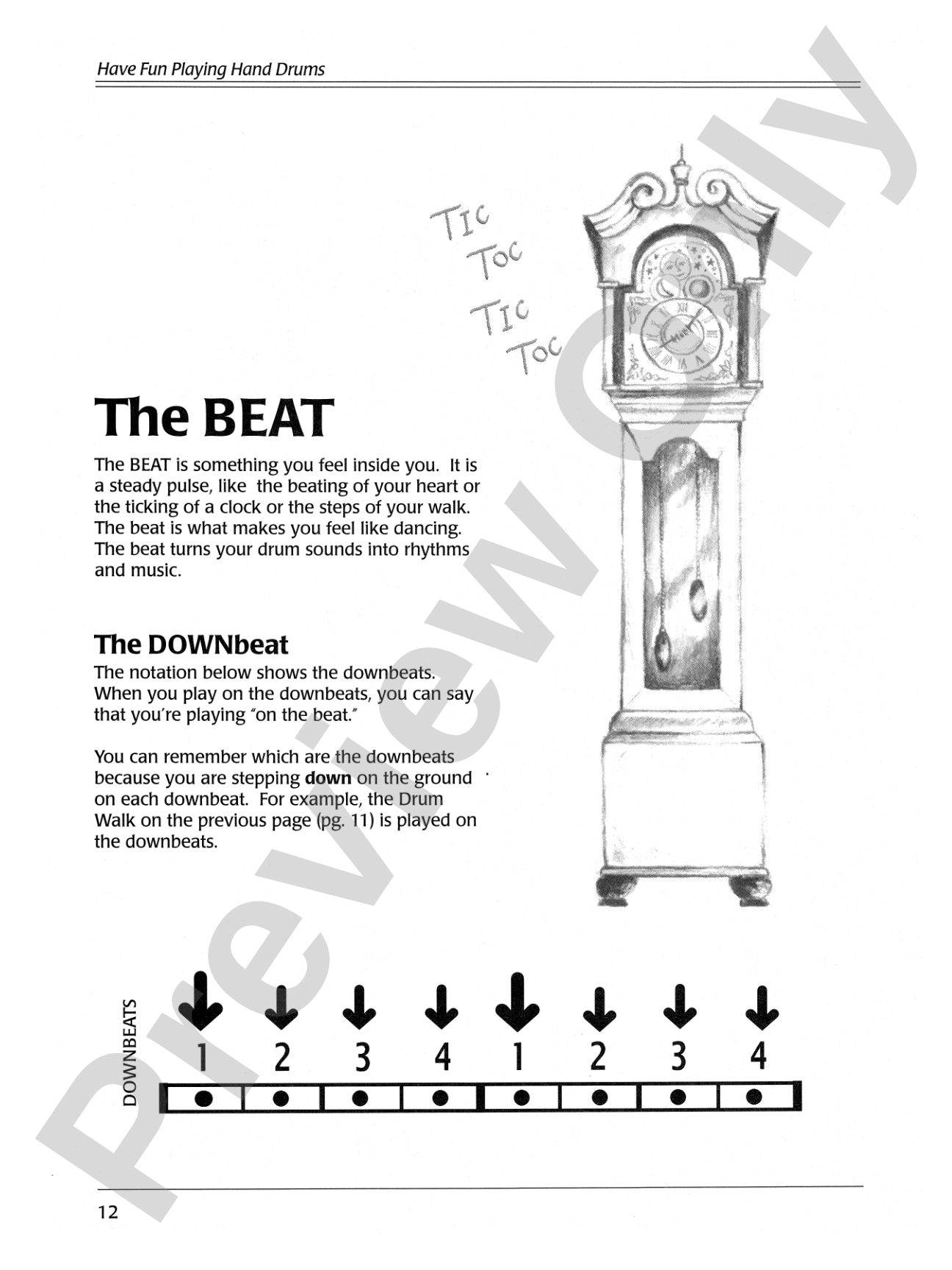
- Start with beat awareness exercises before touching the drums. Students who can feel and internalize the pulse will absorb hand techniques much faster.
- Use the playalong recordings as your primary rehearsal tool. Students hear professional drumming in context and develop their ear while building confidence.
- Incorporate The Drum Walk into warm ups to establish full body connection. Hand drumming that ignores posture and movement tends to plateau quickly.
- Create ensemble opportunities early. Group playing is built into the lessons, so lean on it to keep less naturally motivated students invested.
How to use it
Introduce hand drums in a general music class using this book as your primary resource, or build a hand drumming elective around it. The 80 pages and accompanying audio support semester long study without requiring supplementary materials. Many directors pair this with existing Latin or world music units to deepen rhythmic literacy across their ensembles.
Skills your students will build
- Beat subdivision and pulse awareness
- Hand technique on bongos, congas, and djembe drums
- African and Caribbean rhythm patterns
- Ensemble listening and coordination
- Physical coordination between upper and lower body while playing
- Improvisation and rhythm creation
- Mallet control and dynamic variation