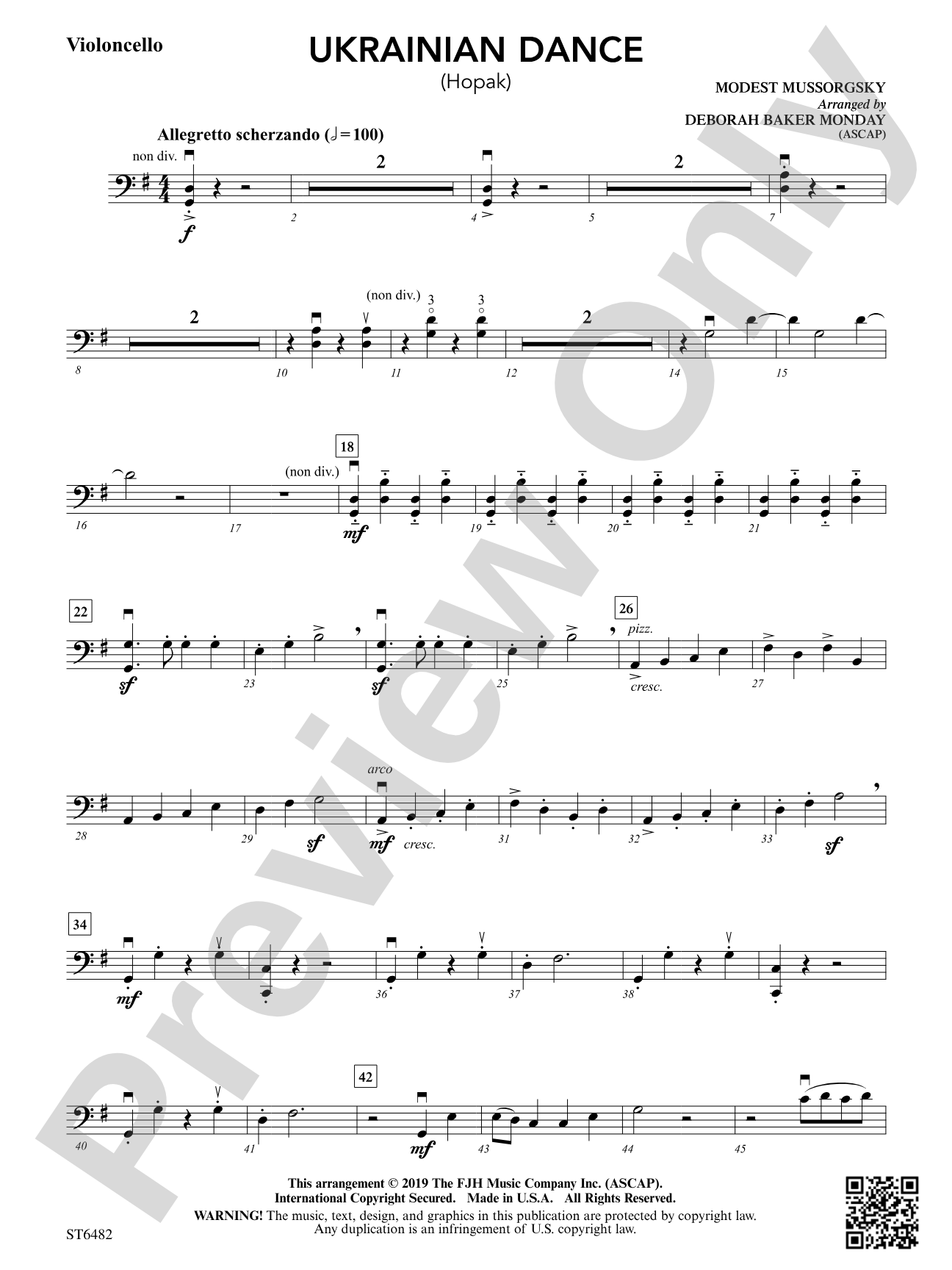
Modest Mussorgsky (1839–1881) was a Russian composer who rejected formal conservatory training in favor of self-directed study, a choice that shaped his distinctive harmonic language and fearless approach to orchestration. His works draw deeply from Russian folk traditions, Orthodox chant, and the expressive possibilities of instrumental color, making him a pivotal figure in Russian nationalism and a composer whose influence extends far beyond his lifetime.
Mussorgsky's catalog includes some of the most performed works in orchestral and piano literature, yet he struggled with alcoholism and financial instability throughout his life. His legacy rests not on prolific output but on the radical originality of what he composed, including Pictures at an Exhibition and Boris Godunov, both works that continue to inspire arrangers and captivate audiences across skill levels.