

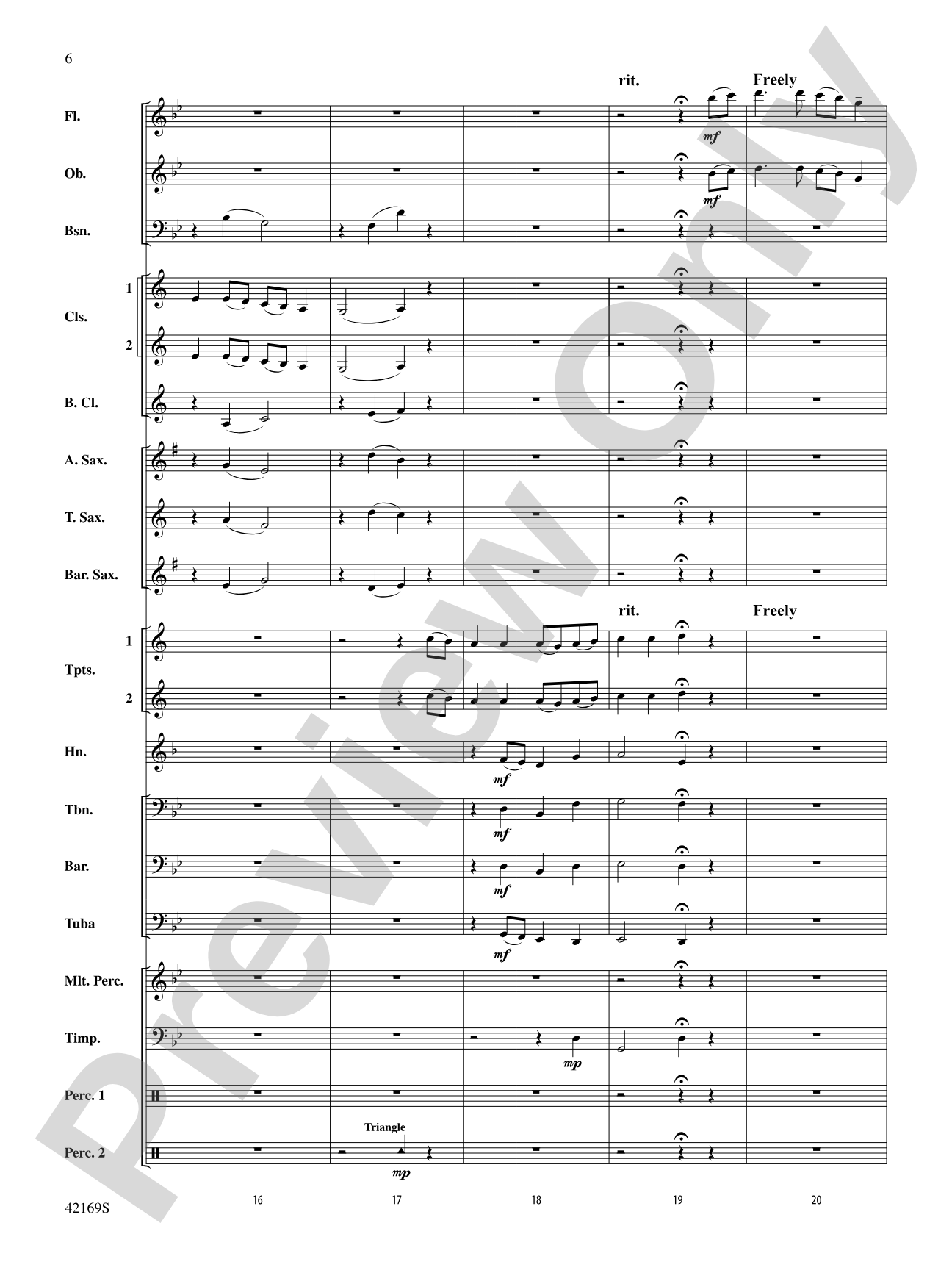
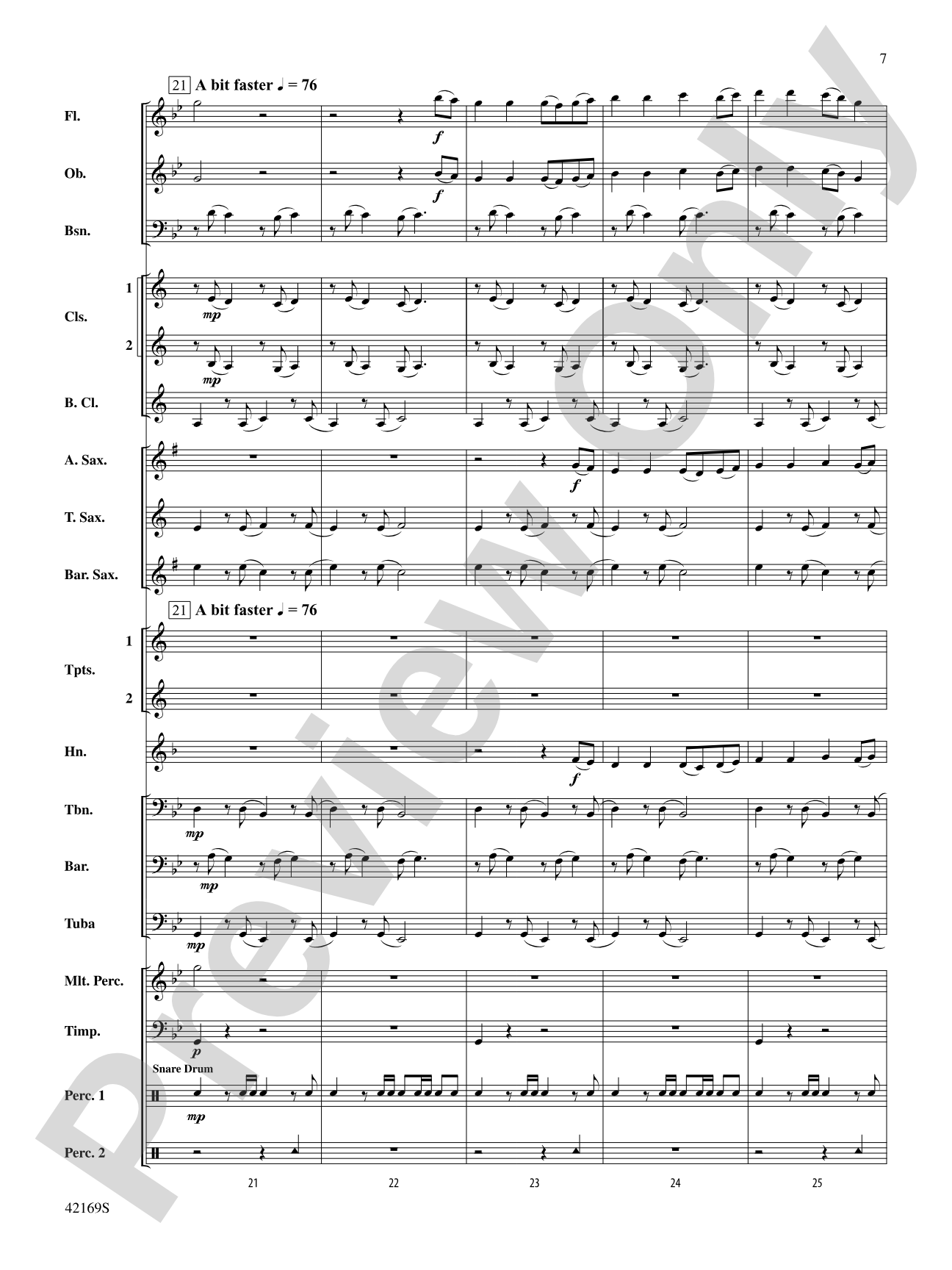
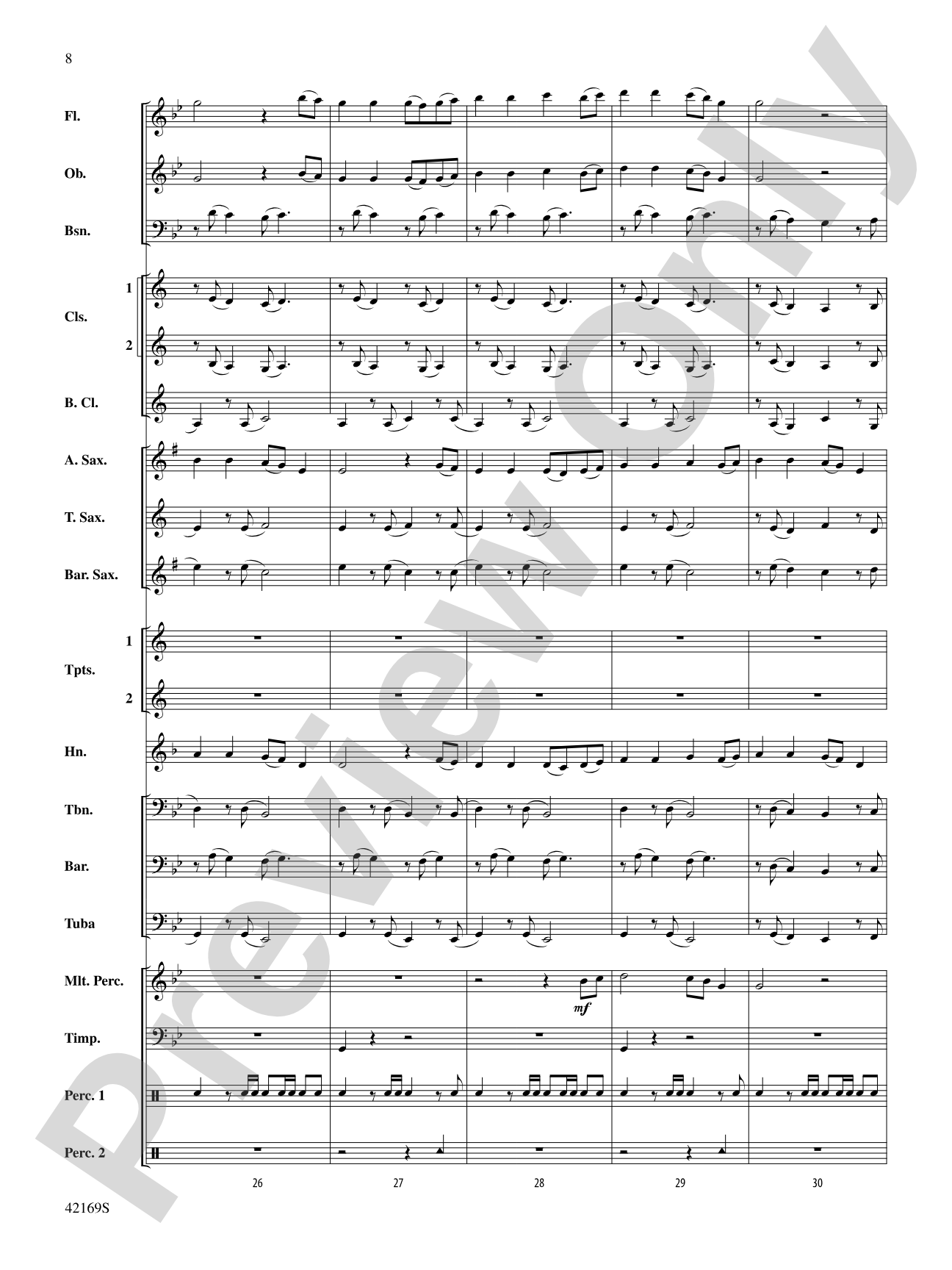
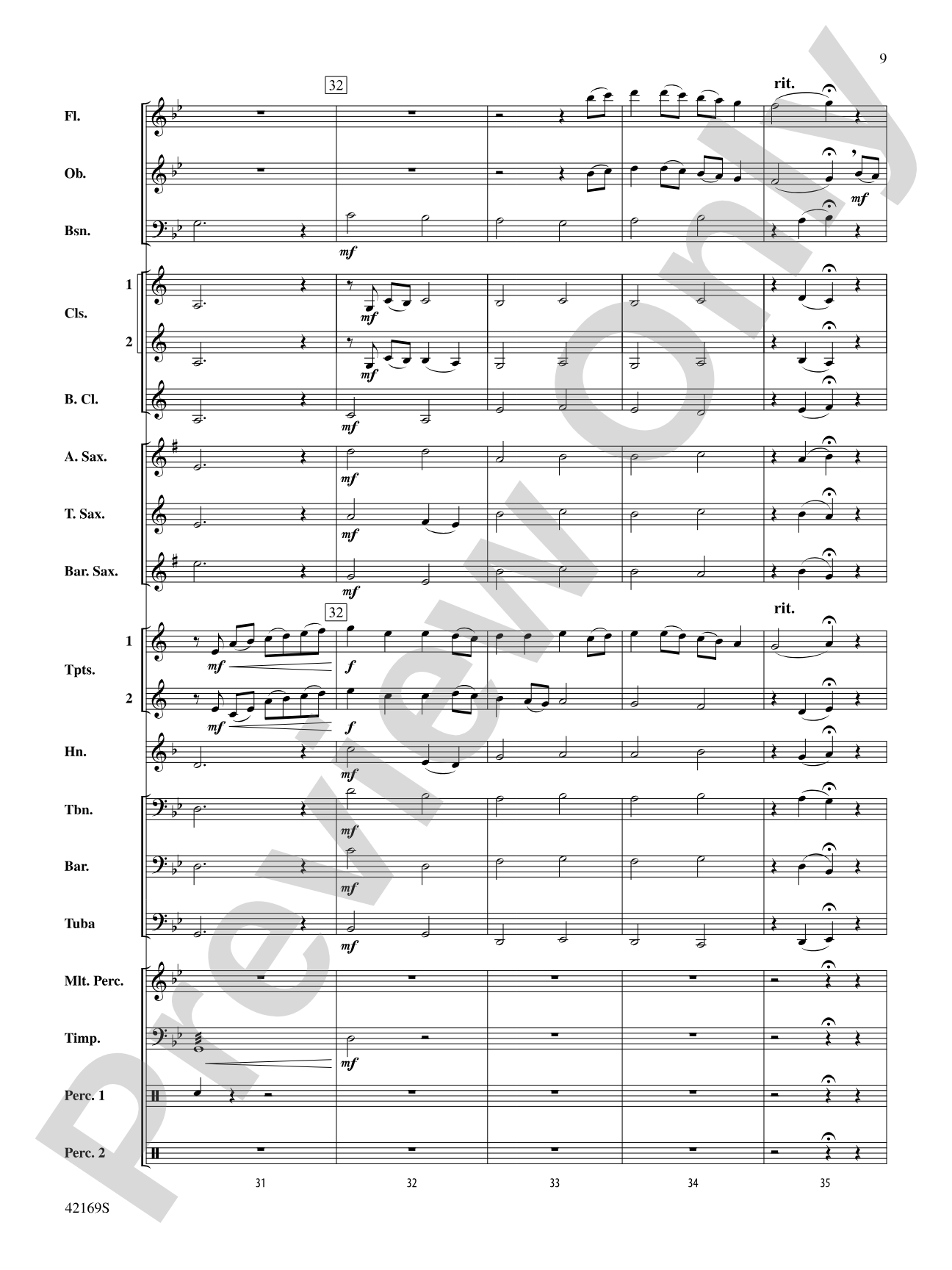

Two Variants on "Dives and Lazarus": Concert Band Conductor Score & Parts
By Douglas E. Wagner
Grade: 2 (Easy)
Item: 00-PK-0006286

$62.00
Pickup currently not available
Buy Extra Parts (Digital PDF Download)
Parts Added to Cart!
Description
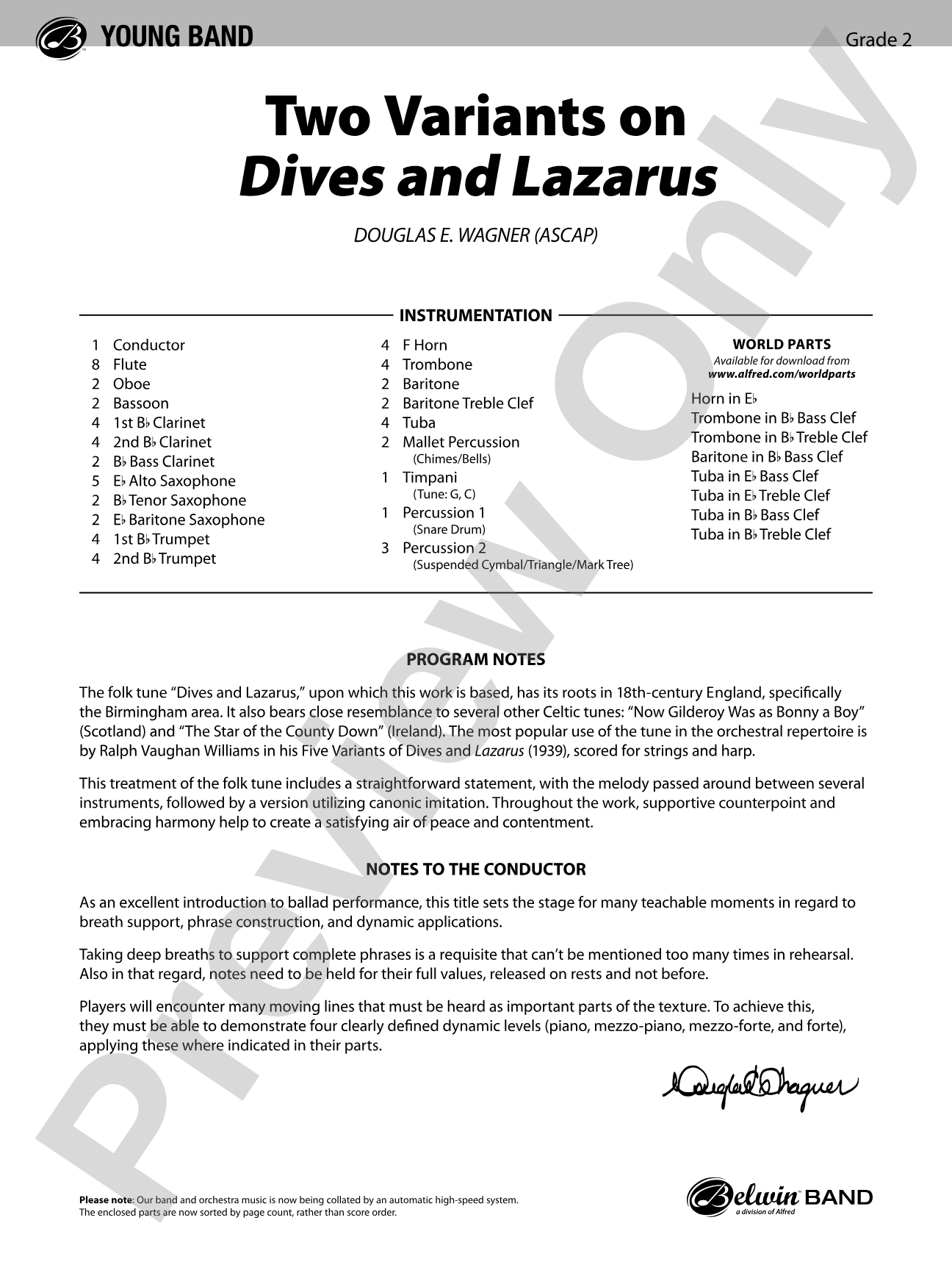
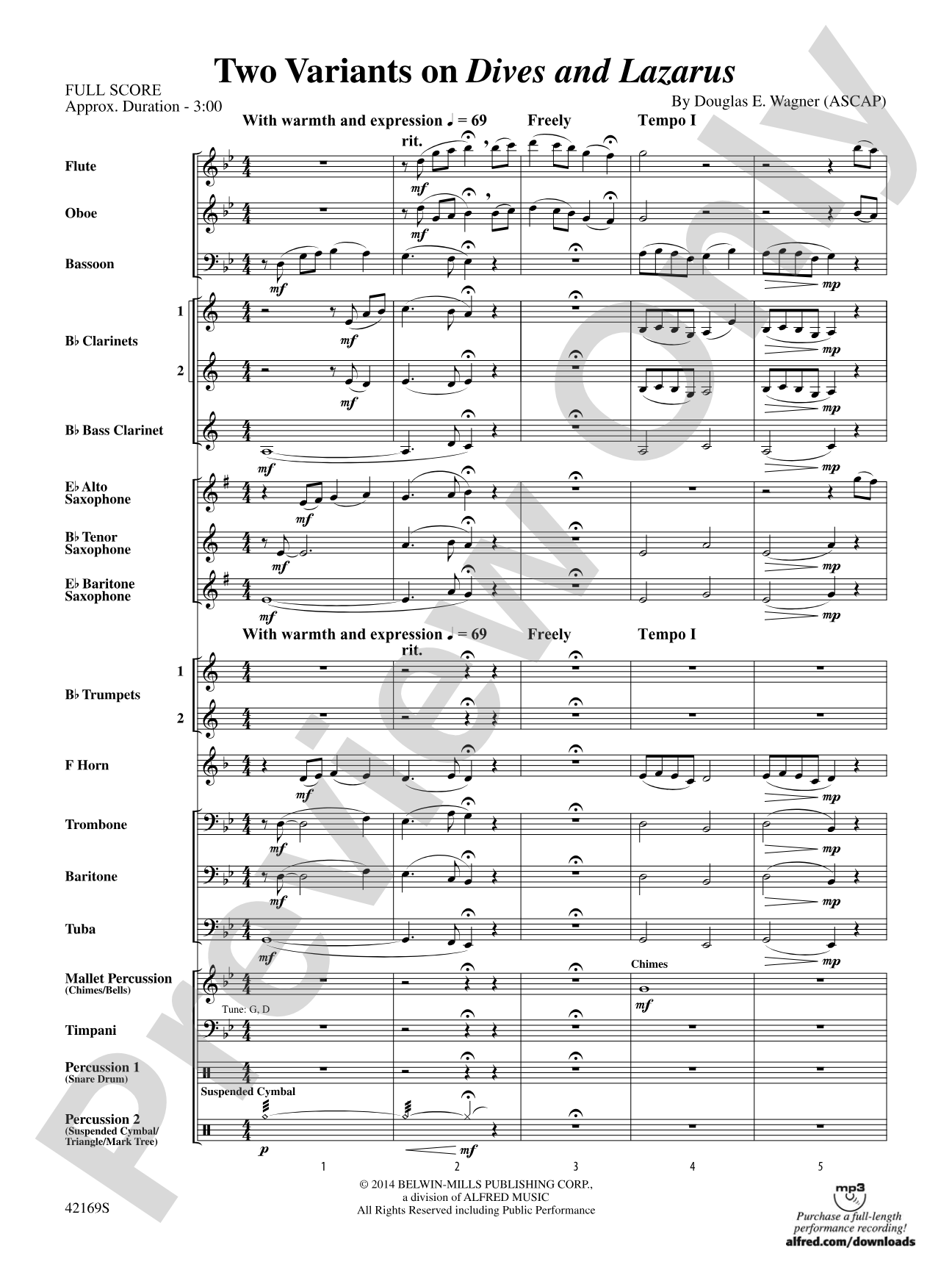
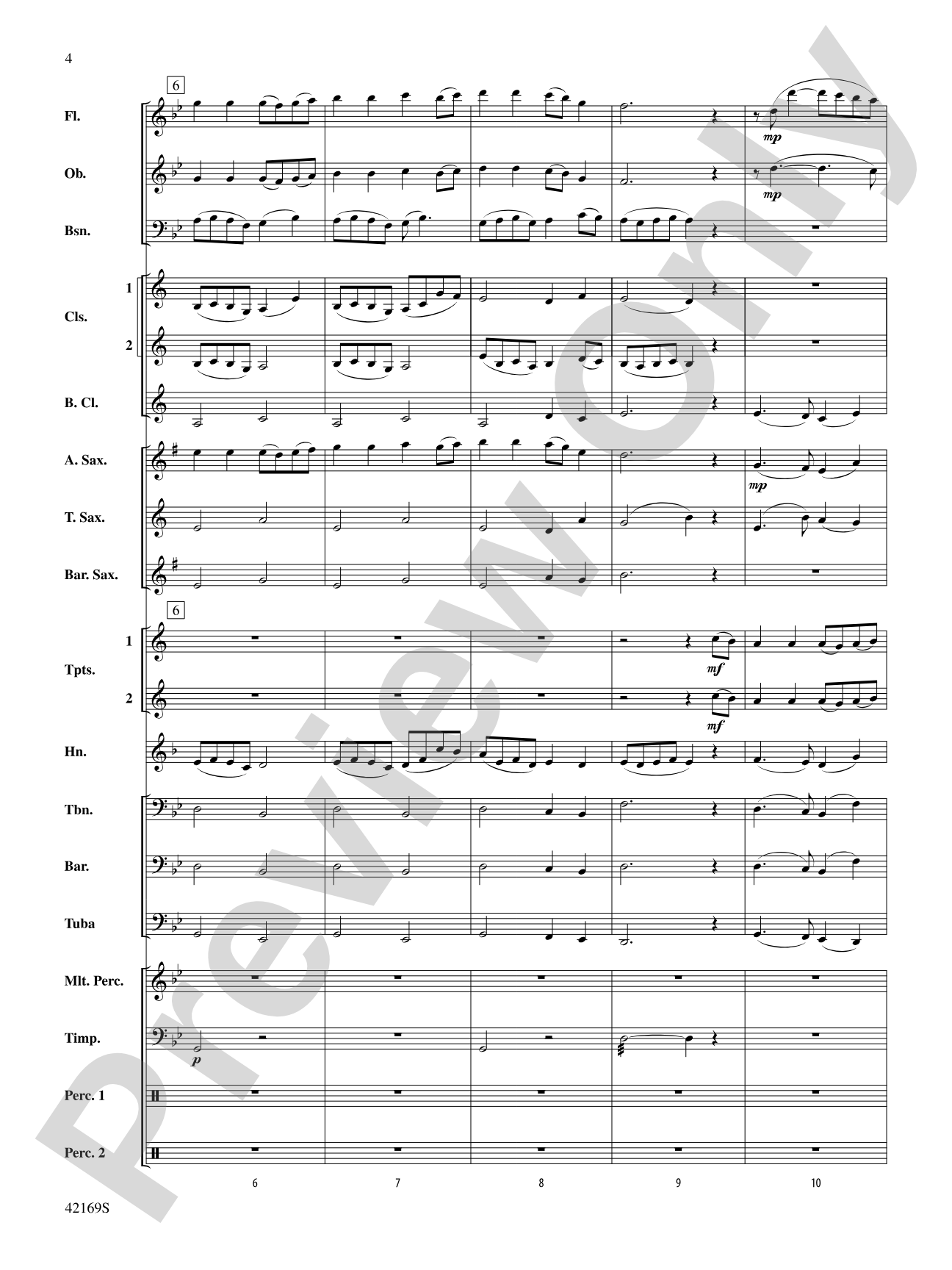
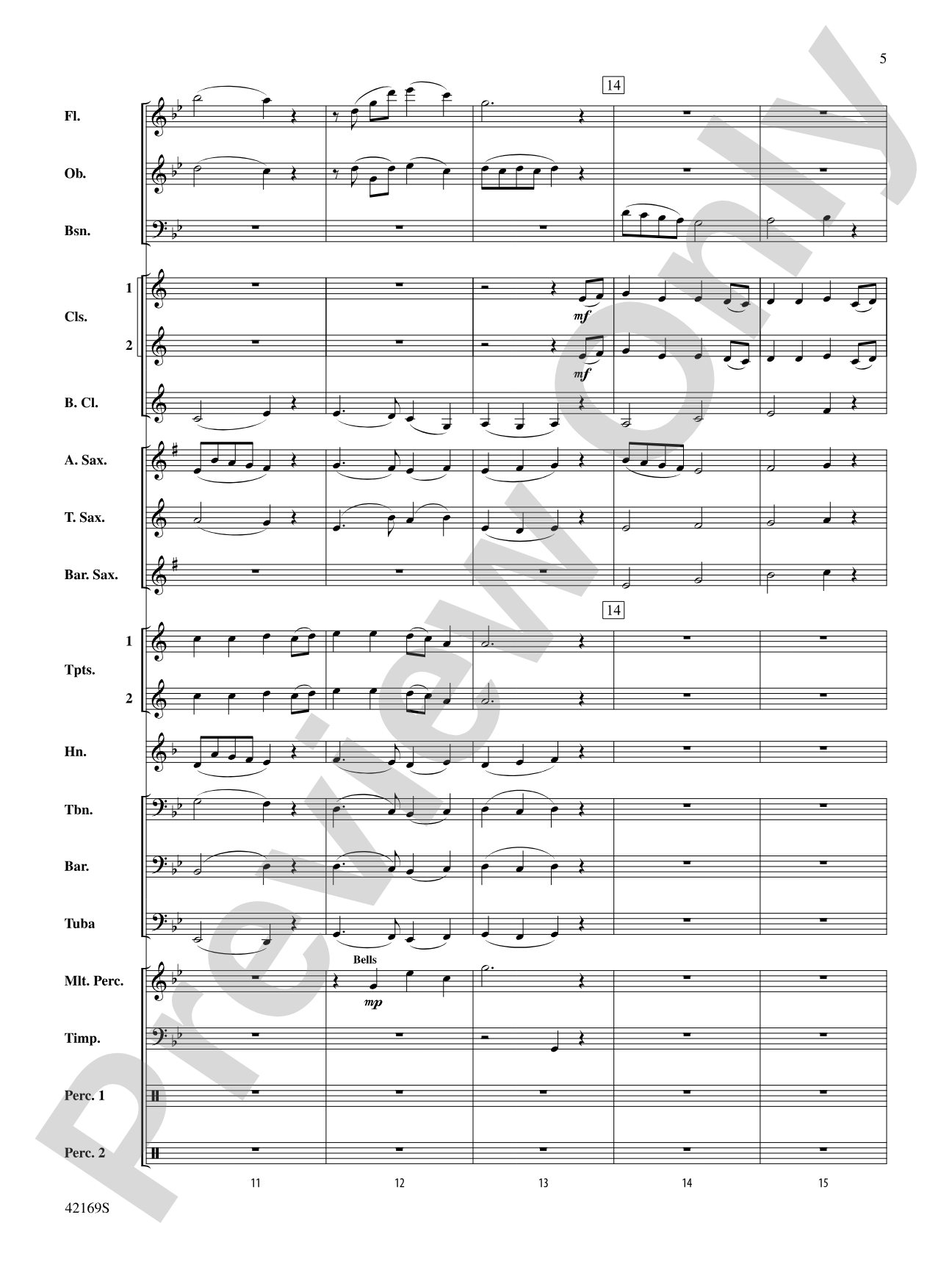
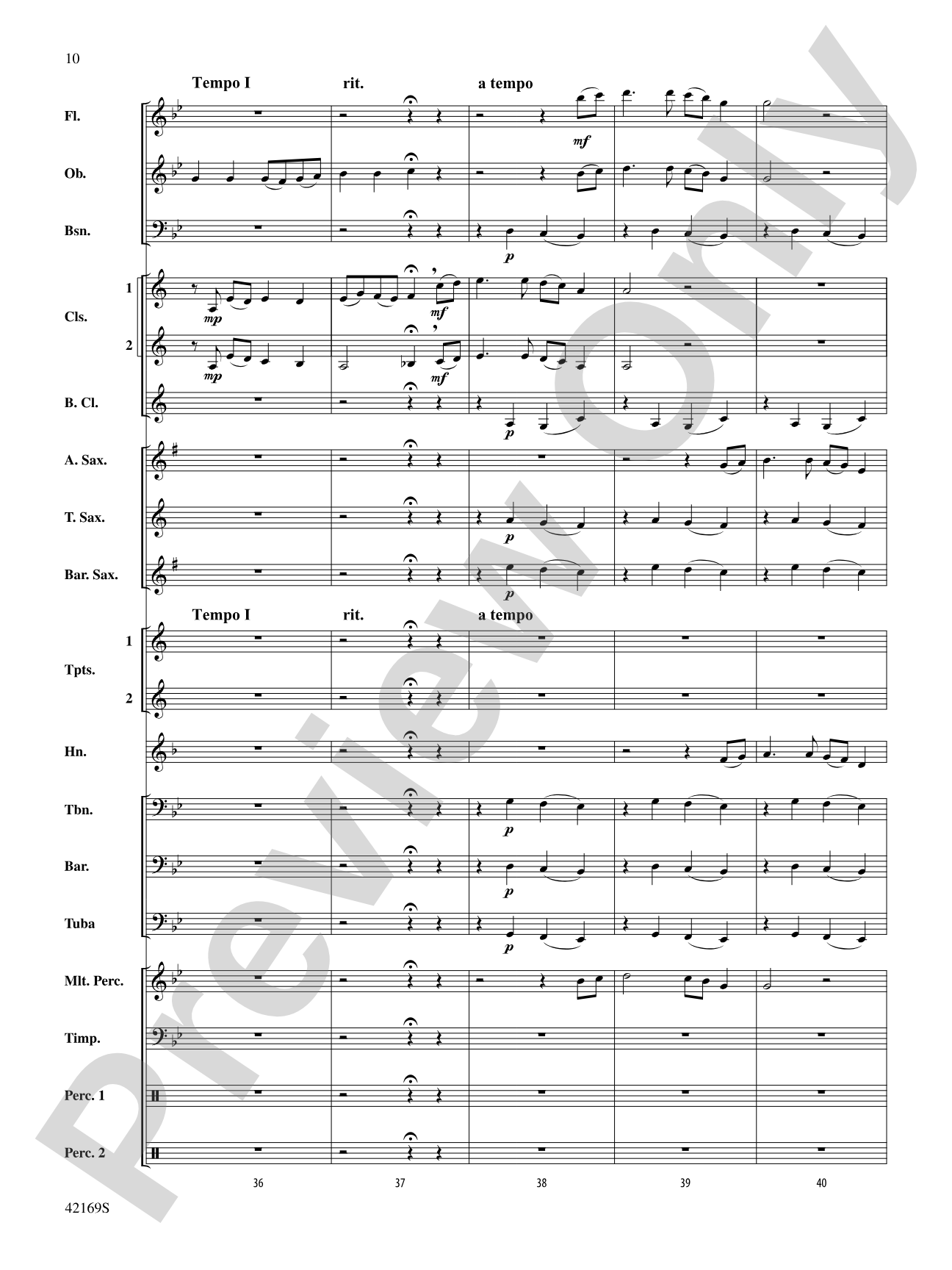
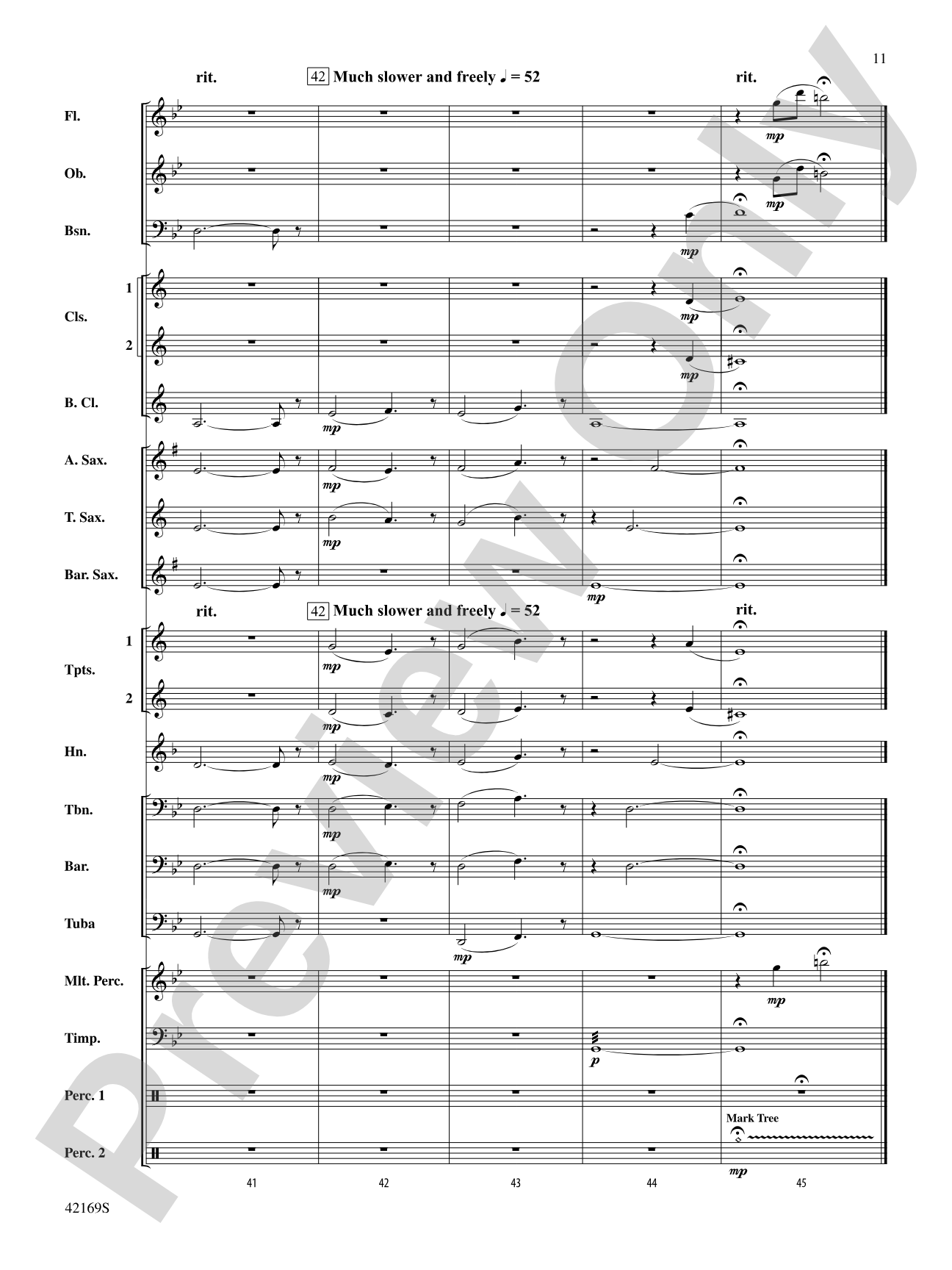
The folk tune "Dives and Lazarus," upon which this work is based, has its roots in 18th century England. As an excellent introduction to ballad performance, this title sets the stage for many teachable moments in regard to breath support, phrase construction, and dynamic applications. (3:00) This title is available in MakeMusic Cloud and Music Prodigy.


Don't just read it, hear it, play along with it, and watch your students grow with it. In MakeMusic Cloud, Two Variants on "Dives and Lazarus": Concert Band Conductor Score & Parts comes alive with professional accompaniment, adjustable tempo, and built-in practice tools that turn solo practice into real progress.
Open in the Player
Jump straight in and assign it today.
Start Your Free Trial
Open this title and explore the full library in minutes.
Sample Audio
1
Audio File
--:--
0:00
0:00
Sample Video
No sample videos found.
Additional Details
Series:
Belwin Young Band
Publisher:
Alfred Music
Page Count:
124
SKU:
00-PK-0006286
More about this title
About the Composer: Douglas E. Wagner

Douglas E. Wagner studied music at Butler University, earning both undergraduate and graduate degrees before spending three decades as a high school music director and administrator in his native Chicago. Since transitioning to full-time composition in the early 2000s, he has become one of the most prolific and widely performed composers in American music education, with over 3,500 published works spanning concert band, orchestra, choral literature, handbell ensemble, organ, piano, and vocal music.
Wagner's catalog has reached millions of performers worldwide, with his scores regularly heard in concert halls, educational broadcasts, and festival performances across the United States and internationally. He currently resides in Indianapolis with his wife, Sandy, and continues to compose actively.
Why we love this
Wagner's treatment of this 18th-century English ballad moves well beyond a simple folk tune arrangement. The two contrasting variants unfold within a tight three-minute timeframe, making this an ideal choice for festival programming while offering substantial pedagogical content about phrasing and dynamic control. The Grade 2 scoring sits perfectly at the level where young bands can achieve genuine musicality without technical barriers.
What to expect
The familiar English ballad melody emerges with a classical restraint, then unfolds through two distinct musical perspectives. The writing emphasizes the folkloric character of the tune while creating space for genuine phrasing and dynamic storytelling, inviting the band to move beyond mechanical note-reading.
Who it's for
Concert bands at the Grade 2 level working to develop expressive, song-like playing from young musicians. This work serves equally well for rehearsal study and festival performance, offering a manageable length and accessibility that doesn't compromise musical substance.
How to get the most out of it
- Shape each phrase with intentional breath support. The ballad melody demands long, singing lines rather than choppy articulation, even at this accessible level.
- Listen closely to how the two variants differ, and rehearse them separately before combining them. Clarity about the structural contrast will help your band understand what makes each section distinct.
- Balance the melody against the harmonic foundation. Young bands often play the accompaniment too loudly; pull back the supporting voices so the tune can breathe.
How to use it
Place this early in a concert program where it can anchor a folk music or American/British heritage set. The modest performance time allows it to pair naturally with a longer Grade 2 work, or it can stand alone as a refreshing palate-cleanser for festival adjudication.
Skills your students will build
- Phrasing within a ballad framework
- Sustained breath support across longer melodic lines
- Dynamic shaping and contrast between musical sections
- Understanding variant treatment of a single thematic idea