Two Tunes for Fiddlin' Cover Image

Two Tunes for Fiddlin': String Orchestra Conductor Score

$6.00 USD
Sale price  $6.00 USD Regular price 
Skip to product information
Two Tunes for Fiddlin' Cover Image

Two Tunes for Fiddlin': String Orchestra Conductor Score

By Edmund J. Siennicki

Grade: 1

Item: 00-12836S

$6.00
Shipped

One moment…

Description

Two Tunes for Fiddlin': String Orchestra Conductor Score isn't in MakeMusic Cloud just yet...but it could be. Let us know you'd like to see it, and you'll help shape what comes next. In the meantime, start a free trial and dive into thousands of interactive titles your students can play along with today.

Sample Pages

No sample pages found.

Sample Audio
No sample audio found.
Sample Video
Additional Details
Series: Highland/Etling String Orchestra
Publisher: Alfred Music
Page Count: 16
UPC: 038081101828
SKU: 00-12836S

More about this title

About the Composer: Edmund J. Siennicki
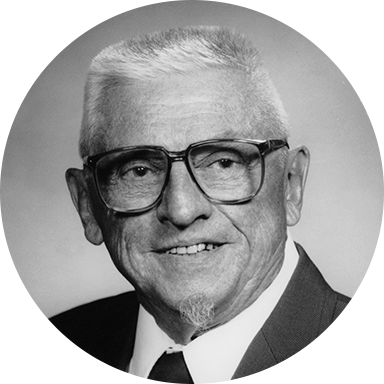
Edmund J. Siennicki

Edmund J. Siennicki was born in Cleveland, Ohio in 1920, where a formative encounter with pianist Ignacy Jan Paderewski at age twelve shaped his artistic direction. He earned his Bachelor's degree from Kent State University, where he composed the school's fight song (still performed at athletic events today), and later completed his MA at Teachers College, Columbia University. His teachers included composer Herbert Elwell, electronic music pioneer Sergio Barroso, and he consulted with Vincent Persichetti.

Siennicki built a dual career as both performer and composer, playing bassoon and piano professionally while teaching in Cleveland junior high schools and holding faculty positions at Michigan and Kent State University. His works have won prizes in the National School Orchestra composition contests, and he received composer residencies at the MacDowell Colony on two occasions. With roughly 200 compositions published and two decades of ASCAP special awards, he continues to compose, visit schools, and lead clinics.

Why we love this

Siennicki writes for young orchestras with genuine musicality and clear structural logic. These two folk tunes sit squarely at Grade 1 without condescension, giving early string players real melodies to own while building ensemble cohesion through straightforward but effective orchestration.

What to expect

Warmth and simplicity define the character here. The folk material carries a conversational quality, as though the orchestra is sharing familiar tunes with directness and modest charm rather than technical display.

Who it's for

String orchestra directors building foundational repertoire at the Grade 1 level will find accessible material that respects young players' developing skills. These pieces work well for programs serving students in their first or second year of ensemble experience who need folk-based literature without complexity.

How to get the most out of it

  • Establish a steady pulse in rehearsal before adding the folk character; these tunes reward a relaxed but grounded tempo.
  • Balance the melodic line across first and second violins so the folk tune emerges clearly rather than getting muddied in the middle voices.
  • Shape each phrase with gentle dynamic contours to prevent the pieces from feeling mechanical or overly cut-and-dried.

How to use it

Open a concert with these paired folk tunes to establish audience comfort and orchestra confidence before moving to more ambitious works. They also serve well as sight-reading material in rehearsal or as a bridge between method book exercises and full-length repertoire.

Skills your students will build

  • Sustaining consistent tone through long melodic phrases
  • Balancing individual voice parts in a four-part string texture
  • Playing folk-based material with stylistic simplicity and clarity
  • Following conductor gesture through straightforward phrasing and sectional landmarks

You May Also Like