
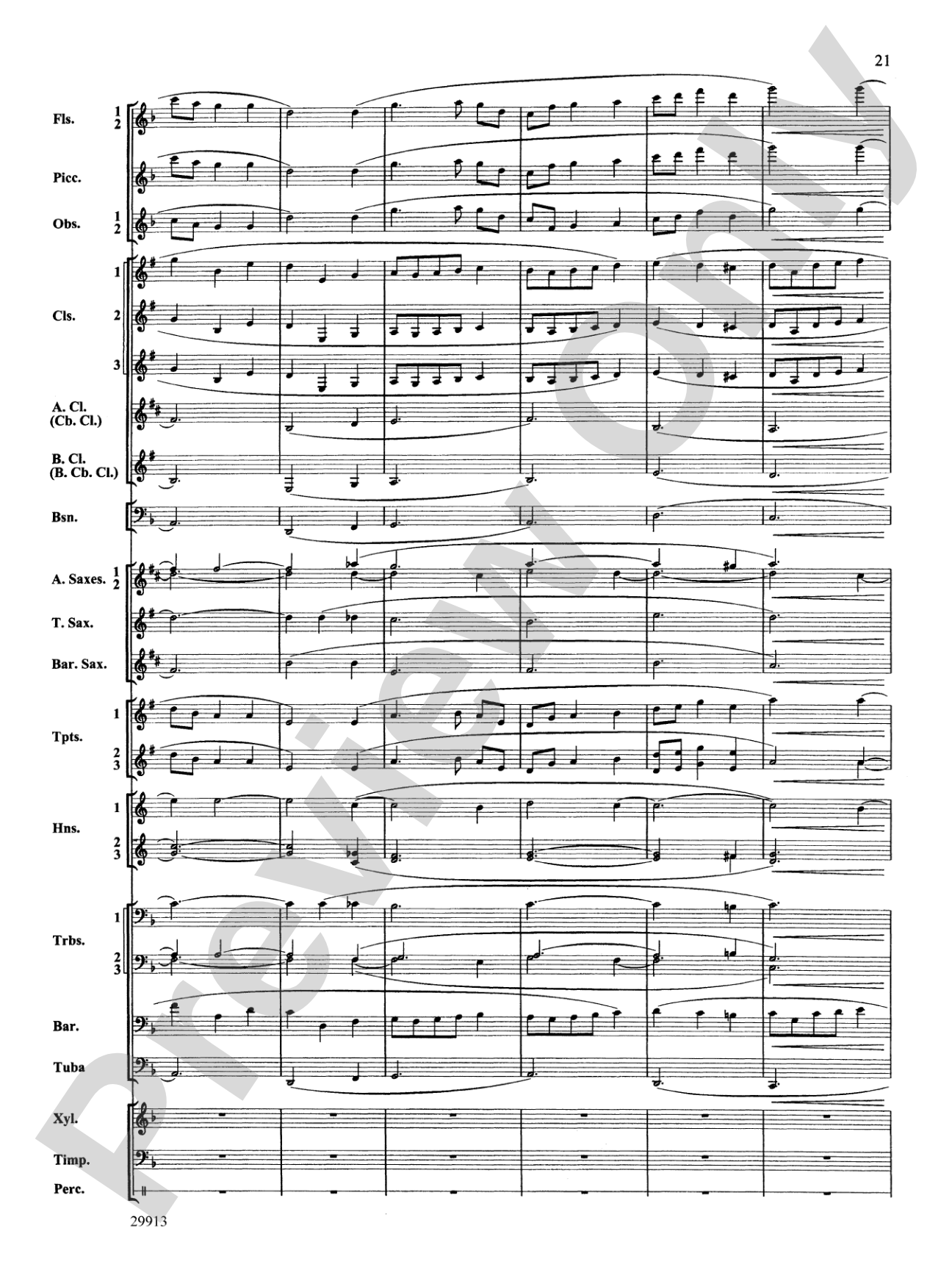
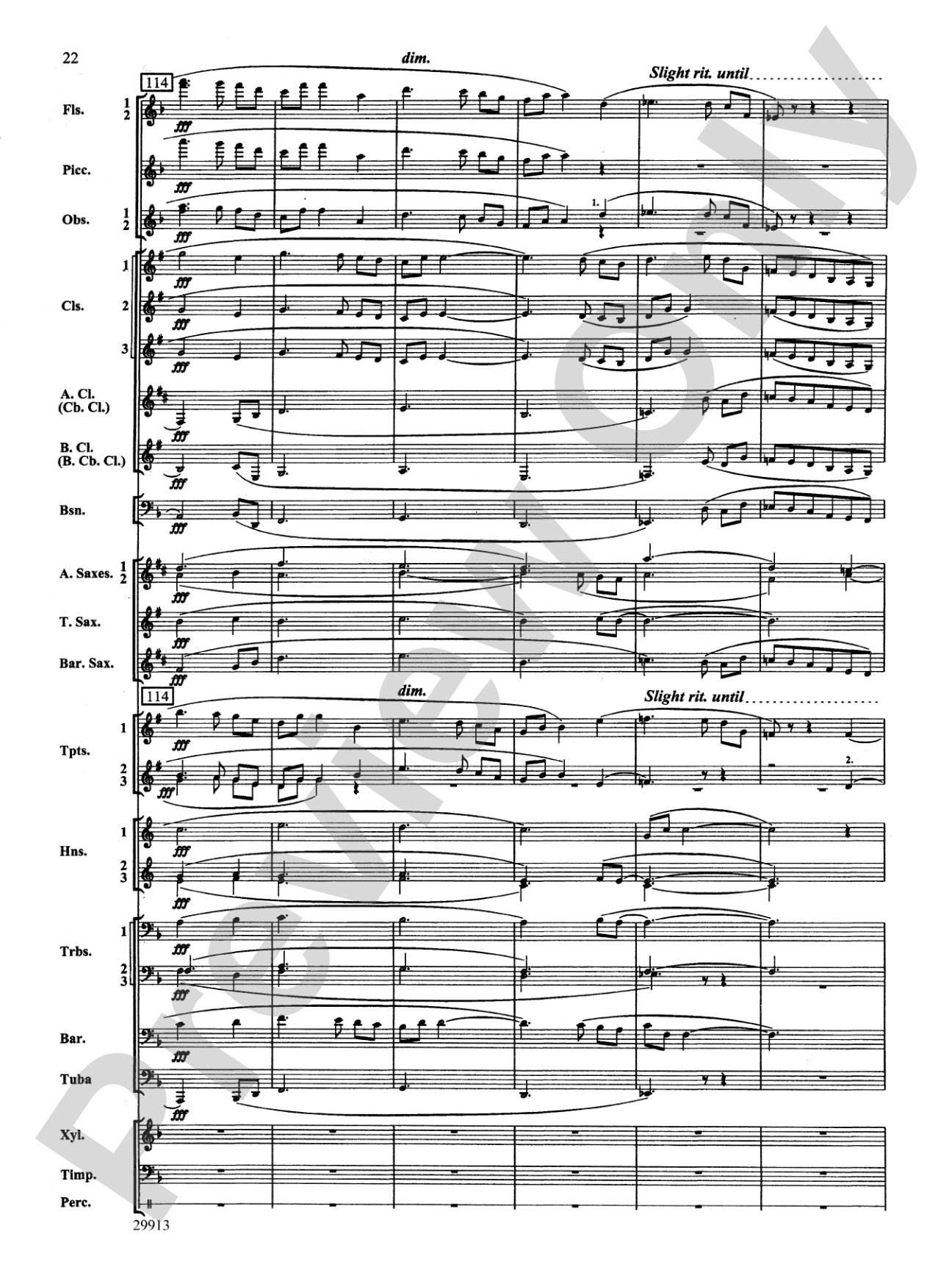
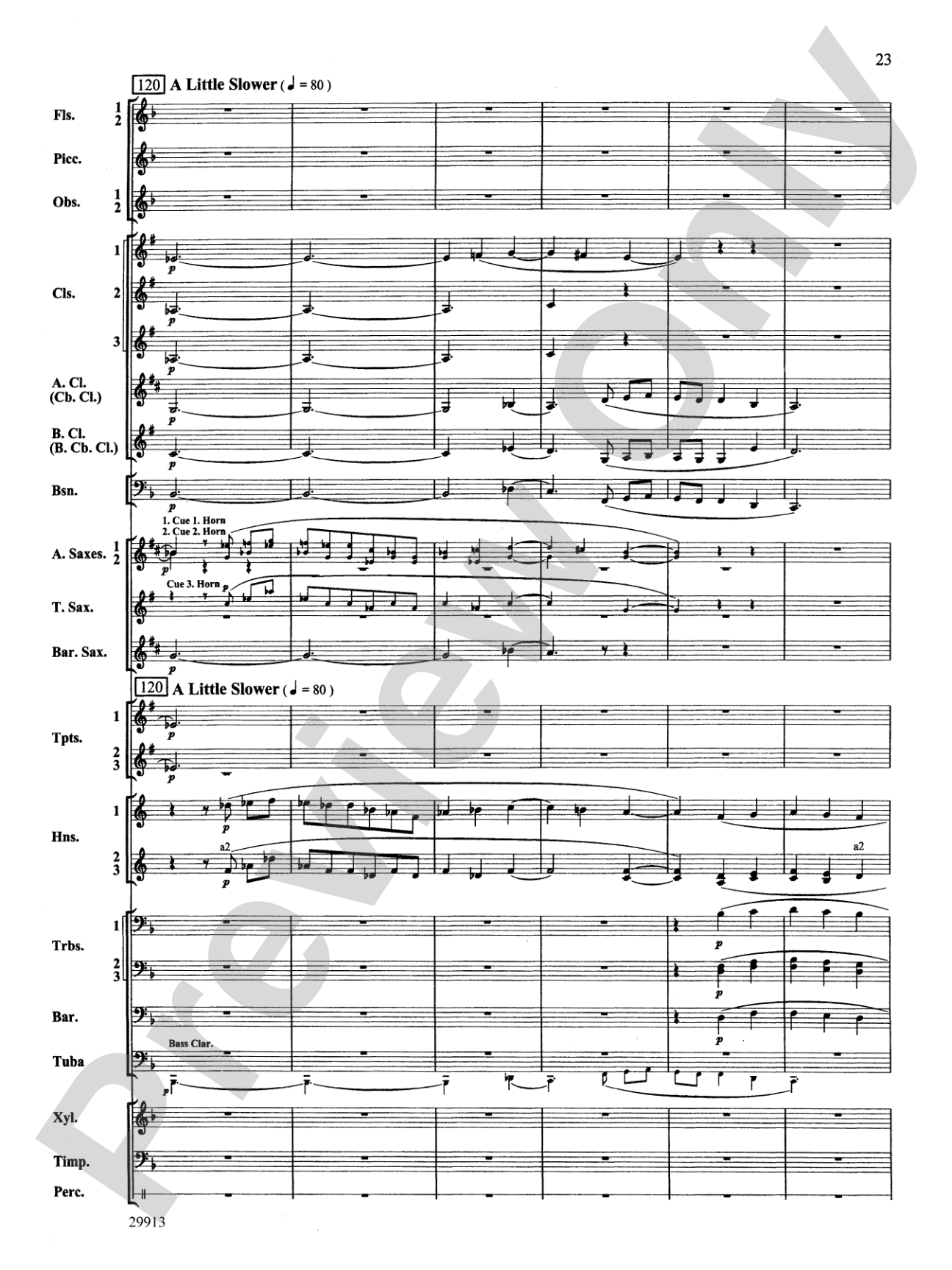
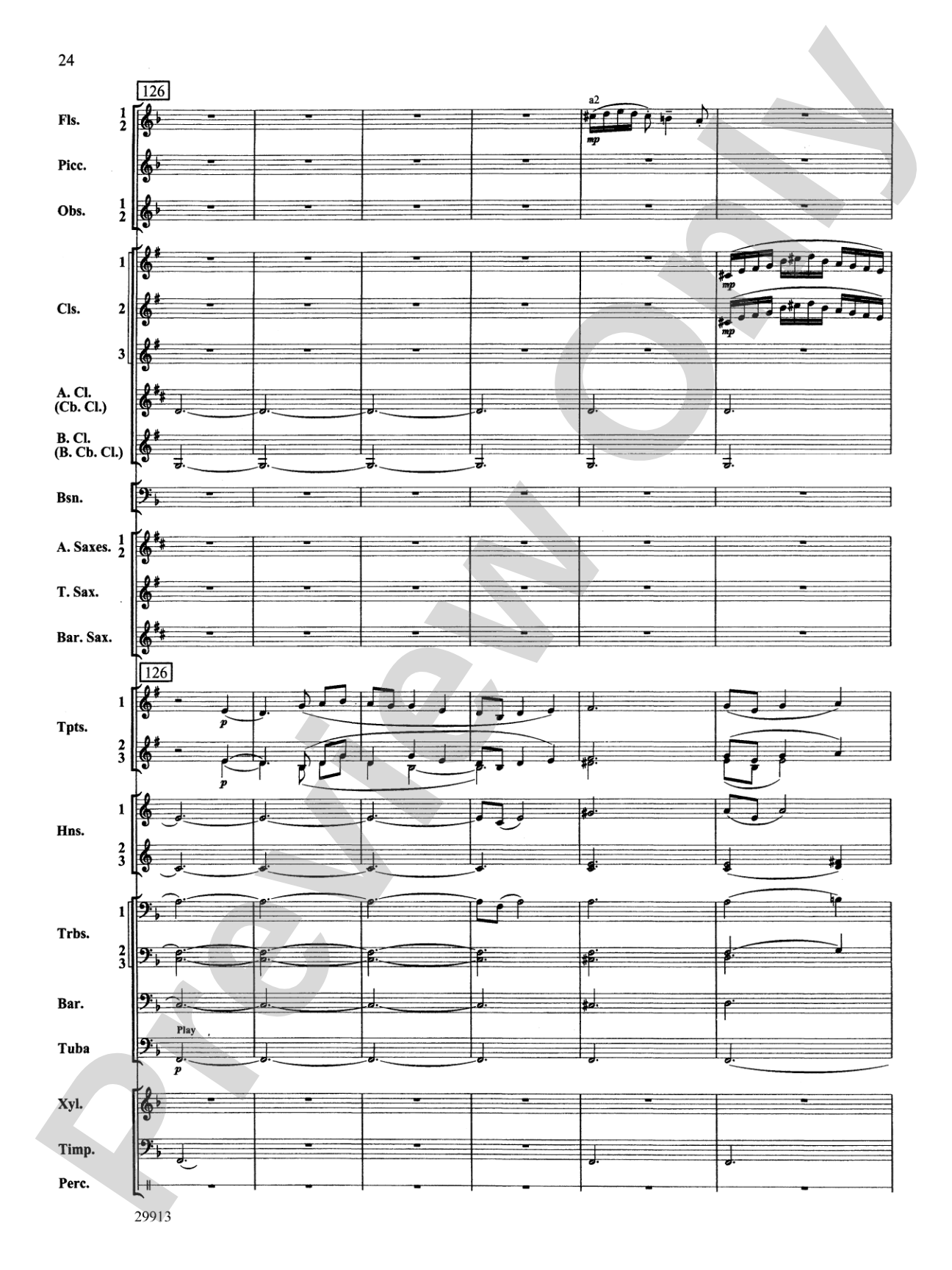
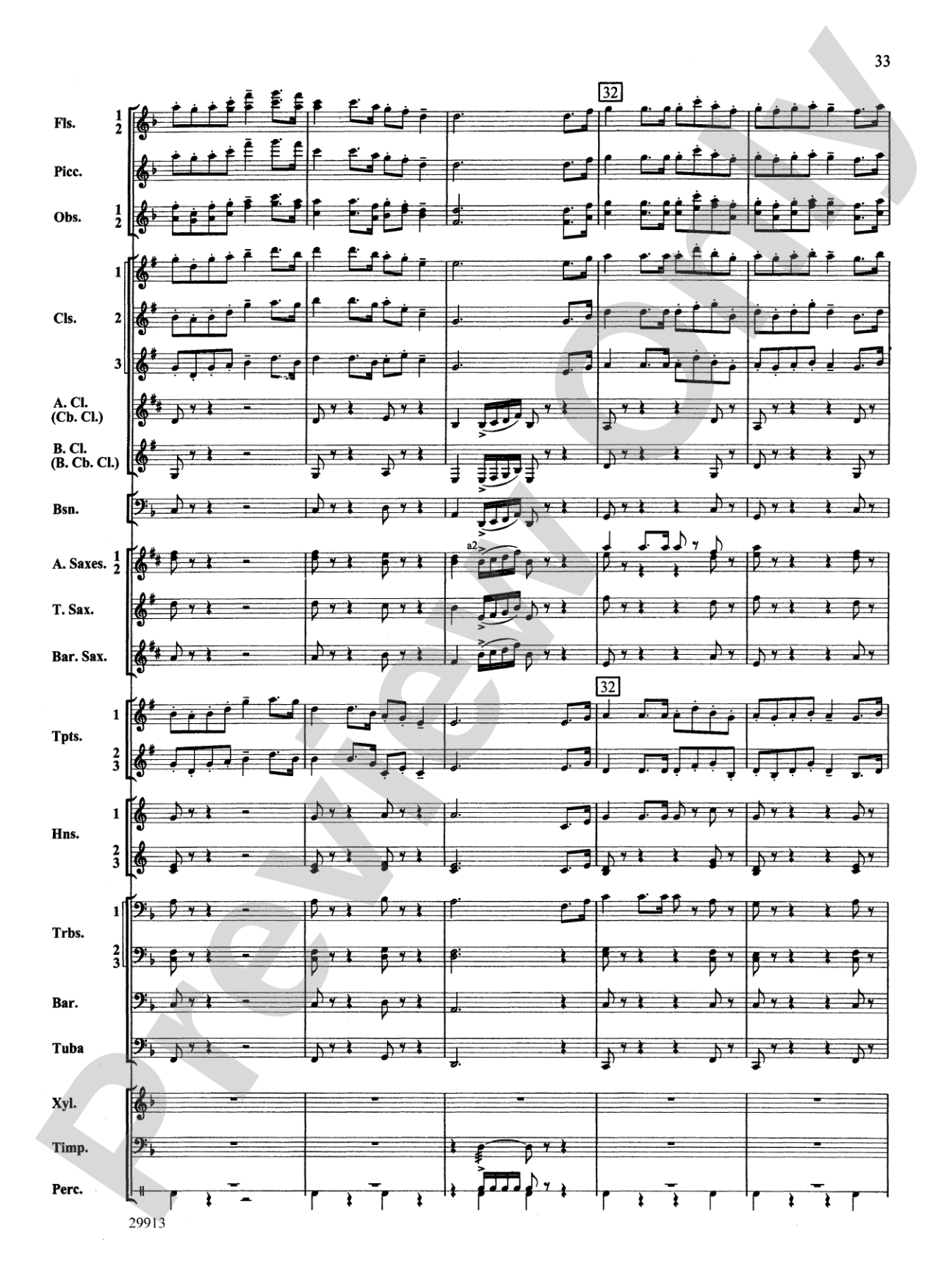
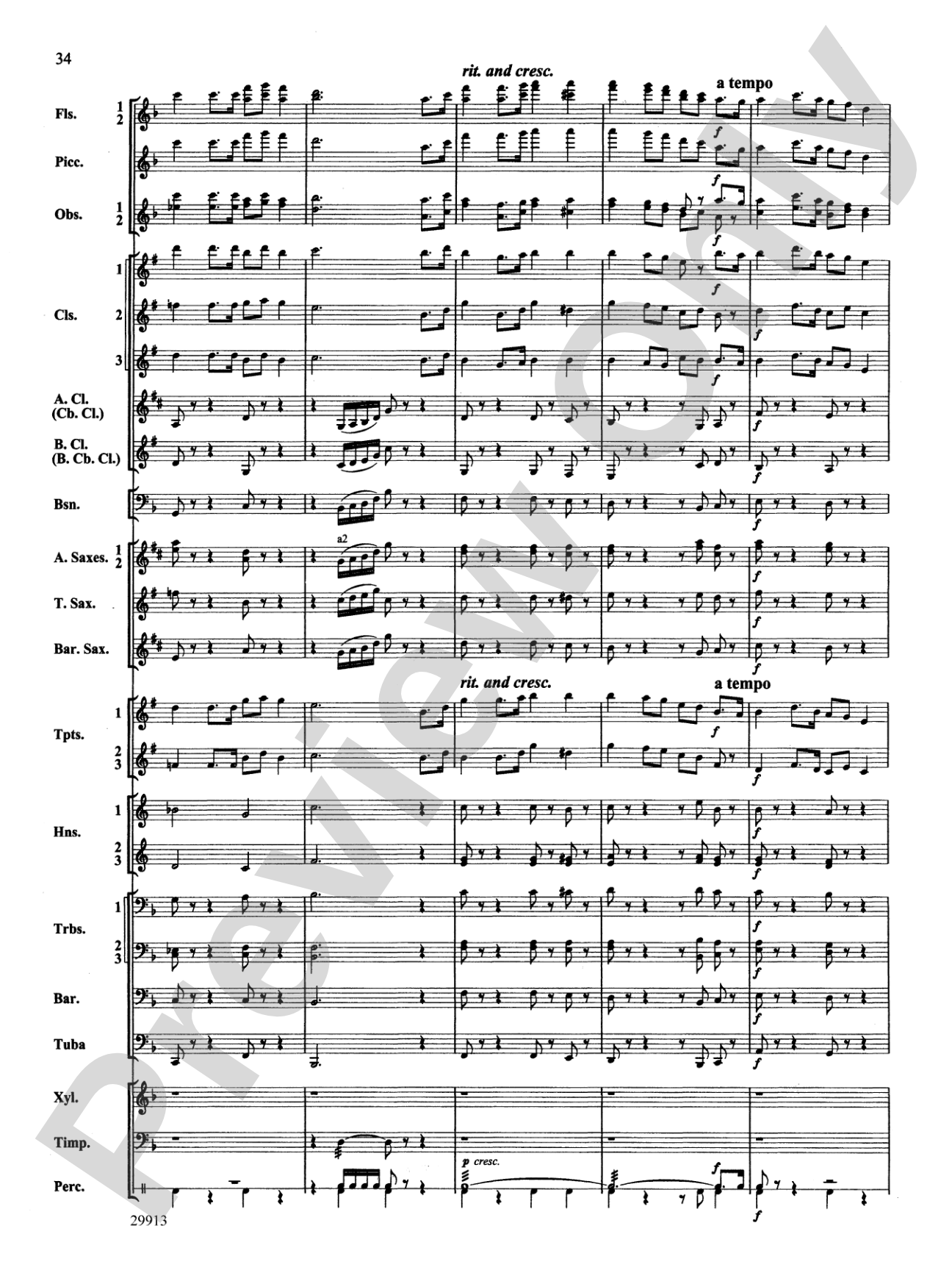
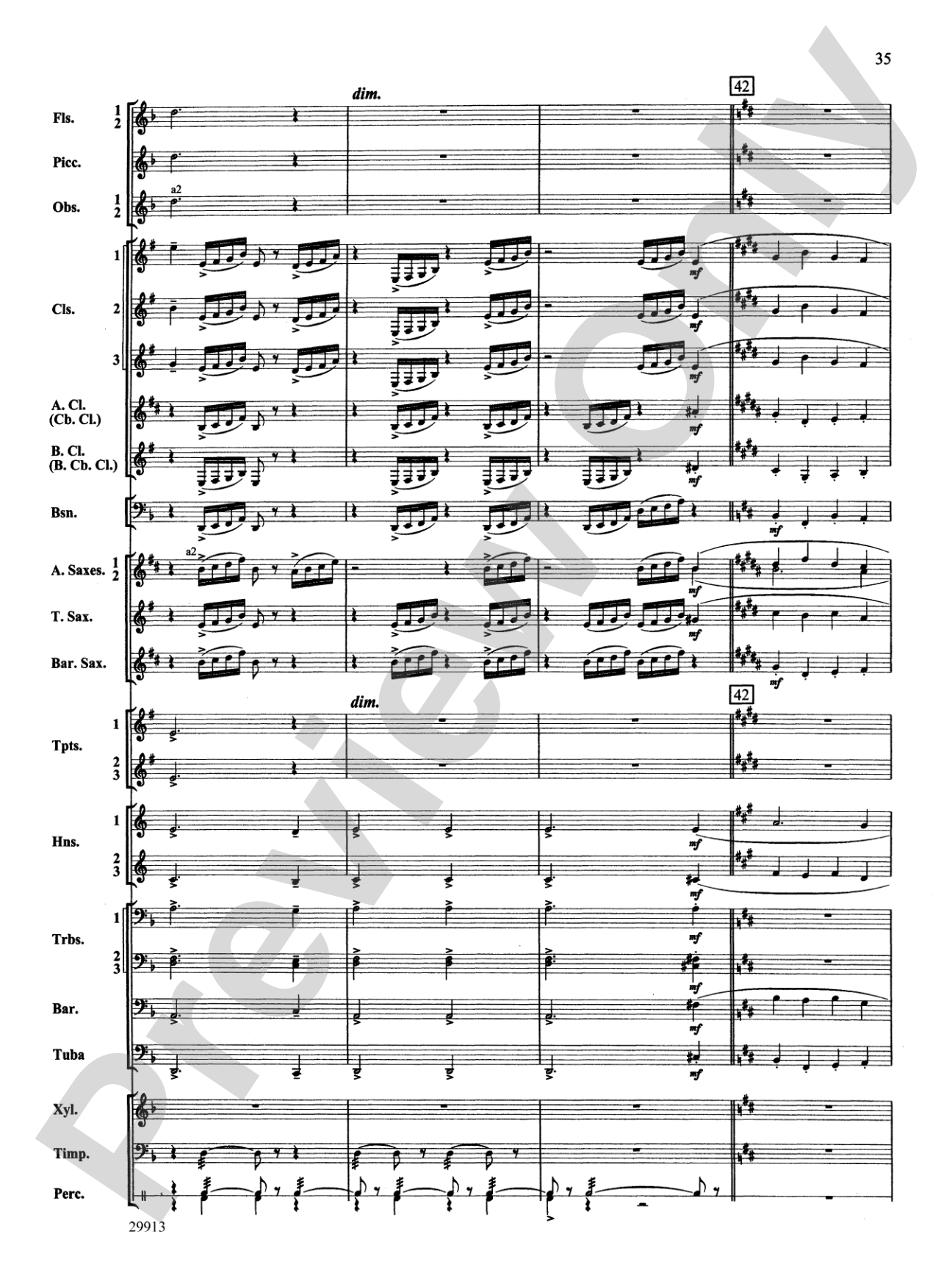
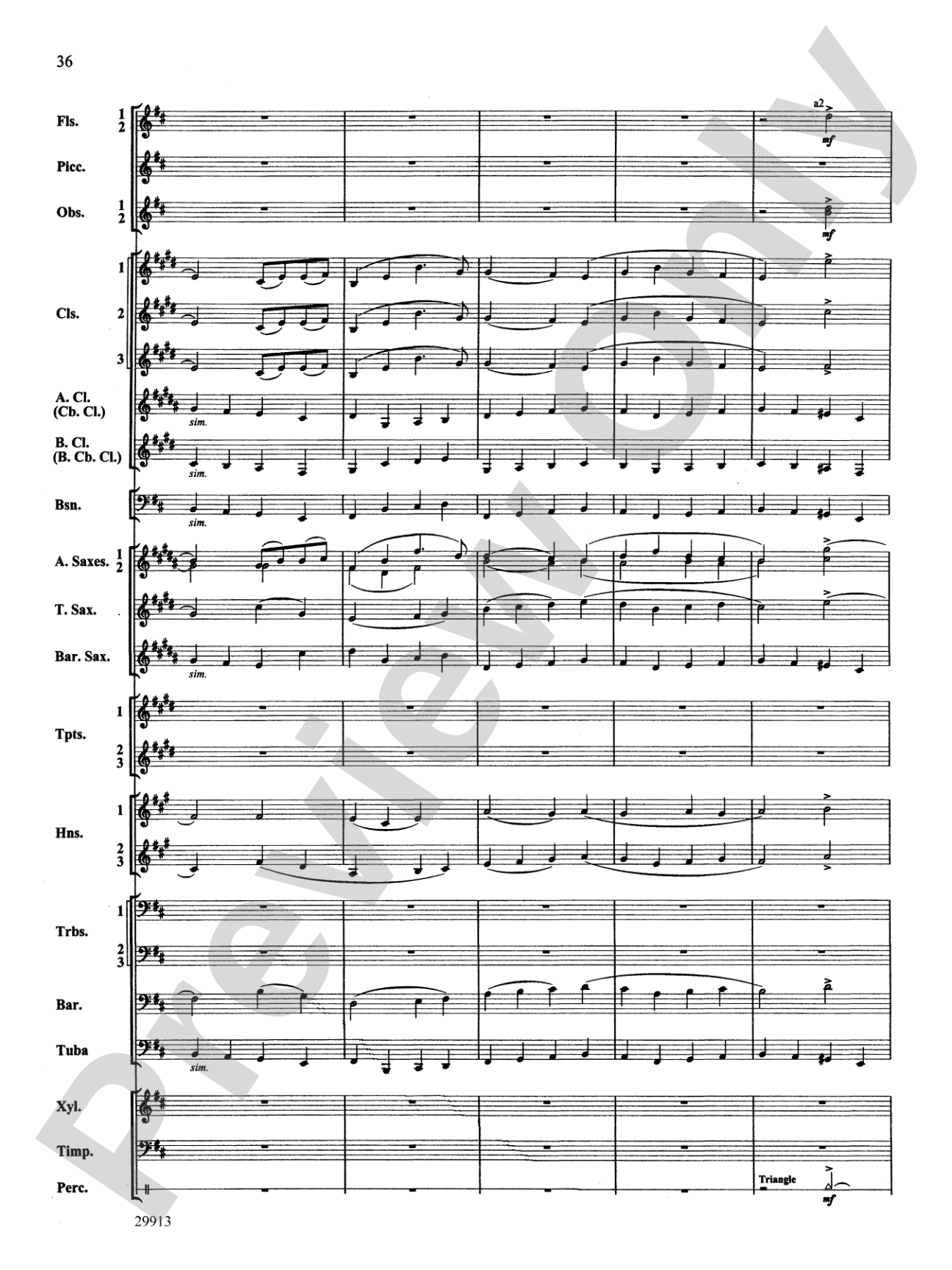

Two Songs Without Words: Concert Band Conductor Score & Parts
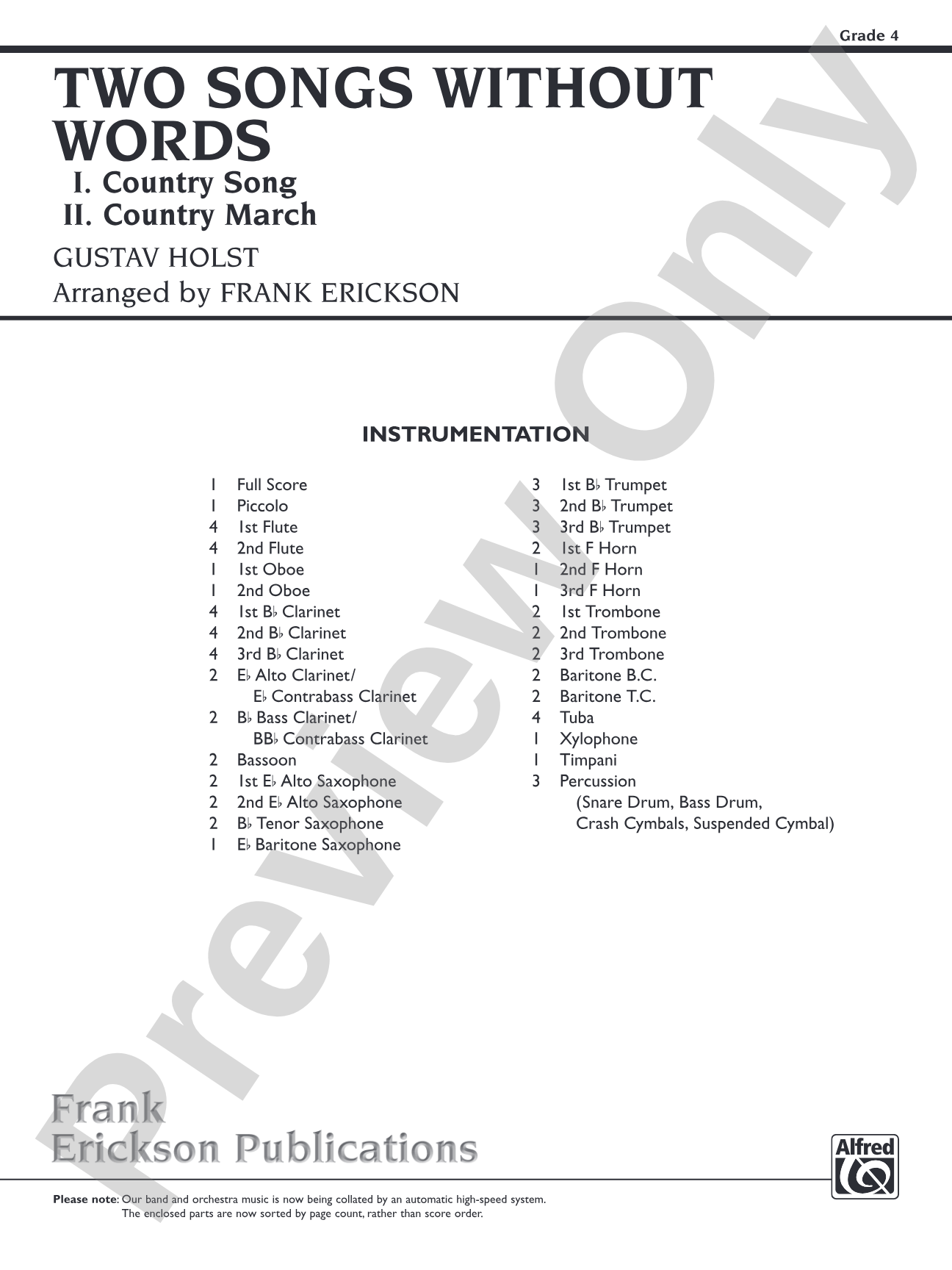
1. Country Song; 2. Country March
By Gustav Holst / arr. Frank Erickson
Grade: 4 (Medium)
Item: 00-PK-0001644
$65.00
Pickup currently not available
Buy Extra Parts (Digital PDF Download)
Parts Added to Cart!
Related Items
Two Songs Without Words: Concert Band Conductor Score & Parts |
$65.00
|
View |
Description
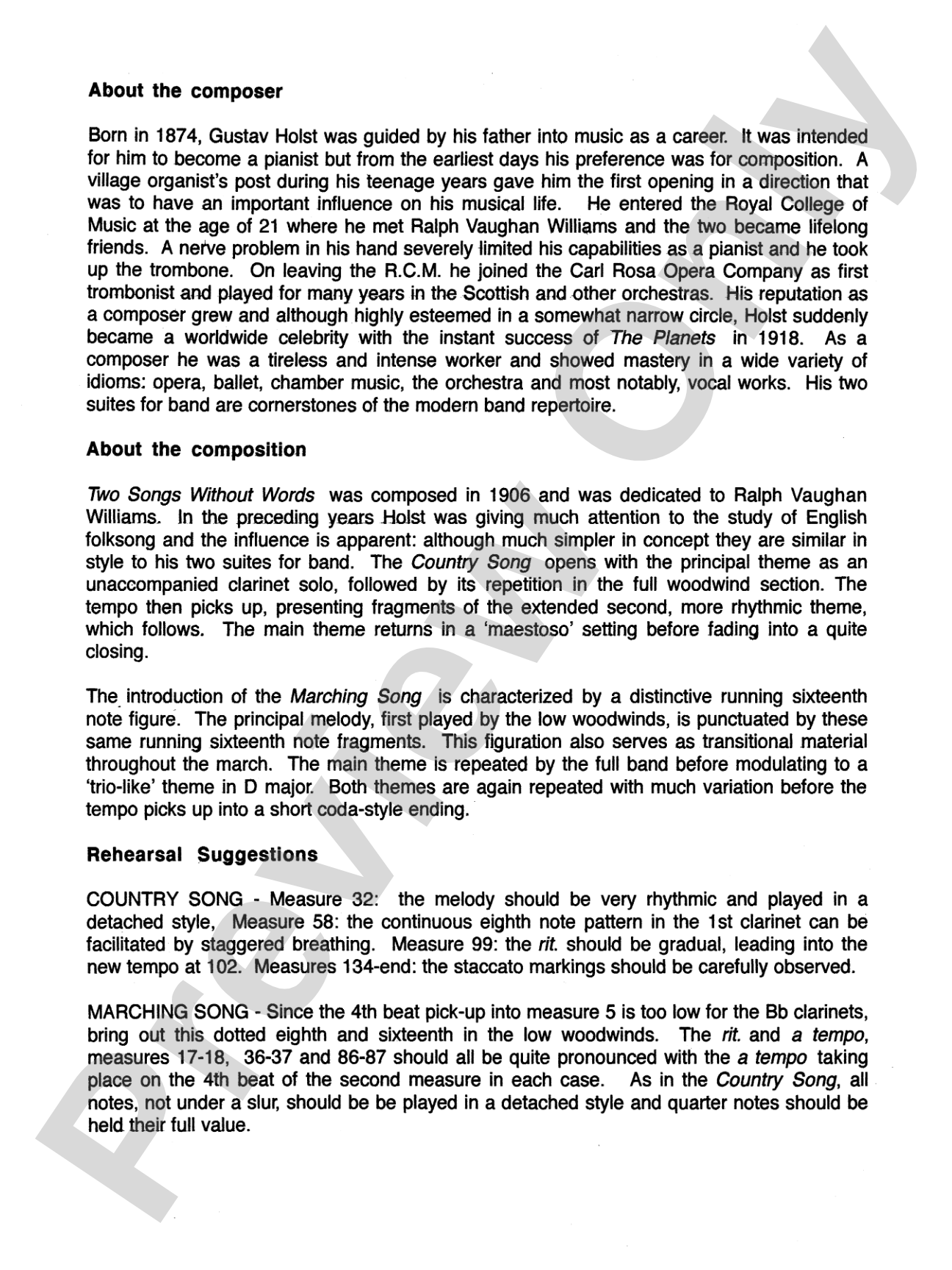
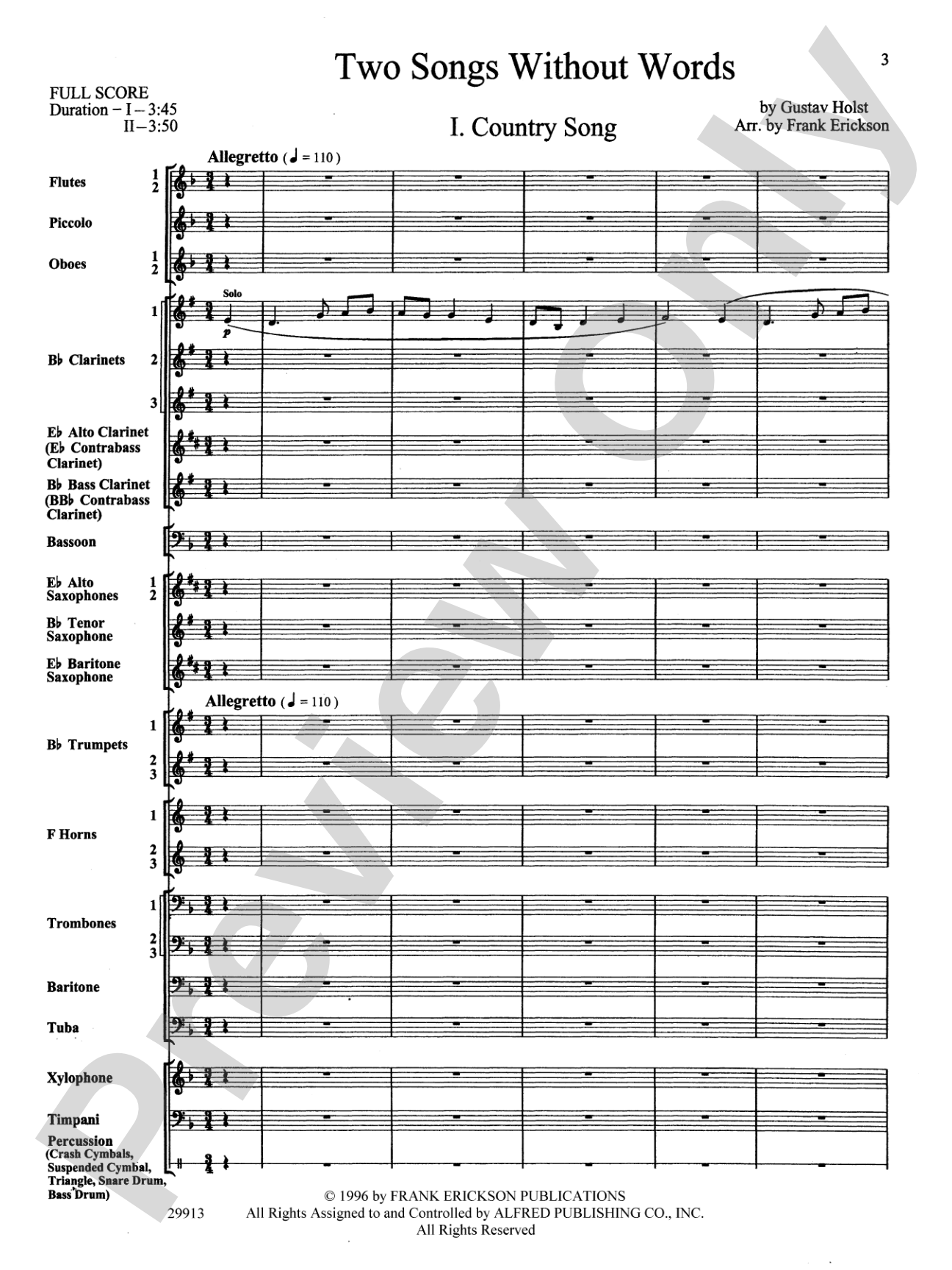
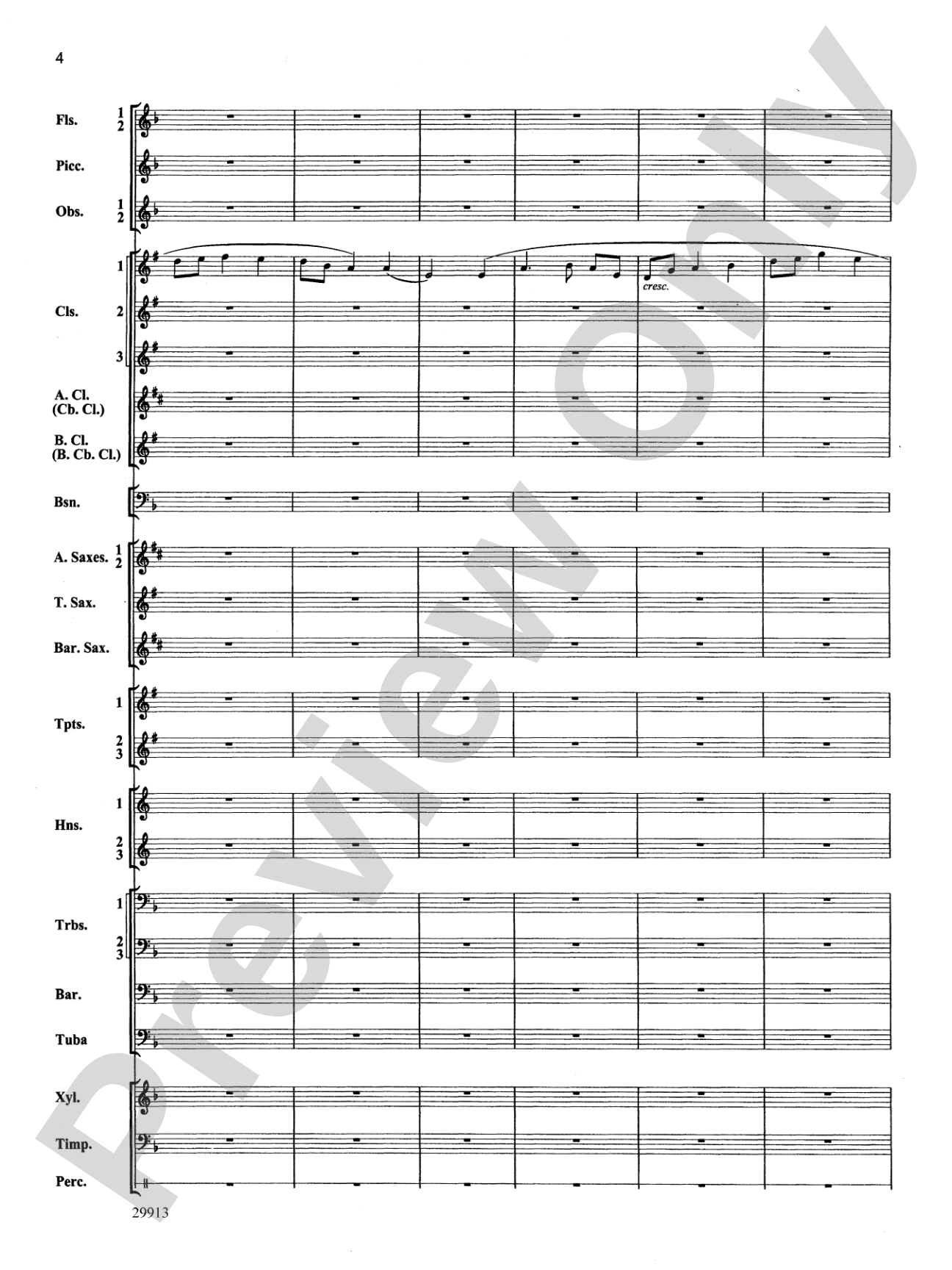
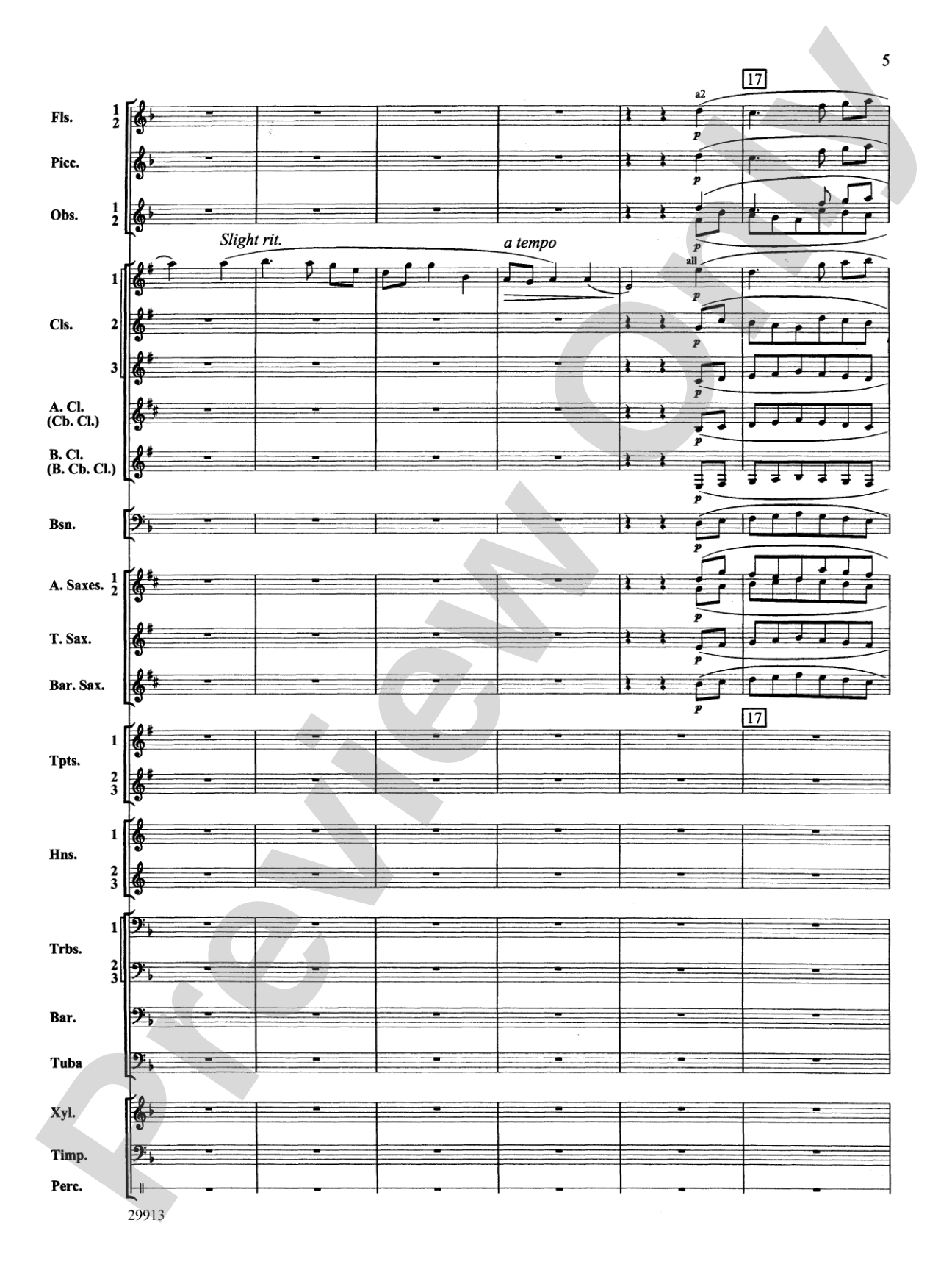
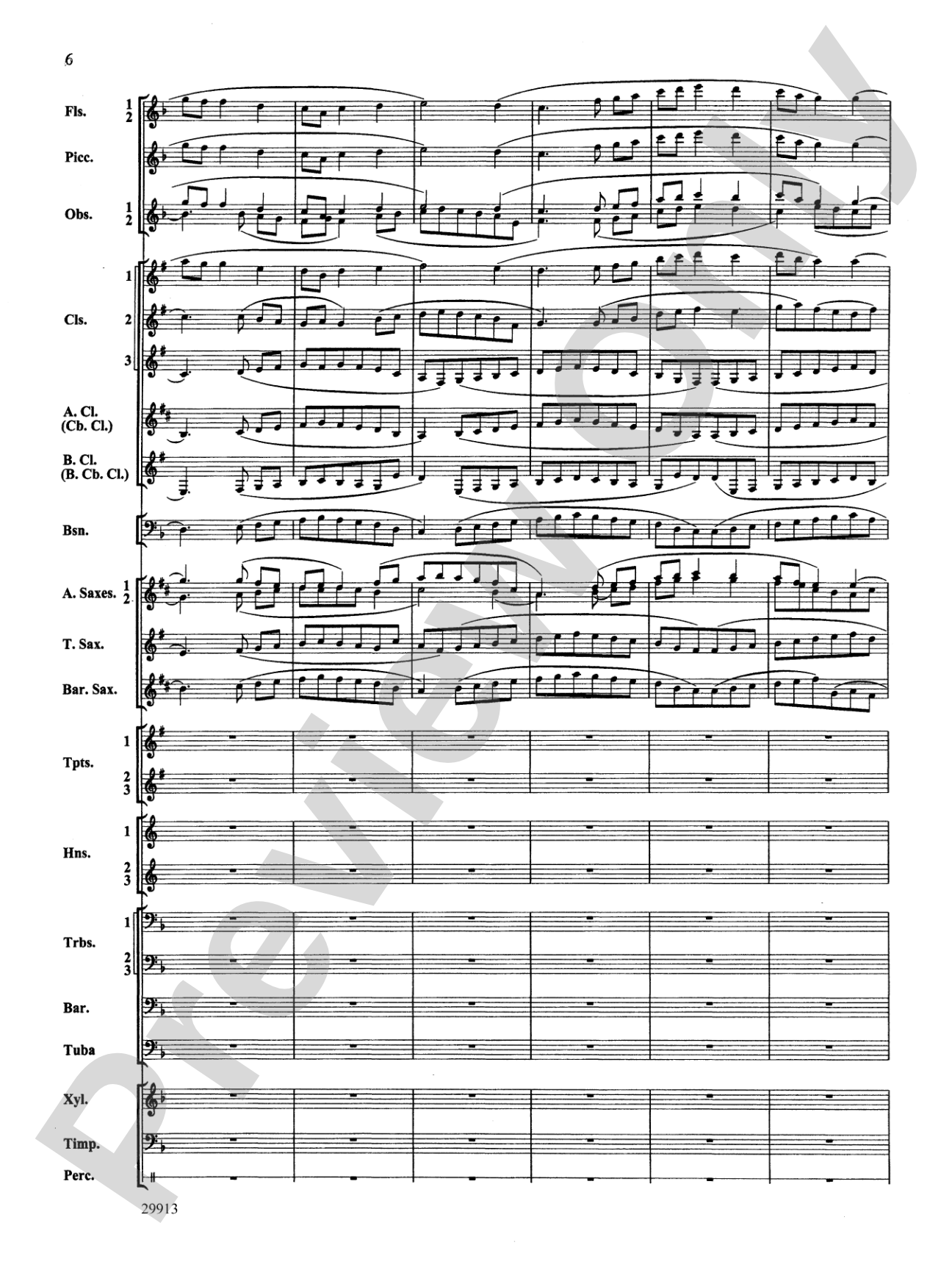
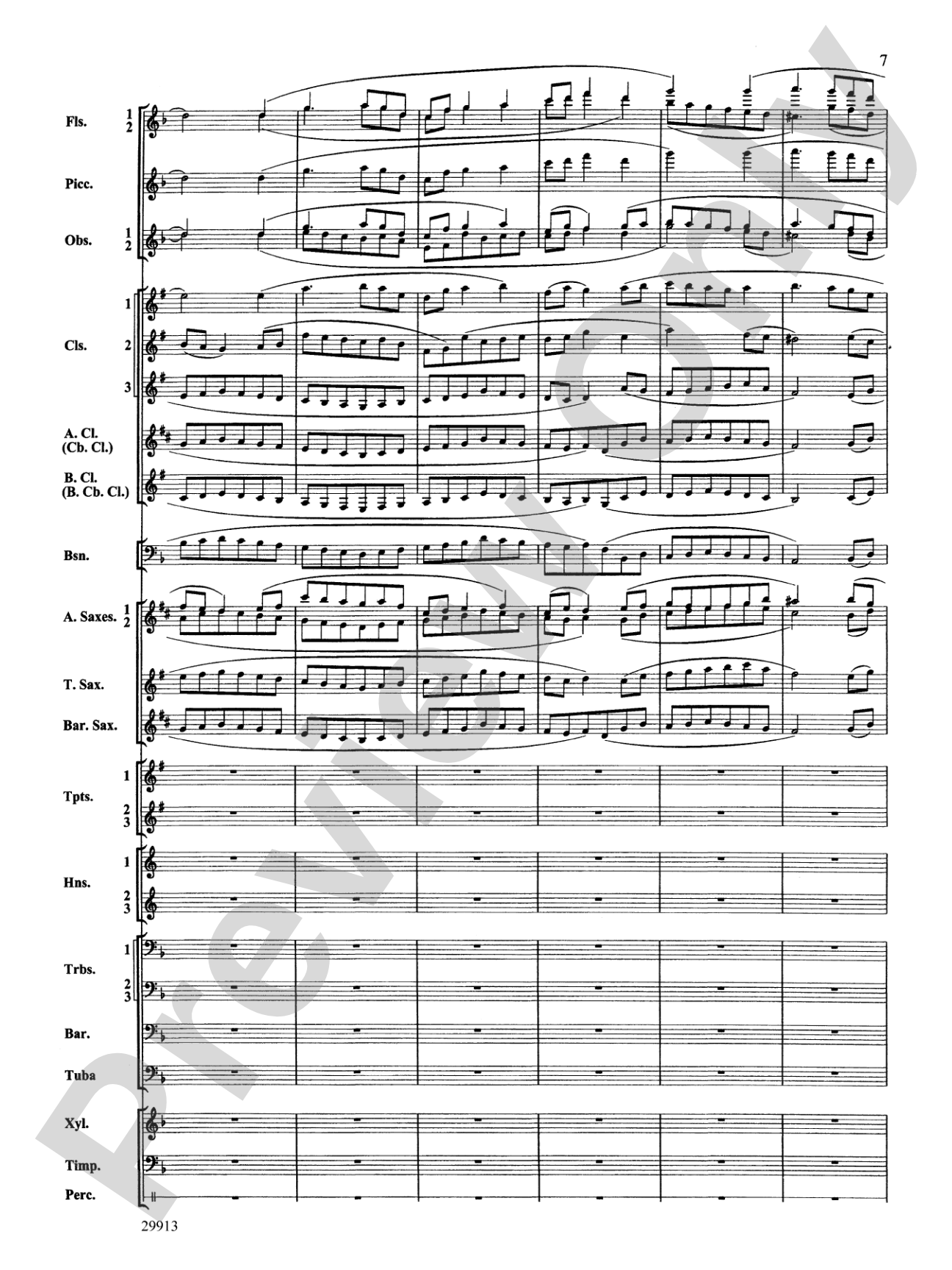
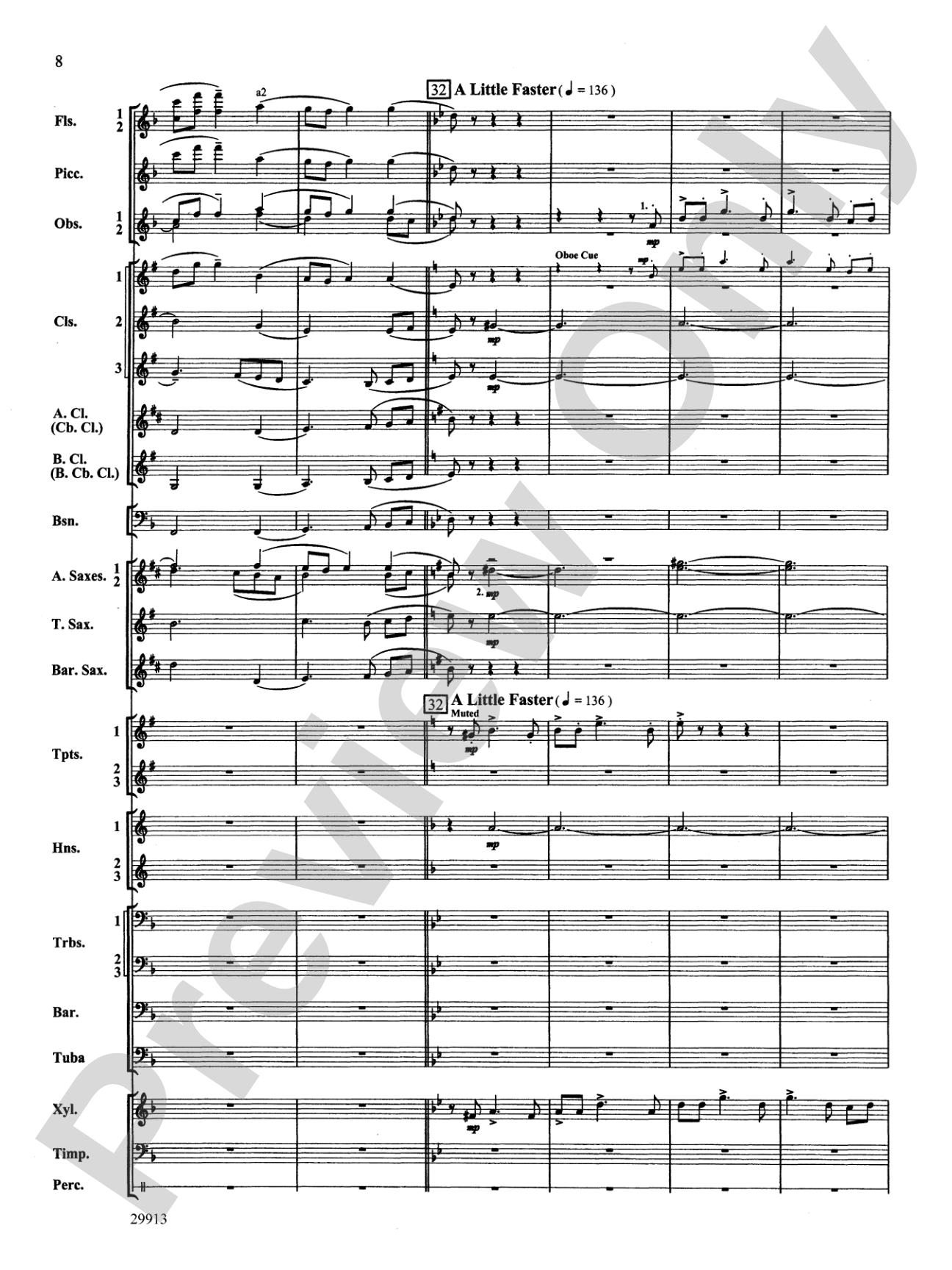
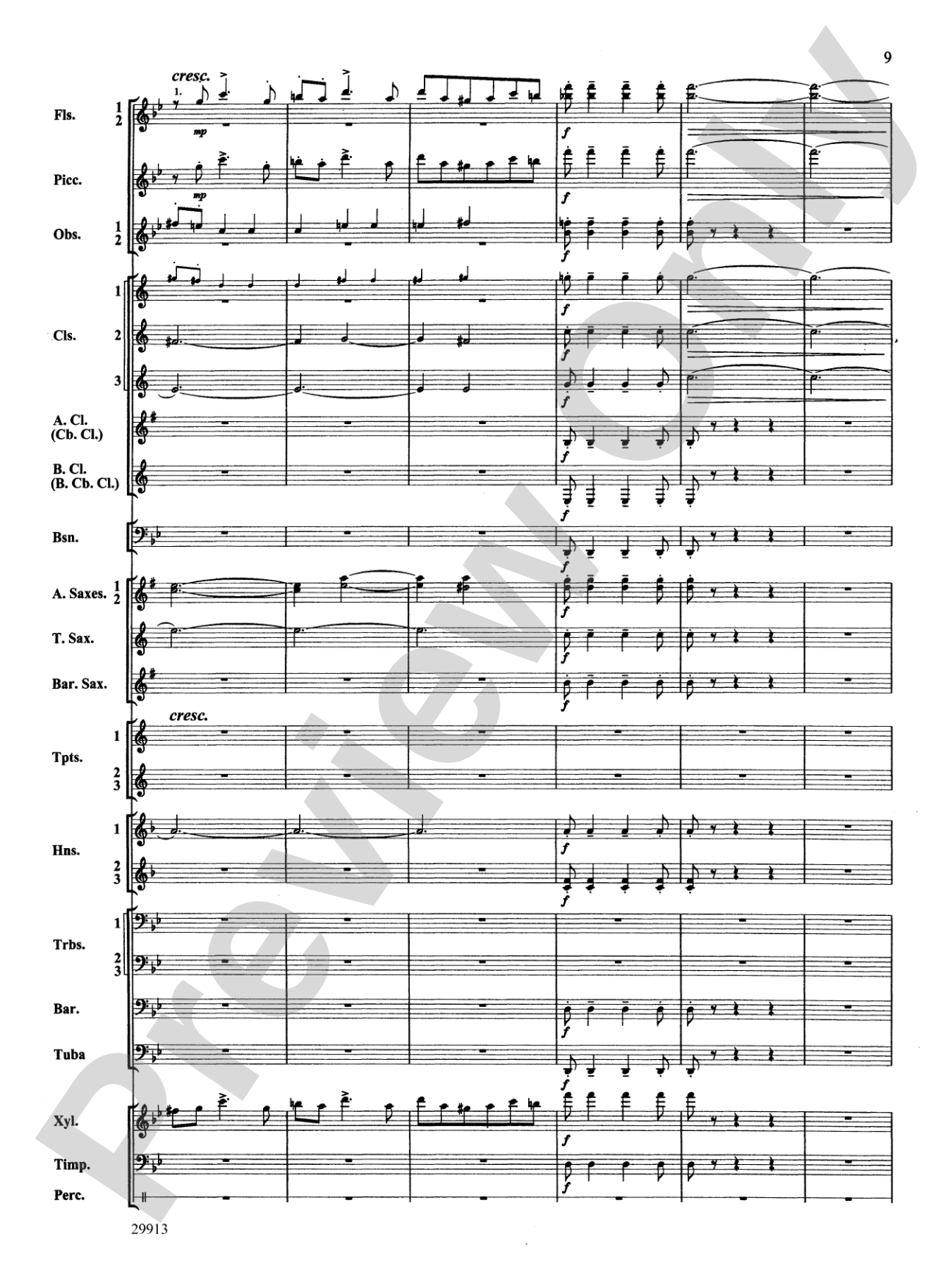
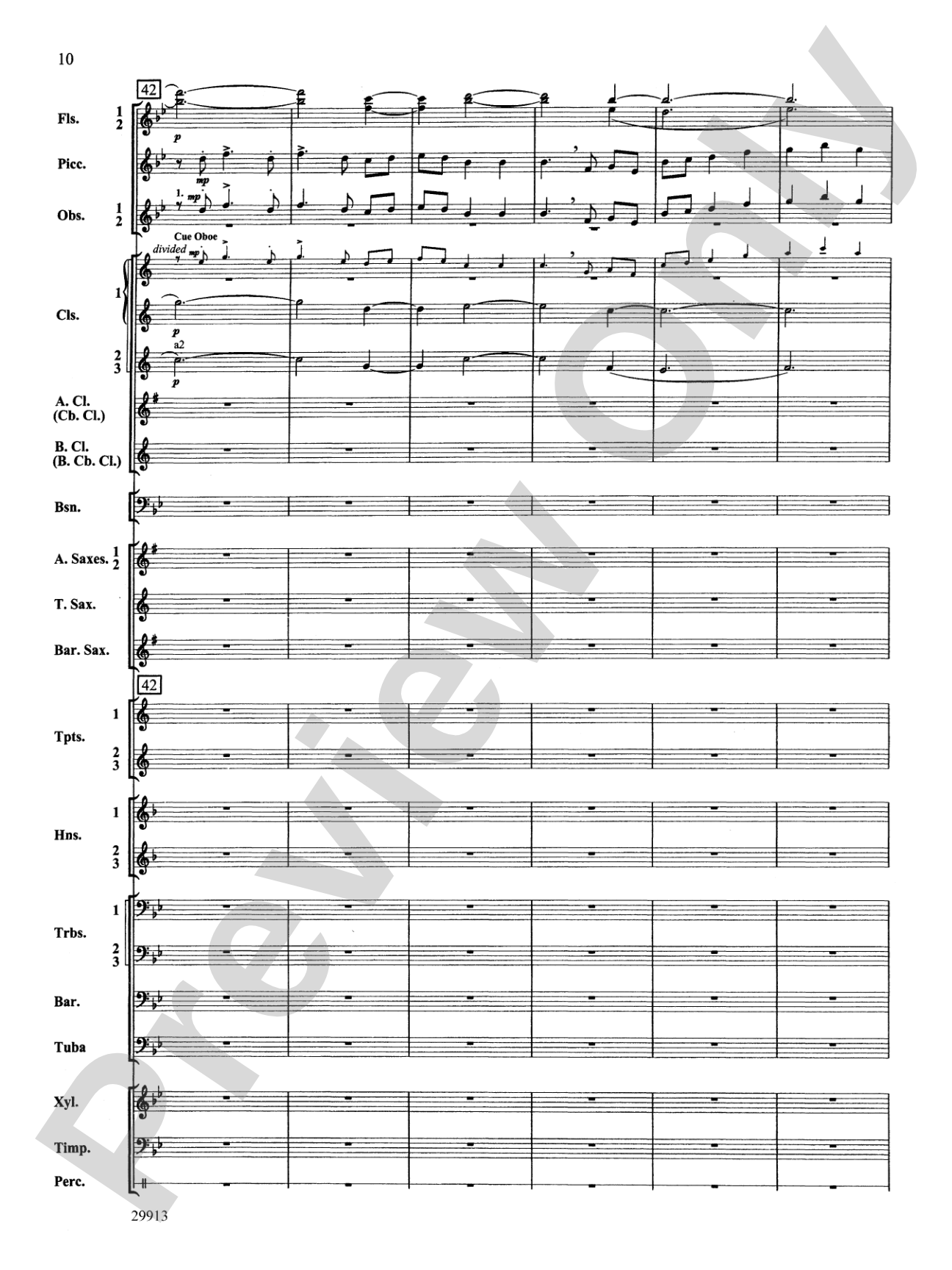
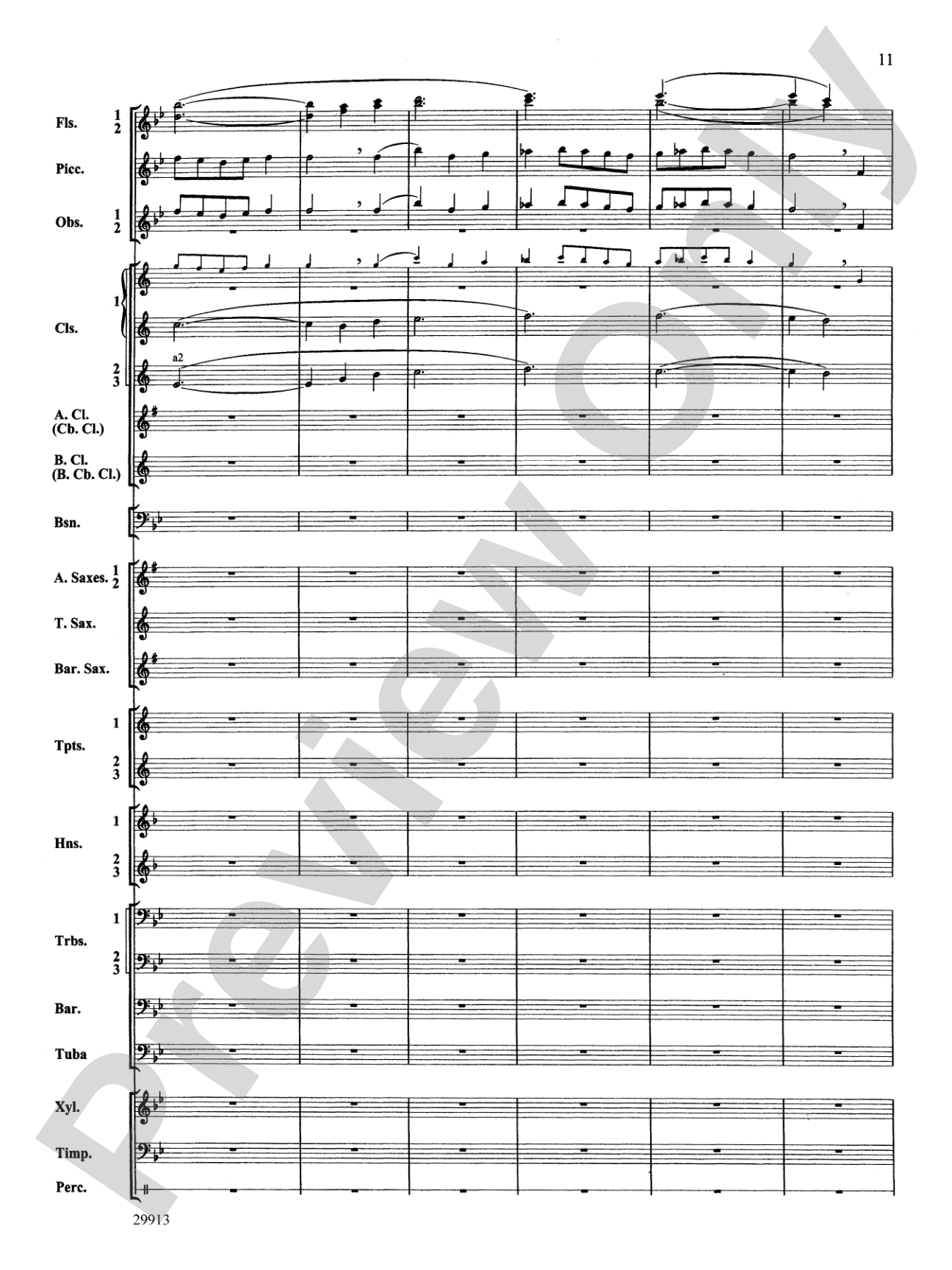
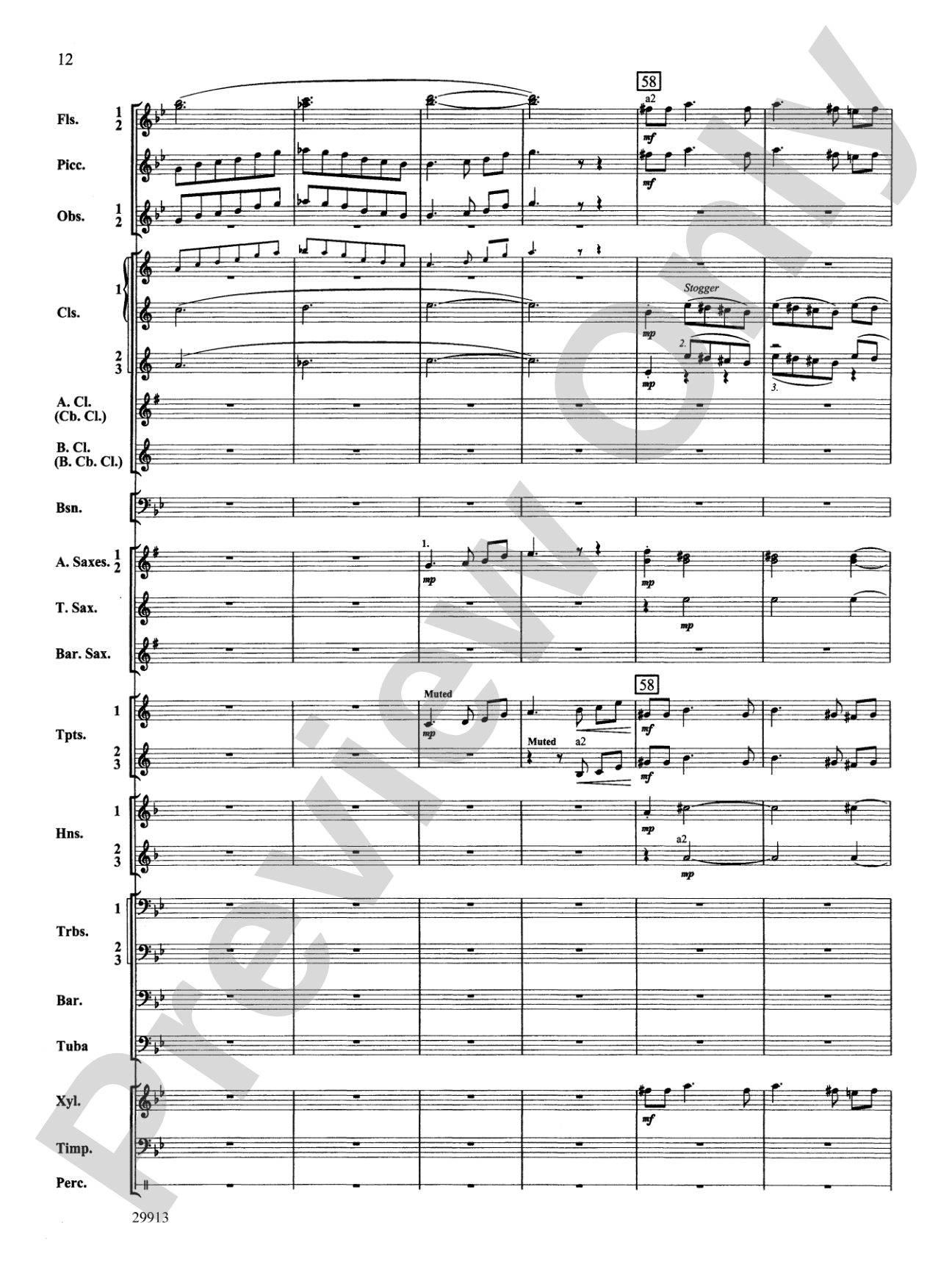
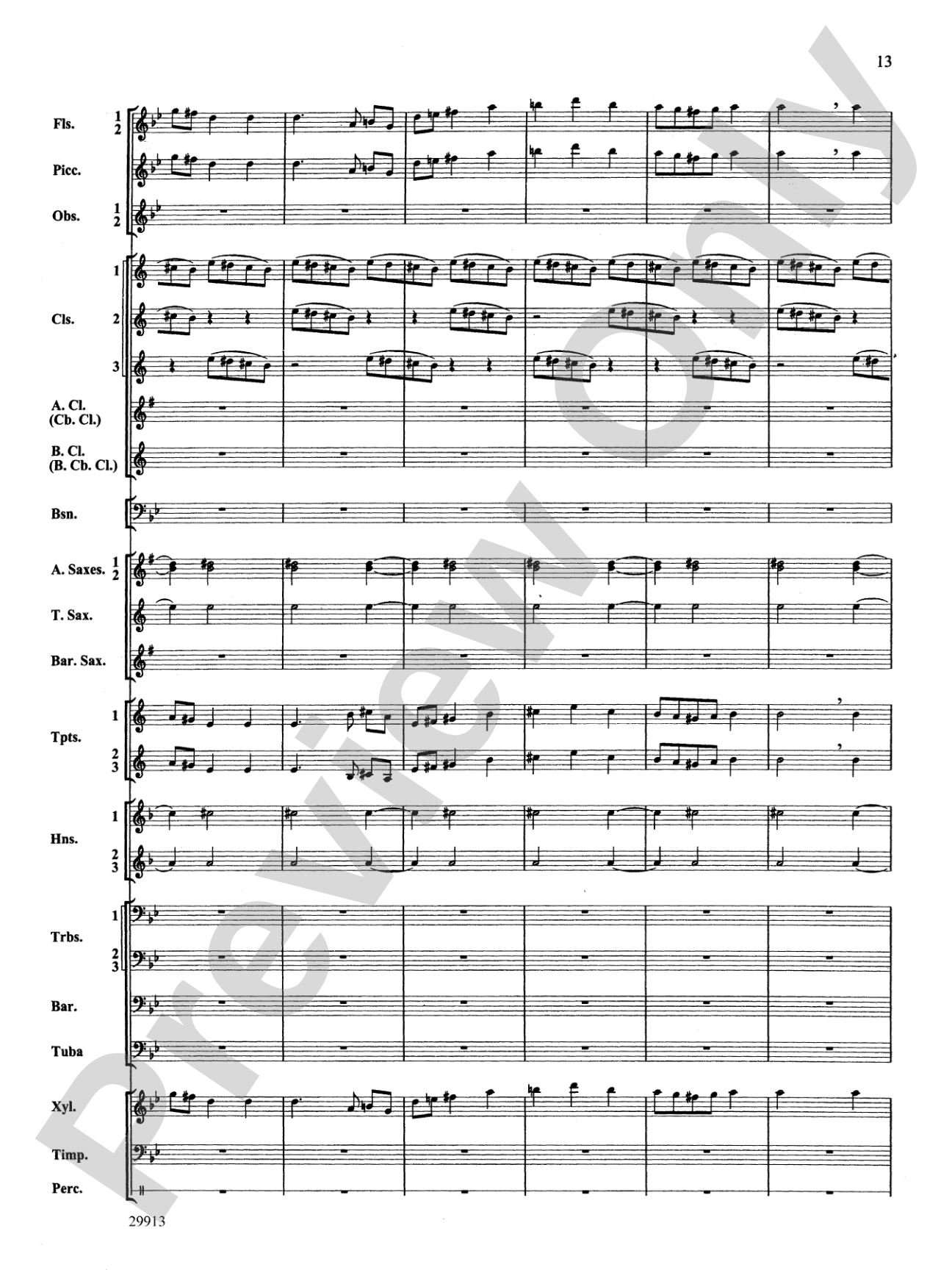
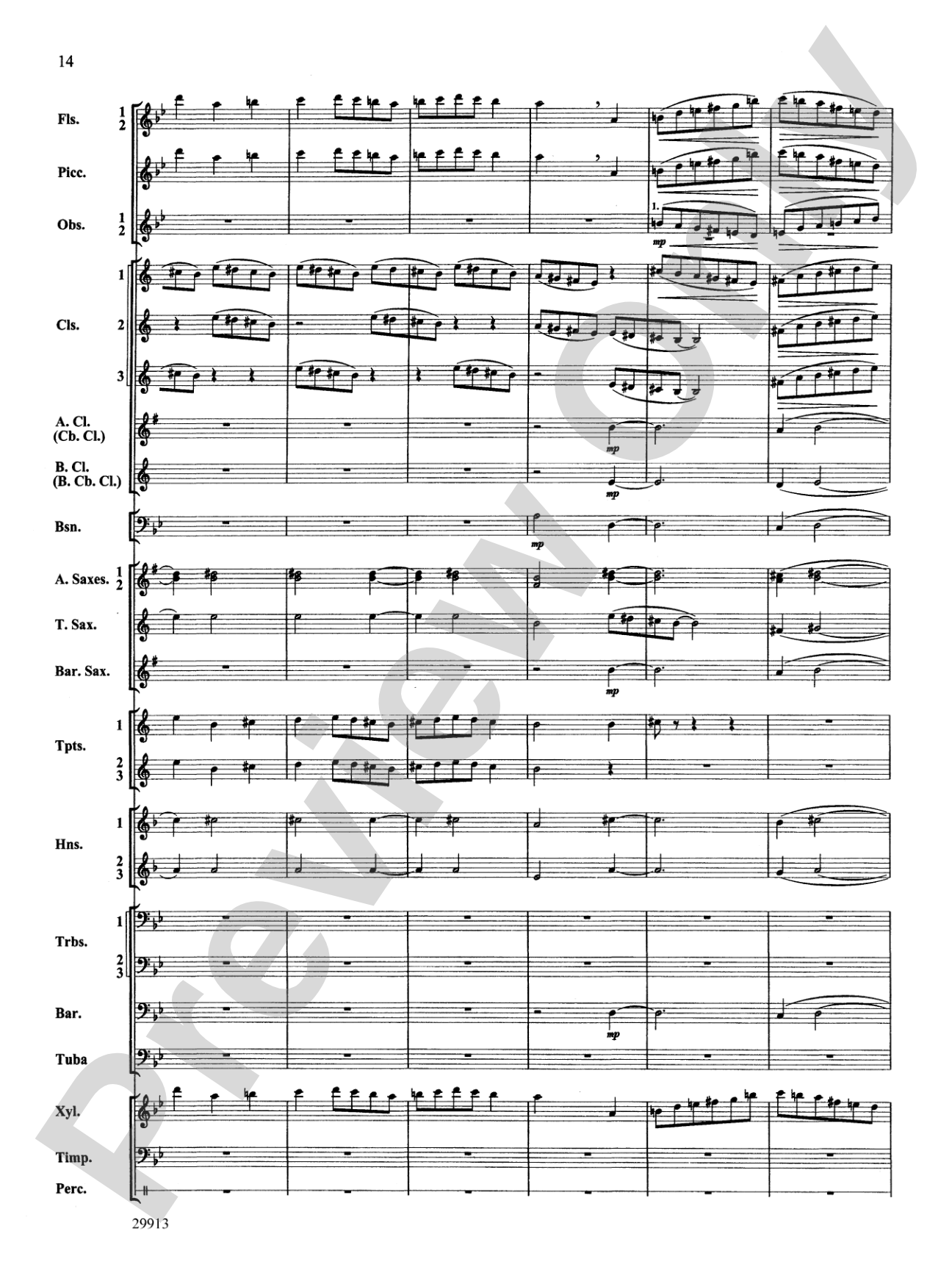
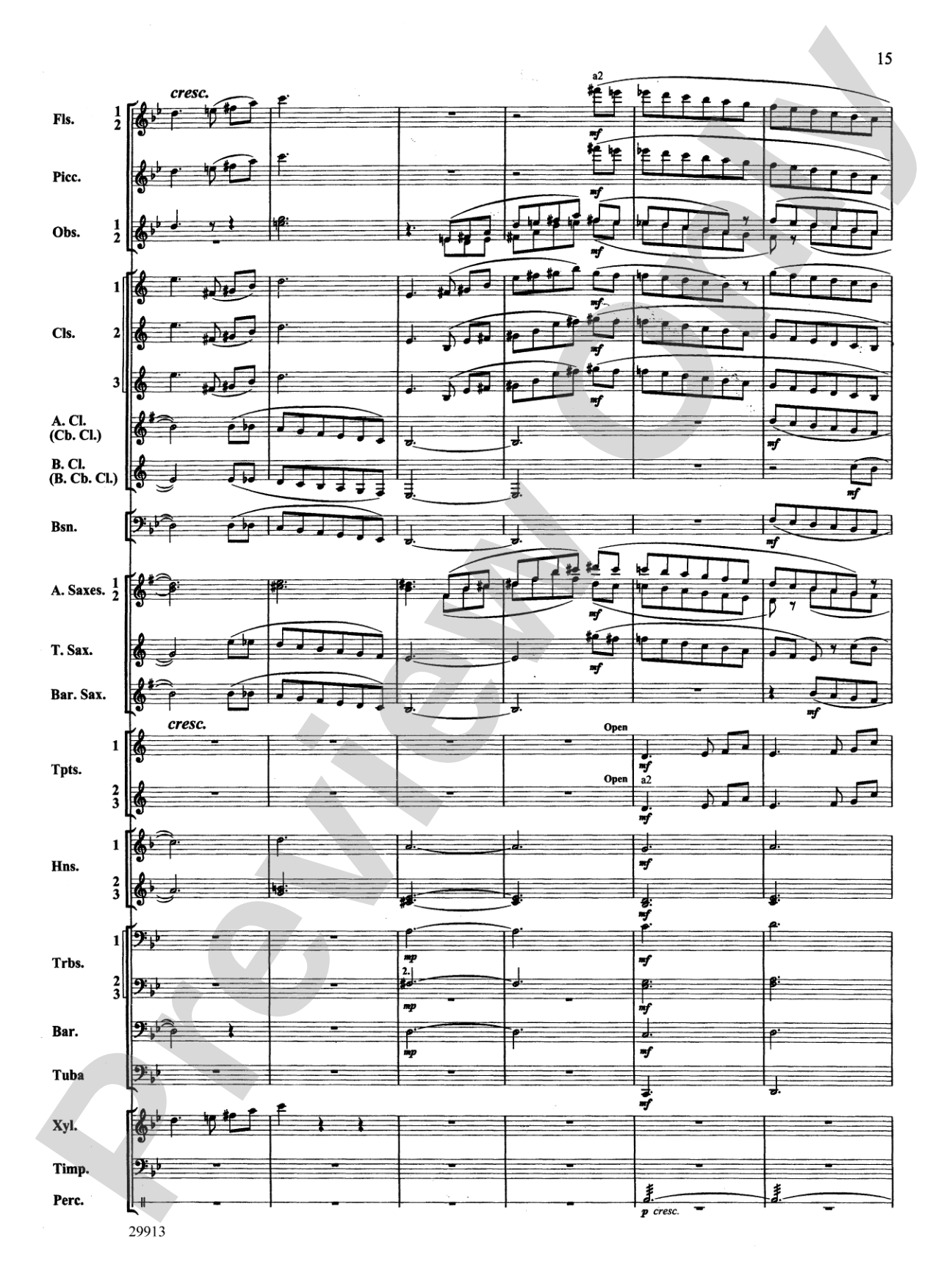
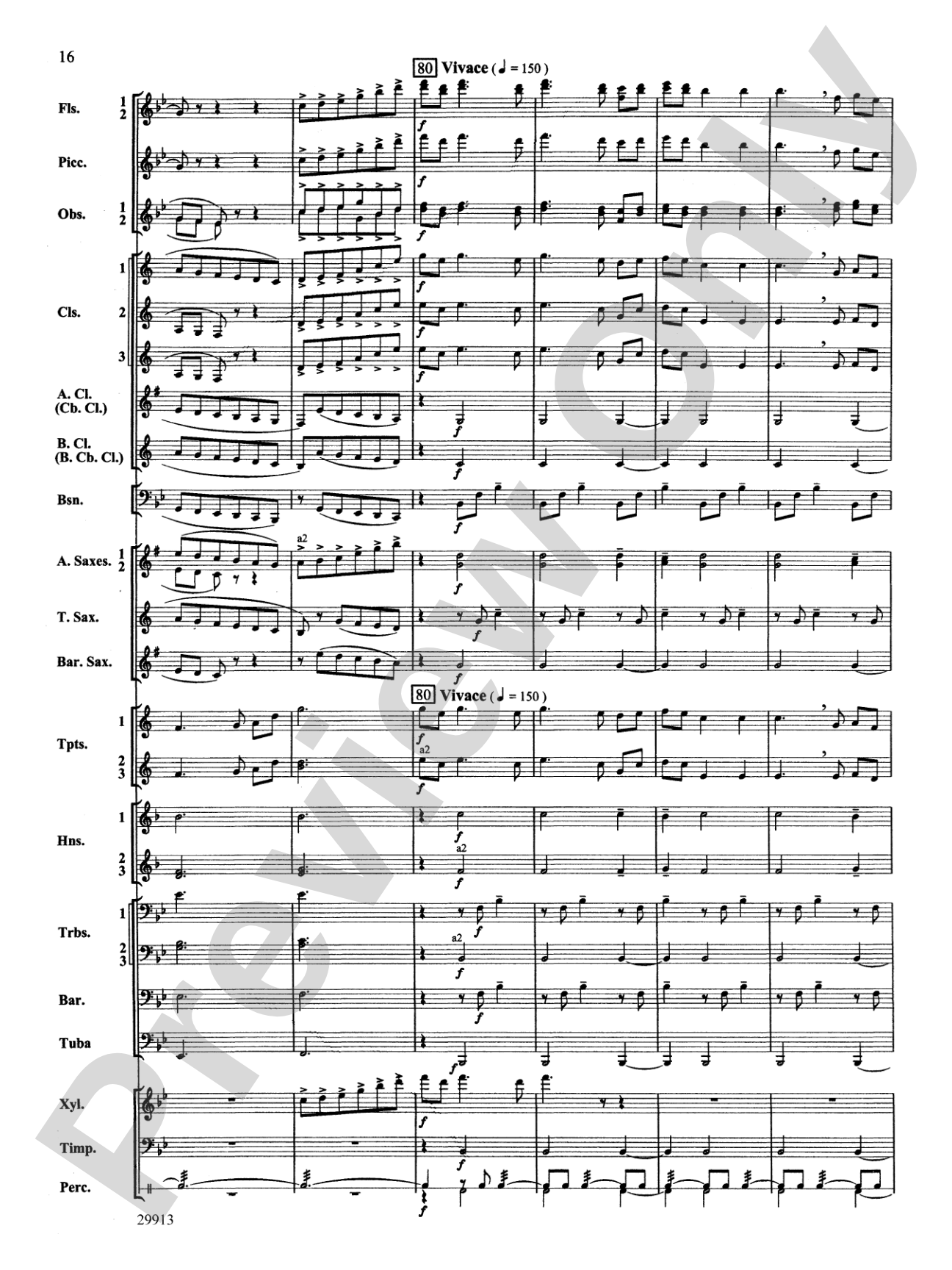
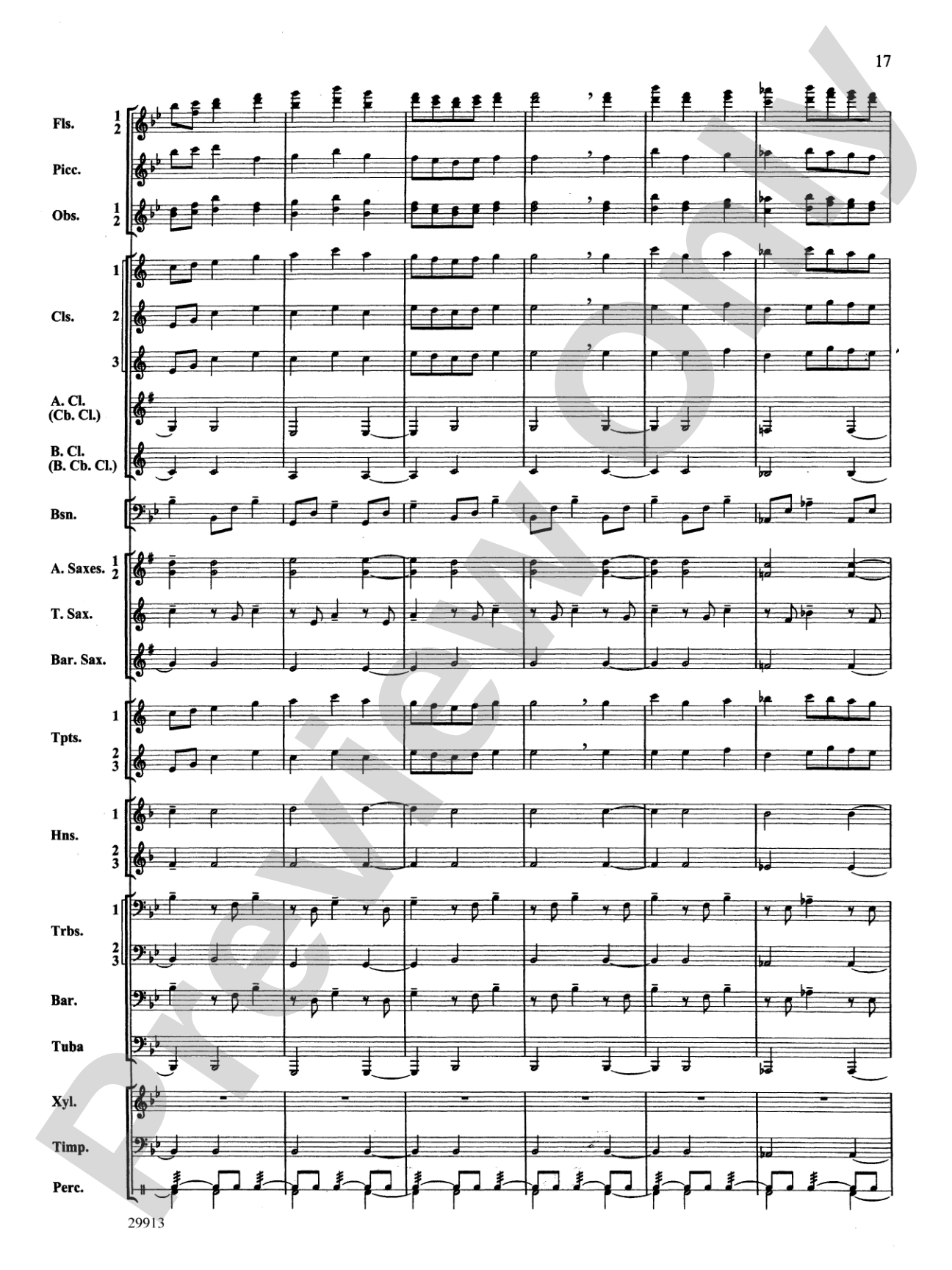
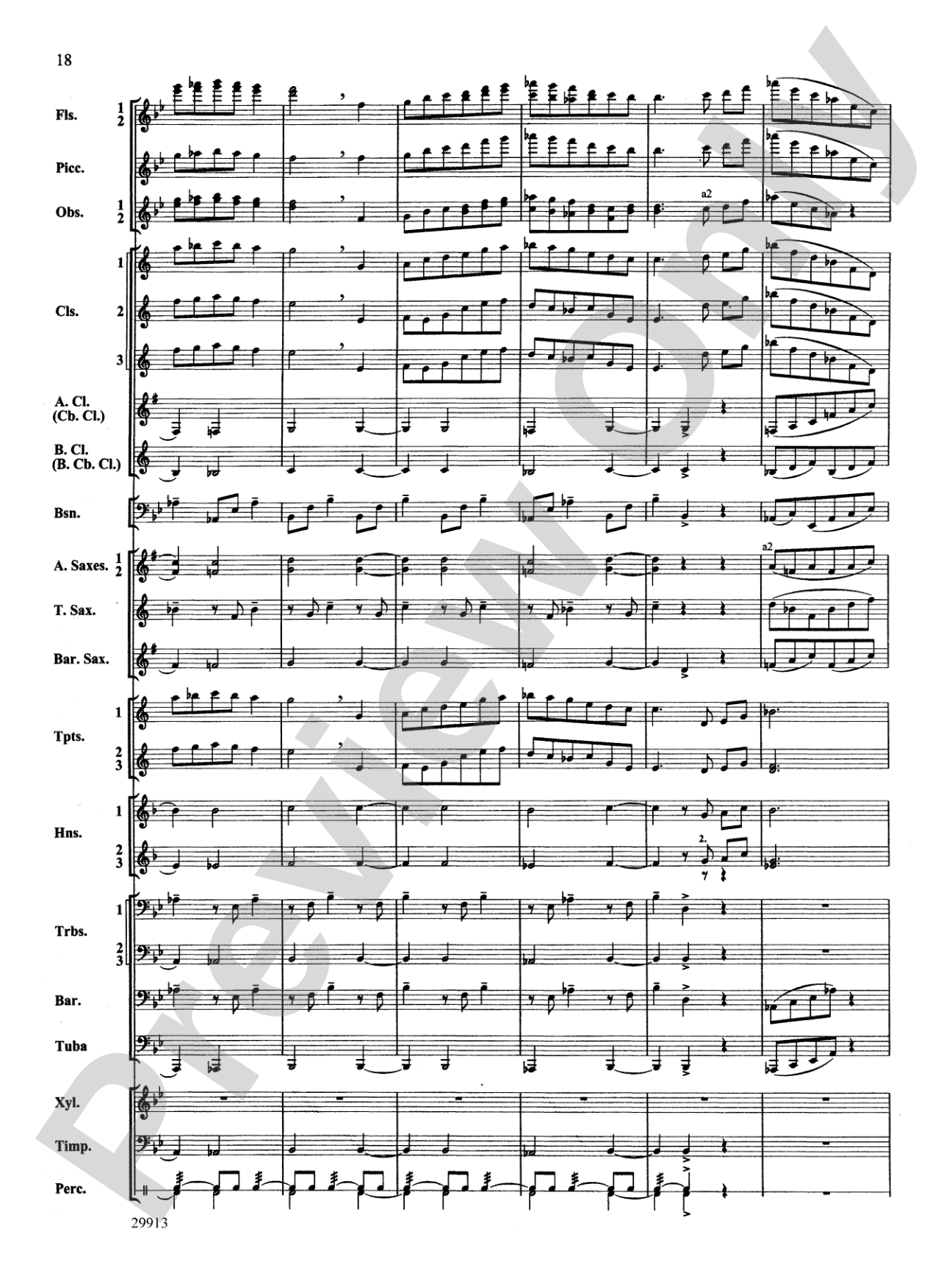
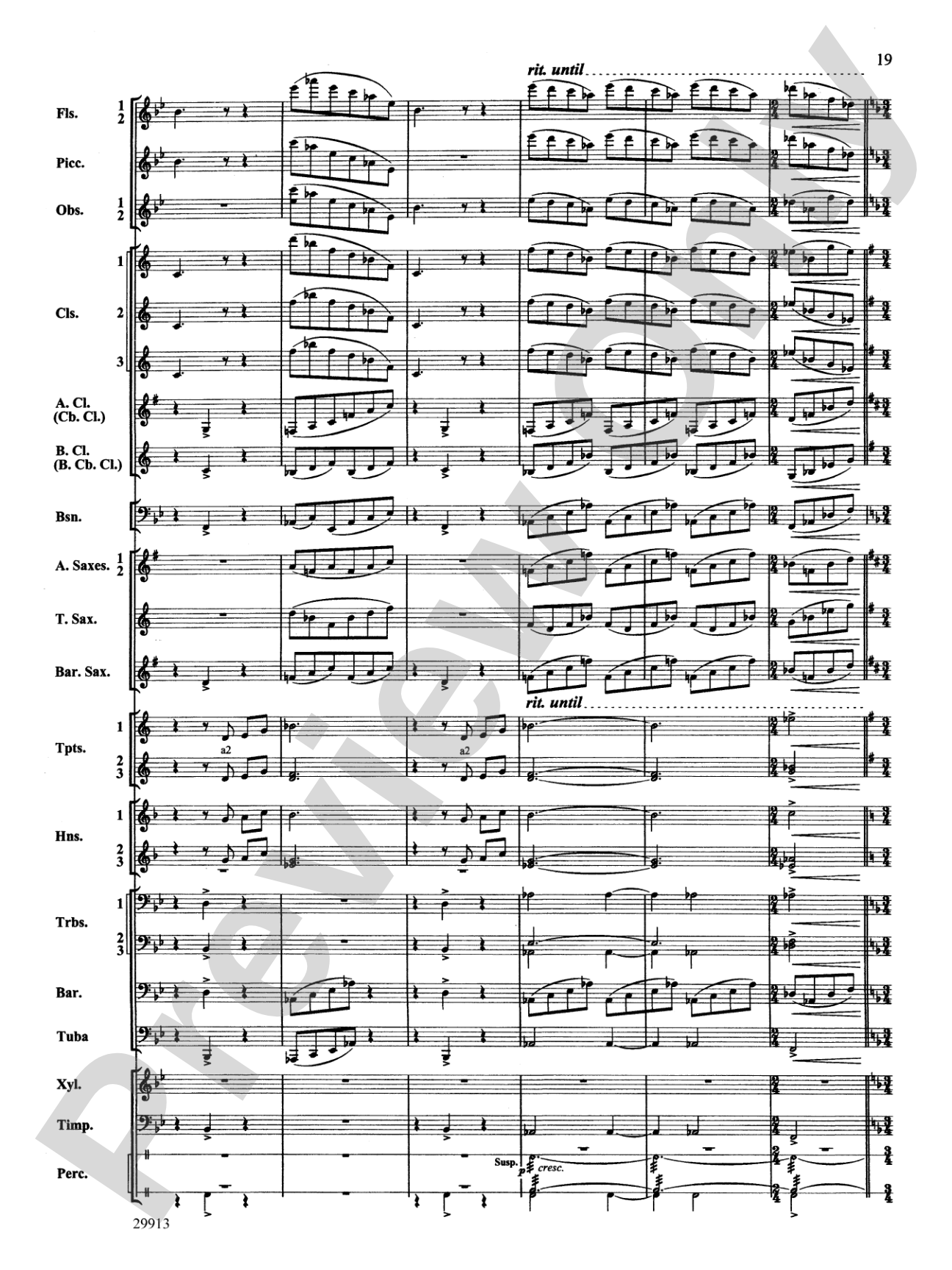
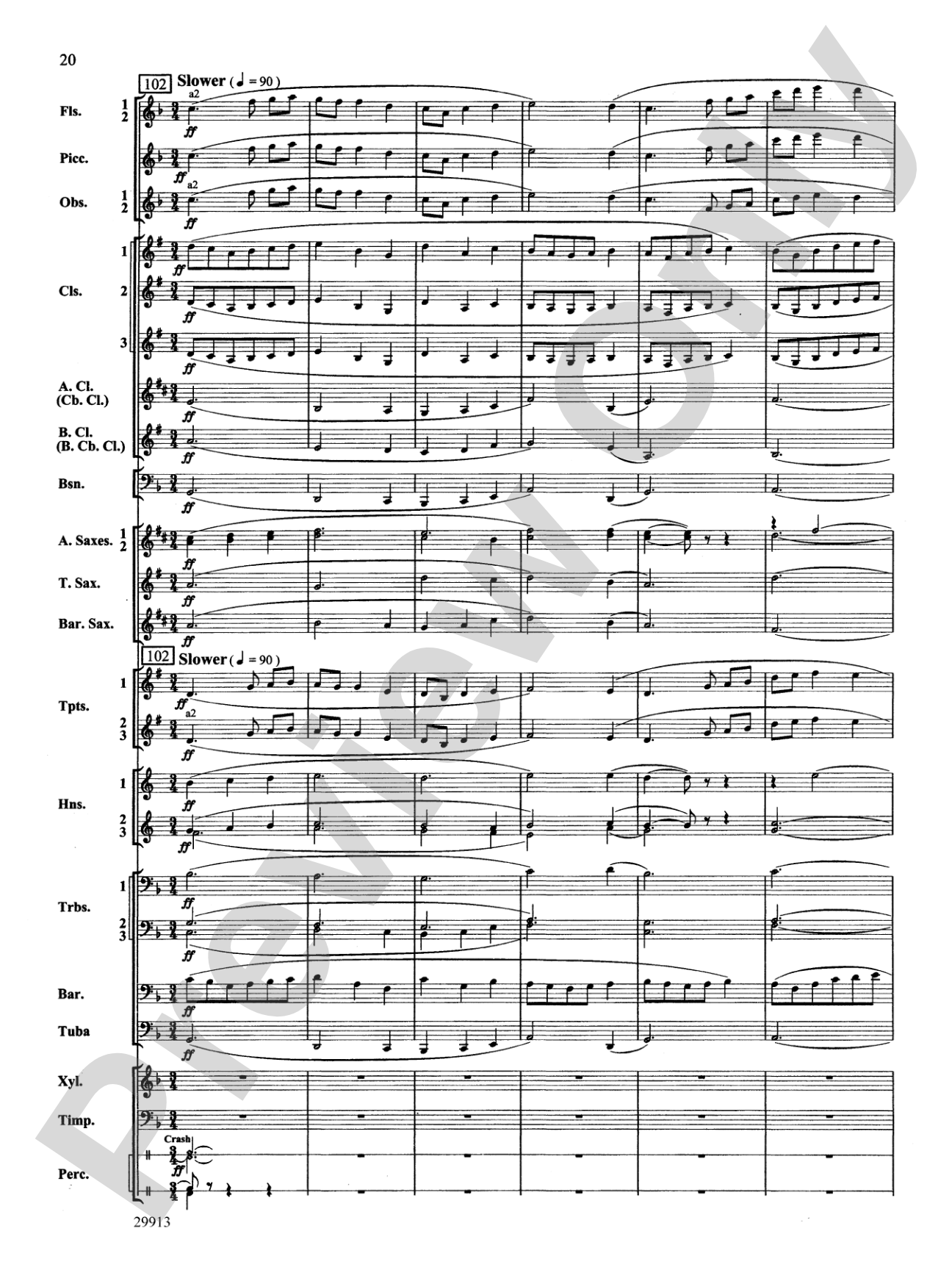
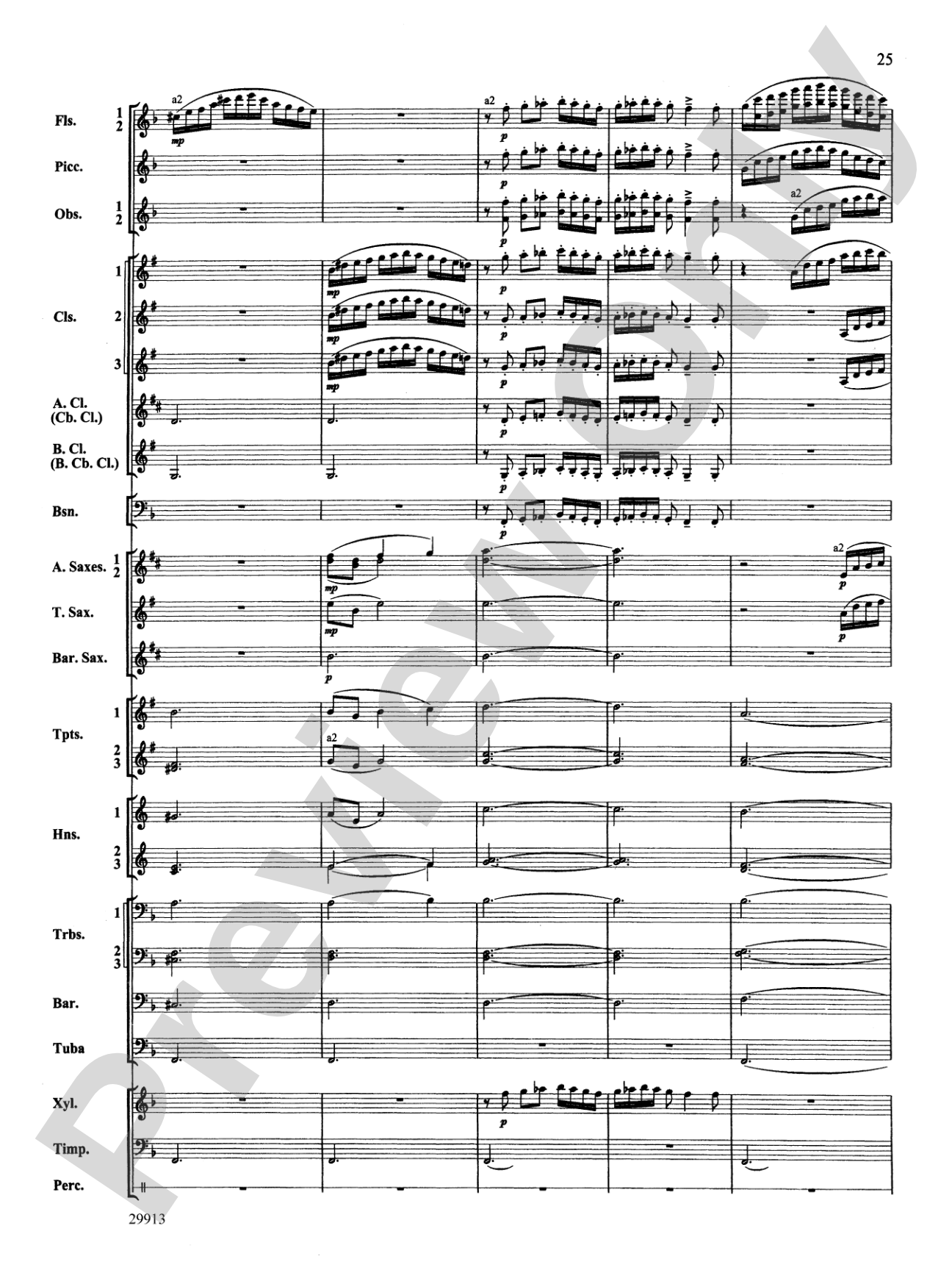
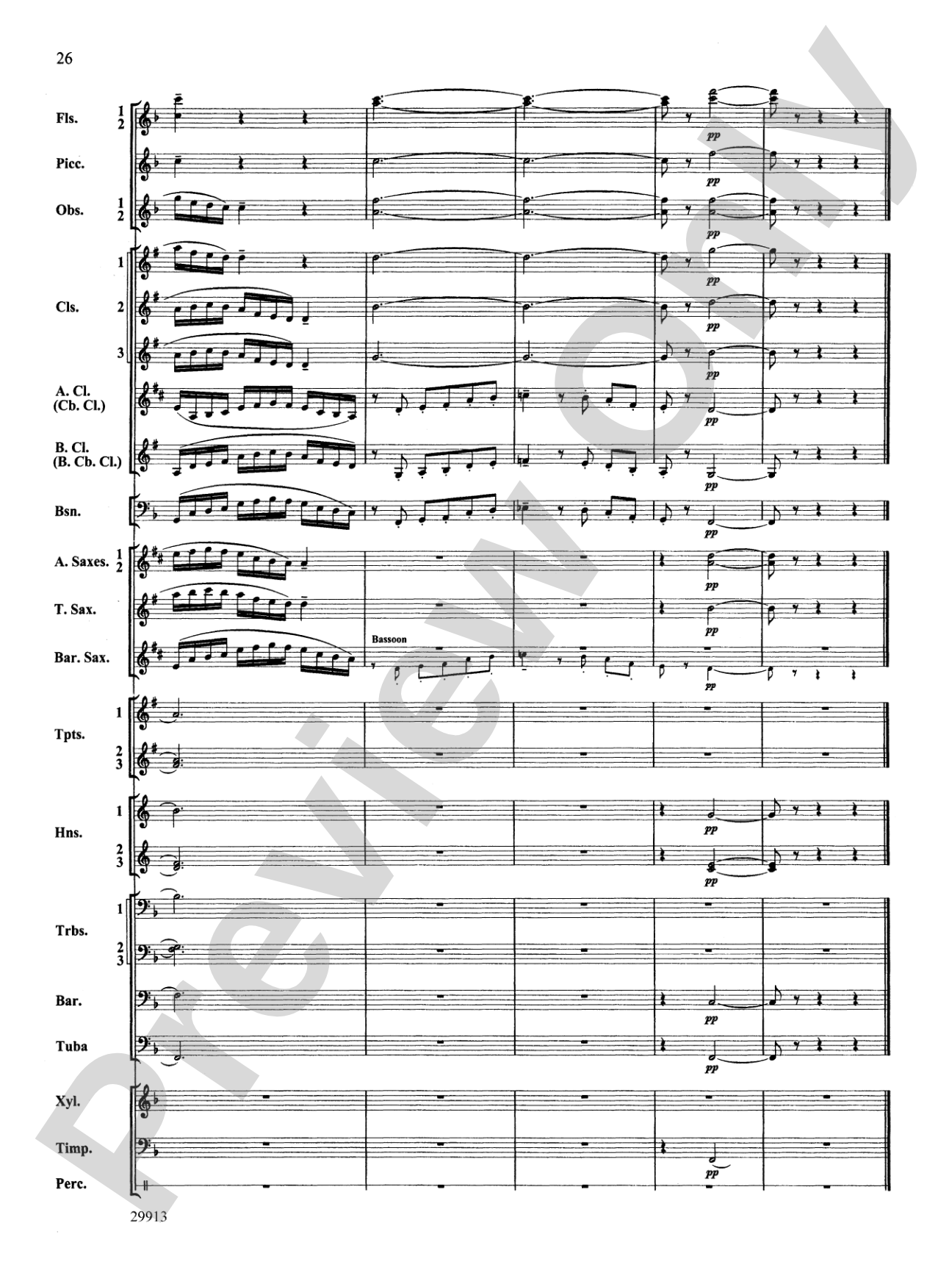
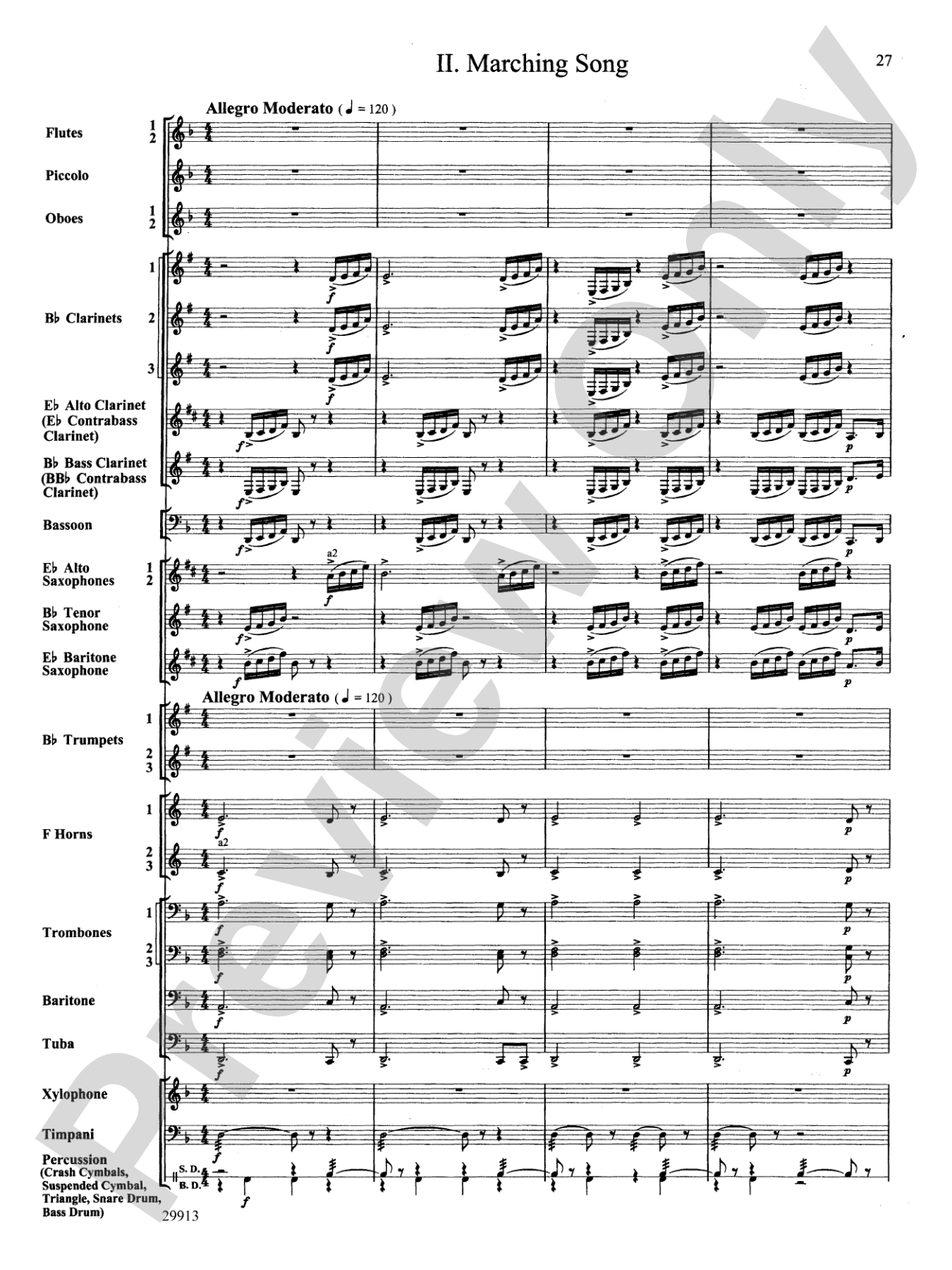
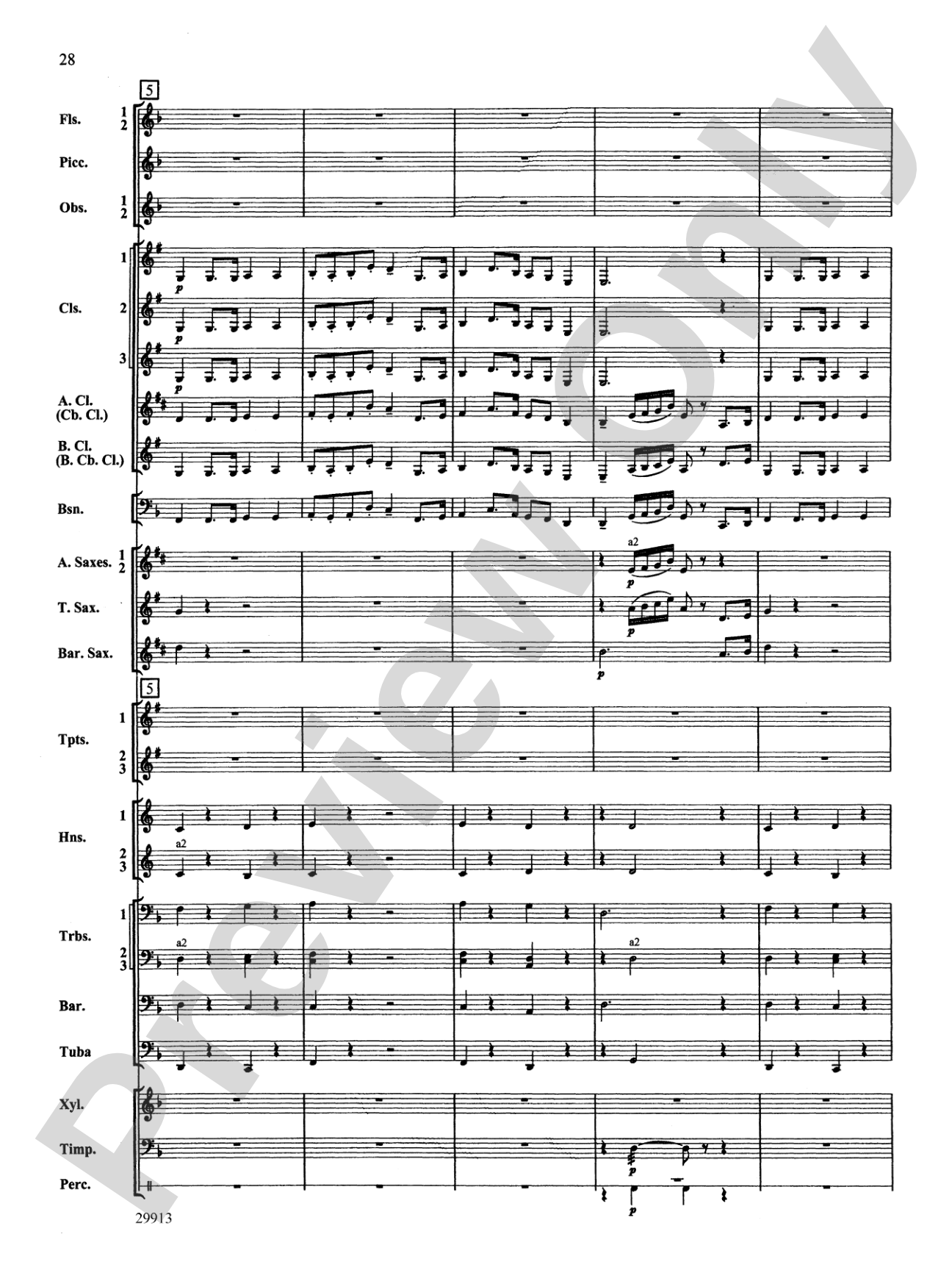
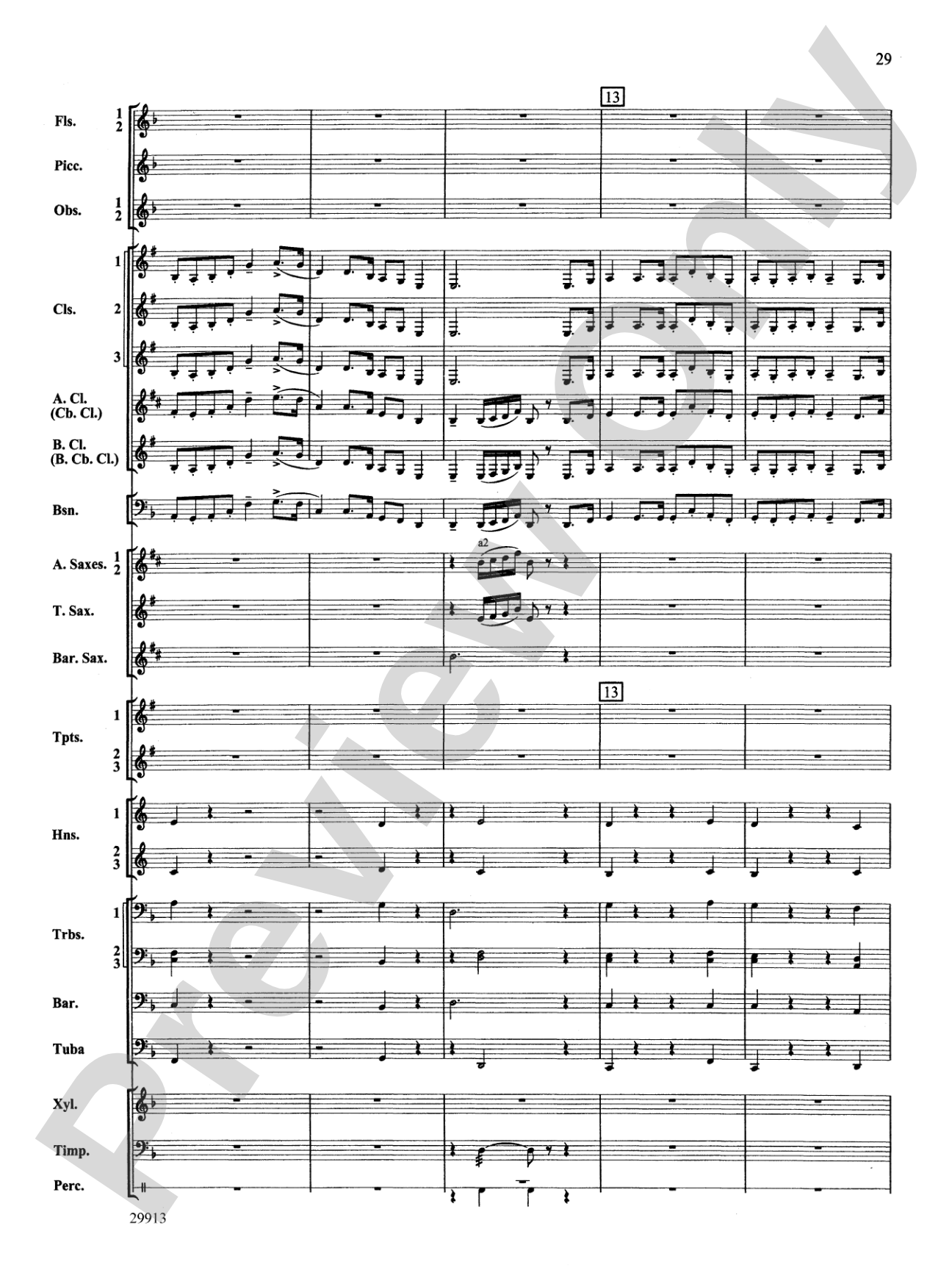
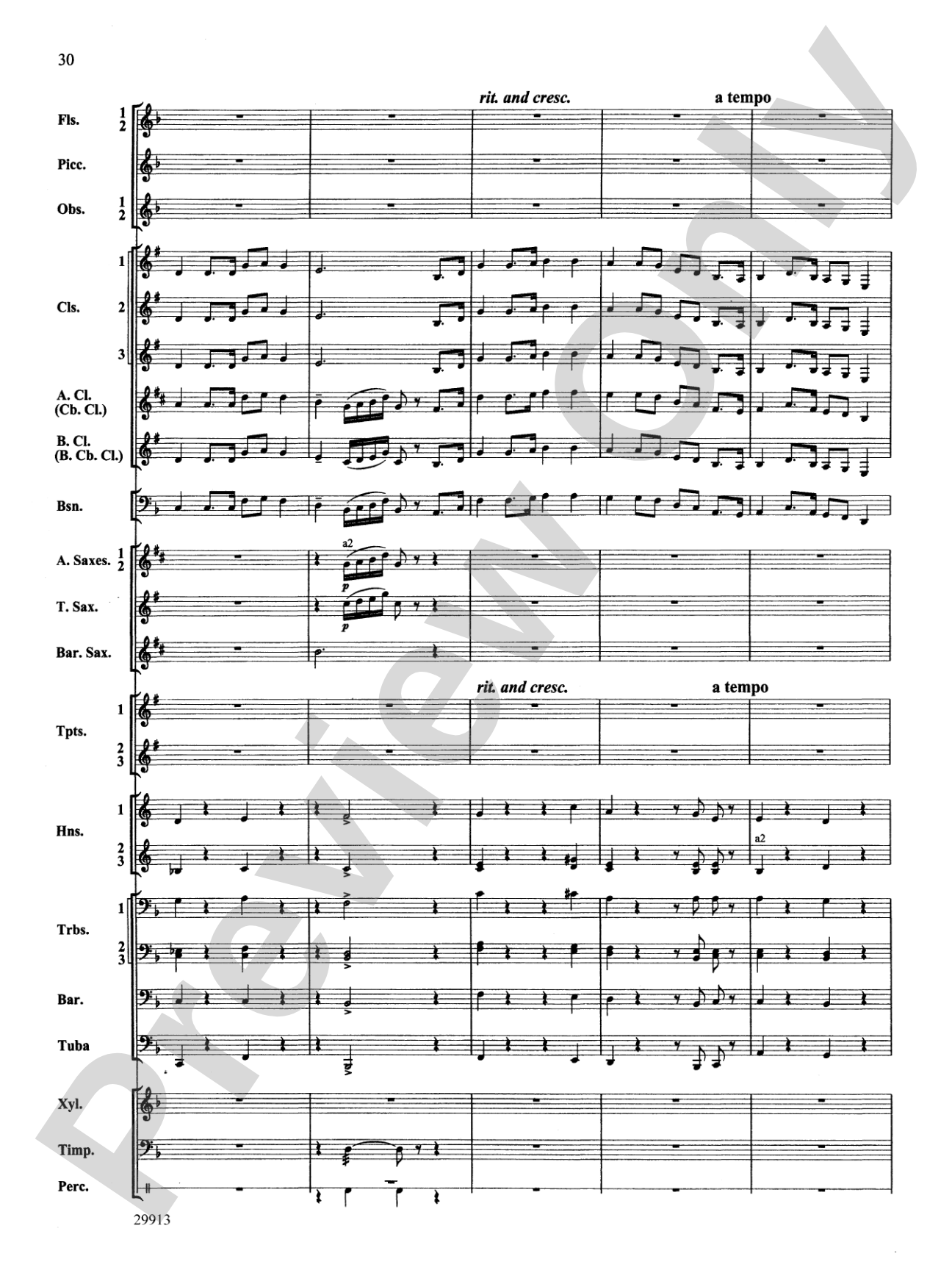
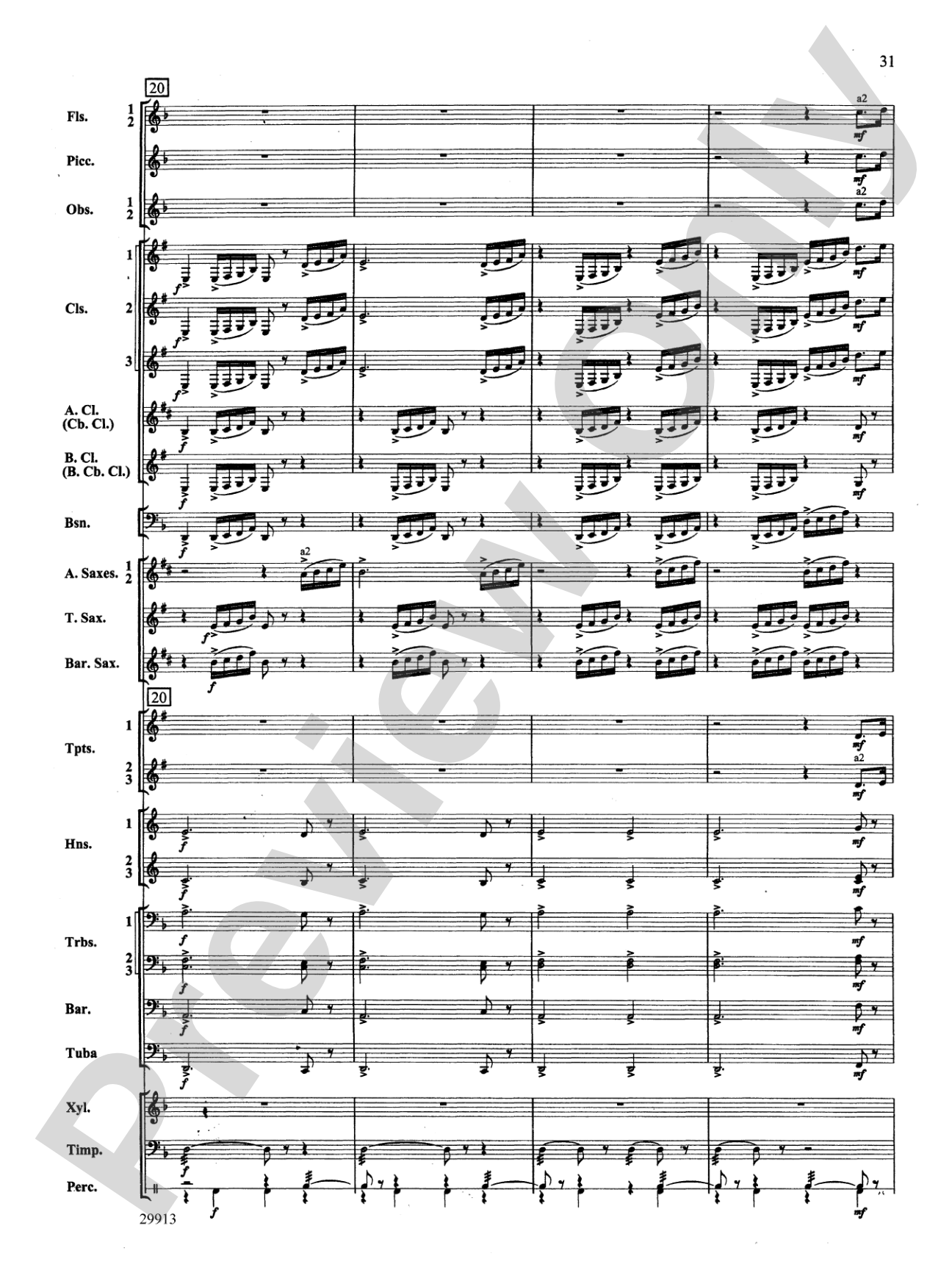
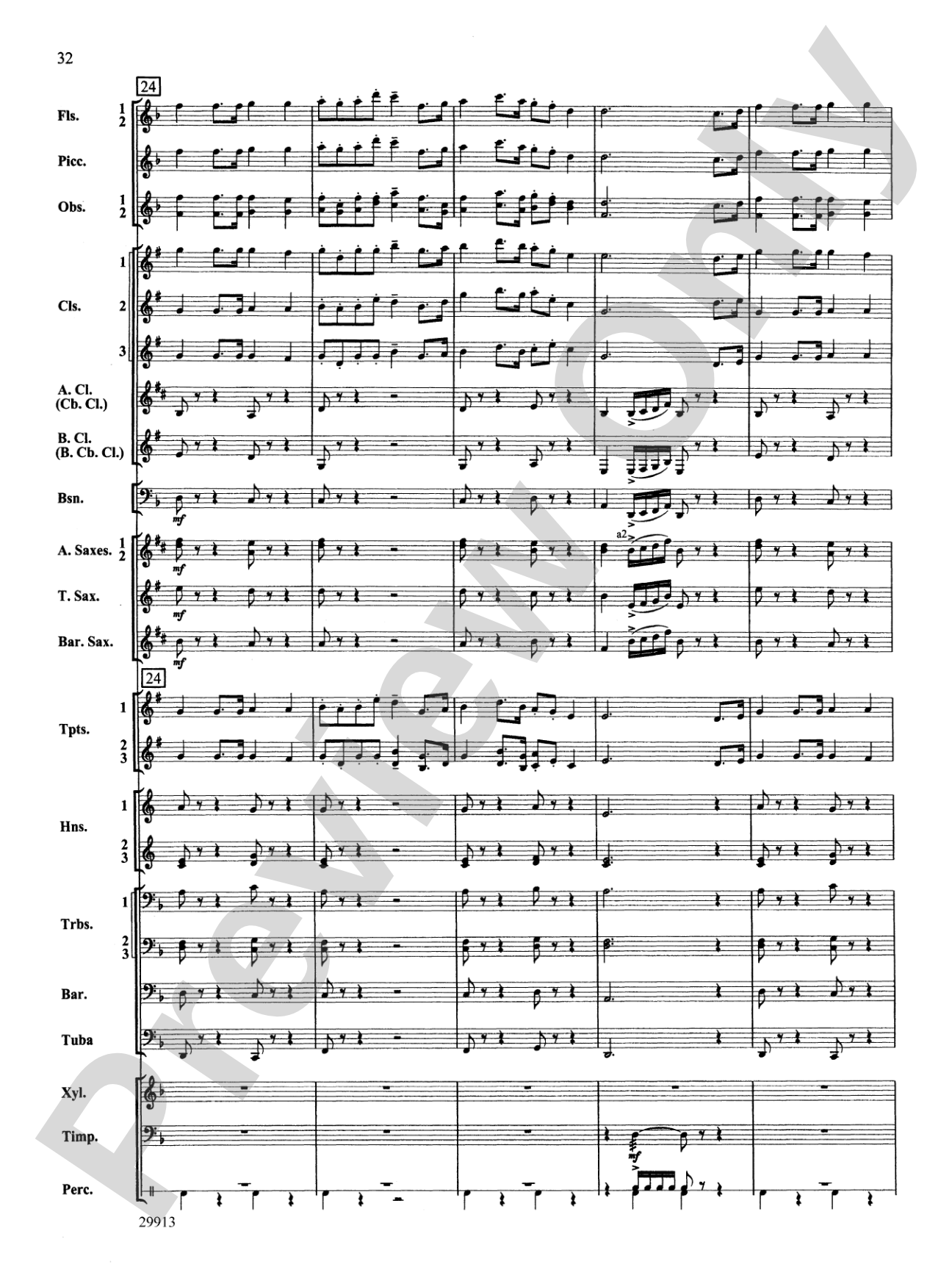
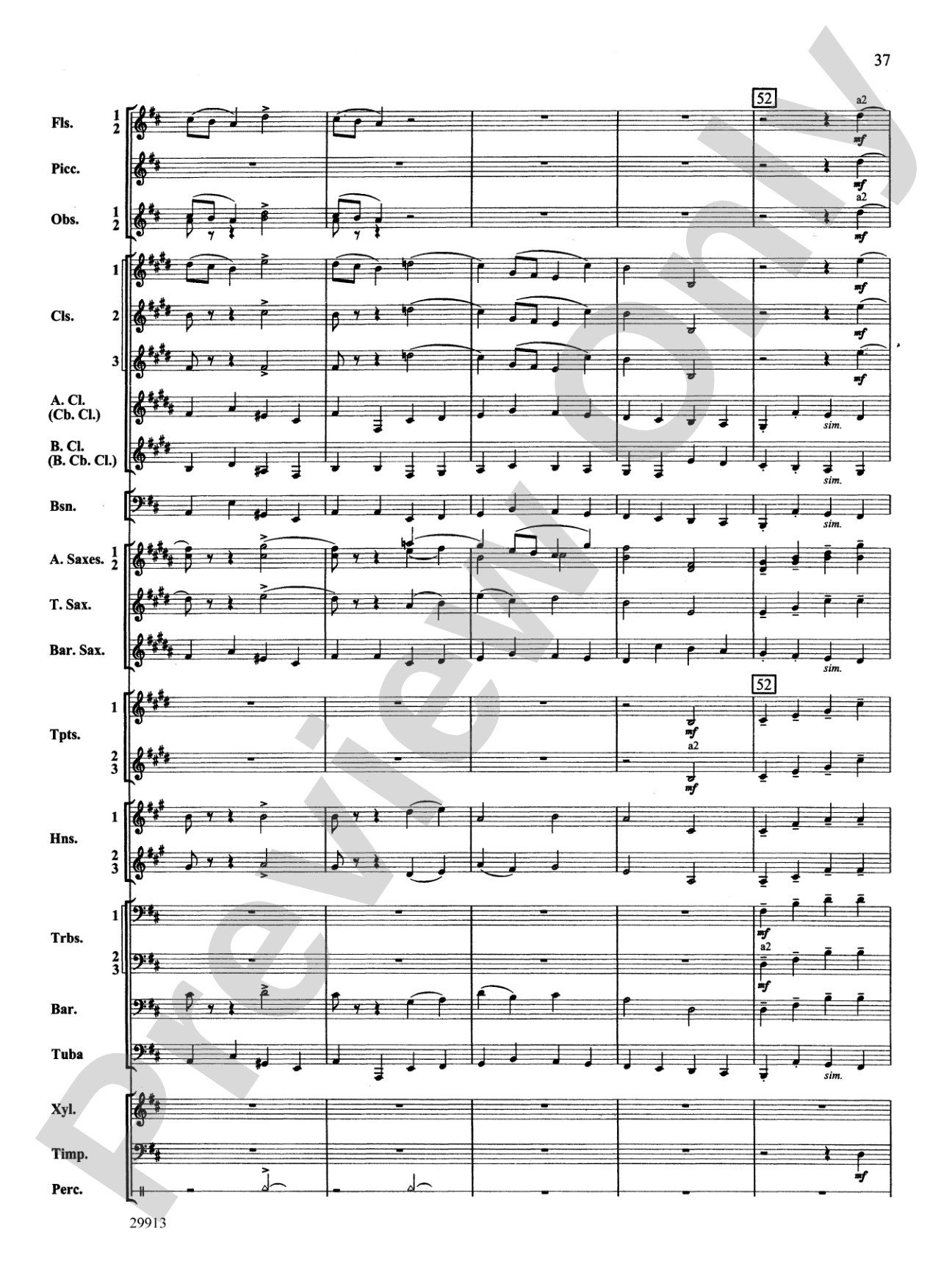
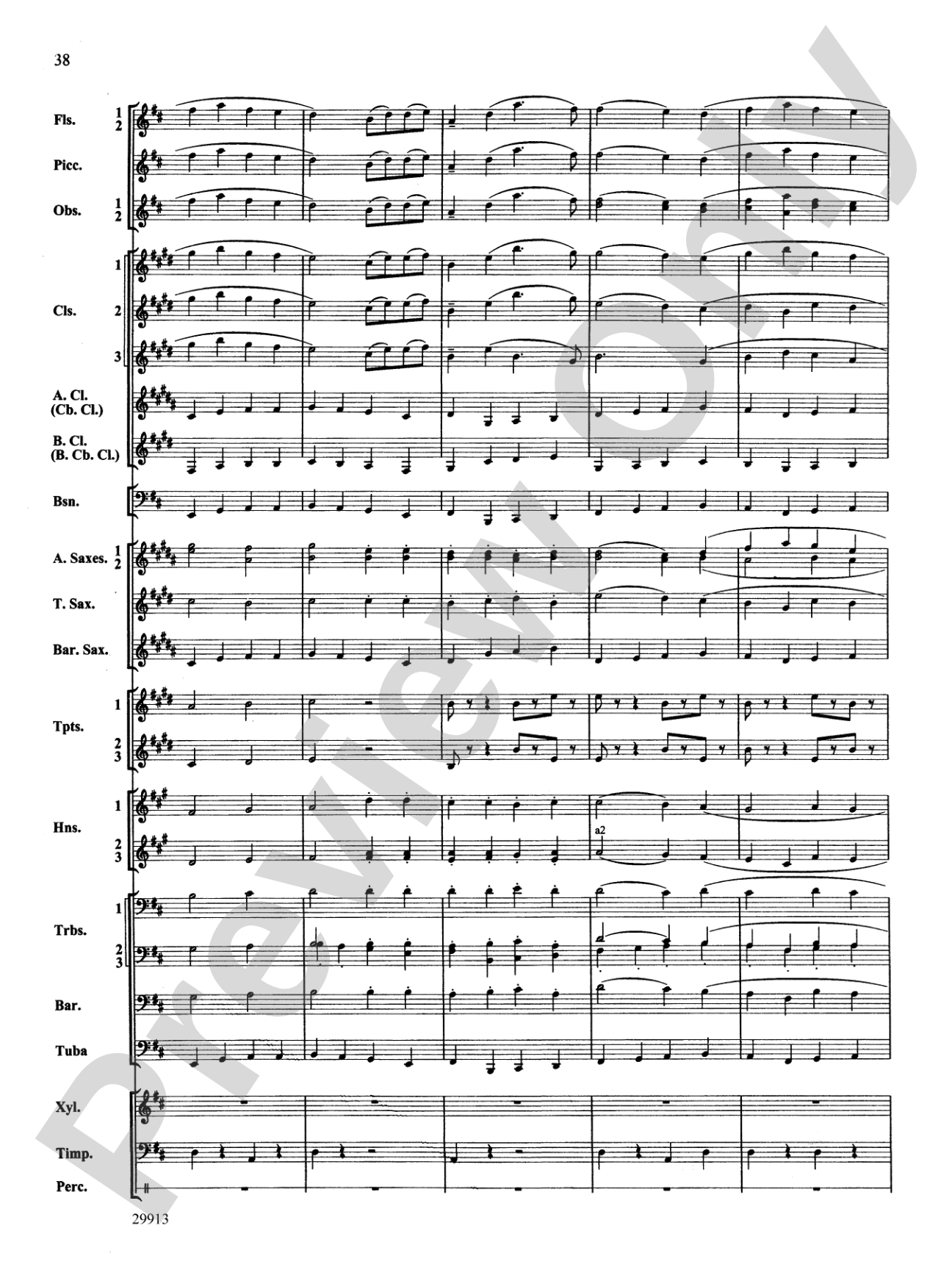
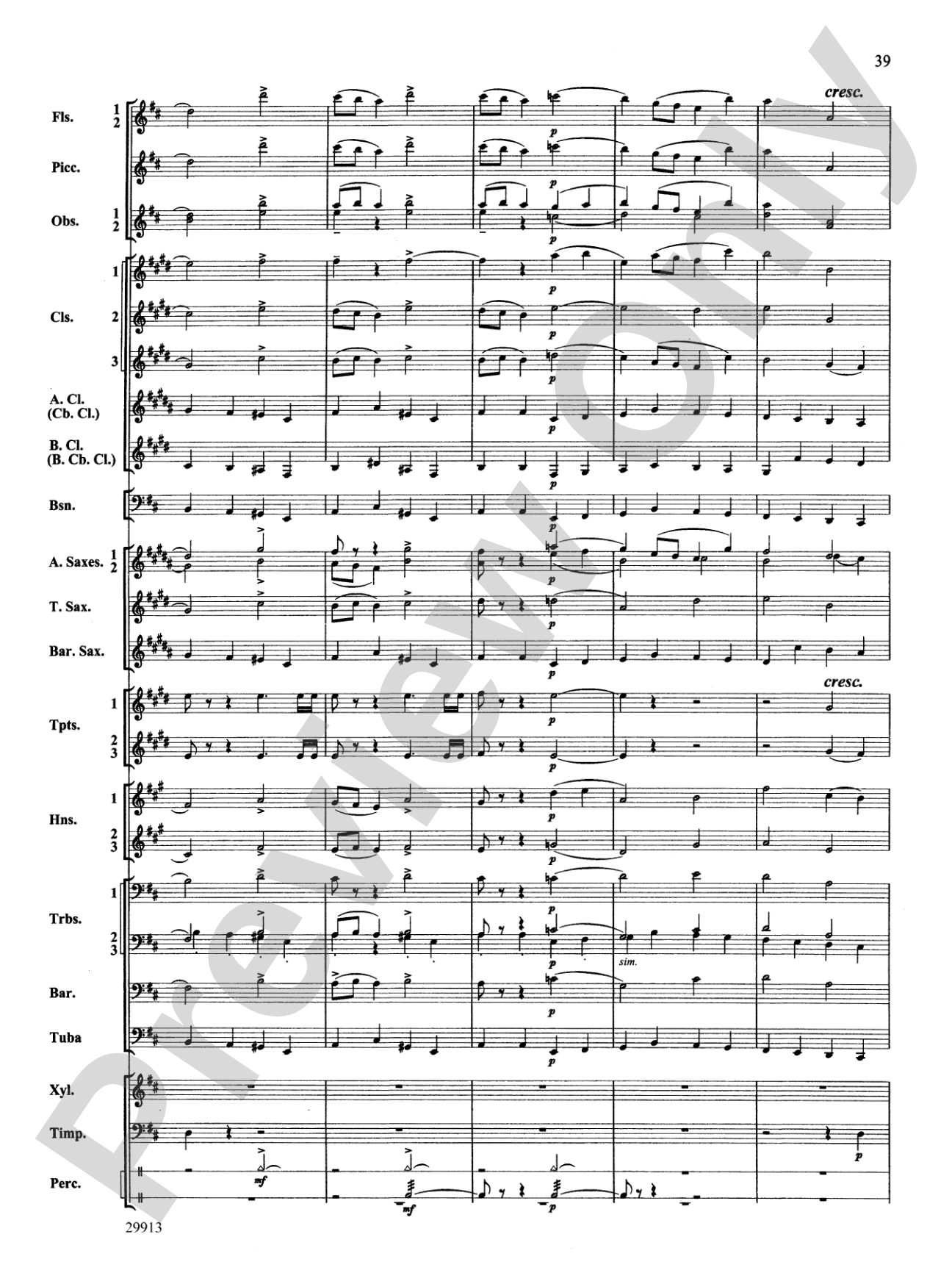
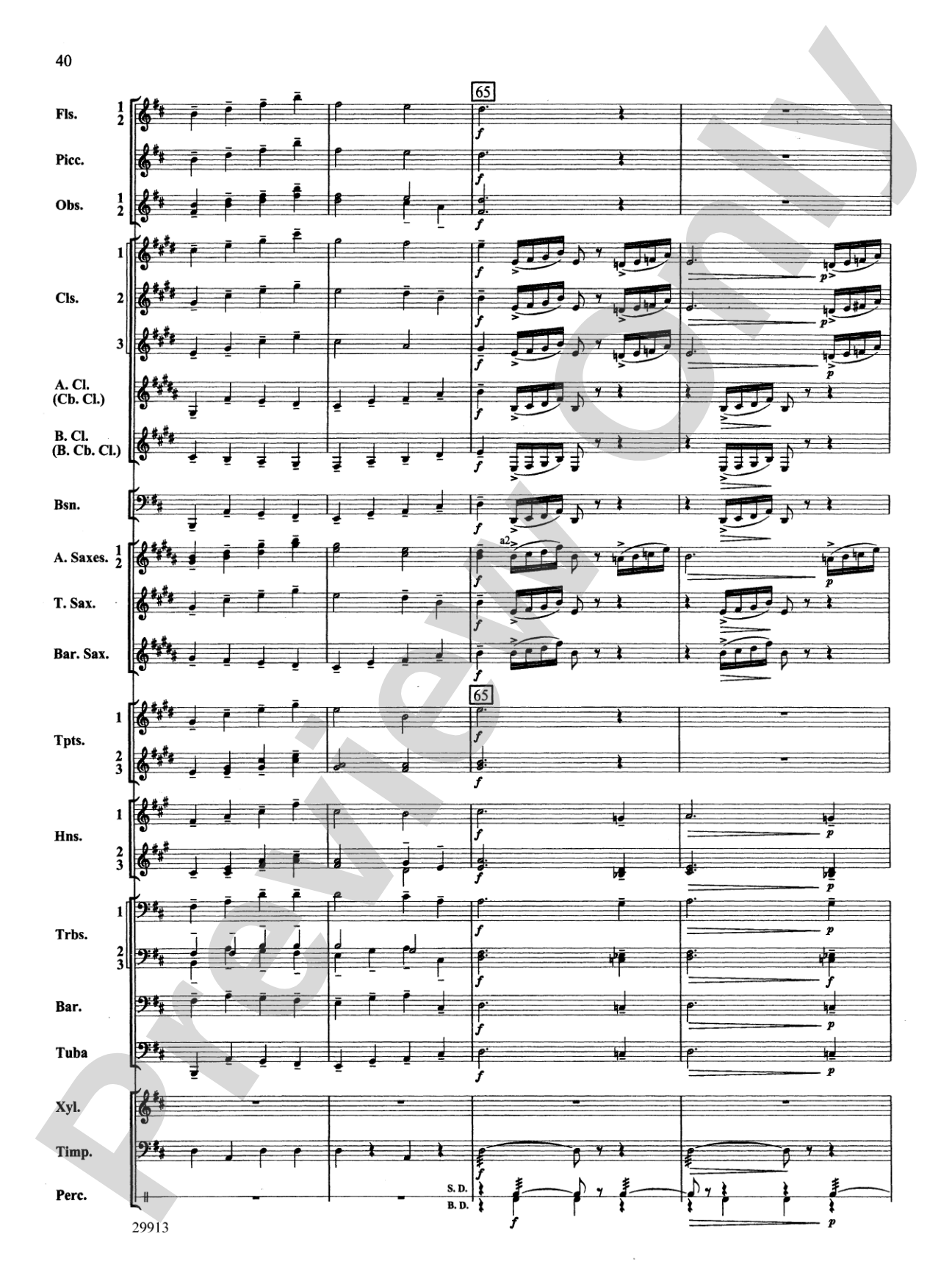
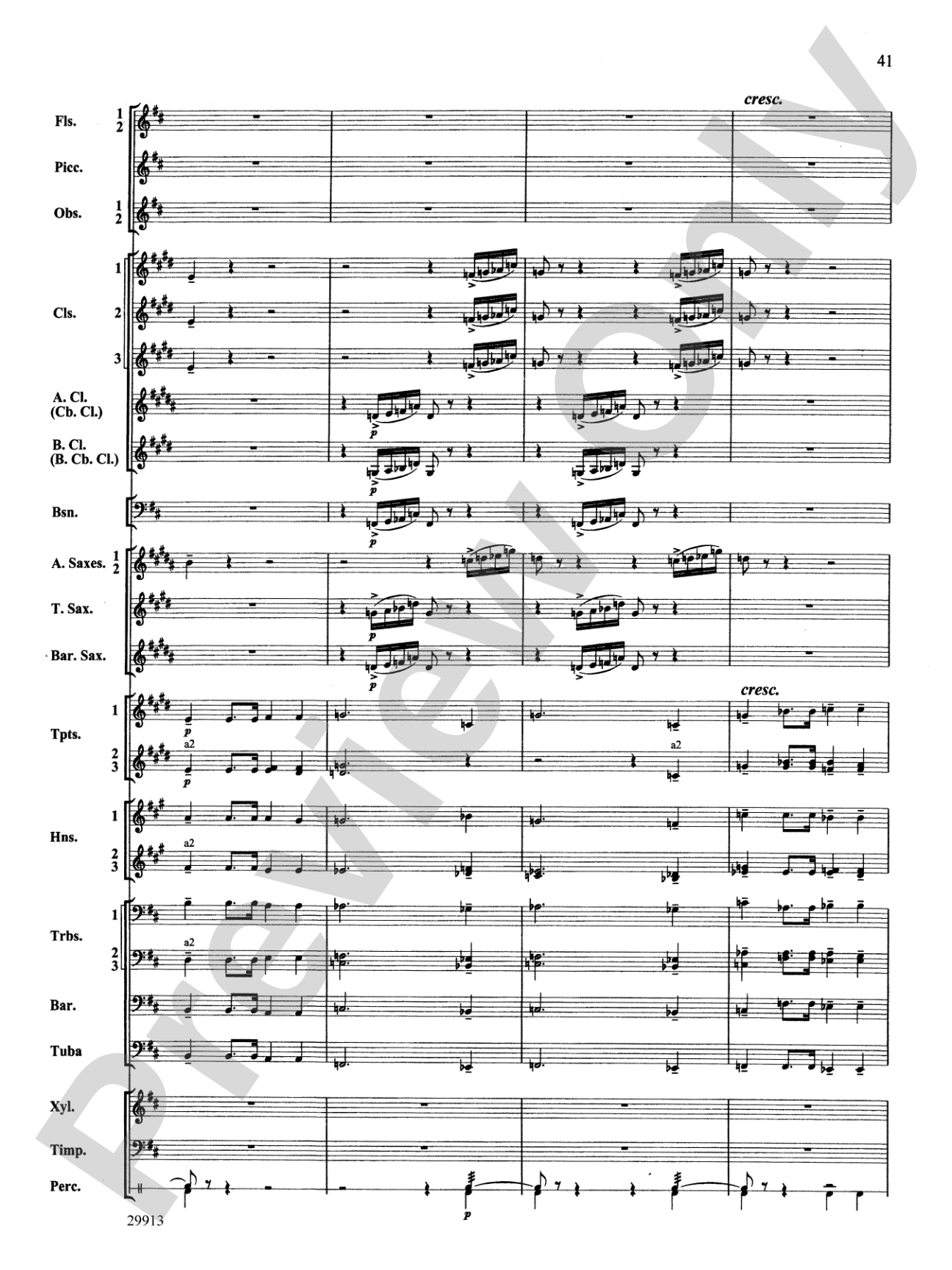
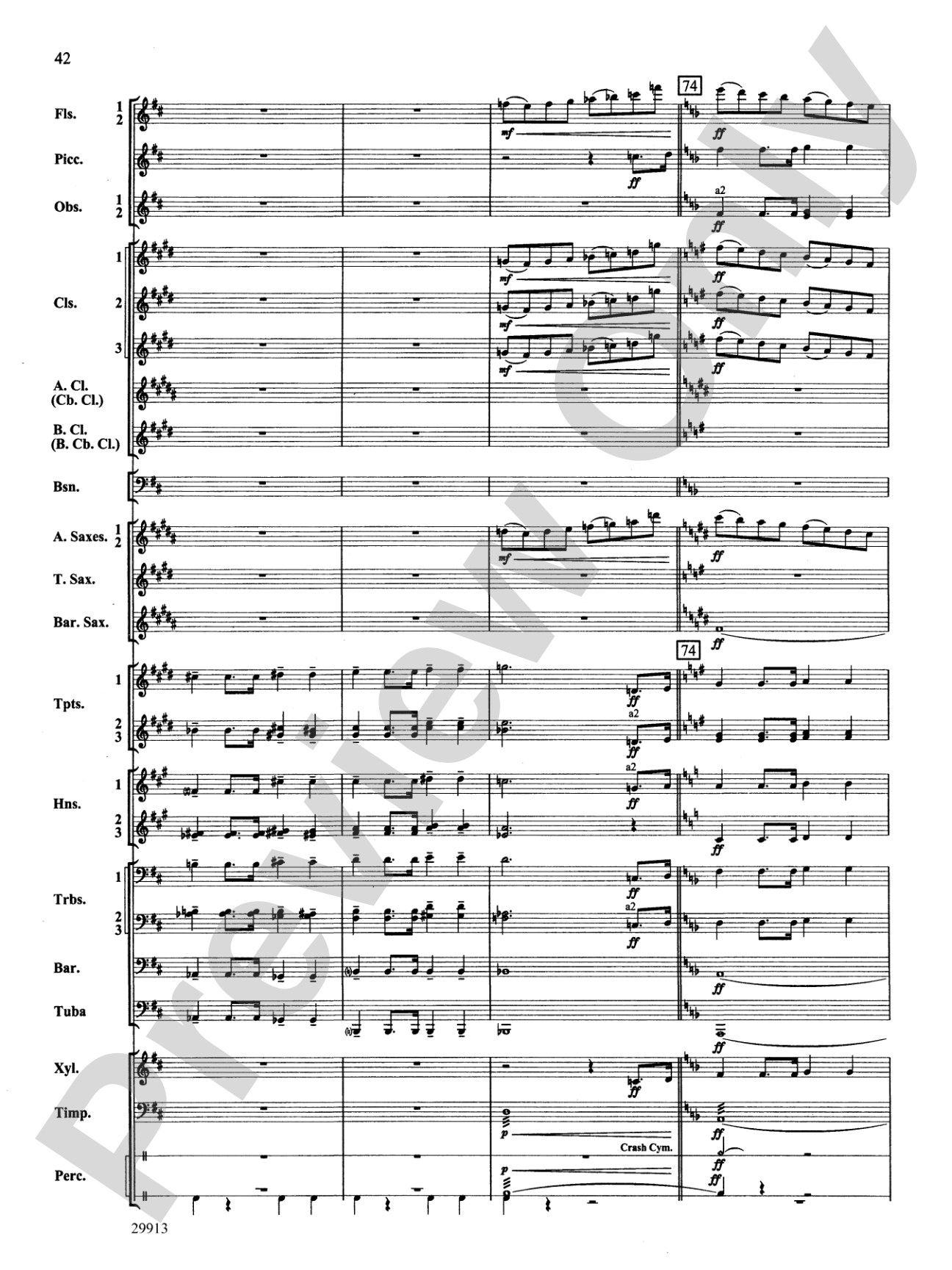
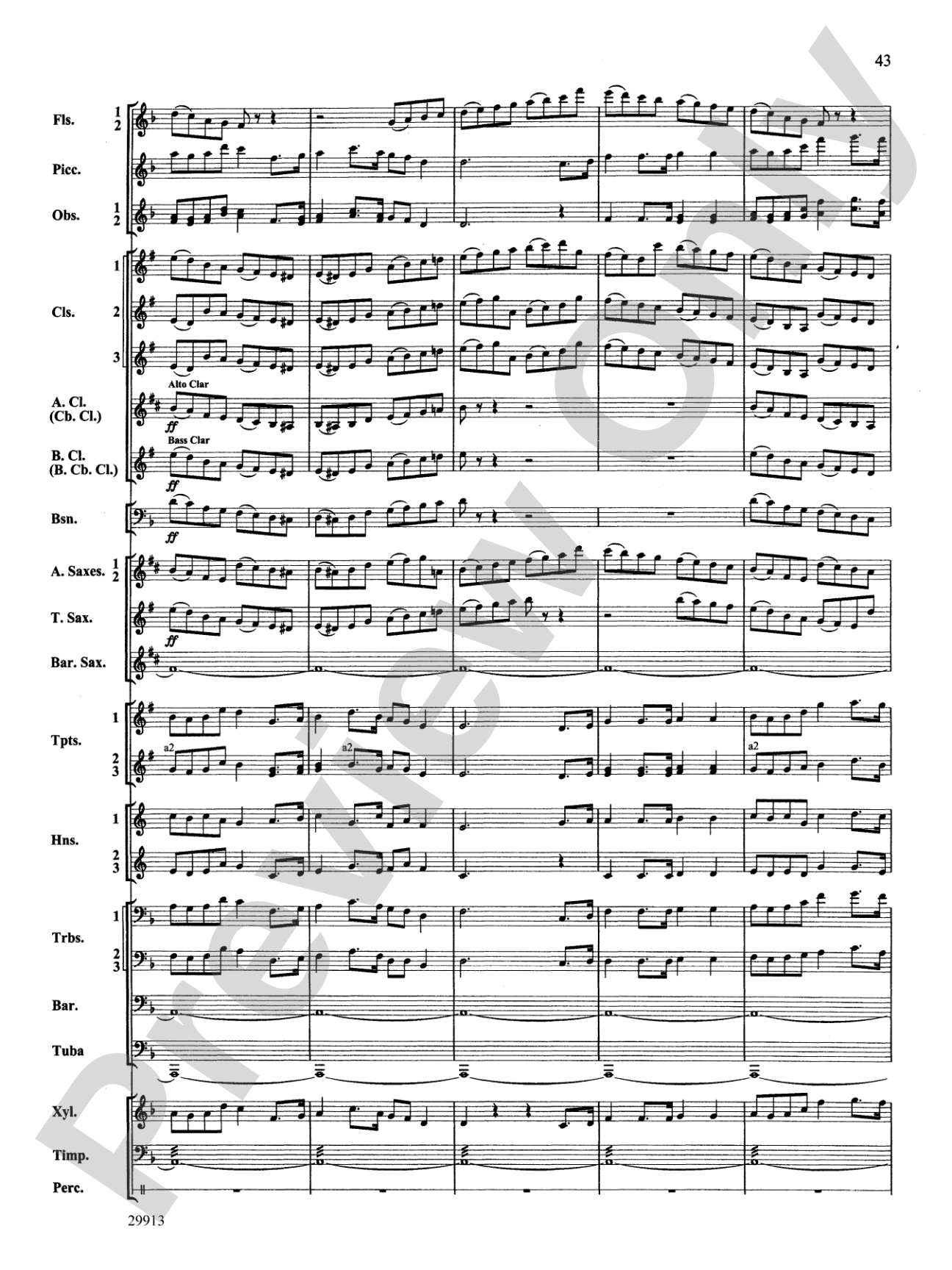
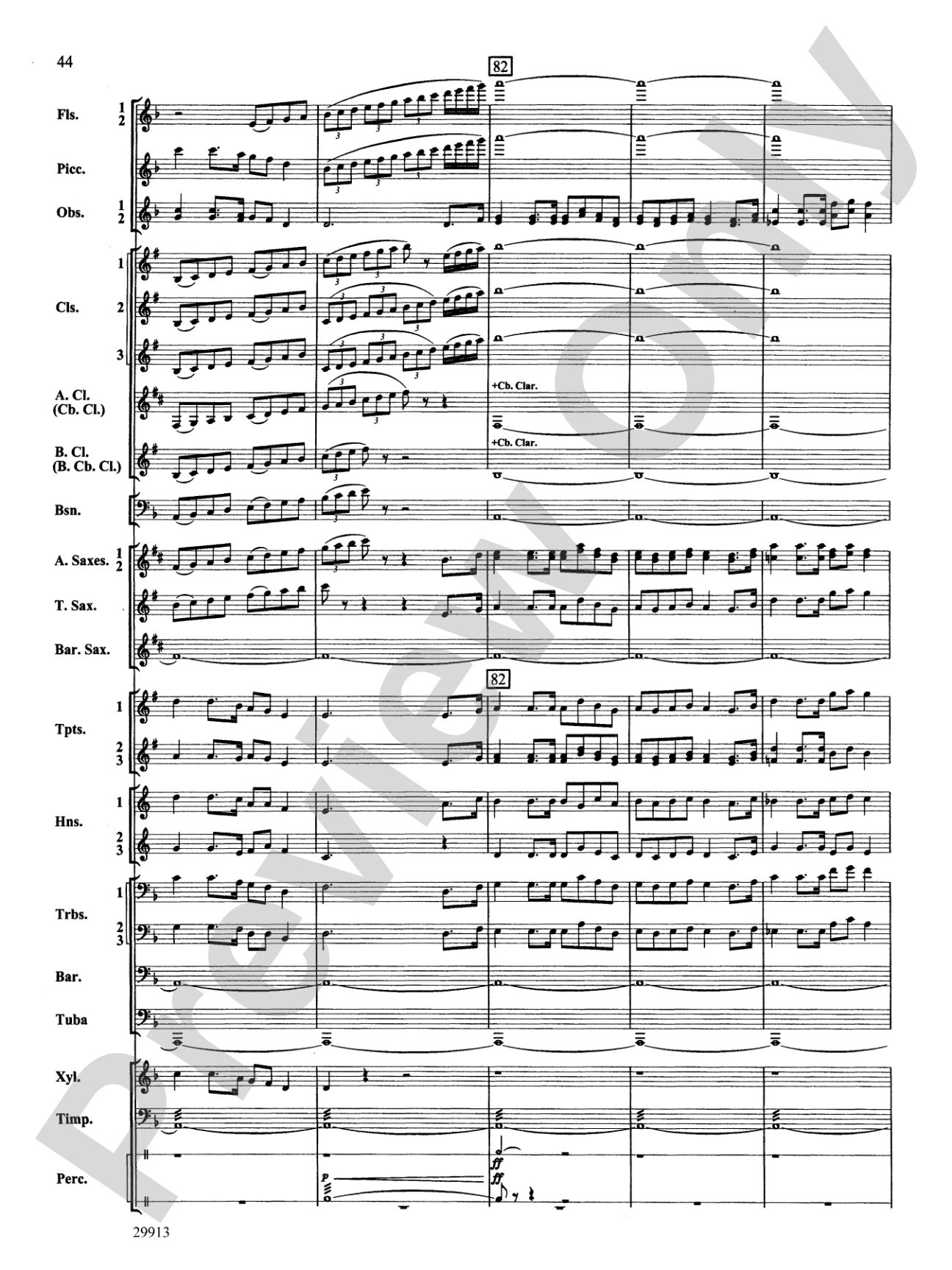
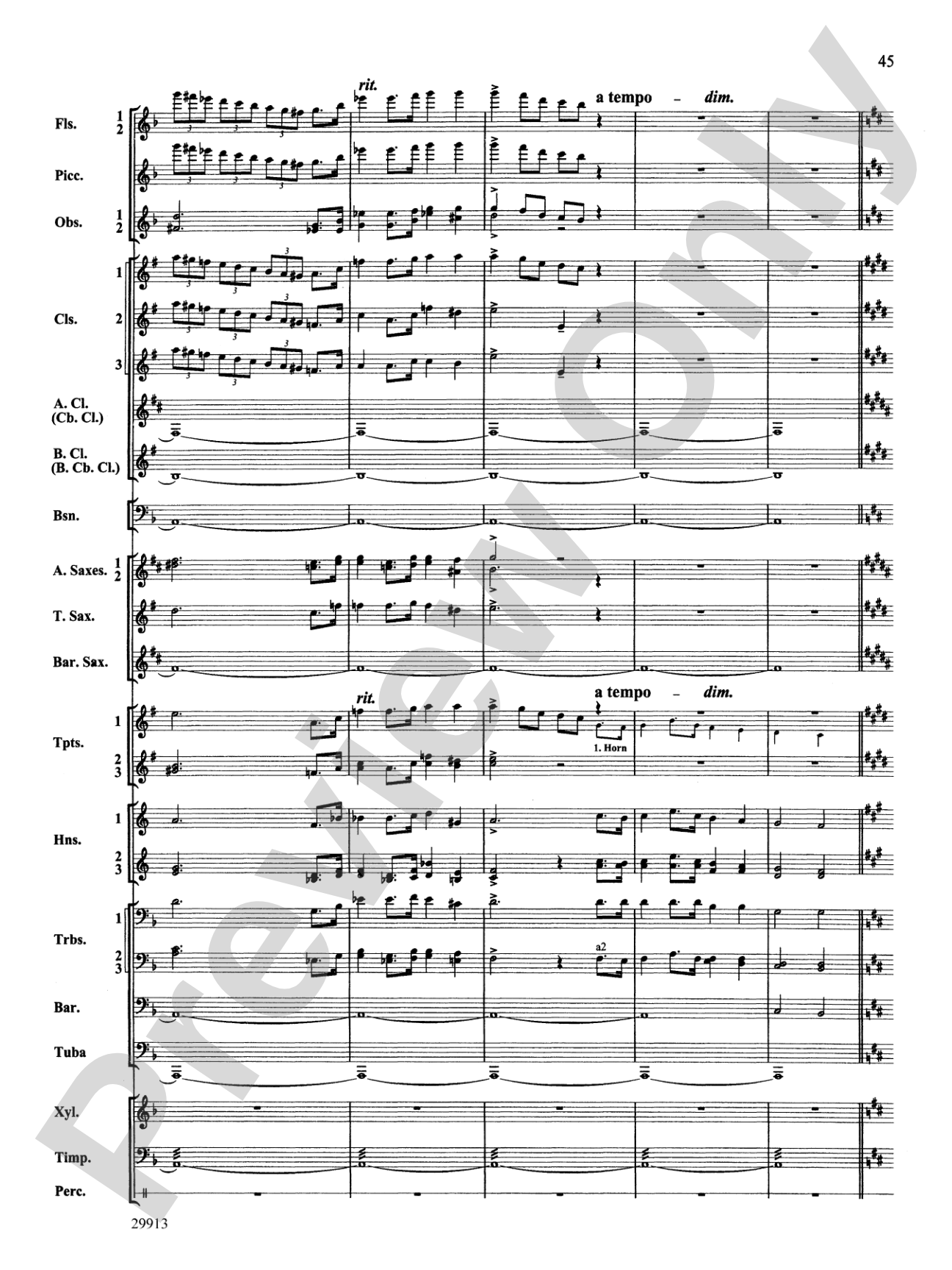
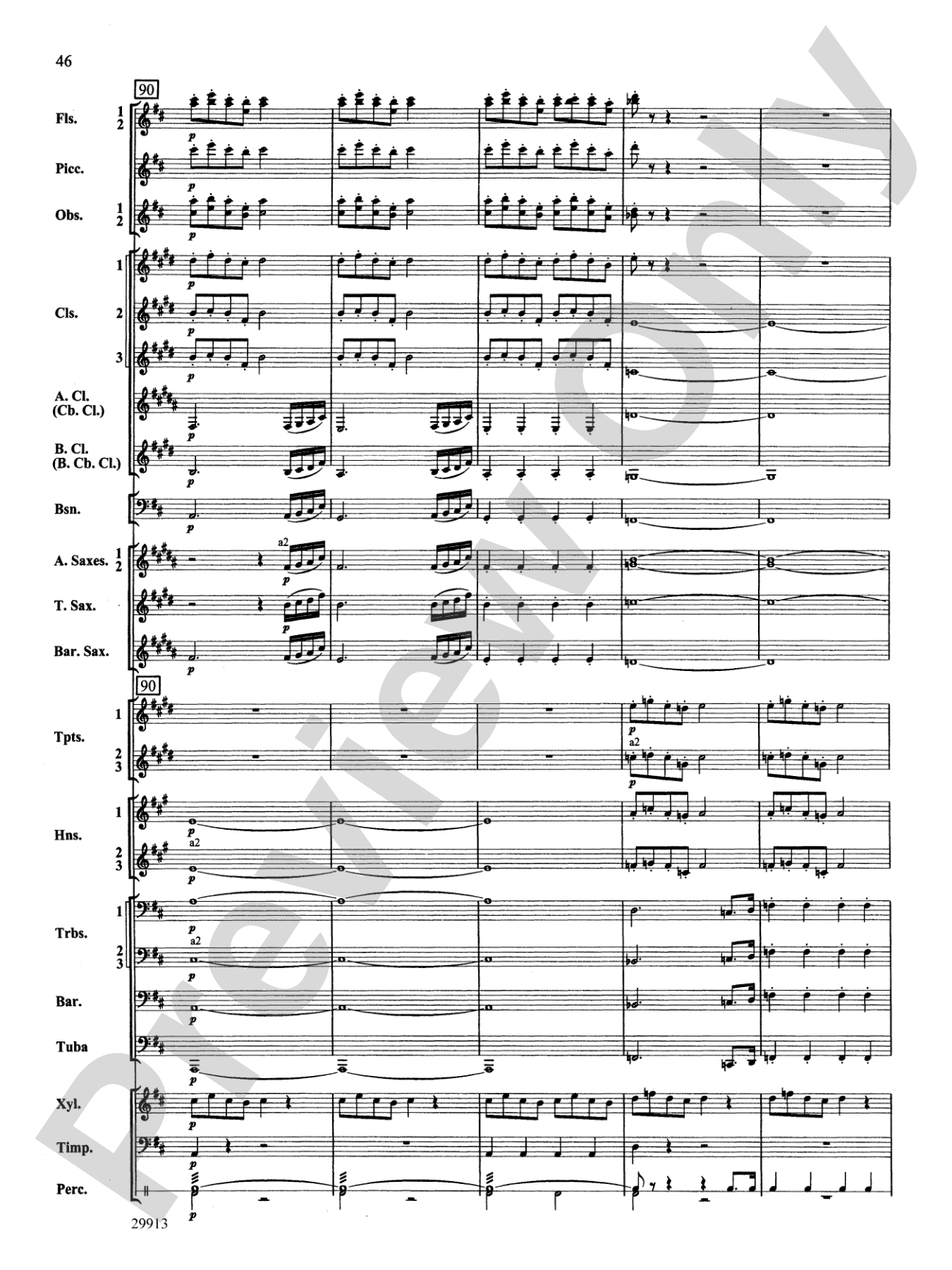
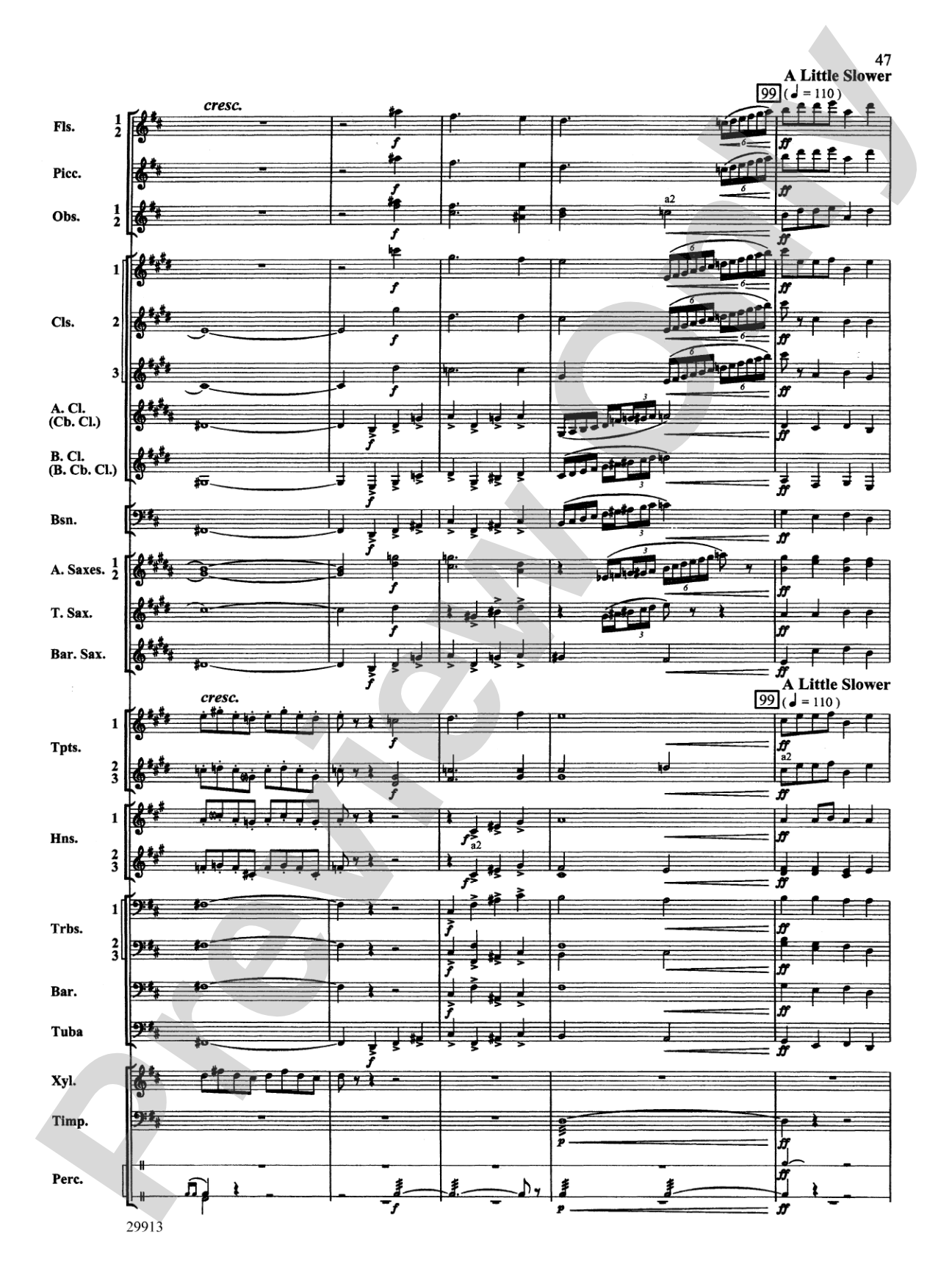
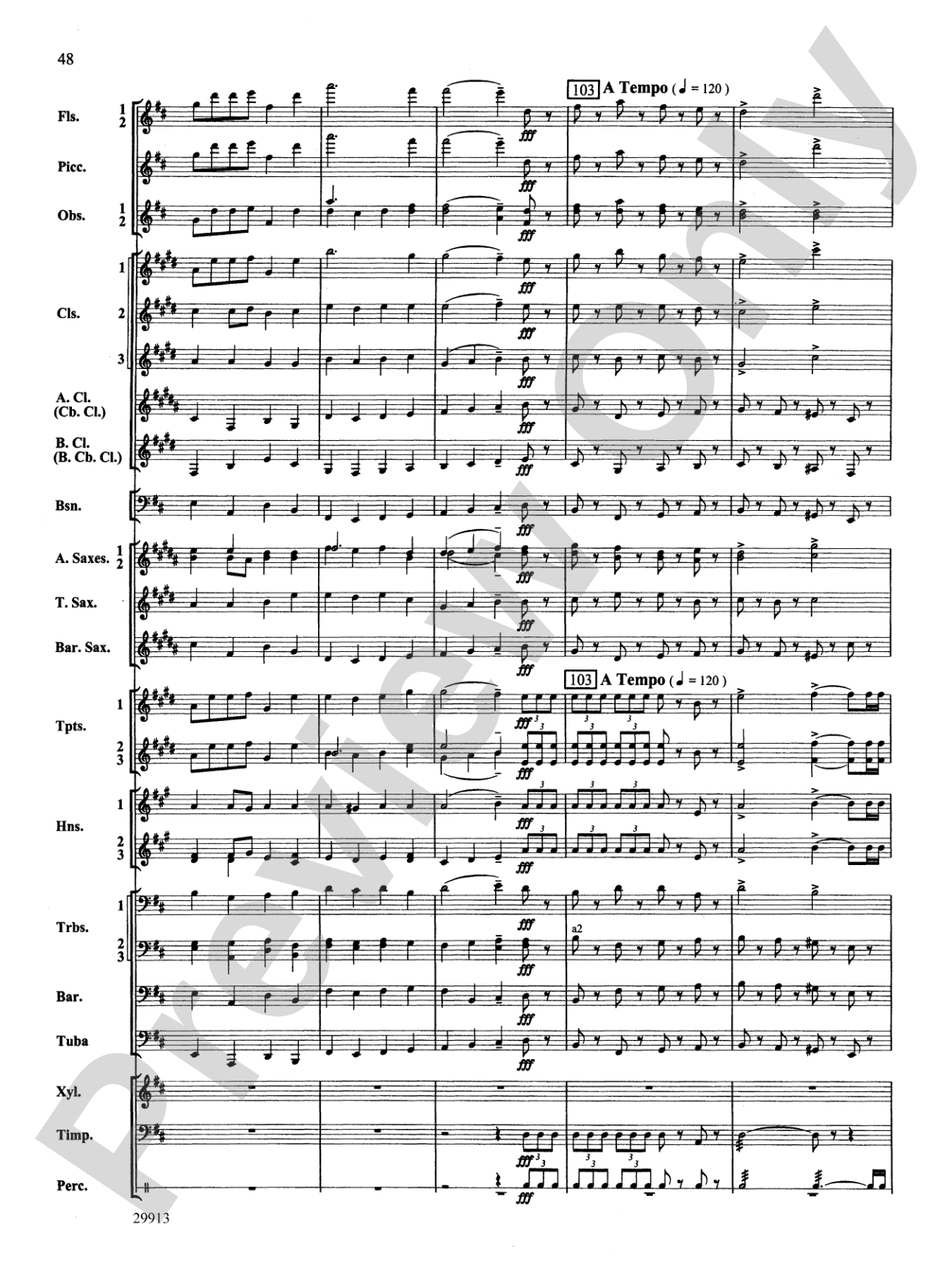
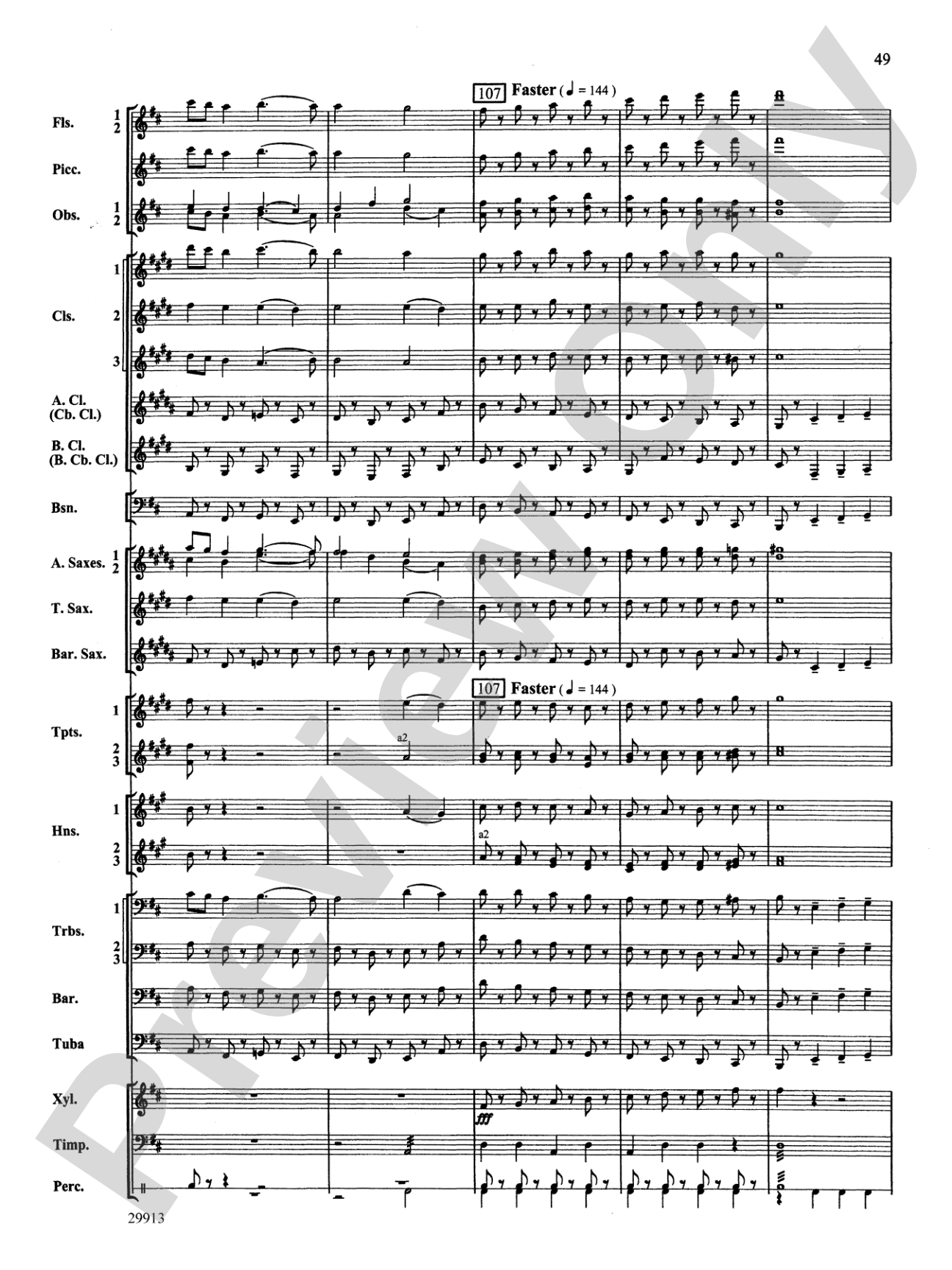
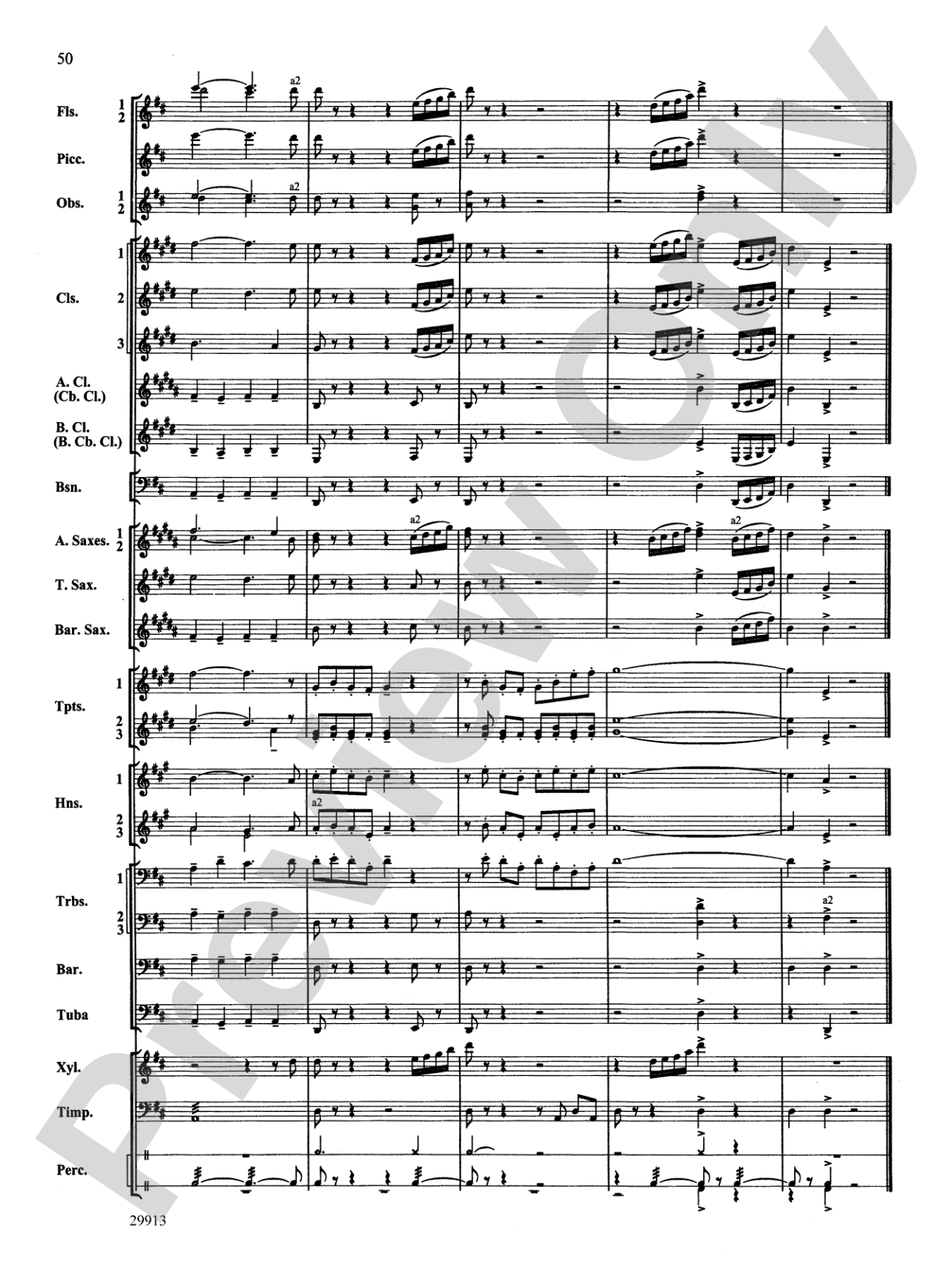
Two Songs Without Words was composed in 1906 and was dedicated to Ralph Vaughan Williams and is similar in style to his two suites for band. The Country Song opens with the principal theme as an unaccompanied clarinet solo, followed by its repetition in the full woodwind section. The main theme returns in a "maestoso" setting before fading into a quite closing. Marching Song is characterized by a distinctive running sixteenth note figure. The principal melody, first played by the low woodwinds, is punctuated by these same running sixteenth note fragments. Both themes are again repeated with much variation before the tempo picks up into a short coda-style ending.


Two Songs Without Words: Concert Band Conductor Score & Parts isn't in MakeMusic Cloud just yet...but it could be. Let us know you'd like to see it, and you'll help shape what comes next. In the meantime, start a free trial and dive into thousands of interactive titles your students can play along with today.
Request This Title
Tell us you want it.
Start Your Free Trial
Explore everything that's ready to play right now.
Sample Audio
No sample audio found.
Sample Video
No sample videos found.
Additional Details
Series:
Frank Erickson Publications
Publisher:
Alfred Music
Page Count:
272
SKU:
00-PK-0001644
More about this title
About the Composer: Gustav Holst
Gustav Holst (1874, 1934) shaped the sound of British band music through works that merged lyrical melody with structural sophistication. His two suites for military band remain cornerstones of the repertoire, and his influence extends through countless arrangements and commissions that continue to define the concert band canon.
Holst's gift for orchestration and harmonic invention made him a natural voice for wind ensemble writing. He understood how to voice for the specific colors and ranges of band instruments, creating textures that feel both modern and timeless. This skill is evident in every bar of Two Songs Without Words, where simple materials become vehicles for genuine expression.
Why we love this
Frank Erickson's arrangement honors Holst's original intent while tailoring the work perfectly for a Grade 4 ensemble. The two contrasting movements give directors a program piece that showcases lyricism in The Country Song and rhythmic vitality in Marching Song without demanding virtuosic soloists or complex harmonic language.
What to expect
The Country Song unfolds with the quiet dignity of a pastoral landscape, the unaccompanied clarinet evoking a solitary voice before the full band joins with warmth and restraint. Marching Song shifts the mood entirely, driven by a restless energy that pulses through running sixteenth notes, building toward a brisk, assured conclusion.
Who it's for
Directors programming a concert that balances serious repertoire with material that sits comfortably in a developing band's range will find this pair invaluable. It suits ensembles at the intermediate level who are ready to tackle two-movement works with character and weight without getting mired in technical demands.
How to get the most out of it
- Shape the unaccompanied clarinet entrance in The Country Song with clear phrasing; this solo sets the emotional foundation for everything that follows and deserves the ensemble's closest listening during rehearsal.
- Lock the sixteenth note figures in Marching Song with your low woodwinds and brass, as these fragments drive the entire movement's momentum and need crisp articulation and rhythmic precision.
- Allow the maestoso section of The Country Song to breathe with generous dynamics and space between phrases; the contrast against the quiet closing will feel earned and affecting.
- Bring the coda acceleration in Marching Song to a genuine tempo increase rather than a small push; the short, energetic finish rewards bold conducting choices.
How to use it
These two movements work beautifully as a complete suite or can anchor a concert's middle section, offering contrast to both heavier classics and lighter novelty pieces. Program The Country Song early in the concert when the ensemble is fresh enough to shape the opening solo with care, then use Marching Song's forward momentum to bridge toward the finale.
Skills your students will build
- Balancing solo and ensemble textures
- Sustaining long melodic phrases with consistent tone
- Articulating sixteenth note figurations with clarity and precision
- Reading and responding to tempo changes and maestoso markings
- Dynamic control across a full range from quiet to full band