Two Short Pieces for Bass Clarinet and Piano Cover Image

Two Short Pieces for Bass Clarinet and Piano: Bass Clarinet Solo Book

$4.95 USD
Sale price  $4.95 USD Regular price 
Skip to product information
Two Short Pieces for Bass Clarinet and Piano Cover Image

Two Short Pieces for Bass Clarinet and Piano: Bass Clarinet Solo Book

By Edmund J. Siennicki

Grade: 2

Item: 36-10447404

$4.95
Shipped

One moment…

Description
These two pieces written for the young musicians include VOCALISE, a singing andante in 4/4, and DANCE, an allegro with opportunities to transition between some easy meter changes. Versions for bass clarinet, bassoon, baritone saxophone, trombone, baritone, mallet percussion (no accompaniment), and cello are available from the publisher.

Two Short Pieces for Bass Clarinet and Piano: Bass Clarinet Solo Book isn't in MakeMusic Cloud just yet...but it could be. Let us know you'd like to see it, and you'll help shape what comes next. In the meantime, start a free trial and dive into thousands of interactive titles your students can play along with today.

Sample Pages

No sample pages found.

Sample Audio
No sample audio found.
Sample Video
Additional Details
Series: LudwigMasters Woodwind Series
Publisher: Keiser Productions, Inc.
ISBN10: 1-63-887123-X
ISBN13: 978-1-63-887123-1
UPC: 735816018092
SKU: 36-10447404
Instrumentation: Bass Clarinet and Piano

More about this title

About the Composer: Edmund J. Siennicki
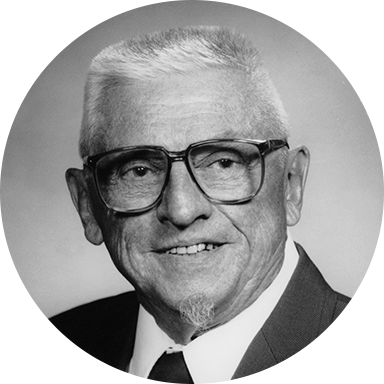
Edmund J. Siennicki

Edmund J. Siennicki was born in Cleveland, Ohio in 1920 and encountered the legendary pianist Ignacy Jan Paderewski at age 12, a meeting that profoundly shaped his musical trajectory. He earned his Bachelor's degree from Kent State University, where he composed Fight on for KSU, a work that remains part of the university's football game traditions. His graduate studies took him to Teachers College at Columbia University, where he earned his MA and studied composition under Herbert Elwell, electronic music with Sergio Barroso, and received consultation from Vincent Persichetti.

As a performer, Siennicki maintained active careers on bassoon and piano. His compositions have garnered recognition through National School Orchestra composition contests, and he received two residencies at the MacDowell Colony. With approximately 200 works in print and two decades of ASCAP special awards, he established himself as a prolific voice in American music education. His teaching work centered in Cleveland's junior high schools, though he also served on faculties at Michigan and Kent State University. Today, Siennicki continues composing and engaging with school musicians through clinics and visits.

Why we love this

Siennicki writes idiomatically for young musicians without condescension, and these two pieces showcase his ability to balance musical substance with developmental appropriateness. VOCALISE offers lyrical singing in a straightforward meter, building tone and phrasing, while DANCE introduces the rhythmic challenge of meter changes in a context young players can absorb and enjoy. Both pieces demand genuine musicianship rather than mere technical compliance.

What to expect

VOCALISE breathes with a singing, introspective quality, inviting the player to discover lyrical depth on an instrument often relegated to low harmonic support. DANCE springs to life with rhythmic energy and playful character, keeping the listener engaged through its shifting metric ground without ever losing its infectious sense of forward motion.

Who it's for

Young bass clarinetists in grades 2-3 who are ready to step beyond unison band parts and explore solo literature that emphasizes melodic expression. These pieces work equally well for private studio students and advanced members of school bands seeking accessible recital material.

How to get the most out of it

  • Shape VOCALISE with attention to the character implied by its name: think of supporting the bass clarinet line as you would a vocal soloist, maintaining steady harmonic support without overplaying.
  • In DANCE, prepare the meter change transitions by walking through the rhythmic alignment separately; once secure, the shift between meters will feel natural rather than awkward.
  • Balance the accompaniment to keep focus on the bass clarinet melody, particularly in VOCALISE where the line carries all the song.
  • Use the allegro tempo of DANCE to showcase the soloist's agility; avoid rushing, which tends to happen when younger players gain confidence in fast passages.

How to use it

Program these as a pair in a chamber recital or as part of a woodwind solo showcase, where the contrast between the two pieces demonstrates the bass clarinet's range of expression. They also serve as effective concert openers or lighter transitions between weightier works, offering audiences an approachable entry point to bass clarinet sound.

Skills your students will build

  • Sustaining a singing melodic line with focused tone production
  • Reading and executing meter changes (4/4 to new meters and back)
  • Independence from the ensemble in a solo-with-accompaniment format
  • Phrasing in andante and allegro tempos
  • Coordination with a pianist partner

You May Also Like