Two Short Pieces for Baritone and Piano Cover Image

Two Short Pieces for Baritone and Piano: Baritone B.C. Solo Book

$4.95 USD
Sale price  $4.95 USD Regular price 
Skip to product information
Two Short Pieces for Baritone and Piano Cover Image

Two Short Pieces for Baritone and Piano: Baritone B.C. Solo Book

By Edmund J. Siennicki

Grade: 2

Item: 36-10540404

$4.95
Shipped

One moment…

Description
These two pieces written for the young musicians include VOCALISE, a singing andante in 4/4, and DANCE, an allegro with opportunities to transition between some easy meter changes. Versions for bass clarinet, bassoon, baritone saxophone, trombone, baritone, mallet percussion (no accompaniment), and cello are available from the publisher.

Two Short Pieces for Baritone and Piano: Baritone B.C. Solo Book isn't in MakeMusic Cloud just yet...but it could be. Let us know you'd like to see it, and you'll help shape what comes next. In the meantime, start a free trial and dive into thousands of interactive titles your students can play along with today.

Sample Pages

No sample pages found.

Sample Audio
No sample audio found.
Sample Video
Additional Details
Series: LudwigMasters Brass Series
Publisher: Keiser Productions, Inc.
ISBN10: 1-63-887125-6
ISBN13: 978-1-63-887125-5
UPC: 735816020538
SKU: 36-10540404
Instrumentation: Baritone B.C. Solo and Piano

More about this title

About the Composer: Edmund J. Siennicki
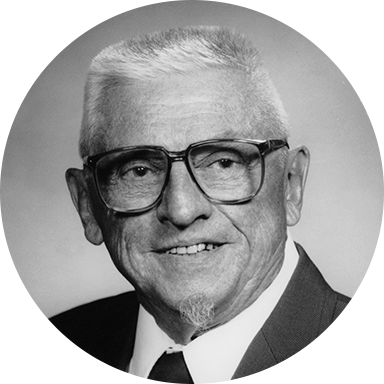
Edmund J. Siennicki

Edmund J. Siennicki was born in Cleveland, Ohio in 1920 and encountered the legendary pianist Ignacy Jan Paderewski at age twelve, an encounter that shaped his artistic trajectory. He earned his Bachelor's degree from Kent State University, where he composed Fight On for KSU, a piece still performed at university football games. In 1994, Kent State recognized him with the Distinguished Alumnus Award from the School of Music.

Siennicki pursued advanced study at Teachers College, Columbia University, earning his MA while studying composition with Herbert Elwell, electronic music with Sergio Barroso, and consulting with the renowned composer Vincent Persichetti. As a performer, he worked professionally on bassoon and piano. His compositional output of approximately 200 published works has earned recognition through prizes in the National School Orchestra composition contests and residencies at the MacDowell Colony. For two decades, ASCAP has awarded him annual recognition for his contributions to music. His career centered on teaching in the Cleveland junior high schools, with additional faculty appointments at Michigan and Kent State University. Siennicki continues composing, visiting schools, and leading clinics.

Why we love this

These two contrasting pieces give young baritone players engaging material that balances lyrical expression with rhythmic vitality. The meter changes in Dance introduce flexibility without overwhelming, while Vocalise teaches sustained, singing tone production through straightforward harmonic language. Siennicki's gift for writing idiomatically for young brass players means students stay engaged with music that serves their instrument and ability level.

What to expect

Vocalise invites the player into a singing, lyrical world with a warm andante character that teaches musical phrasing and breath control. Dance shifts the mood with an energetic allegro that bounces between time signatures, giving the piece a playful, slightly adventurous feel without becoming complicated. Together, these pieces offer contrasting emotional territory within a digestible learning span.

Who it's for

Grade 2 baritone players developing control over sustained tone and basic rhythmic literacy. These pieces work for young musicians preparing for their first solo recital or contributing to a brass chamber program. The straightforward range and moderate technical demands make them accessible to baritone players in middle school or early high school settings.

How to get the most out of it

  • Shape Vocalise with clear phrase arcs; andante tempos can drift, so establish a steady pulse and use air support to sustain longer melodic lines without forcing dynamics.
  • Prepare the meter transitions in Dance by counting carefully during rehearsals; mark beat groupings in your part so the changes feel natural rather than disruptive.
  • Balance legato articulation in Vocalise with clear releases between phrases to avoid a muddy sound from the piano accompaniment.
  • In Dance, stay rhythmically locked with the pianist, especially during the meter changes where ensemble confidence will give the passage momentum.

How to use it

Pair these as a short solo suite during a student recital or spring concert to showcase the versatility of your young baritone players. The combination of a singing piece and a rhythmically active one demonstrates both lyrical sensitivity and musical agility, making it an ideal pairing for a solo performer developing confidence in two different musical moods.

Skills your students will build

  • Sustaining tone through longer melodic phrases in a singing style
  • Reading and executing meter changes (4/4 to alternate meters and back)
  • Coordinating articulation and phrasing with piano accompaniment
  • Building rhythmic precision in allegro tempos
  • Balancing dynamic control across the instrument's range at the Grade 2 level

You May Also Like