
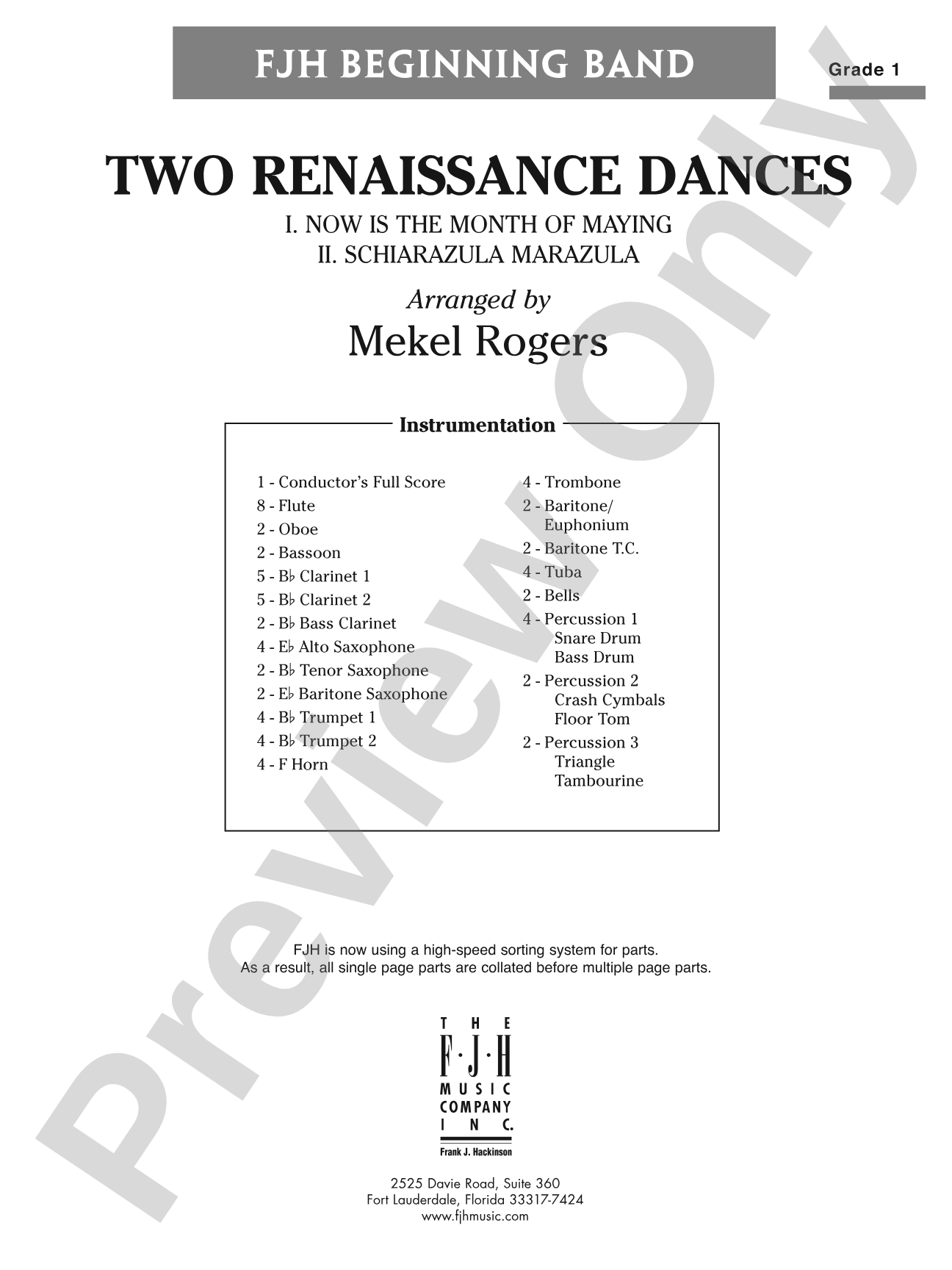
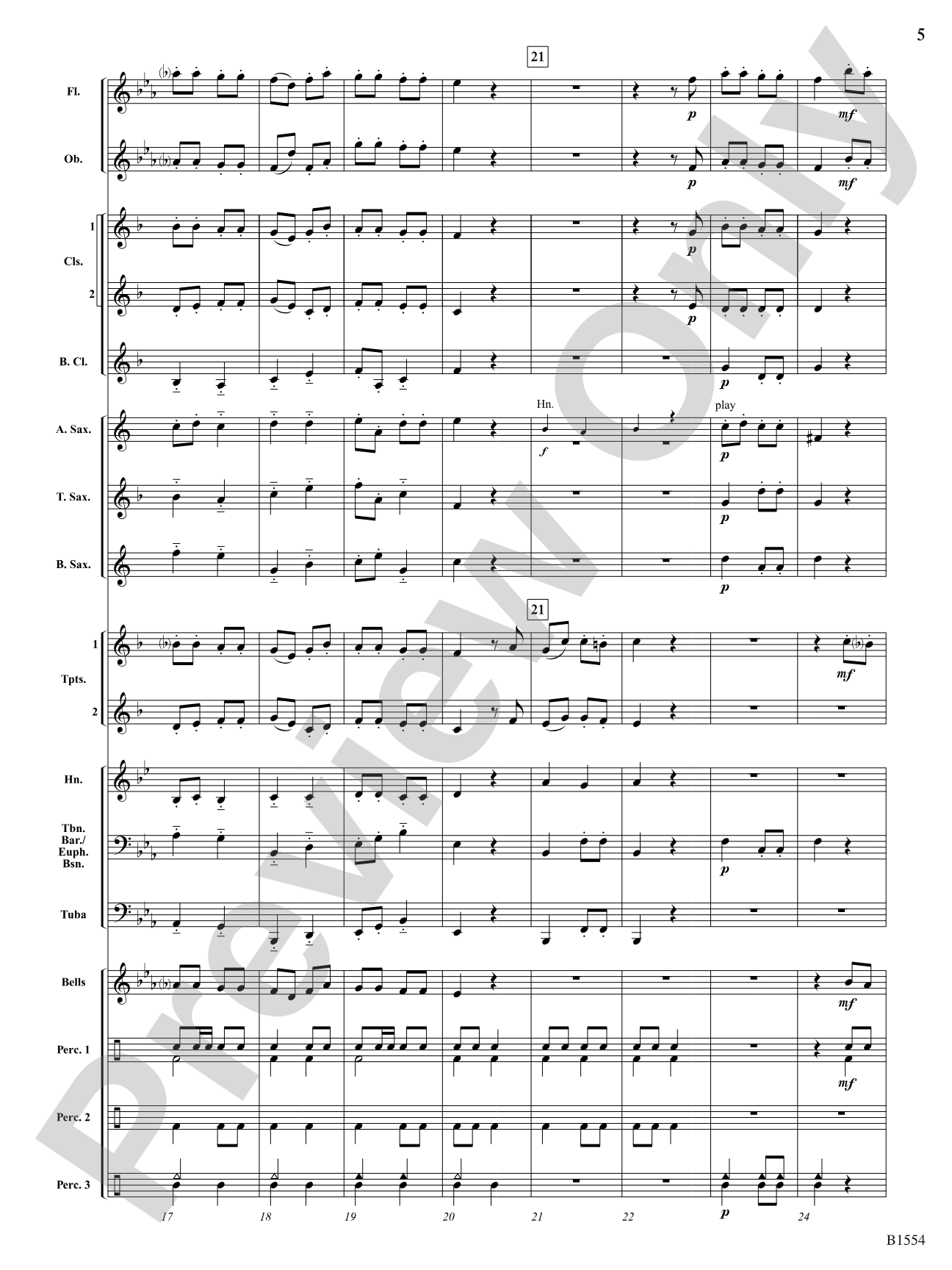
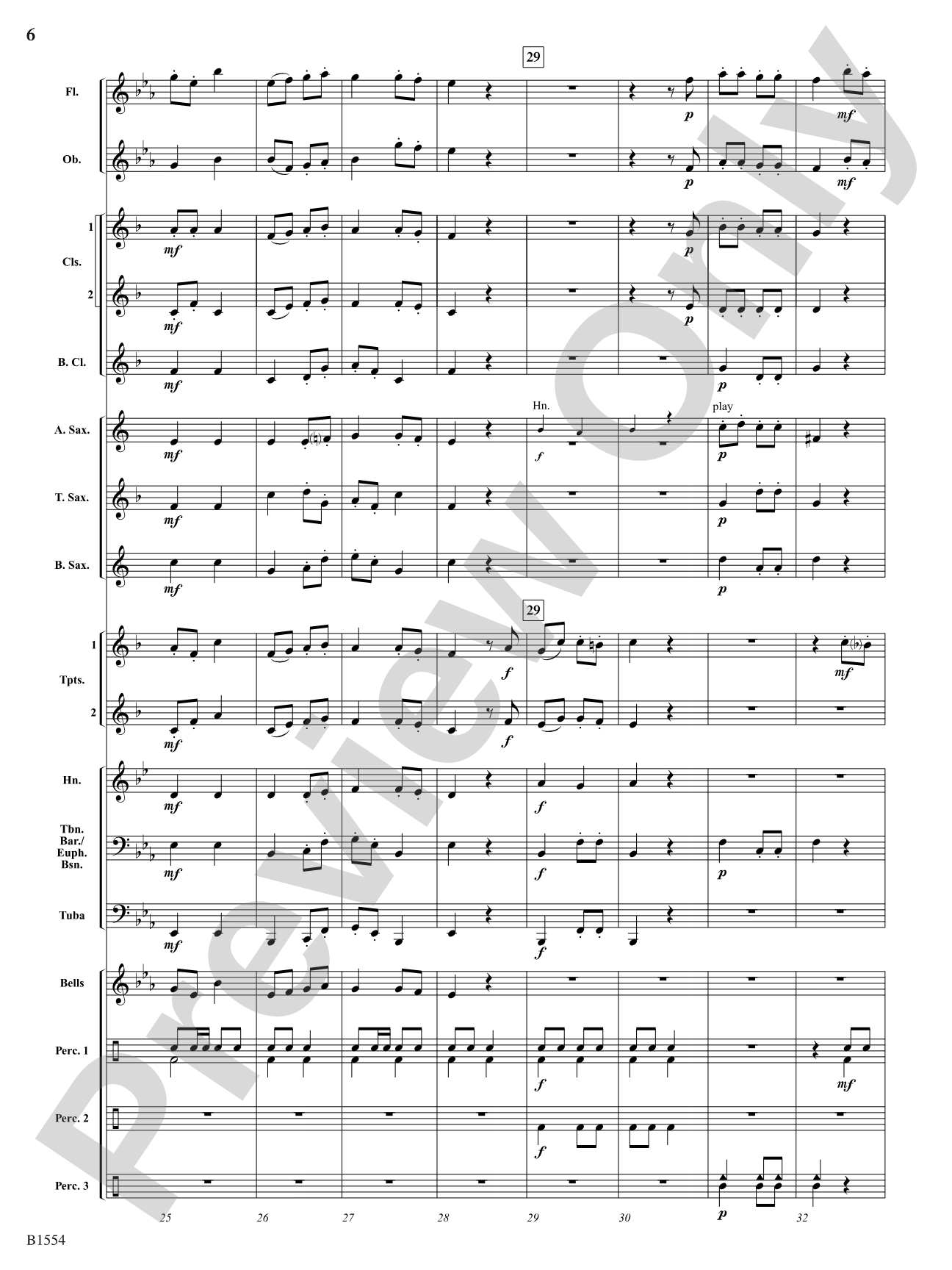
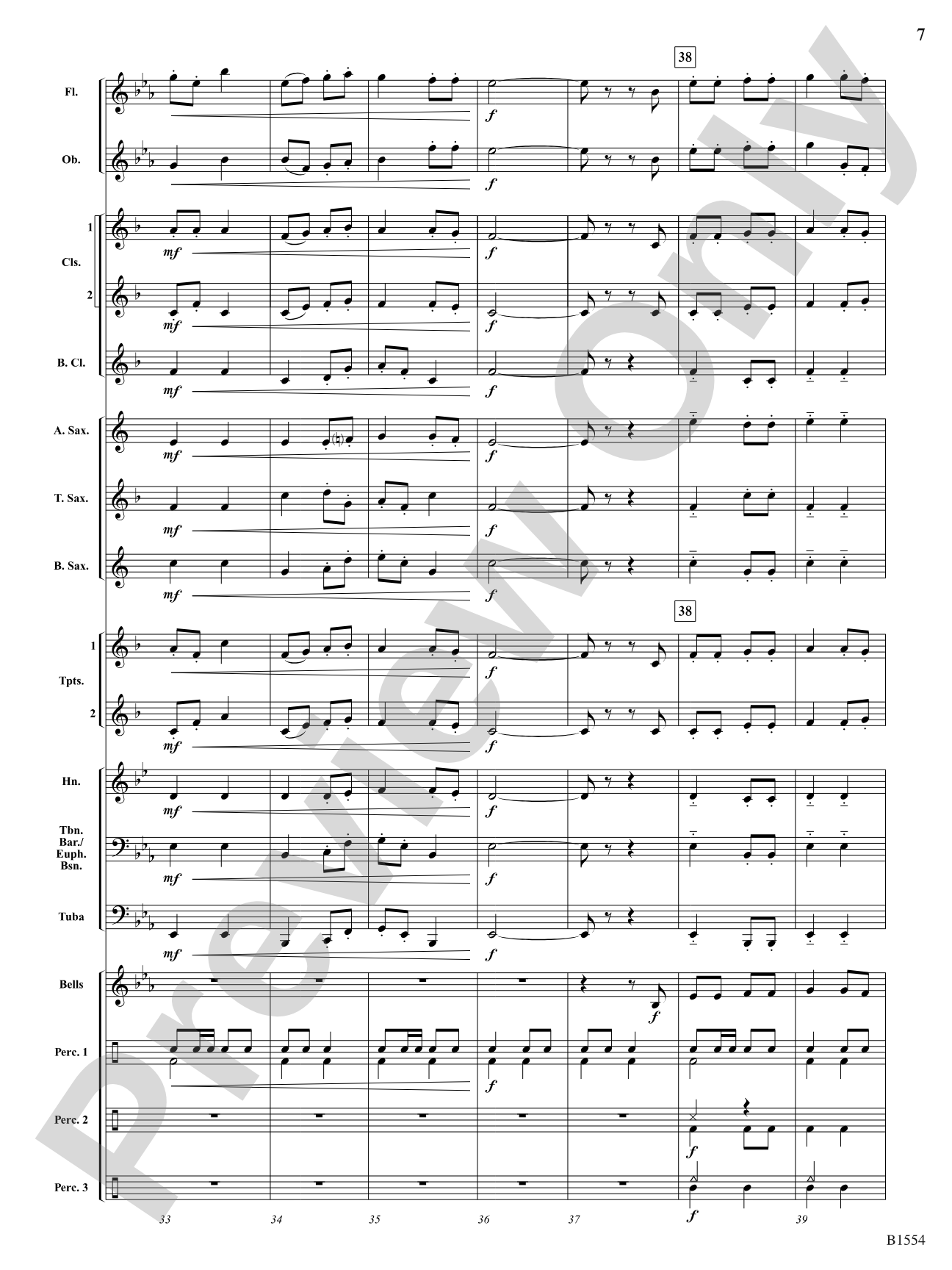
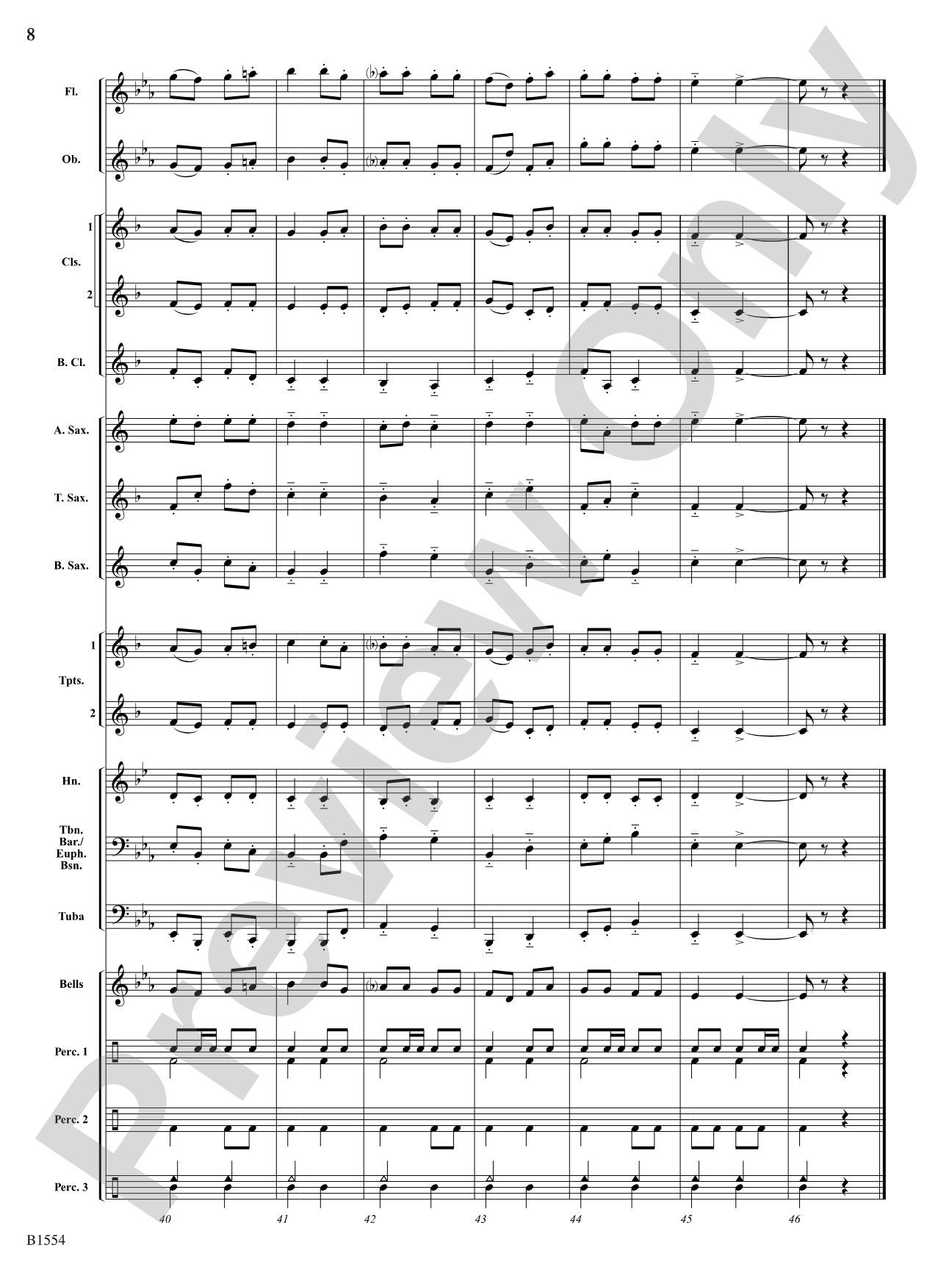
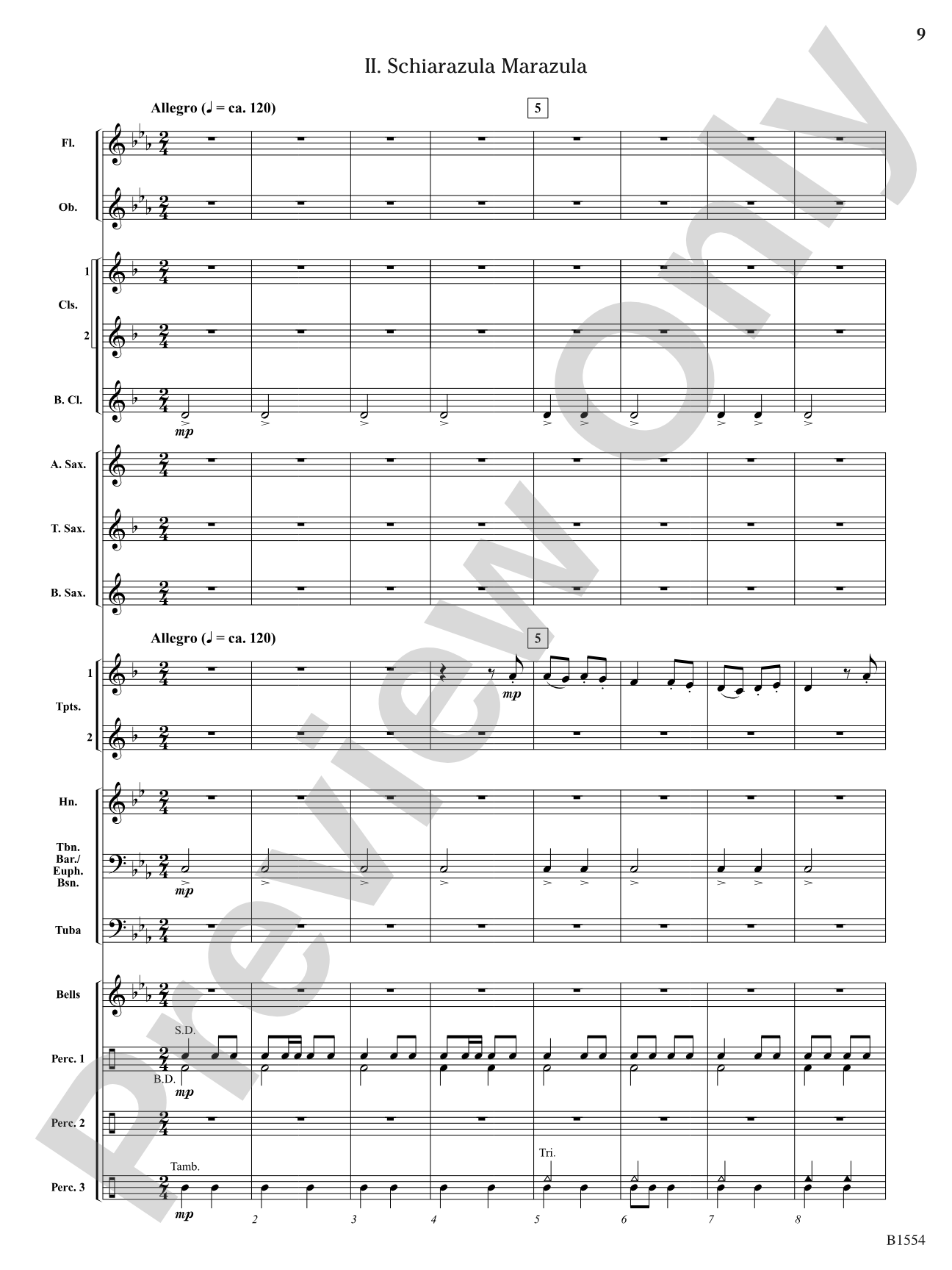
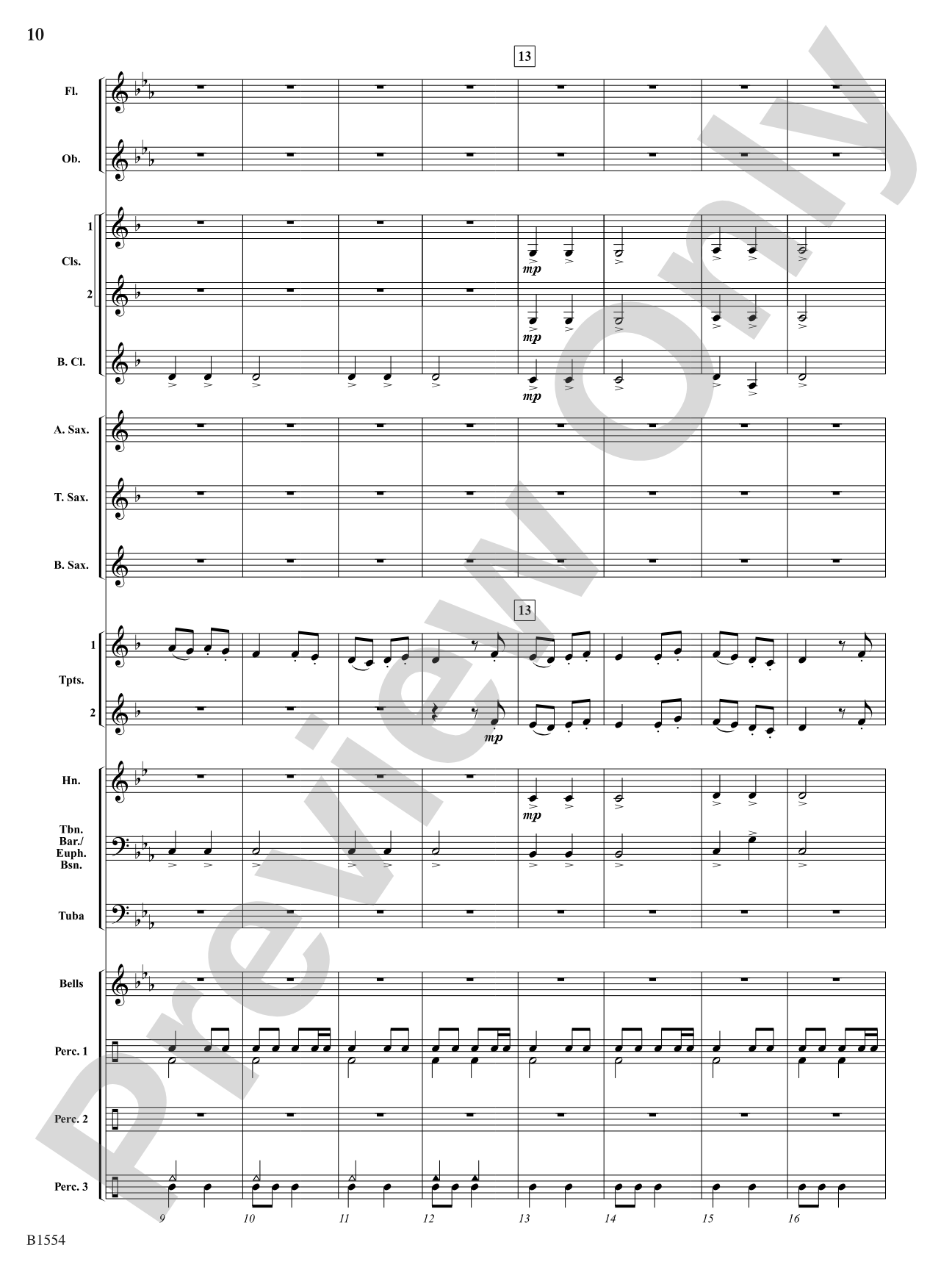
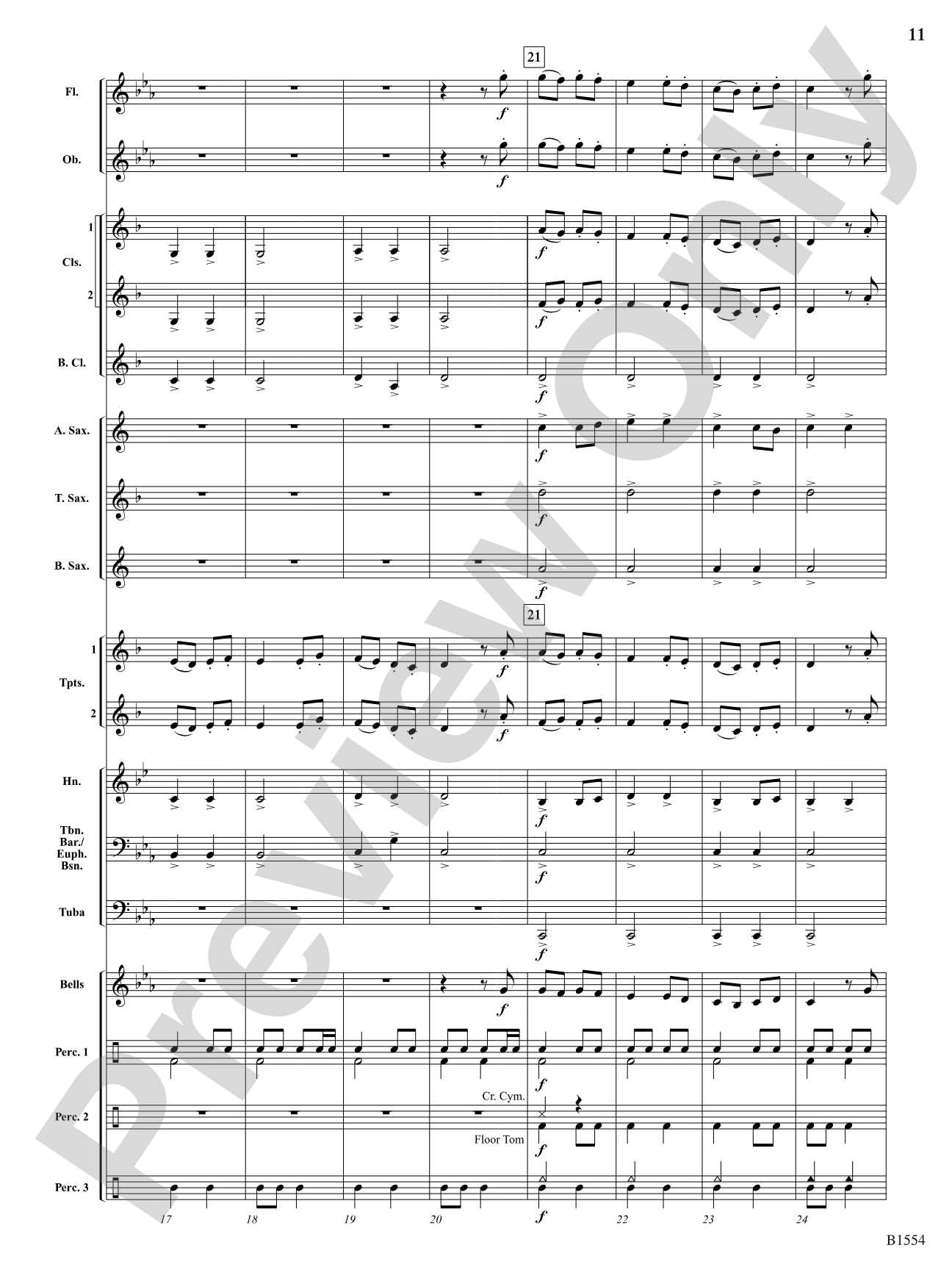
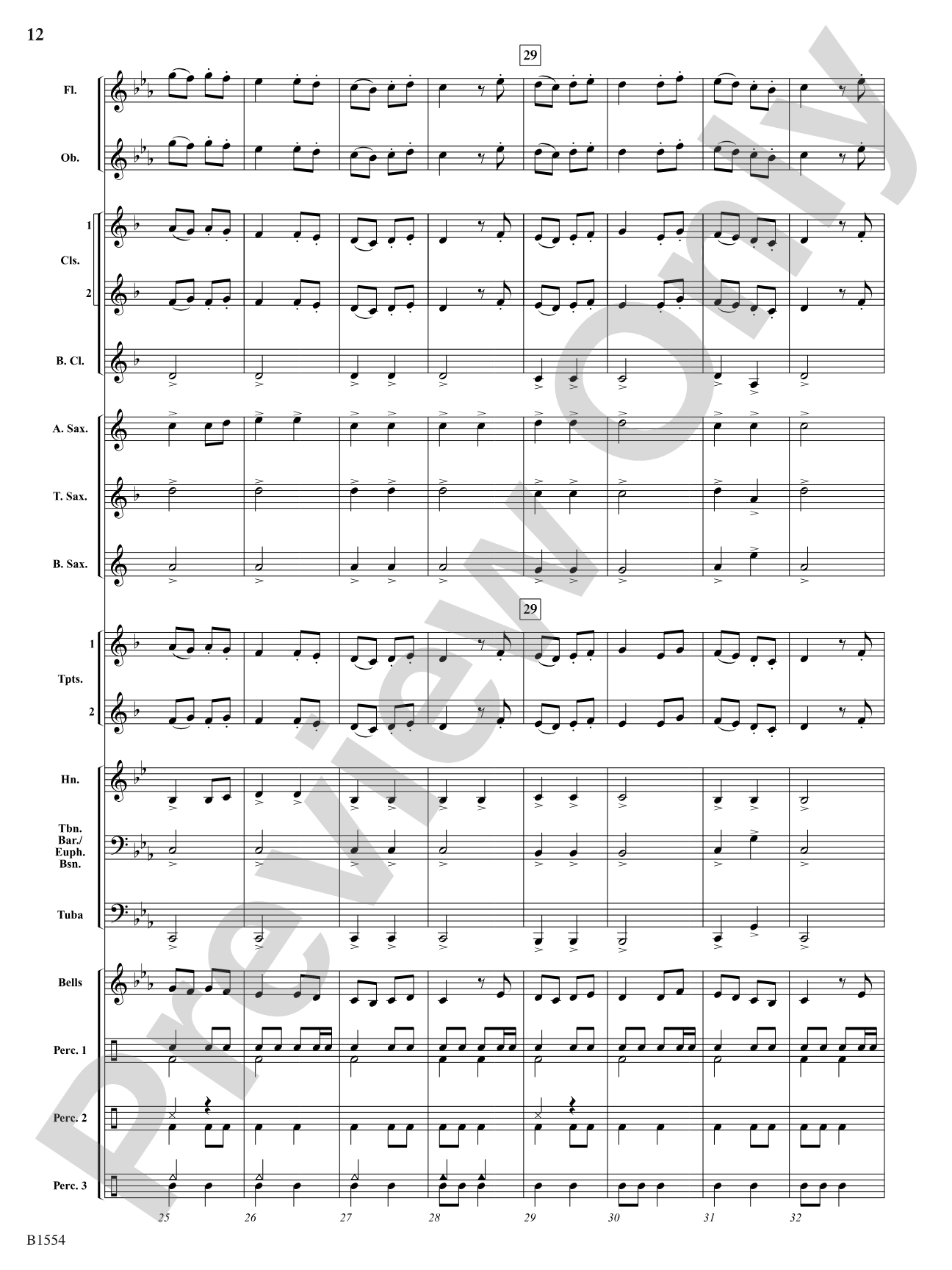
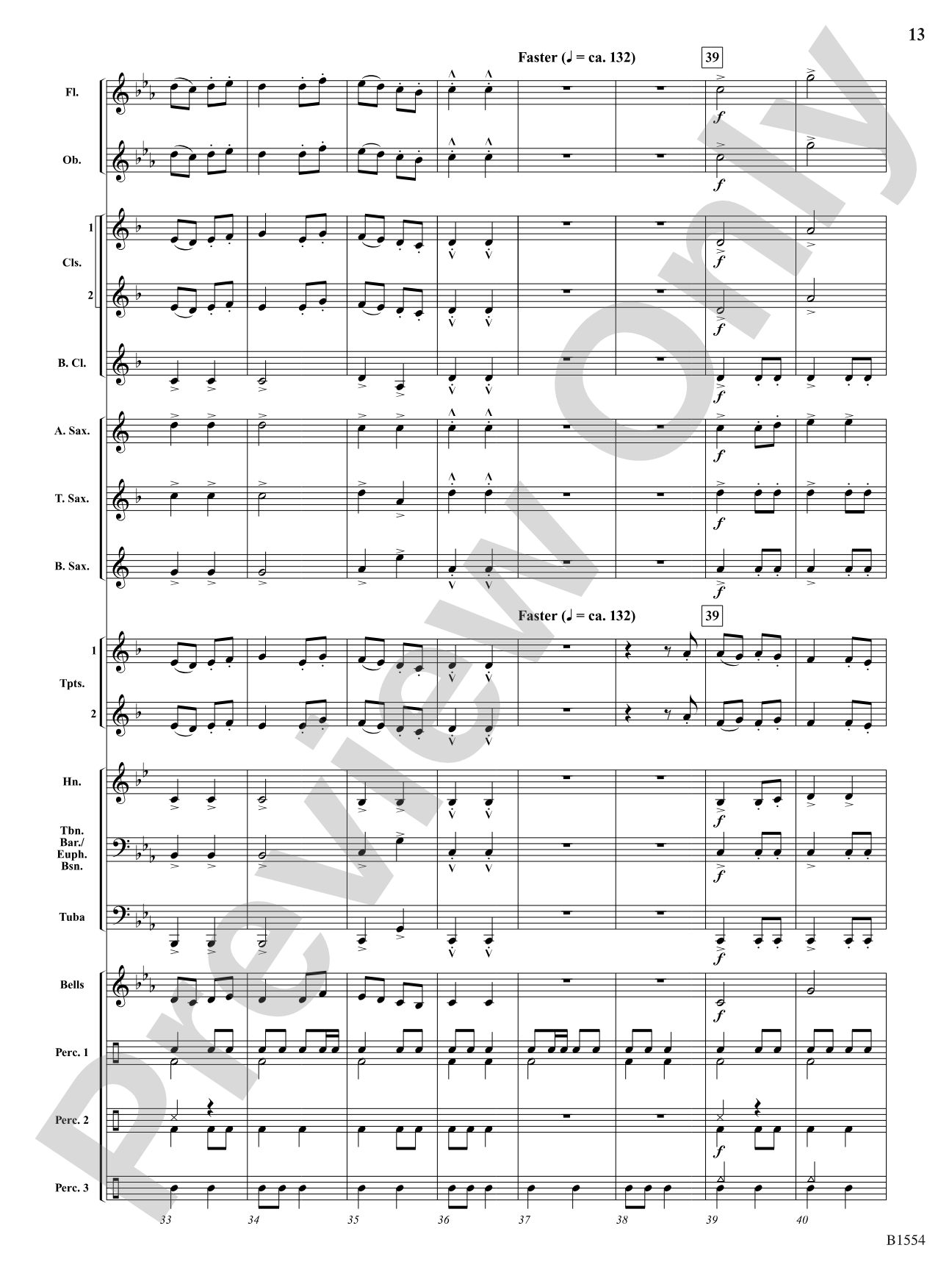
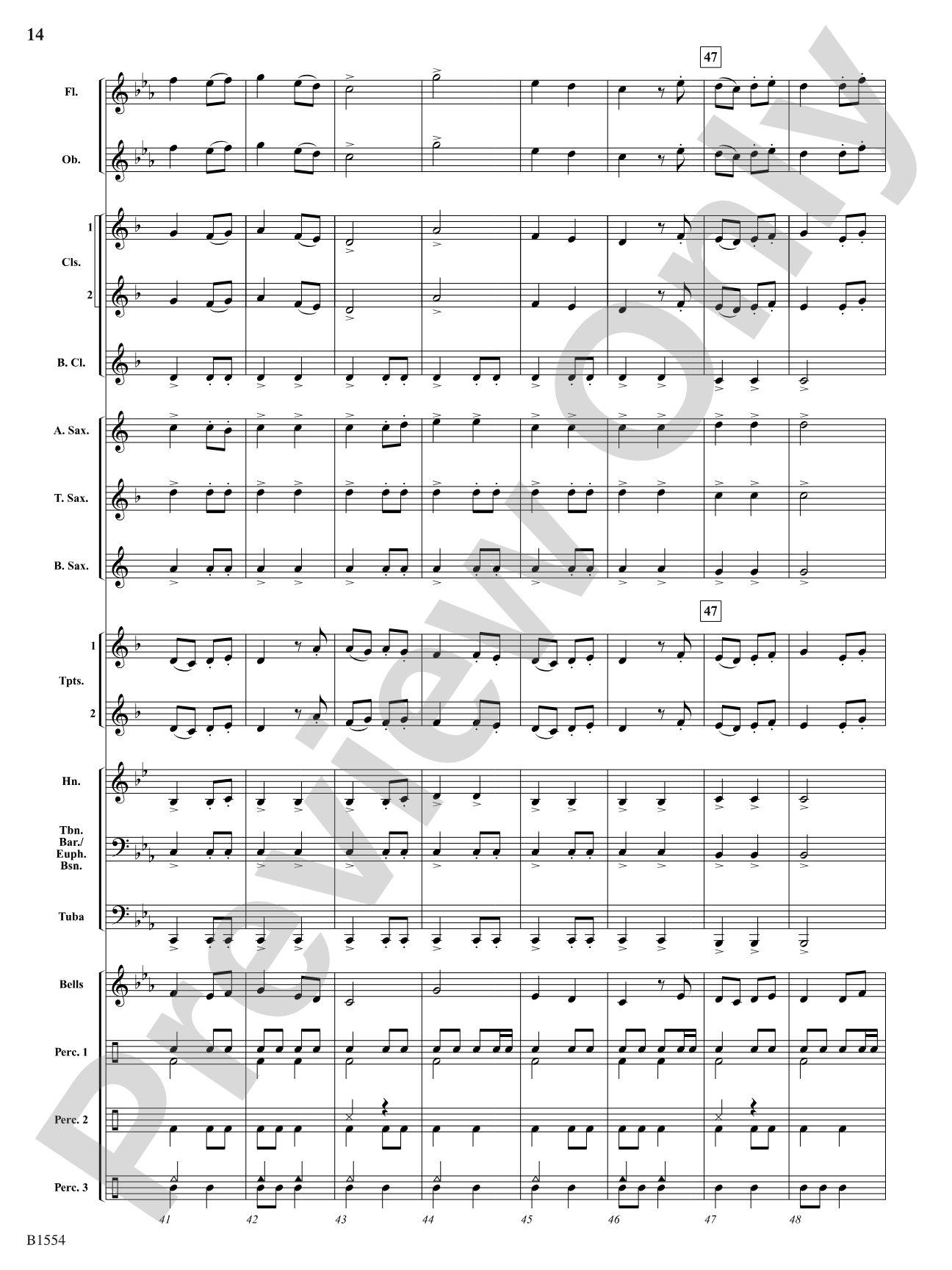
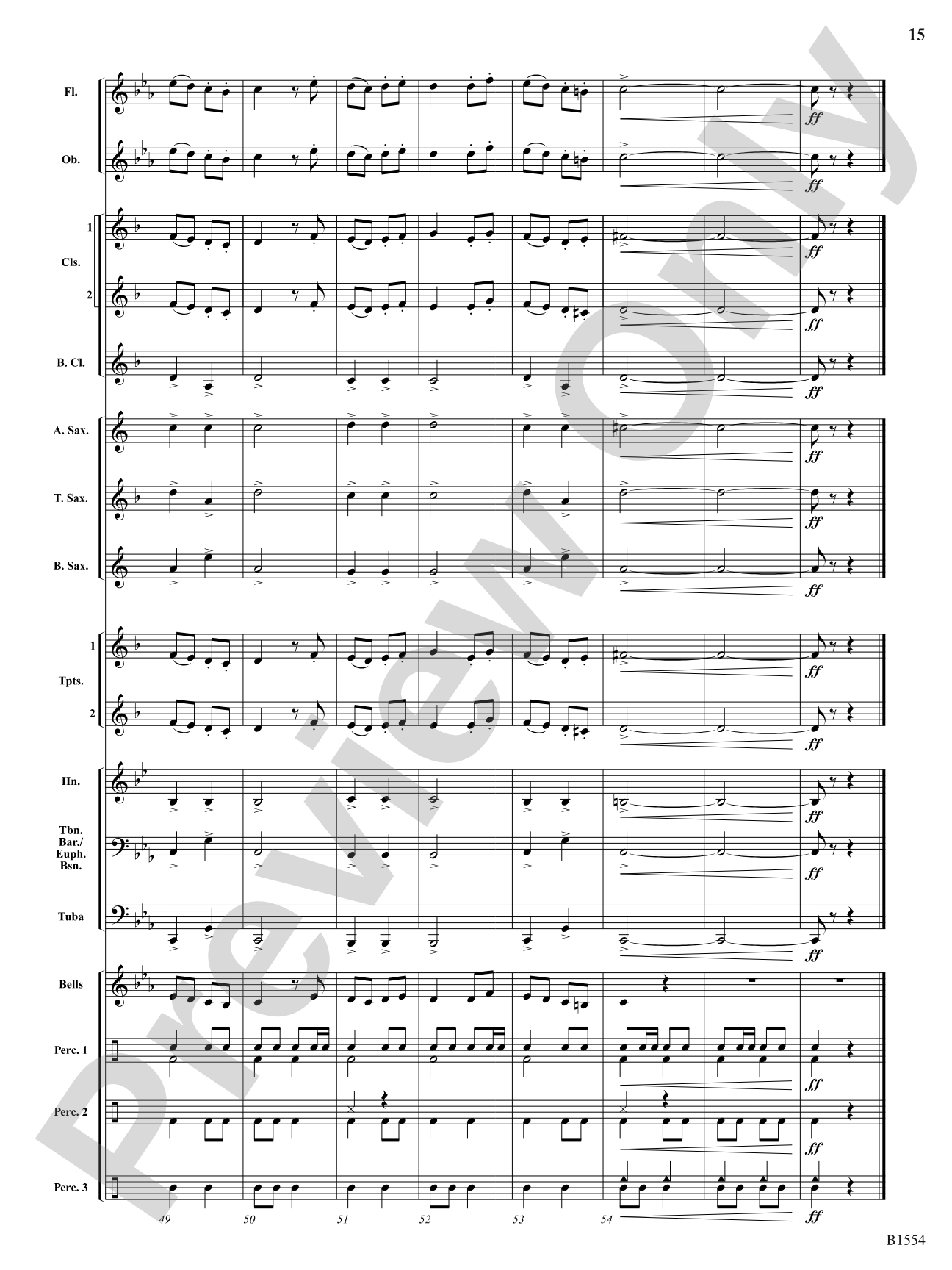

Two Renaissance Dances: Score
Arranged by Mekel Rogers
Grade: 1
Item: 98-DB1554S
$5.00
Pickup currently not available
Description
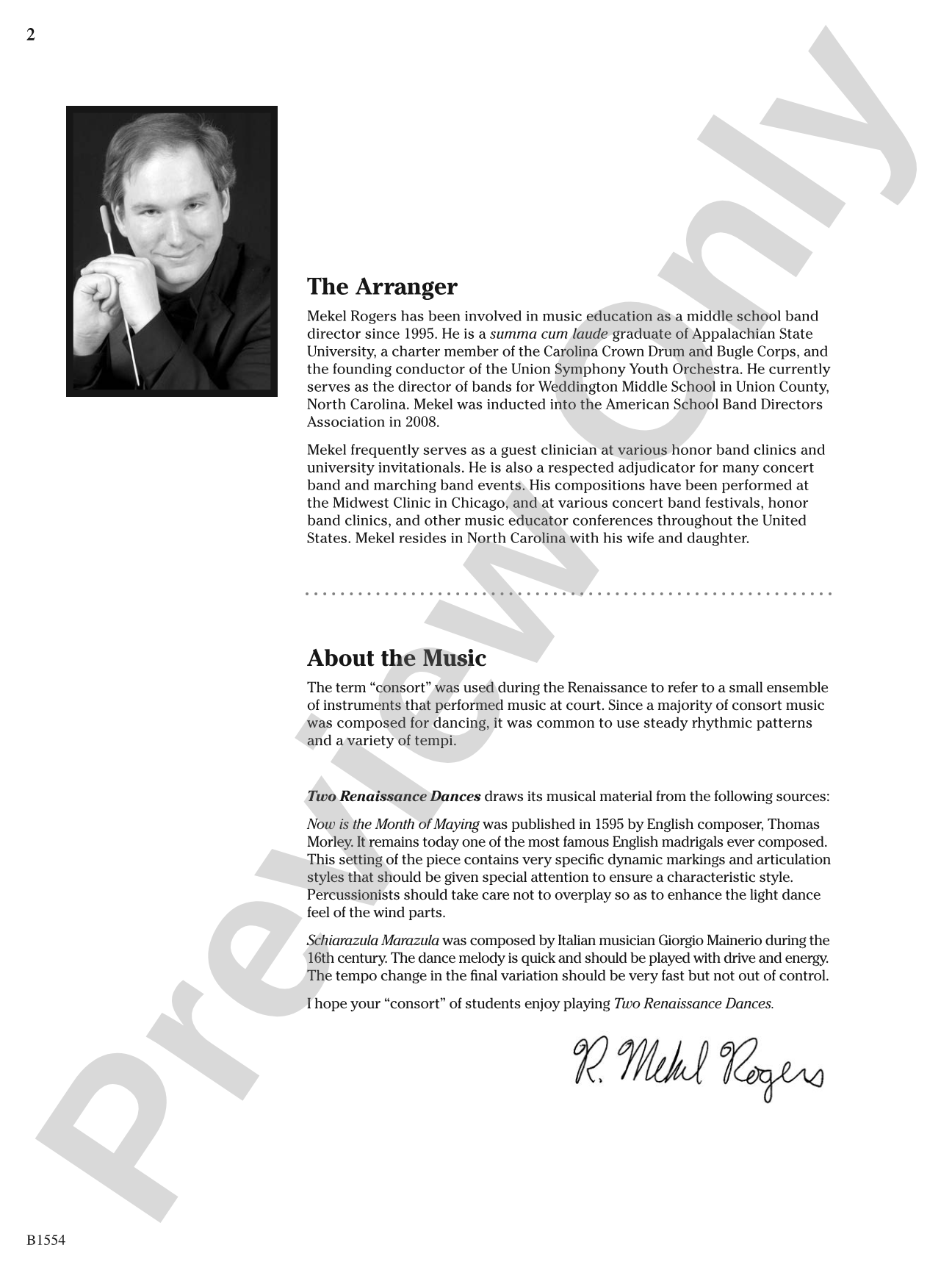
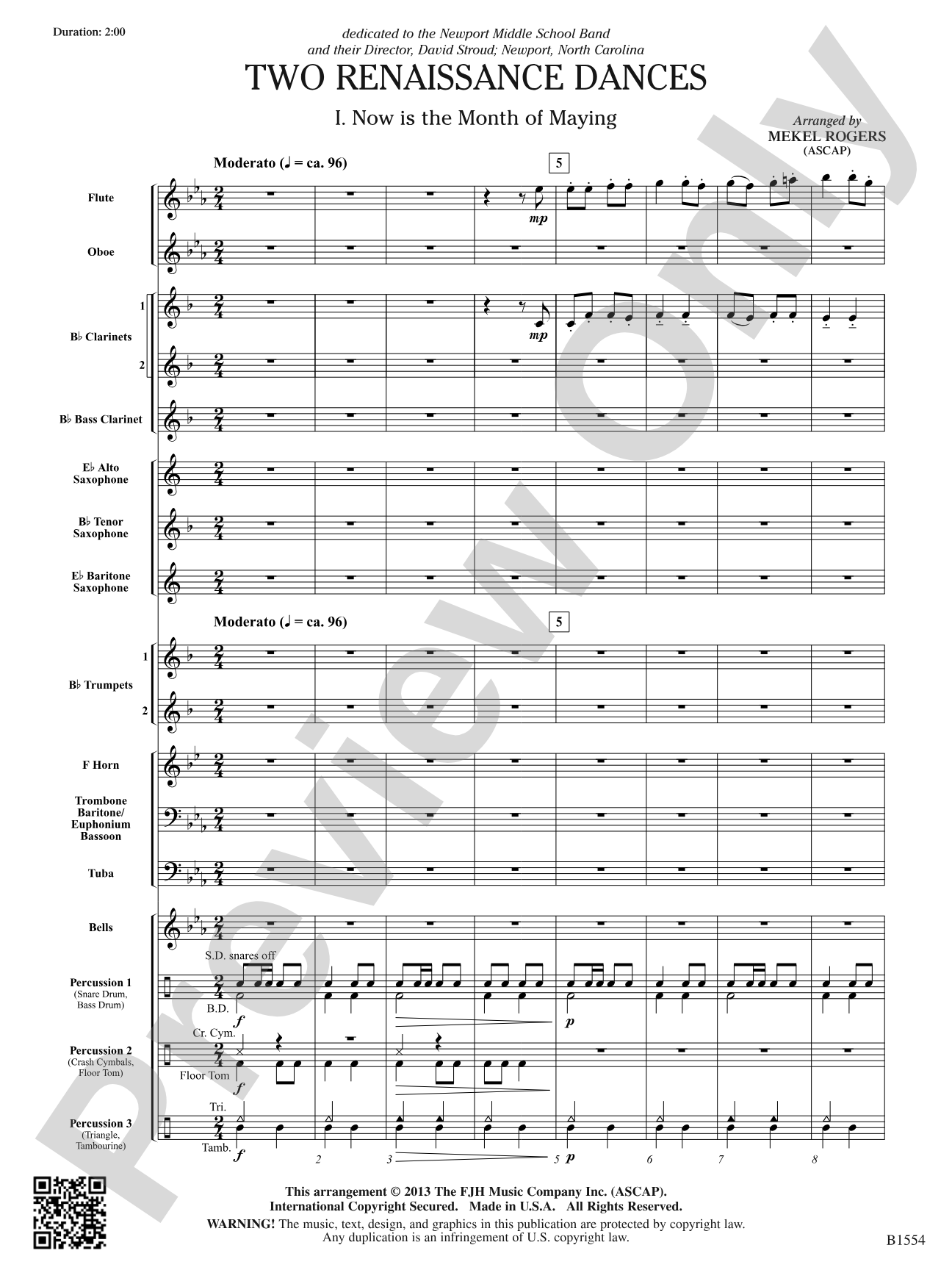
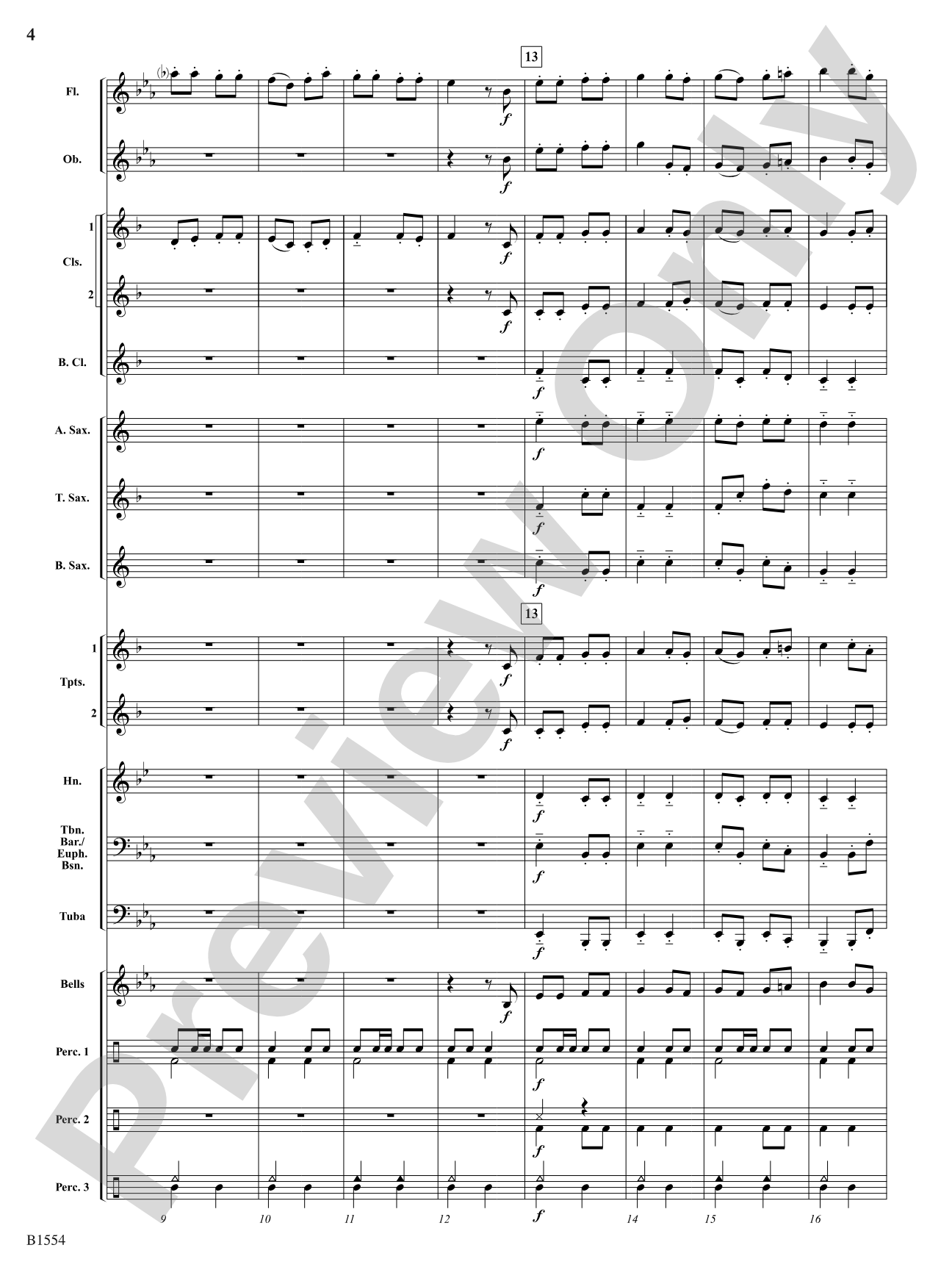
The Renaissance comes alive in this two-movement work featuring Now is the Month of Maying (Thomas Morley) and Schiarazula Marazula (Giorgio Mainerio). While extremely approachable for young students, this arrangement still sounds incredibly authentic. Active percussion writing helps capture the spirit of the Renaissance court dance. A great opportunity to teach period style and historical context while all students are engaged with exciting material.


Don't just read it, hear it, play along with it, and watch your students grow with it. In MakeMusic Cloud, Two Renaissance Dances: Score comes alive with professional accompaniment, adjustable tempo, and built-in practice tools that turn solo practice into real progress.
Open in the Player
Jump straight in and assign it today.
Start Your Free Trial
Open this title and explore the full library in minutes.
Sample Audio
1
Audio File
--:--
0:00
0:00
Sample Video
No sample videos found.
Additional Details
Series:
FJH Beginnin Band
Publisher:
The FJH Music Company, Inc.
SKU:
98-DB1554S
More about this title
Why we love this
Mekel Rogers has crafted an arrangement that respects the melodic beauty of these Renaissance sources while giving every section genuine material to play. The active percussion writing is the standout feature here; it transforms what could be a static historical exercise into something that moves and breathes, keeping young students invested throughout both movements.
What to expect
A window into the energy and grace of Renaissance court life. The piece captures the spontaneity of period dance music while remaining completely accessible, with moments of genuine elegance alongside the rhythmic exuberance that makes young musicians feel like they're playing something real.
Who it's for
Grade 1 concert bands ready to program something that sounds far more sophisticated than their current reading level. This works well for ensembles making the transition from elementary to intermediate repertoire, as it builds confidence through authenticity rather than simplification.
How to get the most out of it
- Pay attention to the stylistic difference between the two dances. Morley's 'Now is the Month of Maying' calls for a lighter, more lilting character, while 'Schiarazula Marazula' has more rhythmic energy. Let the percussion guide your tempo choices.
- Balance the melodic lines so they sing clearly over the harmonic foundation. Renaissance music lives in its counterpoint, and young players often need reminders that accompaniment parts are not less important than the tune.
- Use the historical context as a rehearsal tool. Spending two minutes discussing Renaissance court dances and how musicians dressed and performed helps students understand why certain articulations and dynamics choices matter.
How to use it
Perfect for a concert that explores musical history or folk traditions across centuries. These two short movements work beautifully as a single concert suite, or you can use them to bookend a program alongside other Renaissance or folk-inspired selections. The approachable difficulty makes this ideal for early-season programming when your ensemble is still building confidence.
Skills your students will build
- Recognizing and performing period style conventions (articulation, phrasing, tempo)
- Balancing melody with supporting harmonic parts in contrapuntal texture
- Reading and executing active rhythmic patterns in percussion
- Ensemble precision across two coordinated movements
- Understanding historical context as a guide to musical interpretation