
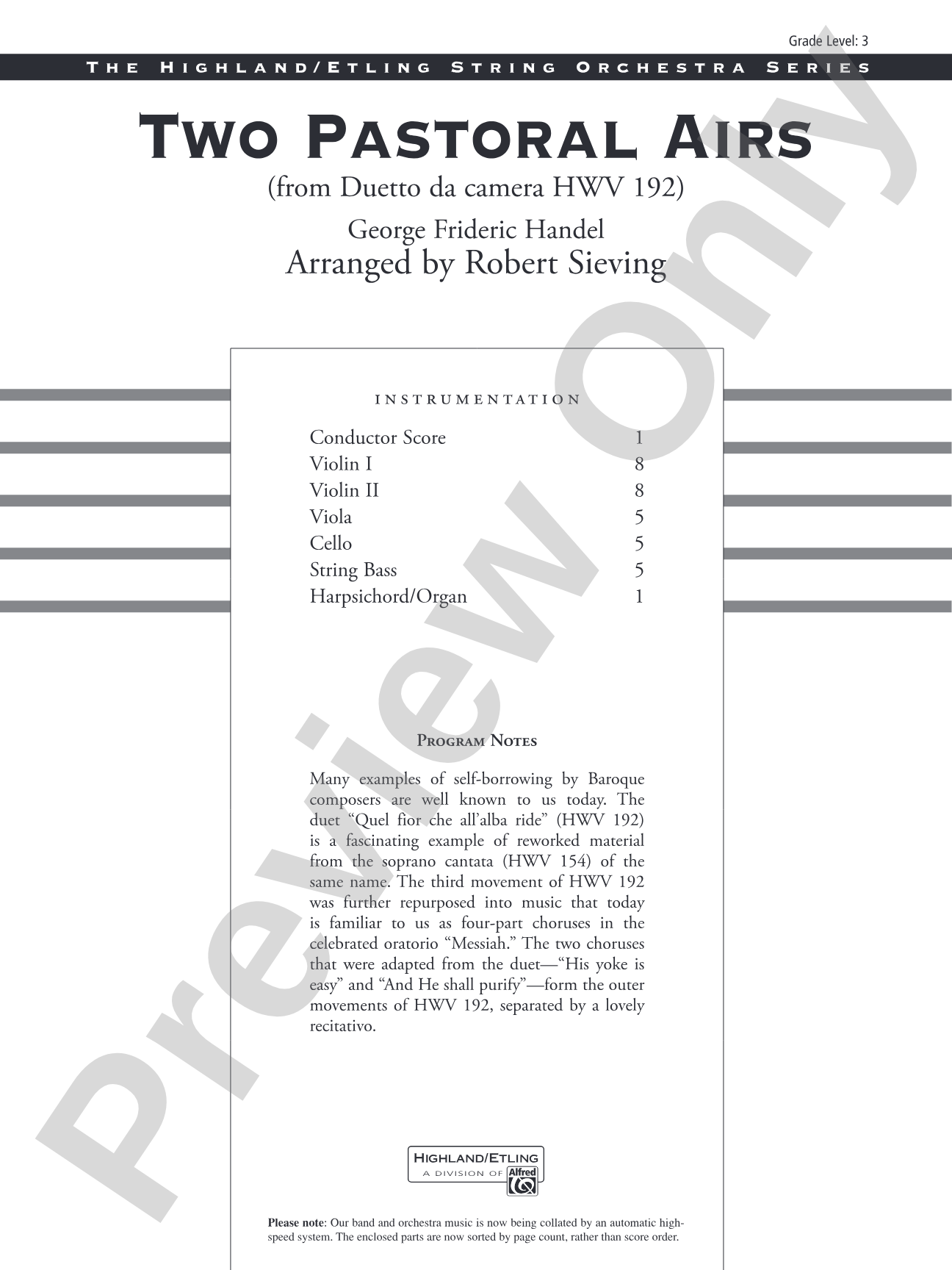
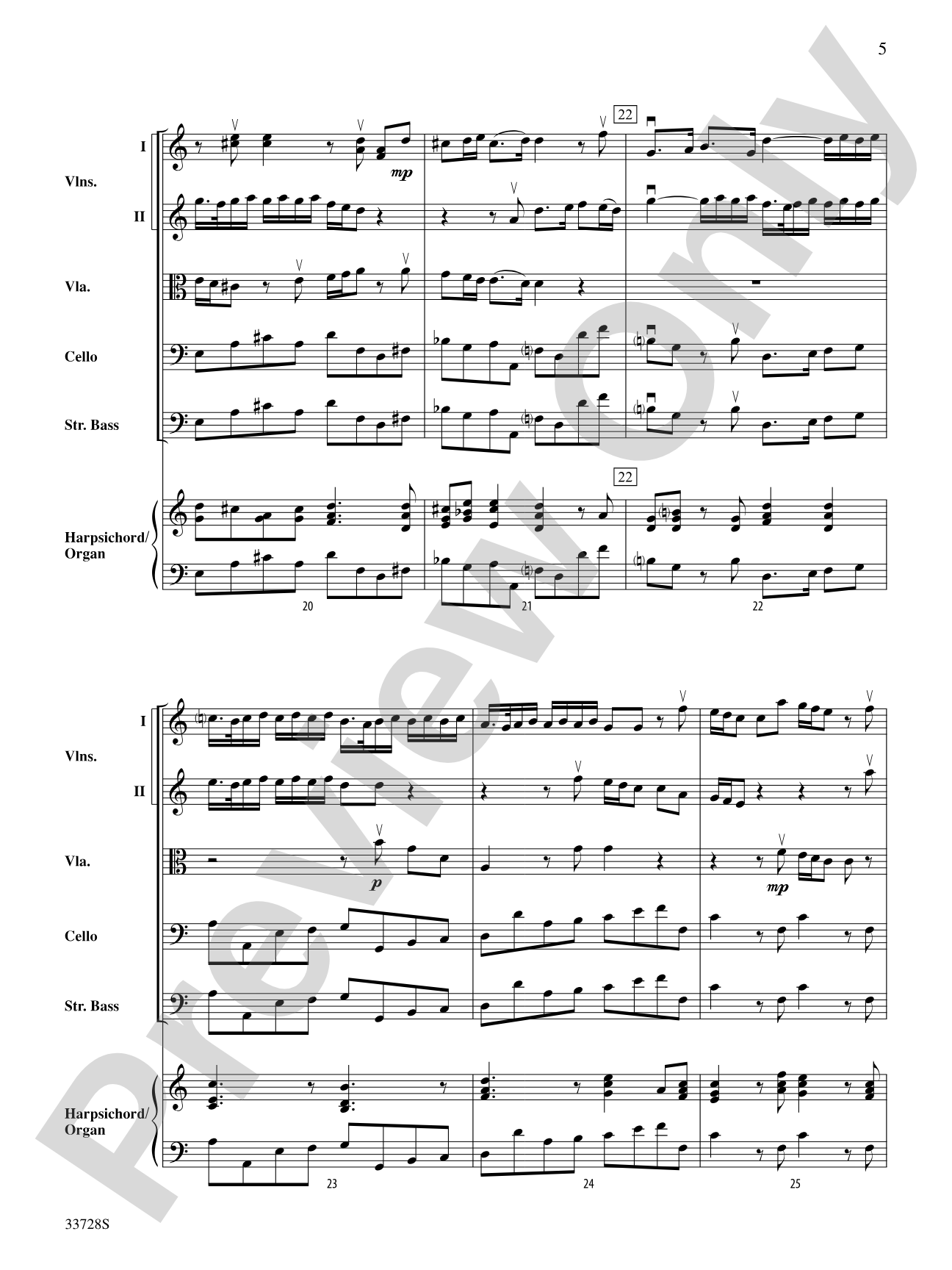
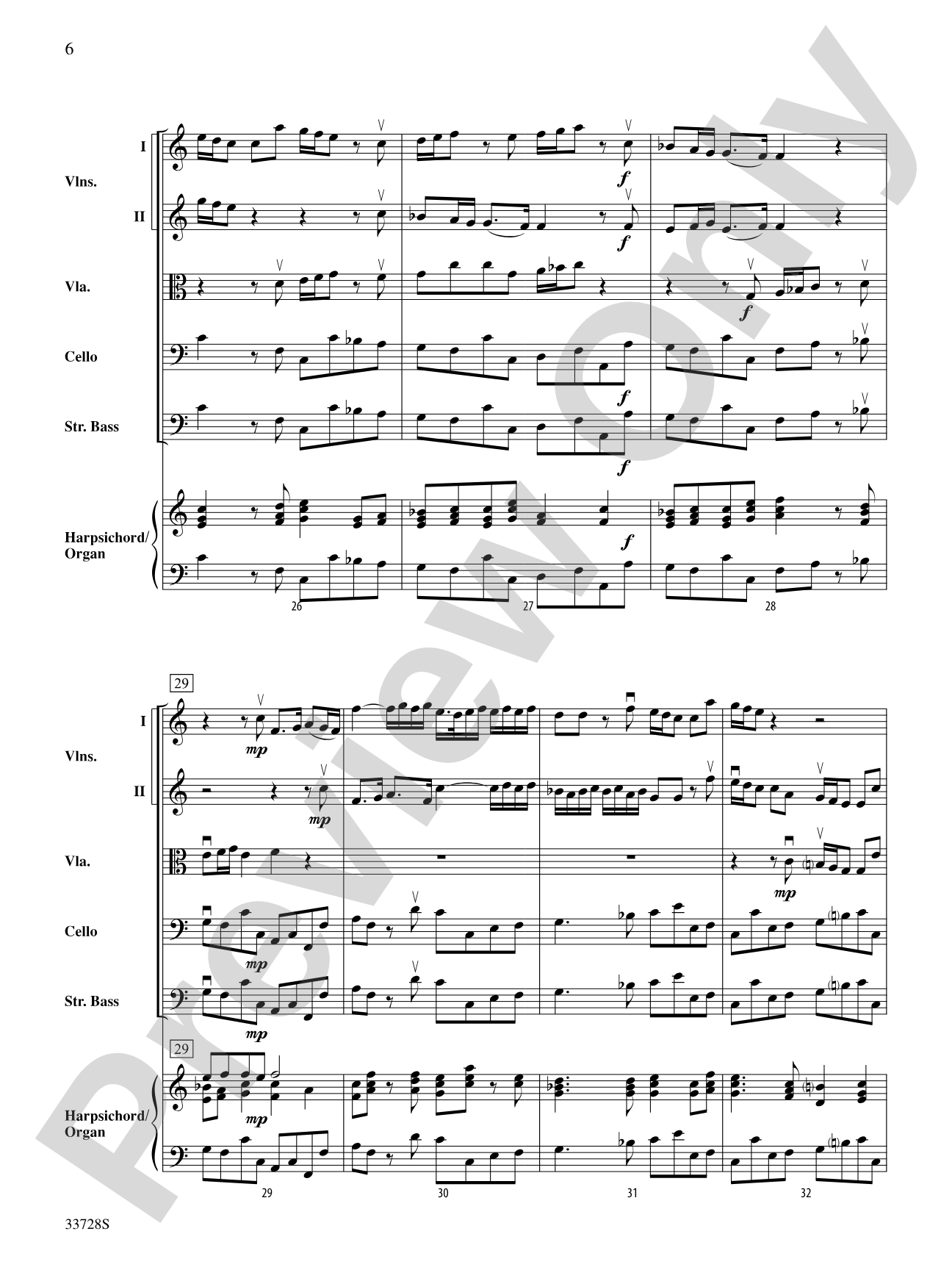
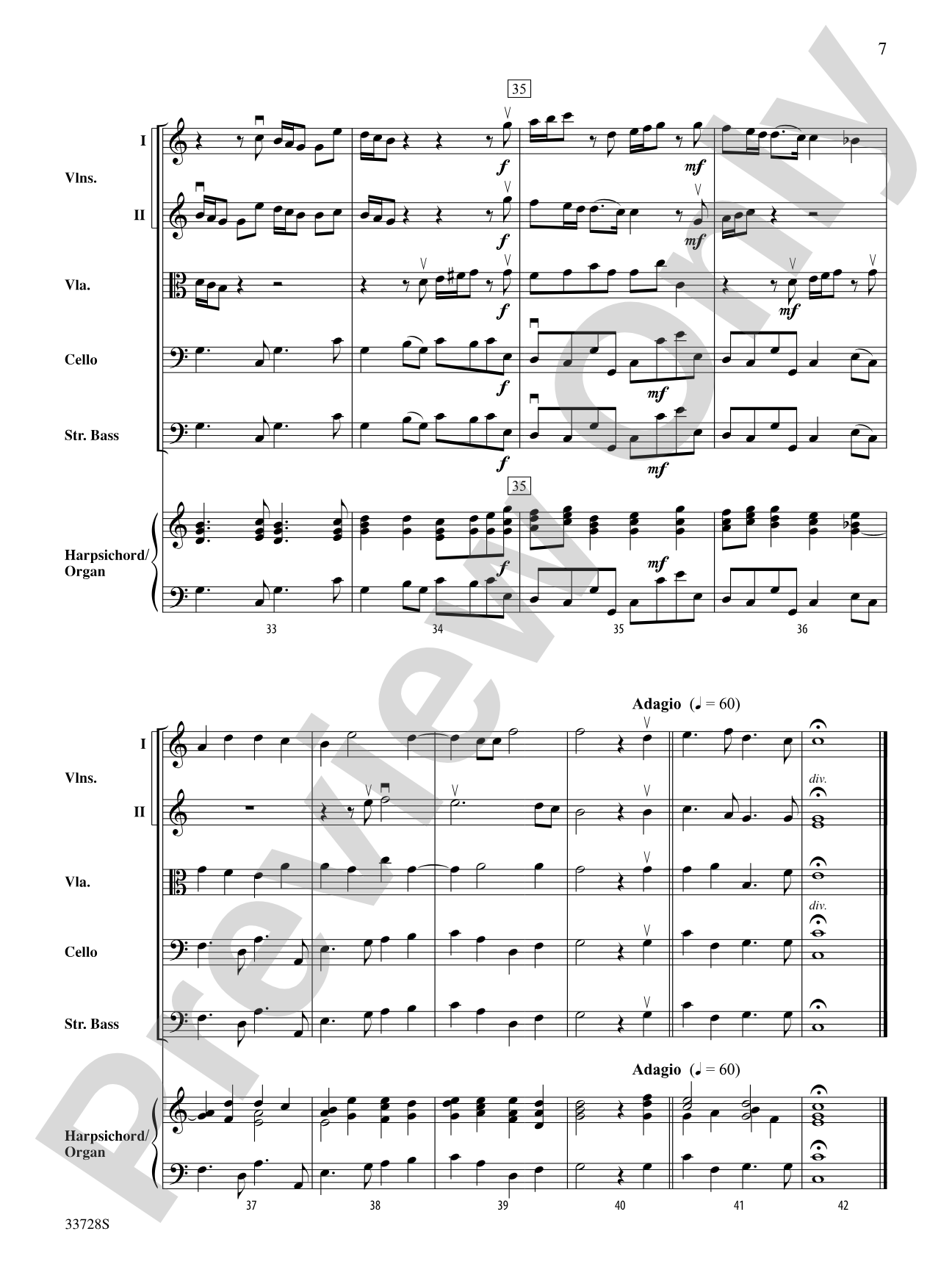
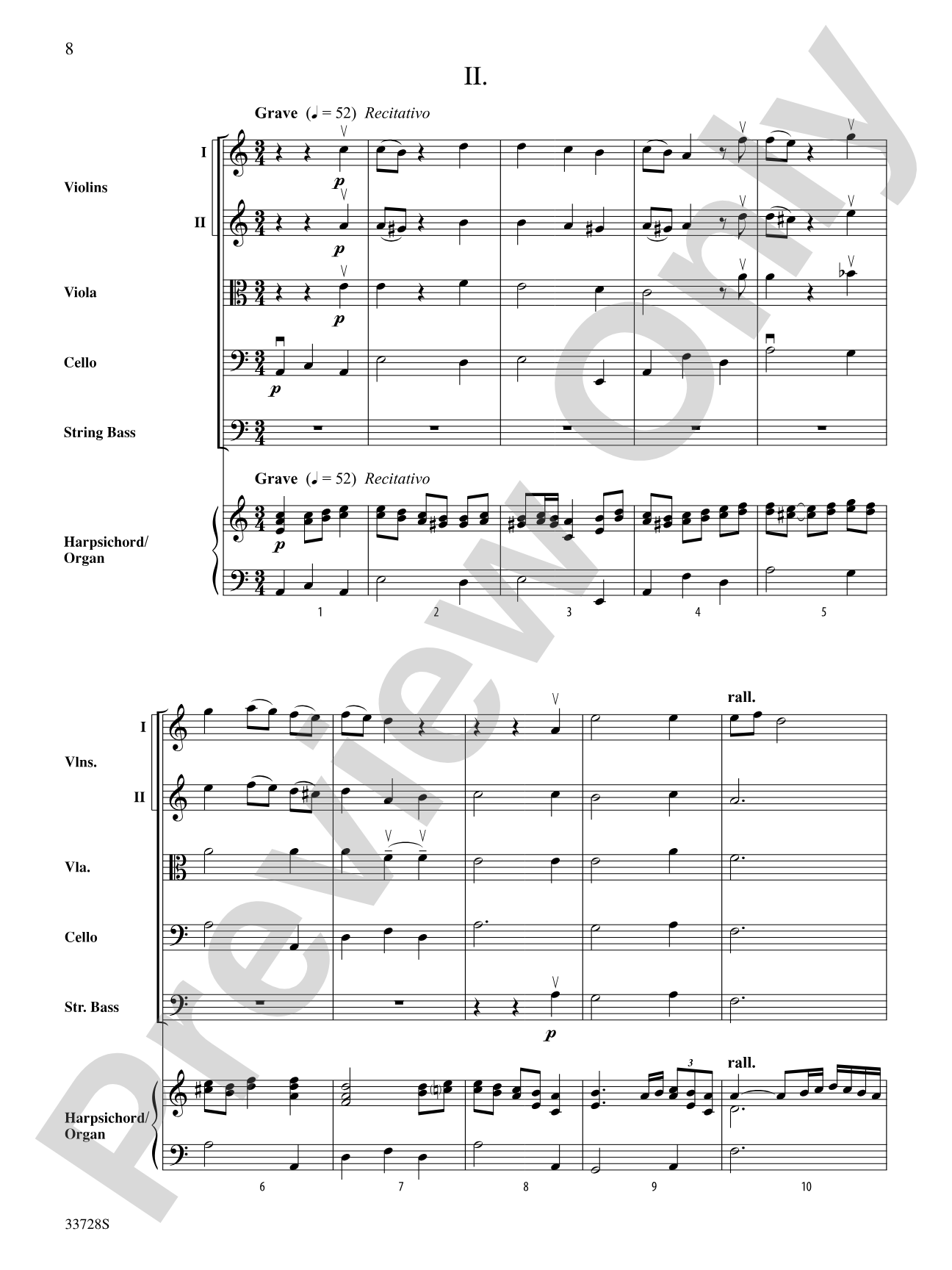
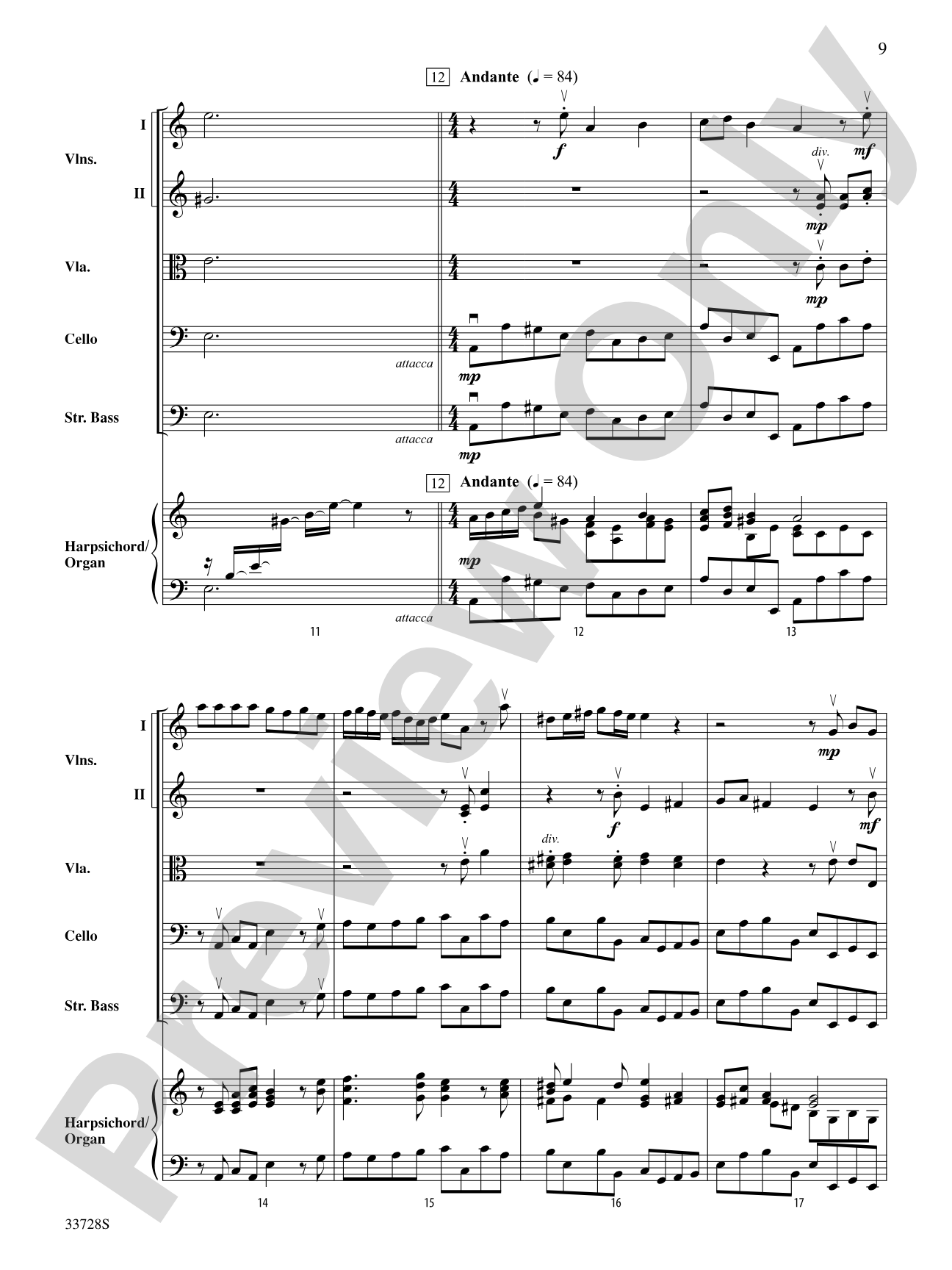
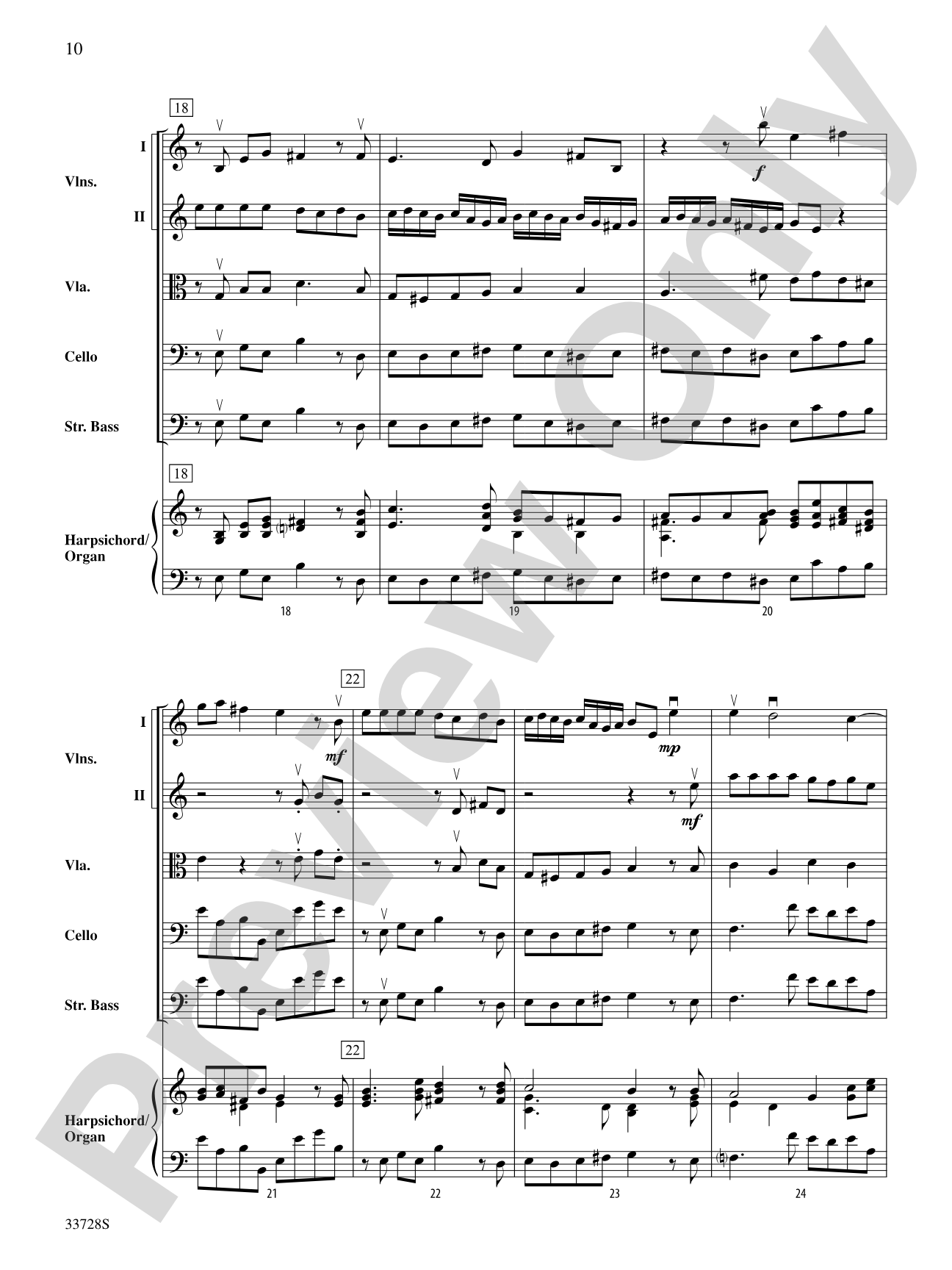
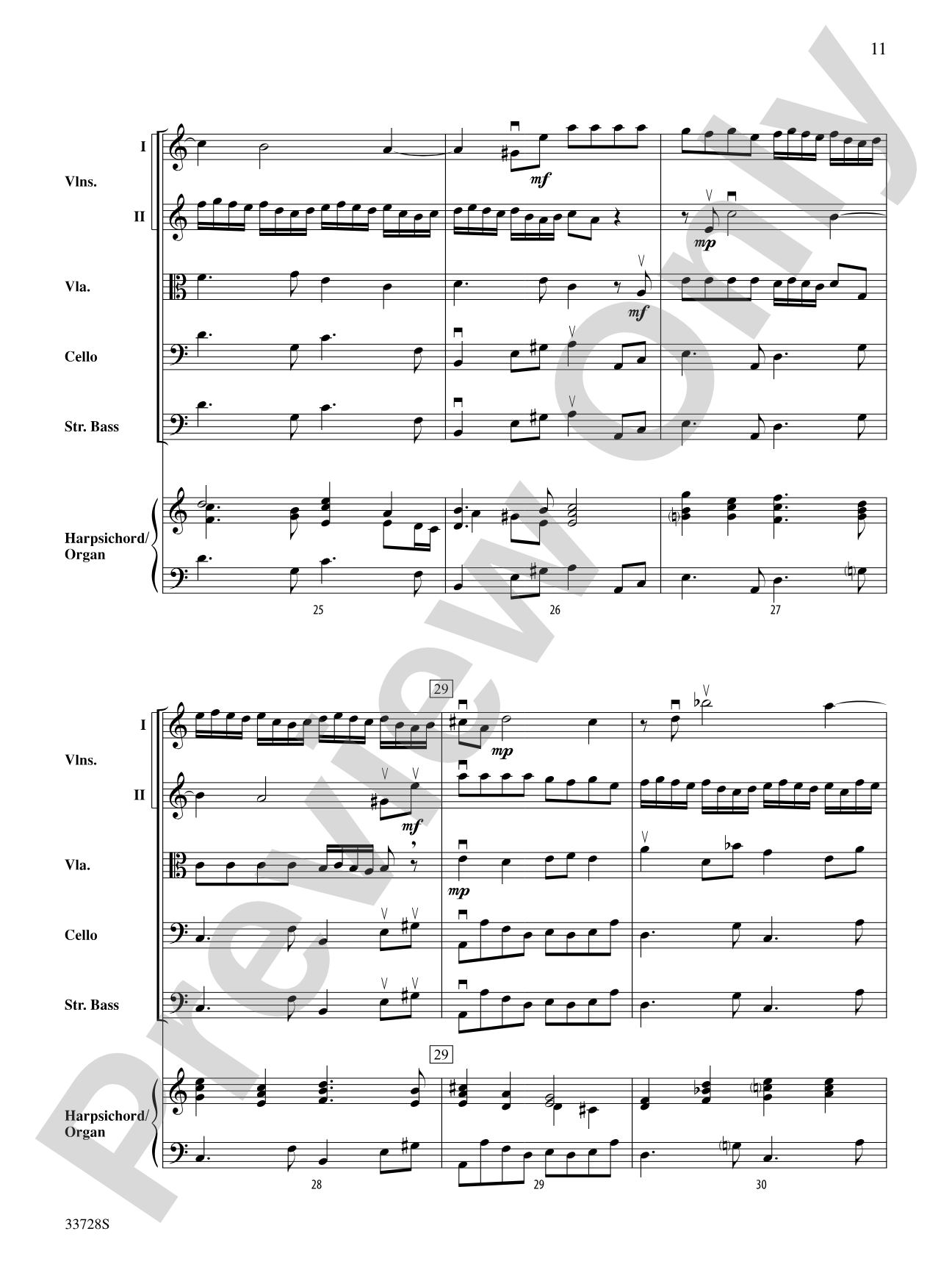
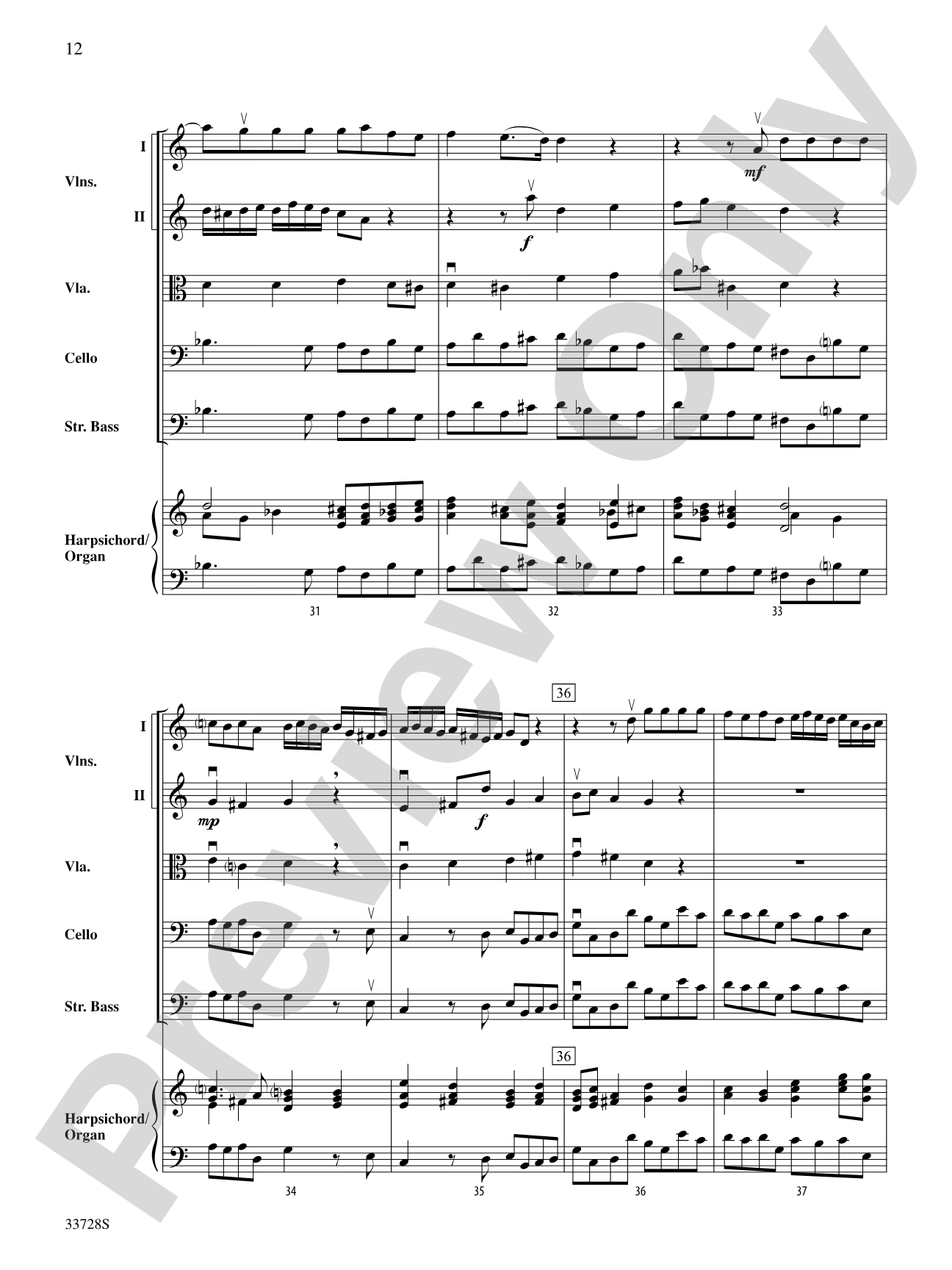
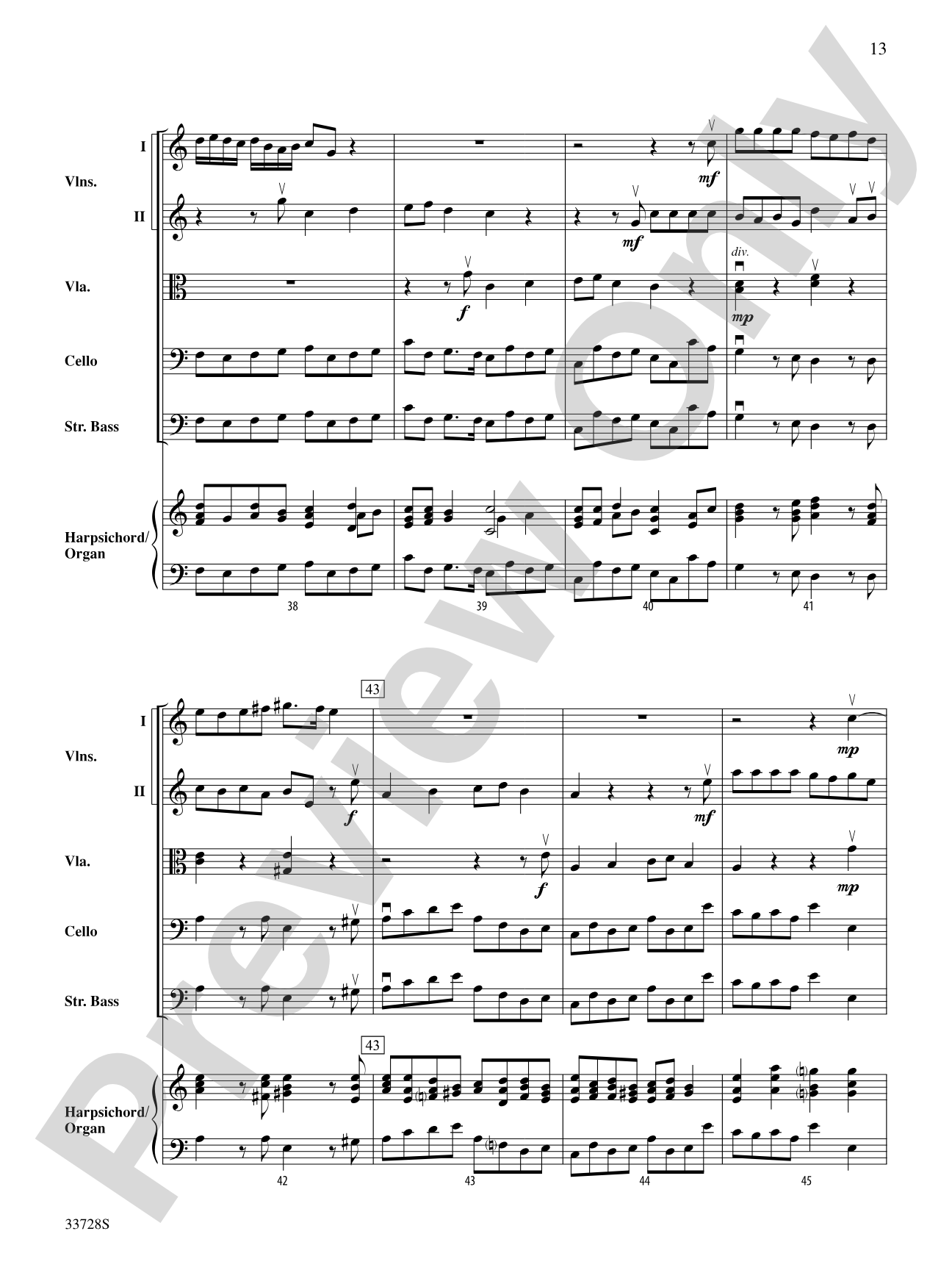
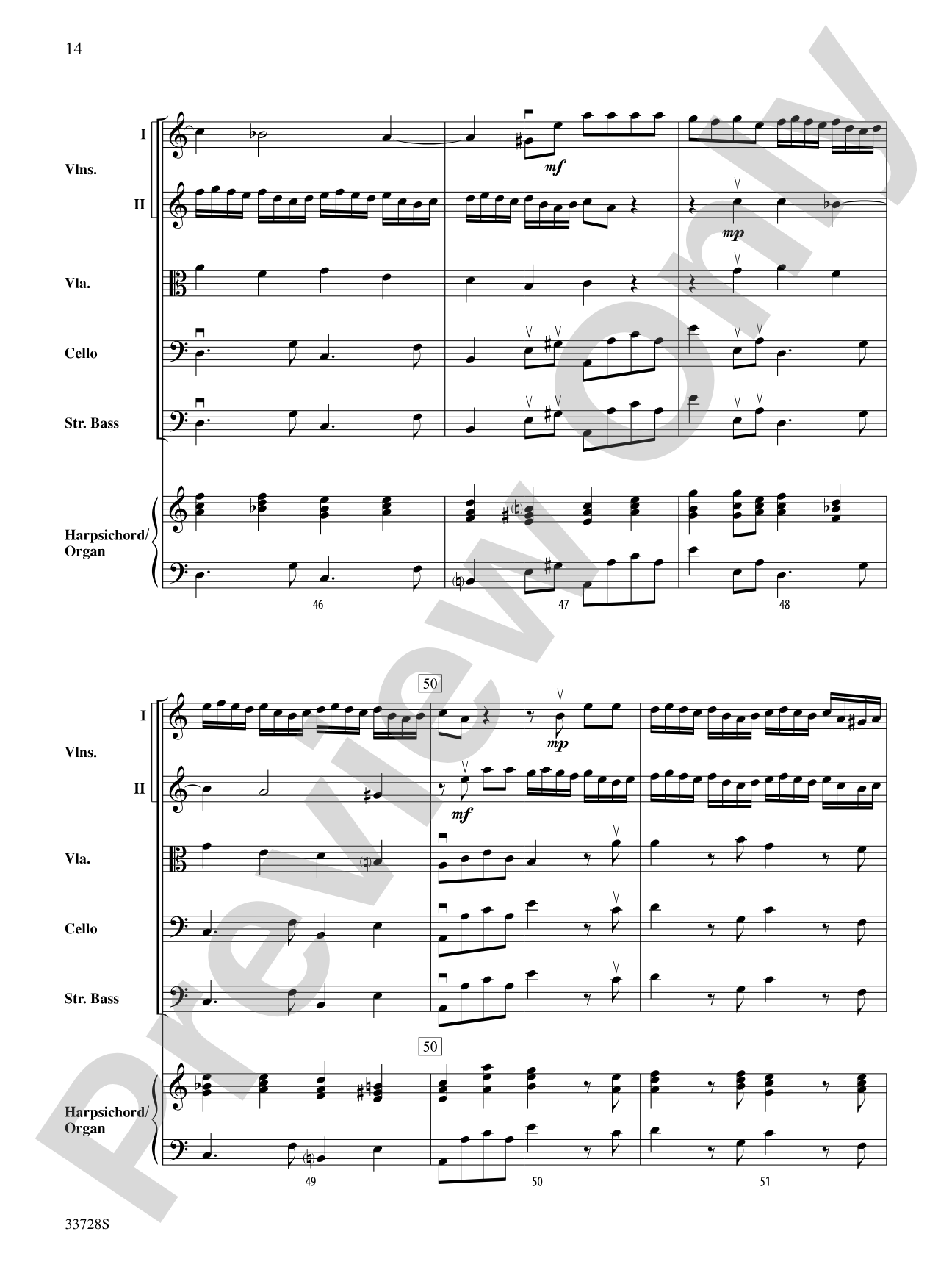
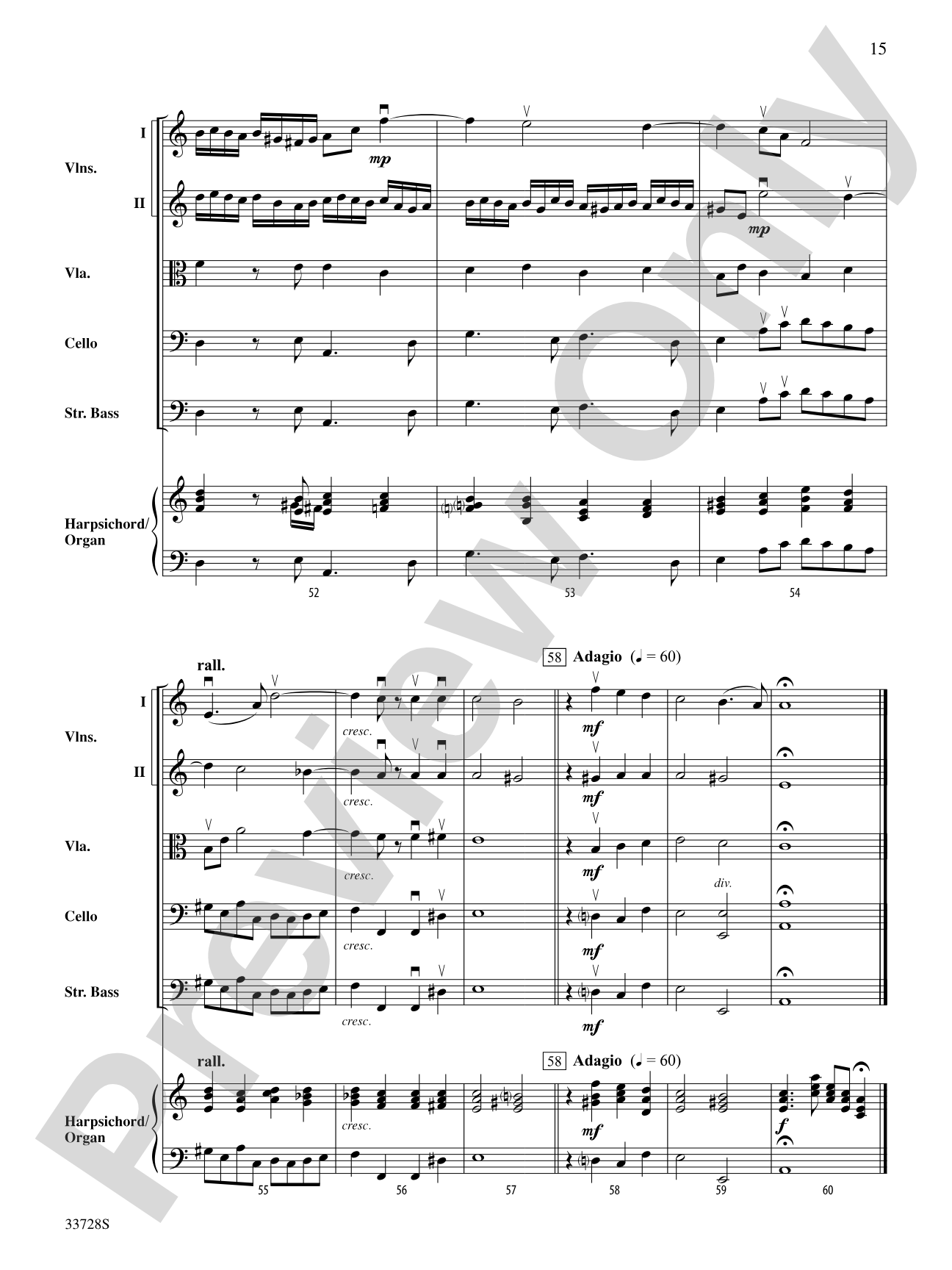


Two Pastoral Airs: String Orchestra Conductor Score & Parts
From Duetto da camera HWV 192
By George Frideric Handel / arr. Robert Sieving
Grade: 3
Item: 00-PK-0004217

$49.00
Pickup currently not available
Buy Extra Parts (Digital PDF Download)
| Product | Price | Quantity |
|---|---|---|
| Two Pastoral Airs: Score | $7.00 | |
| Two Pastoral Airs: 1st Violin | $5.99 | |
| Two Pastoral Airs: 2nd Violin | $5.99 | |
| Two Pastoral Airs: Viola | $5.99 | |
| Two Pastoral Airs: Cello | $5.99 | |
| Two Pastoral Airs: String Bass | $5.99 | |
| Two Pastoral Airs: Piano Accompaniment | $5.99 |
Parts Added to Cart!
Description
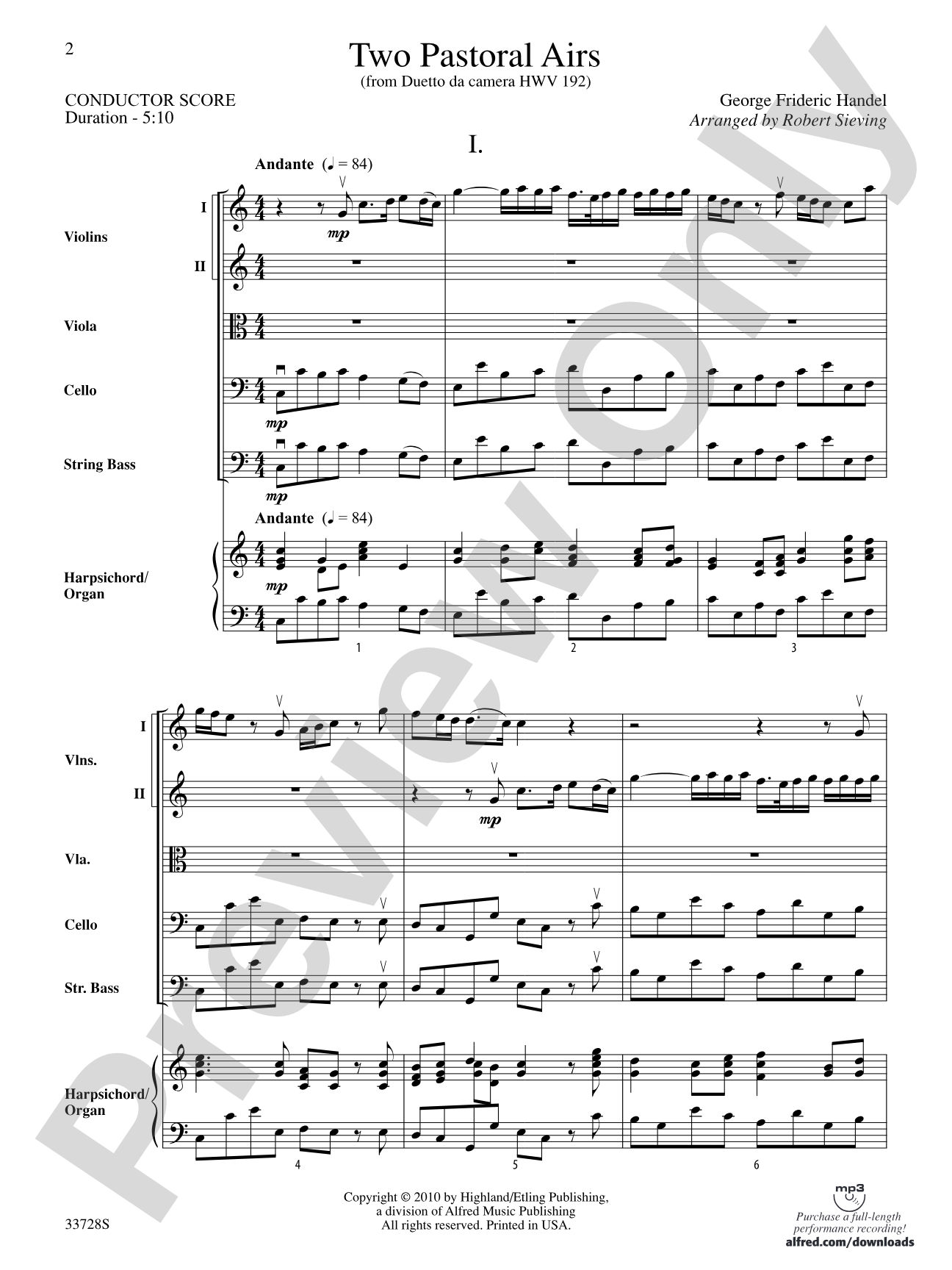
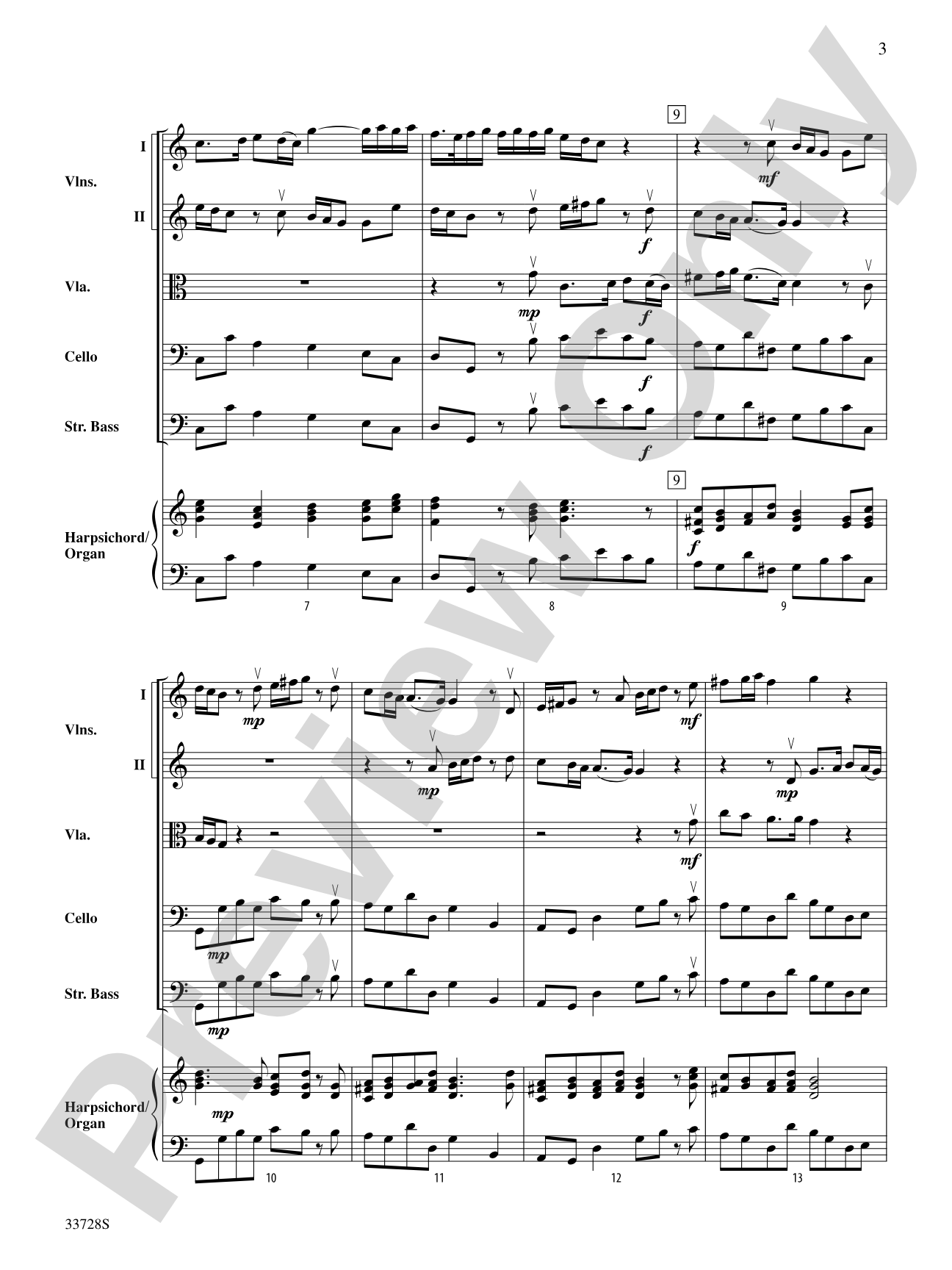
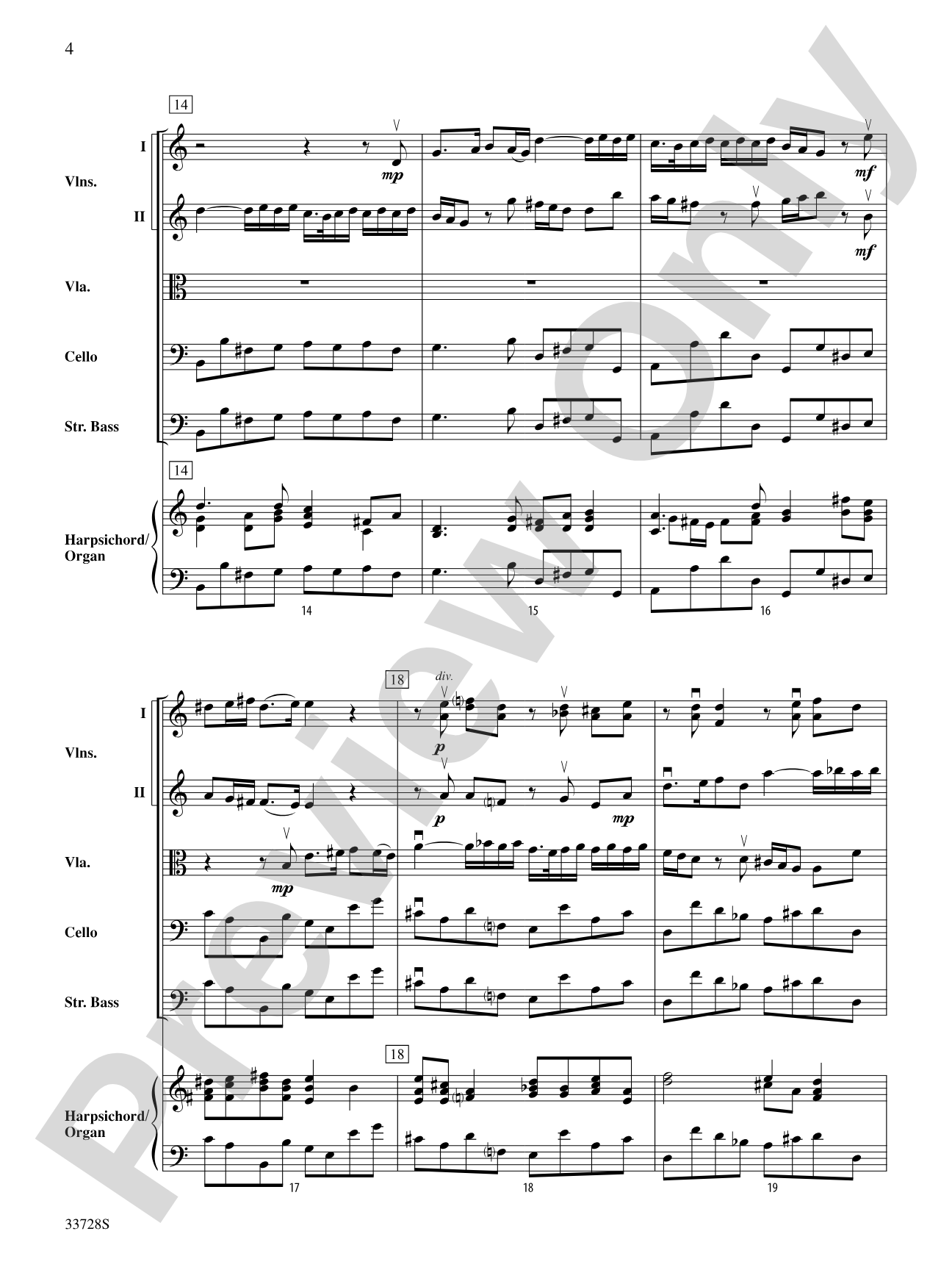
A lovely medley! Add a feeling of the era with the harpsichord or organ part that can accompany the strings. As many Baroque composers did, Handel used these melodies in several of his works and here they are presented at the perfect level for students.


Don't just read it, hear it, play along with it, and watch your students grow with it. In MakeMusic Cloud, Two Pastoral Airs: String Orchestra Conductor Score & Parts comes alive with professional accompaniment, adjustable tempo, and built-in practice tools that turn solo practice into real progress.
Open in the Player
Jump straight in and assign it today.
Start Your Free Trial
Open this title and explore the full library in minutes.
Sample Audio
1
Audio File
--:--
0:00
0:00
Sample Video
No sample videos found.
Additional Details
Series:
Highland/Etling String Orchestra
Publisher:
Alfred Music
Page Count:
132
SKU:
00-PK-0004217
More about this title
About the Composer: George Frideric Handel
Handel (1685, 1759) was a master of melody and orchestration whose works defined the Baroque era. Born in Germany, he spent much of his career in England, where he composed operas, oratorios, and instrumental works that balanced formal sophistication with immediate appeal. His gift for writing singable, memorable lines made his music accessible to performers and audiences alike, which is precisely why his melodies have endured for nearly three centuries.
Why we love this
This arrangement captures the elegance of Handel's melodic gift at a manageable level for developing orchestras. The optional harpsichord or organ part provides authentic Baroque texture without overwhelming the strings, and the Grade 3 scoring allows students to experience masterwork material while building technical confidence.
What to expect
Graceful and unhurried, like a walk through a sunlit pastoral landscape. The melodies breathe with the ease of a practiced singer, unfolding naturally across the string sections with the warmth of period instruments reimagined for modern ensembles.
Who it's for
Student string orchestras at the intermediate level who are ready to tackle recognizable masterworks without advanced technical demands. Directors seeking repertoire that introduces Baroque style and form while maintaining student engagement through familiar, lyrical material.
How to get the most out of it
- Balance the keyboard part lightly beneath the string lines so it supports harmonic foundation without masking the melody.
- Maintain a song-like quality in the phrasing by treating each air as a vocal line, even though it's written for instruments.
- Shape phrases with gentle dynamic contours rather than rigid metronomic precision; Baroque style thrives on natural breathing and flexibility.
- If using harpsichord, ensure the continuo player watches the conductor closely, as keyboard players often serve as rhythmic anchors in ensemble balance.
How to use it
Pair this with a contemporary piece to illustrate how melody and harmony have evolved, or open a concert with it as an elegant curtain-raiser that sets a refined tone. The Baroque setting also works well in educational contexts where you're exploring music history across an entire program.
Skills your students will build
- Baroque phrasing and articulation style
- Reading and balancing a four-part string texture with optional keyboard continuo
- Sustaining legato melody lines across phrase boundaries
- Responding to conductor interpretation of historically informed tempo and dynamics