Johann Sebastian Bach (1685-1750) stands as the foundational figure in Western music theory and practice. His systematic approach to composition, harmonic function, and counterpoint established the language that musicians still learn today. For educators, Bach's music provides the most direct path into understanding how musical architecture works; his pieces teach themselves because every note serves a structural purpose.
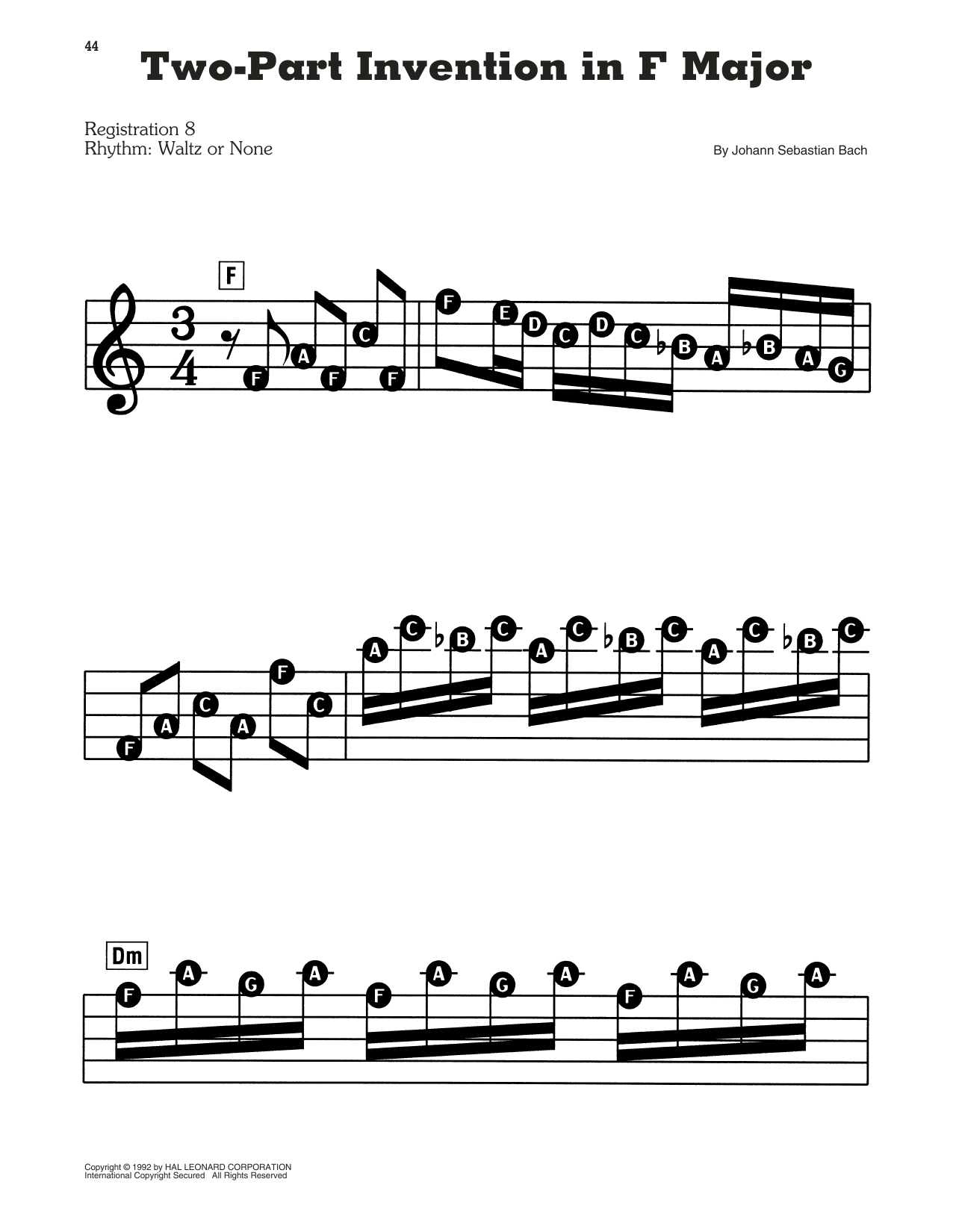
The Two-Part Inventions represent Bach's deliberate pedagogical mission. Written for his son Wilhelm Friedemann and other advanced students, these 15 works isolate the core skill of independent voice writing without the complexity of his larger works. They remain the gold standard for teaching how two melodic lines can converse, imitate, and support each other simultaneously.