
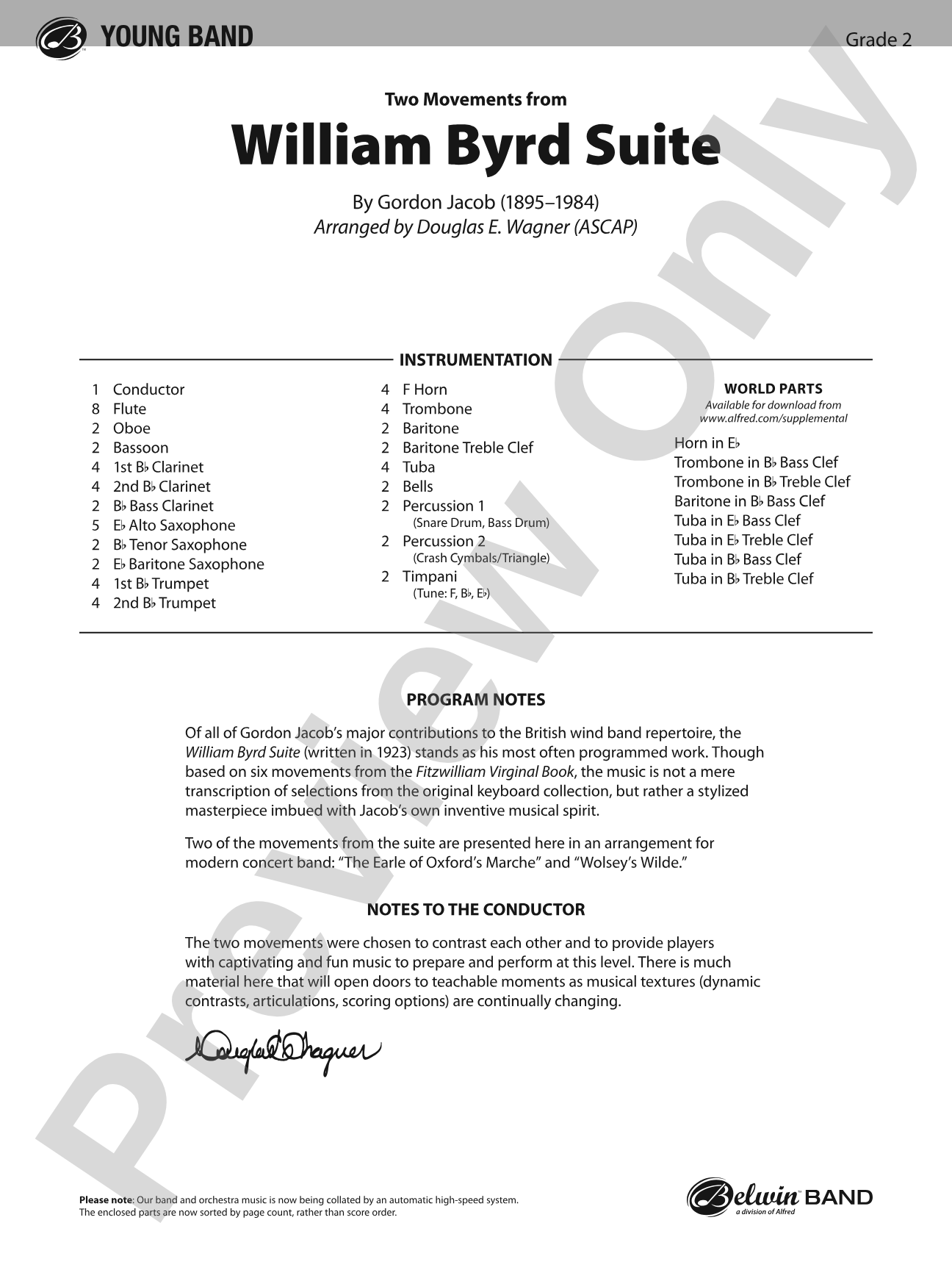
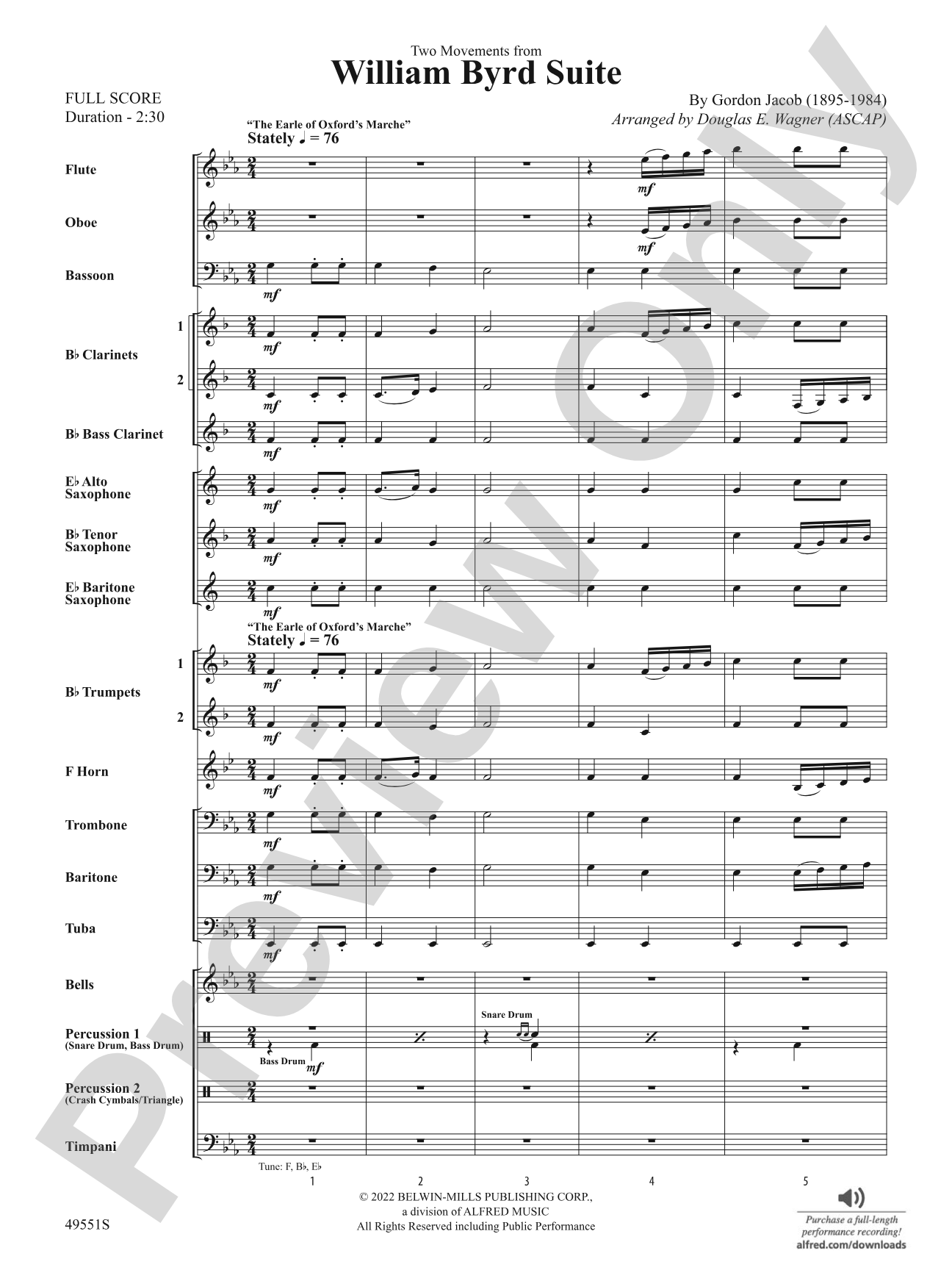
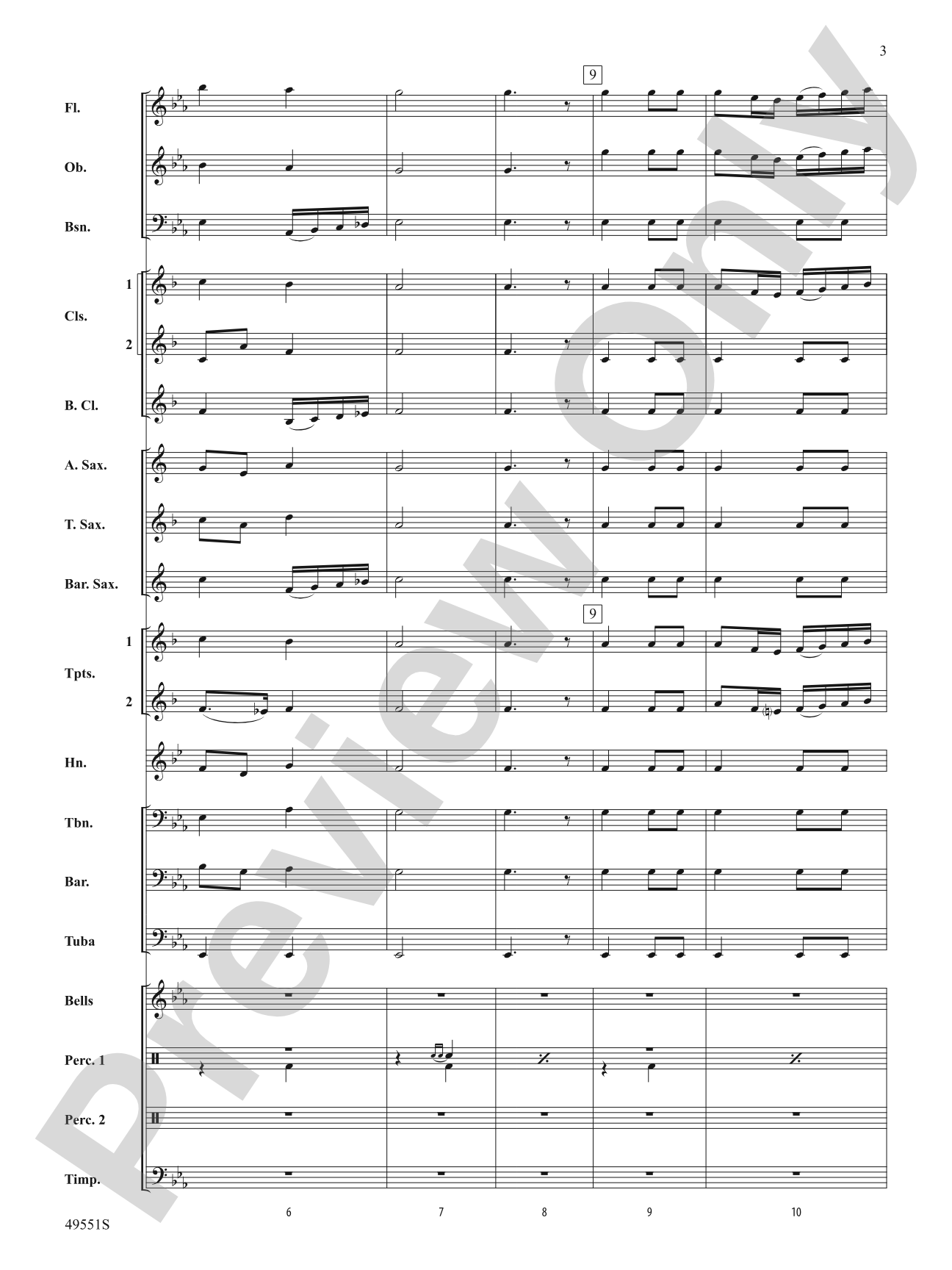
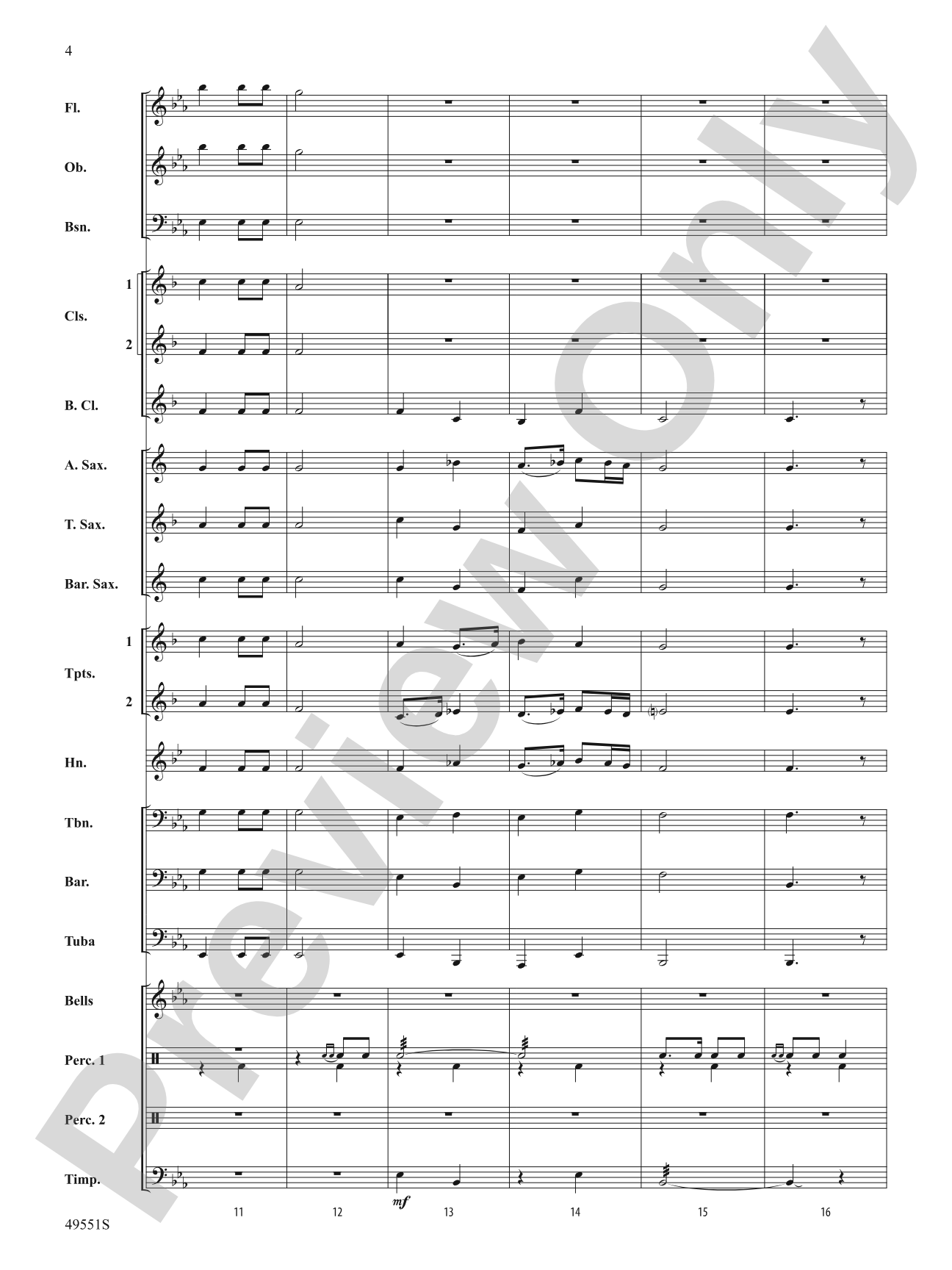
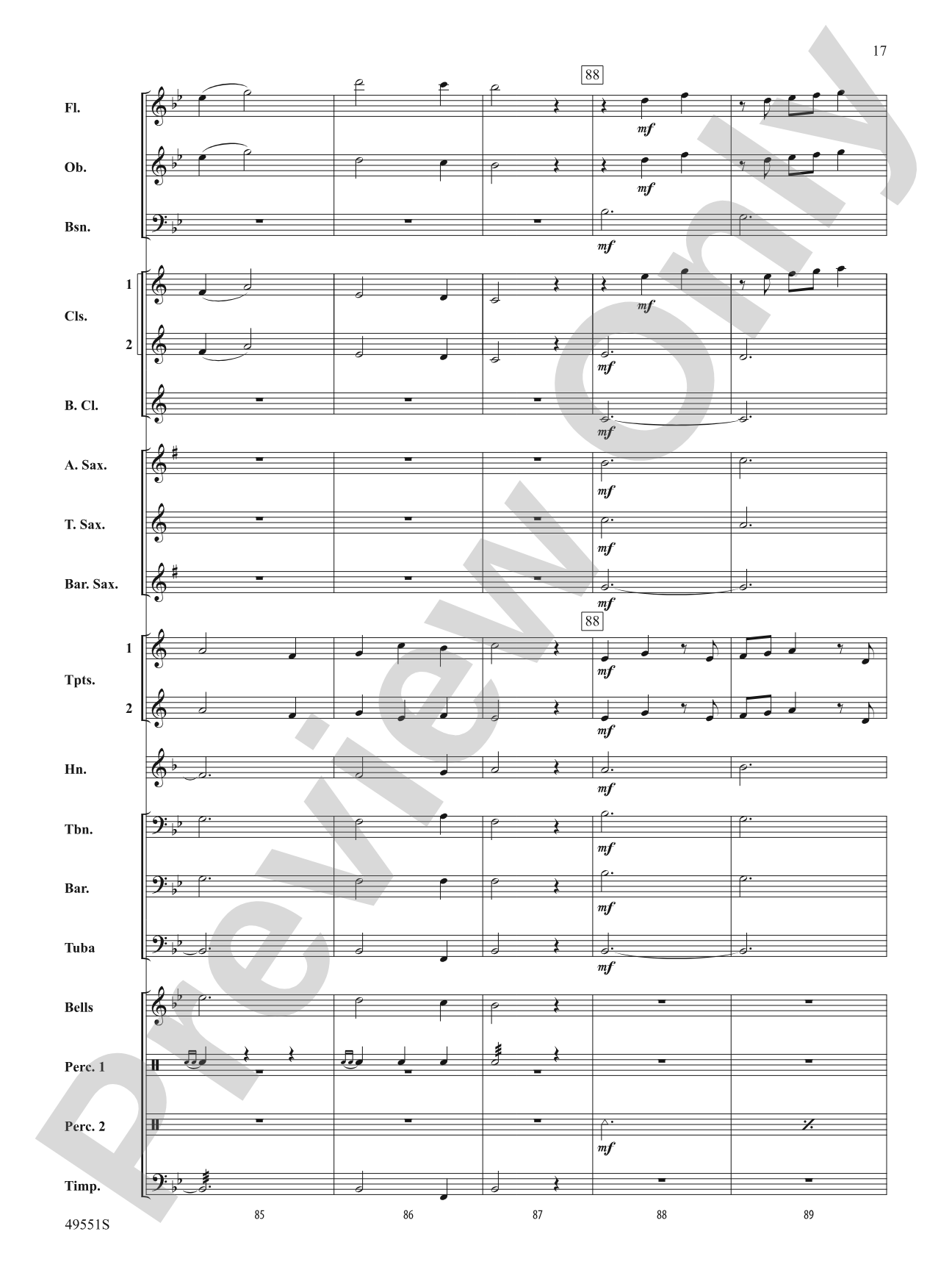
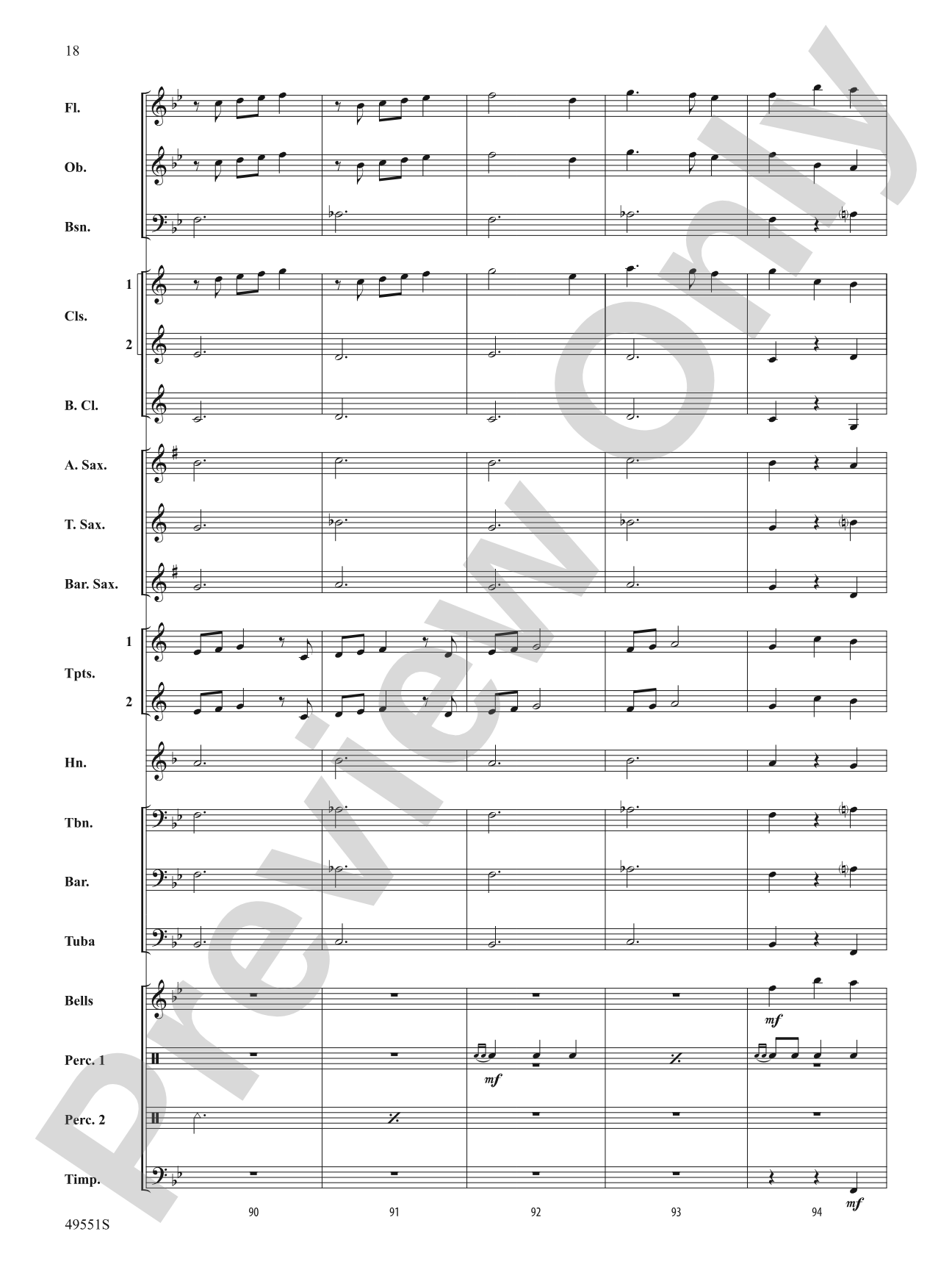
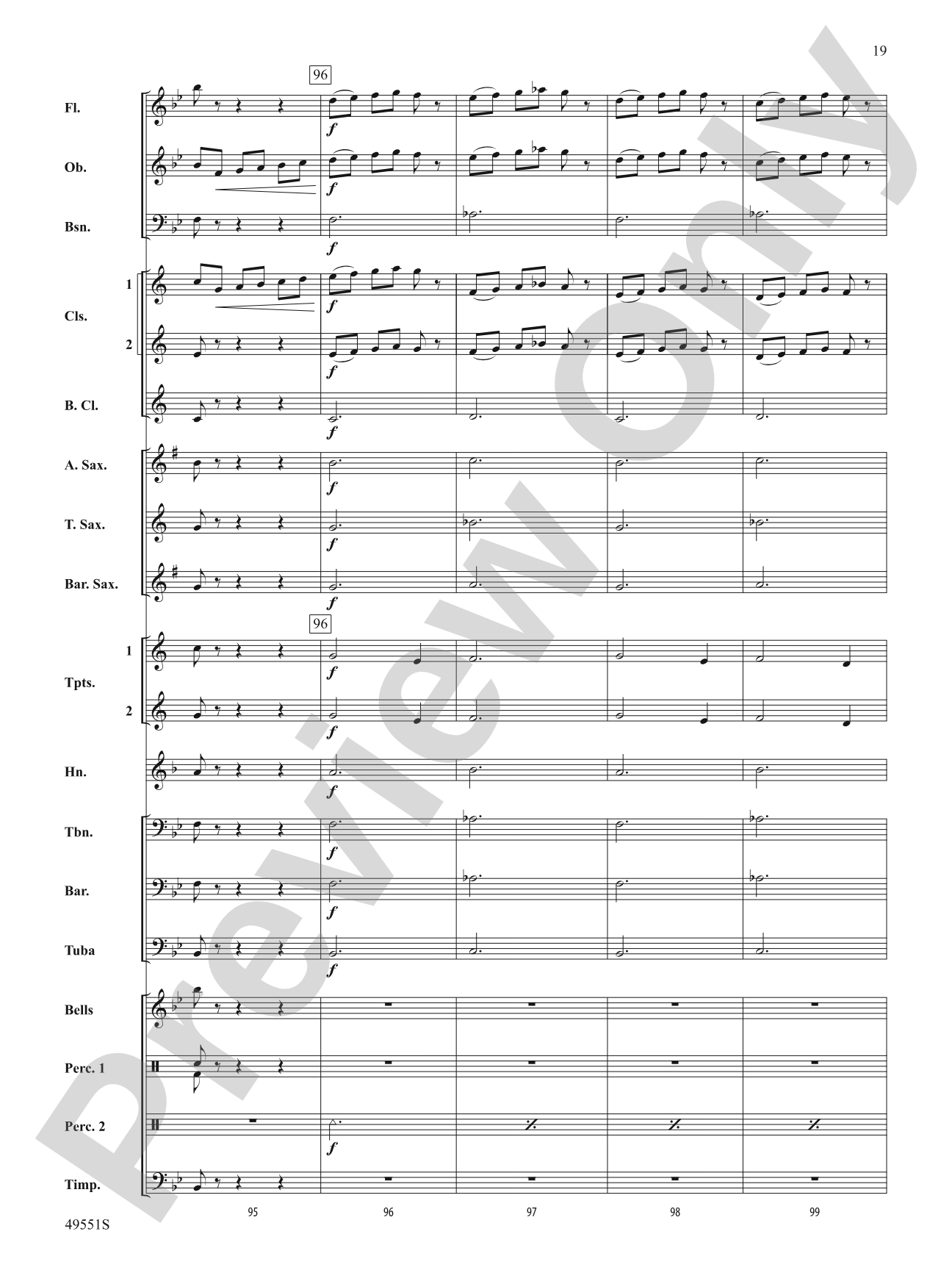
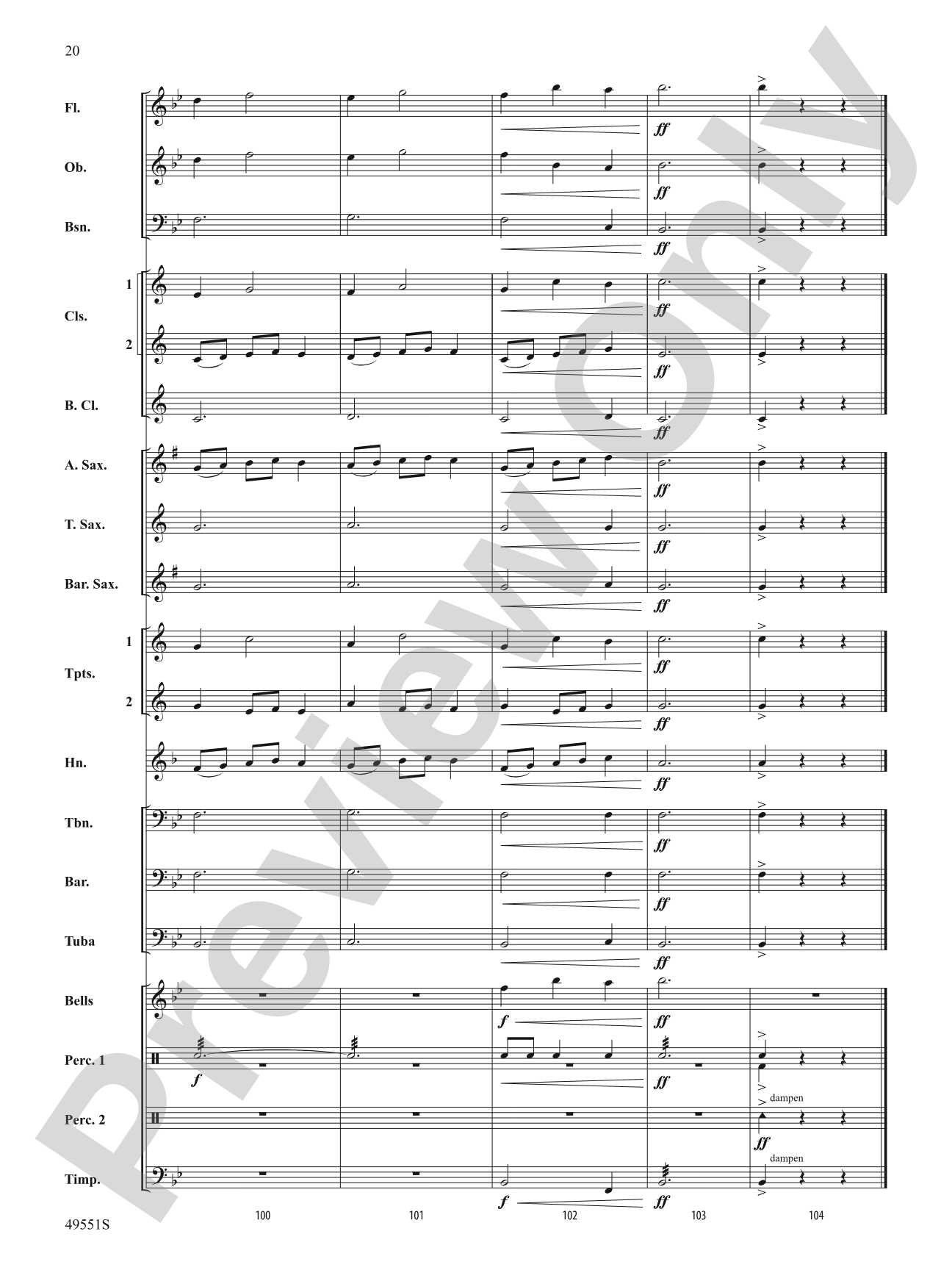

Two Movements from William Byrd Suite: Concert Band Conductor Score & Parts
By Gordon Jacob / arr. Douglas E. Wagner
Grade: 2
Item: 00-PK-0008531

$63.00
One moment…
Description
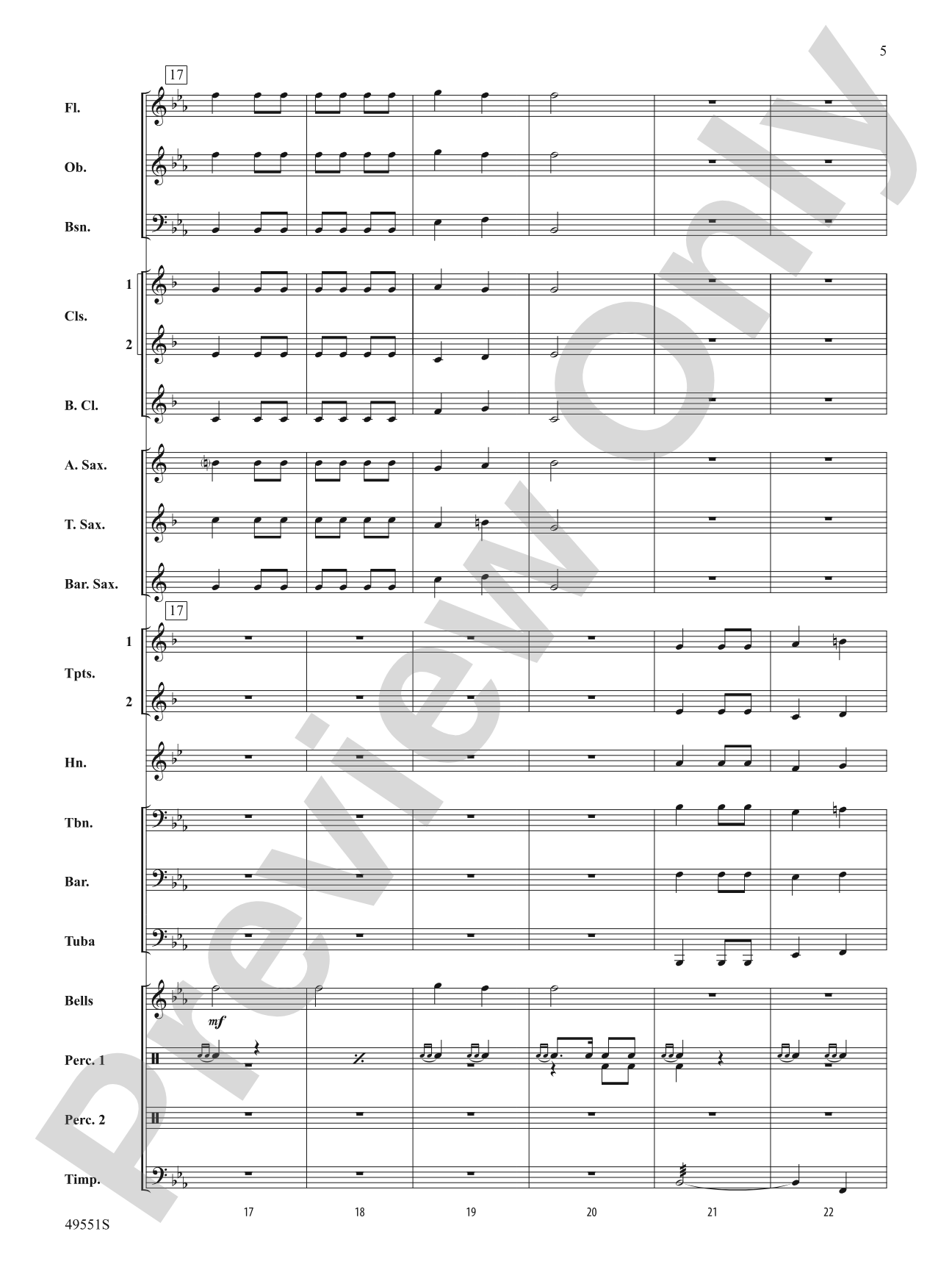
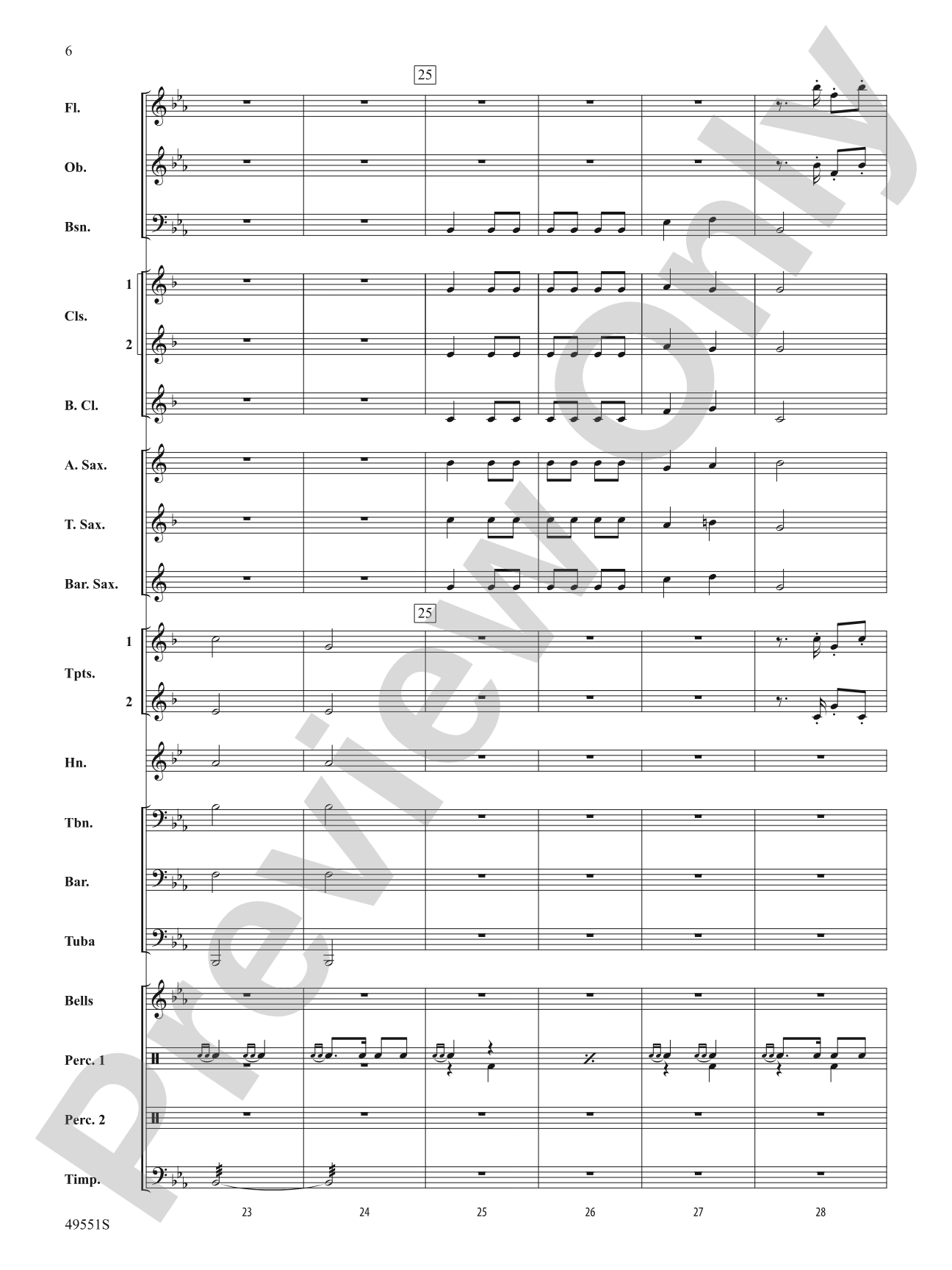
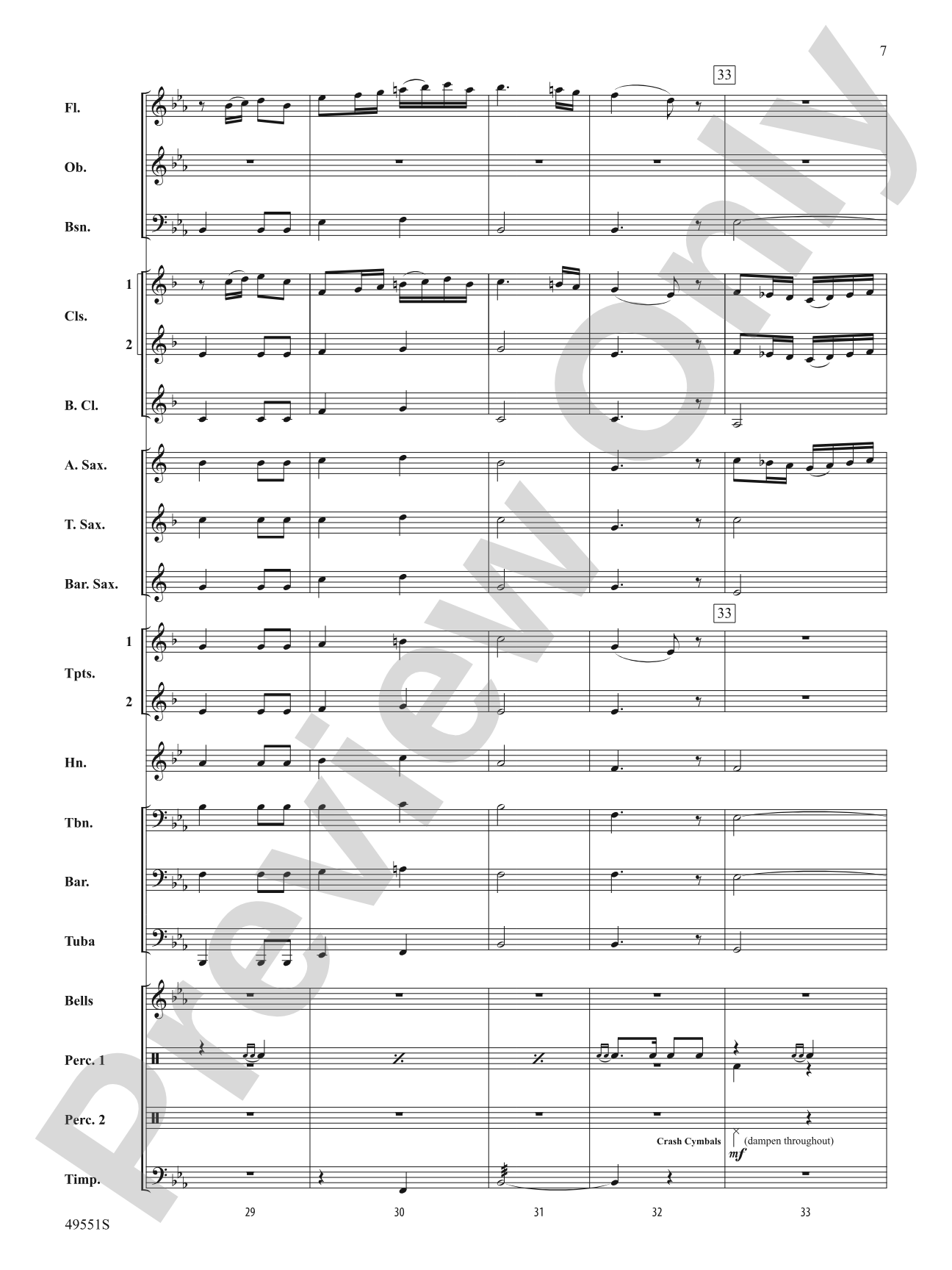
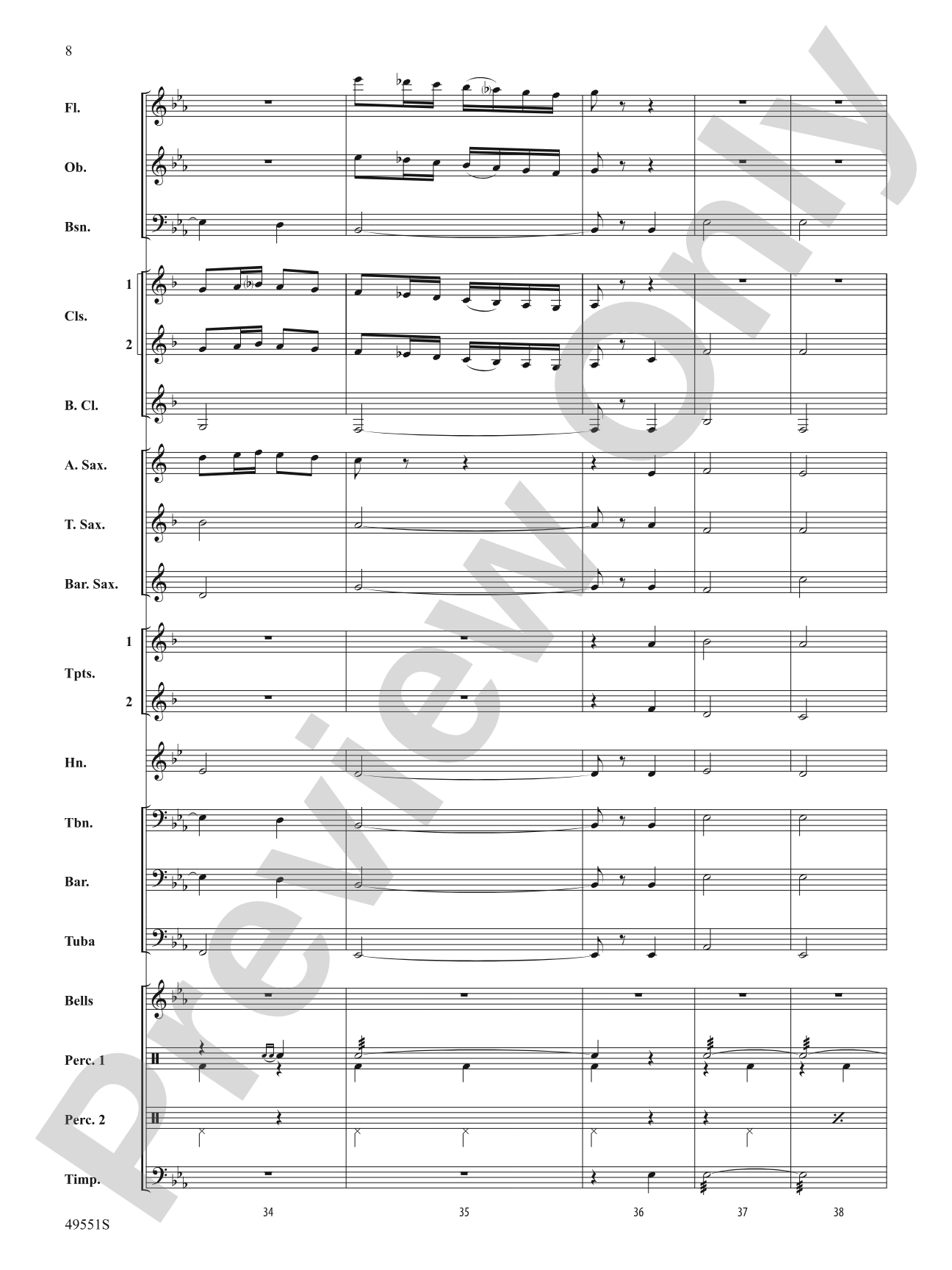
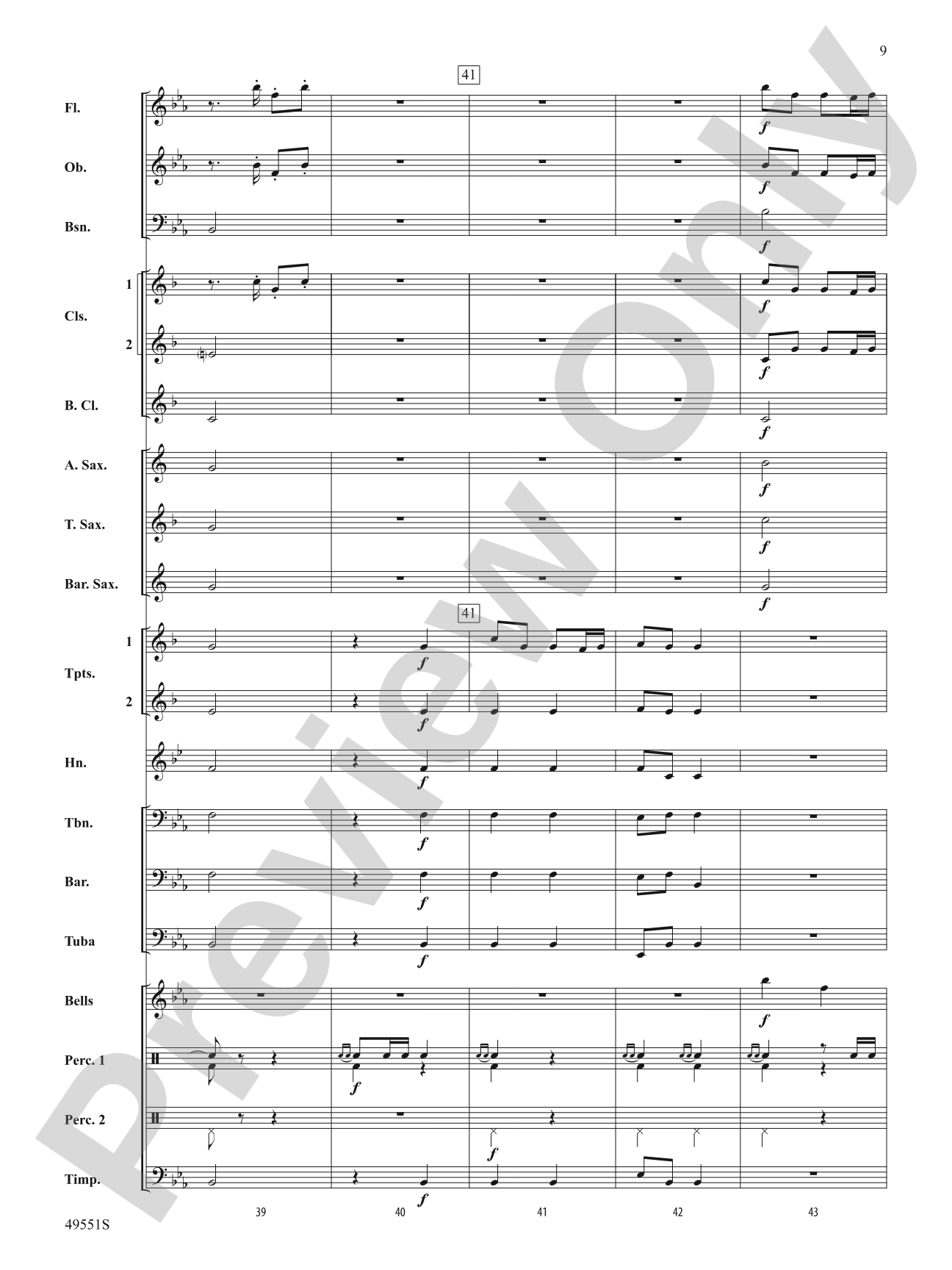
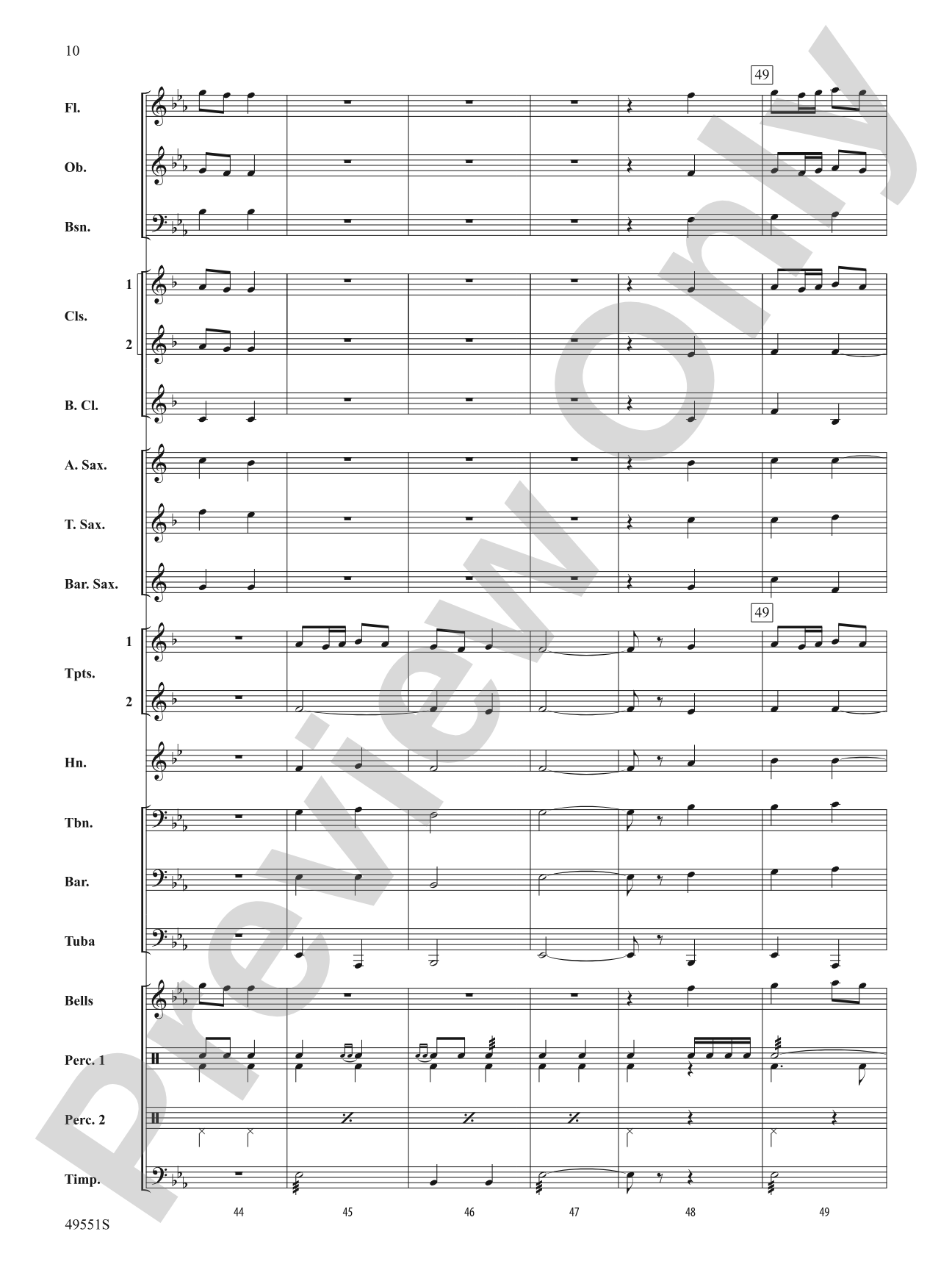
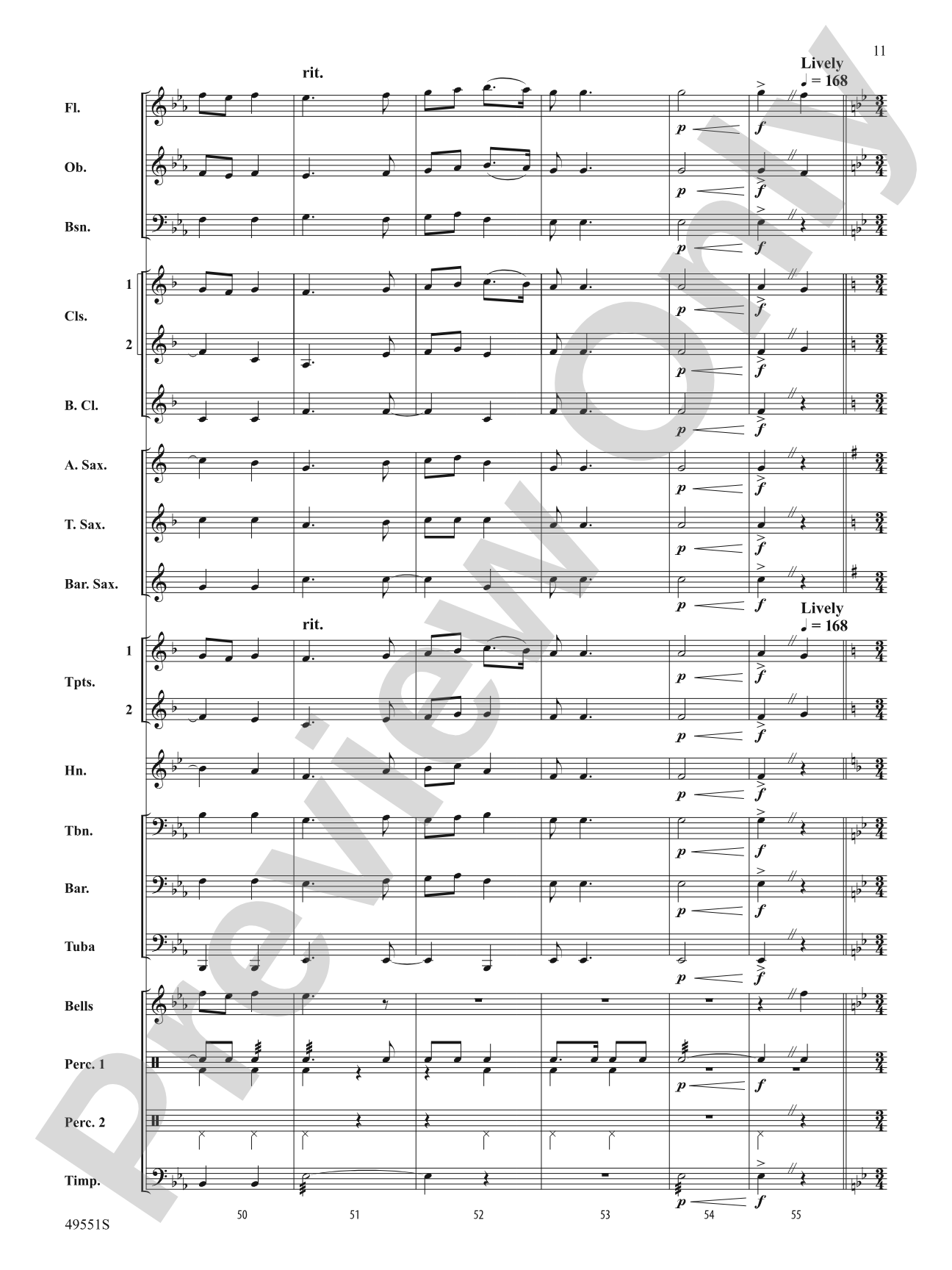
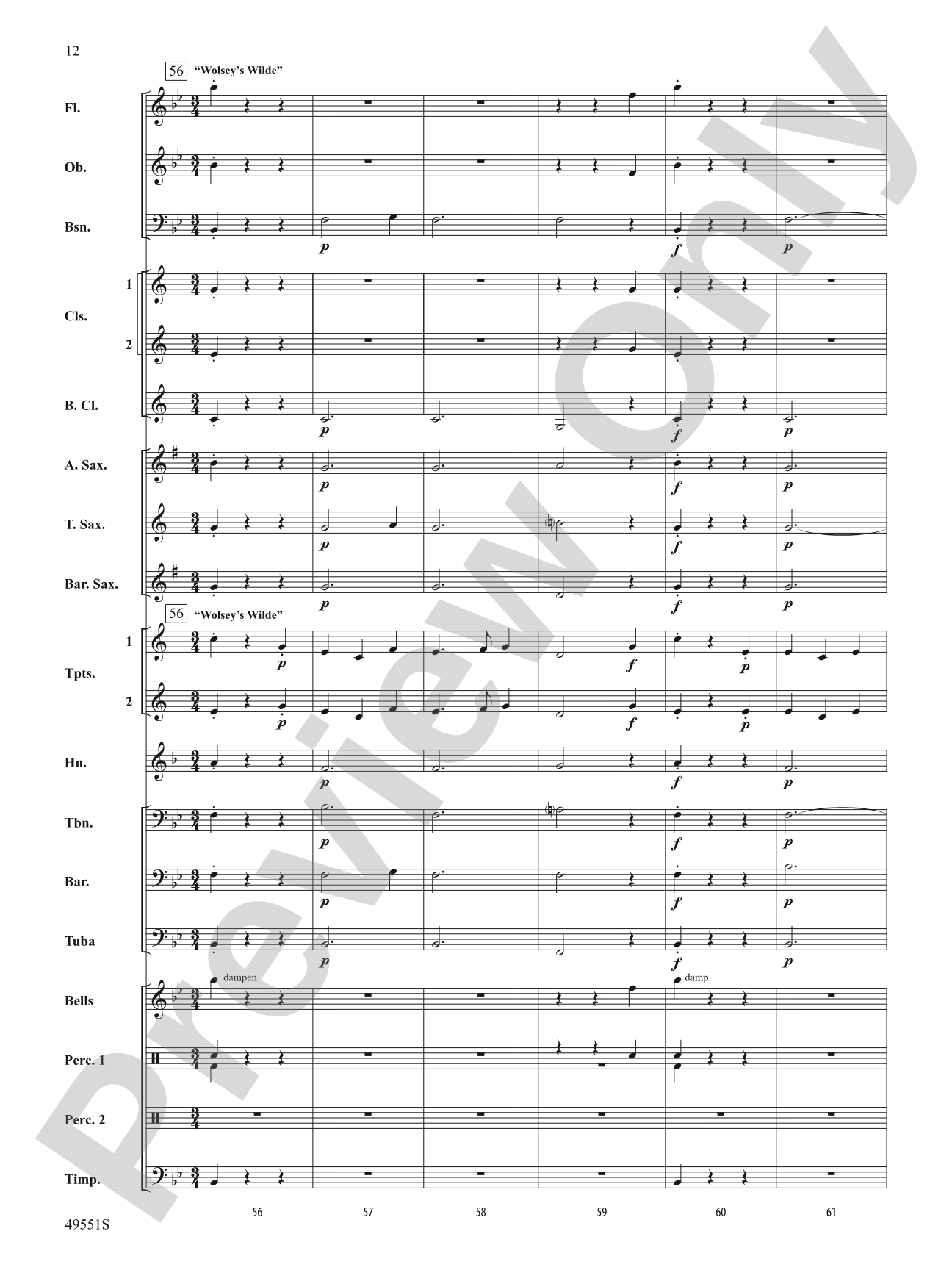
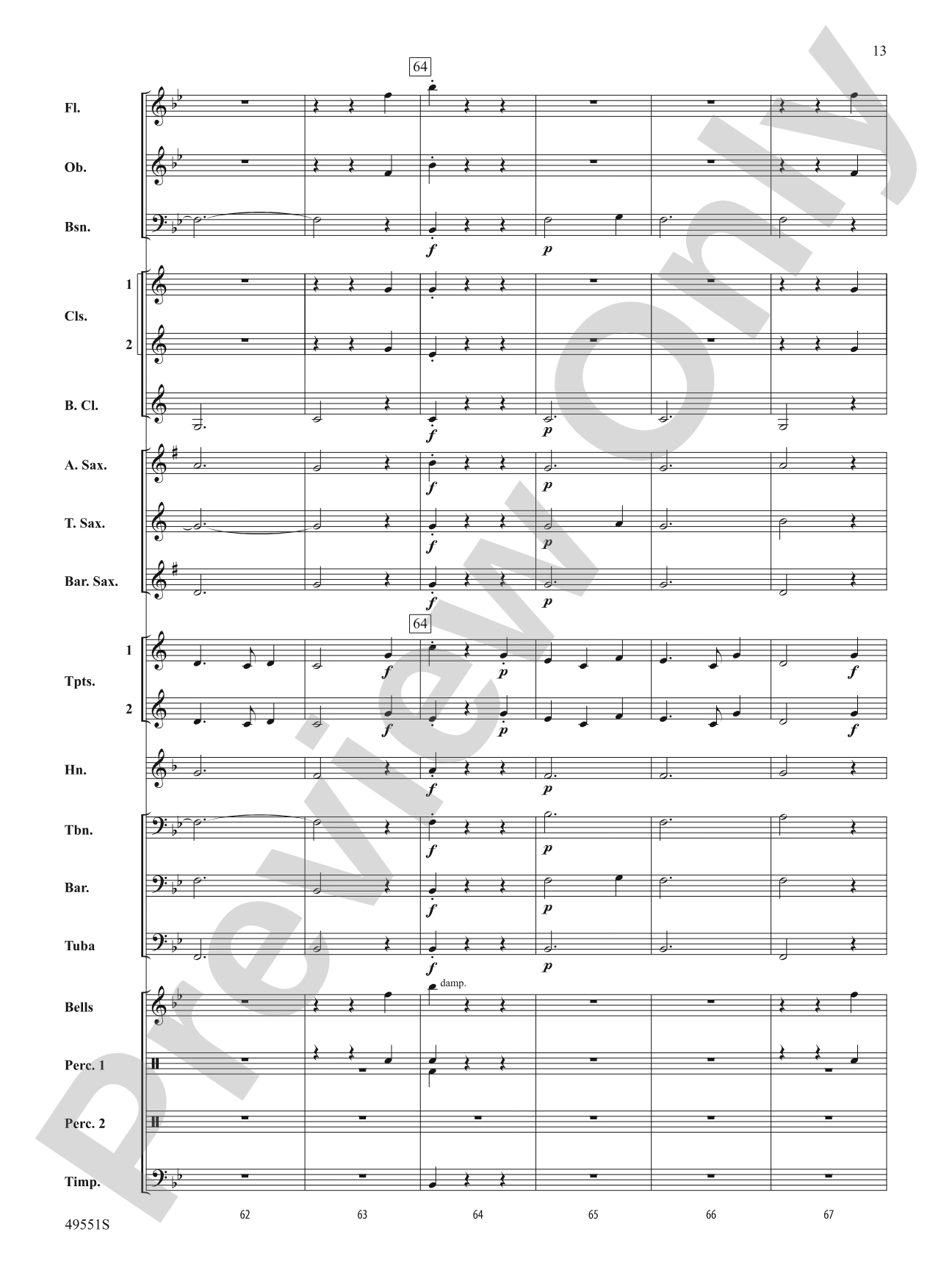
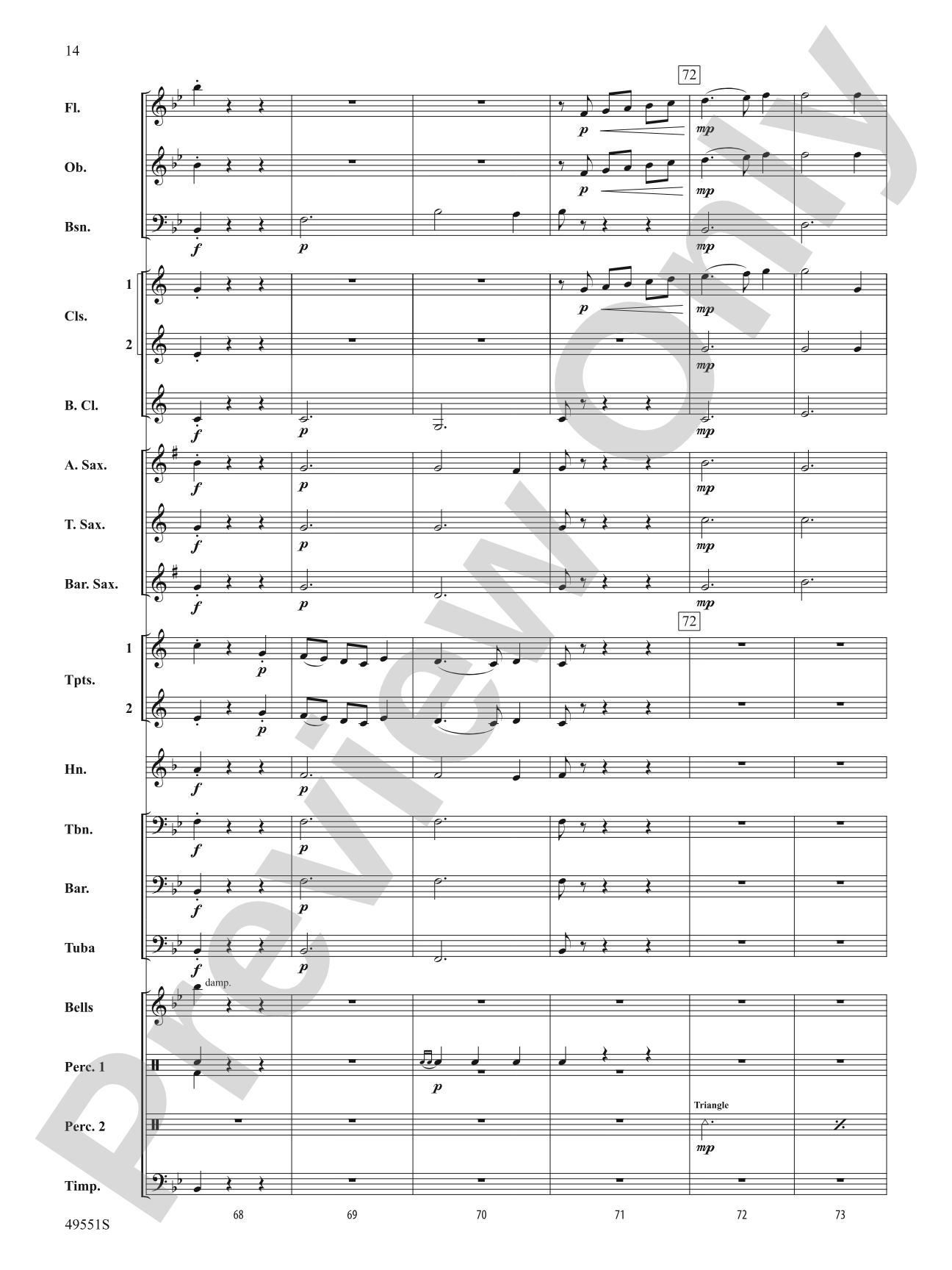
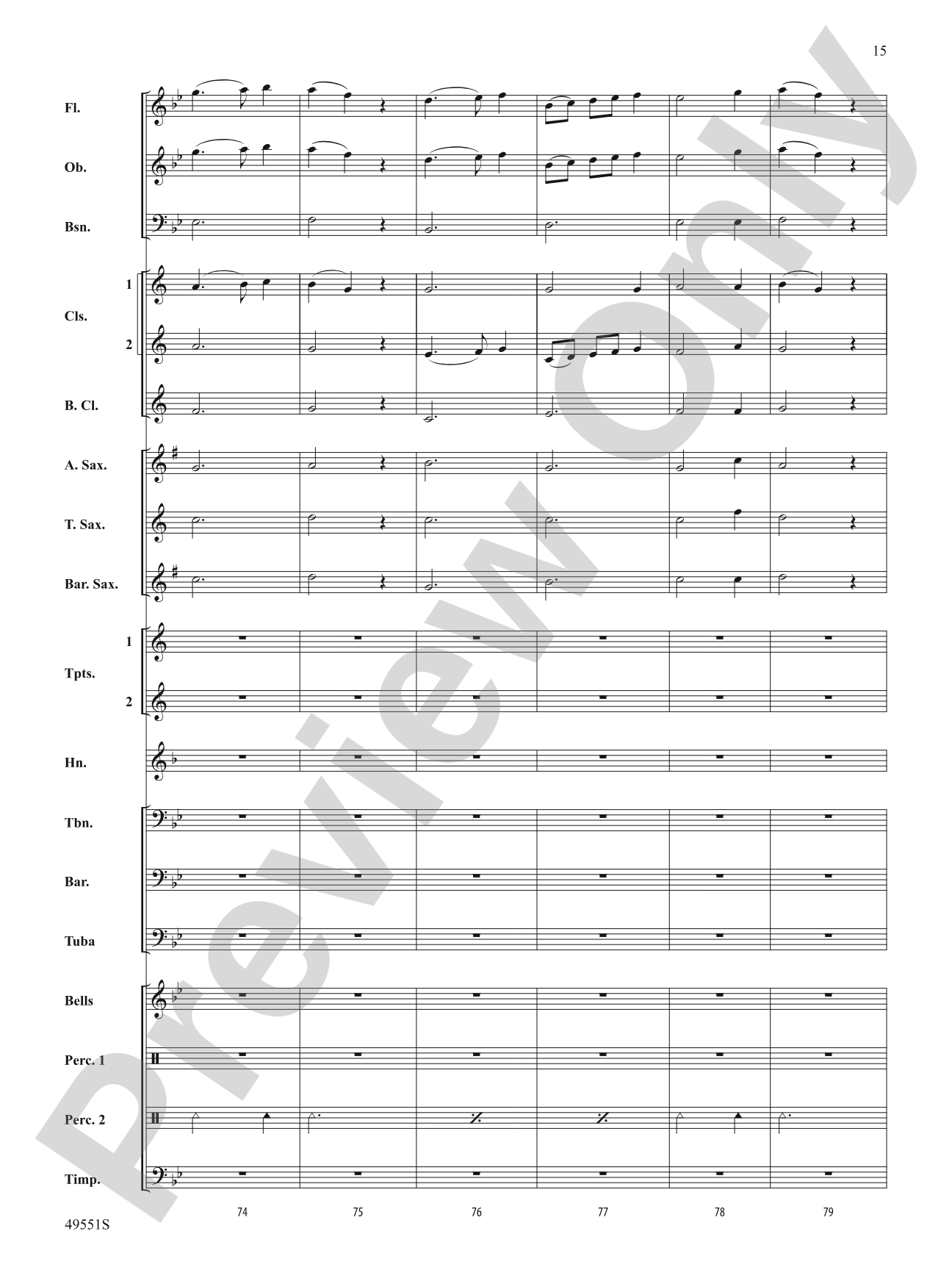
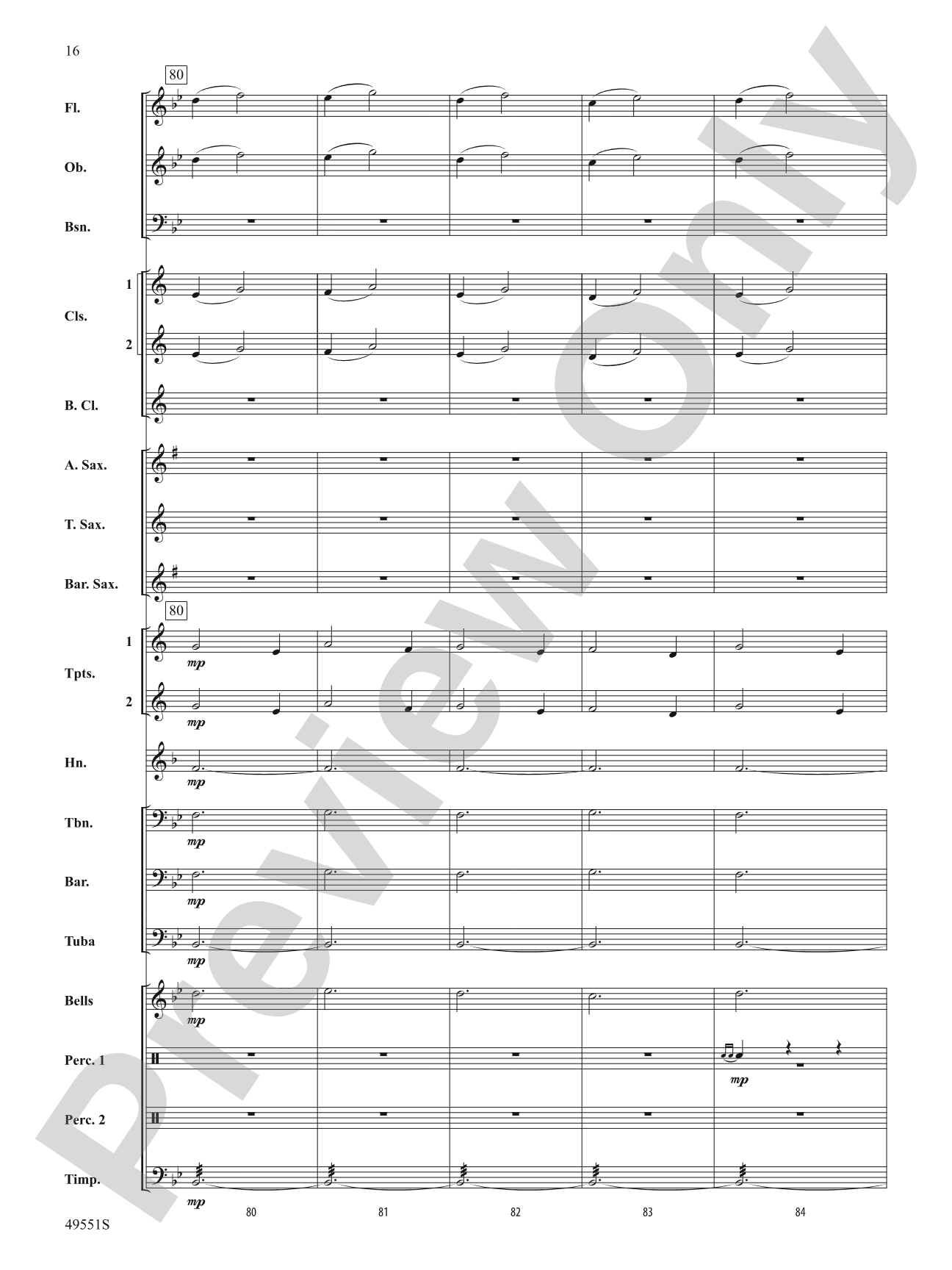
Of all of Gordon Jacob's major contributions to the British wind band repertoire, the William Byrd Suite (written in 1923) stands as his most-often programmed work. Though originally based on six movements from William Byrd's Fitzwilliam Virginal Book, this setting for developing band incorporates two contrasting movements including "The Earle of Oxford's Marche" and "Wolsey's Wilde." Like Jacob's wind band work, the music is not a mere transcription from the original keyboard collection, but rather stylized with his own inventive musical spirit for modern concert band. A wealth of material here that opens doors to teachable moments as musical textures---dynamic contrasts, articulations, scoring options---are continually changing. Bravo! (2:33) This title is available in MakeMusic Cloud.


Don't just read it, hear it, play along with it, and watch your students grow with it. In MakeMusic Cloud, Two Movements from William Byrd Suite: Concert Band Conductor Score & Parts comes alive with professional accompaniment, adjustable tempo, and built-in practice tools that turn solo practice into real progress.
Open in the Player
Jump straight in and assign it today.
Start Your Free Trial
Open this title and explore the full library in minutes.
Sample Audio
1
Audio File
--:--
0:00
0:00
Sample Video
Additional Details
Series:
Belwin Young Band
Publisher:
Alfred Music
SKU:
00-PK-0008531
More about this title
About the Composer: Gordon Jacob
Gordon Jacob (1895-1984) was a prolific British composer and conductor whose output shaped the modern concert band repertoire. His gift for orchestration and his understanding of what developing ensembles could accomplish made him one of the most frequently performed band composers of the 20th century, particularly in educational settings across Britain and North America.
Jacob's arranging philosophy moved far beyond simple transcription. He understood that adapting keyboard music for wind band required reimagining sonorities, redistributing lines across varied instrumental colors, and expanding the harmonic palette to suit modern ensemble capabilities. His William Byrd Suite exemplifies this approach: it honors the Renaissance source material while creating something distinctly his own.
Why we love this
This arrangement demonstrates how great music transcends its original medium. Jacob takes Byrd's keyboard works and transforms them into vivid band scoring that rewards close listening at every rehearsal, with constantly shifting textures and articulations that keep students engaged. The Grade 2 accessibility means your band can tackle genuine masterwork literature without overextending the ensemble's technical demands.
What to expect
The piece inhabits the intersection of Renaissance dignity and 20th-century brass band color. 'The Earle of Oxford's Marche' carries the swagger of a historical procession rendered in modern instrumentation, while 'Wolsey's Wilde' dances with rhythmic vitality and lighter orchestration. Throughout, there is a sense of historical respect tempered by genuine musicianship and contemporary arrangement craft.
Who it's for
This work suits developing concert bands at the Grade 2 level who are ready to explore scored music with real textural sophistication. Directors programming a festival or contest set will find it accessible enough for solid ensemble execution while remaining musically substantial enough to earn respect from adjudicators and audiences alike.
How to get the most out of it
- Balance the exposed solo lines against the harmonic foundation; Jacob weights his scoring to highlight melody, but the accompanying voices need enough presence to support the architecture.
- Attend carefully to articulation changes between contrasting sections. The shift from the march's crisp character to the dance idiom in 'Wolsey's Wilde' depends partly on how crisply or smoothly you shape each phrase.
- Use the dynamic contrasts as structural signposts. Jacob's scoring creates natural peaks and valleys; letting these breathe makes the form clear to both players and listeners.
How to use it
Pair this with other early music arrangements or classical transcriptions to create a thematic concert section exploring how composers reimagine the past. Its moderate length (approximately 2 minutes 33 seconds) makes it an ideal centerpiece for a varied program or a logical opener that establishes both the band's musicality and its technical foundation.
Skills your students will build
- Reading stylized articulation changes across contrasting sections
- Balancing transparent textures and inner-part independence
- Responding to frequent dynamic shifts and scoring redistributions
- Understanding how harmonic and melodic lines interact across different instrumental families