

Two Modal Sketches: String Orchestra Conductor Score & Parts
By John O'Reilly
Grade: 1
Item: 00-PK-0000296

$42.00
Pickup currently not available
Buy Extra Parts (Digital PDF Download)
| Product | Price | Quantity |
|---|---|---|
| Two Modal Sketches: Score | $8.00 | |
| Two Modal Sketches: 1st Violin | $5.99 | |
| Two Modal Sketches: 2nd Violin | $5.99 | |
| Two Modal Sketches: 3rd Violin (Viola [TC]) | $5.99 | |
| Two Modal Sketches: Viola | $5.99 | |
| Two Modal Sketches: Cello | $5.99 | |
| Two Modal Sketches: String Bass | $5.99 | |
| Two Modal Sketches: Piano Accompaniment | $5.99 |
Parts Added to Cart!
Description
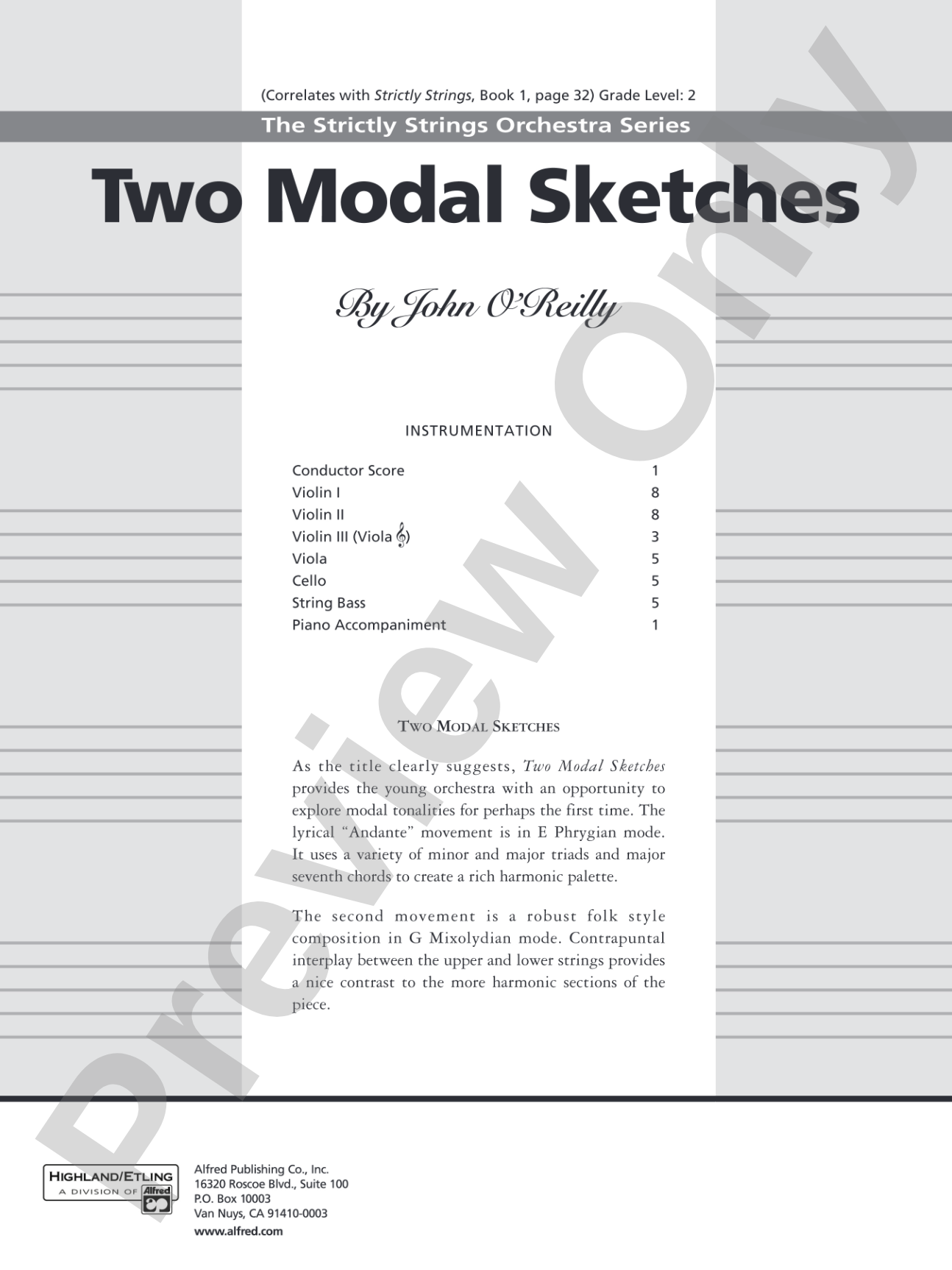
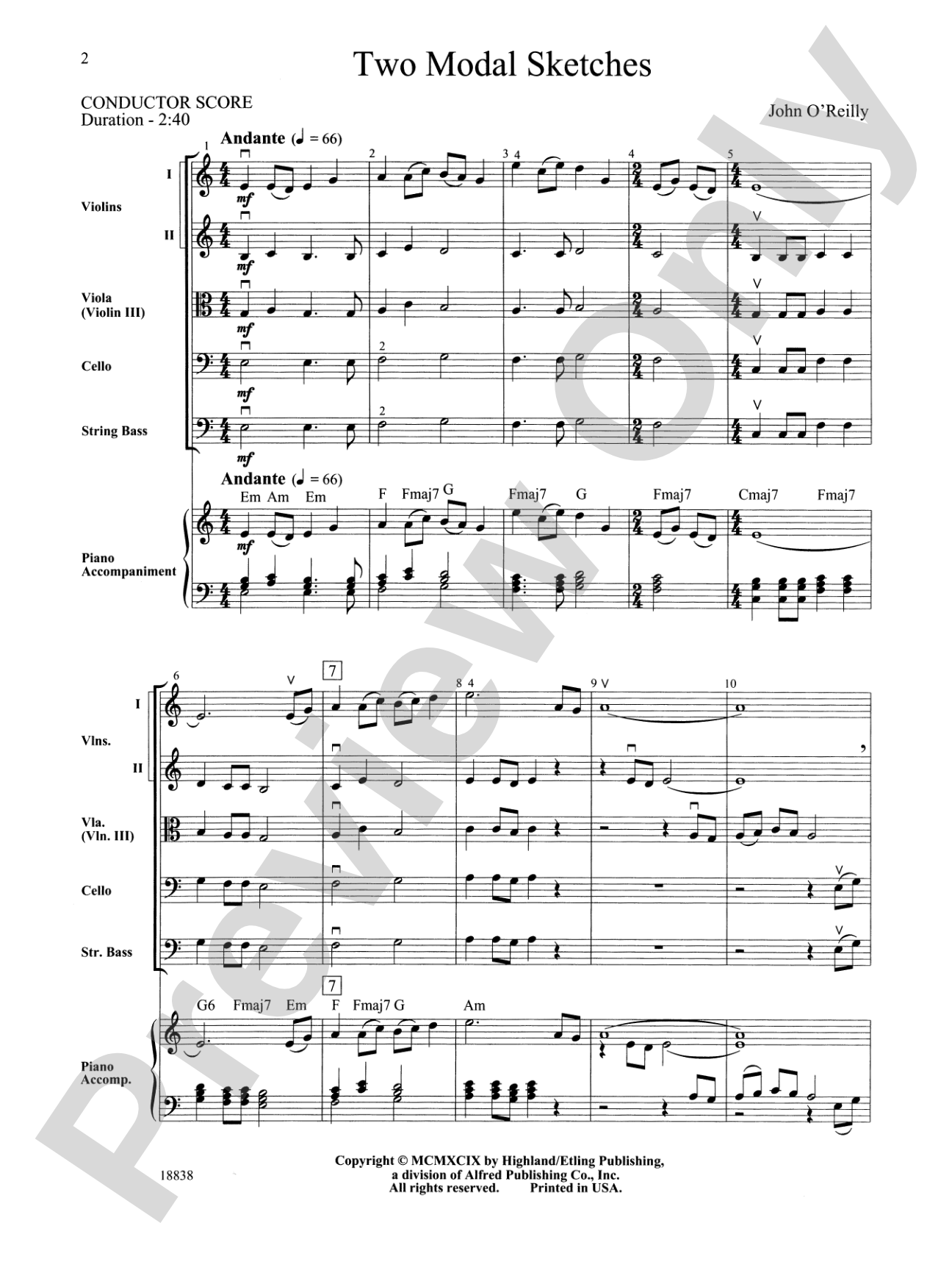
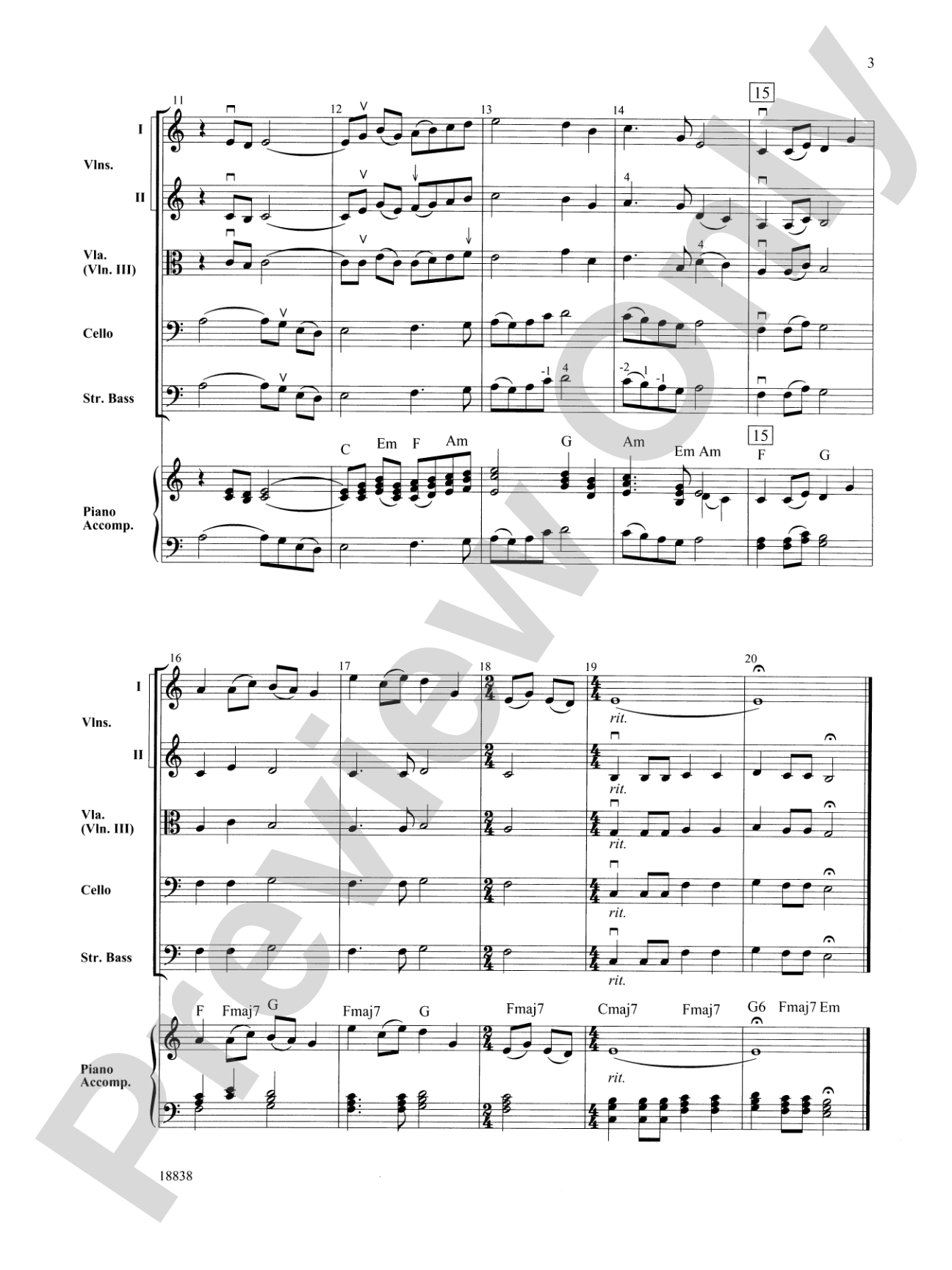
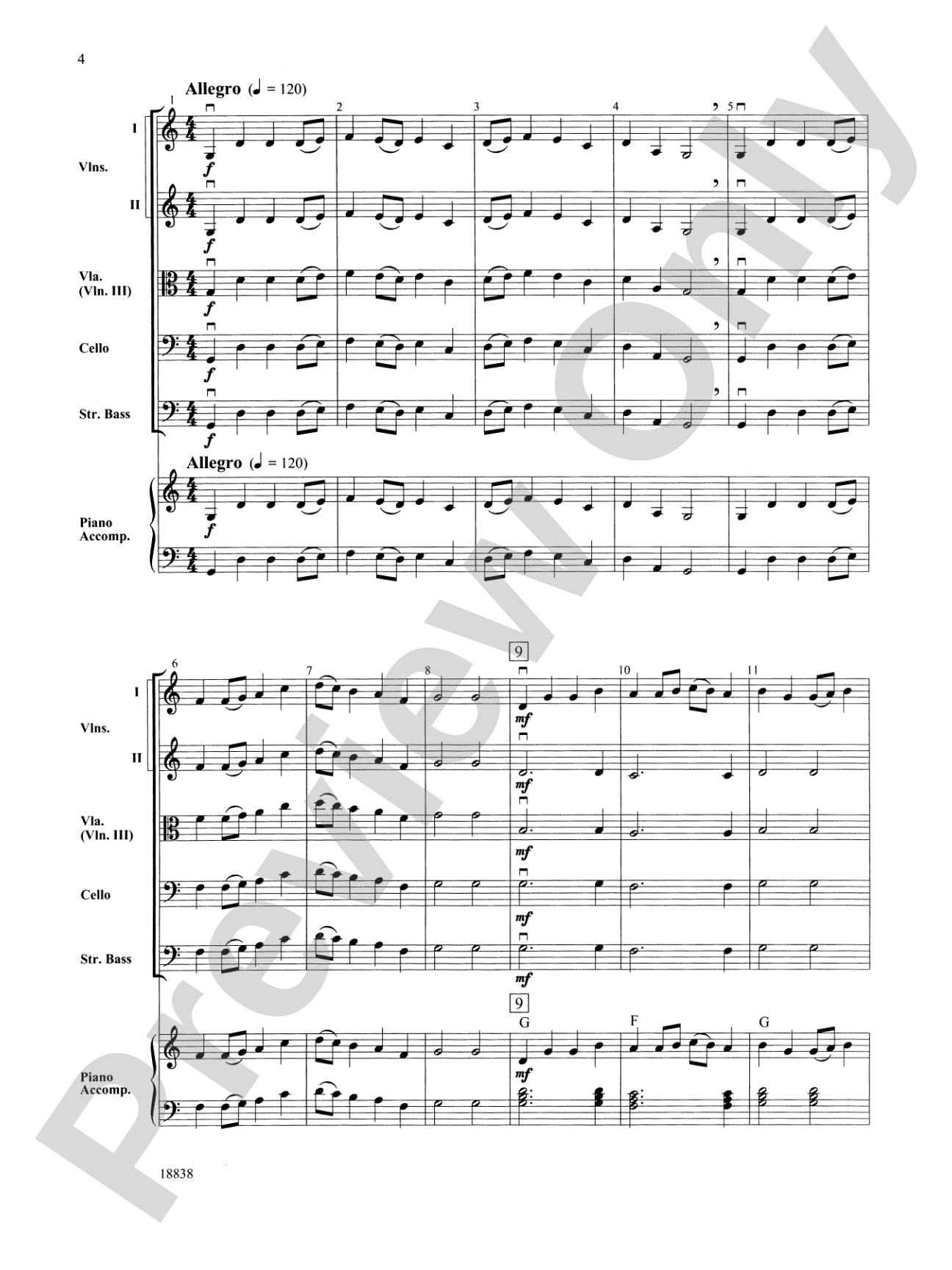
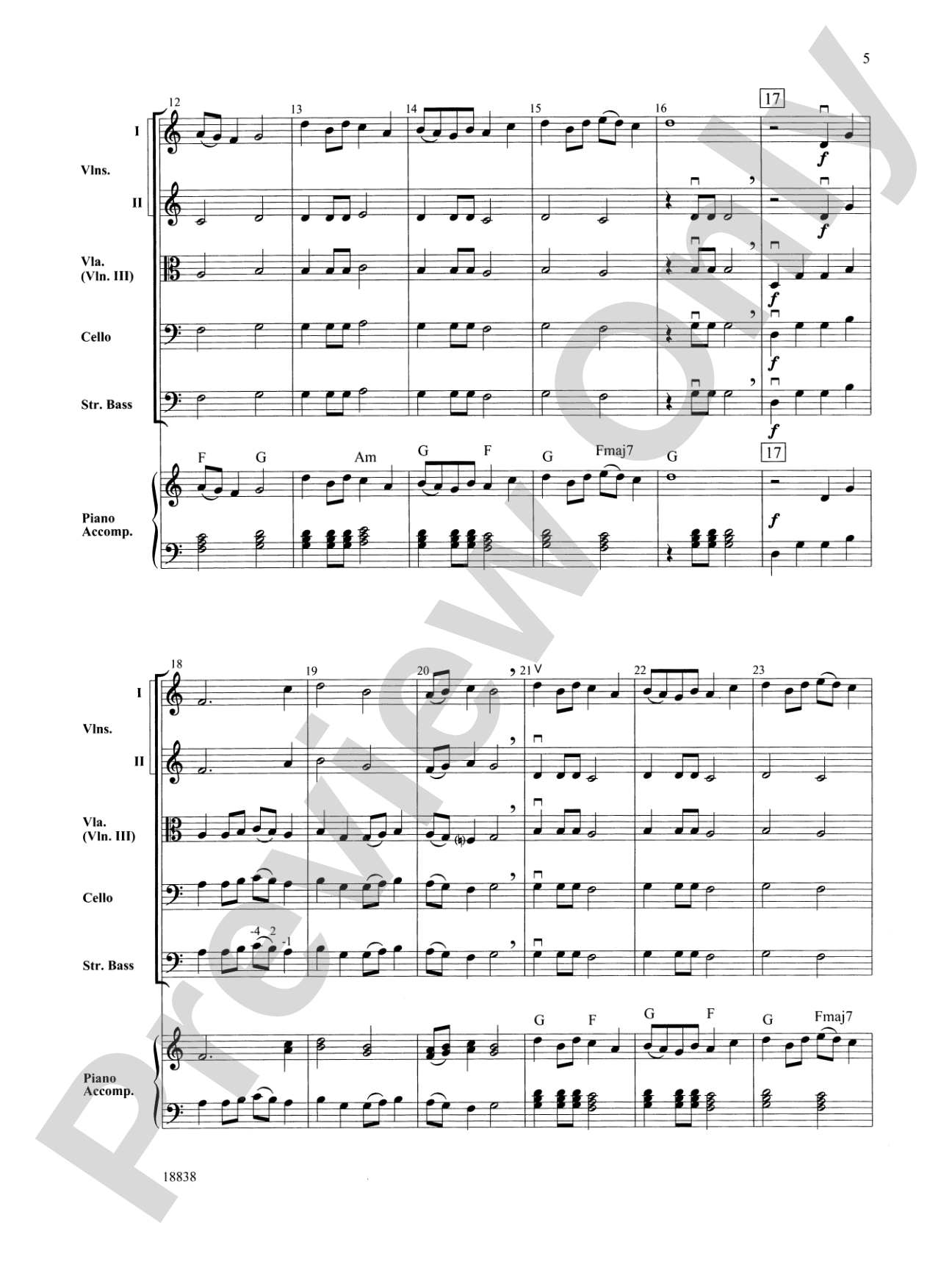
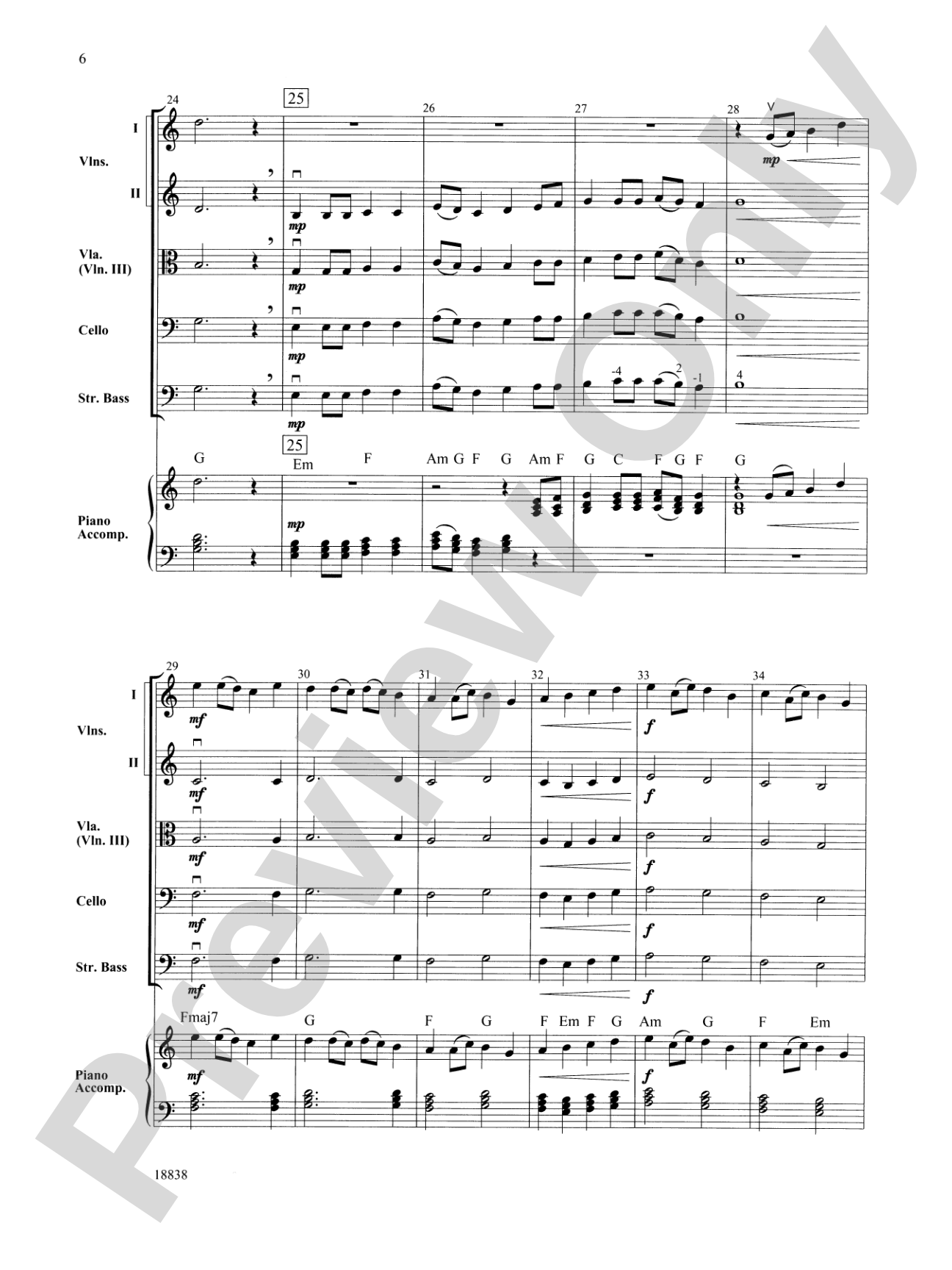
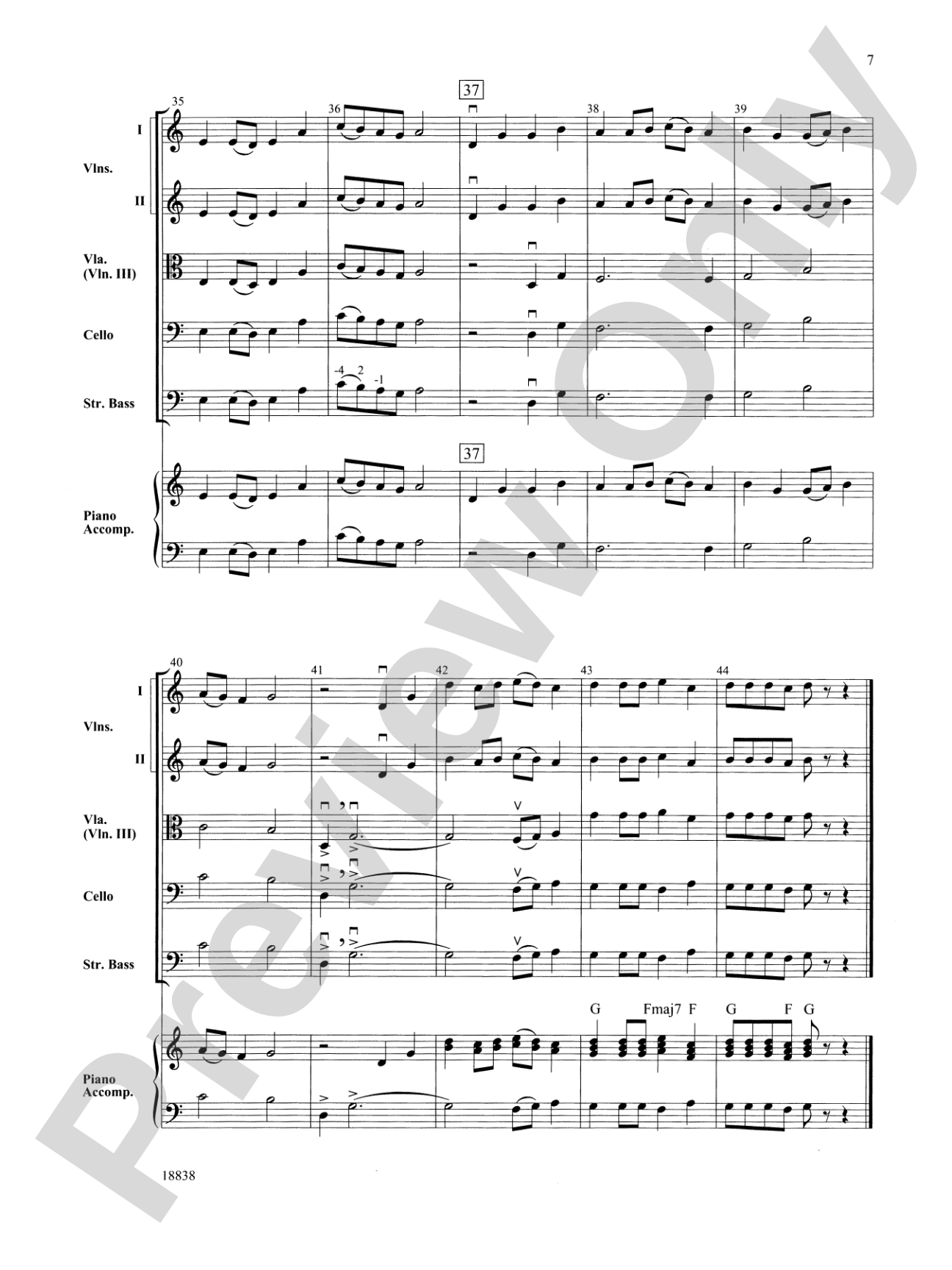
Your students will love the modern sound of this original by John O'Reilly. The piece begins with a lyrical "Andante" in Phrygian mode utilizing slurred bowings, followed by a robust folk style "Allegro" in Mixolydian mode. Very appealing and quite different. This title is available in MakeMusic Cloud.


Don't just read it, hear it, play along with it, and watch your students grow with it. In MakeMusic Cloud, Two Modal Sketches: String Orchestra Conductor Score & Parts comes alive with professional accompaniment, adjustable tempo, and built-in practice tools that turn solo practice into real progress.
Open in the Player
Jump straight in and assign it today.
Start Your Free Trial
Open this title and explore the full library in minutes.
Sample Audio
1
Audio File
--:--
0:00
0:00
Sample Video
No sample videos found.
Additional Details
Series:
Highland/Etling Strictly Strings
Publisher:
Alfred Music
Page Count:
72
SKU:
00-PK-0000296
More about this title
Why we love this
O'Reilly writes for young string orchestras with genuine compositional sophistication. Rather than relying on familiar melodies or simple arrangements, he creates original music that sounds mature and contemporary without requiring advanced technique. The modal language here gives Grade 1 players access to sounds and harmonic colors they won't encounter in standard repertoire.
What to expect
The opening unfolds in meditative Eastern-inflected colors through the Phrygian mode, with slurred bowings that ask for singing, sustained tone. Then the piece pivots into something earthy and rhythmically alive, the Mixolydian melody evoking folk traditions without quotation or pastiche.
Who it's for
String orchestras at the Grade 1 level looking for contemporary original music that sounds more sophisticated than the grade suggests. This works for programs balancing standard repertoire with pieces that stretch students' understanding of harmony and mode.
How to get the most out of it
- Shape the Phrygian opening with careful dynamic control in the slurred passages. Young players tend to rush through legato bowing, so practice the phrasing in small sections before combining with other parts.
- Balance the folk character of the Allegro by keeping the Mixolydian melody prominent without overdoing the dynamic. The mode itself provides color; resist adding exaggerated expression on top.
- Lock the rhythmic foundation between cello and bass before rehearsing with upper voices. The folk style needs a steady, confident foundation to land.
- Let the mode shift between sections be your rehearsal anchor. Mark where Phrygian ends and Mixolydian begins so students hear and feel the structural change.
How to use it
Program this as a contrast piece when you're working with diatonic or major/minor repertoire elsewhere on the concert. The modal language, combined with accessible instrumentation and contest-worthy polish, makes it ideal for a standalone piece or as a bridge between more traditional opening numbers and heavier closing works.
Skills your students will build
- Playing in modal contexts (Phrygian and Mixolydian)
- Sustaining long tones and singing through slurred bowings
- Responding to harmonic color beyond major and minor tonality
- Executing folk-style rhythmic clarity in the Allegro
- Ensemble balance between melodic and supporting voices