
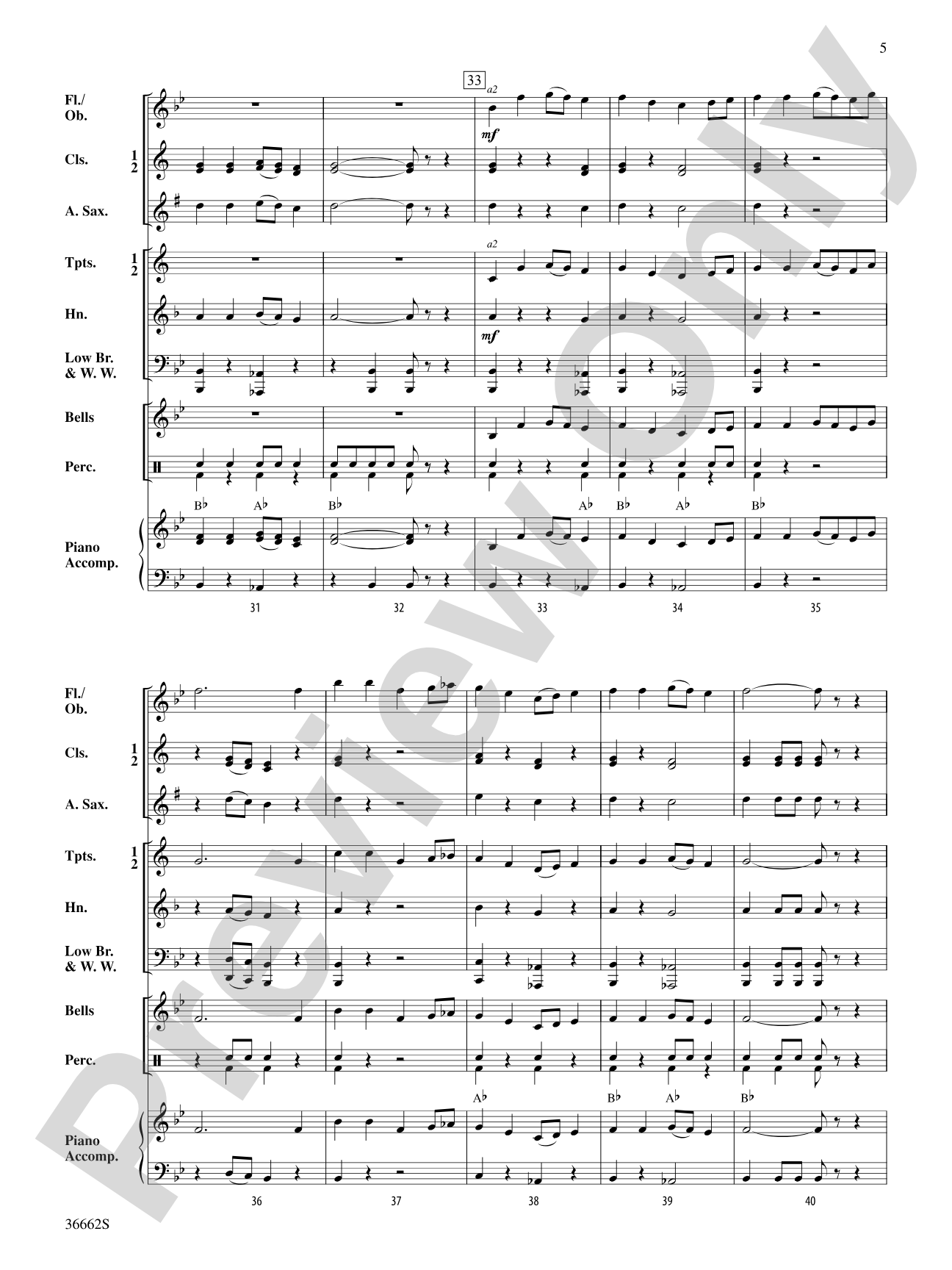
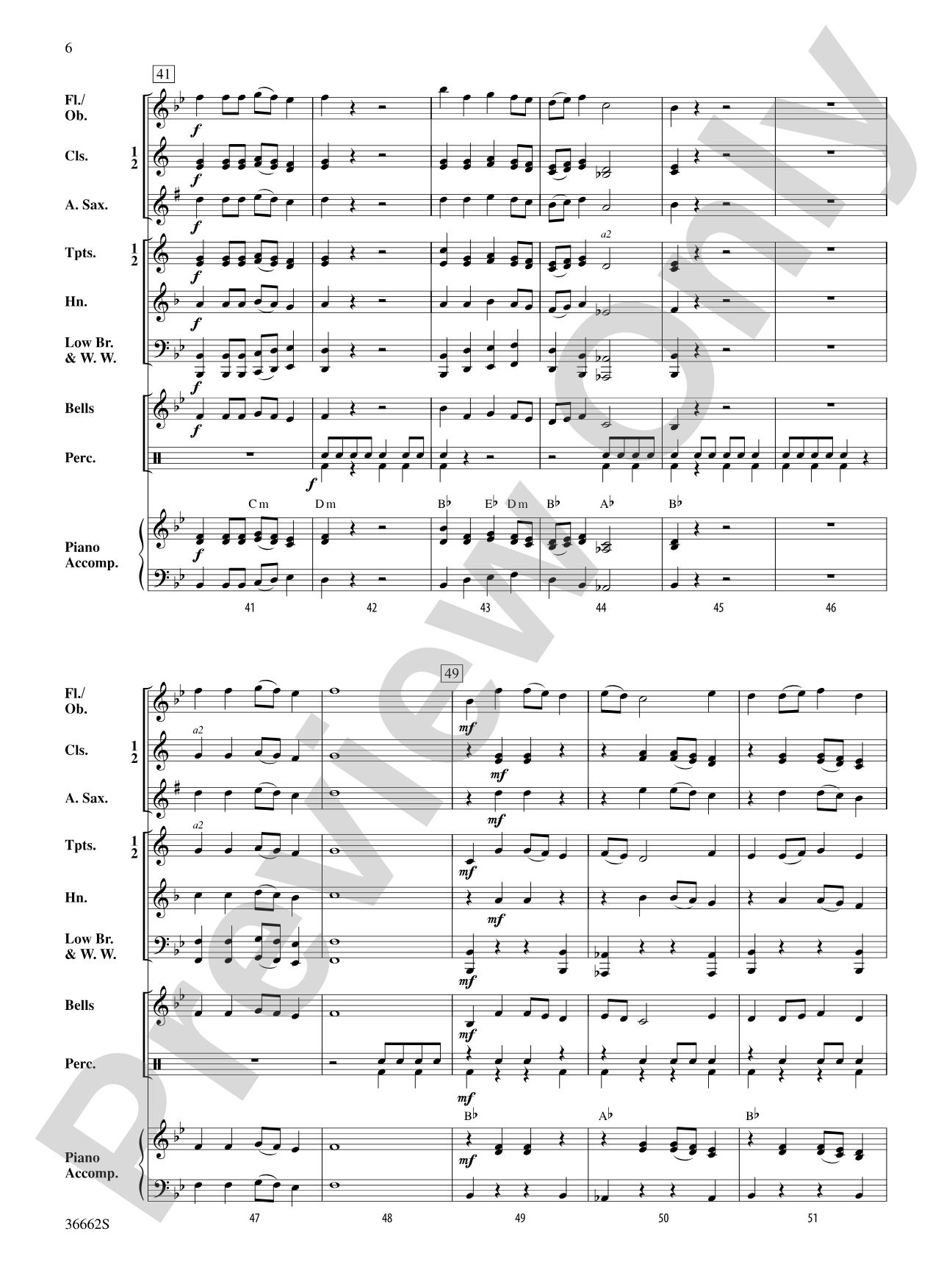
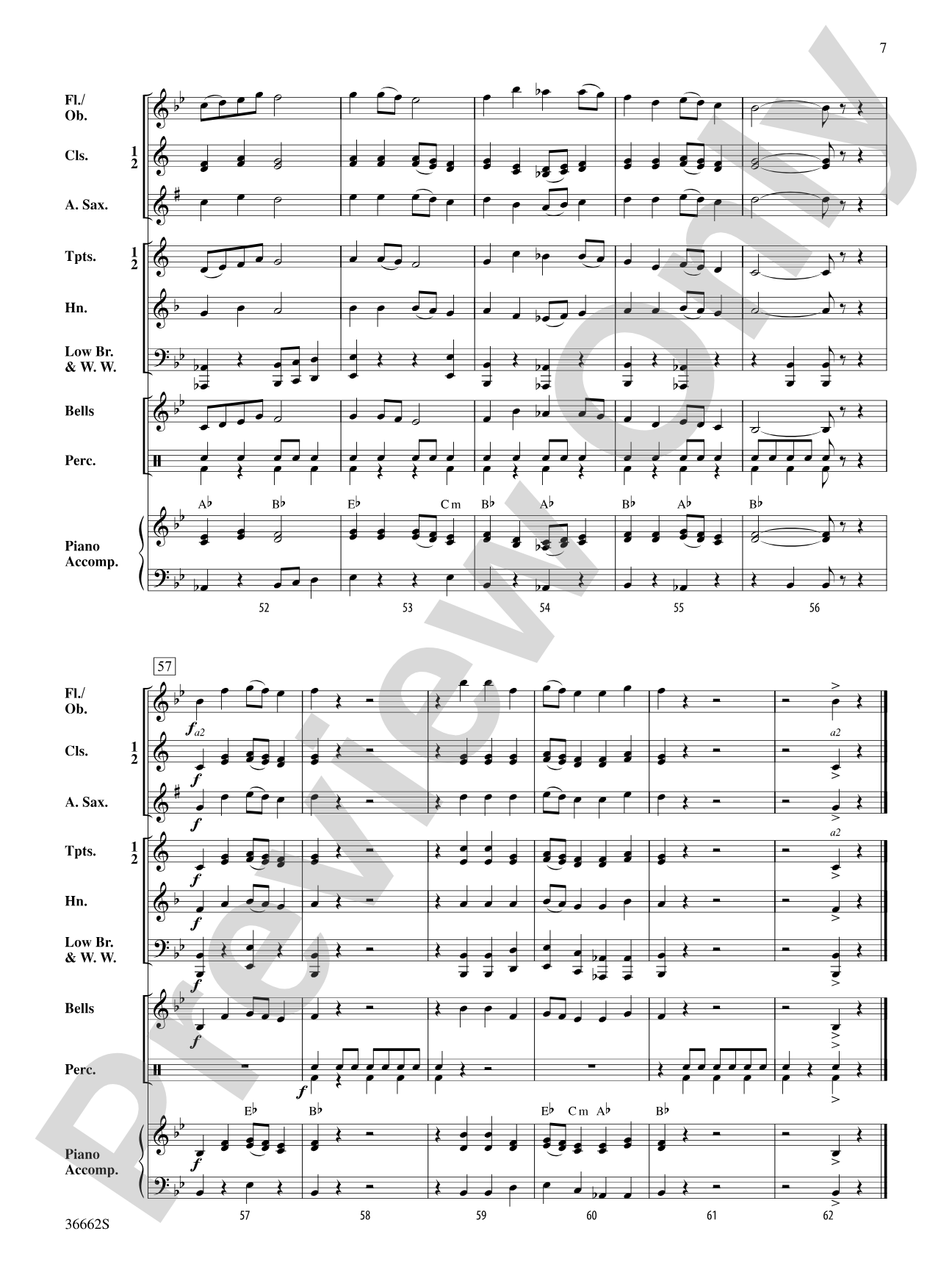


Two Modal Episodes: Score
By John O'Reilly
Grade: 1 (Very Easy)
Item: 00-PR-0003408
$6.00
Pickup currently not available
Description
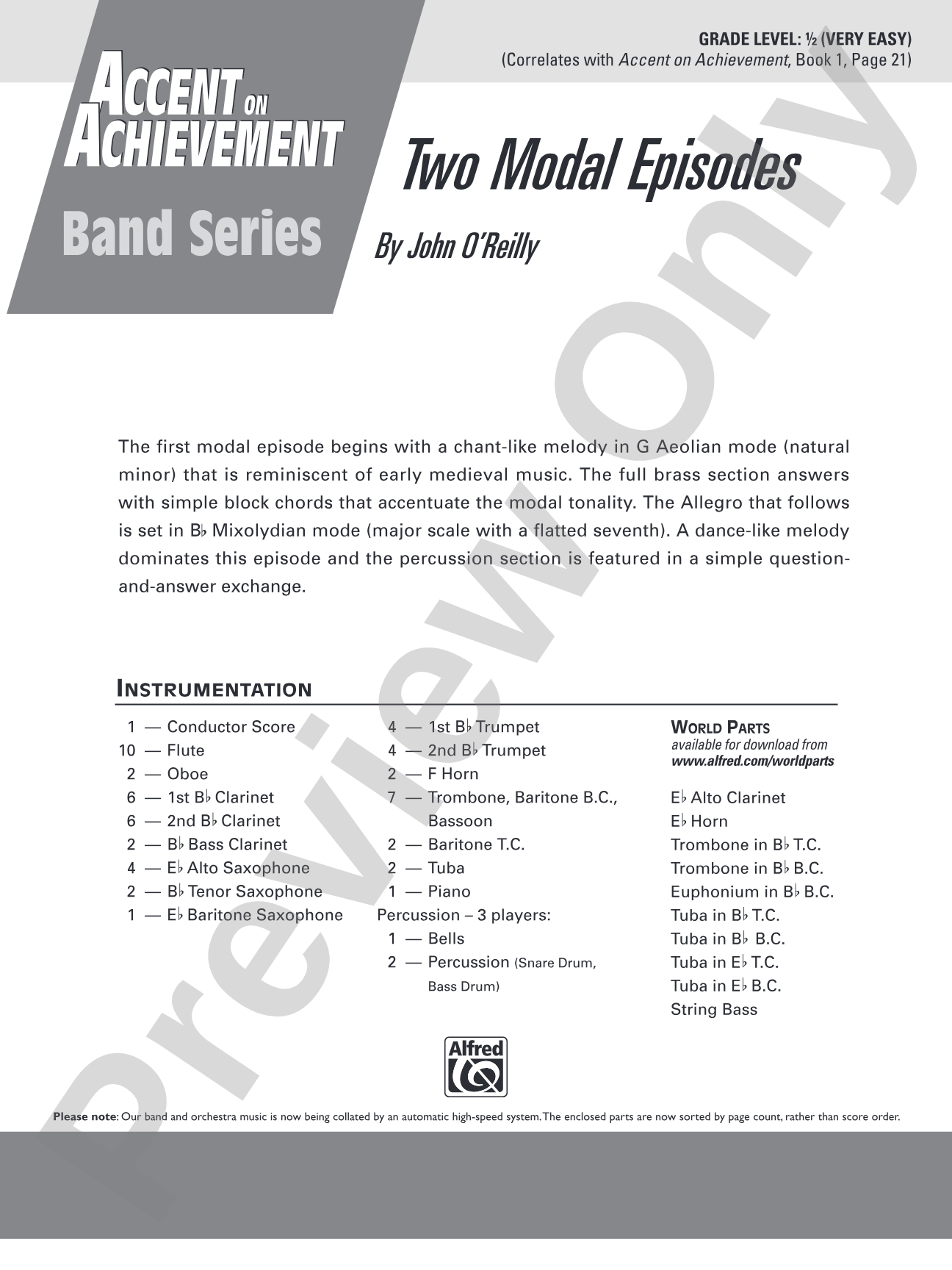
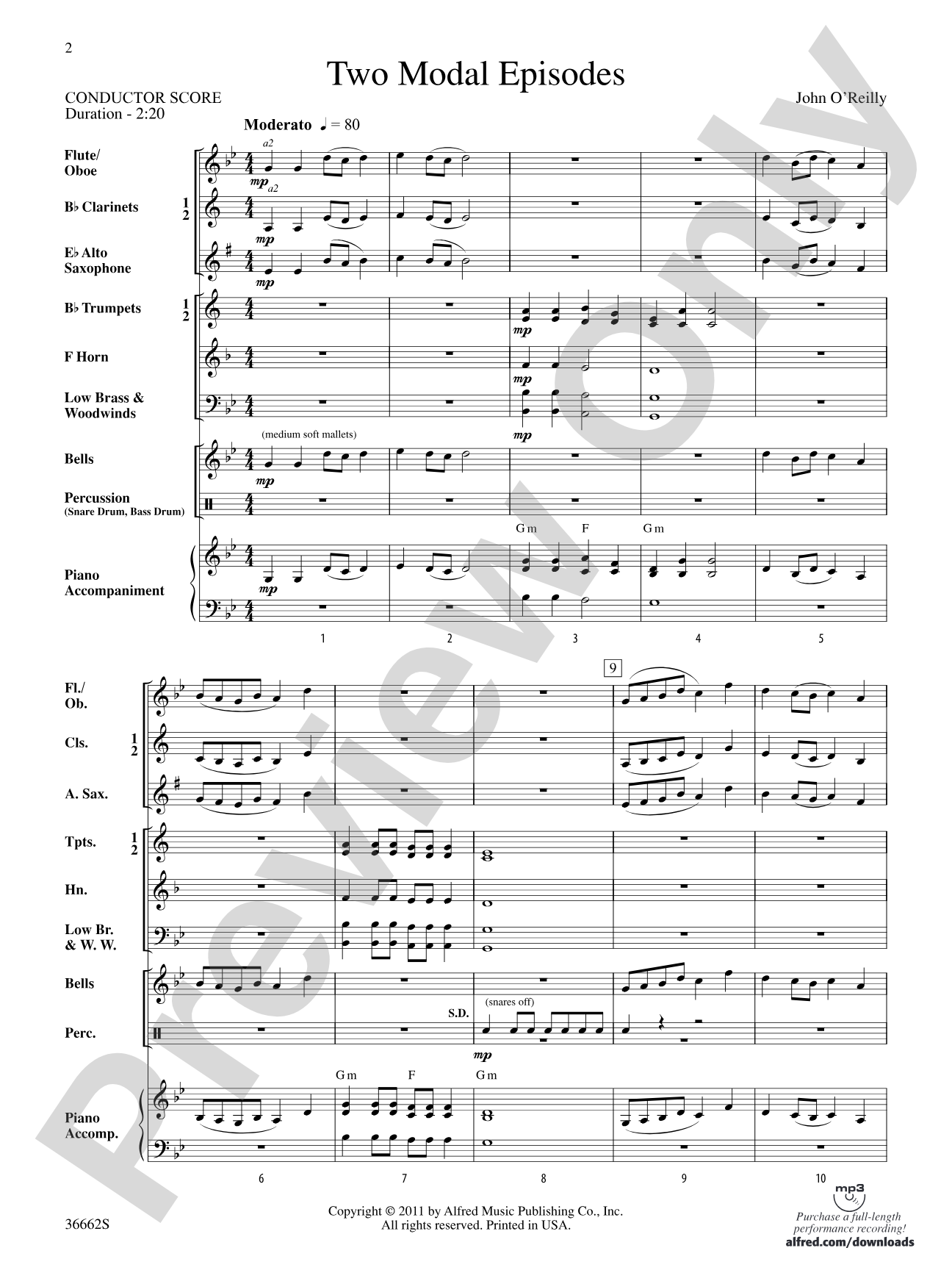
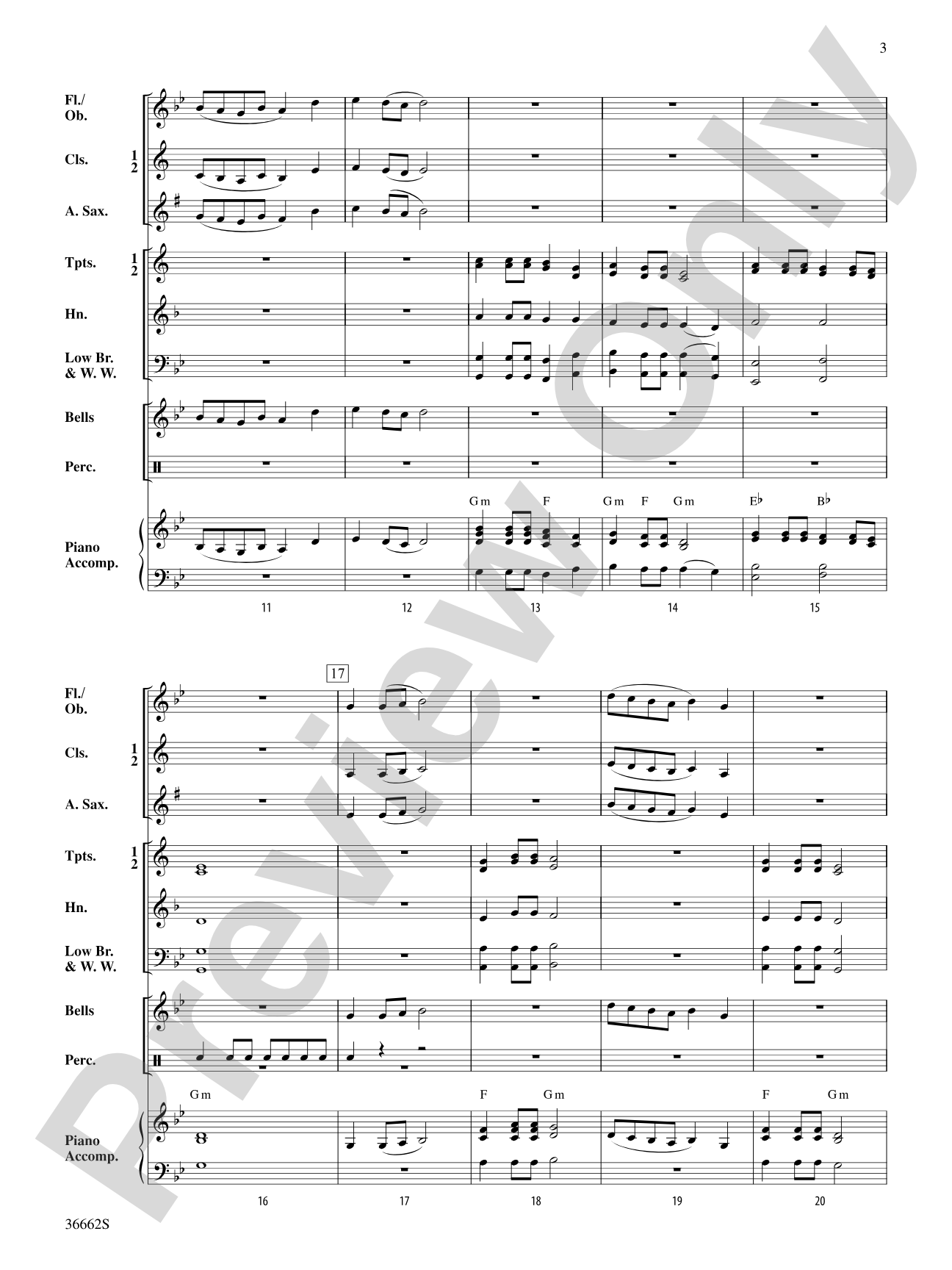
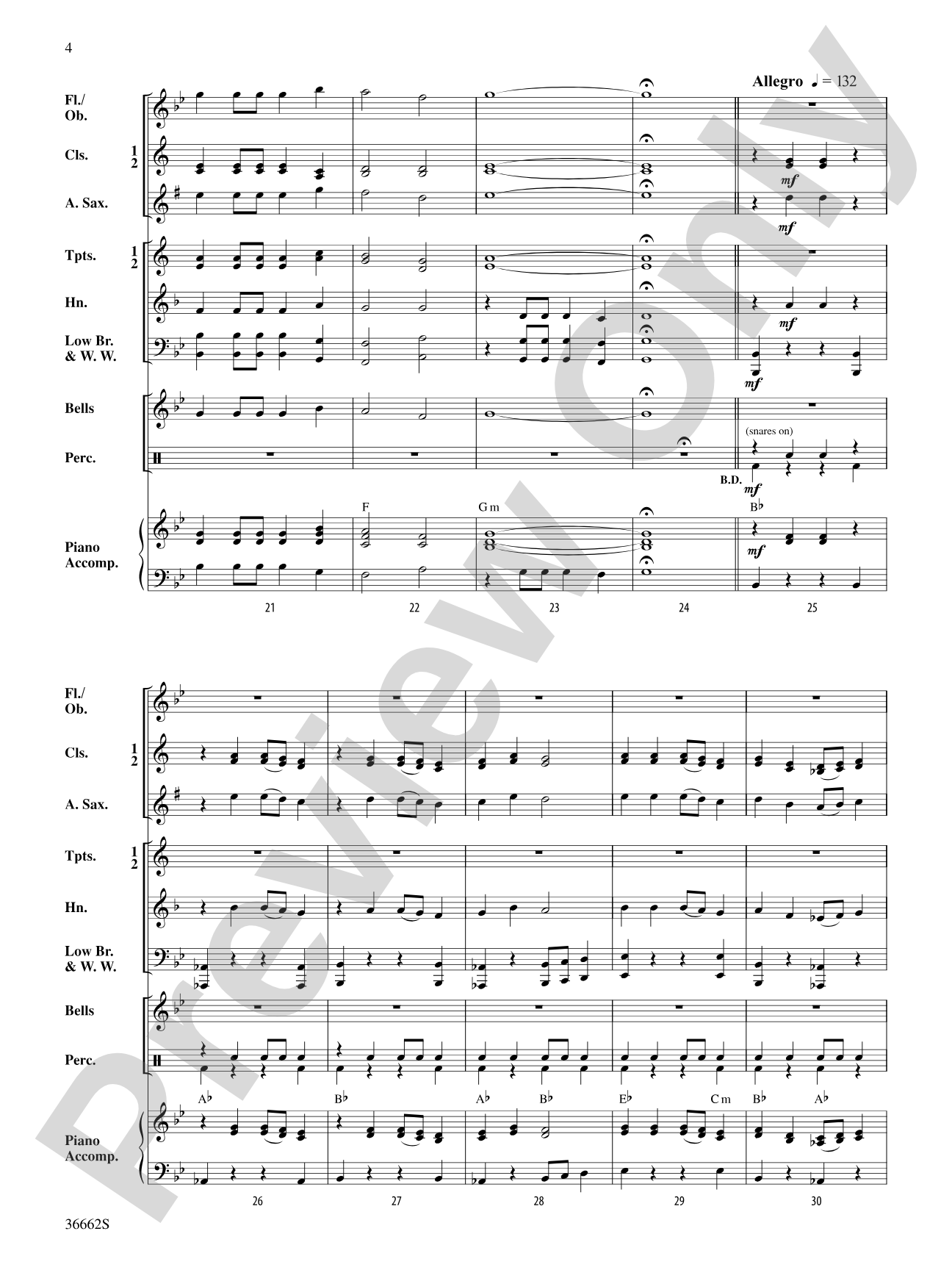
The first modal episode begins with a chant-like melody in G Aeolian mode (natural minor) that is reminiscent of early medieval music. The full brass section answers with simple block chords that accentuate the modal tonality. The Allegro that follows is set in B-flat Mixolydian mode (major scale with a flatted seventh). A dance-like melody dominates this episode and the percussion section is featured in a simple question-and-answer exchange.


Don't just read it, hear it, play along with it, and watch your students grow with it. In MakeMusic Cloud, Two Modal Episodes: Score comes alive with professional accompaniment, adjustable tempo, and built-in practice tools that turn solo practice into real progress.
Open in the Player
Jump straight in and assign it today.
Start Your Free Trial
Open this title and explore the full library in minutes.
Sample Audio
1
Audio File
--:--
0:00
0:00
Sample Video
No sample videos found.
Additional Details
Series:
Accent on Achievement
Publisher:
Alfred Music
Page Count:
118
SKU:
00-PR-0003408
More about this title
Why we love this
O'Reilly's approach to modal writing gives young musicians a genuine encounter with non-major/minor tonality without overwhelming them. The two-episode structure lets students experience how modal color shifts the entire character of a piece, and the clear textural writing in both episodes makes the modal concept audible rather than theoretical.
What to expect
The first episode evokes a meditative, ancient quality with its chant melody floating over sustained brass. The Allegro that follows is propulsive and rhythmic, with a folk-dance energy that contrasts sharply with the opening's contemplative mood.
Who it's for
Beginning concert bands working with Grade 1 material who are ready to explore modal concepts in a guided, musically grounded way. Directors seeking accessible repertoire that builds tonal awareness without requiring advanced technical skills.
How to get the most out of it
- Bring out the chant-like quality in the opening melody by keeping the tempo steady and allowing the phrasing to breathe naturally; avoid rushing the sustained notes.
- Let the brass block chords sit underneath the opening melody as a harmonic foundation rather than competing for attention; balance is everything here.
- Emphasize the dance-like character in the Allegro by keeping the percussion question-and-answer exchange crisp and rhythmically precise; these exchanges drive the forward motion.
- Shape the B-flat Mixolydian section with clear articulation to highlight how the flatted seventh degree creates a different harmonic color than straight major tonality.
How to use it
Program this as an engaging introduction to modal tonality in a concert setting where you want students and audiences to hear something structurally different from standard diatonic writing. It works well as a teaching piece on a mixed-level program, or as a standalone work that demonstrates how mode shapes musical character.
Skills your students will build
- Recognizing and performing in G Aeolian mode (natural minor scale)
- Recognizing and performing in B-flat Mixolydian mode (major scale with flatted seventh)
- Balancing melody and harmonic accompaniment in ensemble texture
- Executing question-and-answer phrasing between sections
- Maintaining steady tempo through contrasting episodes