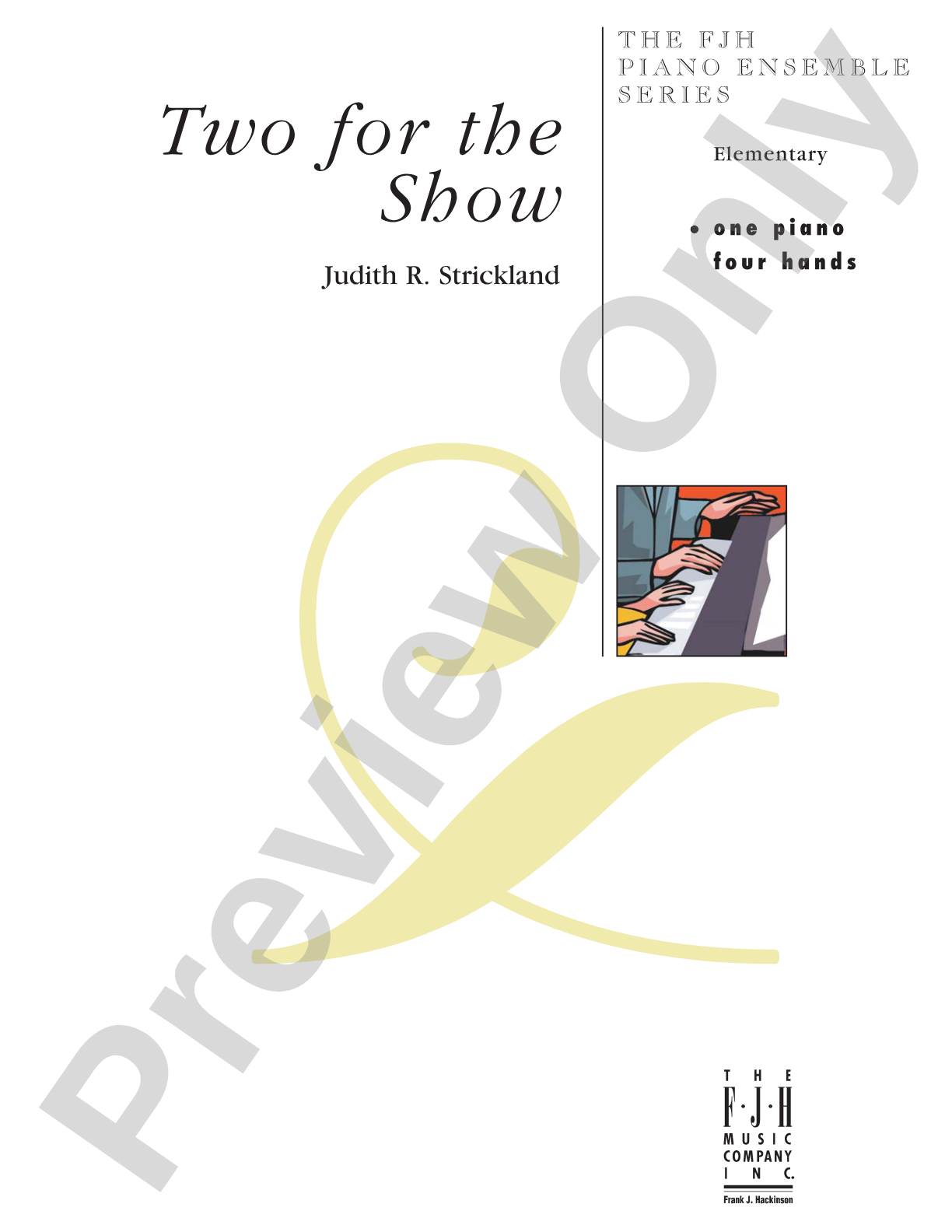
This cheerful piece could well be your students’ first recital duet, since it is accessible to any first year student who has learned C position. This piece contains a skillful use of melodic interplay between the primo and secondo parts.
Discover MakeMusic Cloud: thousands of interactive titles your students can play along with today.
Strickland writes for the level she teaches, which means every bar serves a pedagogical purpose without sacrificing musicality. The melodic conversation between primo and secondo keeps both students engaged, and there's genuine charm in how the parts complement each other rather than one simply accompanying the other.
What to expect
Bright and upbeat, with a sense of friendly competition between the two parts. The piece maintains a playful energy throughout; there's nothing heavy here, just two students discovering the joy of making music as a pair.
Who it's for
Any studio teacher or school music program looking for a genuine duet that respects the abilities of early elementary students. This works beautifully for first recitals, parent-teacher showcases, or any occasion where you want to celebrate what young pianists can accomplish together.
How to get the most out of it
Balance the lines so the listener hears both parts equally. First-year students often play their melody too loudly out of habit; remind them that in a duet, sharing the spotlight is the point.
Work the ensemble timing separately before putting hands together. Even though the piece is accessible, rhythmic precision between two players takes deliberate rehearsal.
Let the students shape their phrases independently at first, then listen to how the two lines fit together musically. This builds awareness of collaborative playing.
How to use it
Feature this on a spring recital where multiple first-year students can participate in ensemble performance. It's also an ideal teaching tool for introducing duet concepts midway through the year, when students have enough foundation to manage their own part while listening to another.
Skills your students will build
Playing an independent melodic line while tracking a partner's part
Maintaining consistent tempo in ensemble setting
Responding to and balancing against another player's dynamic choices
Reading C position comfortably across both staves
You May Also Like
Scan to Complete Your Purchase
Use your phone's camera to scan the code below
You'll log in on your phone and the order will be added to your account