


Two Folk Dances: String Orchestra Conductor Score & Parts
Arr. Lauren Bernofsky
Grade: 3
Item: 00-PK-0005490

$55.00
Pickup currently not available
Buy Extra Parts (Digital PDF Download)
| Product | Price | Quantity |
|---|---|---|
| Two Folk Dances: Score | $7.00 | |
| Two Folk Dances: 1st Violin | $5.99 | |
| Two Folk Dances: 2nd Violin | $5.99 | |
| Two Folk Dances: Viola | $5.99 | |
| Two Folk Dances: Cello | $5.99 | |
| Two Folk Dances: String Bass | $5.99 |
Parts Added to Cart!
Related Items
Two Folk Dances: String Orchestra Conductor Score |
$7.00
|
View |
Description
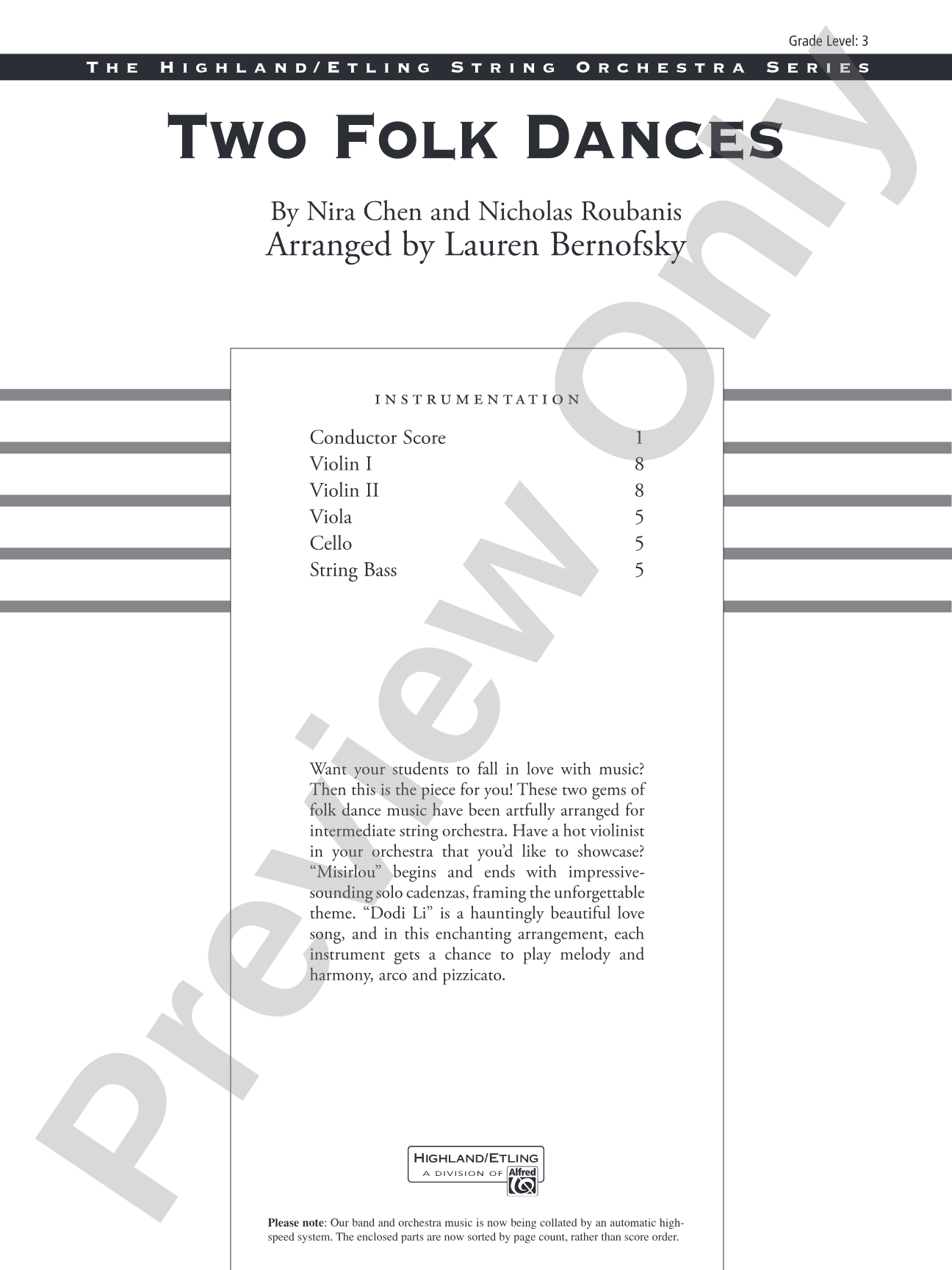
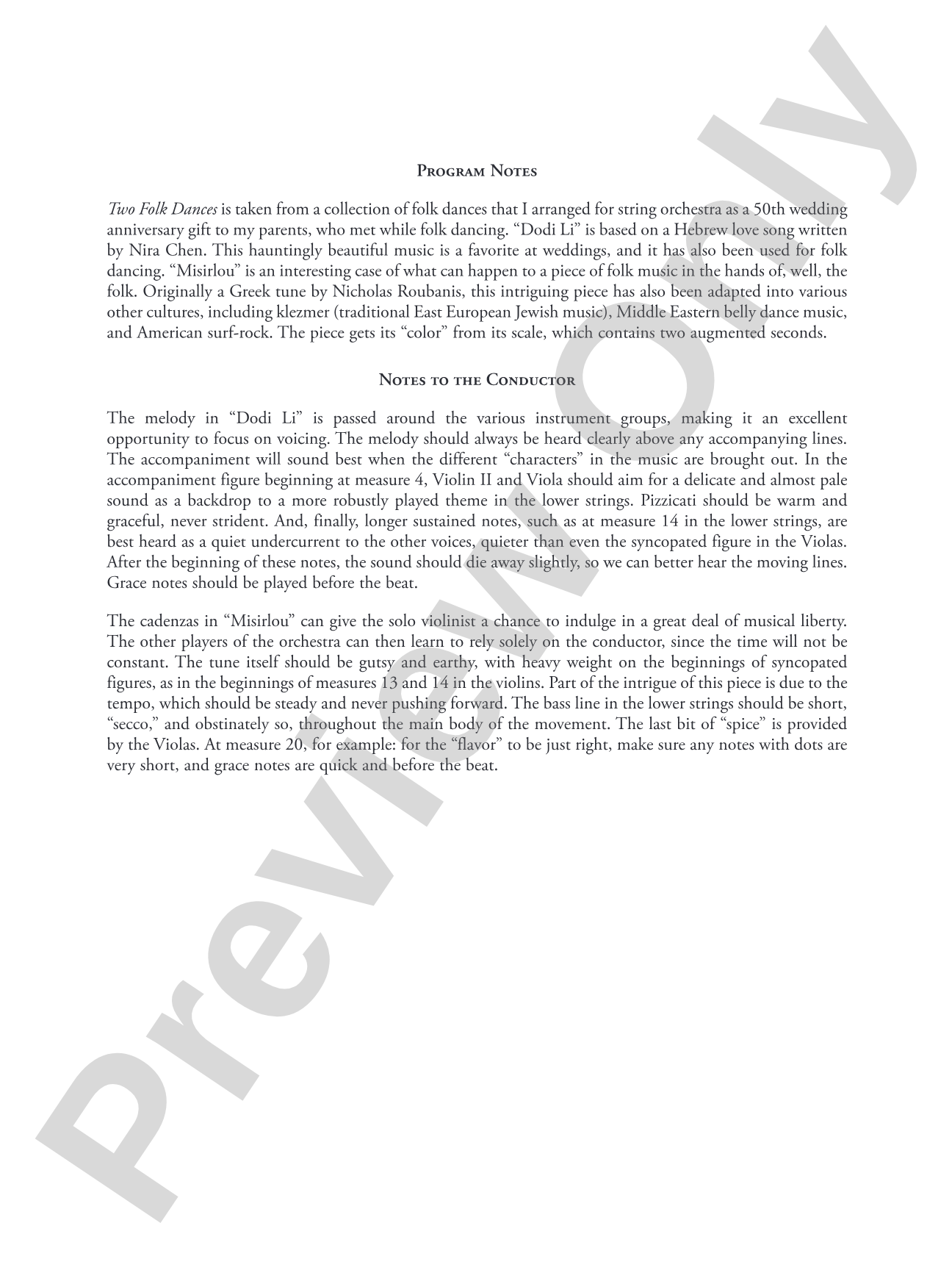
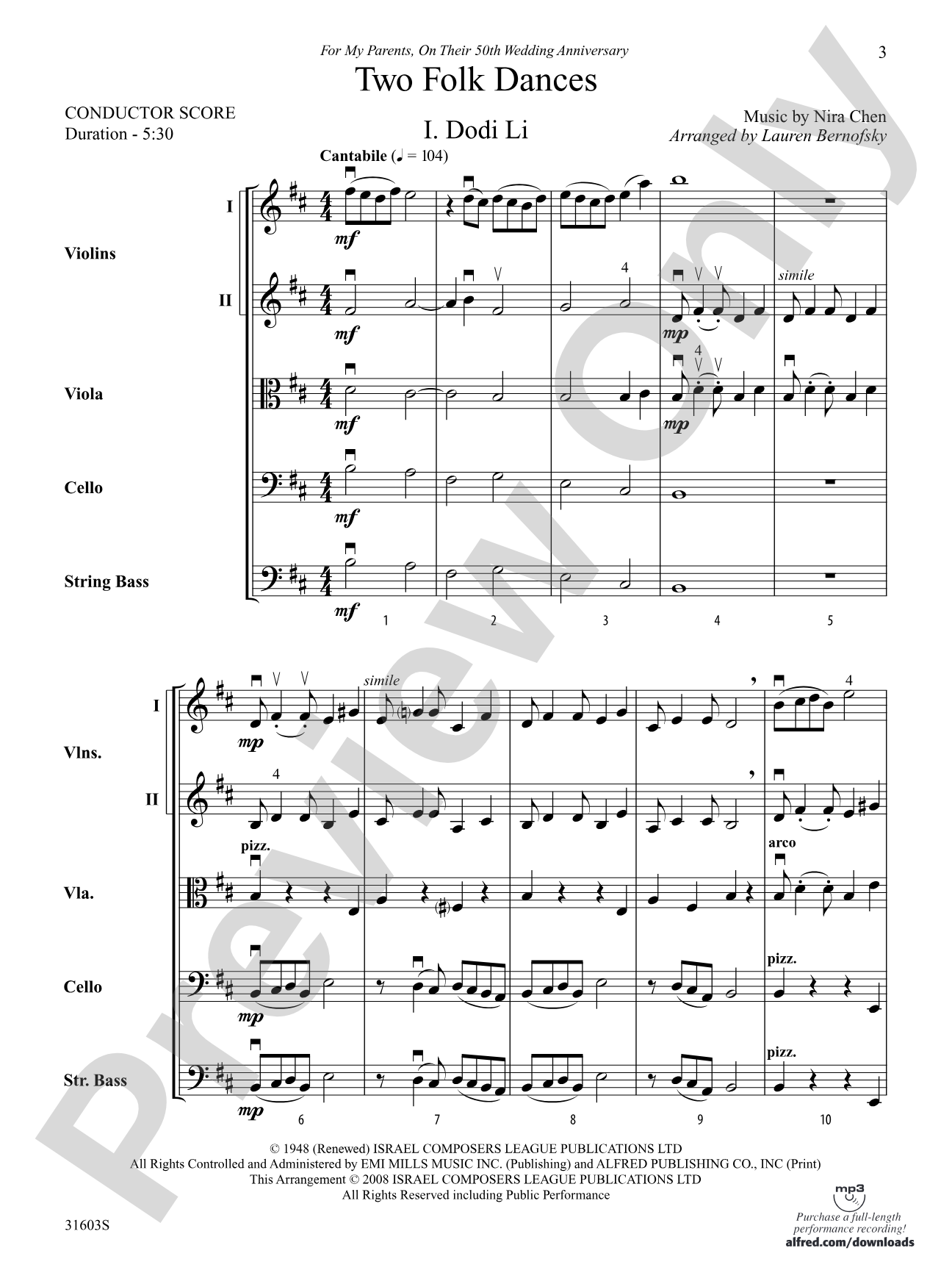
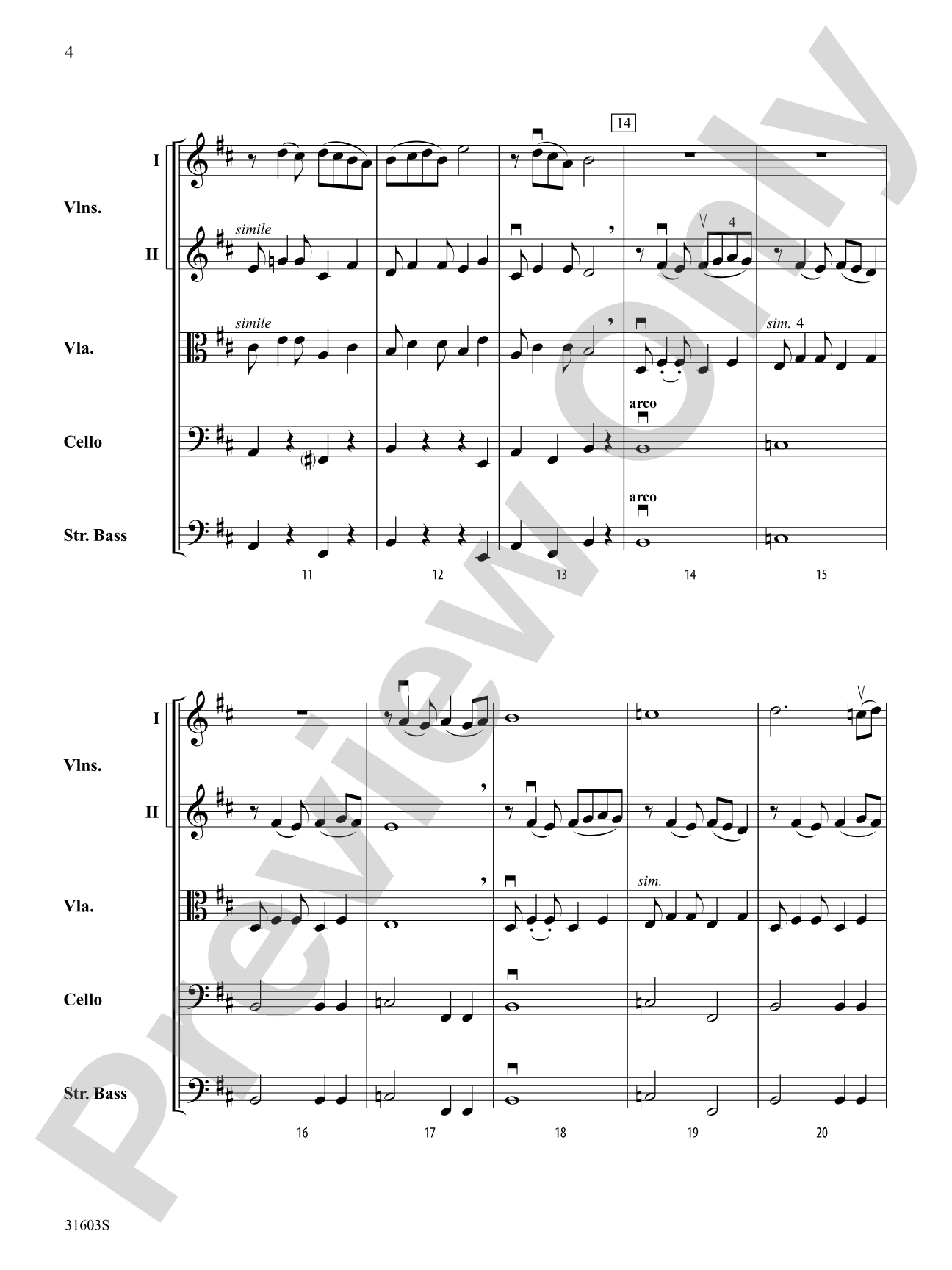
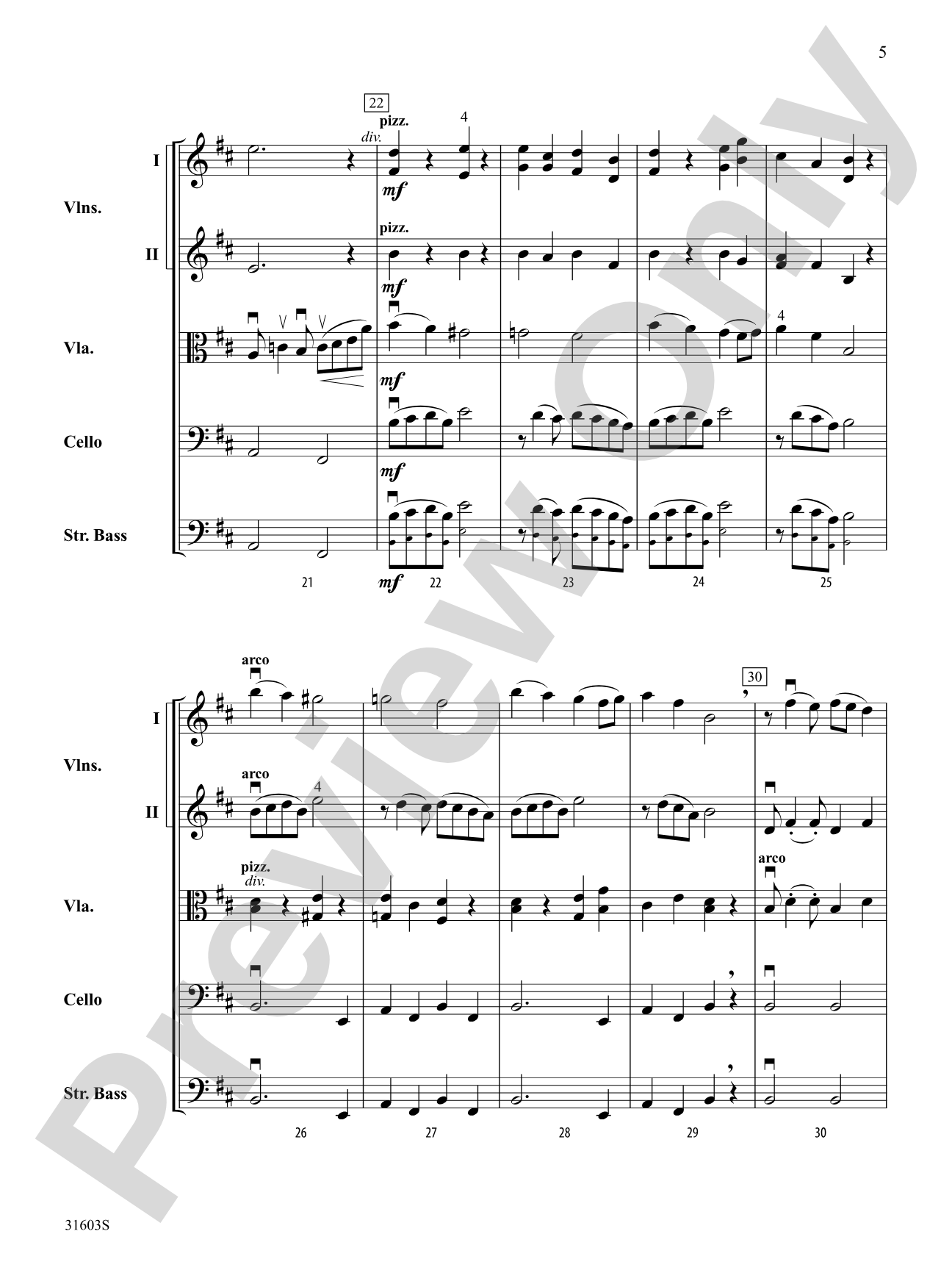
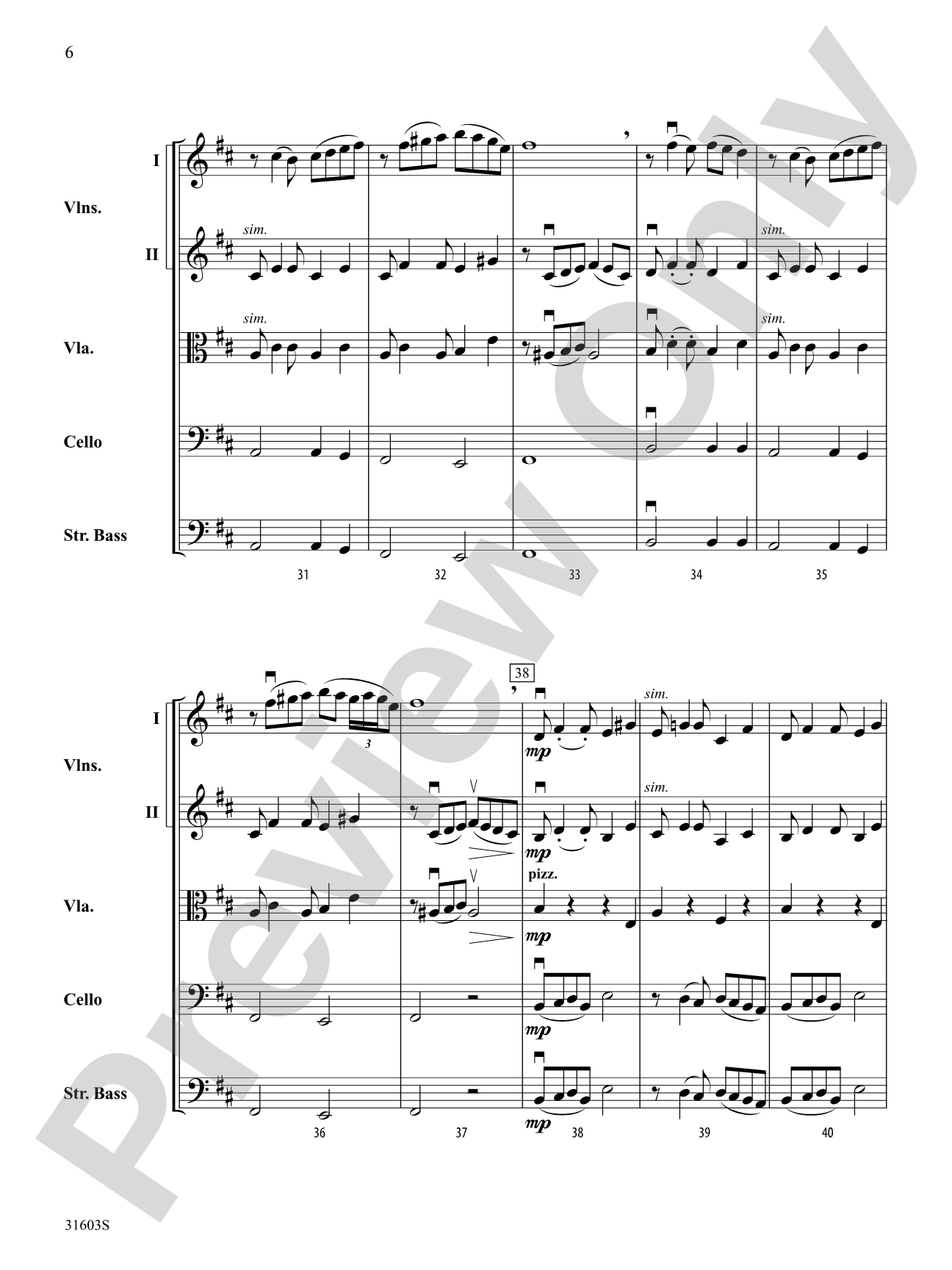
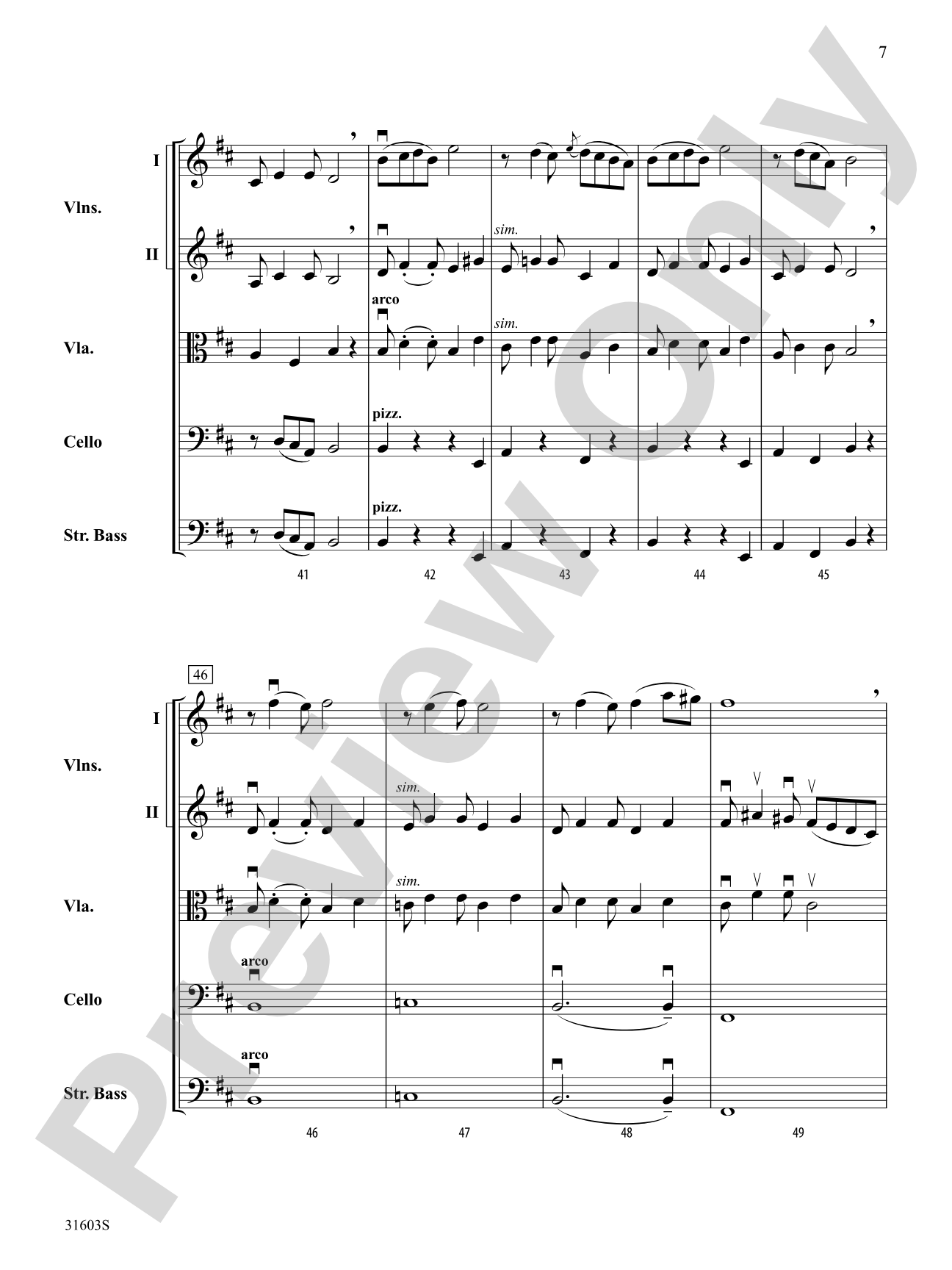
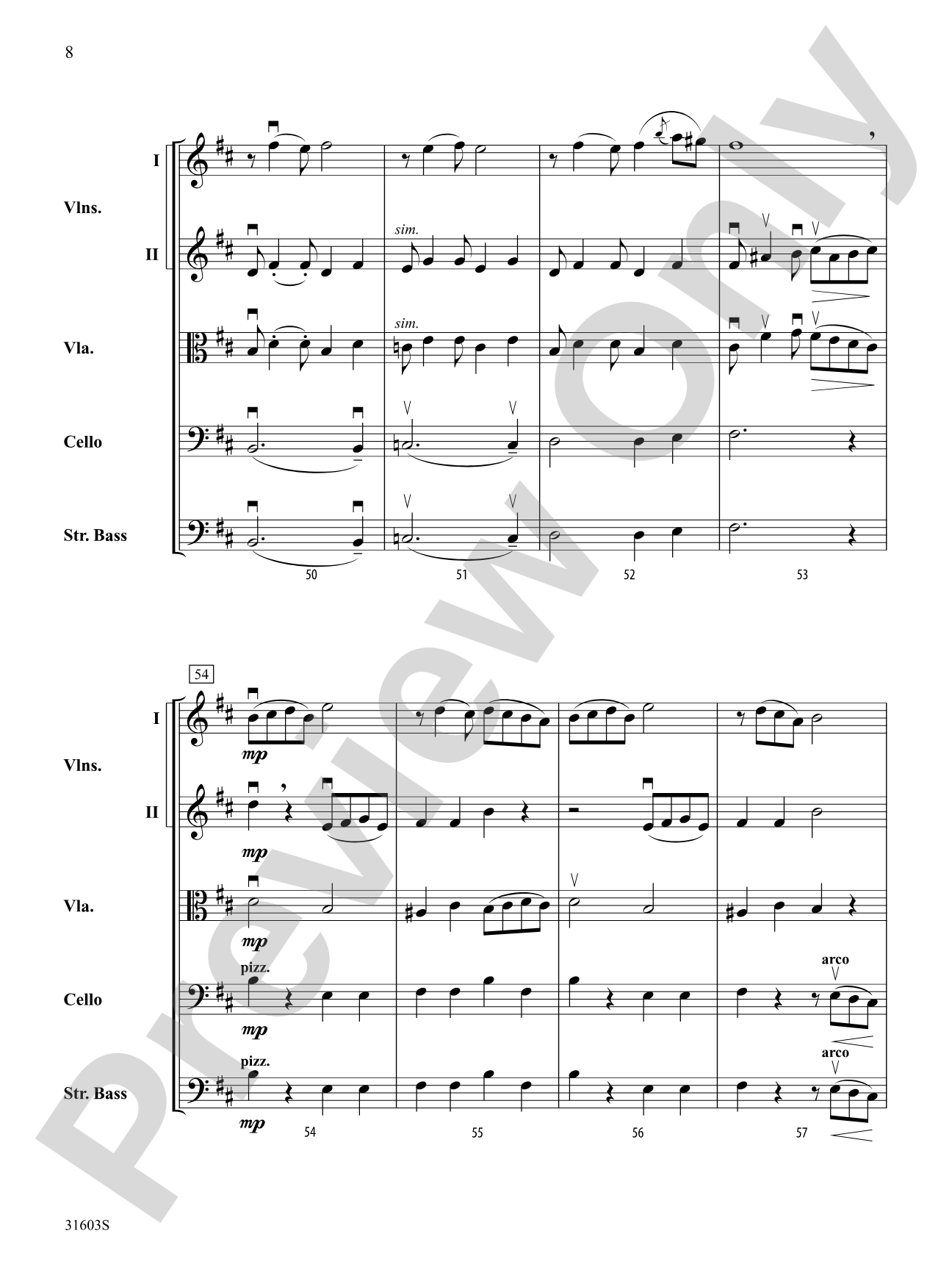
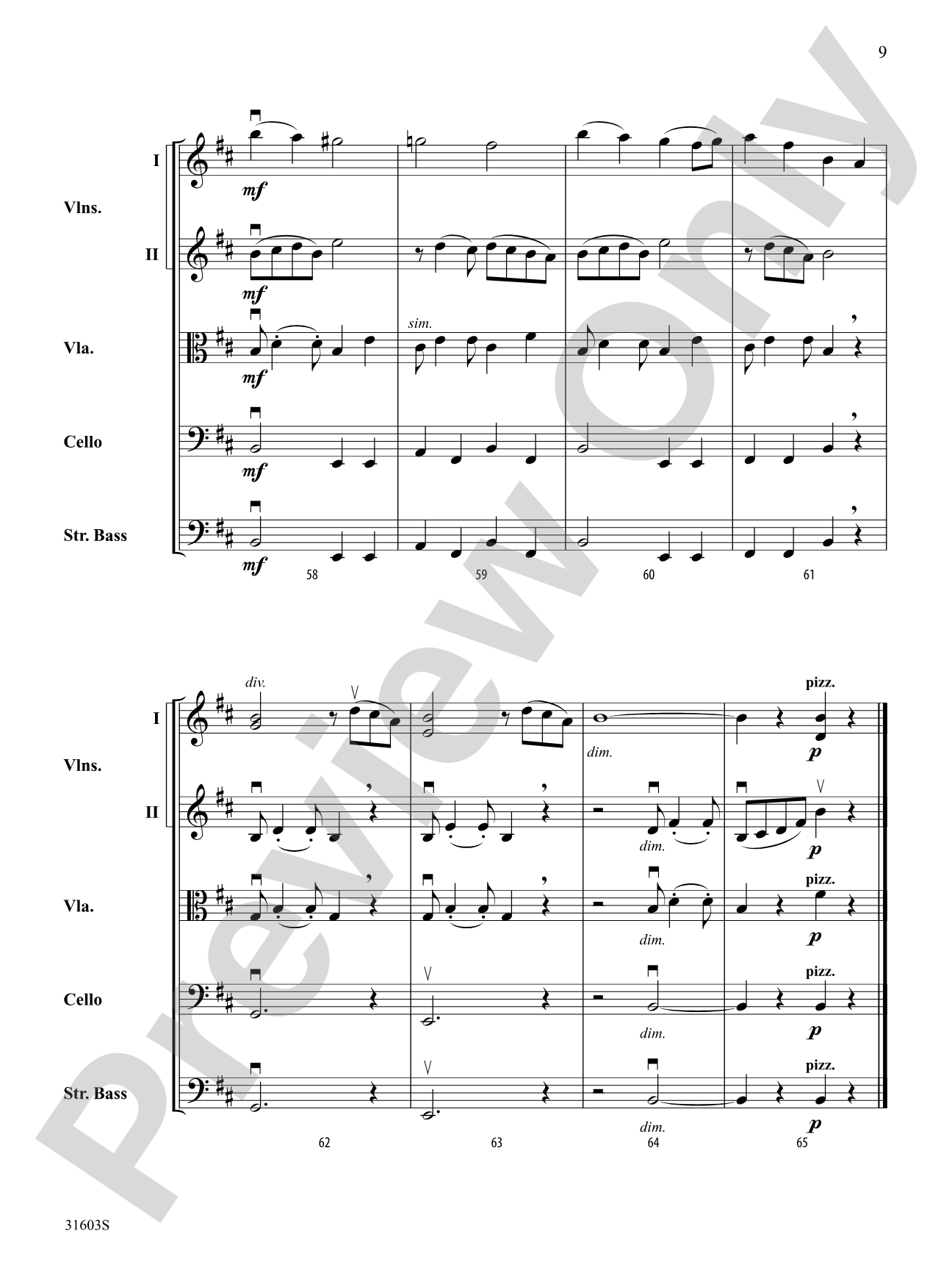
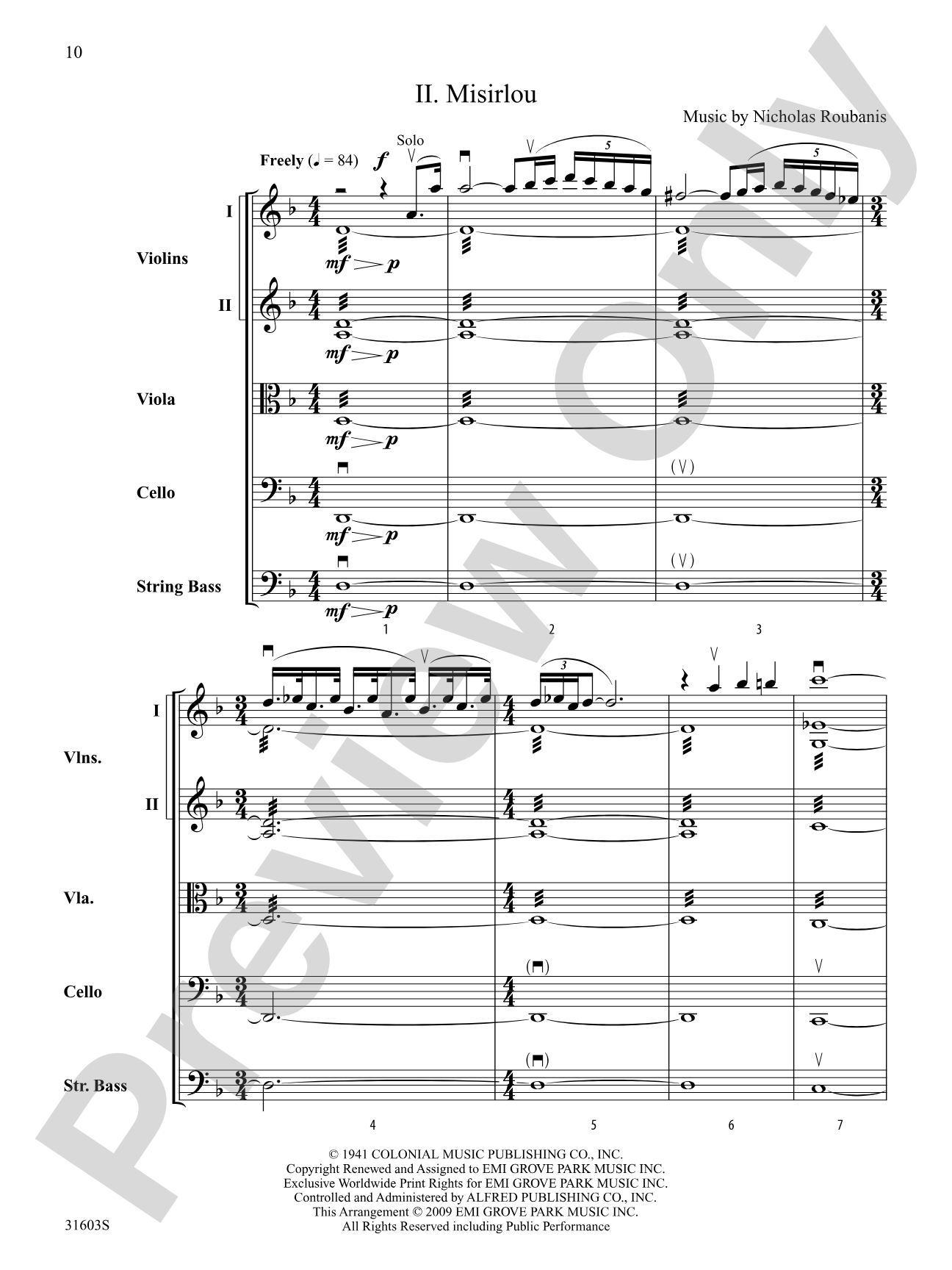
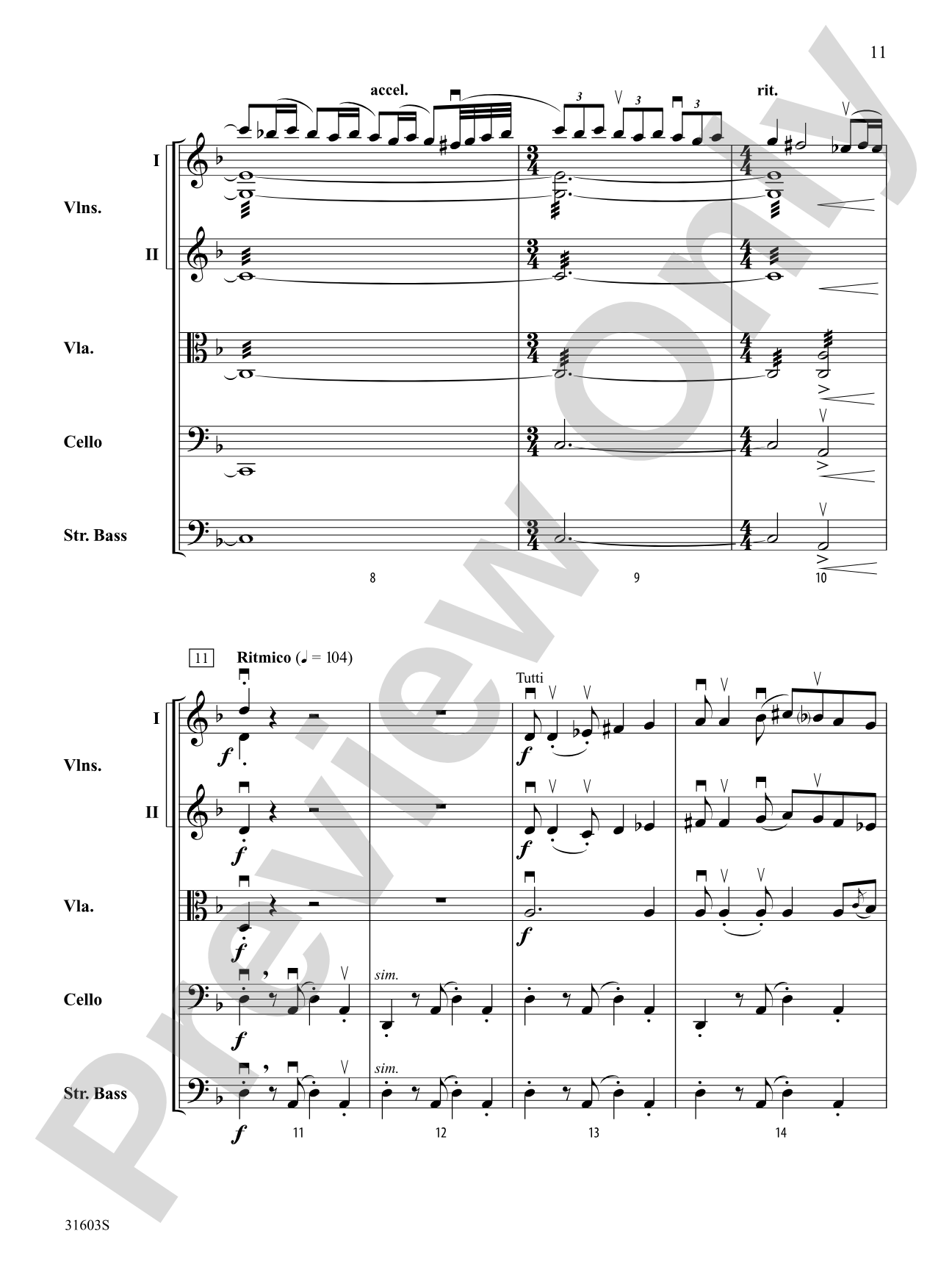
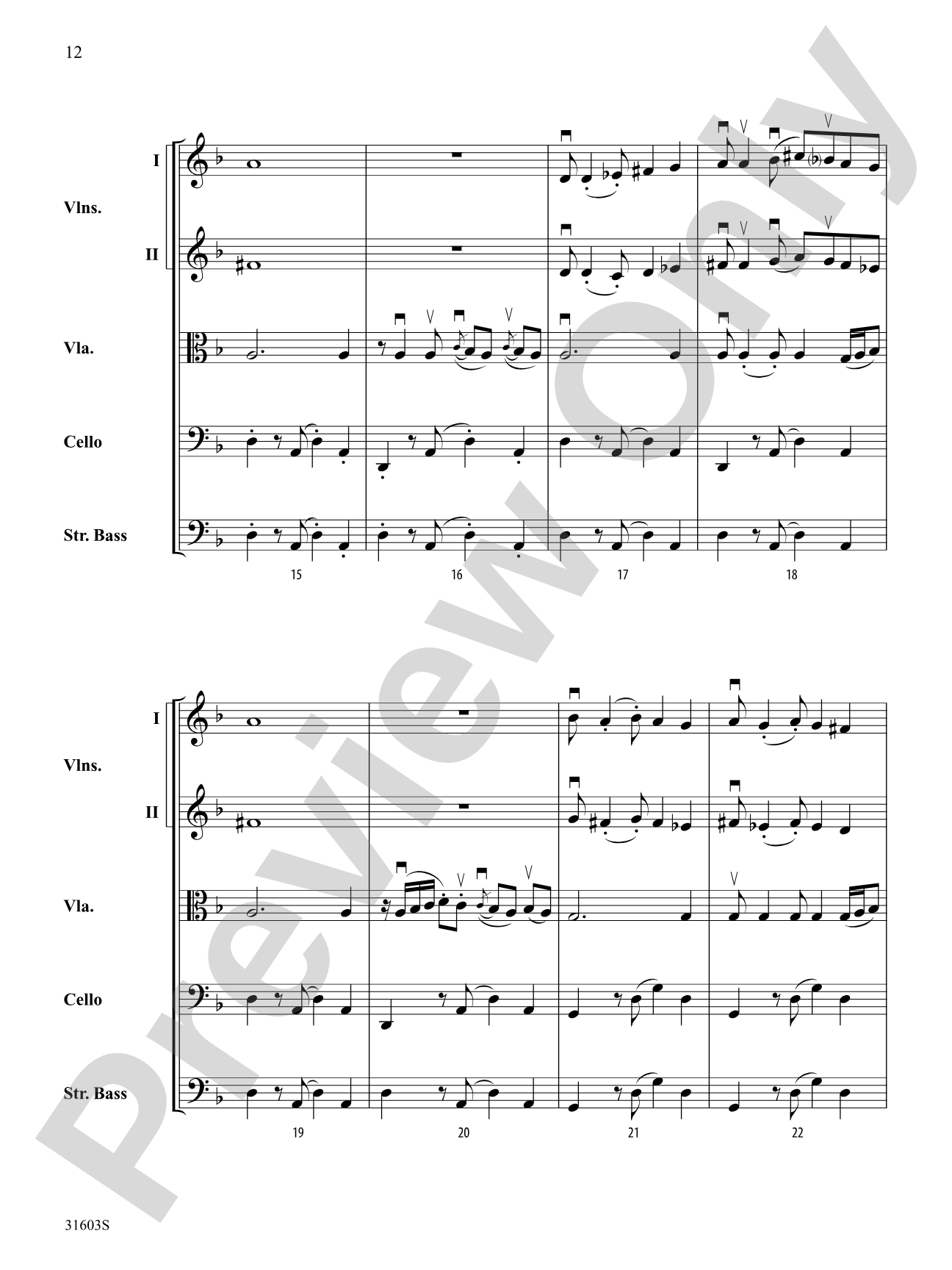
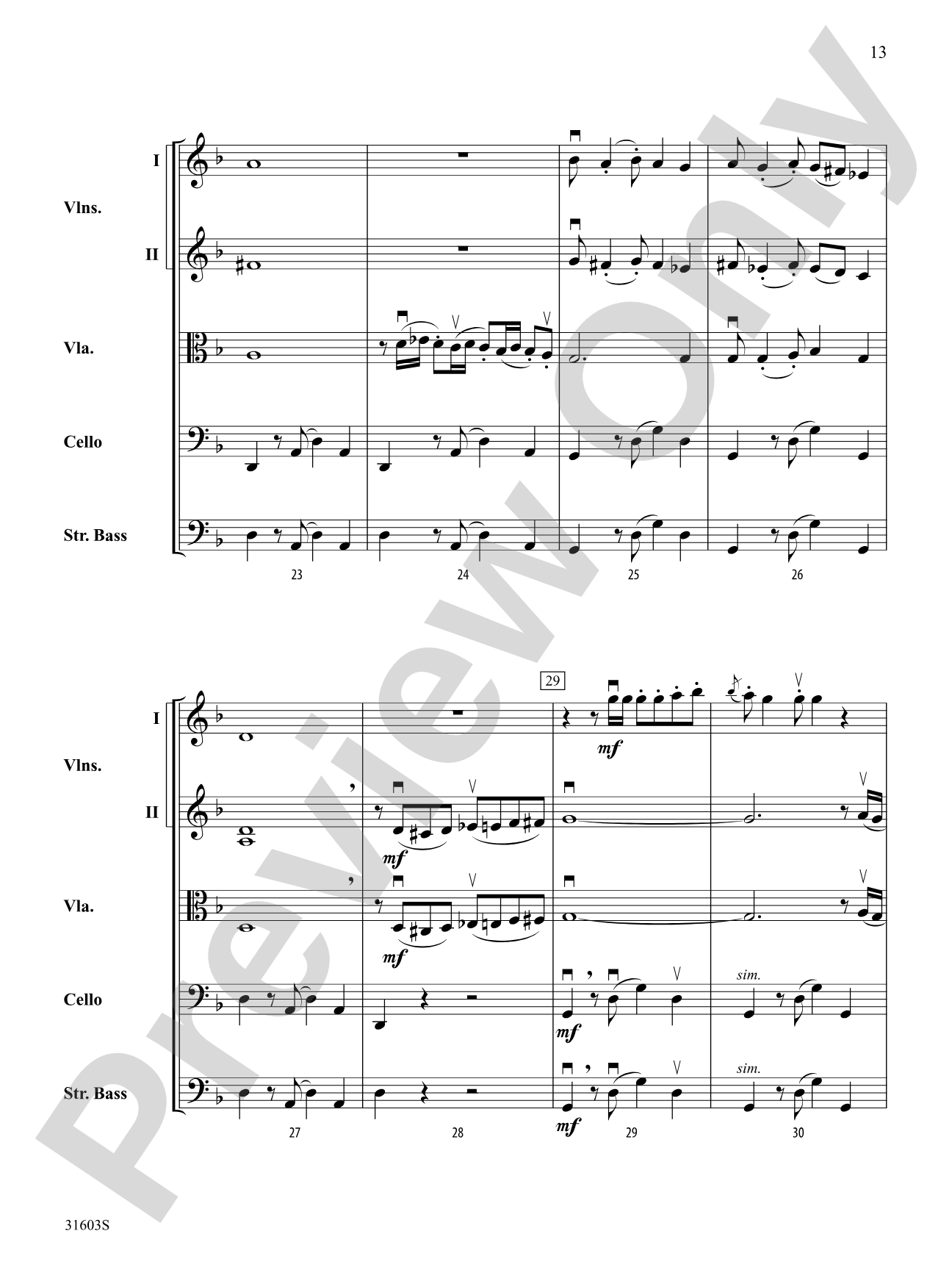
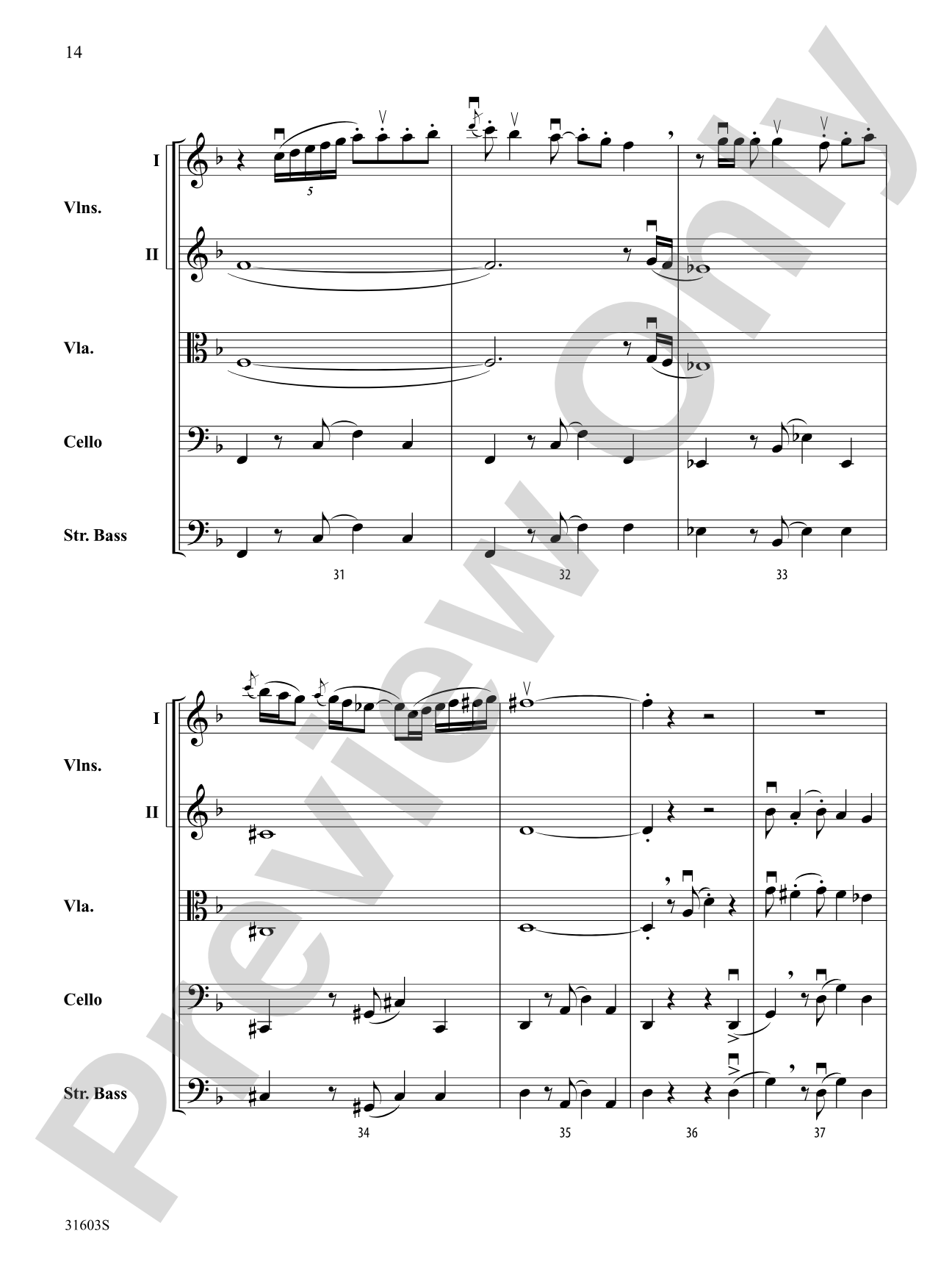
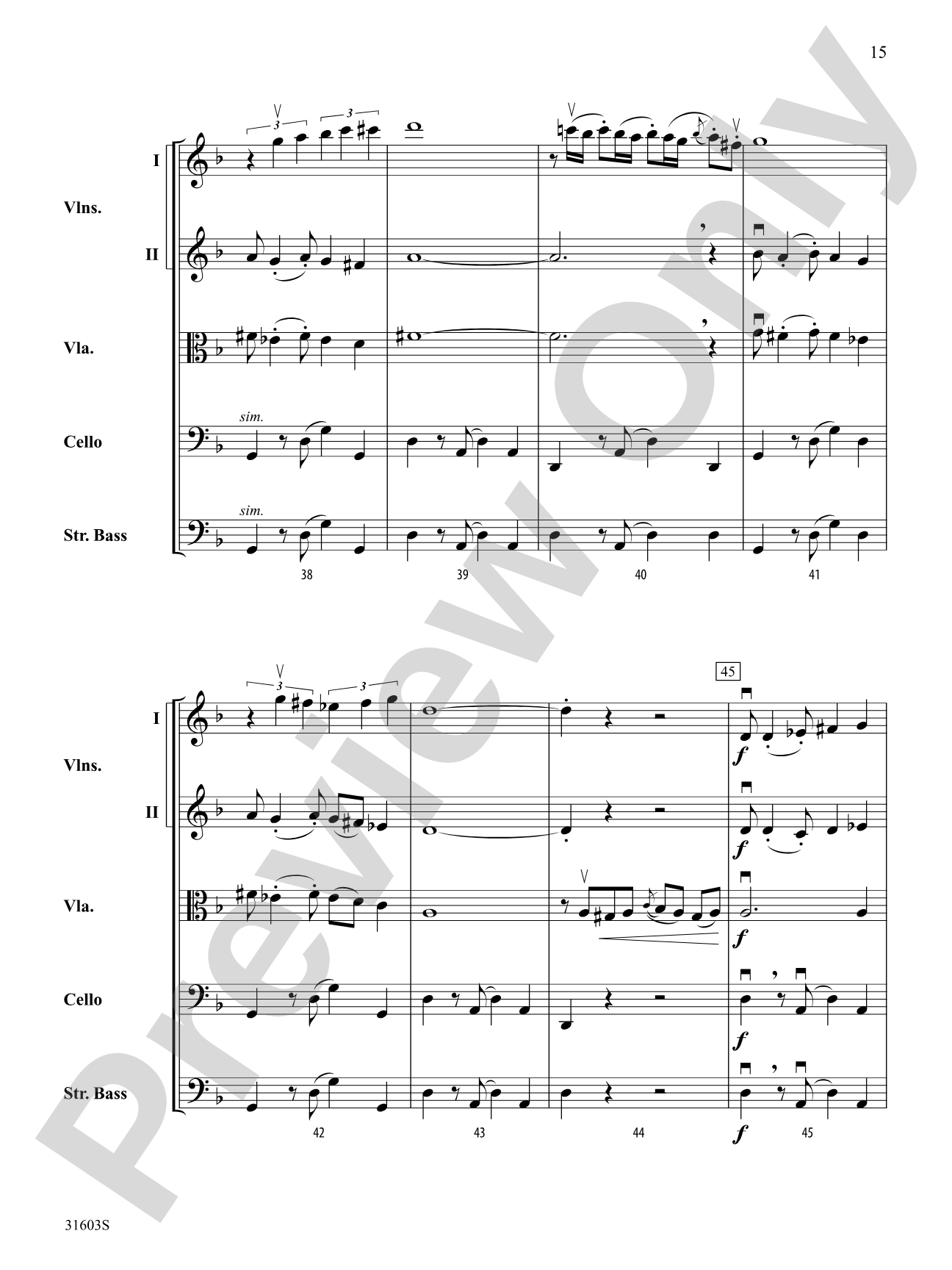
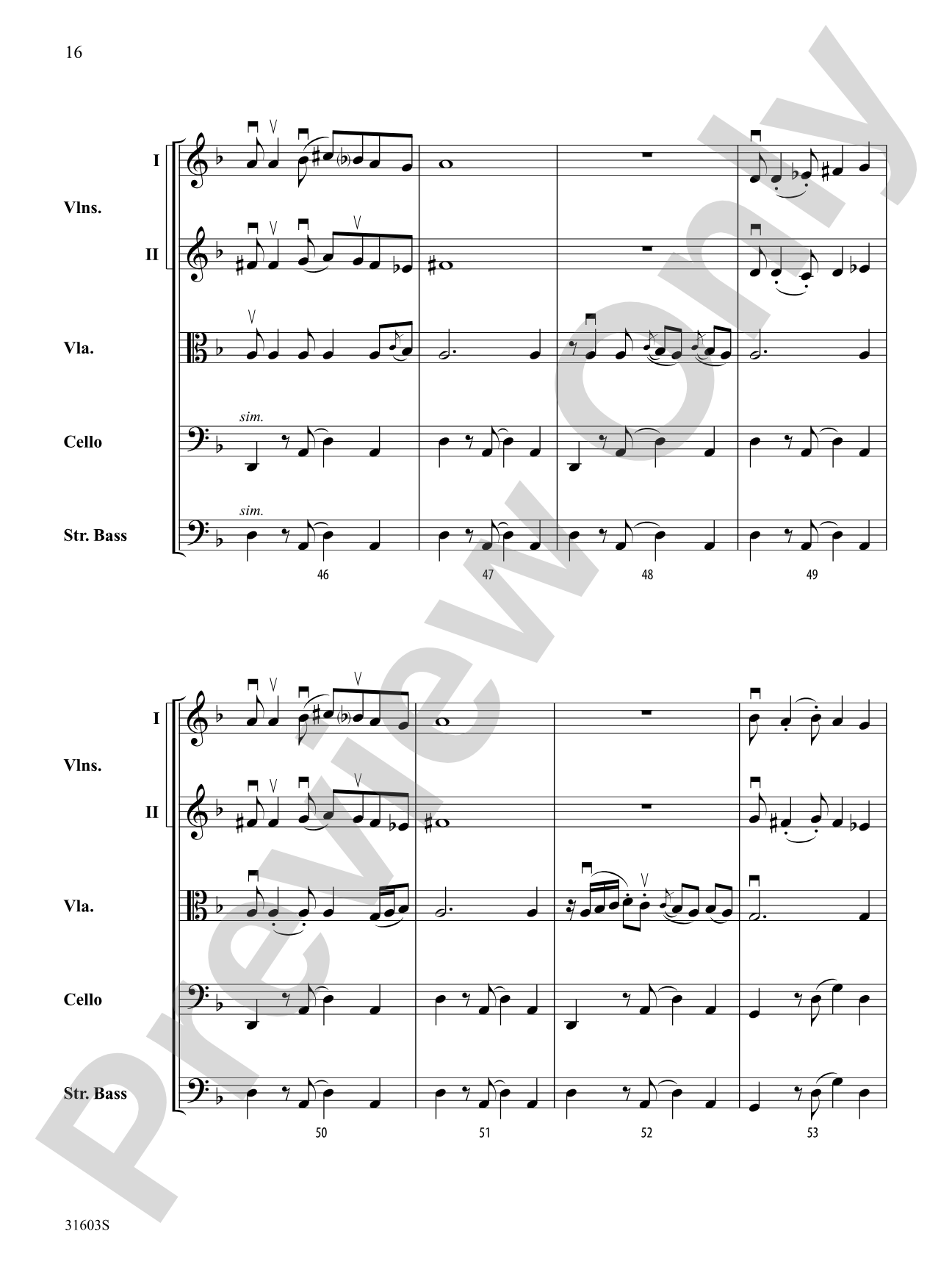
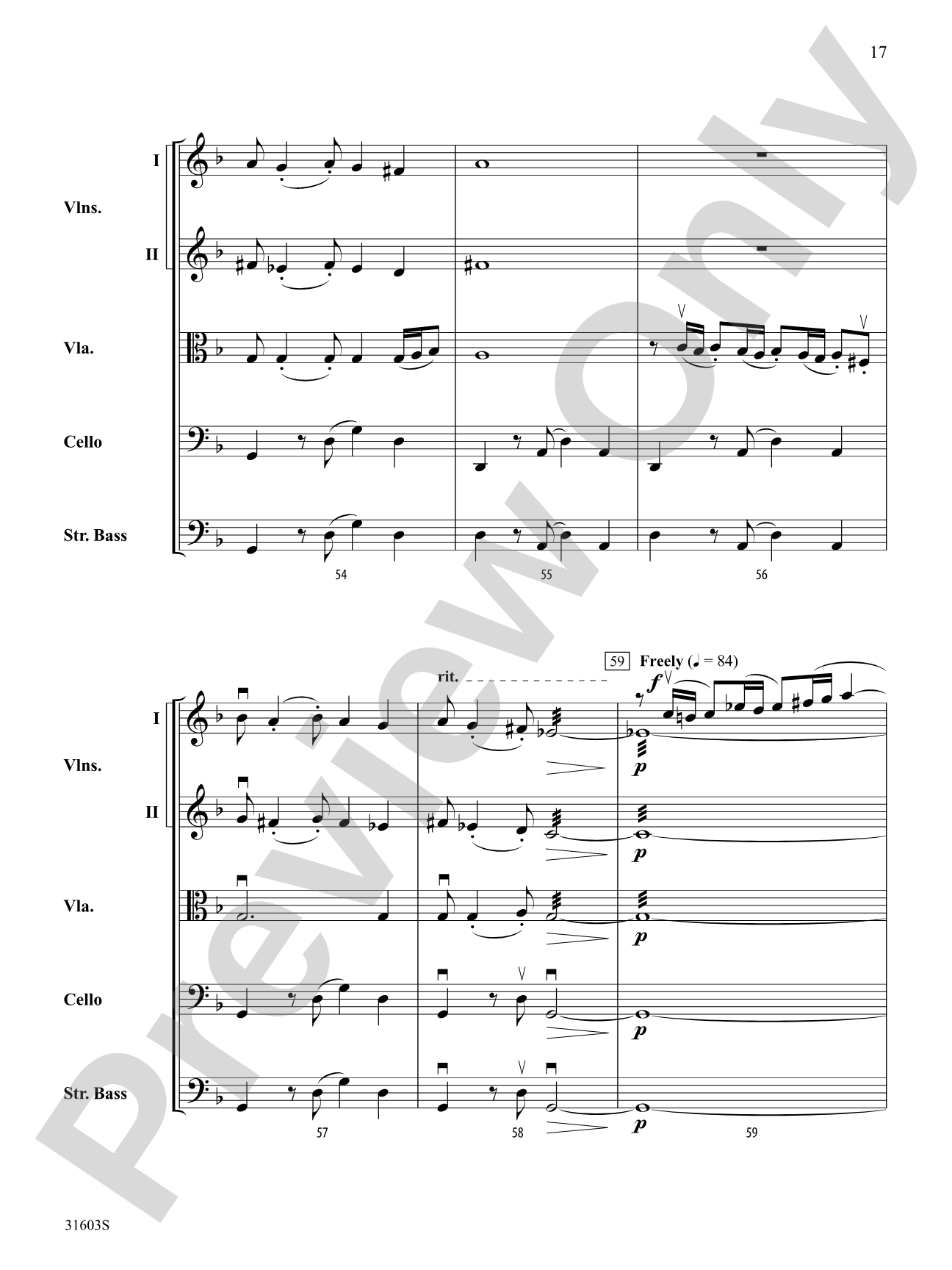
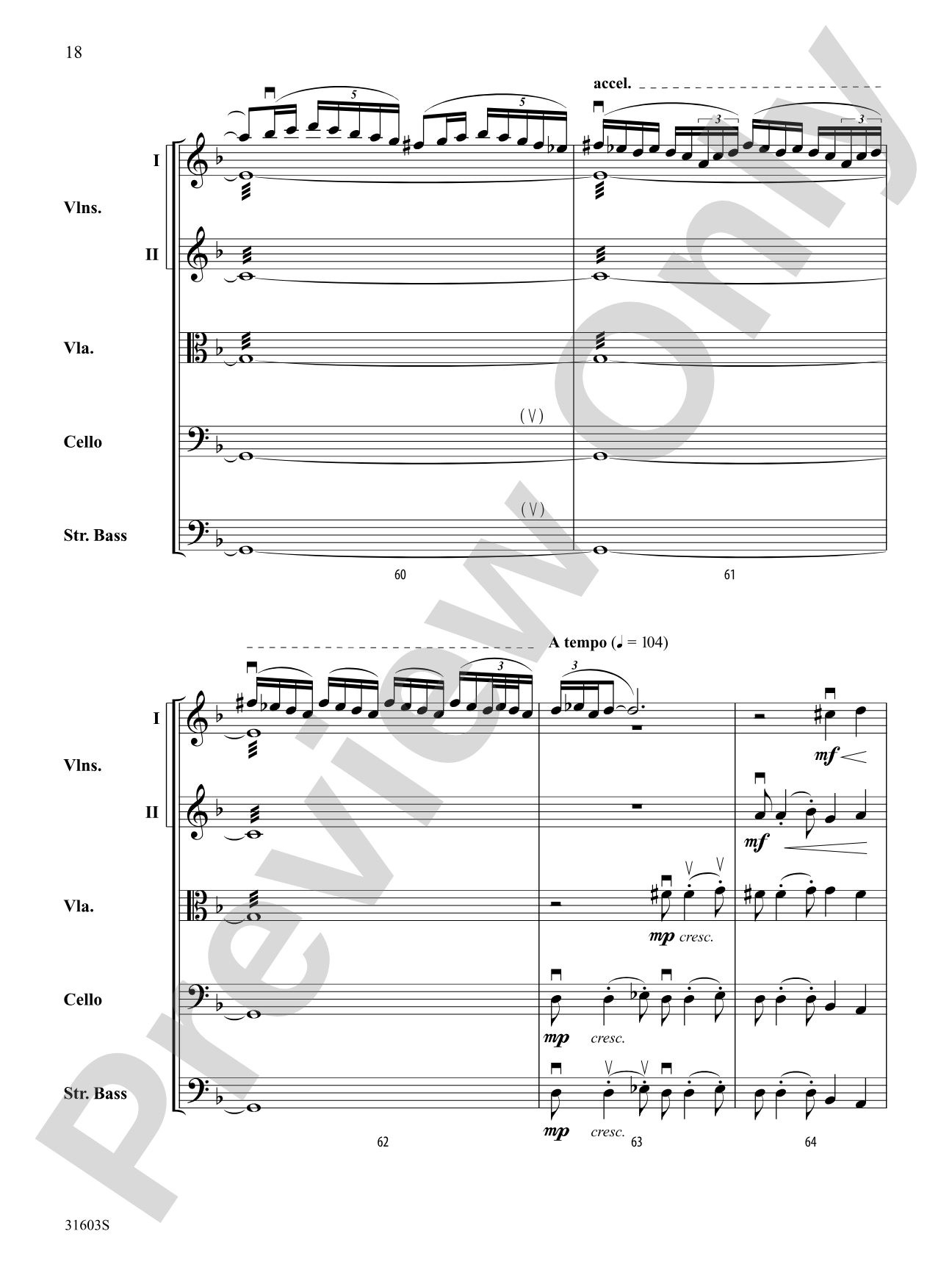
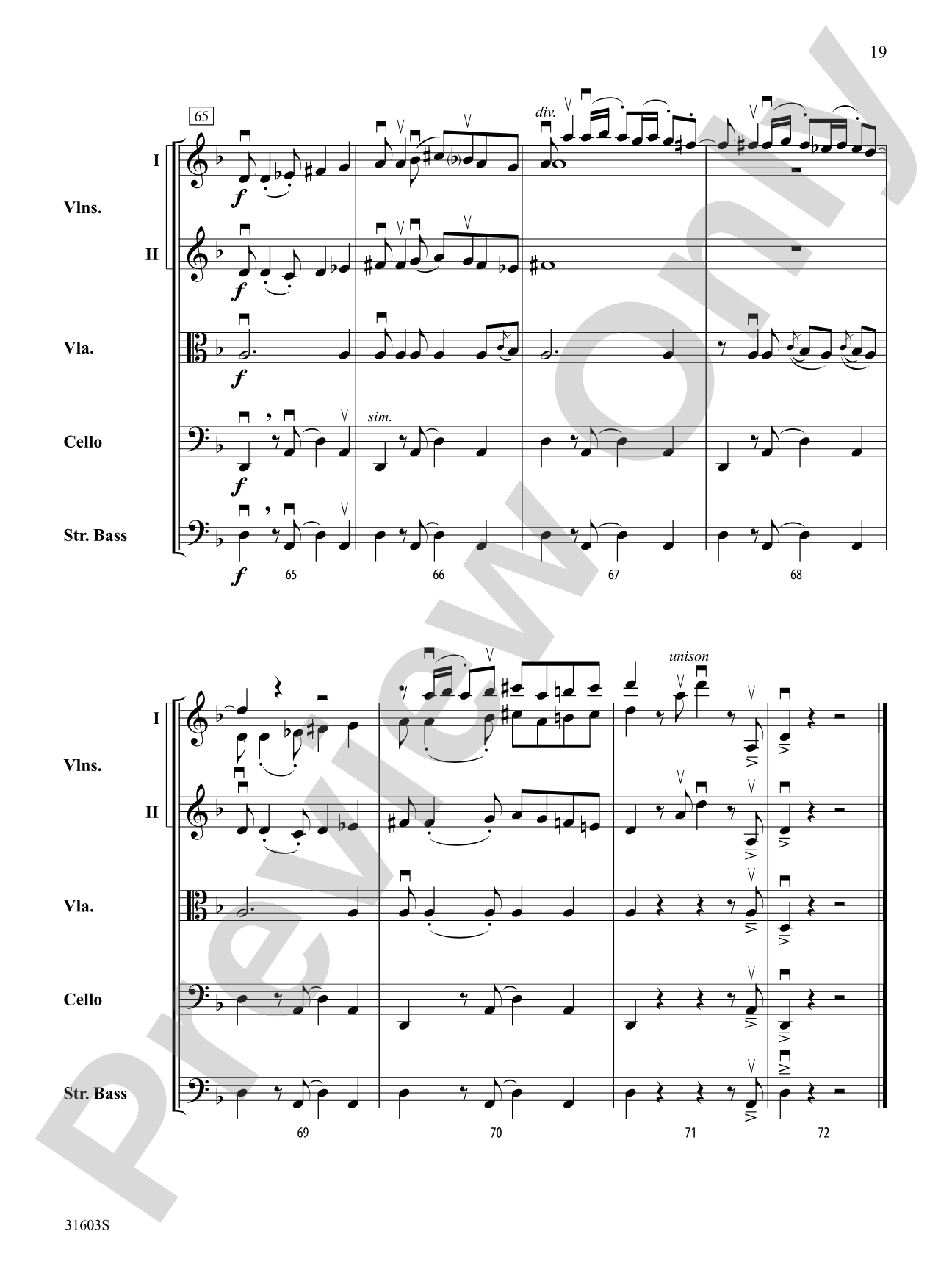
Want your students to fall in love with music? Then this is the piece for you! These two gems of folk dance music have been artfully arranged for intermediate string orchestra. Have a hot violinist in your orchestra that you'd like to showcase? "Misirlou" begins and ends with impressive-sounding solo cadenzas, framing the unforgettable theme. "Dodi Li" is a hauntingly beautiful love song, and in this enchanting arrangement, each instrument gets a chance to play melody and harmony, arco and pizzicato.


Don't just read it, hear it, play along with it, and watch your students grow with it. In MakeMusic Cloud, Two Folk Dances: String Orchestra Conductor Score & Parts comes alive with professional accompaniment, adjustable tempo, and built-in practice tools that turn solo practice into real progress.
Open in the Player
Jump straight in and assign it today.
Start Your Free Trial
Open this title and explore the full library in minutes.
Sample Audio
1
Audio File
--:--
0:00
0:00
Sample Video
No sample videos found.
Additional Details
Series:
Highland/Etling String Orchestra
Publisher:
Alfred Music
Page Count:
24
SKU:
00-PK-0005490
More about this title
About the Arranger: Lauren Bernofsky

Lauren Bernofsky has established herself as a prolific composer whose work spans solo repertoire, chamber music, orchestral pieces, opera, ballet, and film scores. Her compositions balance intellectual rigor with lyrical expression, earning recognition from institutions including the National Flute Association, Boston Metro Opera, and the Dalai Lama Composition Contest. Her string quartet Anacostia Journal appeared on PBS's NOW with Bill Moyers, and her Concerto for Trumpet and Orchestra has been published in the International Trumpet Guild journal.
Bernofsky holds degrees from The Hartt School, New England Conservatory, and Boston University. She has taught at the Peabody Institute and Interlochen Center for the Arts, and her work has been commissioned by regional orchestras, ballet companies, and chamber ensembles across North America.
Why we love this
These two pieces address a real programming need: accessible folk material with genuine sophistication. The 'Misirlou' arrangement showcases your strongest violinist while the entire section participates in the driving rhythm and texture; 'Dodi Li' rotates melodic responsibility throughout the ensemble so every player gets a moment in the spotlight. Both pieces work beautifully in concert and festival settings.
What to expect
'Misirlou' opens with dramatic flair and urgency, its unforgettable theme driving forward with infectious energy before settling into moments of lyrical beauty. 'Dodi Li' shifts into a more introspective landscape, warm and intimate, with each voice finding its own melodic journey before weaving back into the whole.
Who it's for
String orchestras at the intermediate level seeking repertoire that builds ensemble cohesion while offering individual players meaningful solo opportunities. Directors programming festival contests or spring concerts will find both pieces engaging for audiences and rewarding to prepare.
How to get the most out of it
- Shape the 'Misirlou' cadenzas with clear rubato and dynamic contrast so the soloist feels supported by the ensemble's light accompaniment rather than buried under it.
- Balance the pizzicato and arco sections in 'Dodi Li' by having players adjust their volume when switching techniques; pizzicato needs more attack to cut through.
- Let the hauntingly beautiful sections breathe by resisting the urge to push tempo; these folk melodies gain power from space and clarity of line.
How to use it
Pair these two contrasting pieces for a complete concert set, or bookend a program with 'Misirlou' as an exciting opener and 'Dodi Li' as a thoughtful closer. Both work well in festival competitions where adjudicators appreciate folk music arranged with craft and clarity.
Skills your students will build
- Balancing multiple independent melodic lines while maintaining ensemble unity
- Executing clean arco and pizzicato transitions without tone loss
- Accompanying a featured soloist while maintaining rhythmic stability
- Shaping folk melodies with appropriate phrasing and cultural sensitivity
- Managing rubato and expressive timing in melody-based writing