
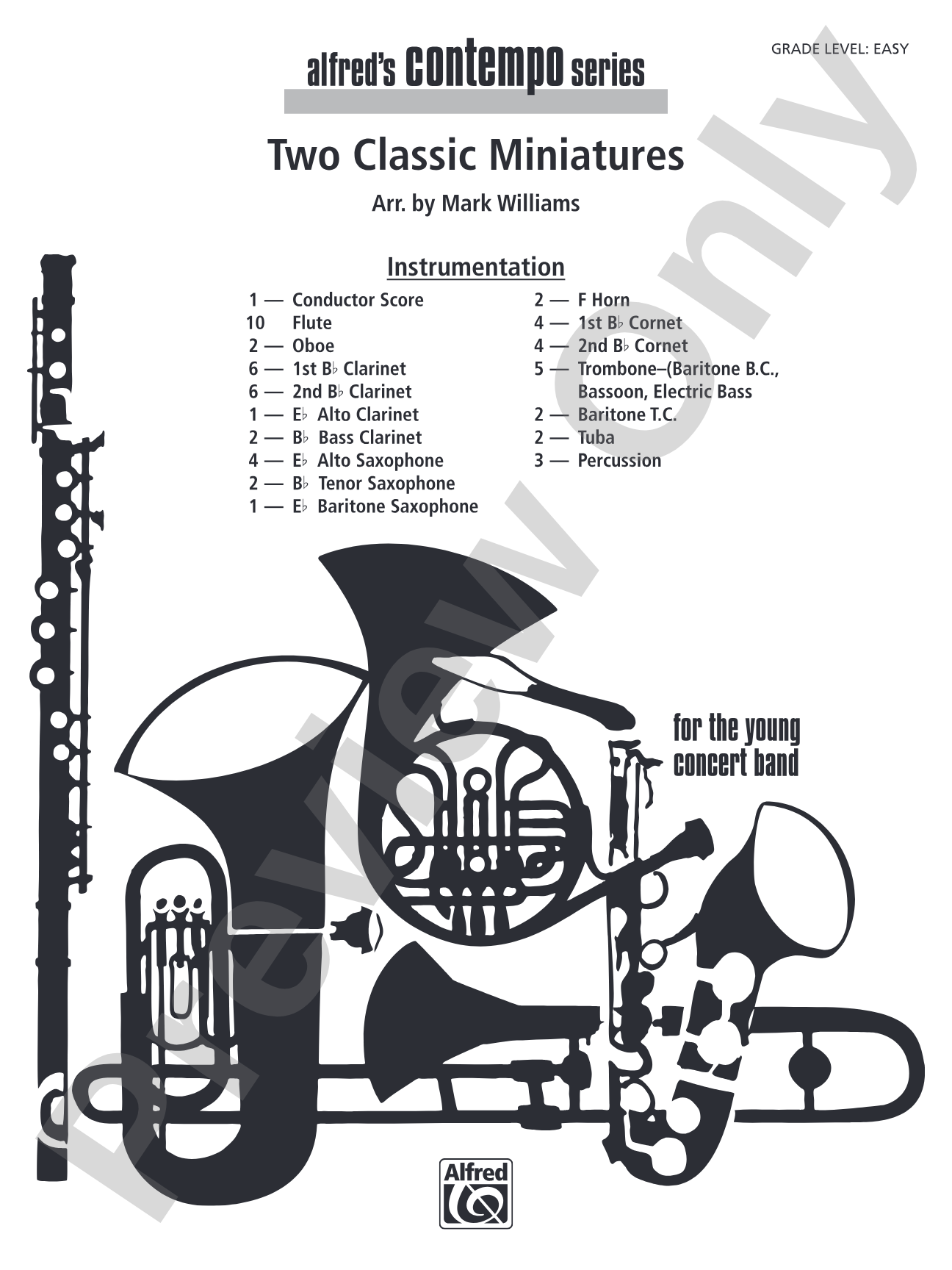

Two Classic Miniatures: Concert Band Conductor Score & Parts
Music by Franz Joseph Haydn and Johann Nepomuk Hummel / arr. Mark Williams
Grade: 1.5 (Easy)
Item: 00-PK-0001893

$42.00
Pickup currently not available
Buy Extra Parts (Digital PDF Download)
Parts Added to Cart!
Description
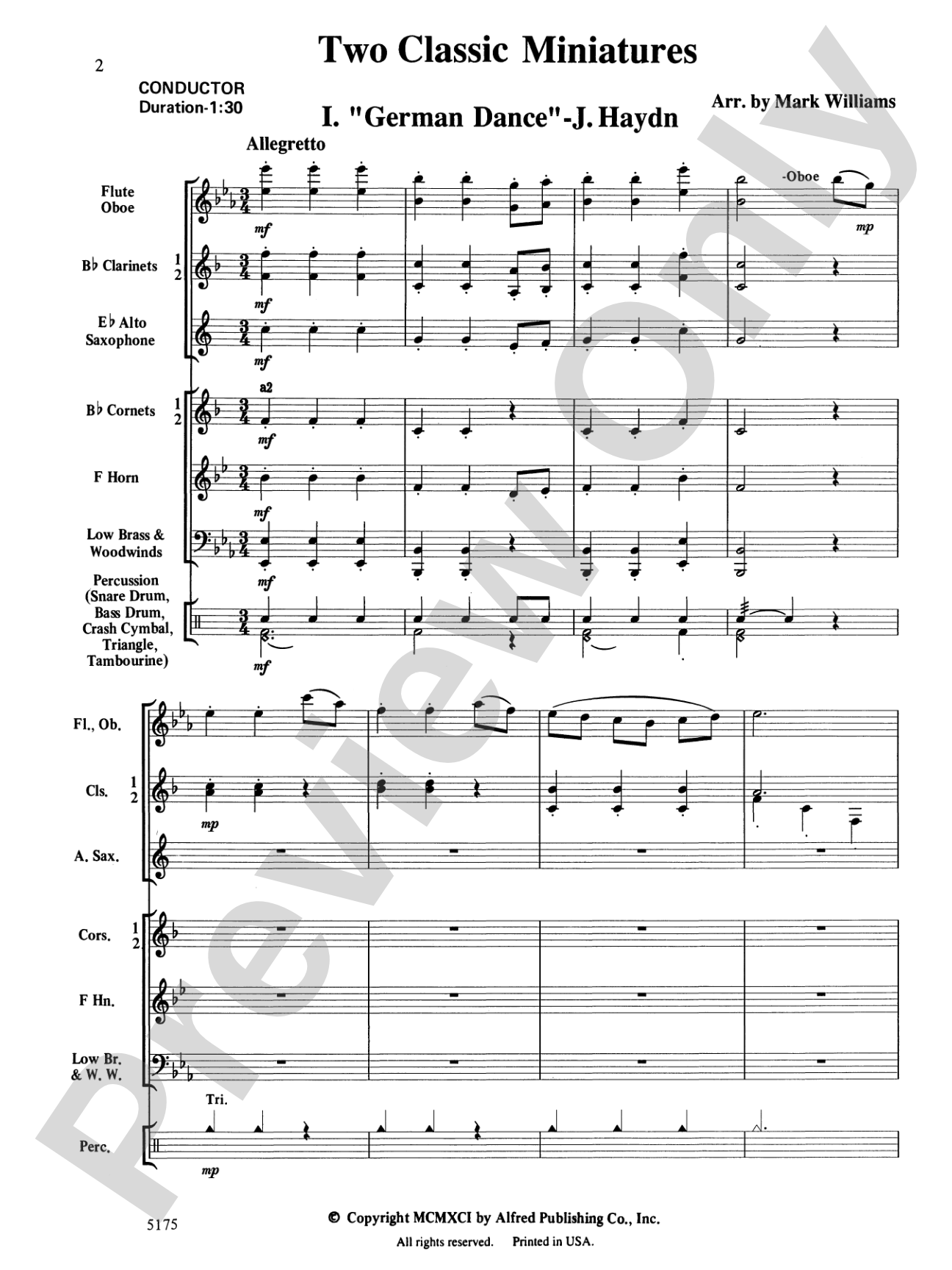
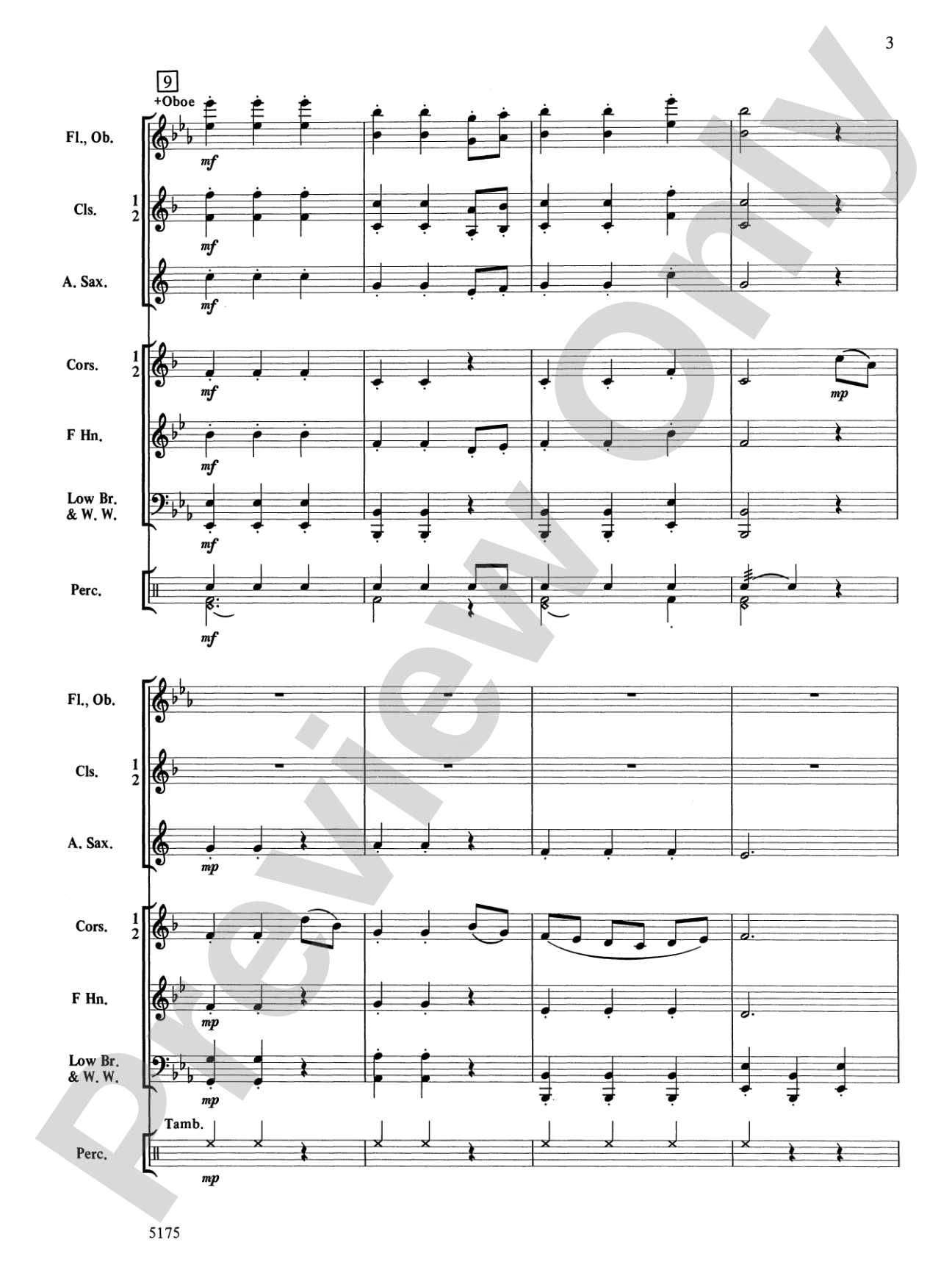
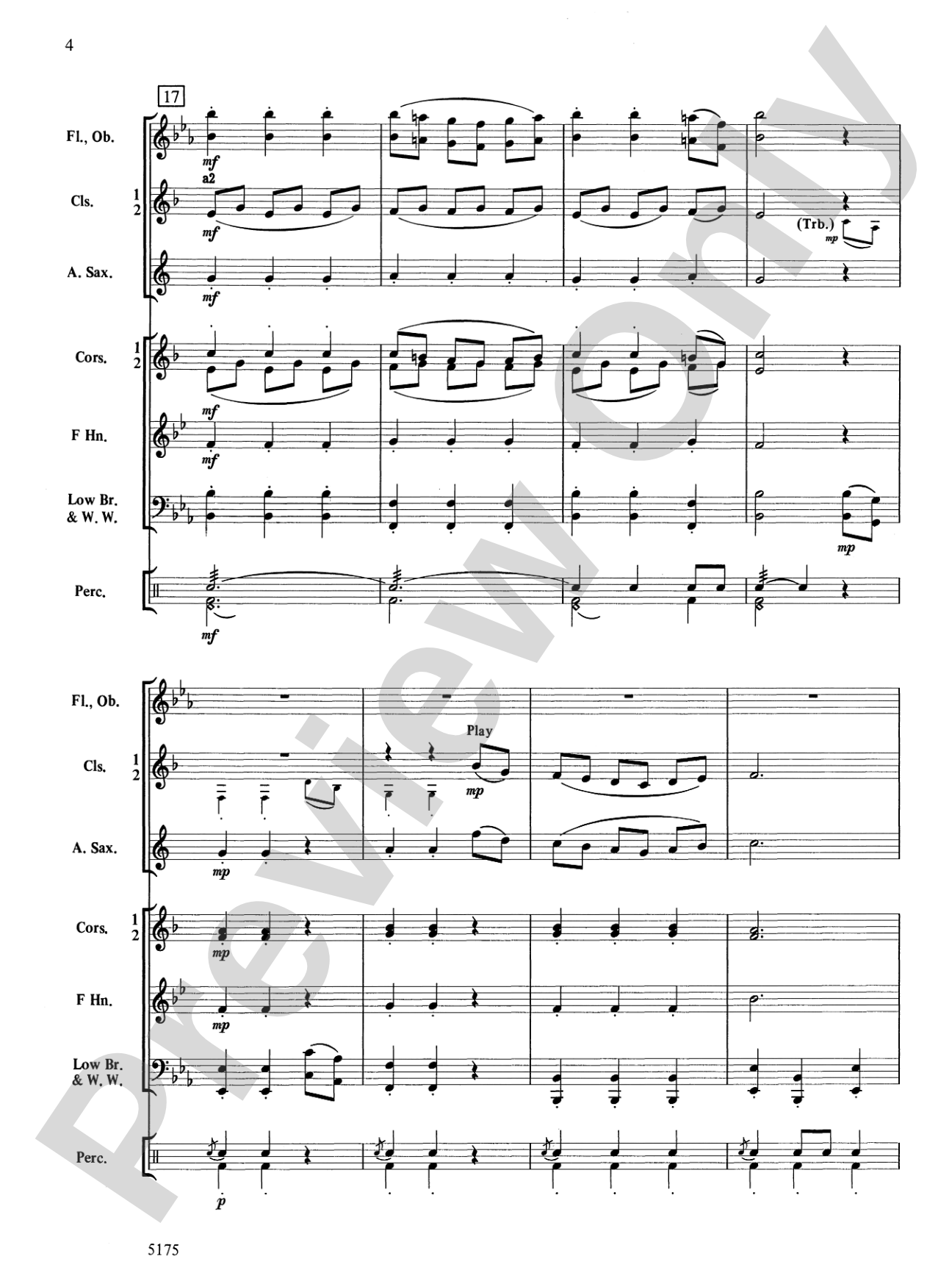
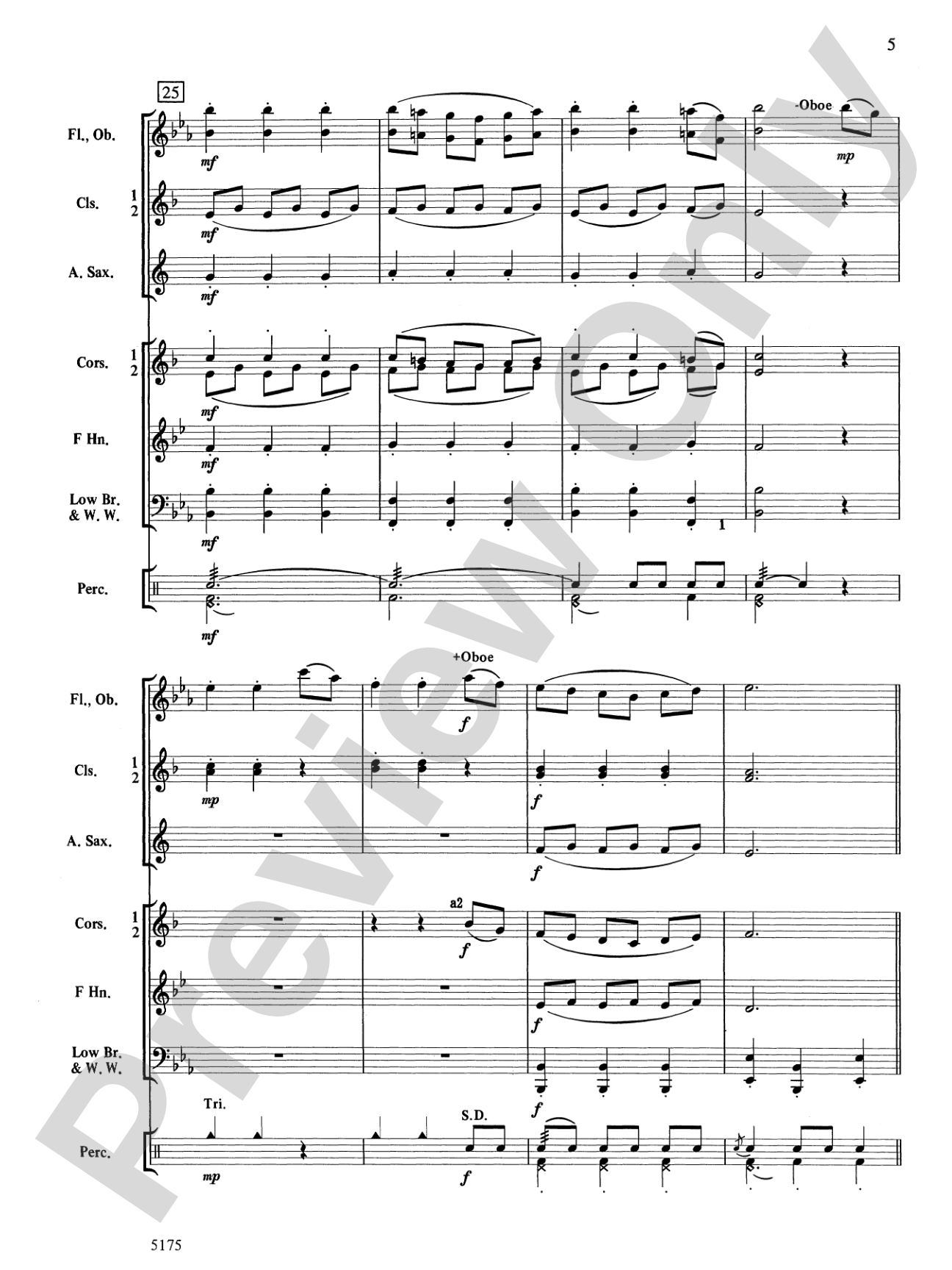
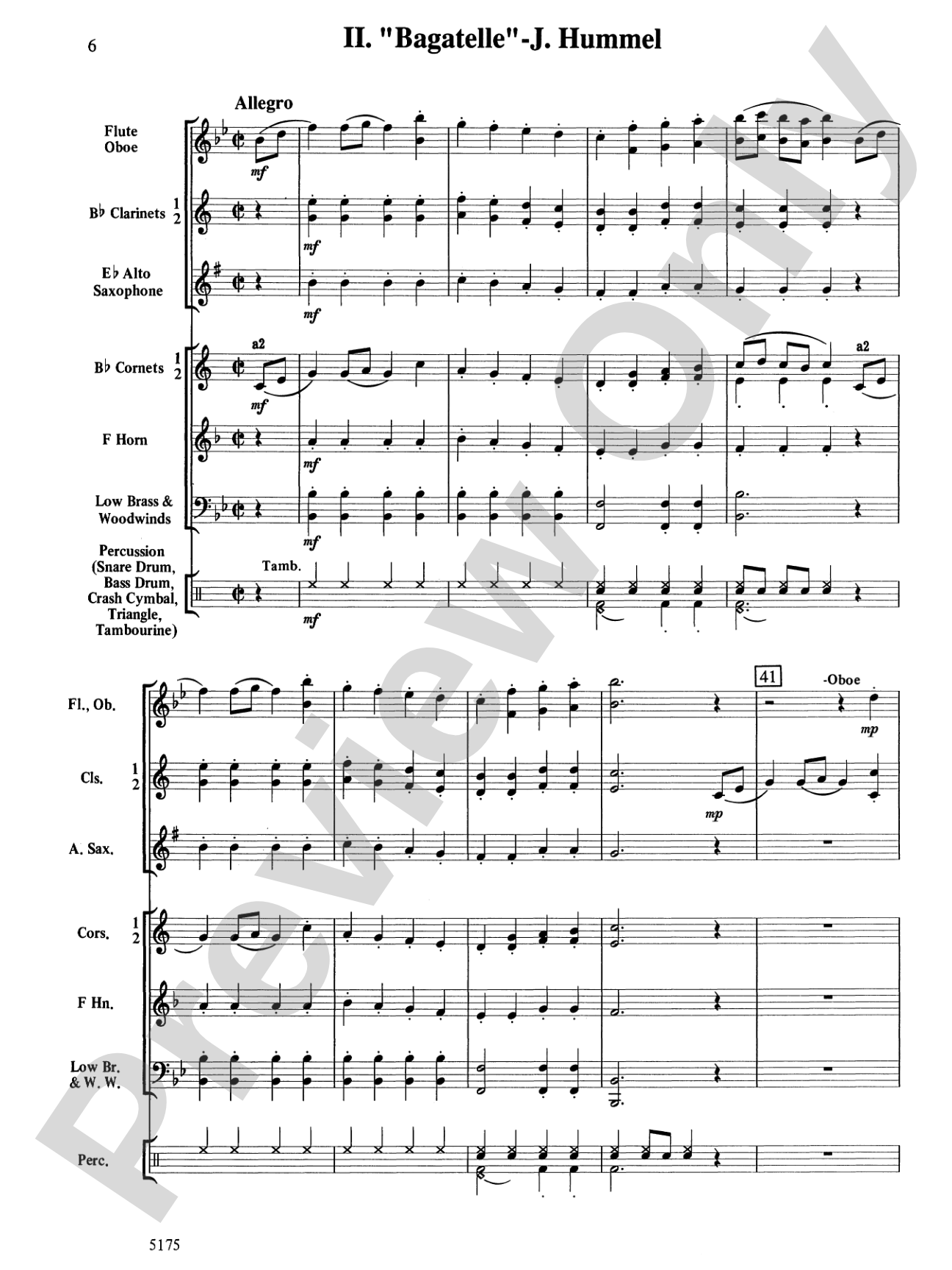
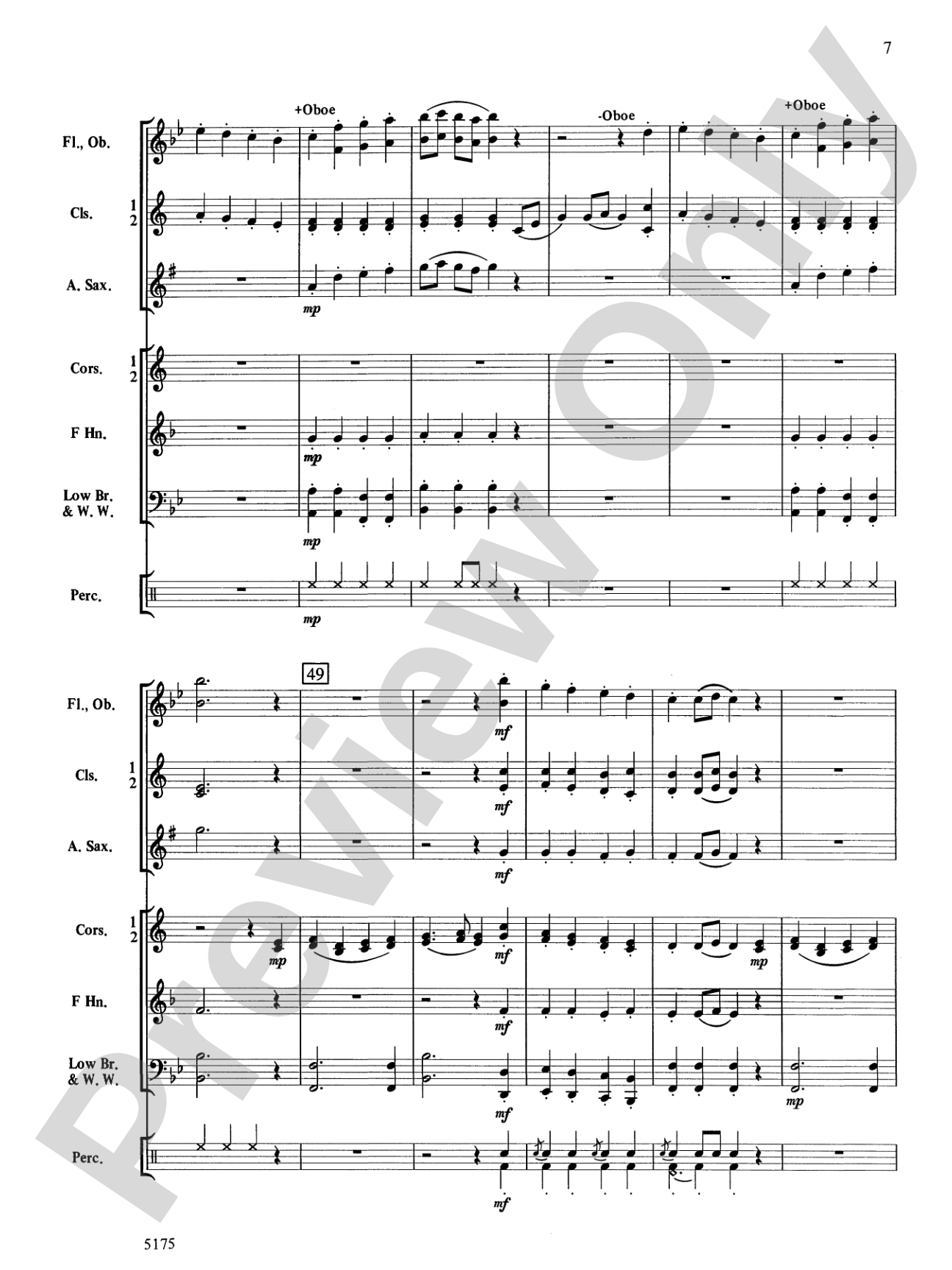
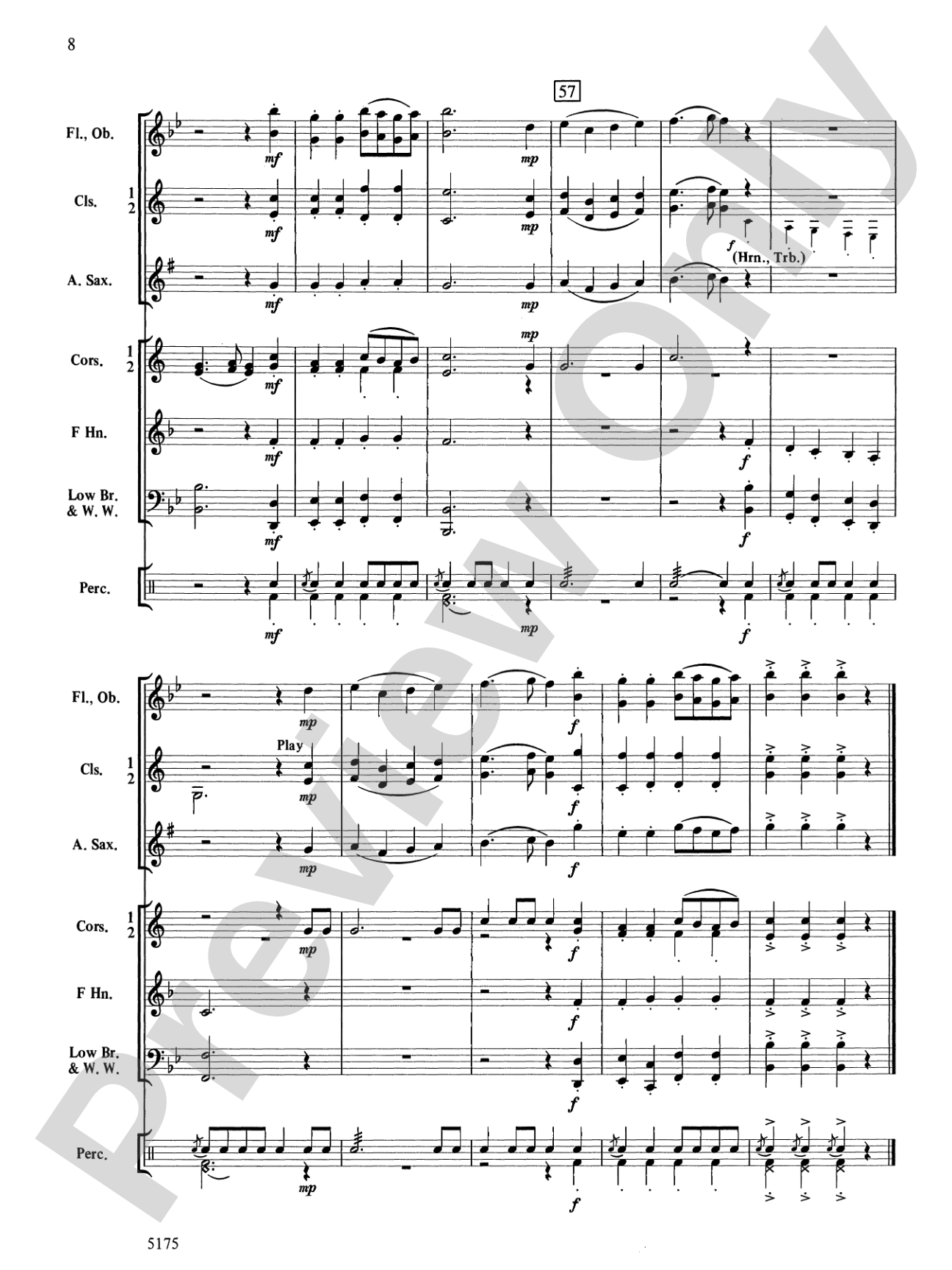
This delightful arrangement of a spritely German Dance by master composer Joseph Haydn and a charming Bagatelle, written by the virtuoso pianist Johann Hummel, will be a big hit with your audiences. Both pieces provide an outstanding way to reinforce staccato playing and are highly recommended for introducing the classical style to your students. (Grade 1 1/2) This title is available in MakeMusic Cloud.


Don't just read it, hear it, play along with it, and watch your students grow with it. In MakeMusic Cloud, Two Classic Miniatures: Concert Band Conductor Score & Parts comes alive with professional accompaniment, adjustable tempo, and built-in practice tools that turn solo practice into real progress.
Open in the Player
Jump straight in and assign it today.
Start Your Free Trial
Open this title and explore the full library in minutes.
Sample Audio
1
Audio File
--:--
0:00
0:00
Sample Video
No sample videos found.
Additional Details
Series:
Contempo Series
Publisher:
Alfred Music
Page Count:
112
SKU:
00-PK-0001893
More about this title
About the Composer: Franz Joseph Haydn
Franz Joseph Haydn (1732–1809) shaped the classical symphony and string quartet into essential forms of Western music. His prolific output across nearly every genre gave him unmatched influence on composers who followed, from Mozart to Beethoven, and his melodic gift combined with structural clarity made his work immediately appealing to performers and audiences alike.
For music educators, Haydn's genius lies in clarity without condescension. His pieces teach genuine musical principles—phrase structure, thematic development, harmonic function—through melodies that singers and players actually enjoy performing. The German Dance and works like it show why he remained a cornerstone of the classical repertoire for over two centuries.
Why we love this
Arranging Haydn at Grade 1½ requires restraint and taste, and Mark Williams delivers both. The staccato writing feels natural to the melodic line rather than imposed for technique's sake, and the orchestration sits comfortably across a developing band. This pairing gives you two contrasting classical movements in one package, making it ideal for programming a complete stylistic snapshot without overextending rehearsal time.
What to expect
A pair of elegant, unpretentious gems that sparkle without overwhelming the listener. The Haydn dances with infectious lightness, while the Hummel moves with graceful refinement. Together they offer the clarity and charm that made classical music the foundation of concert life.
Who it's for
Developing concert bands ready to explore classical style with pieces that sit securely at Grade 1½. Directors teaching classical form, phrasing, and articulation will find these arrangements both musically rewarding and accessible to players still building technique.
How to get the most out of it
- Shape the staccato passages with a clear lift rather than a clipped attack. The articulation should feel elegant and dance-like, not percussive.
- Let the lighter sections breathe. Younger players often push the tempo in spirited music; settling into a natural dancing pulse will highlight the melodic charm.
- Balance the woodwind melody against the supporting band parts. These arrangements often depend on a transparent middle register to let the tune shine through.
- Use dynamic contrast between the two pieces to mark the shift in character. The German Dance and Bagatelle ask different moods of your ensemble.
How to use it
Open a concert with these two pieces to establish classical style early, especially in a program built around historical themes or composer studies. Both are compact enough to pair with longer works later in the set, or program them consecutively to let audiences hear the range within classical miniatures. Consider scheduling them during a unit on classical form and staccato technique.
Skills your students will build
- Staccato articulation with style and control
- Classical phrasing and phrase structure
- Balance between melodic lines and accompaniment parts
- Tempo control in lightly scored passages
- Recognition of dance forms and classical period style conventions