
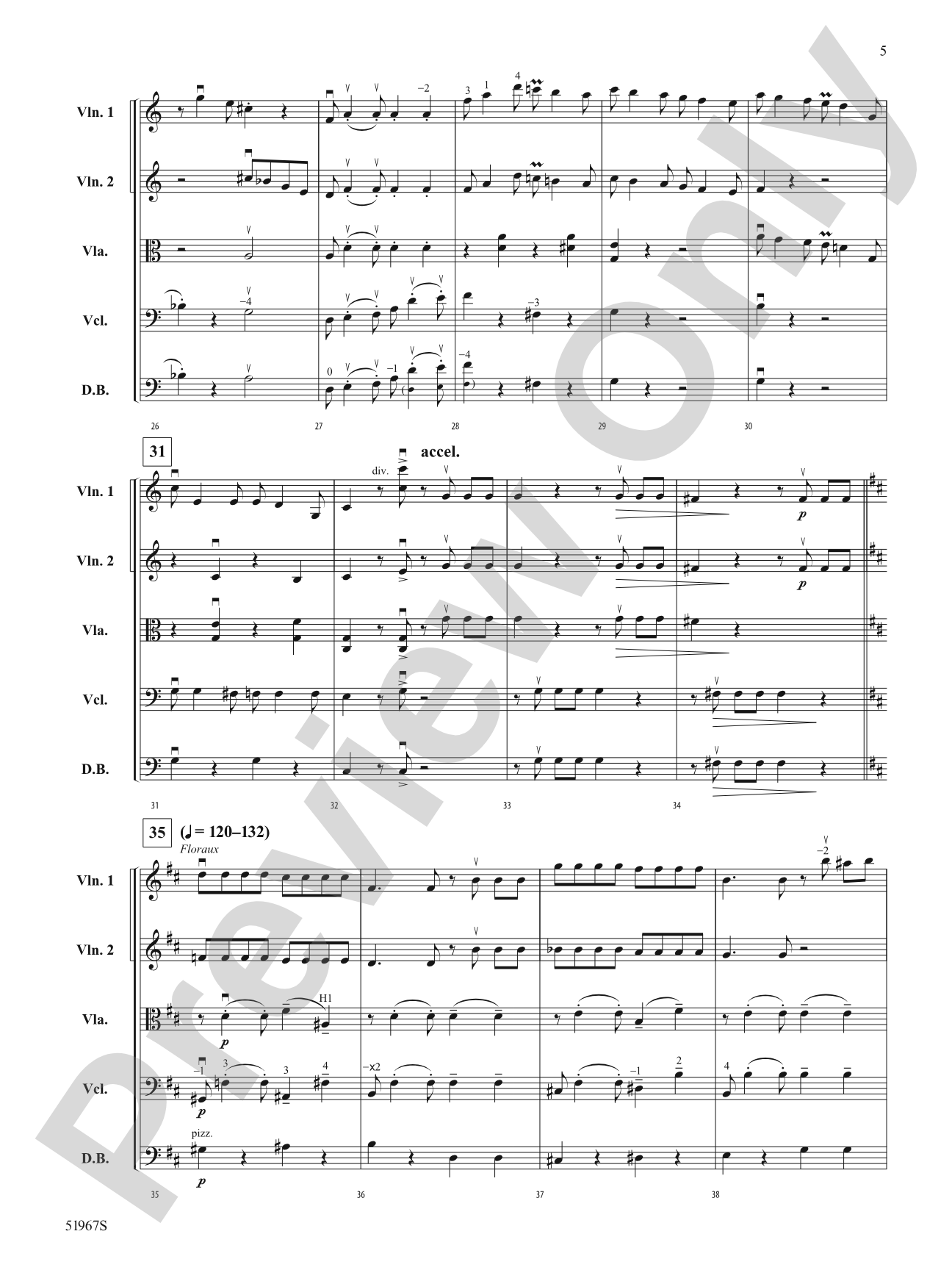
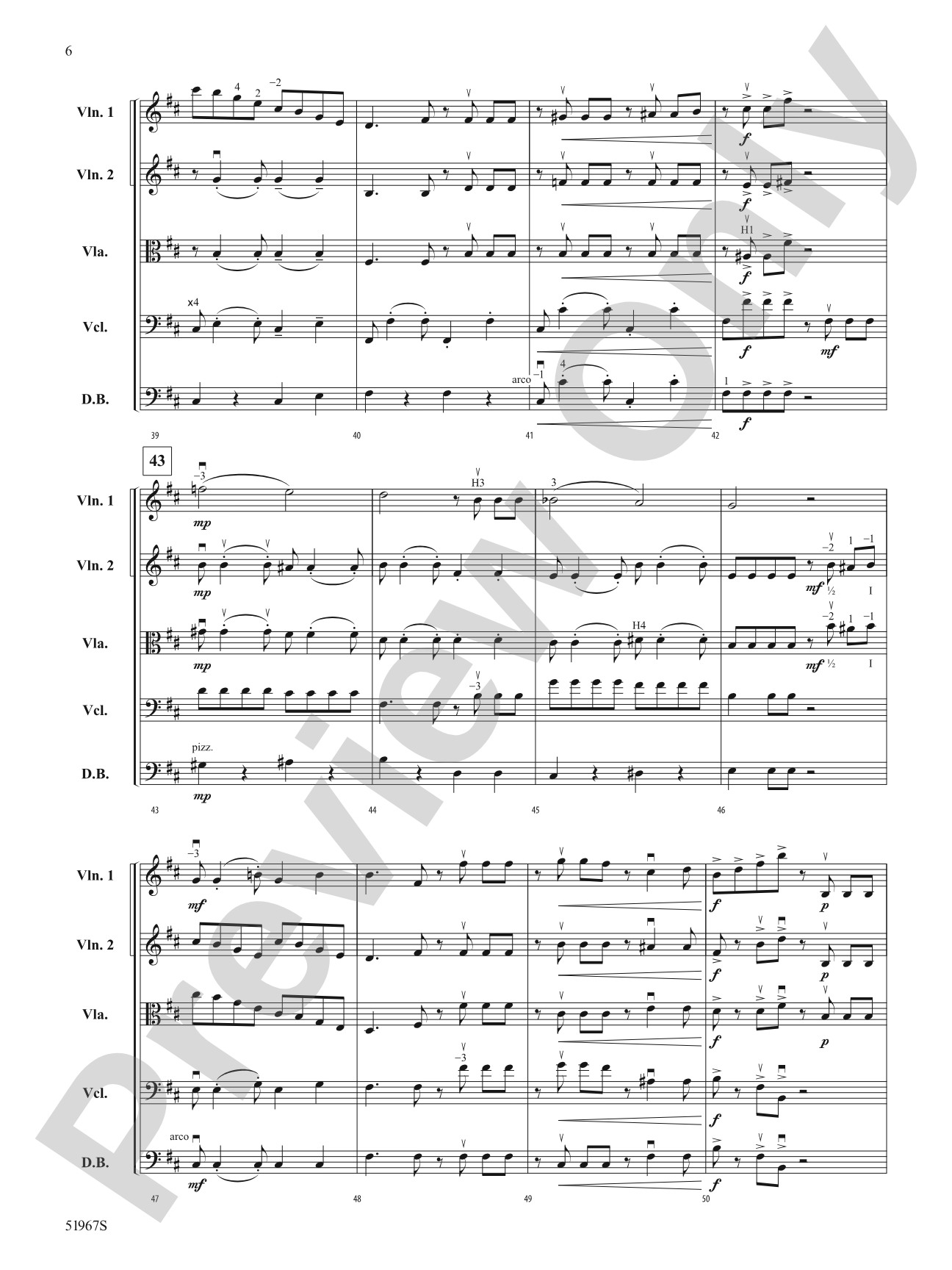
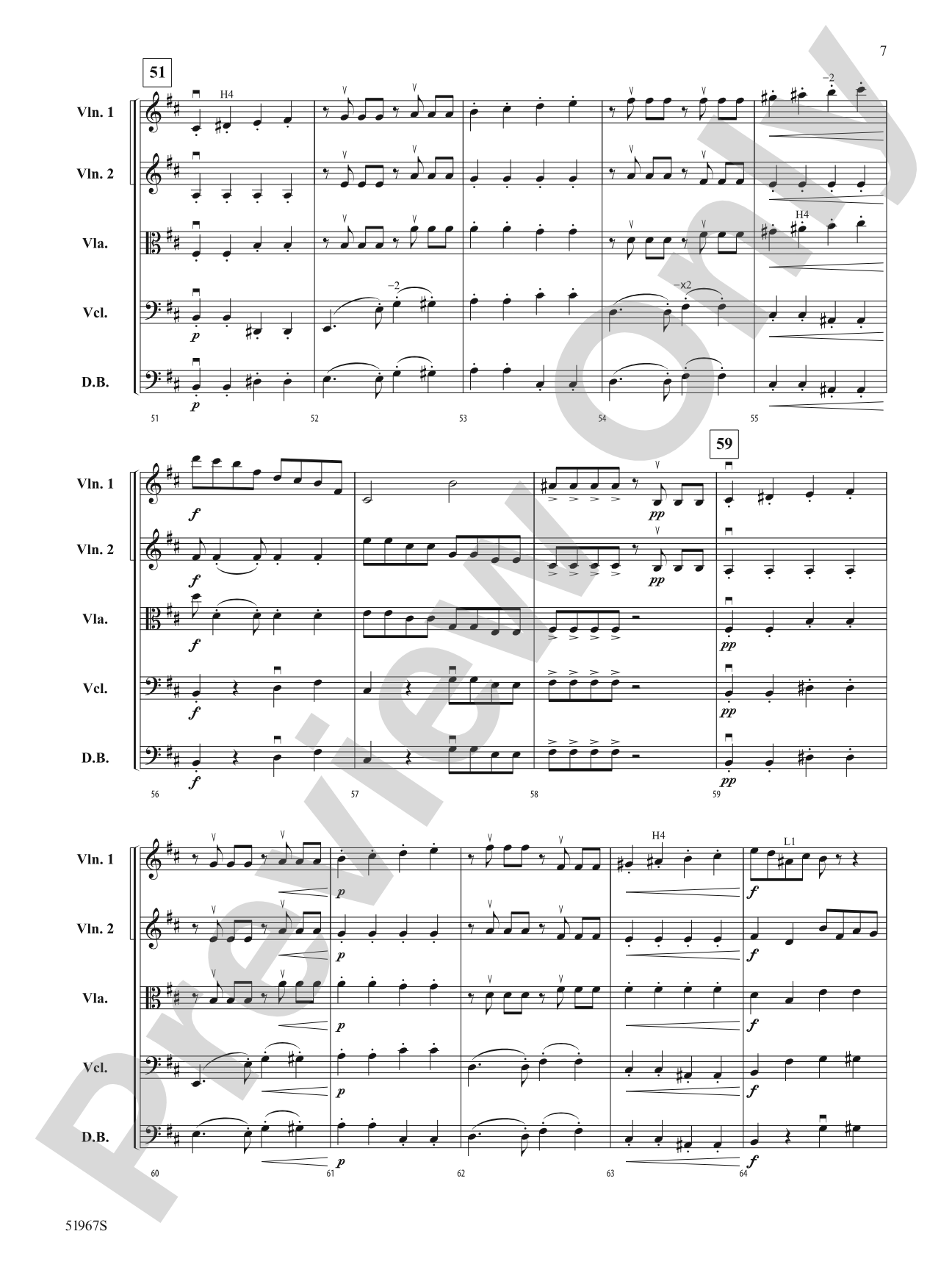
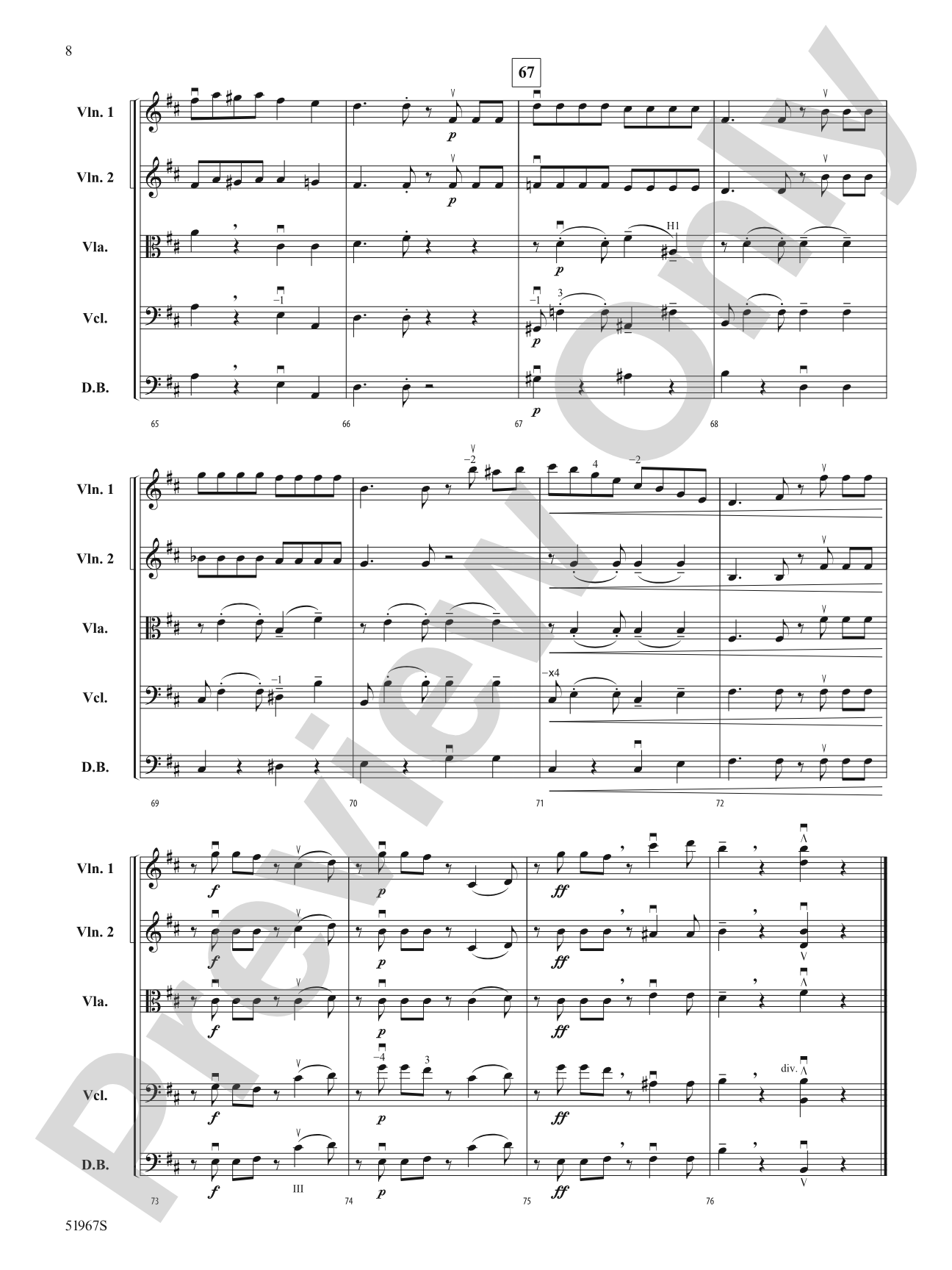

Two Brazilian Tangos: Score
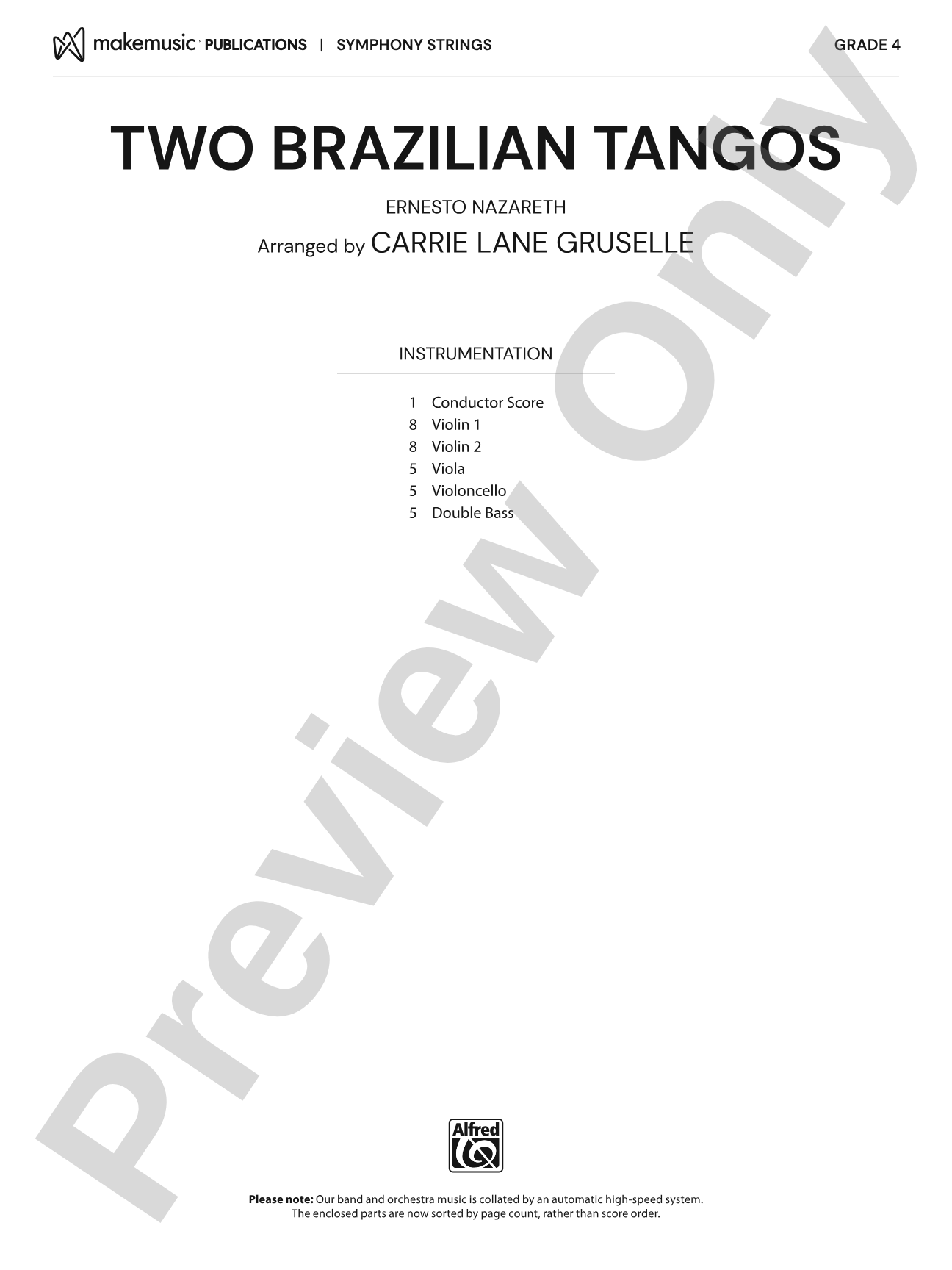
By Ernesto Nazareth / arr. Carrie Lane Gruselle
Grade: 4
Item: 00-PR-0007682
$10.00
Pickup currently not available
Description
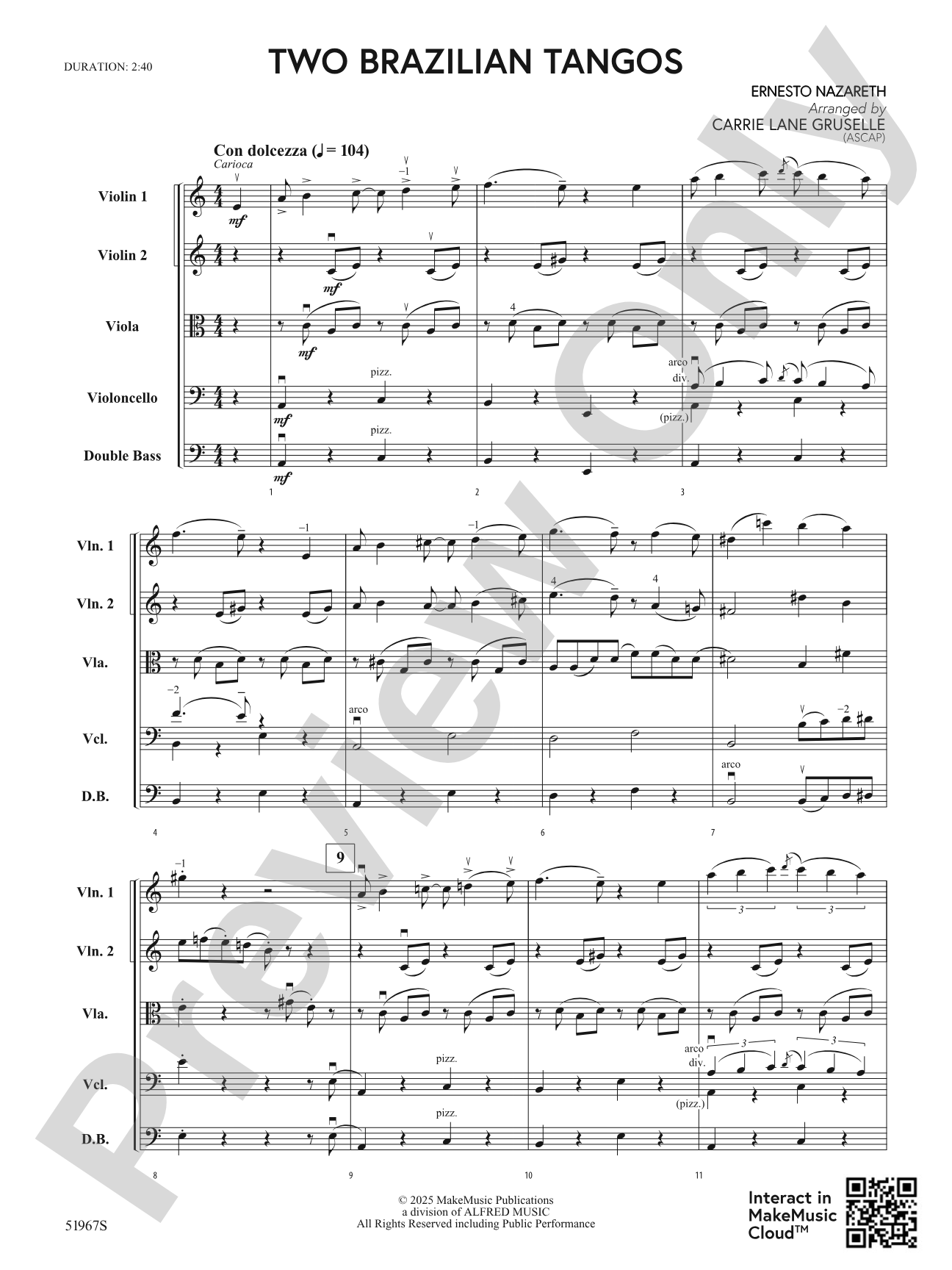
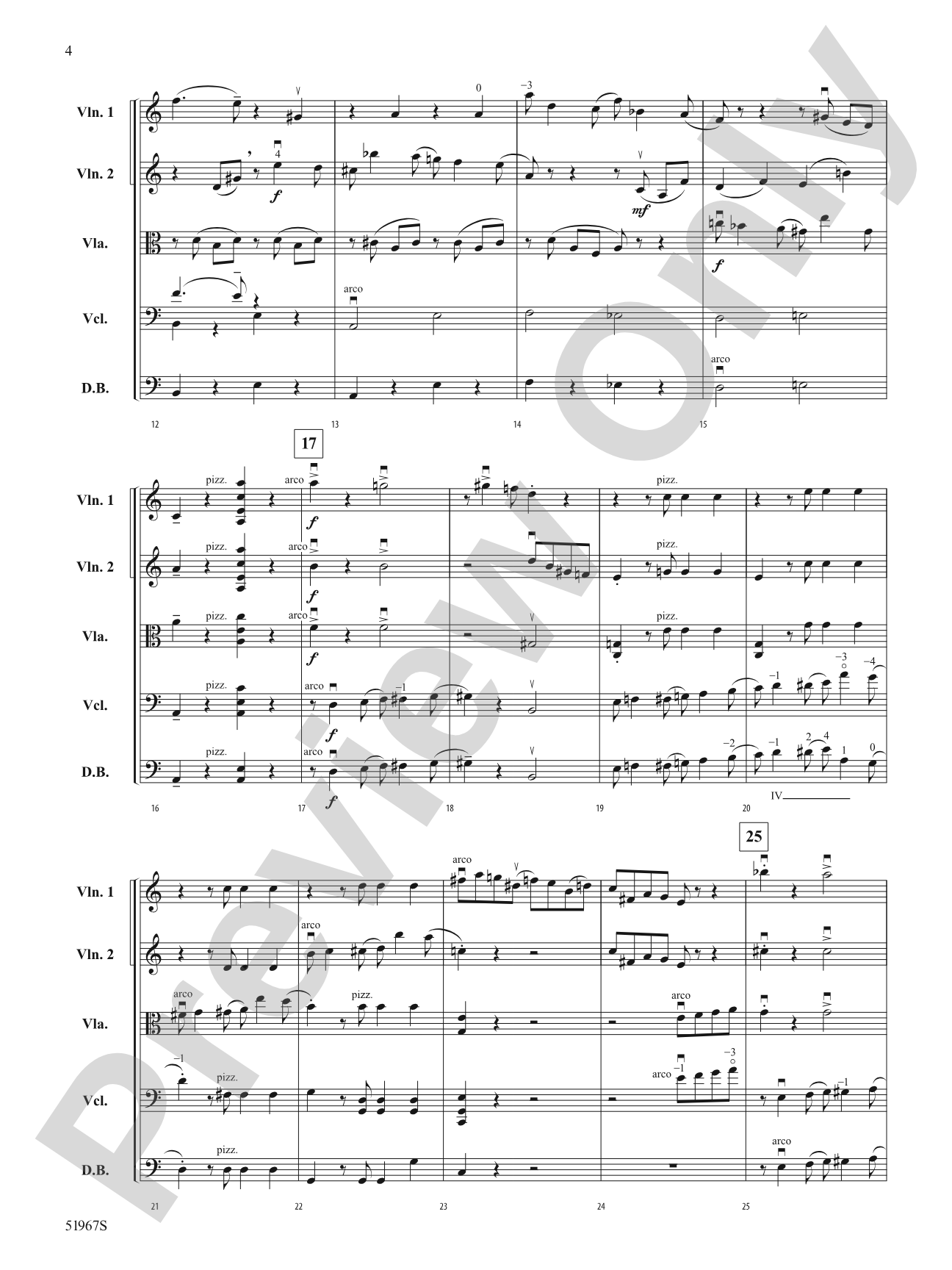
Intrigue, excitement, and intensity radiate from Two Brazilian Tangos, arranged by Carrie Lane Gruselle. Featuring the music of Brazilian composer Ernesto Nazareth, the work begins with the relaxed "Carioca," which projects a tender mood. "Floraux" then portrays a dramatic tableau with spirited rhythms and a multitude of colors. A wonderful exploration of the passionate music of Brazil! (2:40)


Two Brazilian Tangos: Score isn't in MakeMusic Cloud just yet...but it could be. Let us know you'd like to see it, and you'll help shape what comes next. In the meantime, start a free trial and dive into thousands of interactive titles your students can play along with today.
Request This Title
Tell us you want it.
Start Your Free Trial
Explore everything that's ready to play right now.
Sample Audio
1
Audio File
--:--
0:00
0:00
Sample Video
Additional Details
Series:
MakeMusic Symphony Strings
Publisher:
MakeMusic Publications
SKU:
00-PR-0007682
More about this title
About the Composer: Ernesto Nazareth
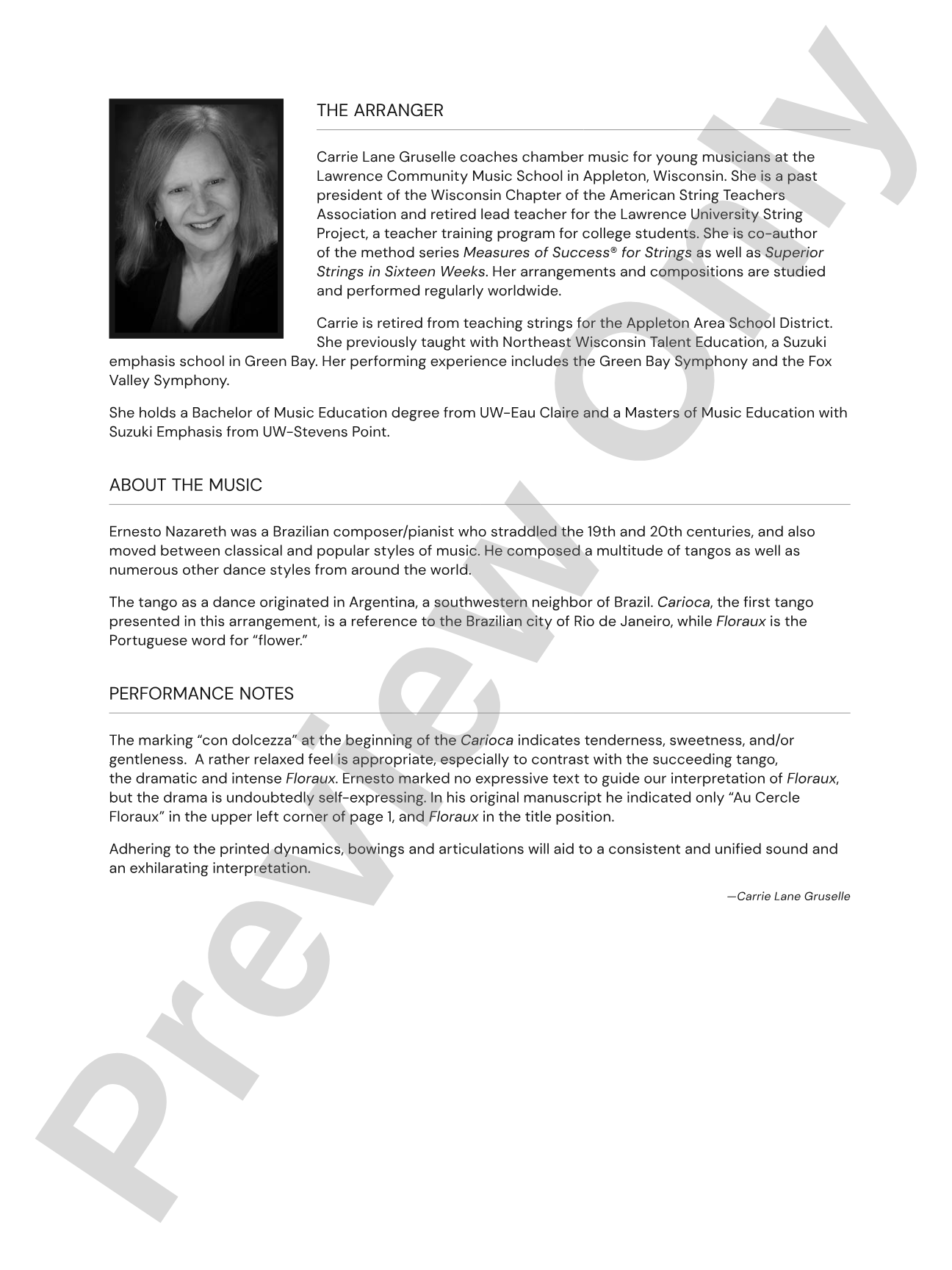
Ernesto Nazareth (1863-1934) was a Brazilian pianist and composer who shaped the sound of Rio de Janeiro's musical life in the late 19th and early 20th centuries. His prolific catalog of tangos, maxixes, and other popular forms established him as a defining voice of Brazilian salon music, blending European harmonic sophistication with distinctly Brazilian rhythmic and melodic sensibilities.
Nazareth's work remains central to the study of Brazilian music history. His compositions capture the elegance and emotional depth of Rio's urban culture during a transformative period, making his music essential listening for anyone seeking to understand Brazil's musical foundations.
Why we love this
Carrie Lane Gruselle's arrangement gives Grade 4 orchestras access to authentic Brazilian idiom without overcomplicating the harmonic or technical palette. The pairing of two contrasting tangos lets your ensemble explore nuance and color in a single rehearsal span, and the contest/festival designation signals that this is concert-ready material built for impact.
What to expect
"Carioca" unfolds with a warm, intimate quality, like witnessing a private conversation in a Rio salon. "Floraux" explodes into color and urgency, its rhythmic drive and textural variety painting a scene of passion and movement that mirrors the energy of the city itself.
Who it's for
String orchestras at the intermediate level seeking repertoire that opens doors to world music without sacrificing musical substance. Directors programming concert or festival performances will find two movements that showcase ensemble cohesion, dynamic control, and the ability to shift character within a single piece.
How to get the most out of it
- Shape the phrasing in 'Carioca' with rubato and subtle dynamic swell; this movement thrives on the impression of unhurried elegance rather than strict metronomic precision.
- Balance the violin melodies against violas and cellos in 'Floraux' so the rhythmic undercurrent drives forward without drowning out the top line.
- Rehearse the transition between the two tangos carefully; the energy shift from tender to dramatic needs to feel intentional and clean.
- Let the ensemble feel the tango's characteristic syncopation rather than overthinking it; Brazilian rhythm lives in the body, not the page.
How to use it
Program this as a midseason or concert finale to introduce your orchestra to authentic Brazilian sound in an accessible arrangement. The two-movement structure makes it substantial enough to anchor a multicultural program theme, yet brief enough (2:40) to pair effectively with other works without monopolizing rehearsal time.
Skills your students will build
- Performing syncopated rhythms characteristic of Brazilian music
- Balancing melody and rhythmic accompaniment across multiple parts
- Controlling rubato and flexibility in Romantic-era tango phrasing
- Reading and executing dynamic contrasts to shift mood between sections
- Ensemble precision in executing clean transitions between distinct musical ideas