
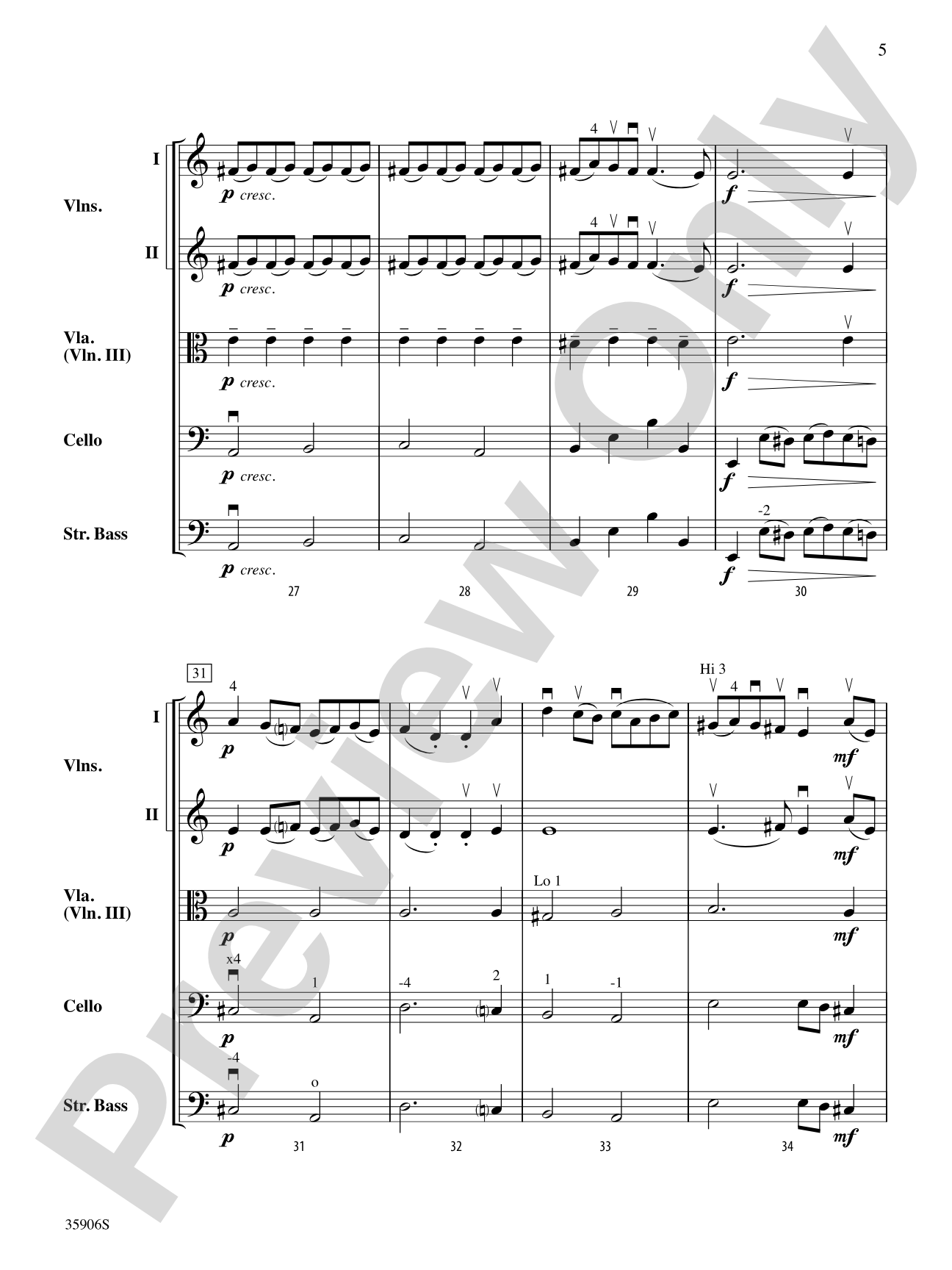
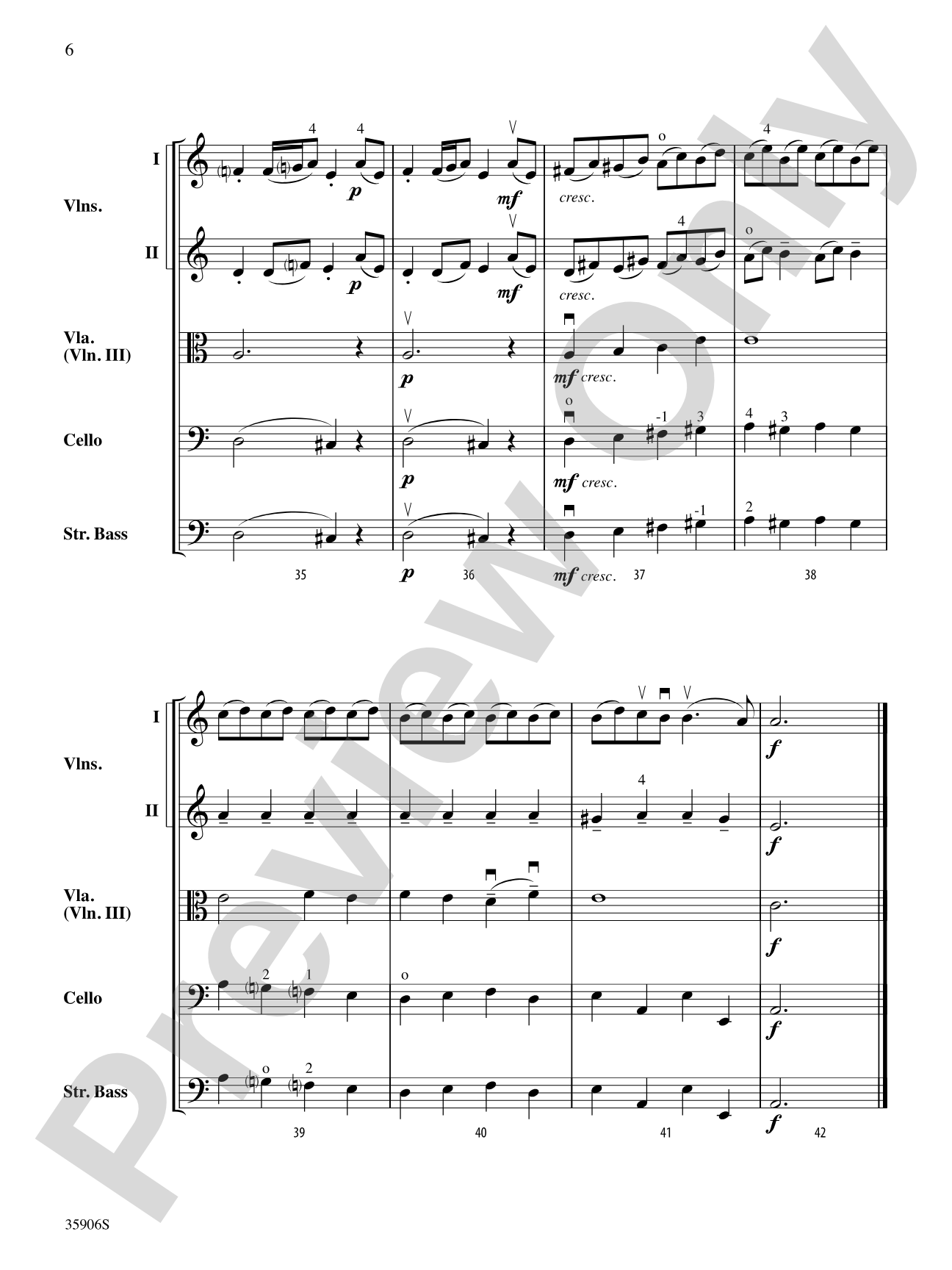
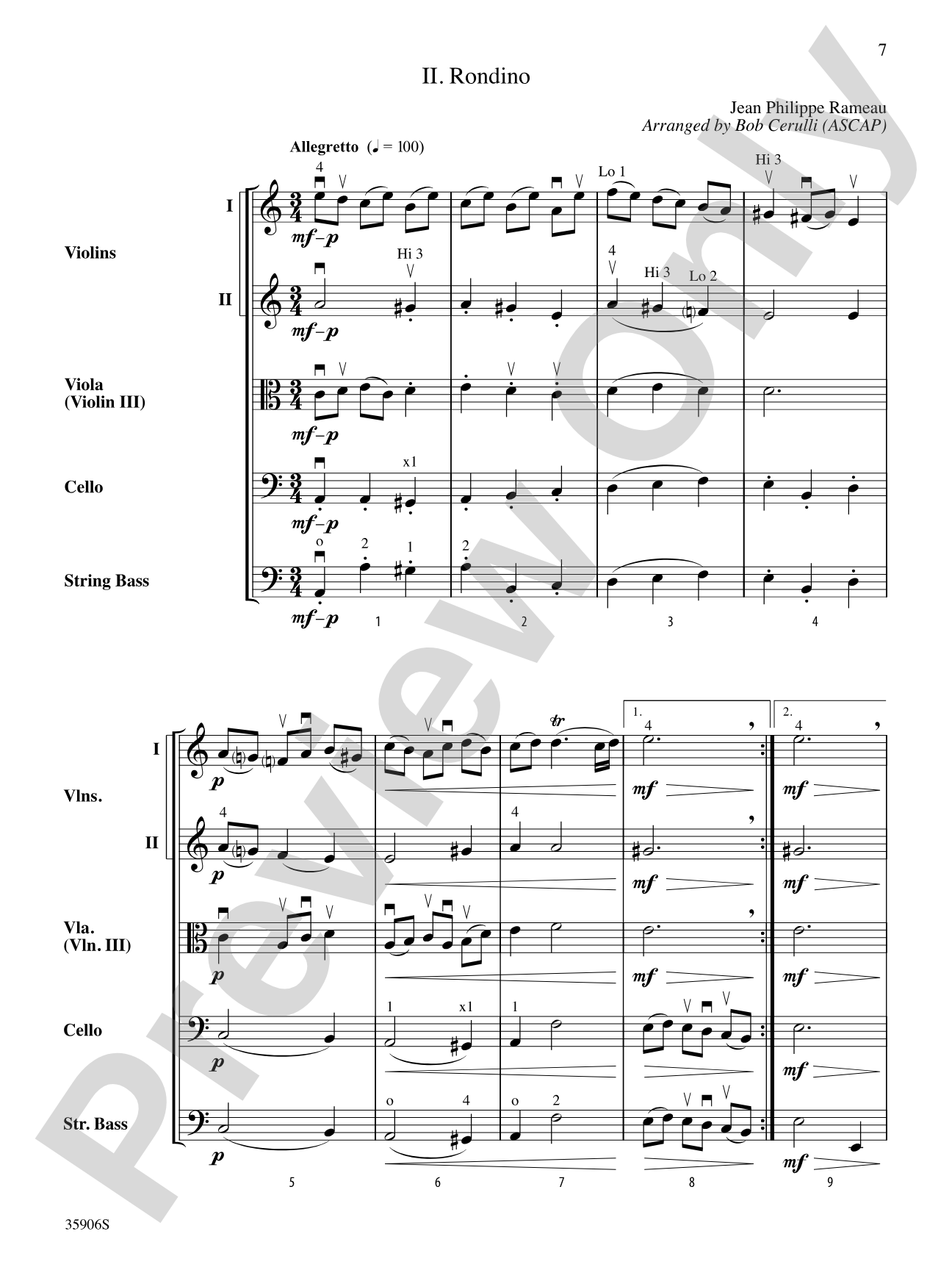
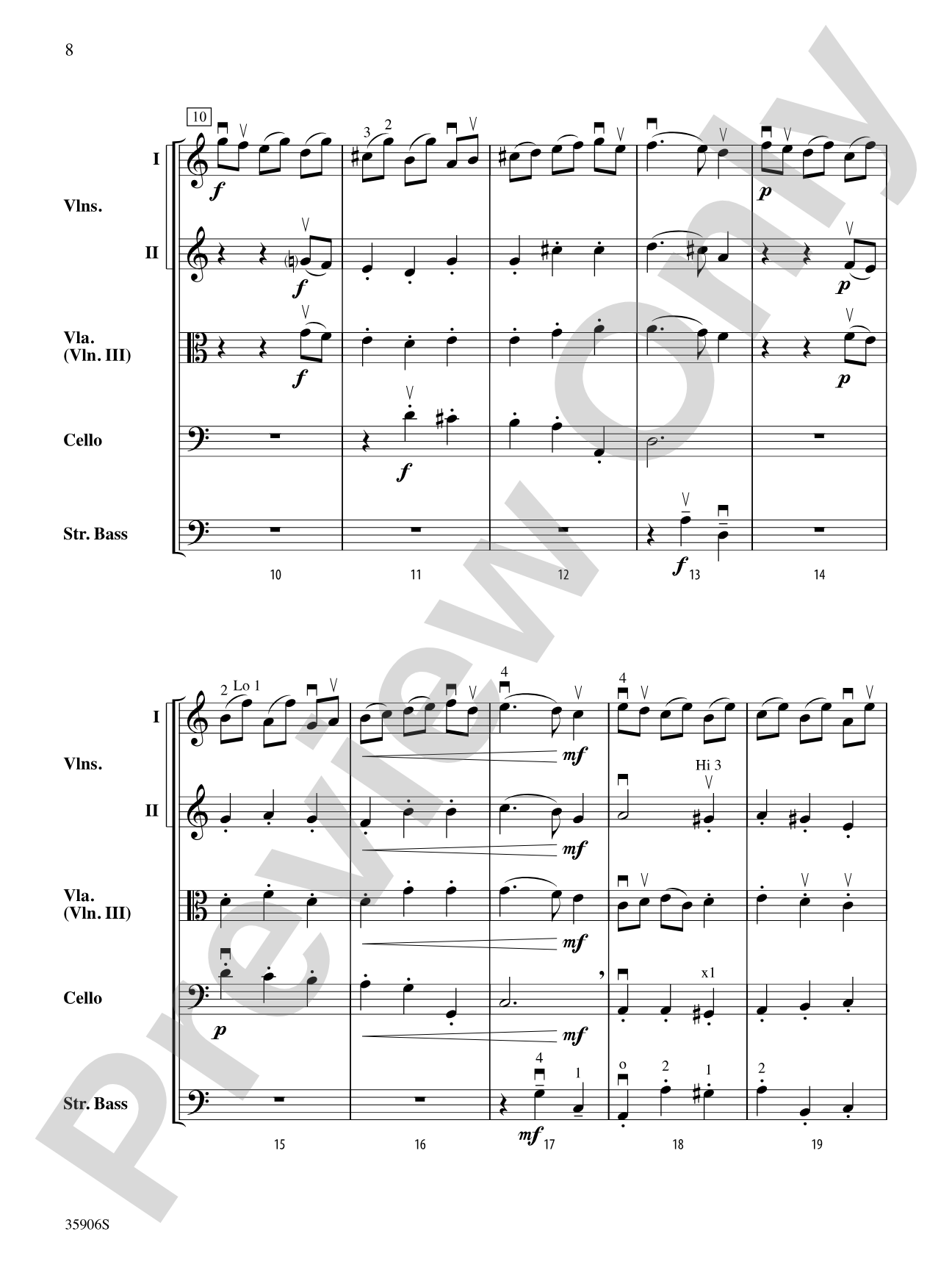
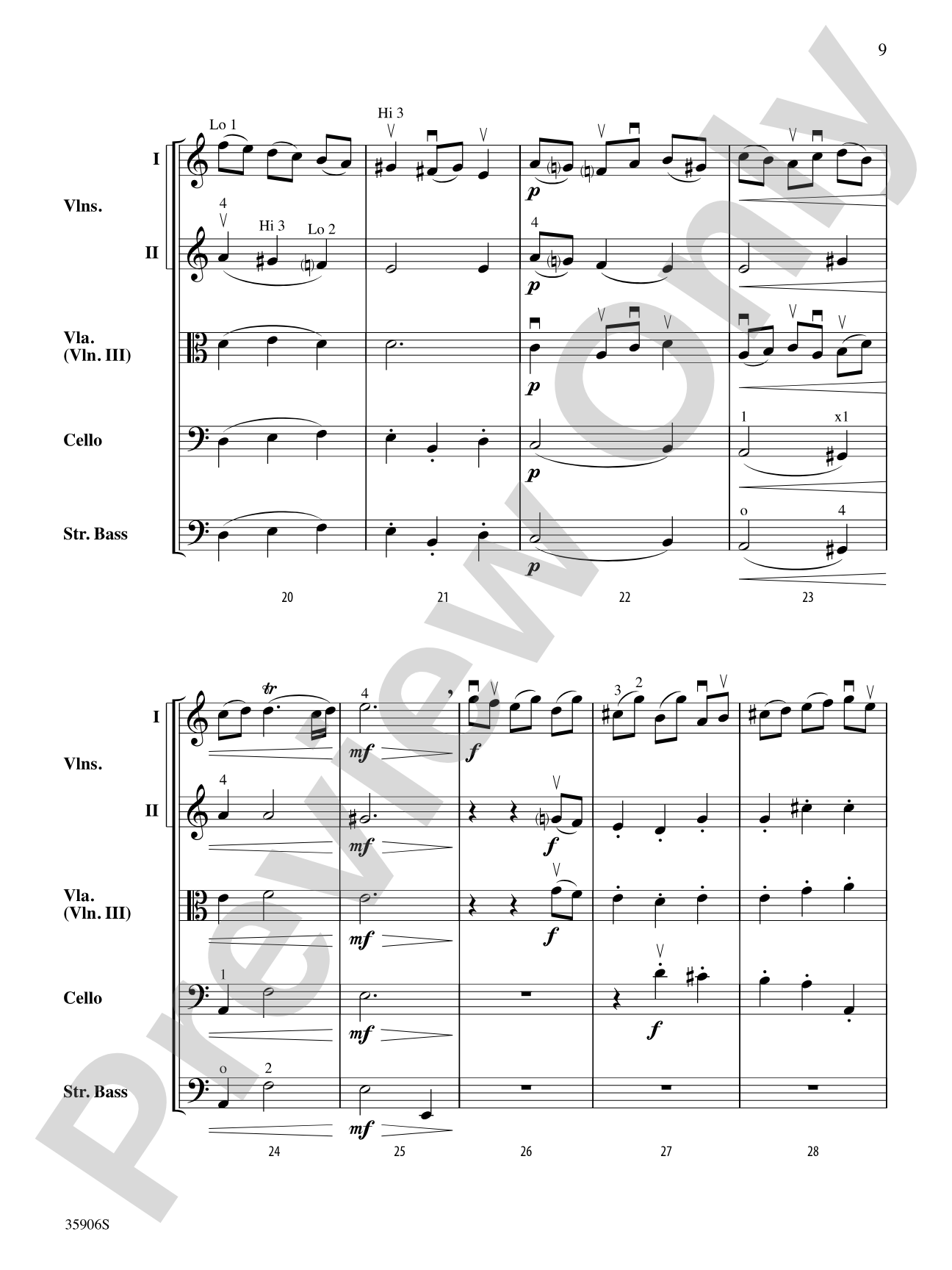
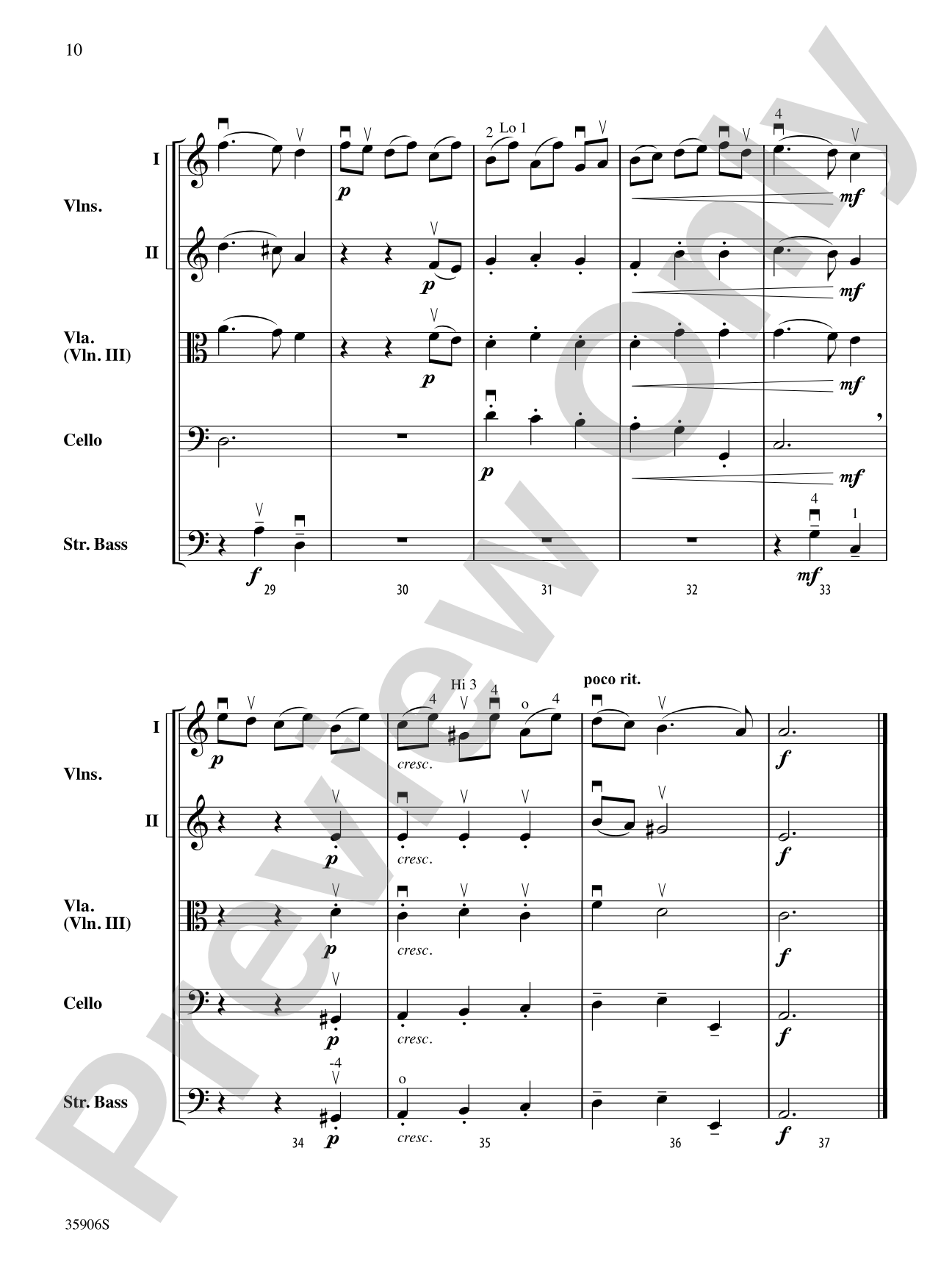



Two Baroque Dances: Score
Bourrée and Rondino
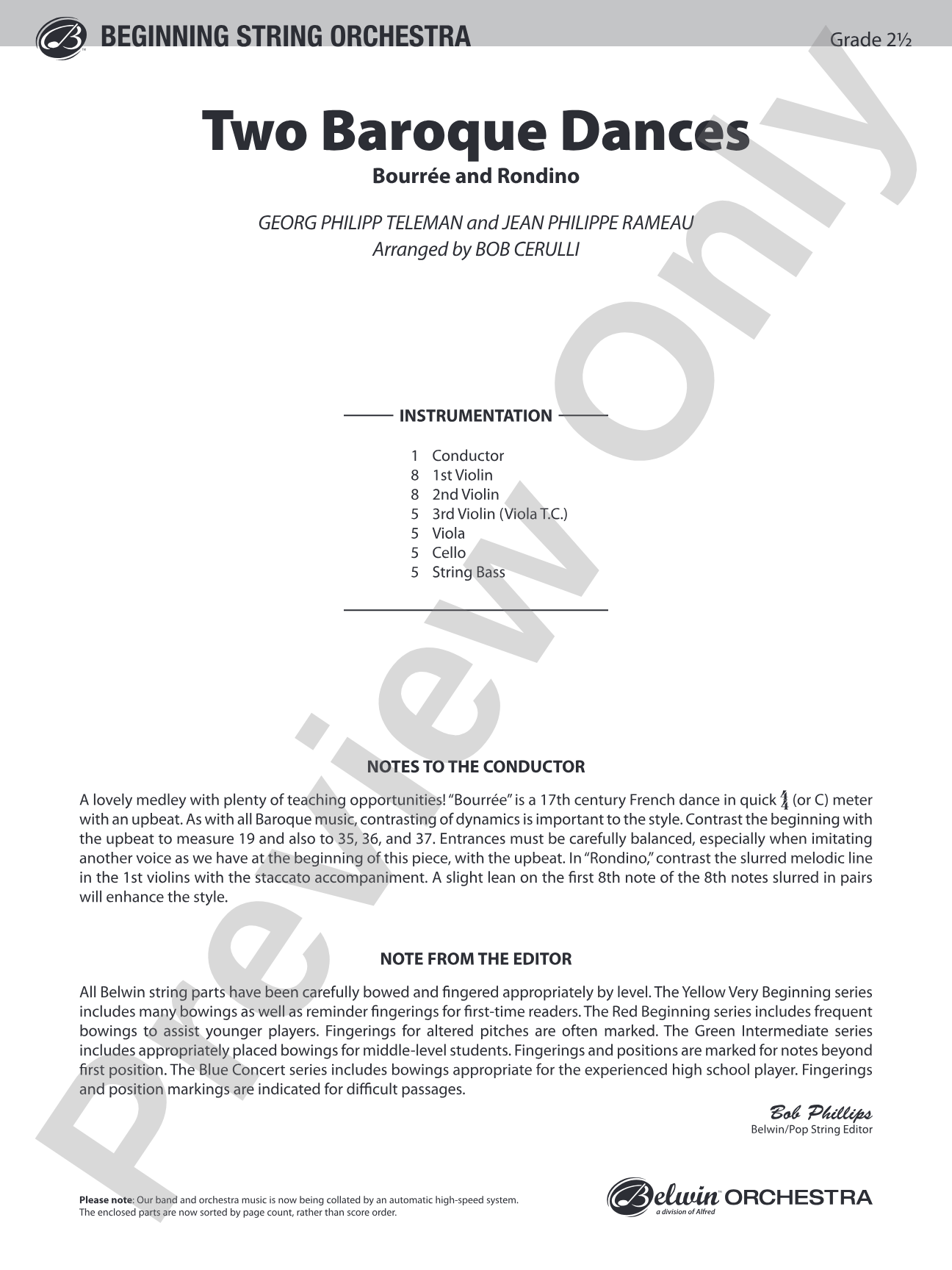
By Georg Philipp Telemann and Jean Philippe Rameau / arr. Bob Cerulli
Grade: 2.5
Item: 00-PR-0003307
$6.00
Pickup currently not available
Description
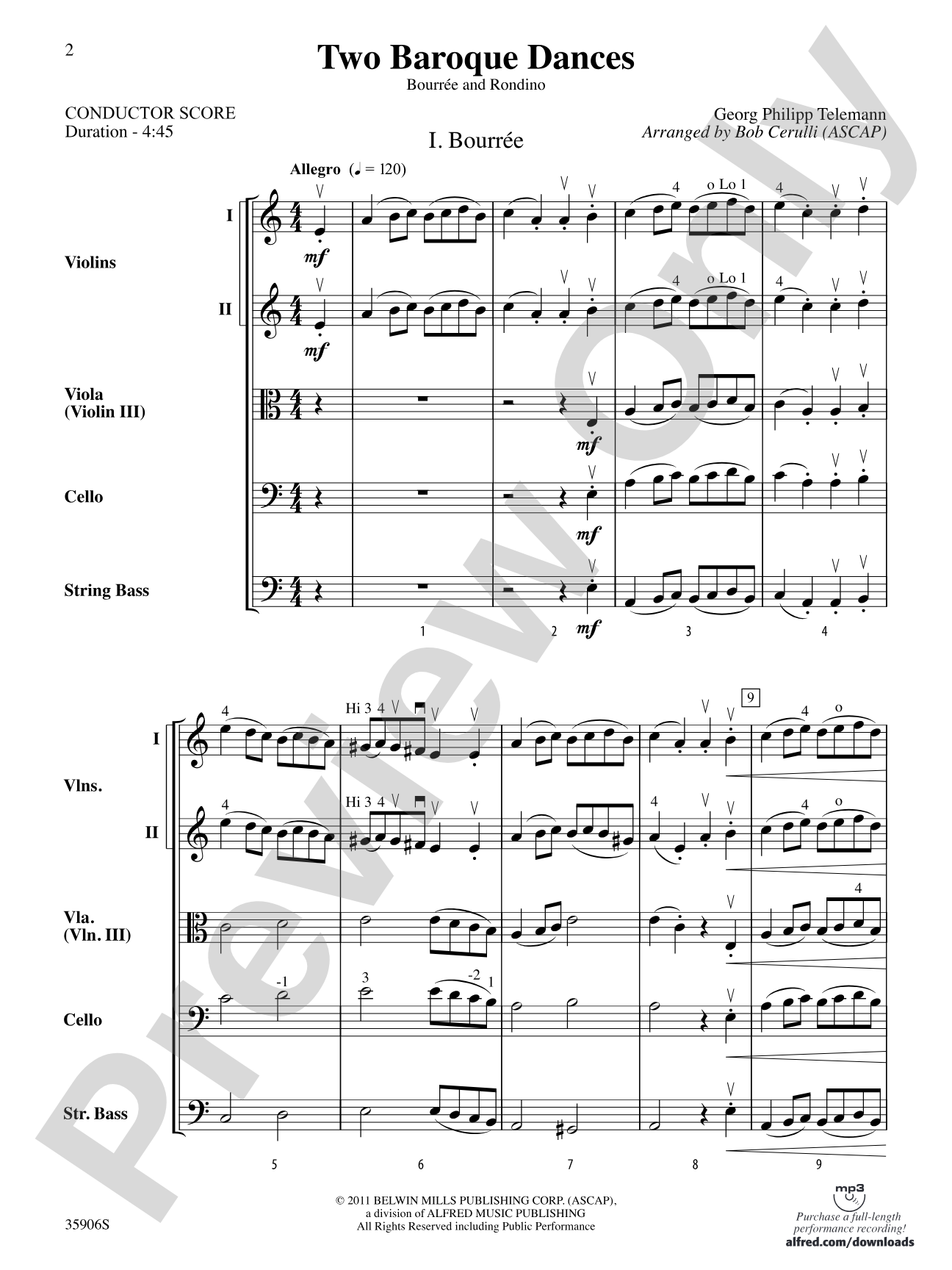
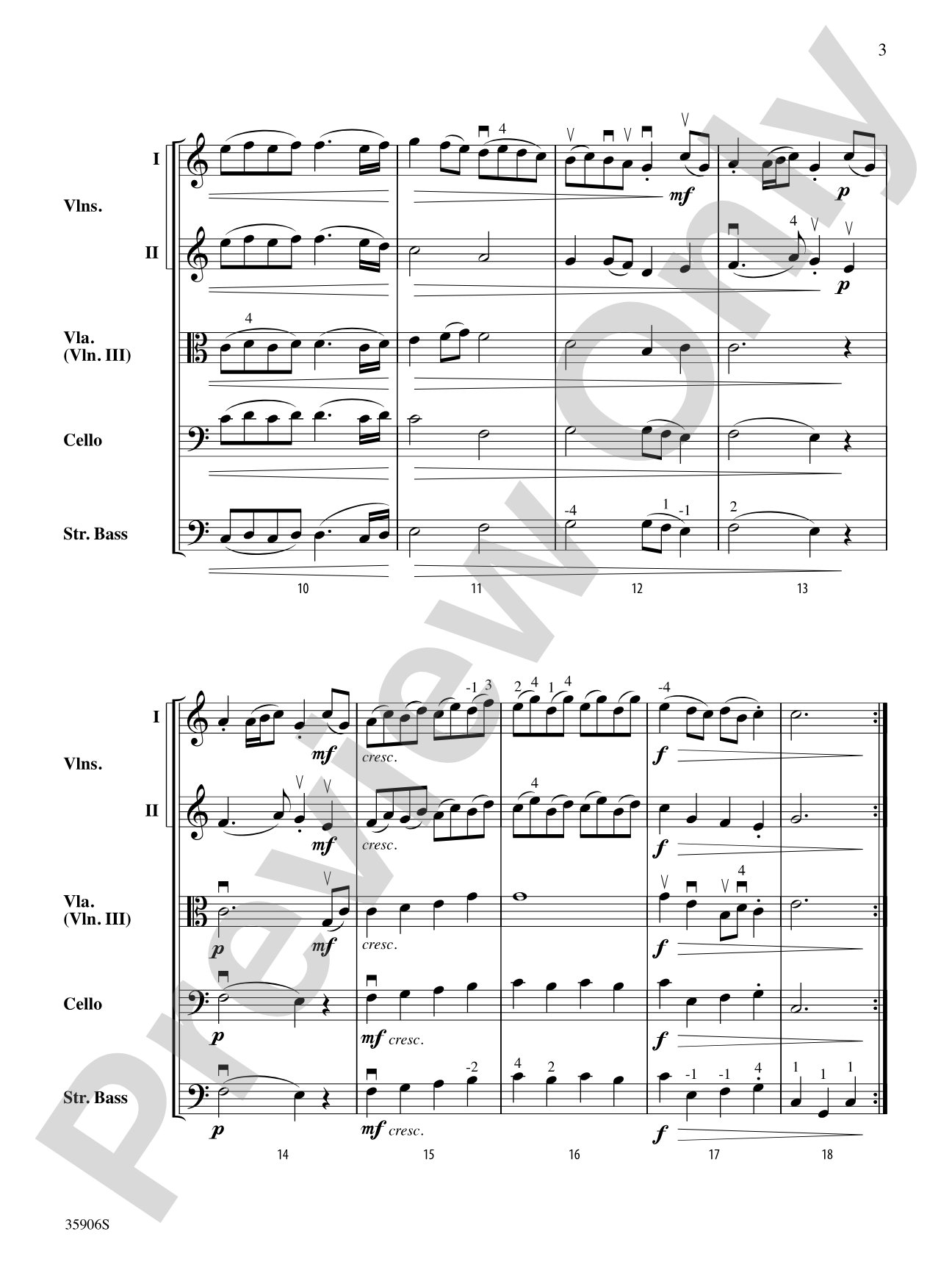
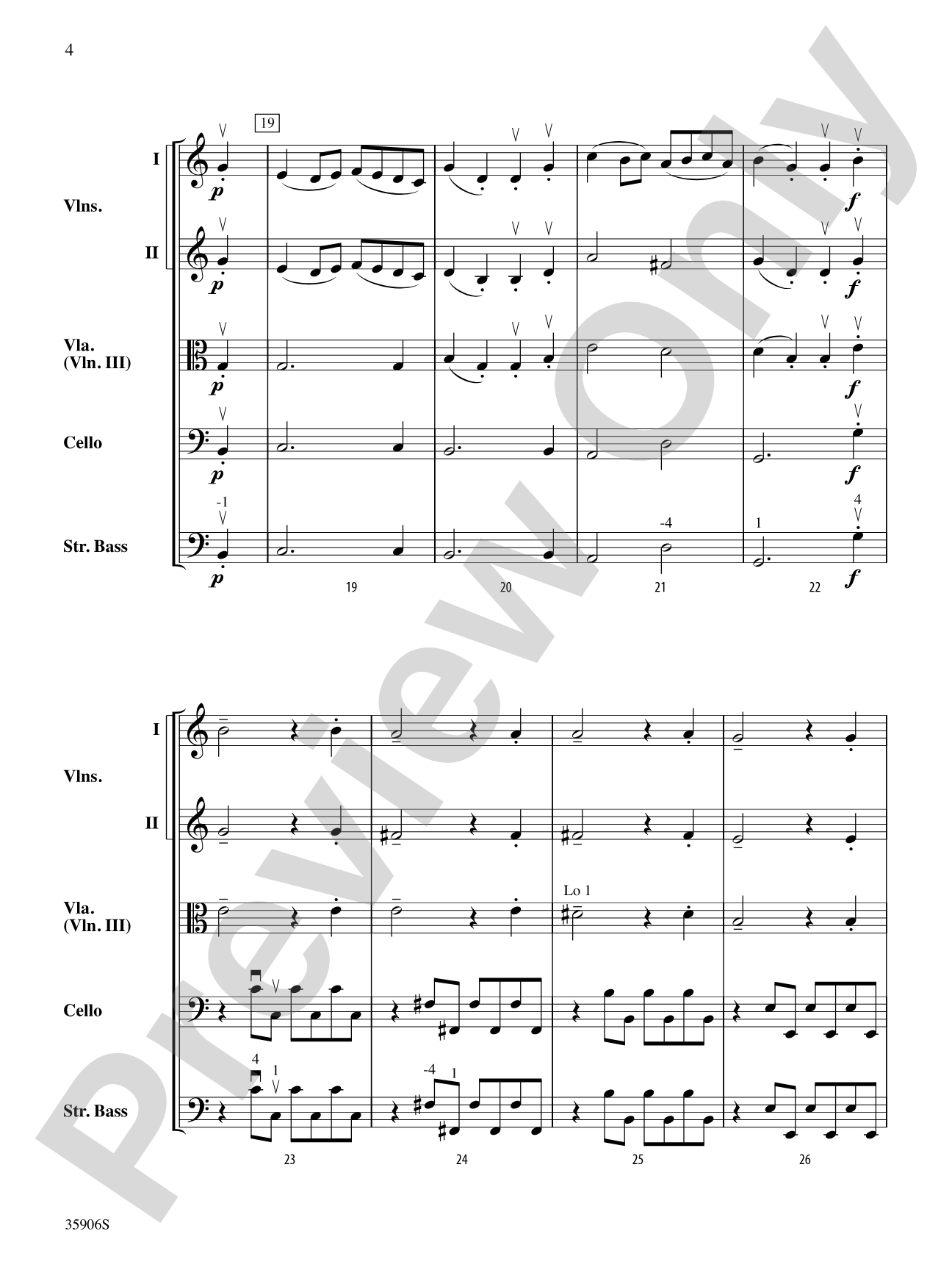
Telemann's "Bourrée" fits perfectly with Rameau's "Rondino" to form a lovely medley. Each movement can also stand on its own. Plenty of teaching opportunities for your beginning orchestra.


Don't just read it, hear it, play along with it, and watch your students grow with it. In MakeMusic Cloud, Two Baroque Dances: Score comes alive with professional accompaniment, adjustable tempo, and built-in practice tools that turn solo practice into real progress.
Open in the Player
Jump straight in and assign it today.
Start Your Free Trial
Open this title and explore the full library in minutes.
Sample Audio
1
Audio File
--:--
0:00
0:00
Sample Video
No sample videos found.
Additional Details
Series:
Belwin Beginning String Orchestra
Publisher:
Alfred Music
Page Count:
144
SKU:
00-PR-0003307
Instrumentation:
string w/ vln3
More about this title
About the Composer: Georg Philipp Telemann
Georg Philipp Telemann (1681–1767) was one of the most prolific composers of the Baroque era, producing more than 3,600 works across every major genre. He served as Kapellmeister in various German courts and cities, including Frankfurt and Hamburg, where he also founded a collegium musicum that became a model for public concert series.
Telemann's music balanced learned counterpoint with galant accessibility, making his work immediately appealing to amateur musicians and professionals alike. His instrumental music, especially his concertos and dances, remain staples of string orchestra pedagogy because they combine genuine compositional craft with straightforward technical demands. This approach to writing made him celebrated during his lifetime and continues to serve music teachers seeking repertoire that develops musicianship without overwhelming young players.
Why we love this
Bob Cerulli pairs these two Baroque dances with genuine musical logic rather than convenience, and the pairing actually enhances what each piece does individually. The Bourrée establishes character and momentum, then the Rondino shifts the texture and mood without feeling like an abrupt jolt, giving your orchestra a satisfying arc that feels complete even though each piece stands alone. This is exactly the kind of programming unit that makes beginning orchestras sound more polished than their experience level suggests.
What to expect
The Bourrée dances with an elegant courtesy, its measured steps and clear phrases inviting players into the courtly restraint of Baroque orchestration. The Rondino then offers a gentler, more introspective turn, with lyrical writing that lets players discover how ensemble voicing creates warmth and depth. Together they evoke the feeling of moving through two adjacent rooms in a palace concert hall, each with its own light and proportion.
Who it's for
Beginning string orchestras (Grade 2-3 level) with developing bow control and basic ensemble balance. This collection works equally well for players working through their first or second year of repertoire and for intermediate ensembles building their understanding of historical style and structure.
How to get the most out of it
- Establish the Bourrée's lilting character by asking your first violins to lean slightly into the second beat of each measure; this naturally creates the gentle lift that defines the dance without requiring excessive dynamic shaping.
- Balance the Rondino by having your violas and cellos maintain a steady, singing tone during the repeated harmonic ostinato so the melody doesn't dominate but the accompaniment remains present and warm.
- Treat the double bar between movements as a genuine pause. Let the sound clear and the players breathe before entering the Rondino, even if you're performing them as a connected medley.
- Keep articulation clean and consistent across both dances; Baroque ornamentation works best when rhythms stay precise rather than inflated.
How to use it
Program the pairing as a complete suite on a full concert, or extract either dance individually to open a second half or balance a program that includes more modern works. These pieces are also ideal for festivals or competition formats where you want to show stylistic range without requiring advanced technical facility.
Skills your students will build
- Baroque articulation and phrasing conventions
- Ensemble balance in two-and three-part textures
- Clear rhythmic subdivision in duple meter (2/4, cut time)
- Listening across sections to maintain stylistic unity
- Confidence performing period-appropriate ornamentation and dynamics
- Understanding of dance forms and their musical characteristics