
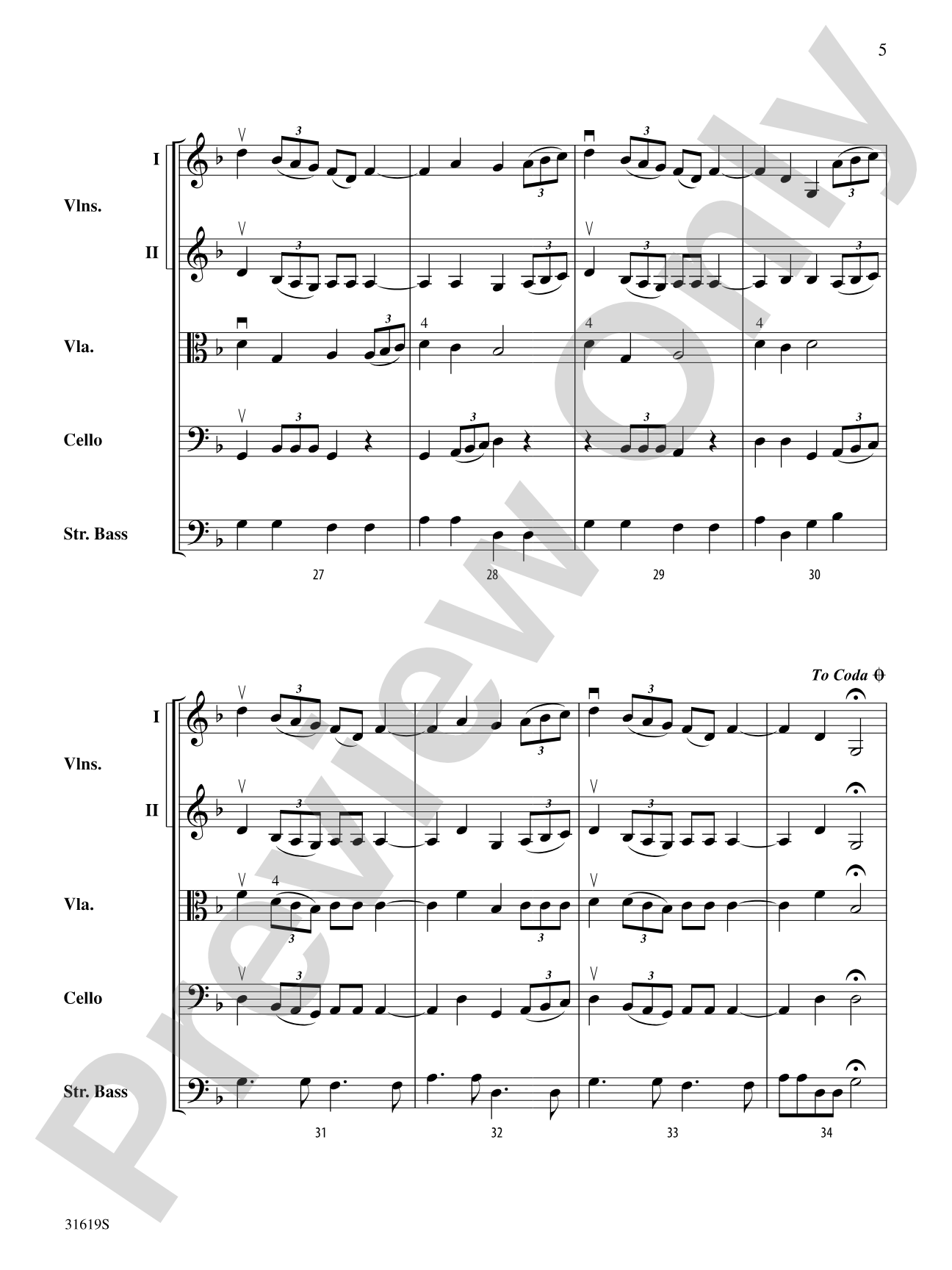
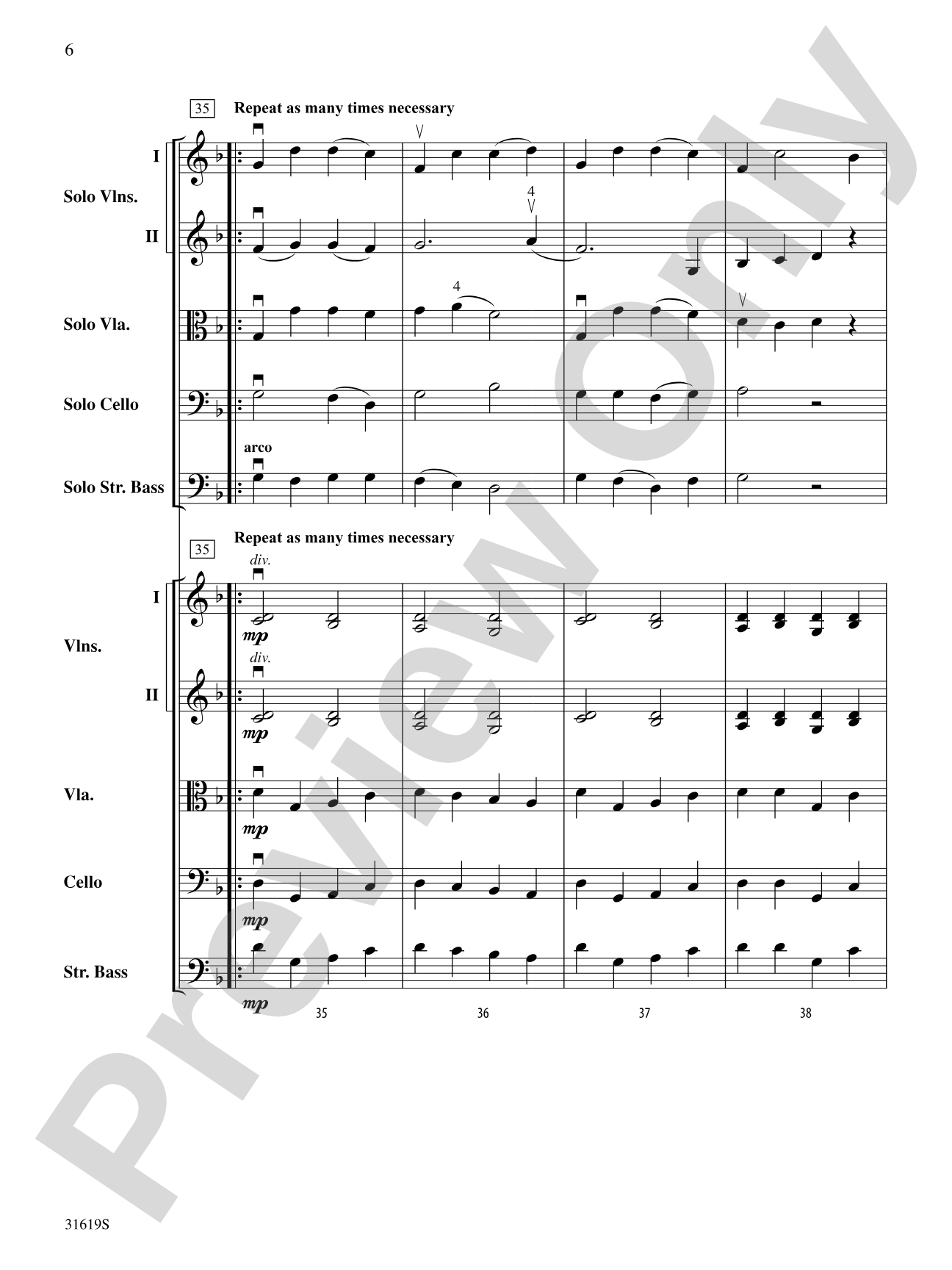
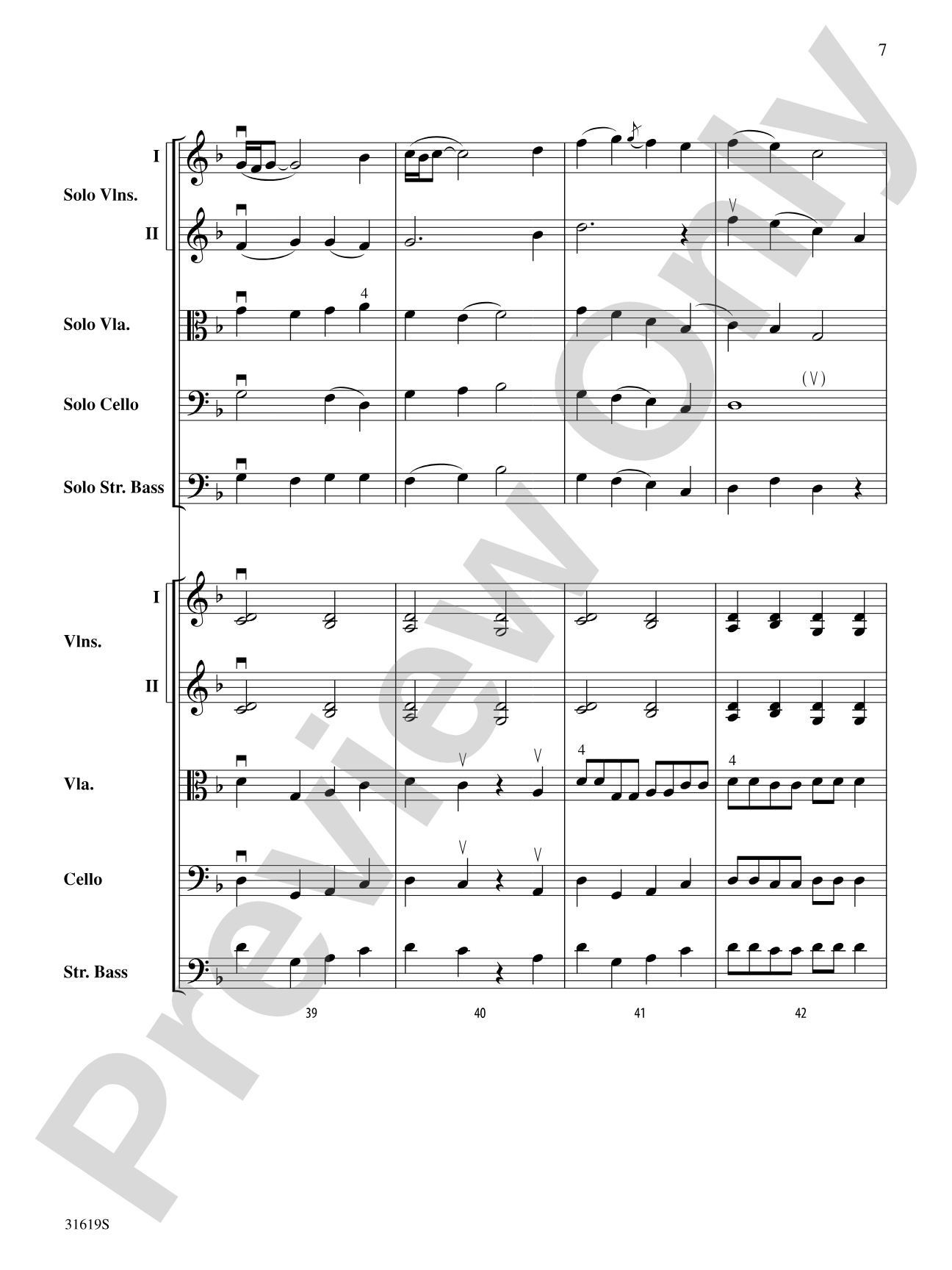
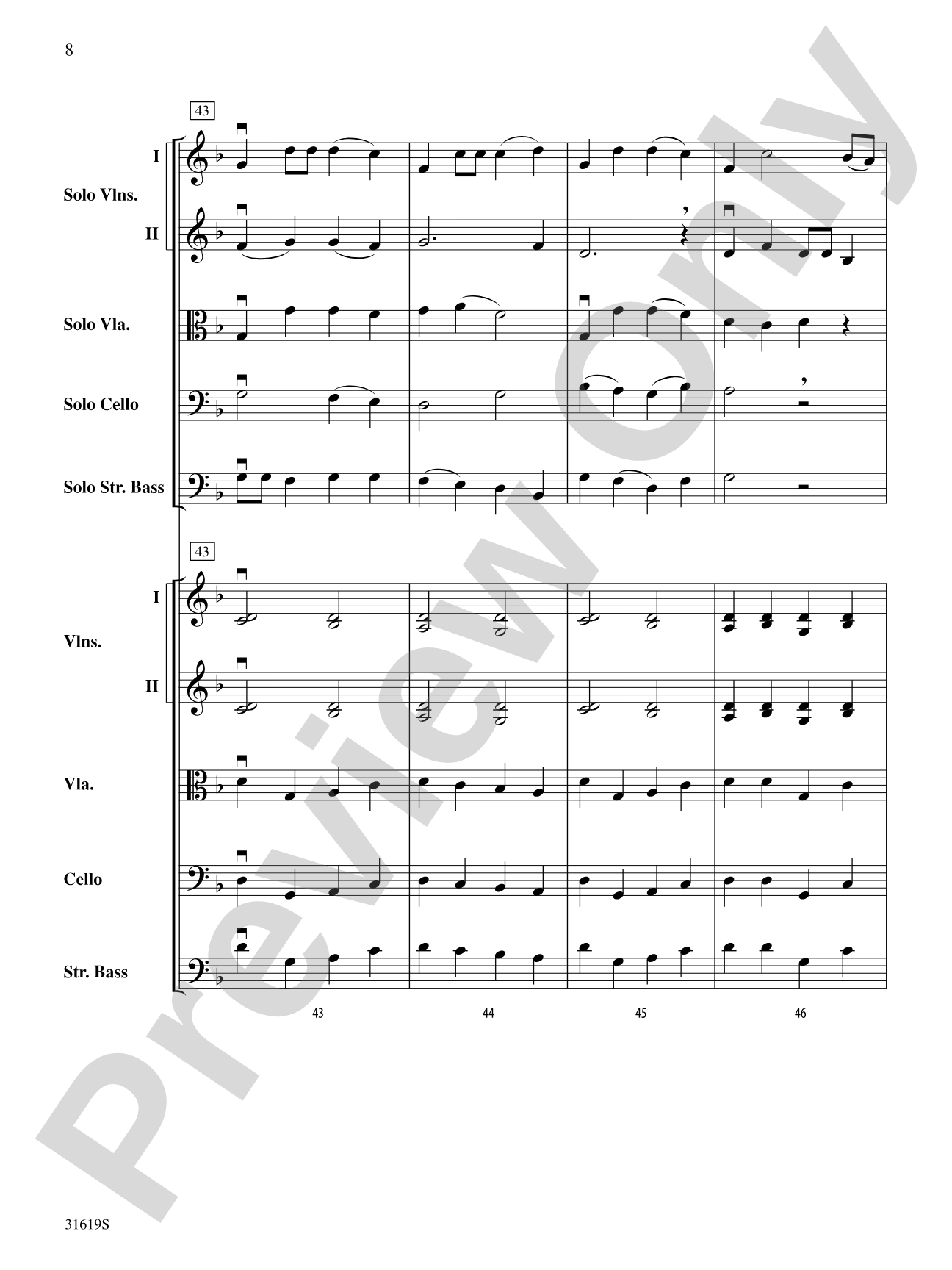
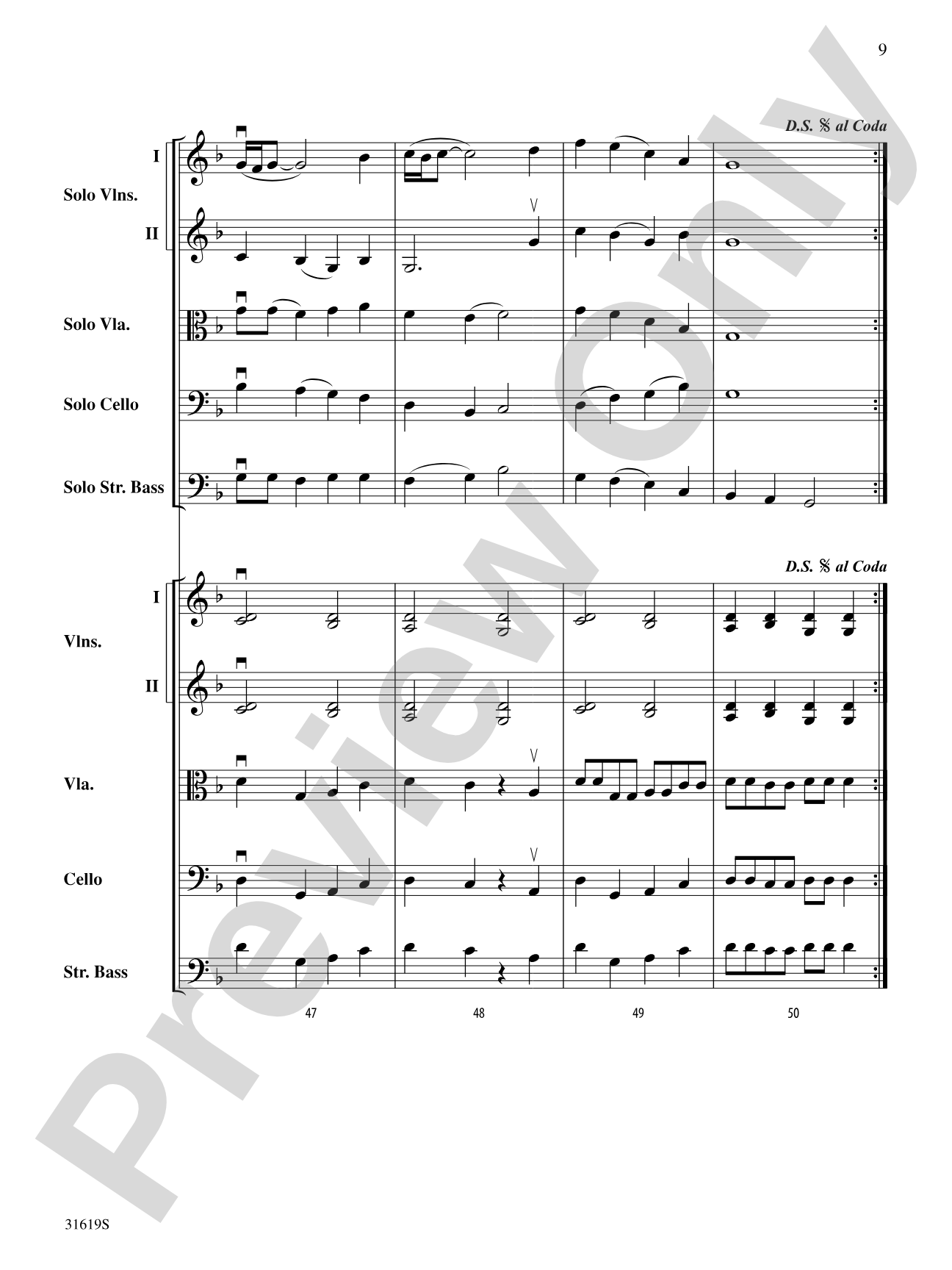
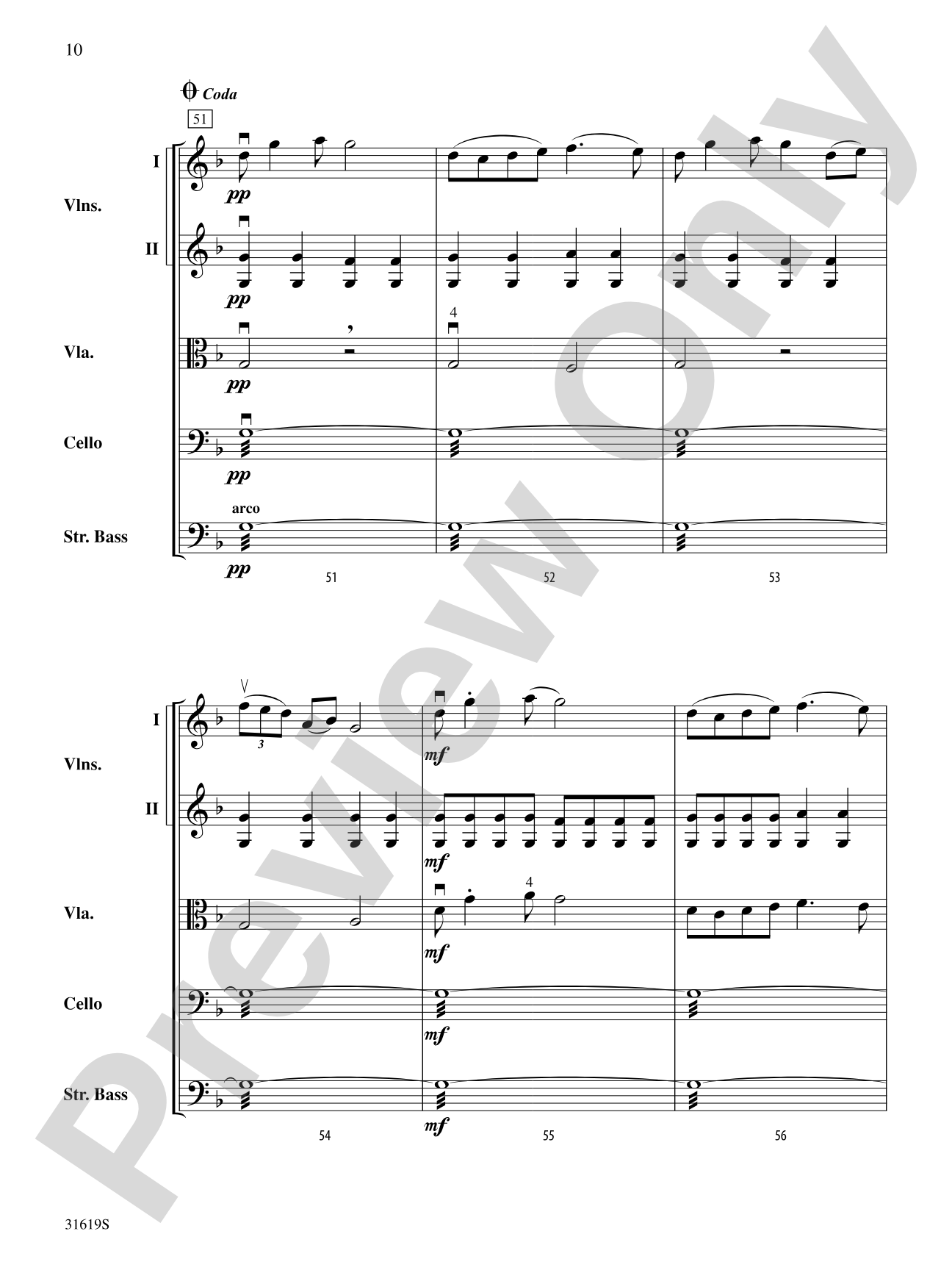
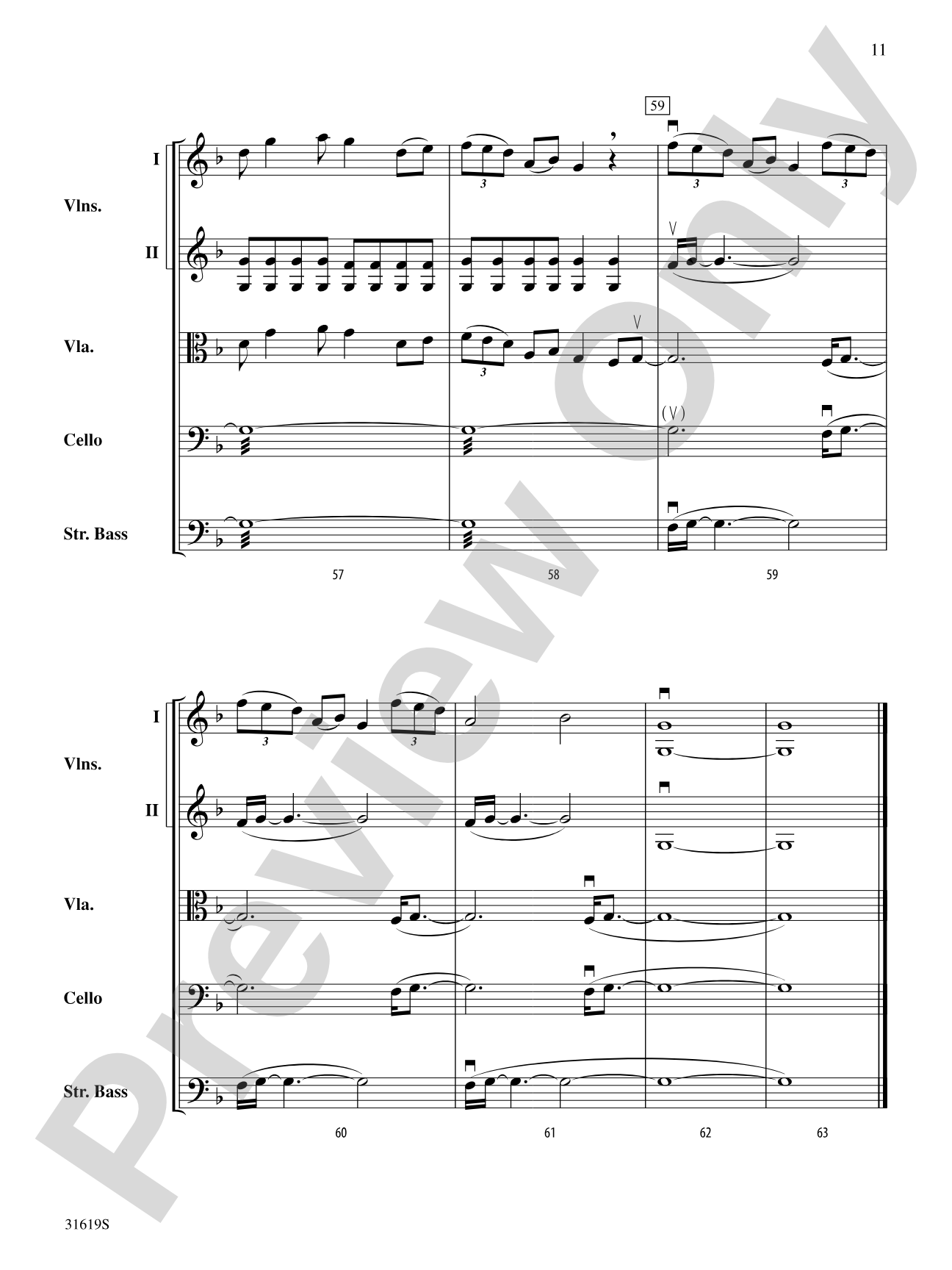


Twin Sisters: String Orchestra Conductor Score & Parts
Traditional / arr. Julie Lyonn Lieberman
Grade: 3
Item: 00-PK-0001789

$45.00
Pickup currently not available
Buy Extra Parts (Digital PDF Download)
| Product | Price | Quantity |
|---|---|---|
| Twin Sisters: Score | $7.00 | |
| Twin Sisters: 1st Violin | $5.99 | |
| Twin Sisters: 2nd Violin | $5.99 | |
| Twin Sisters: Viola | $5.99 | |
| Twin Sisters: Cello | $5.99 | |
| Twin Sisters: String Bass | $5.99 |
Parts Added to Cart!
Description
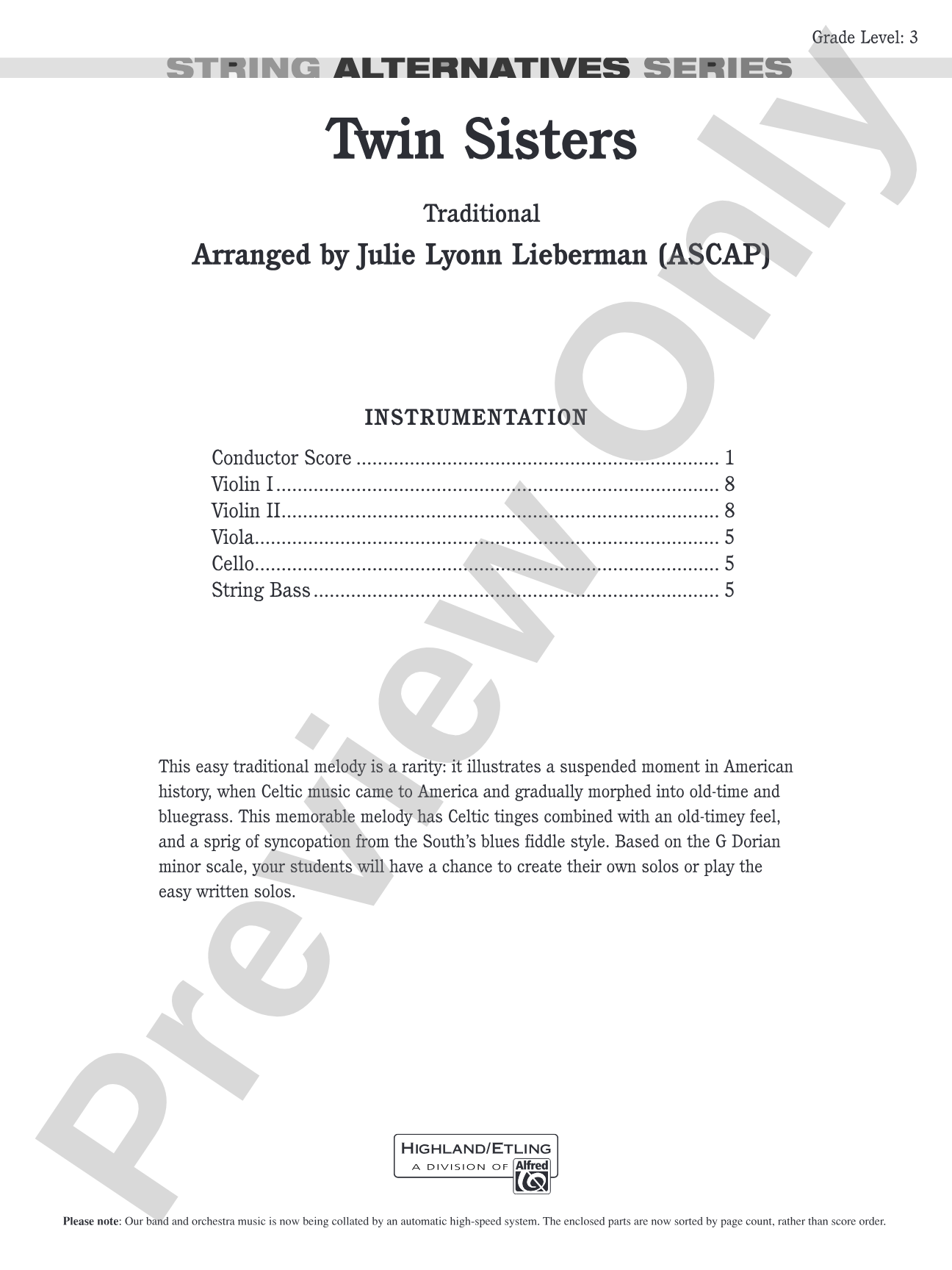
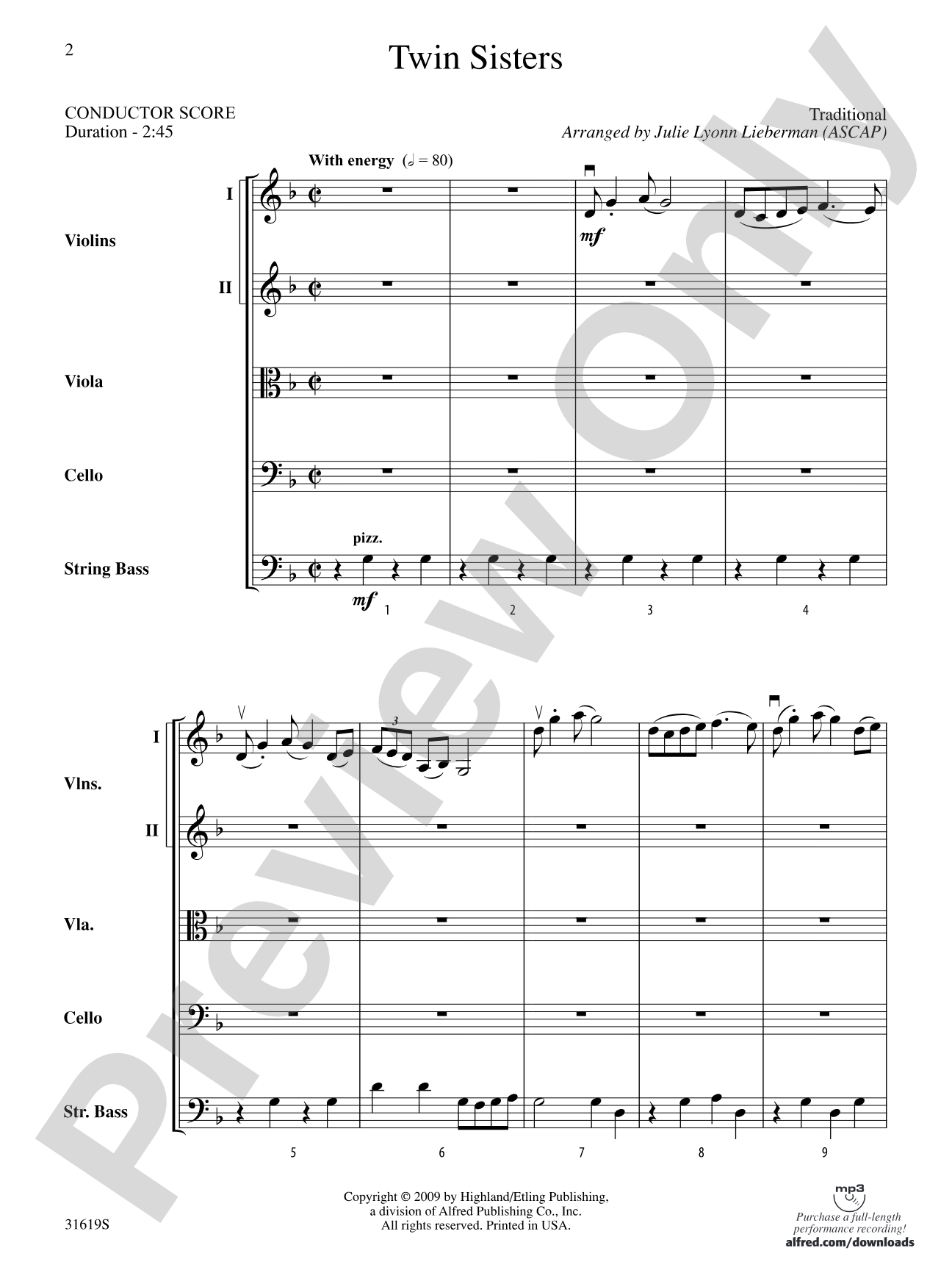
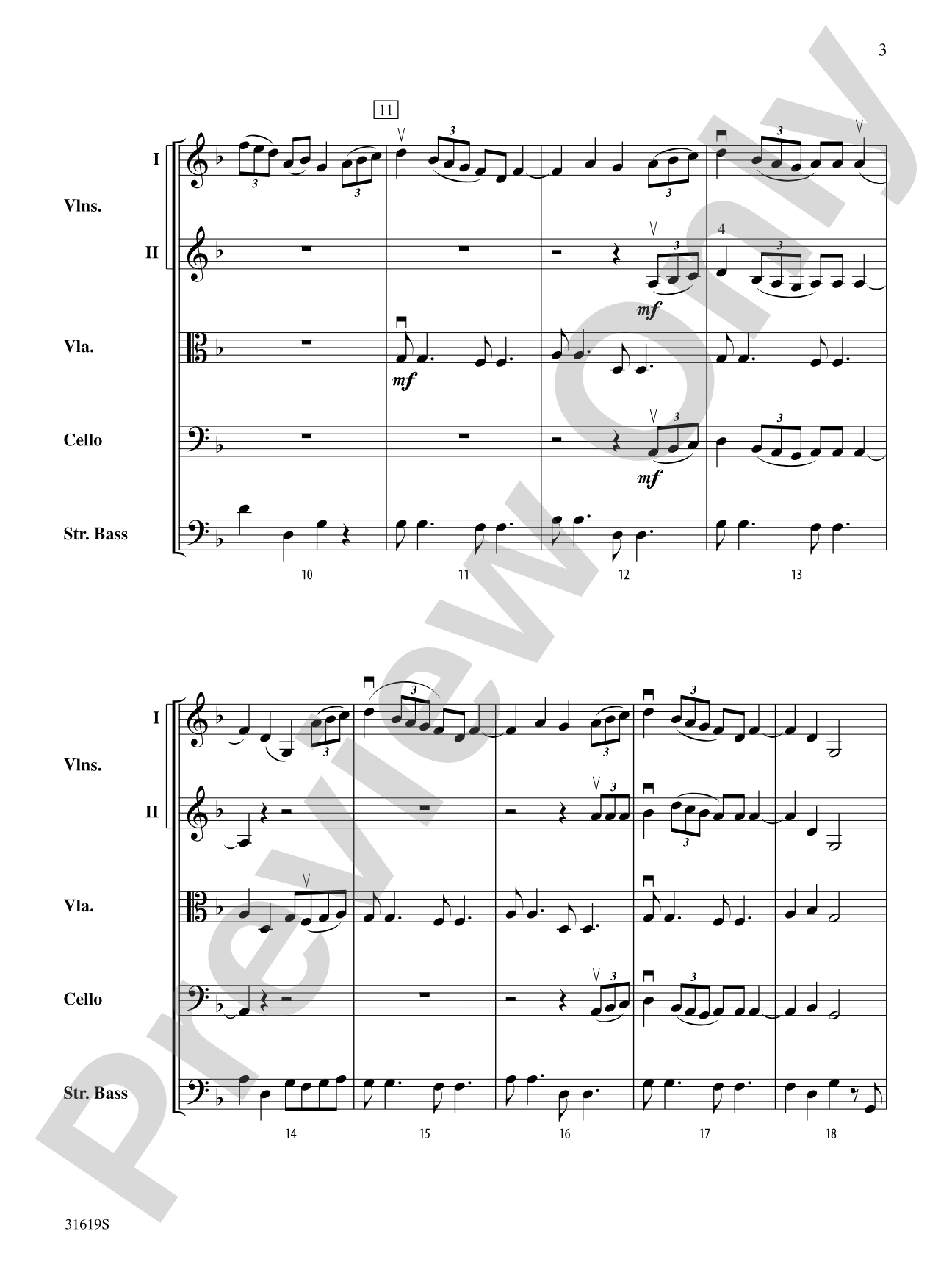
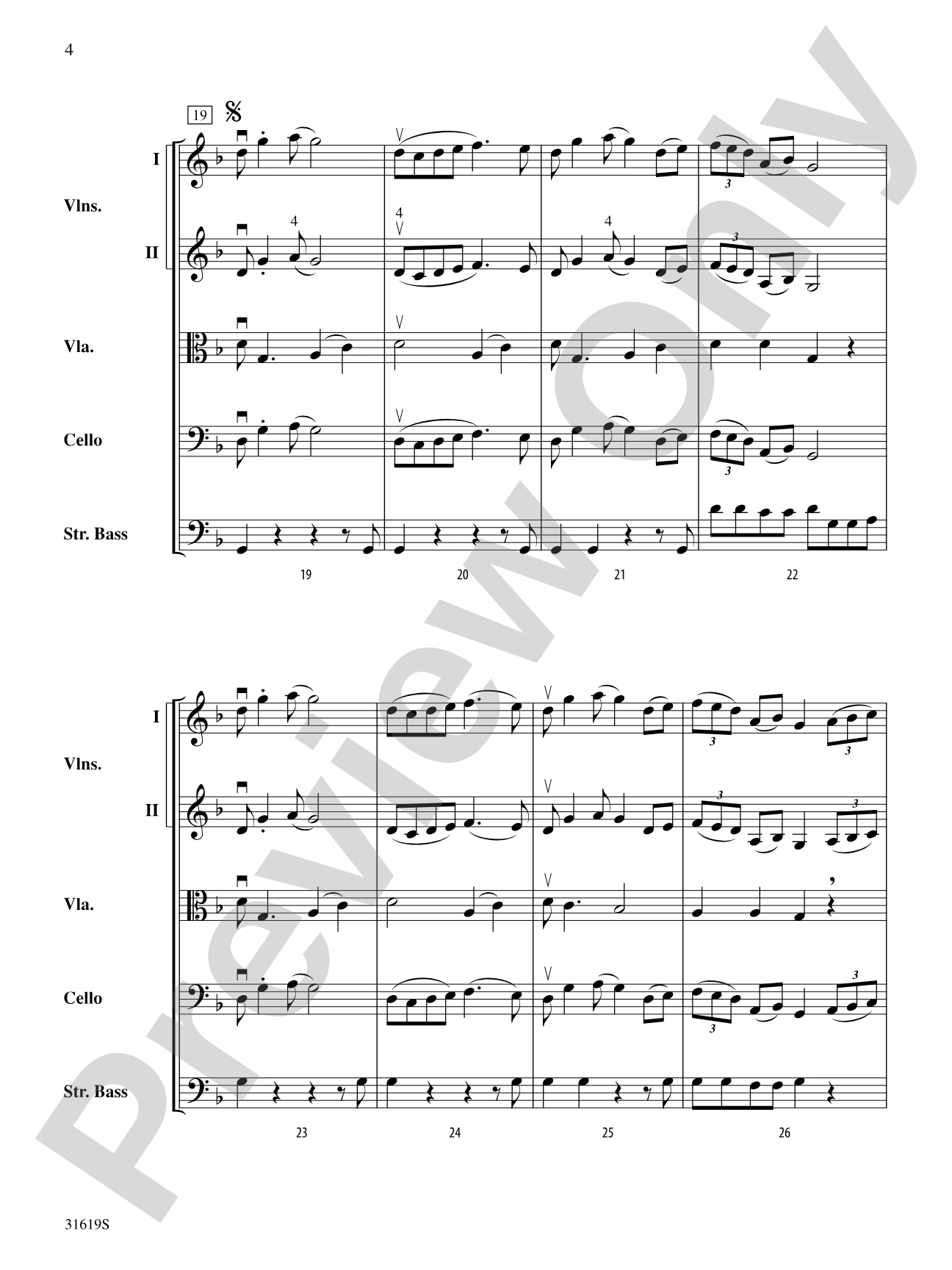
This memorable melody has Celtic tinges combined with an old-timey feel, and a sprig of syncopation from the South's blues fiddle style. Based on the G Dorian minor scale, your students will have a chance to create their own solos or play the easy written solos for all four instruments. A very easy and playable tune with spots of more challenging rhythms.


Don't just read it, hear it, play along with it, and watch your students grow with it. In MakeMusic Cloud, Twin Sisters: String Orchestra Conductor Score & Parts comes alive with professional accompaniment, adjustable tempo, and built-in practice tools that turn solo practice into real progress.
Open in the Player
Jump straight in and assign it today.
Start Your Free Trial
Open this title and explore the full library in minutes.
Sample Audio
1
Audio File
--:--
0:00
0:00
Sample Video
No sample videos found.
Additional Details
Series:
Highland/Etling String Alternatives
Publisher:
Alfred Music
Page Count:
124
SKU:
00-PK-0001789
More about this title
About the Arranger: Julie Lyonn Lieberman
Julie Lyonn Lieberman is a composer and arranger known for bringing folk traditions and improvisation into educational settings. Her work emphasizes student creativity and cross-cultural musical understanding, making traditional styles accessible to young musicians while preserving their authentic character.
Why we love this
The blend of Celtic and blues influences gives this arrangement real personality without overwhelming a Grade 3 ensemble. What sets it apart is the built-in flexibility: your students can either play the written solos or compose their own, turning a straightforward folk tune into a launching point for improvisation and arrangement thinking.
What to expect
Warm, unpretentious, and gently playful. The G Dorian minor scale gives it a folk authenticity that feels both wistful and grounded, while the syncopated blues touches add a lift and slight swagger. It sounds like a tune musicians have known for generations, even though your students are discovering it fresh.
Who it's for
String orchestras at the Grade 3 level with intermediate rhythmic confidence and at least one season of ensemble experience. This works equally well for a group looking for an accessible concert piece or one ready to explore improvisation and arrangement as compositional tools.
How to get the most out of it
- Establish the G Dorian sound early in rehearsals by having the ensemble sustain a G minor chord while you or a student pluck the characteristic scale pattern. This root it in their ears before adding the melody.
- The syncopated passages benefit from isolation work with a metronome. Break the rhythms into smaller chunks and build tempo gradually so the phrasing feels natural rather than stilted.
- If students are writing their own solos, give them the G Dorian scale on a handout and ask them to use only that scale in their exploration. This constraint actually fosters more creative results than unlimited options.
- Let the tune's bluesy character come through the bow work. Encourage slight dynamic swell into syncopated notes to capture that fiddle-style articulation.
How to use it
This works beautifully as a lighter piece in a concert that mixes traditional repertoire with original arrangements. Consider pairing it with a more substantial classical work to give your program dynamic range, or use it as an encore that lets the audience hear your students' personalities in the solos.
Skills your students will build
- Reading and performing syncopated rhythms in a folk idiom
- Understanding modal harmony (G Dorian) and its musical character
- Improvisation within a scalar framework
- Arranging and composing simple solos for string instruments
- Stylistic interpretation of blues and Celtic influences