

Turn the Beat Around: A Drummer's Guide to Playing "Backbeats" on 1 & 3
A Drummer's Guide to Playing "Backbeats" on 1 & 3
By Paul Wertico
Item: 00-PB-0001863
$19.99
Pickup currently not available
Related Items
Turn the Beat Around: Drumset Book |
$19.99
|
View |
Description
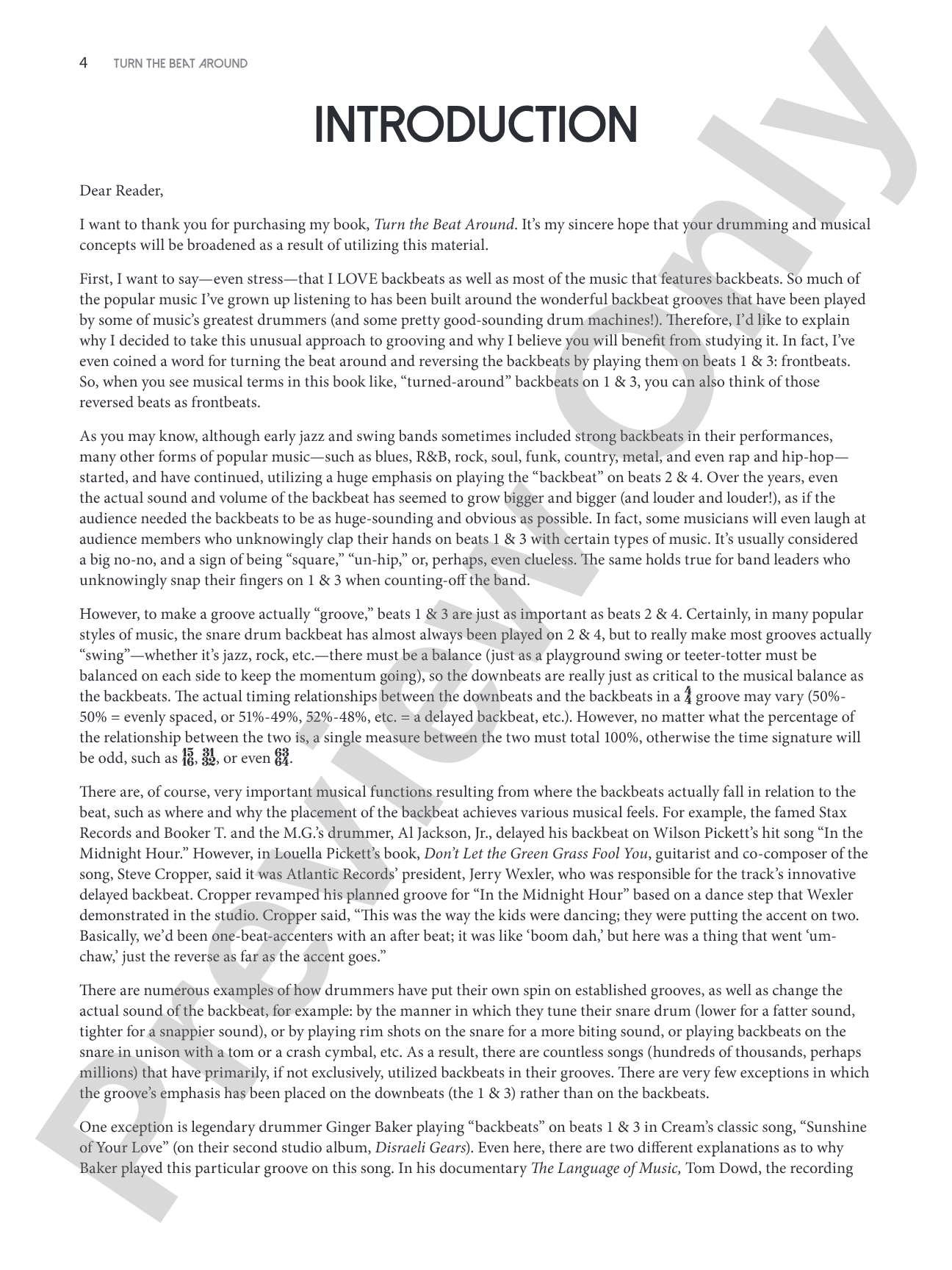
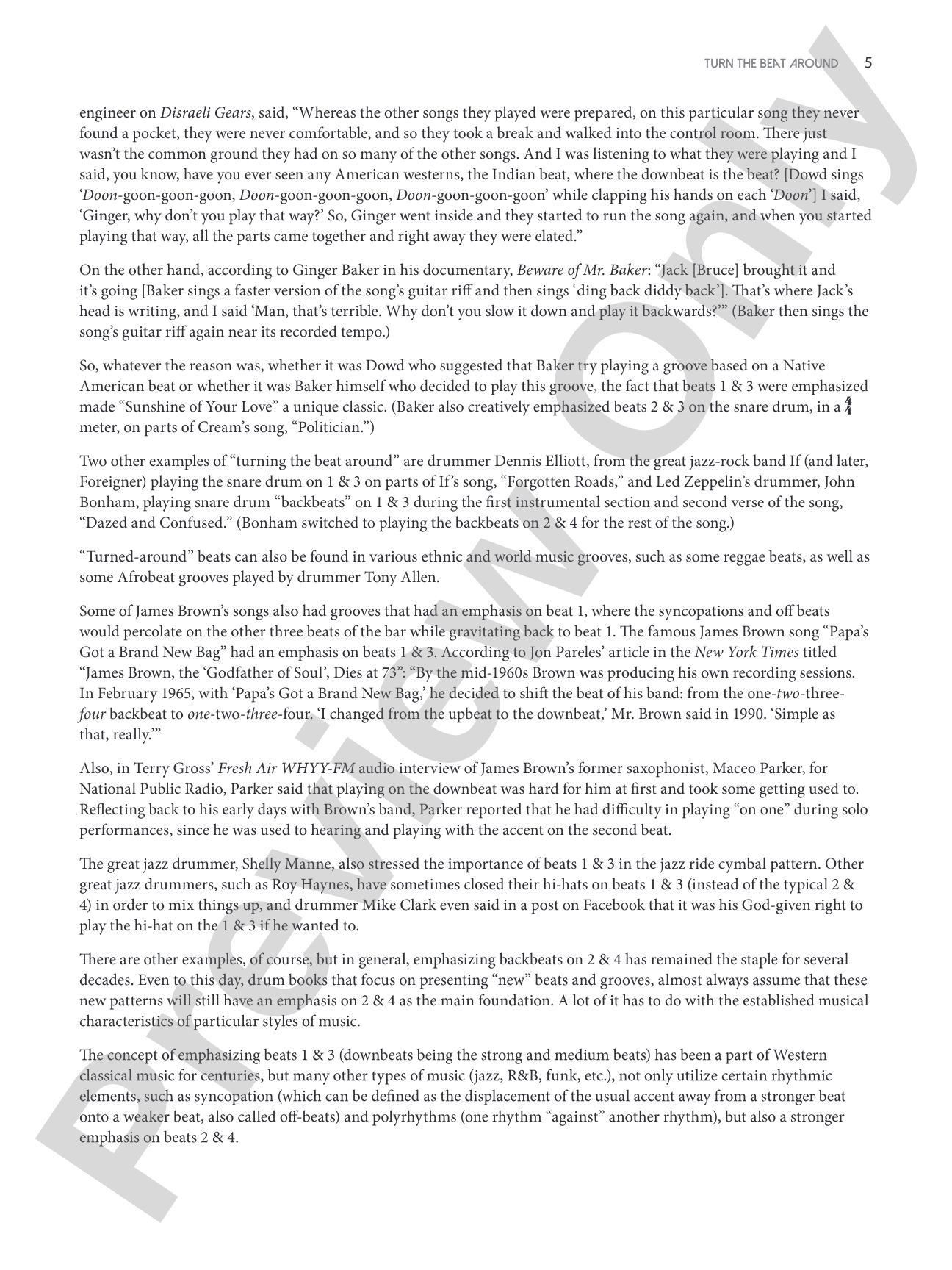
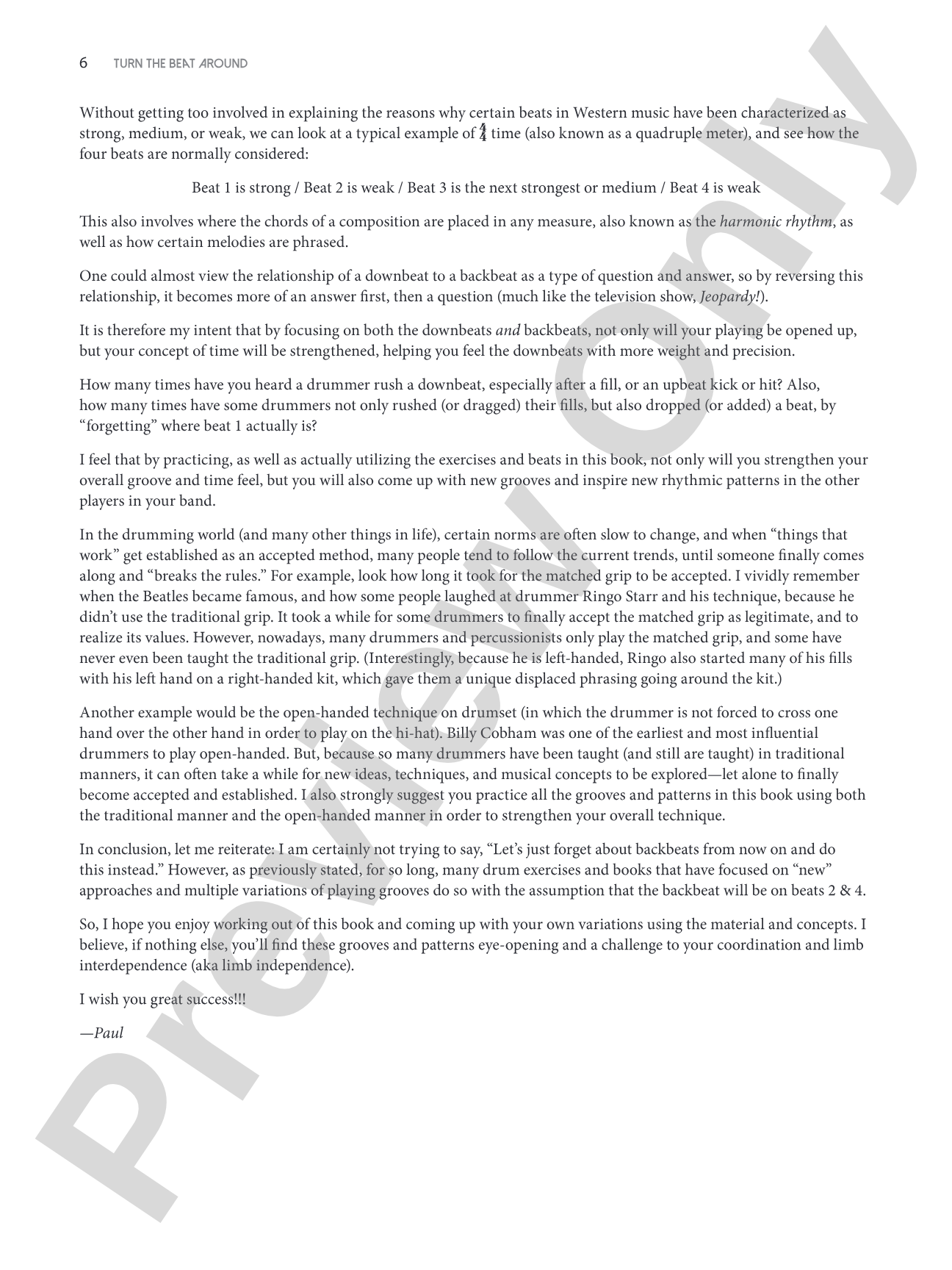
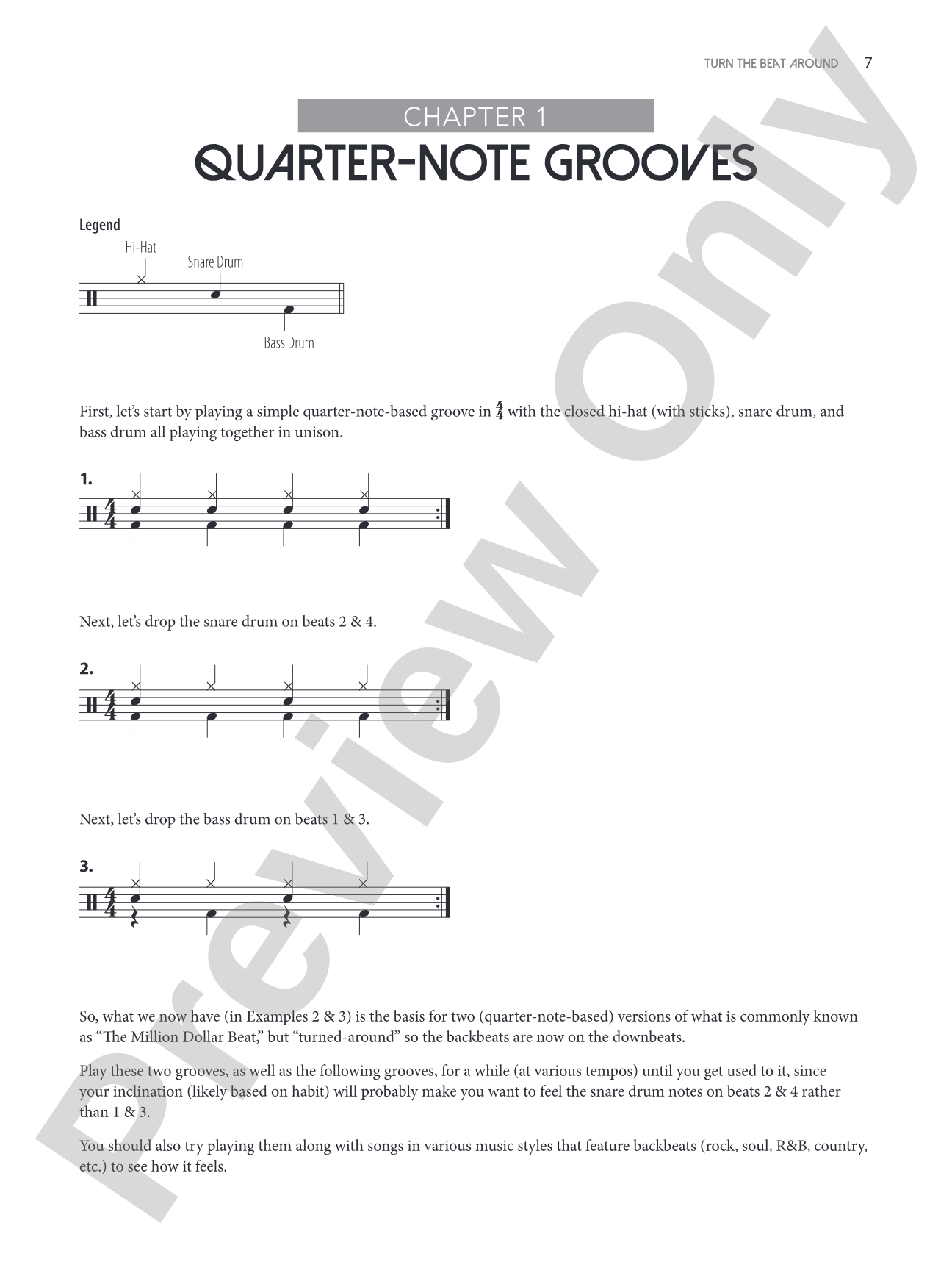
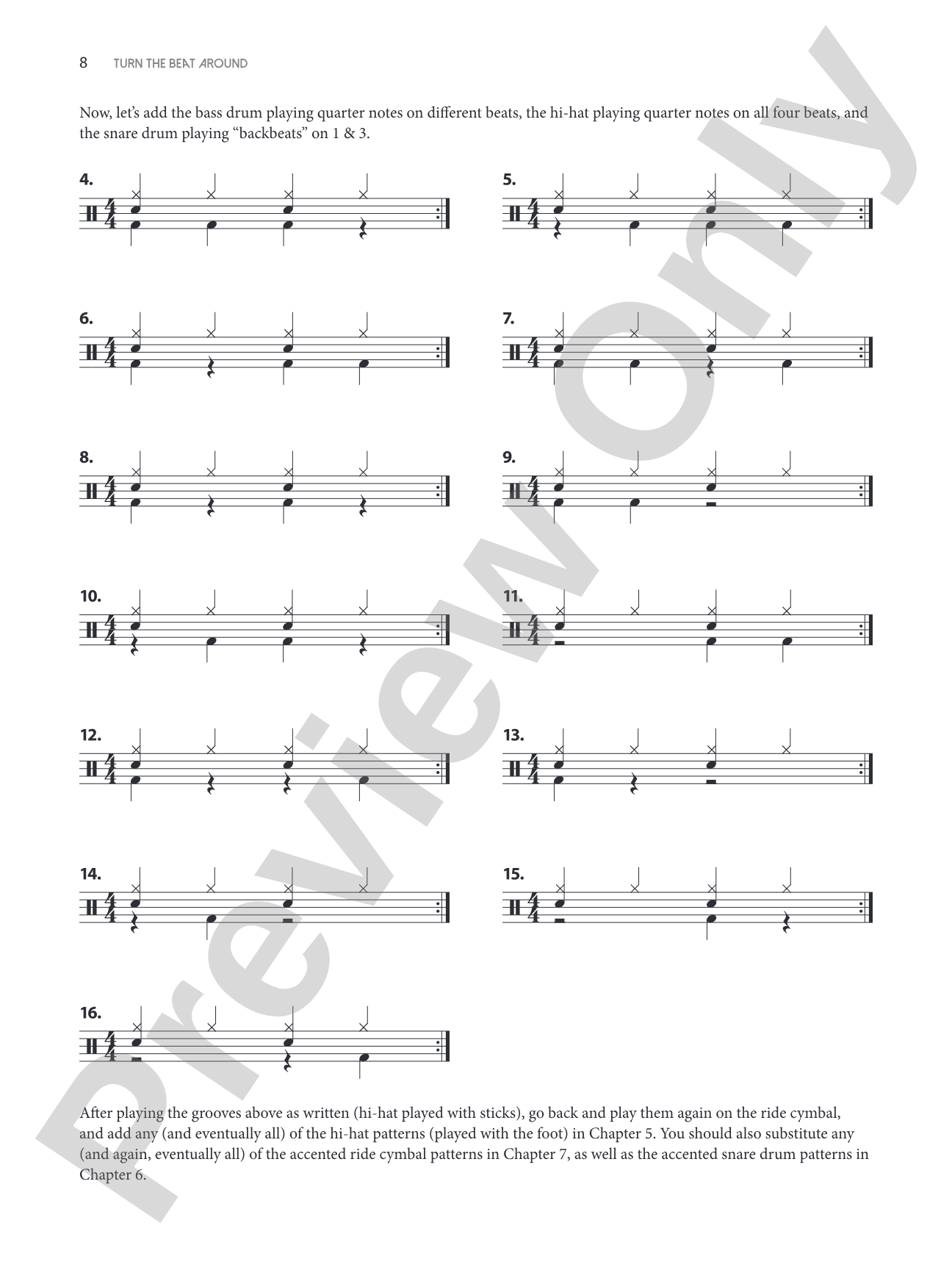
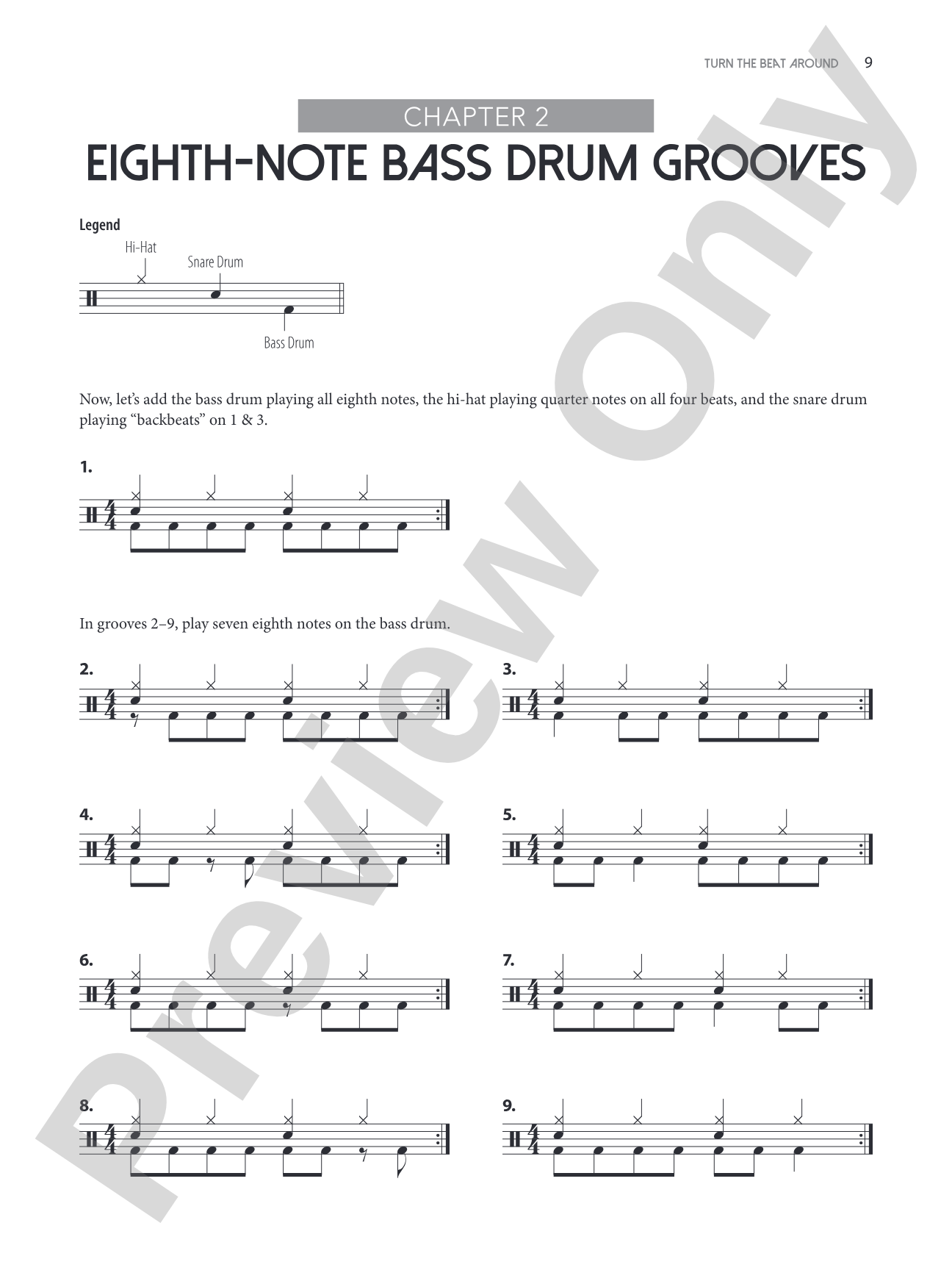
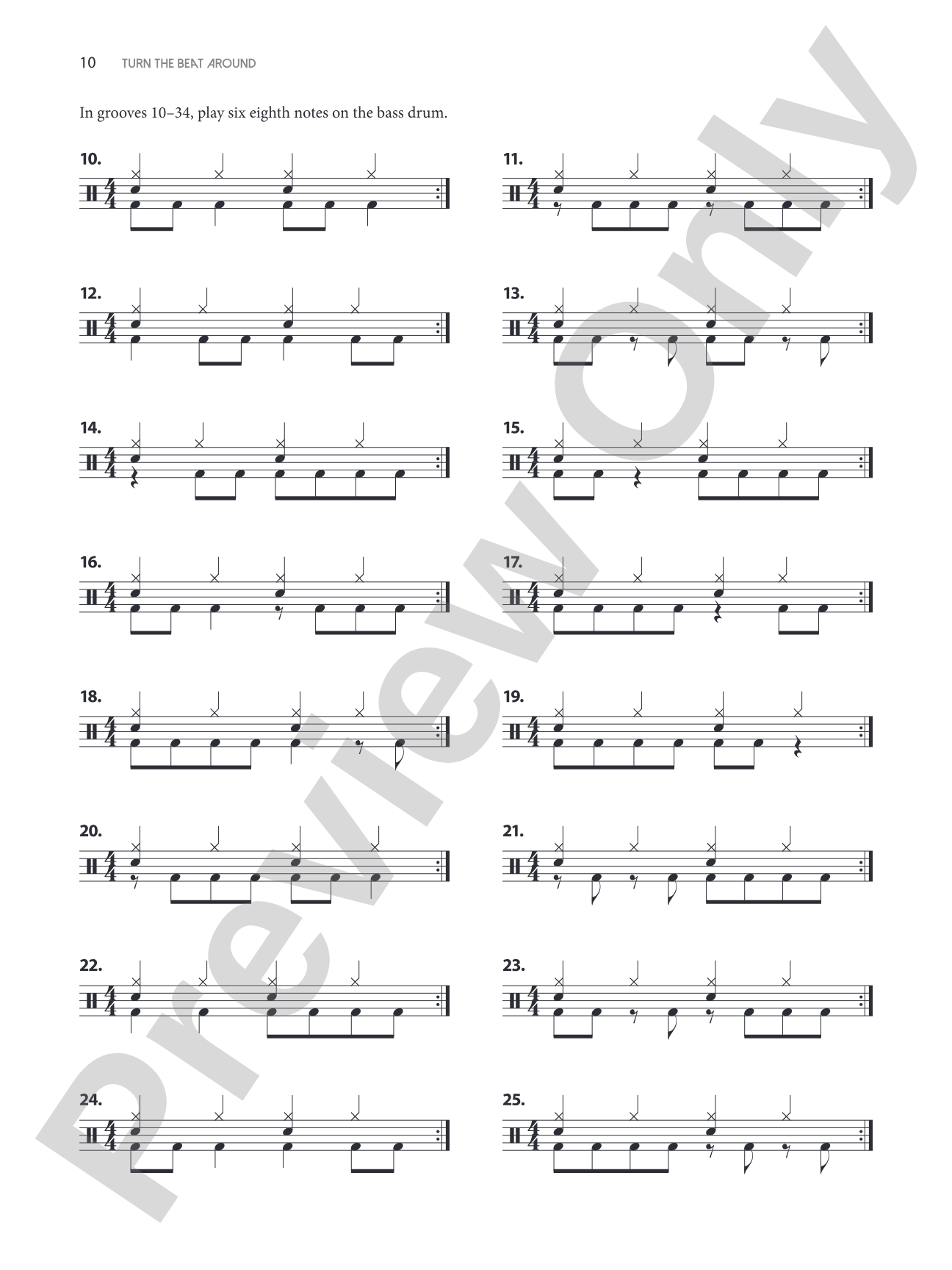
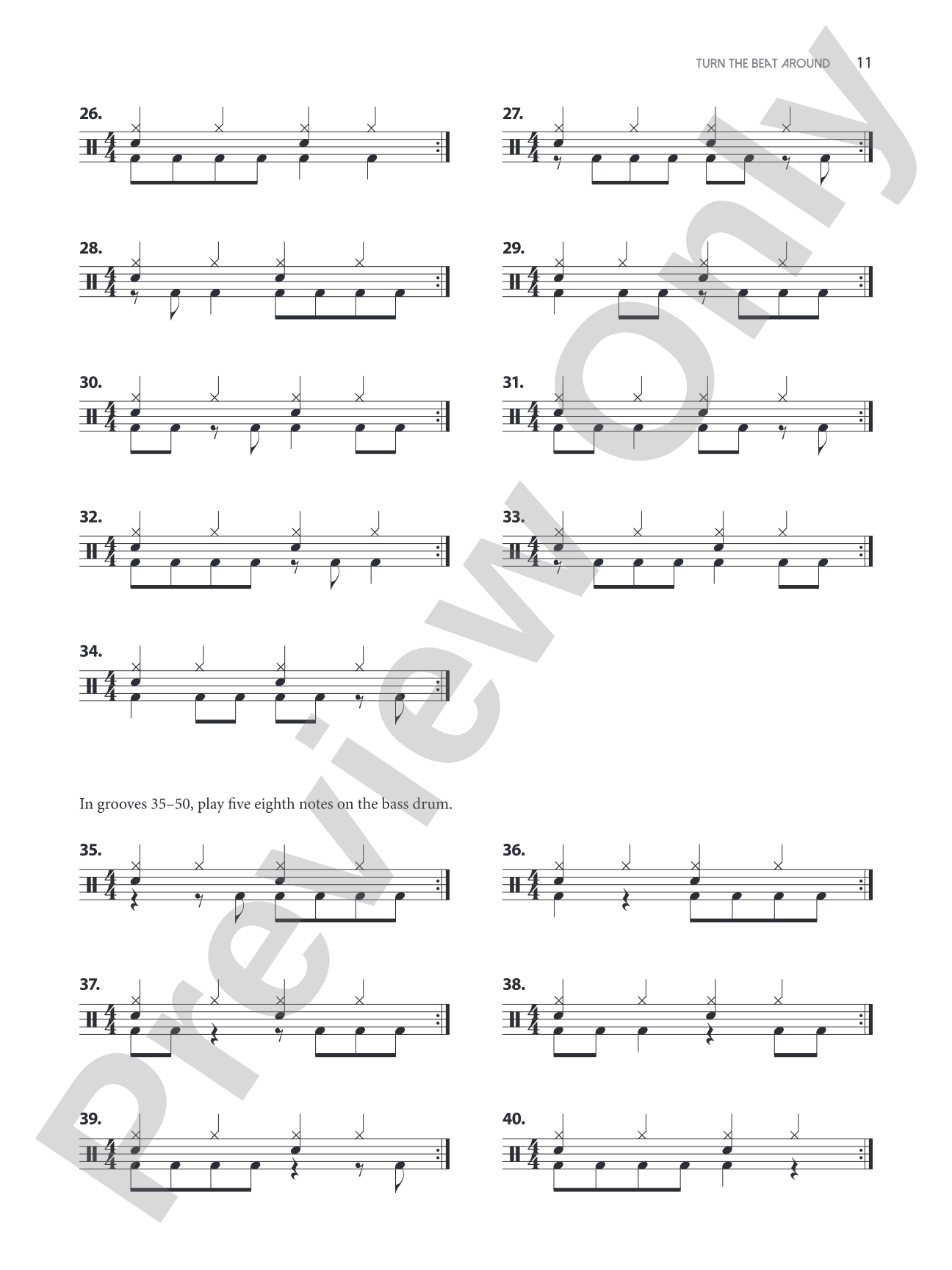
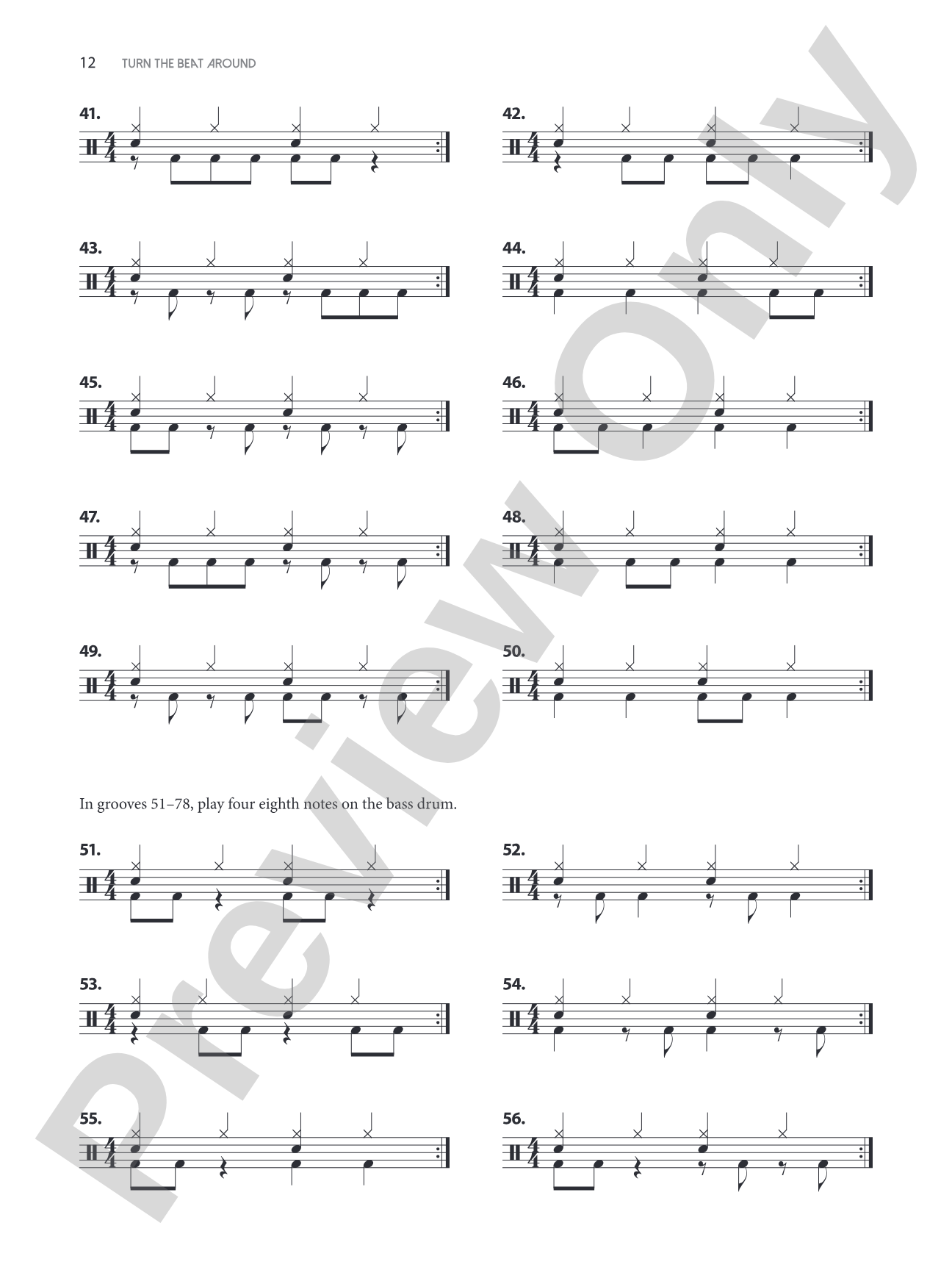
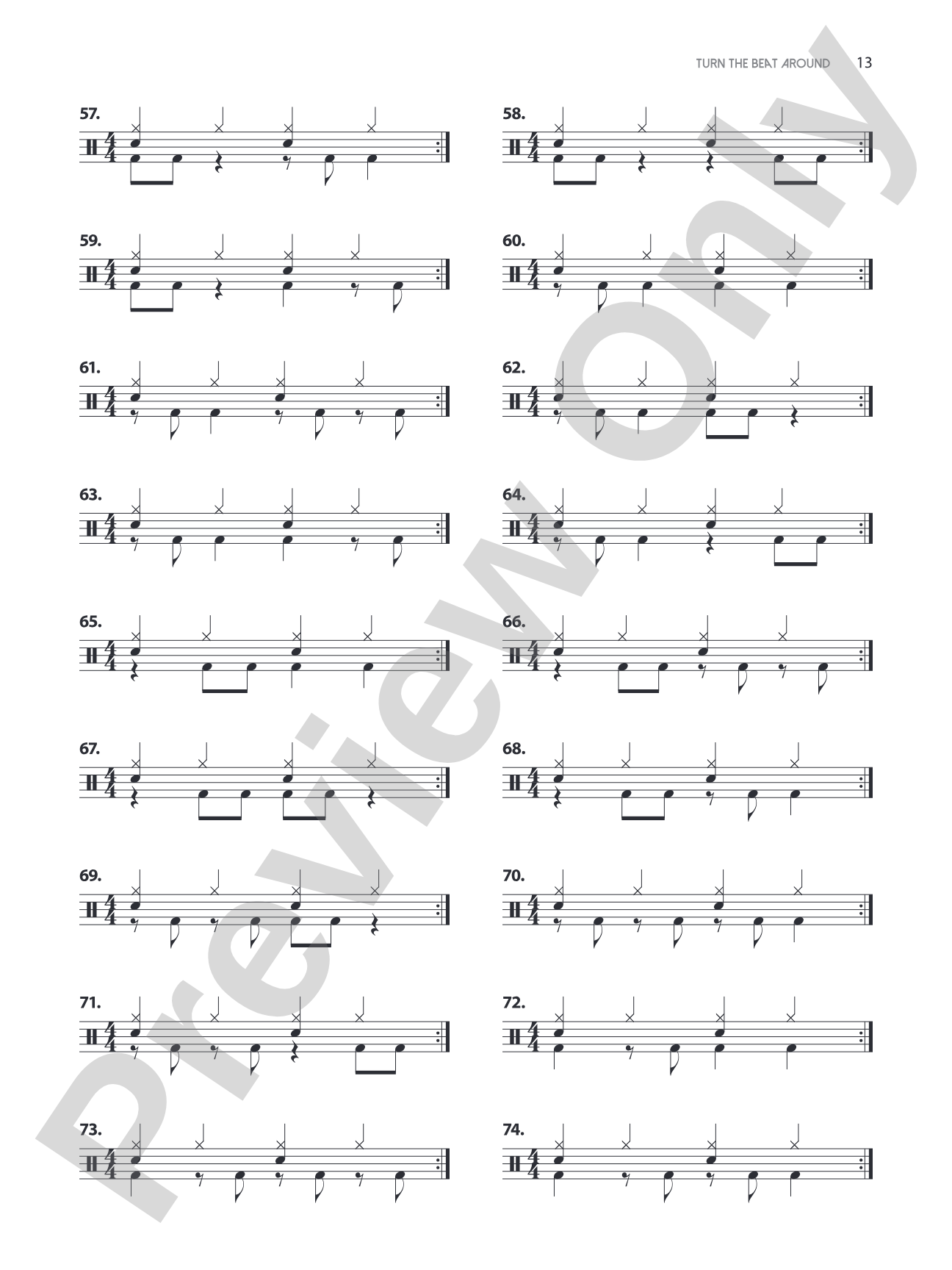
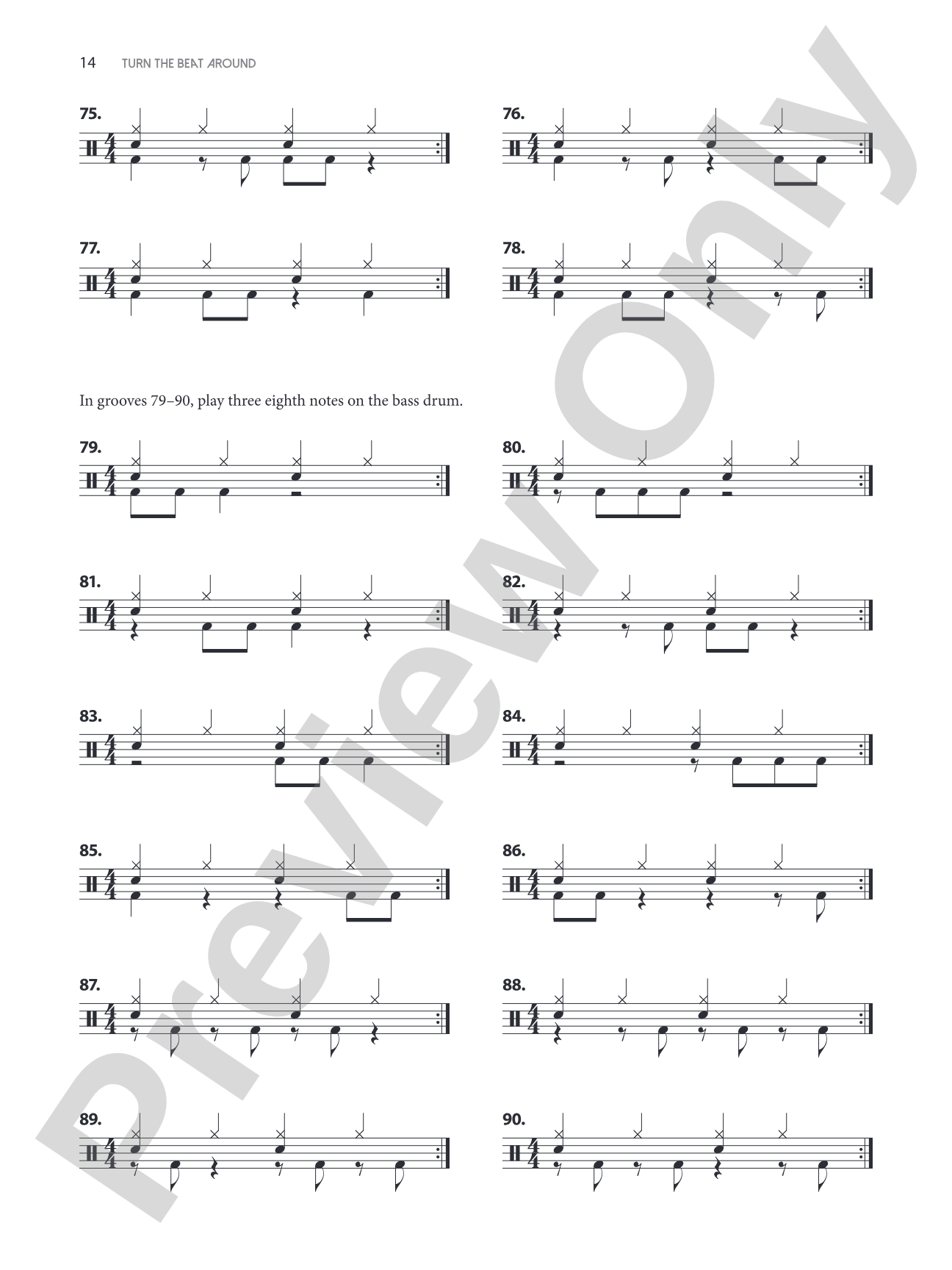
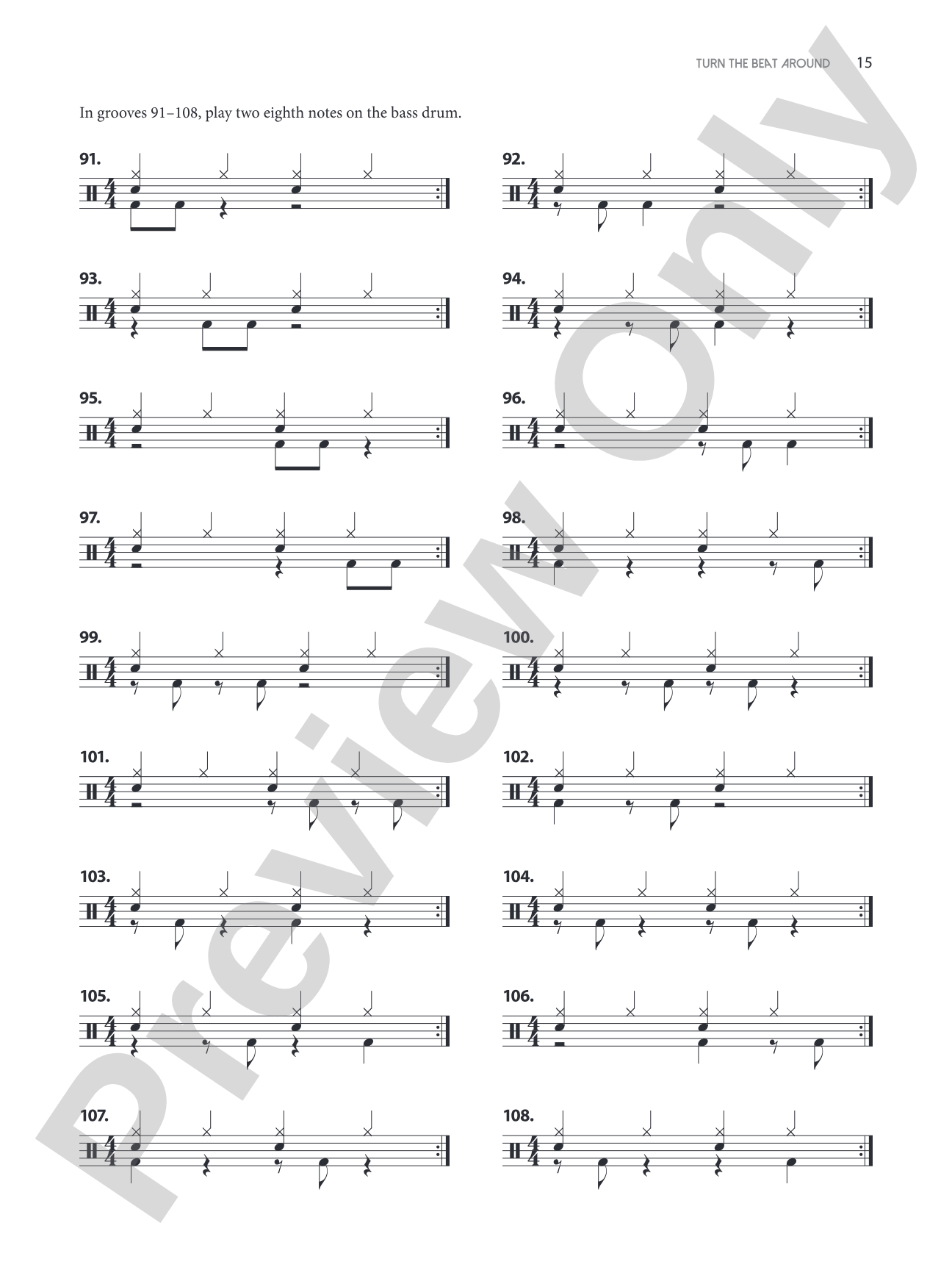
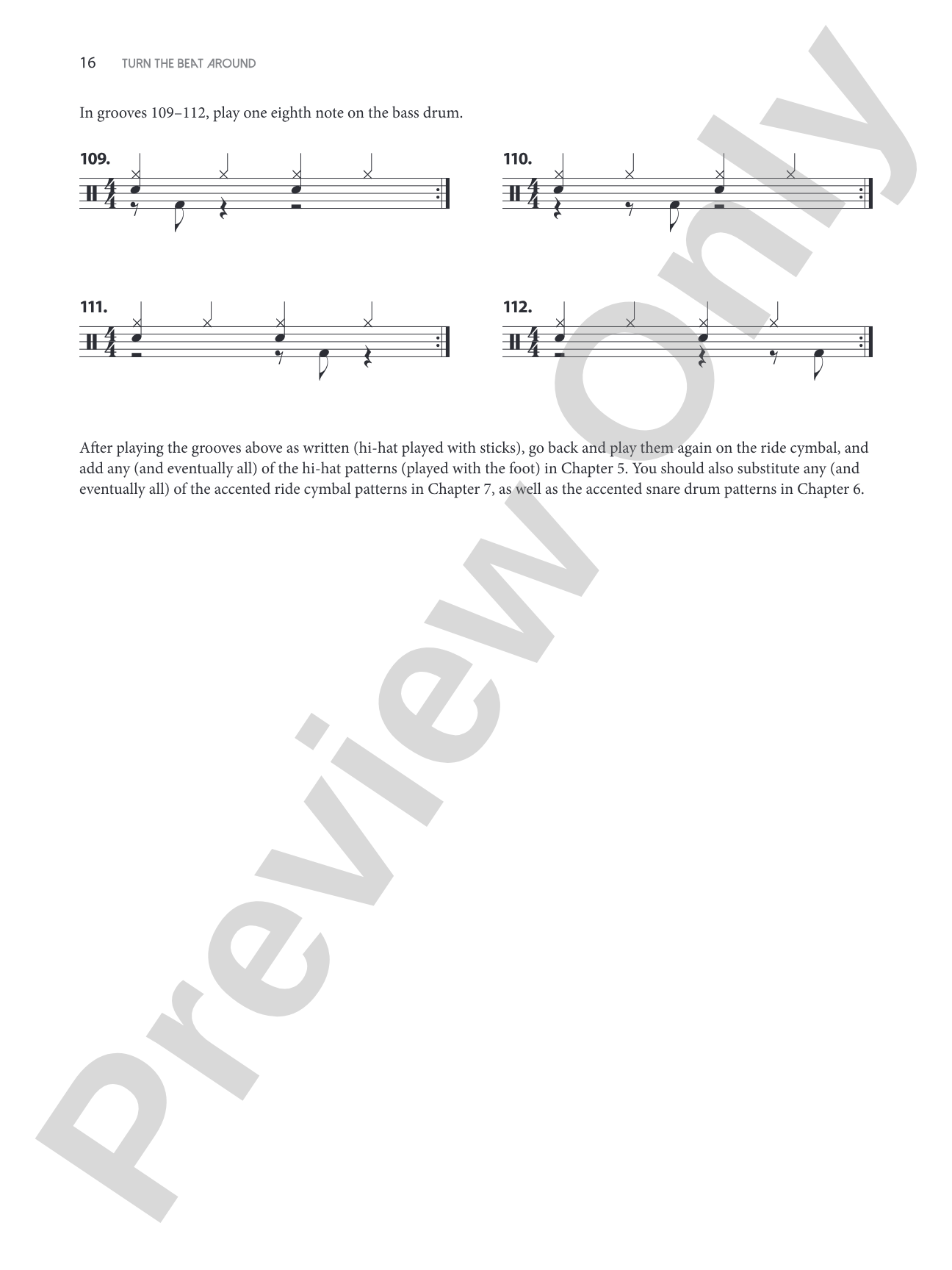
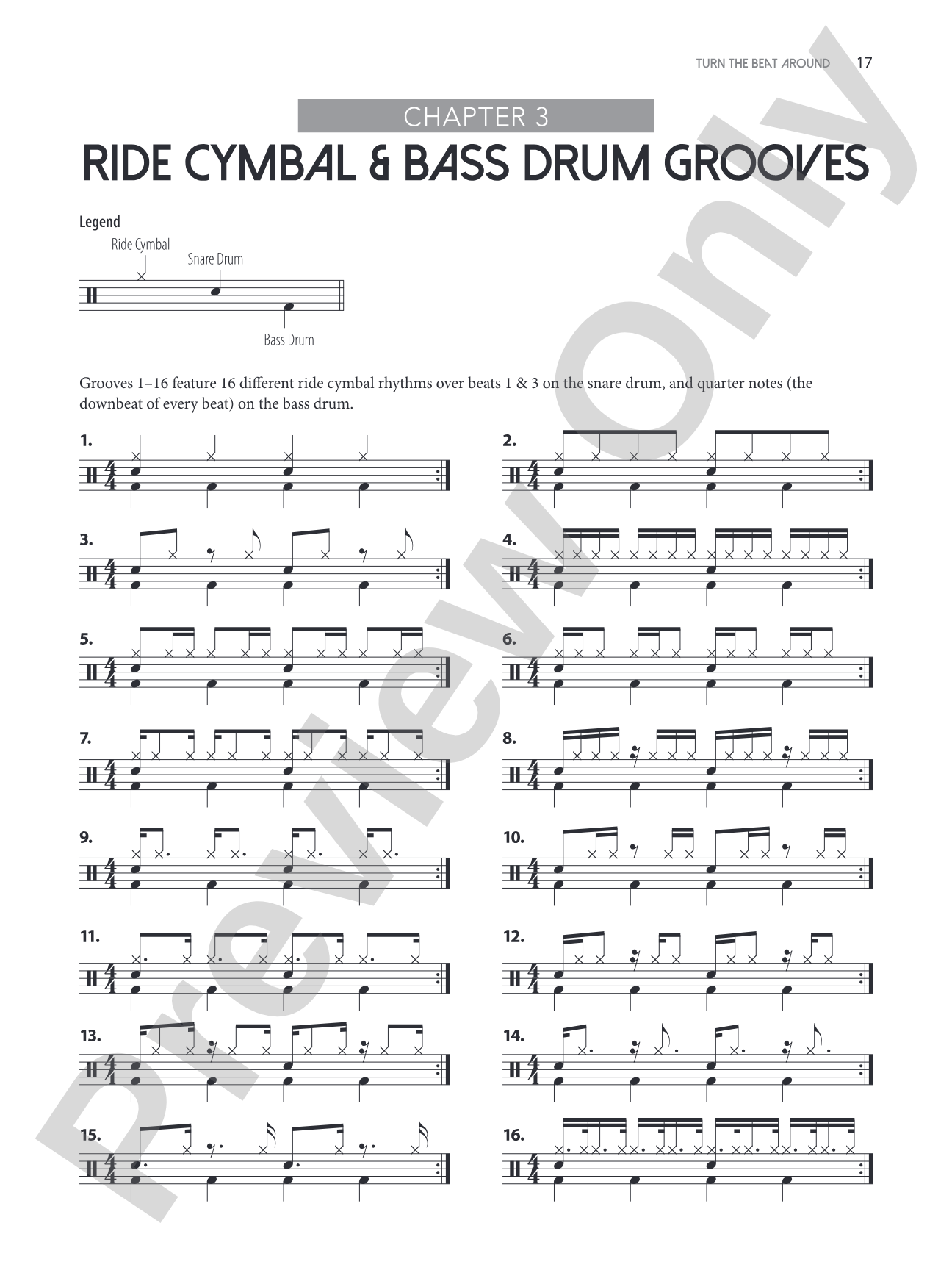
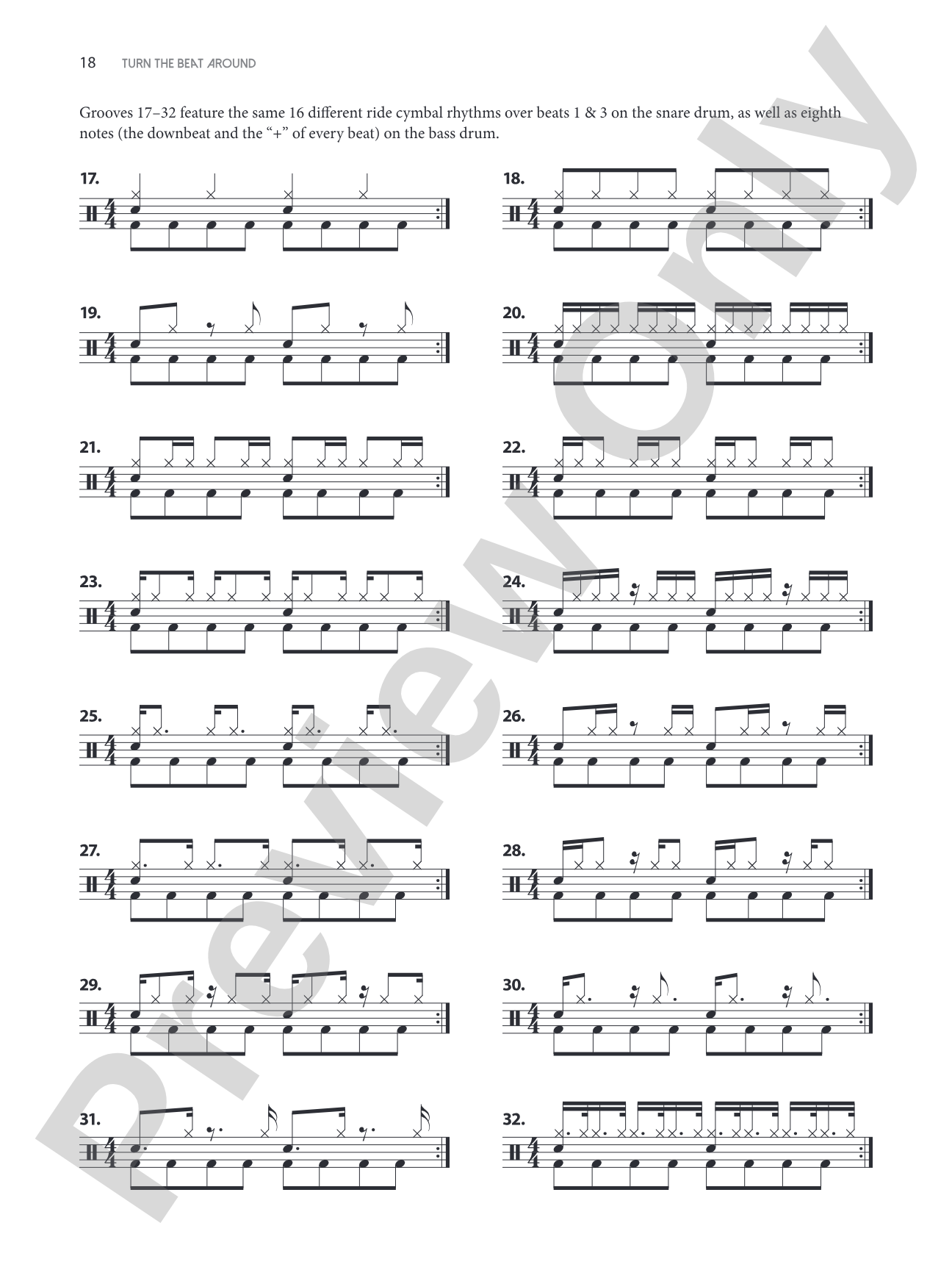
Habits and traditions are often hard to change, but discovering new and creative ways of rearranging and rethinking established norms is what distinguishes a great drummer and provides endless challenge and possibilities. Turn the Beat Around breaks decades-old routine by examining "backbeats" in a whole new light, asking the questions: "Why are backbeats always played on beats 2 & 4?" and "What about playing them on beats 1 & 3?" By delving into this inquiry, Paul Wertico provides drummers with innovative ways of expanding groove vocabulary, solidifying time, and mastering coordination and limb independence. Wertico has even coined a new word for these types of reversed beats---frontbeats.


Turn the Beat Around: A Drummer's Guide to Playing "Backbeats" on 1 & 3 isn't in MakeMusic Cloud just yet...but it could be. Let us know you'd like to see it, and you'll help shape what comes next. In the meantime, start a free trial and dive into thousands of interactive titles your students can play along with today.
Request This Title
Tell us you want it.
Start Your Free Trial
Explore everything that's ready to play right now.
Sample Audio
No sample audio found.
Sample Video
No sample videos found.
Additional Details
Publisher:
Alfred Music
Page Count:
88
SKU:
00-PB-0001863
More about this title
About the Composer: Paul Wertico

Paul Wertico stands among the most recorded and awarded drummers of his generation, with seven Grammy Awards recognizing his work across jazz, fusion, and contemporary music. His playing has taken him to all 50 states and more than 60 countries, establishing him as both a bandleader and sought-after collaborator.
Education has been central to Wertico's career for over four decades. He currently serves as Associate Professor of Jazz Studies at Roosevelt University's Chicago College of Performing Arts and previously taught percussion and jazz at Northwestern University for 16 years. His commitment extends beyond the classroom: he conducts masterclasses and clinics internationally, contributes regularly to music publications, and serves on the Advisory Board of Modern Drummer magazine and the Education Committee of the Jazz Institute of Chicago.
Why we love this
Wertico dismantles a fundamental assumption about rhythm section playing, asking drummers to genuinely reconsider where the backbeat belongs. This collection offers far more than a novelty; it's a systematic exploration that strengthens coordination, deepens time feel, and opens genuine creative pathways for drummers ready to expand beyond convention.
What to expect
Fresh tension in familiar territory. The act of placing accents where your muscle memory says they don't belong creates a productive struggle that forces real listening and attention to what lies beneath the surface of rhythm.
Who it's for
Intermediate to advanced drummers ready to question their foundational habits and expand their creative toolkit. Jazz drummers, fusion players, and anyone teaching percussion will find concrete exercises that challenge conventional thinking about timekeeping and groove construction.
How to get the most out of it
- Start with half-time feels at slow tempos to isolate the coordination shift required between hands and feet, then gradually increase tempo.
- Compare the rhythmic weight of frontbeats against traditional backbeats by practicing the same groove both ways; the contrast clarifies what each approach accomplishes musically.
- Record yourself playing these new beat placements alongside jazz standards and funk tunes to hear how they interact with melody and harmony in real musical context.
- Work these ideas into ensemble settings early; what feels awkward solo becomes intuitive when locked in with bass and horns.
How to use it
Assign this as supplementary study material for ensemble drummers who have mastered standard timekeeping and need the next challenge in coordination and independence. The pedagogical approach also serves percussion teachers looking for material that teaches students to think critically about why we do what we do.
Skills your students will build
- Playing backbeats on beats 1 and 3 (frontbeats) with clarity and control
- Limb independence between kick drum, snare, and ride hand
- Coordination across mixed beat placements and polyrhythmic feels
- Time solidification through unconventional accentuation
- Groove vocabulary expansion beyond two and four
- Critical listening and intentional phrasing in timekeeping