Tundra Cover Image

Tundra: Concert Band Conductor Score & Parts

$55.00 USD
Sale price  $55.00 USD Regular price 
Skip to product information
Tundra Cover Image

Tundra: Concert Band Conductor Score & Parts

By William Owens

Grade: 2.5

Item: 98-B1722

Need it now?

Buy Digital Version
$55.00
Shipped

One moment…

Description
This programmatic work illustrates the eeriness and ferocity of a vast, sub-zero wilderness uninhabitable by man. With optional piano part, the opening “calm” includes dissonant ostinato patterns paired with semi-melodic motifs. The ensuing “storm” erupts with driving rhythms and a bold melody as the music barrels into a whirlwind of flurry before returning to a sense of unsettled calm. A highly engaging work.

Tundra: Concert Band Conductor Score & Parts isn't in MakeMusic Cloud just yet...but it could be. Let us know you'd like to see it, and you'll help shape what comes next. In the meantime, start a free trial and dive into thousands of interactive titles your students can play along with today.

Sample Pages

Sample Audio
0:00
0:00
Sample Video
Additional Details
Series: FJH Young Band
Publisher: The FJH Music Company, Inc.
UPC: 241444385982
SKU: 98-B1722

More about this title

About the Composer: William Owens
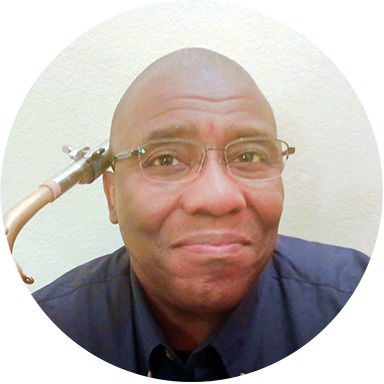
William Owens

William Owens has shaped the young band repertoire for over thirty years as both educator and composer. A VanderCook College of Music graduate, he spent three decades directing bands in Texas before retiring in 2014, and his catalog now includes more than 300 works performed by students across North America and internationally.

Owens brings a clinician's ear and a teacher's pragmatism to every score he writes. His commissions from institutions like the American Bandmasters Association and recognition as a Distinguished Alumnus reflect his sustained influence on band music education. He currently resides in Fort Worth with his wife Georgia and remains active in the composition community through ASCAP and Phi Beta Mu.

Why we love this

Owens crafts narrative arc with remarkable clarity at this level, and Tundra delivers exactly that. The piece moves purposefully from unsettled calm through violent eruption and back again, giving your band a complete dramatic arc to execute in under five minutes. It's the kind of programmatic writing that teaches students how musical choices communicate without ever feeling didactic.

What to expect

Tundra evokes a landscape of profound isolation and sudden violence. The opening settles you into an eerie, slightly unstable space before the environment turns hostile, then gradually releases its grip without ever fully reassuring. It's unsettling in the best way.

Who it's for

Grade 2.5 concert bands ready to tackle programmatic storytelling with musical maturity. Directors seeking a short, high-impact piece that holds student attention and works equally well in contest or concert settings.

How to get the most out of it

  • Balance the dissonant ostinato patterns in the opening against the semi-melodic material so each layer remains audible; resist the urge to let accompaniment figures dominate.
  • Build the storm section's driving rhythms with absolute precision from the ground up. Lock the pulse in the low reeds and brass before layering the faster figures on top.
  • Treat the return to calm as genuinely unsettled, not resolved. The tension should persist even as the frenzy subsides.
  • If using the optional piano part, let it anchor the harmonic language during the dissonant opening and help propel the storm's momentum.

How to use it

Pair this with other programmatic works to build a concert around narrative themes, or use it as the dramatic centerpiece of a contest set. Its length and impact make it ideal for mid-program placement where it can command attention without exhausting your ensemble.

Skills your students will build

  • Sustaining independent ostinato patterns while tracking harmonic progression
  • Shaping long crescendos with clarity and control across the full ensemble
  • Responding to dramatic tempo and dynamic shifts with ensemble cohesion
  • Balancing dissonant harmonies and creating textural layers within a grade-appropriate harmonic language

You May Also Like