
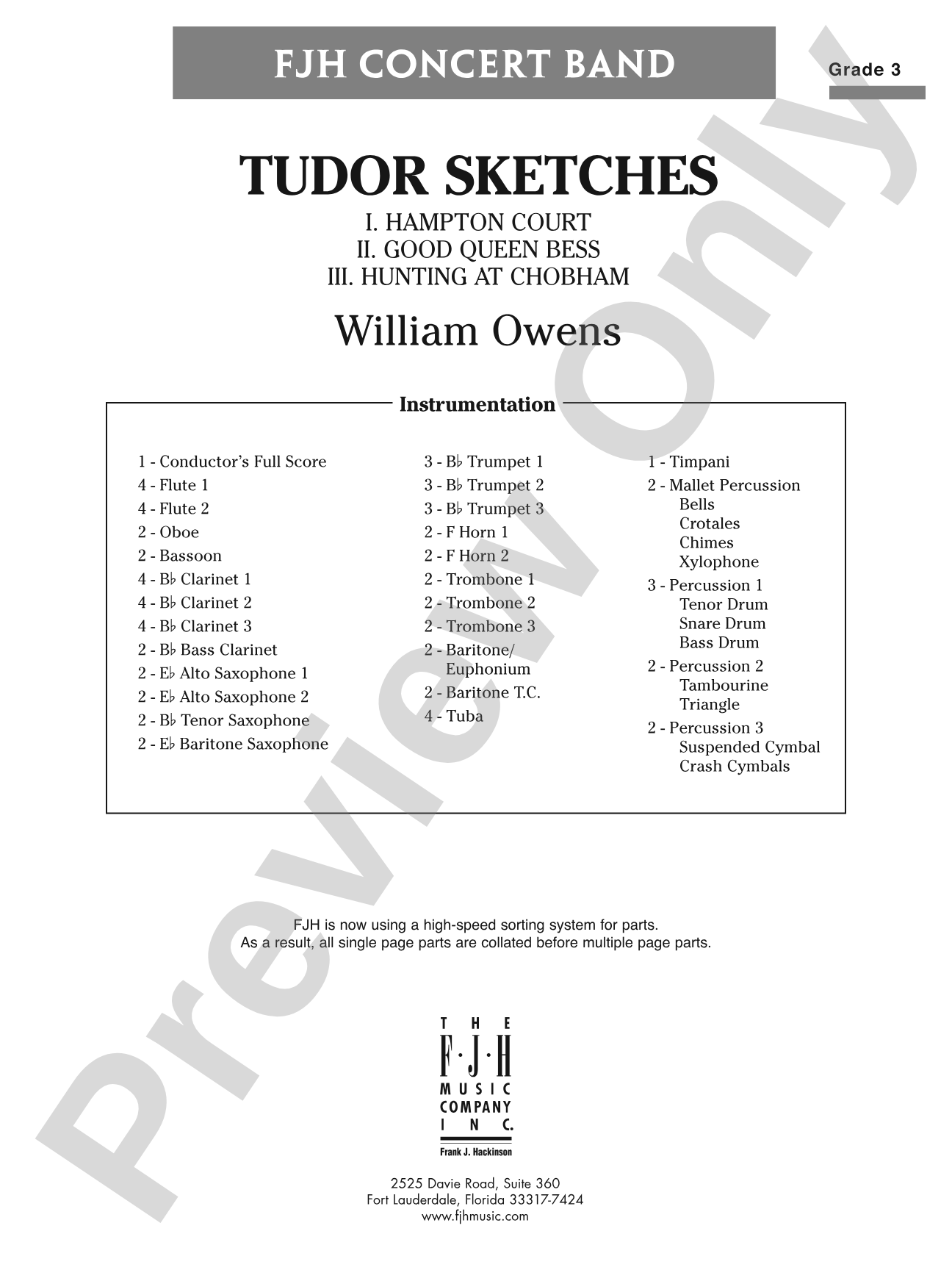
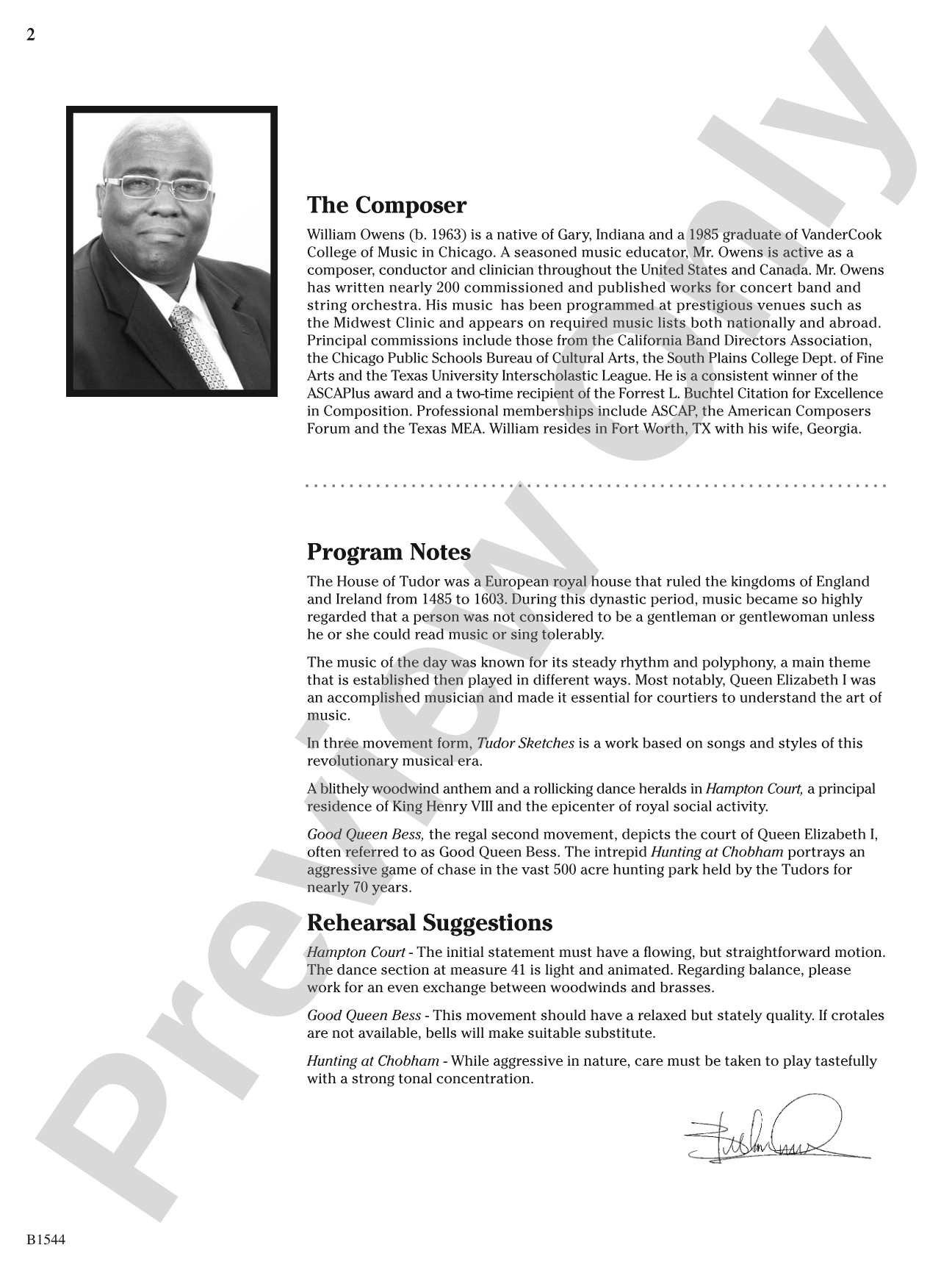
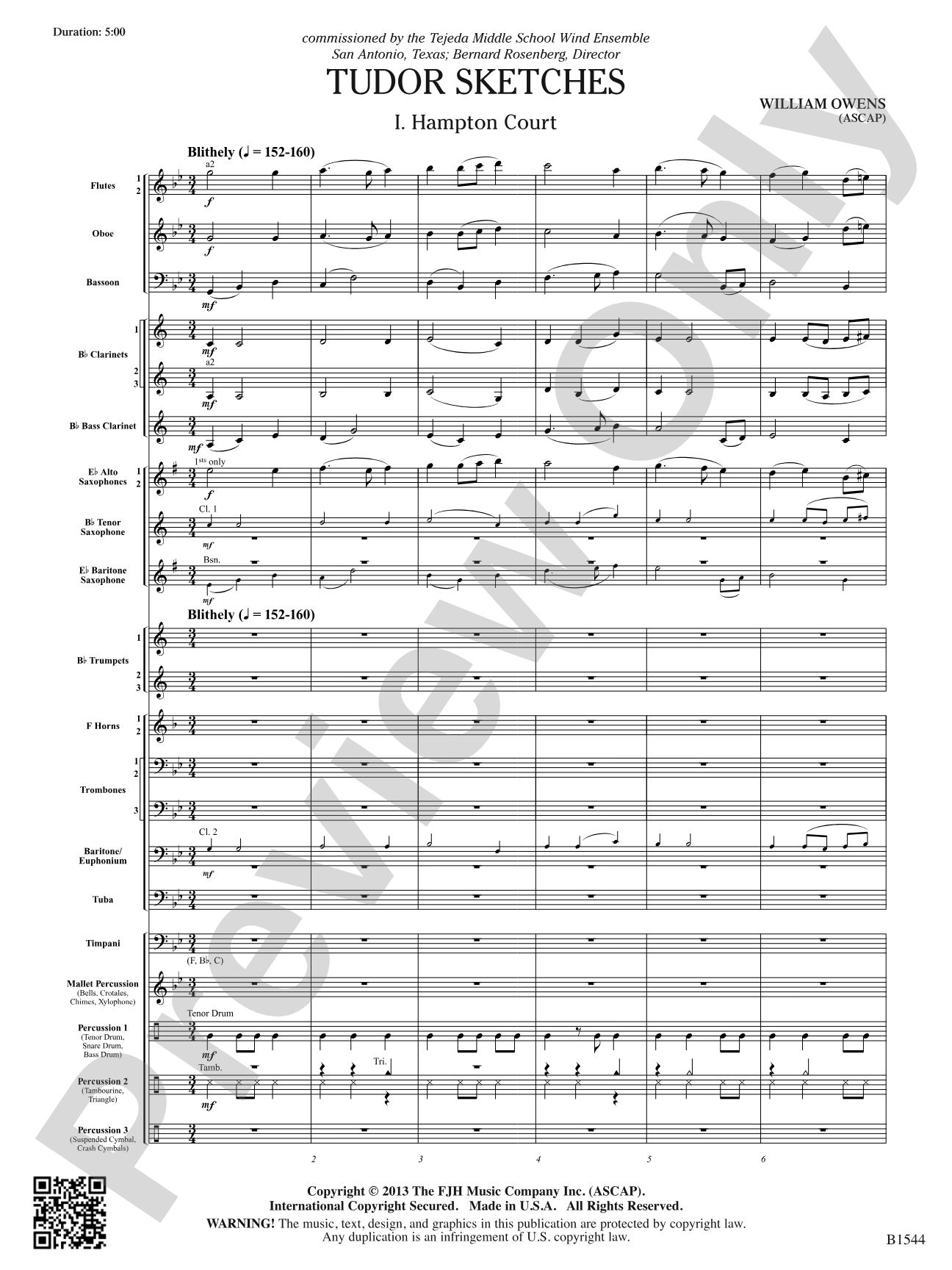
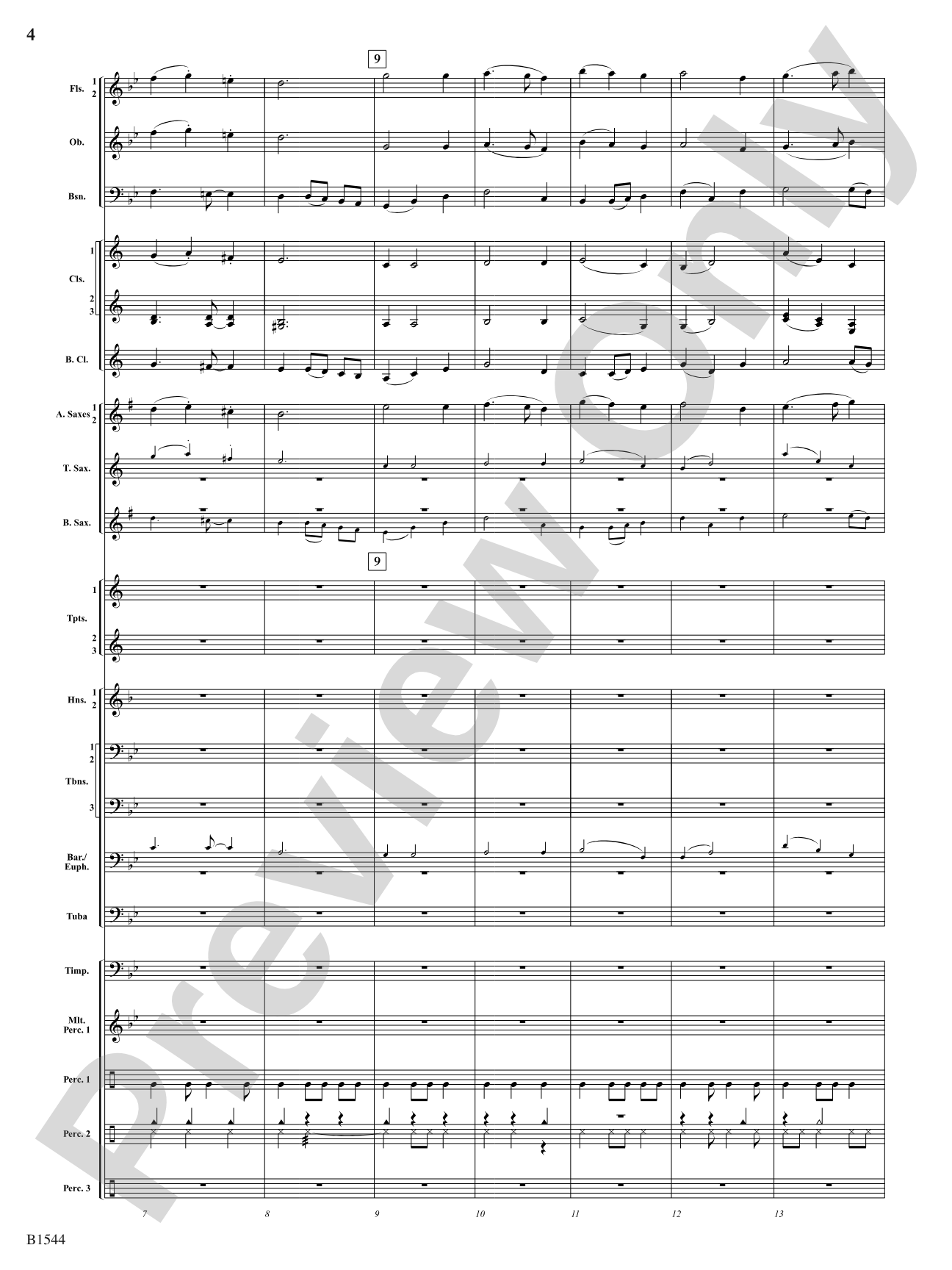
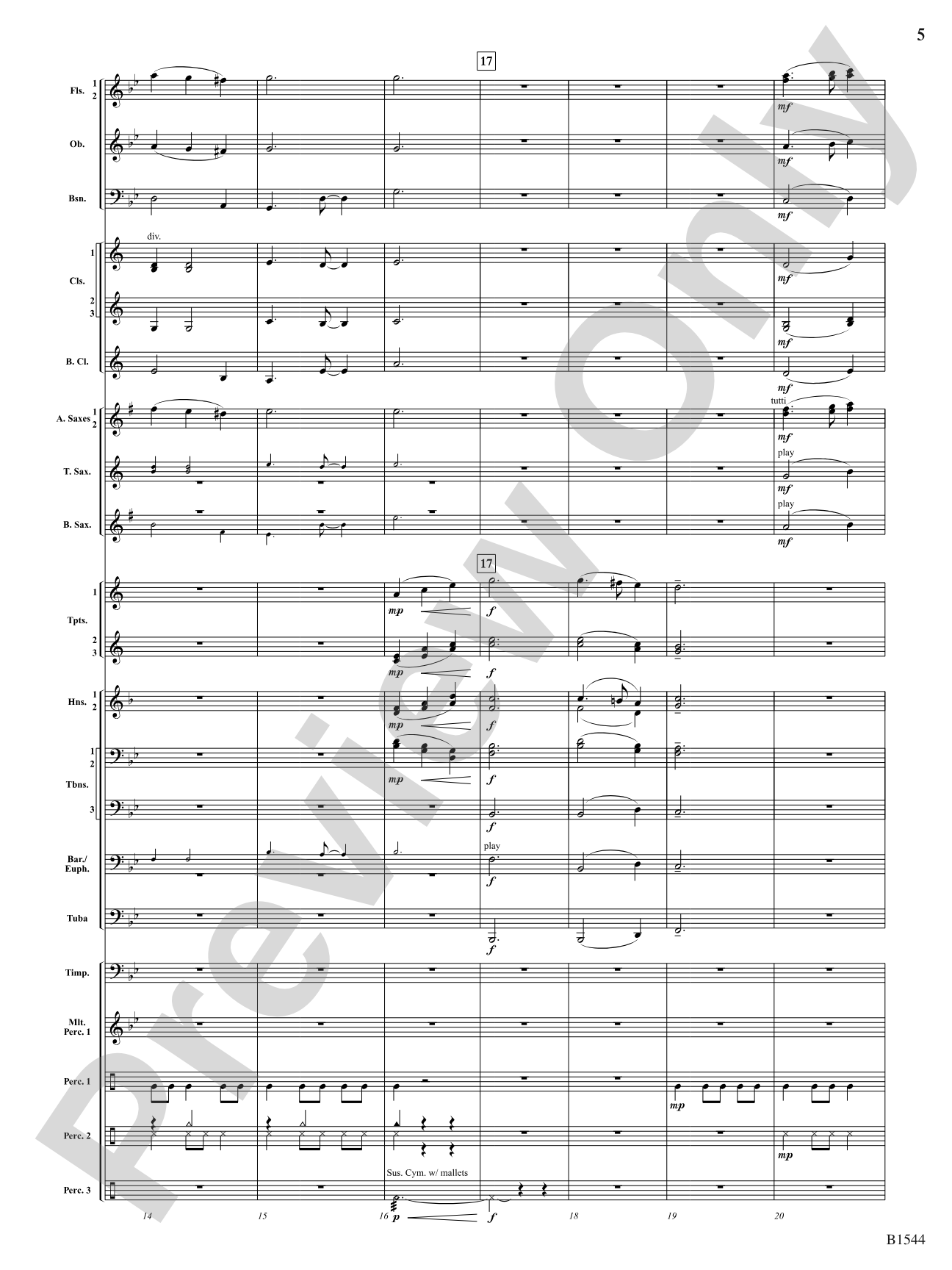
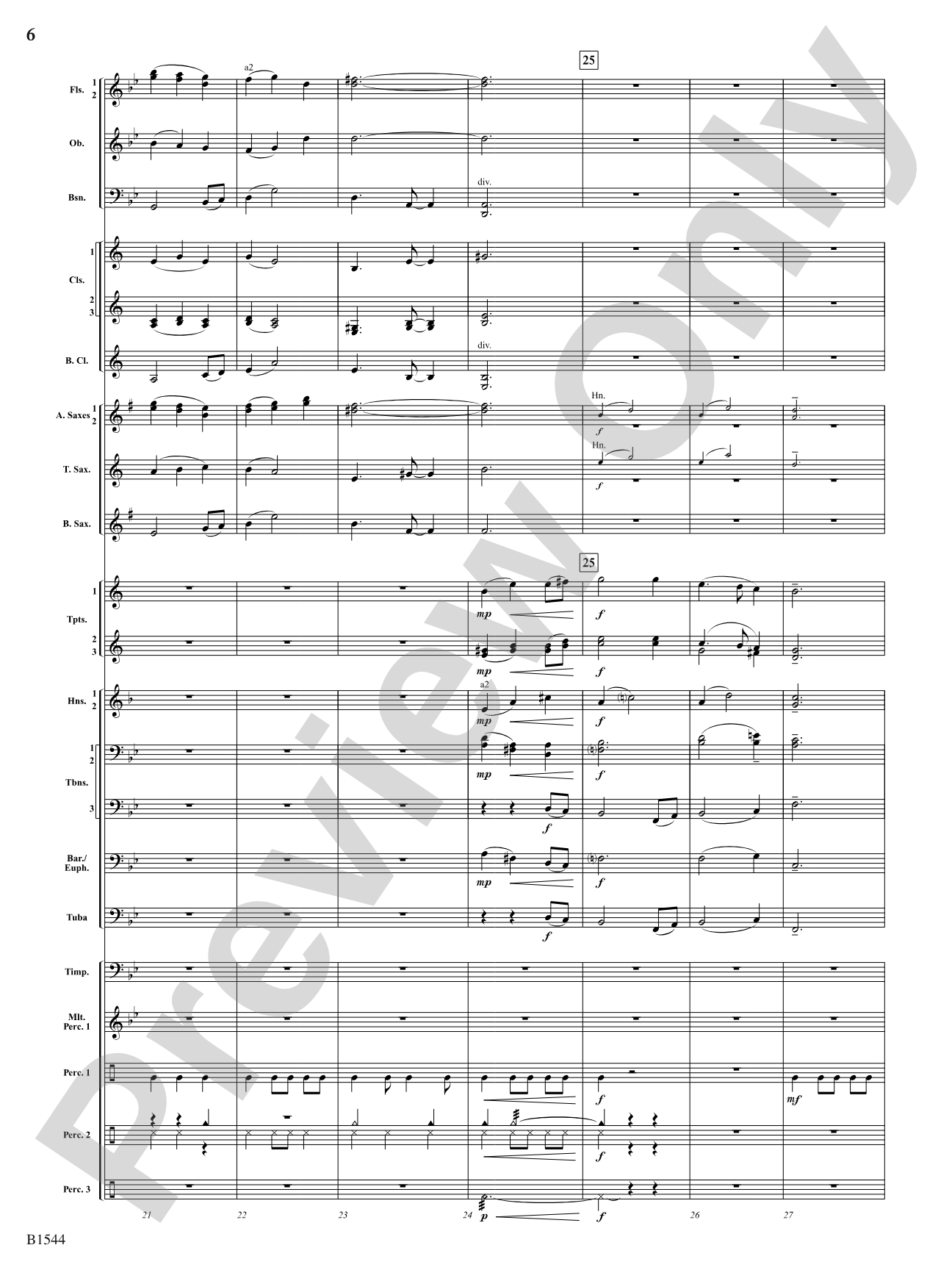
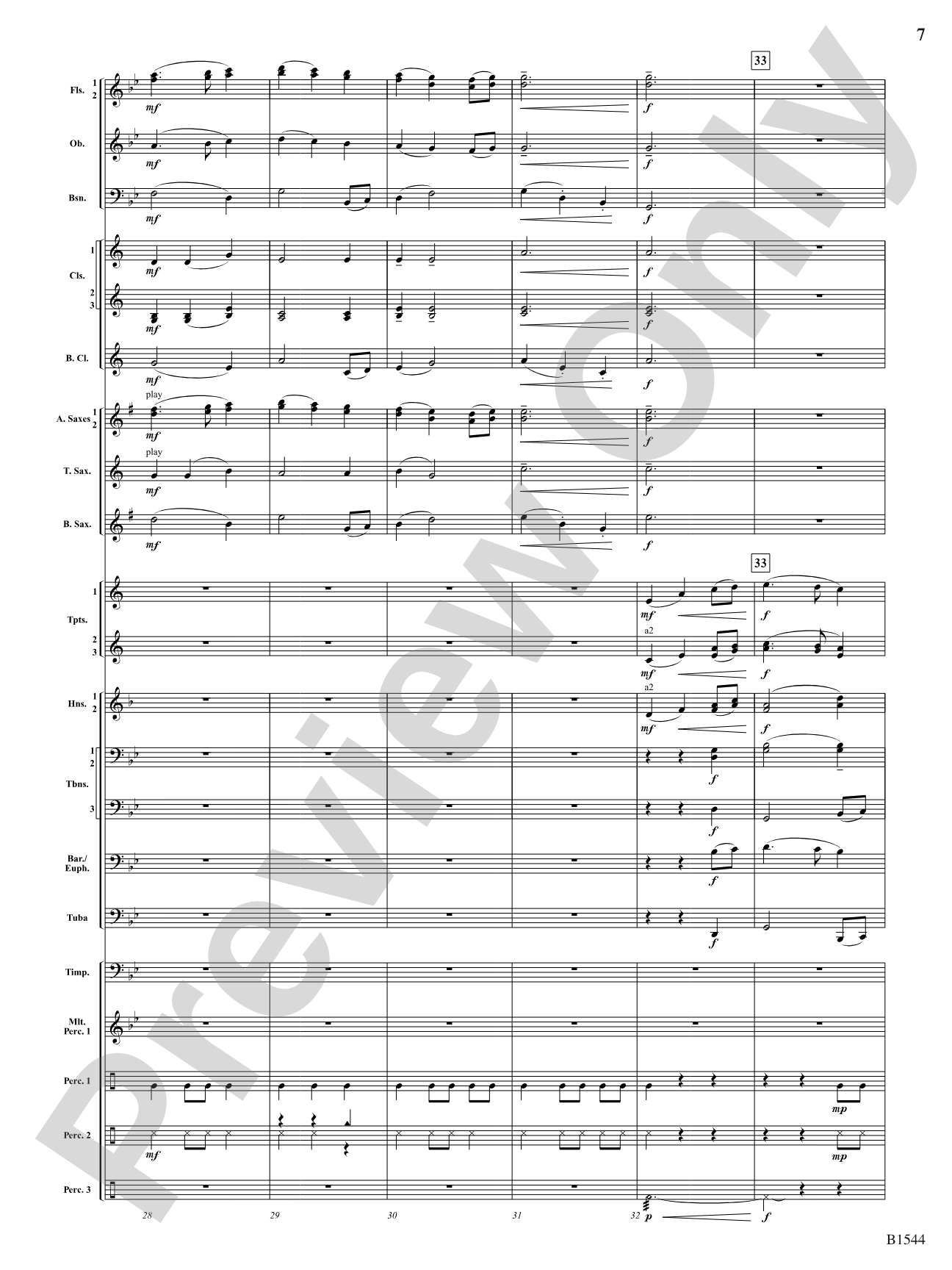
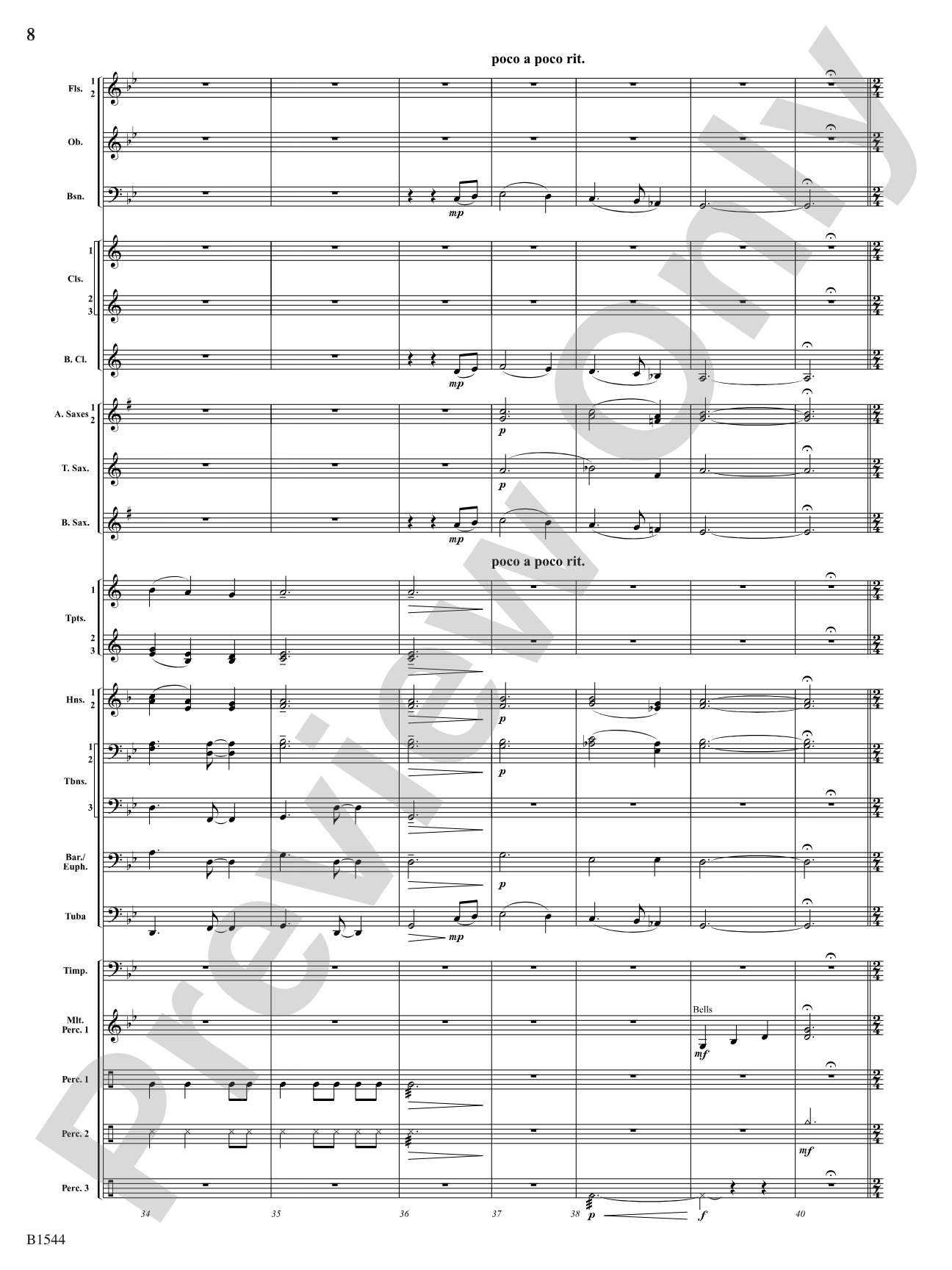
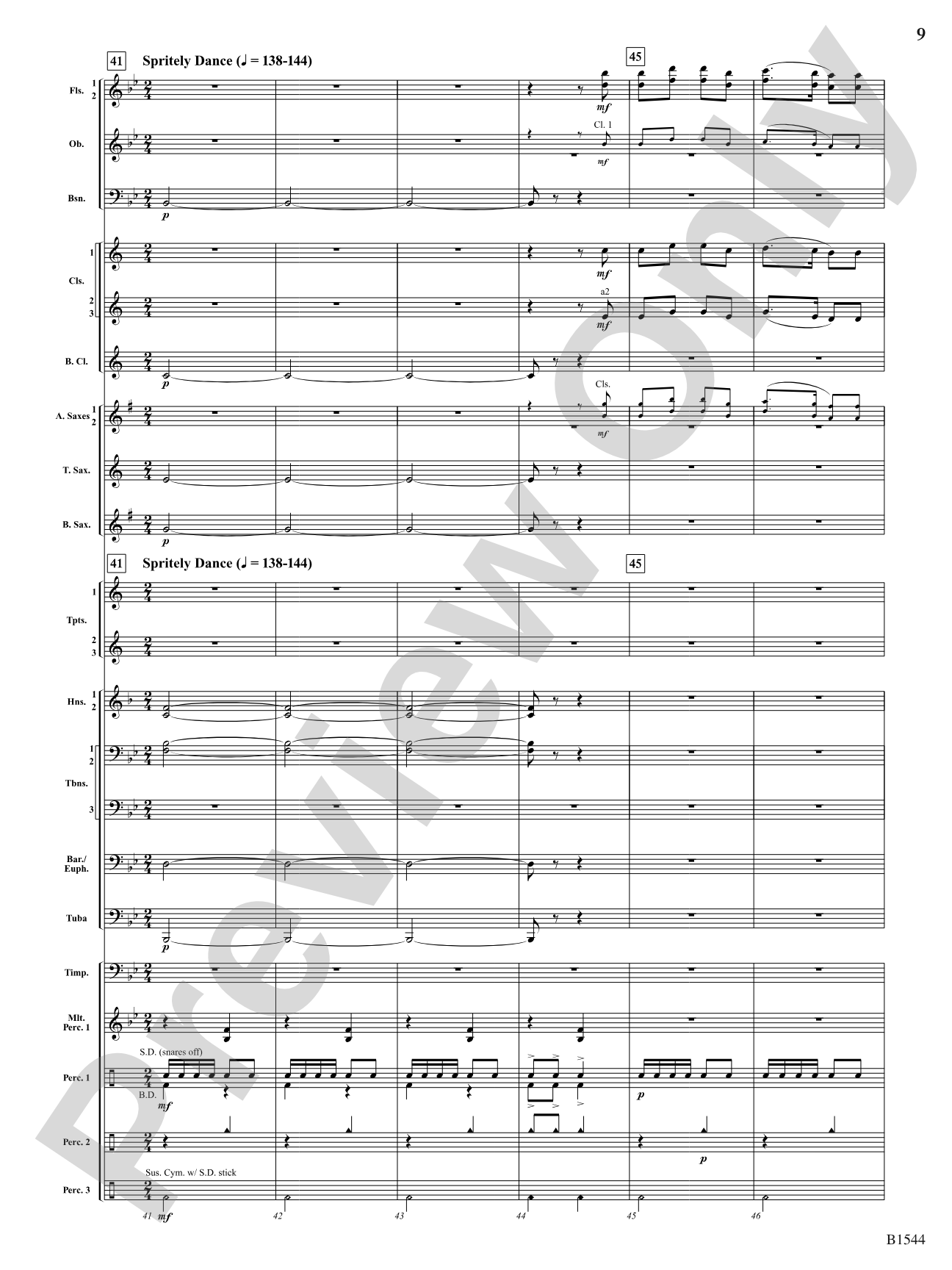
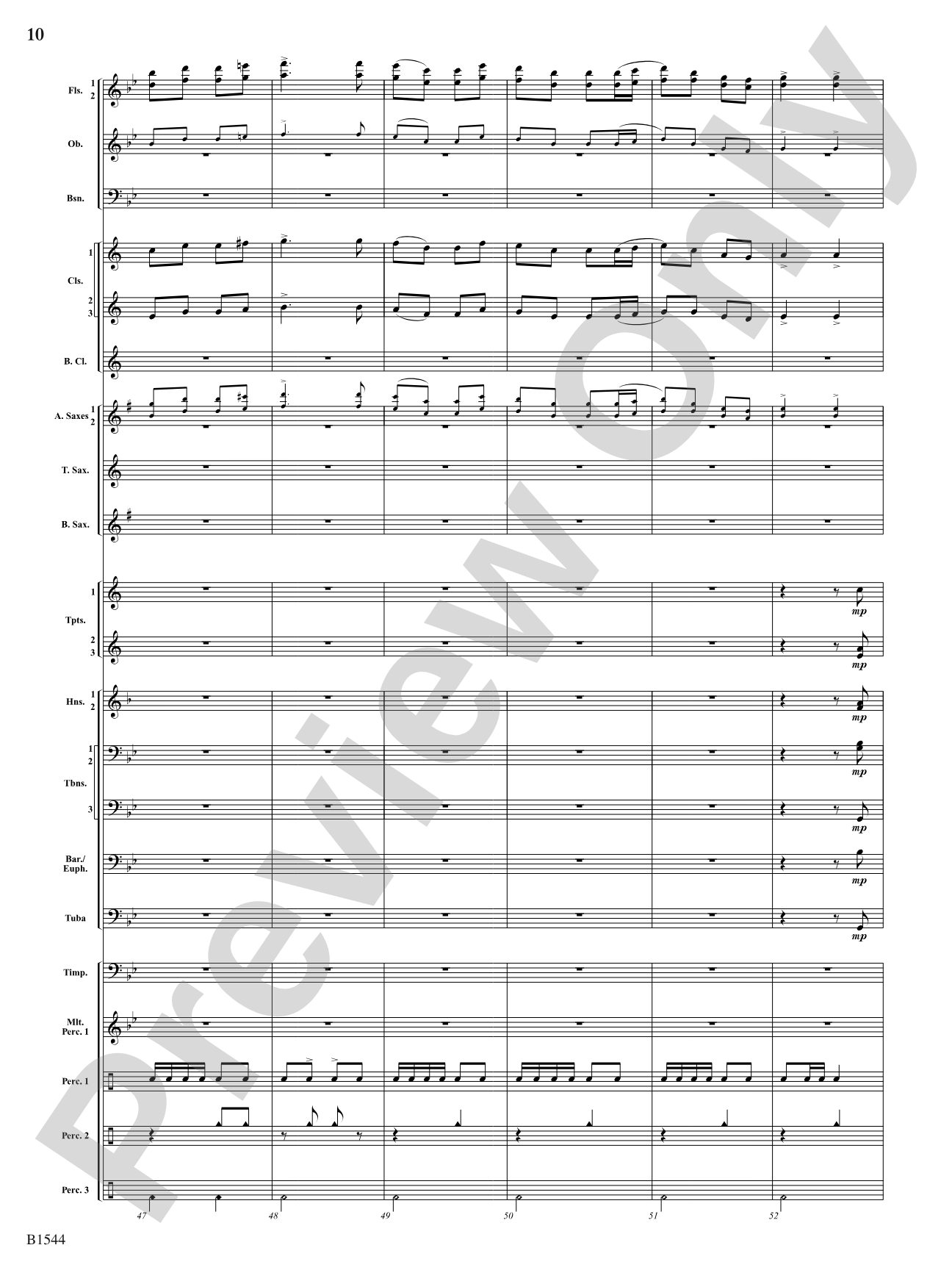
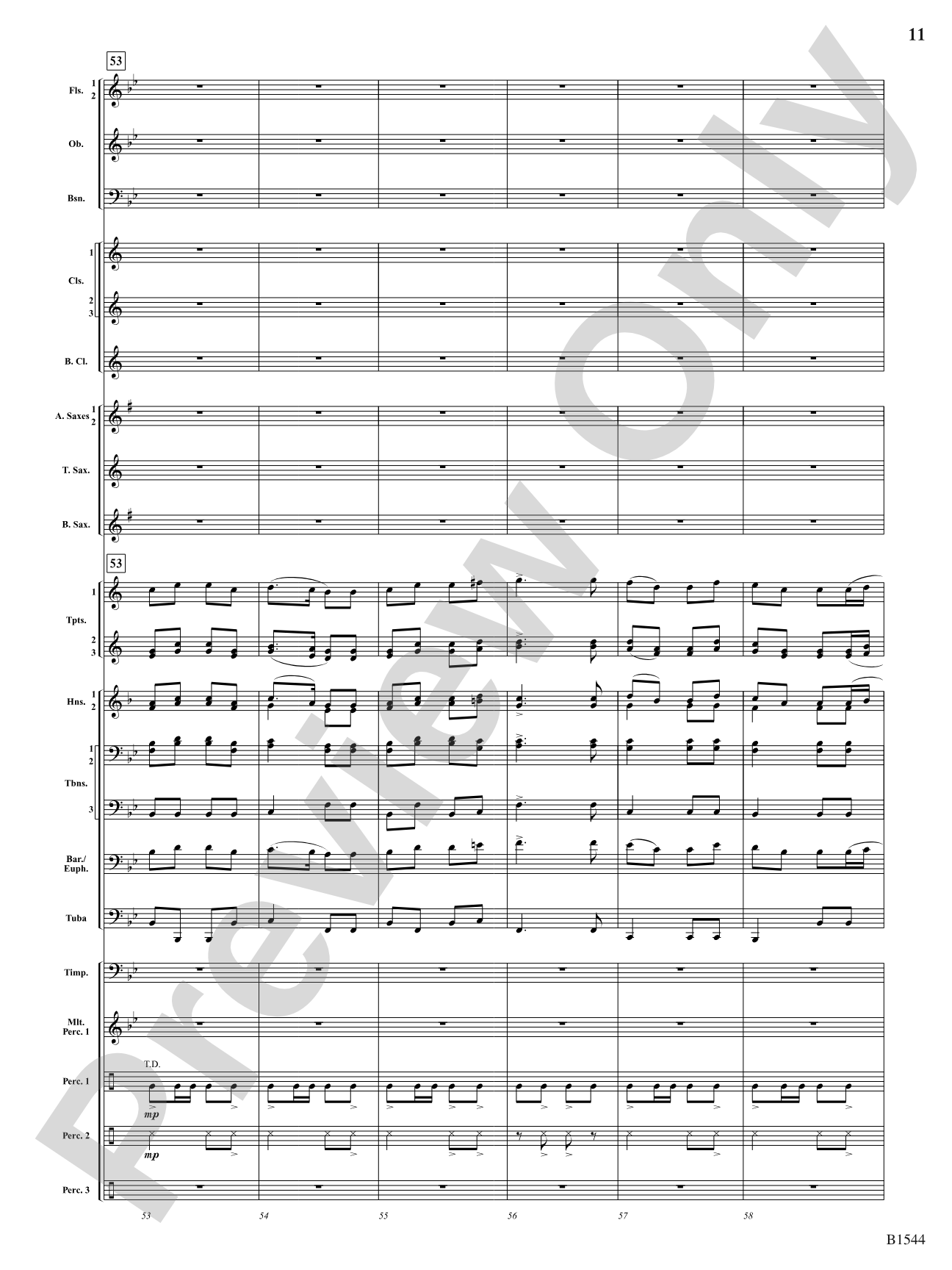
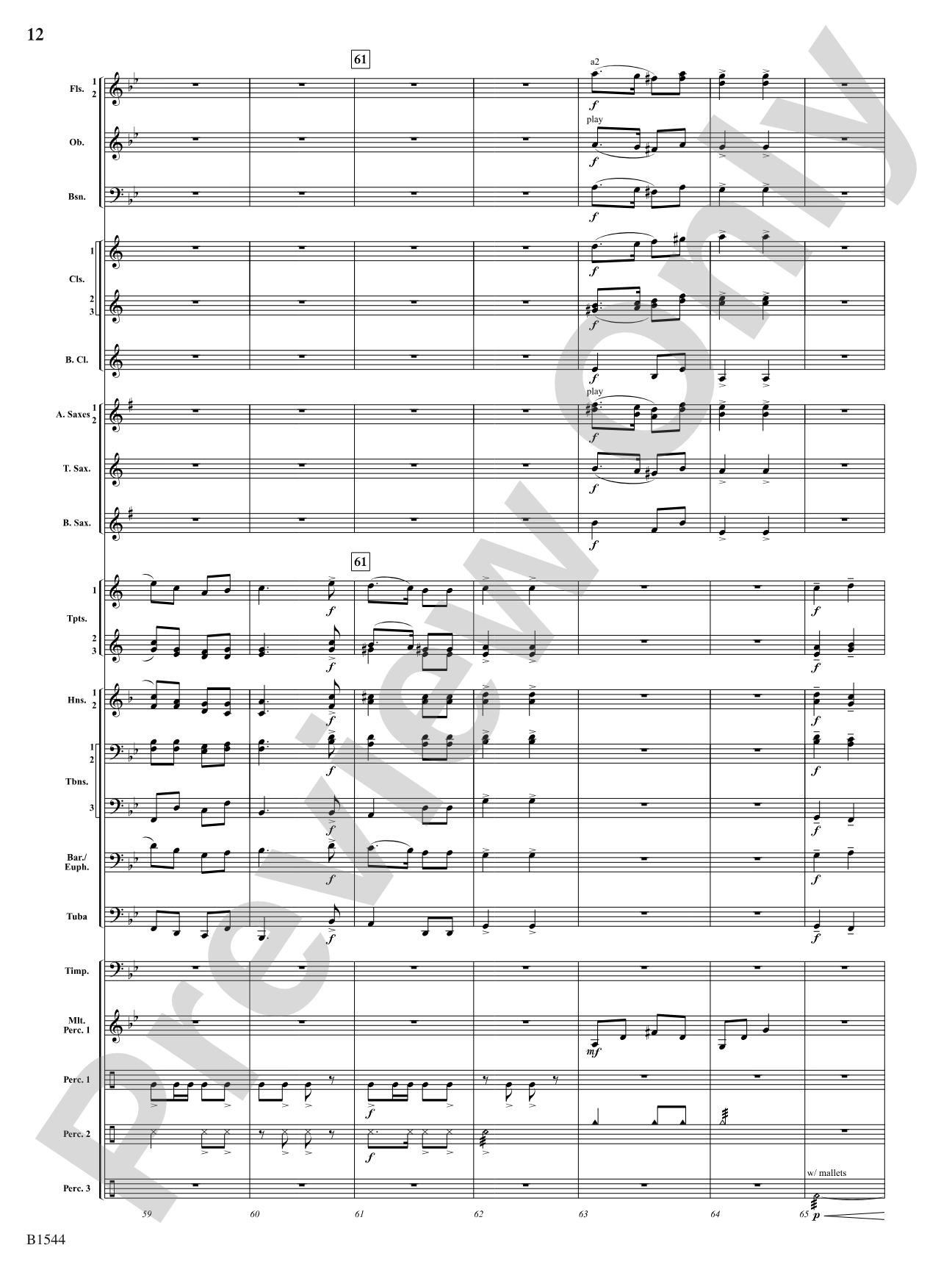
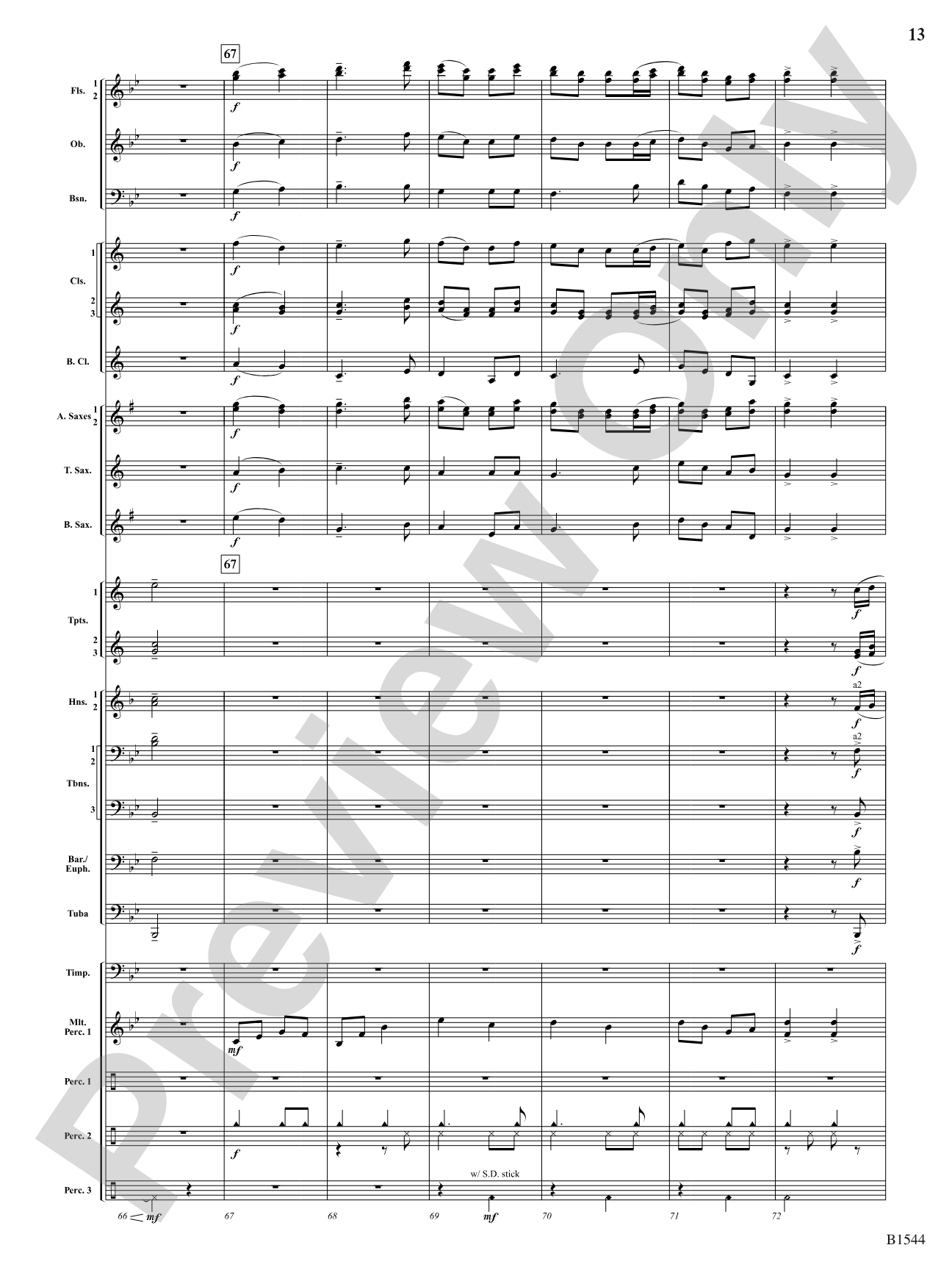
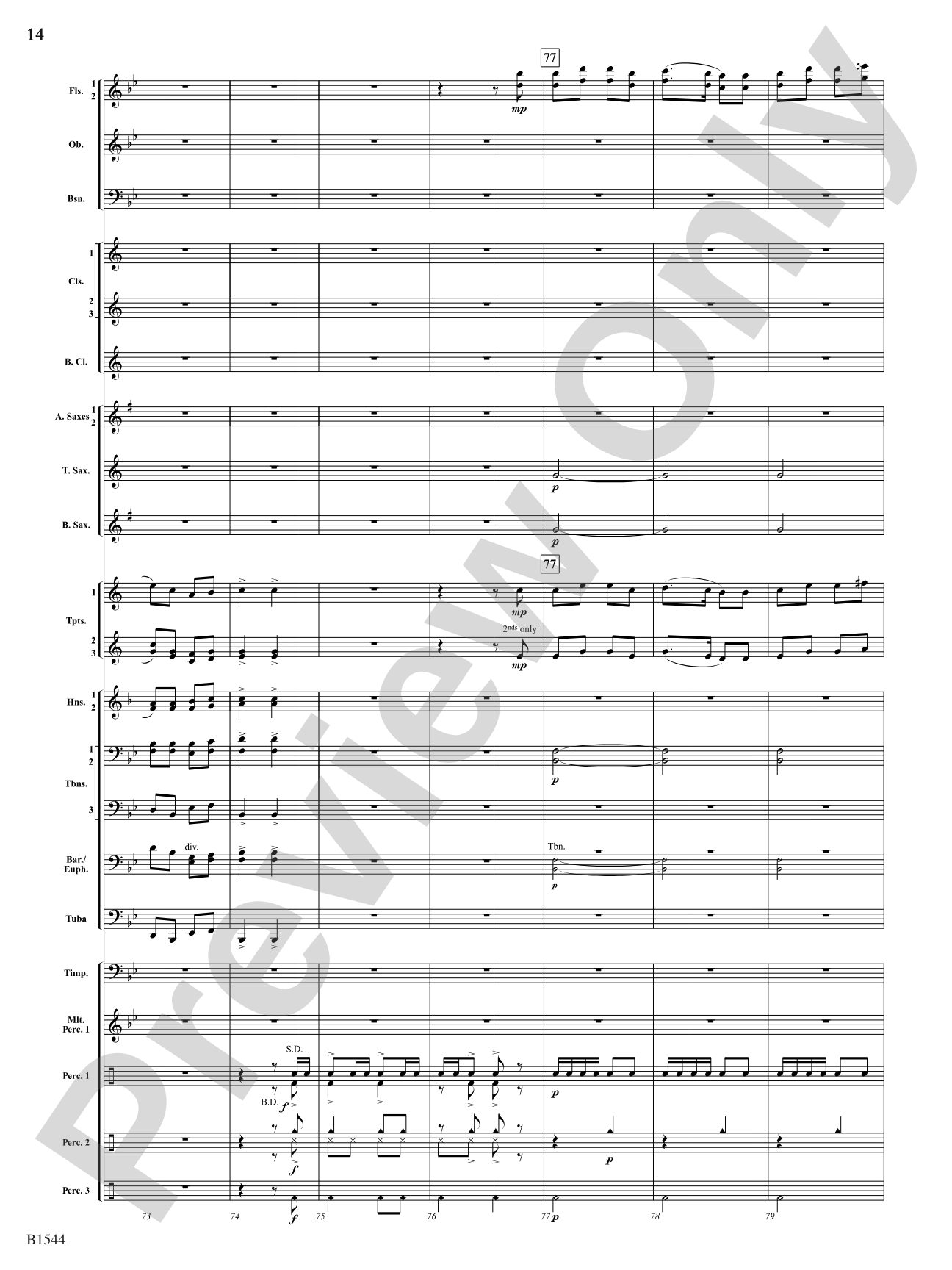
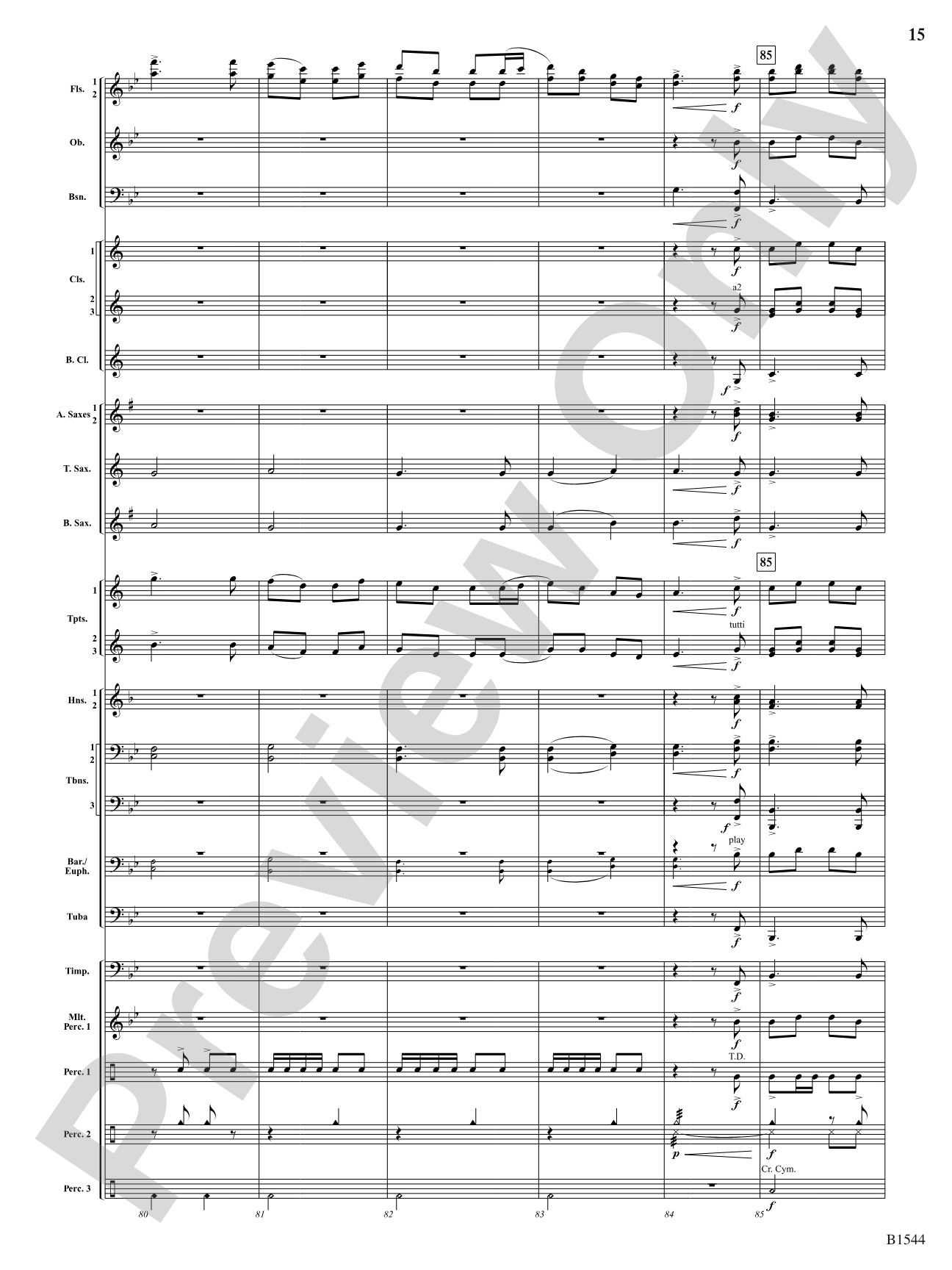
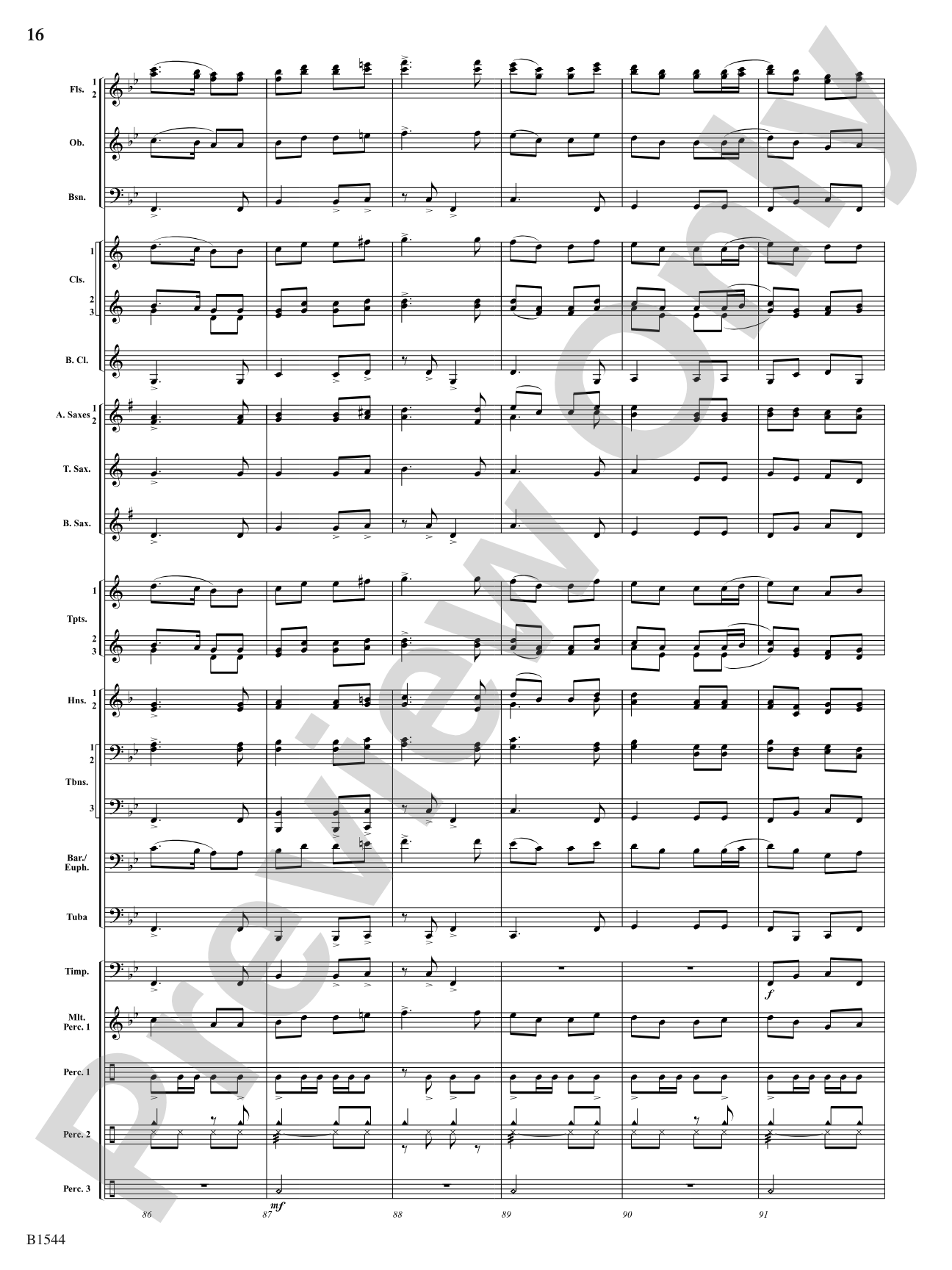
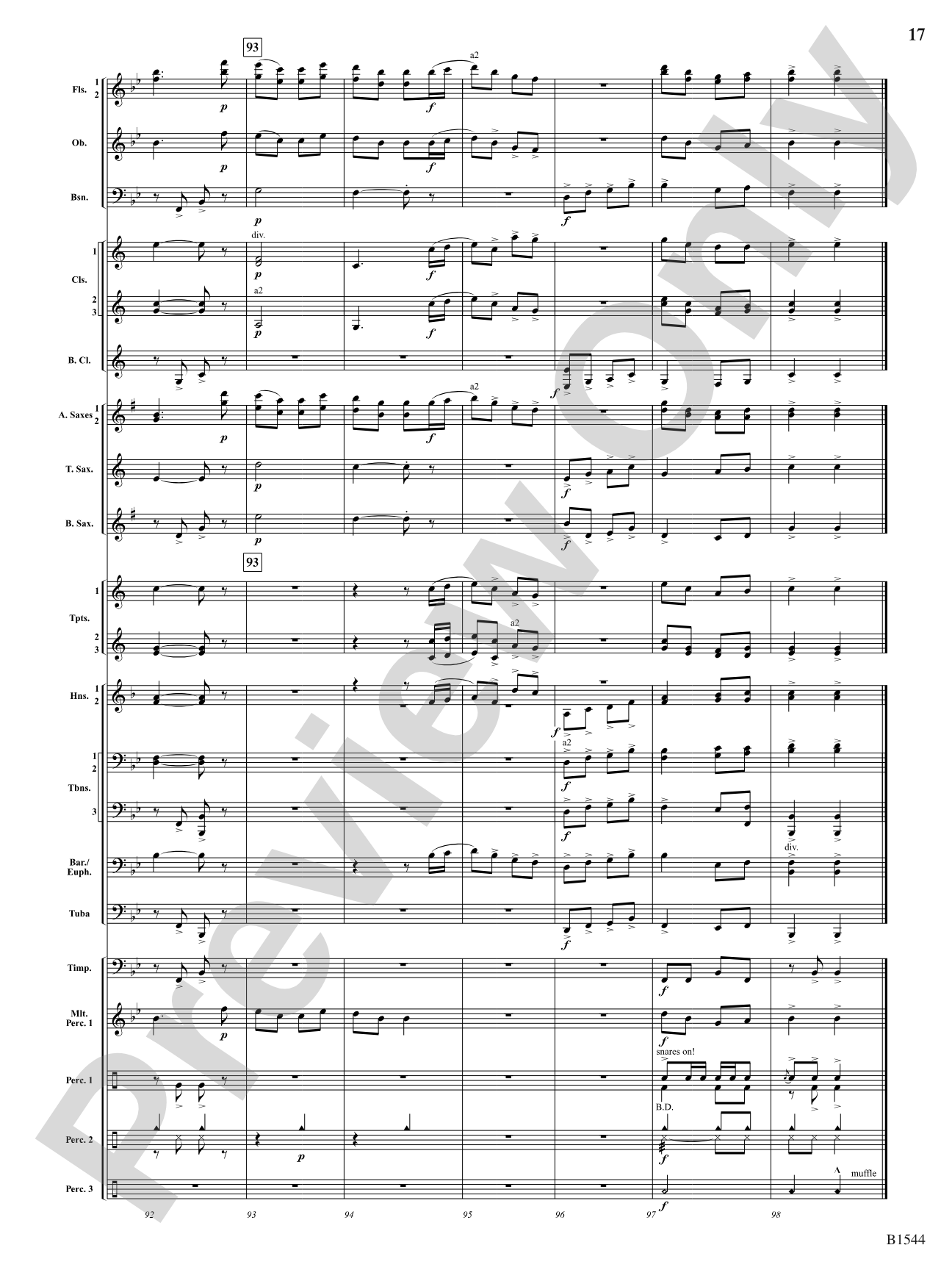
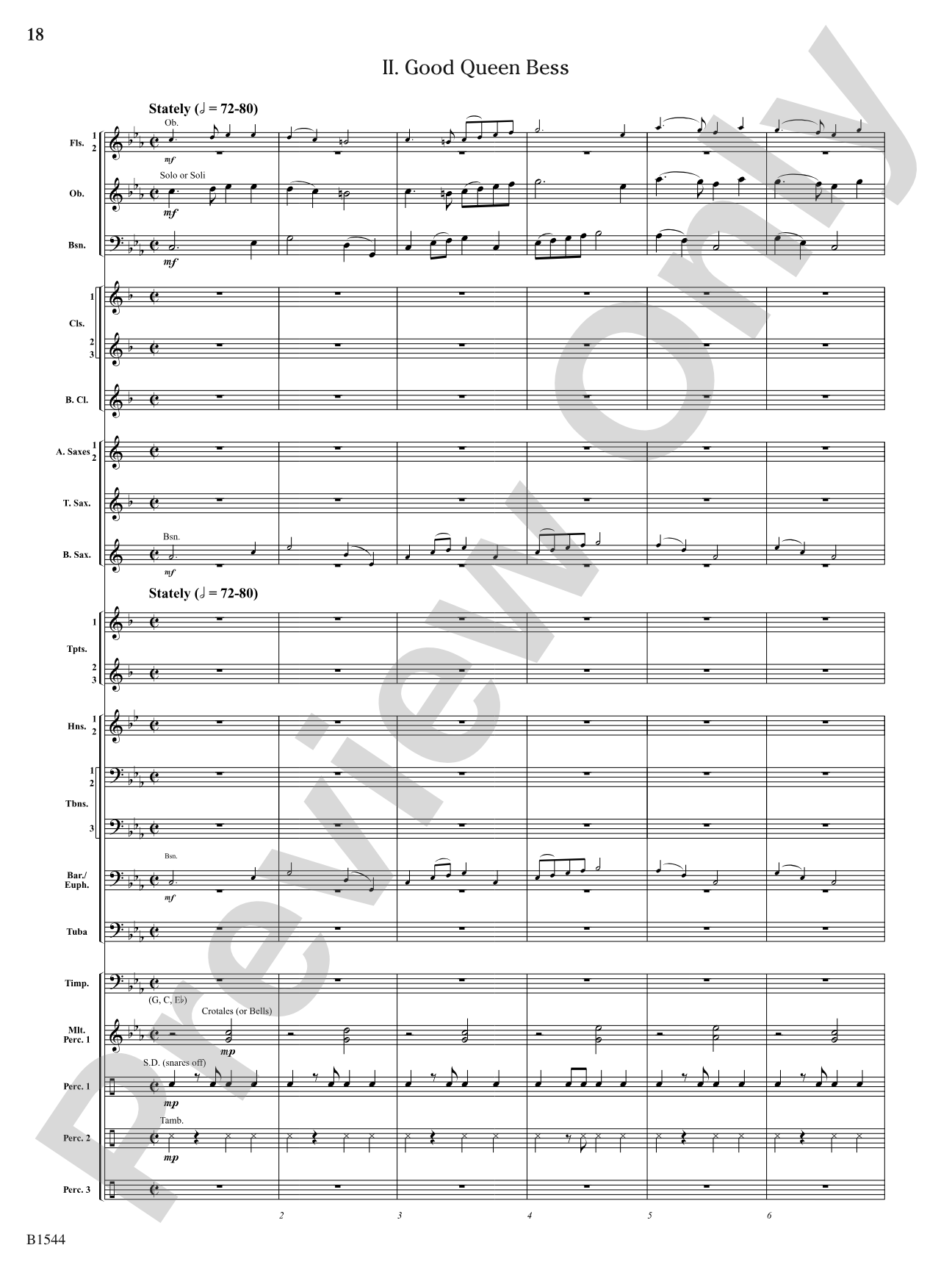
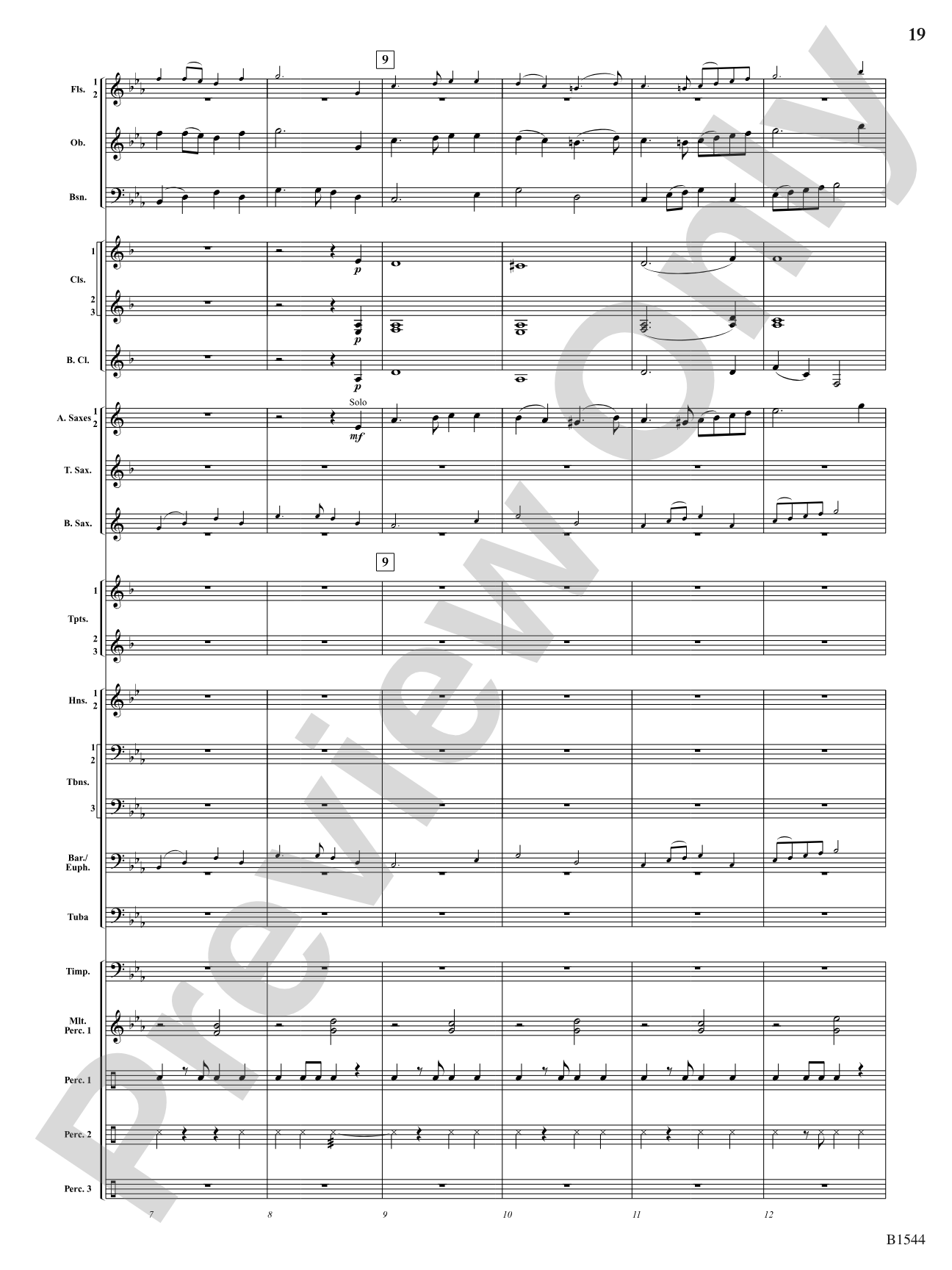
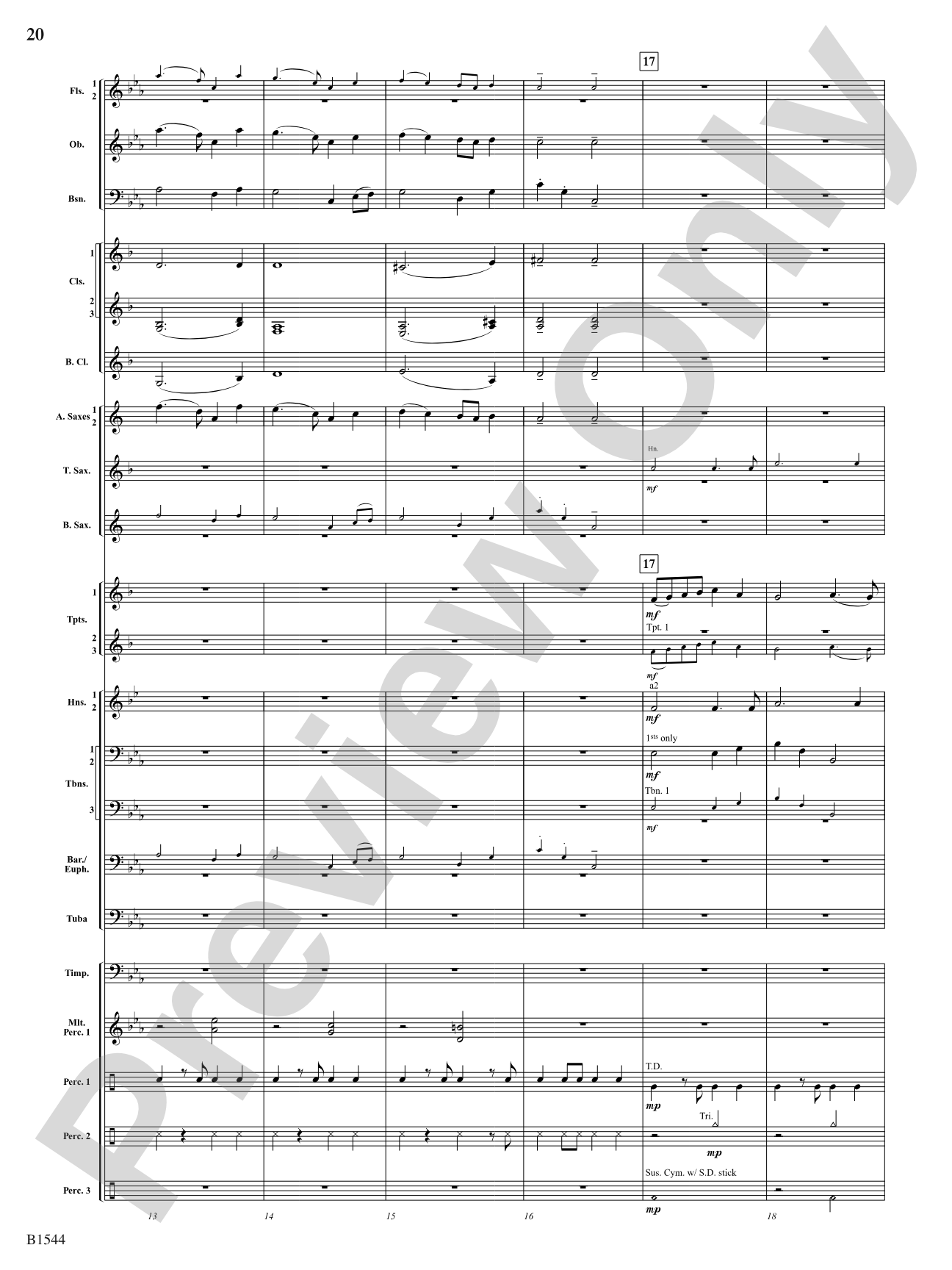
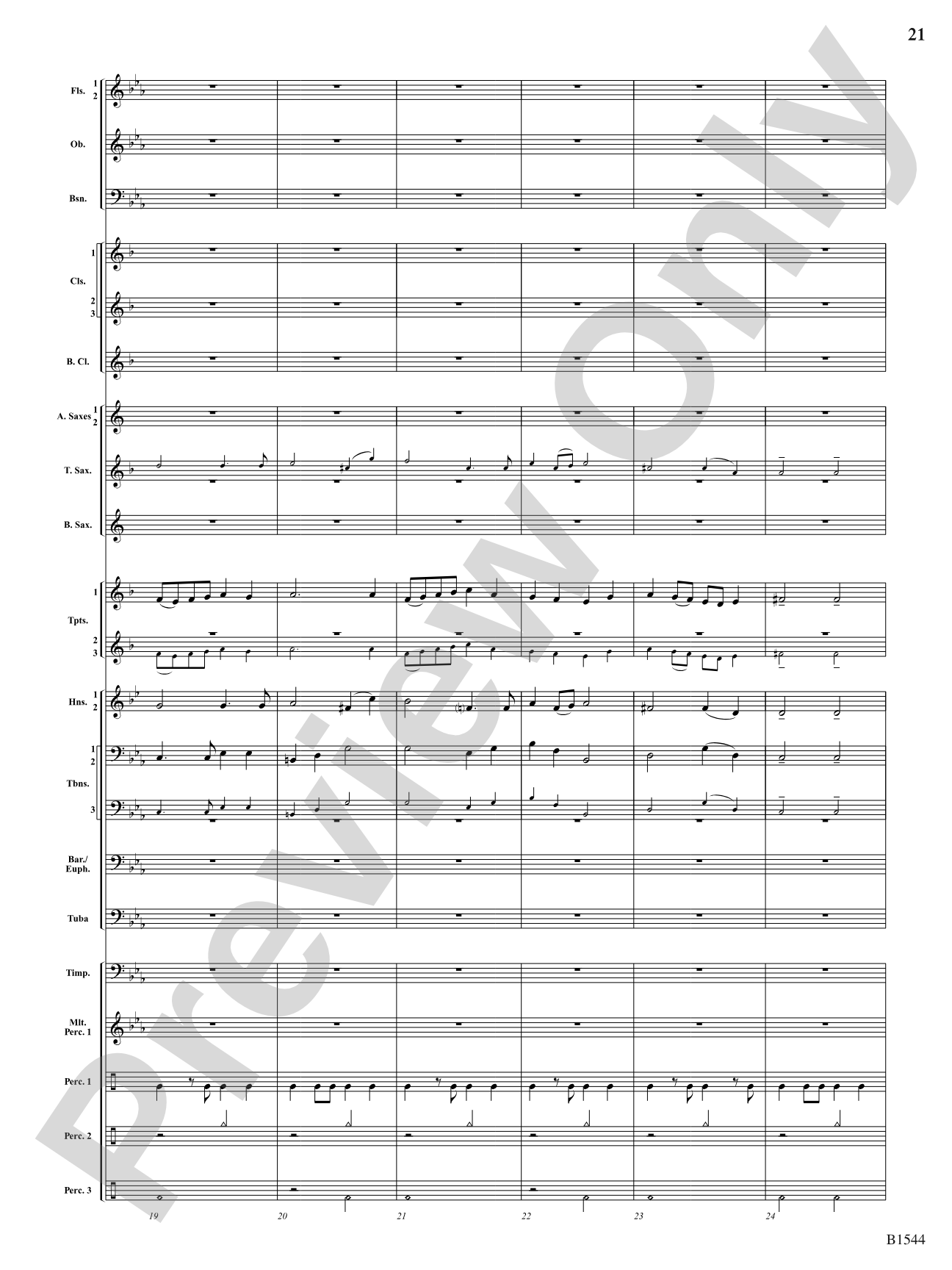
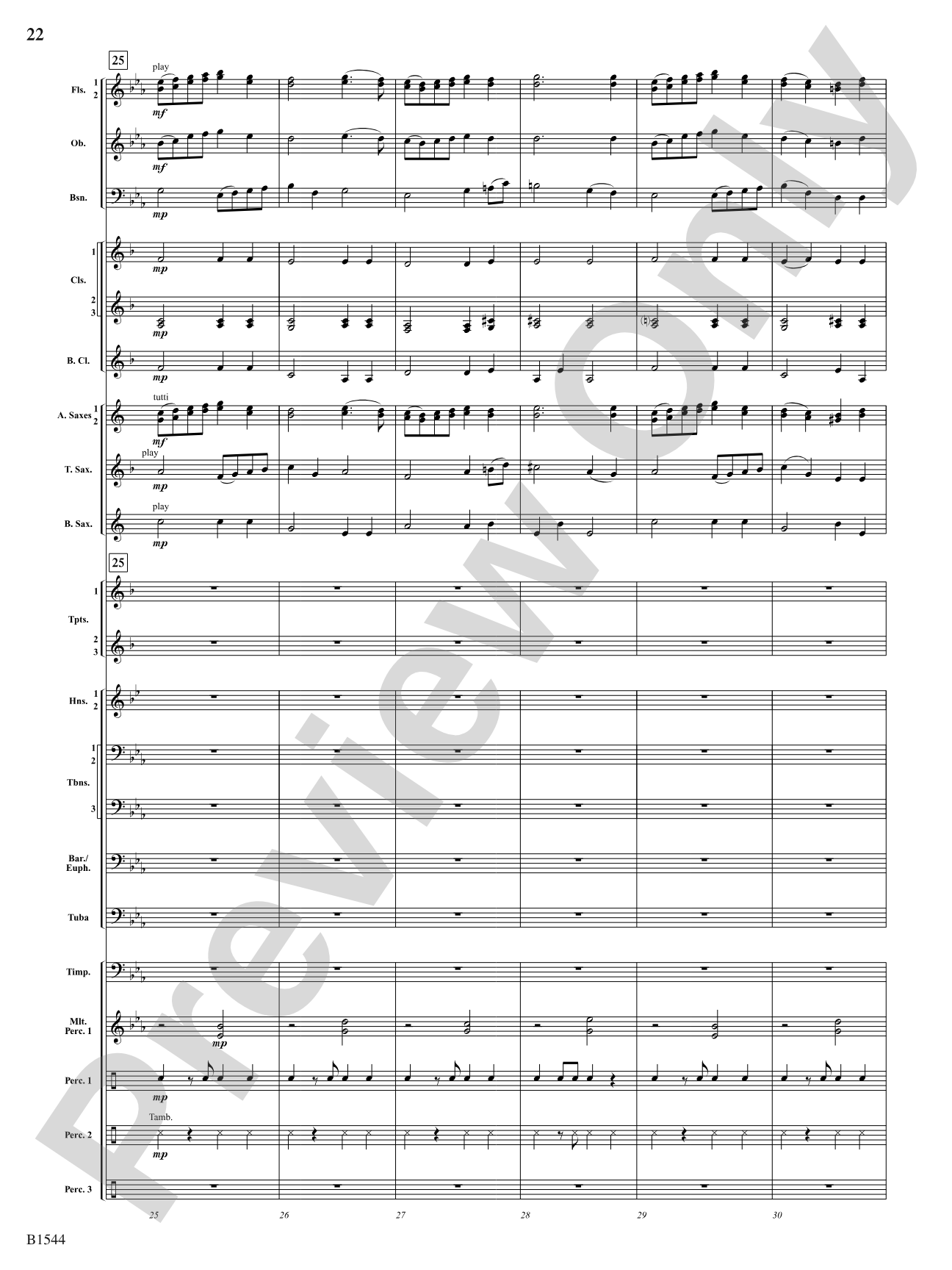
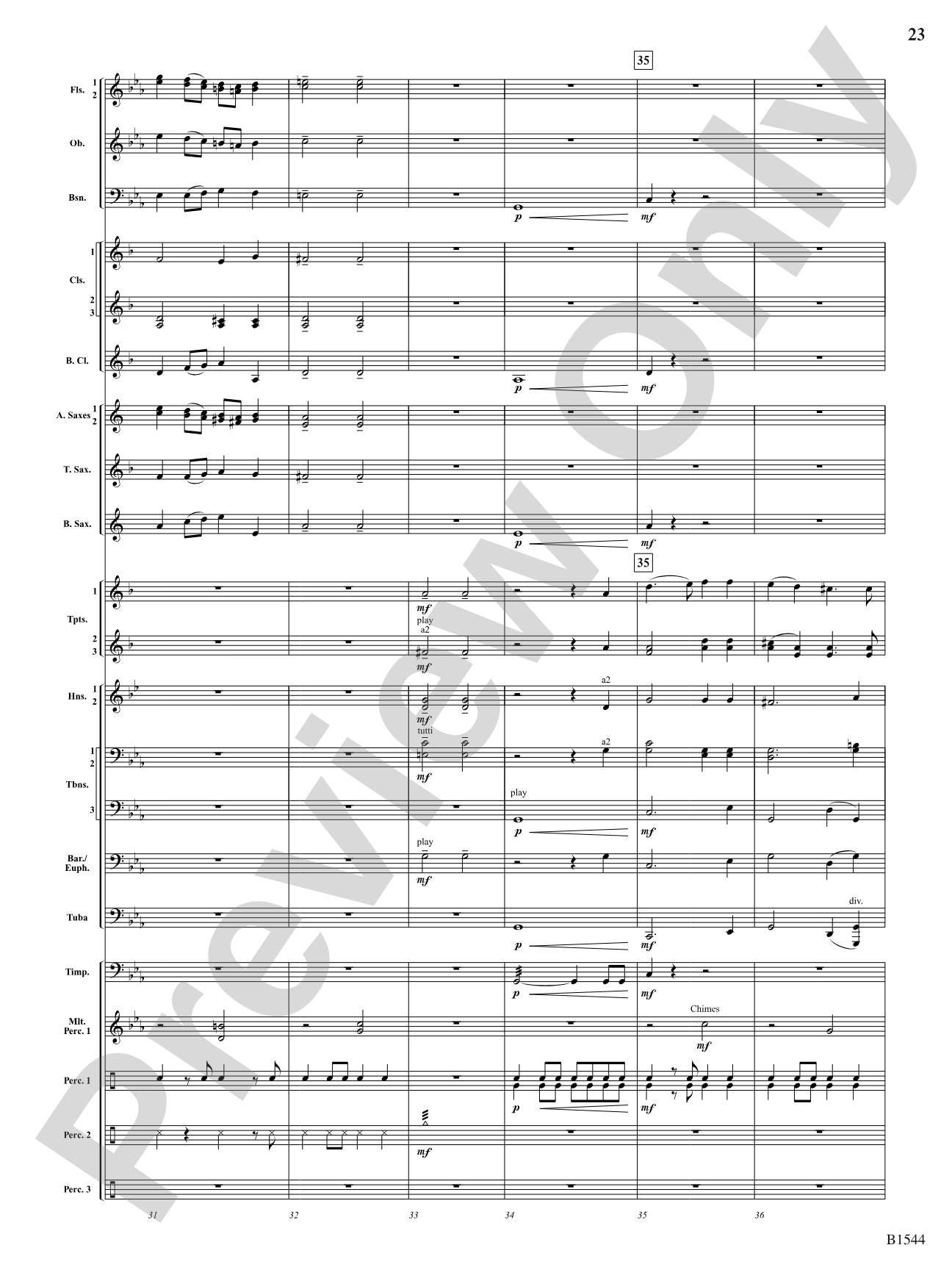
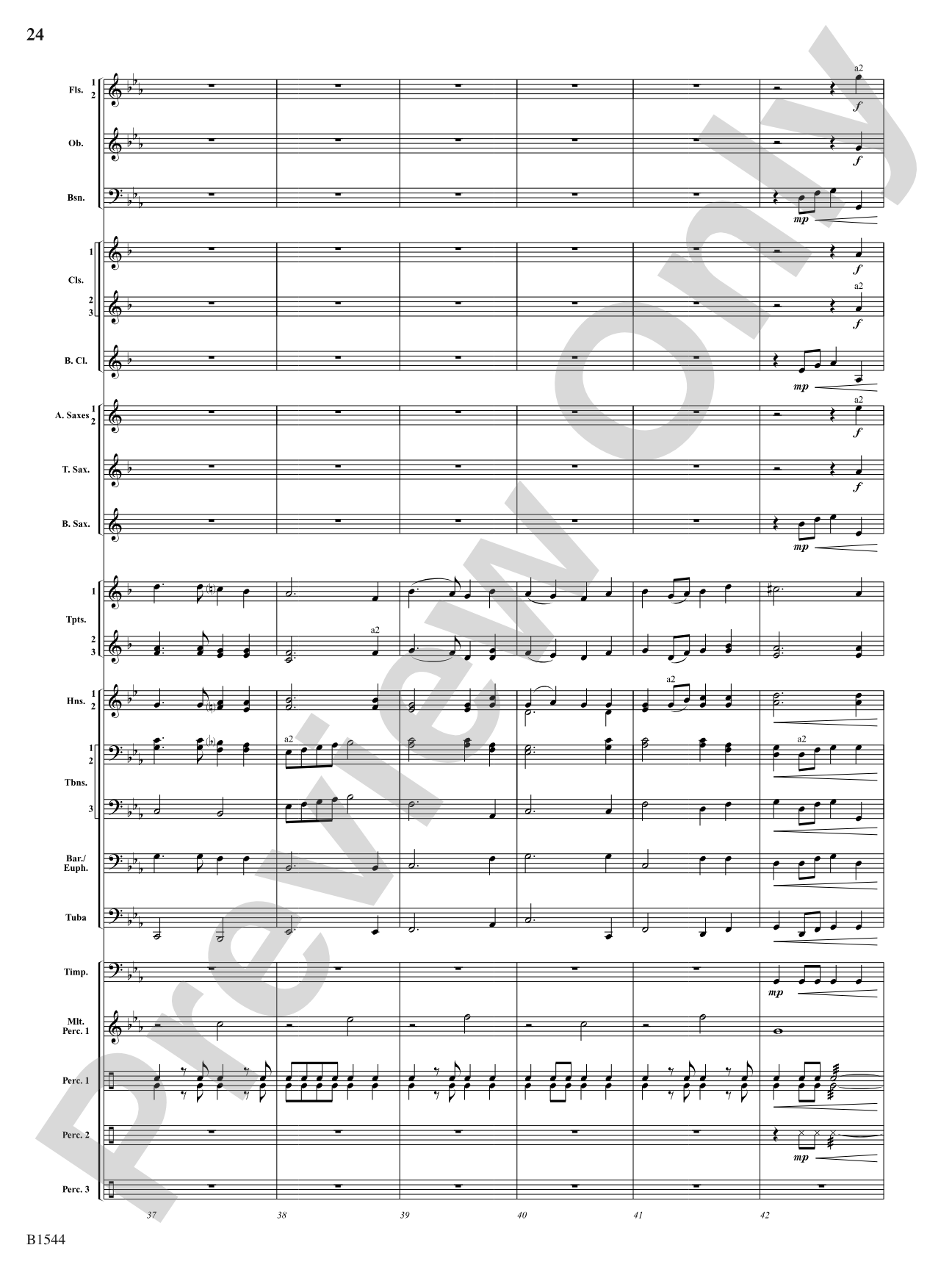
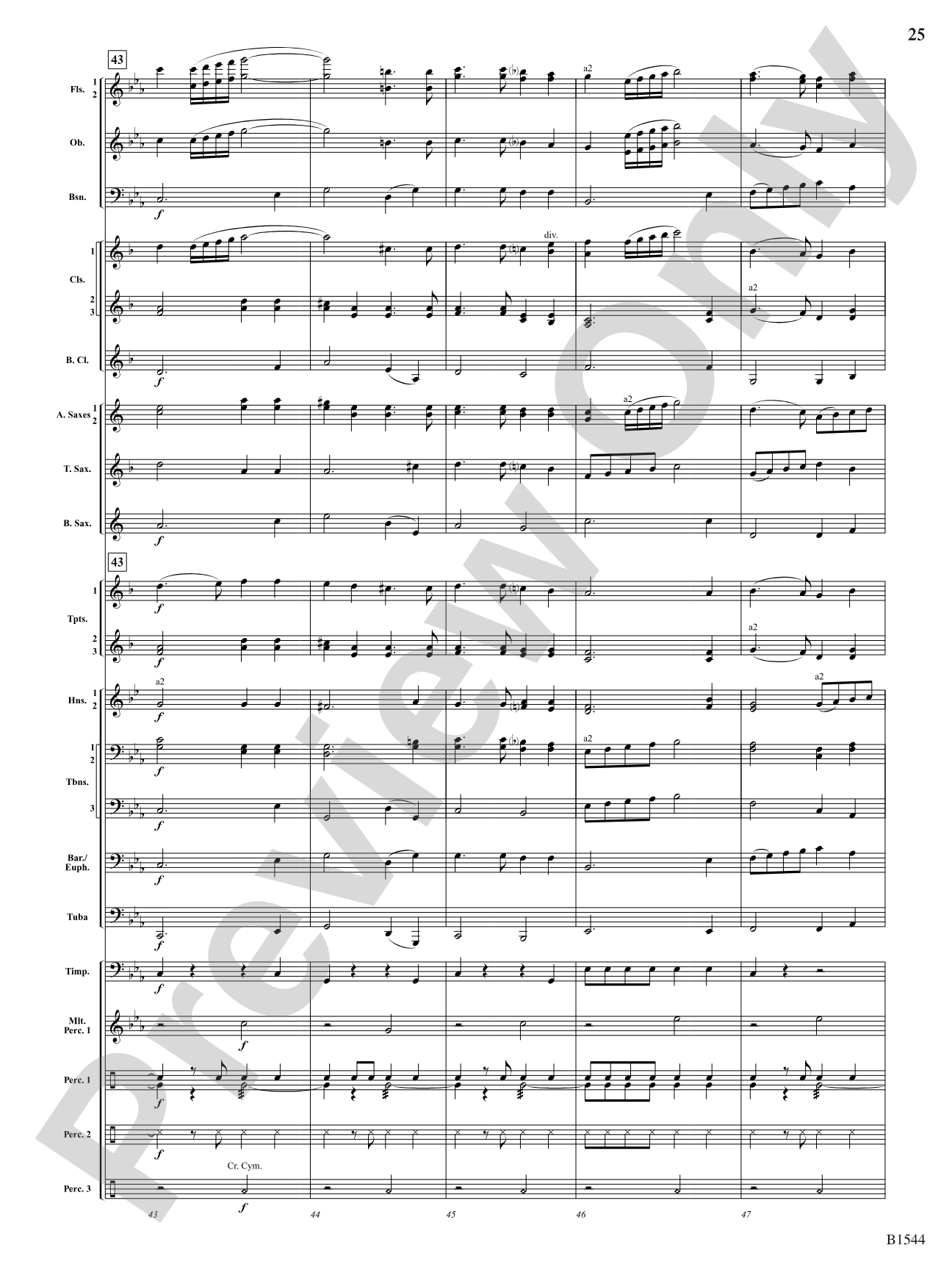
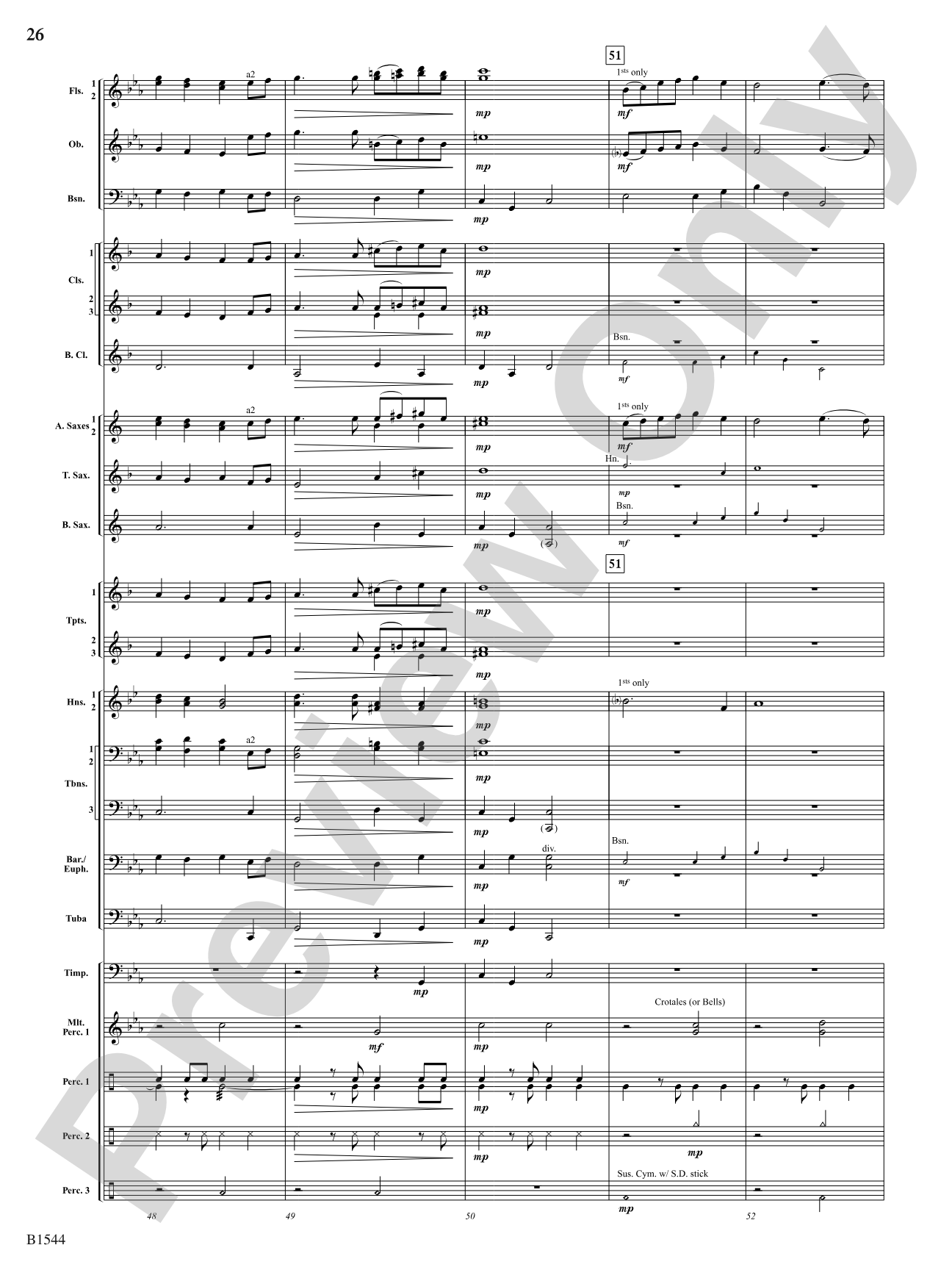
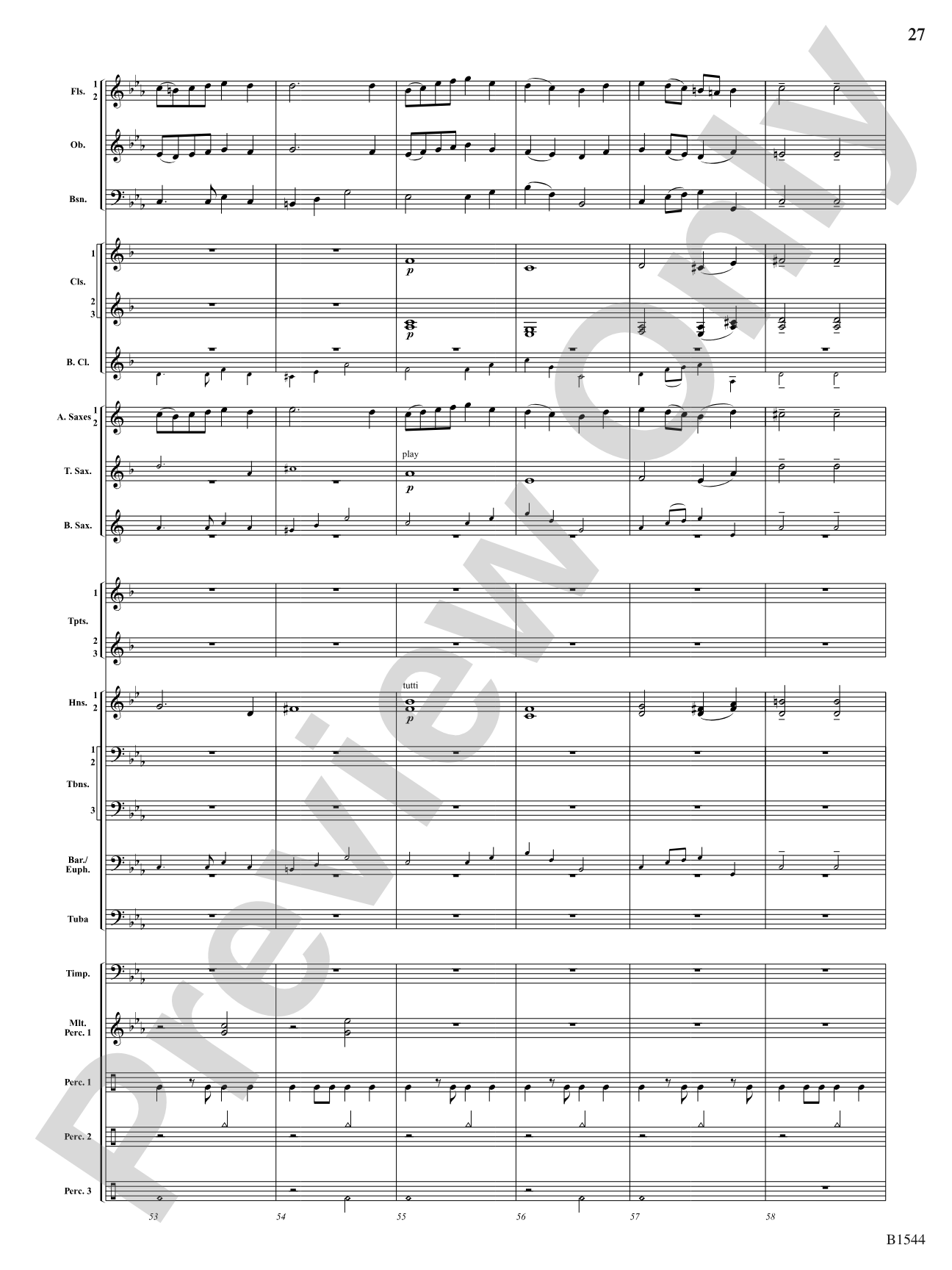
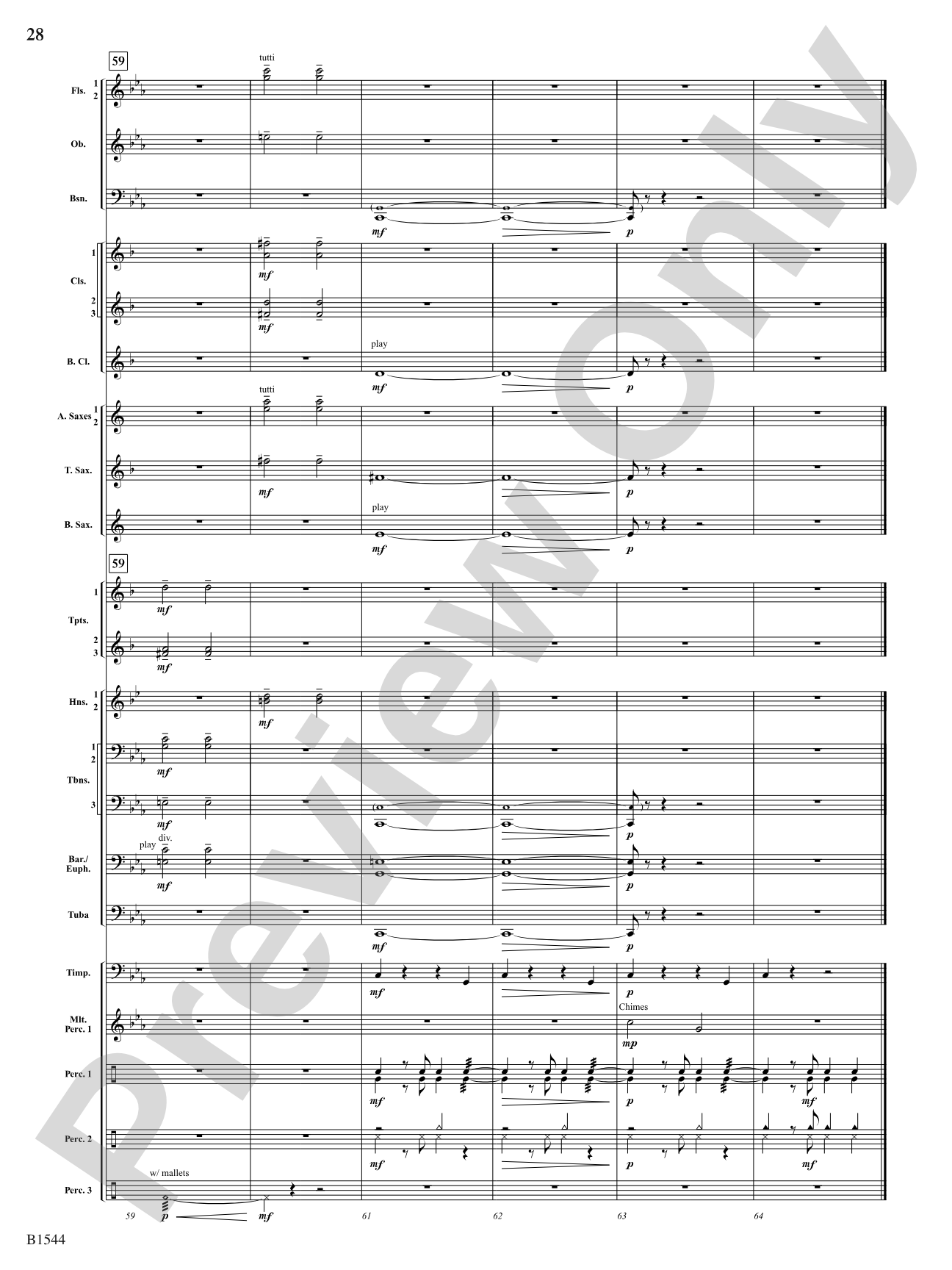
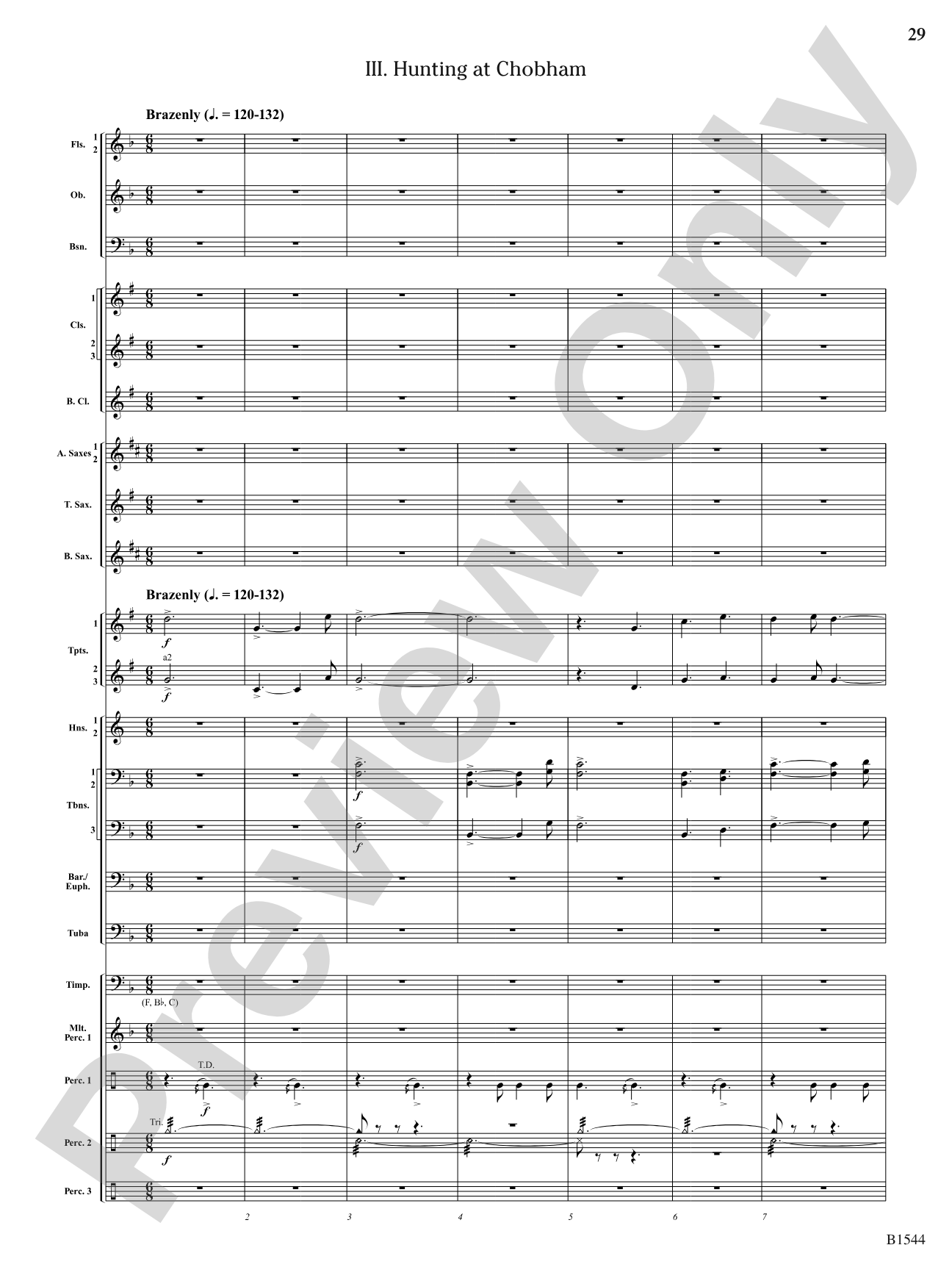
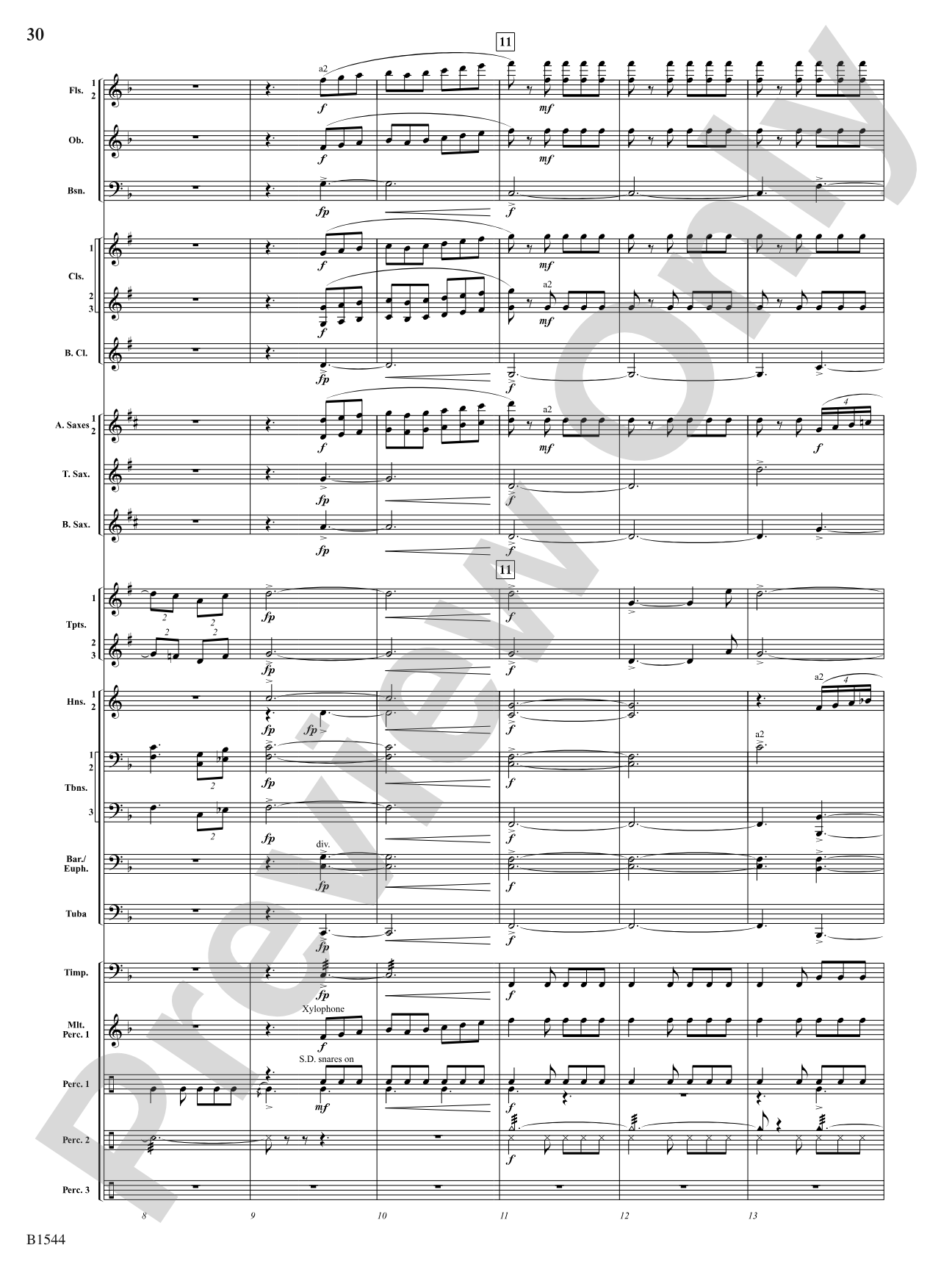
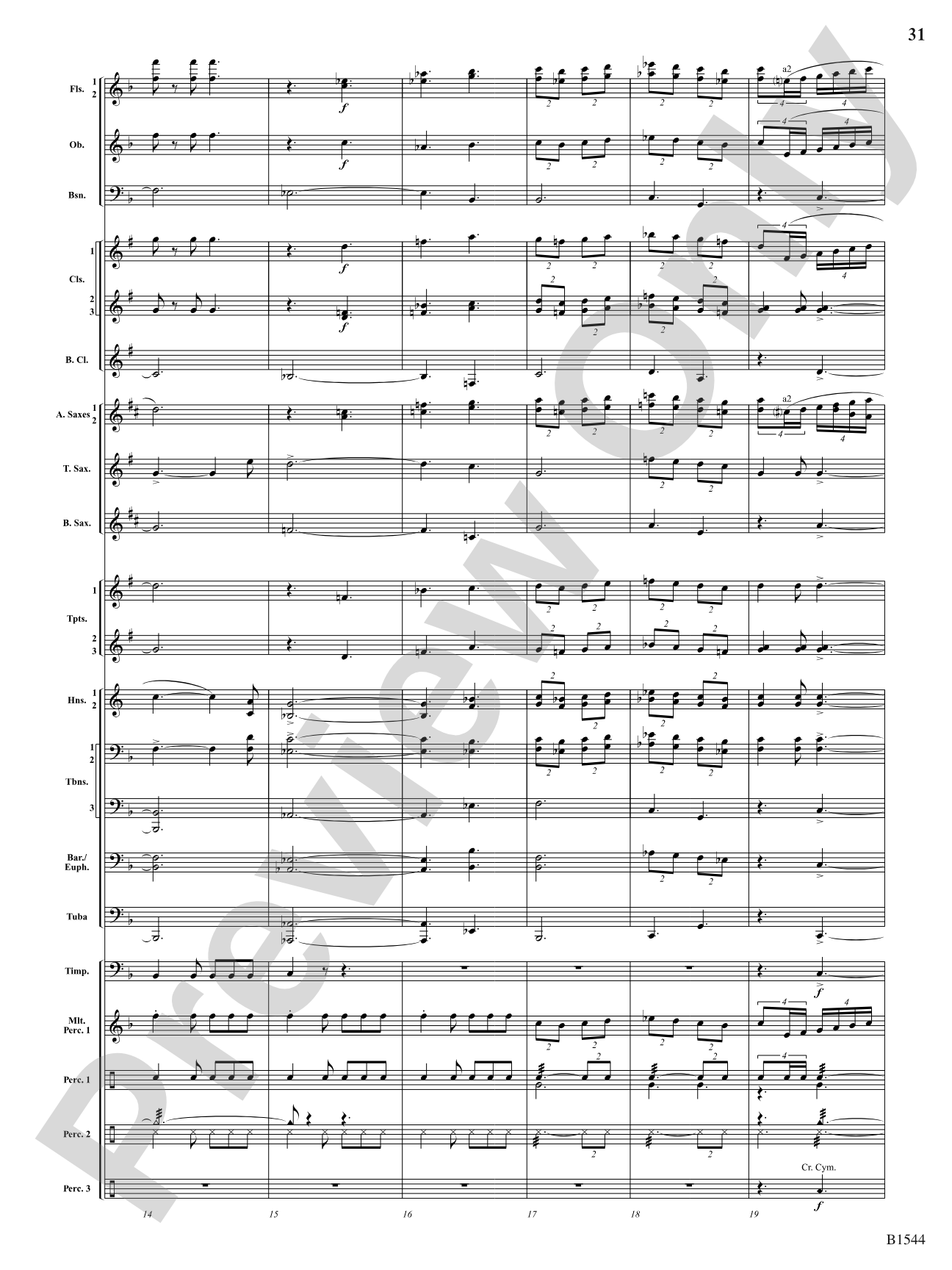
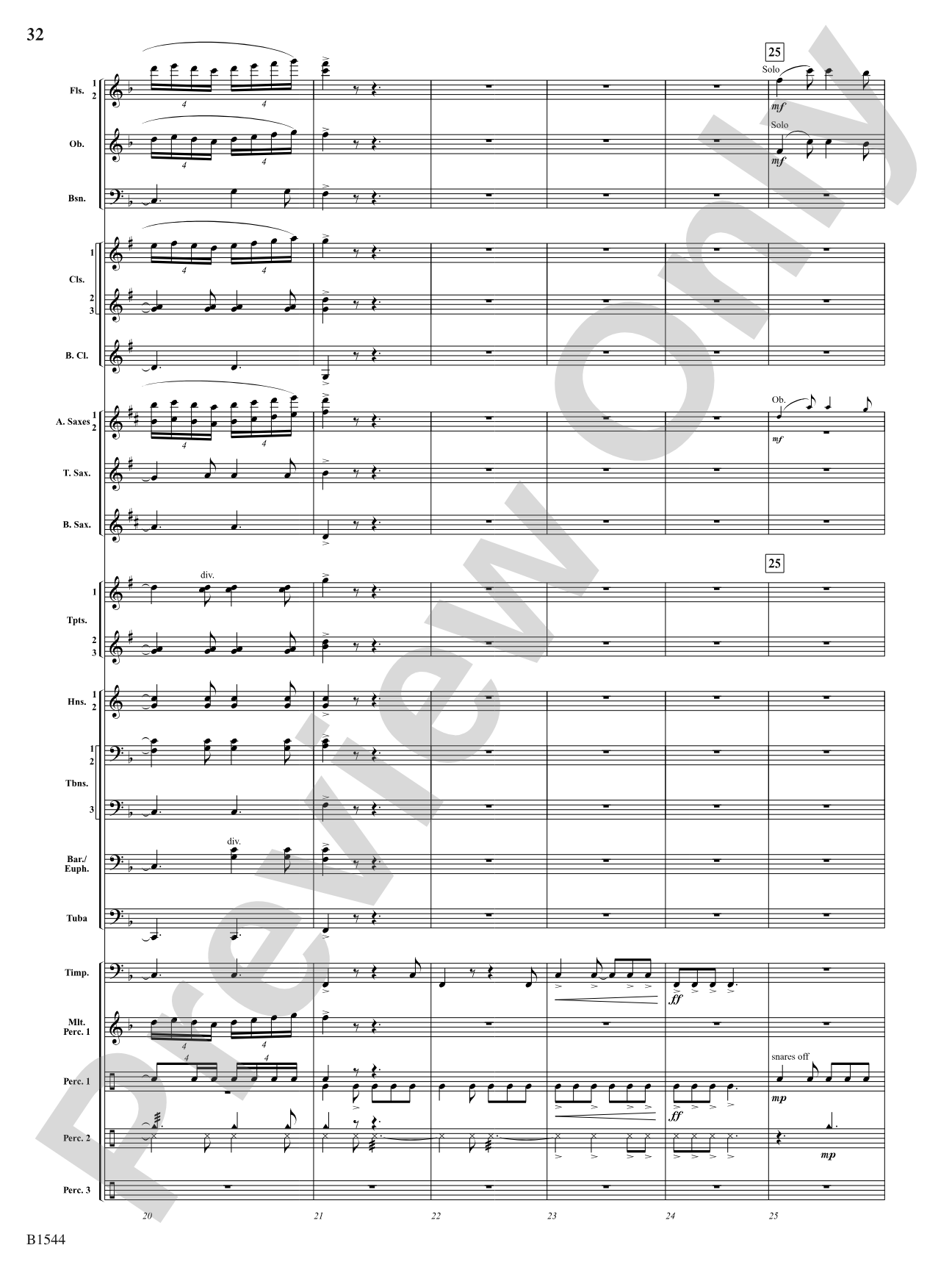
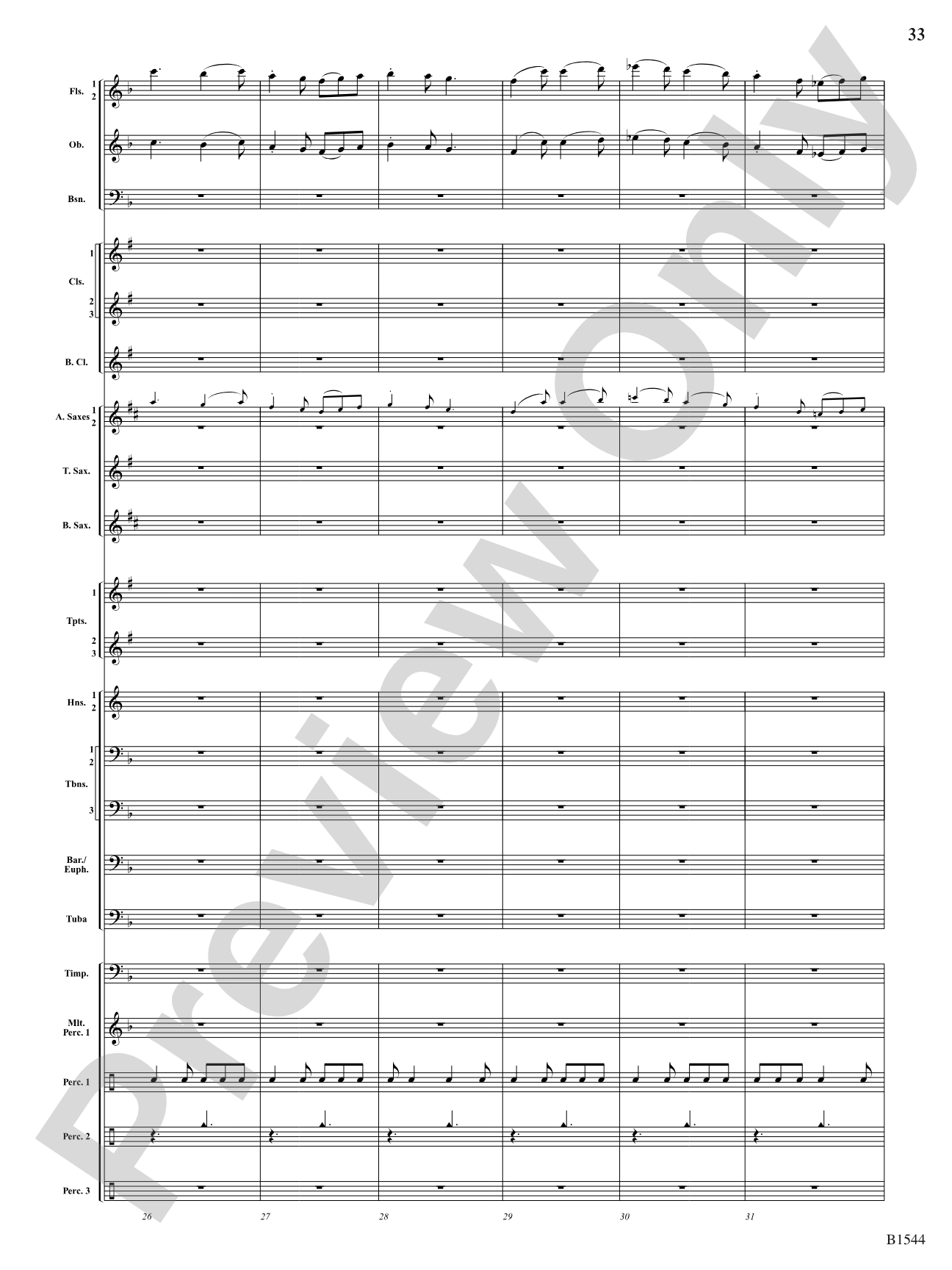
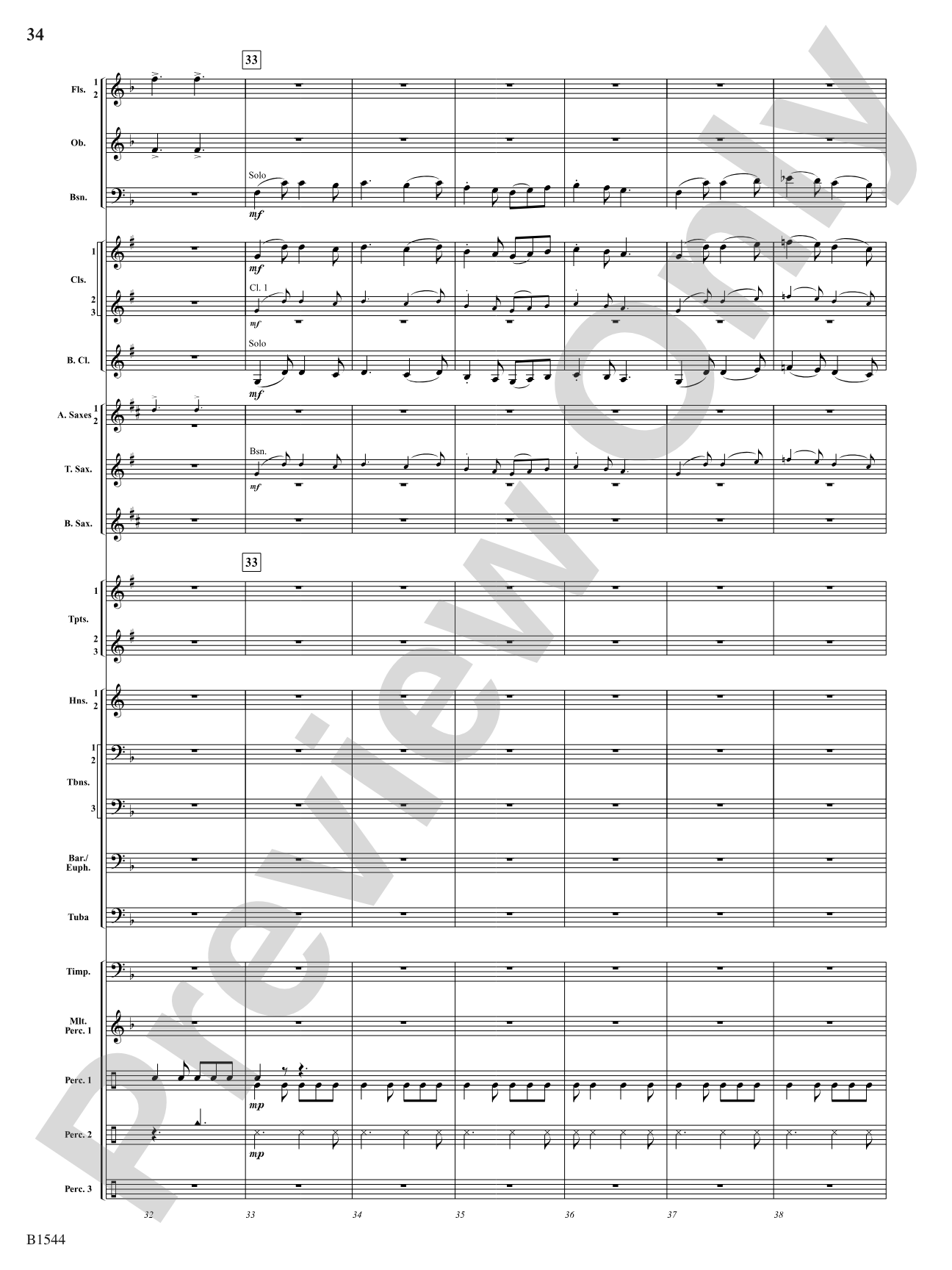
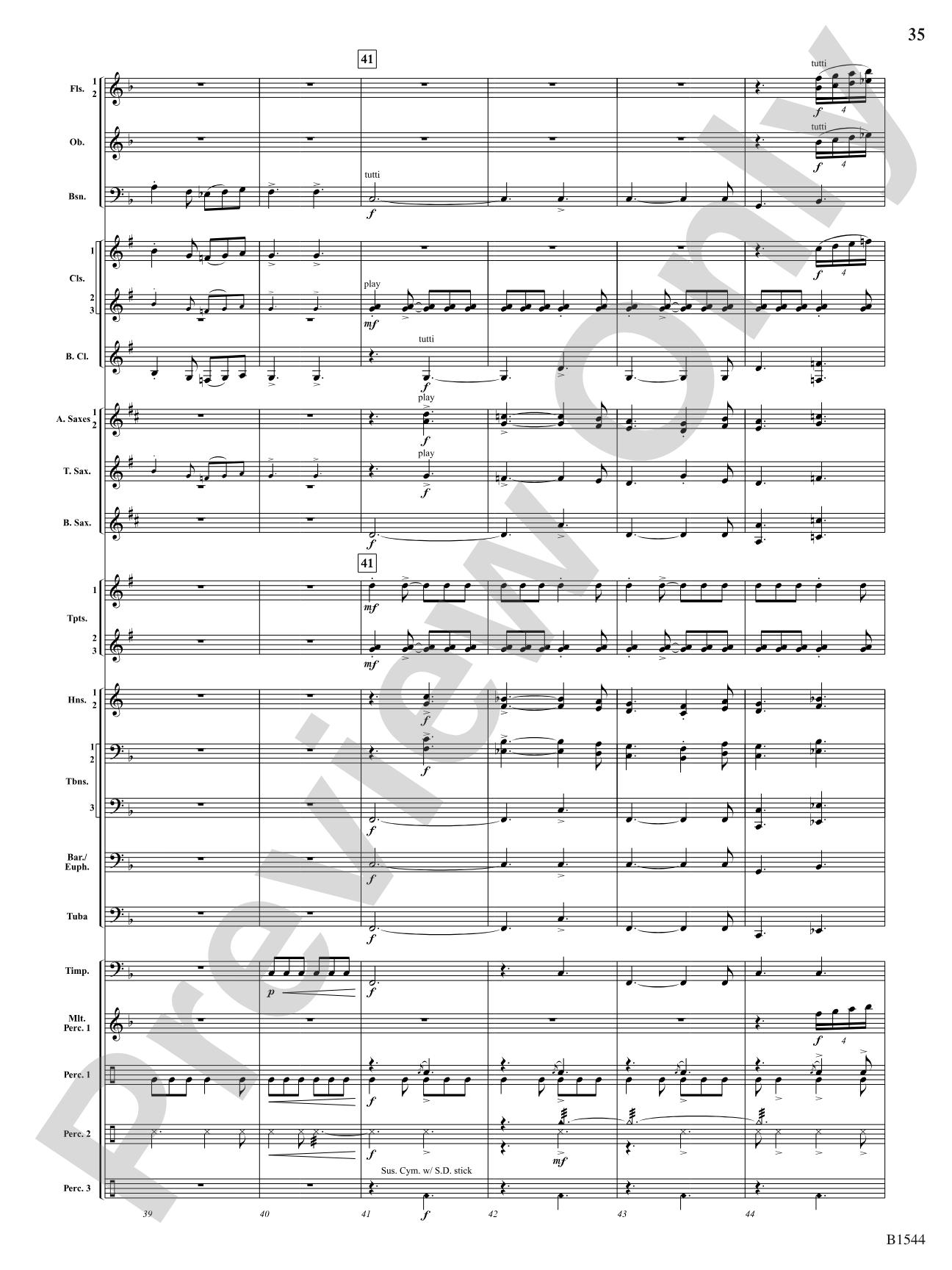
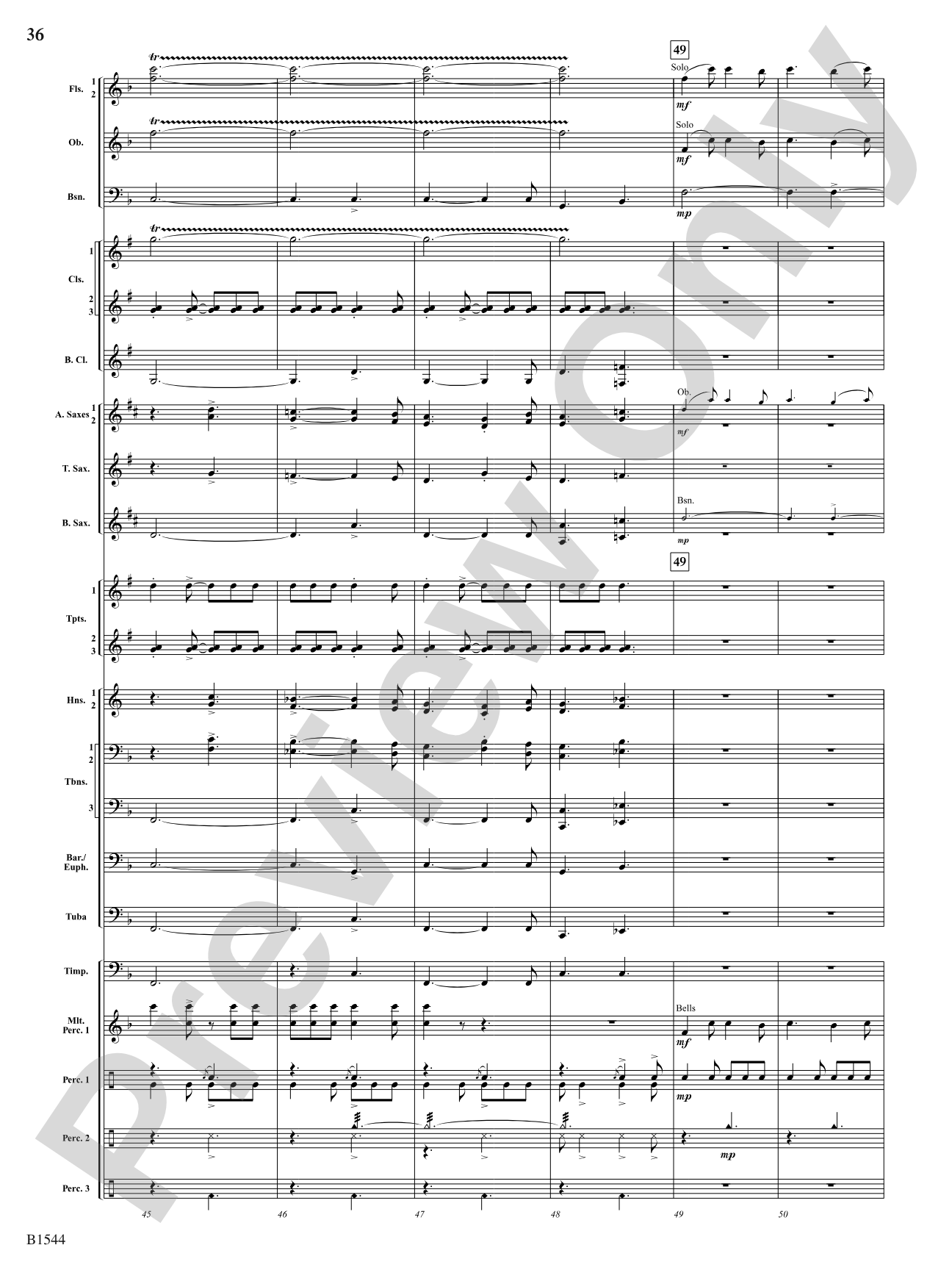
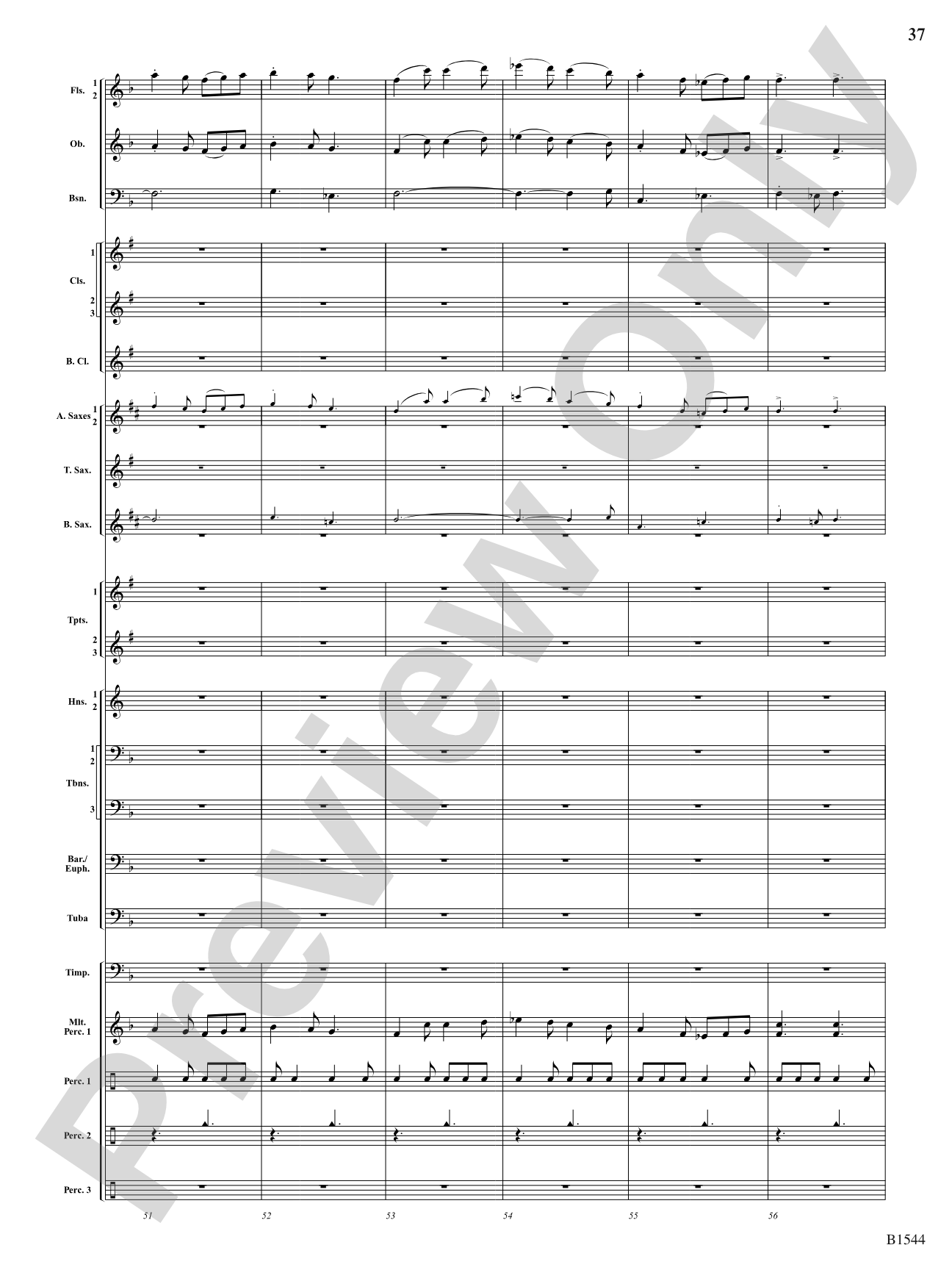
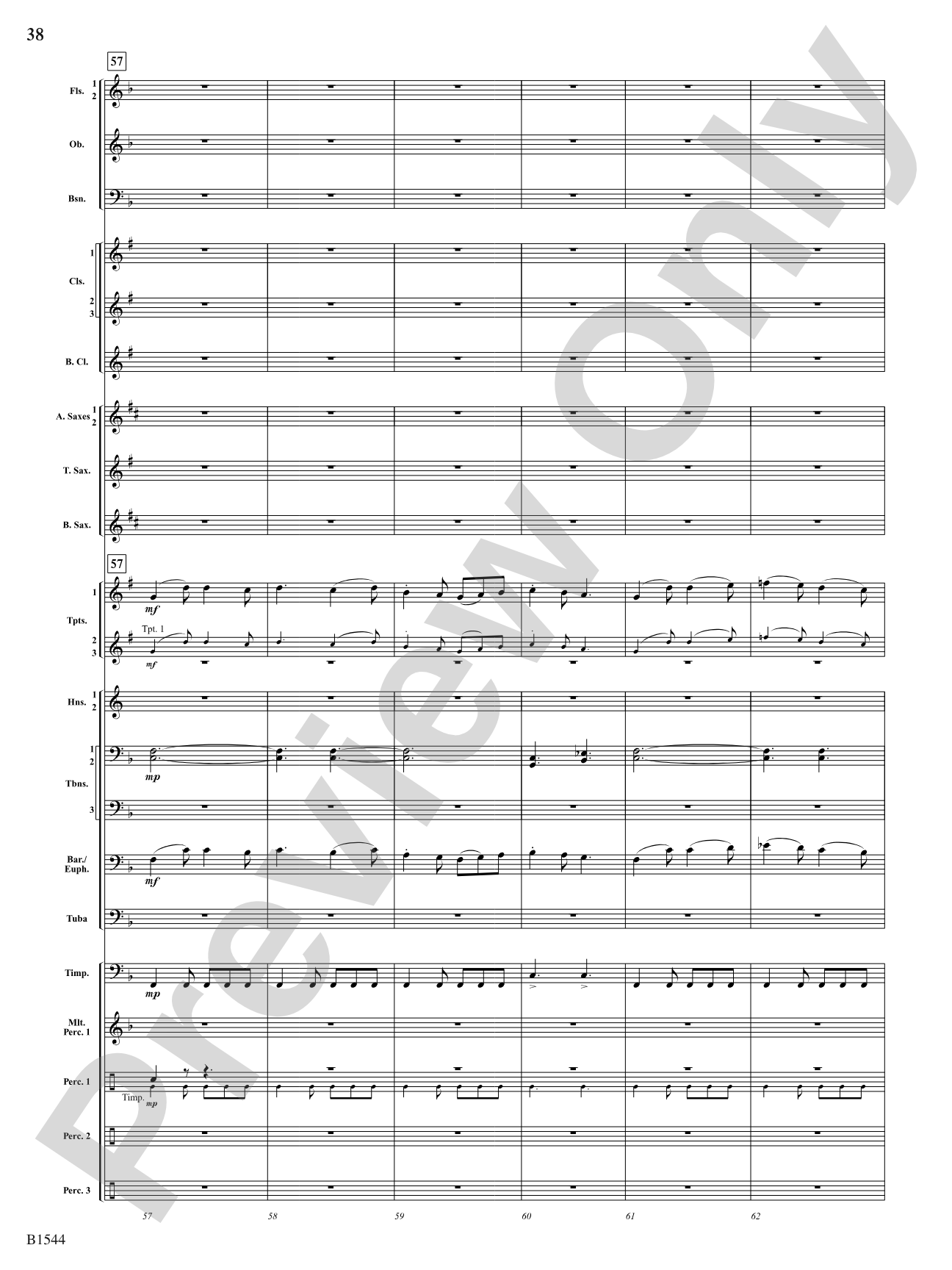
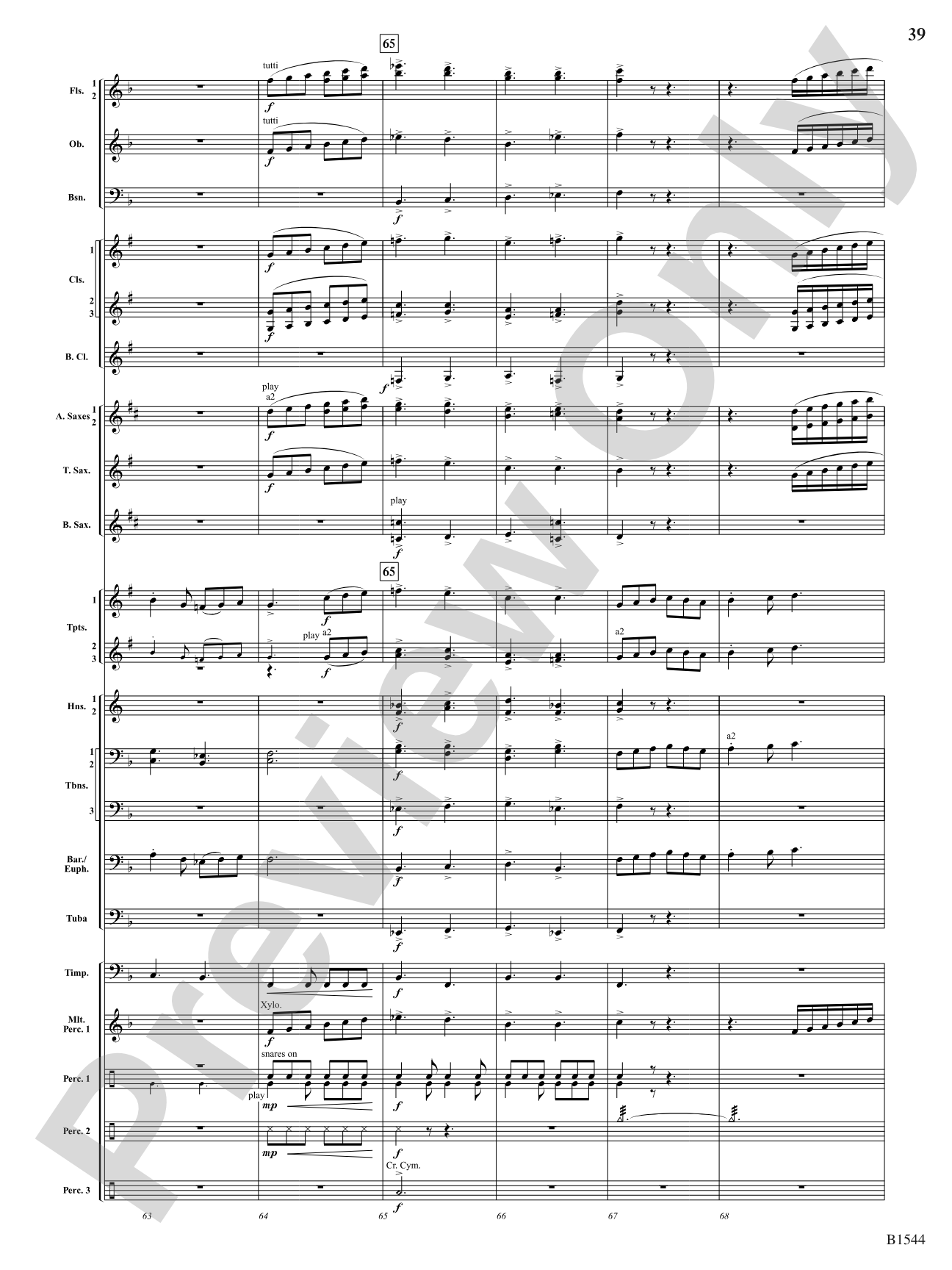
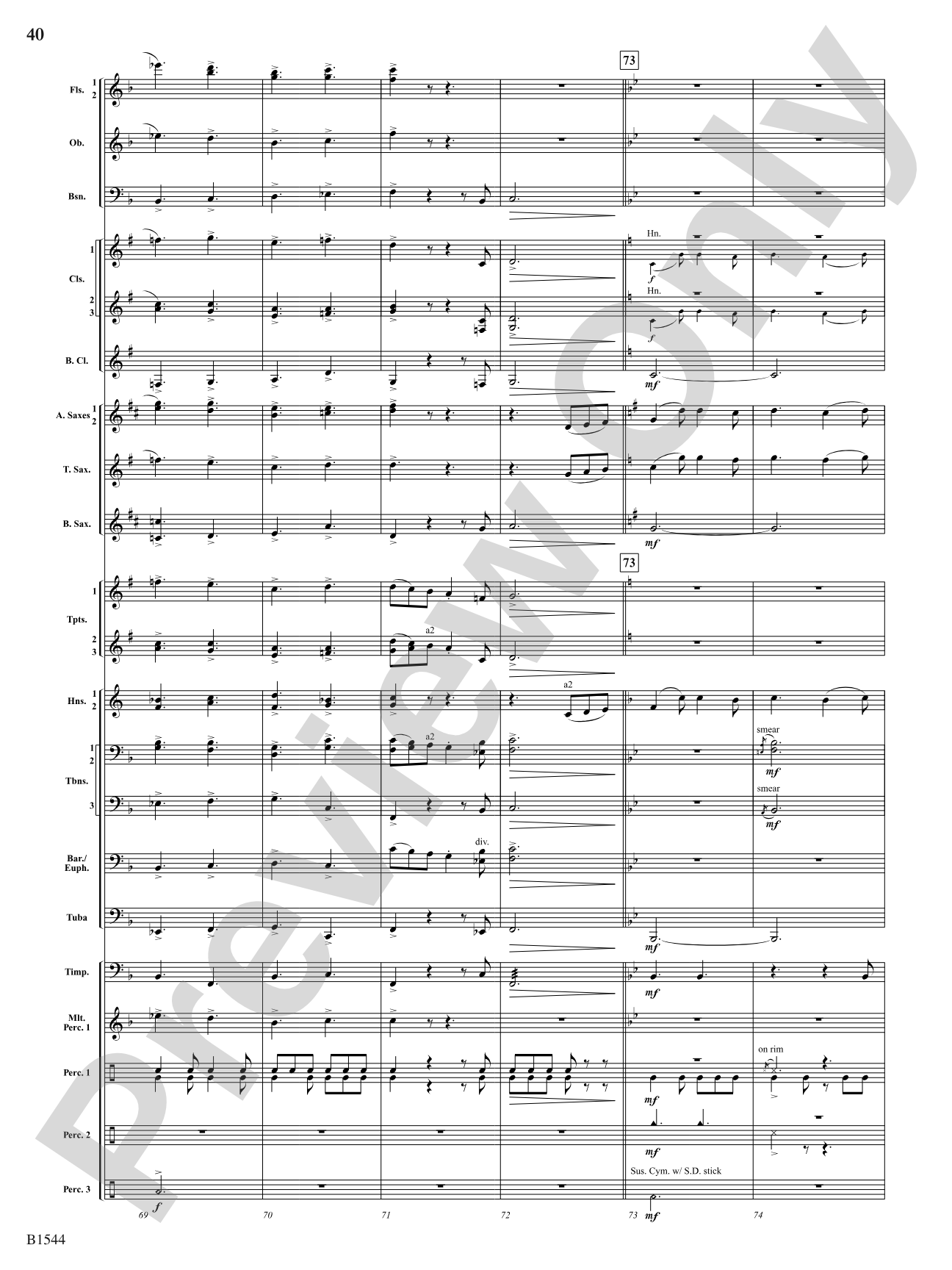
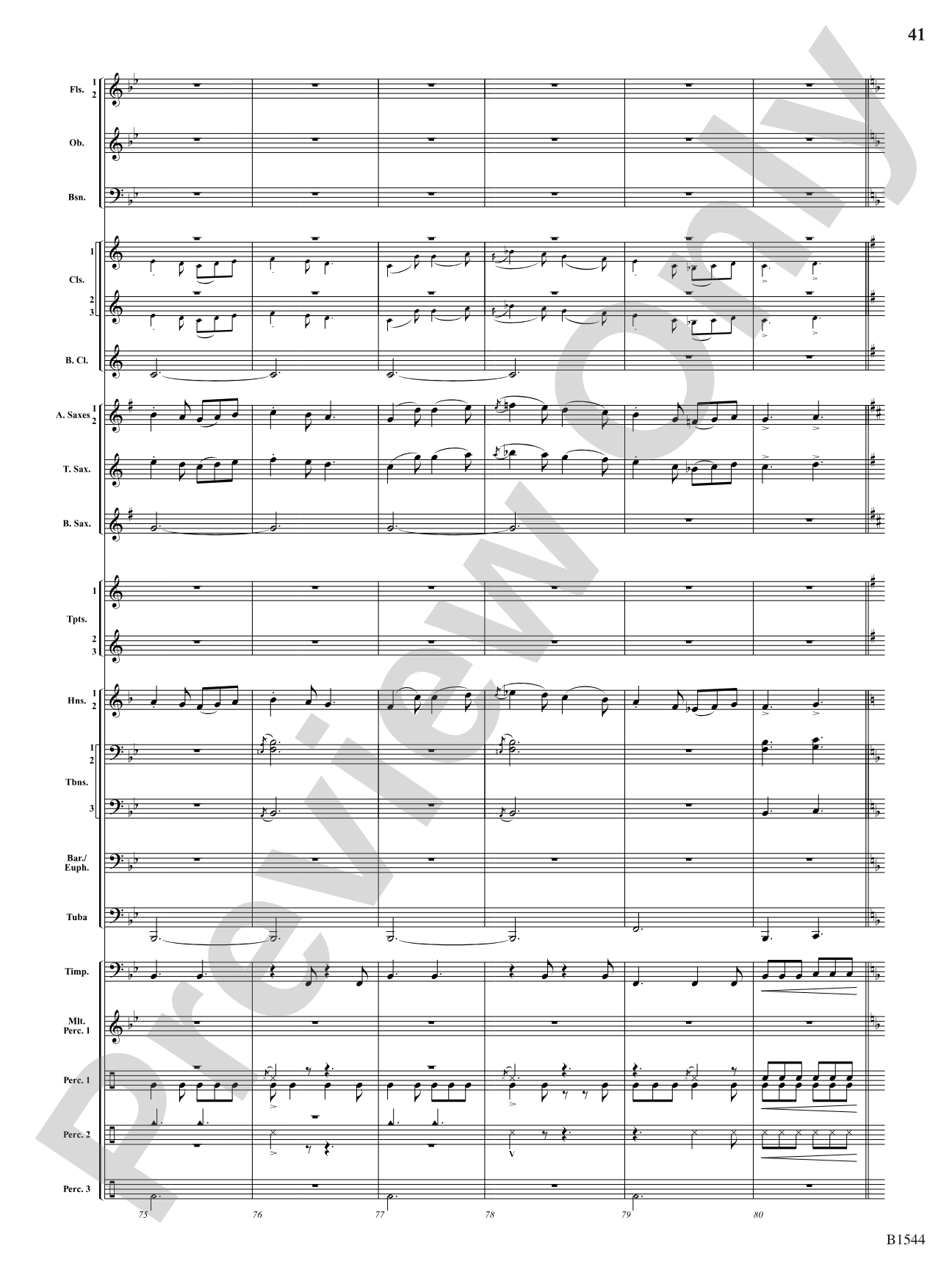
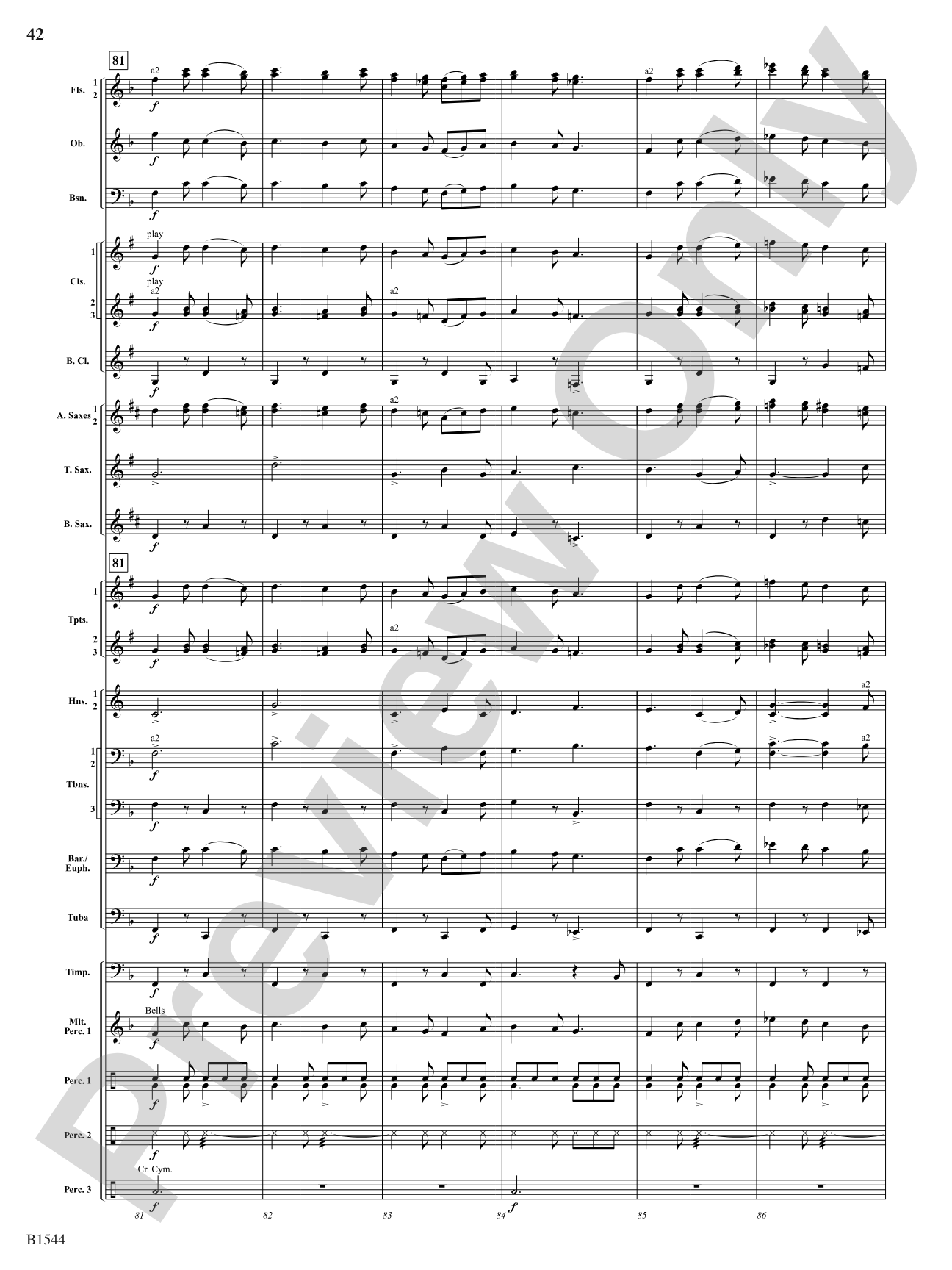
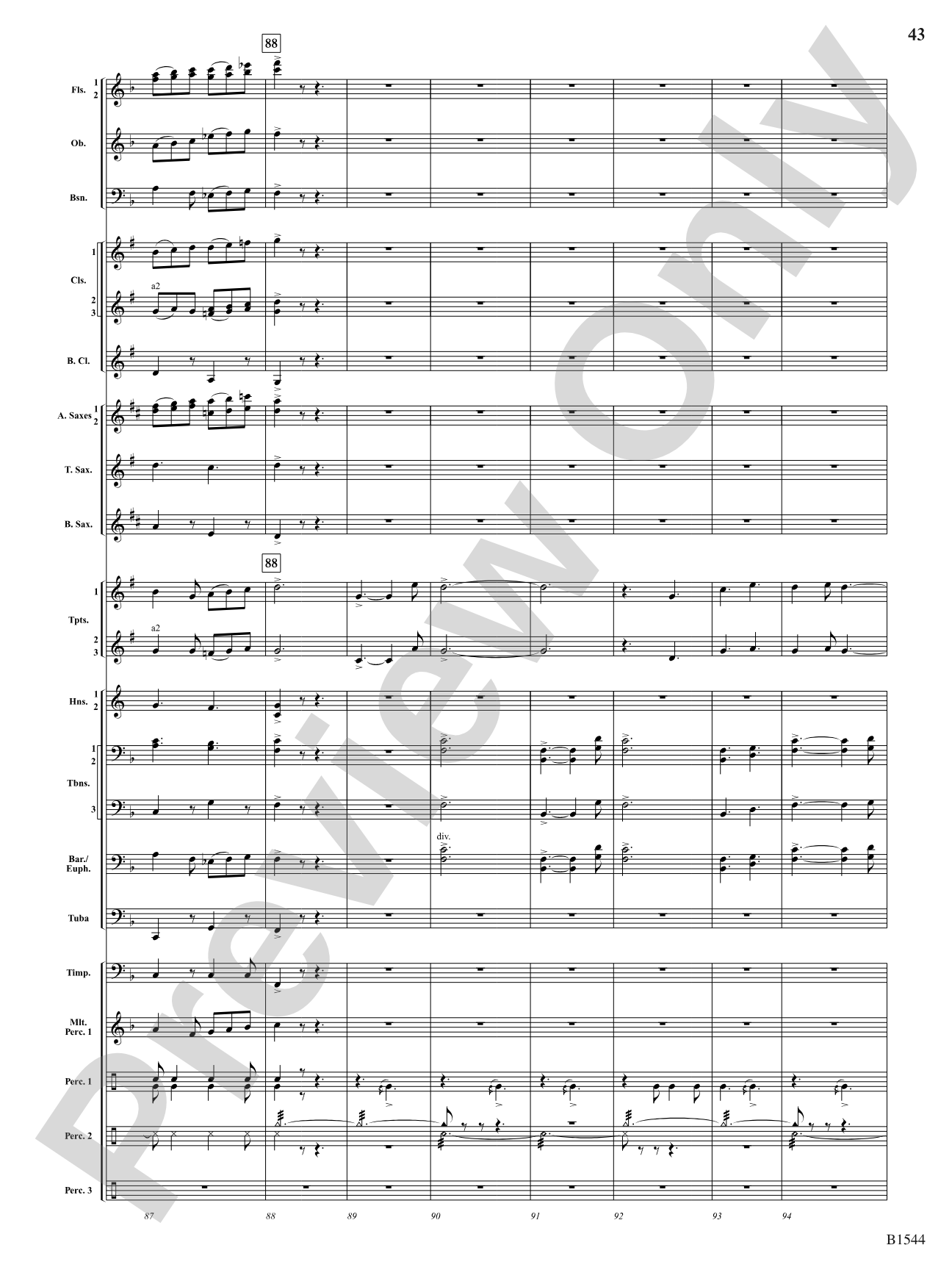
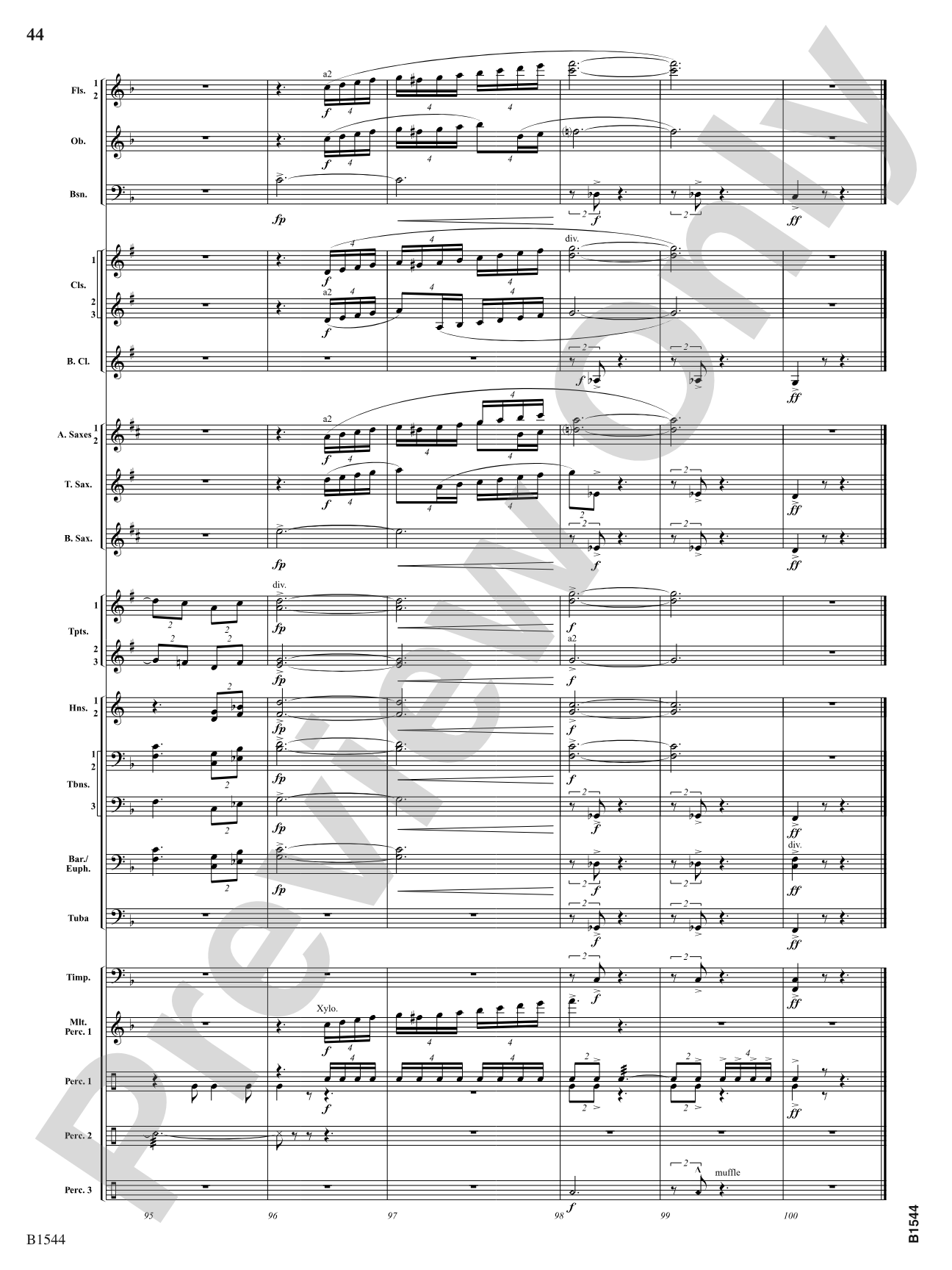

Tudor Sketches: Score
By William Owens
Grade: 3
Item: 98-DB1544S
$19.00
Pickup currently not available
Description
This magnificent three-movement work pays homage to the House of Tudor, a European royal house that ruled England and Ireland in the 16th century. A blithely woodwind anthem and a rollicking dance heralds in Hampton Court, a principal residence of King Henry VIII. Good Queen Bess, the regal second movement, depicts the court of Queen Elizabeth I. The intrepid Hunting at Chobham portrays an aggressive game of chase in the vast 500 acre hunting park held by the Tudors for nearly 70 years. Fantastic writing!


Don't just read it, hear it, play along with it, and watch your students grow with it. In MakeMusic Cloud, Tudor Sketches: Score comes alive with professional accompaniment, adjustable tempo, and built-in practice tools that turn solo practice into real progress.
Open in the Player
Jump straight in and assign it today.
Start Your Free Trial
Open this title and explore the full library in minutes.
Sample Audio
1
Audio File
--:--
0:00
0:00
Sample Video
No sample videos found.
Additional Details
Series:
FJH Concert Band
Publisher:
The FJH Music Company, Inc.
SKU:
98-DB1544S
More about this title
About the Composer: William Owens

William Owens has shaped the young band repertoire for decades as both educator and composer. A Chicago-trained musician who spent 30 years directing bands in Texas, Owens brings classroom experience directly into his writing. His catalog of over 300 works for concert band, string orchestra, and small ensemble has earned him recognition on contest and festival lists across North America and abroad.
Owens holds membership in ASCAP, Phi Beta Mu, and the Texas Music Educators Association, and his compositions have been analyzed in educational texts as staples of accessible band literature. His practical compositional approach consistently balances musical substance with pedagogical clarity, a philosophy shaped by his time as a working band director and reinforced through commissions from college programs and national professional organizations.
Why we love this
Owens demonstrates real skill at turning historical narrative into engaging concert band writing without sacrificing musicianship. The three-movement design gives your ensemble multiple distinct musical characters to develop, from the buoyant woodwind textures of the opening movement to the dignity of Queen Elizabeth's court and the driving energy of the hunt. At Grade 3, the piece sits at that sweet spot where young musicians can handle genuine ensemble challenges while remaining fully in command of the music.
What to expect
Tudor Sketches transports your ensemble across three vivid scenes: first into the vibrant bustle of a Tudor palace court, then into the quiet reverence of Elizabeth's reign, and finally into the chaos and thrill of a period hunting expedition. The orchestration captures period color and character at each turn, giving young players the satisfaction of painting with sound.
Who it's for
Band directors seeking programmatic material that engages audiences and musicians alike at the Grade 3 level. This work appeals to directors who want their bands playing music with narrative depth and stylistic variety, music that teaches ensemble blend and dynamic control while remaining accessible to developing musicians.
How to get the most out of it
- Balance the woodwind melody prominently in the first movement while keeping the harmonic support warm and full underneath; this is the piece's greeting to the audience and deserves clarity.
- Shape the "Good Queen Bess" movement with long phrasing and controlled dynamic arcs; resist rushing the lyrical passages, which benefit from space and reflection.
- Establish a steady, driving tempo for the hunt movement and lock the rhythmic figures in the lower voices; this provides the energy and momentum the aggressive chase demands.
- Use the optional parts strategically based on your ensemble size; the score allows flexibility without compromising the musical conception.
How to use it
This three-movement work fits naturally into a concert built around historical themes, British musical heritage, or spring festival programming. Program it as your centerpiece where it can anchor the first half, or use it to open a second half with immediate musical personality. The programmatic narrative makes it particularly effective for school assemblies or community concerts where non-musicians appreciate the story alongside the music.
Skills your students will build
- Sectional balance in multi-voice textures
- Phrasing across longer melodic lines
- Dynamic control and shaping within a movement
- Stylistic contrast between contrasting sections (fanfare, lyrical, rhythmic)
- Reading and executing programmatic musical expression