
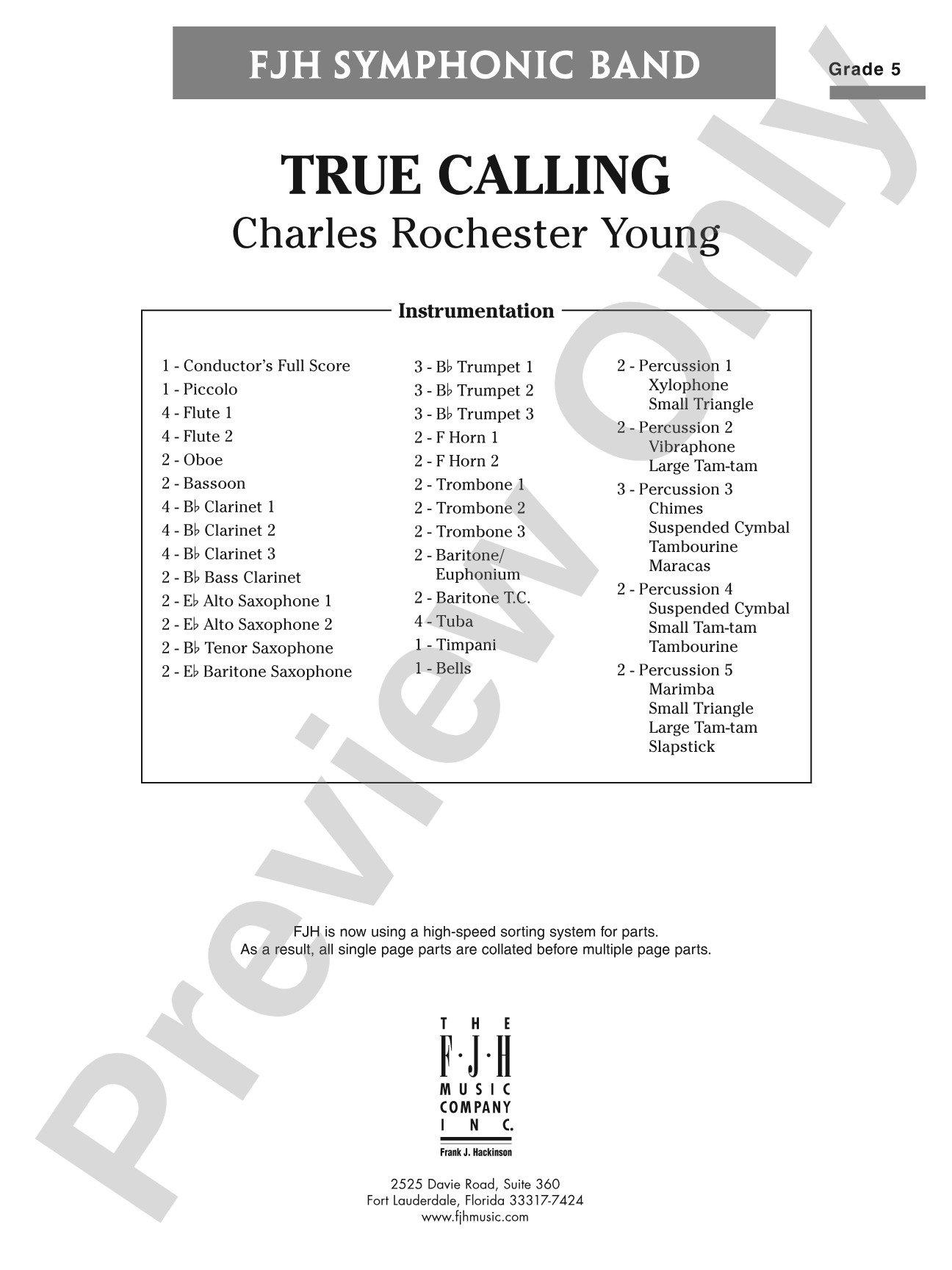
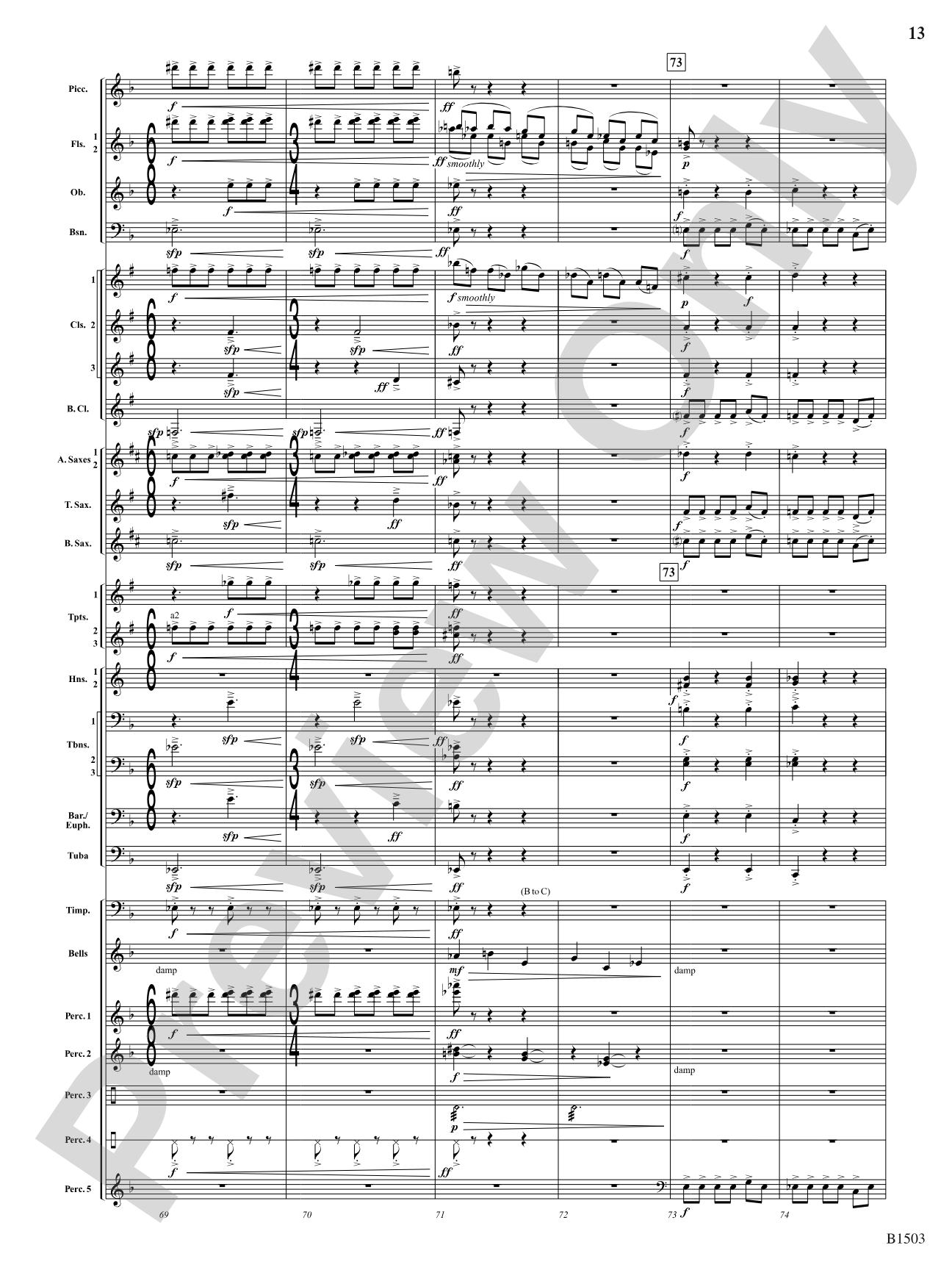
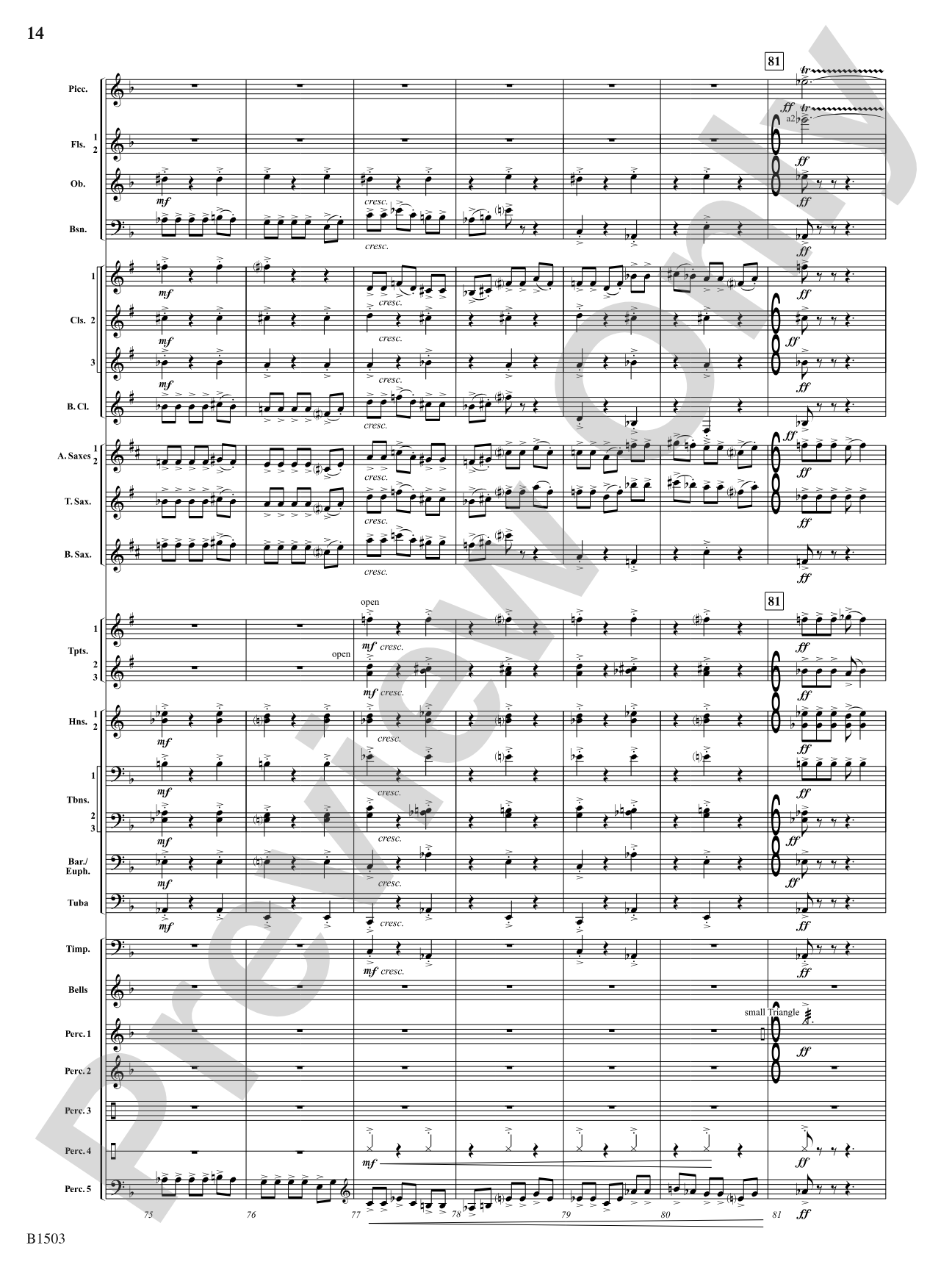
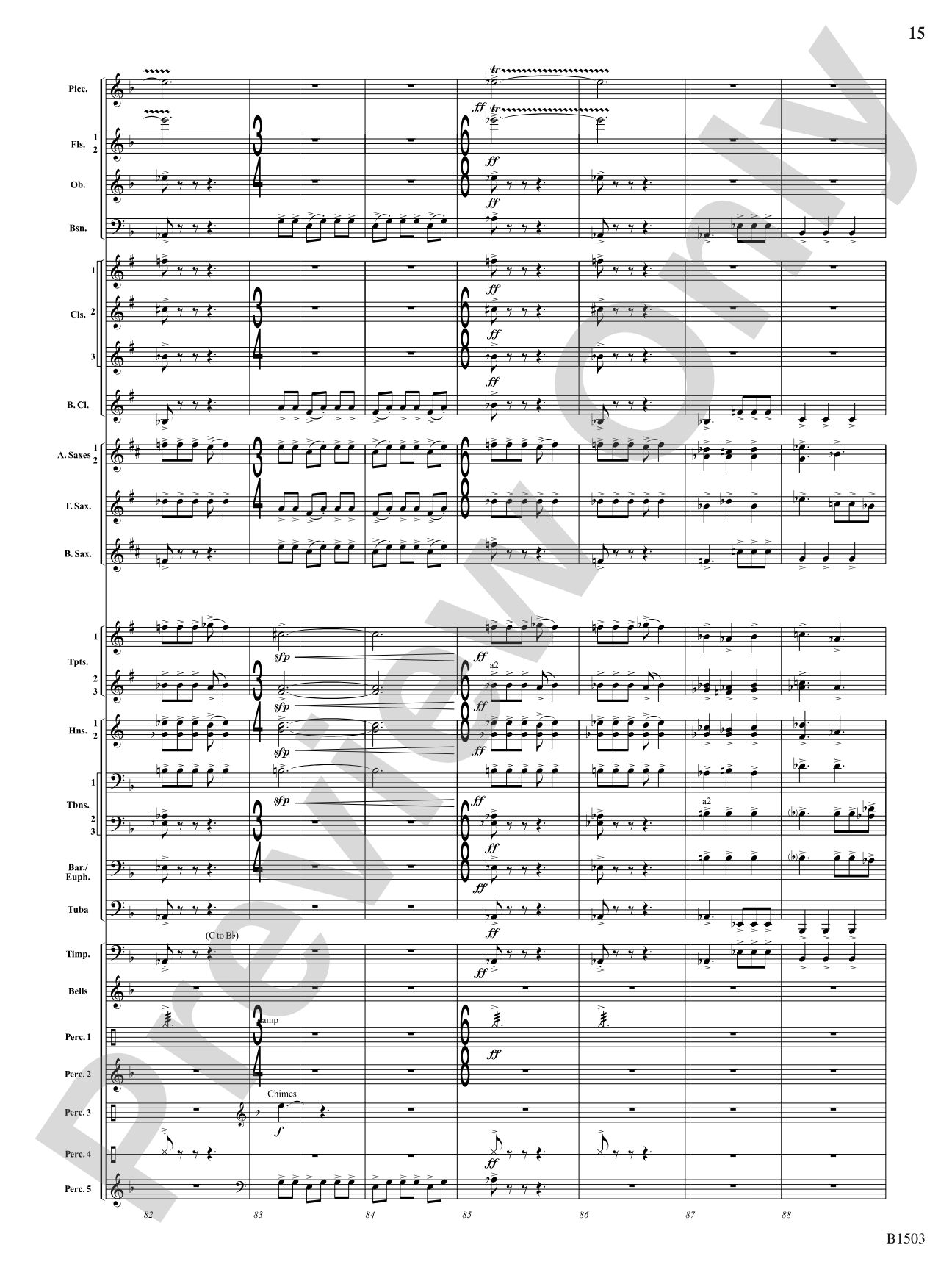
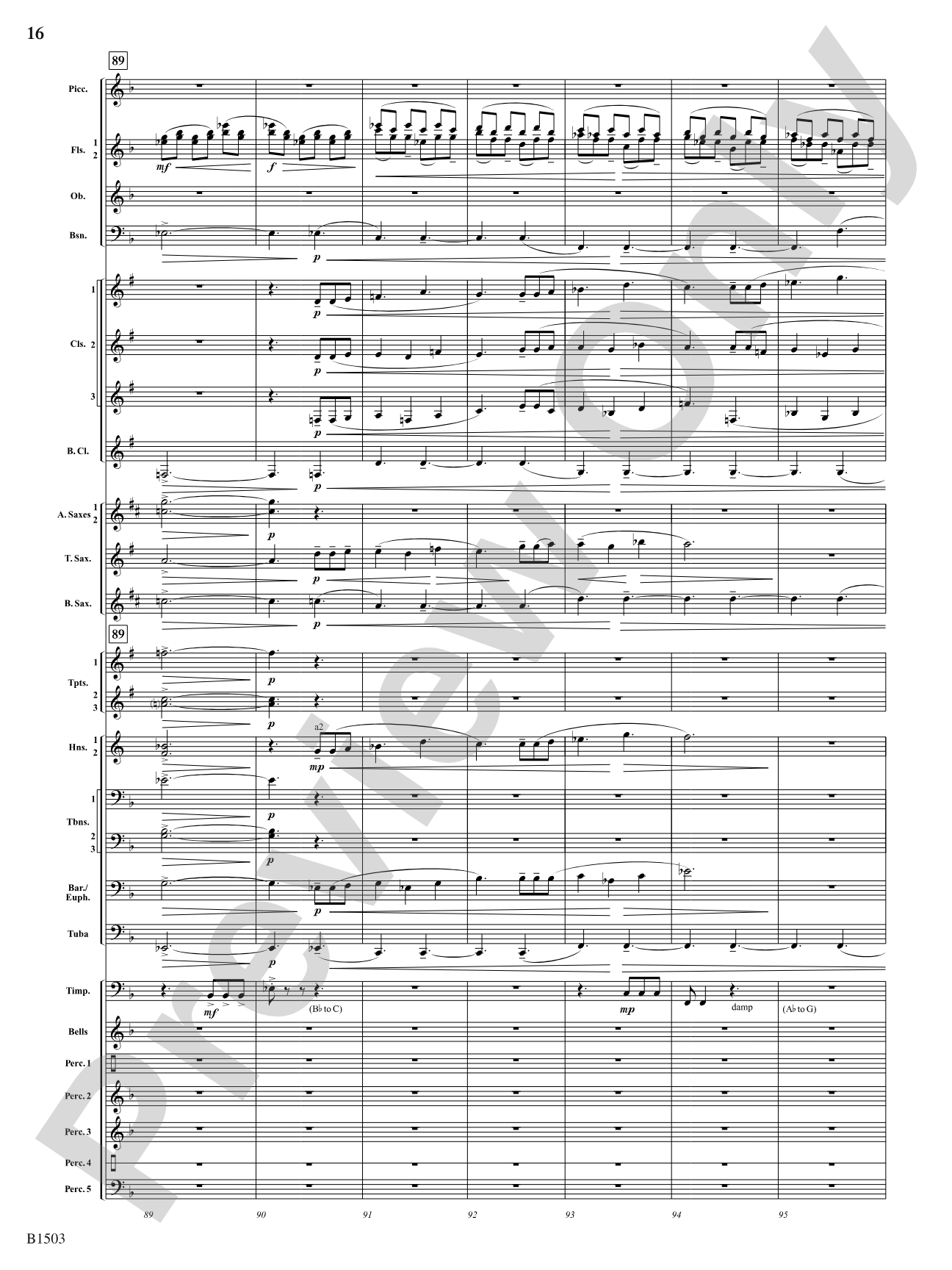
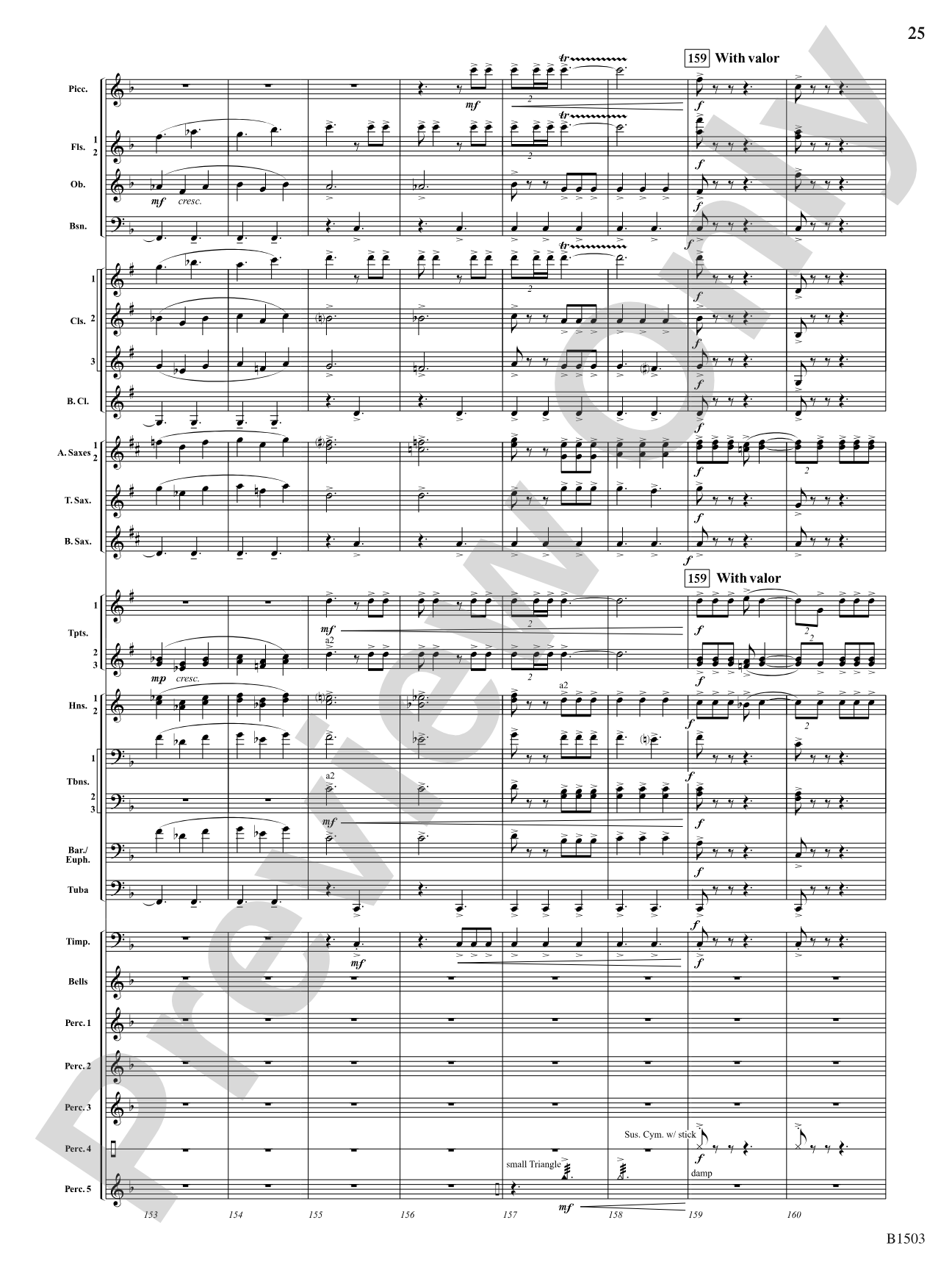
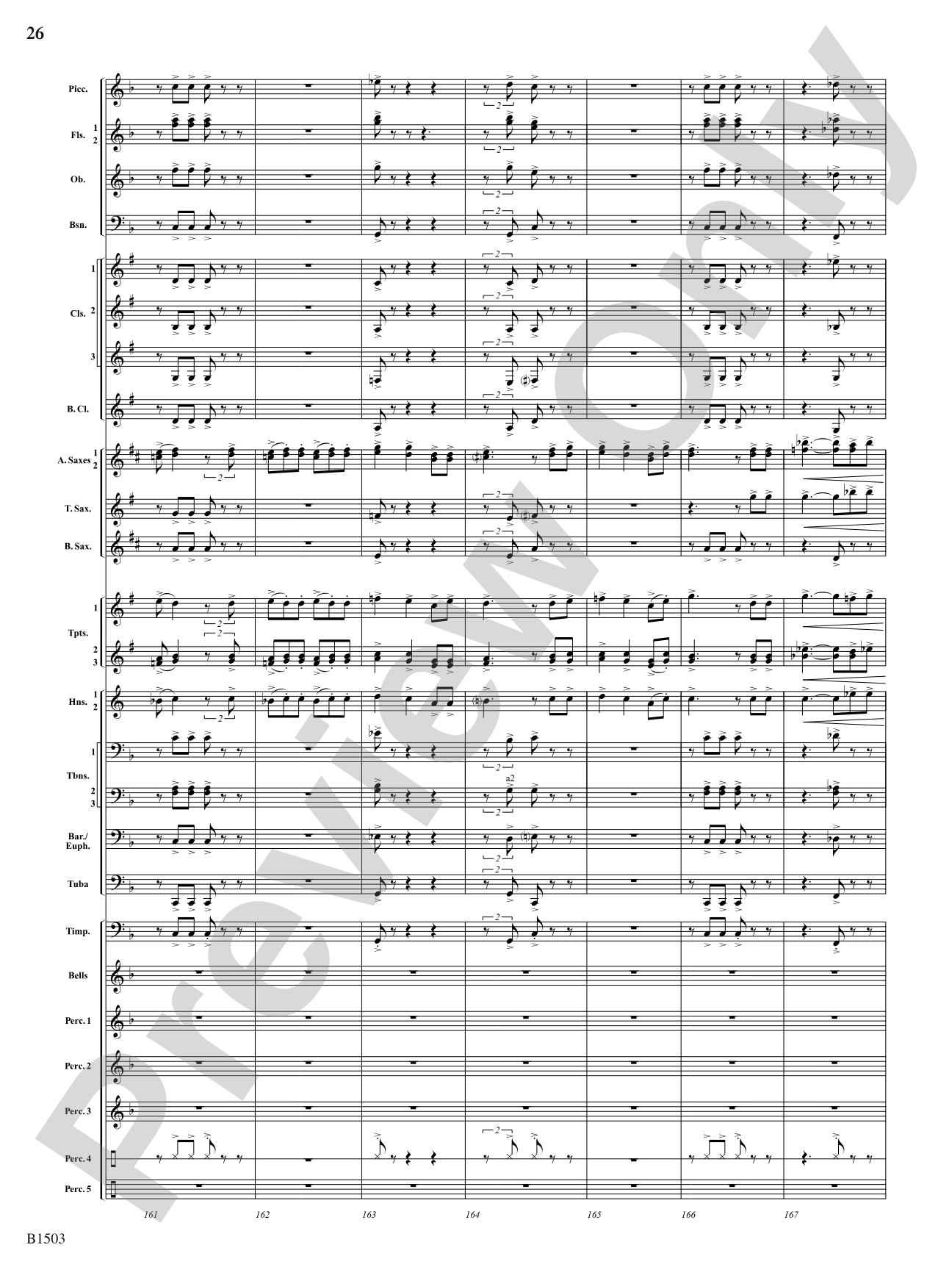
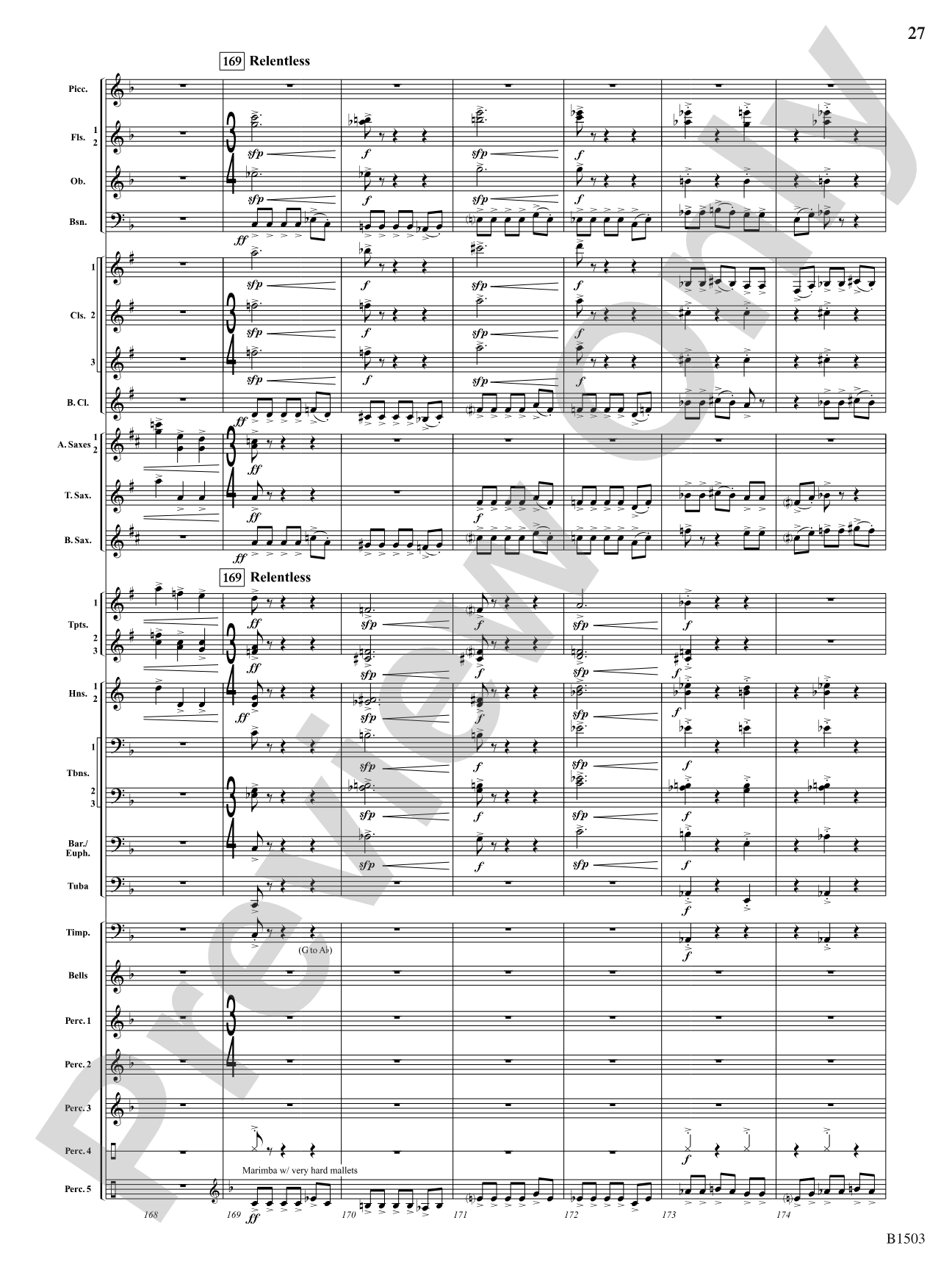
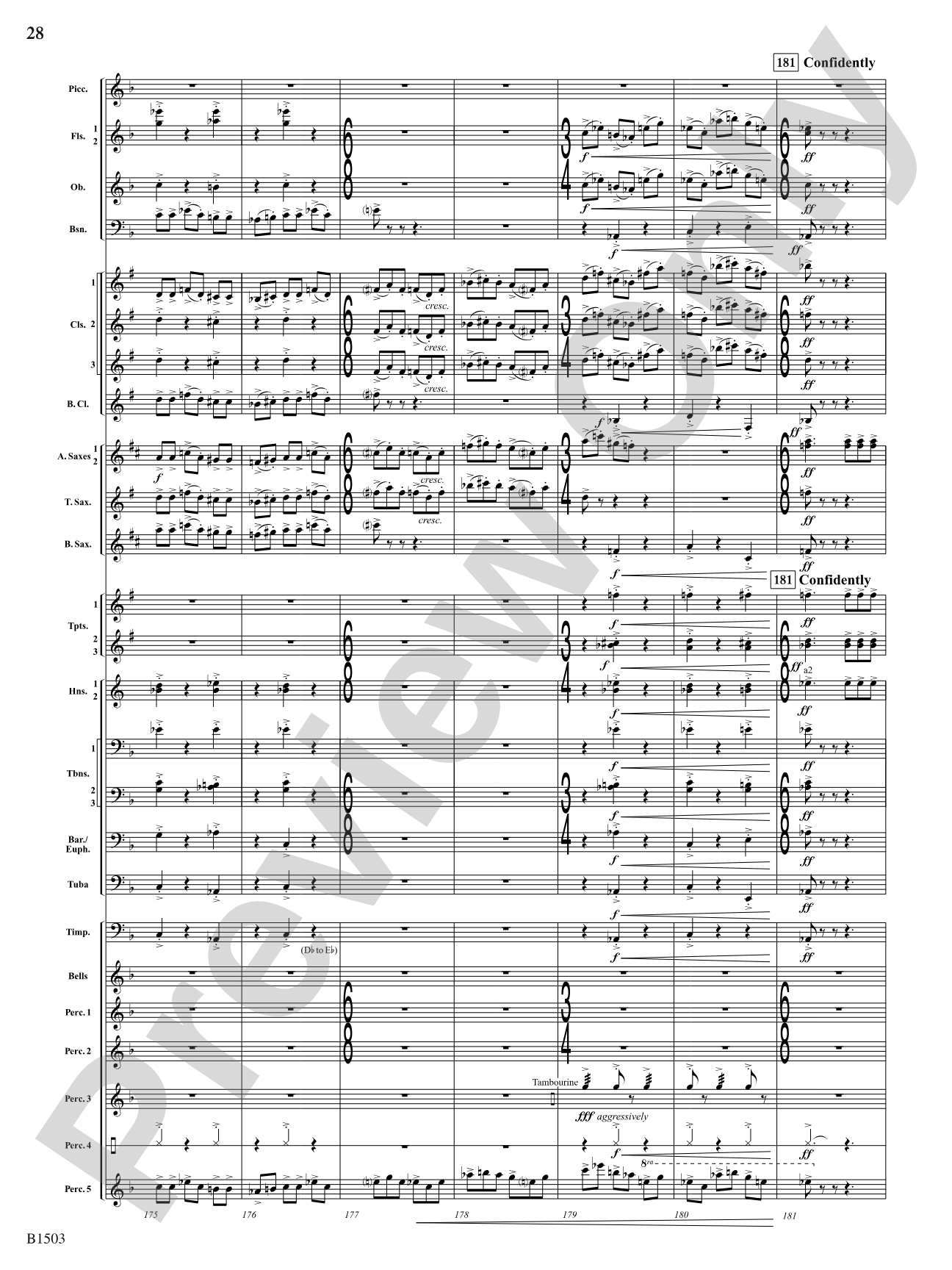

True Calling: Score
By Charles Rochester Young
Grade: 4.5
Item: 98-DB1503S
$11.00
Pickup currently not available
Description
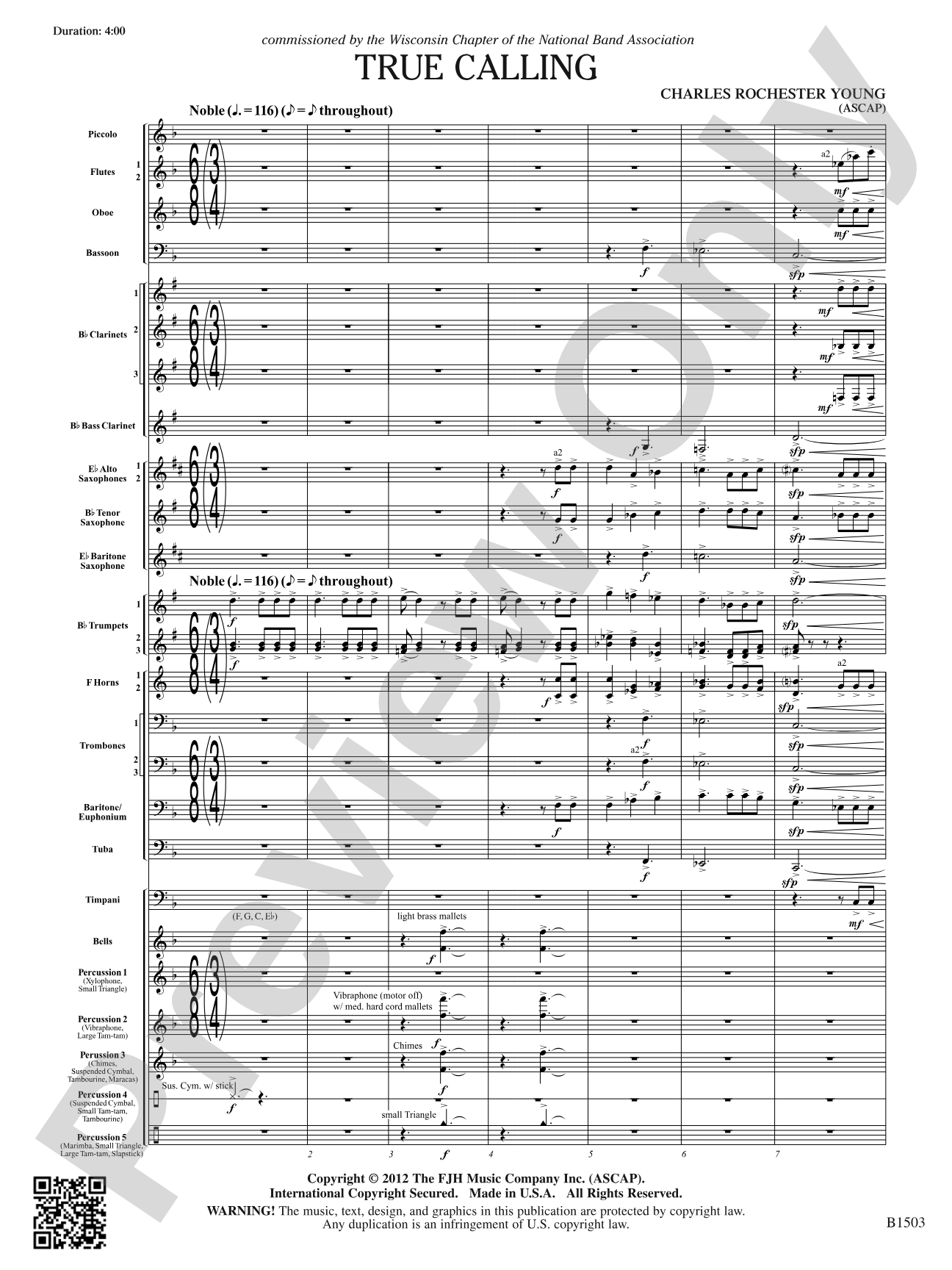
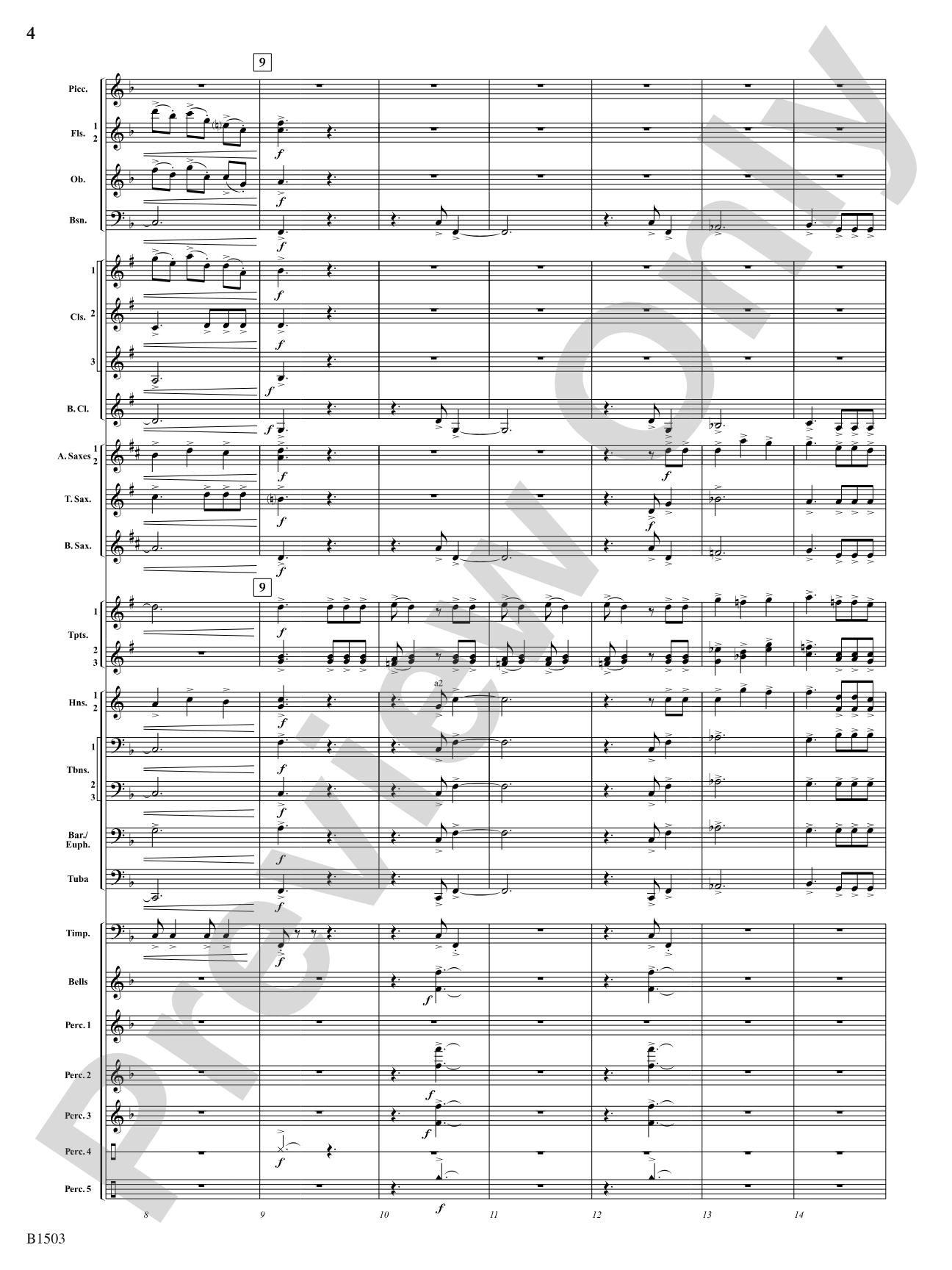
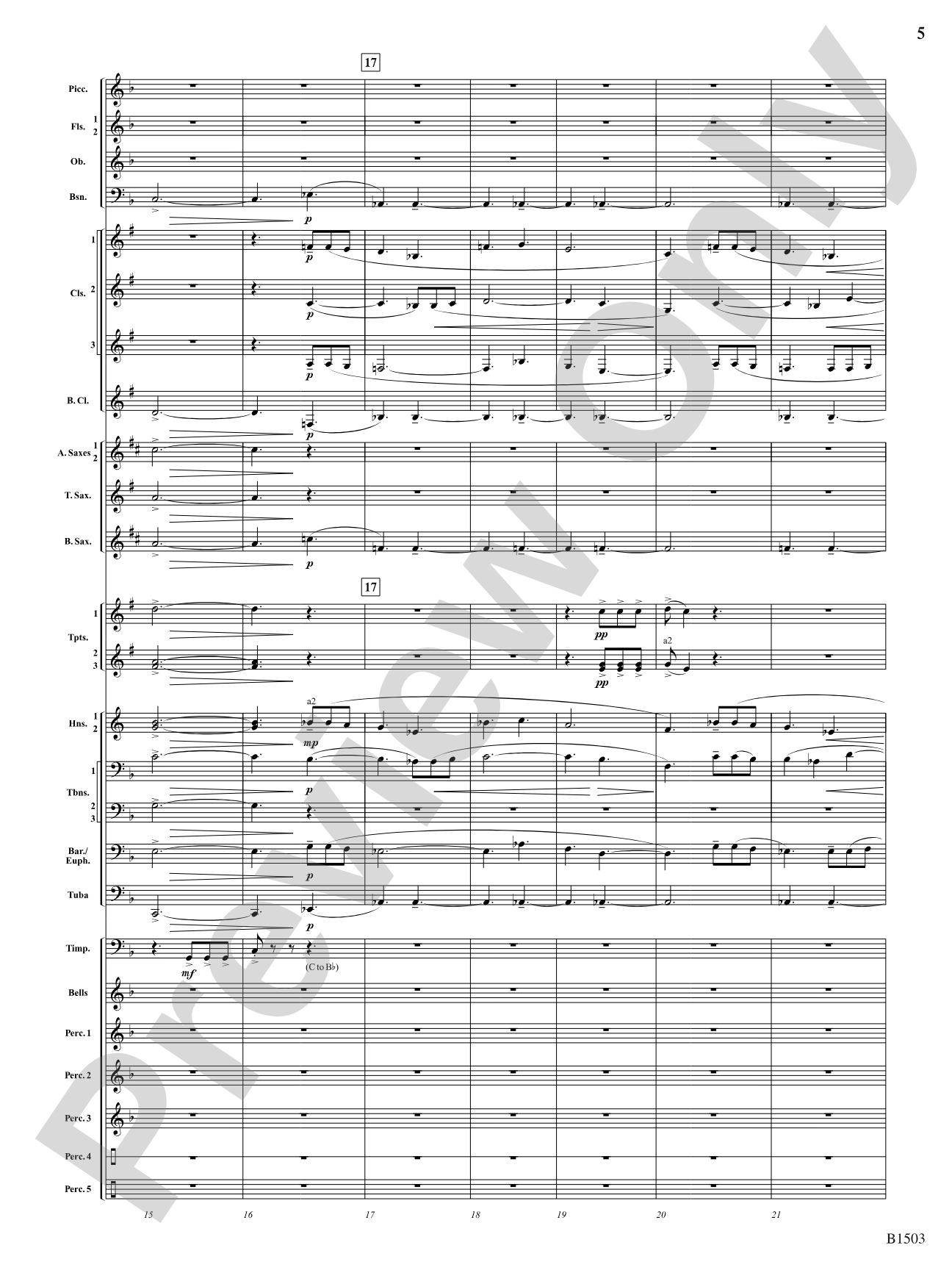
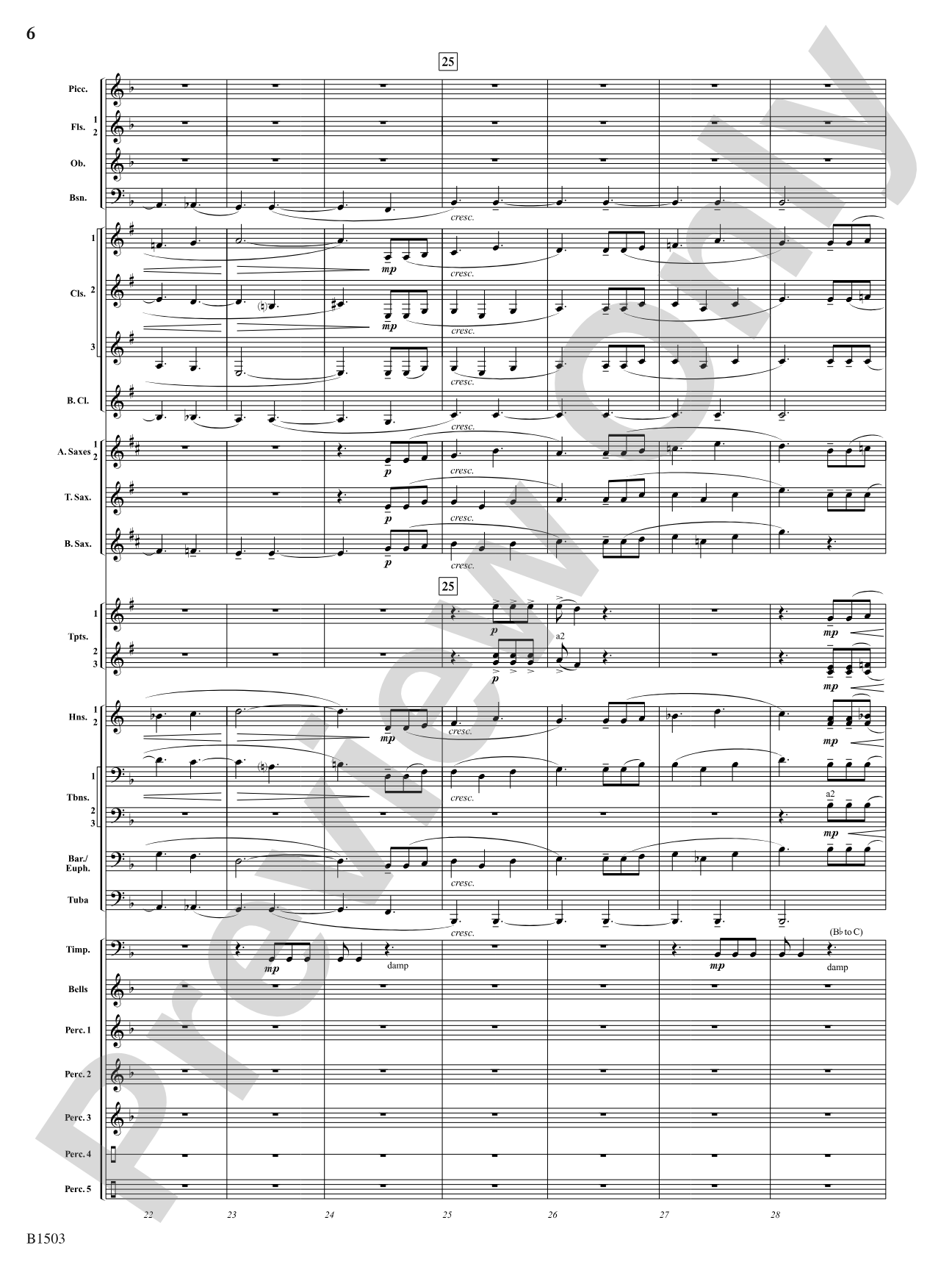
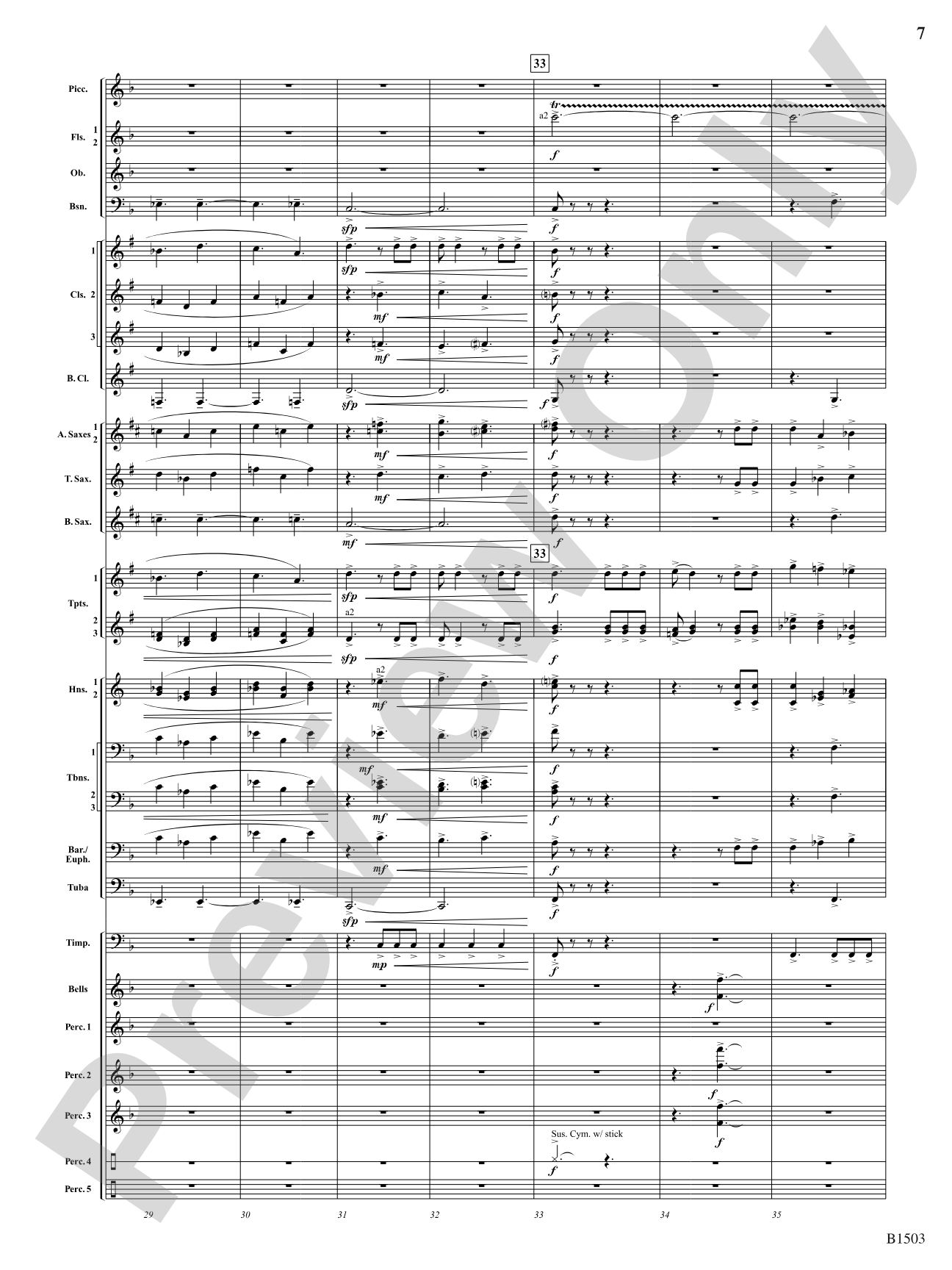
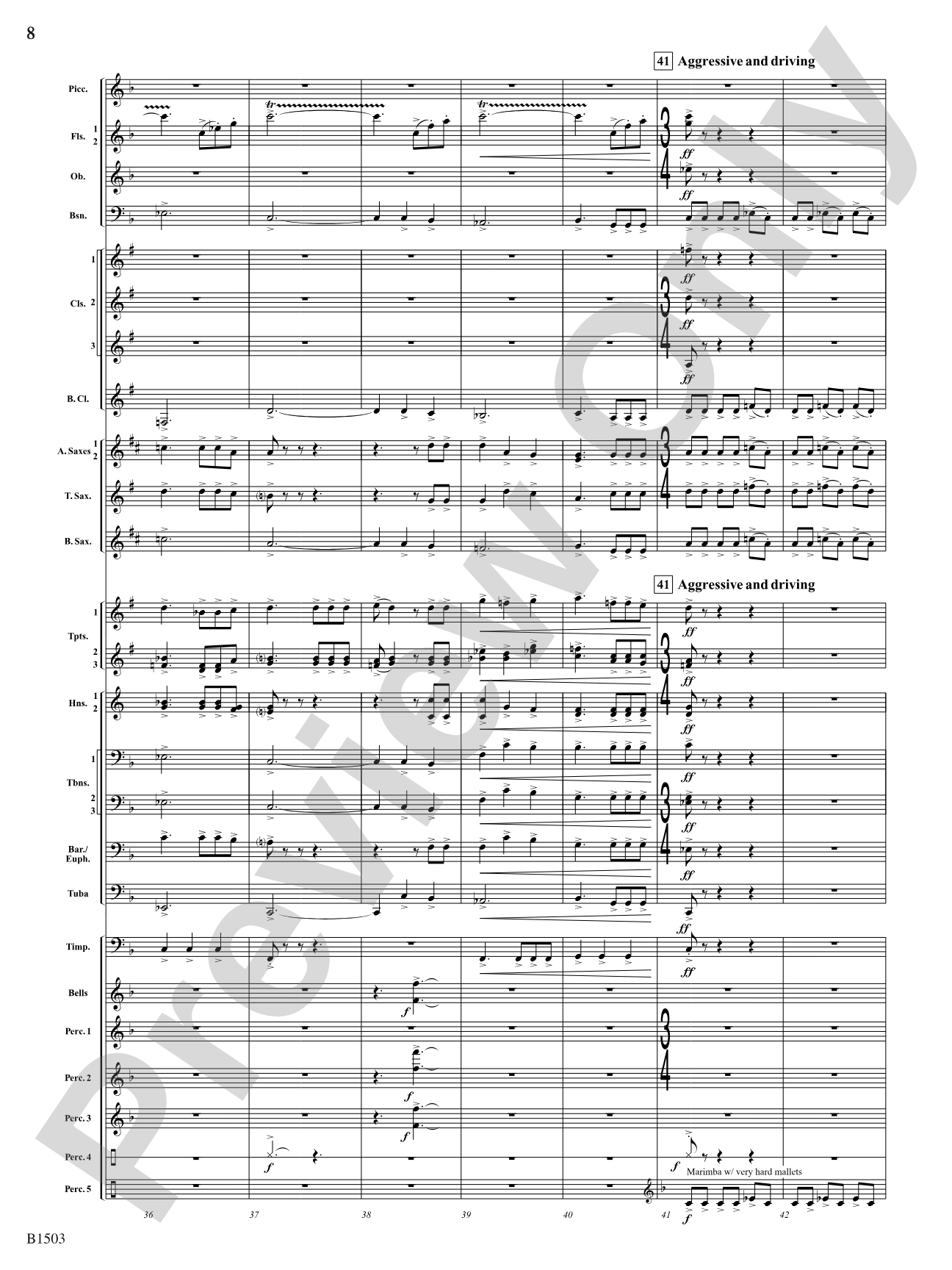
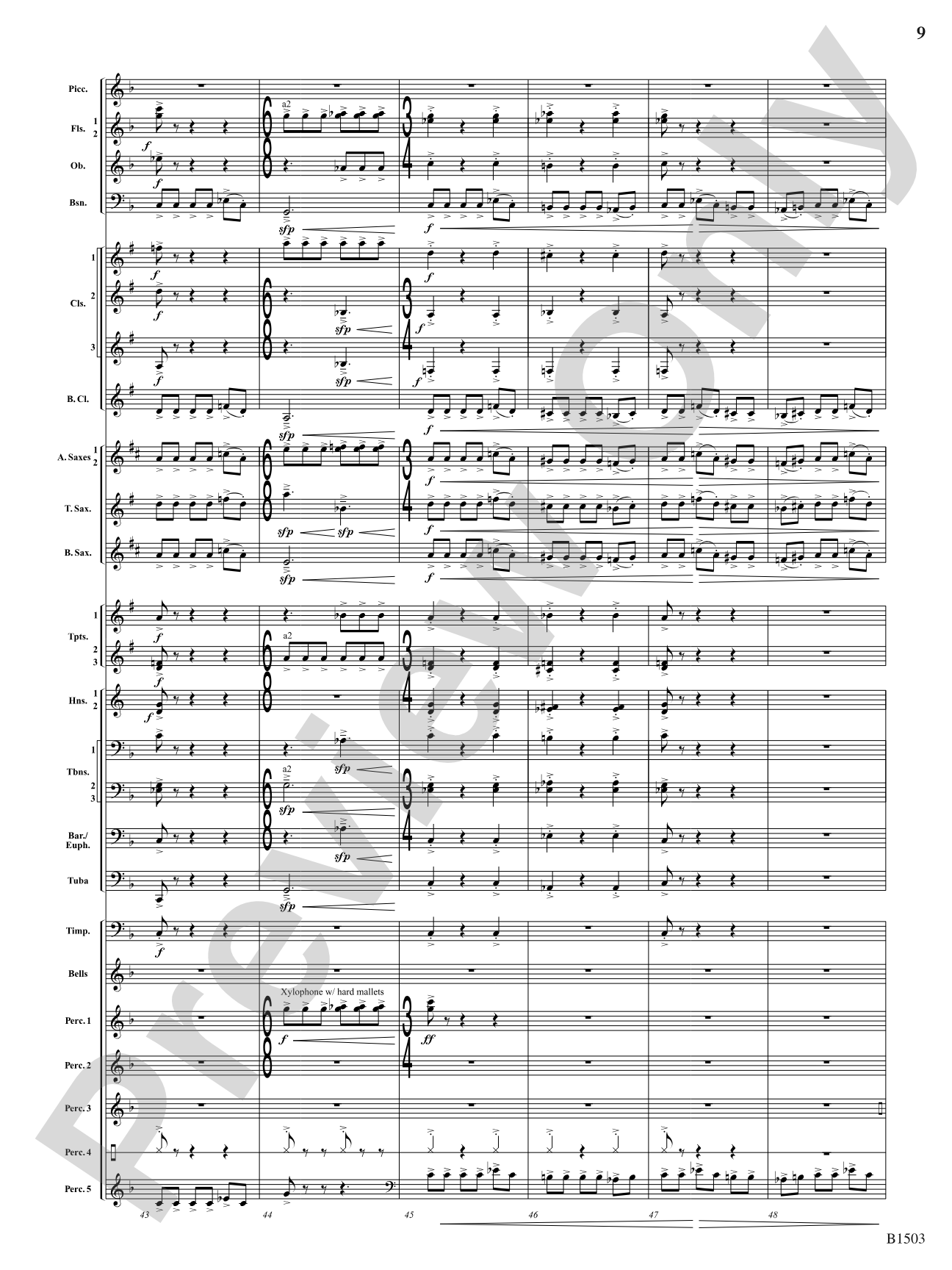
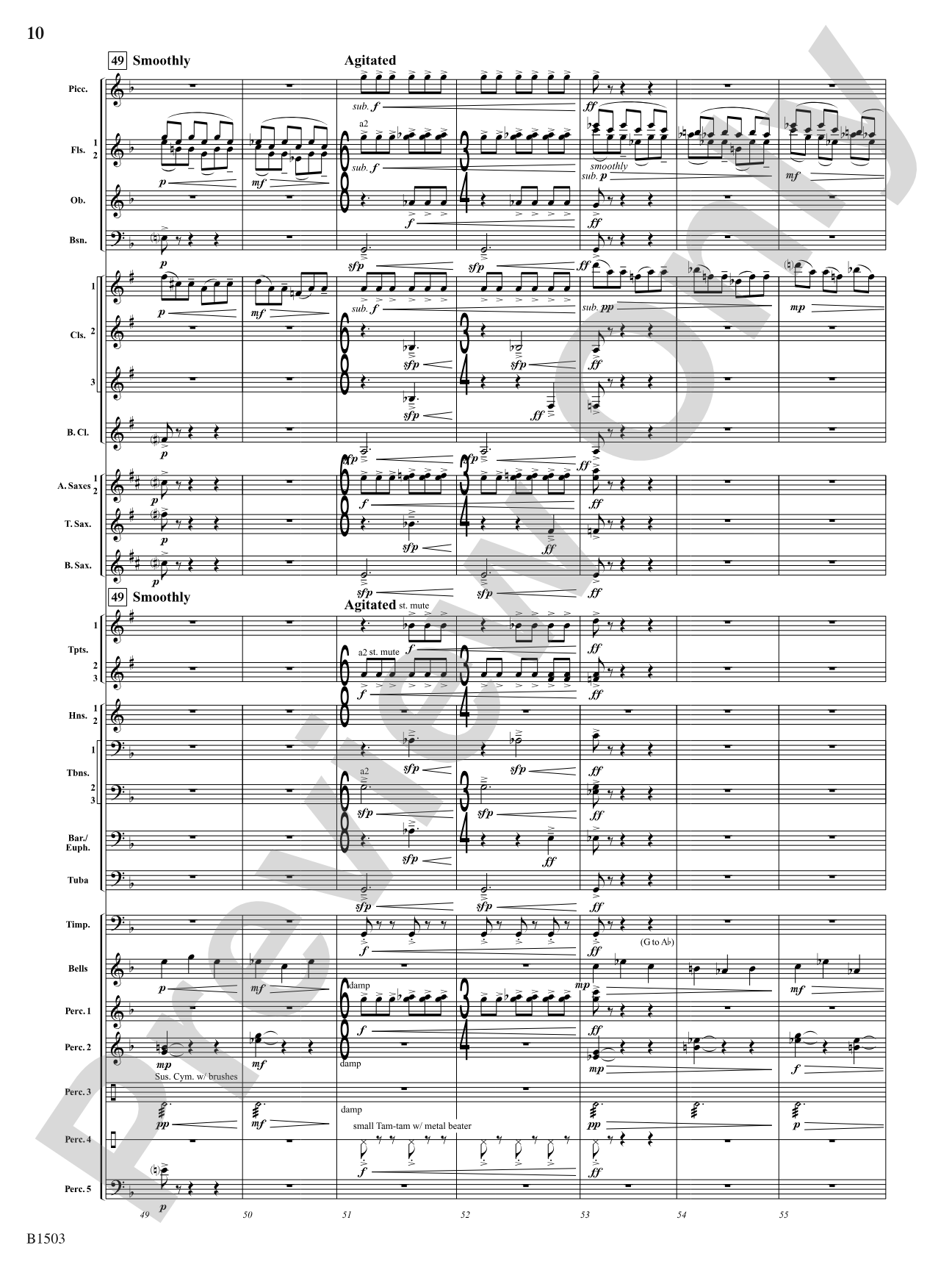
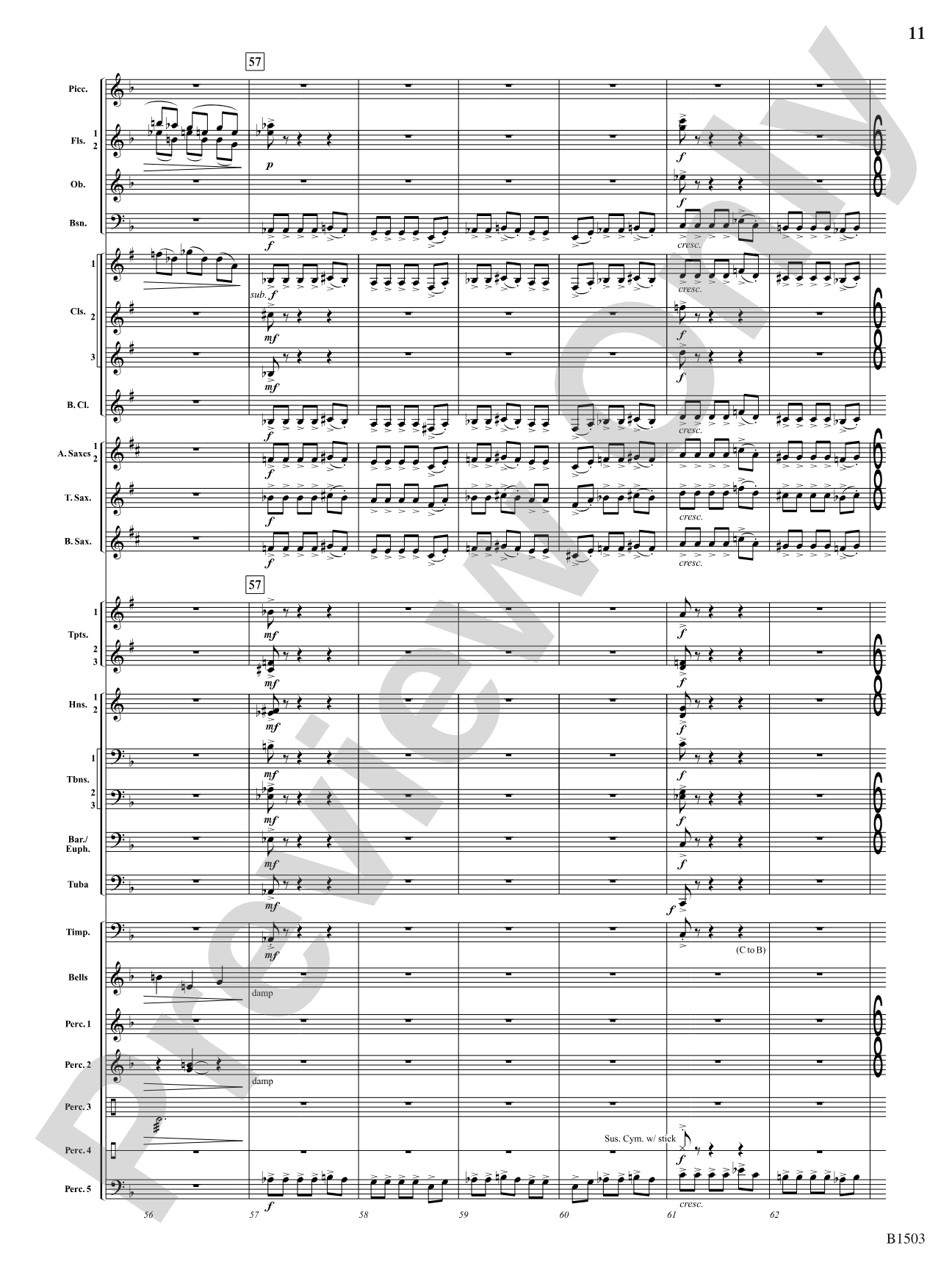
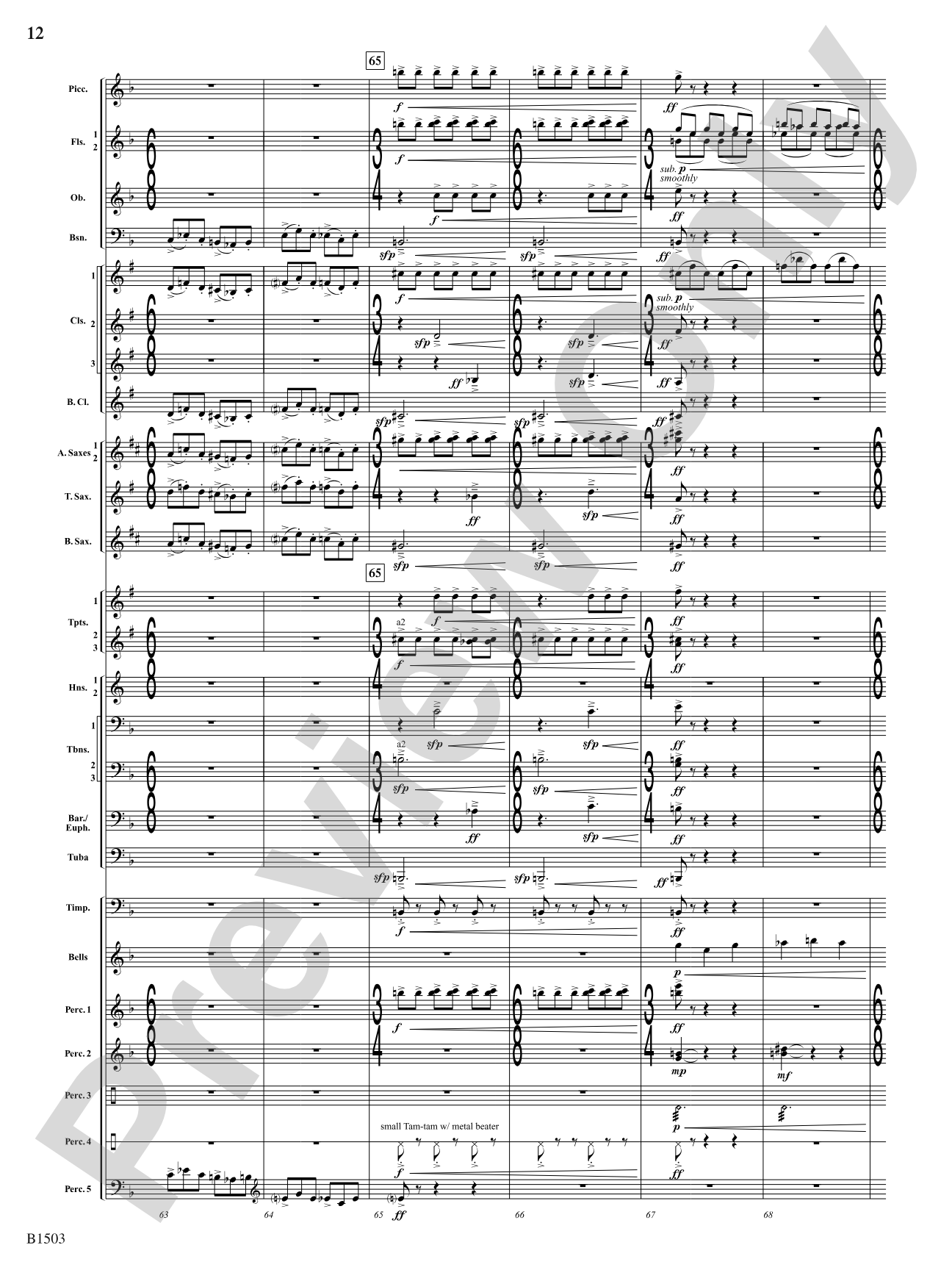
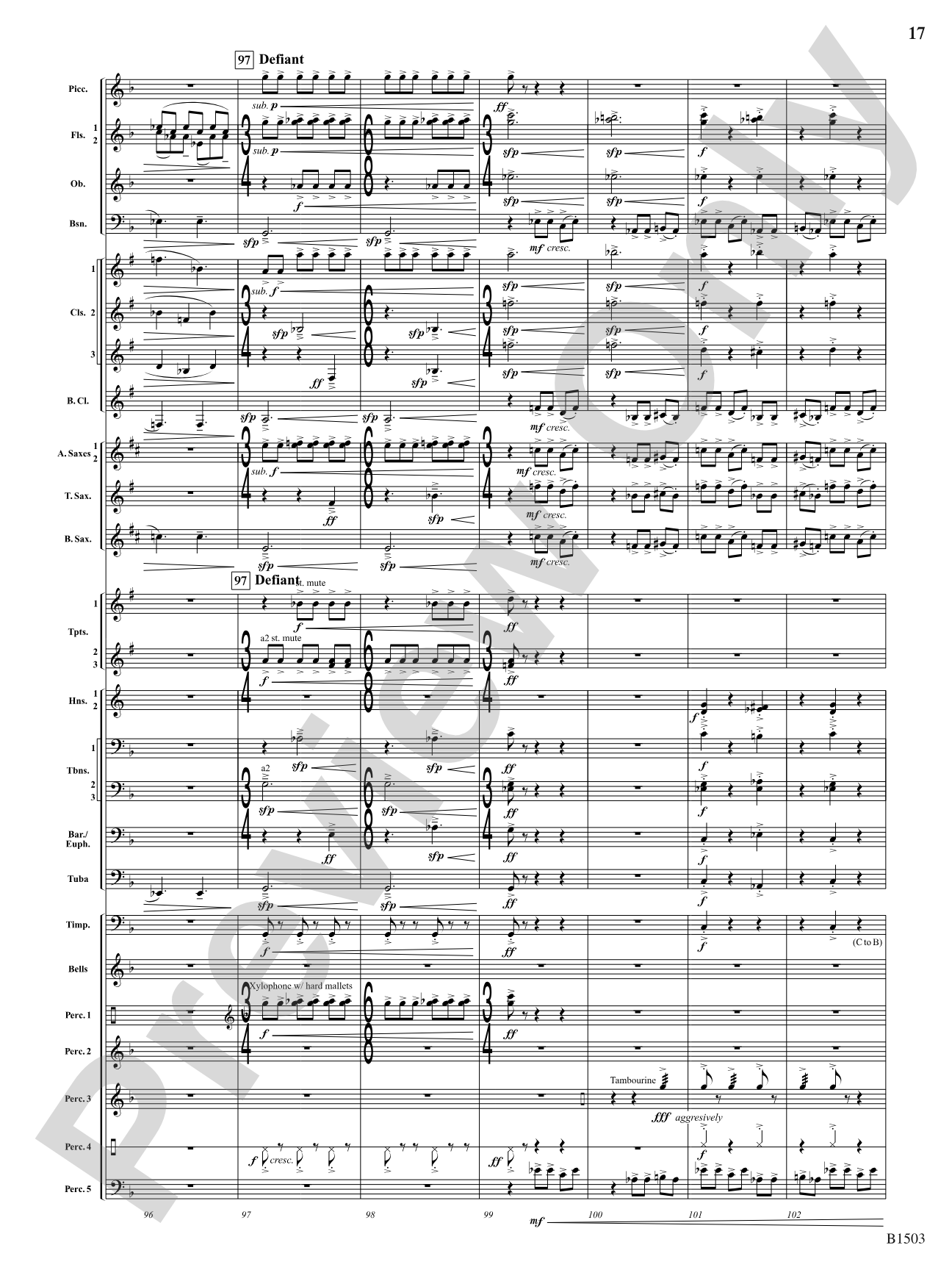
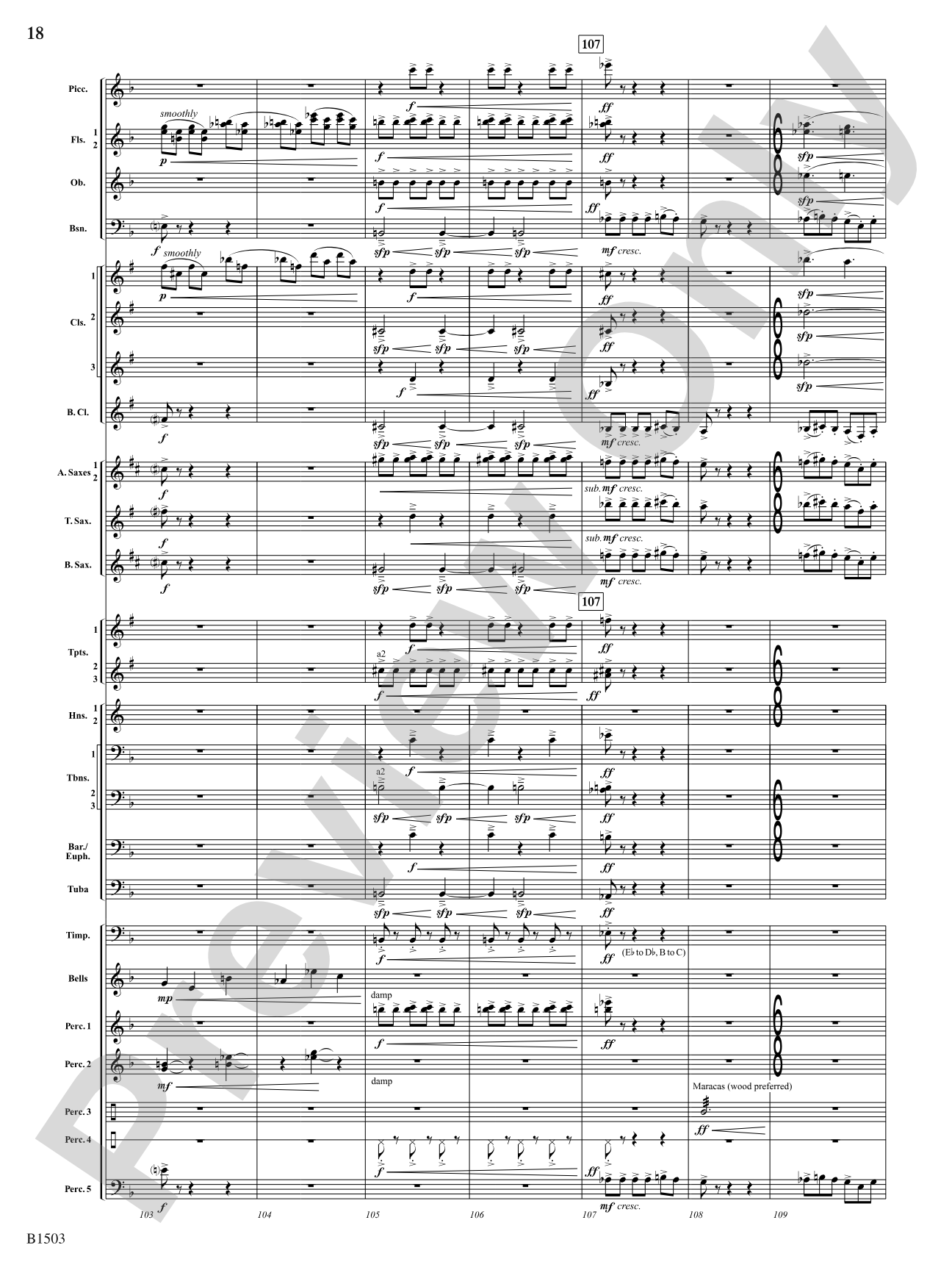
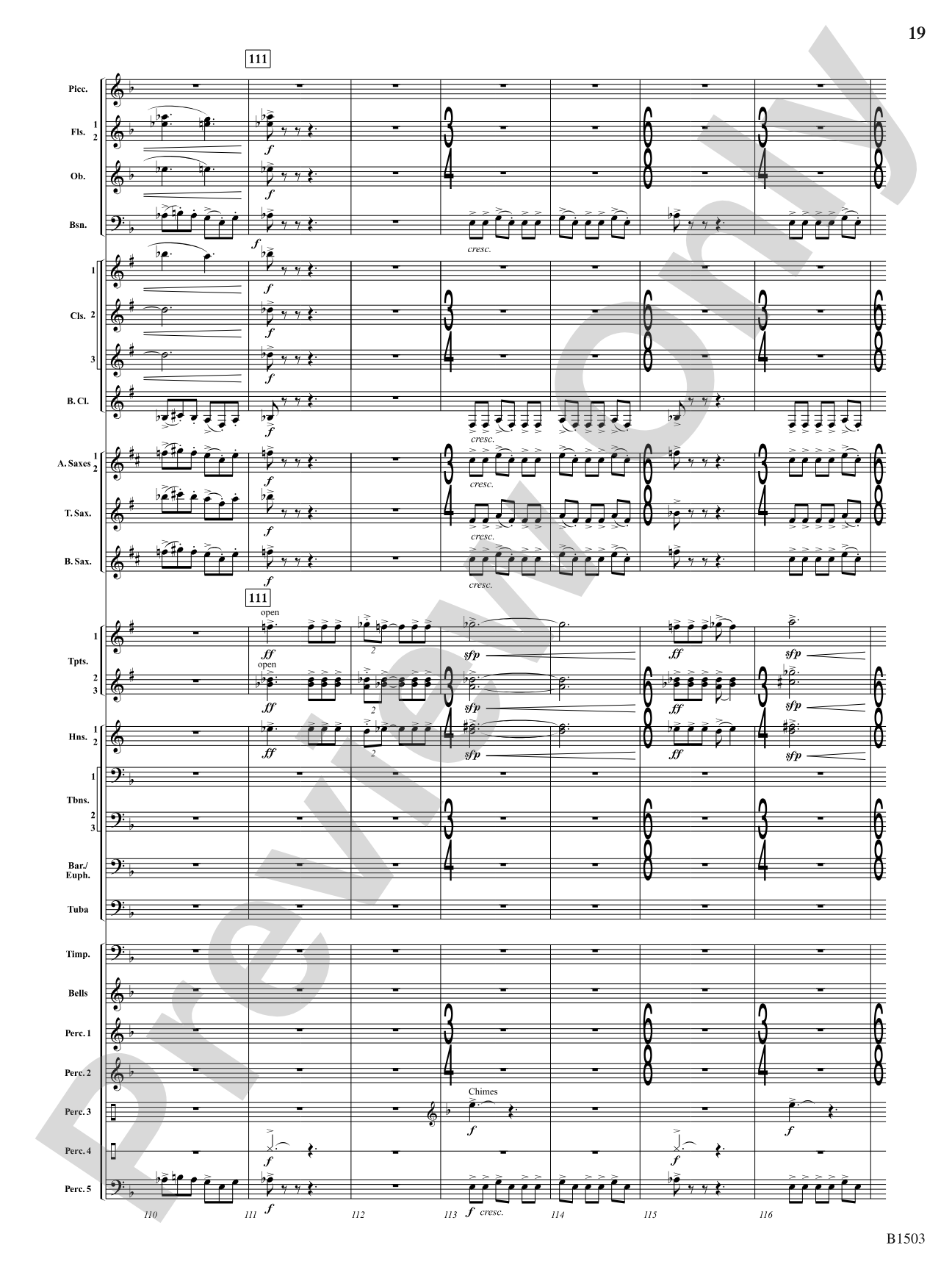
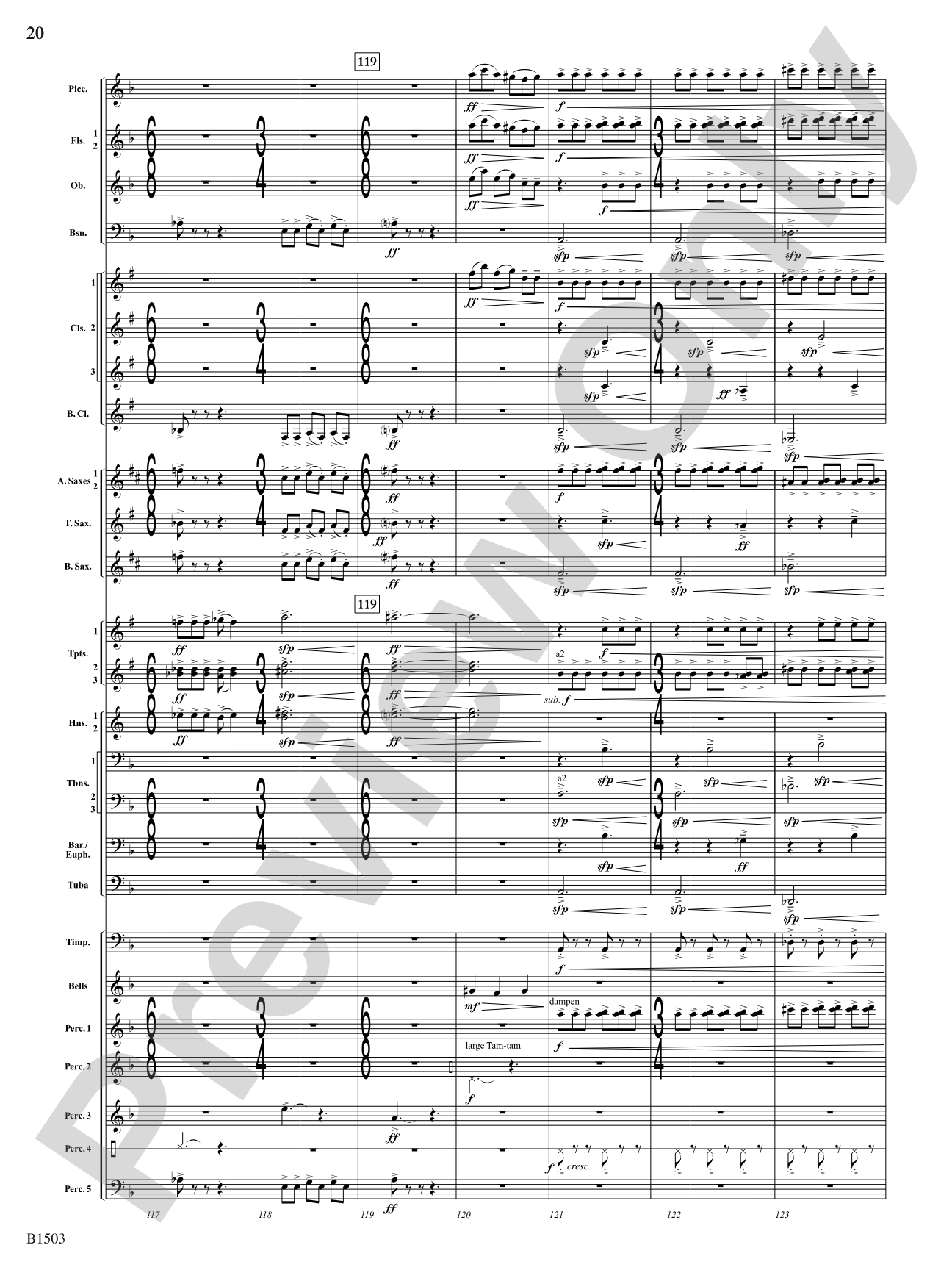
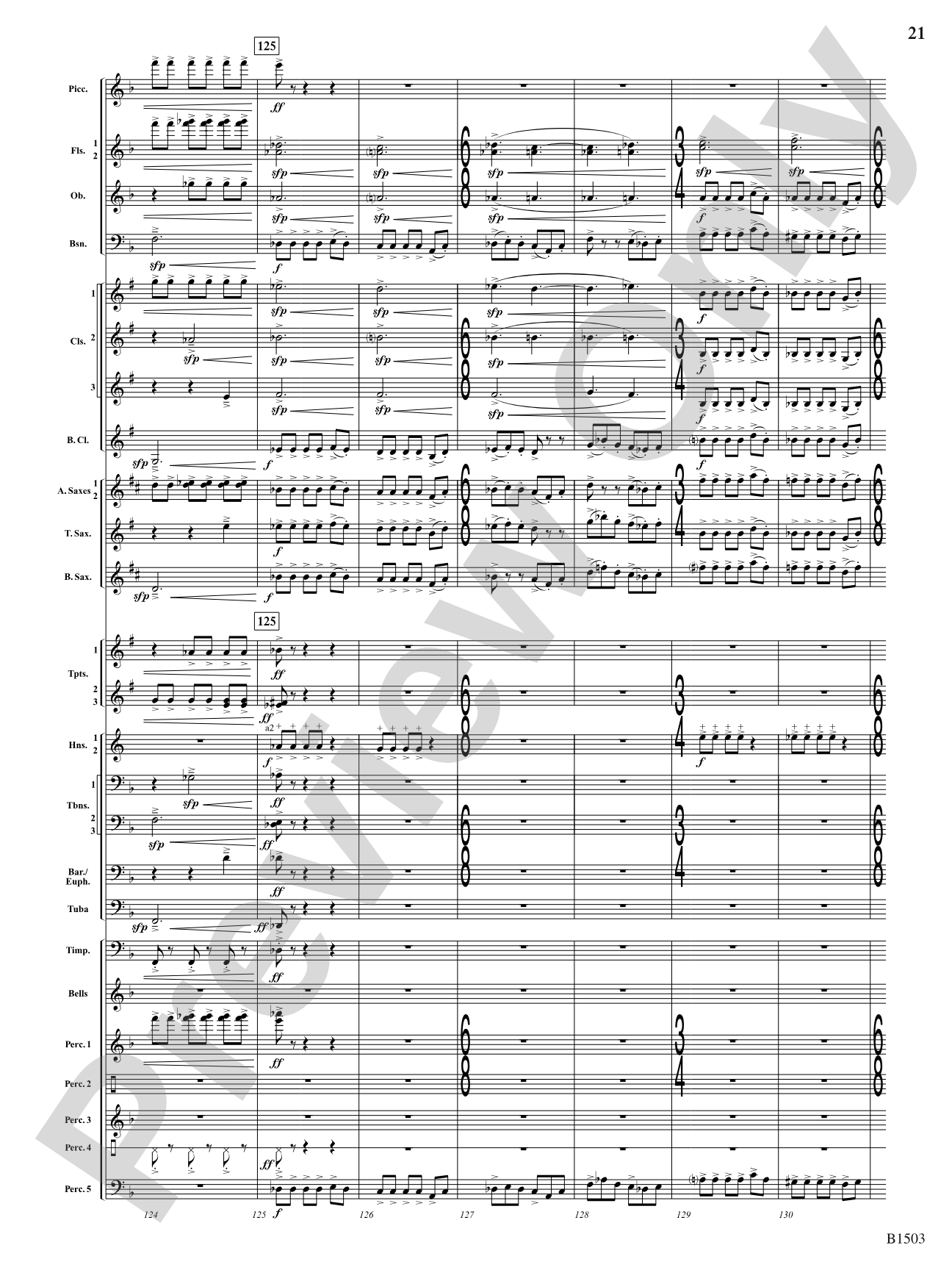
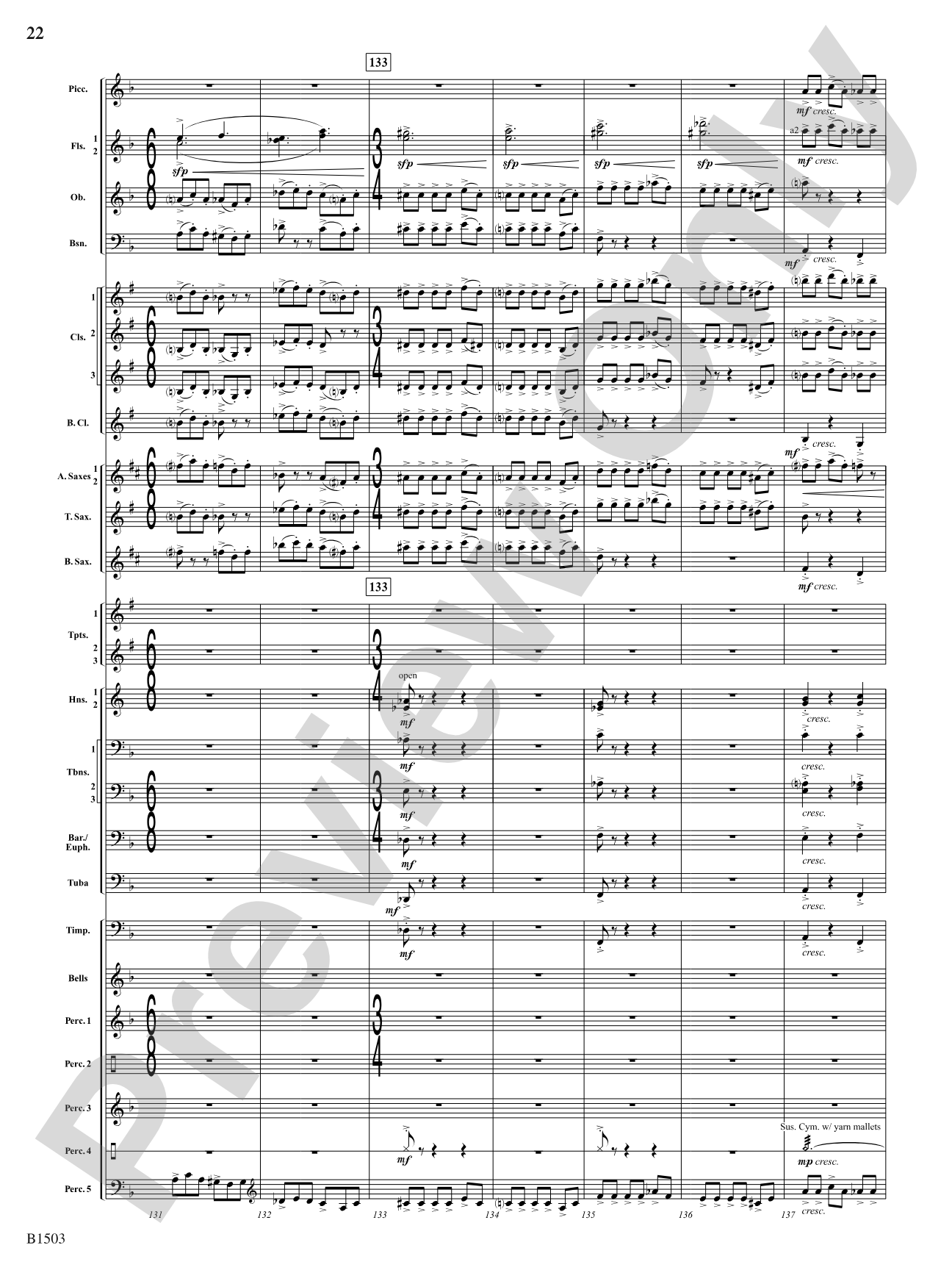
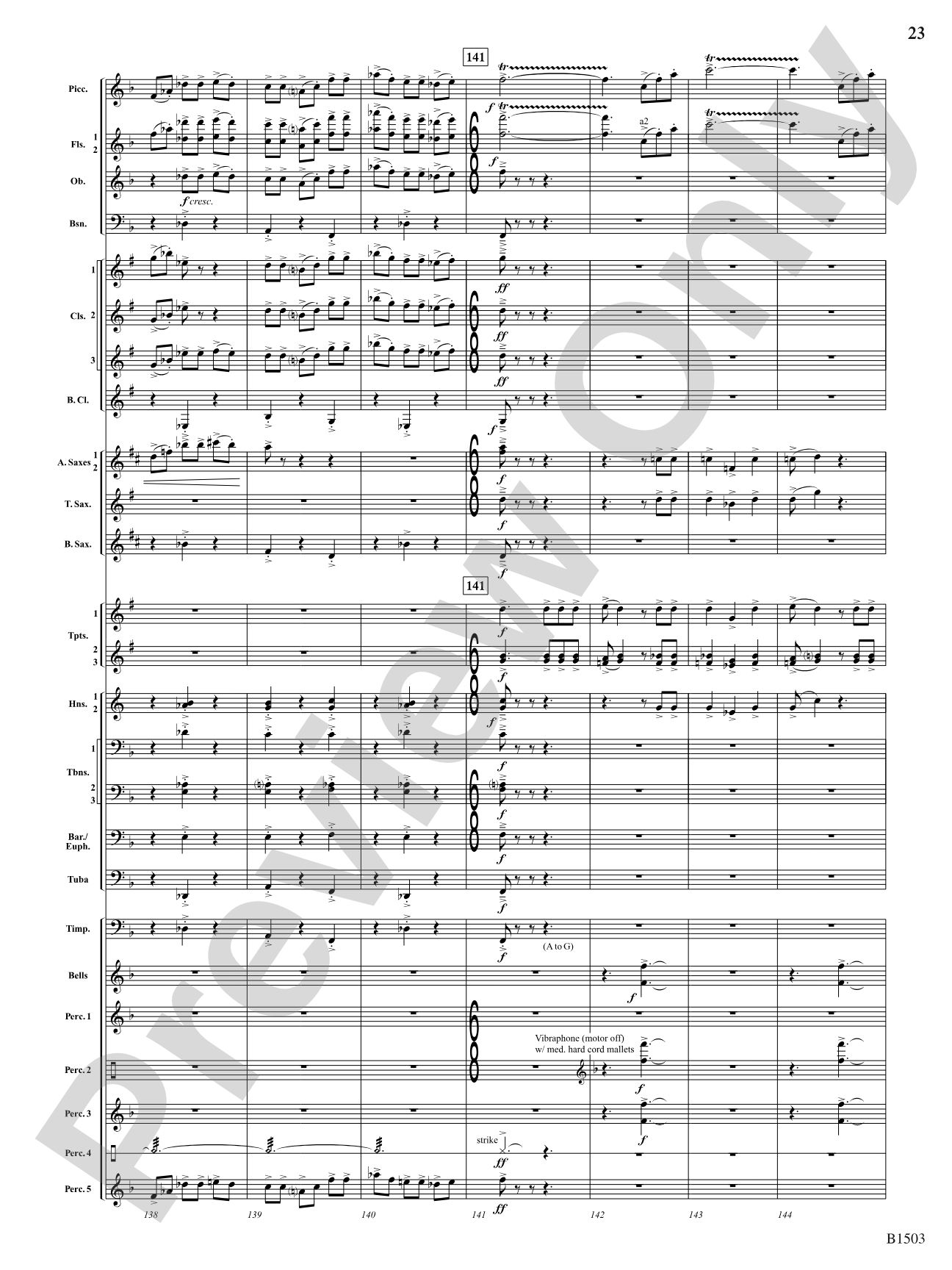
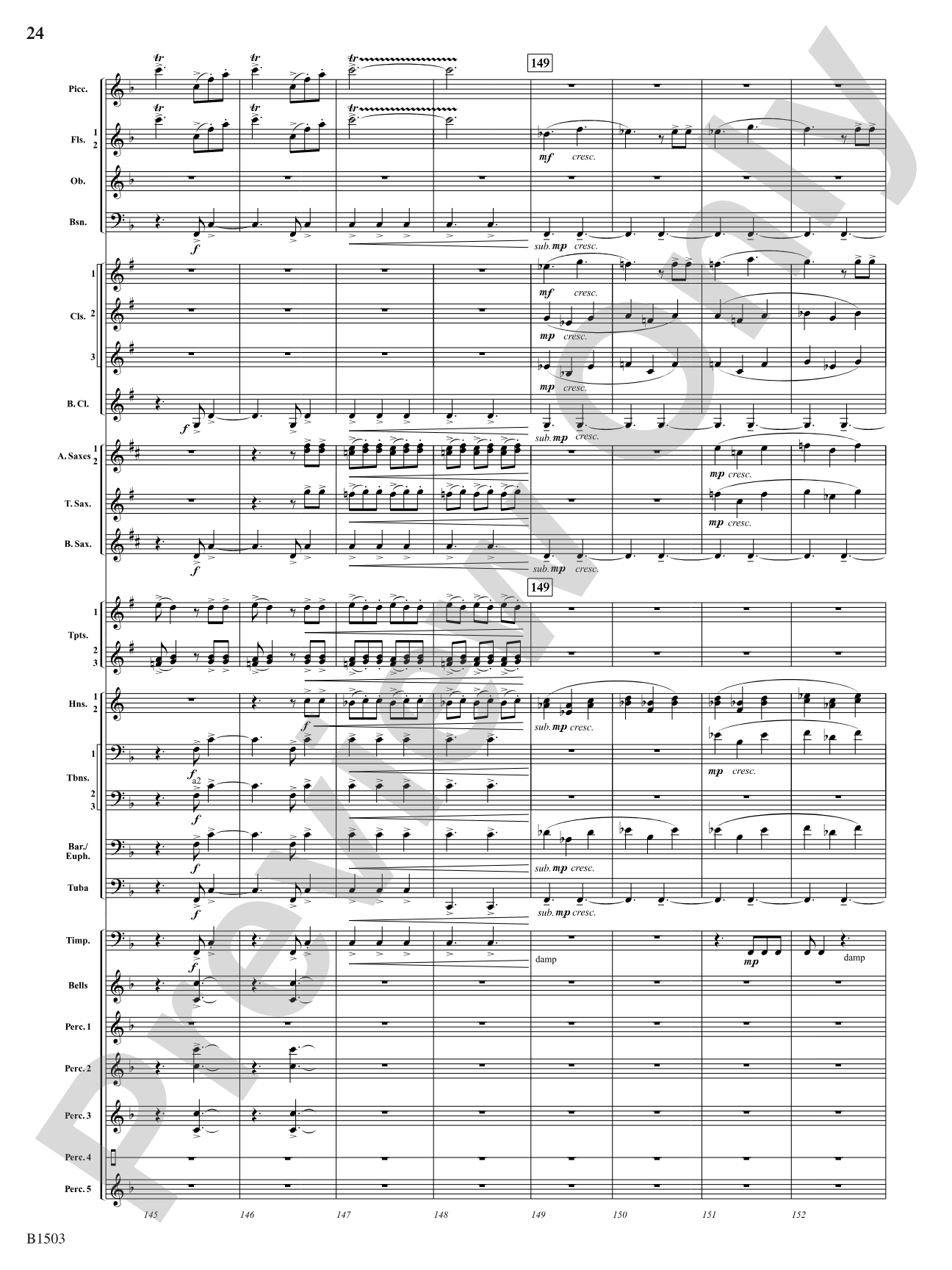
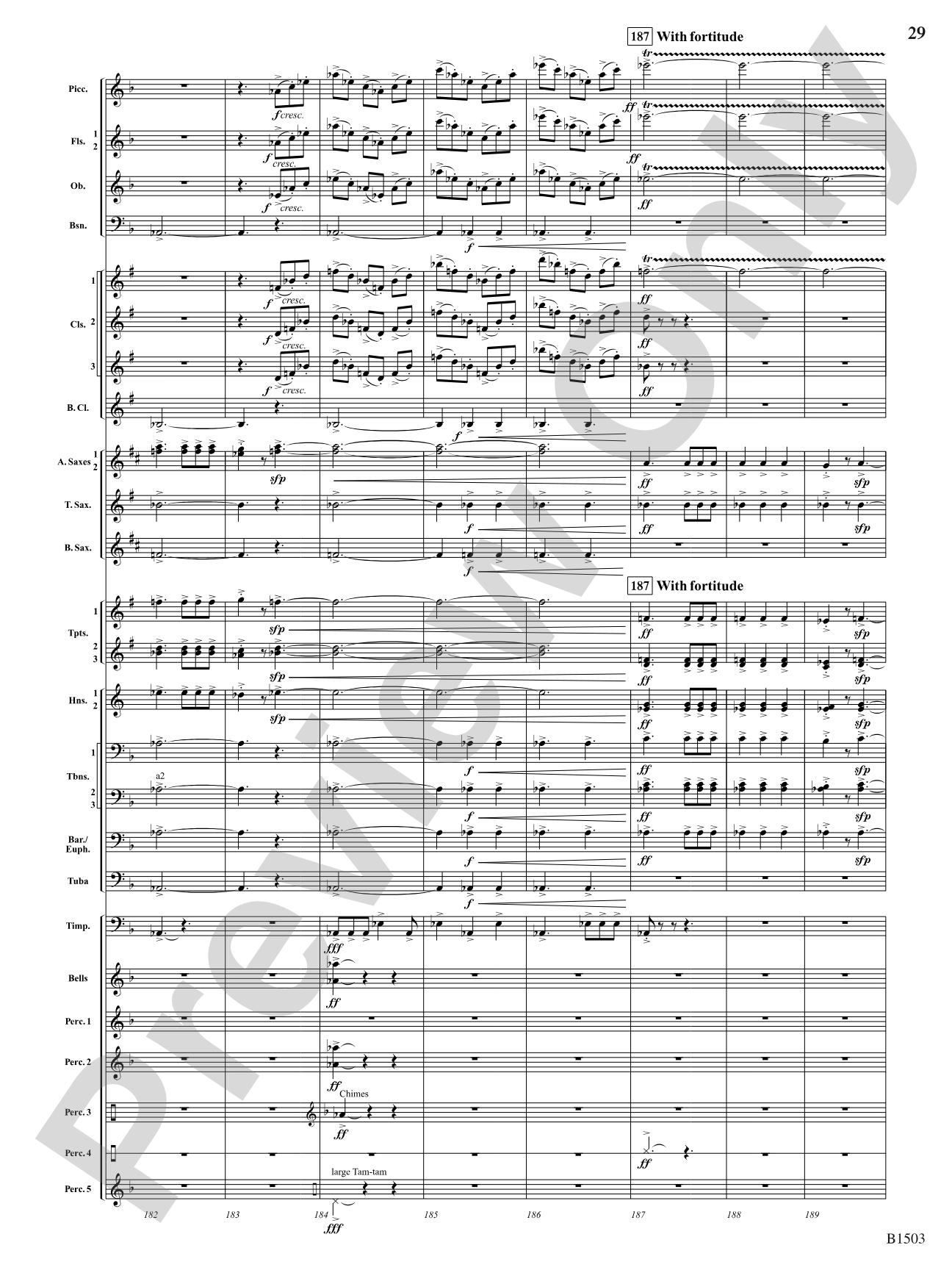
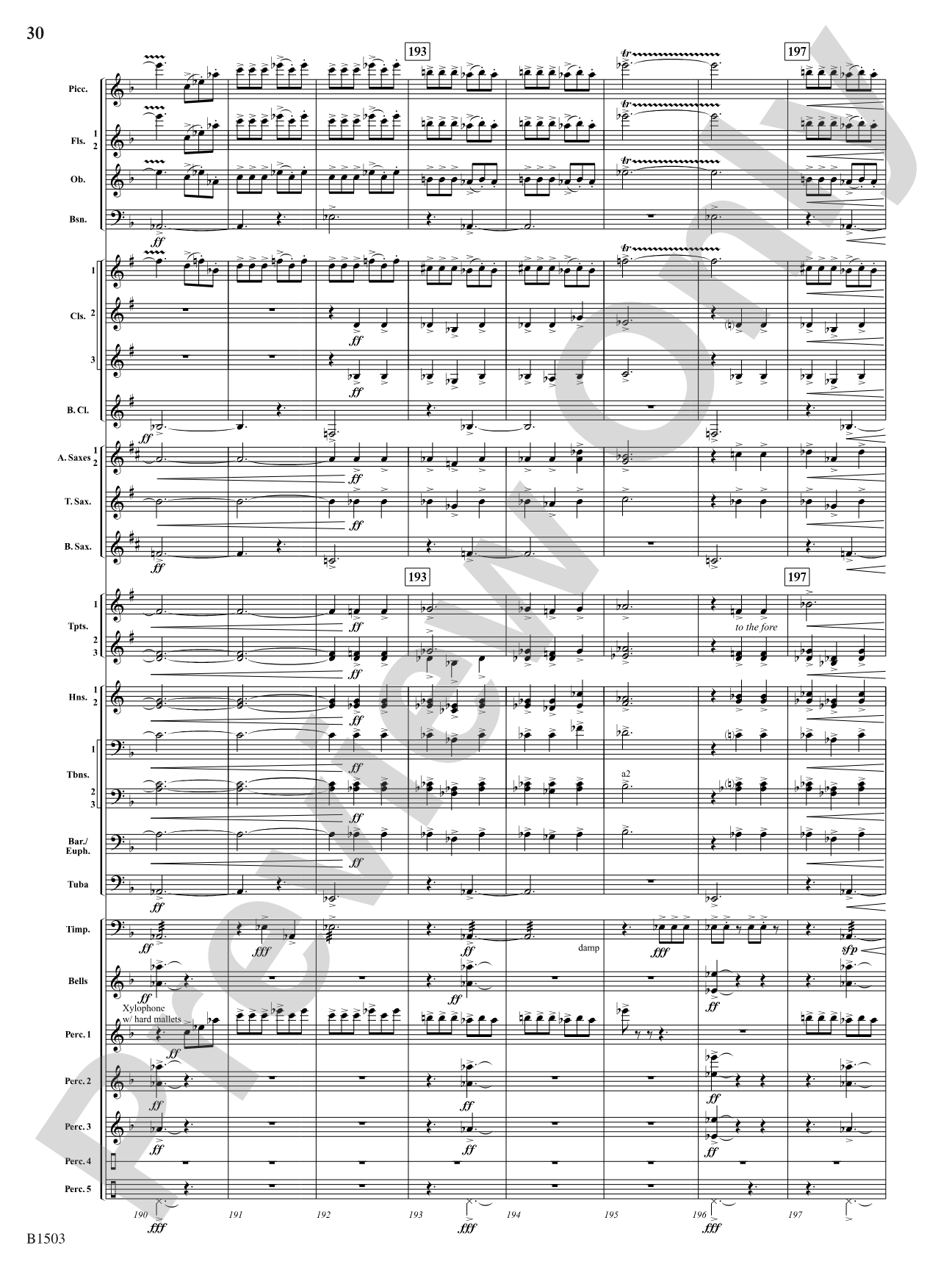
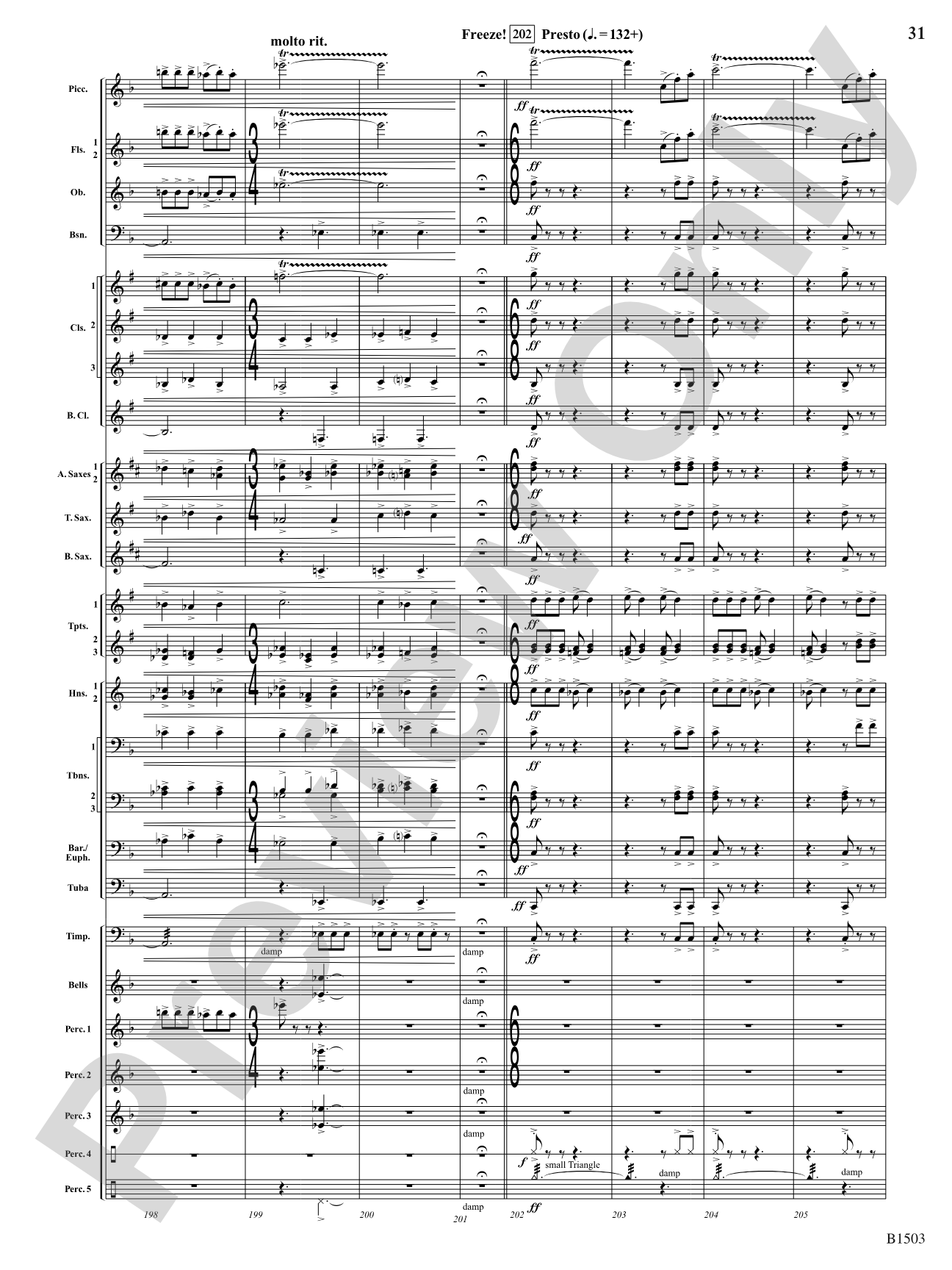
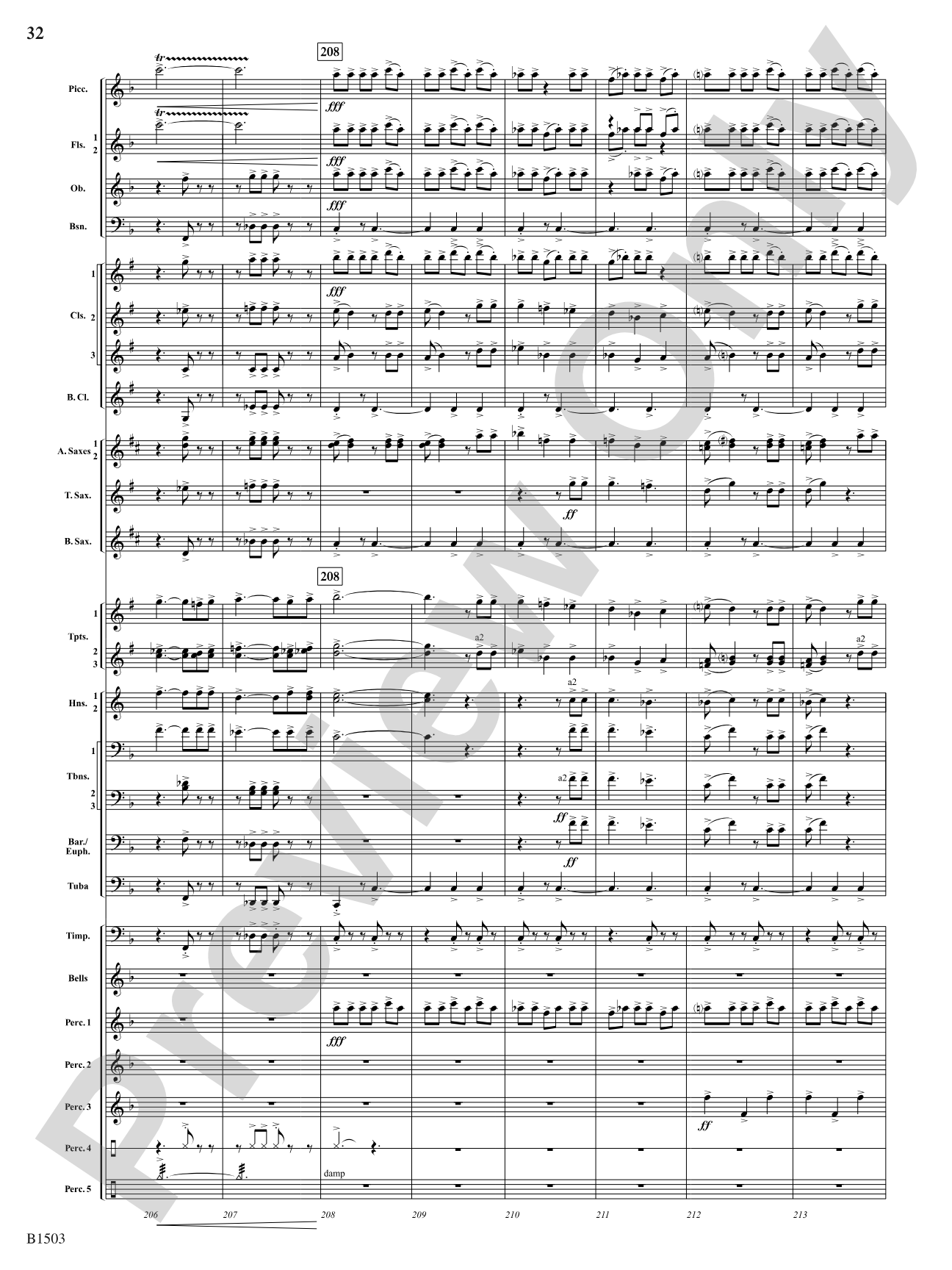
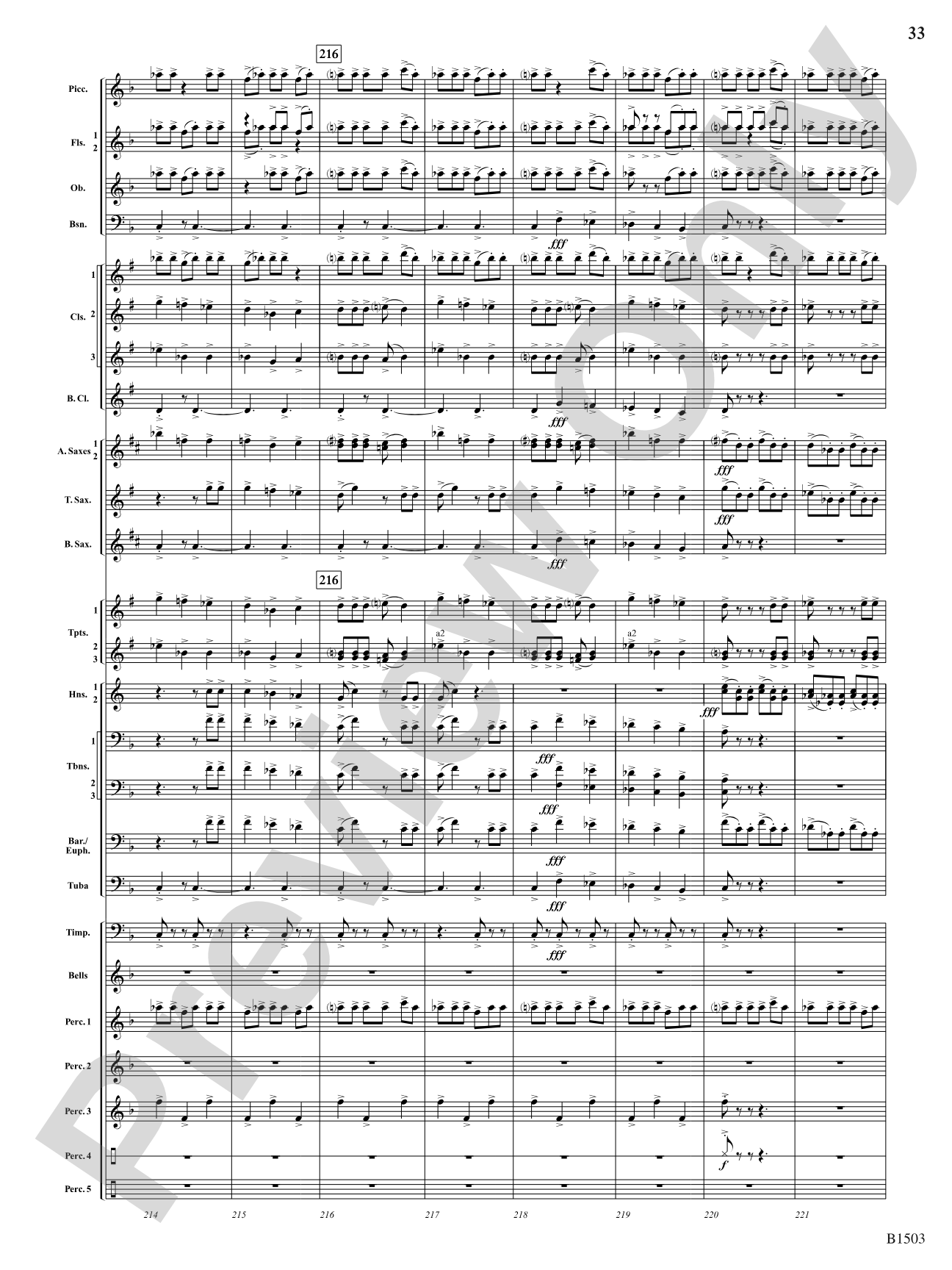
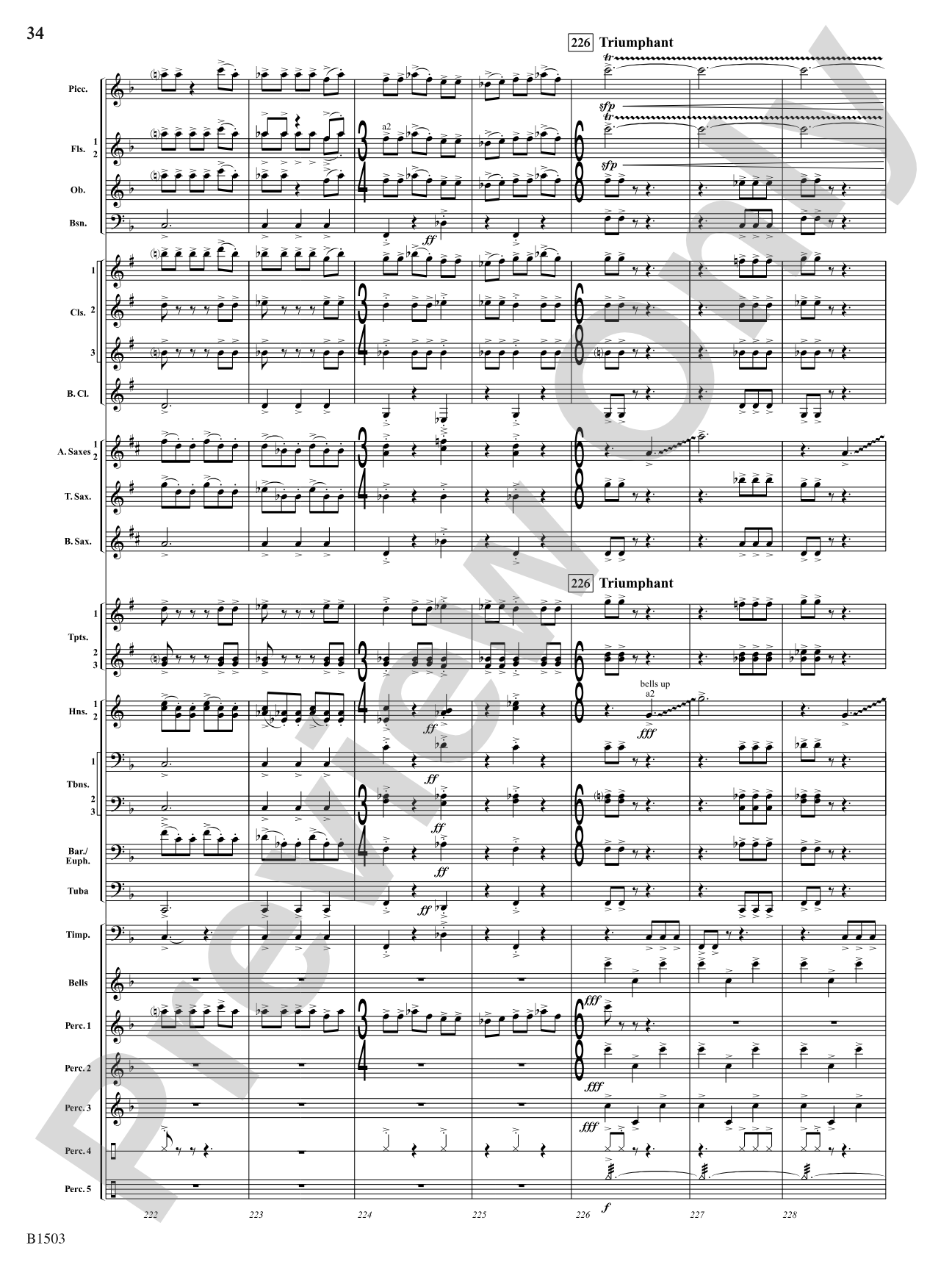
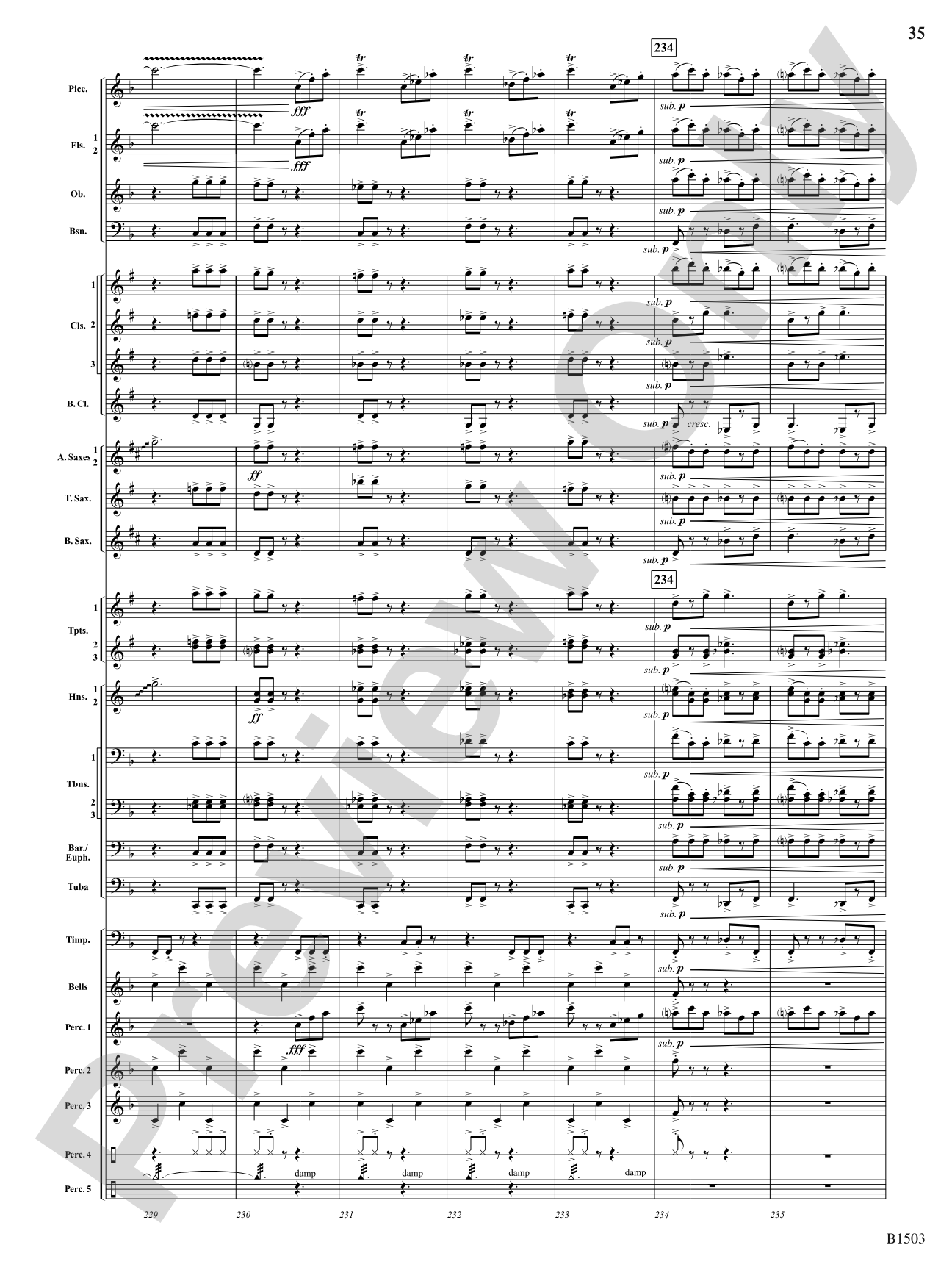
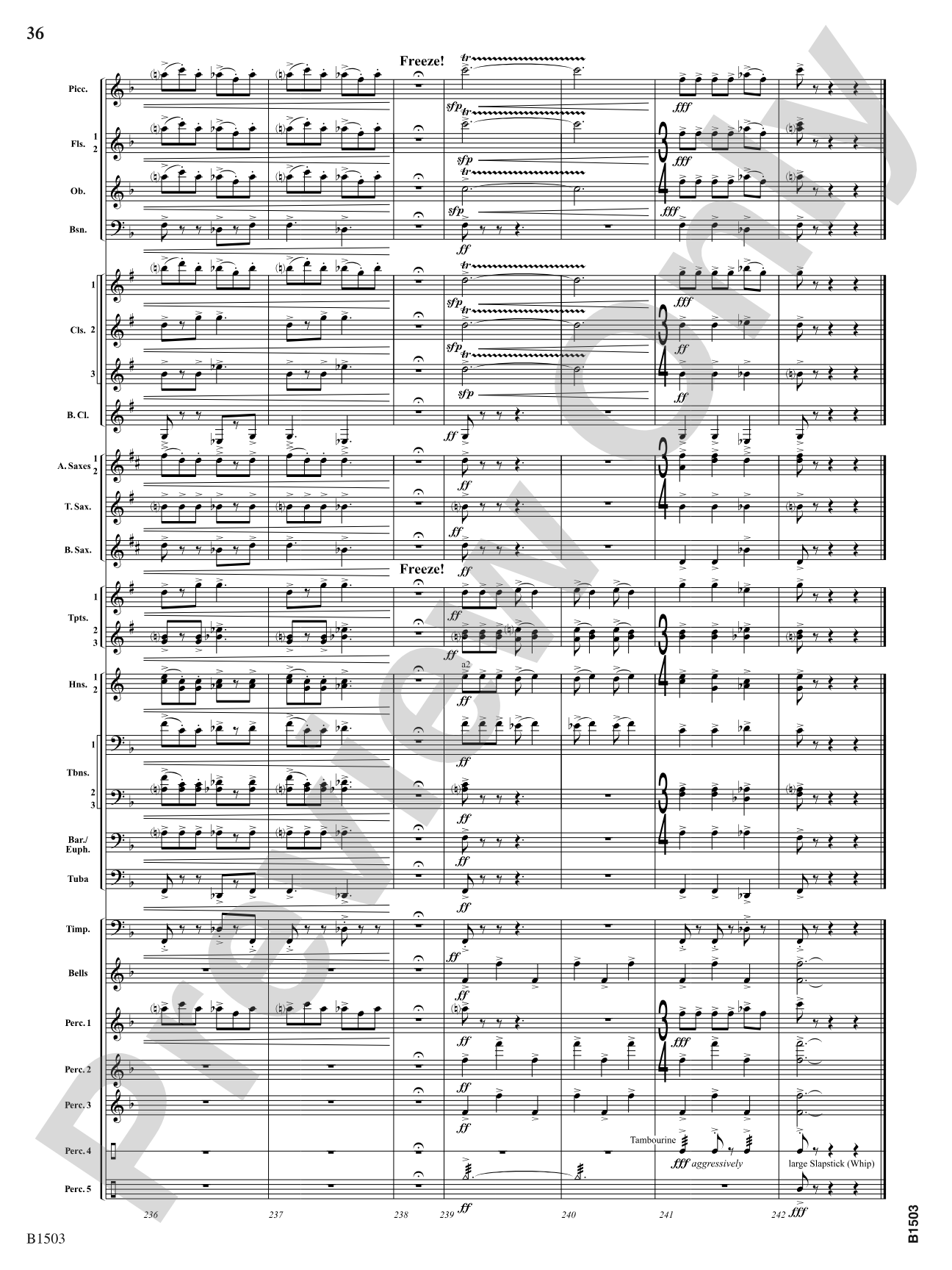
This powerful concert opener depicts the struggle to honor one’s “true life calling.” The pulsating rhythmic elements alternate between 6/8 and 3/4, and on several occasions the two meters are juxtaposed. Exhilarating and extremely compelling, this work is sure to keep your listeners on the edge of their seats!


True Calling: Score isn't in MakeMusic Cloud just yet...but it could be. Let us know you'd like to see it, and you'll help shape what comes next. In the meantime, start a free trial and dive into thousands of interactive titles your students can play along with today.
Request This Title
Tell us you want it.
Start Your Free Trial
Explore everything that's ready to play right now.
Sample Audio
1
Audio File
--:--
0:00
0:00
Sample Video
No sample videos found.
Additional Details
Series:
FJH Symphonic Band
Publisher:
The FJH Music Company, Inc.
SKU:
98-DB1503S
More about this title
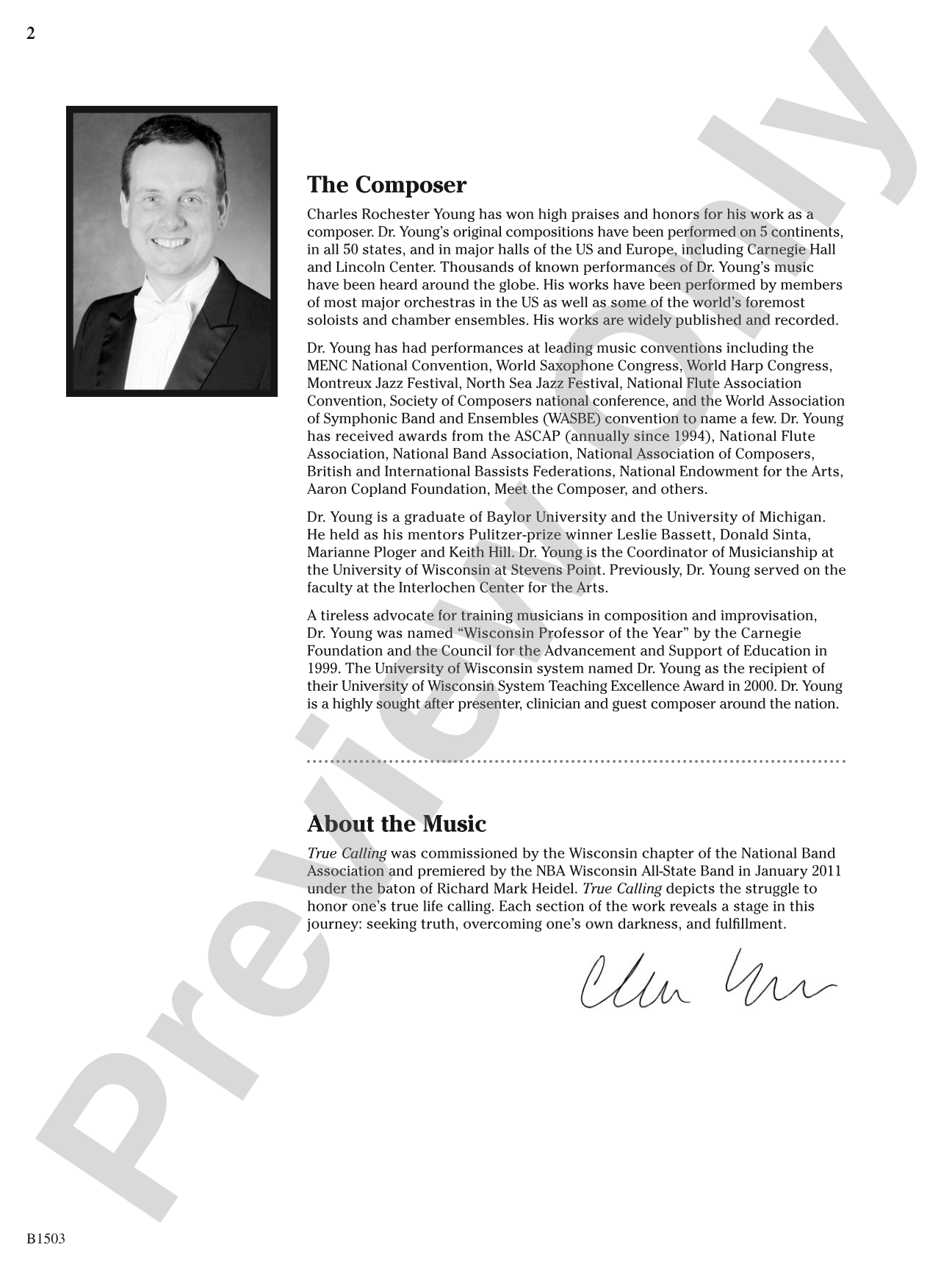
About the Composer: Charles Rochester Young
Charles Rochester Young is a respected composer and arranger whose work consistently balances technical demands with musical storytelling. His compositions for band, particularly those exploring metric complexity and programmatic content, have become staples in festival repertoire and concert programming across North America.
Why we love this
Young's rhythmic architecture here is genuinely inventive. The interplay between 6/8 and 3/4 never feels arbitrary or pedagogical; instead, it propels the narrative forward and creates real tension that your ensemble will feel playing and your audience will hear. This is a concert opener that actually opens, rather than simply filling time.
What to expect
Urgent and driven. The alternating meters create a sense of internal conflict resolved, like wrestling with a decision and ultimately committing to it. The pulsating rhythms keep everything kinetic and forward-moving, preventing the piece from ever settling into comfort.
Who it's for
Concert bands at the 4.5 grade level seeking a substantial, musically sophisticated opener that does not rely on novelty. This works equally well for festival settings and traditional concert programming.
How to get the most out of it
- Establish the pulse of the 6/8 section before introducing the 3/4 material. Your ensemble needs to feel the relationship between these meters internally, not just read the notation.
- Shape the pulsating rhythmic elements as if they were a heartbeat responding to emotional stakes. Resist the urge to play them mechanically.
- Mark the juxtapositions where both meters appear simultaneously. These moments demand clear visual cueing and sectional awareness during rehearsal.
- Bring out the exhilarating character in the final phrases without losing precision. Speed and clarity are not opposing forces here.
How to use it
Program this as your first selection to establish energy and musicianship early. Its compact but substantial architecture makes it an ideal choice for contest or festival dates, where you need to demonstrate rhythmic sophistication and control without a lengthy piece.
Skills your students will build
- Reading and performing mixed meters (6/8 and 3/4)
- Maintaining pulse integrity when meters shift or overlap
- Ensemble precision during rhythmically complex passages
- Stylistic control of pulsating, energetic material
- Responding to metric modulation while preserving musical momentum