
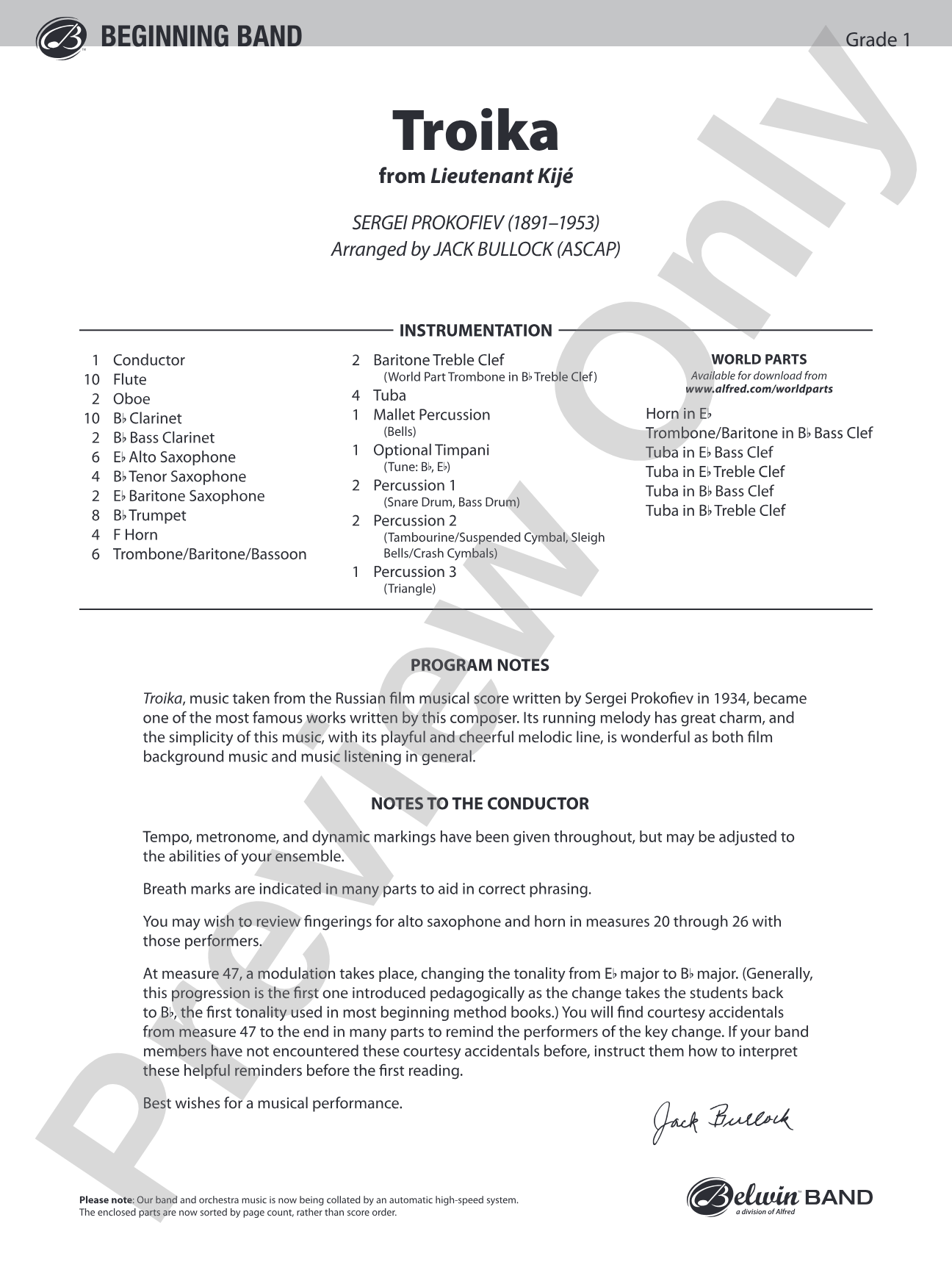

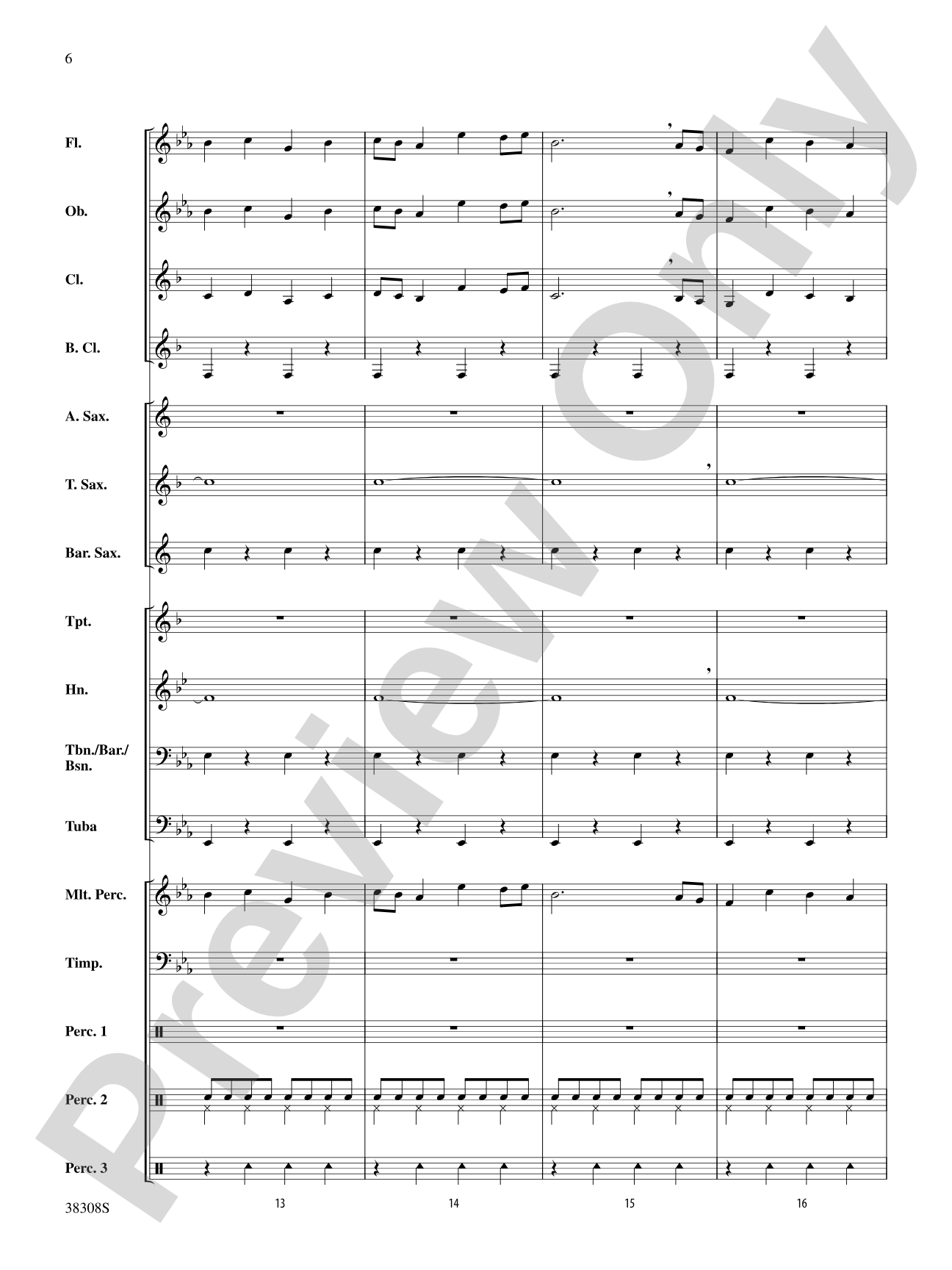
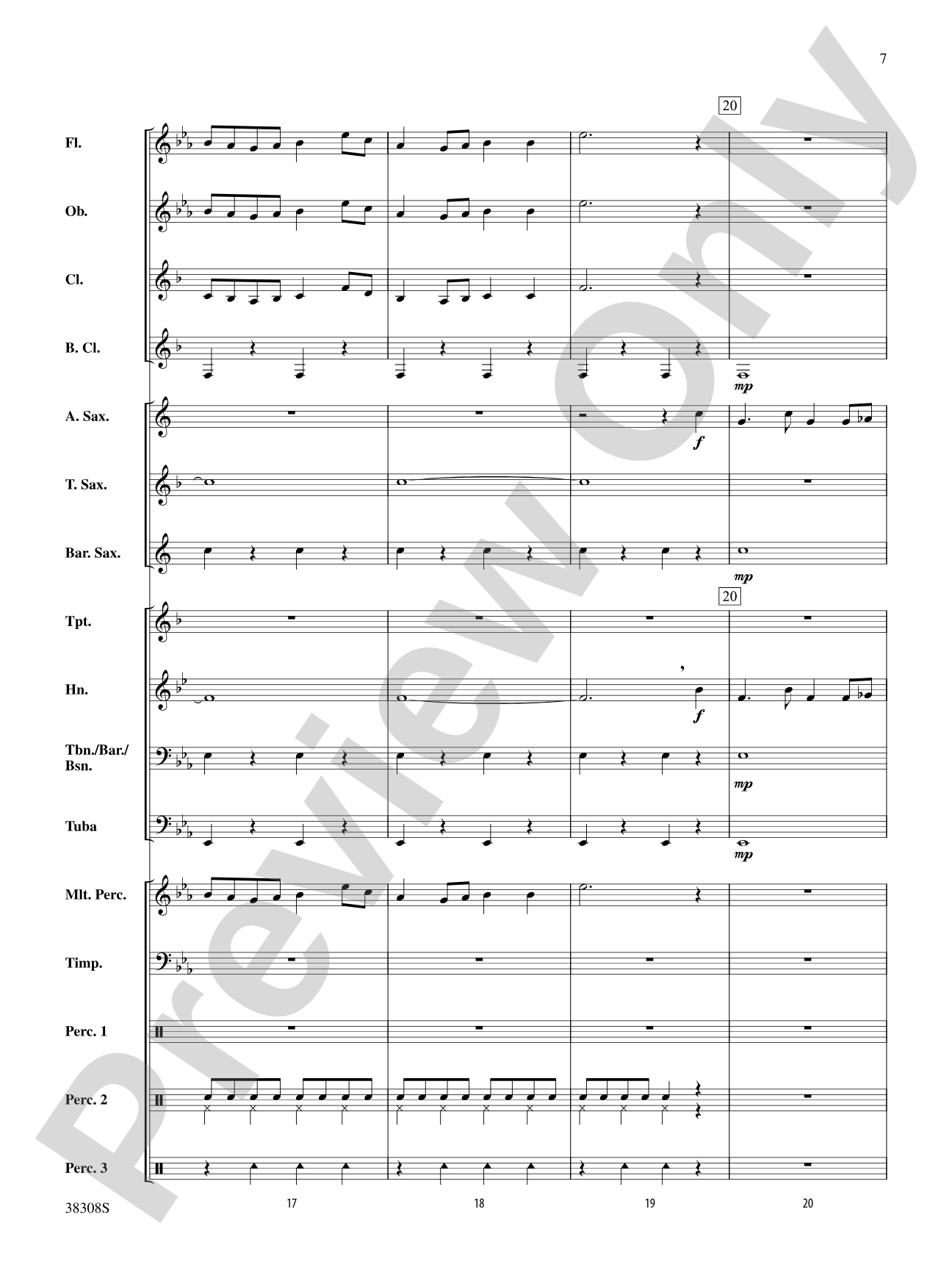
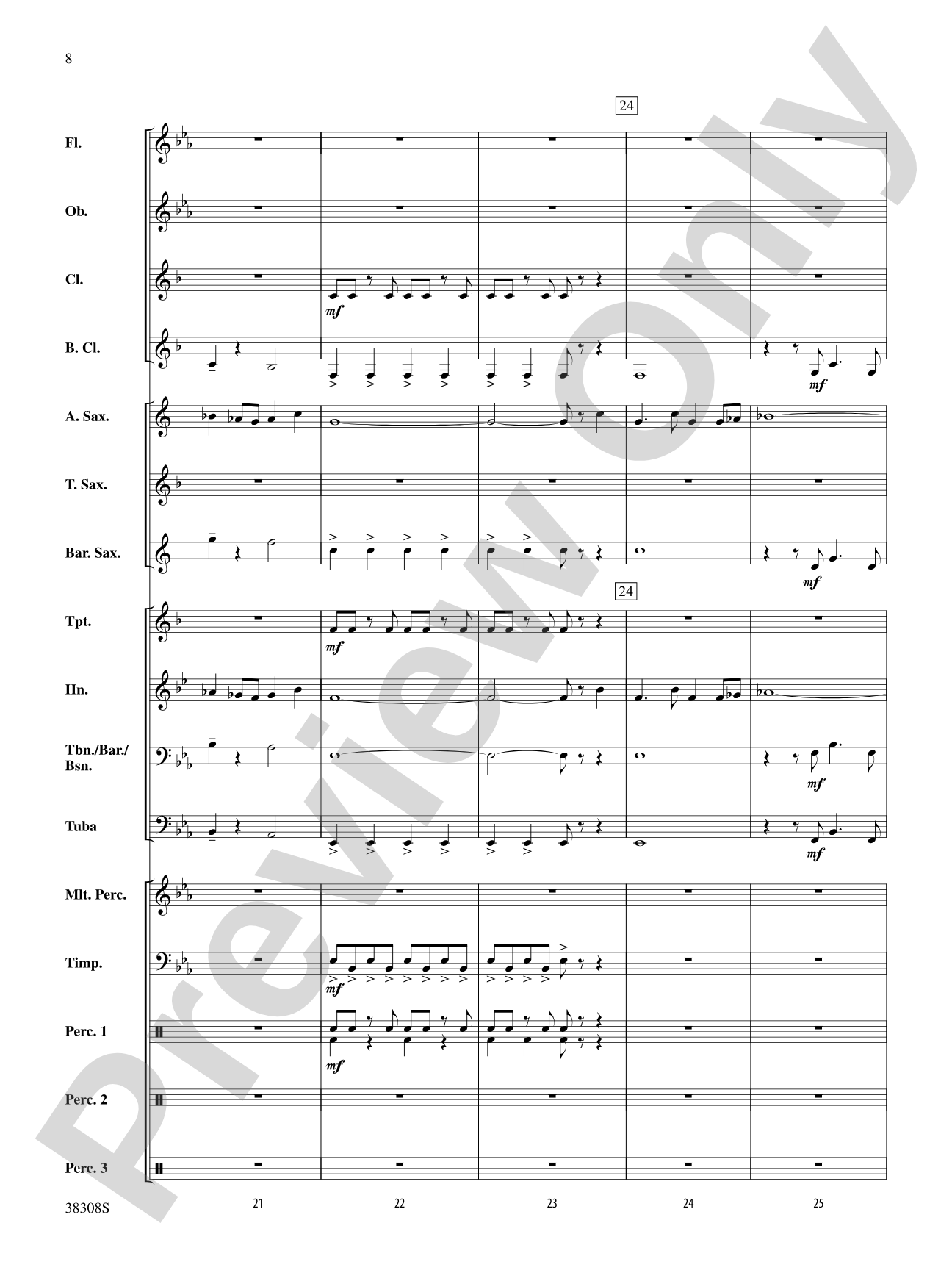
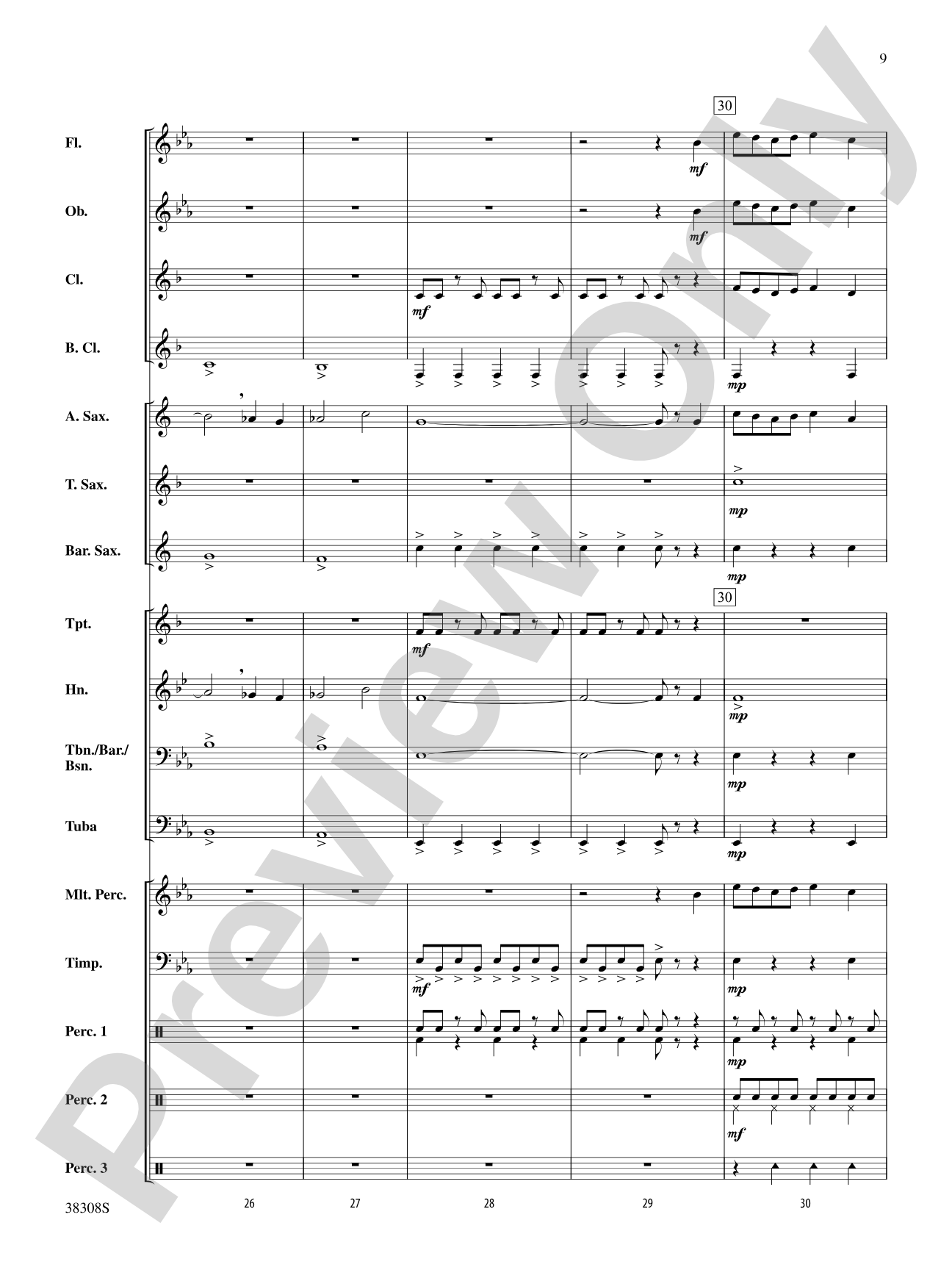
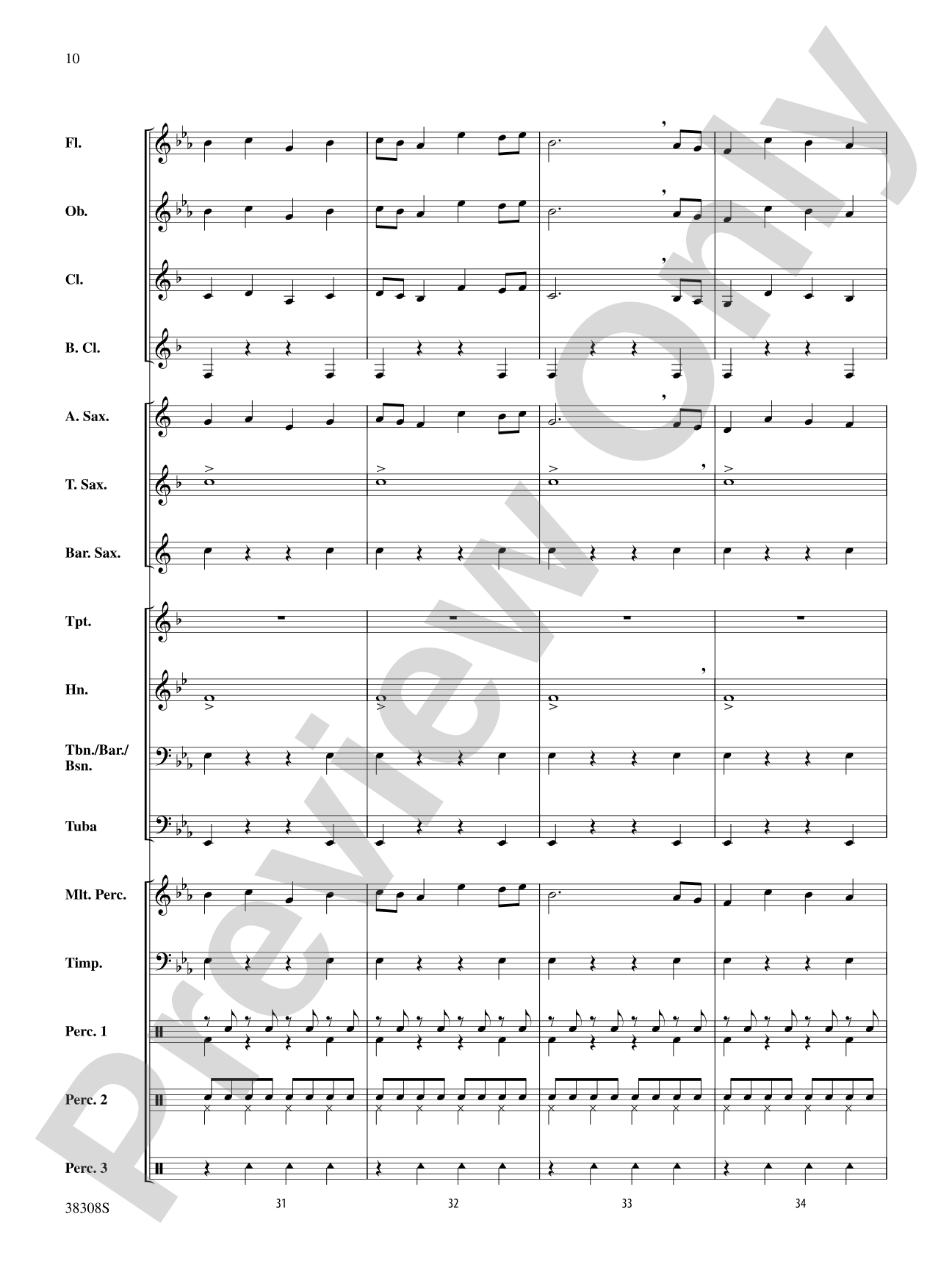
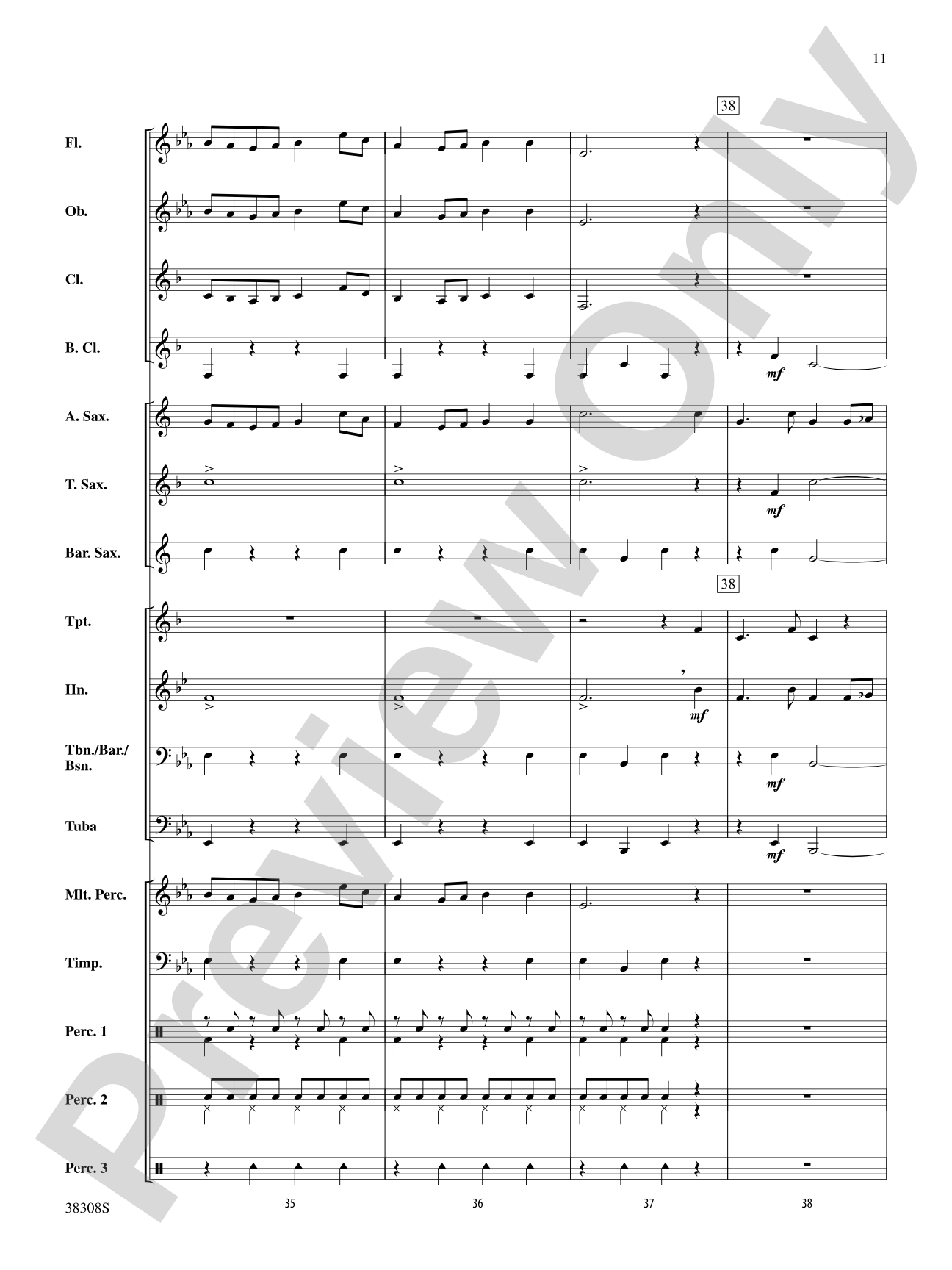
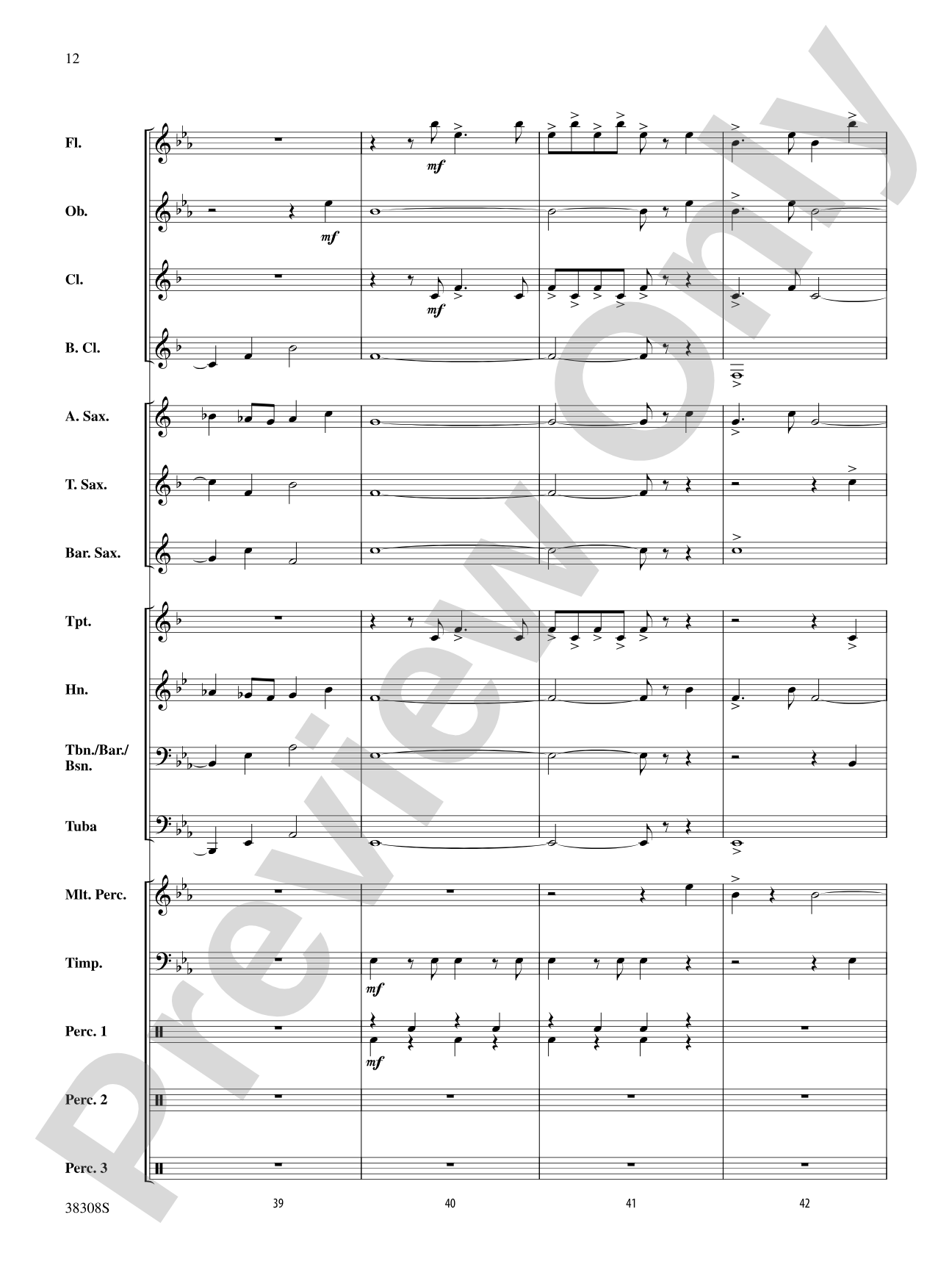
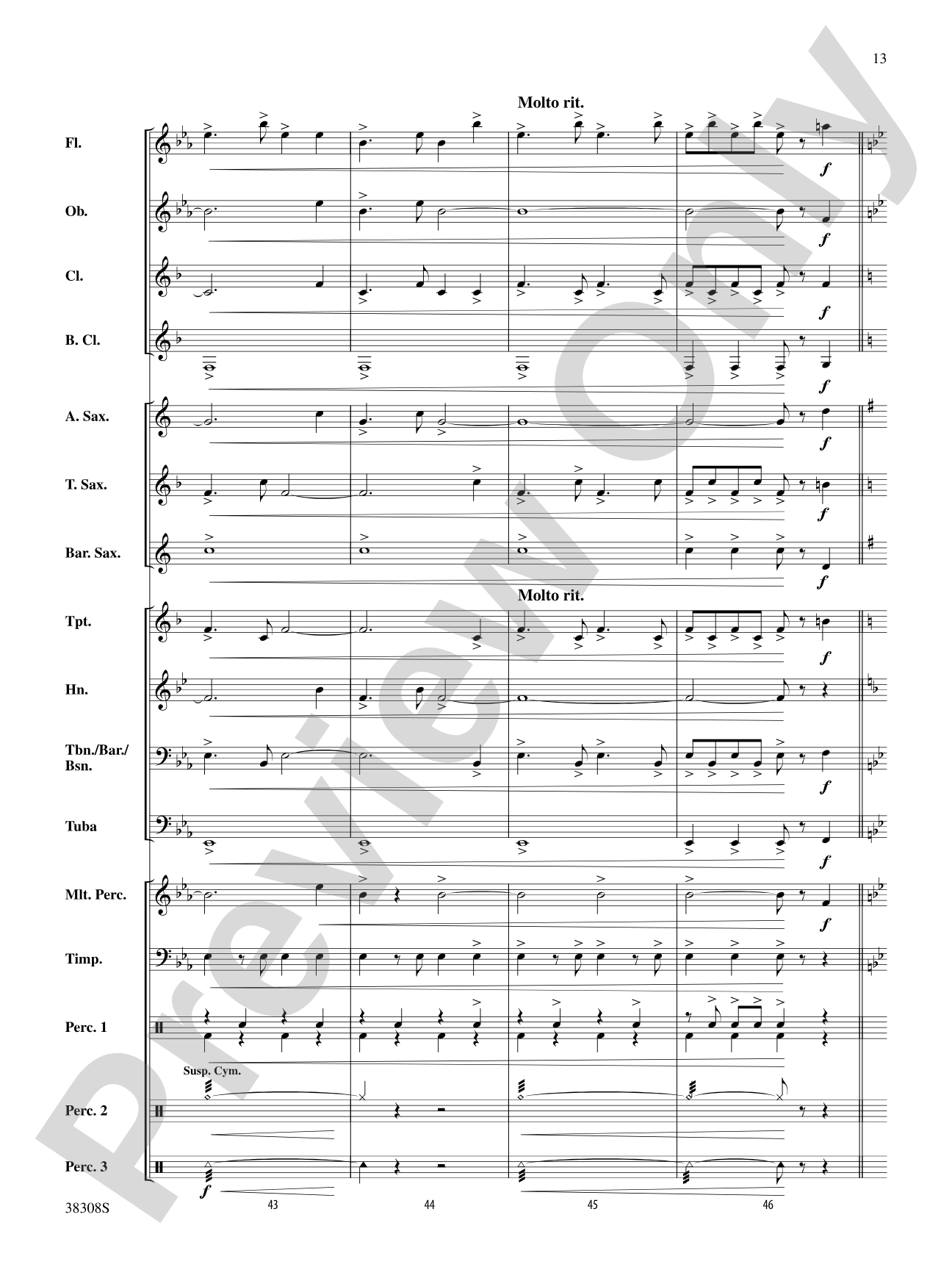
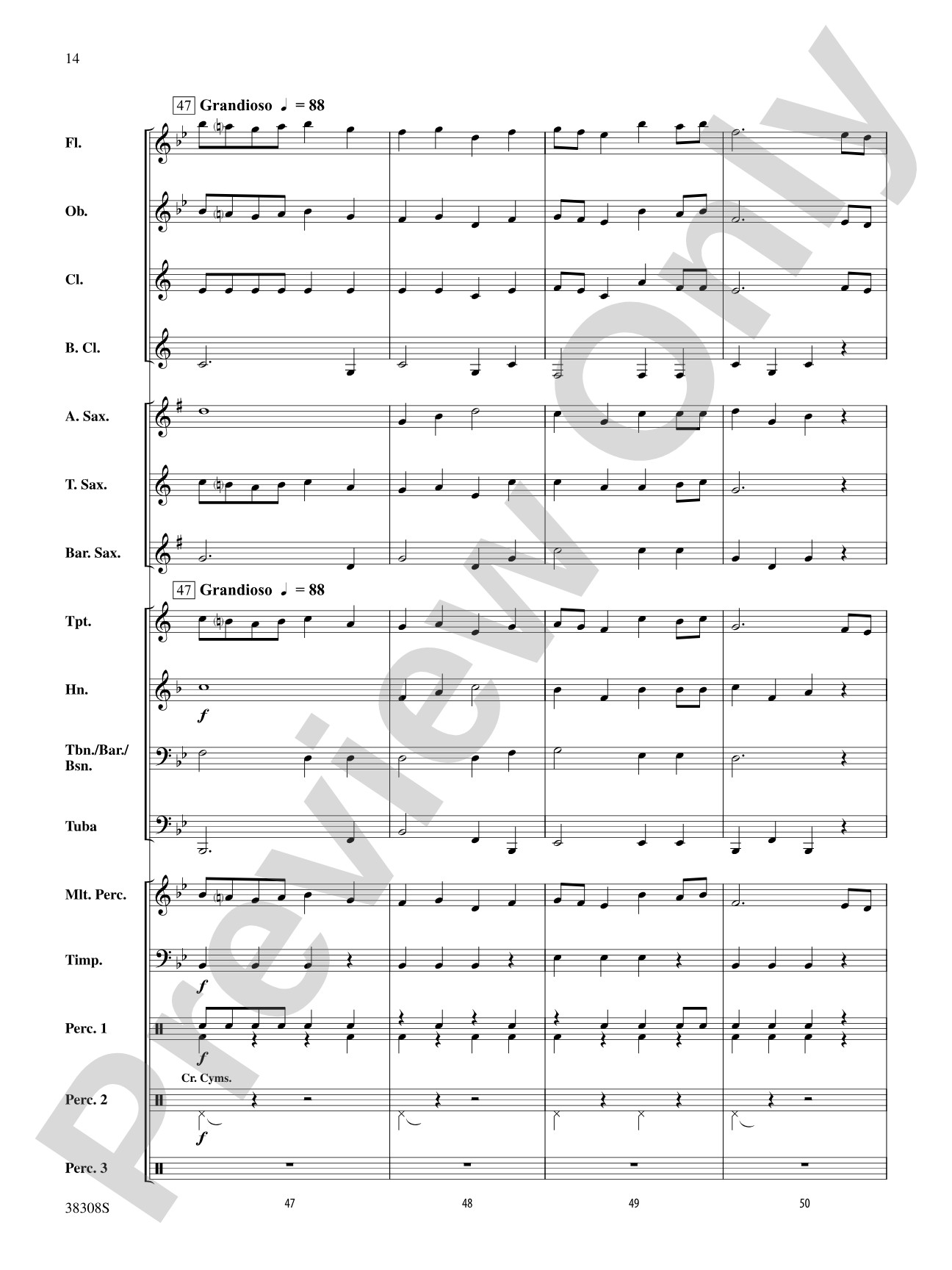
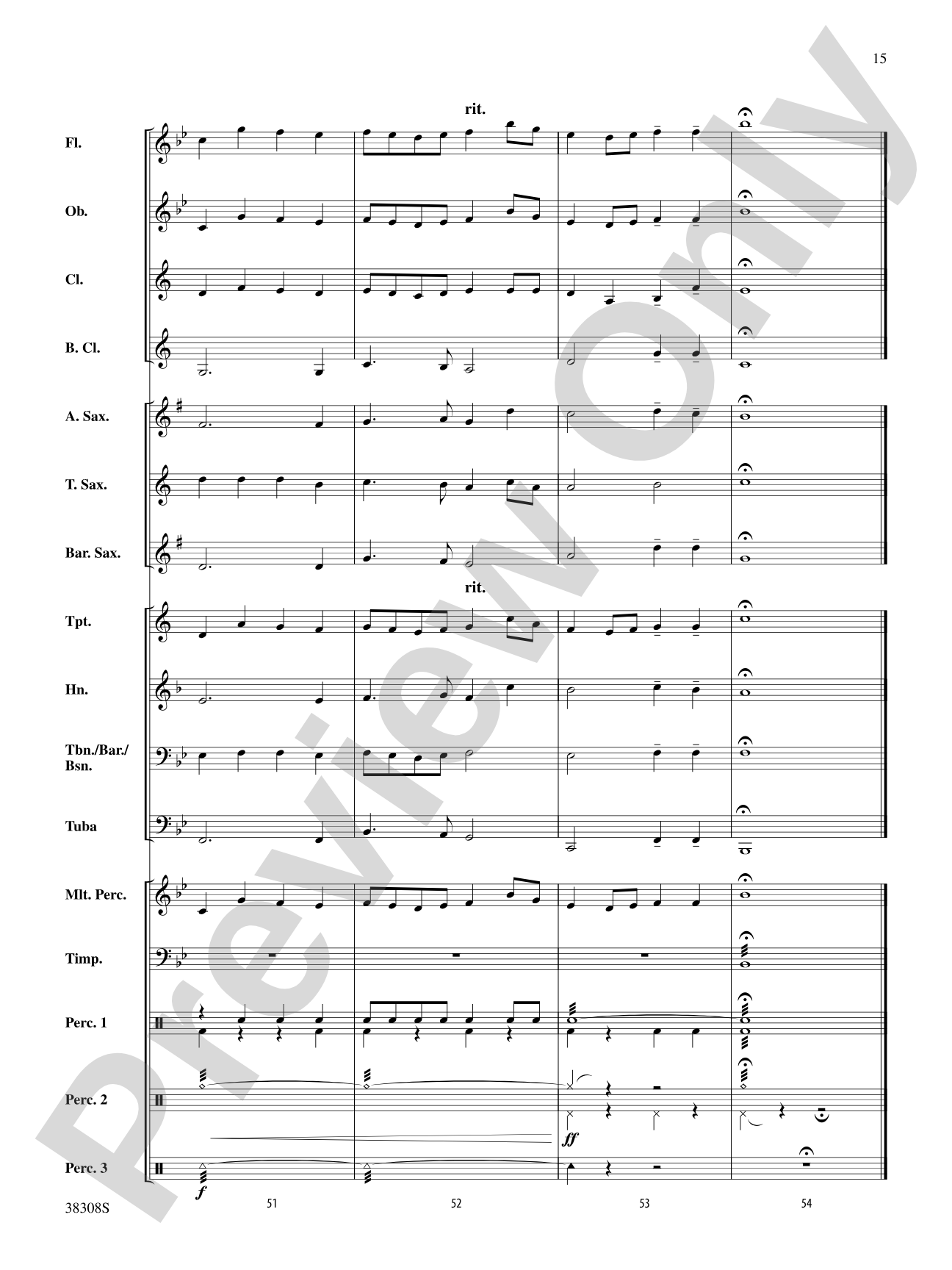

Troika (from Lieutenant Kijé Suite)
By Sergei Prokofiev / arr. Jack Bullock
Grade: 1 (Very Easy)
Item: 00-PK-0007045

$50.00
Pickup currently not available
Buy Extra Parts (Digital PDF Download)
Parts Added to Cart!
Description
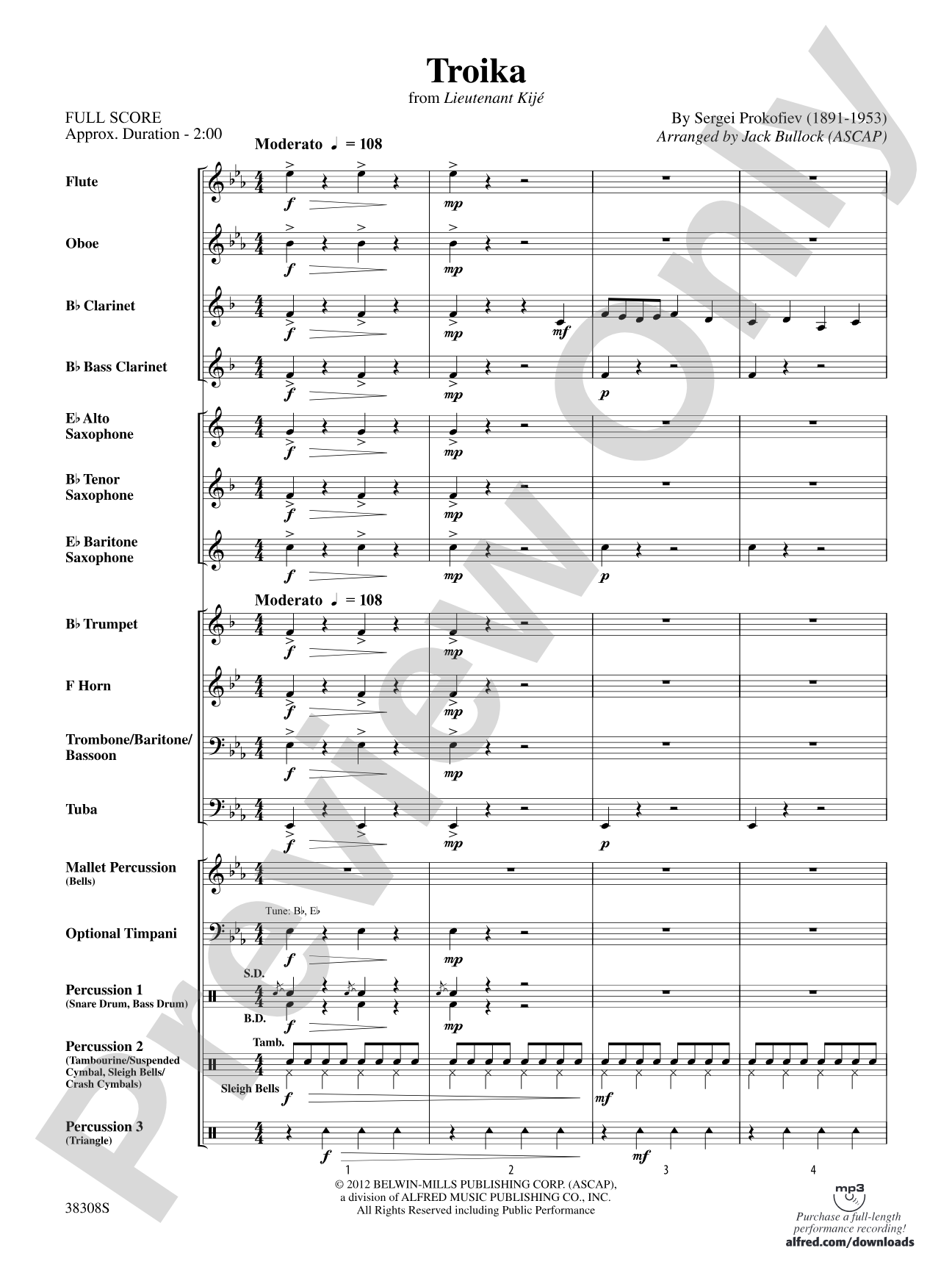
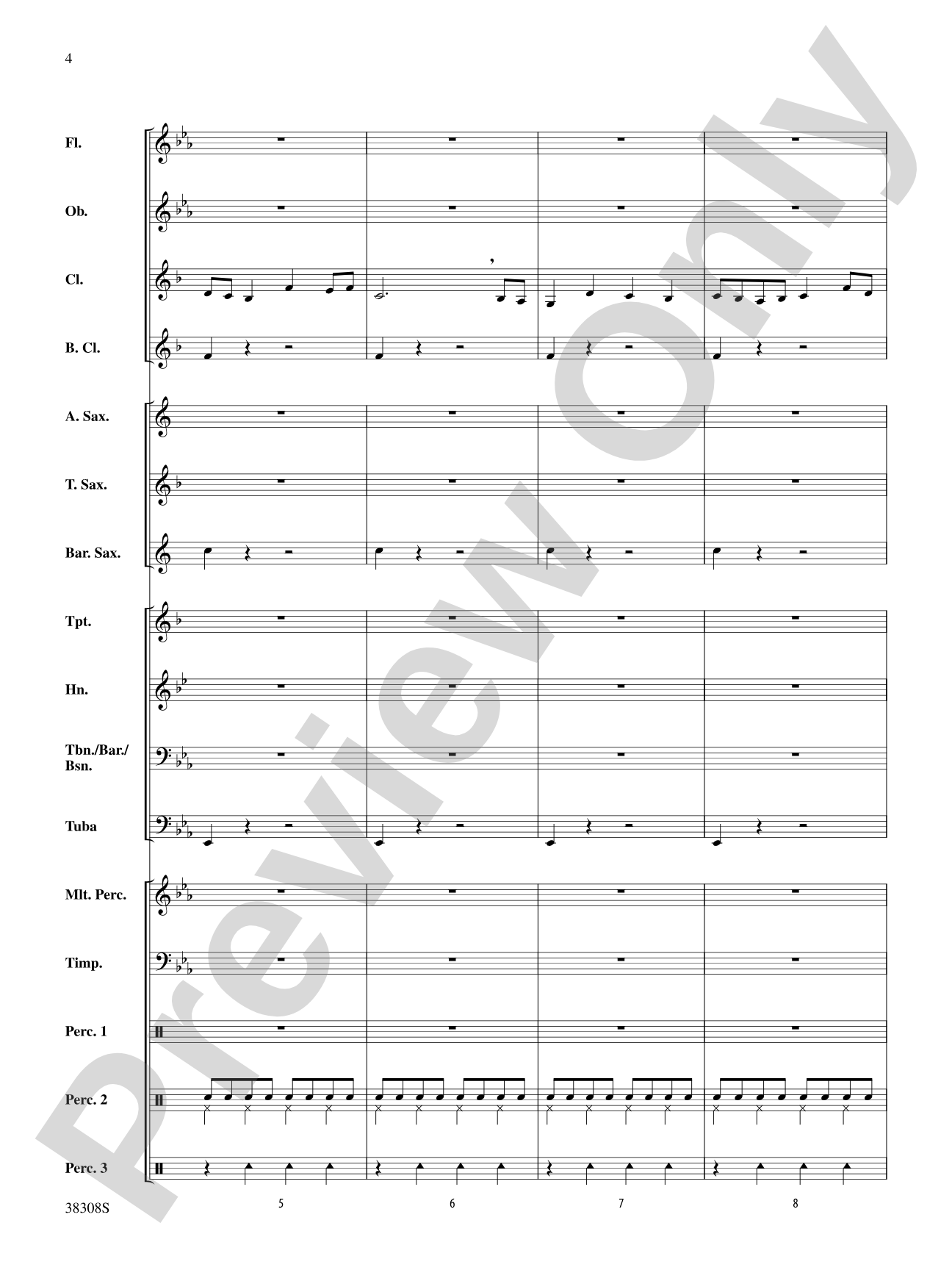
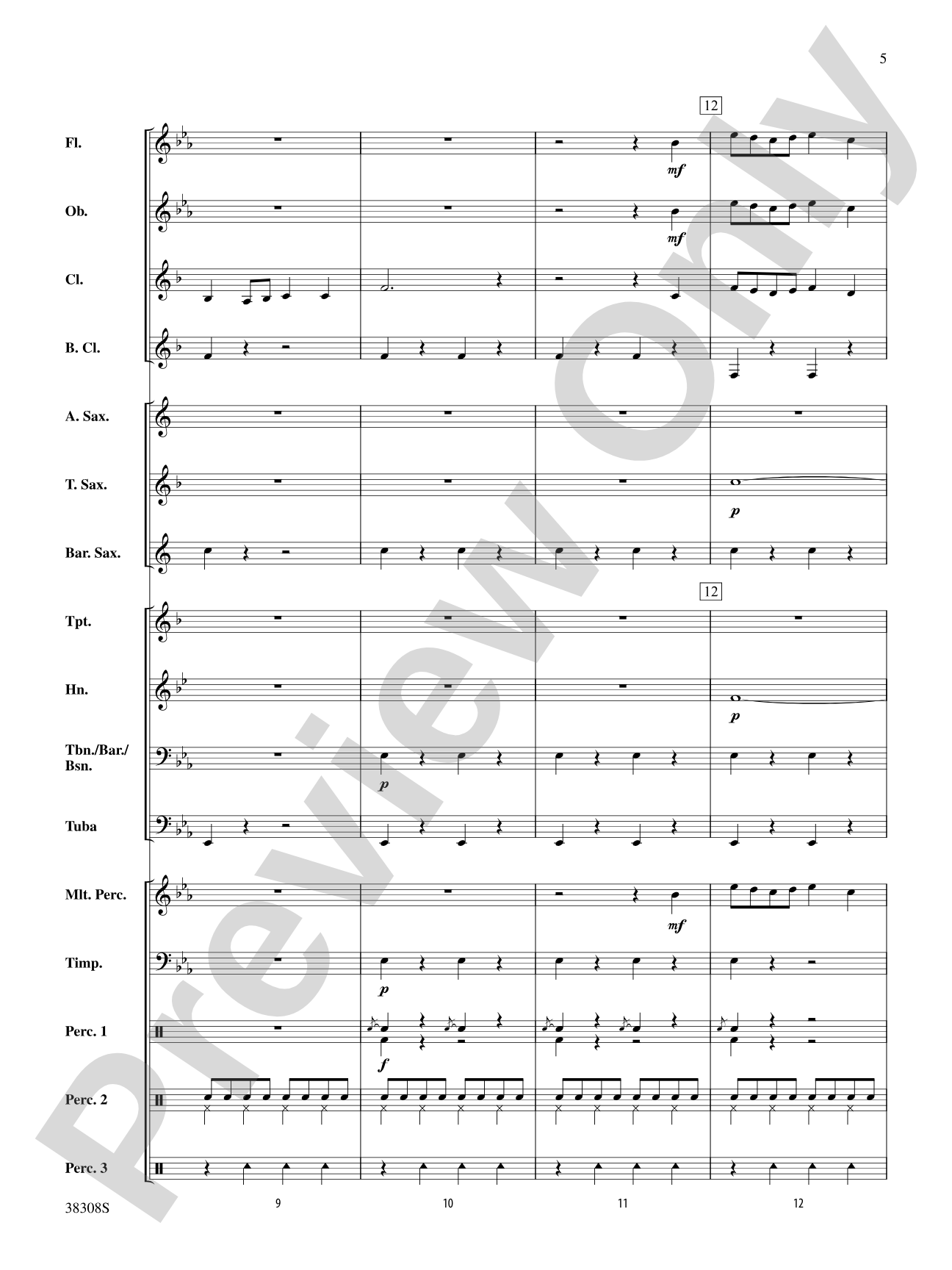
This music taken from the musical score for the Russian film Lieutenant Kijé, written by Sergei Prokofiev in 1934, became one of the most famous works written by this composer. Providing the instructional opportunity to introduce the concept of modulation, its running melody has great charm, and the simplicity of this music, with its playful and cheerful melodic line, is wonderful as both film background music and music listening in general. (2:00)


Don't just read it, hear it, play along with it, and watch your students grow with it. In MakeMusic Cloud, Troika (from Lieutenant Kijé Suite) comes alive with professional accompaniment, adjustable tempo, and built-in practice tools that turn solo practice into real progress.
Open in the Player
Jump straight in and assign it today.
Start Your Free Trial
Open this title and explore the full library in minutes.
Sample Audio
1
Audio File
--:--
0:00
0:00
Sample Video
No sample videos found.
Additional Details
Series:
Belwin Beginning Band
Publisher:
Alfred Music
Page Count:
134
SKU:
00-PK-0007045
More about this title
About the Composer: Sergei Prokofiev
Sergei Prokofiev (1891-1953) was a Russian composer whose inventive harmonies and rhythmic vitality shaped twentieth-century music. His output spanned orchestral works, ballets, operas, concertos, and film scores, each bearing his signature blend of modern harmonic language and melodic directness. Prokofiev understood how to write for cinema without sacrificing musical substance, a skill that made his film scores enduring concert pieces.
The Lieutenant Kijé Suite emerged from his 1934 film score for a satirical Soviet comedy. Unlike many composers of his generation, Prokofiev wrote music that felt both contemporary and instantly memorable, making his film works ideal entry points for young musicians encountering twentieth-century masterworks.
Why we love this
Troika strikes the rare balance of being musically sophisticated yet approachable for Grade 1 bands. The running melody is natural and engaging, giving young players genuine material to shape rather than exercise-like passages. Programming this arrangement introduces students to an actual masterwork while teaching modulation in a context where the harmonic shift feels musical rather than theoretical.
What to expect
Troika gallops with purpose yet maintains a lighthearted spirit, like the sleigh ride it depicts. The melody dances across the band with infectious charm while the harmonic foundation gives it substance and forward motion.
Who it's for
This arrangement serves beginning band students ready to engage with real repertoire beyond etude-based material. It also works for ensembles building confidence with twentieth-century music or those seeking a spirited selection that appeals to younger audiences without sacrificing musical integrity.
How to get the most out of it
- Keep the running sixteenth-note figures light and flowing; resist the urge to press forward. The charm lives in an almost conversational rhythm, not a rushed one.
- Shape the melody with subtle dynamic shaping rather than dramatic contrasts. The piece's playfulness emerges through articulation clarity and phrase direction, not volume swings.
- Balance the accompaniment so the melody sings above it. Young bands often bury the tune by playing rhythmic figures at equal volume to the lead part.
- Observe any tempo markings and modulation points carefully. These define the journey of the piece and help young musicians hear how Prokofiev moves between harmonic areas.
How to use it
This is an ideal opener or transition piece that energizes an audience without demanding complex emotional investment. It also works well in a concert exploring film music or Russian composers, where it connects Grade 1 players to major twentieth-century composers and repertoire beyond the traditional wind band canon.
Skills your students will build
- Recognition of harmonic modulation and key changes in a musical context
- Balanced articulation in running sixteenth-note passages
- Melodic phrasing and shaping in ensemble settings
- Listening to and blending with accompaniment voices