
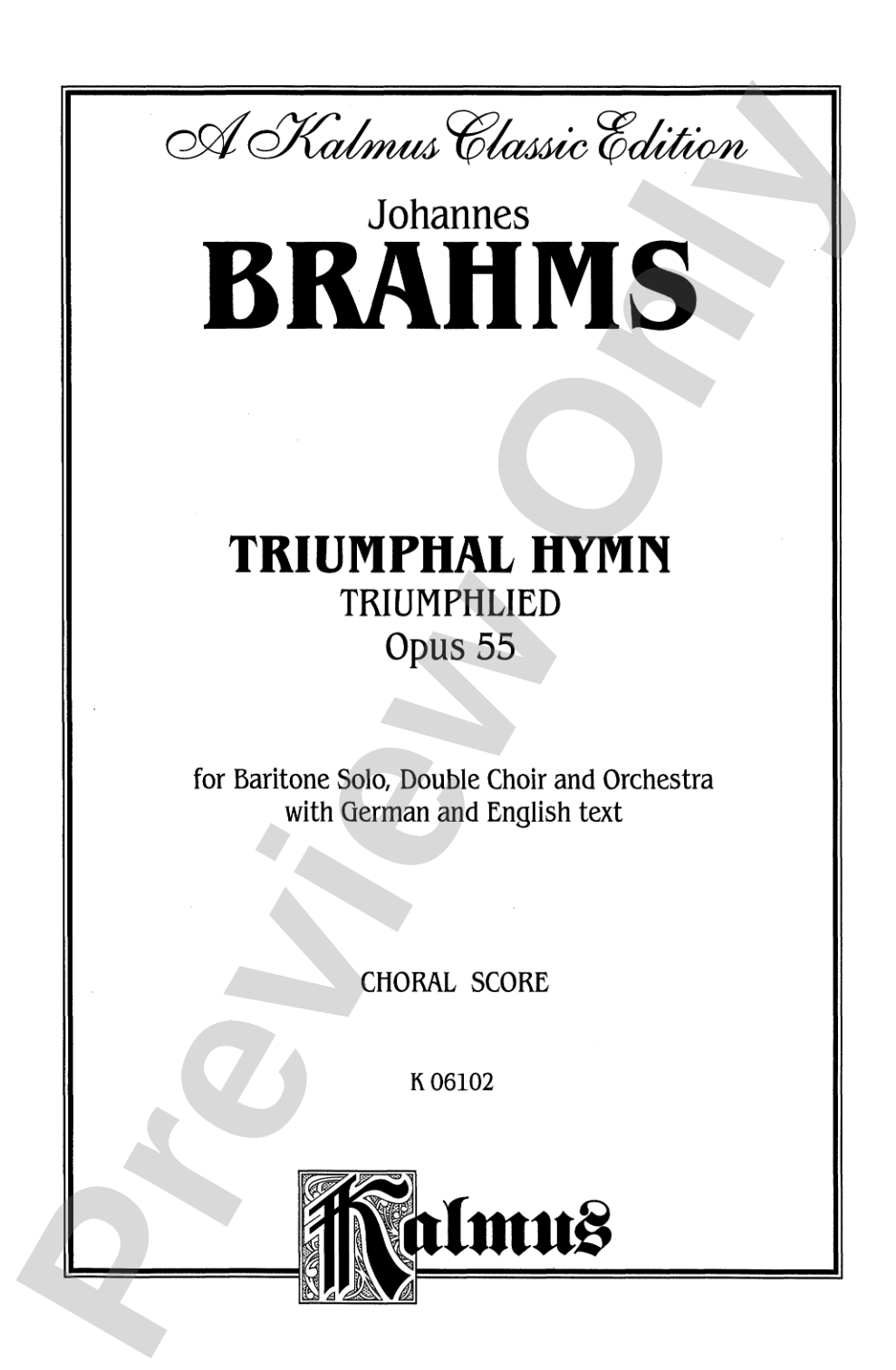

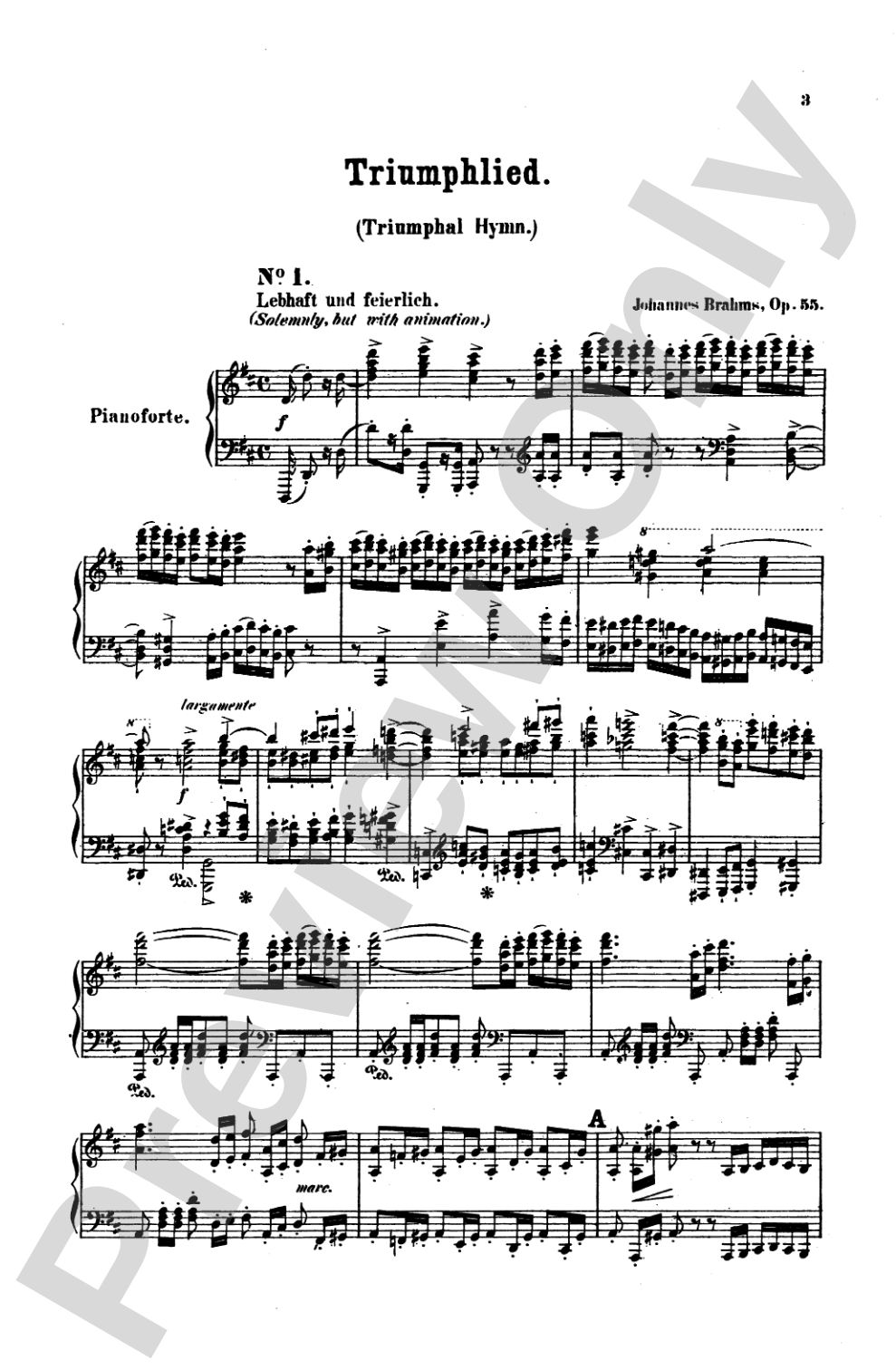
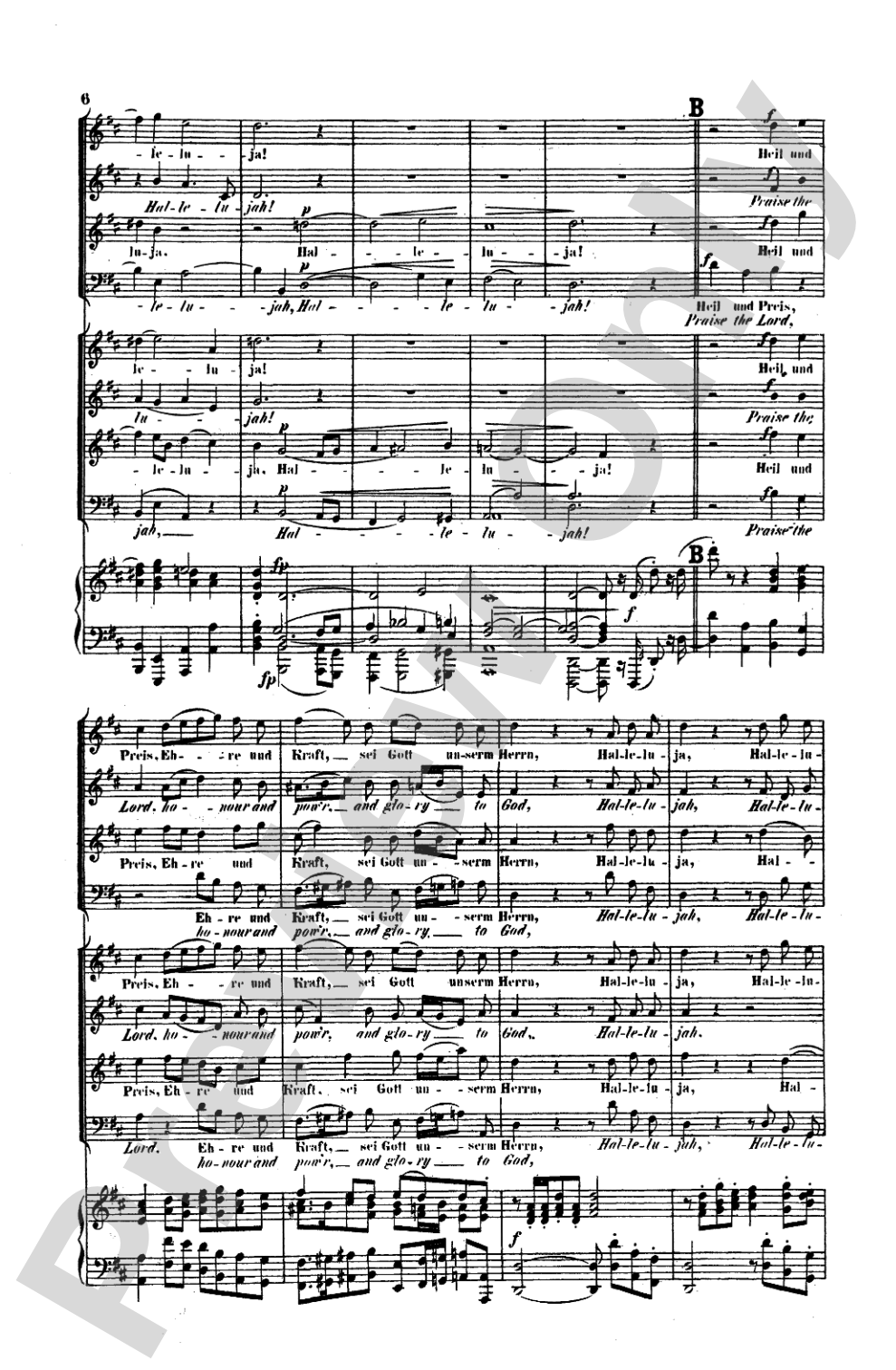
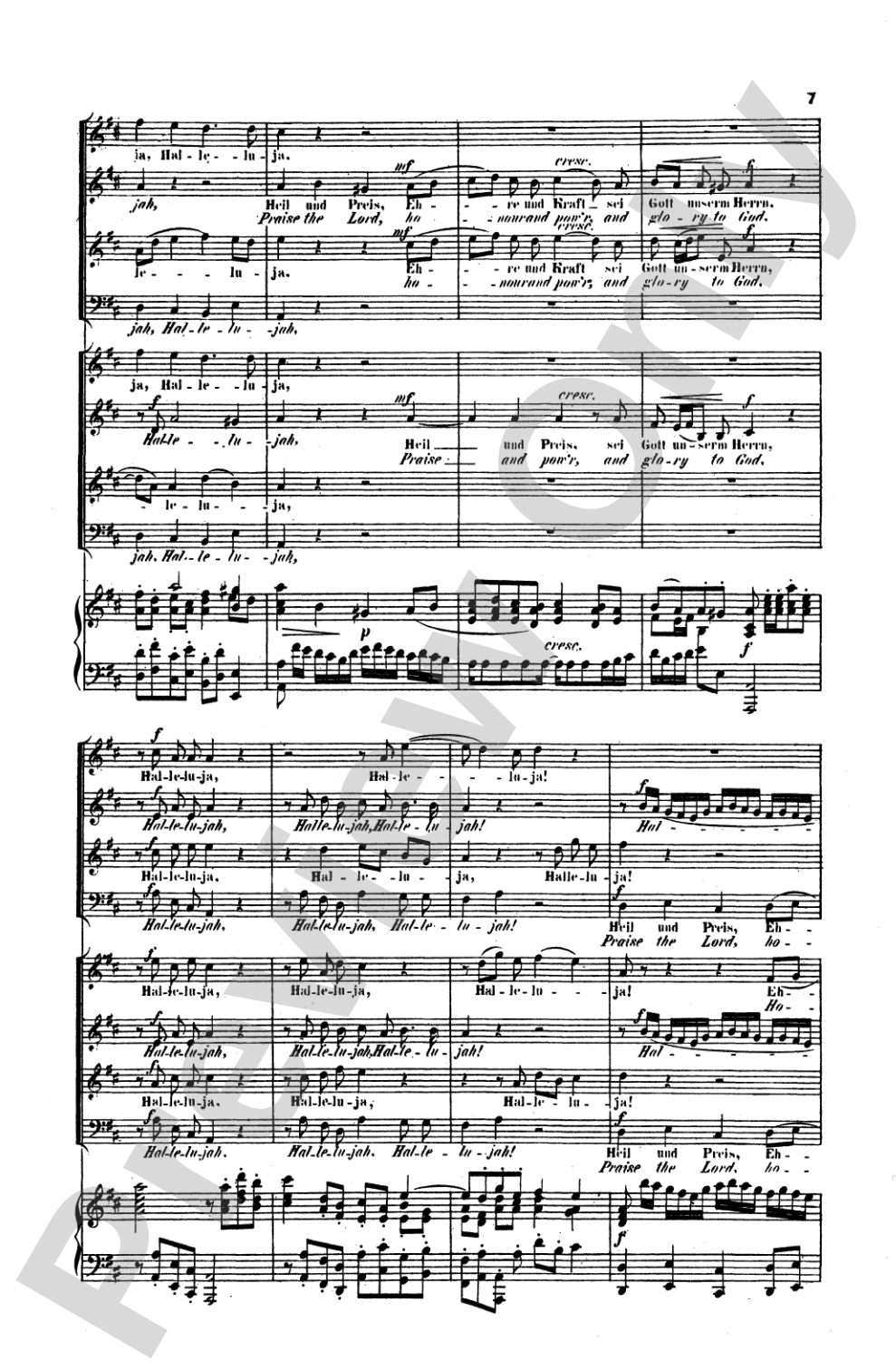
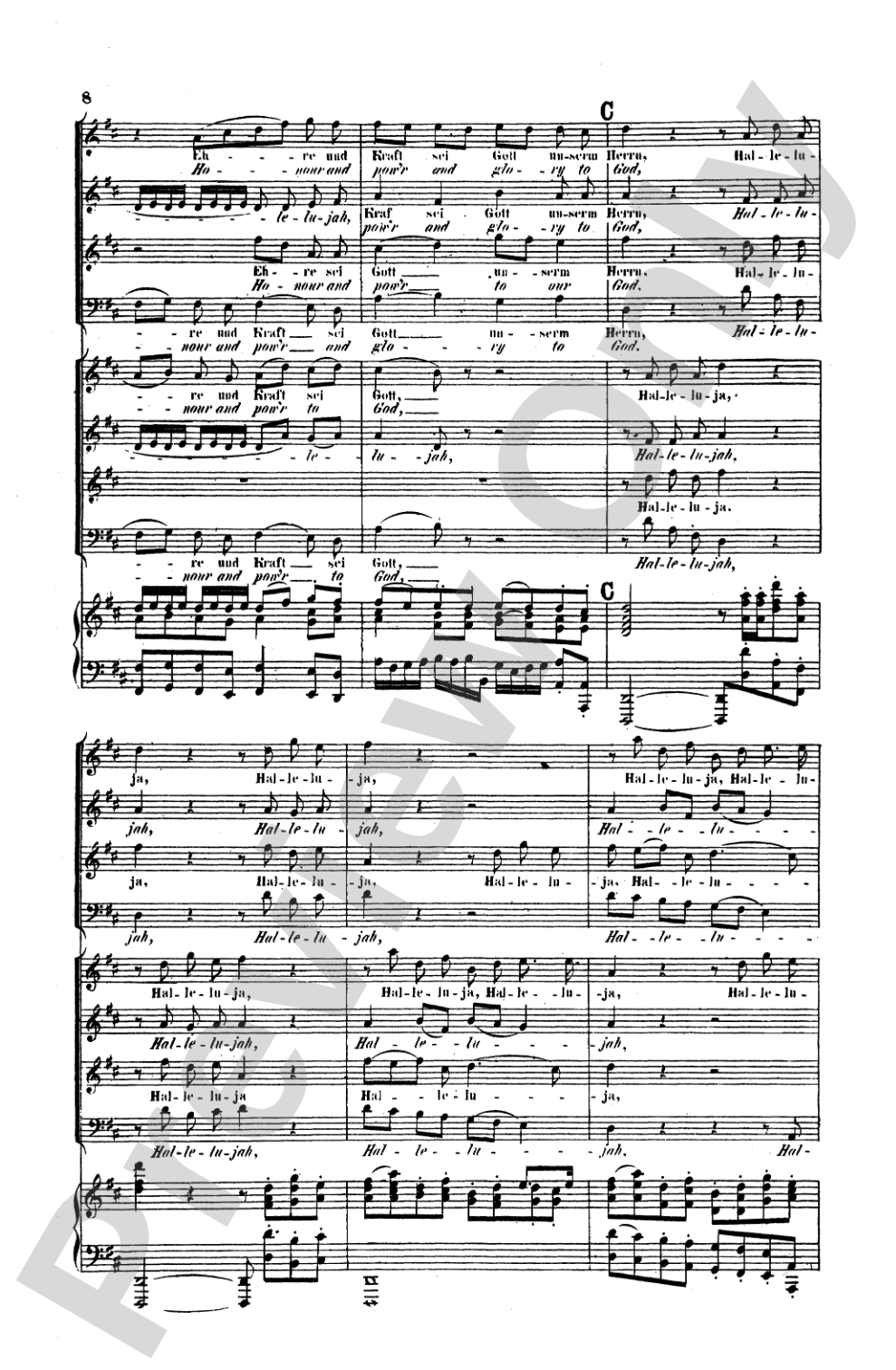
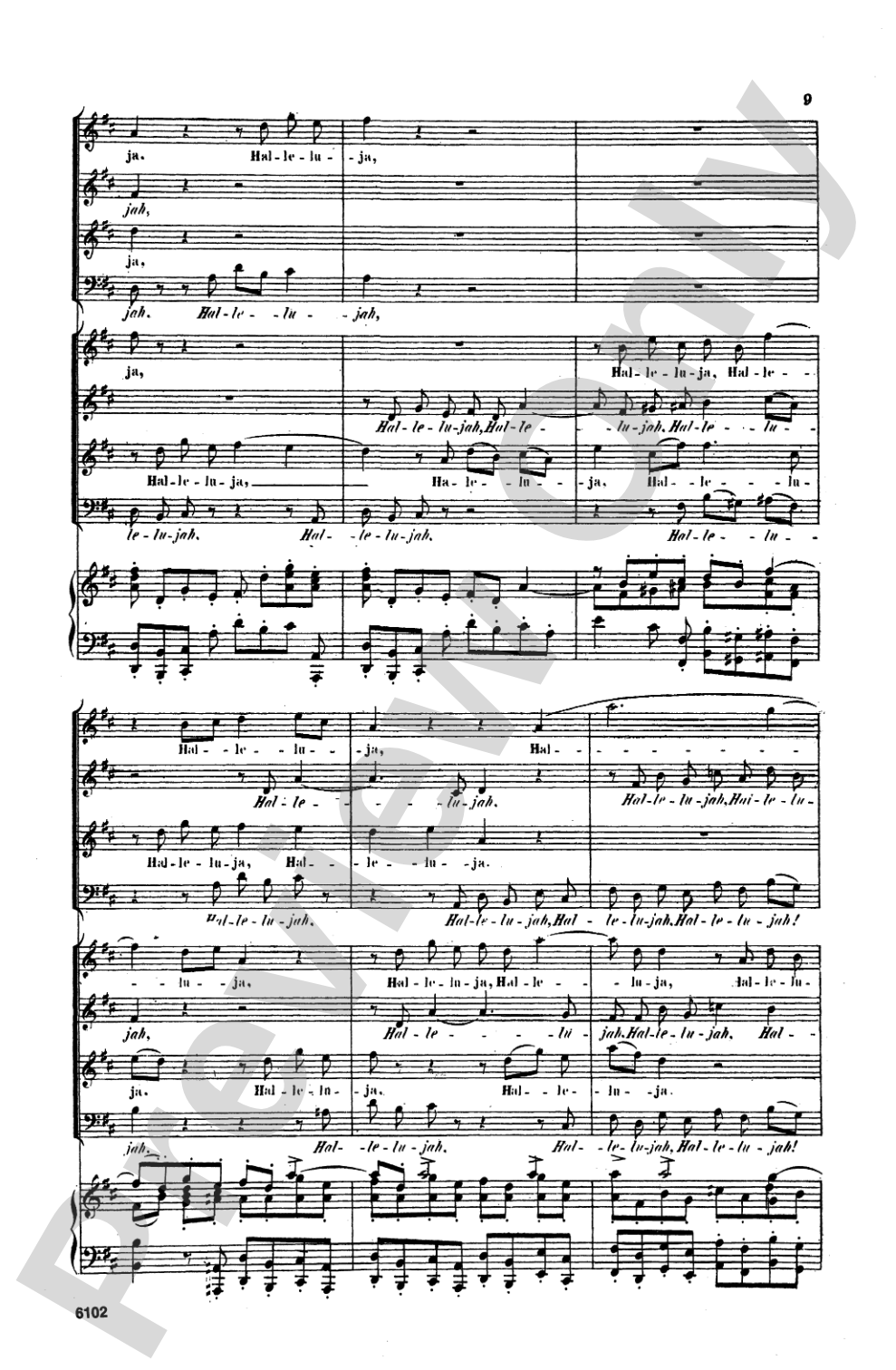
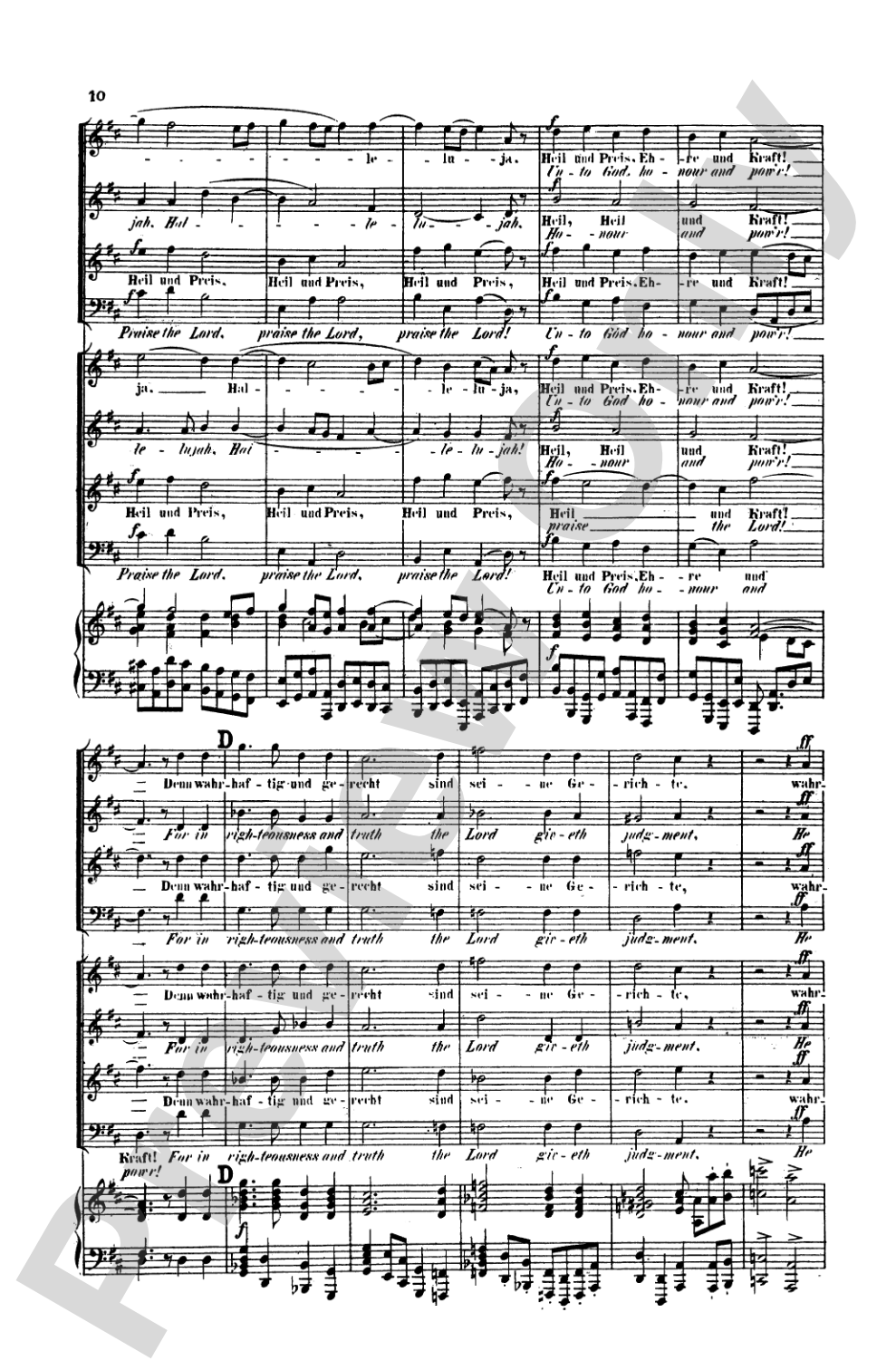
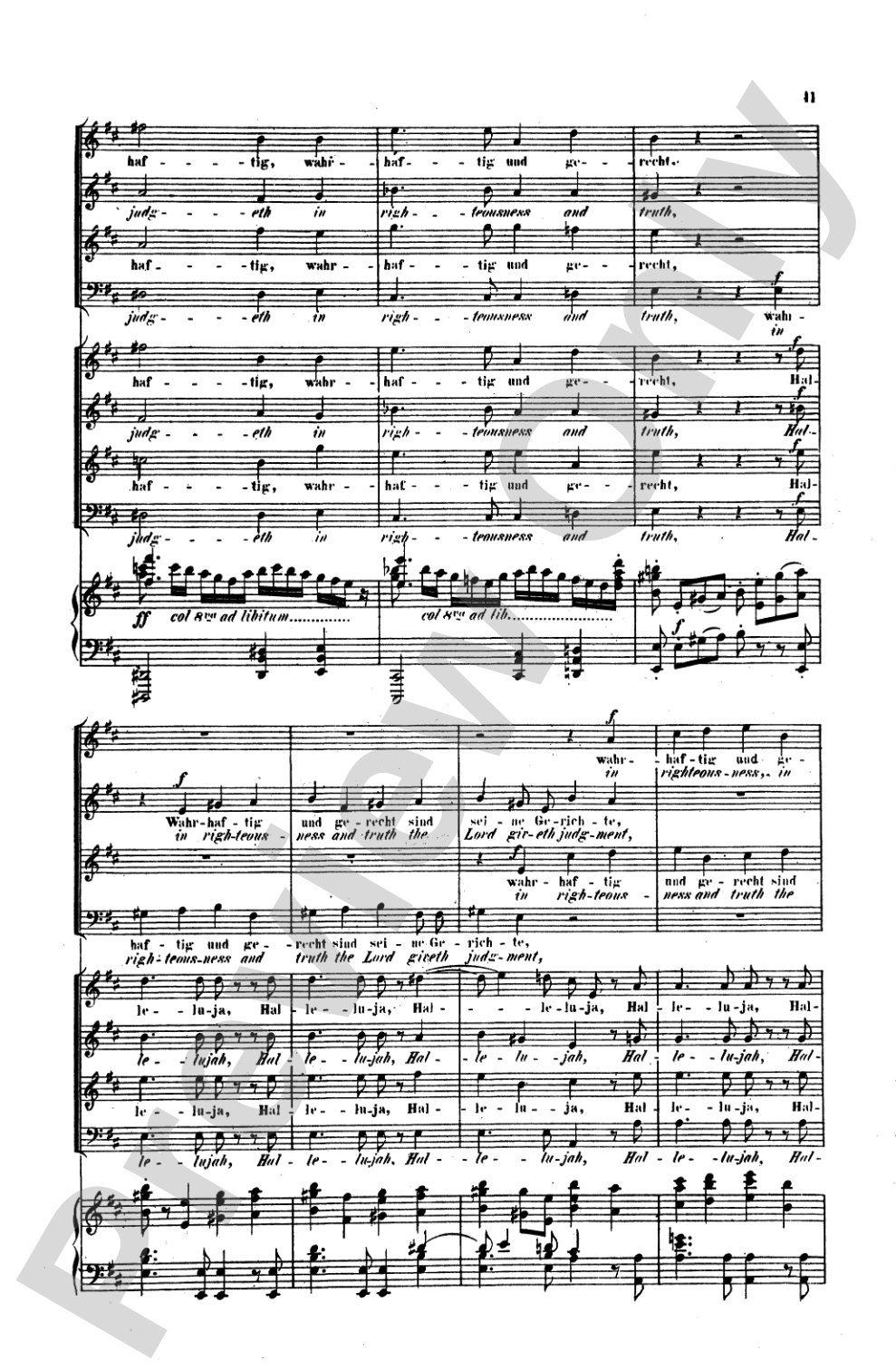
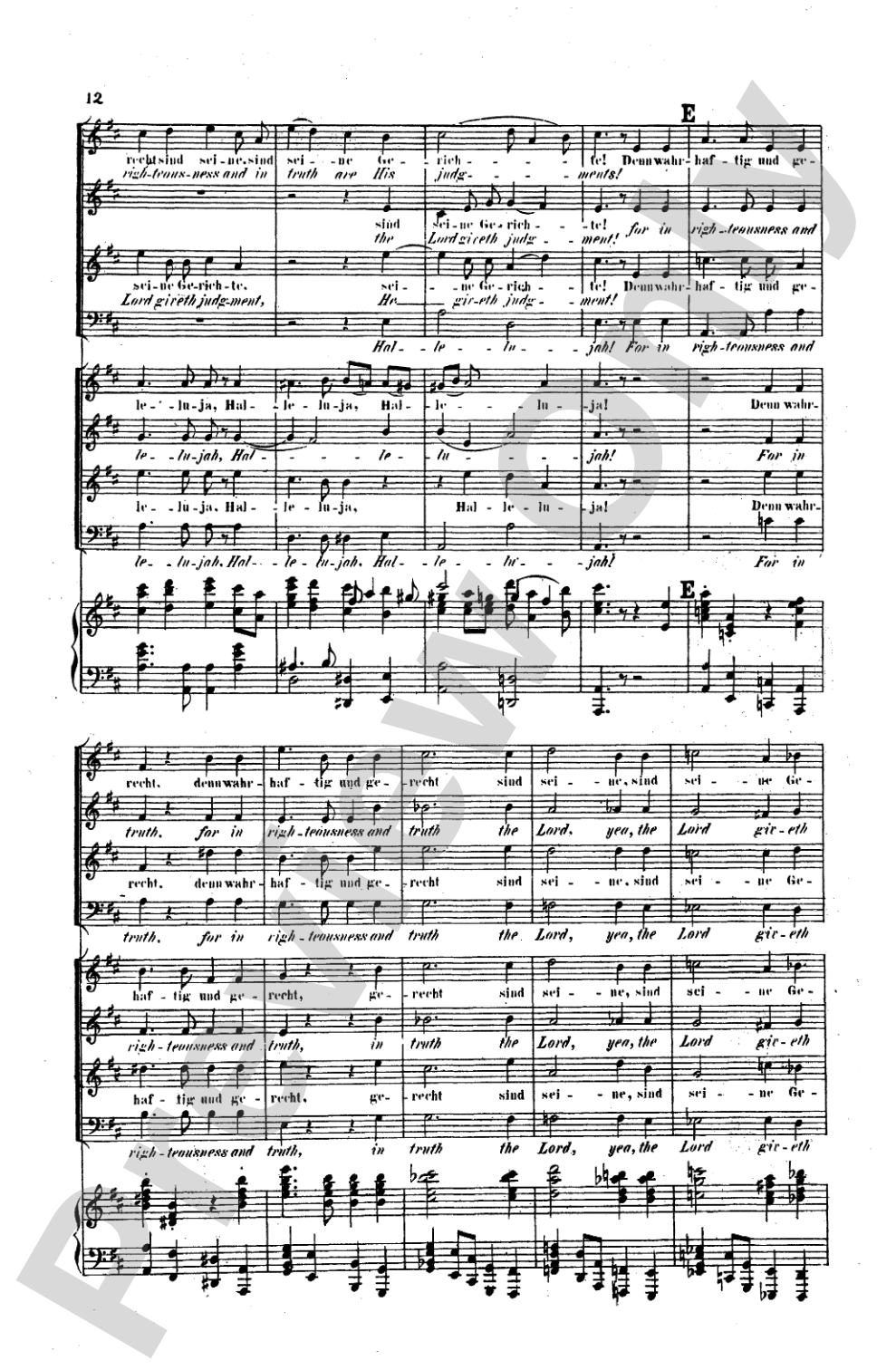
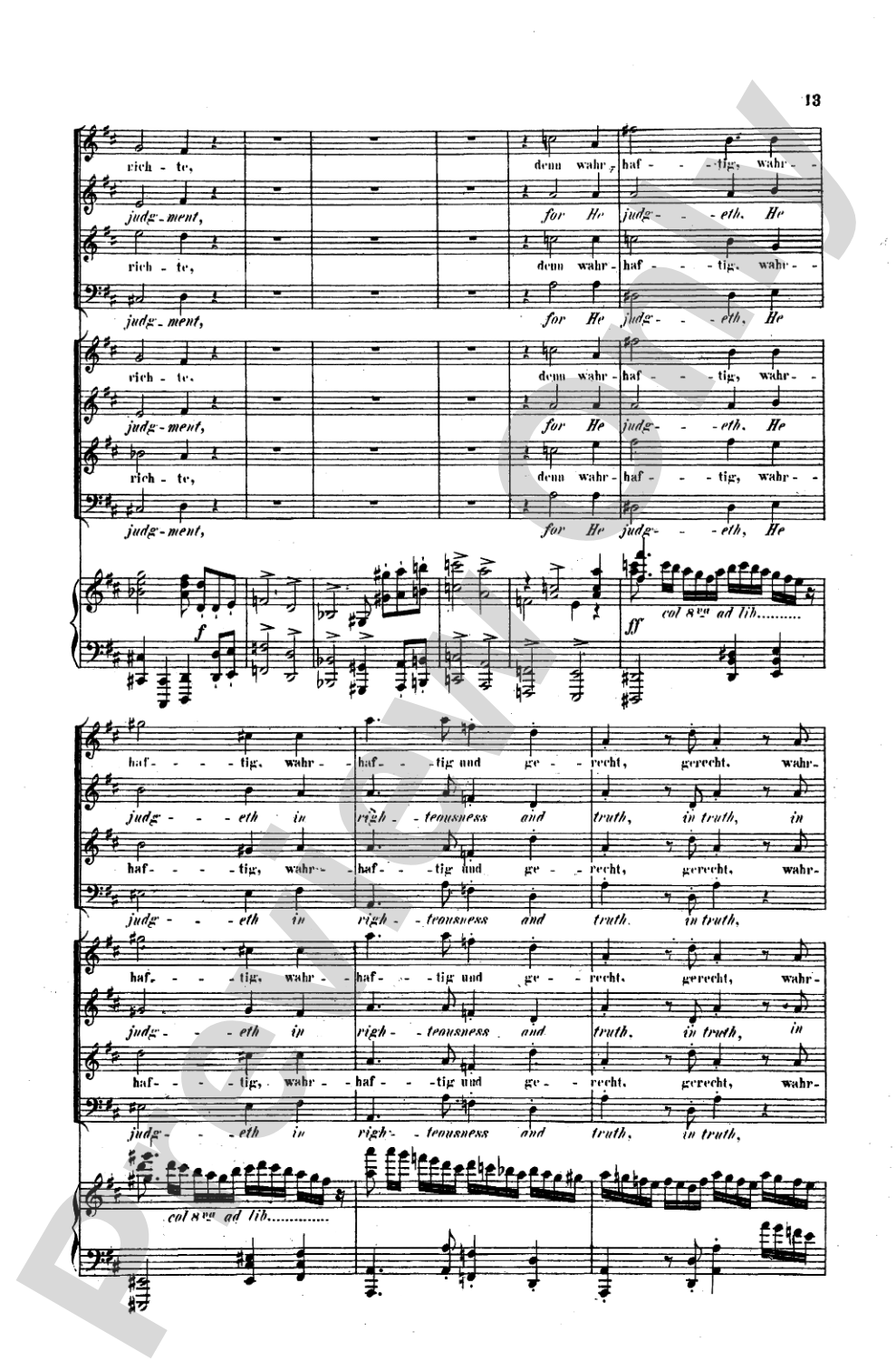
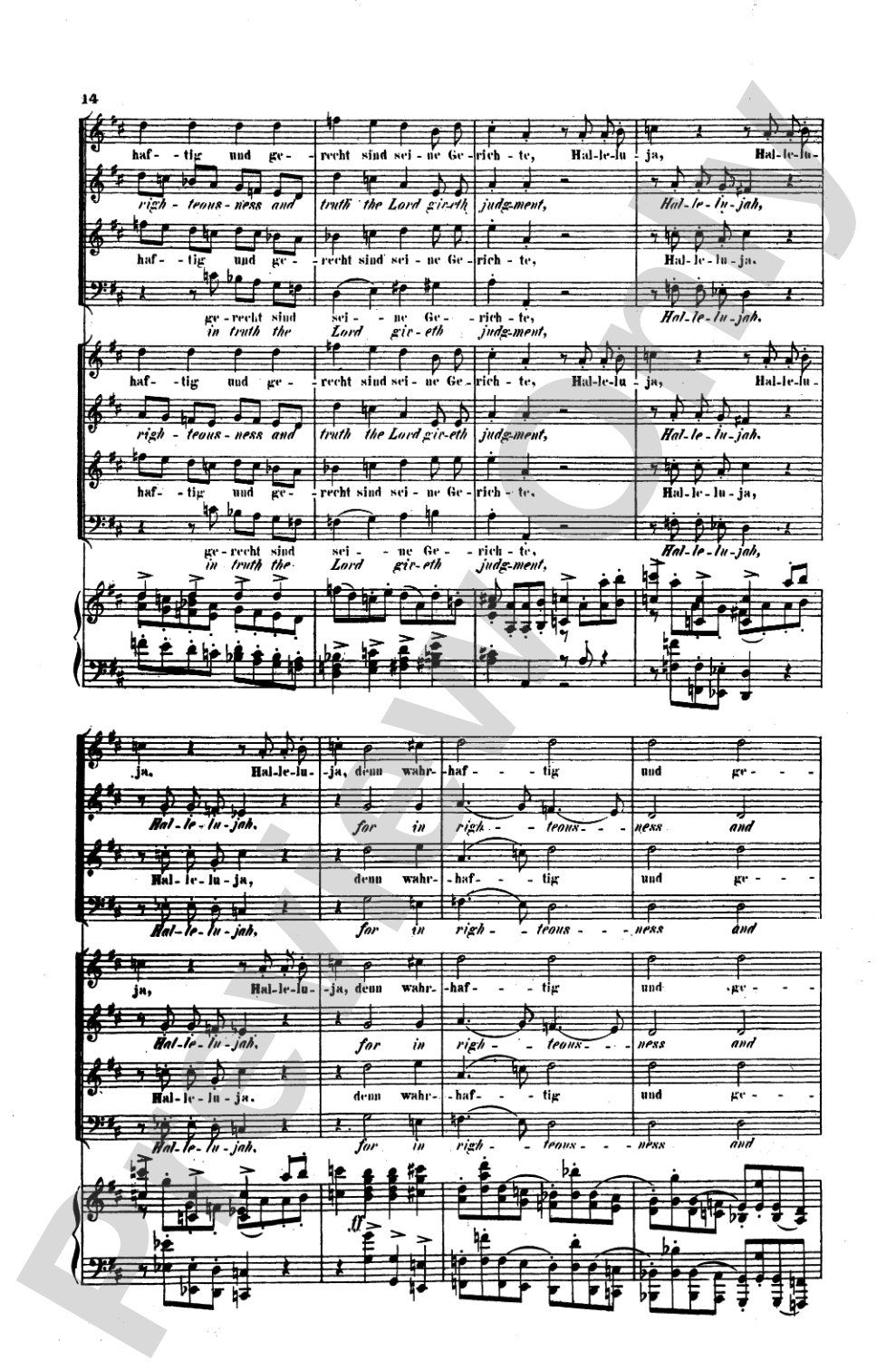
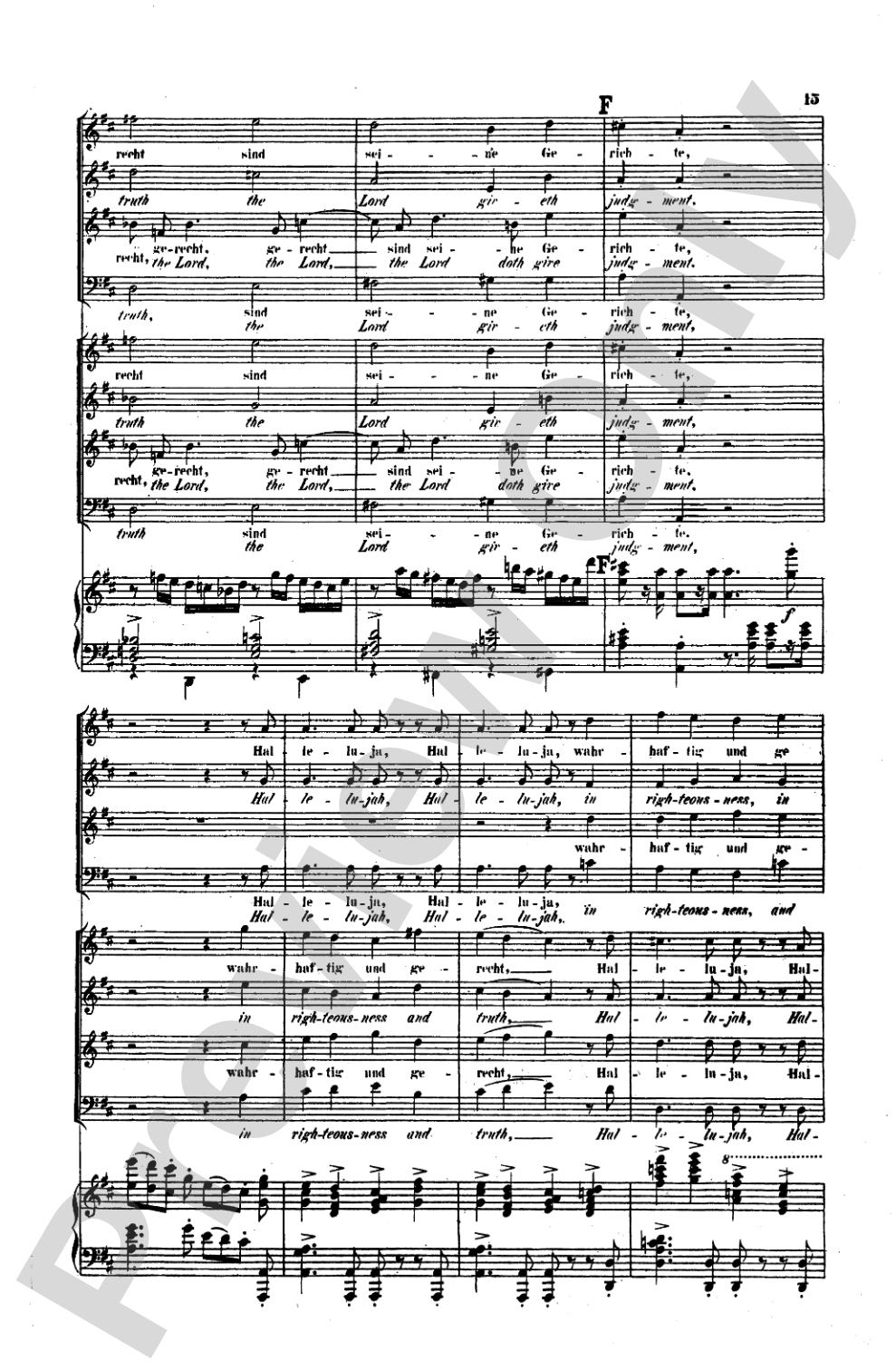

Triumphal Hymn (Triumphlied), Opus 55: Choir
By Johannes Brahms
Item: 00-PB-0001157
$10.99
Pickup currently not available
Related Items
Triumphal Hymn (Triumphlied), Opus 55: SSAATTBB Divided Chorus with B Solo Choral Book |
$10.99
|
View |
Description
A Choral Extended Work for SSAATTBB Divided Chorus with B Solo composed by Johannes Brahms.


Triumphal Hymn (Triumphlied), Opus 55: Choir isn't in MakeMusic Cloud just yet...but it could be. Let us know you'd like to see it, and you'll help shape what comes next. In the meantime, start a free trial and dive into thousands of interactive titles your students can play along with today.
Request This Title
Tell us you want it.
Start Your Free Trial
Explore everything that's ready to play right now.
Sample Audio
No sample audio found.
Sample Video
No sample videos found.
Additional Details
Series:
Kalmus Edition
Publisher:
Alfred Music
Page Count:
76
SKU:
00-PB-0001157
Instrumentation:
Orch.
More about this title
About the Composer: Johannes Brahms
Johannes Brahms (1833-1897) was a towering figure in Romantic music who spent much of his career in Vienna, where he held the position of conductor for the Vienna Philharmonic Society. His compositional output spanned symphonies, concertos, chamber works, and choral music, yet he remained deeply rooted in the contrapuntal traditions of Bach and Handel even as he expanded the harmonic language of his era.
Brahms approached the human voice with the respect of a master craftsman. His choral works combine architectural rigor with profound emotional depth, and the Triumphal Hymn stands as evidence of his conviction that large-scale choral writing could achieve the grandeur and complexity of his symphonic works.
Why we love this
This is Brahms at his most architecturally ambitious in the choral medium. The divided SSAATTBB writing creates opportunities for textural sophistication and dramatic contrast that simply don't exist in standard SATB arrangements, and the baritone solo adds a commanding soloistic element that gives the work theatrical weight. Performing this elevates your choir's technical ambitions and demonstrates mastery of the Romantic choral tradition at its finest.
What to expect
The Triumphal Hymn projects confidence and ceremonial grandeur. Rich harmonic textures and the interplay of divided voices create a sound that feels simultaneously intimate and monumental, intimate in its attention to textural detail and monumental in its overall architecture and the heroic presence of the baritone solo.
Who it's for
This work demands choirs with solid ensemble discipline, intonation security across eight parts, and singers comfortable with Romantic harmonic language and complex voice leading. It suits professional or semi-professional choirs, advanced university choral programs, and festival choruses preparing ambitious concert programming.
How to get the most out of it
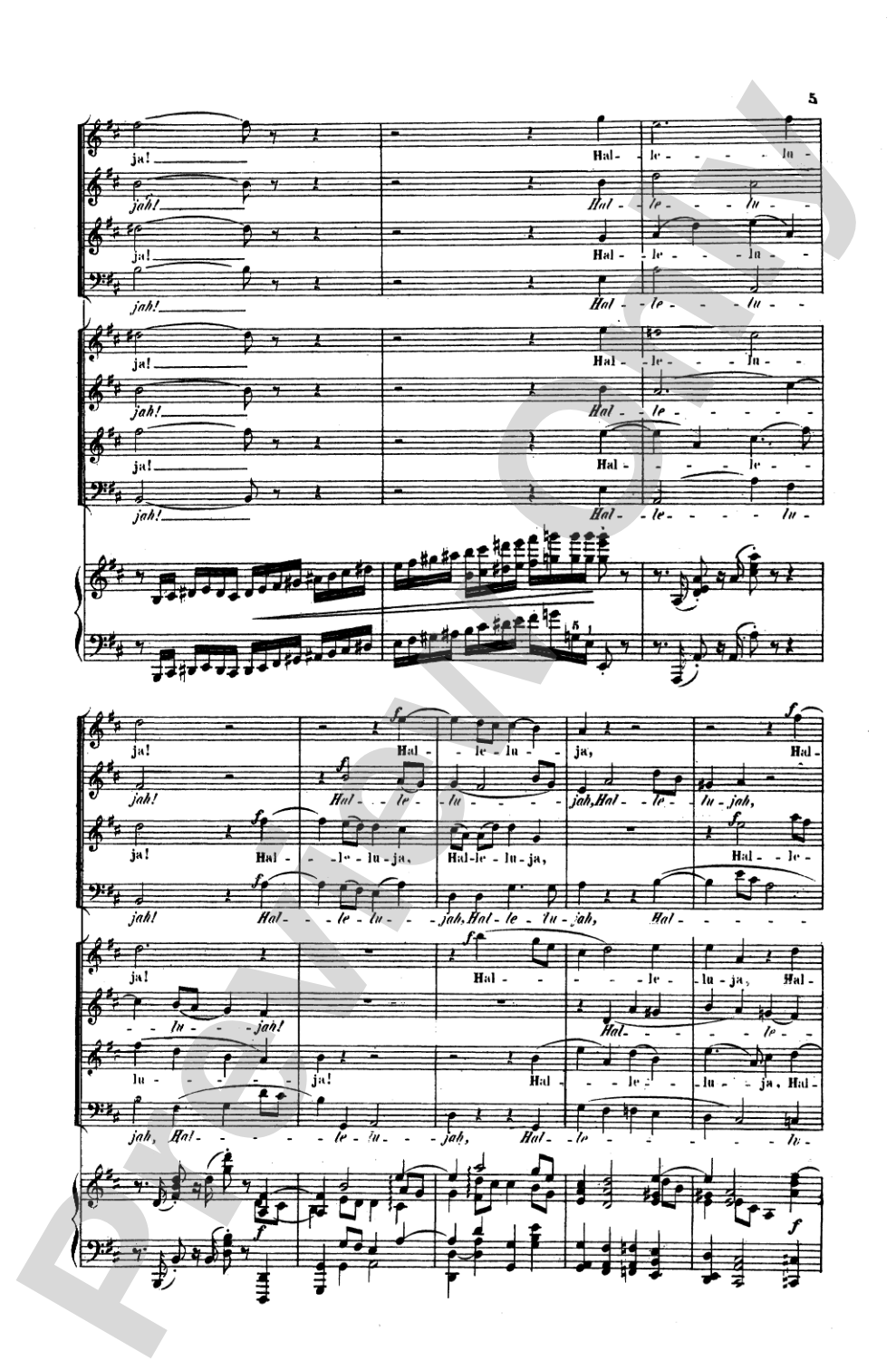
- Balance the divided voices carefully during the sections where both soprano lines or both bass lines move independently; these passages can blur together if the parts aren't clearly articulated
- Work the baritone solo into rehearsals early and ensure the soloist understands how to anchor the large ensemble without oversinging; Brahms writes with operatic grandeur but expects vocal control
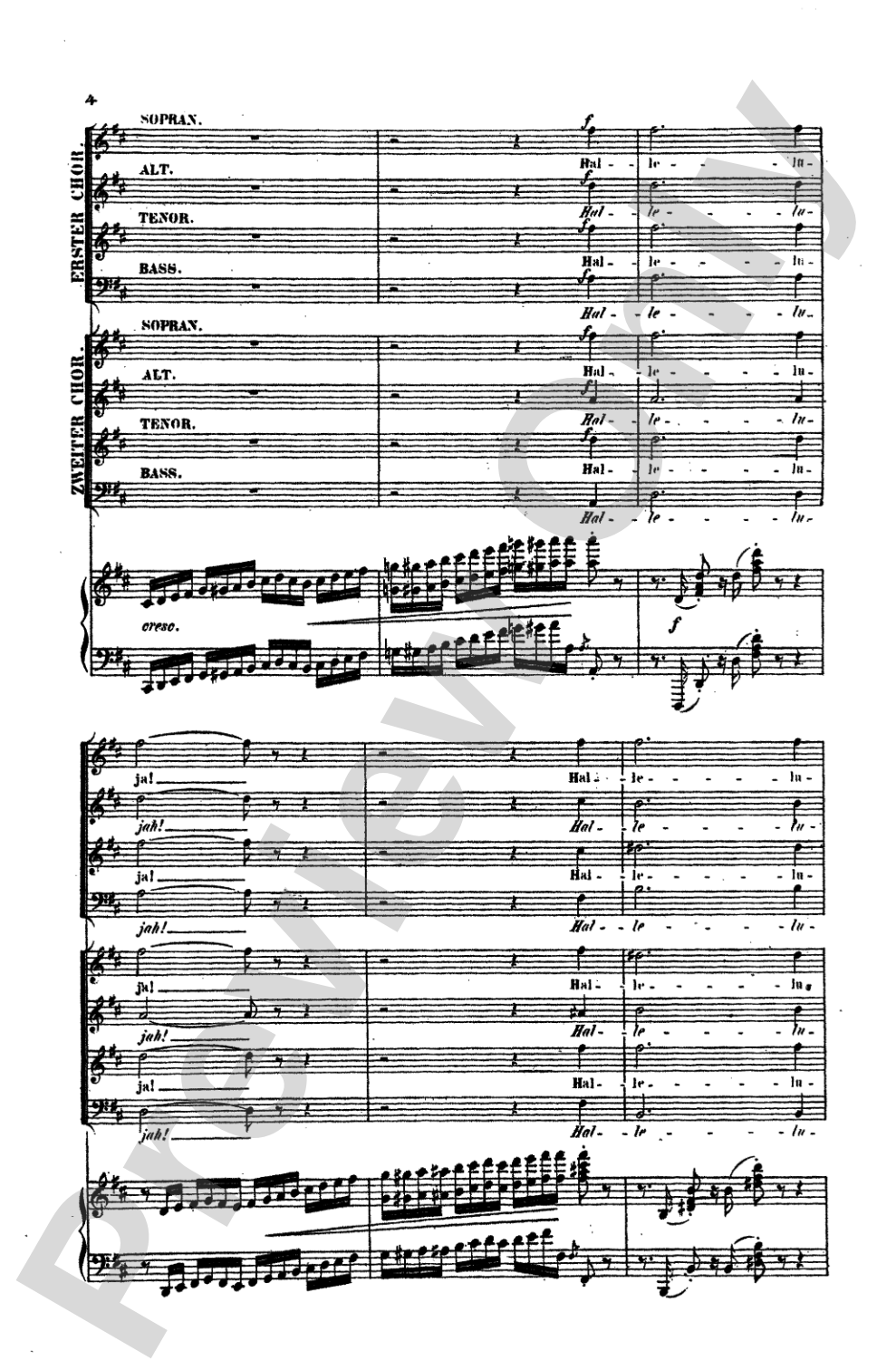
- Pay close attention to the orchestral accompaniment cues in the score; Brahms uses the orchestra strategically to support harmonic shifts and textural changes that can feel exposed without instrumental reference
- Shape the longer phrases with structural breathing points rather than stopping at every rest; the work's power comes from its sense of forward momentum across substantial harmonic spans
How to use it
This work anchors a concert devoted to Romantic choral masterworks or serves as a substantial closer to a program that needs an impressive concluding statement. Its length and technical demands make it an excellent centerpiece for a special concert or festival performance rather than a piece to program casually alongside lighter works.
Skills your students will build
- Reading and sustaining divided eight-part harmony with secure intonation
- Balancing independent melodic lines across split sections (two soprano lines, two alto lines, etc.)
- Navigating complex Romantic harmonic progressions with chromatic voice leading
- Coordinating with orchestral accompaniment and managing rhythmic alignment across large ensemble forces
- Supporting and blending with a baritone soloist while maintaining choral identity