

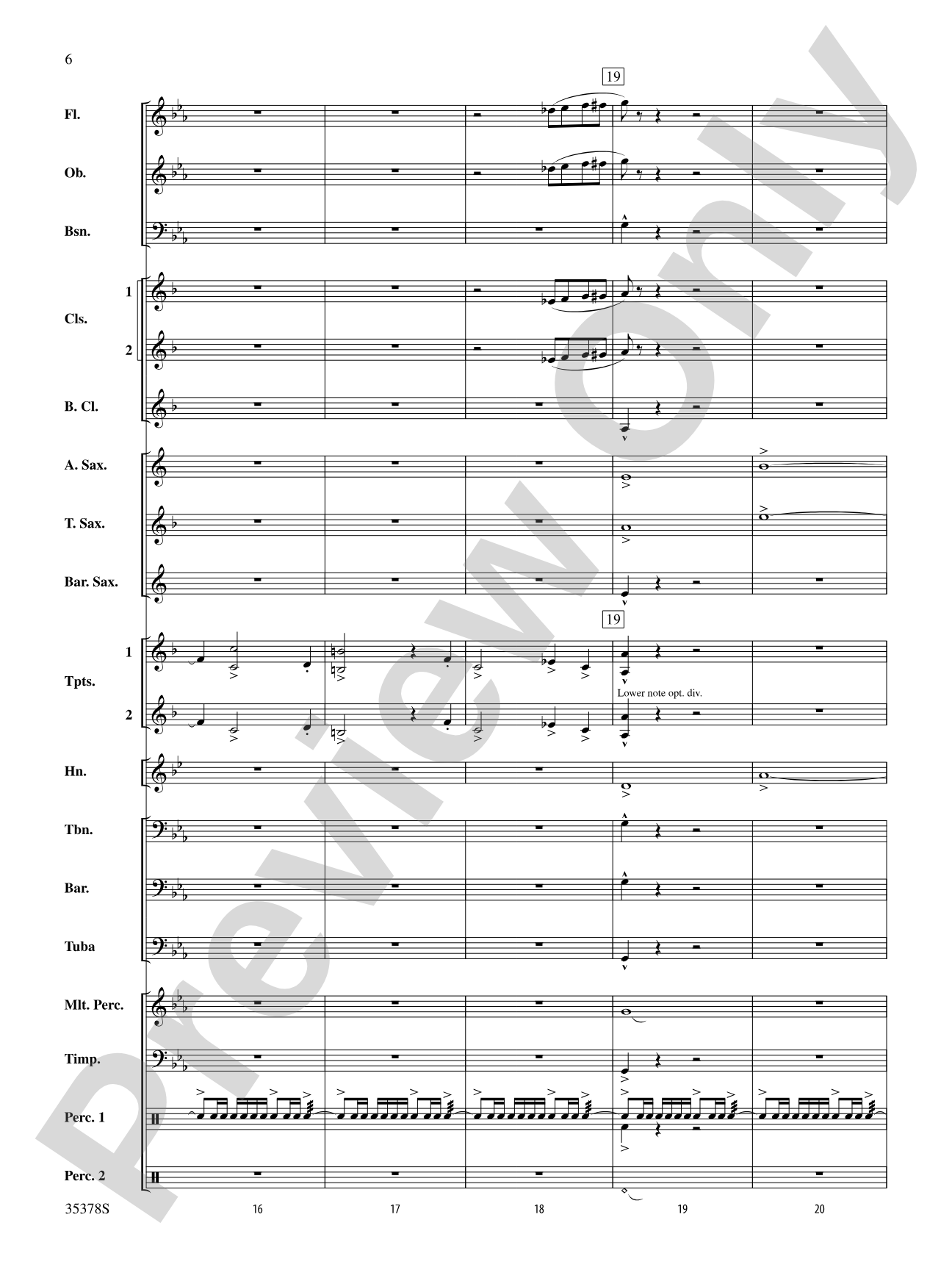
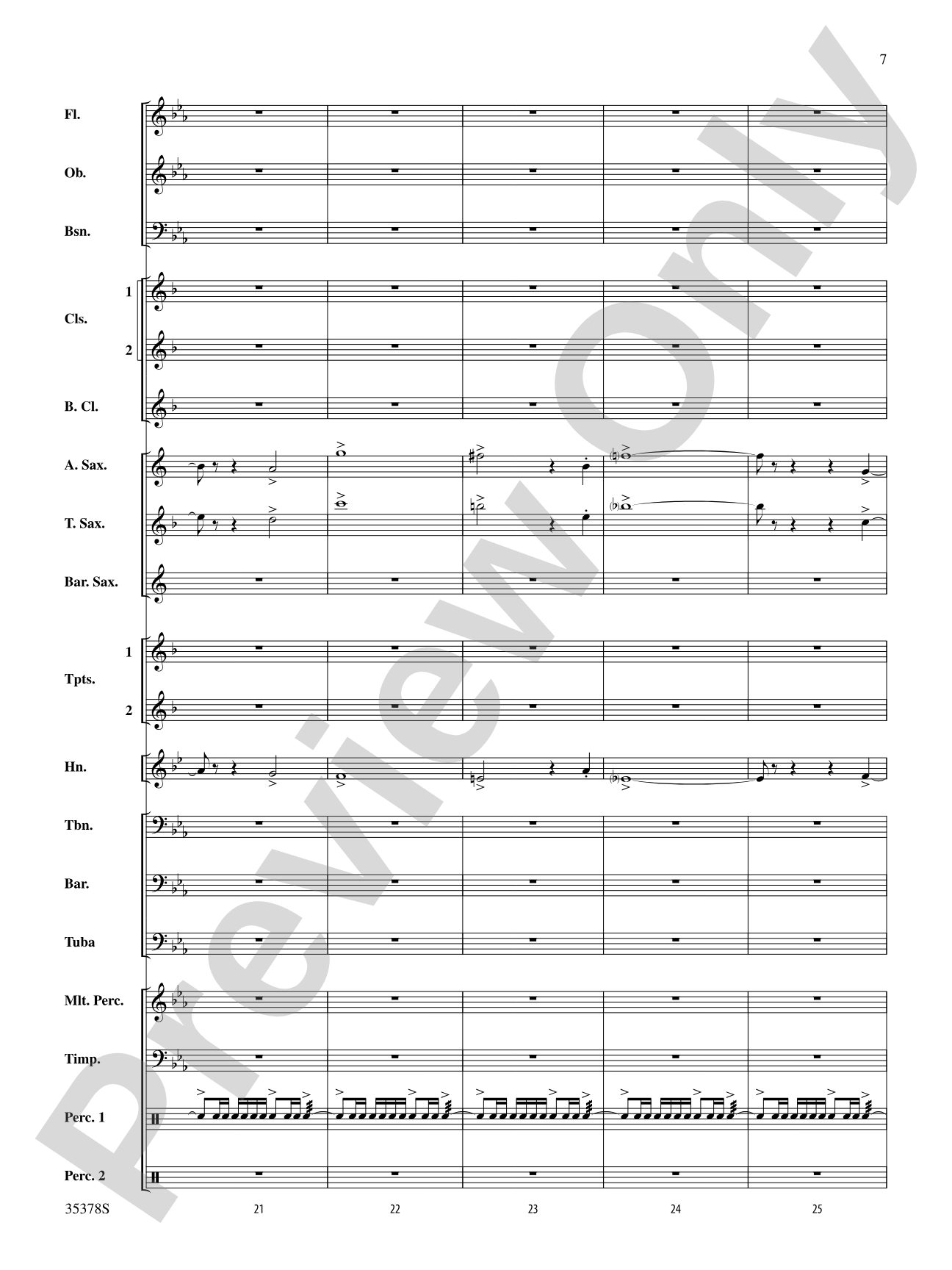
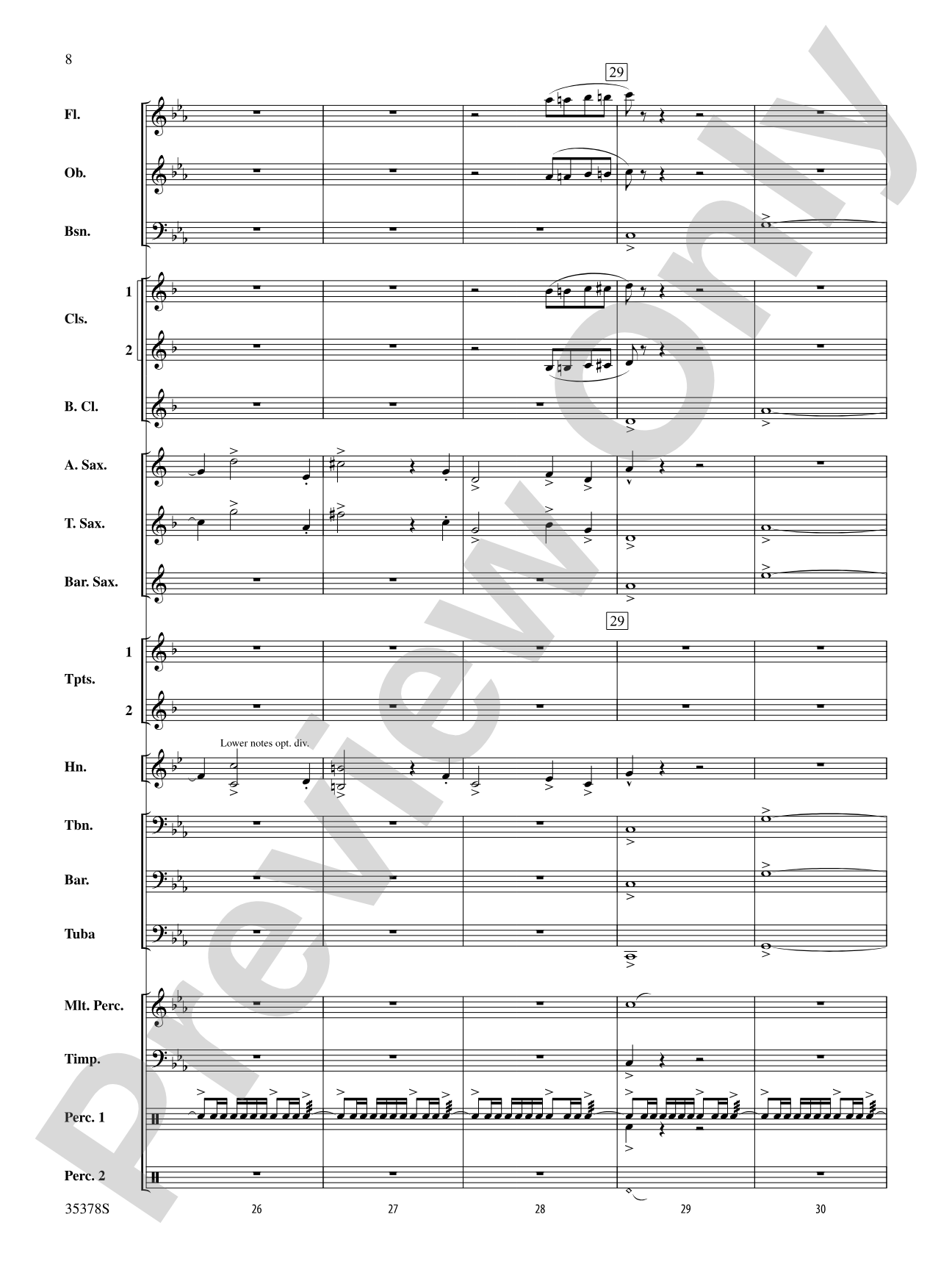
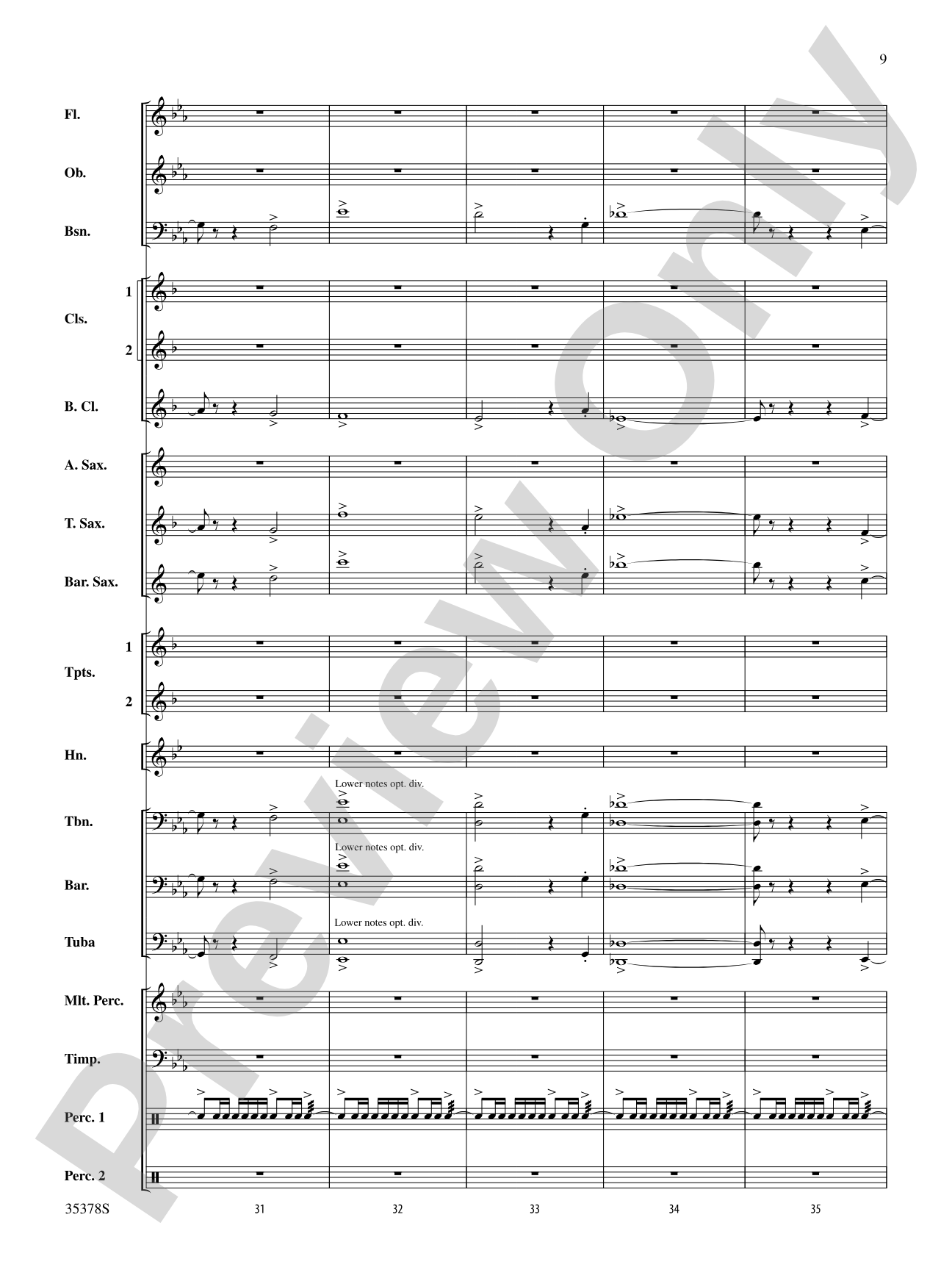
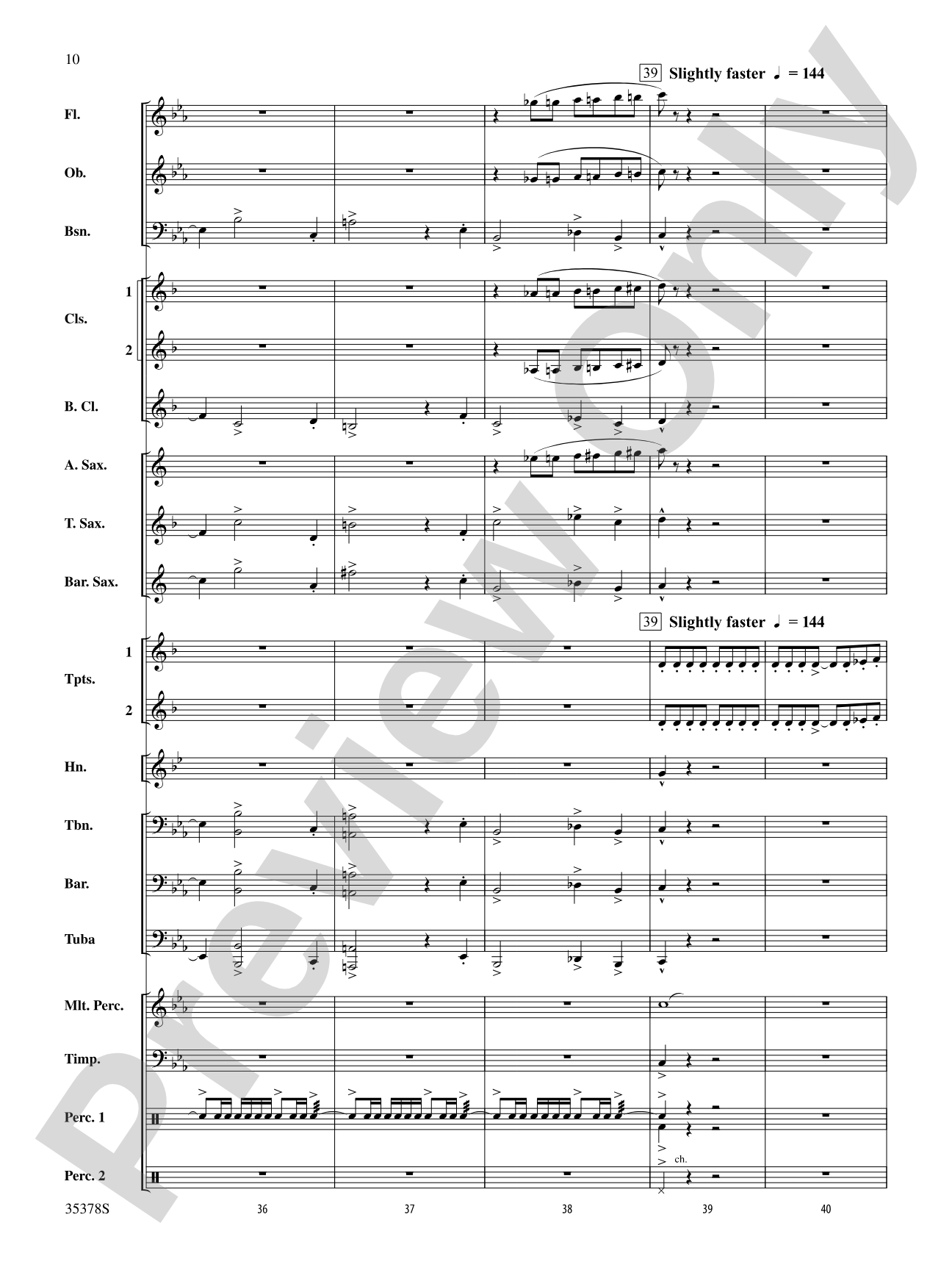
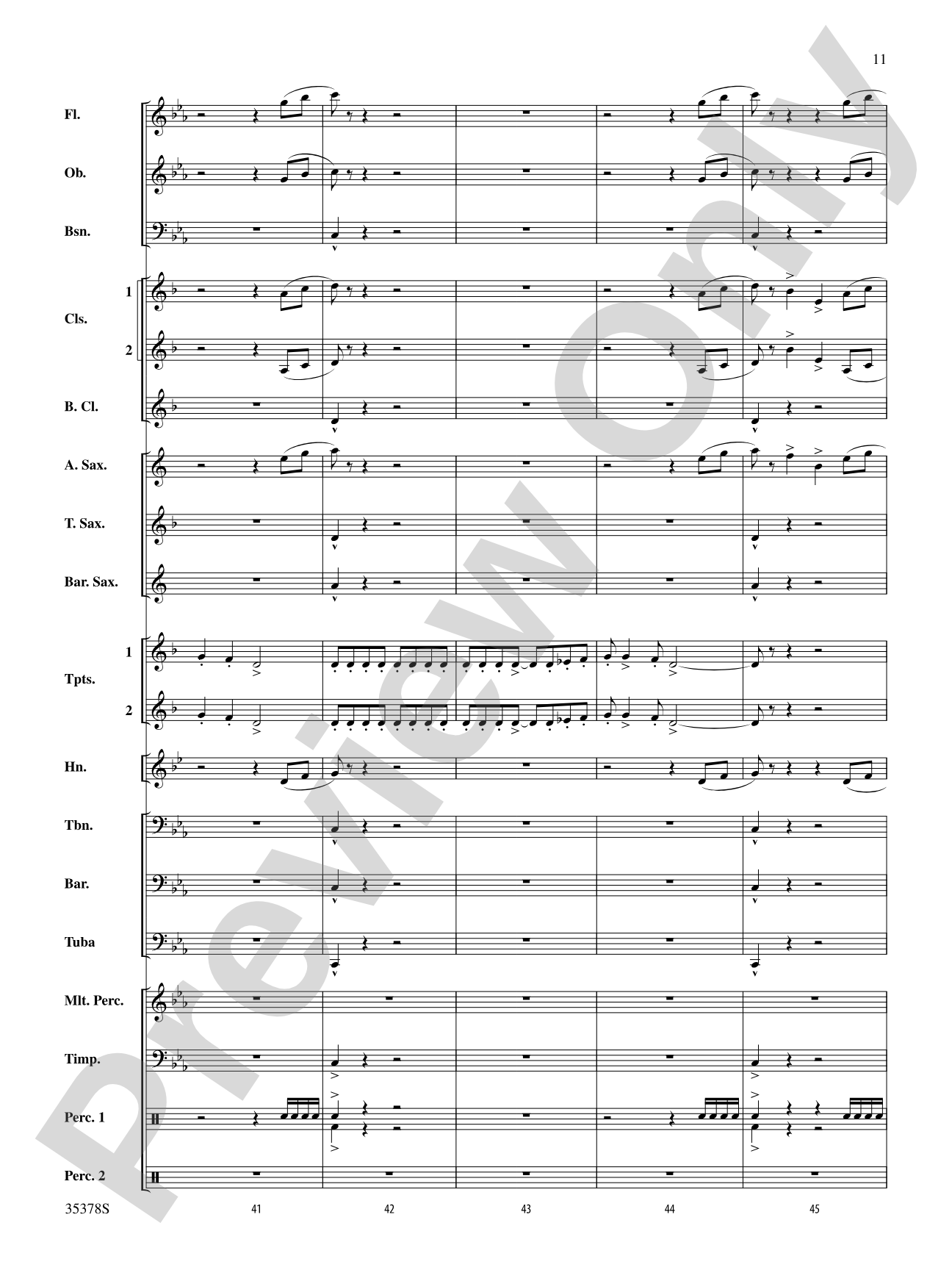
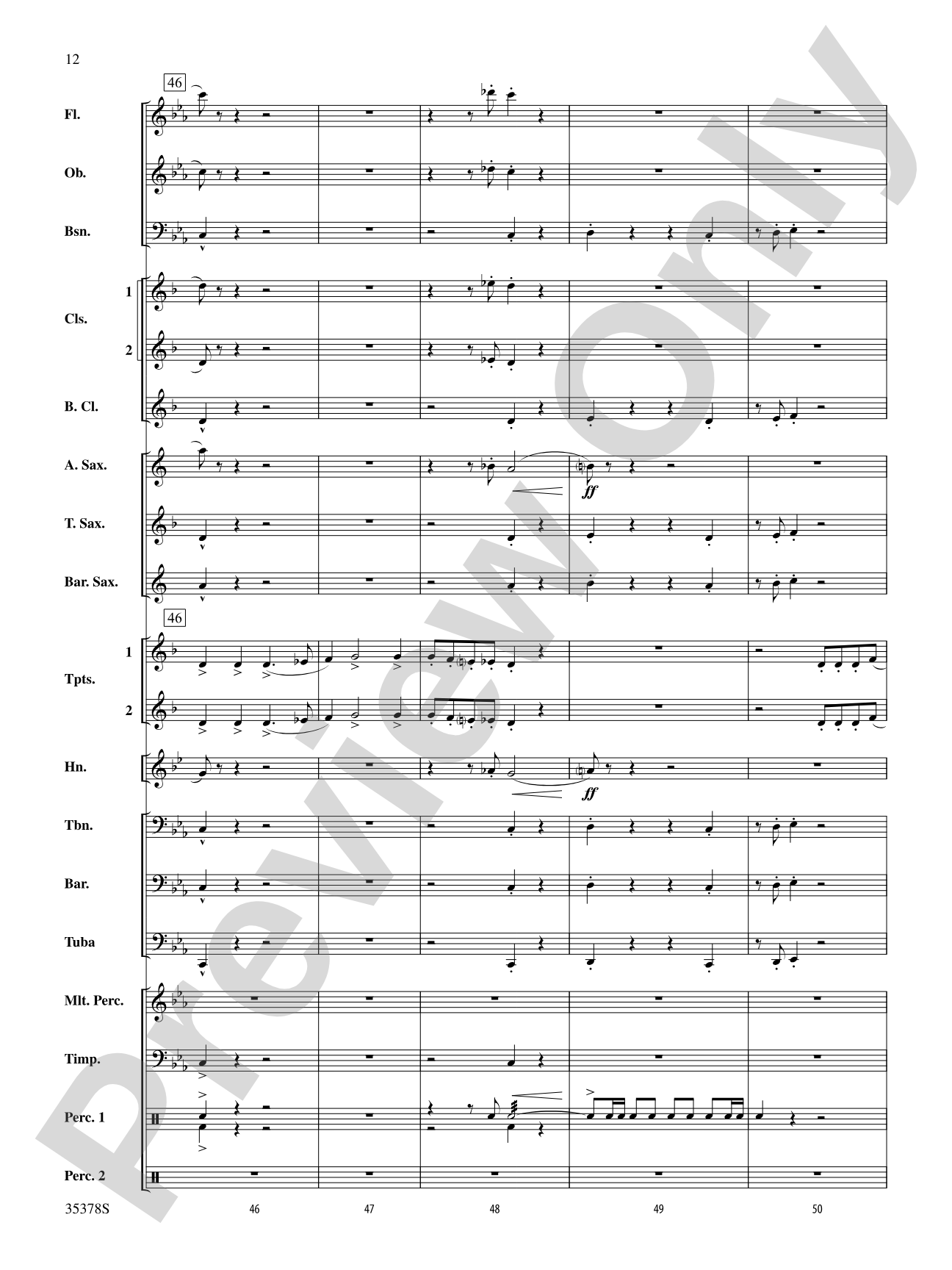
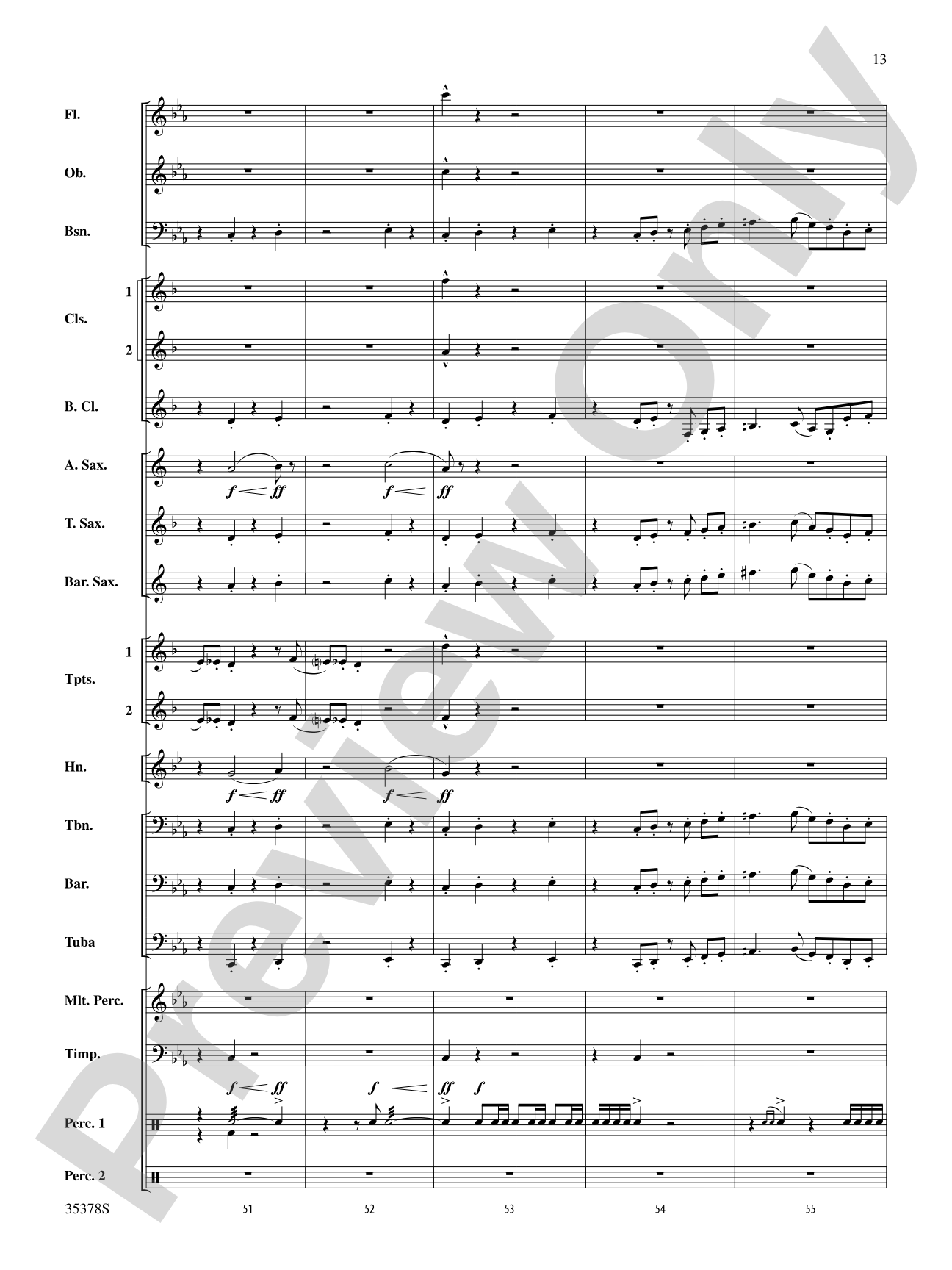
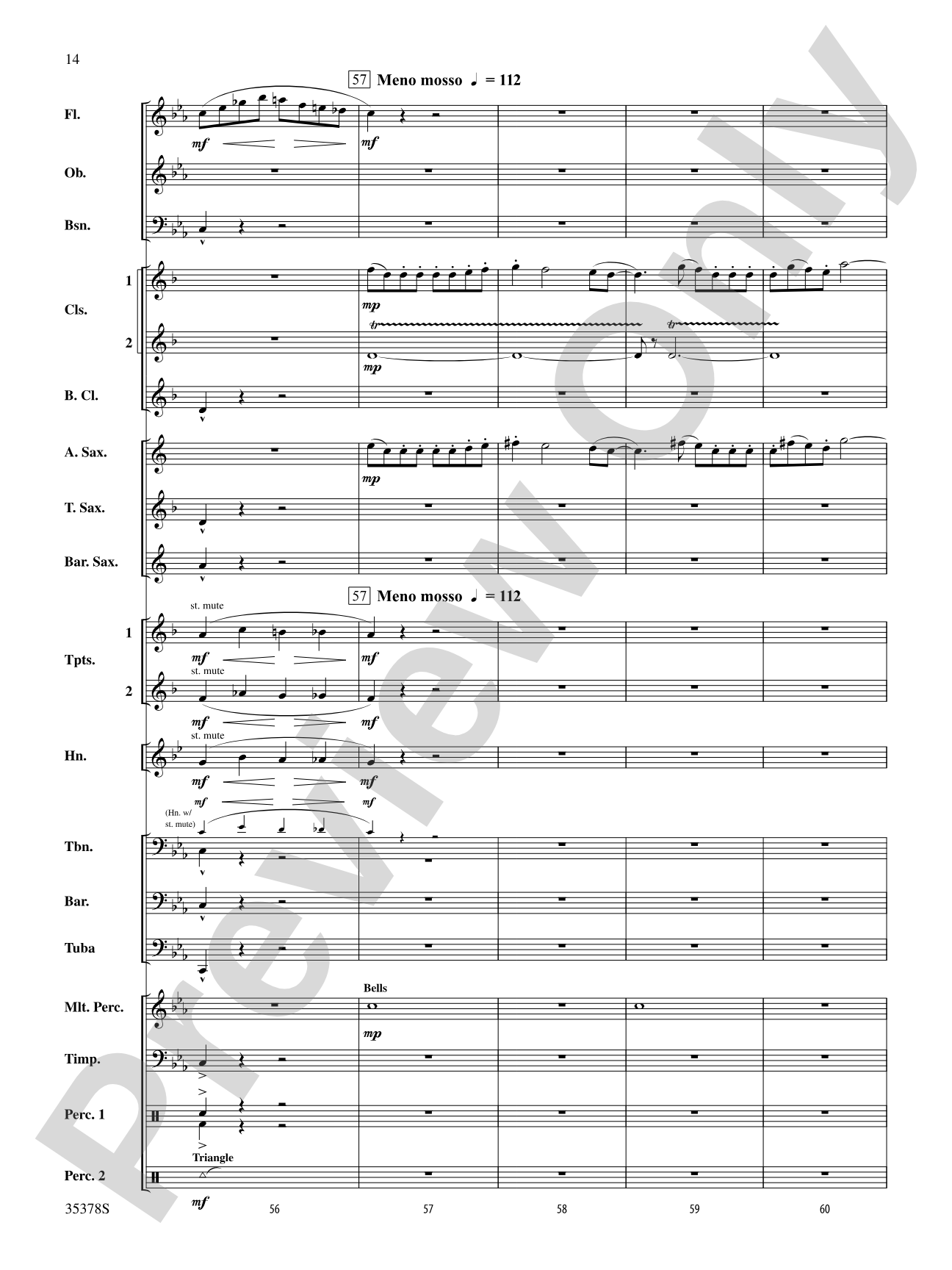
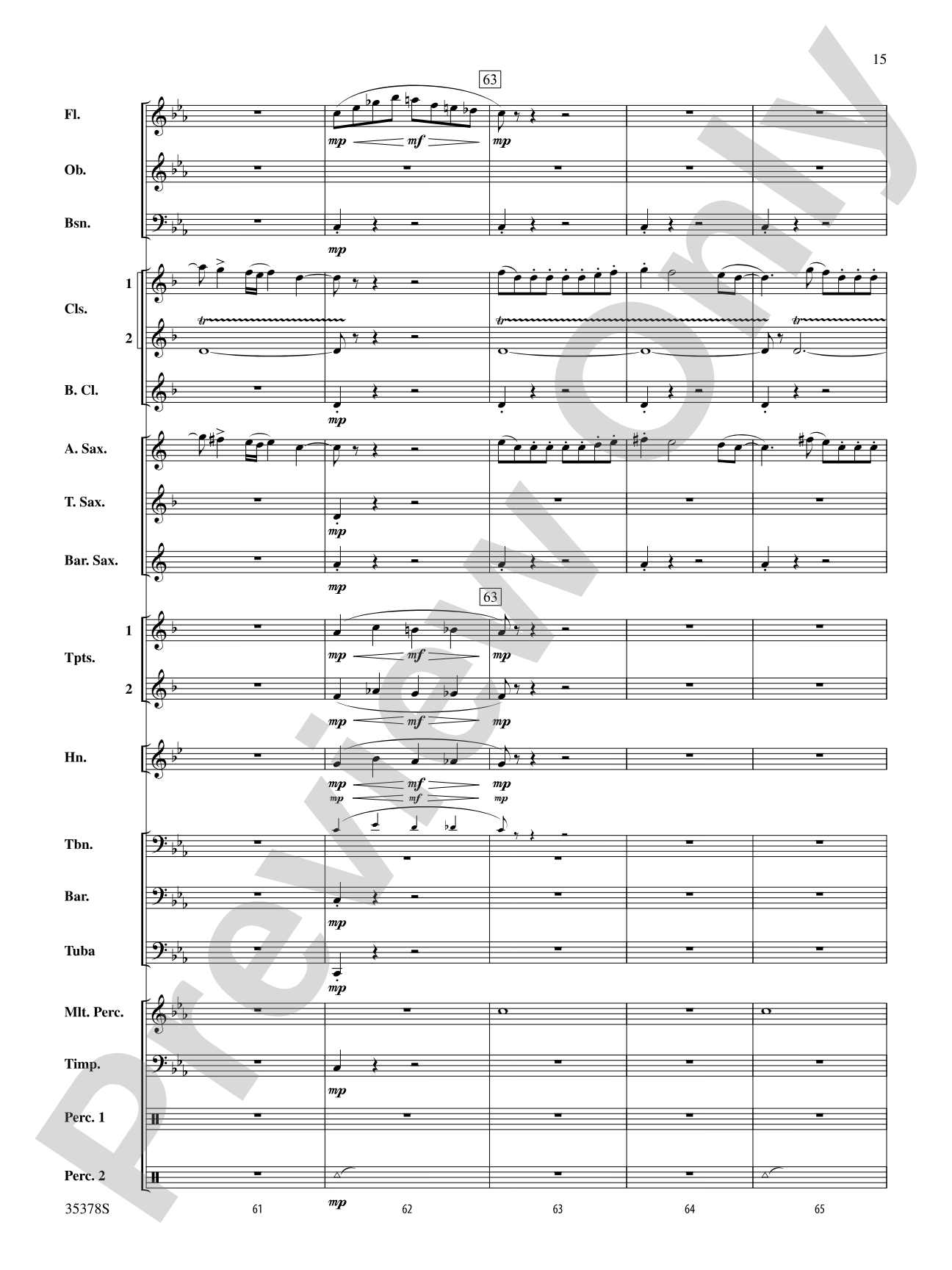
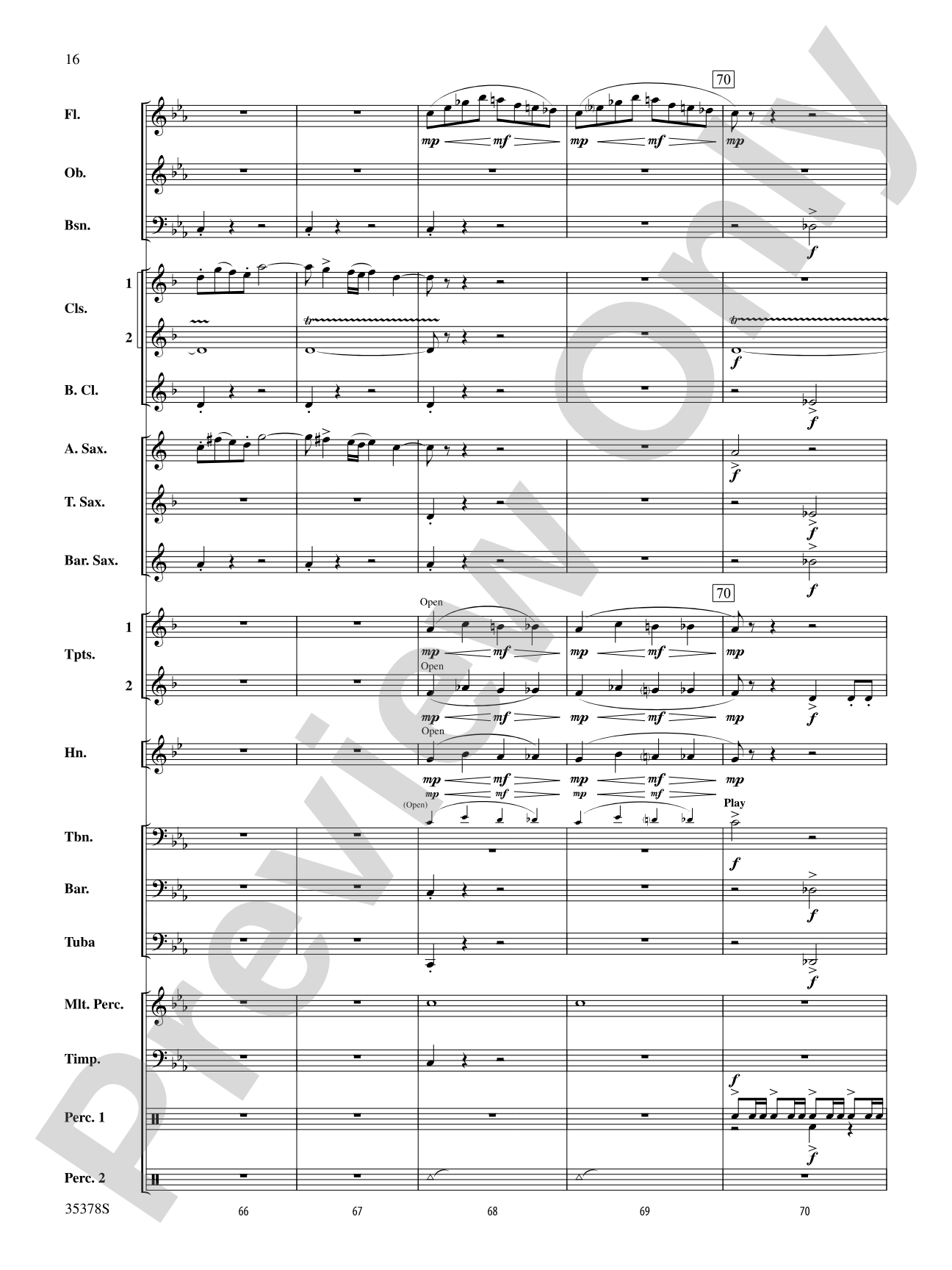
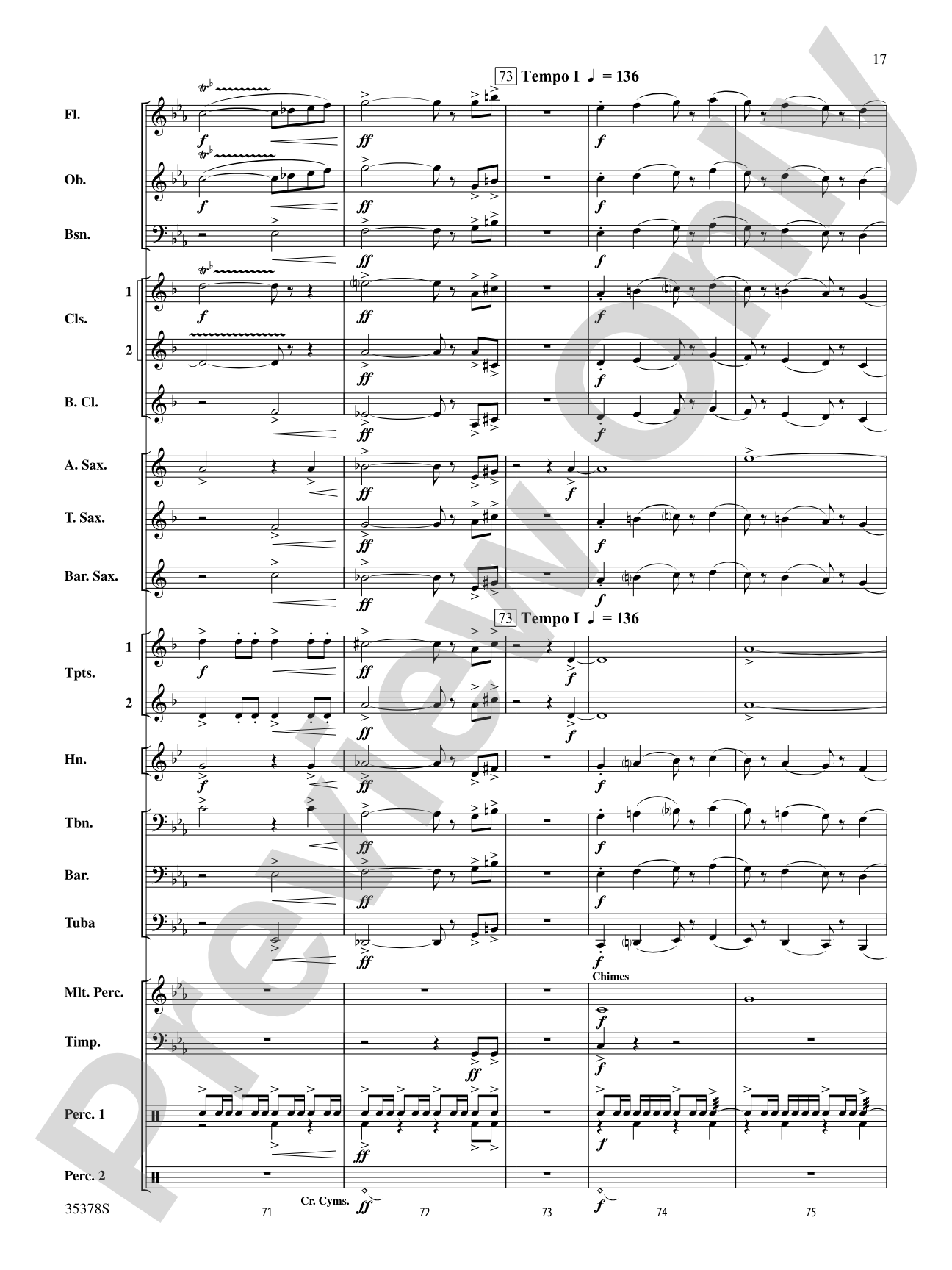
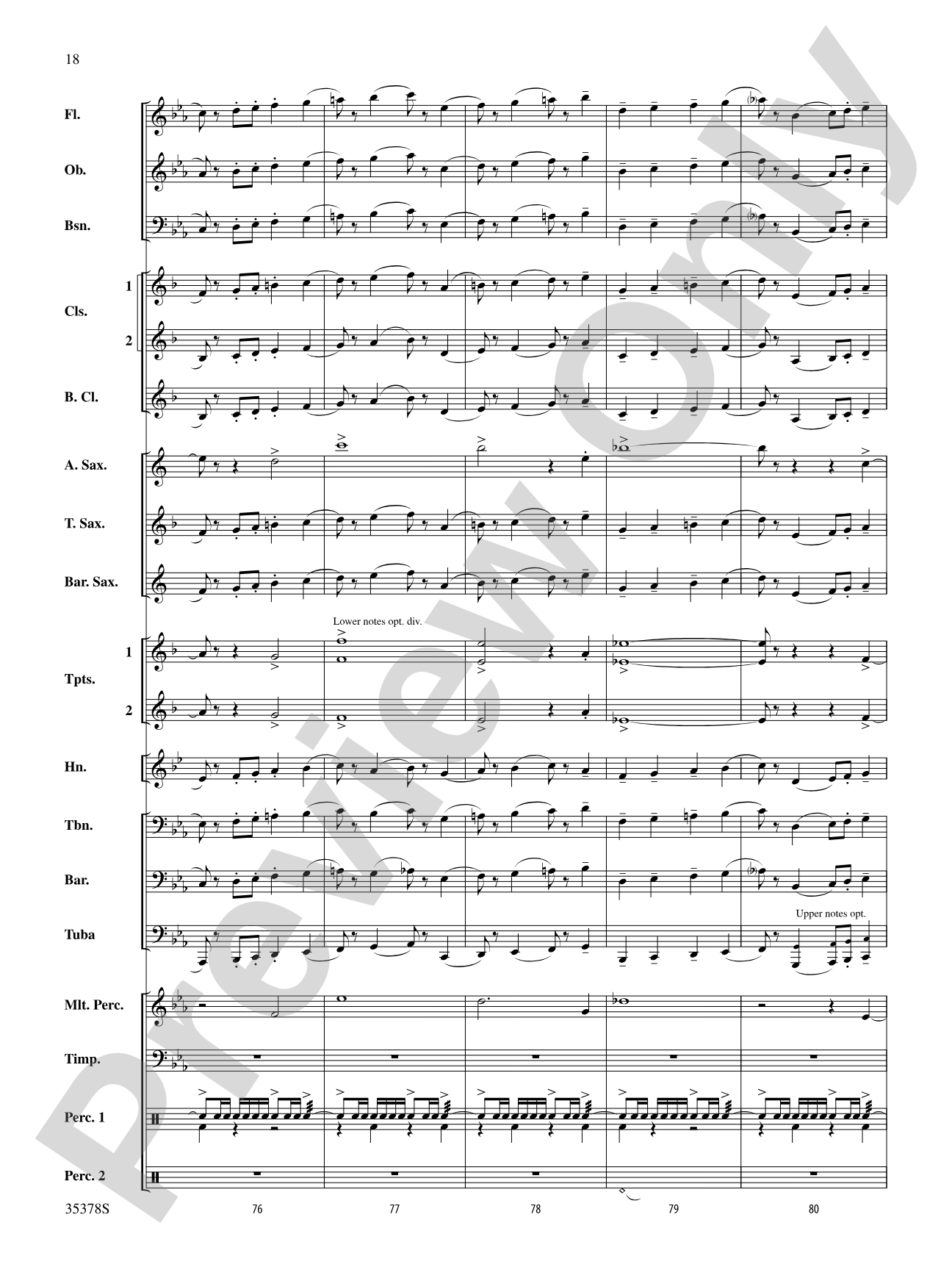
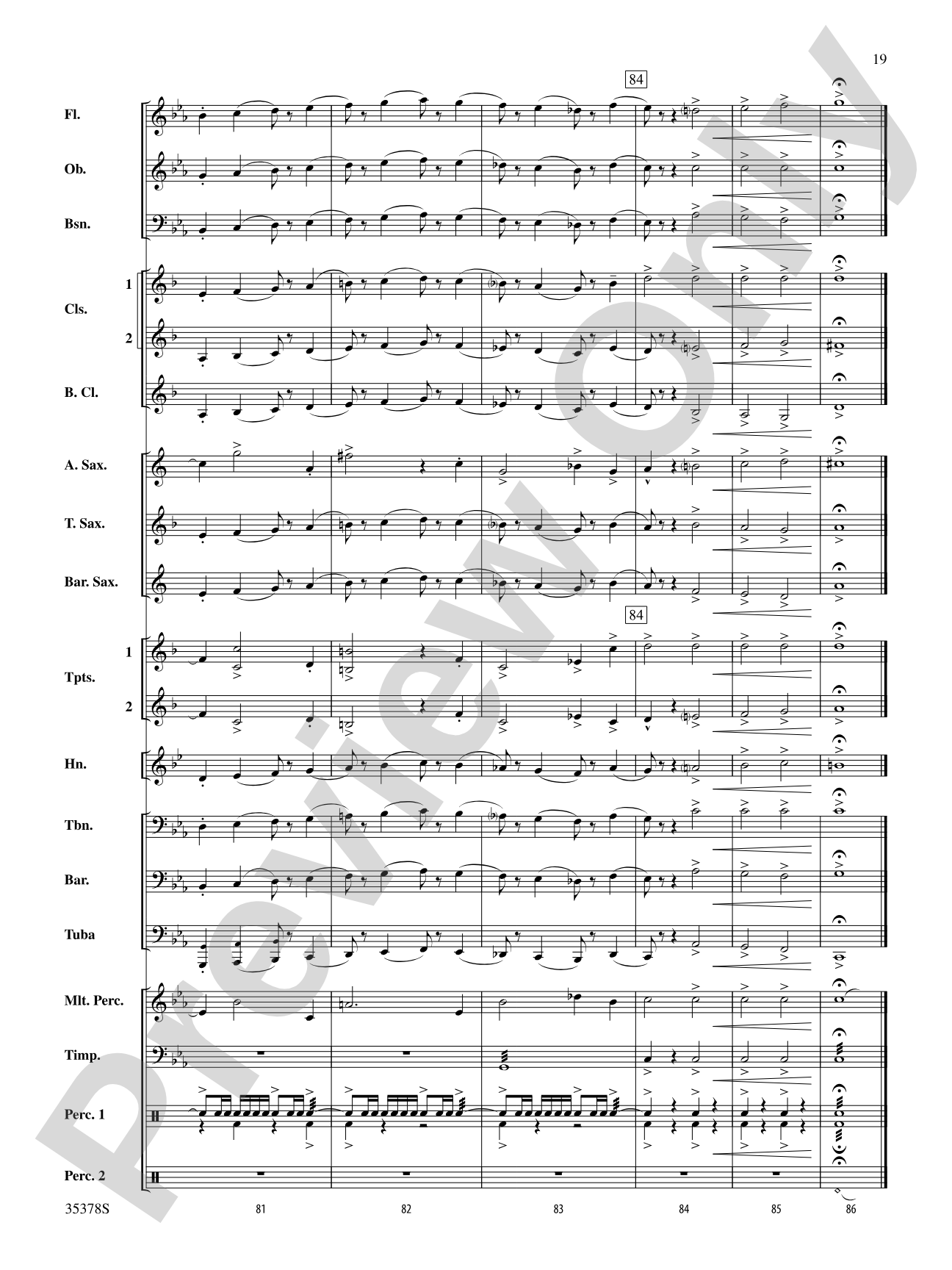


Trittico: Concert Band Conductor Score & Parts
Movement I
By Václav Nelhýbel / arr. Michael Story
Grade: 2 (Easy)
Item: 00-PK-0004640

$67.00
Pickup currently not available
Buy Extra Parts (Digital PDF Download)
Parts Added to Cart!
Description
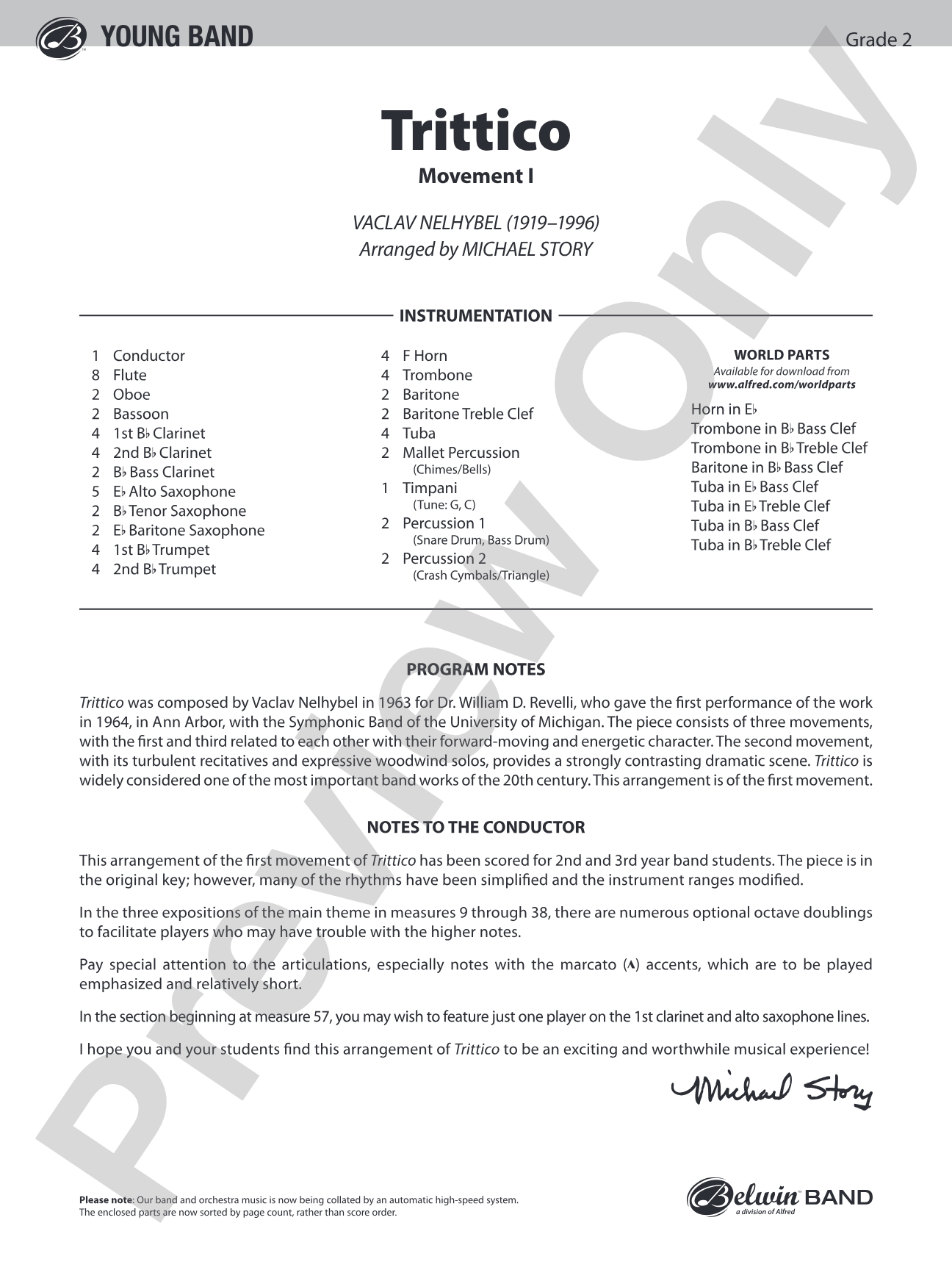
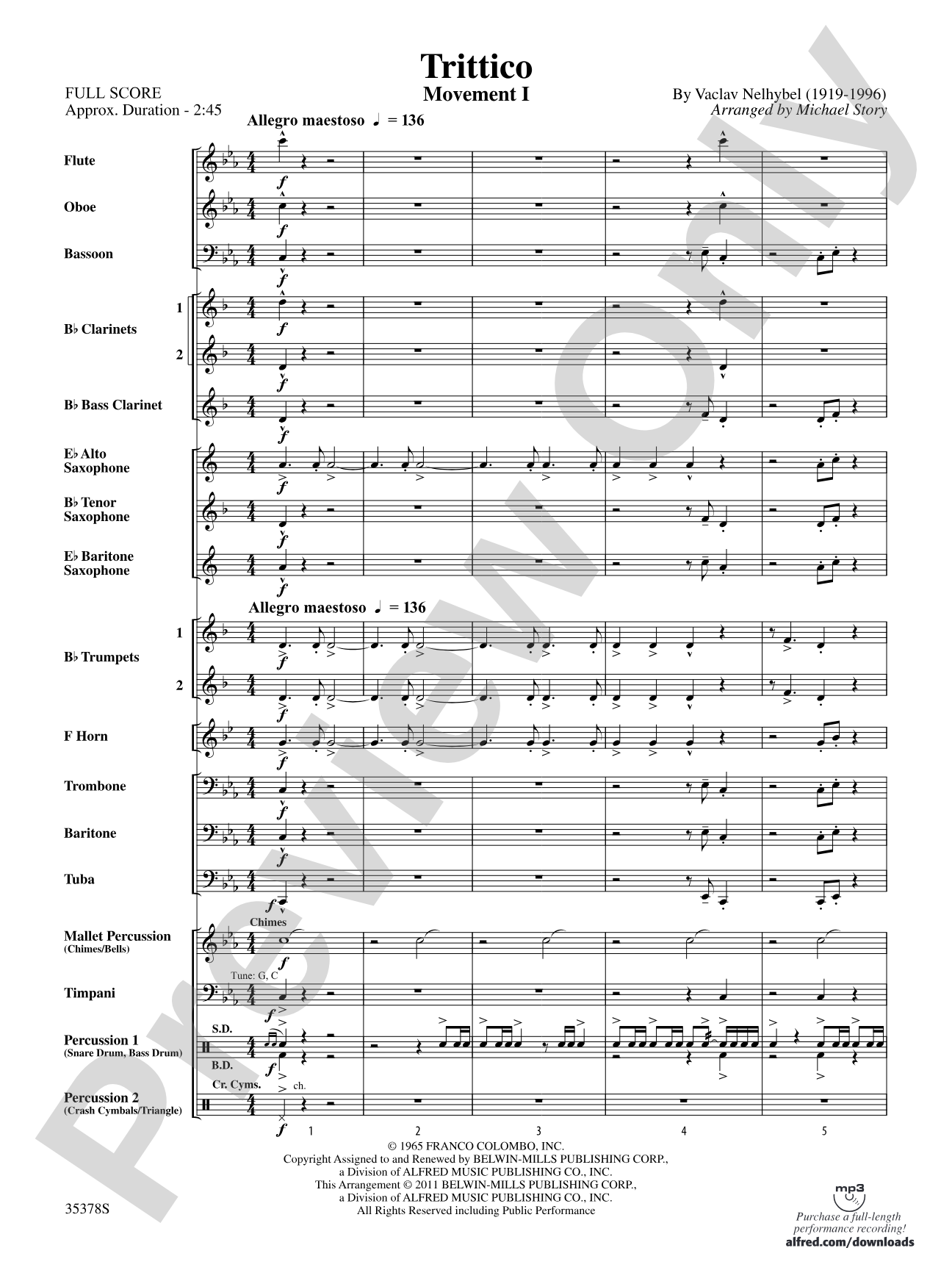
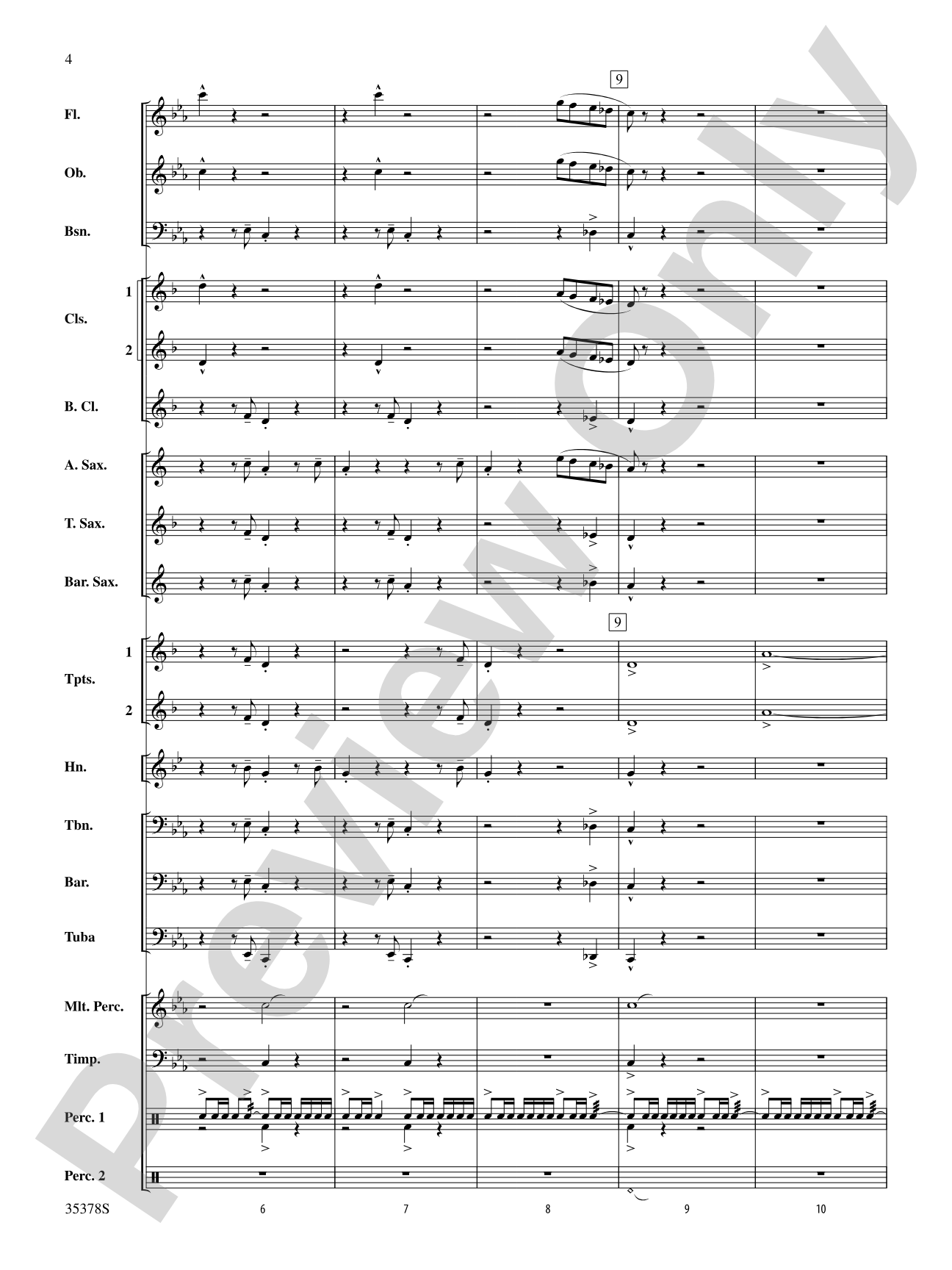
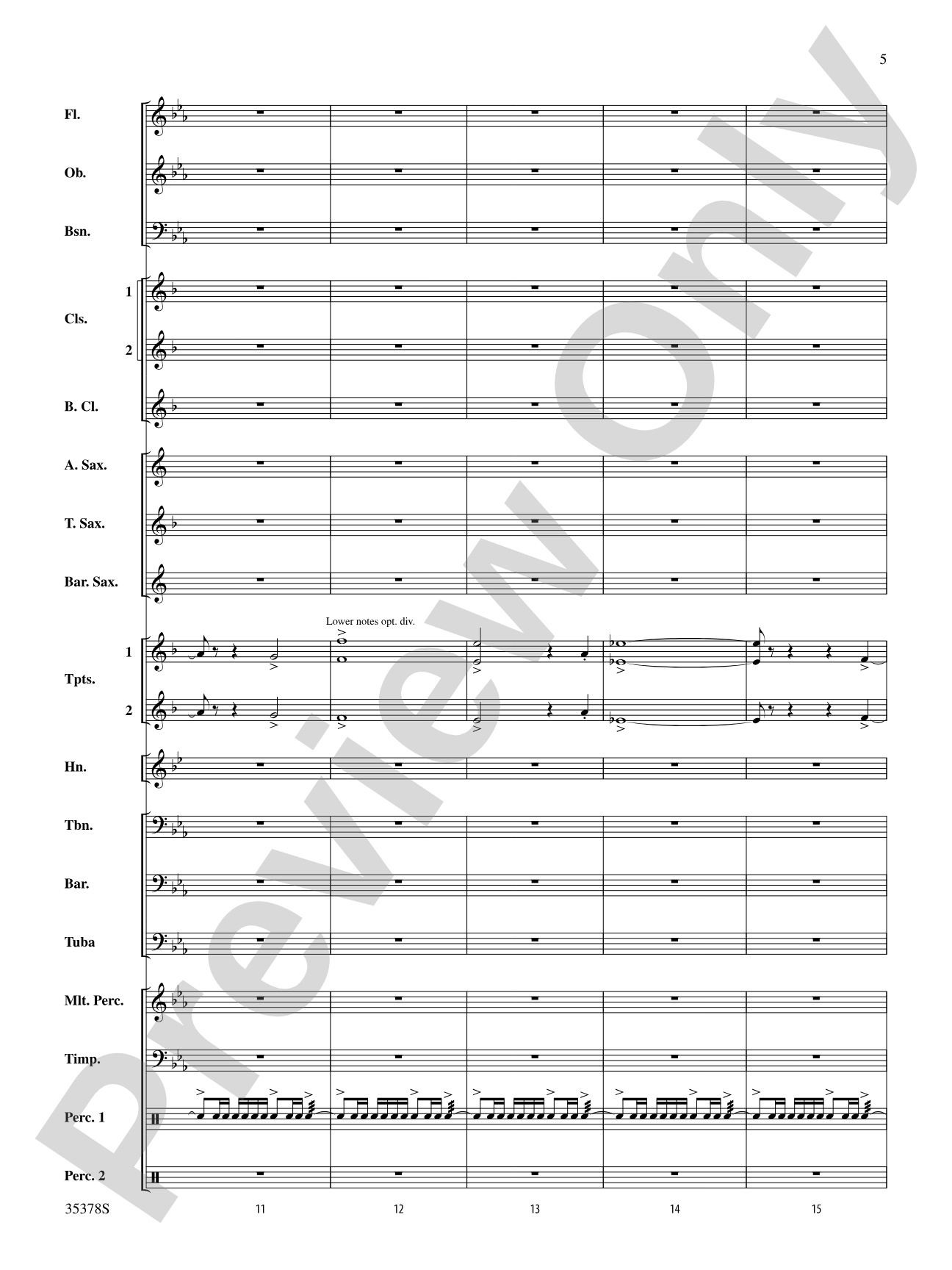
Trittico was composed by Vaclav Nelhybel in 1963 for the University of Michigan Symphonic Band and is widely considered one of the most important band works of the 20th century. Michael Story's arrangement of the first (of three) movements is completely accessible to younger players. Energetic and forward-moving, this contemporary classic is certain to become a staple in the young and developing band literature. This title is available in MakeMusic Cloud.


Don't just read it, hear it, play along with it, and watch your students grow with it. In MakeMusic Cloud, Trittico: Concert Band Conductor Score & Parts comes alive with professional accompaniment, adjustable tempo, and built-in practice tools that turn solo practice into real progress.
Open in the Player
Jump straight in and assign it today.
Start Your Free Trial
Open this title and explore the full library in minutes.
Sample Audio
1
Audio File
--:--
0:00
0:00
Sample Video
No sample videos found.
Additional Details
Series:
Pop Young Band
Publisher:
Alfred Music
Page Count:
138
SKU:
00-PK-0004640
More about this title
About the Composer: Vaclav Nelhybel
Vaclav Nelhybel (1919-1996) was a Czech-American composer and conductor whose works became foundational to the concert band repertoire. His original compositions and arrangements bridged European classical traditions with American band idioms, earning him recognition as one of the most performed composers in school and university band programs throughout the latter half of the 20th century.
Why we love this
Michael Story's arrangement strips away none of the original's vitality while making it genuinely playable for young ensembles. The orchestration sits perfectly under developing hands, and directors will find that the musical payoff is enormous relative to the technical demands.
What to expect
Bright, purposeful, and propulsive. The first movement of Trittico captures a sense of forward drive and clarity, with melodic material that feels both modern and approachable. There's an athletic quality to the writing that energizes rehearsals and audiences alike.
Who it's for
Developing concert bands and young symphonic ensembles seeking a genuine contemporary work that doesn't compromise musical substance. This arrangement fits bands ready to tackle something beyond traditional Grade 2 fare but not yet equipped for the full original score.
How to get the most out of it
- Keep the forward momentum consistent throughout; this movement thrives on propulsive energy rather than dramatic dynamic shifts. Establish a clear internal pulse early in sectional rehearsals so players don't lag behind.
- Balance the melodic lines across sections carefully, especially when the theme passes between woodwinds and brass. Young players often play louder than they listen, so isolate these moments and check that no single section overwhelms the conversation.
- Shape phrases in four or eight-bar units rather than trying to sustain long lines. This helps younger musicians understand where the music breathes and maintain focus through longer passages.
- Let the rhythmic precision in the accompaniment parts anchor the ensemble. Spend time locking down the eighth-note figures in the lower voices; once they're tight, the soloists can float more freely above them.
How to use it
This works beautifully as a concert opener or as the centerpiece of a program celebrating 20th-century American and European band classics. Pair it with lighter fare on either side to let its contemporary energy stand out, or program it alongside other accessible Nelhybel arrangements to build familiarity with his compositional voice.
Skills your students will build
- Reading contemporary musical syntax and articulation styles
- Maintaining steady pulse in energetic, continuous rhythmic figures
- Balancing independent melodic lines across sectional boundaries
- Shaping four and eight-bar phrase units with clear direction
- Executing clean attacks and releases in rhythmically driven passages