
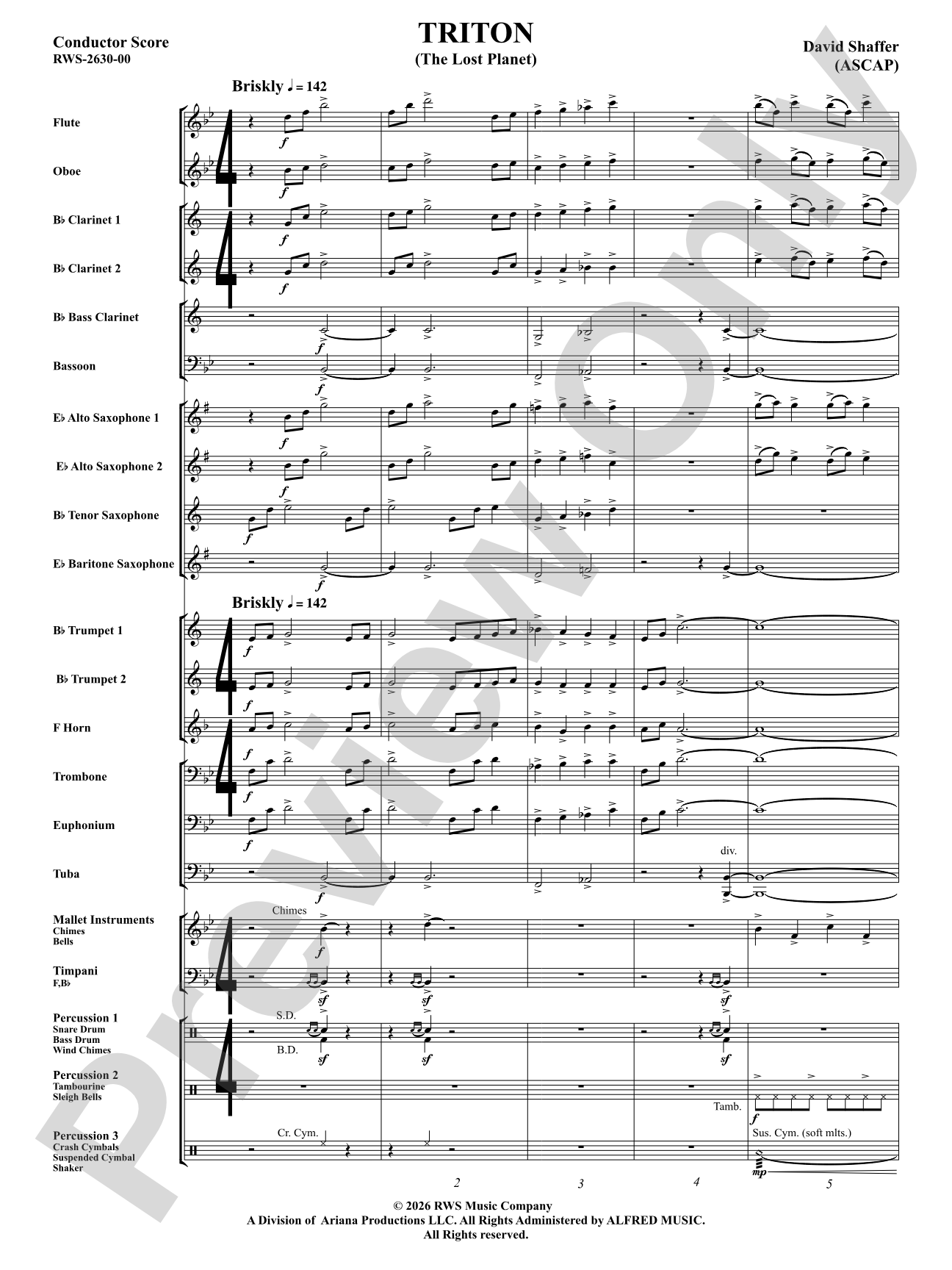
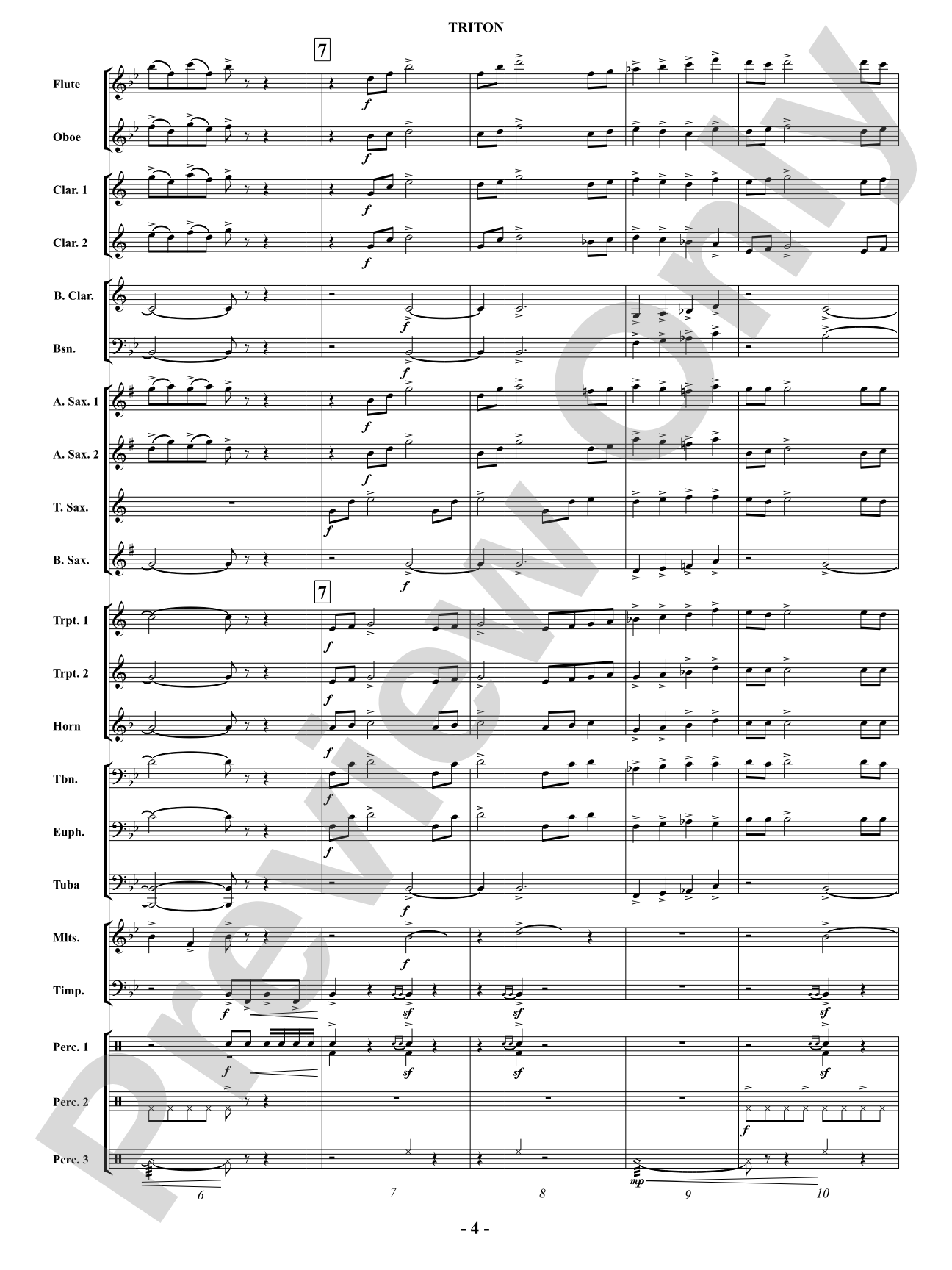
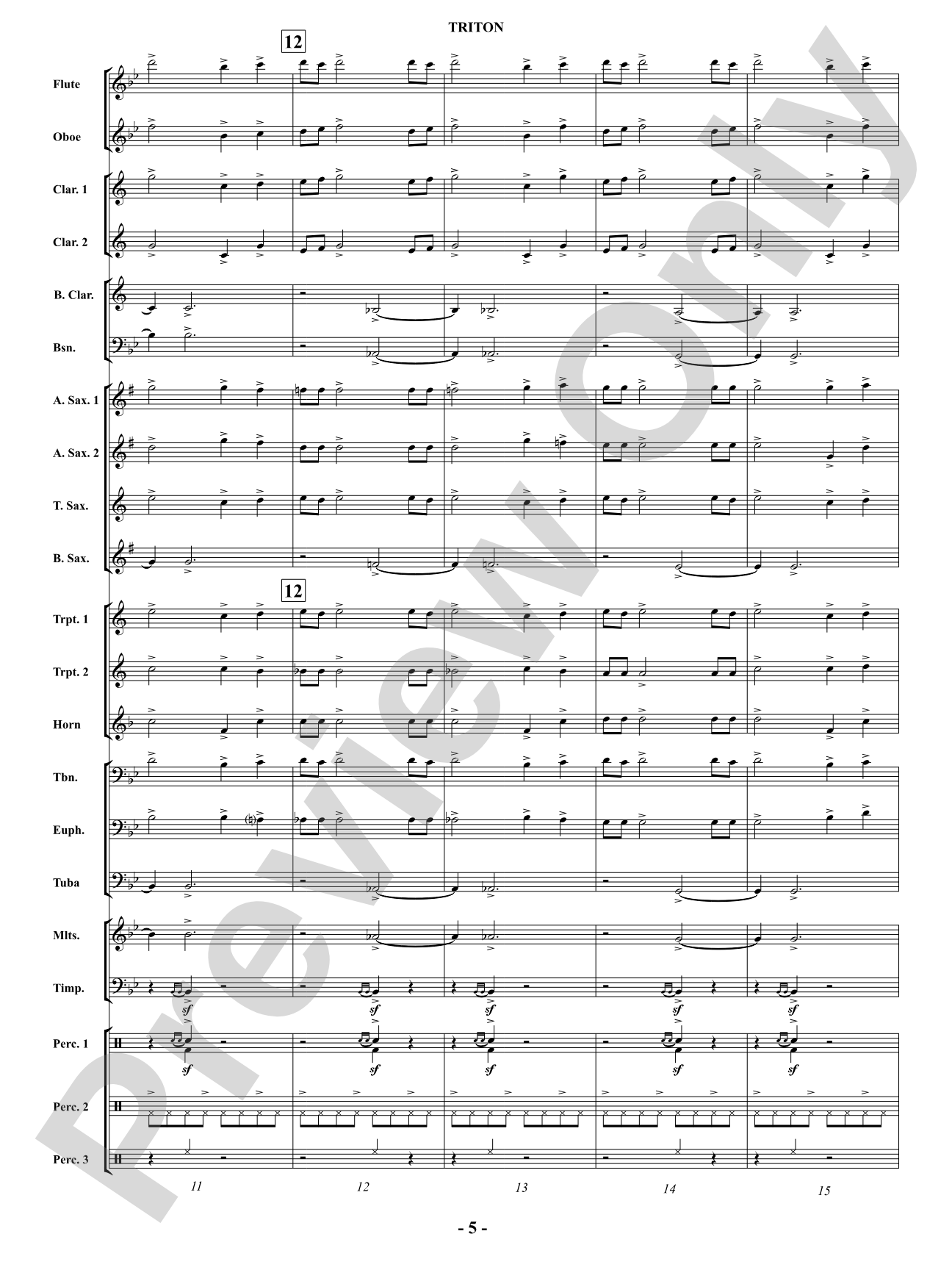
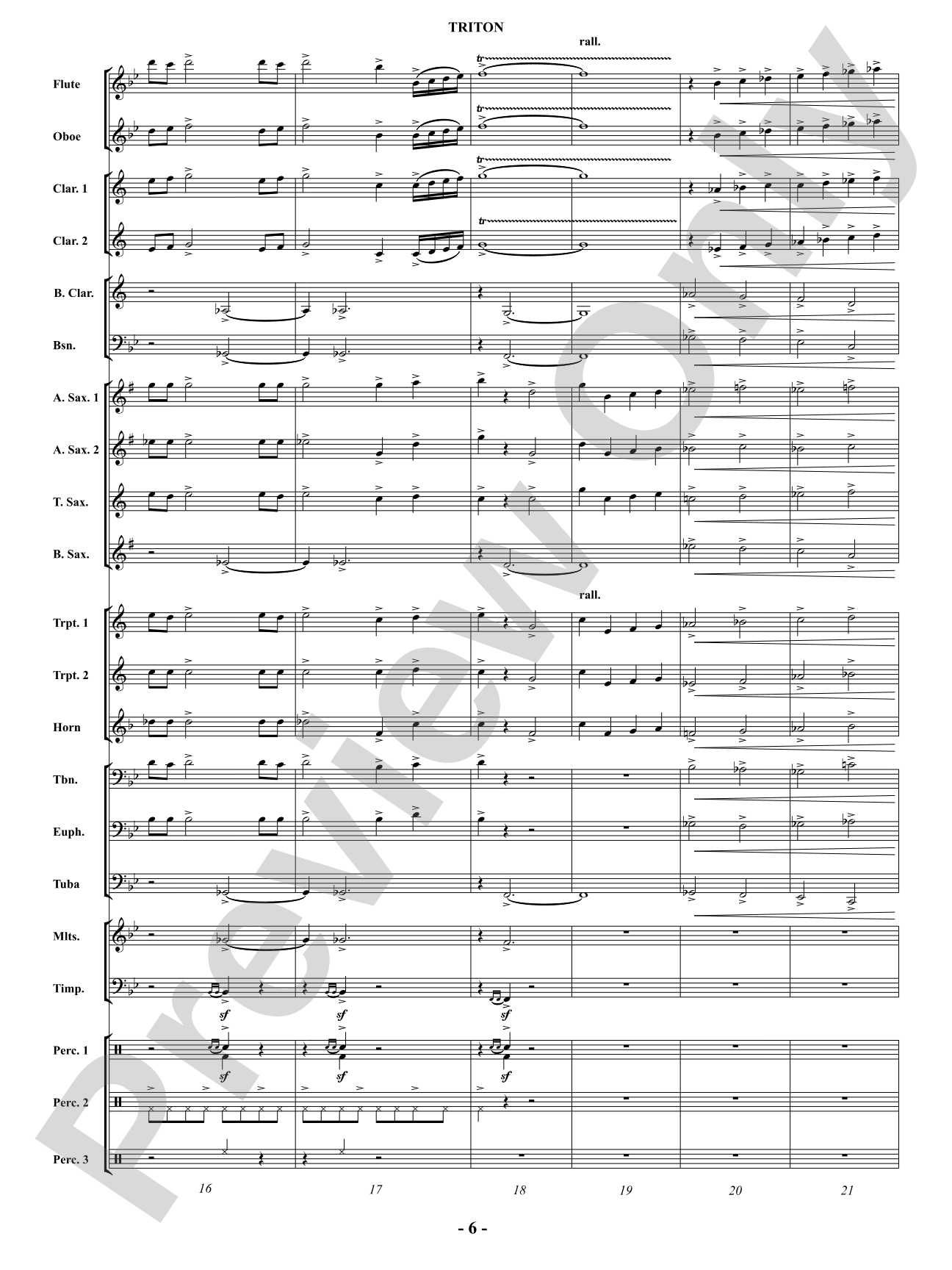
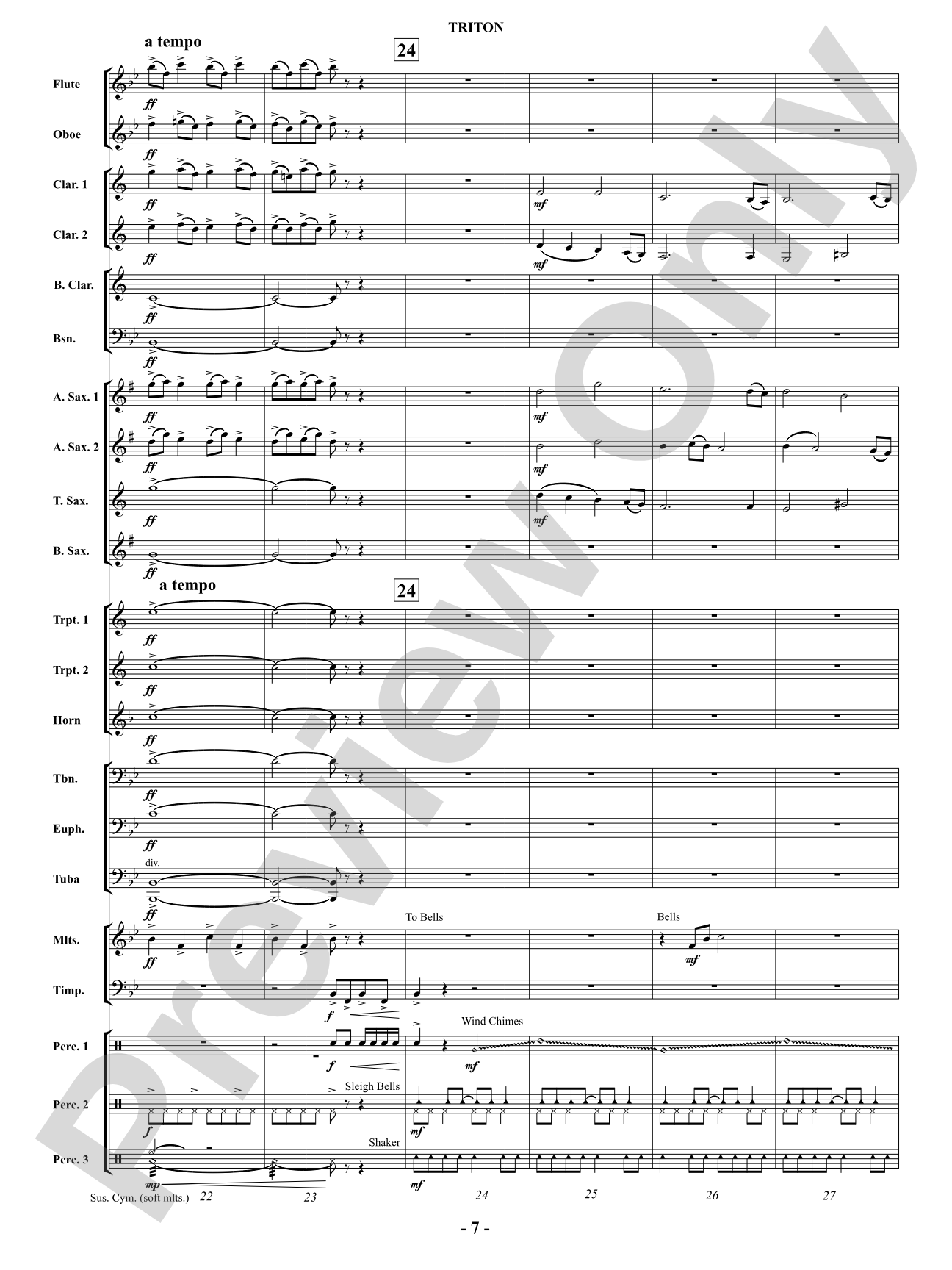
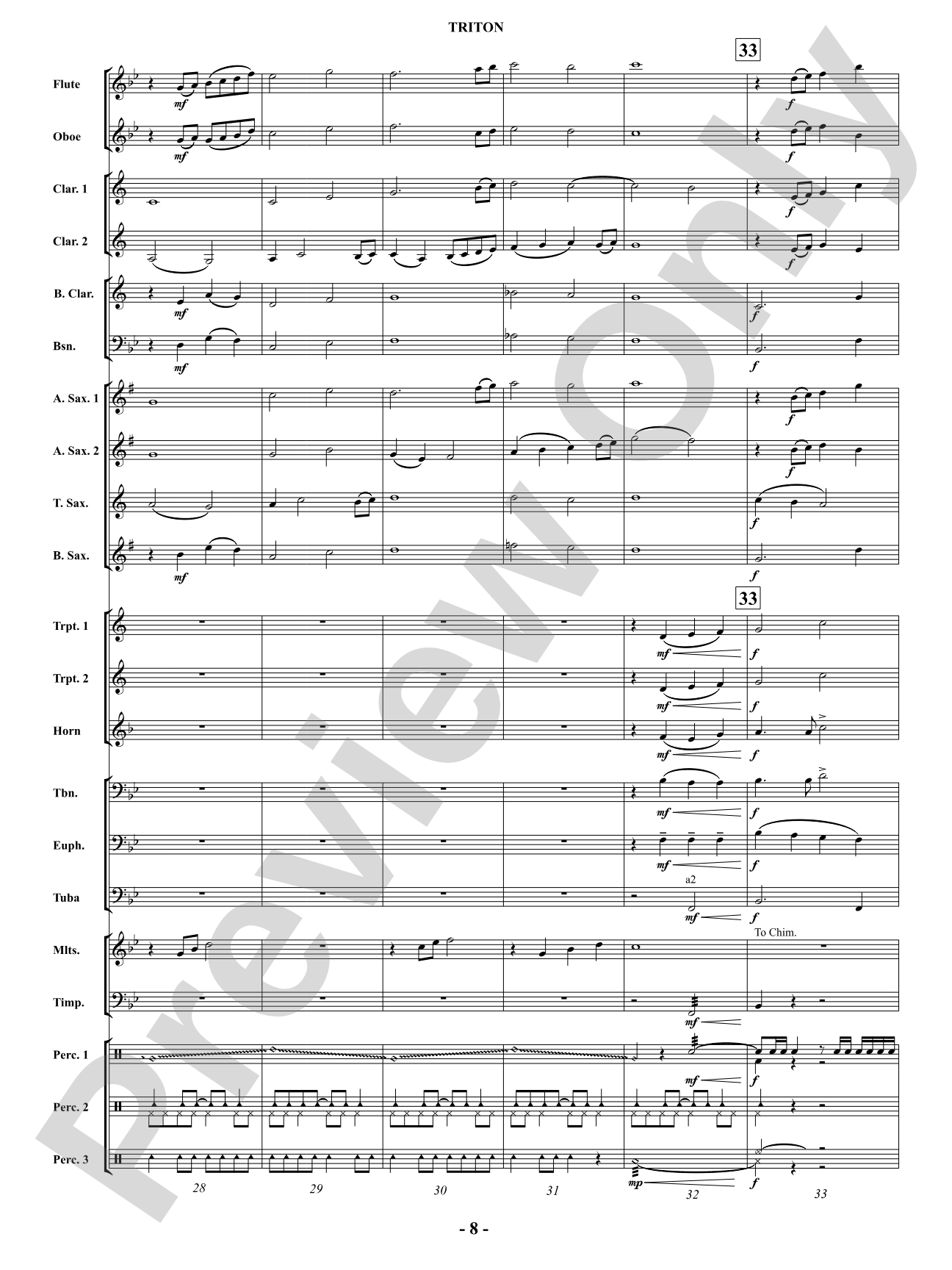
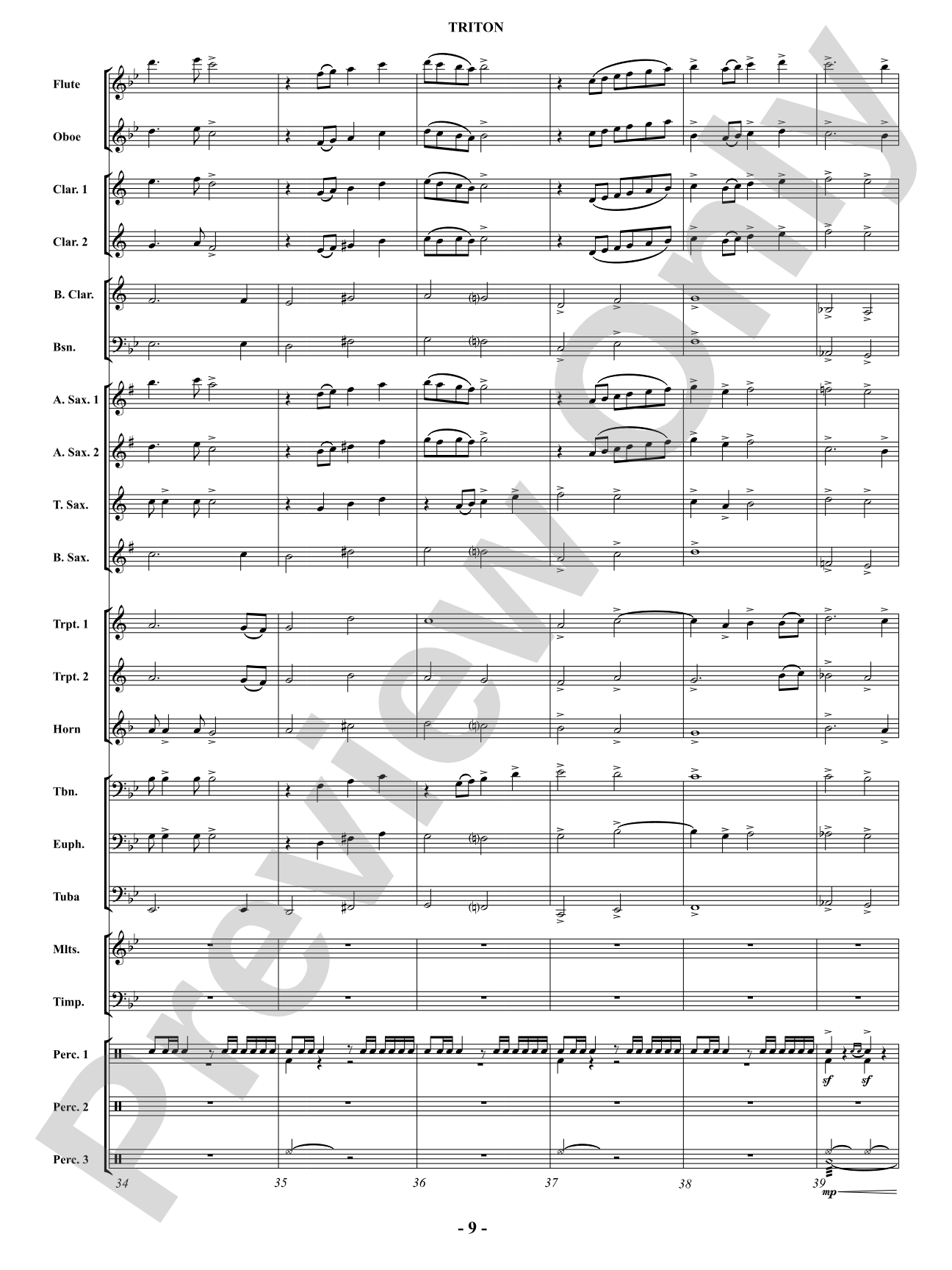
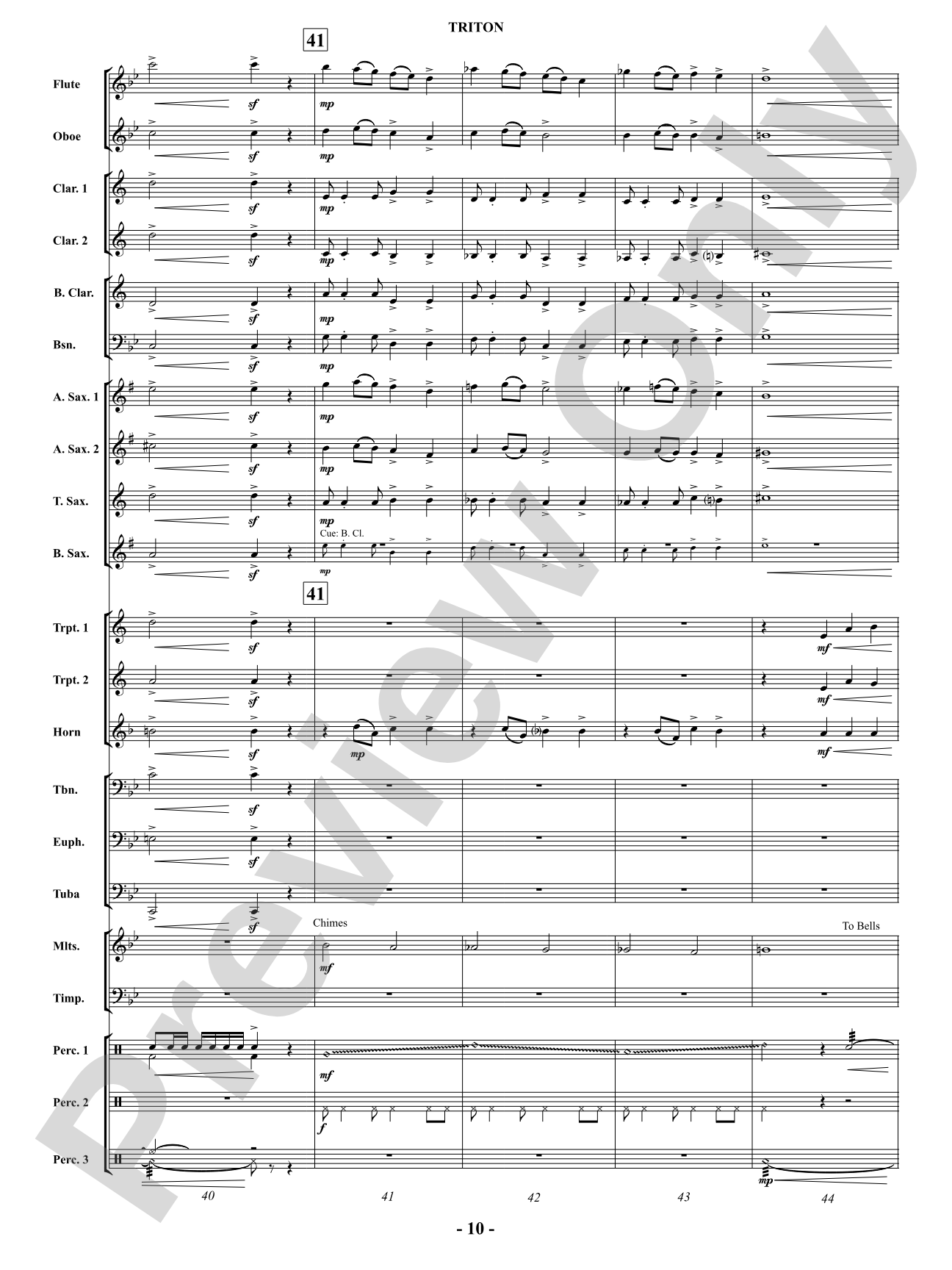
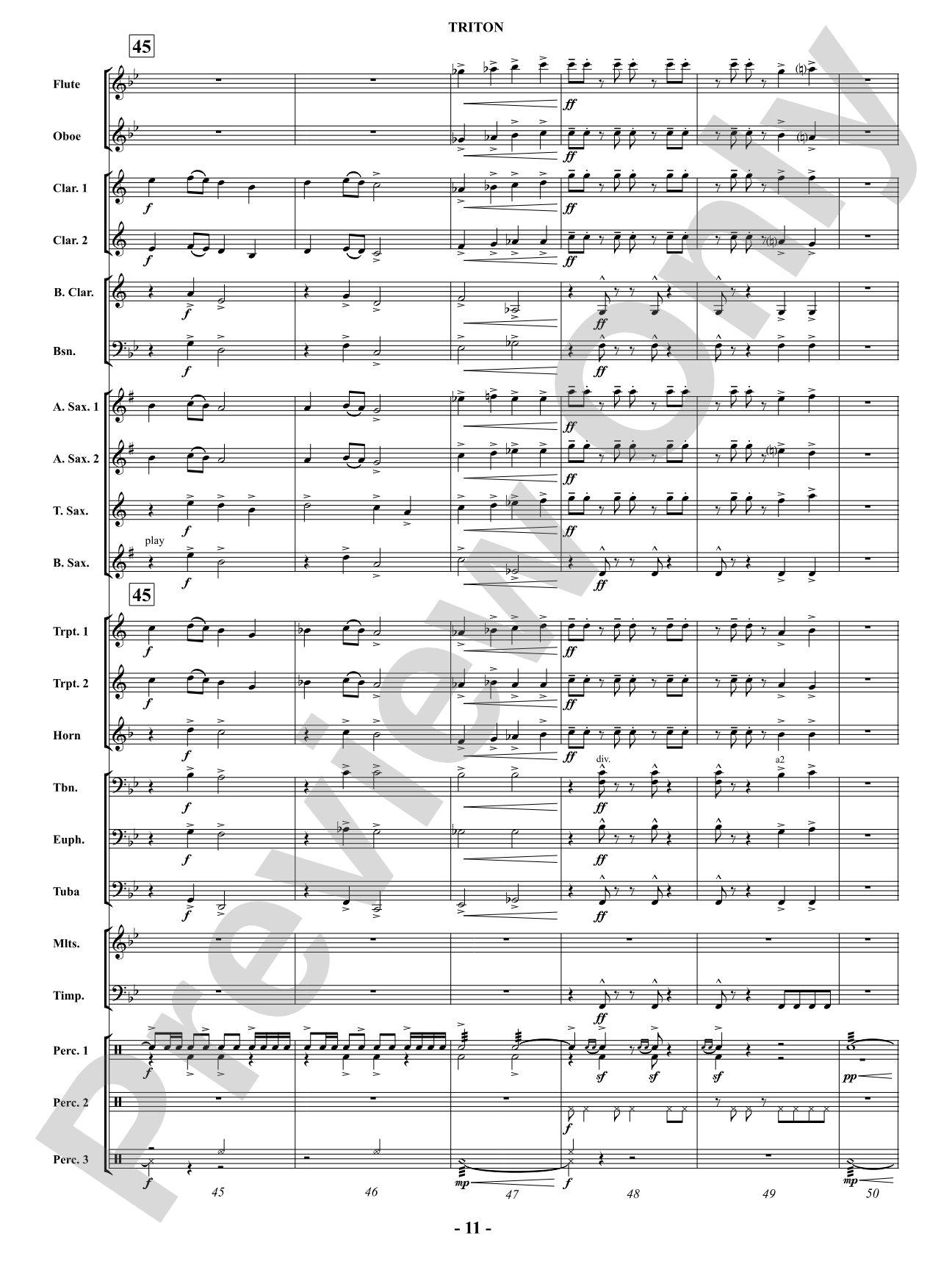
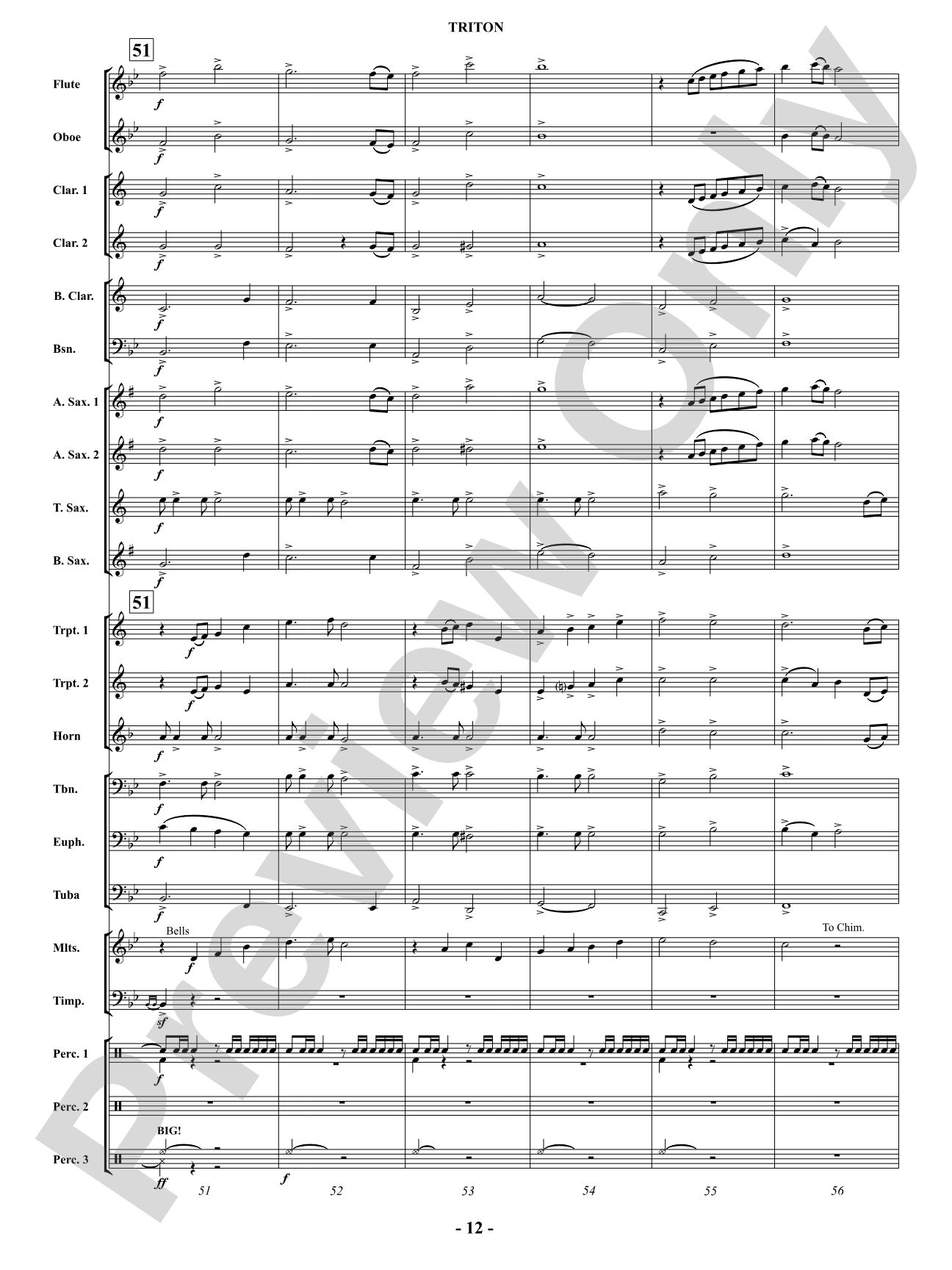
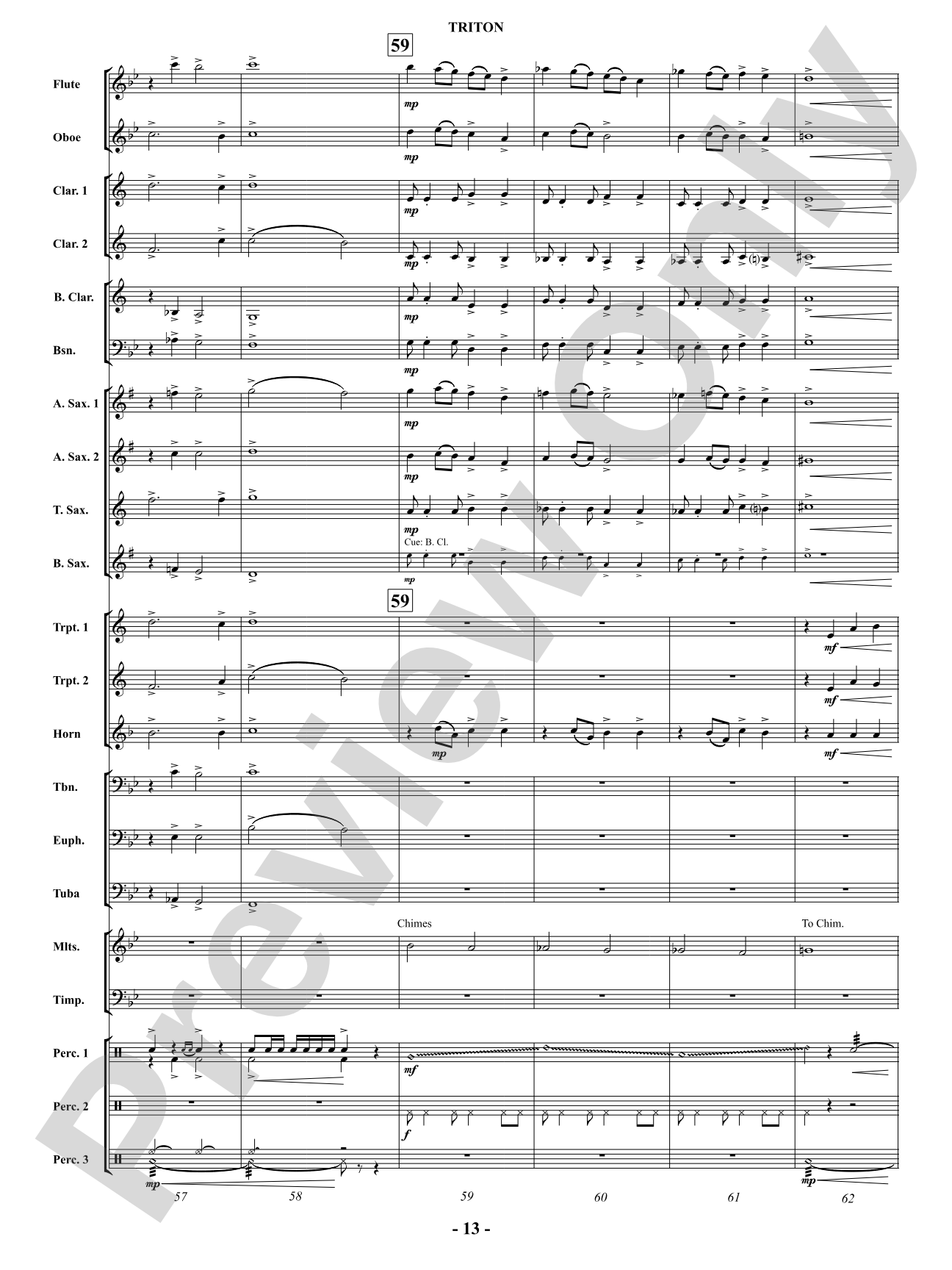
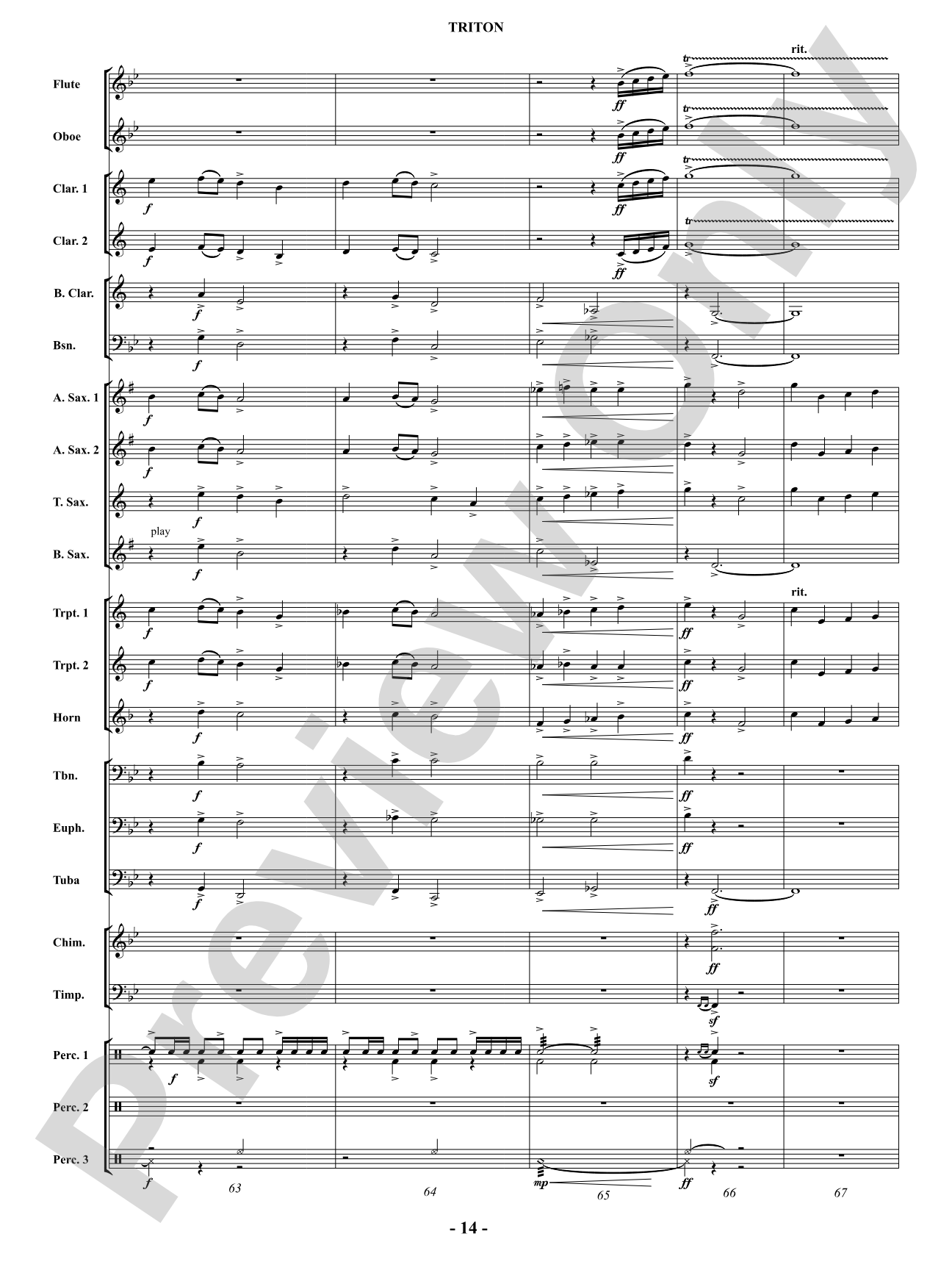
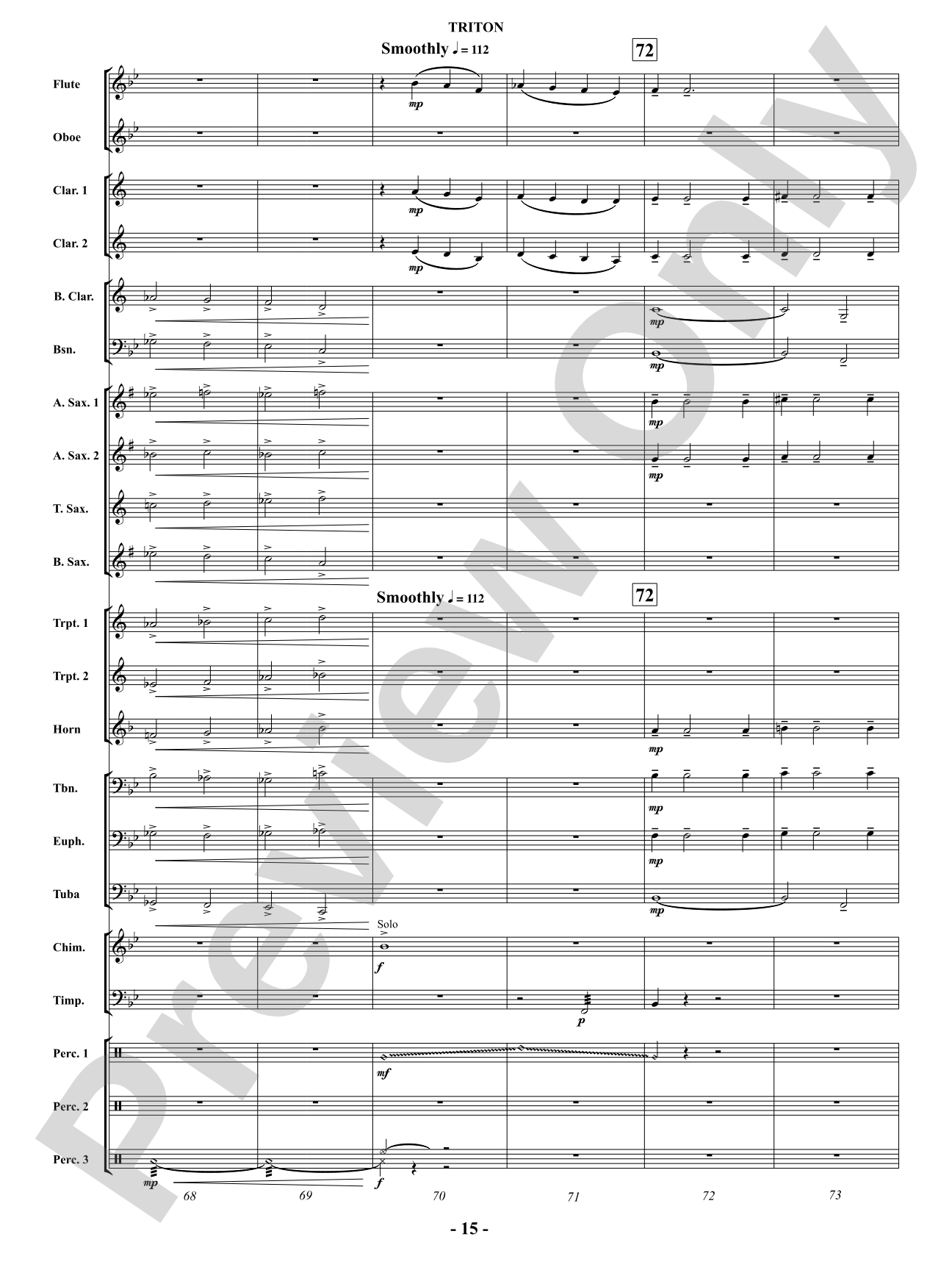
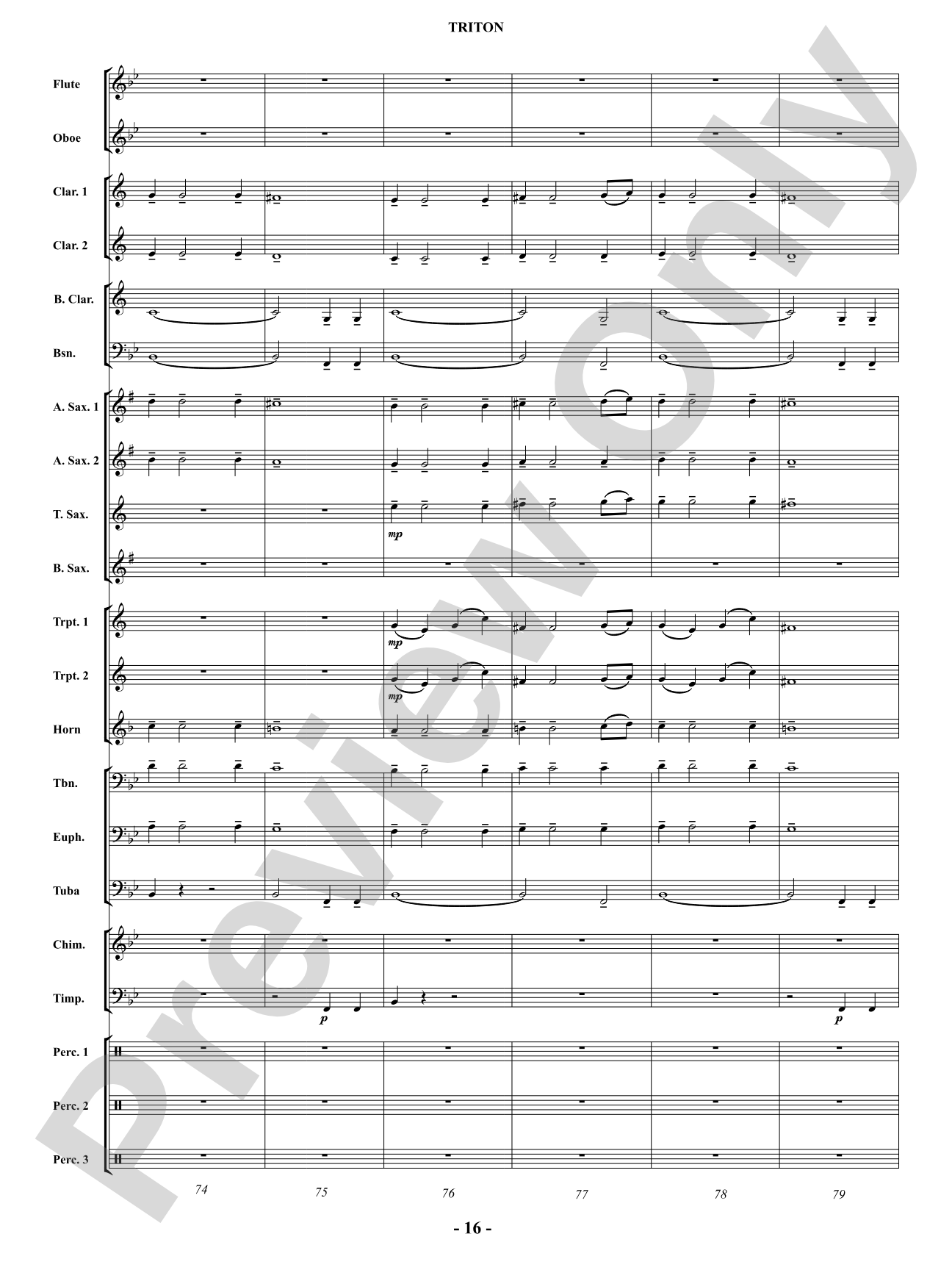
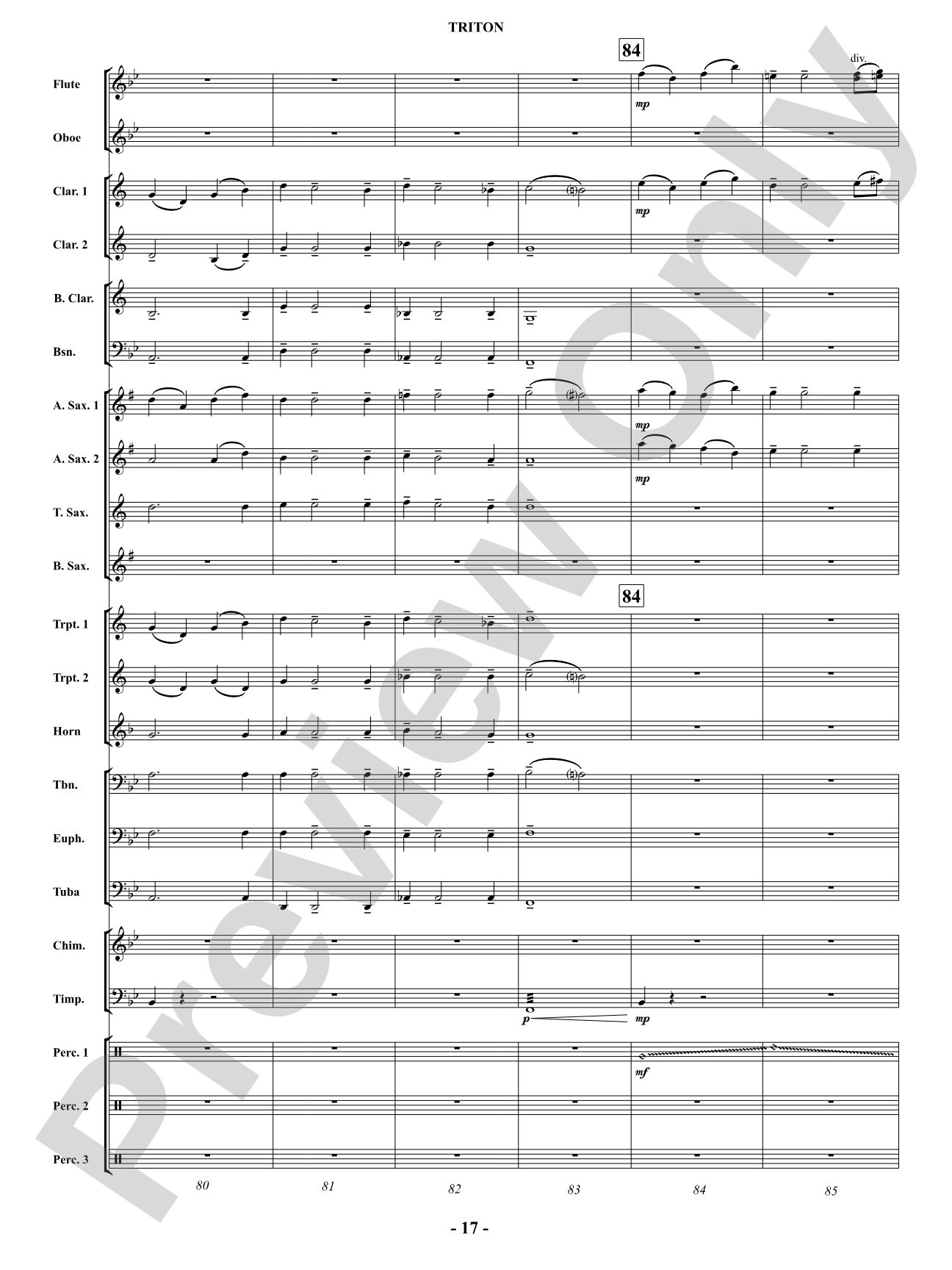
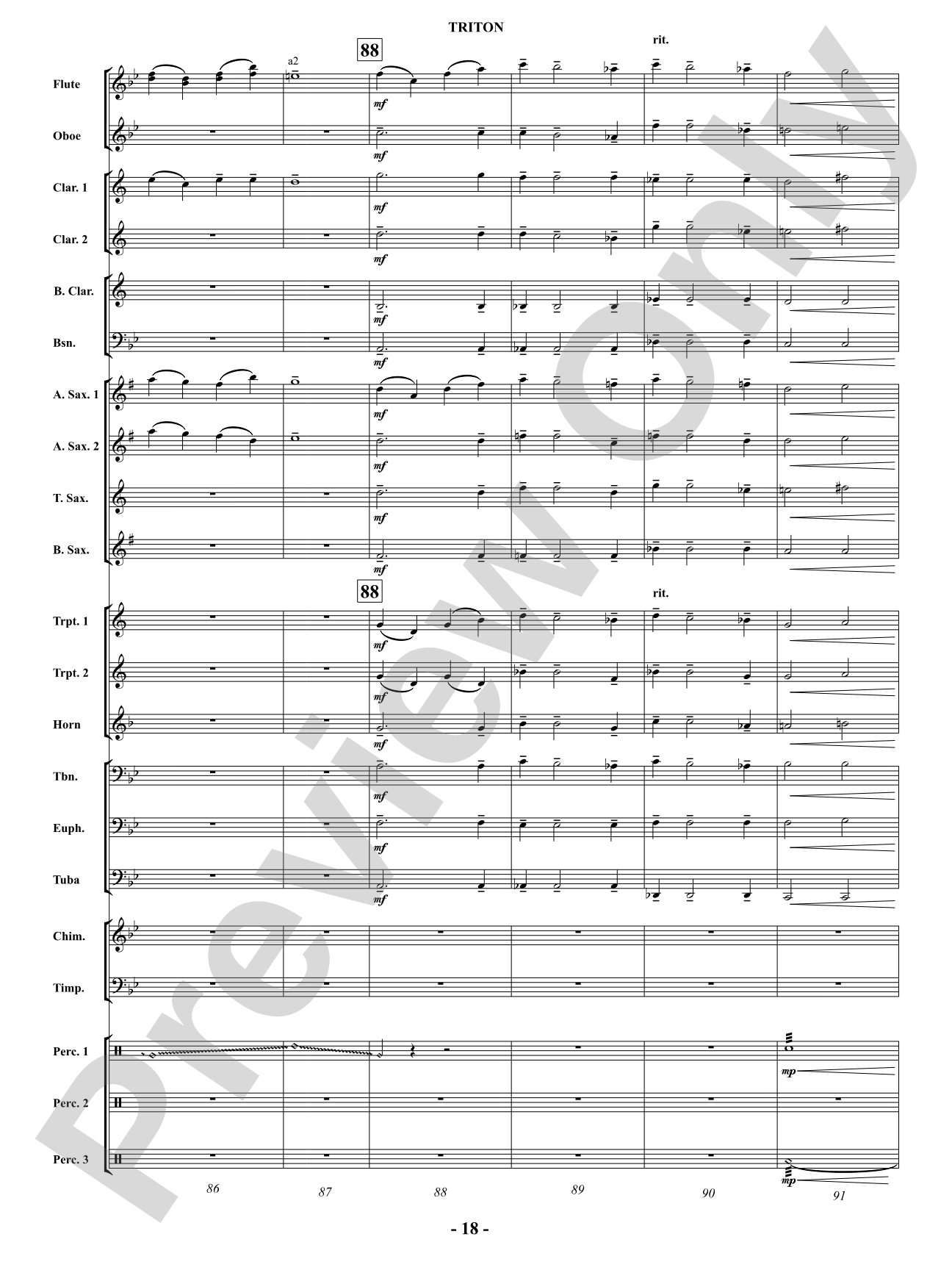
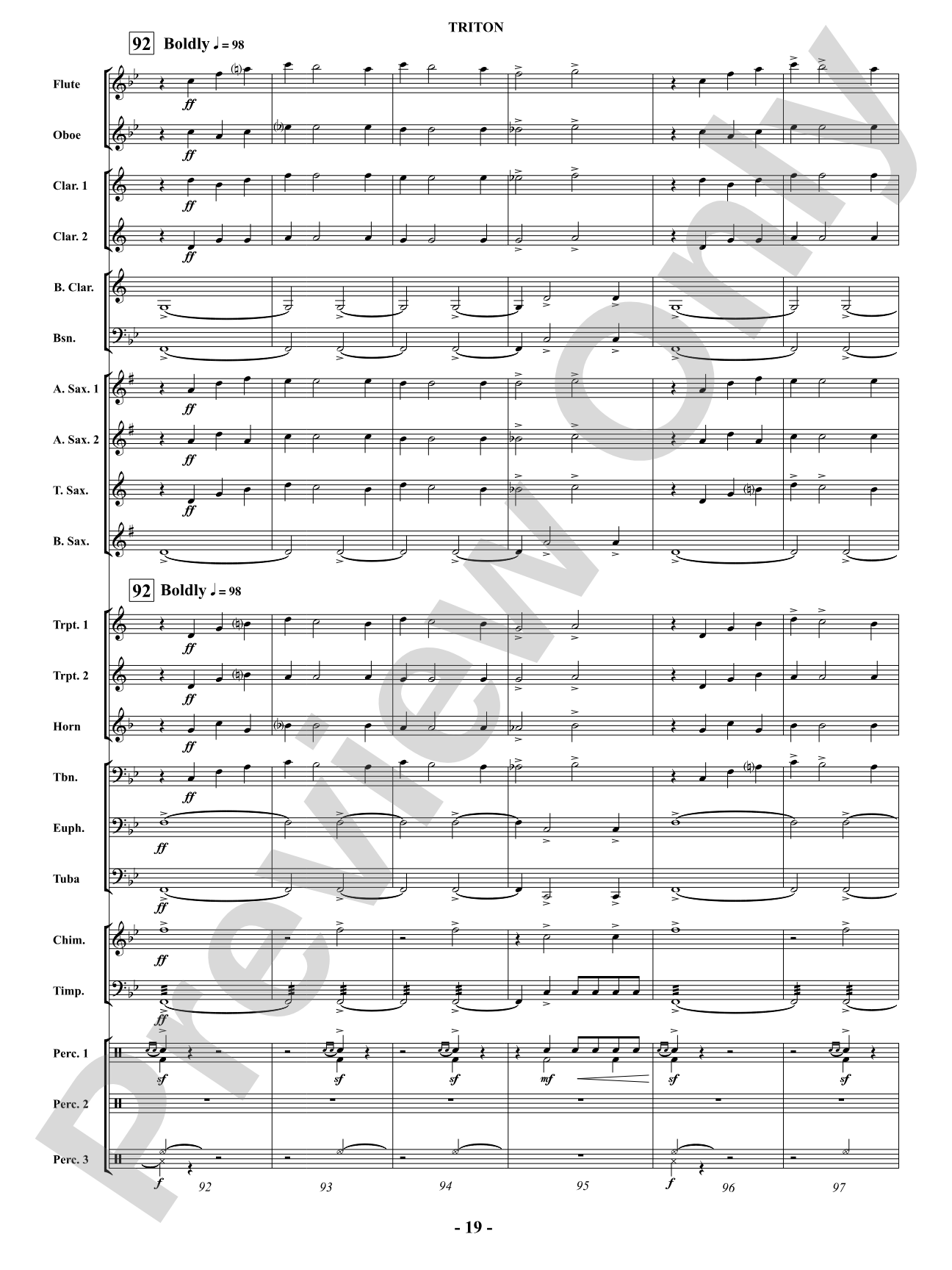
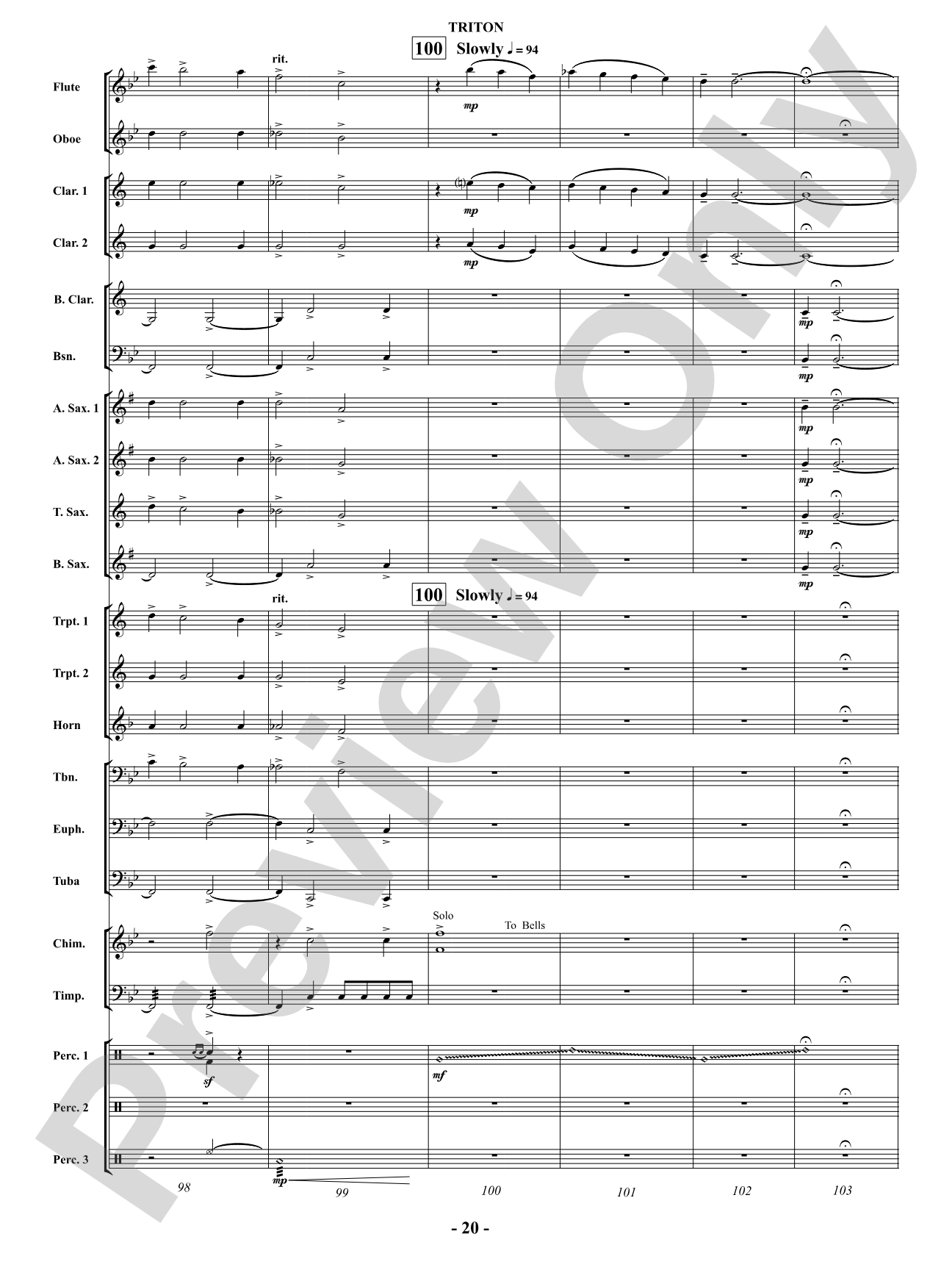
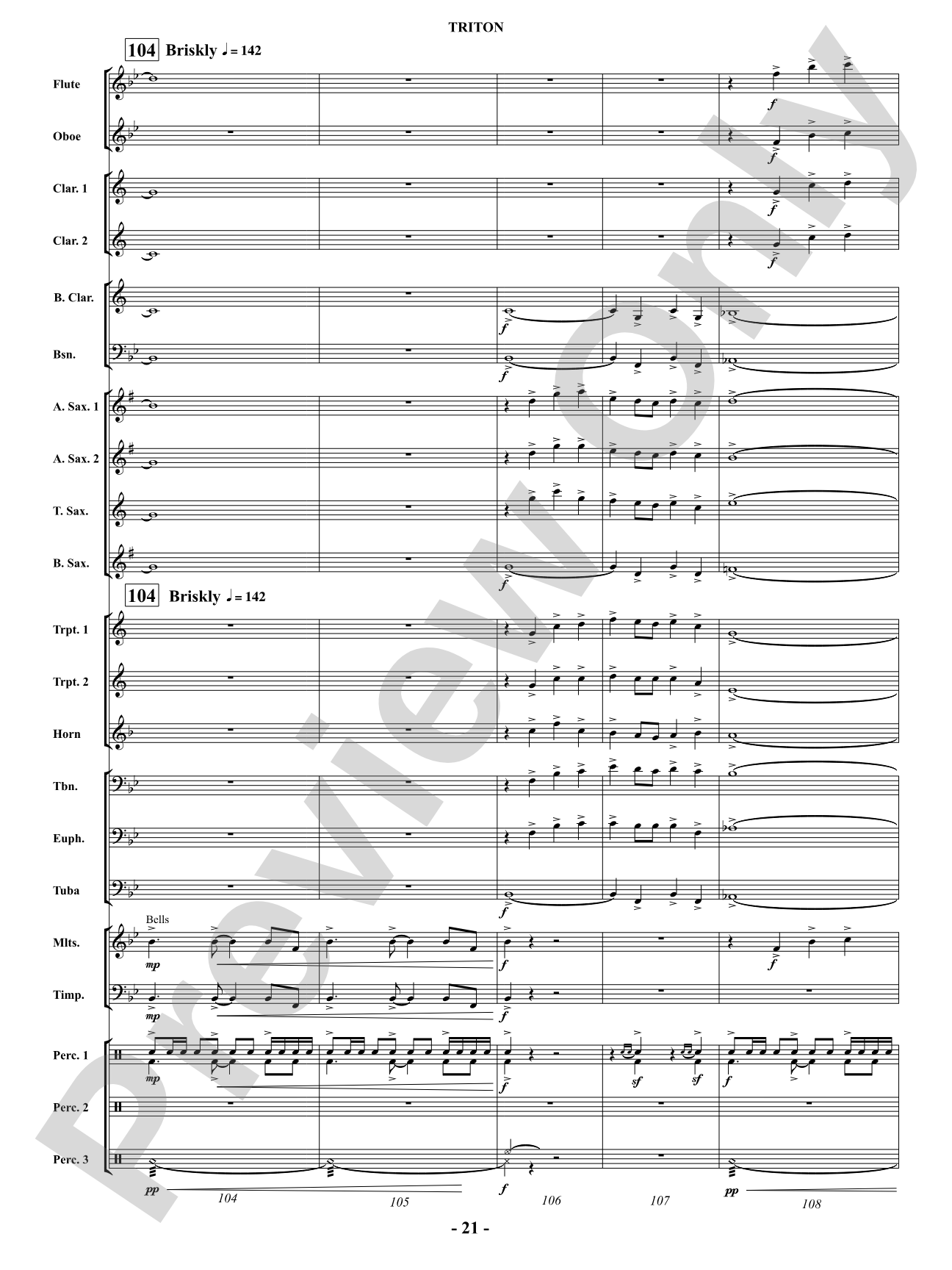
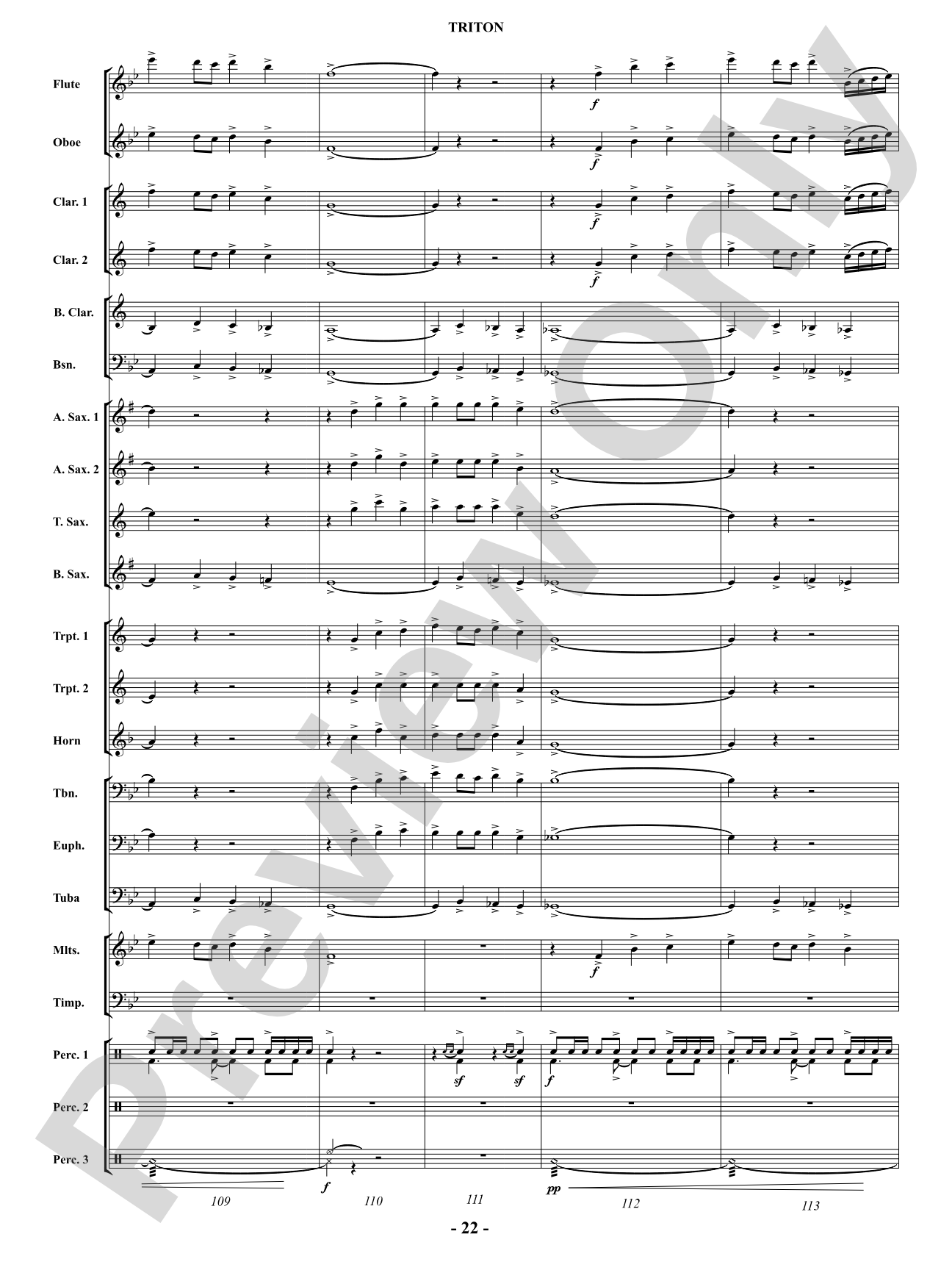
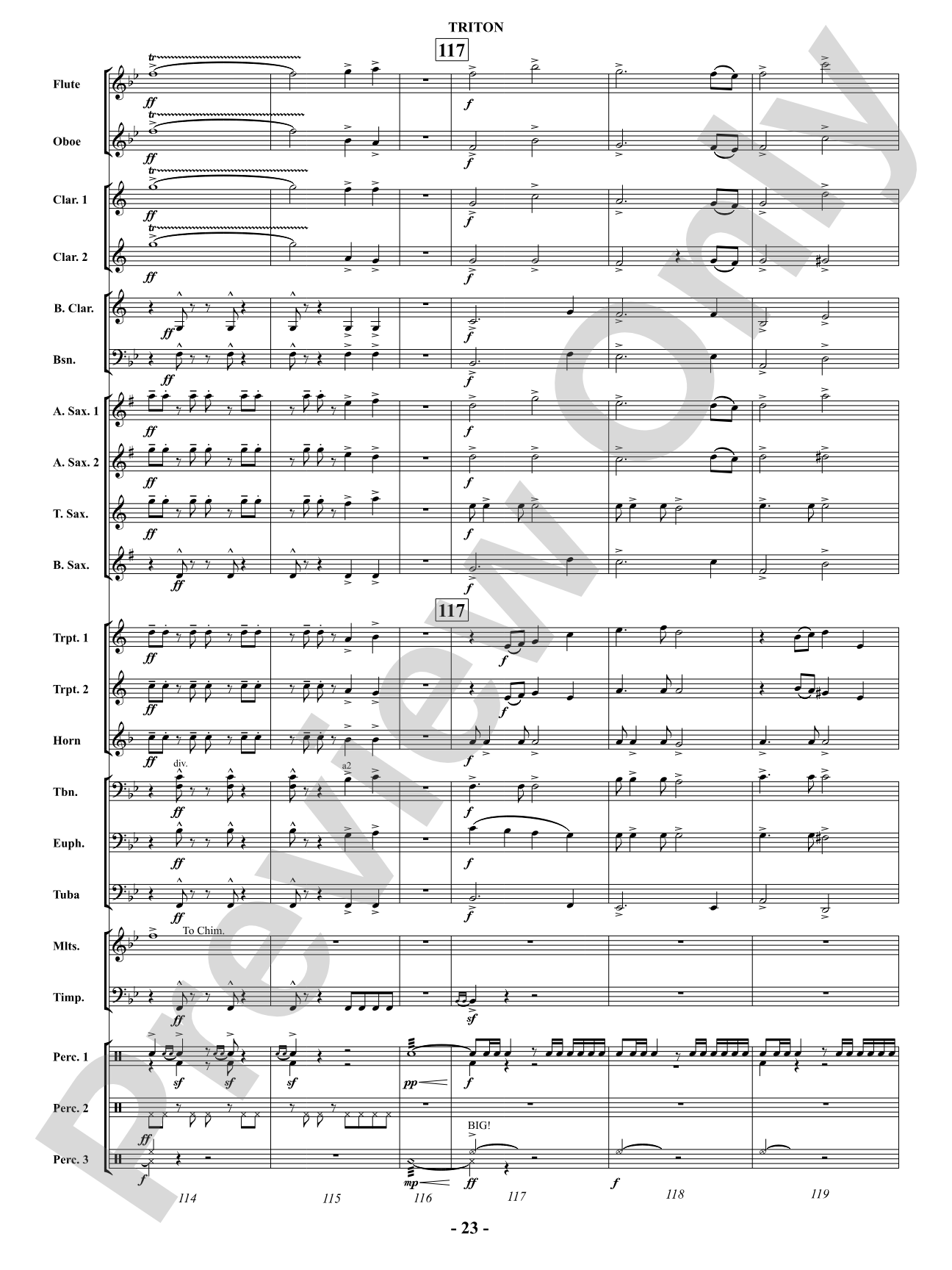
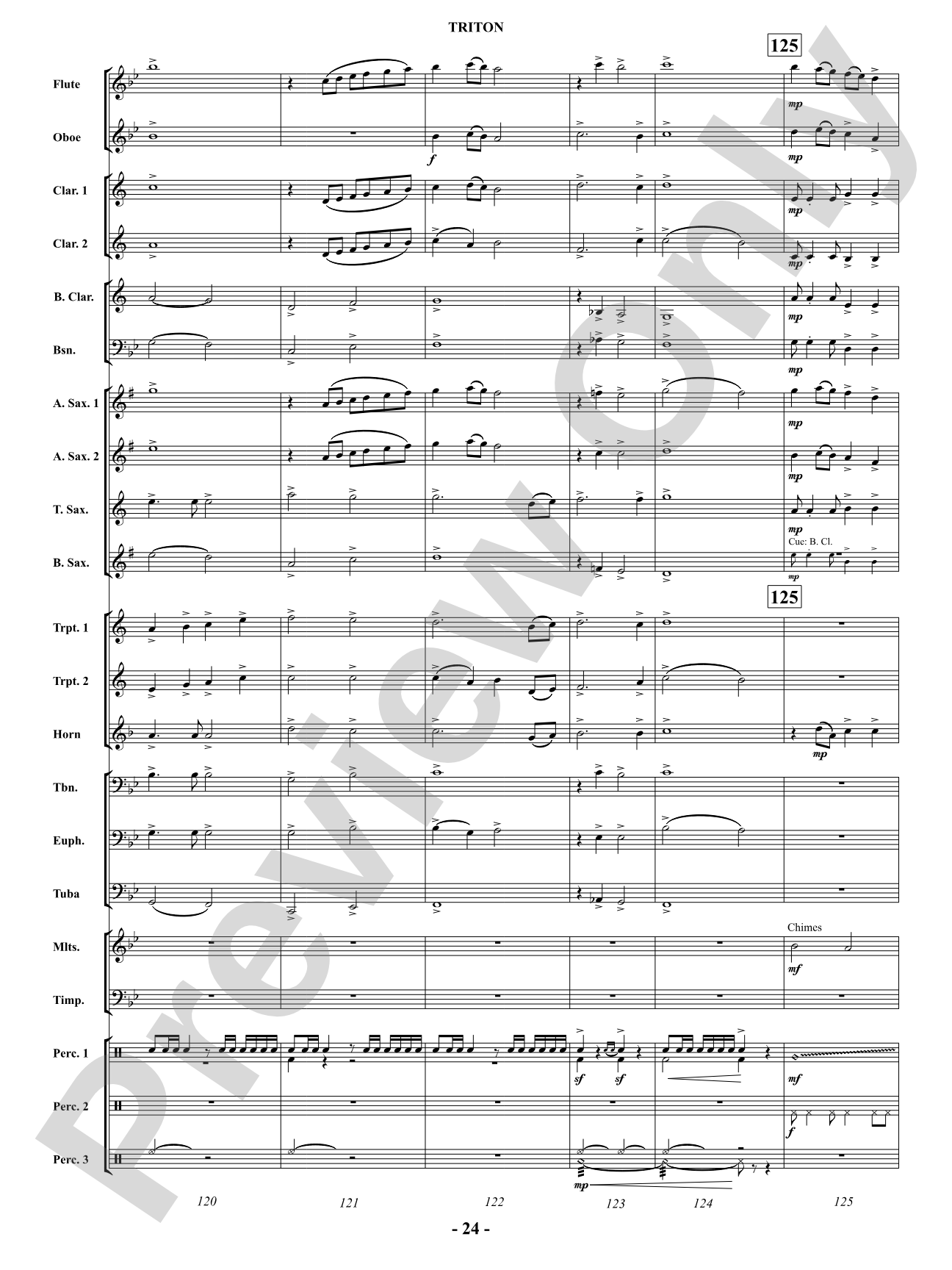
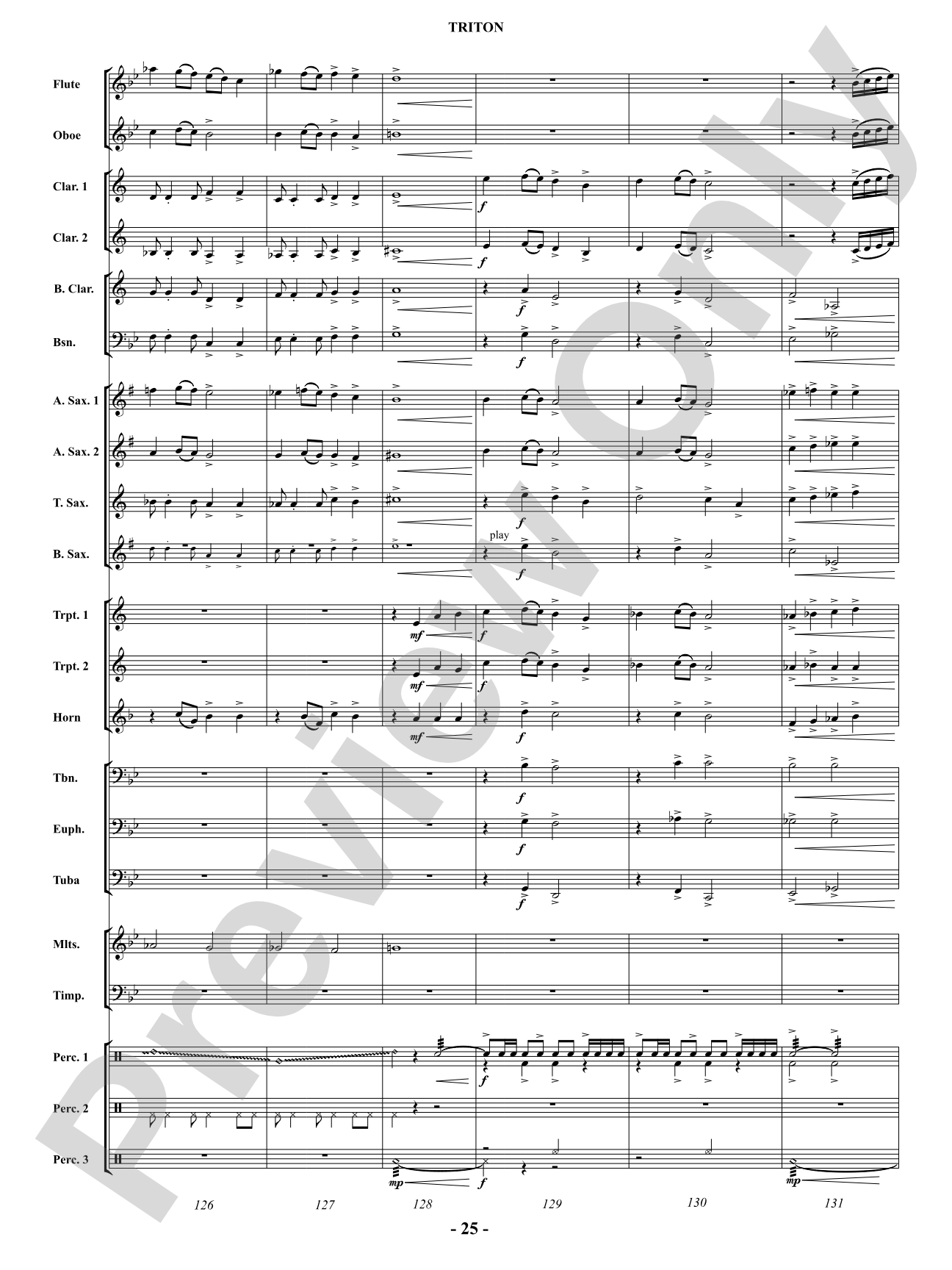
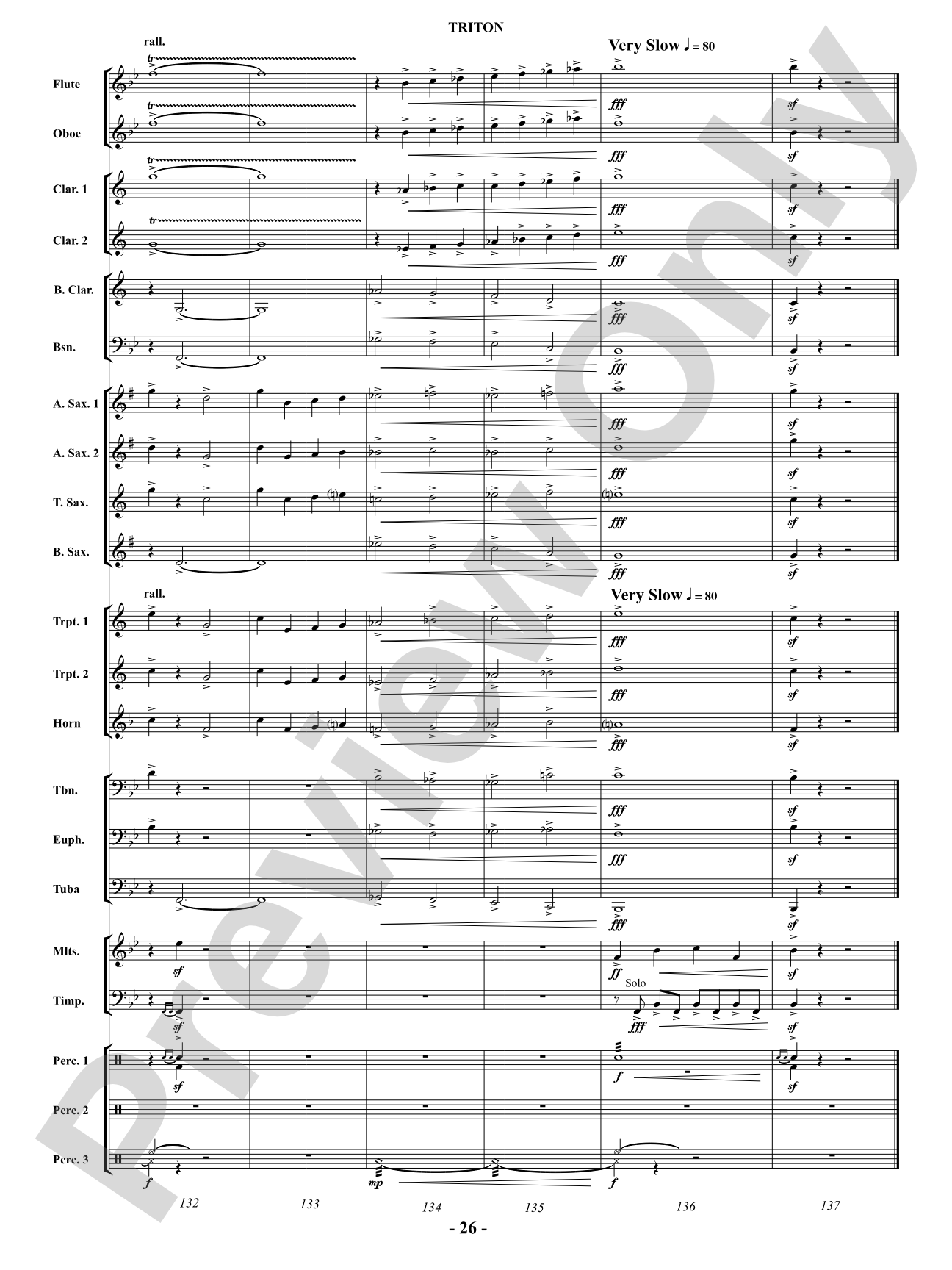

Triton: Score
(The Dwarf Planet)
By David Shaffer
Grade: 3
Item: 98-PR-0000032
$8.00
Pickup currently not available
Description
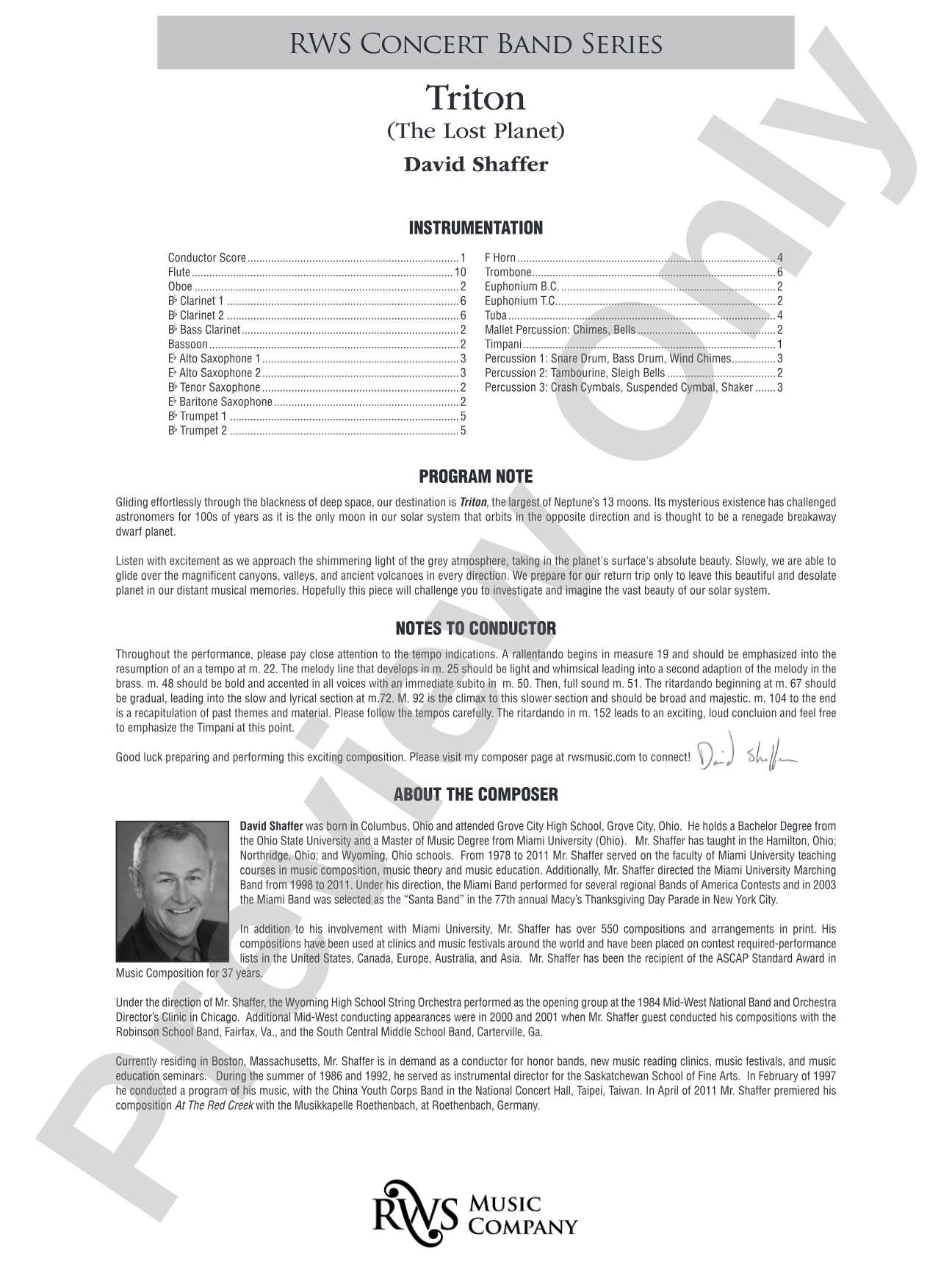
Gliding effortlessly through the blackness of deep space, we travel to Triton, the largest of Neptune's 13 moons. Its mysterious existence has challenged astronomers for hundreds of years, as it orbits in the opposite direction of other moons and is thought to be a renegade breakaway dwarf planet. Feel the thrill as we approach the shimmering glow of its gray atmosphere and take in the beauty of its surface. Slowing our pace, we soar over magnificent canyons, valleys, and ancient volcanoes stretching in every direction. This exciting Grade II+ piece ignites the musical imaginations of both students and audiences with vivid percussion, energetic rhythmic development, and flowing melodic lines. It captivates performers and listeners alike and works beautifully in any concert setting.


Triton: Score isn't in MakeMusic Cloud just yet...but it could be. Let us know you'd like to see it, and you'll help shape what comes next. In the meantime, start a free trial and dive into thousands of interactive titles your students can play along with today.
Request This Title
Tell us you want it.
Start Your Free Trial
Explore everything that's ready to play right now.
Sample Audio
1
Audio File
--:--
0:00
0:00
Sample Video
Additional Details
Series:
RWS - Concert Band
Publisher:
RWS Music Company
SKU:
98-PR-0000032
More about this title
About the Composer: David Shaffer
David Shaffer has established himself as a composer whose works span educational and professional concert settings. His compositions consistently balance accessibility with musical sophistication, creating pieces that challenge young musicians while remaining engaging for audiences.
Why we love this
Shaffer captures the wonder of space exploration through music that feels genuinely cinematic without sacrificing clarity or balance. The piece sustains audience attention across Grade III difficulty, offering students a rare opportunity to perform something that feels ambitious and thrilling rather than merely competent.
What to expect
You're traveling through the void toward an alien world, moving from quiet wonder to vivid discovery. The music shifts between contemplative, space-like passages and energized sections that capture the drama of new terrain unfolding below.
Who it's for
Intermediate concert bands seeking substantial programmatic music that inspires both players and listeners. This work suits ensembles ready to move beyond simple Grade II repertoire but not yet tackling advanced technical demands.
How to get the most out of it
- Bring out the shimmering quality of the upper woodwinds and bells during the approach sequence; these colors are central to the astronomical imagery and need space in the mix.
- Treat the rhythmic figures as pulse rather than just clicks. They should feel forward-moving and organic, particularly as energy builds toward the middle section.
- Lean into dynamic contrast. The piece moves between hushed, exploratory passages and energetic climaxes, so resist the temptation to settle into one dynamic level for too long.
- Mark your entrances carefully in percussion. With vivid color work throughout, players need clear cues to lock their effects and rhythms with the ensemble.
How to use it
Pair this effectively with lighter or more abstract works to create variety in a concert. Its programmatic storytelling makes it a strong centerpiece that gives audiences a narrative anchor while showcasing your ensemble's rhythmic precision and color control.
Skills your students will build
- Balancing sustained tones with articulated rhythmic figures
- Responding to conductor cues in dynamic and tempo shifts
- Creating textural clarity when multiple rhythmic layers occur simultaneously
- Shaping phrasing across longer melodic lines without losing forward motion
- Ensemble listening for blend and blend adjustments in high range passages