Trios for Violins Cover Image

Trios for Violins: Violin Book

$6.95 USD
Sale price  $6.95 USD Regular price 
Skip to product information
Trios for Violins Cover Image

Trios for Violins: Violin Book

Arr. John Cacavas

Item: 00-19549

$6.95
Shipped

One moment…

Description
John Cacavas has cleverly arranged an assortment of folk tunes, holiday favorites and original melodies in a wide range of styles. Each collection features 22 well-crafted arrangements specifically chosen for each instrument.

Trios for Violins: Violin Book isn't in MakeMusic Cloud just yet...but it could be. Let us know you'd like to see it, and you'll help shape what comes next. In the meantime, start a free trial and dive into thousands of interactive titles your students can play along with today.

Sample Pages

No sample pages found.

Sample Audio
No sample audio found.
Sample Video
Additional Details
Publisher: Alfred Music
Page Count: 24
ISBN10: 0-7390-1629-6
ISBN13: 978-0-7390-1629-9
UPC: 038081190013
SKU: 00-19549

More about this title

About the Arranger: John Cacavas
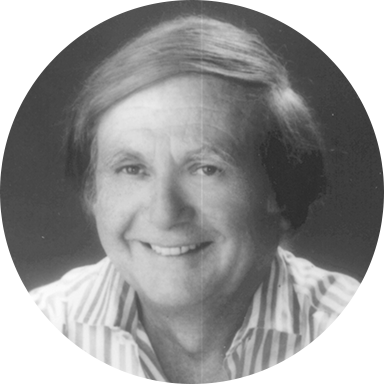
John Cacavas

John Cacavas brings decades of professional arranging experience to every score he touches. His career spans film and television, where he has scored over 400 television episodes, 50 TV movies, and 15 feature films, giving him intimate knowledge of how melodies work across different contexts and audiences. A Northwestern University graduate in Composition and Theory, Cacavas served as an arranger with the United States Army Band in Washington, D.C., where he deepened his craft working alongside some of the nation's finest musicians.

Beyond his film and television work, Cacavas has shaped music education through his published texts on orchestration and arranging. His arrangements are known for their clarity, musicality, and respect for the capabilities of student musicians. When Cacavas adapts material for ensemble, he thinks like both a composer and a pedagogue.

Why we love this

Cacavas strikes a rare balance: these 22 arrangements sound polished and intentional, yet they sit comfortably in the hands of advancing young string players. The variety of styles and sources keeps rehearsals from feeling predictable, and the contest/festival designation means students can take these seriously into performance without compromising musicality for accessibility.

What to expect

Each arrangement opens a small window onto a different musical world. Whether you're stepping into the rhythmic warmth of a folk melody, the cheerful sparkle of a holiday favorite, or the original compositional voice Cacavas brings to the mix, the writing feels natural to the violin and generous to the players.

Who it's for

This collection serves intermediate and advancing violin trios seeking repertoire that bridges student playing and concert-ready standards. Teachers building festival programs or concert selections will find material that sounds accomplished while remaining within reach of younger players.

How to get the most out of it

  • Balance the three violin lines carefully during your first read-throughs. Cacavas writes independent parts that reward listening to each other, not just playing your own line.
  • Pay attention to shifts in style from one arrangement to the next. Moving from a folk tune to a holiday favorite to an original melody requires different tone colors and articulation choices.
  • Use the 24-page format as a natural learning curve. Start with arrangements that sit in comfortable positions and keys, then tackle the more demanding material as ensemble cohesion improves.

How to use it

Build a concert set around these arrangements, pairing 4 or 5 contrasting pieces from the collection to show range and musicality. The contest/festival quality makes them ideal choices for spring recitals or chamber music showcases where you want the ensemble to project confidence and sophistication.

Skills your students will build

  • Reading and balancing independent violin lines in trio texture
  • Shifting between varied musical styles and genres
  • Intonation and ensemble blend across three similar voices
  • Interpreting articulation and phrasing in folk and original arrangements

You May Also Like