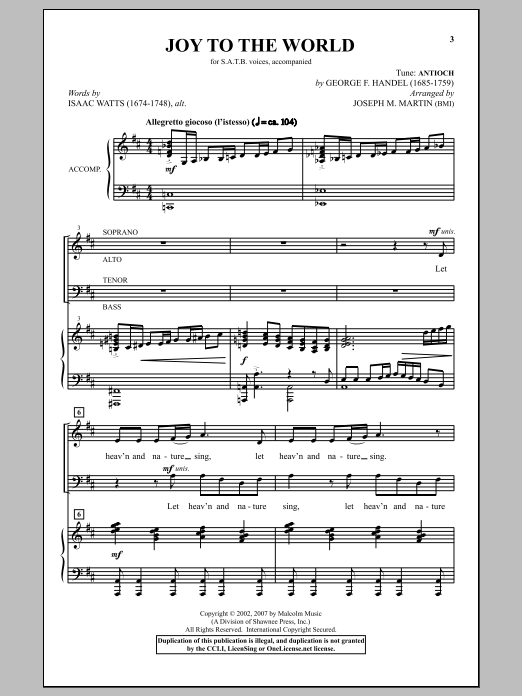
Treasury of Carols Sheet Music Preview

Treasury of Carols: SATB Choral Octavo

Arranged by Mark Hayes

Item: 35-DS00290348

Digital Download
$9.95
Description

Treasury of Carols: SATB Choral Octavo isn't in MakeMusic Cloud just yet...but it could be. Let us know you'd like to see it, and you'll help shape what comes next. In the meantime, start a free trial and dive into thousands of interactive titles your students can play along with today.

Sample Audio
No sample audio found.
Sample Video
Additional Details
Publisher: Hal Leonard
Page Count: 12
SKU: 35-DS00290348

More about this title

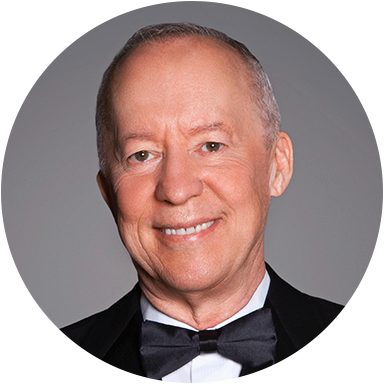
About the Arranger: Mark Hayes

Mark Hayes

Mark Hayes brings over 1,750 published compositions to the choral, orchestral, and piano music landscape. A summa cum laude graduate in Piano Performance from Baylor University, Hayes has established himself as both a composer of substantial sacred works (including his Requiem, premiered at Lincoln Center in 2013) and a versatile arranger across genres spanning gospel, classical, jazz, and musical theater. His work has been featured at major venues including the National Cathedral and Carnegie Hall, and in 2010 Baylor University honored him with the Award for Exemplary Leadership in Christian Music.

Beyond concert halls, Hayes has demonstrated his range through orchestrations for musical theater, record production, and commissioning work for institutions worldwide. His arrangements are known for their accessibility without sacrificing musicality, making them invaluable resources for conductors seeking repertoire that engages both singers and audiences. Based in Kansas City, Missouri, Hayes continues to compose and conduct, driven by his commitment to creating music of substance for performers at all levels.

Why we love this

Hayes crafts arrangements that honor traditional melodies while giving them fresh harmonic life suitable for community and church choirs. The collection balances well-known carols with less frequently performed selections, expanding your singers' exposure to Advent repertoire without overwhelming rehearsal schedules. At 12 pages across multiple carols, you gain programming flexibility; each piece stands alone or works within a larger seasonal concert.

What to expect

These arrangements honor the reverent, anticipatory spirit of Advent while maintaining the accessibility that allows congregations and choirs alike to find themselves in the music. Hayes' harmonic language feels contemporary enough to engage modern ears without alienating singers looking for traditional carol arrangements.

Who it's for

Church and community choirs preparing Advent services and holiday concerts will find dependable, singable arrangements grounded in Hayes' solid musicianship. Conductors managing mixed ensembles of varying vocal maturity benefit from Hayes' careful voice leading and accessibility without condescension.

How to get the most out of it

  • Establish the harmonic foundation early in rehearsals by isolating Hayes' arrangements from performances of the melodies your singers may already know. This prevents older versions from crowding out his voicing choices.
  • Pay attention to dynamic contrasts between verses and refrains. Hayes often uses textural shifts rather than massive dynamic changes, so clarity from your singers about which sections recede will shape the overall arc.
  • Schedule phrasing work alongside text underlay, as SATB writing sometimes compresses words into tighter note values than soloists expect.

How to use it

Weave selections from this collection into a multi-part Advent service where carols frame scripture and liturgy, or build a standalone holiday concert using complementary pieces as a unified program. The variety of tempos and moods within a single collection also works well for programming between longer choral works, providing musical interest and pacing relief.

Skills your students will build

  • SATB voice independence and balance, particularly maintaining soprano and alto lines over bass and tenor anchor points
  • Harmonic analysis of functional progressions in contemporary choral settings
  • Phrasing across extended melodic lines where text and music stress may not align
  • Sight-reading of mixed rhythmic figures within familiar melodic material

You May Also Like