
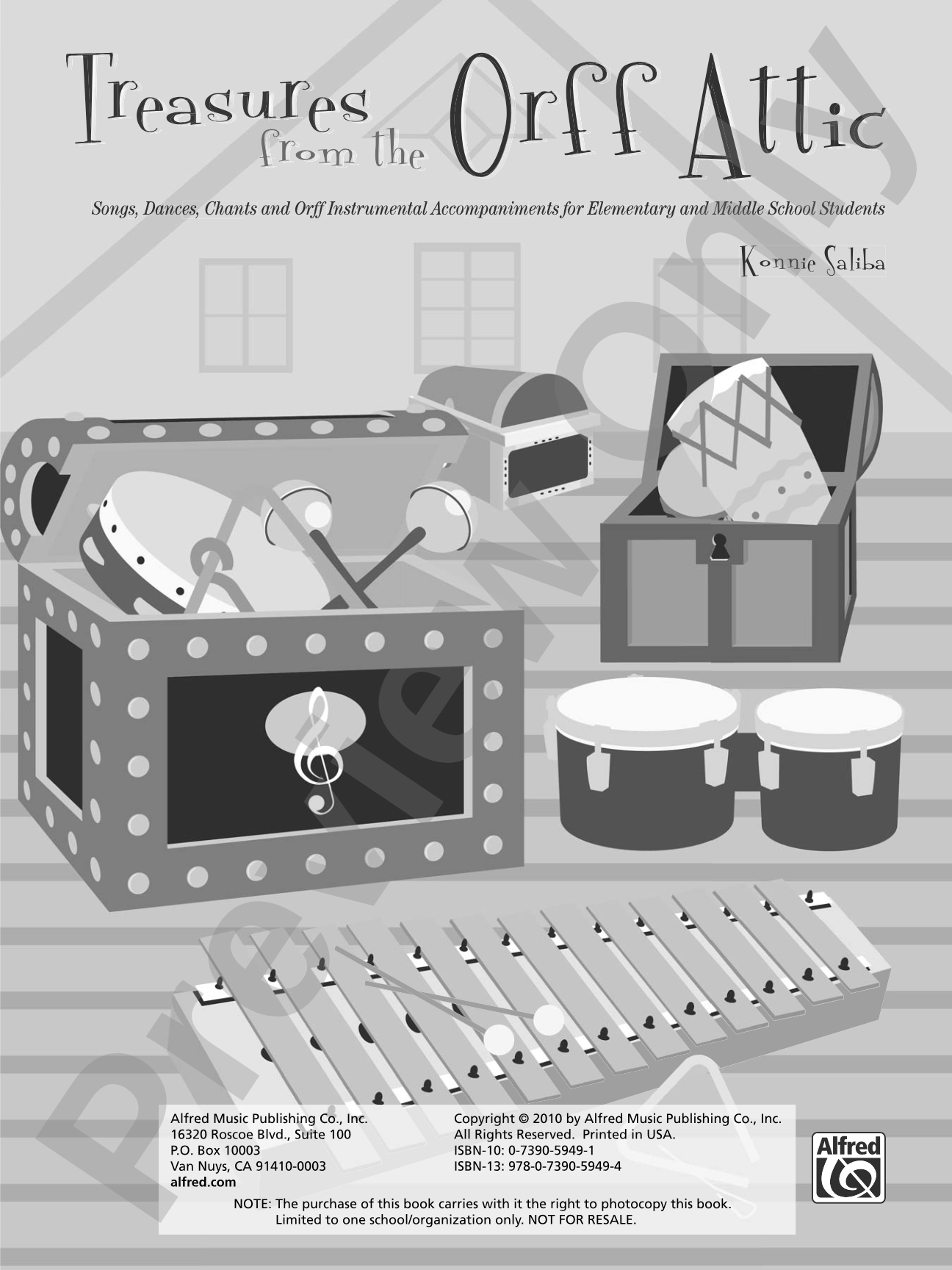

Treasures from the Orff Attic: Songs, Dances, Chants, and Orff Instrumental Accompaniments for Elementary and Middle School Students
Songs, Dances, Chants, and Orff Instrumental Accompaniments for Elementary and Middle School Students
By Konnie Saliba
Item: 00-PB-0001827
$19.95
Pickup currently not available
Related Items
Treasures from the Orff Attic: Book |
$19.95
|
View |
Description
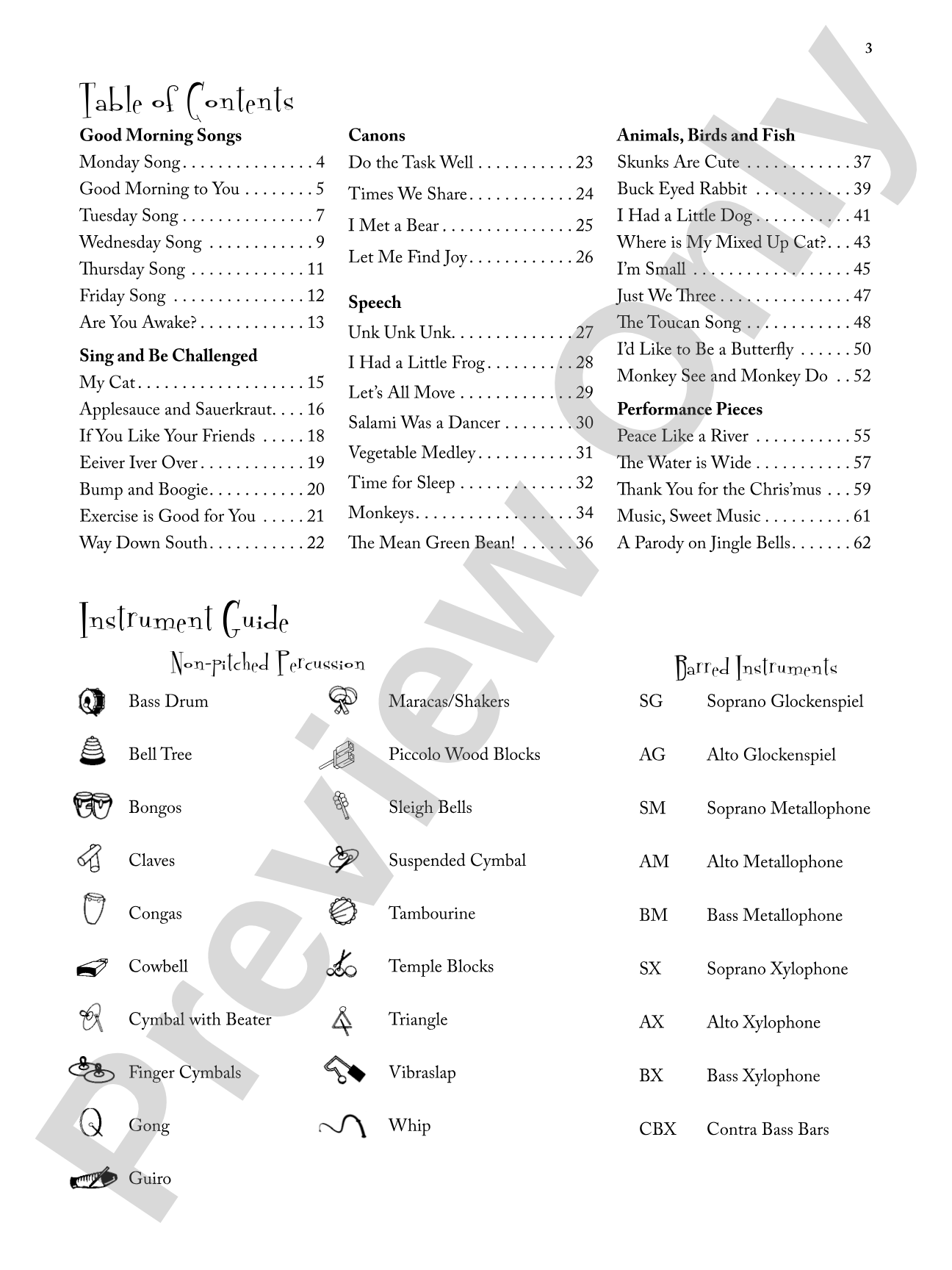
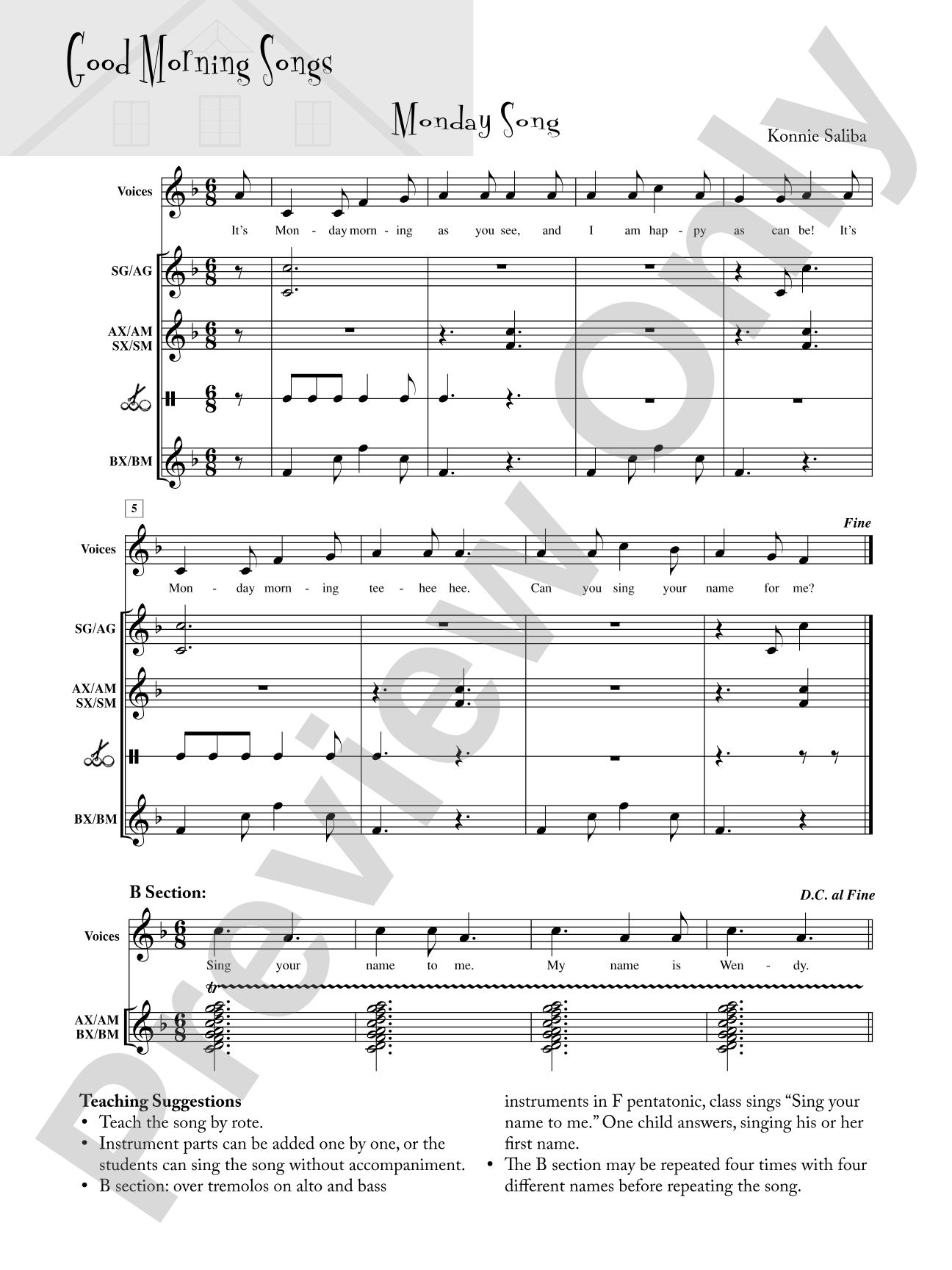
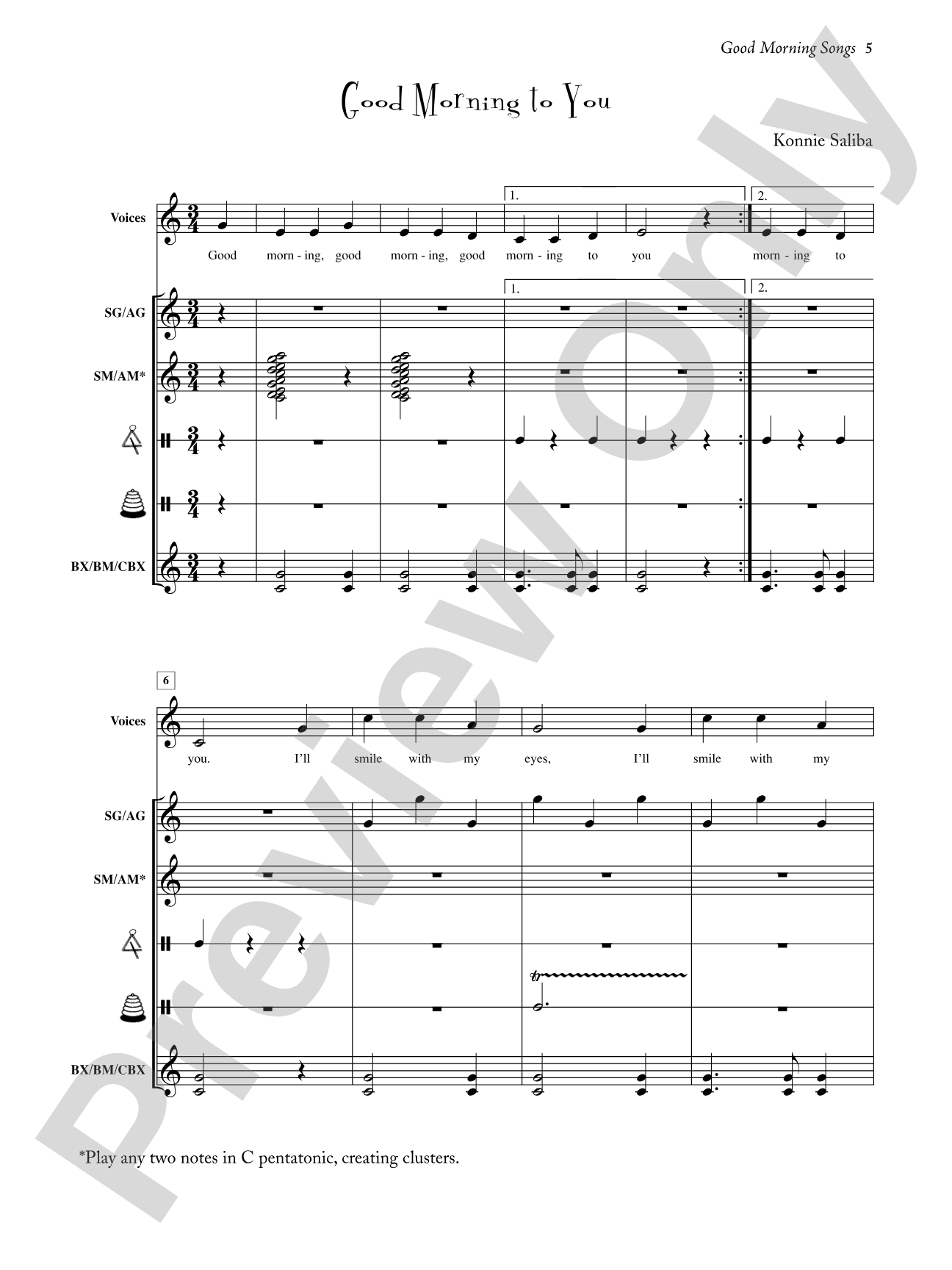
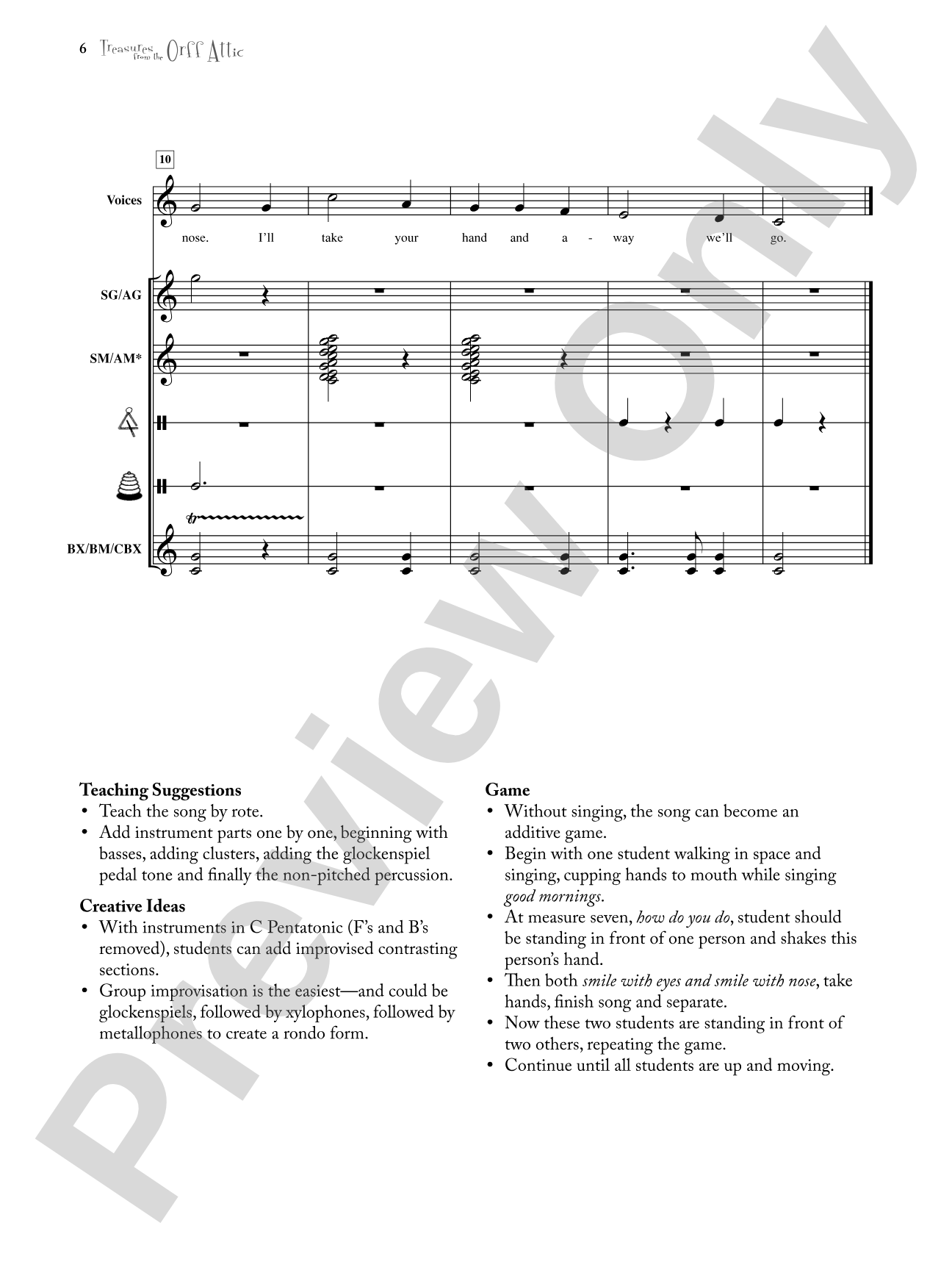
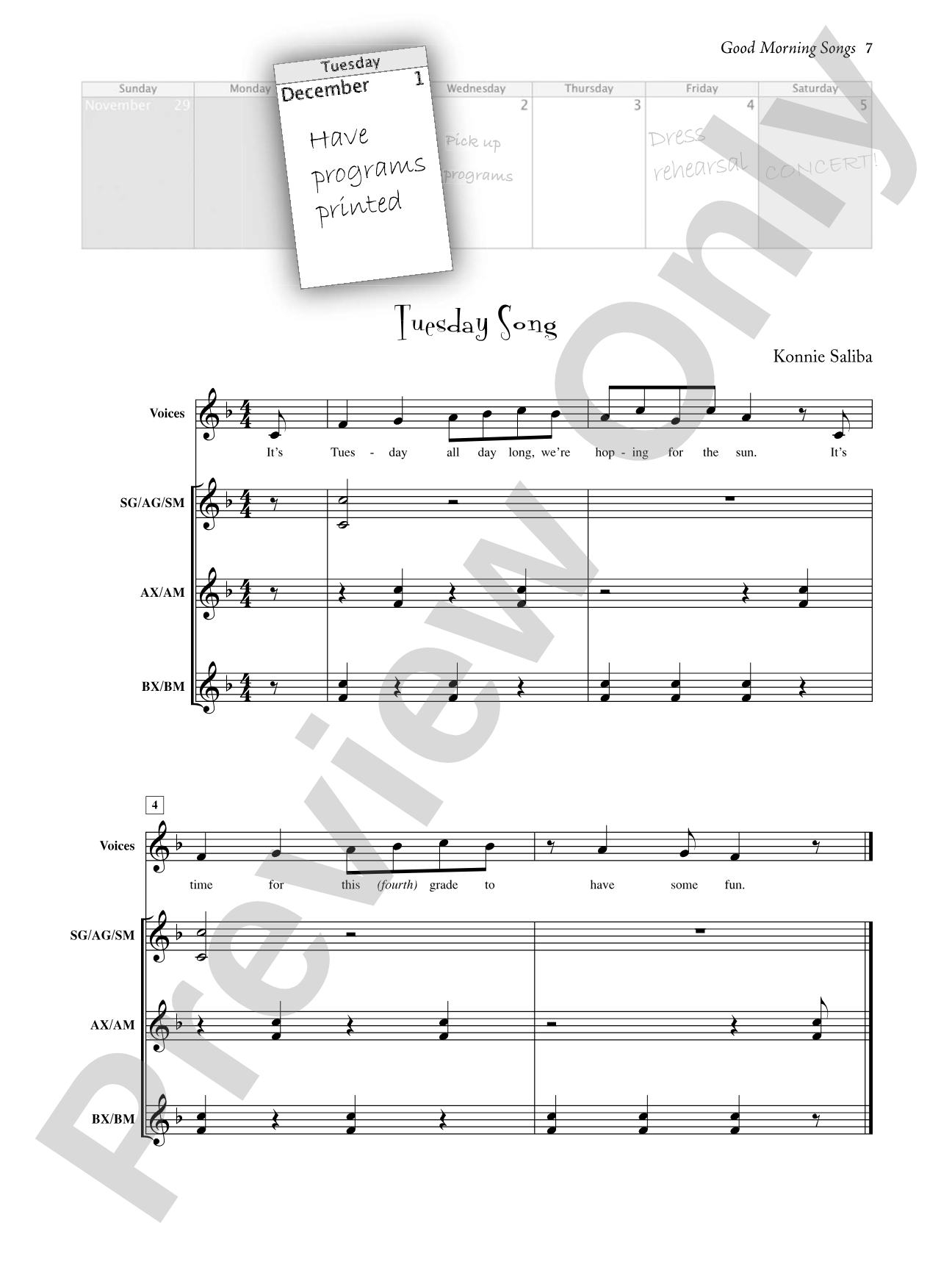
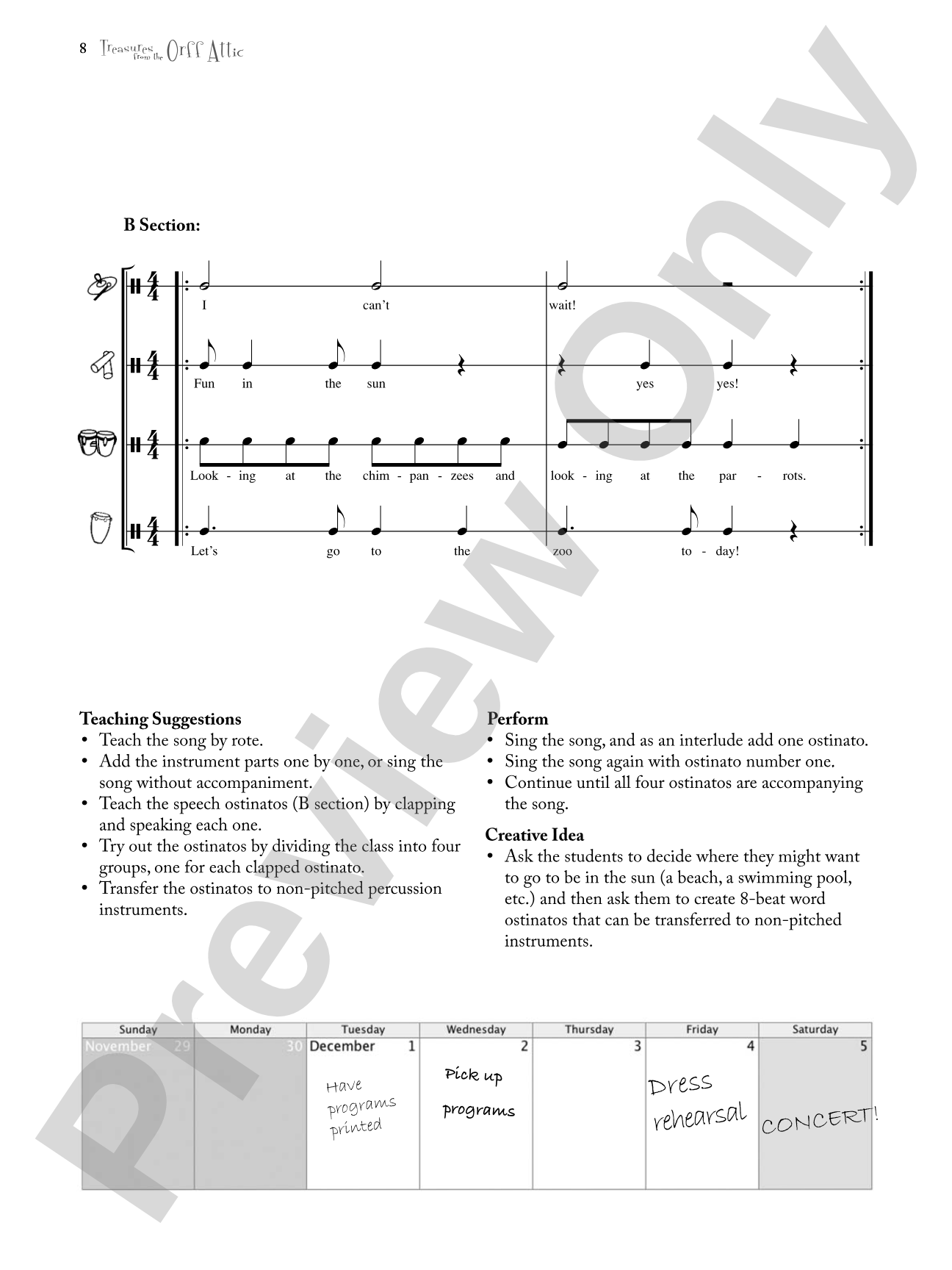
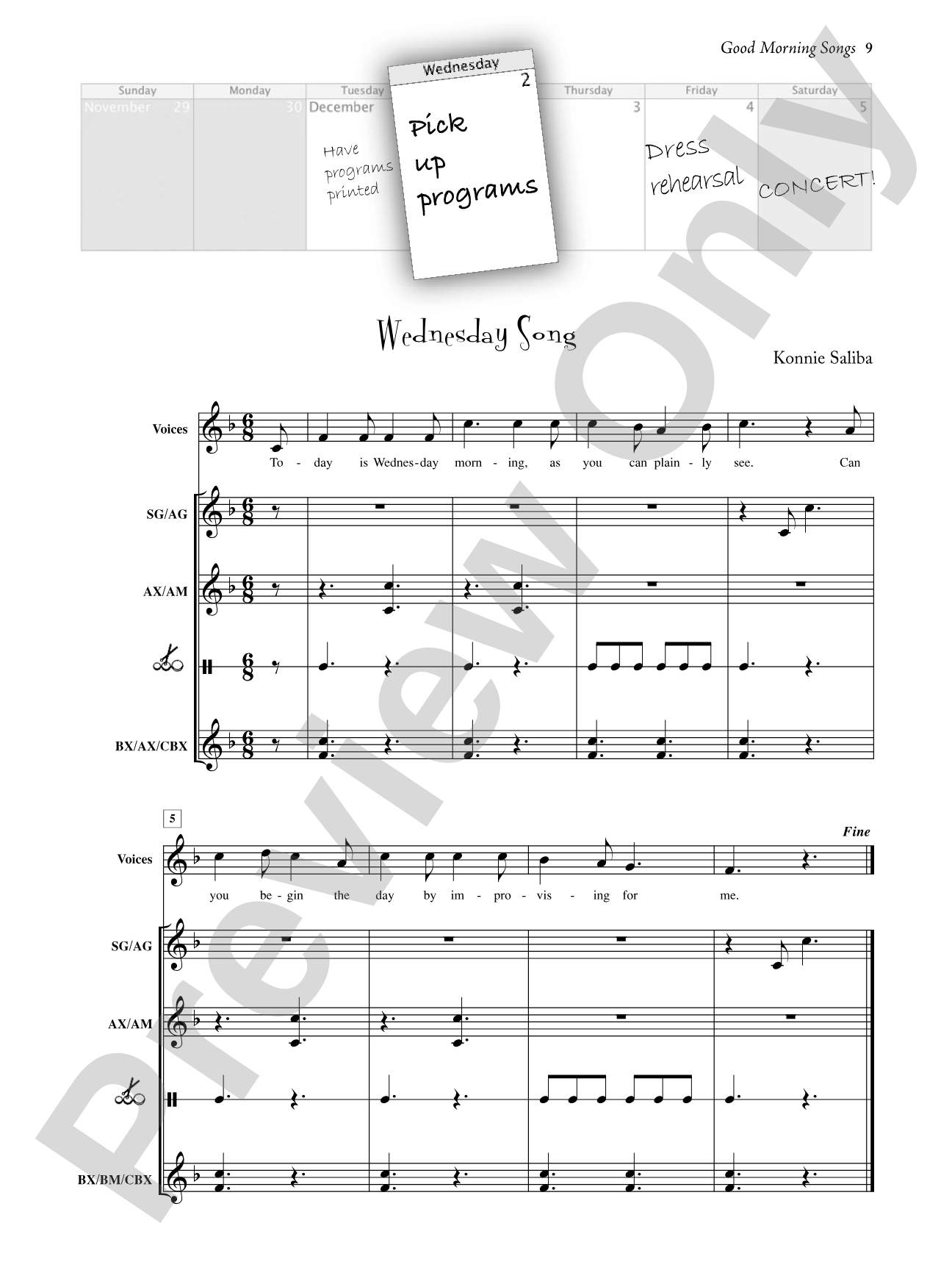
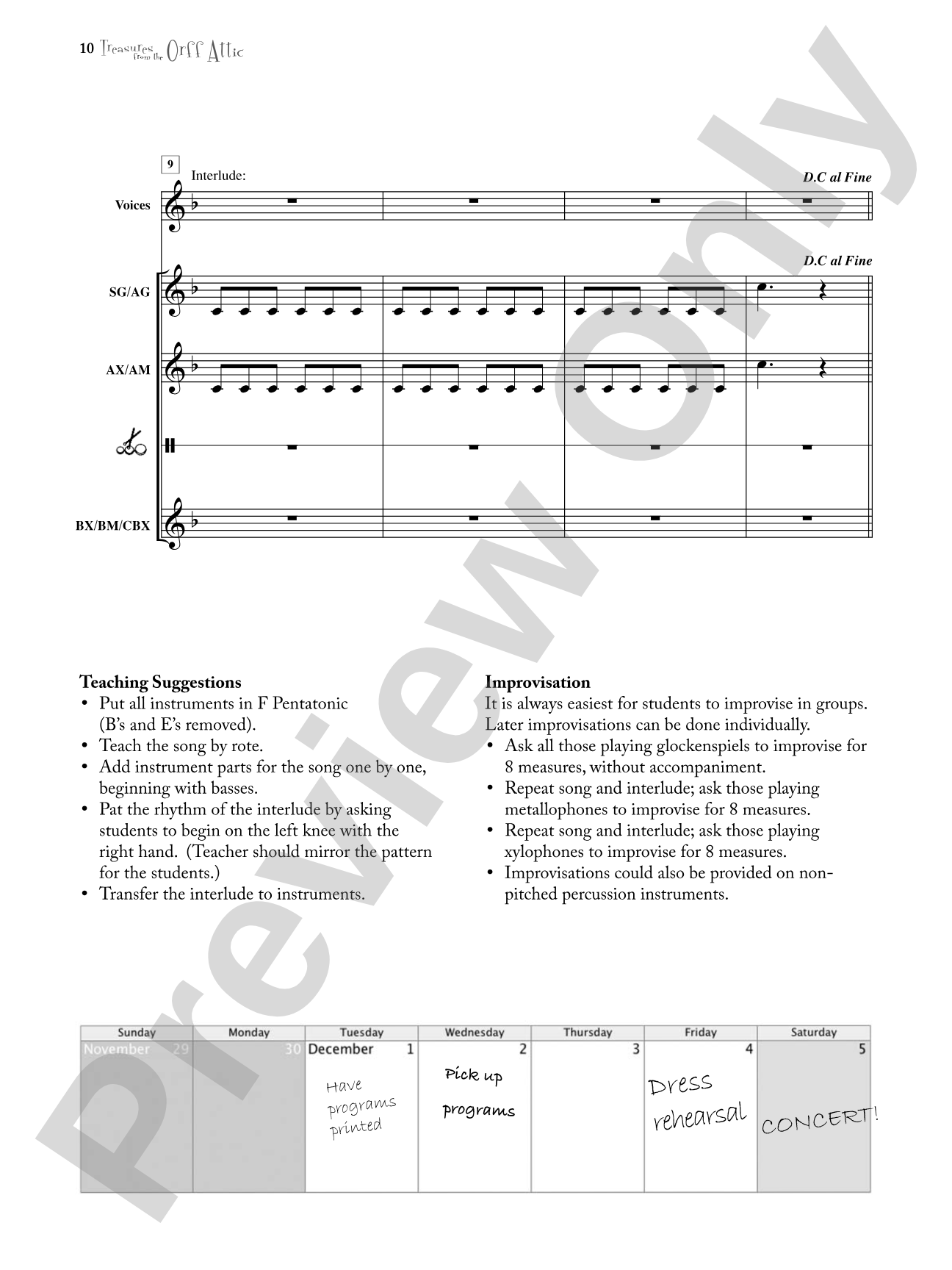
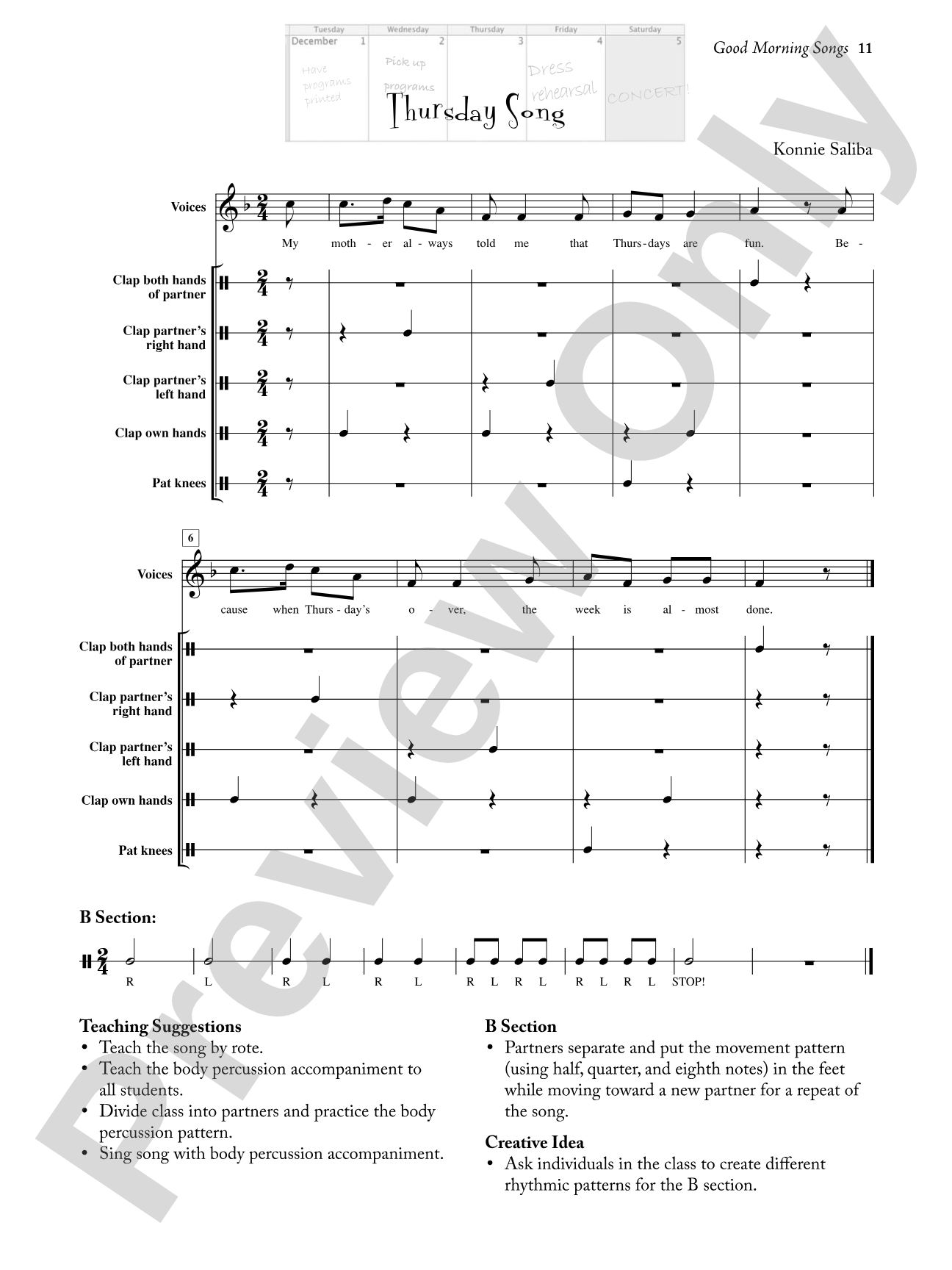
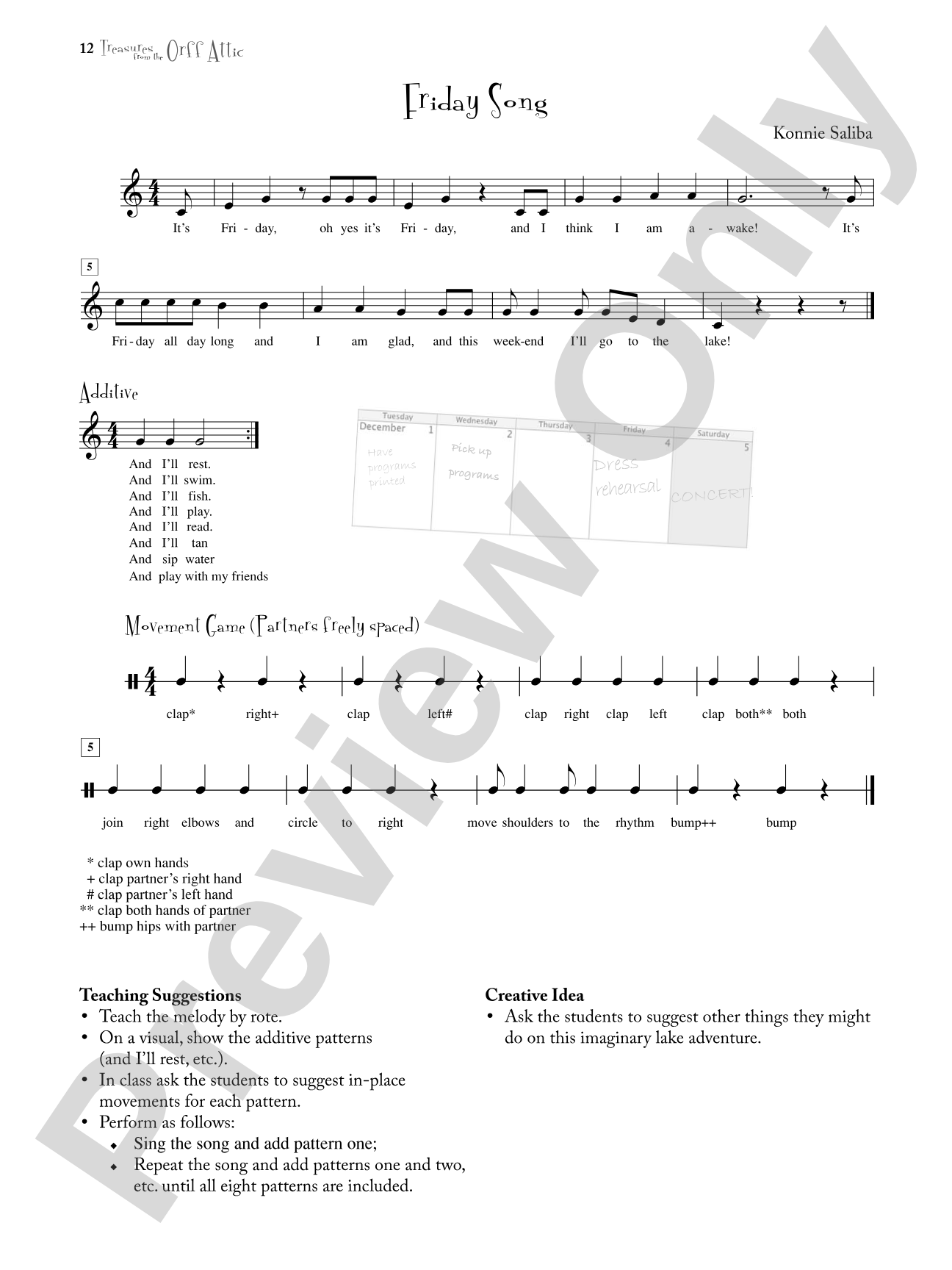
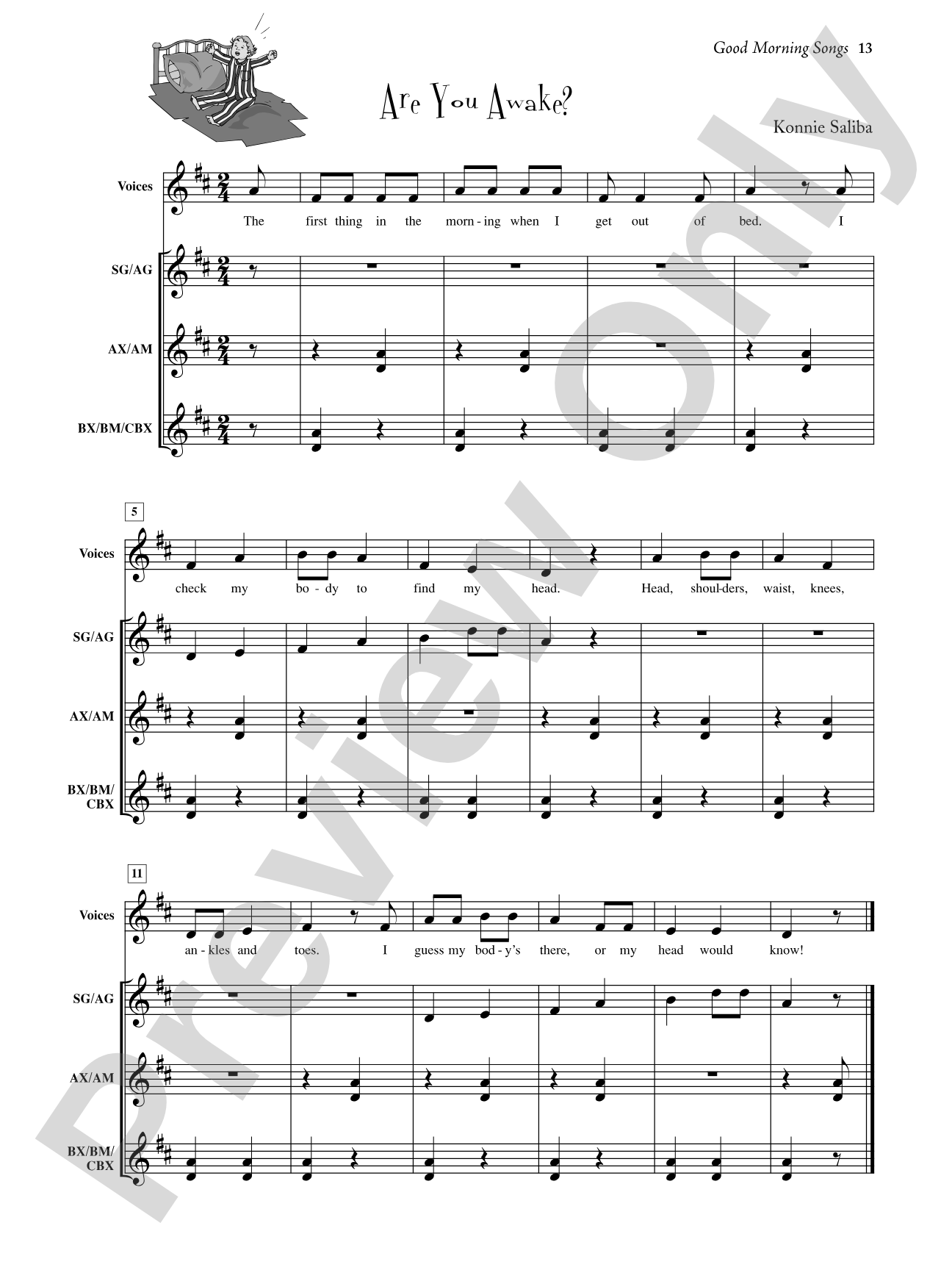
You won't want to miss this delightful new song collection by celebrated Alfred Music author Konnie Saliba! Throughout the reproducible book, students are given opportunities to explore their creativity with rhythmic and speech pieces, canons, animal songs, and special performances. Most selections include Orff instrumental accompaniments as well as a Creative Ideas section to challenge your students. The songs and activities in Treasures from the Orff Attic are educational, fun, and sure to engage and enchant your students. It's a solid curriculum choice for any classroom!


Treasures from the Orff Attic: Songs, Dances, Chants, and Orff Instrumental Accompaniments for Elementary and Middle School Students isn't in MakeMusic Cloud just yet...but it could be. Let us know you'd like to see it, and you'll help shape what comes next. In the meantime, start a free trial and dive into thousands of interactive titles your students can play along with today.
Request This Title
Tell us you want it.
Start Your Free Trial
Explore everything that's ready to play right now.
Sample Audio
No sample audio found.
Sample Video
No sample videos found.
Additional Details
Publisher:
Alfred Music
Page Count:
64
SKU:
00-PB-0001827
More about this title
About the Composer: Konnie Saliba

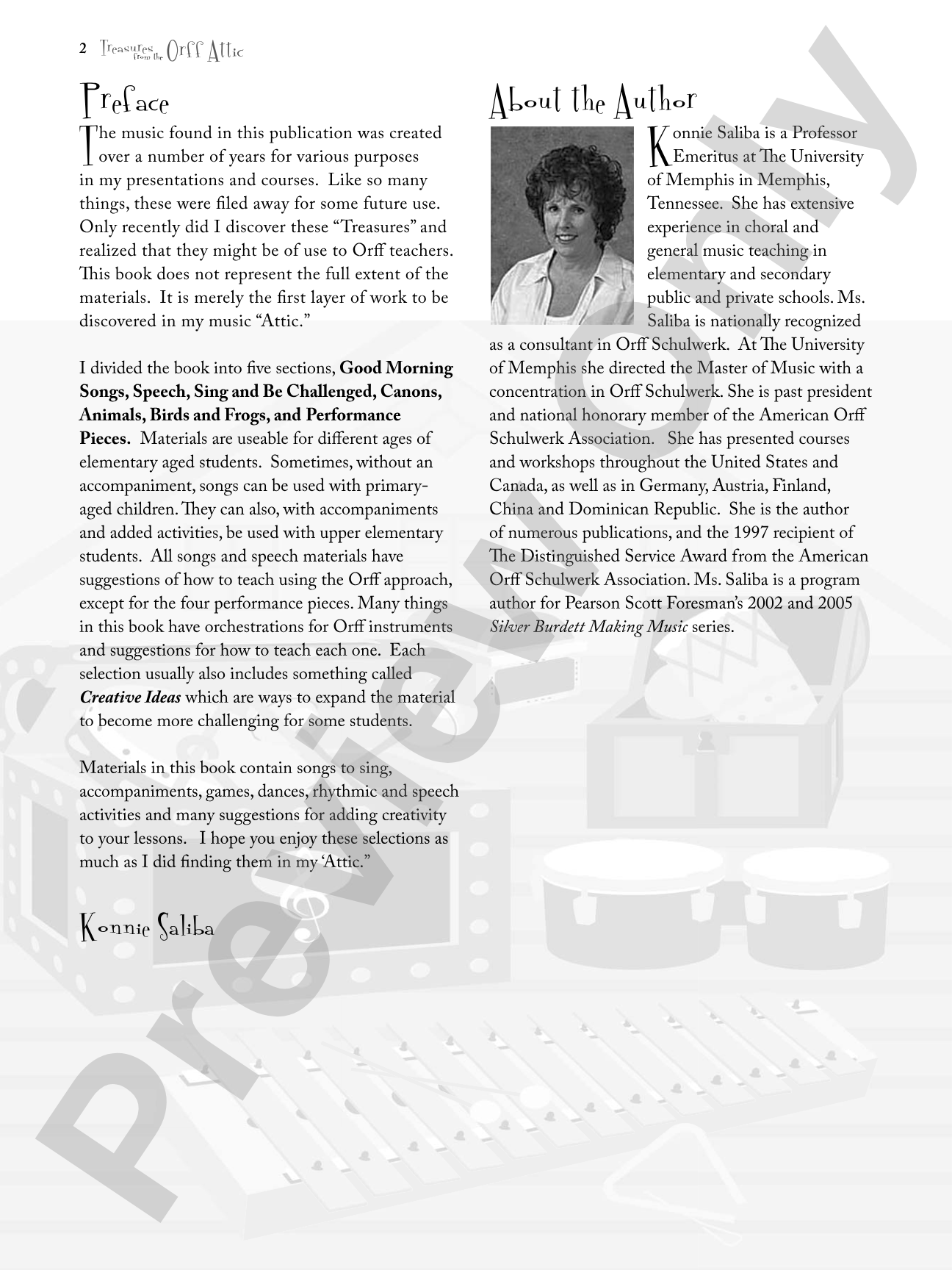
Konnie Saliba spent her career shaping music educators and young musicians across elementary and secondary classrooms. As Professor Emeritus at the University of Memphis, she established and directed the Master of Music program specializing in Orff Schulwerk, training the next generation of teachers in this child-centered approach to music education.
Saliba's influence extends far beyond her university work. She serves as past president and national honorary member of the American Orff Schulwerk Association and has led workshops and consultation sessions across the United States, Canada, and internationally in Germany, Austria, Finland, China, and the Dominican Republic. Her contributions to music education publishing and curriculum development earned her the Distinguished Service Award from the American Orff Schulwerk Association in 1997, recognizing her sustained commitment to the field.
Why we love this
Saliba's deep expertise in Orff Schulwerk shines through every activity in this collection. Rather than offering disconnected exercises, she builds pieces that genuinely engage students while maintaining strong pedagogical intent, letting the music itself teach rather than feeling like instruction. The variety across rhythmic and speech pieces, canons, and animal songs means you'll find something that lands with every group in your classroom.
What to expect
These pieces capture the playful clarity that defines effective Orff composition: rhythms that feel natural when sung or played, melodies that students remember, and a sense of discovery around every corner. The animal songs and speech pieces bring lightness and humor without sacrificing musicality, making rehearsal feel like exploration rather than work.
Who it's for
Elementary and middle school music teachers working with general music classes or Orff ensembles will find immediate, classroom-ready material. Directors seeking to integrate Orff-based learning into ensemble settings will appreciate the structured accompaniments paired with open-ended creative exploration.
How to get the most out of it
- Layer the Orff accompaniments gradually. Start with one instrument family, then add others as students gain confidence, building texture and ensemble listening skills at a comfortable pace.
- Encourage students to improvise within the Creative Ideas sections rather than prescribing one "correct" solution. This honors the Orff philosophy of discovery and keeps the work fresh across multiple years.
- Use the canons to develop listening and independence. Assign parts not by ability level, but intentionally, rotating who sings or plays each voice to build comfort with different roles.
- Record student performances and listen back together. Hearing themselves in context shifts their focus from individual execution to collective sound.
How to use it
Layer this book into your general music curriculum as a core resource for winter and spring concerts, where the variety in tempos and moods allows you to program performances that hold audience attention. The speech and rhythmic pieces work particularly well as opening numbers or transitions between larger ensemble pieces. Individual selections can also anchor specific units on form, rhythm, or ensemble coordination without requiring a full concert context.
Skills your students will build
- Rhythmic independence in canons and layered accompaniments
- Ensemble coordination between pitched and unpitched percussion
- Speech rhythm integration with melodic and instrumental lines
- Listening across multiple parts simultaneously
- Creative improvisation within structured frameworks
- Orff instrumental technique on barred instruments