Travelin' Fingers, Book 2 Cover Image

Travelin' Fingers, Book 2: Piano Book

$6.95 USD
Sale price  $6.95 USD Regular price 
Skip to product information
Travelin' Fingers, Book 2 Cover Image

Travelin' Fingers, Book 2: Piano Book

By Margaret Goldston

Level: Late Elementary / Intermediate

Item: 00-14668

$6.95
Shipped

One moment…

Description
Two exciting collections of elementary (Book 1) and late elementary (Book 2) piano solos depicting cities and countries around the world. The pieces get the pianist's fingers traveling with shifting five-finger positions. Great for teachers who don't want their students to get "locked in" to hand positions. Each book includes a section titled "Preparing for Travels" containing helpful suggestions and exercises on the shifting positions.

Travelin' Fingers, Book 2: Piano Book isn't in MakeMusic Cloud just yet...but it could be. Let us know you'd like to see it, and you'll help shape what comes next. In the meantime, start a free trial and dive into thousands of interactive titles your students can play along with today.

Sample Pages

Sample Audio
No sample audio found.
Sample Video
Additional Details
Publisher: Alfred Music
Page Count: 24
UPC: 038081125633
SKU: 00-14668

More about this title

About the Composer: Margaret Goldston
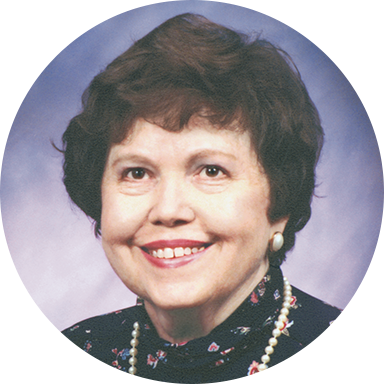
Margaret Goldston

Margaret Goldston shaped music education across North Carolina and beyond through her dual work as a composer and studio teacher. A Louisiana State University piano performance graduate, she earned recognition as LSU's School of Music Alumnus of the Year in 1991 and studied composition privately with Pulitzer Prize winner Robert Ward. Her commissioned work appeared in Clavier Magazine, and she received the Composer of the Year award from the North Carolina Federation of Music Clubs in both 1983 and 1994.

Goldston's impact extended through masterclasses, clinics, and teacher workshops throughout the United States and Canada. The Music Teachers National Association honored her posthumously as a Foundation Fellow in 2020, a testament to her lasting influence on music pedagogy. Her compositions remain fixtures on contest lists, particularly the National Federation of Music Clubs Junior Festivals Bulletin, where young pianists continue to discover her accessible yet musically substantial writing.

Why we love this

Goldston's deliberate focus on hand position shifts solves a real problem for late elementary pianists: the temptation to stay comfortable within one five-finger pattern. The geographic themes give students something to visualize while their hands travel, making technique feel purposeful rather than abstract. The included "Preparing for Travels" section means you have built-in guidance on how to approach these shifts with your students.

What to expect

Each piece opens a window onto a different corner of the world through accessible melody and harmonic language. The music feels exploratory and energetic, matching the concept of fingers traveling to new places; nothing feels forced or gymnastic, which keeps students engaged rather than frustrated.

Who it's for

Late elementary pianists who are ready to expand beyond fixed hand positions and need engaging repertoire that builds fluency across the keyboard. Teachers looking for pieces that combine technical growth with cultural exploration will find both elements here.

How to get the most out of it

  • Map out the hand position shifts before diving into the full piece. Having students mark where their hands move in pencil prevents the common habit of anchoring the hand unnecessarily.
  • Play the accompaniment while a student works through the melody alone first. Separating the layers helps them focus on the shifting mechanics without juggling coordination.
  • Record yourself playing the piece at a comfortable tempo and have students listen to it several times before their first attempt. Hearing the musical shape gives context to why the hand positions shift when they do.

How to use it

Feature these pieces as part of a "Musical Passport" program where students perform solos from different countries, or weave them into a lesson series on world geography paired with social studies. They also work beautifully as recital filler between larger works, since they're substantial enough to hold attention but gentle enough not to overshadow a student's main piece.

Skills your students will build

  • Shifting five-finger positions across the keyboard without anchoring the hand
  • Reading melody and accompaniment across multiple registers
  • Building hand independence and reducing tension during position changes
  • Connecting technical patterns to musical phrasing and shape

You May Also Like