



Toy Symphony, 1st Movement: String Orchestra Conductor Score & Parts
(First Movement)
By Leopold Mozart / arr. Richard Rigg
Grade: 2
Item: 00-PK-0000204

$48.00
Pickup currently not available
Buy Extra Parts (Digital PDF Download)
| Product | Price | Quantity |
|---|---|---|
| Toy Symphony, 1st Movement: Score | $9.00 | |
| Toy Symphony, 1st Movement: 1st Violin | $5.99 | |
| Toy Symphony, 1st Movement: 2nd Violin | $5.99 | |
| Toy Symphony, 1st Movement: Viola | $5.99 | |
| Toy Symphony, 1st Movement: Cello | $5.99 | |
| Toy Symphony, 1st Movement: String Bass | $5.99 |
Parts Added to Cart!
Description
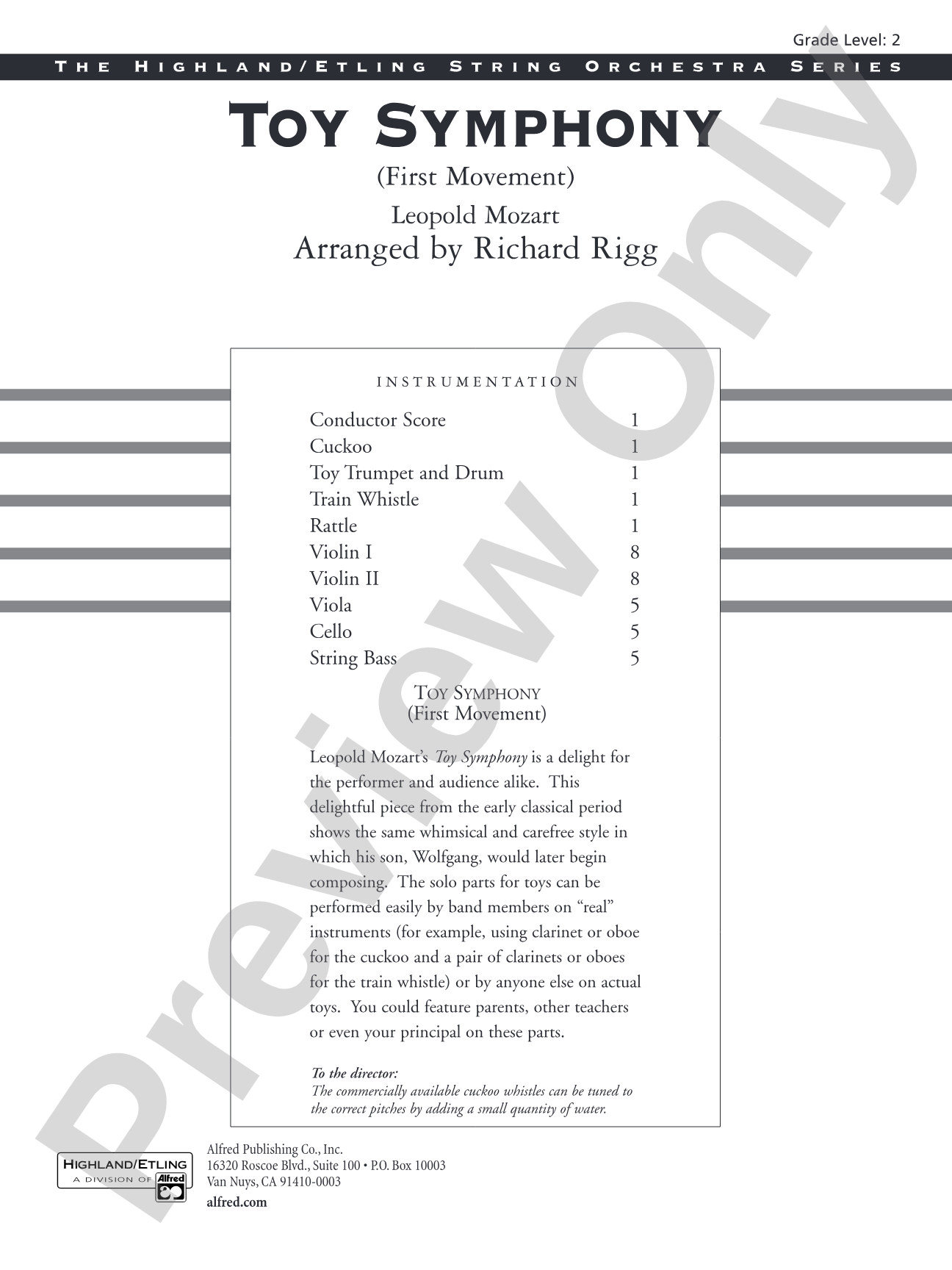
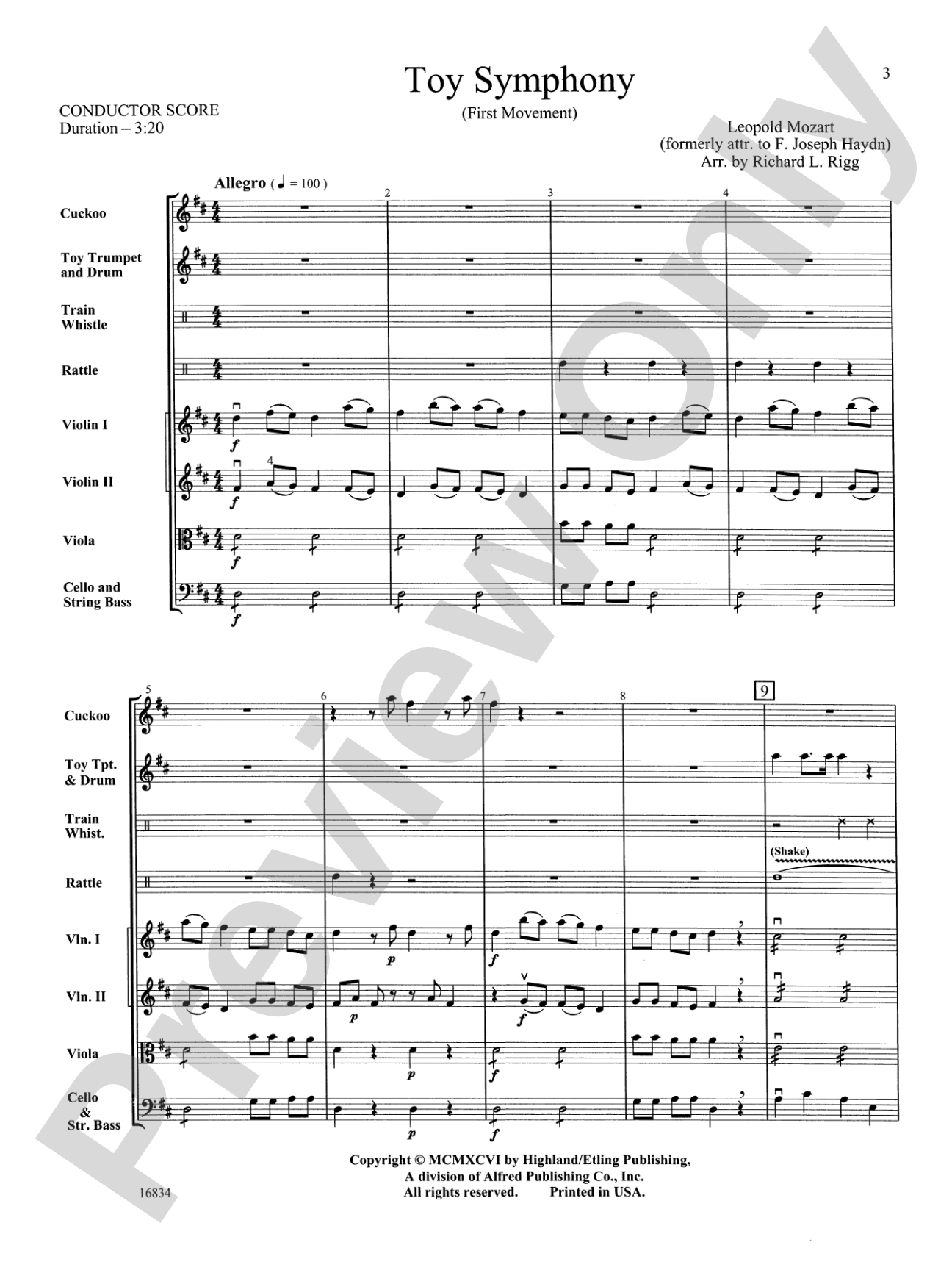
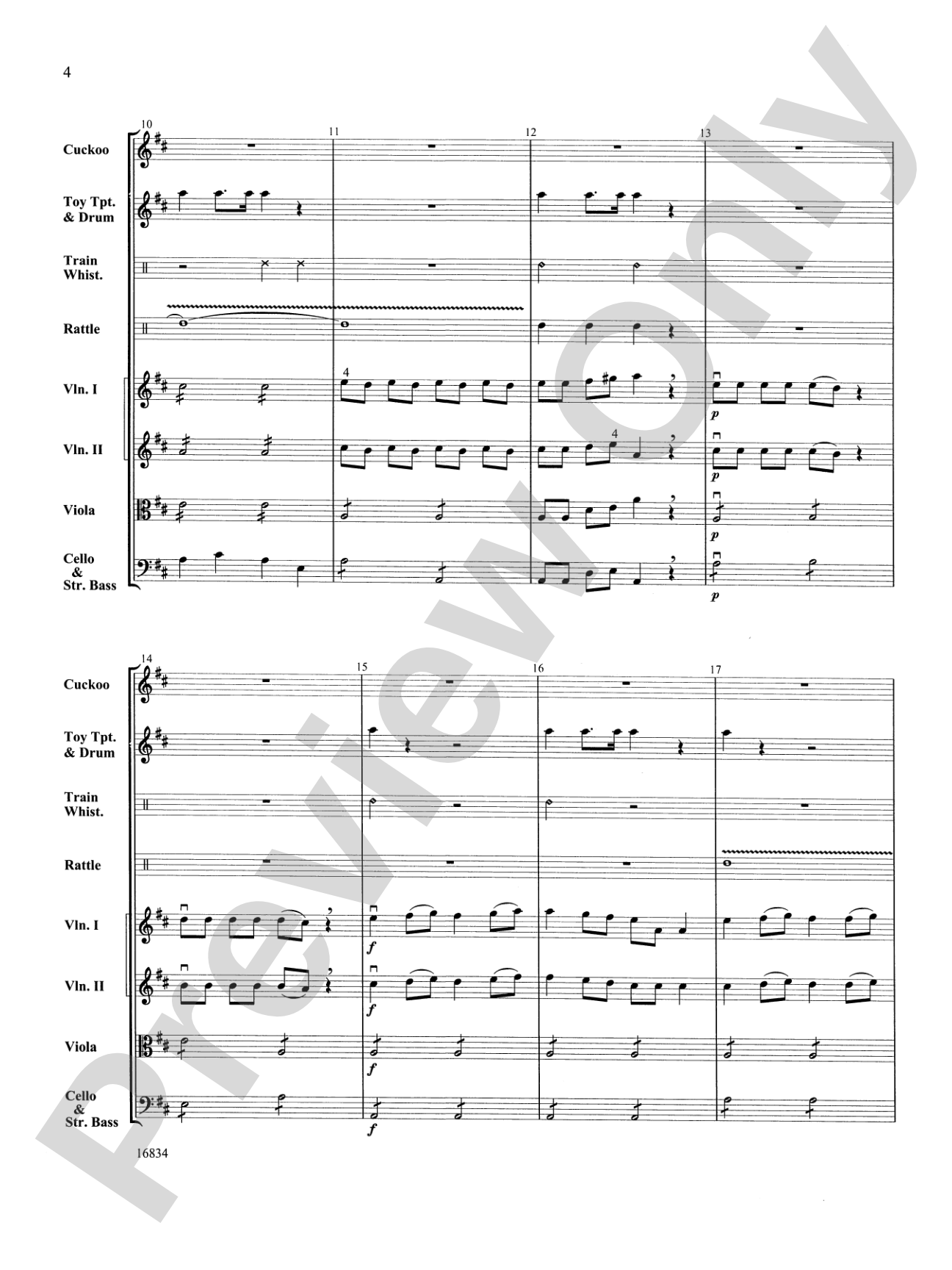
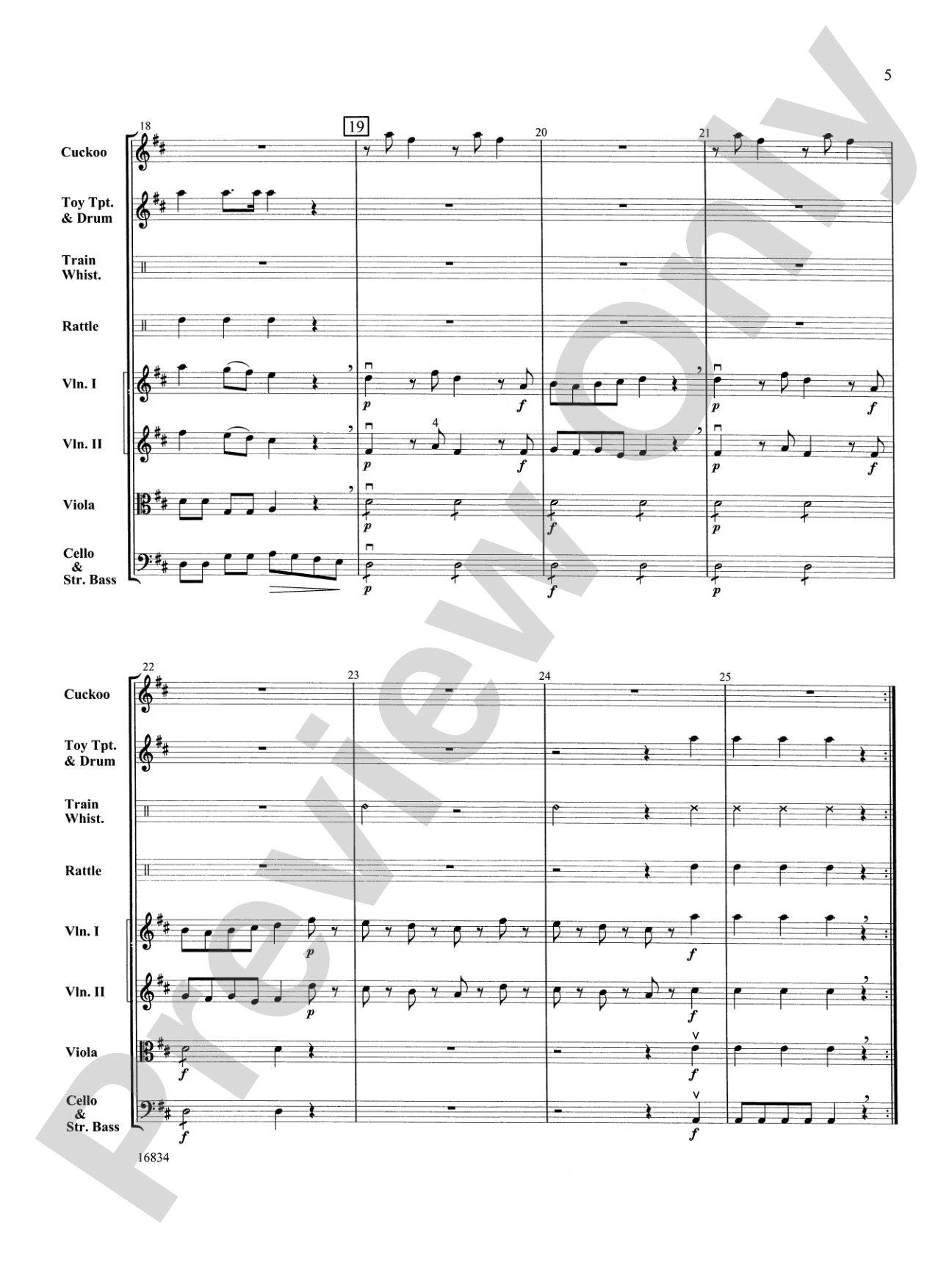
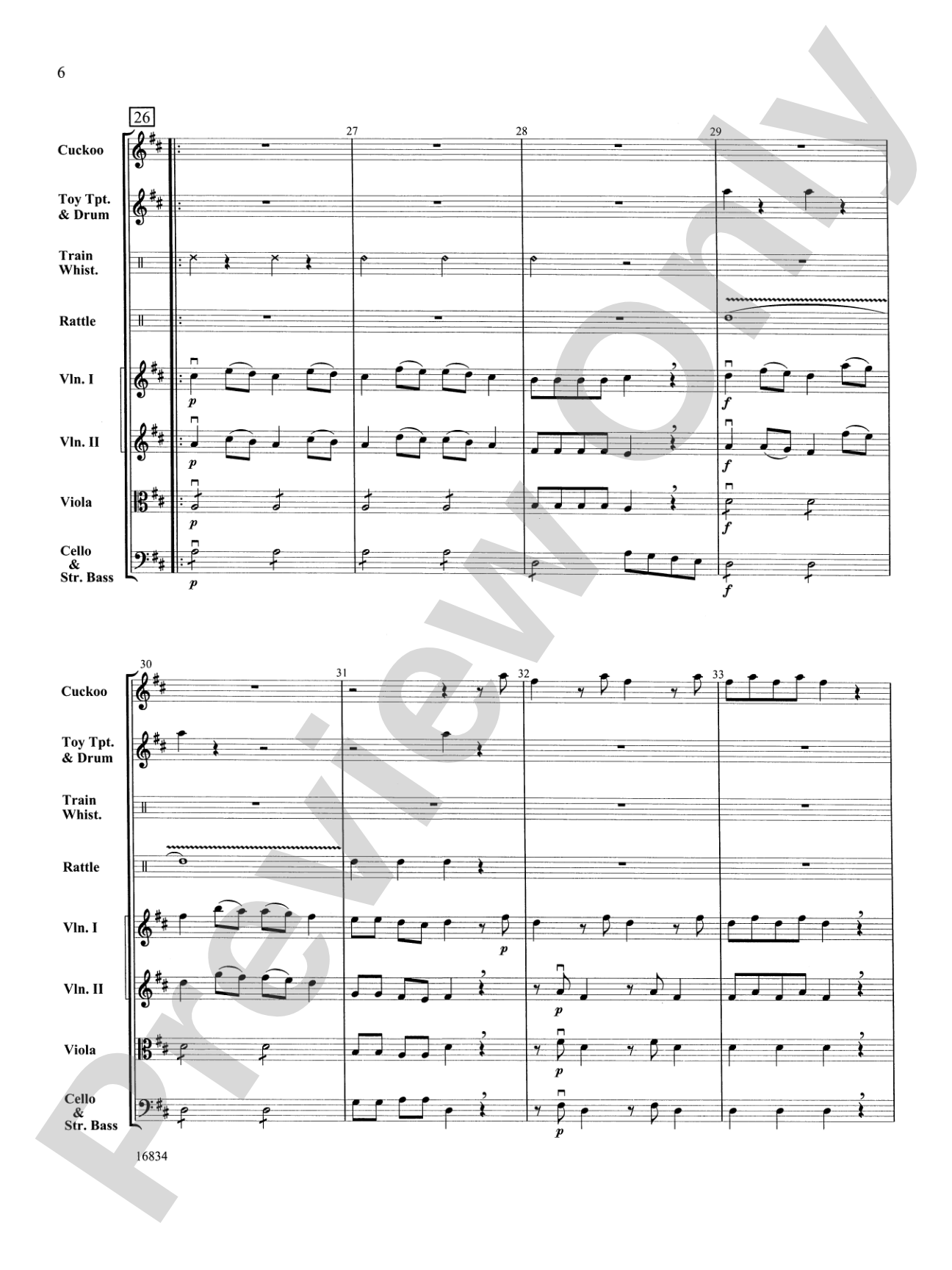
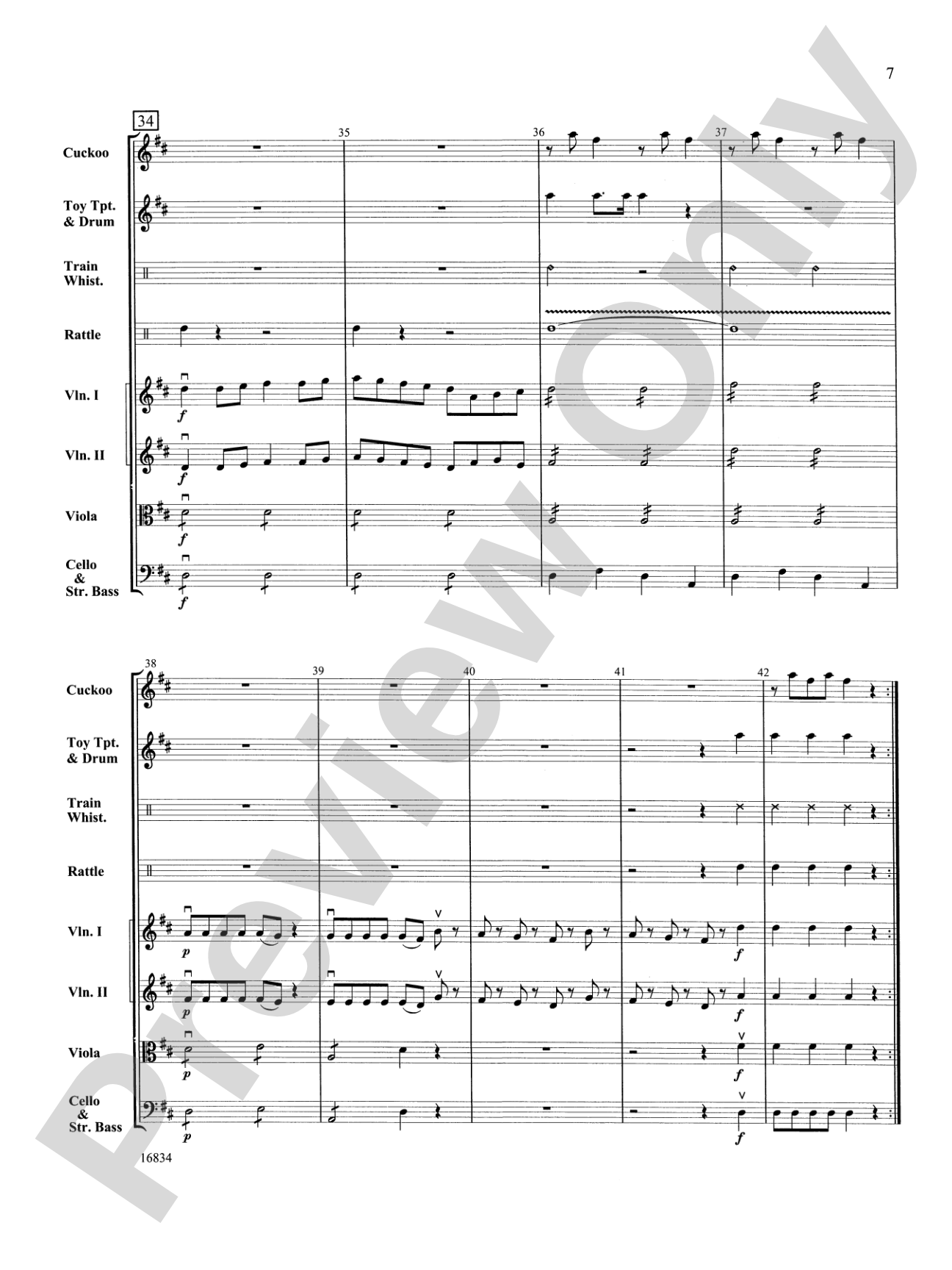
Feature your favorite staff members, administrators or other volunteers on this very student-friendly arrangement of the famous Toy Symphony. You may use the suggested toys (cuckoo, train whistle, rattle, toy trumpet and drum) or improvise your own. A truly fun and rewarding selection. (Grade 2)


Don't just read it, hear it, play along with it, and watch your students grow with it. In MakeMusic Cloud, Toy Symphony, 1st Movement: String Orchestra Conductor Score & Parts comes alive with professional accompaniment, adjustable tempo, and built-in practice tools that turn solo practice into real progress.
Open in the Player
Jump straight in and assign it today.
Start Your Free Trial
Open this title and explore the full library in minutes.
Sample Audio
1
Audio File
--:--
0:00
0:00
Sample Video
No sample videos found.
Additional Details
Series:
Highland/Etling String Orchestra
Publisher:
Alfred Music
Page Count:
70
SKU:
00-PK-0000204
More about this title
Why we love this
Rigg's arrangement keeps the charm and recognizability of this beloved Classical work while scaling it for young orchestras. The built-in flexibility with toy sounds lets you cast staff, administrators, or volunteers as featured performers, turning a concert staple into a community celebration. It's the rare piece that combines genuine musical value with genuine fun.
What to expect
A playful, gentle romp through familiar Classical material. Toy sounds punctuate the strings like charming interruptions, turning an orchestral arrangement into something closer to theater. There's an infectious lightness here that invites both players and listeners to enjoy the moment without pretension.
Who it's for
String orchestras at the Grade 2 level looking for a piece that engages young musicians and delights audiences without condescending. This works equally well for community orchestras or school programs seeking repertoire that balances technical challenge with concert appeal.
How to get the most out of it
- Assign toy parts to your featured volunteers well in advance so they can practice their cues. Even simple sound effects require rhythmic precision to land effectively with the orchestra.
- Balance the orchestral texture so toy sounds land clearly without overwhelming the strings. Young ensembles often play louder than necessary; dial back dynamic markings slightly if toys feel buried.
- If you don't have the suggested toys on hand, improvise fearlessly. The musical integrity remains intact; the novelty comes from the creativity of your choices and the spirit in the room.
How to use it
Open a pops concert or family matinee with this piece; its novelty and humor set an accessible, joyful tone for everything that follows. It also pairs well with other lighter Grade 2 repertoire on a concert that mixes accessible masterworks with original compositions.
Skills your students will build
- Coordinating with non-string performers and responding to external cues
- Maintaining rhythmic precision in a piece featuring periodic interruptions and special effects
- Balancing transparent orchestral textures so featured elements can be heard clearly
- Performing a recognizable Classical arrangement with style and ensemble awareness