
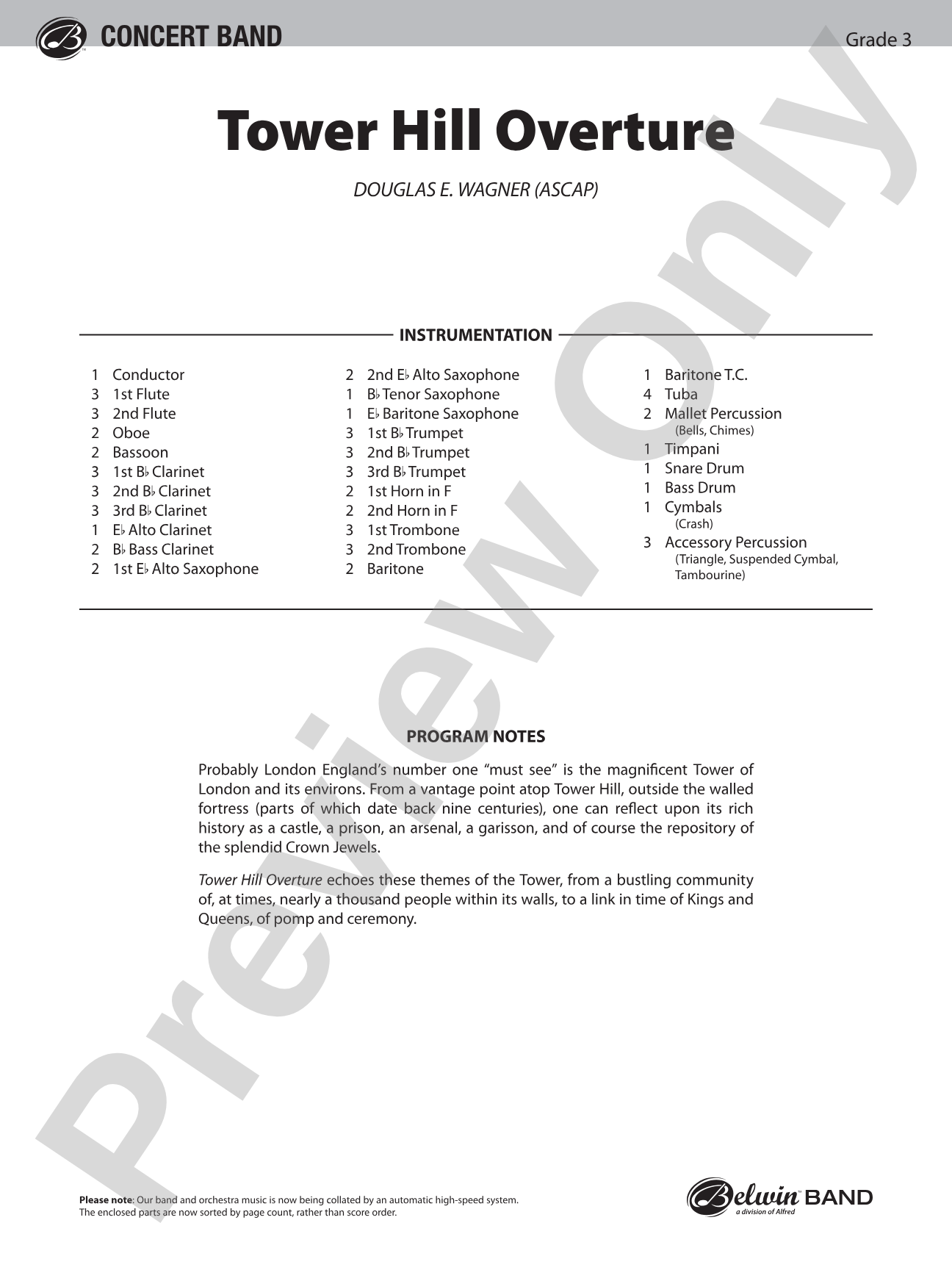

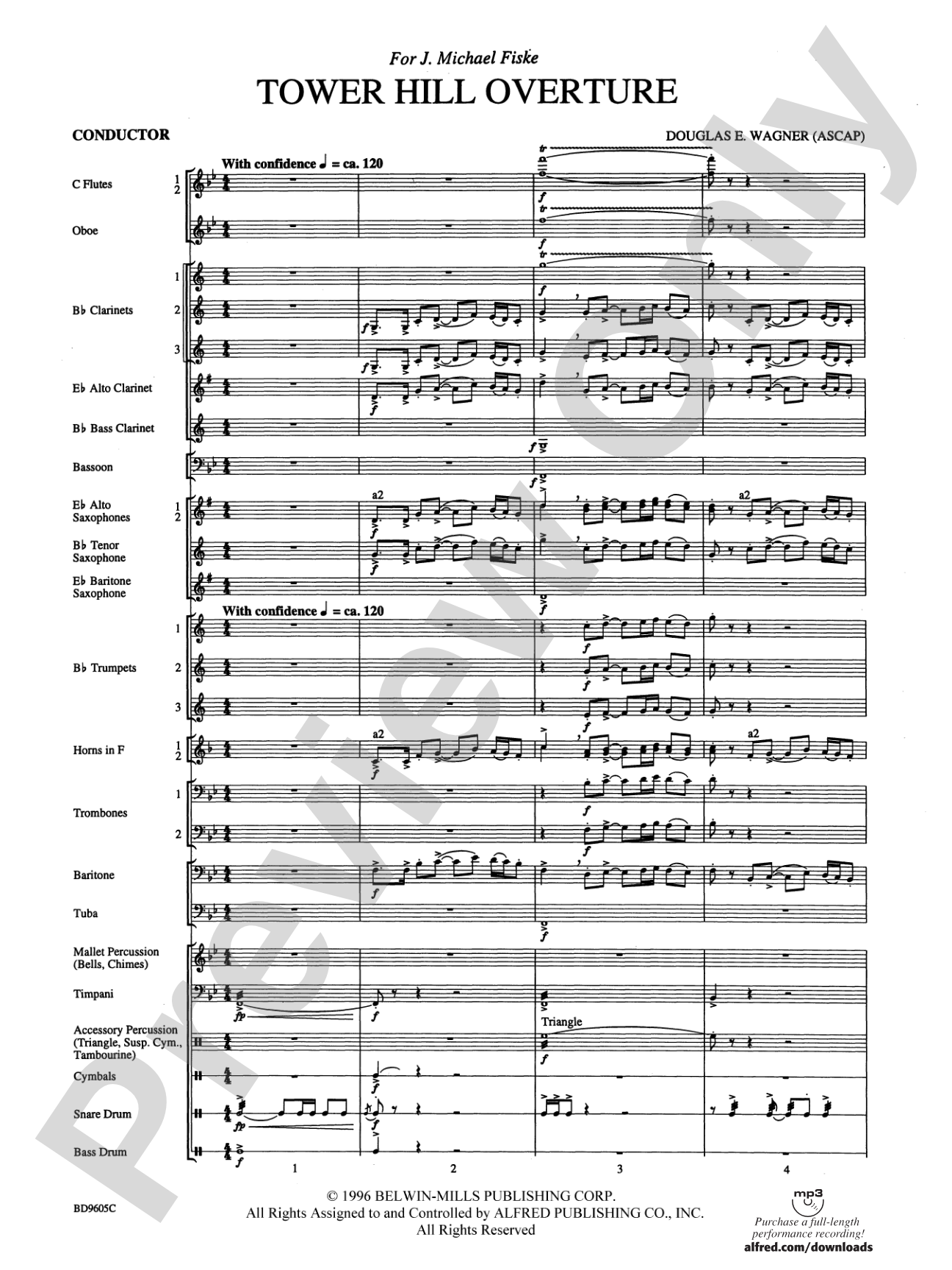
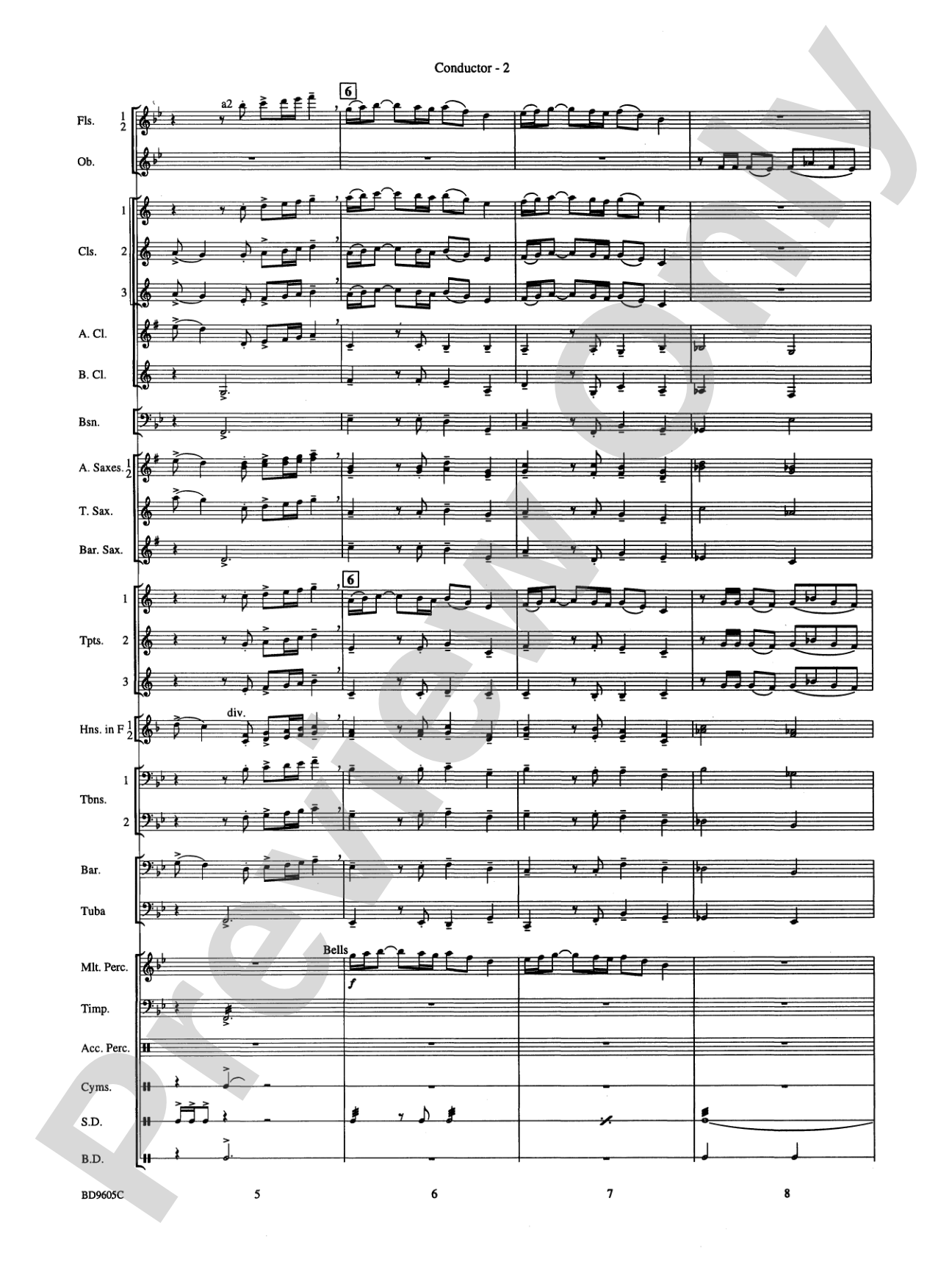
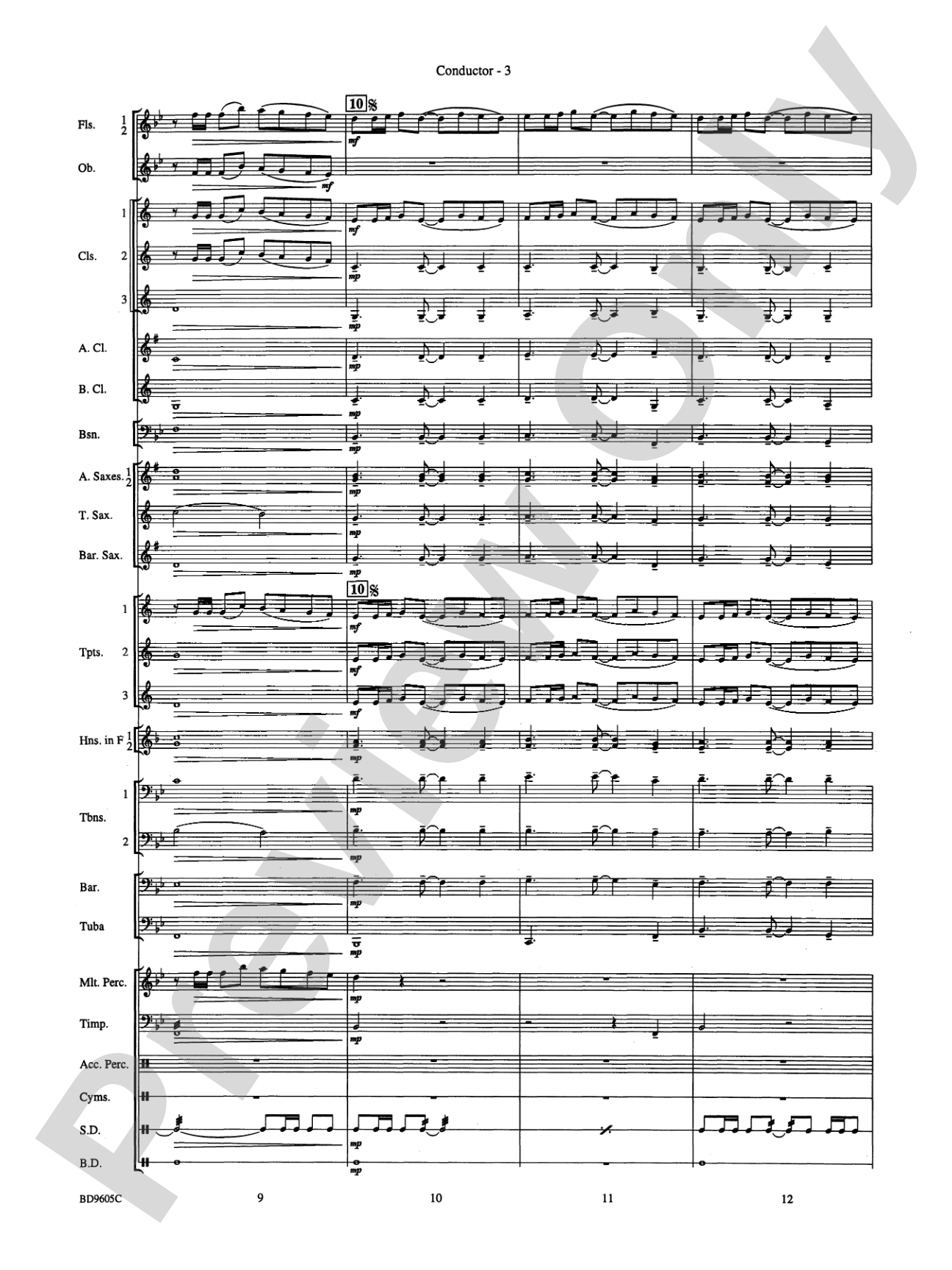
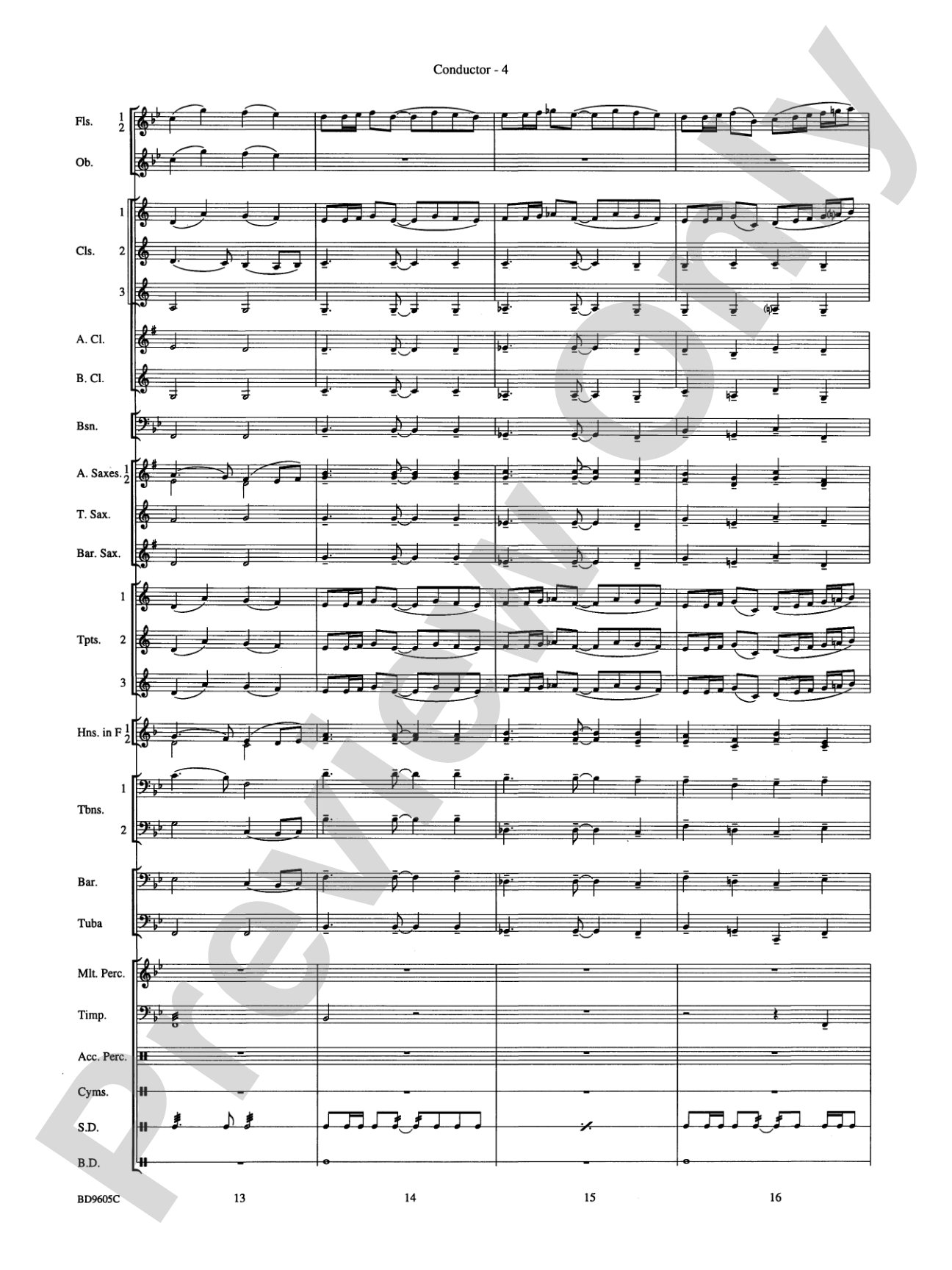
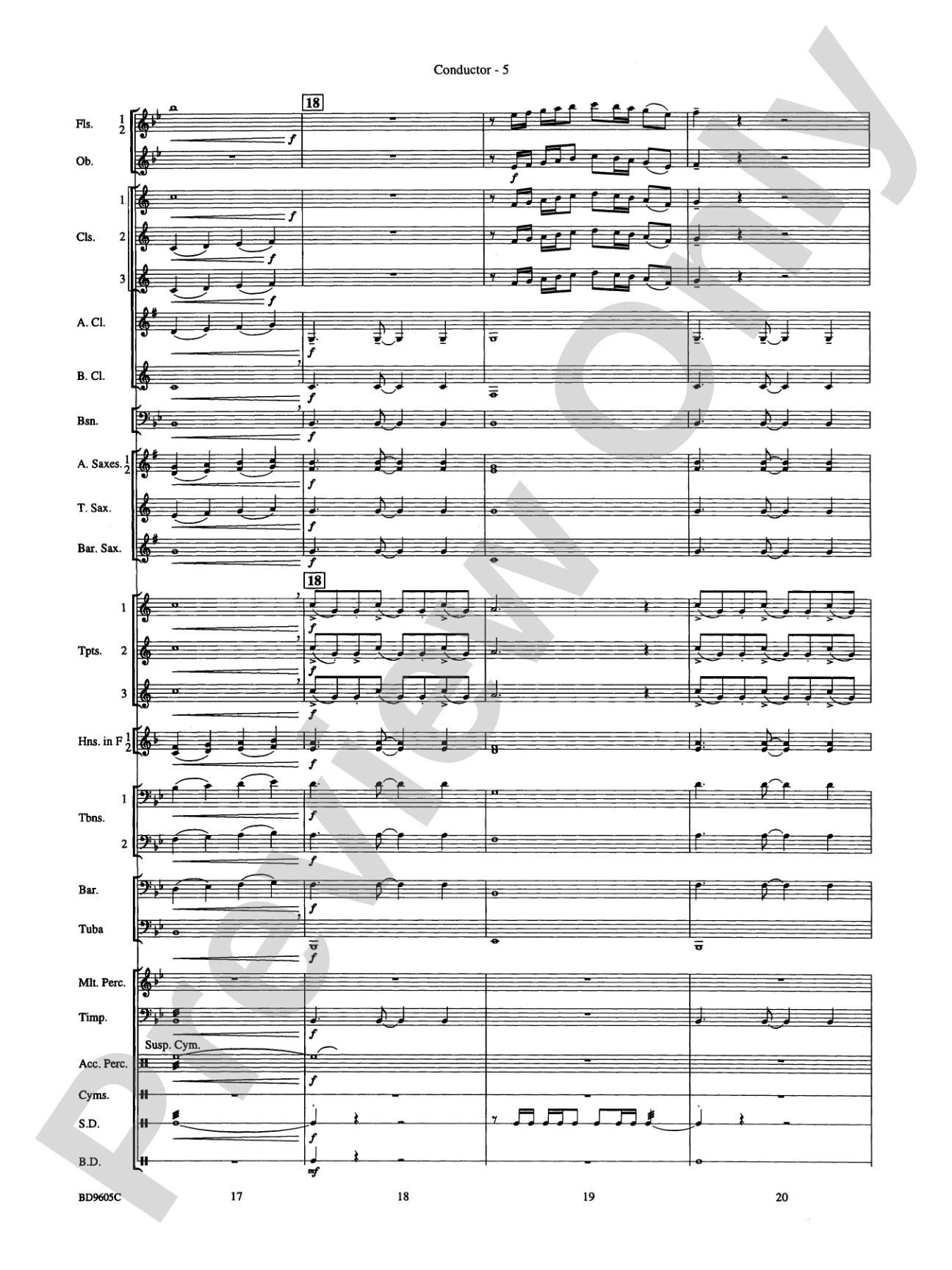
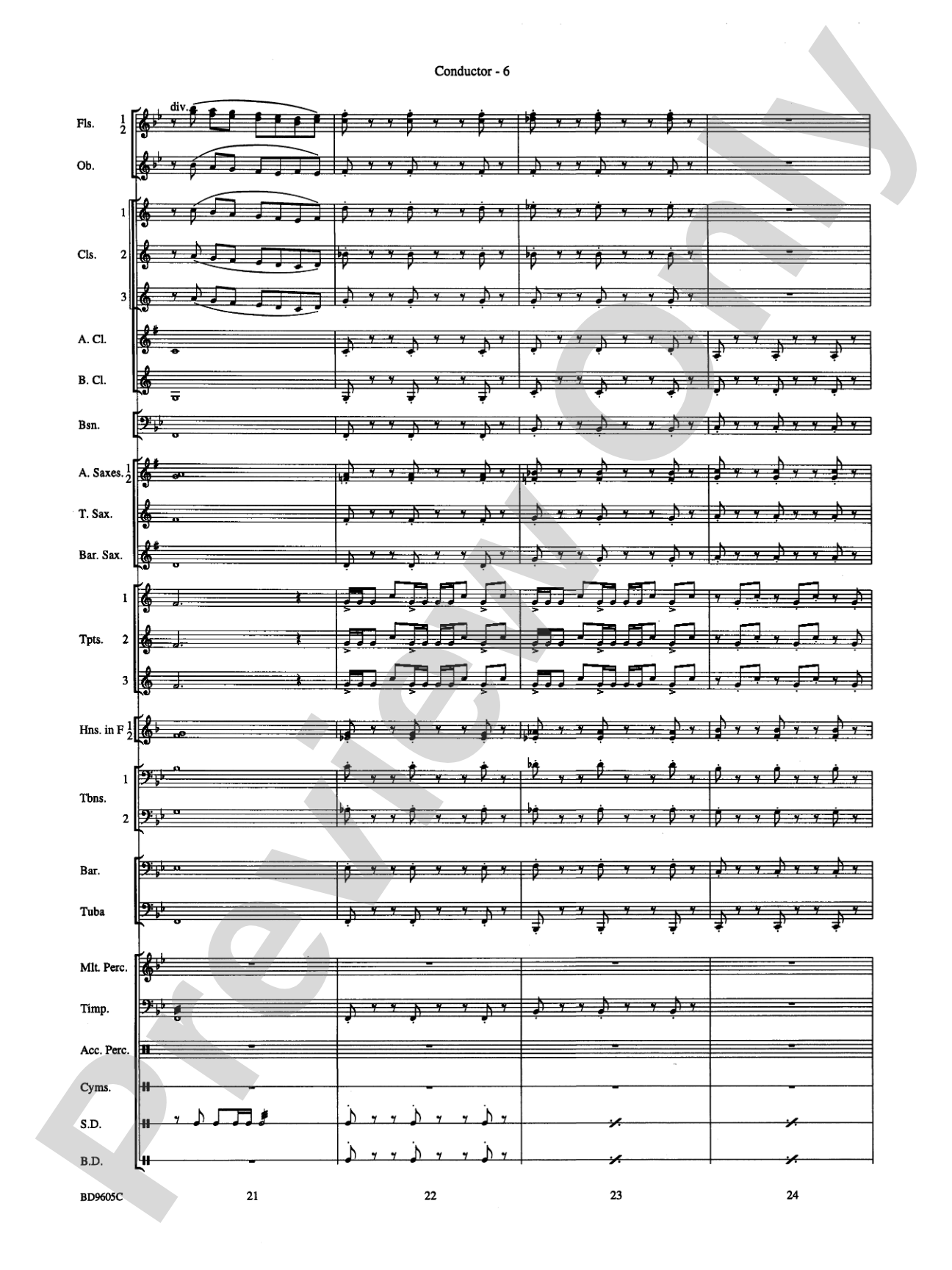
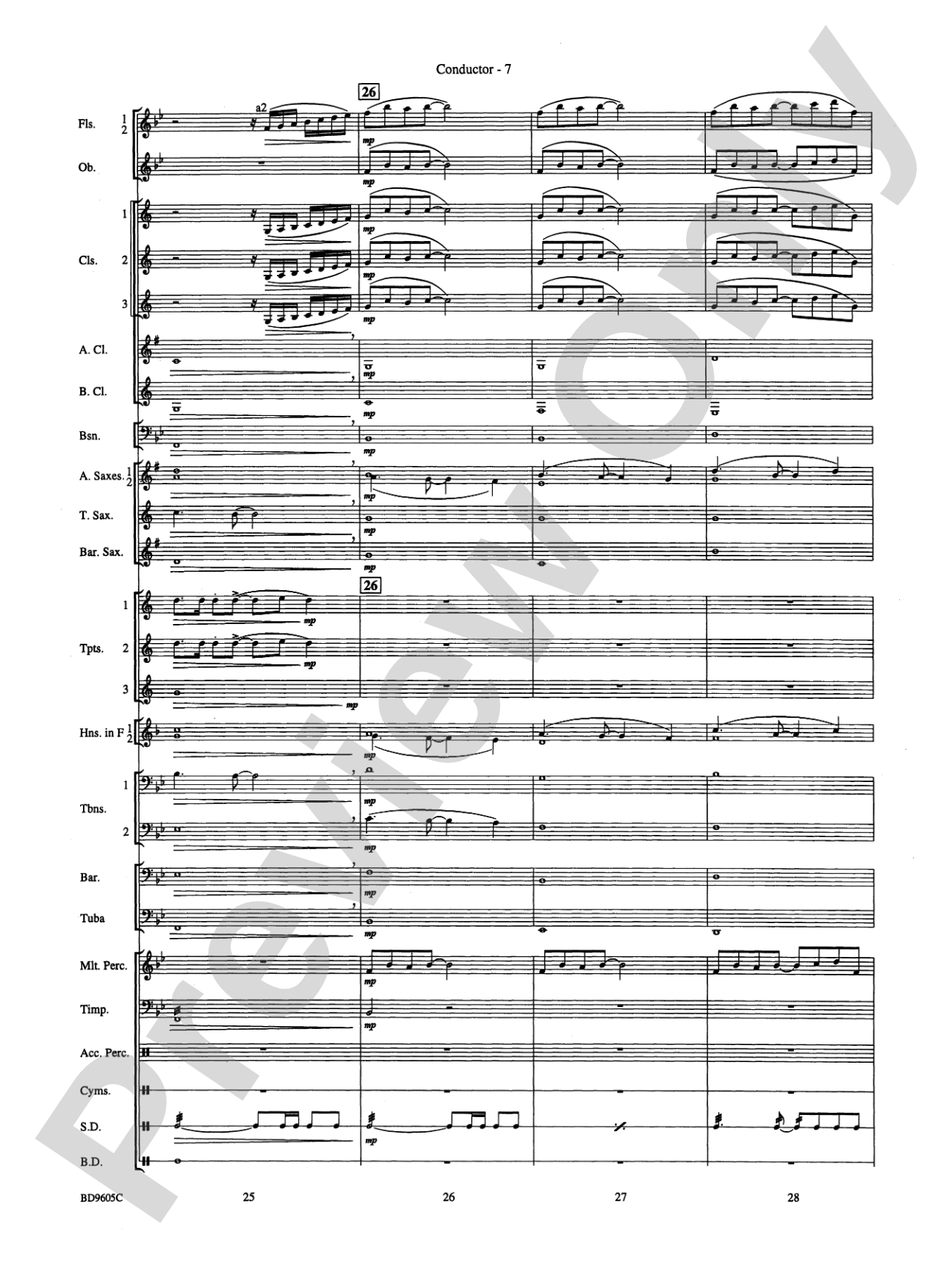
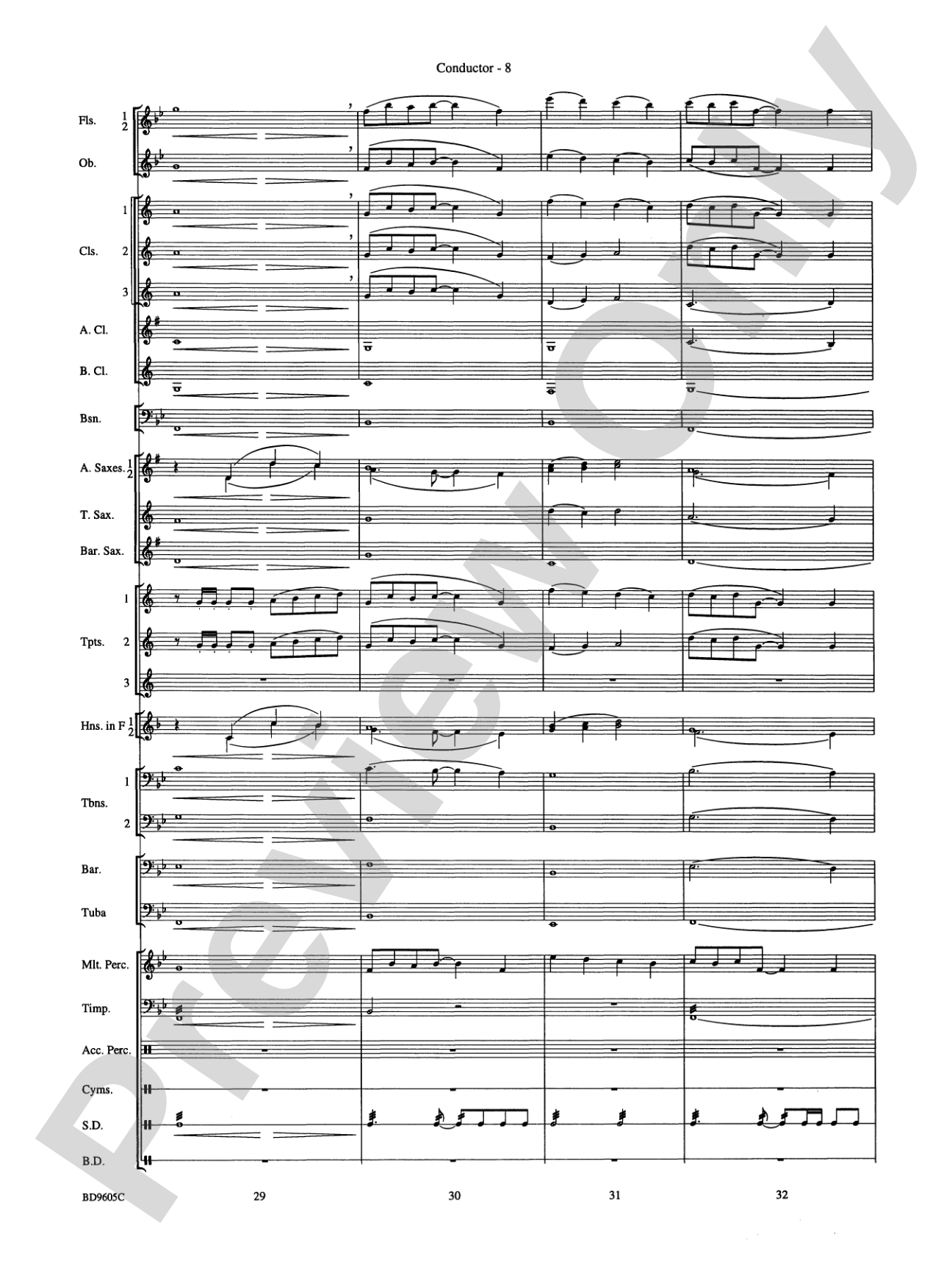
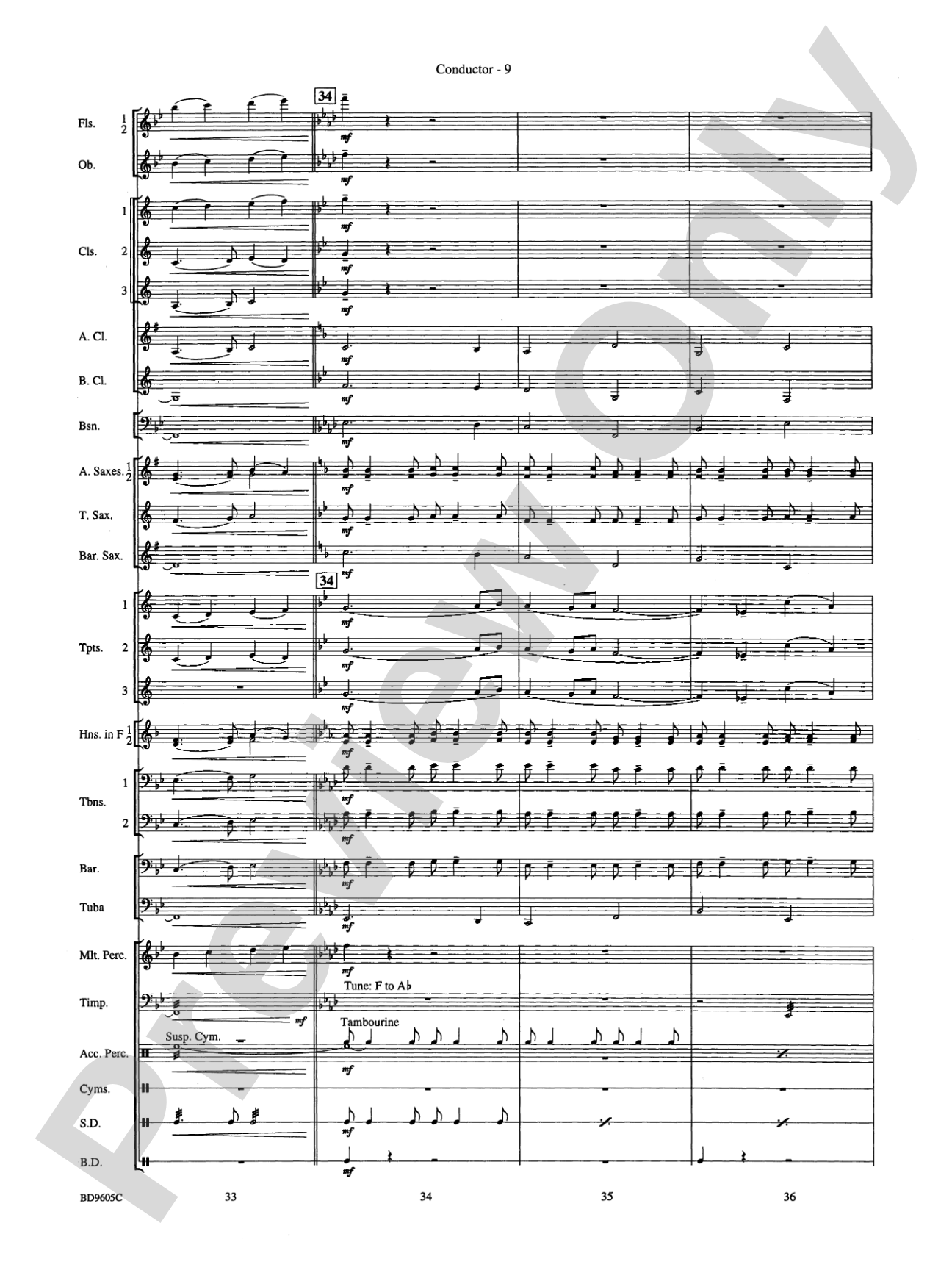
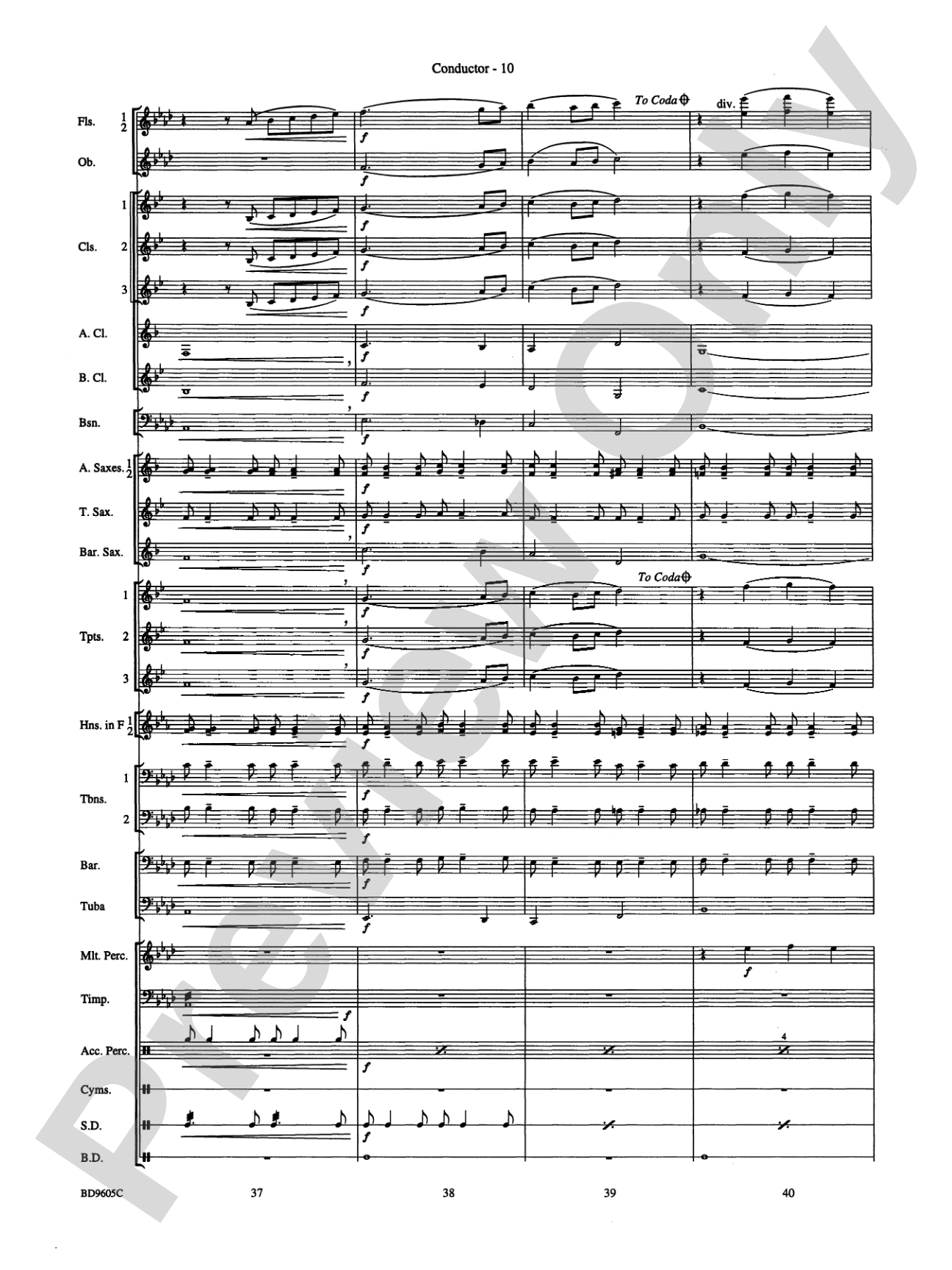
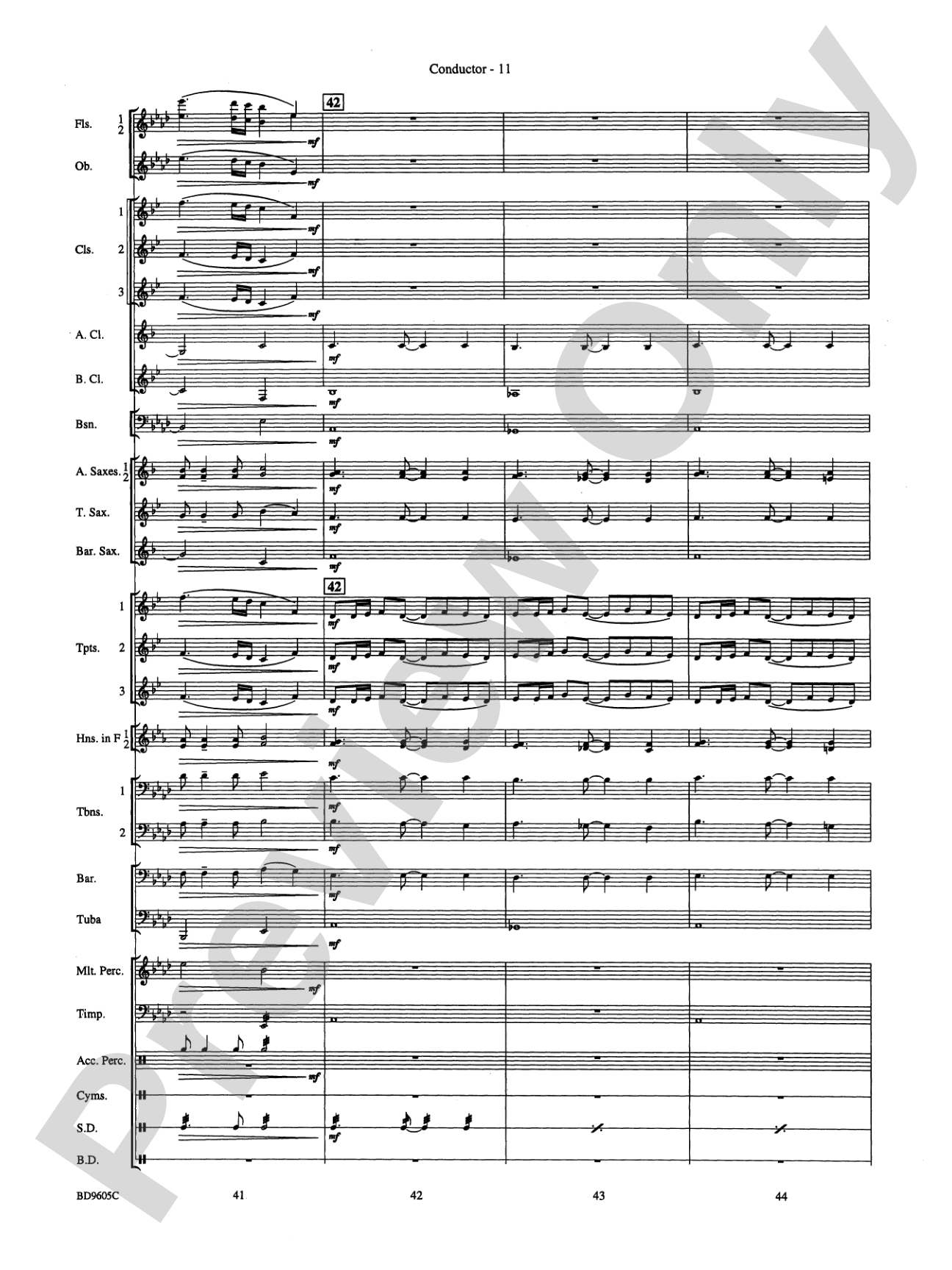
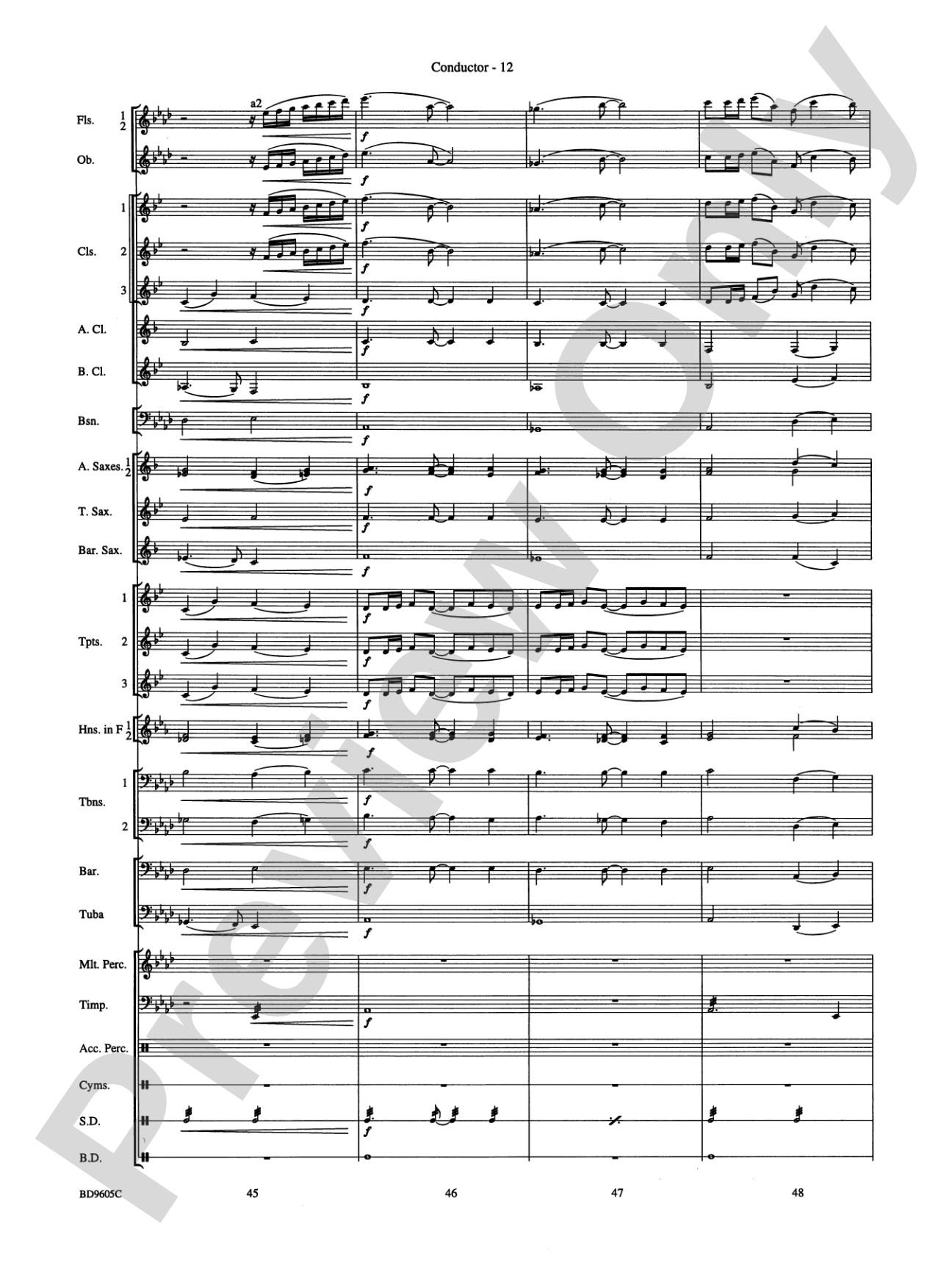
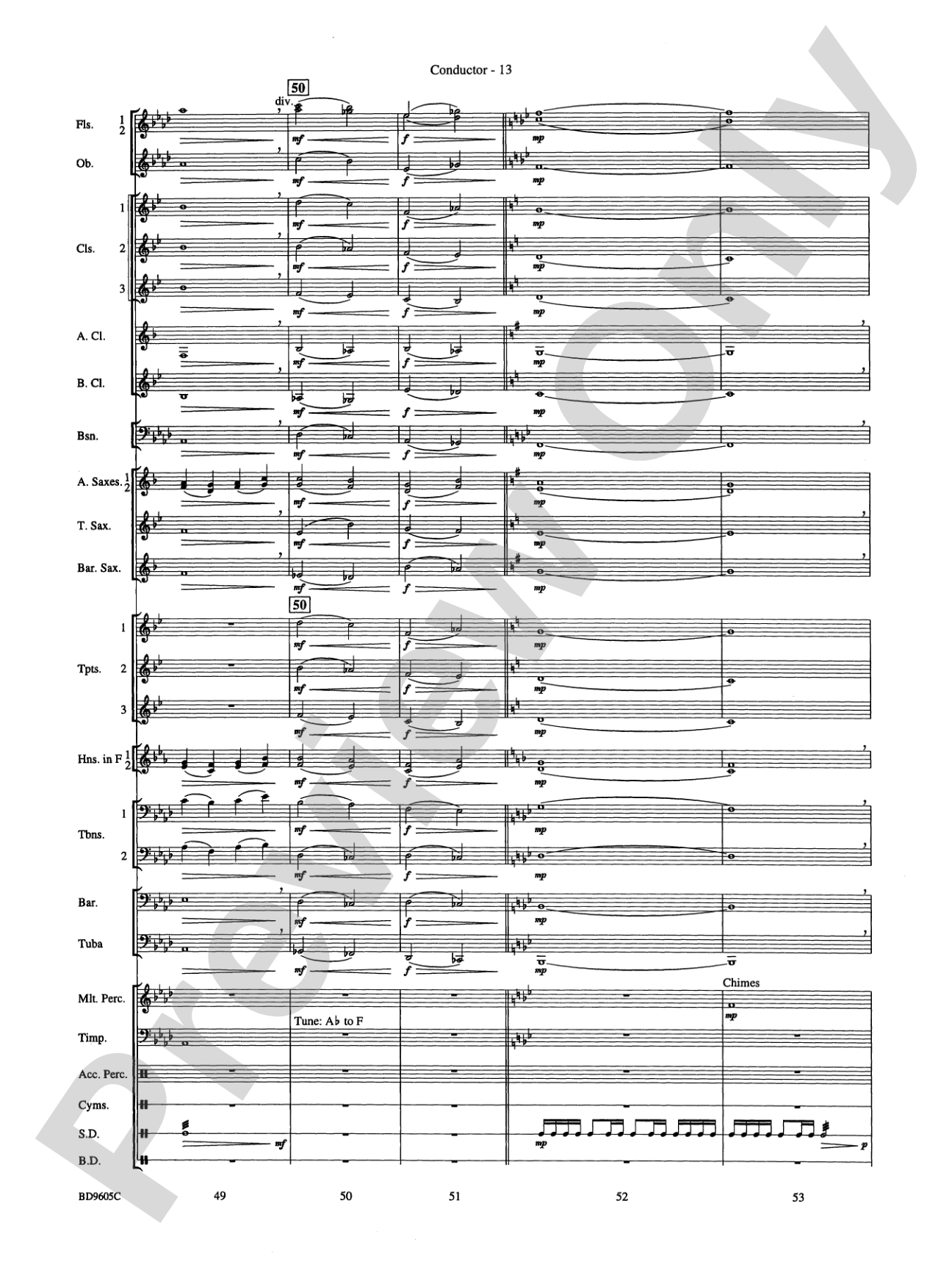
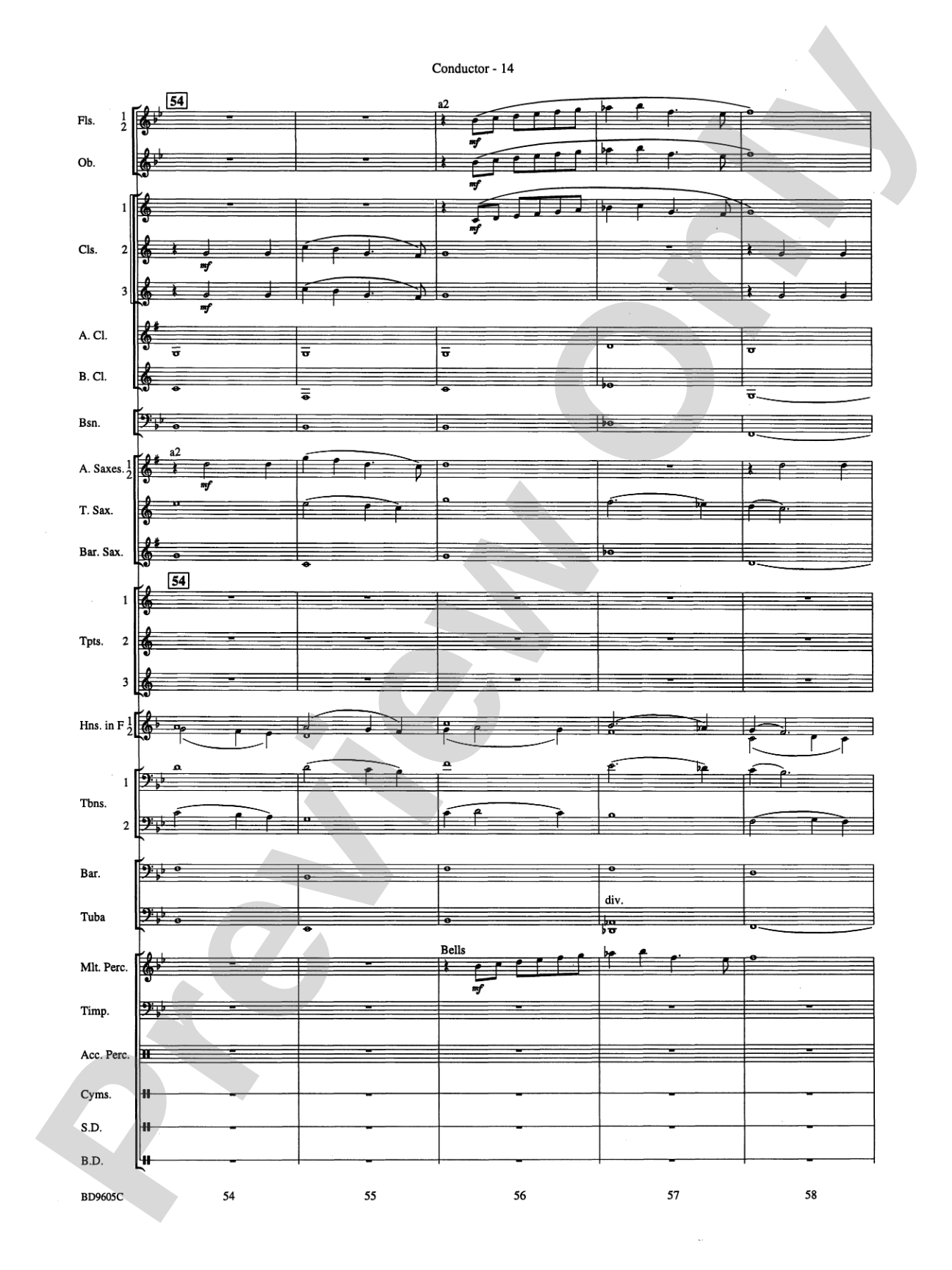
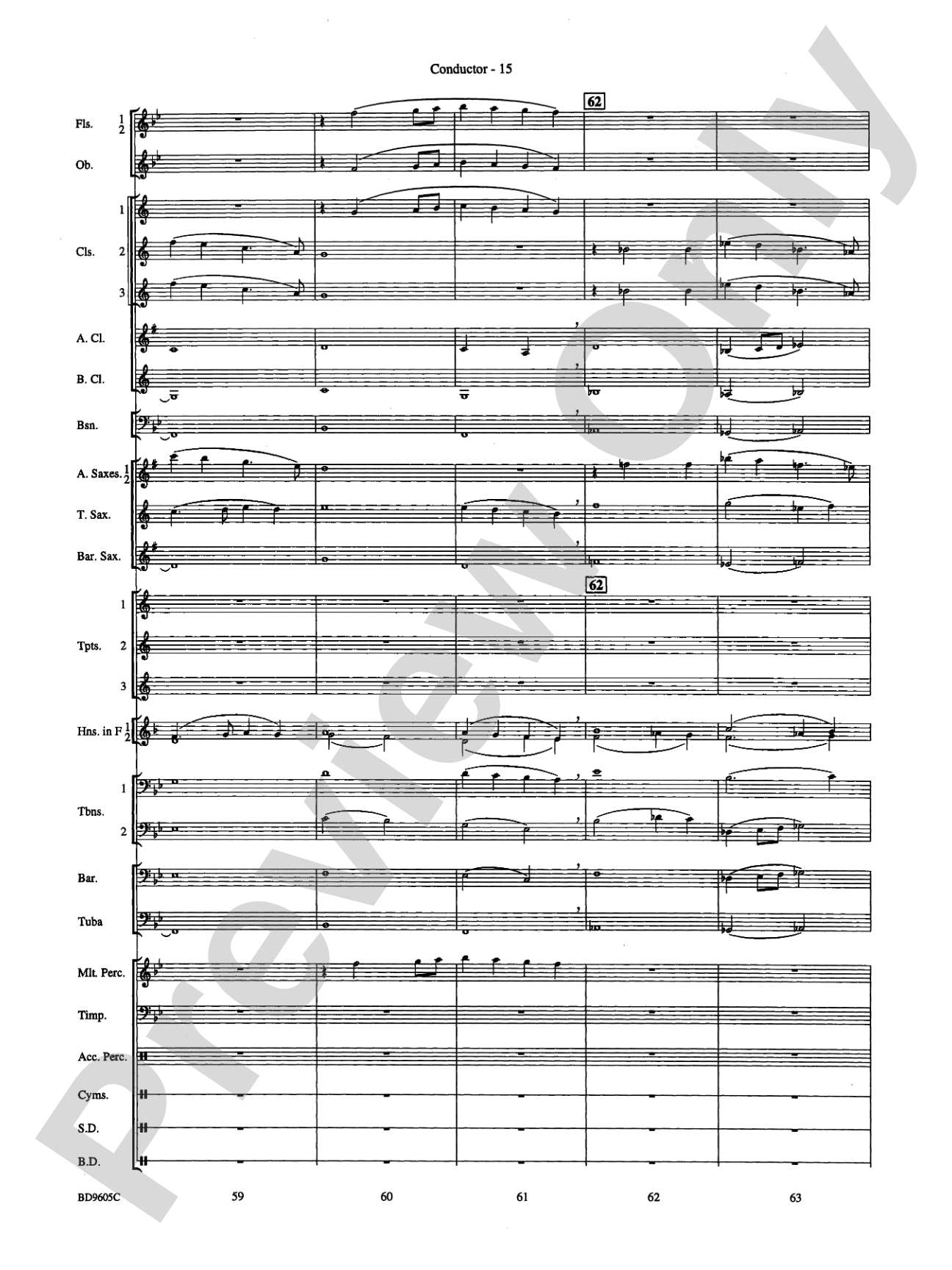
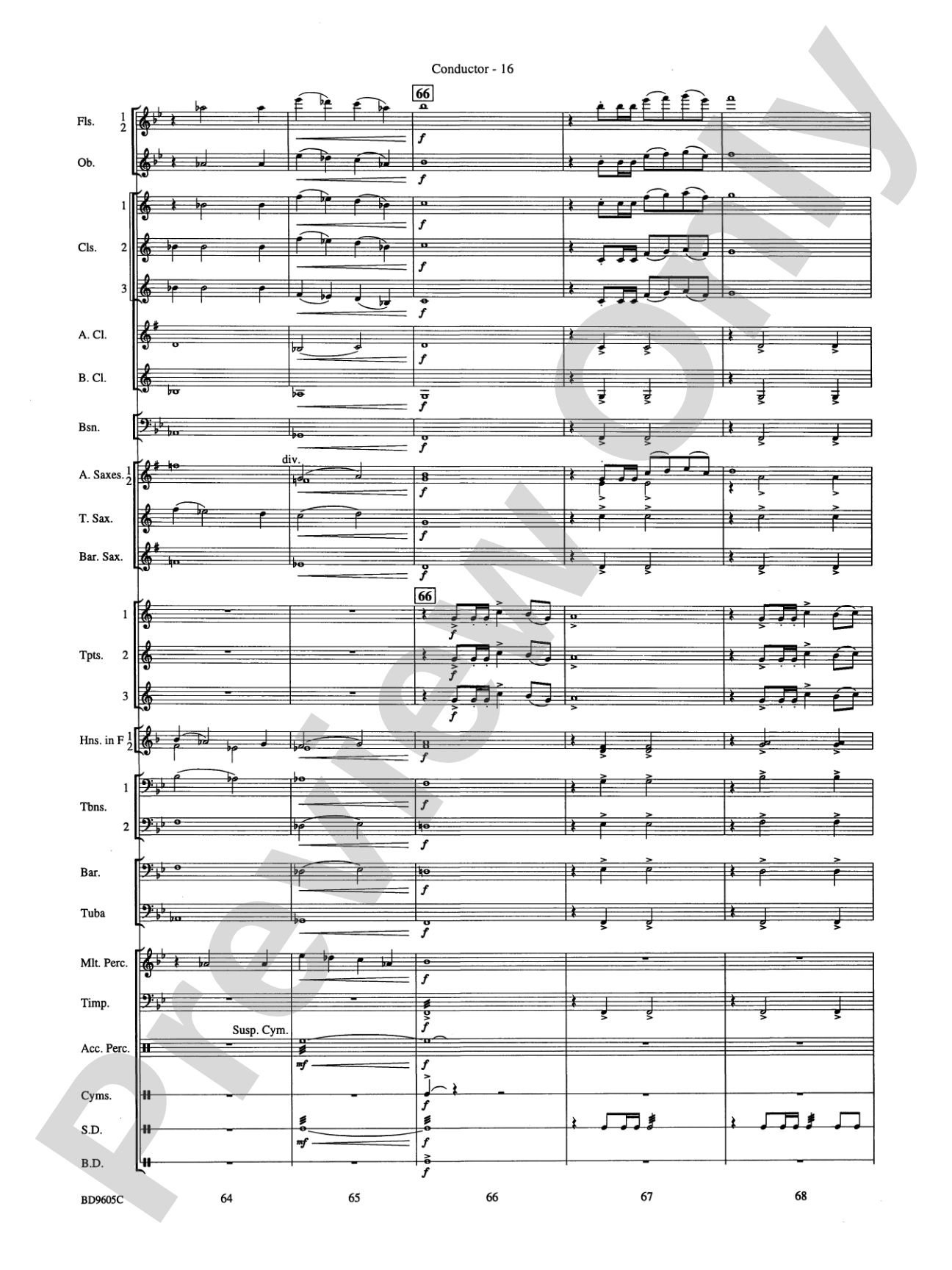
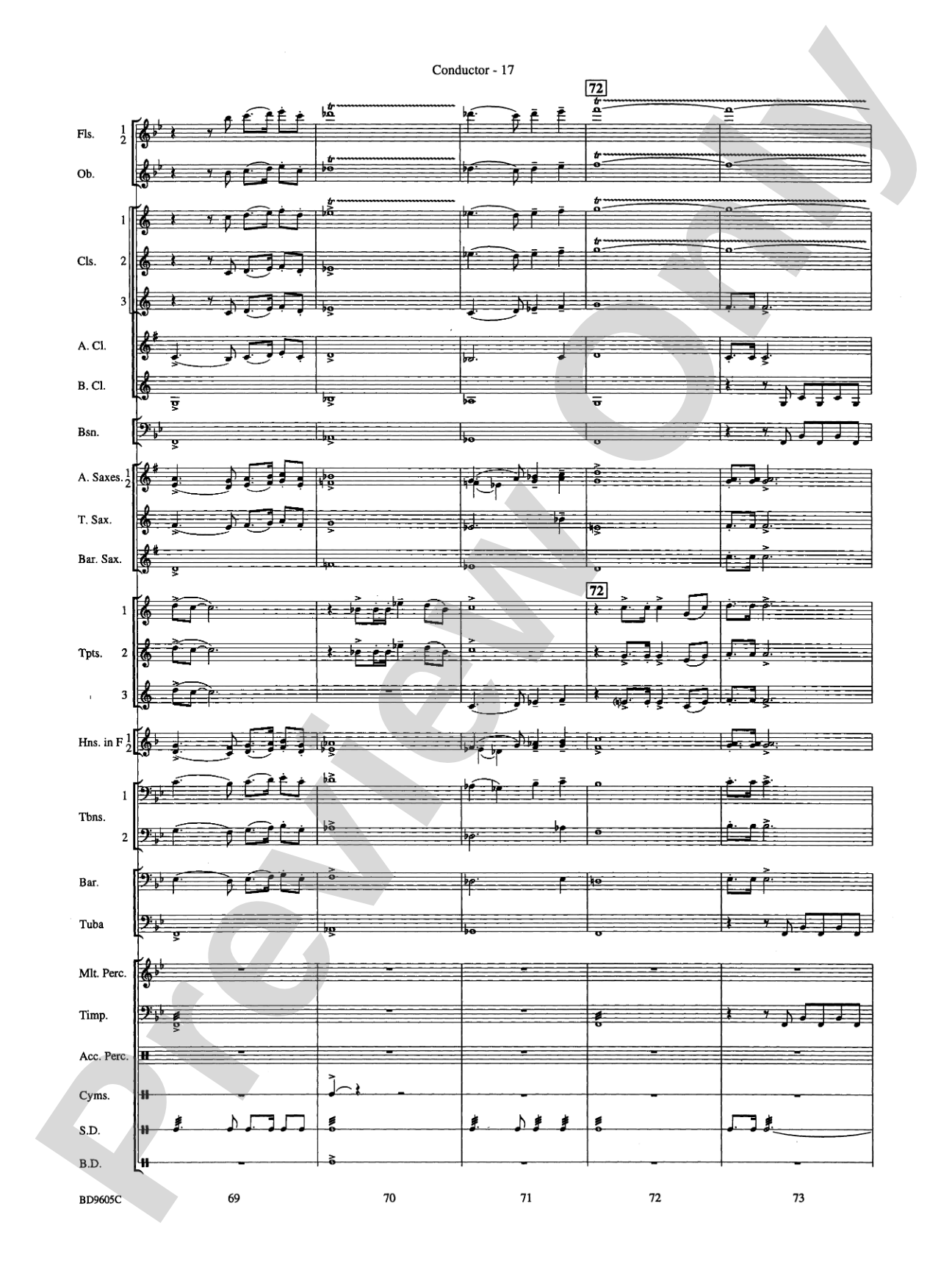
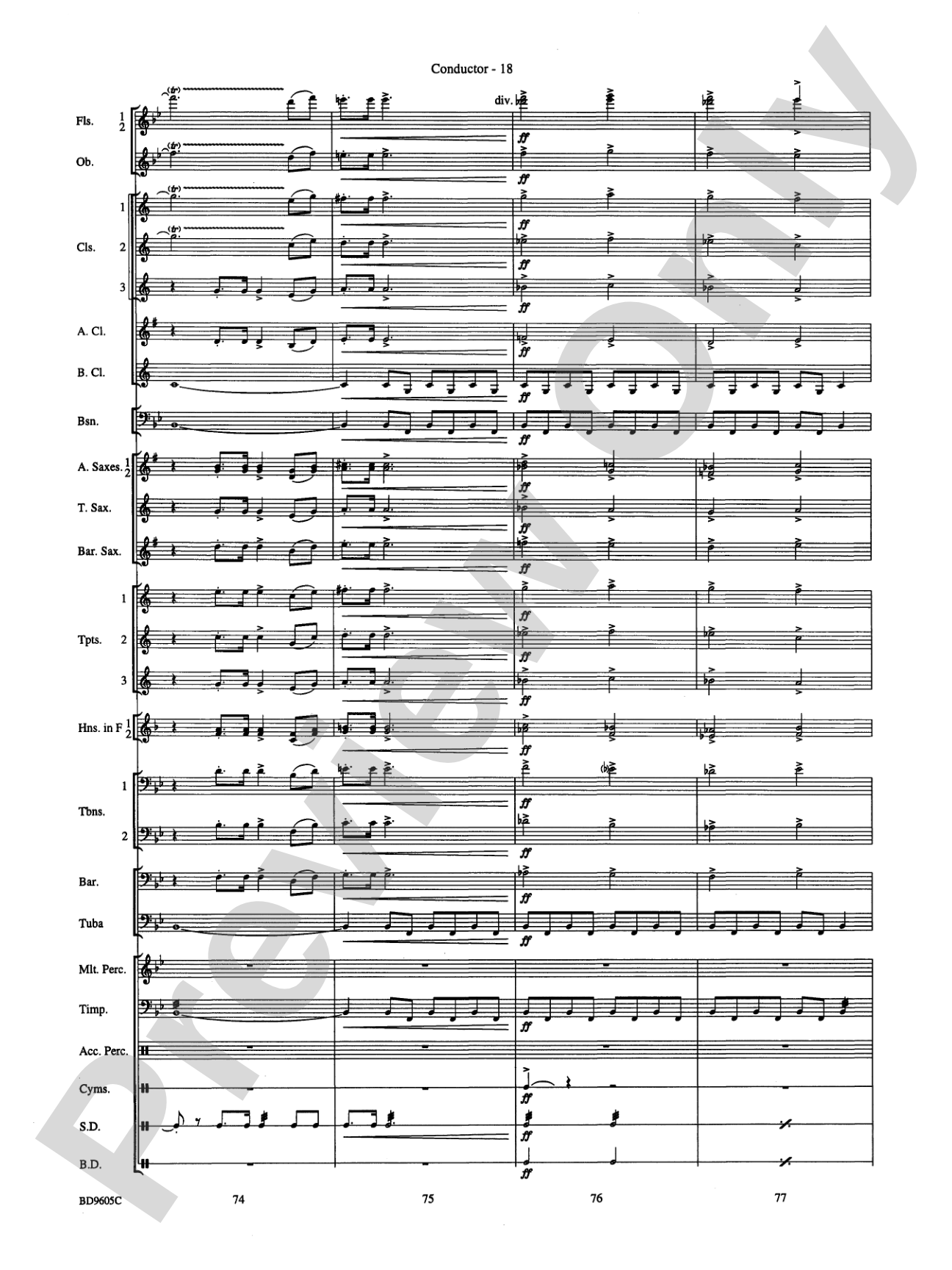
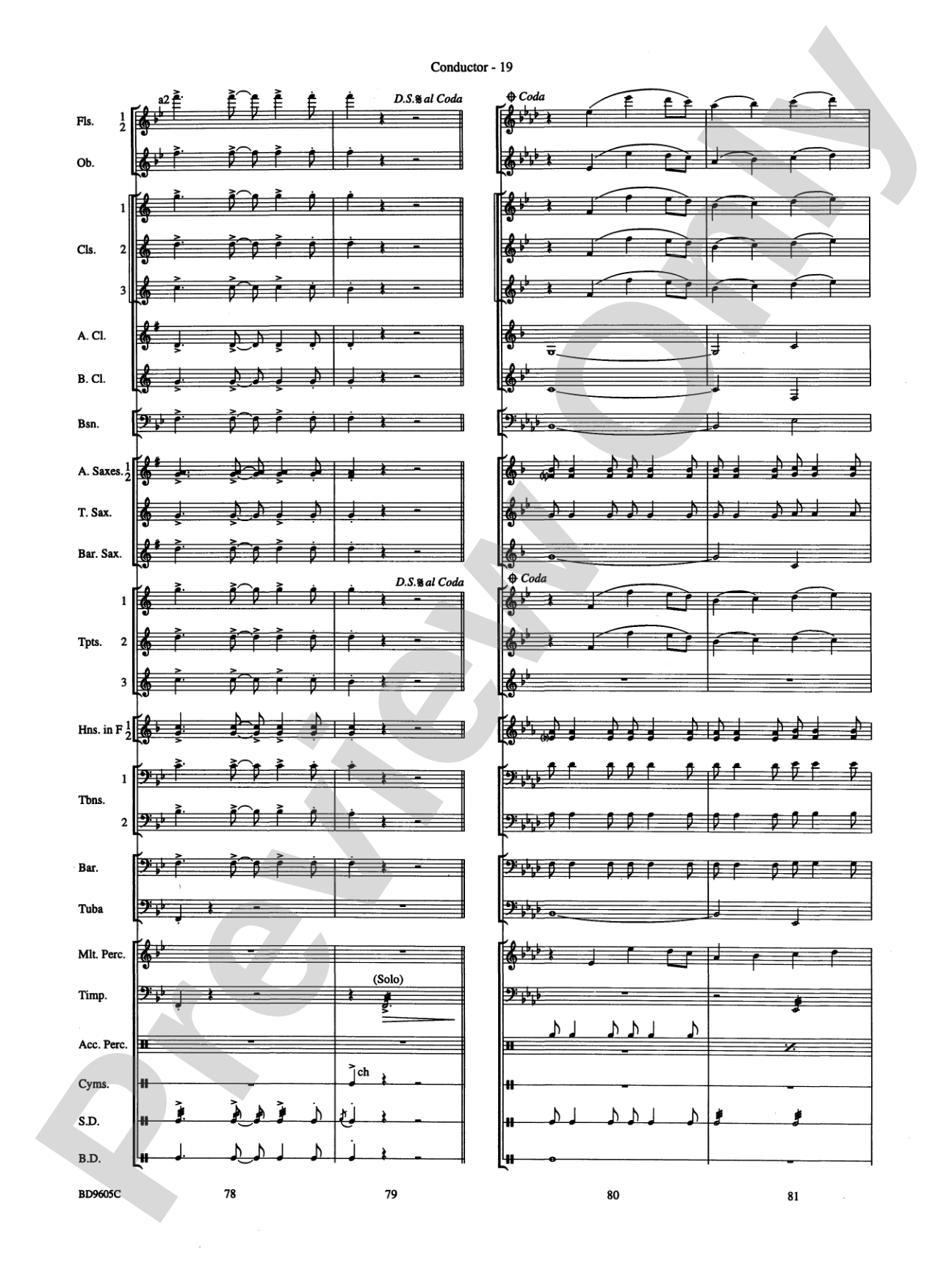
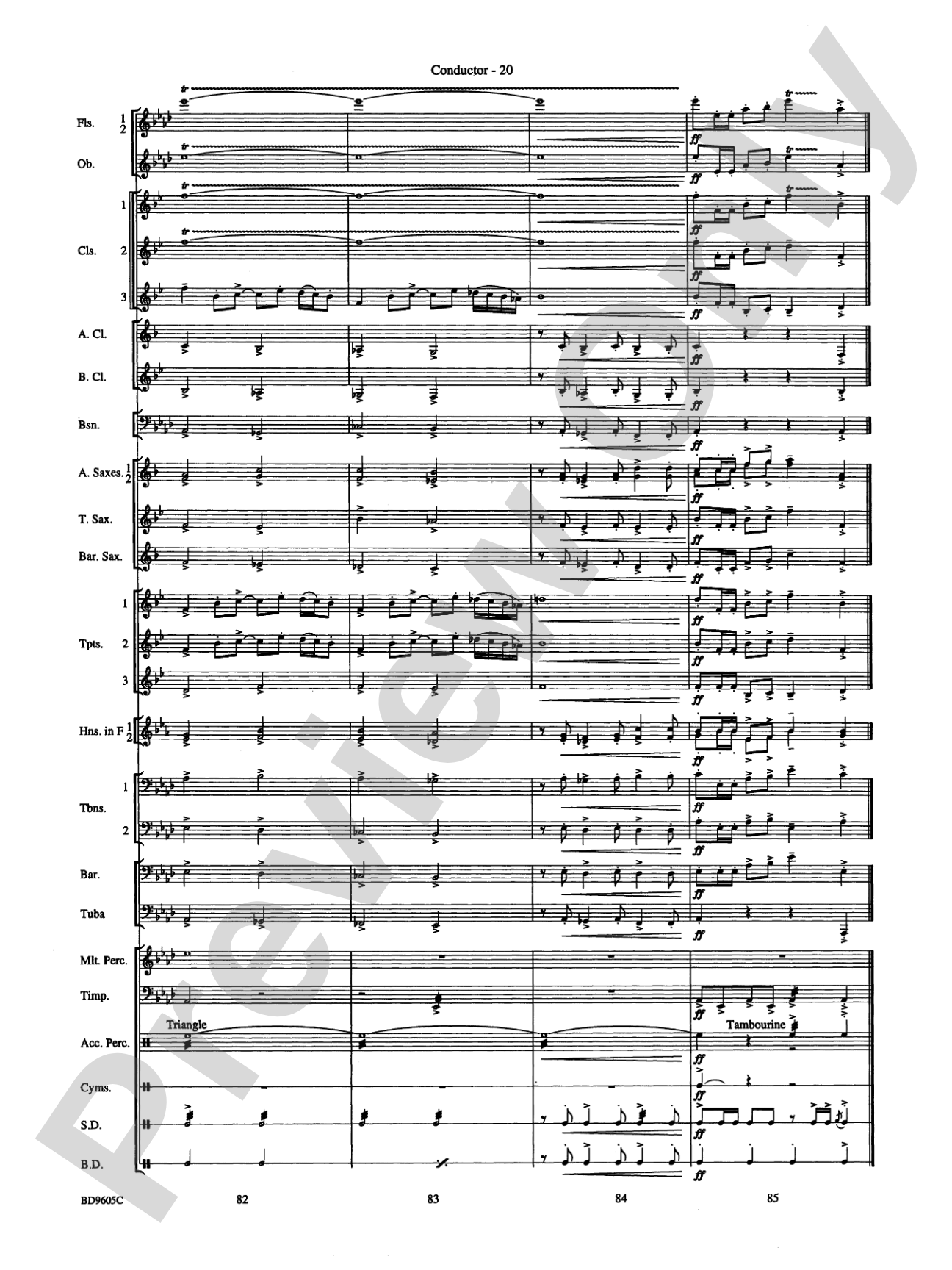



Tower Hill Overture: Score
By Douglas E. Wagner
Grade: 3 (Medium Easy)
Item: 00-PR-0001996
$10.00
Pickup currently not available
Description
One of London's top tourist attractions is the magnificent Tower of London, parts of which date back nine centuries. From a nearby hill echoes the themes of the Tower, from a time when it was a bustling community of nearly a thousand people within its walls back to the days when it was home to kings, queens, pomp and ceremony. Bold, dramatic, and rich in textures.


Don't just read it, hear it, play along with it, and watch your students grow with it. In MakeMusic Cloud, Tower Hill Overture: Score comes alive with professional accompaniment, adjustable tempo, and built-in practice tools that turn solo practice into real progress.
Open in the Player
Jump straight in and assign it today.
Start Your Free Trial
Open this title and explore the full library in minutes.
Sample Audio
1
Audio File
--:--
0:00
0:00
Sample Video
No sample videos found.
Additional Details
Series:
Belwin Concert Band
Publisher:
Alfred Music
Page Count:
262
SKU:
00-PR-0001996
More about this title
About the Composer: Douglas E. Wagner

Douglas E. Wagner studied music at Butler University, earning both undergraduate and graduate degrees before spending three decades as a high school music director and administrator in the Midwest. Since 1973, he has composed and arranged over 3,500 works spanning concert band, choir, orchestra, handbell ensemble, organ, piano, and vocal literature, with his music performed globally across concert halls, radio, and television broadcasts.
Wagner's prolific output has resulted in more than seventeen million copies of his music in circulation worldwide. Now based in Indianapolis, he focuses exclusively on composition and related musical activities, continuing a career distinguished by accessibility without sacrificing musical substance.
Why we love this
Wagner crafts a narrative arc that feels cinematic without overreaching technically, letting Grade 3 ensembles sound substantial and intentional. The piece balances bold, dramatic gestures with texturally rich passages that reward careful attention to dynamics and balance, making it satisfying to conduct and to hear.
What to expect
Picture standing on a hill overlooking a fortress steeped in centuries of ceremony and consequence. The opening is bold and commanding, evoking the grandeur of the Tower itself, while passages that follow shift between moments of pomp and quiet reflection, building a sense of historical weight without becoming heavy.
Who it's for
Bands at the Grade 3 level seeking a concert opener or feature that commands attention without excessive complexity. This works equally well for mid-season programming or as a confidence-builder for ensembles developing their ability to handle multi-section forms and varied textures.
How to get the most out of it
- Shape the thematic material dynamically; these melodies carry the historical storytelling, so commit fully to the contrasts between bold statements and reflective moments.
- Balance the textural layering by ensuring inner voices stay present without overwhelming the primary melodic line, particularly in the richer harmonic sections.
- Attend to the transitions between sections; clean attacks and releases at key structural points keep the narrative momentum forward.
How to use it
Open a concert with this piece to establish energy and sophistication right away, or place it mid-program where its dramatic scope can provide contrast to lighter fare. The length and structural clarity make it an excellent choice for a festival or evaluation setting where judges appreciate a band that can sustain dramatic narrative.
Skills your students will build
- Conducting and maintaining longer musical phrases across multiple sections
- Balancing layered harmonies and inner-voice independence
- Dynamic shaping and contrast at the ensemble level
- Responding to tempo and character shifts between distinct thematic sections
- Precision in attacks and releases during transitions