

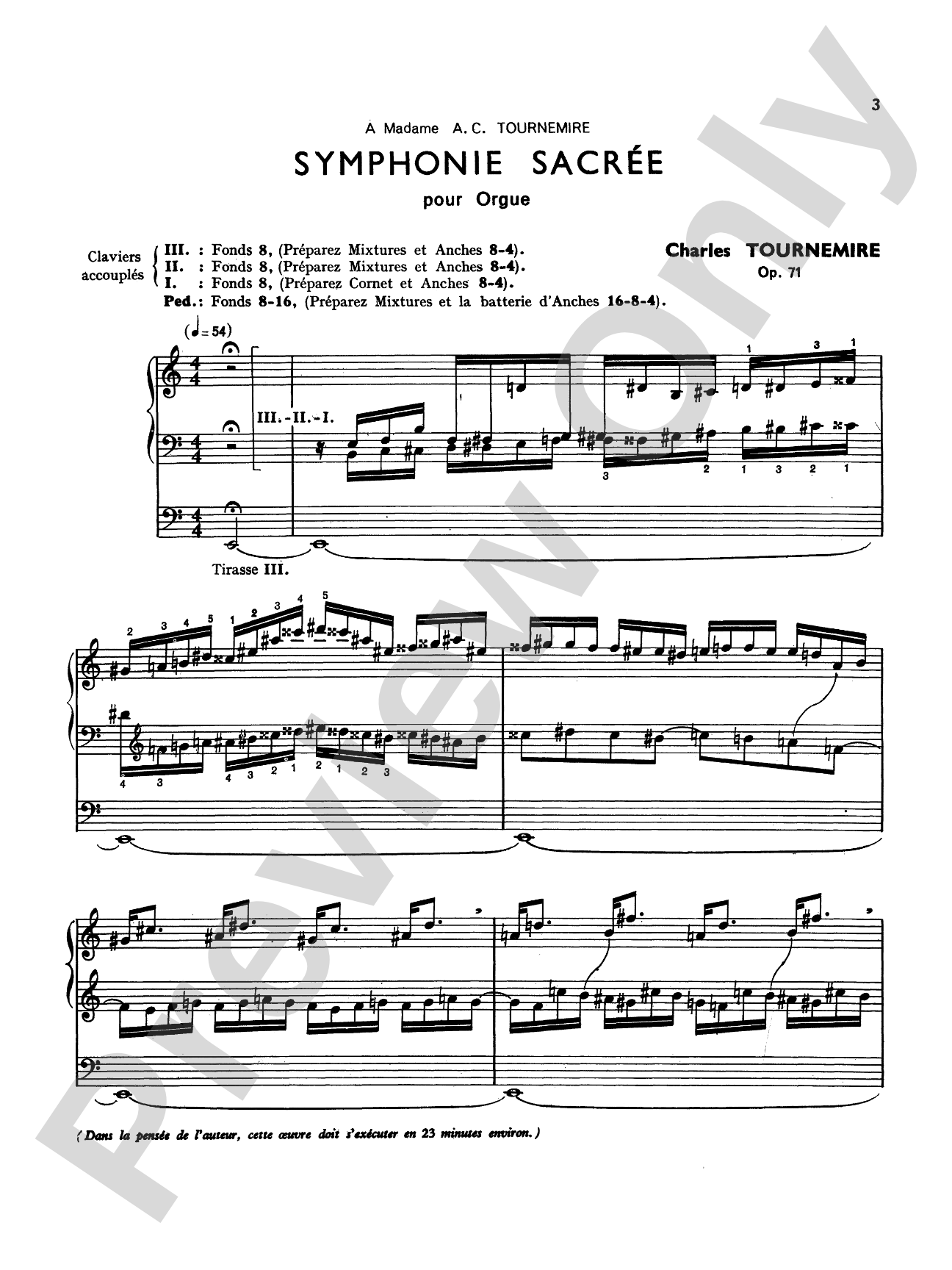
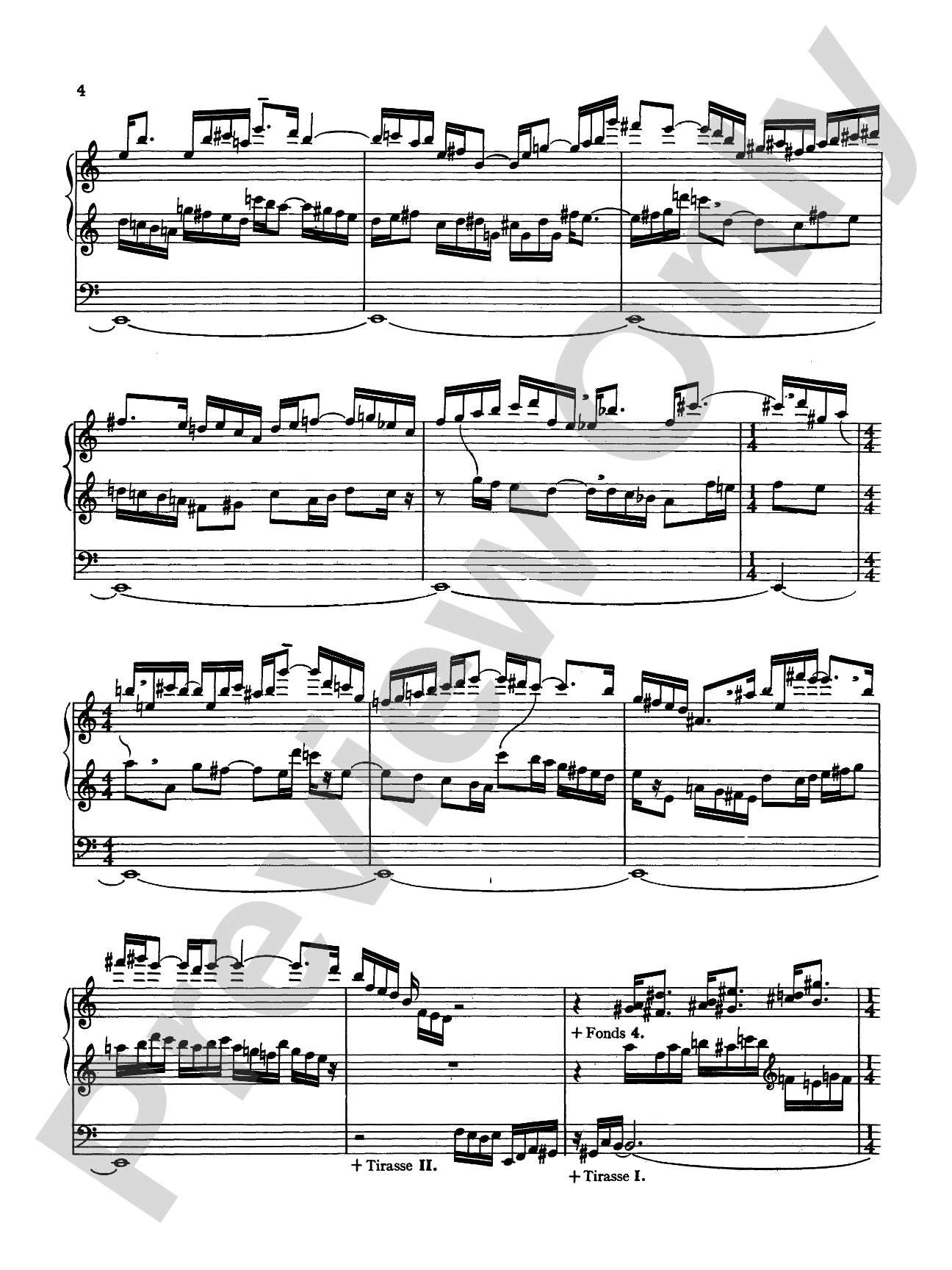
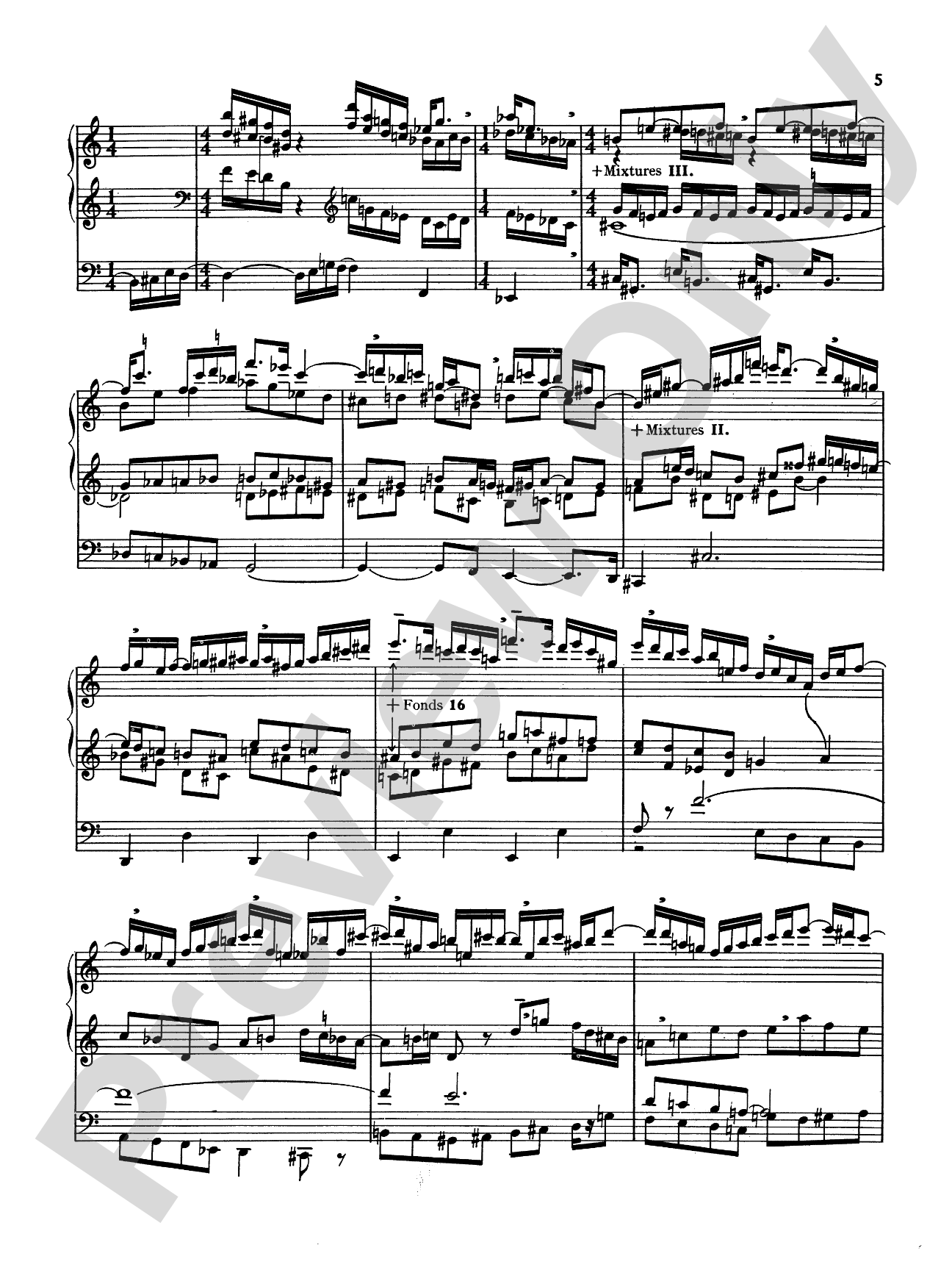
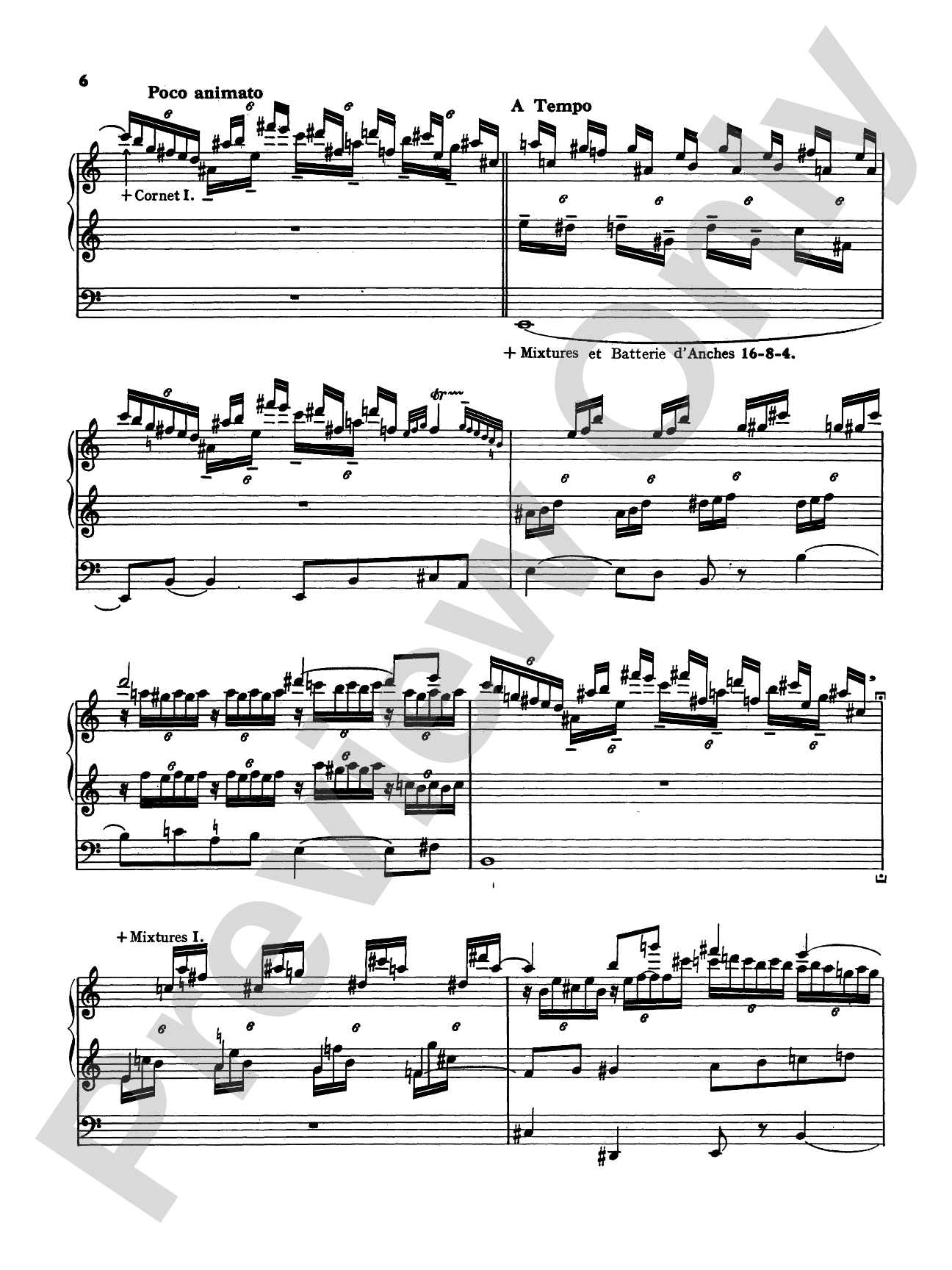
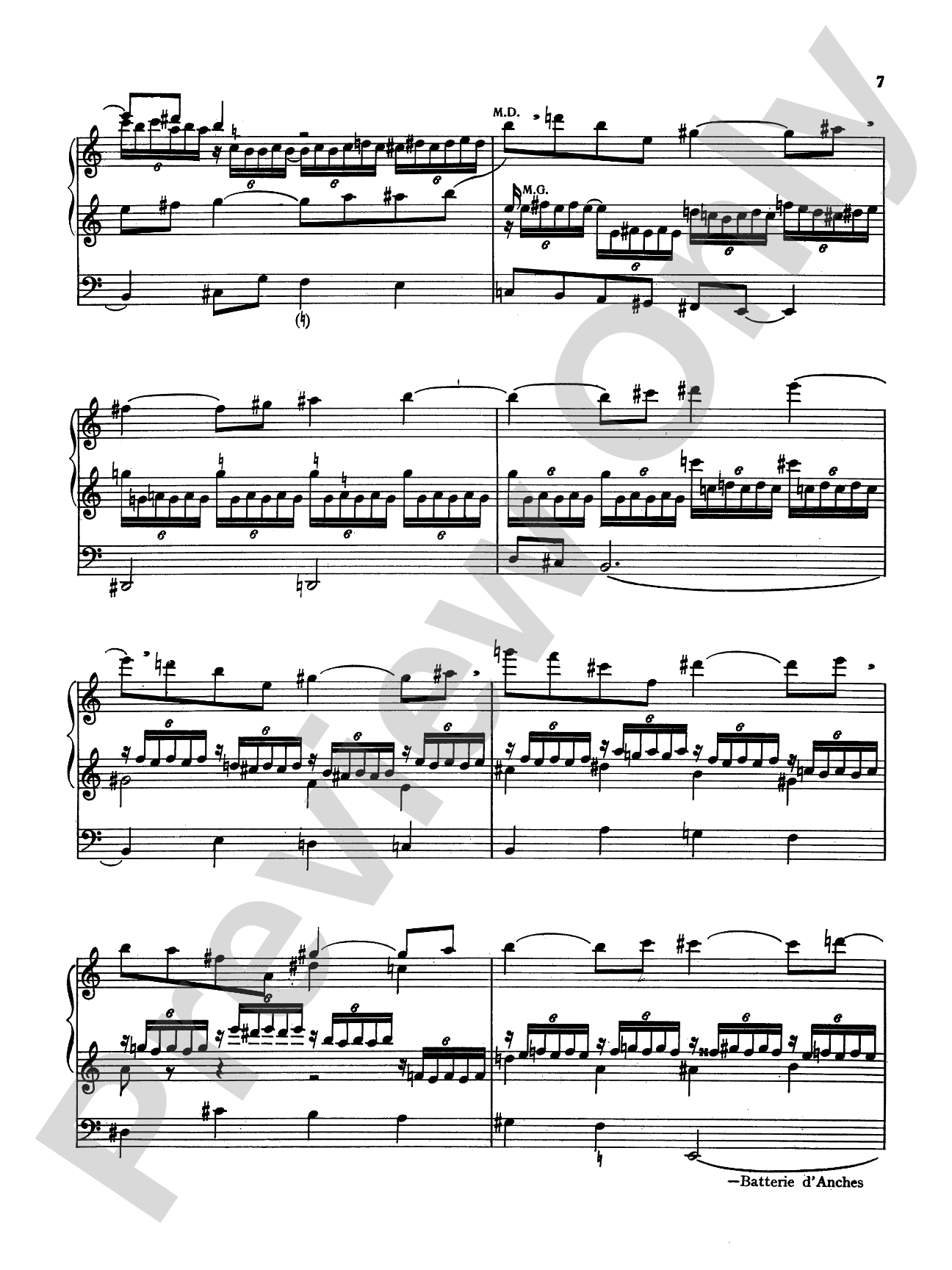
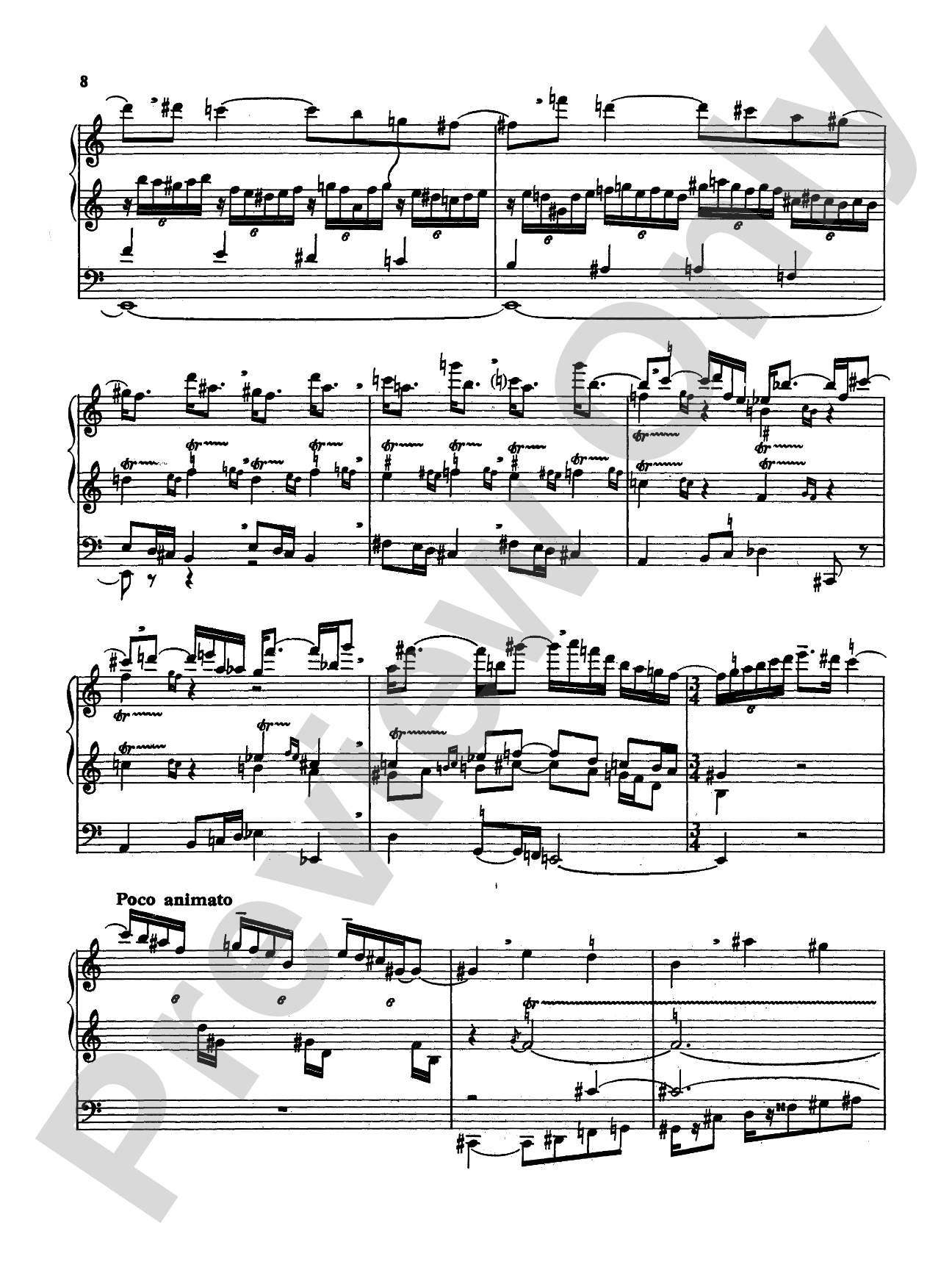
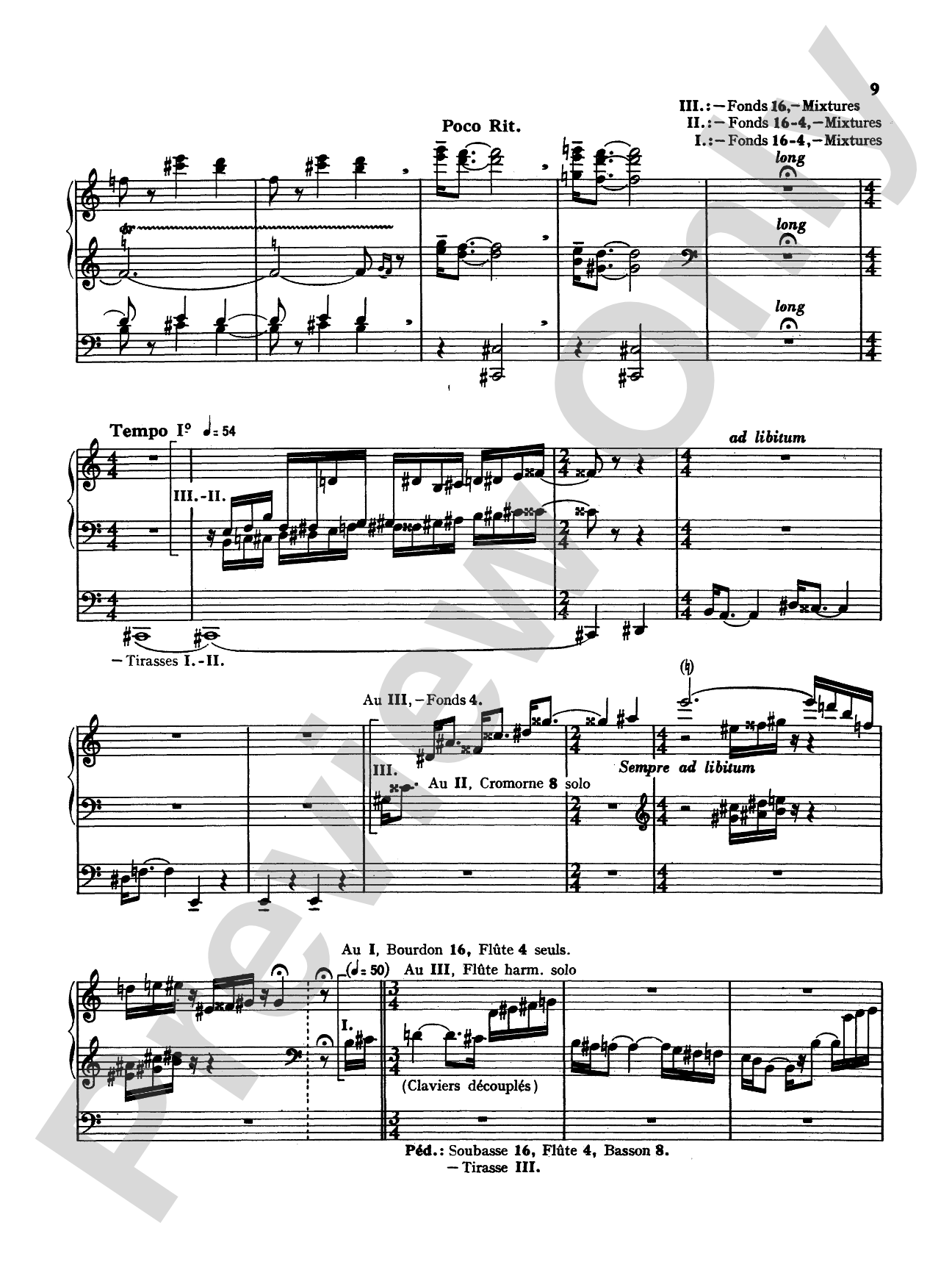
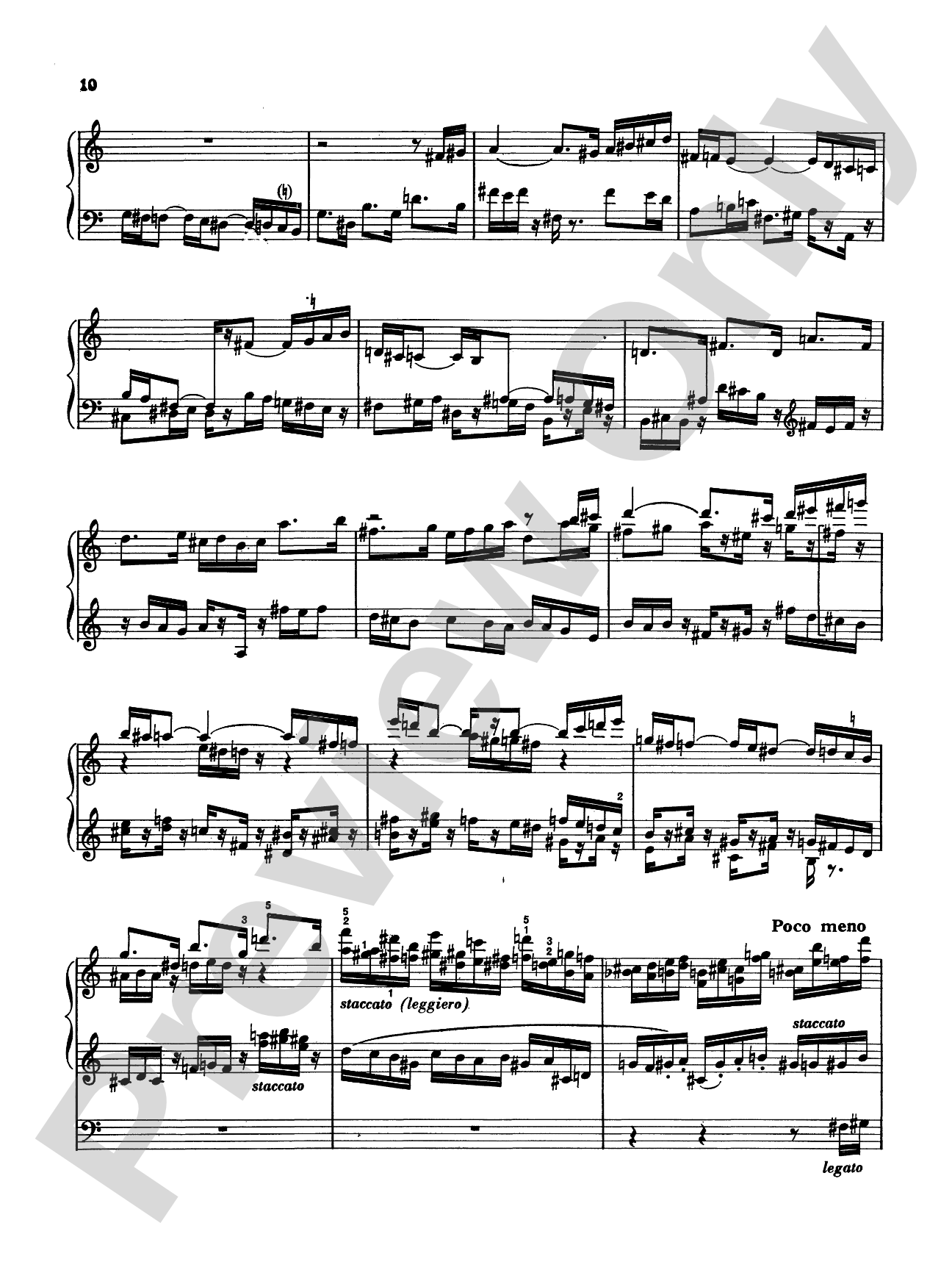
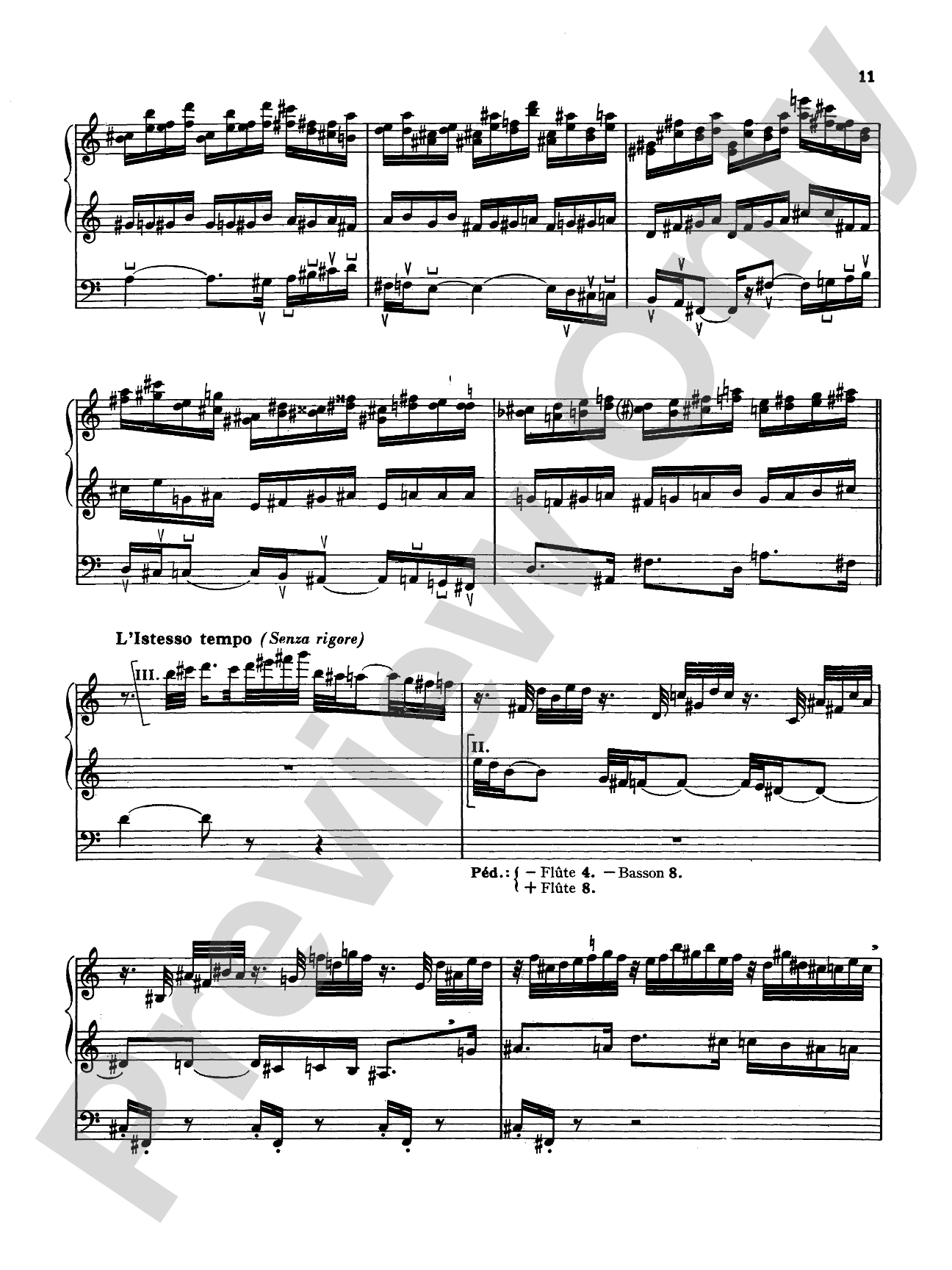
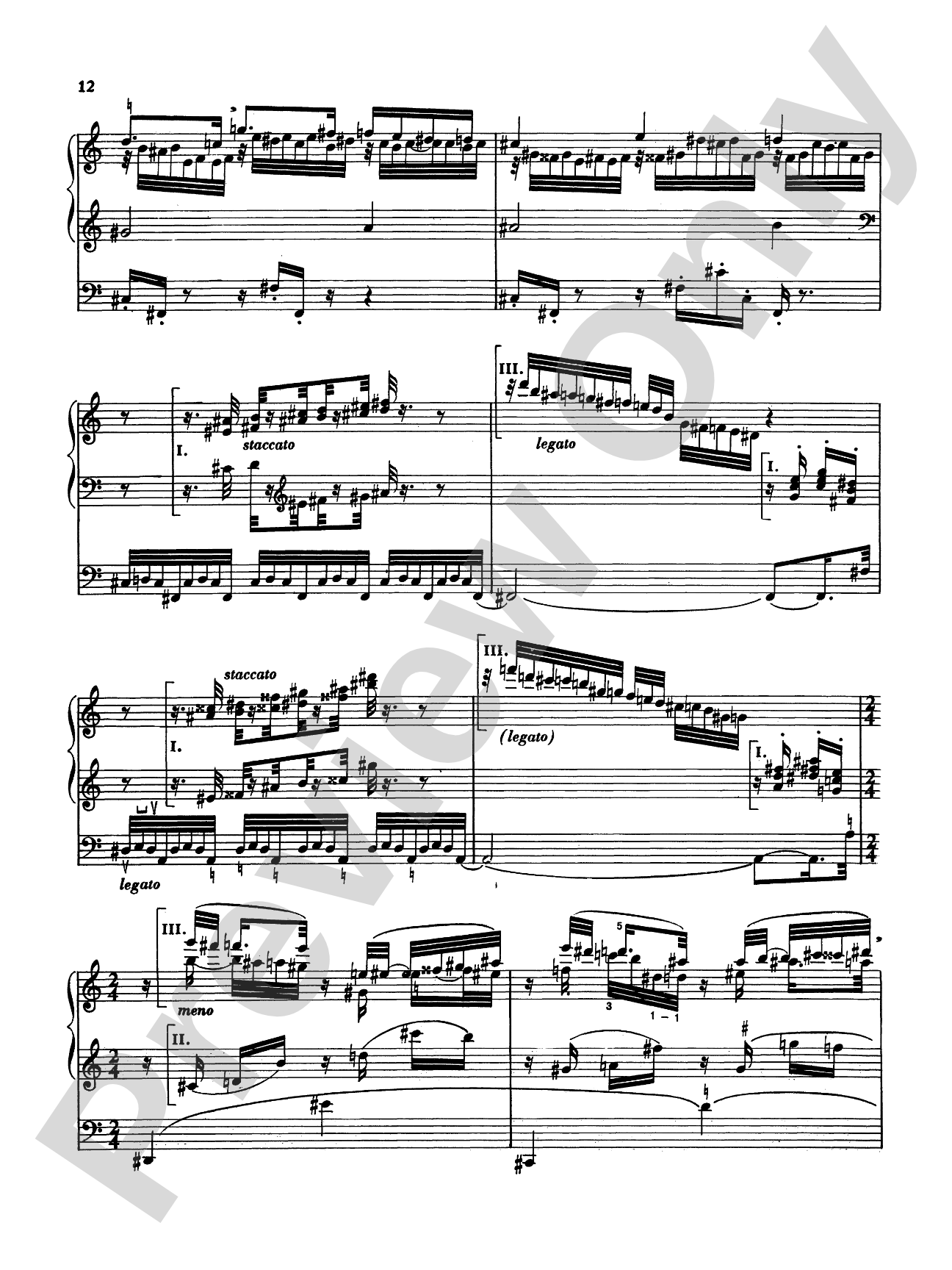
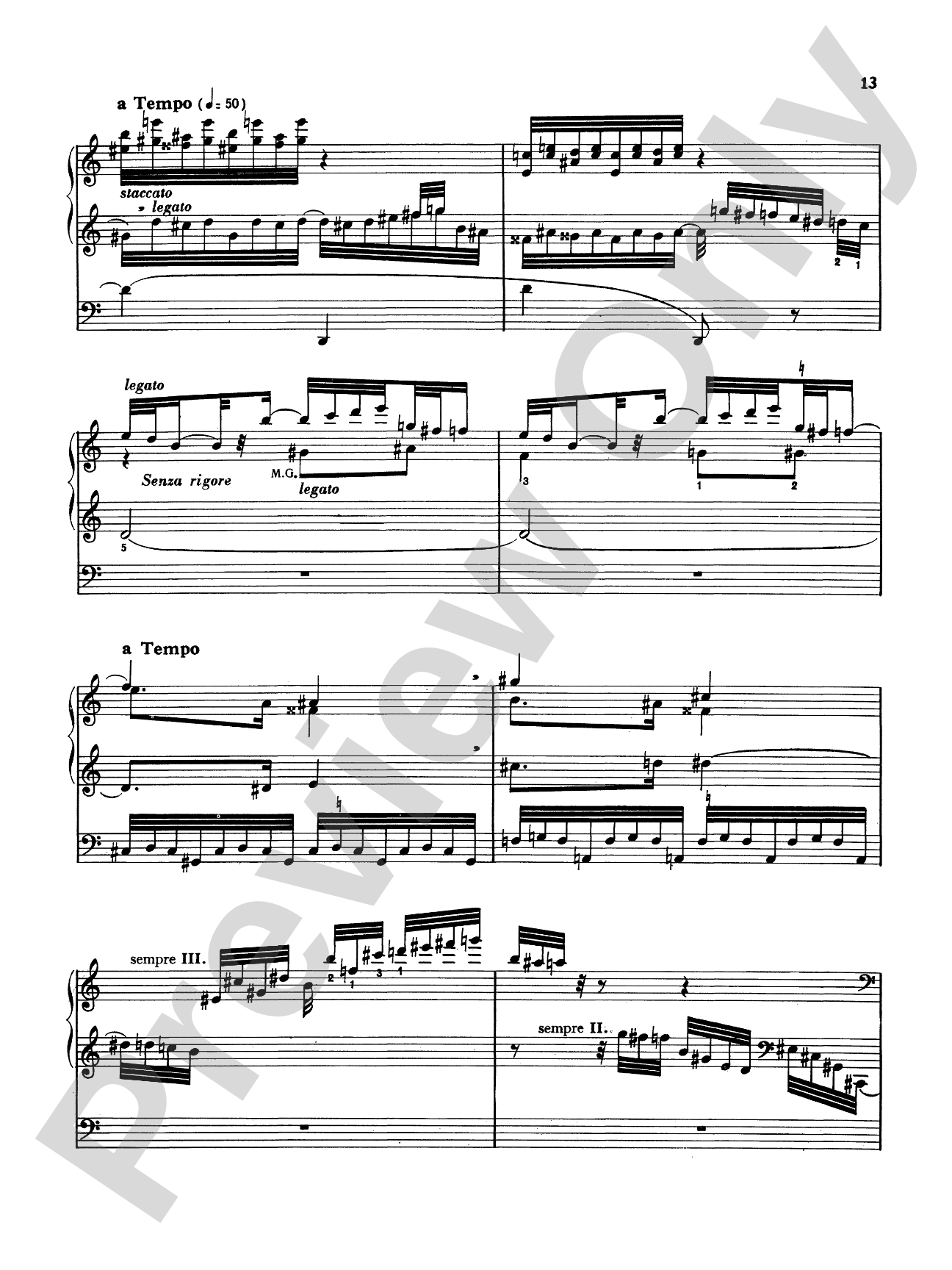
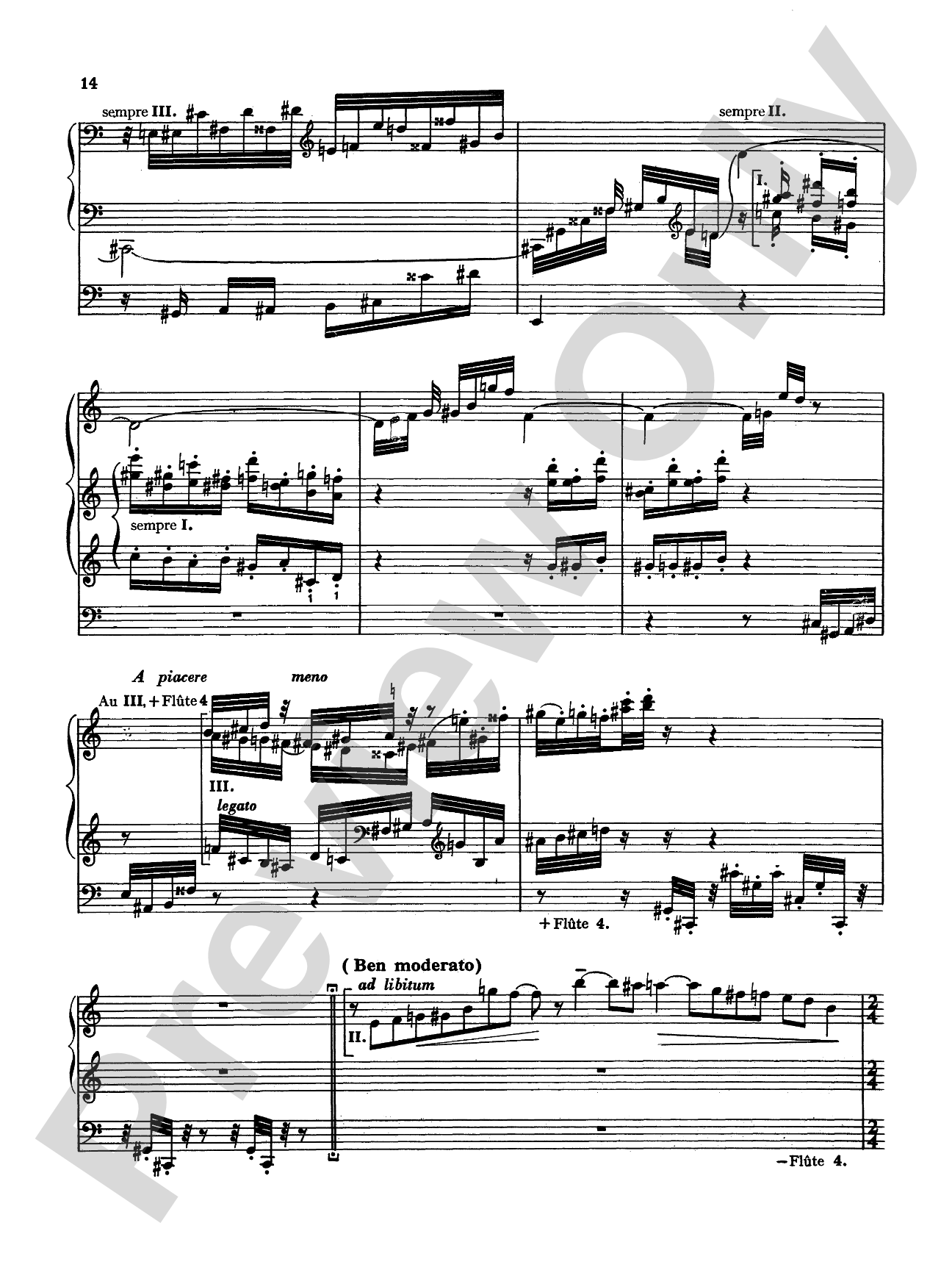
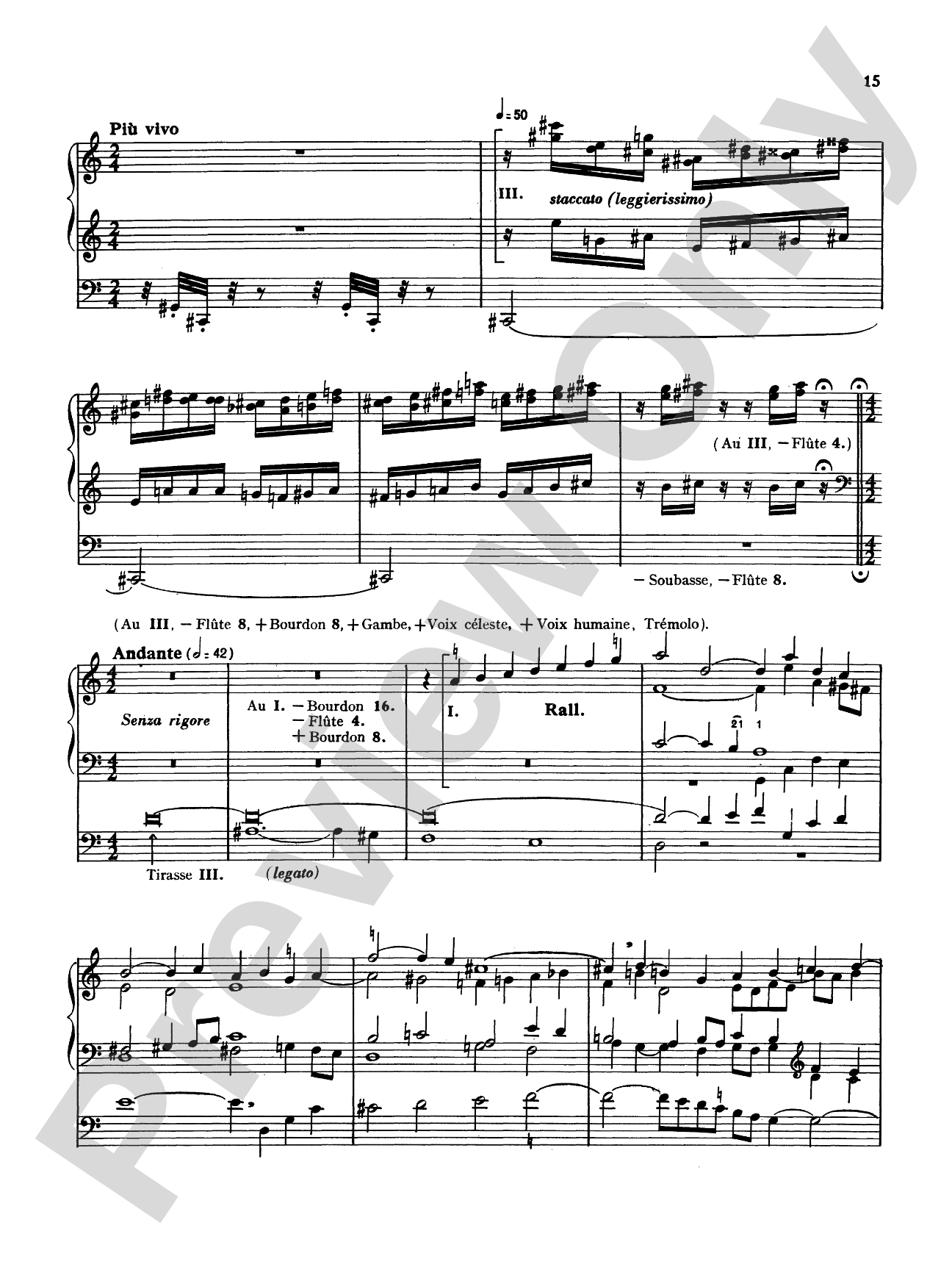
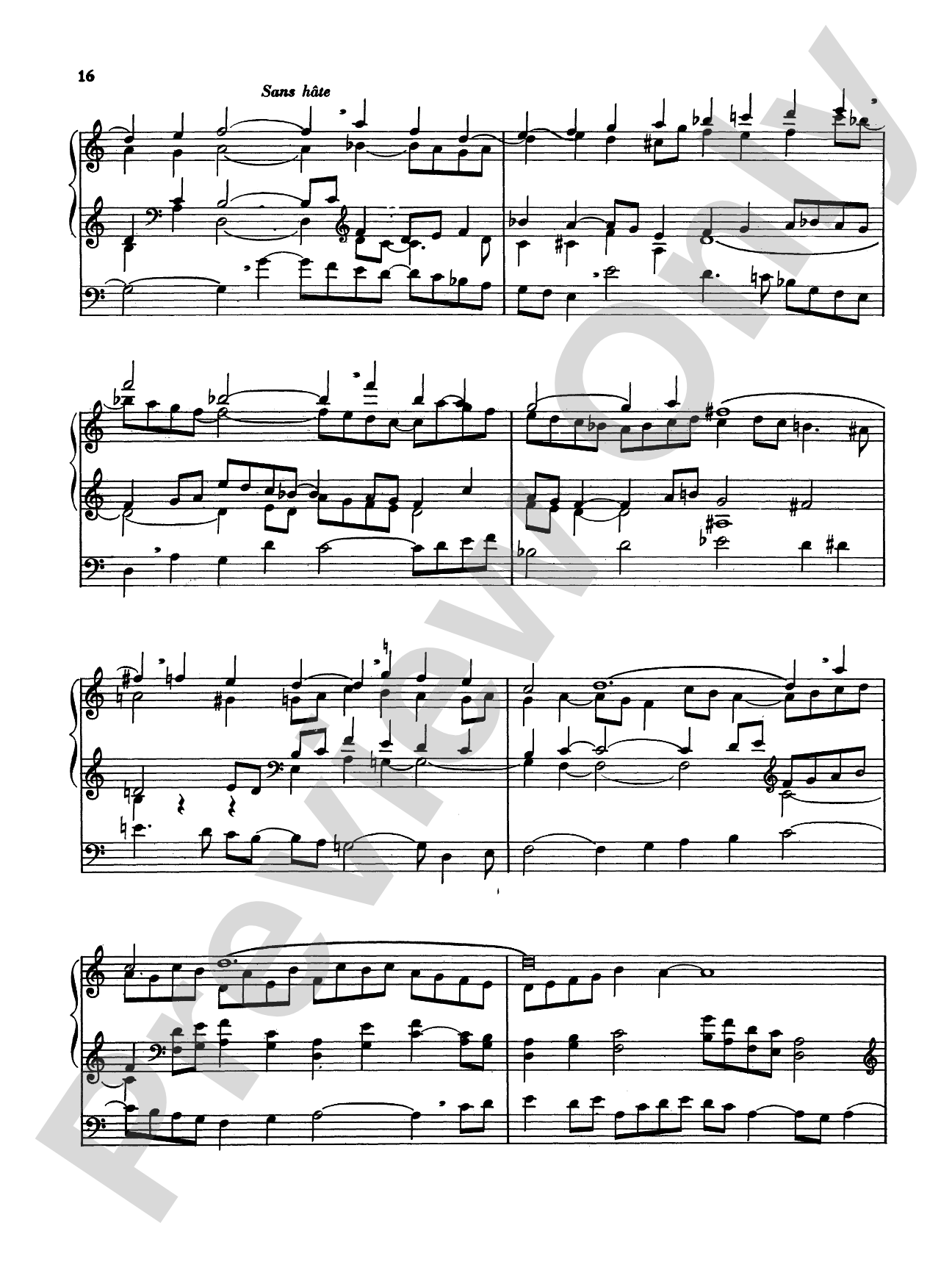
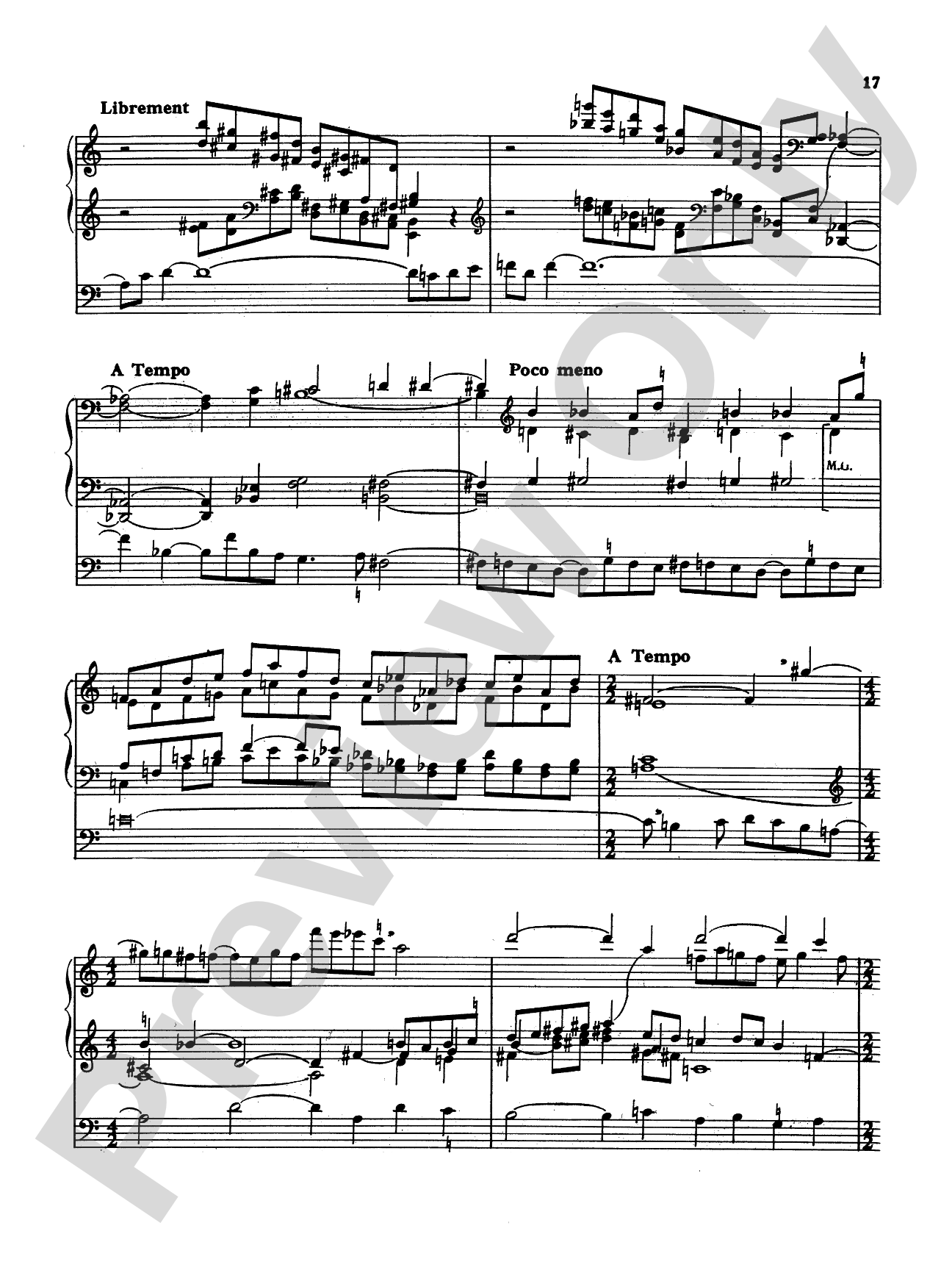
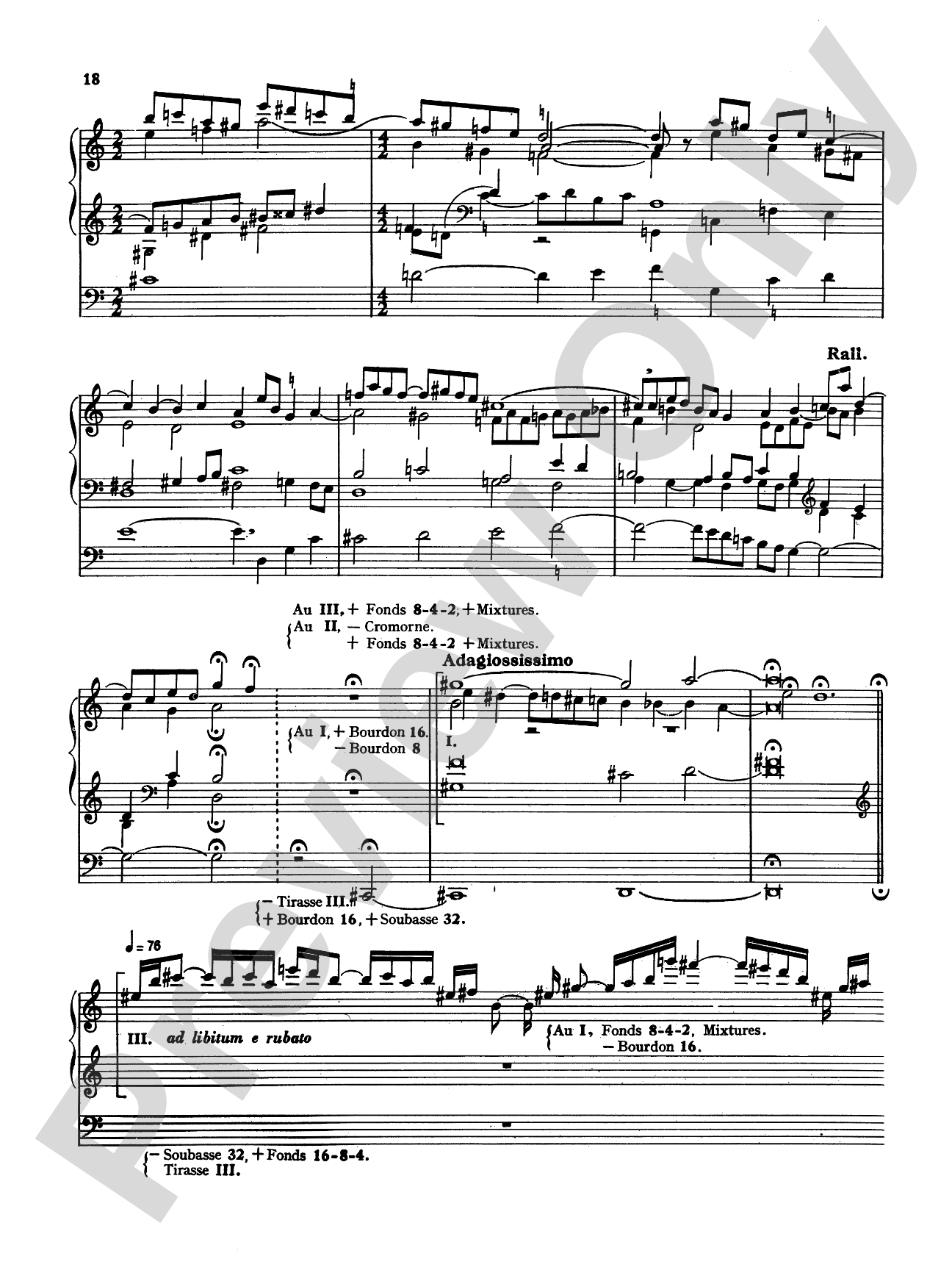
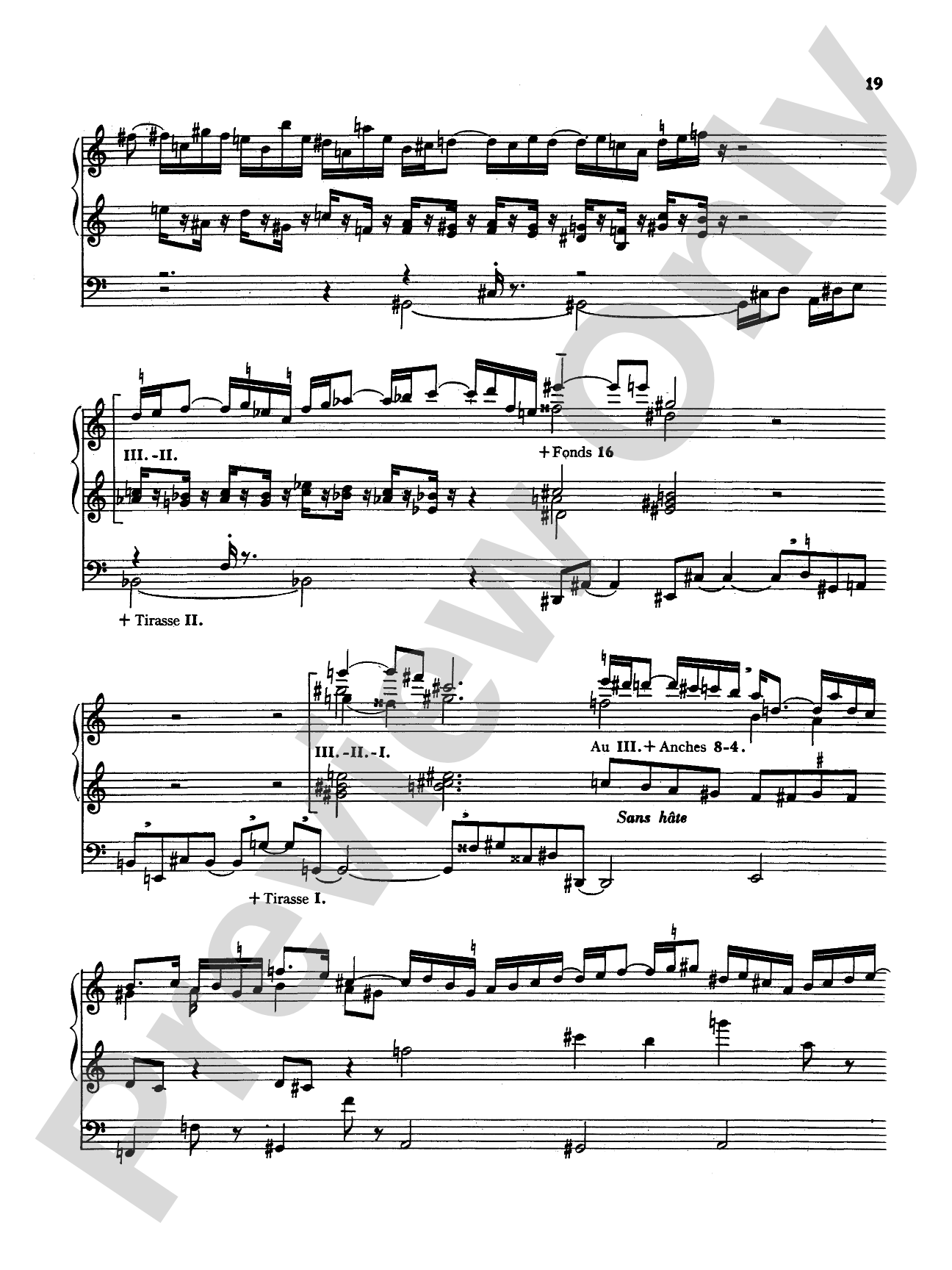
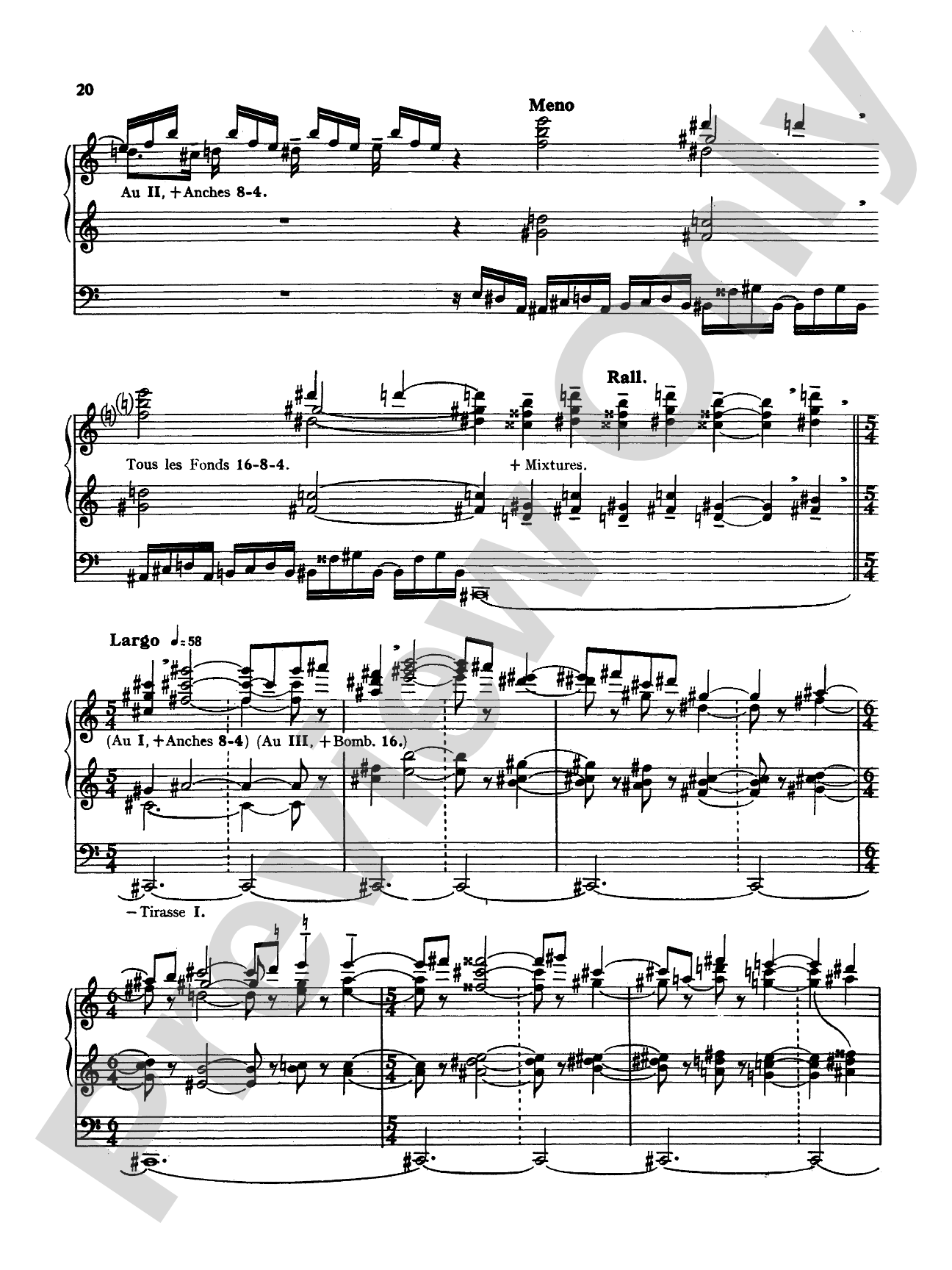
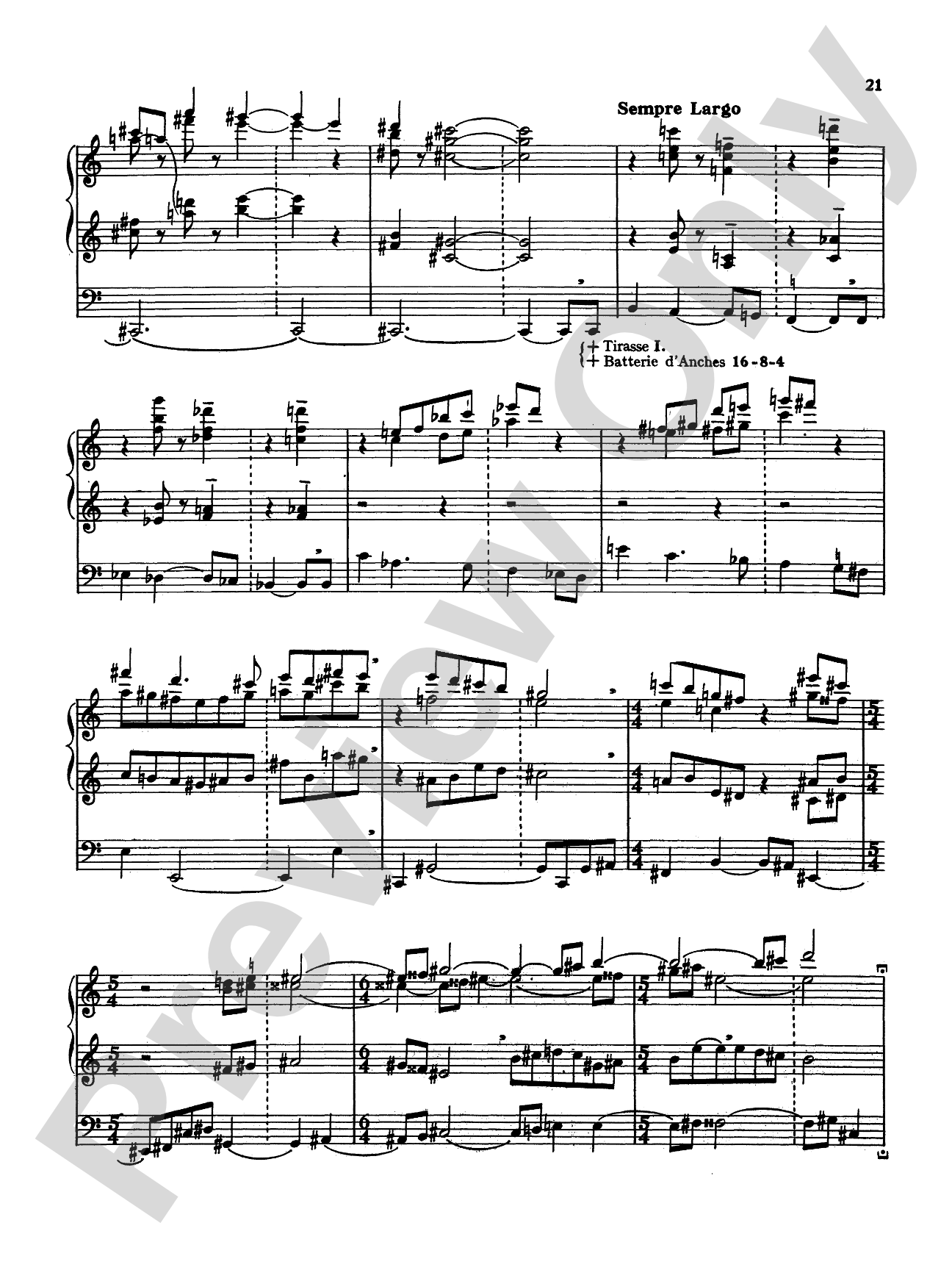
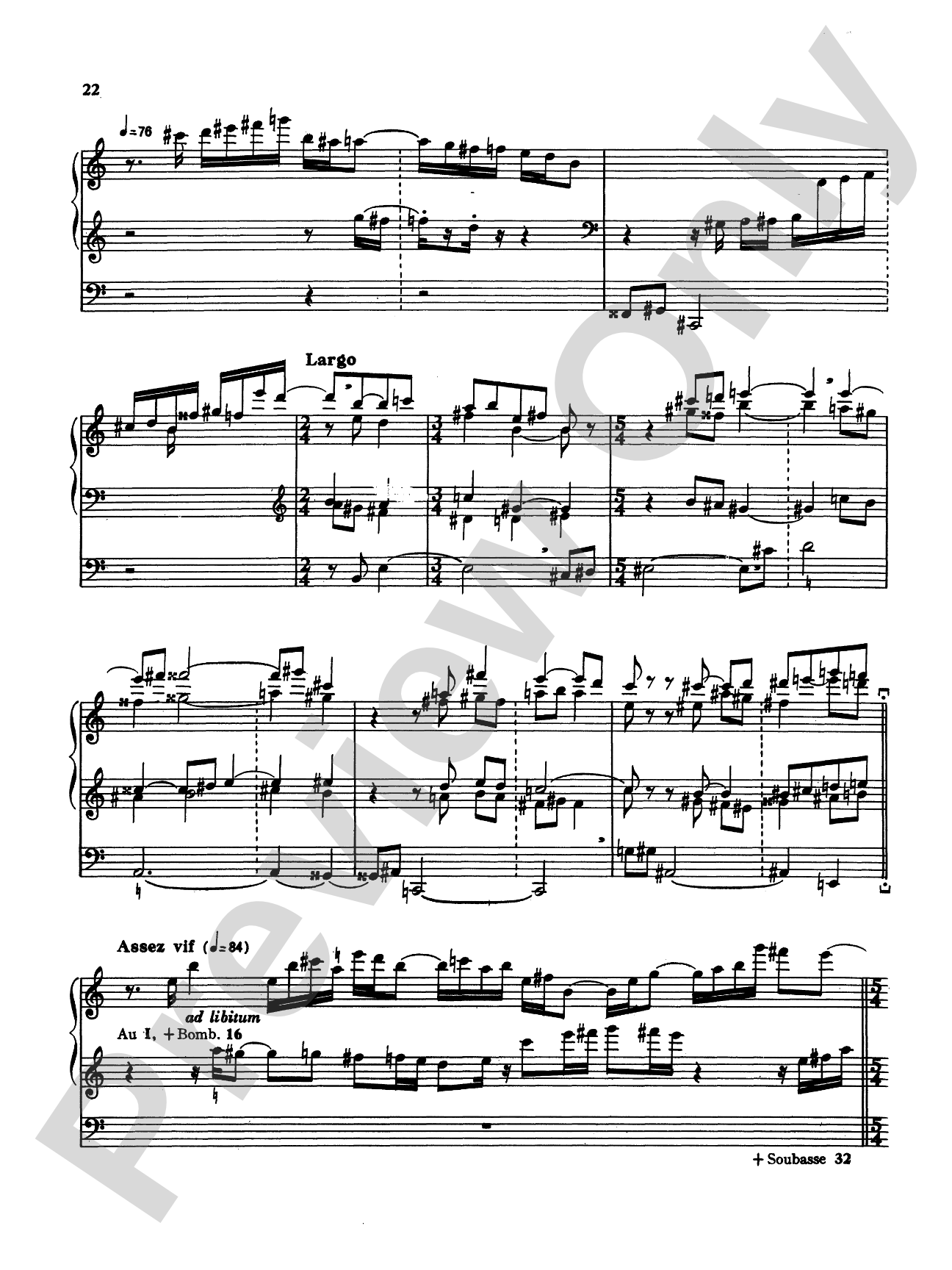
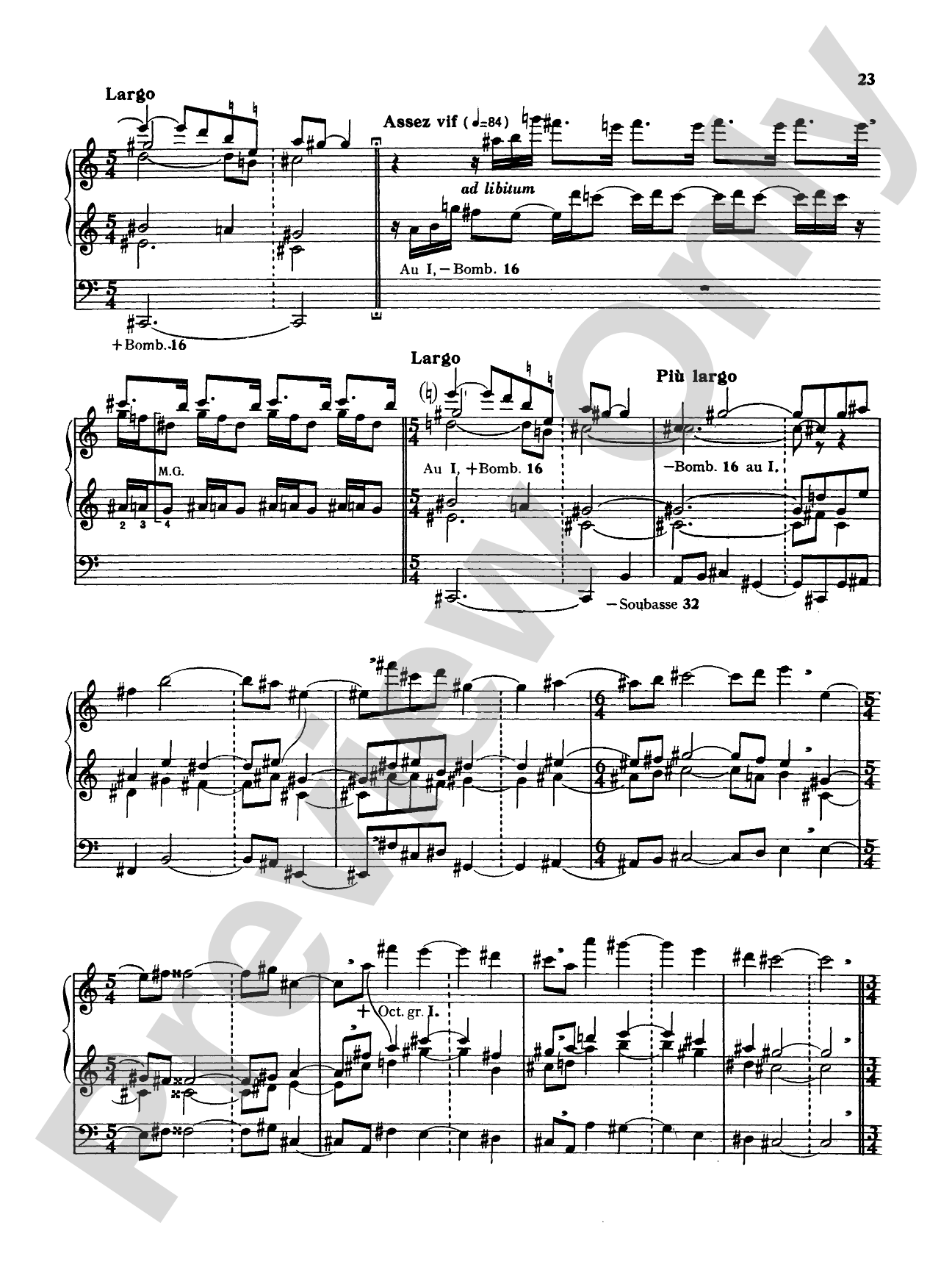
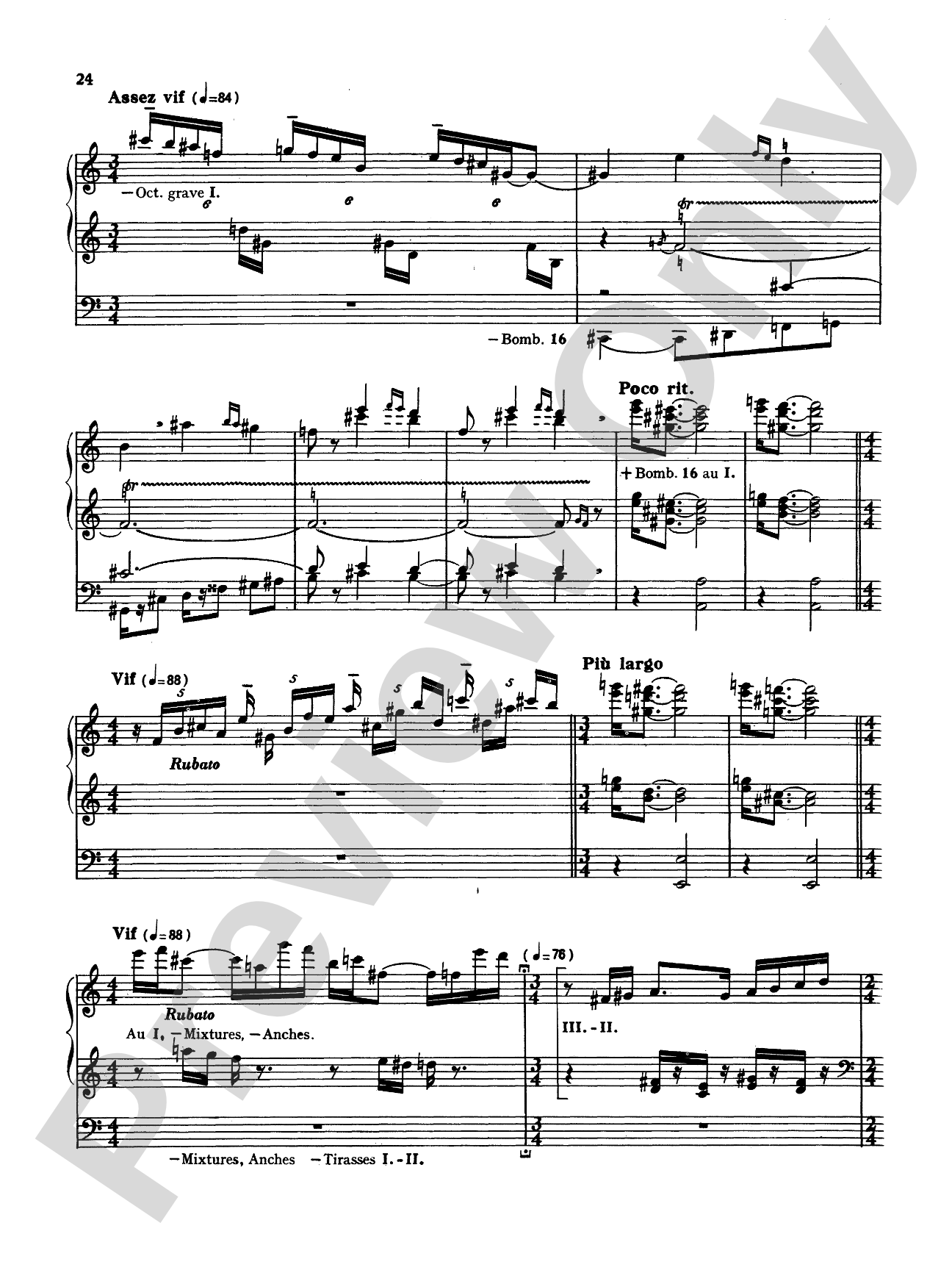
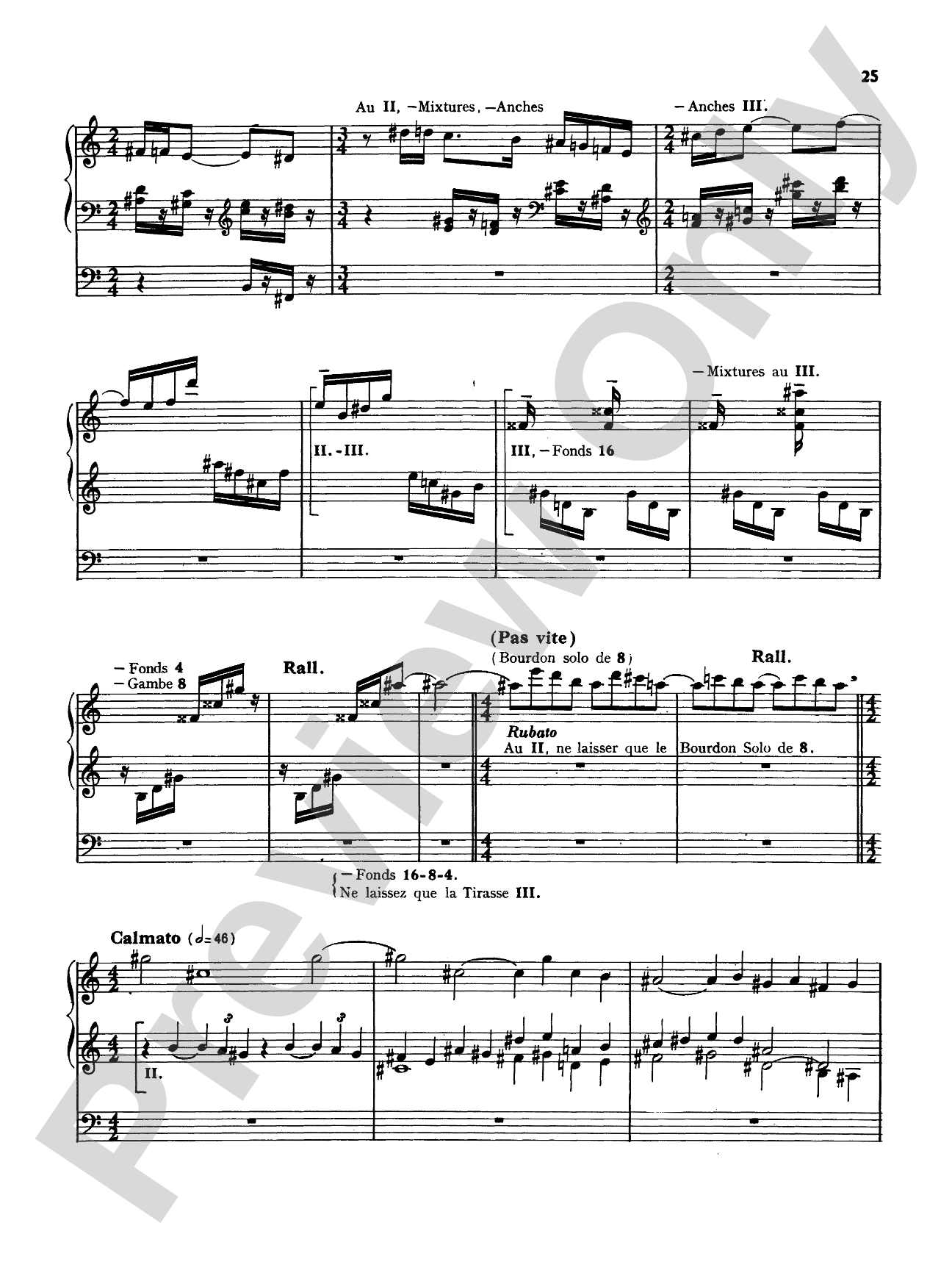
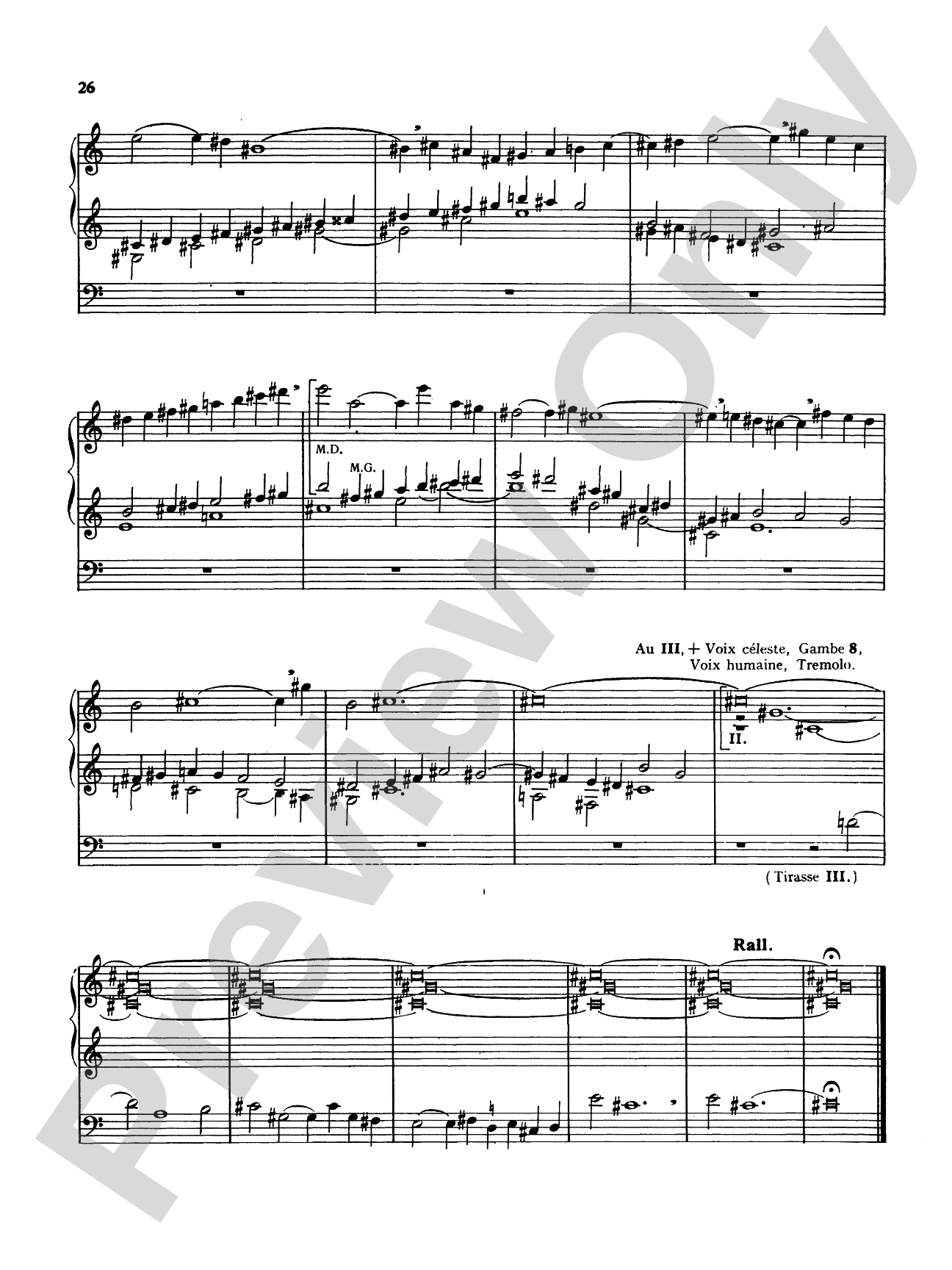



Tournemire: Sacred Symphony: Organ Sheet
By Charles Tournemire
Item: 00-PK-0003367

$9.95
Pickup currently not available
Parts Added to Cart!
Related Items
Sacred Symphony: Organ Sheet |
$9.95
|
View |
Description
An Organ solo composed by Charles Tournemire.


Don't just read it, hear it, play along with it, and watch your students grow with it. In MakeMusic Cloud, Tournemire: Sacred Symphony: Organ Sheet comes alive with professional accompaniment, adjustable tempo, and built-in practice tools that turn solo practice into real progress.
Open in the Player
Jump straight in and assign it today.
Start Your Free Trial
Open this title and explore the full library in minutes.
Sample Audio
No sample audio found.
Sample Video
No sample videos found.
Additional Details
Series:
Kalmus Edition
Publisher:
Alfred Music
Page Count:
28
SKU:
00-PK-0003367
More about this title
About the Composer: Charles Tournemire
Charles Tournemire (1870-1939) was a French organist and composer whose prolific output shaped the organ repertoire of the early twentieth century. A student of César Franck's successor at the Basilica of Saint-Clotilde in Paris, Tournemire inherited and expanded that institution's legacy as a center for organ innovation, eventually serving as titular organist there for over forty years. His compositional voice bridged Romantic harmonic language with twentieth-century sensibilities, producing works that remain central to advanced organ study.
Tournemire's organ works are distinguished by their integration of liturgical traditions with modernist techniques and their demand for substantial technical mastery. His five symphonies for organ established him as a major voice in the genre, and they continue to challenge and inspire organists navigating the transition from nineteenth-century French romanticism into contemporary performance practice.
Why we love this
This work exemplifies why Tournemire remains essential repertoire for serious organ study. The Sacred Symphony demands genuine artistic maturity from performers—harmonic sophistication, precise pedal control, and interpretive conviction all converge here in a way that simply cannot be faked. Programming this signals to your audience that they're encountering a work of genuine consequence.
What to expect
The Sacred Symphony unfolds with the architectural grandeur and harmonic ambition of early twentieth-century French organ music. Passages of luminous counterpoint and richly layered sonorities give way to moments of austere spiritual contemplation, creating a journey that feels both intellectually rigorous and emotionally profound. The work inhabits a space where liturgical reverence meets modernist expression.
Who it's for
This work suits advanced organists preparing for recitals, auditions, or advanced repertoire performance. Church musicians with substantial liturgical organ experience and access to a properly maintained instrument will find it both rewarding and appropriate for their artistic development. This is not introductory repertoire; it requires solid command of technique and musical judgment.
How to get the most out of it
- Attend carefully to the registration scheme throughout; Tournemire's harmonic language depends on thoughtful color choices across the manuals and pedal to clarify texture.
- Work the pedal passages independently at first, establishing security in the lower register before integrating them with manual lines.
- Shape longer phrases with subtle dynamic control within the constraints of your instrument; the work's spiritual weight emerges through architectural clarity rather than dramatic contrast.
- Consult multiple editions of Tournemire's own performance notes if available; French organ practice of his era offers interpretive guidance that standard notation cannot fully capture.
How to use it
This belongs on a recital dedicated to twentieth-century organ literature or as the anchor work in a program exploring French organ traditions. It works particularly well as a centerpiece in a concert featuring the symphonic organ repertoire, where it can demonstrate both the instrument's full range and the performer's mature artistry. Consider pairing it with shorter contemporary works that complement its aesthetic without competing for attention.
Skills your students will build
- Independent pedal technique in sustained passages and rapid figurations
- Registration planning and tonal clarity across multiple manuals
- Harmonic analysis of twentieth-century French organ language
- Large-scale structural phrasing and architectural interpretation
- Interpretation of works without detailed dynamic markings