
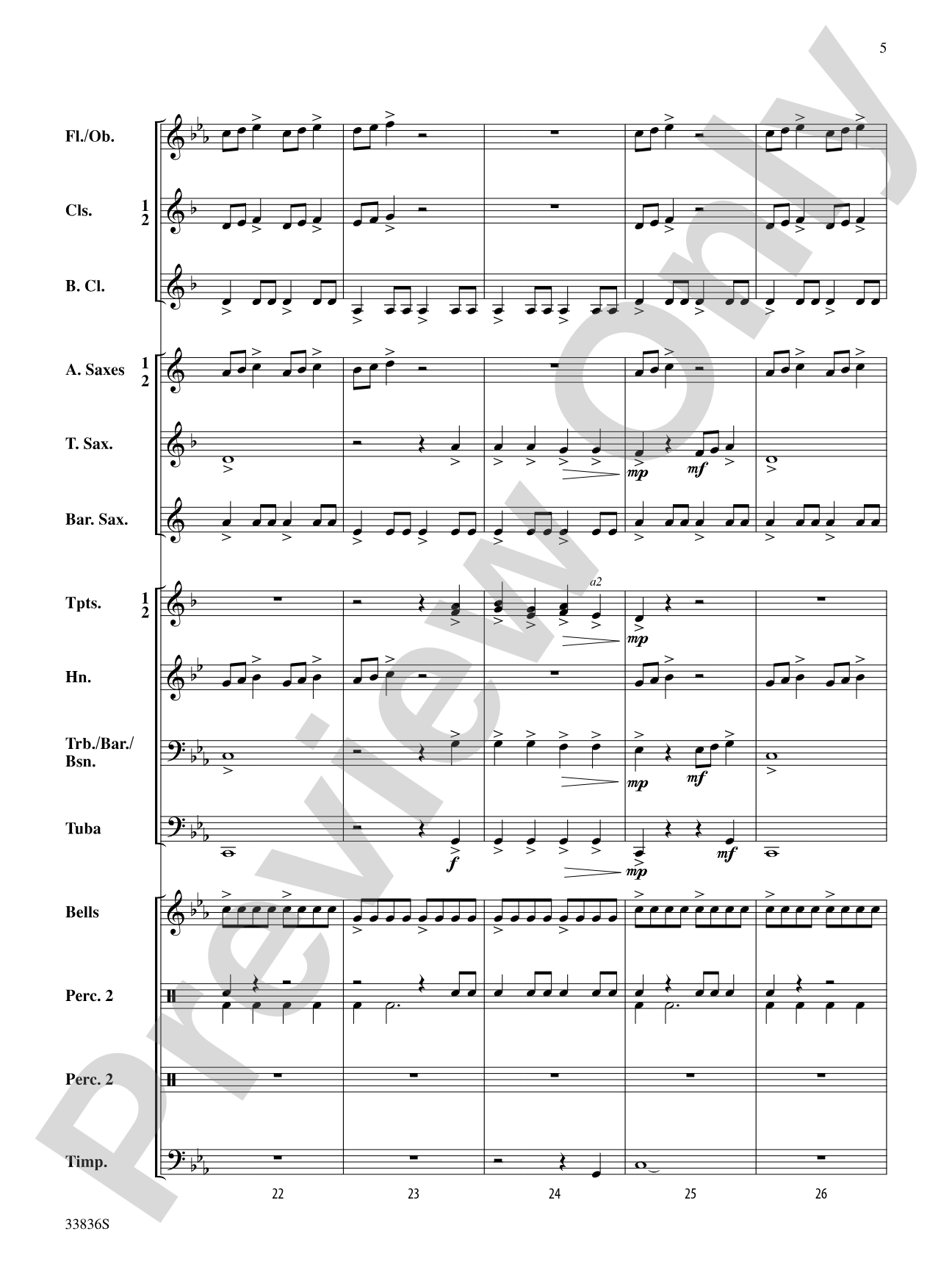
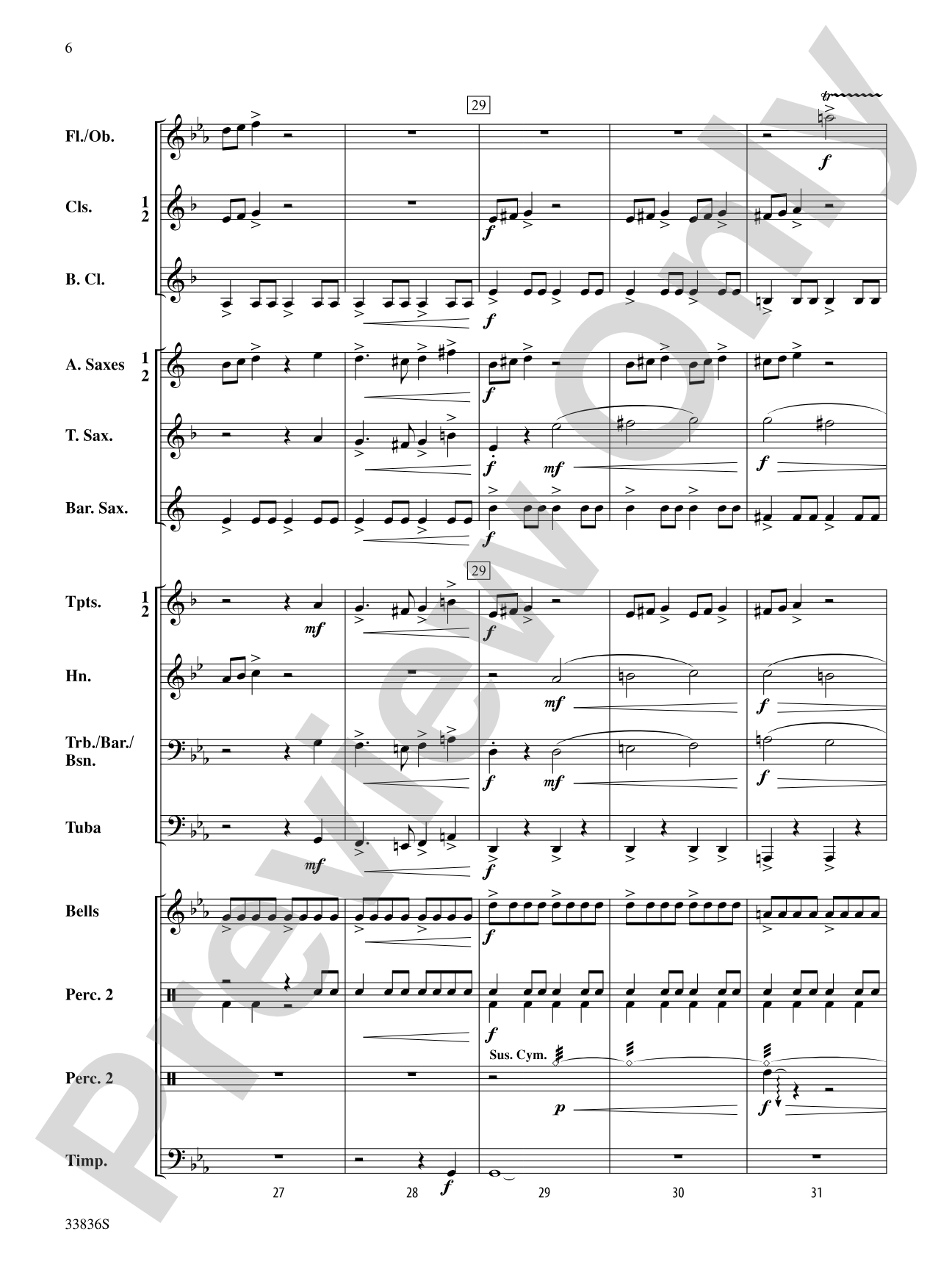
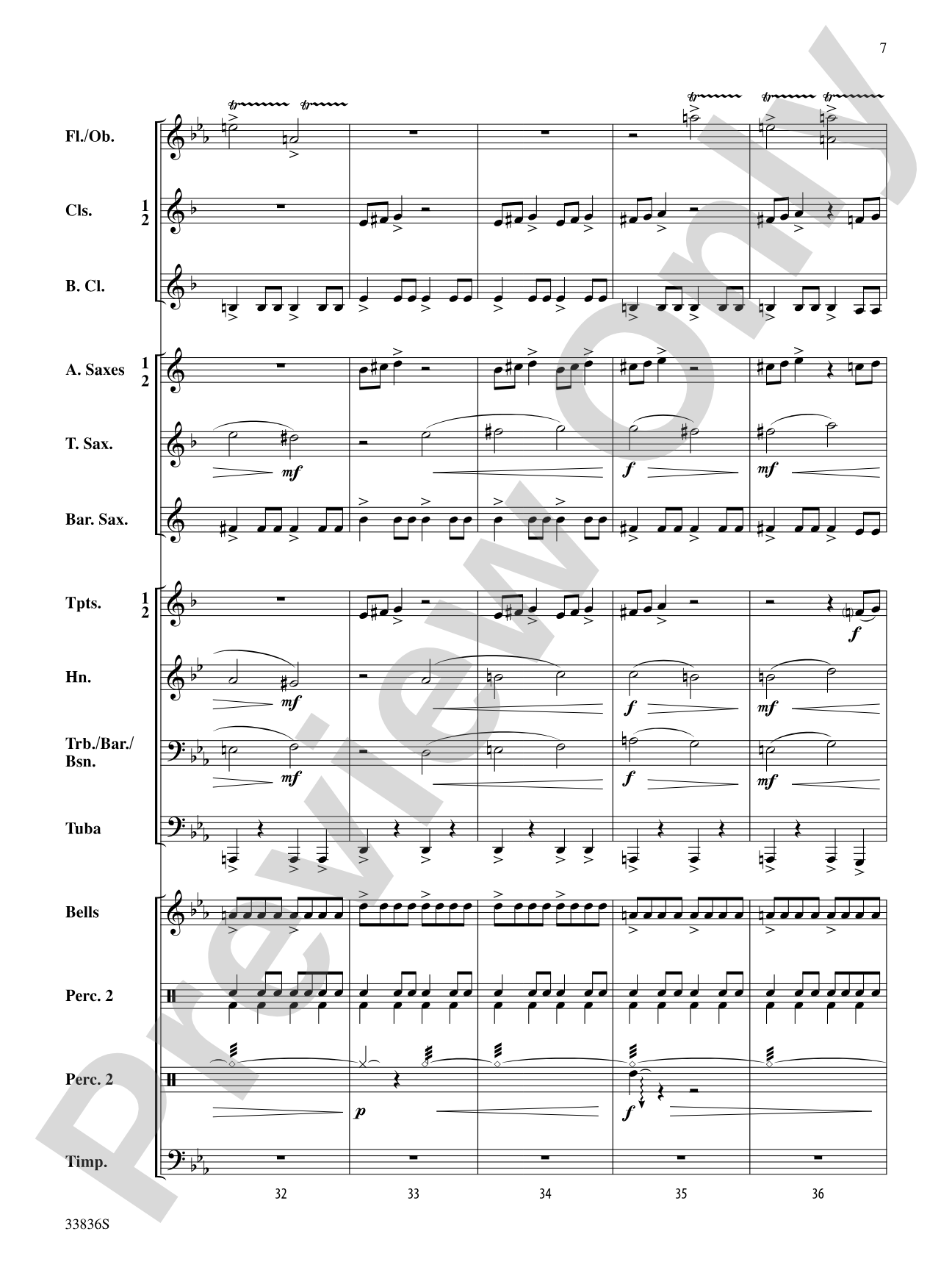
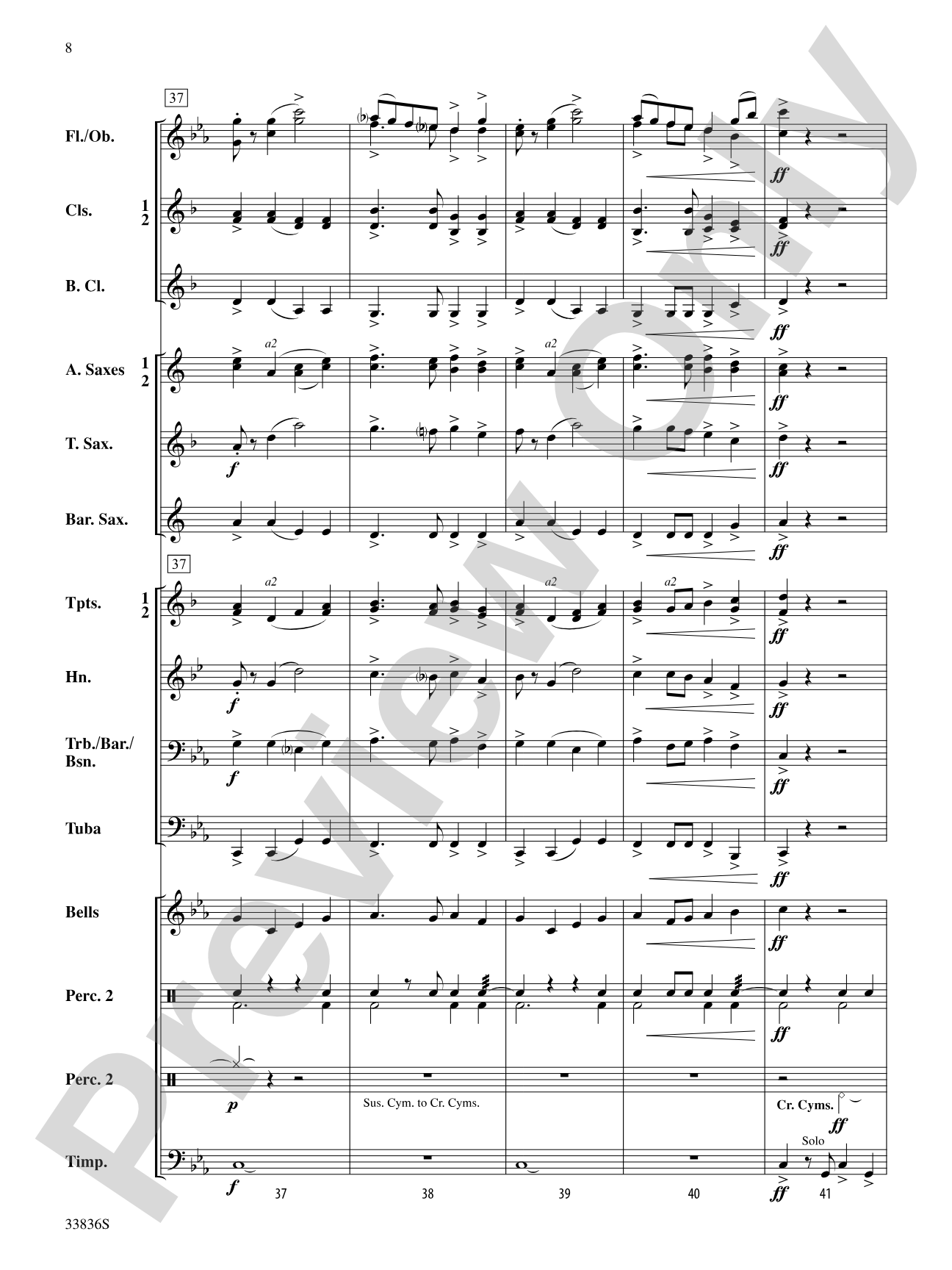

Tornado!: Concert Band Conductor Score & Parts
By Brad Ciechomski
Grade: 1 (Very Easy)
Item: 00-PK-0004271

$48.00
Pickup currently not available
Buy Extra Parts (Digital PDF Download)
Parts Added to Cart!
Description
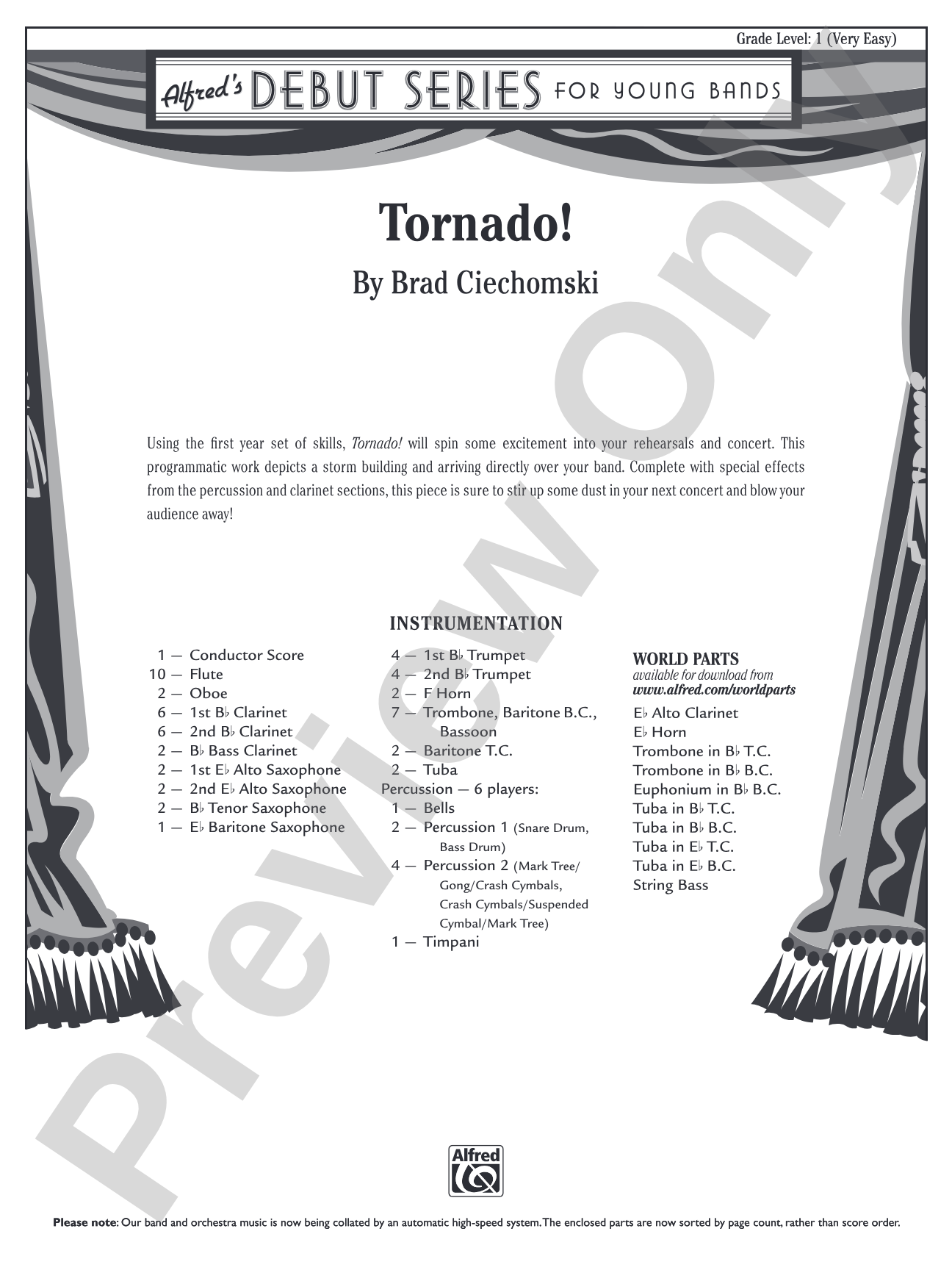
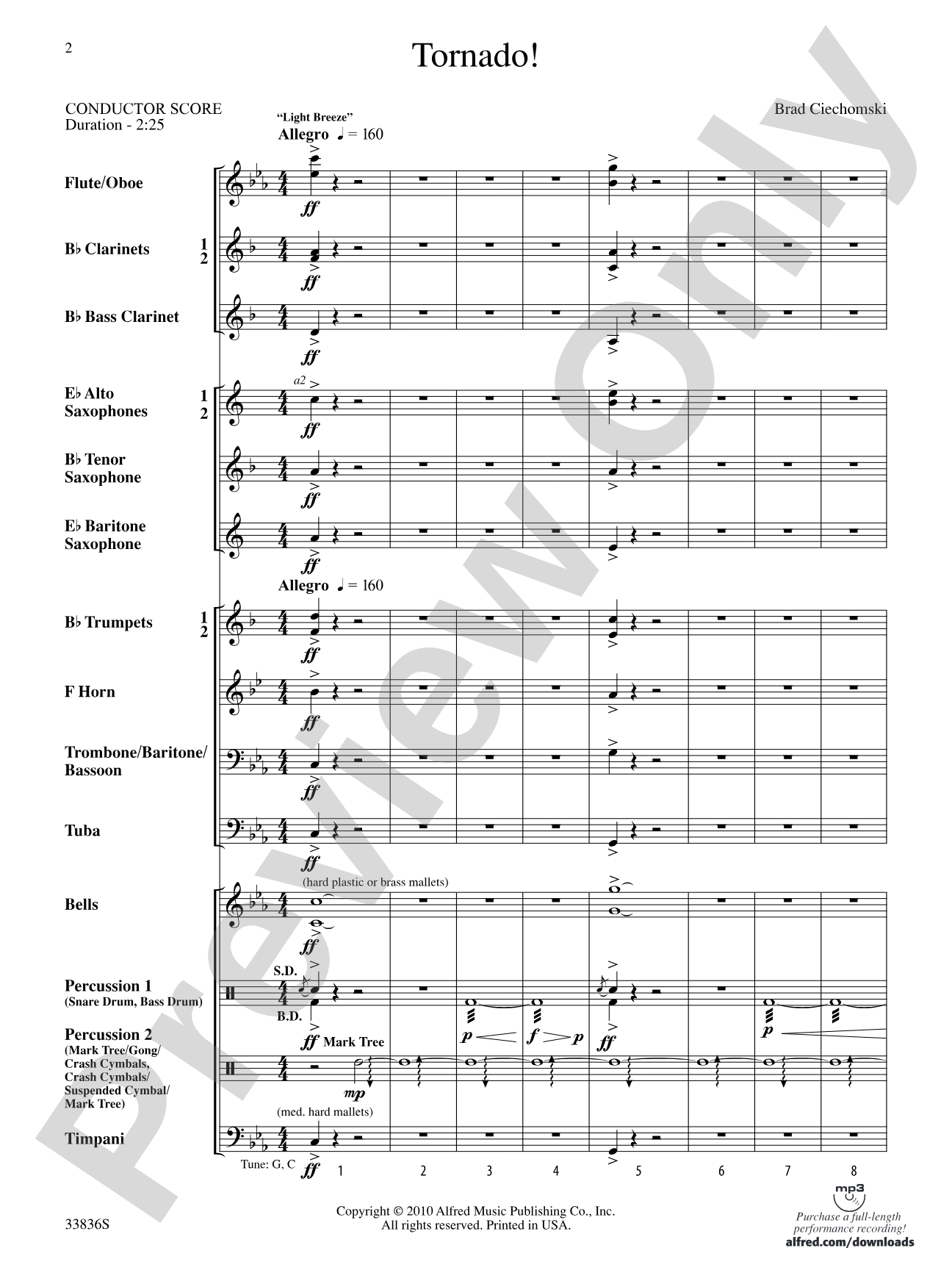
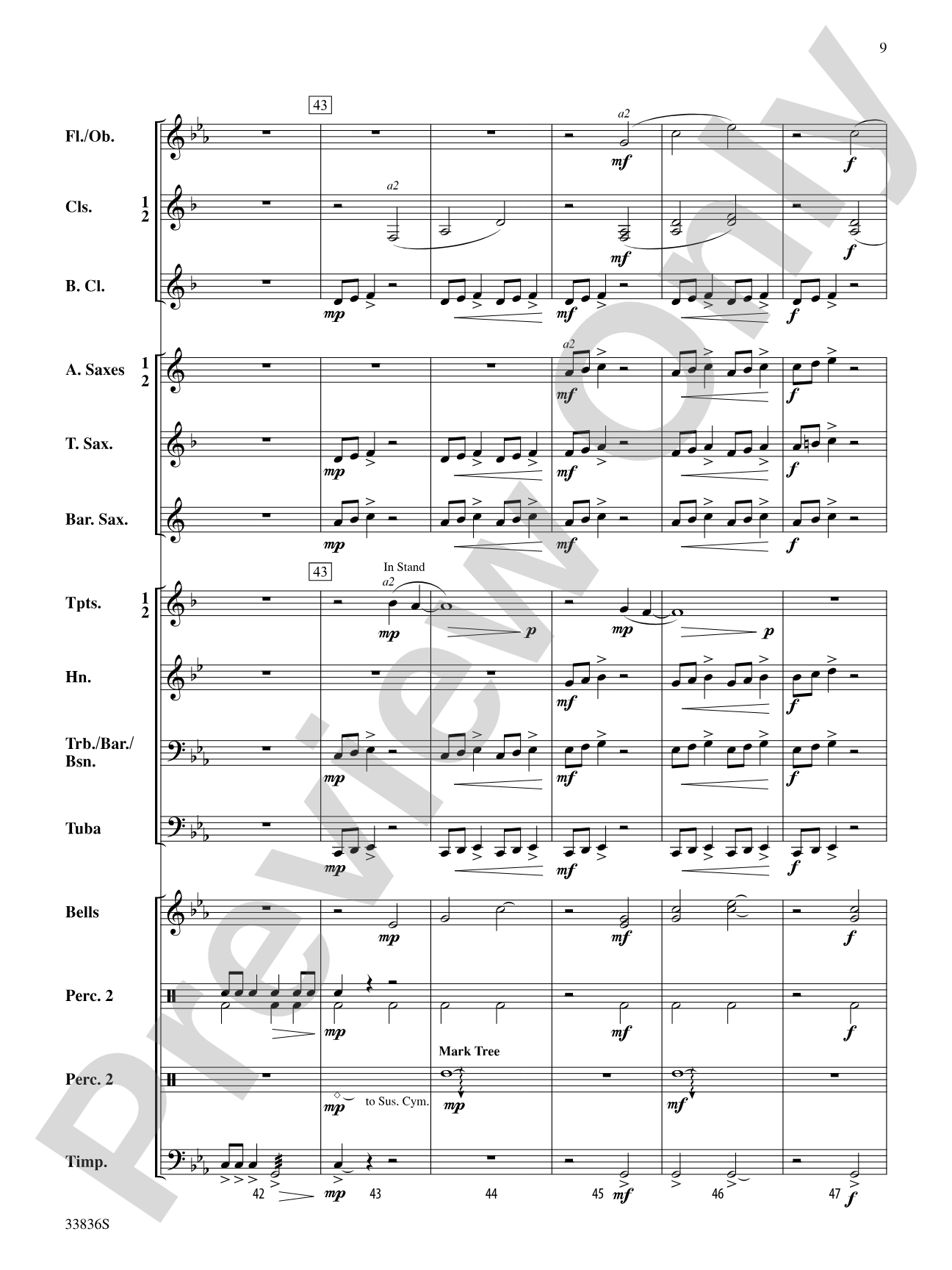
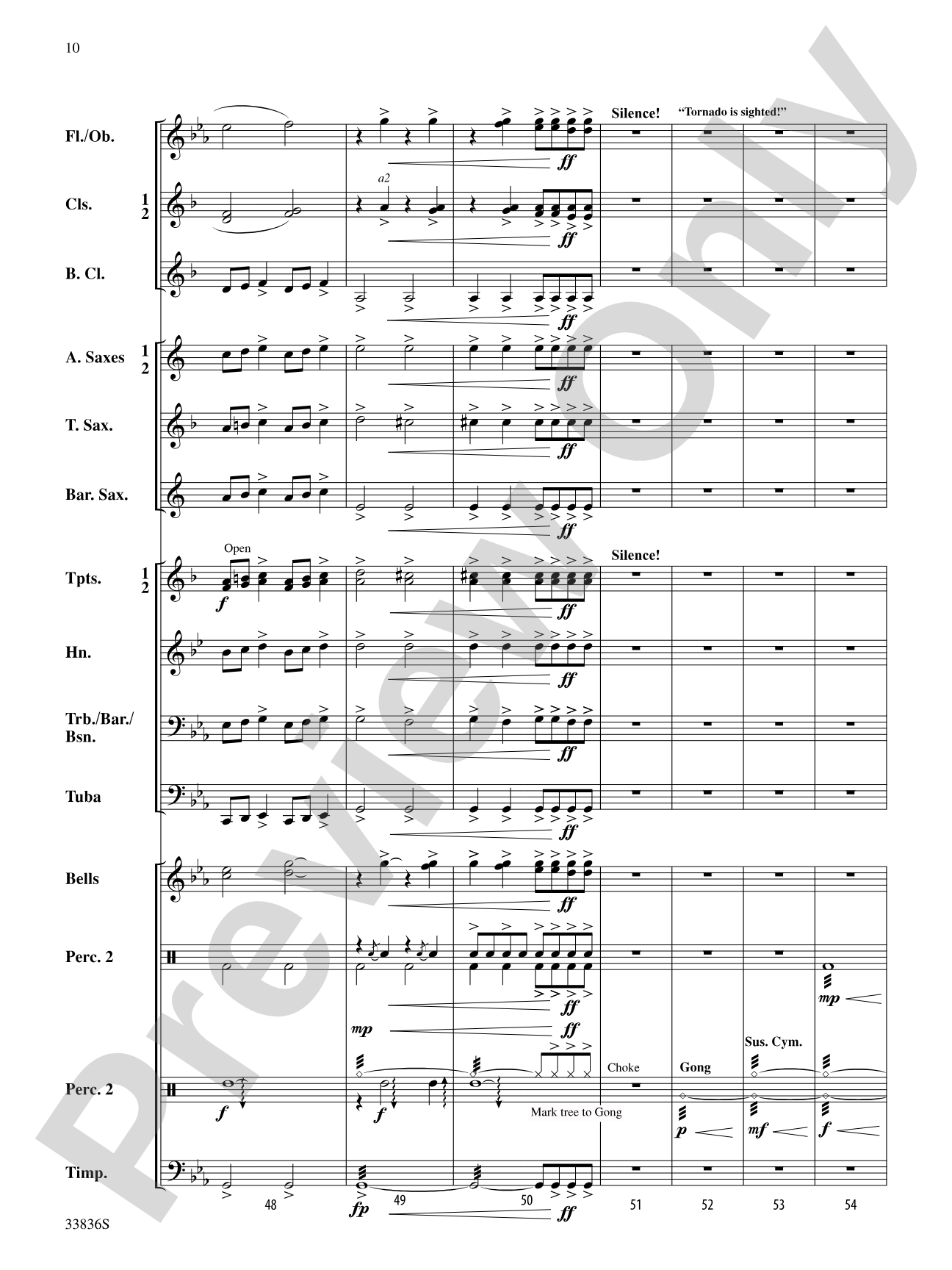
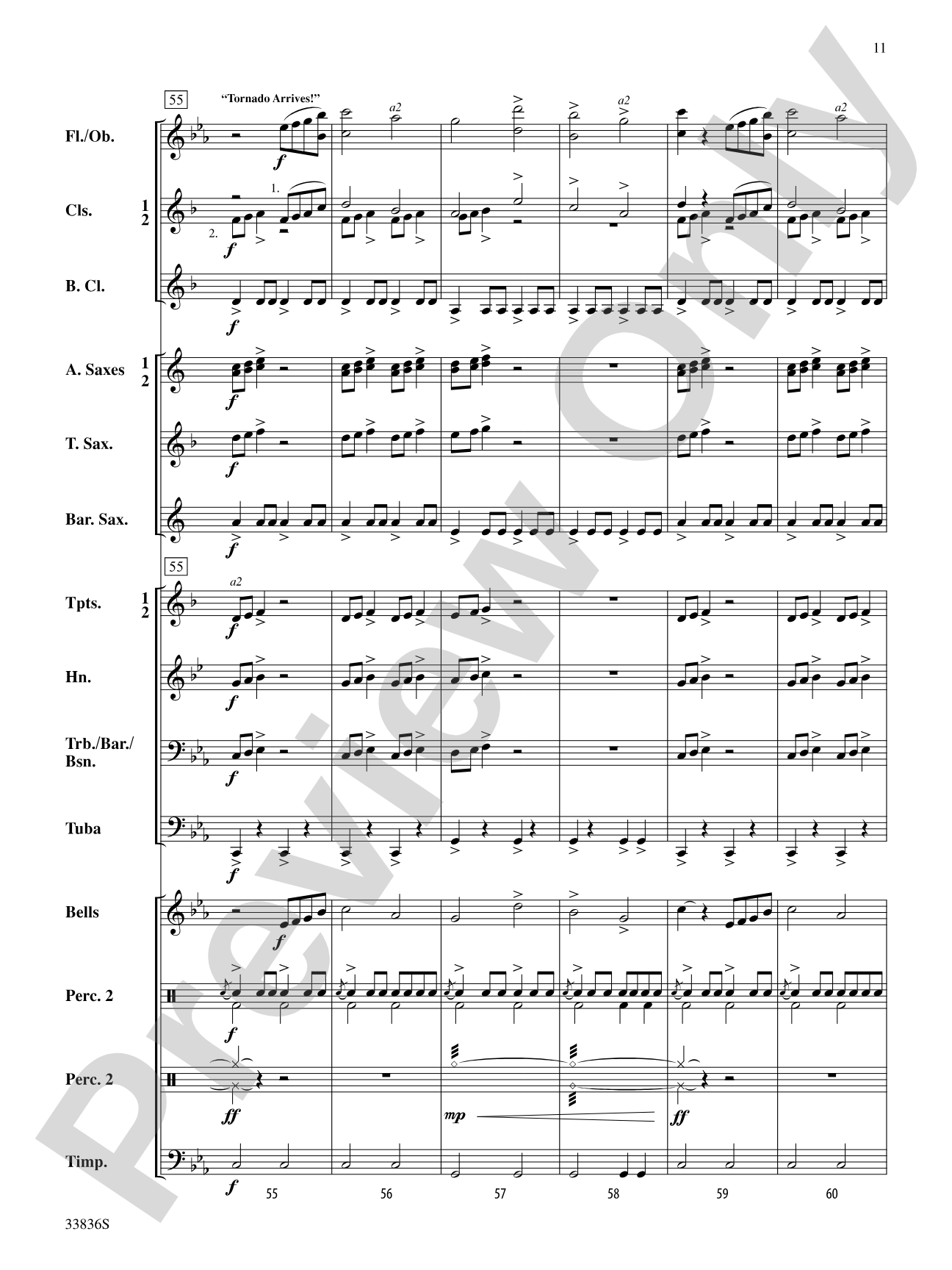
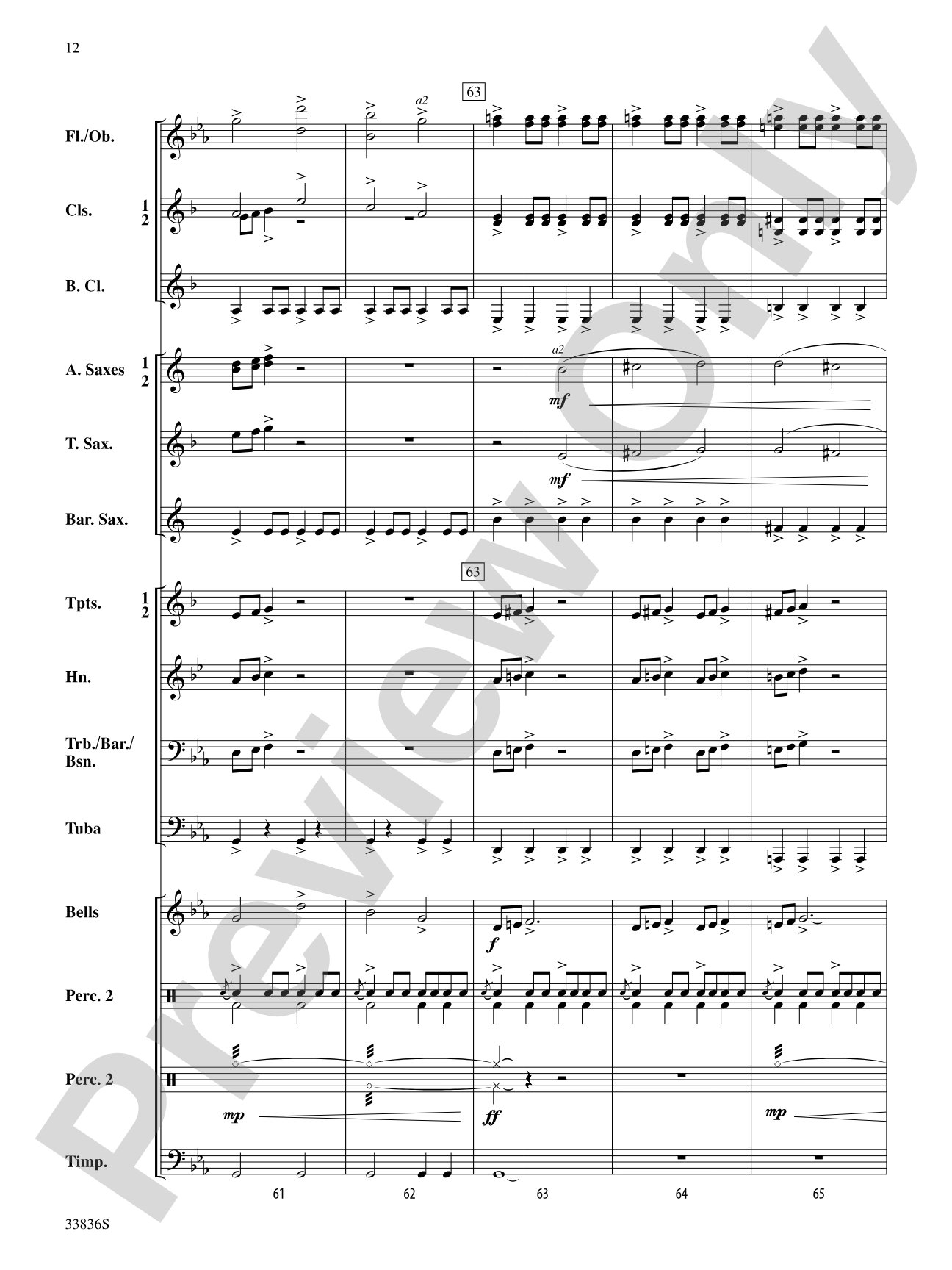
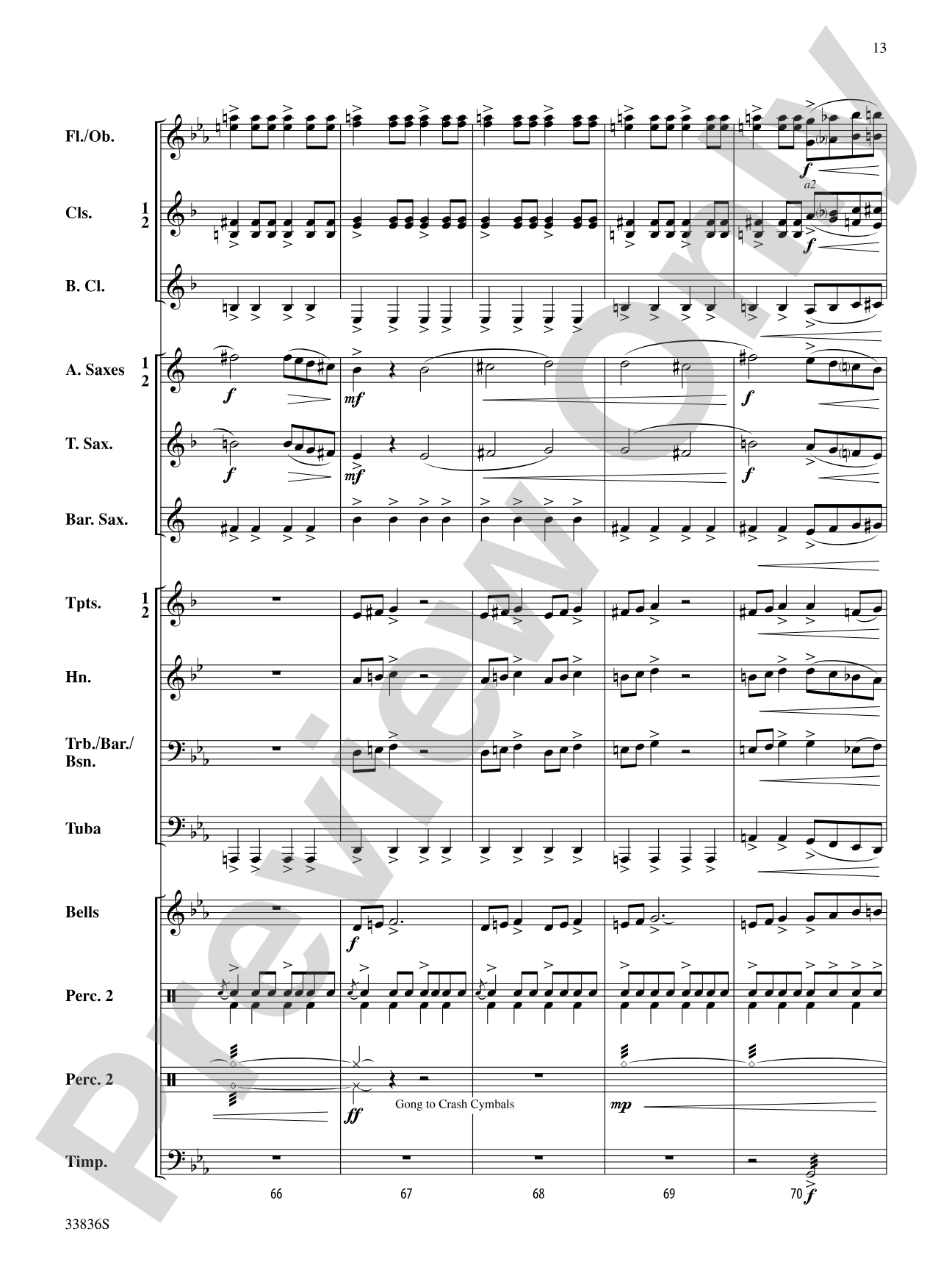
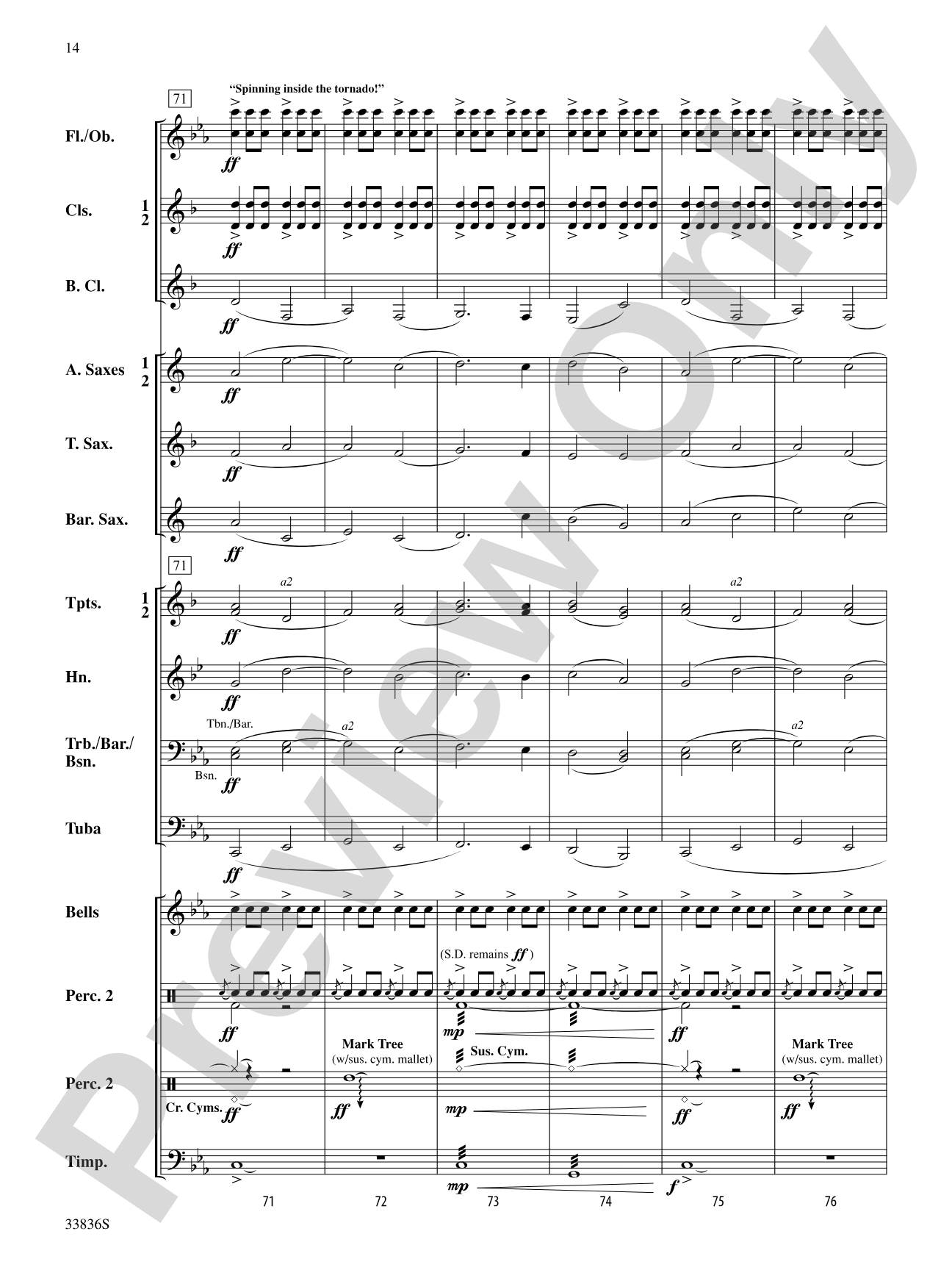
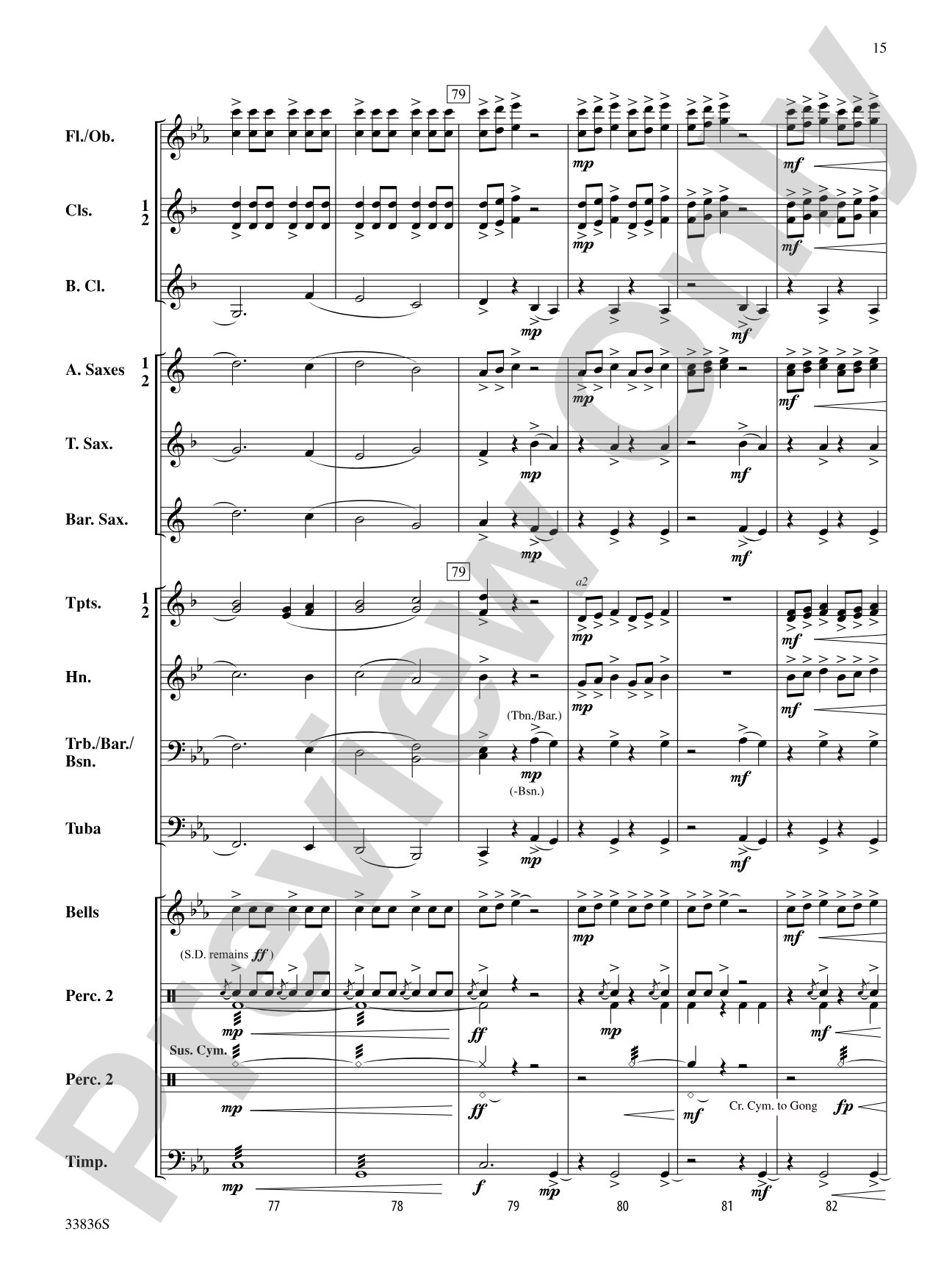
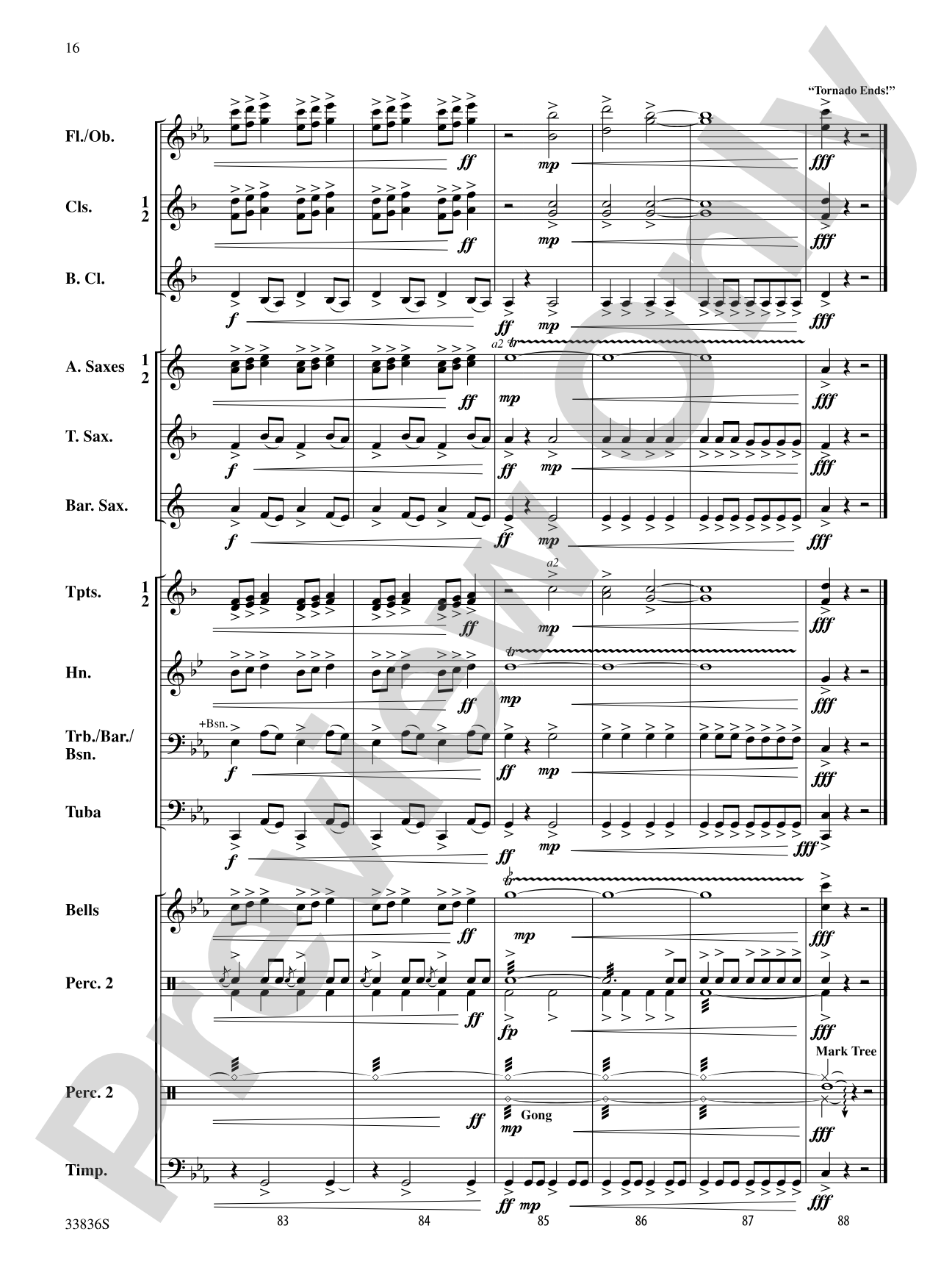
Using the first year set of skills, Tornado! will spin some excitement into your rehearsals and concert. This programmatic work depicts a storm building and arriving directly over your band. Complete with special effects from the percussion and clarinet sections, this piece is sure to stir up some dust in your next concert and blow your audience away!


Don't just read it, hear it, play along with it, and watch your students grow with it. In MakeMusic Cloud, Tornado!: Concert Band Conductor Score & Parts comes alive with professional accompaniment, adjustable tempo, and built-in practice tools that turn solo practice into real progress.
Open in the Player
Jump straight in and assign it today.
Start Your Free Trial
Open this title and explore the full library in minutes.
Sample Audio
1
Audio File
--:--
0:00
0:00
Sample Video
No sample videos found.
Additional Details
Series:
Alfred Debut Series
Publisher:
Alfred Music
Page Count:
126
SKU:
00-PK-0004271
More about this title
About the Composer: Brad Ciechomski

Brad Ciechomski directs the band program at Harrison Middle School in Yarmouth, Maine, where he earned the 2005-2006 teacher of the year award. His work in music education has been nationally recognized; he is one of 51 teachers across the United States to receive the 2008 American Star of Teaching award. At Harrison, he conducts four concert bands and three jazz ensembles.
Ciechomski studied composition and music theory at the University of New Hampshire, completing both bachelor's and master's degrees under the mentorship of Andrew Boysen Jr. He has received commissions from bands at all levels, from elementary through college, and his compositions have been featured at the MENC national convention. Beyond the classroom, he remains active throughout New England as a clinician, adjudicator, and guest conductor at district and state festivals. As a performer, he maintains a freelance drumming career that has included performances with jazz luminaries such as Clark Terry, Mel Tormé, Bob Mintzer, The New York Voices, and David Crosby.
Why we love this
Ciechomski understands exactly what a first-year band can accomplish and what will genuinely excite them to play. The programmatic concept grabs student musicians immediately, but the real strength lies in how he orchestrates the narrative so every section has a moment to shine without overwhelming young players. Building intensity through the storm's arrival, rather than relying on technical virtuosity, gives students a genuine sense of musical storytelling they can feel in their hands and hear in the room.
What to expect
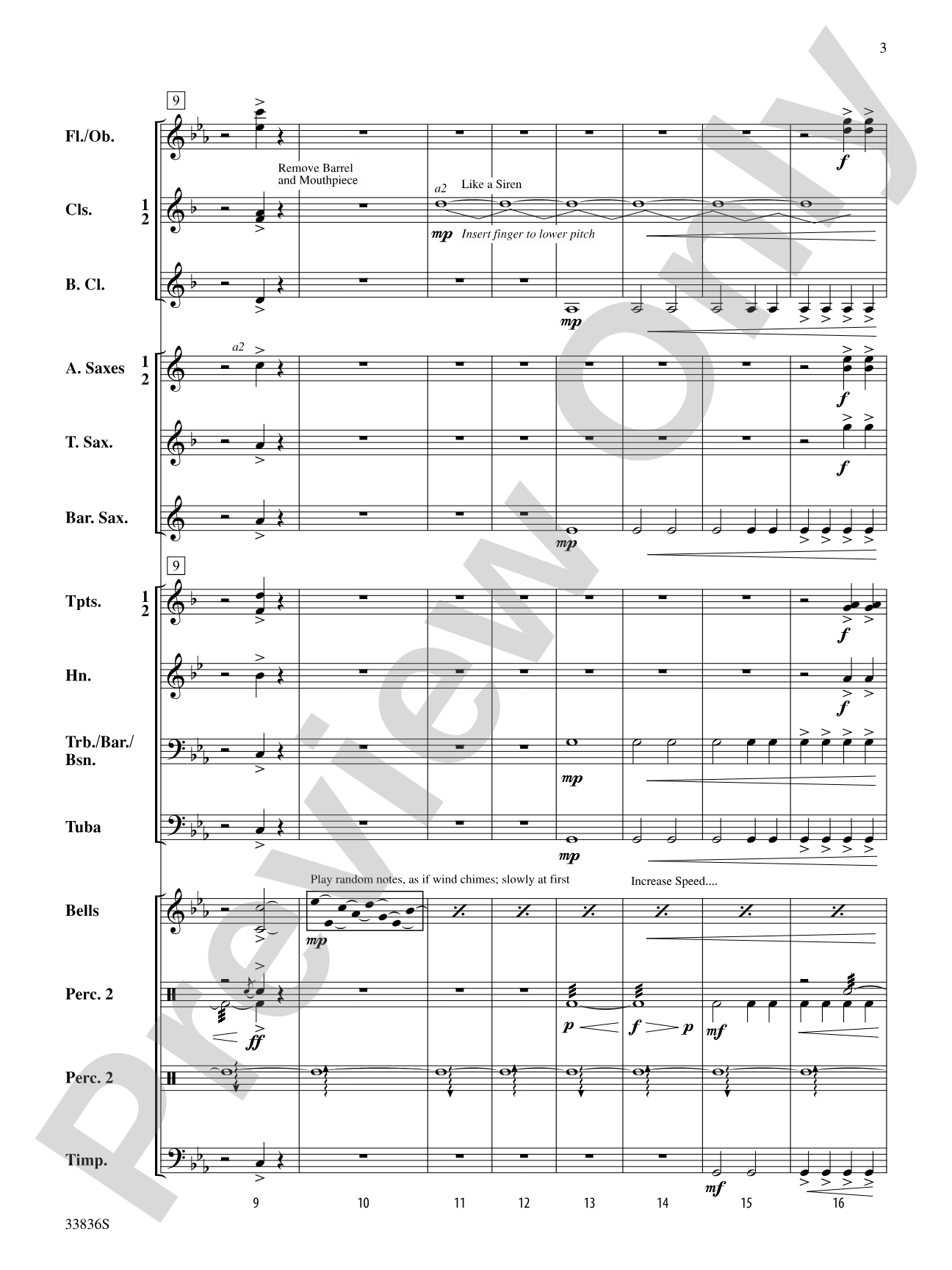
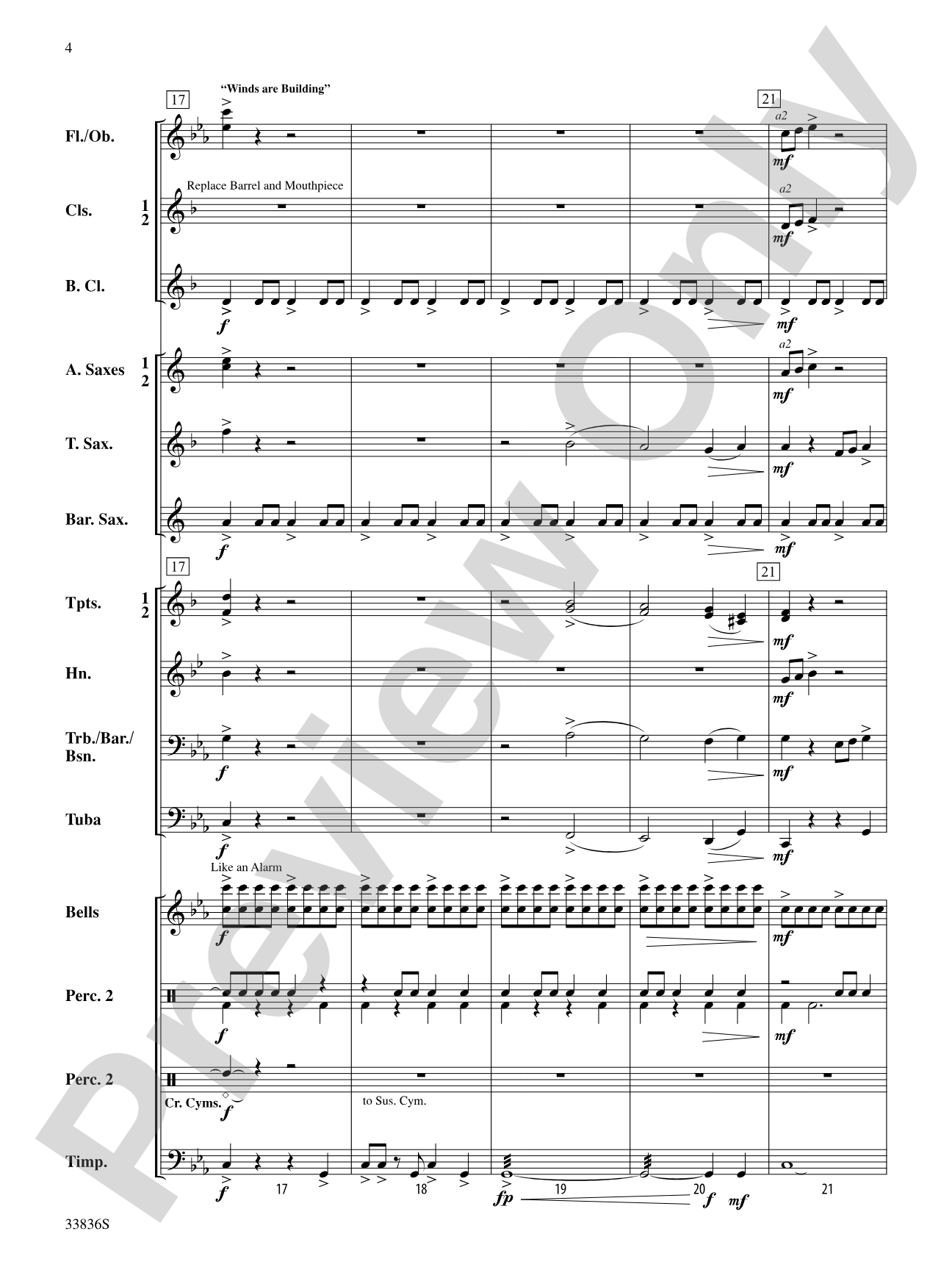
The piece begins with quiet, ominous stillness as the storm gathers on the horizon. Gradually, tension builds through texture and rhythmic motion until the full band unleashes the storm's arrival with percussion effects and clarinet flourishes that create vivid, almost cinematic drama. It's thrilling without being chaotic, exciting without demanding advanced technique.
Who it's for
First-year concert bands with developing ensemble blend and basic rhythmic literacy will connect with this piece immediately. It works equally well for a full middle school band new to programmatic music or a younger high school ensemble seeking accessible repertoire with genuine character. Directors looking to program something that holds student interest while building foundational musicianship will find a reliable vehicle here.
How to get the most out of it
- Shape the opening atmosphere with restraint; the storm's power comes from contrast, not from starting loud. Let the gathering energy build naturally from sparse textures into the full ensemble.
- Coordinate with your percussion section on the special effects early and often. Their commitment to the program music directly affects whether the audience experiences weather or just hears notes.
- Balance the clarinet section's role in depicting the storm. This is their feature moment; ensure they sit with enough prominence that students own their contribution to the narrative.
- Mark clear, deliberate beat patterns during the acceleration passages so young musicians track the conductor through mounting intensity without losing control.
How to use it
Open a concert with this piece to capture immediate audience attention and set a dynamic, engaging tone for the program. Pair it with contrasting lyrical or march repertoire to showcase your band's range in a single concert. Its modest technical demands make it an ideal choice for fall programming when ensemble cohesion is still developing.
Skills your students will build
- Shaping dynamic curves and crescendos
- Responding to conductor gesture through rapid changes in volume and intensity
- Coordinating rhythmic motion within the full ensemble
- Interpreting programmatic intent through instrumental color
- Sustaining focus through a single-movement arc