
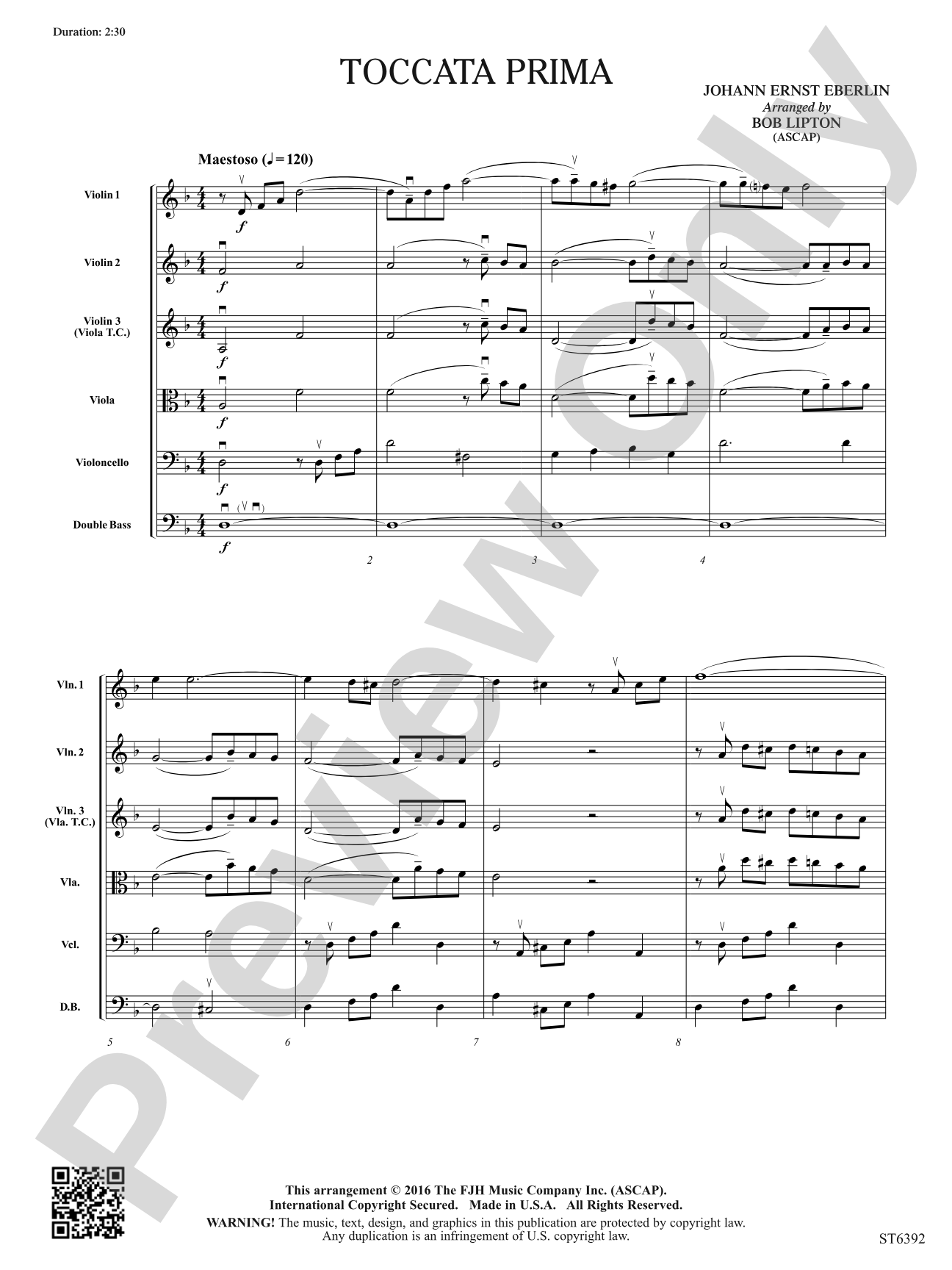
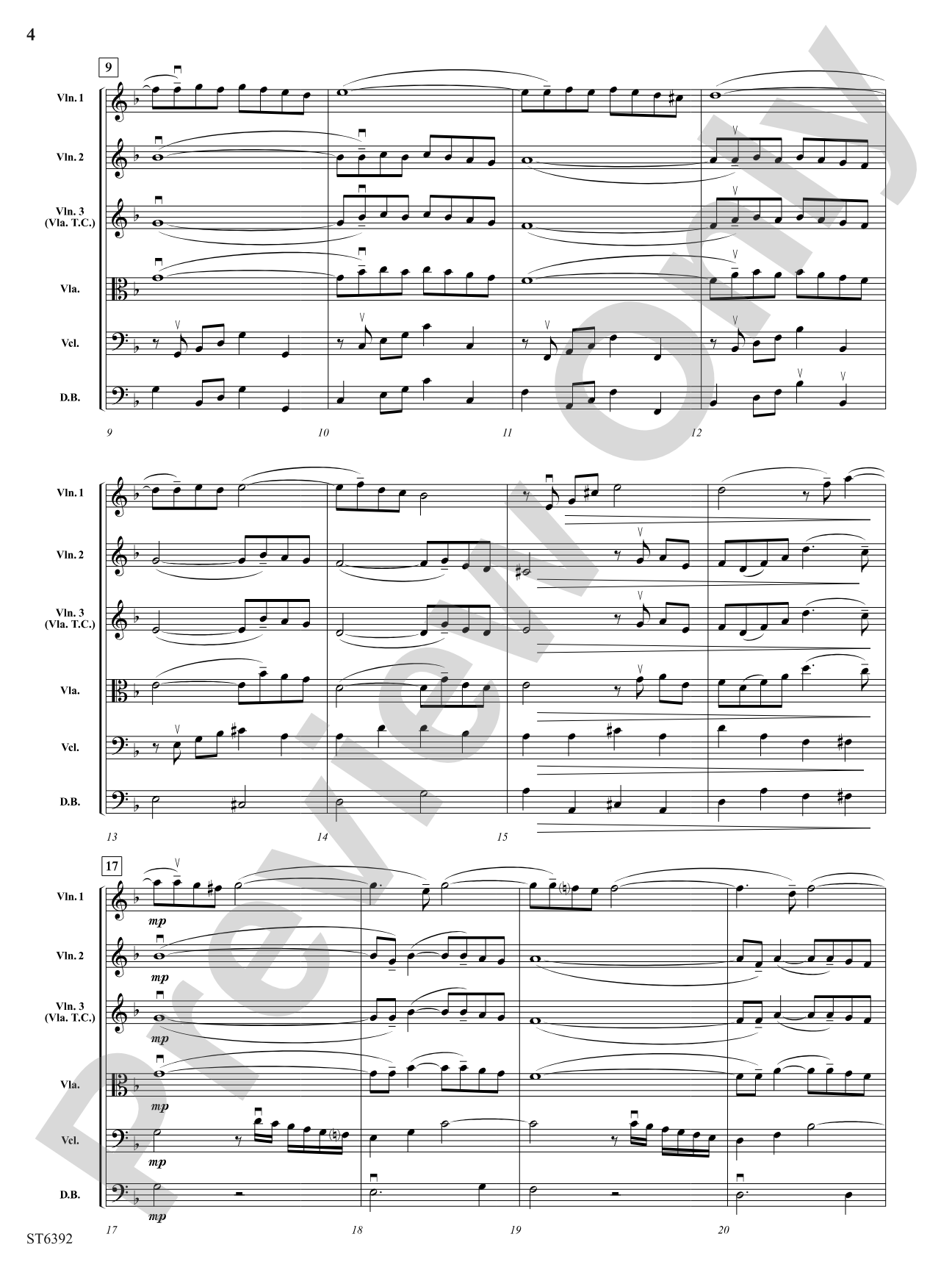
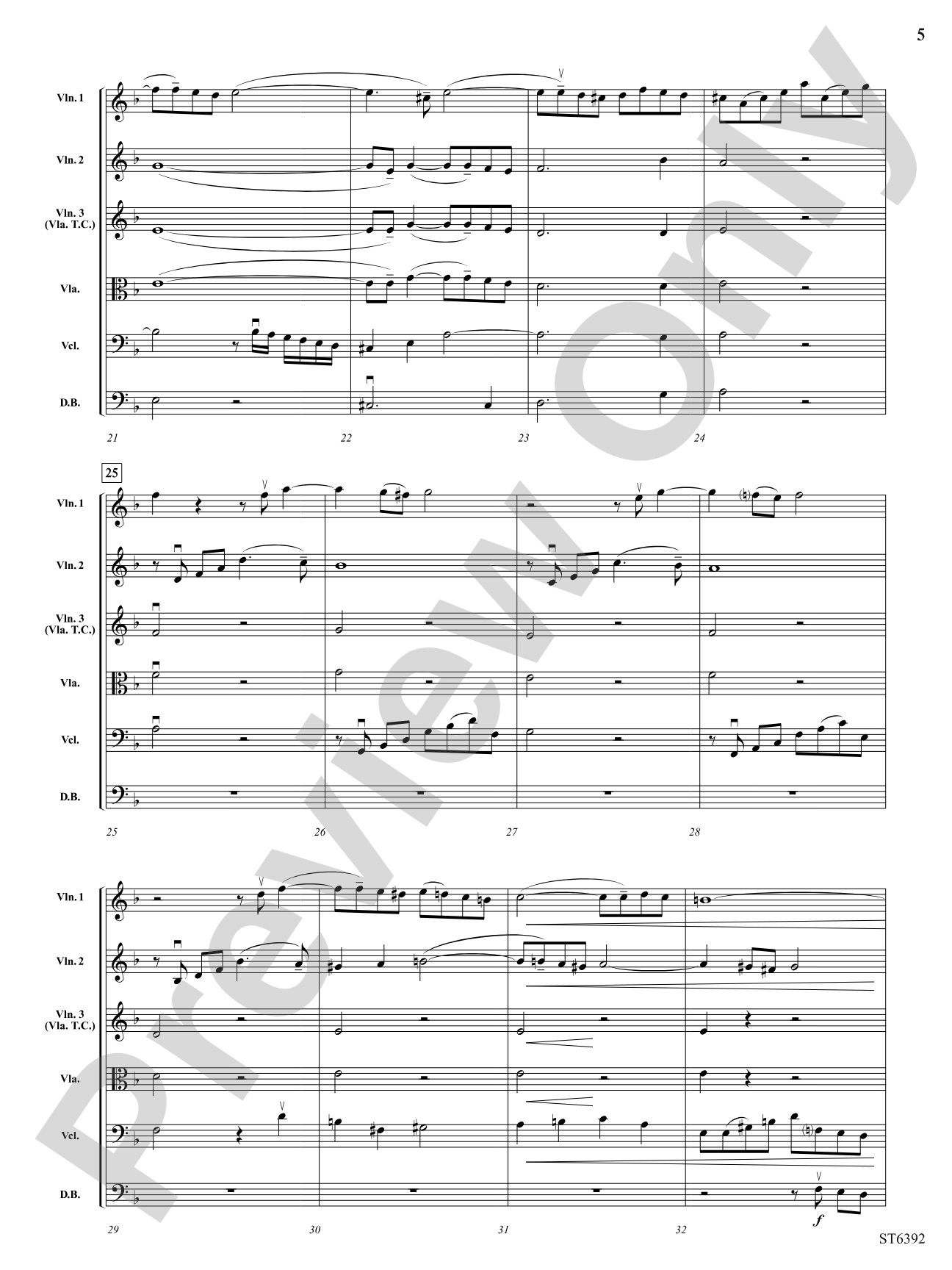
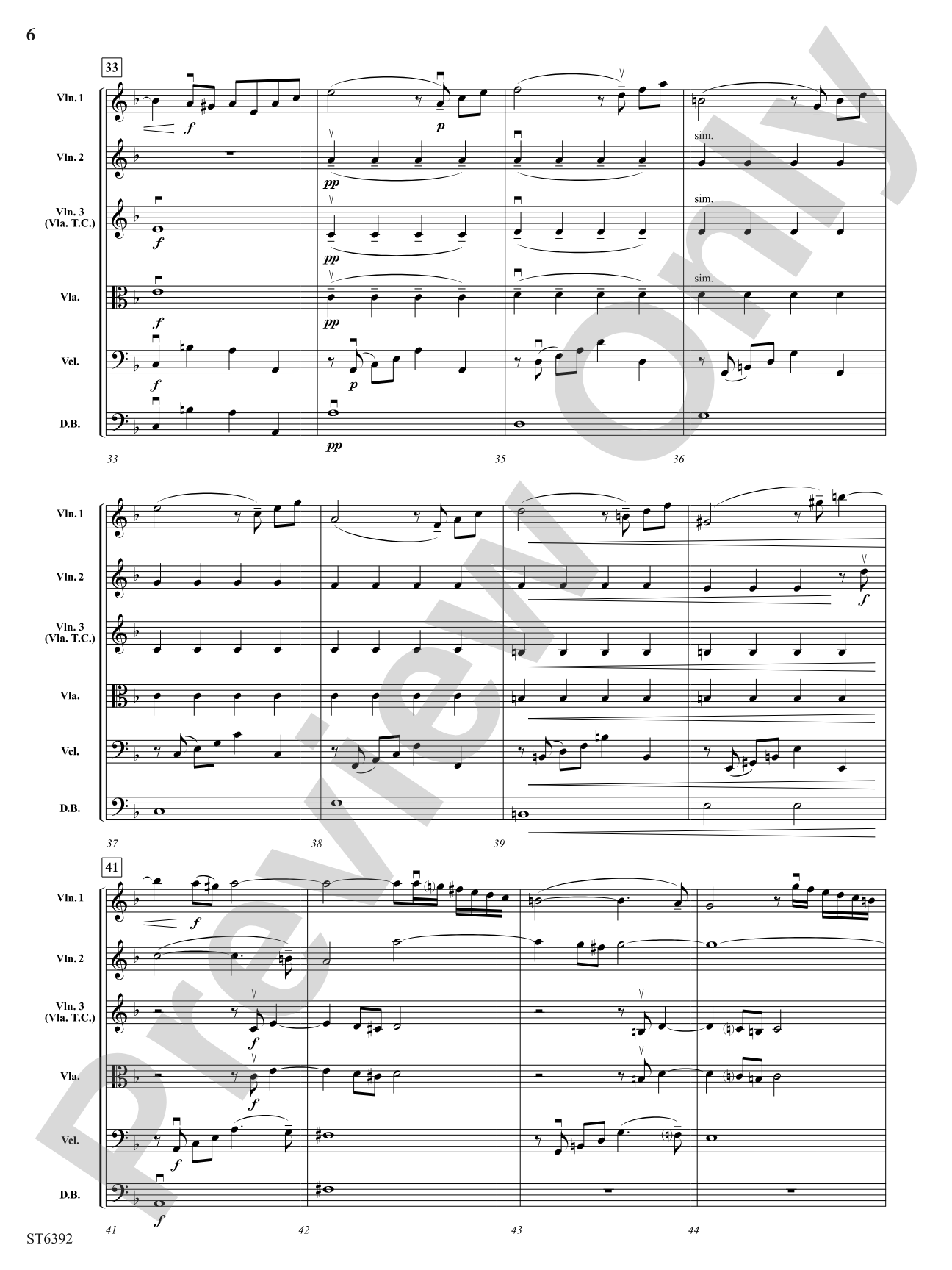
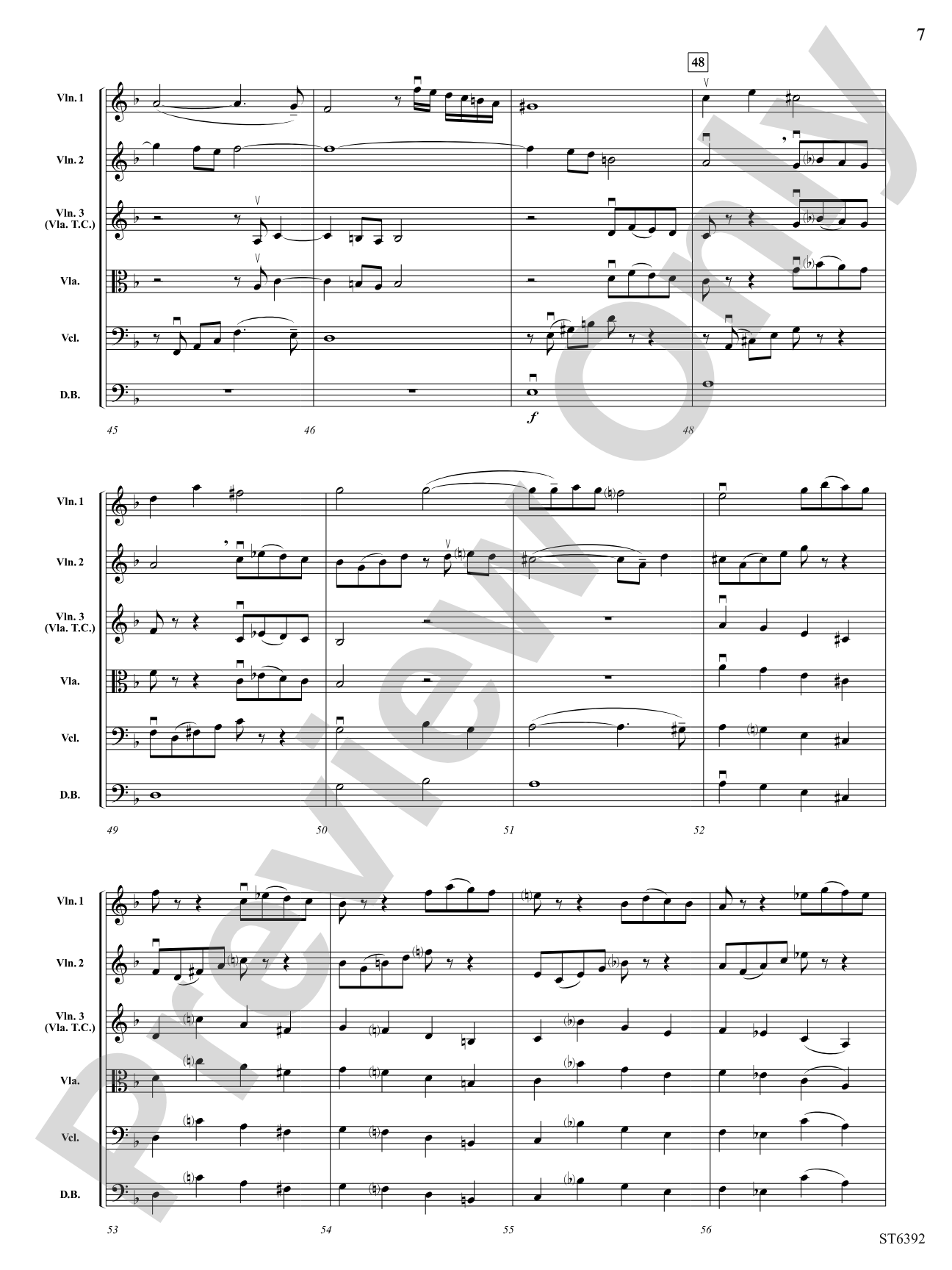
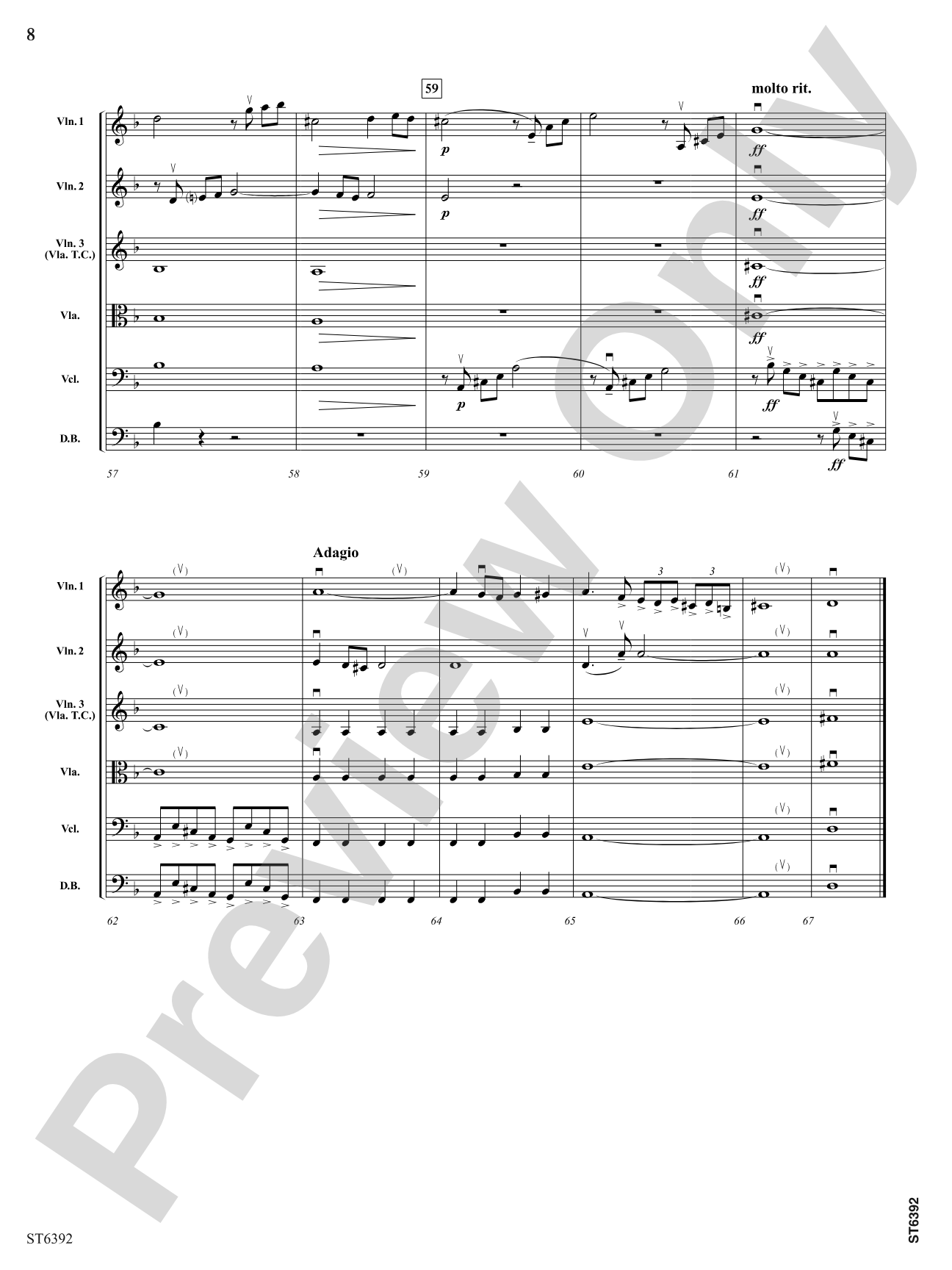

Toccata Prima: Score
By Johan Ernst Eberlin / arr. Bob Lipton
Grade: 3
Item: 98-DST6392S
$5.00
Pickup currently not available
Description
Originally written for organ, this transcription contains a wide array of musical opportunities. From the rich and broad sections to the softer and lighter moments, the music has interesting passages for every member of the orchestra. An excellent change of pace with a full and dramatic ending.


Don't just read it, hear it, play along with it, and watch your students grow with it. In MakeMusic Cloud, Toccata Prima: Score comes alive with professional accompaniment, adjustable tempo, and built-in practice tools that turn solo practice into real progress.
Open in the Player
Jump straight in and assign it today.
Start Your Free Trial
Open this title and explore the full library in minutes.
Sample Audio
1
Audio File
--:--
0:00
0:00
Sample Video
No sample videos found.
Additional Details
Series:
FJH String Orchestra
Publisher:
The FJH Music Company, Inc.
SKU:
98-DST6392S
More about this title
About the Composer: Johan Ernst Eberlin
Johan Ernst Eberlin (1702-1762) was an Austrian organist and composer who served as Kapellmeister at the Salzburg court during the height of the Baroque era. His keyboard works, particularly his toccatas, showcase the ornamental brilliance and structural clarity that defined the late Baroque style. Though less frequently performed today than his contemporaries, Eberlin's music demonstrates considerable craftsmanship and remains valuable repertoire for understanding the period's keyboard idiom and compositional techniques.
Why we love this
Eberlin's Toccata Prima translates beautifully to string orchestra, giving you a sophisticated Baroque work that feels fresh compared to the usual Bach and Handel standards. The arranger has preserved the original's dramatic sweep while distributing the material intelligently across your sections, so every stand gets something rewarding to play. It's a legitimate concert piece that also fits festival programs perfectly, and the contrast between its richly voiced passages and lighter, more transparent moments keeps both players and audiences engaged.
What to expect
Toccata Prima opens with ornamental brilliance and baroque flourish, inviting listeners into an elegant Baroque world. The piece moves through moments of austere counterpoint and lyrical warmth, building toward a full-orchestra climax that feels earned and powerful. There's a sense of craftsmanship throughout—nothing feels accidental, and the drama arrives not through bombast but through the careful unveiling of musical ideas.
Who it's for
String orchestra directors seeking repertoire that bridges Baroque mastery and student-level accessibility will find exactly what they need here. Whether you're preparing for festival competition or building a concert with serious musical content, this arrangement serves orchestras at the intermediate level who have developed secure ensemble skills and are ready for music with real structural sophistication.
How to get the most out of it
- Balance the dialogue between upper and lower strings during the rapid figuration sections; clarity of line matters more than volume, so ensure second violins and violas don't blur the texture even as they add harmonic support.
- Shape the broader, sustained passages with long-term phrasing rather than bar-by-bar articulation, allowing the harmonic movement underneath to give direction to each section.
- Distinguish the character between the ornamental, running passages (which should feel nimble and almost improvisatory) and the full-ensemble moments (which demand solidity and weight).
- Give the dramatic ending room to breathe; resist rushing the final cadential gestures, and let the full sound settle before cutting off.
How to use it
Use this as a concert opener or as a centerpiece in a Baroque-focused program where it can anchor the repertoire with its formal authority. It also works well in festival contexts where judges expect to hear both musical substance and orchestral balance. The contrasting character between sections makes it valuable for demonstrating your orchestra's range of expression in a single, cohesive work.
Skills your students will build
- Baroque phrasing and articulation conventions
- Balancing ornamental figurations with harmonic foundation
- Ensemble precision in rapid passage work
- Dynamic control in sustained, full-orchestra sonorities
- Understanding toccata form and its structural logic