
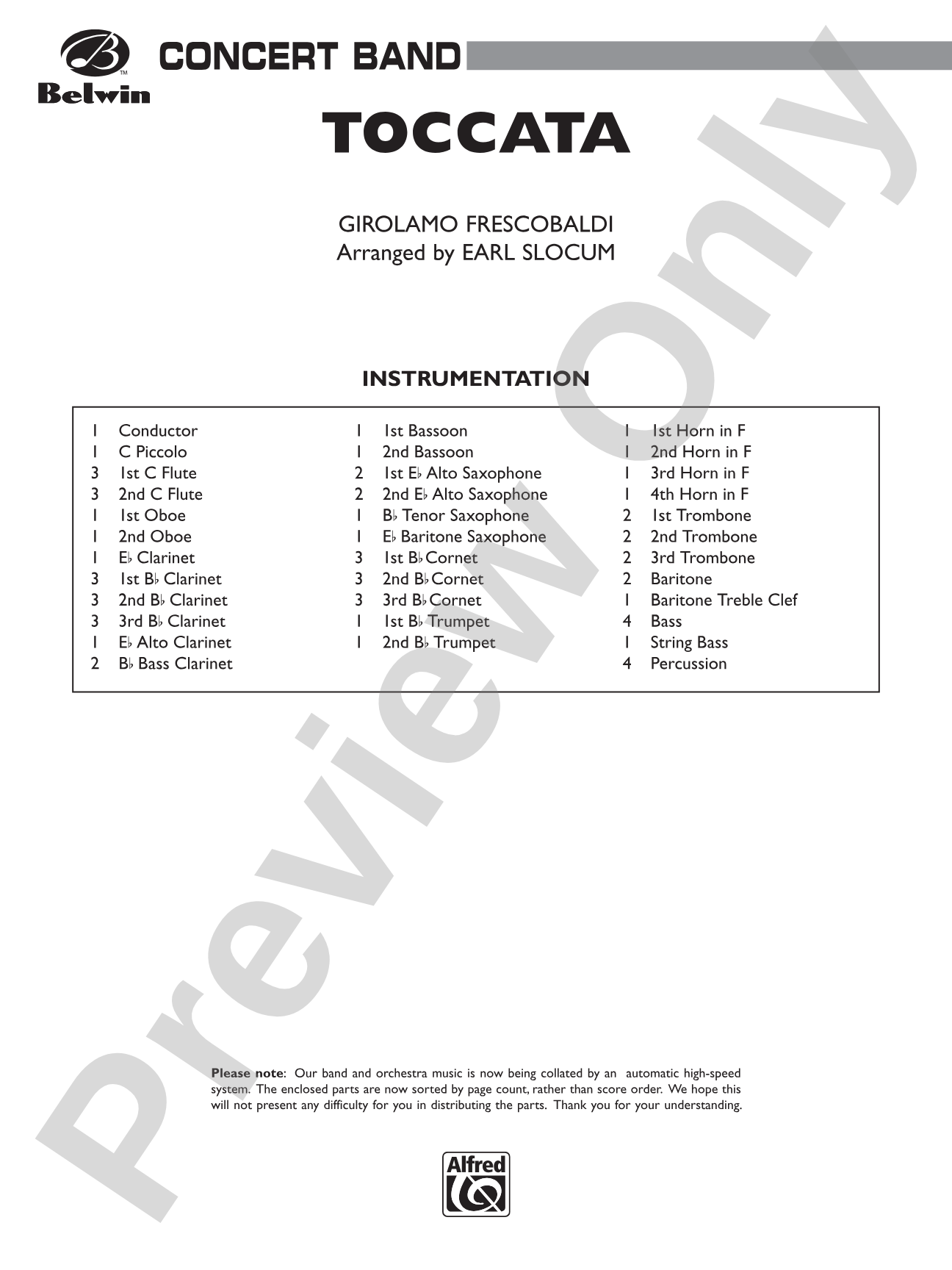
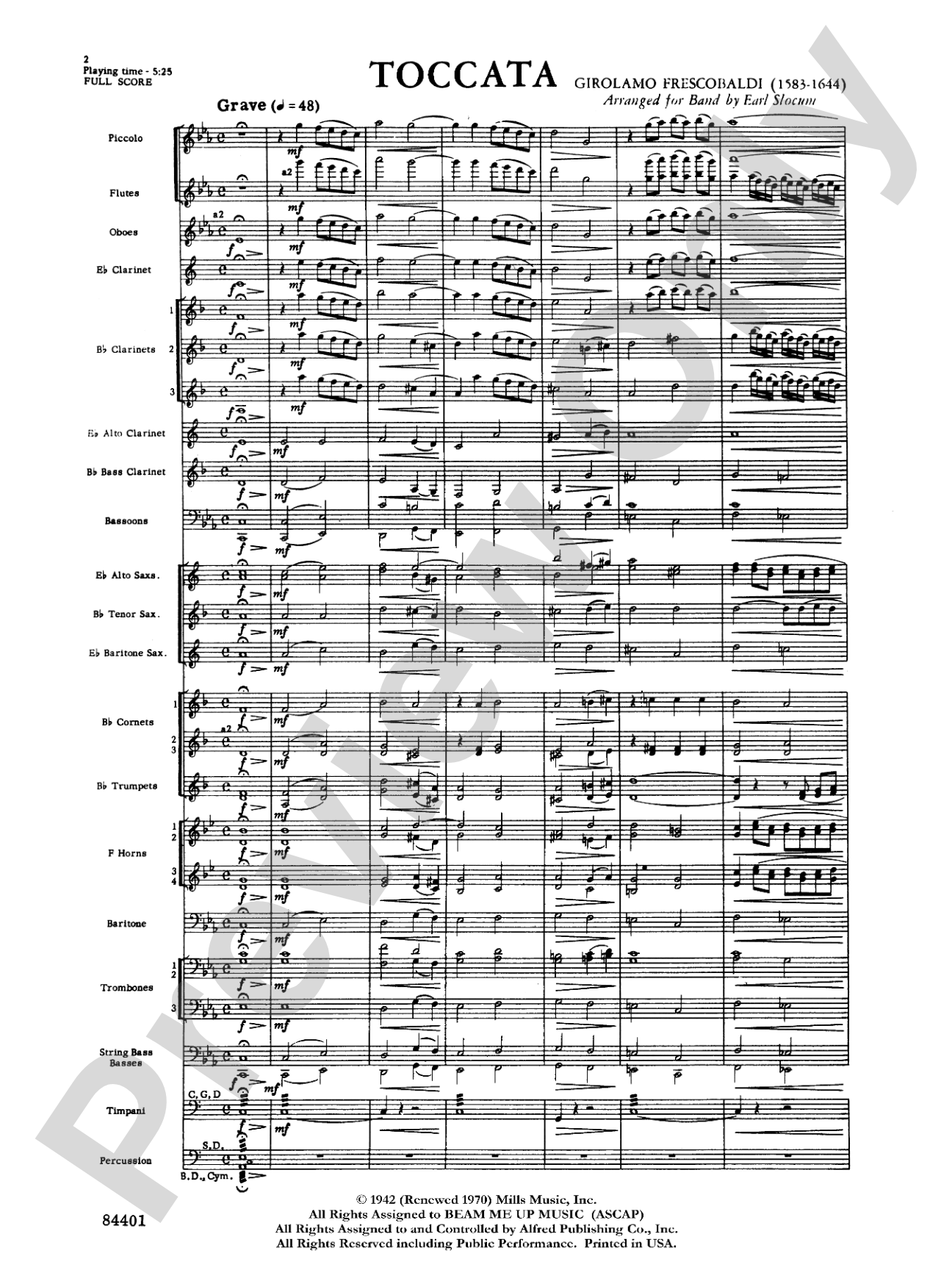
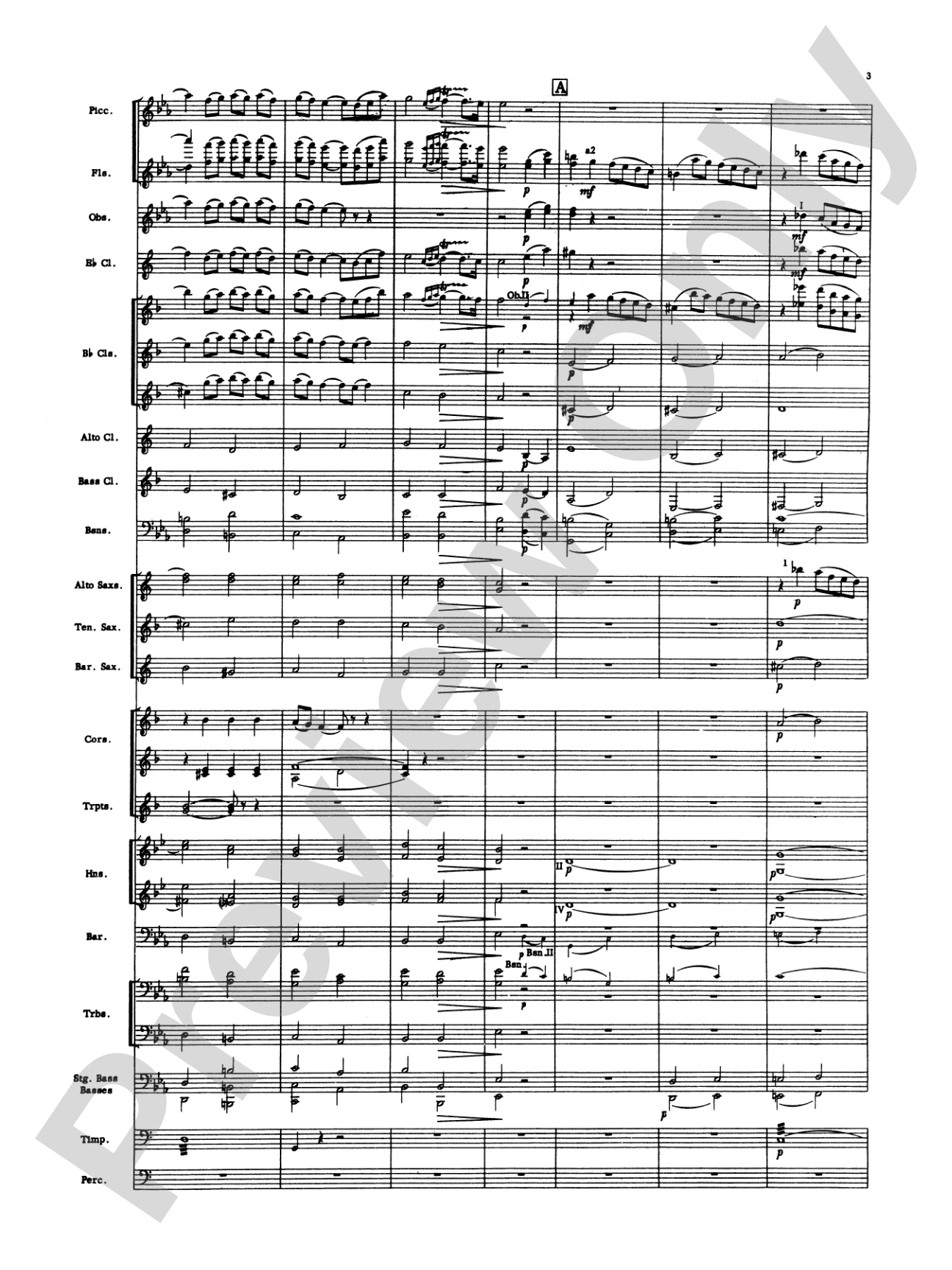
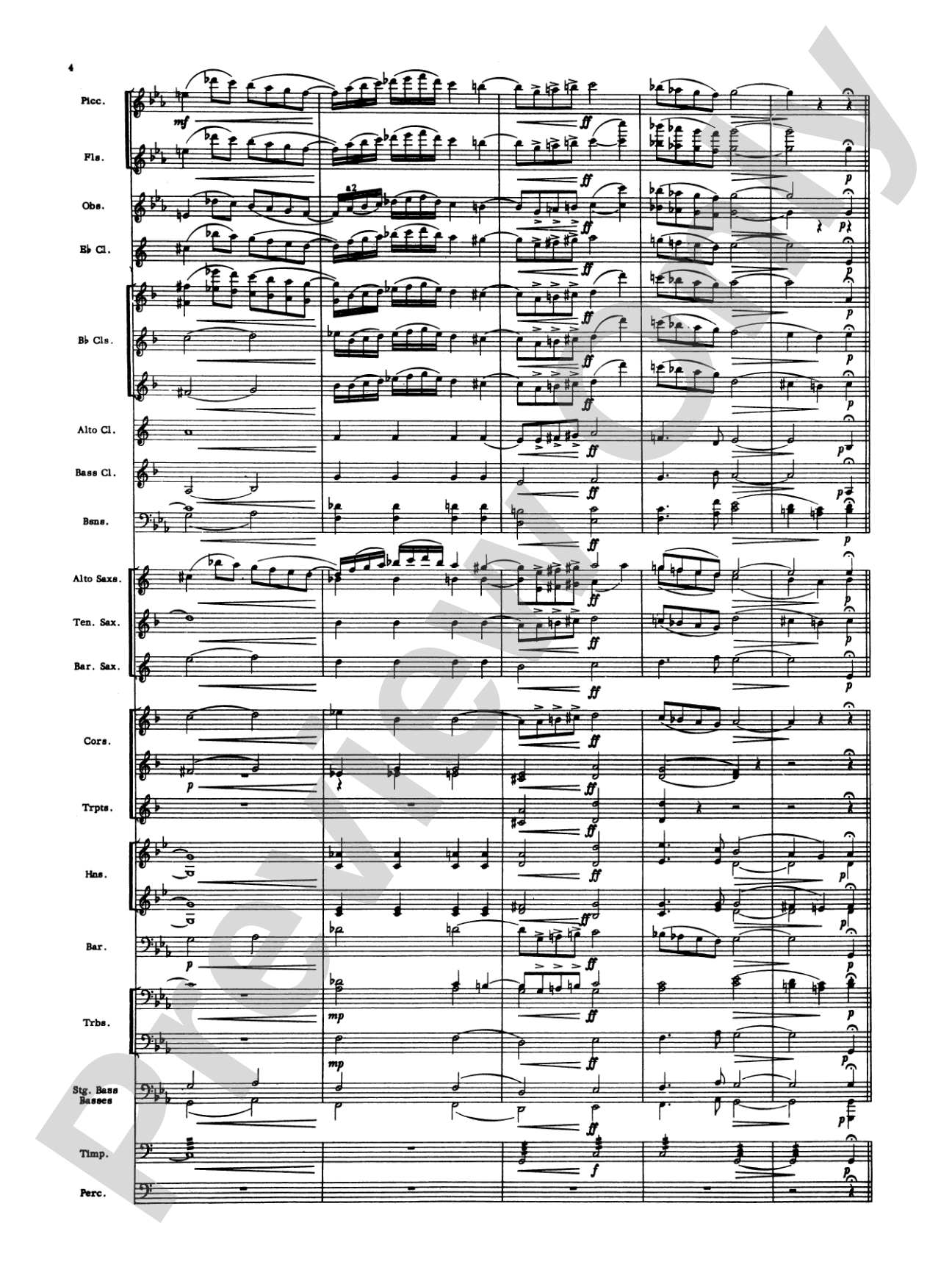
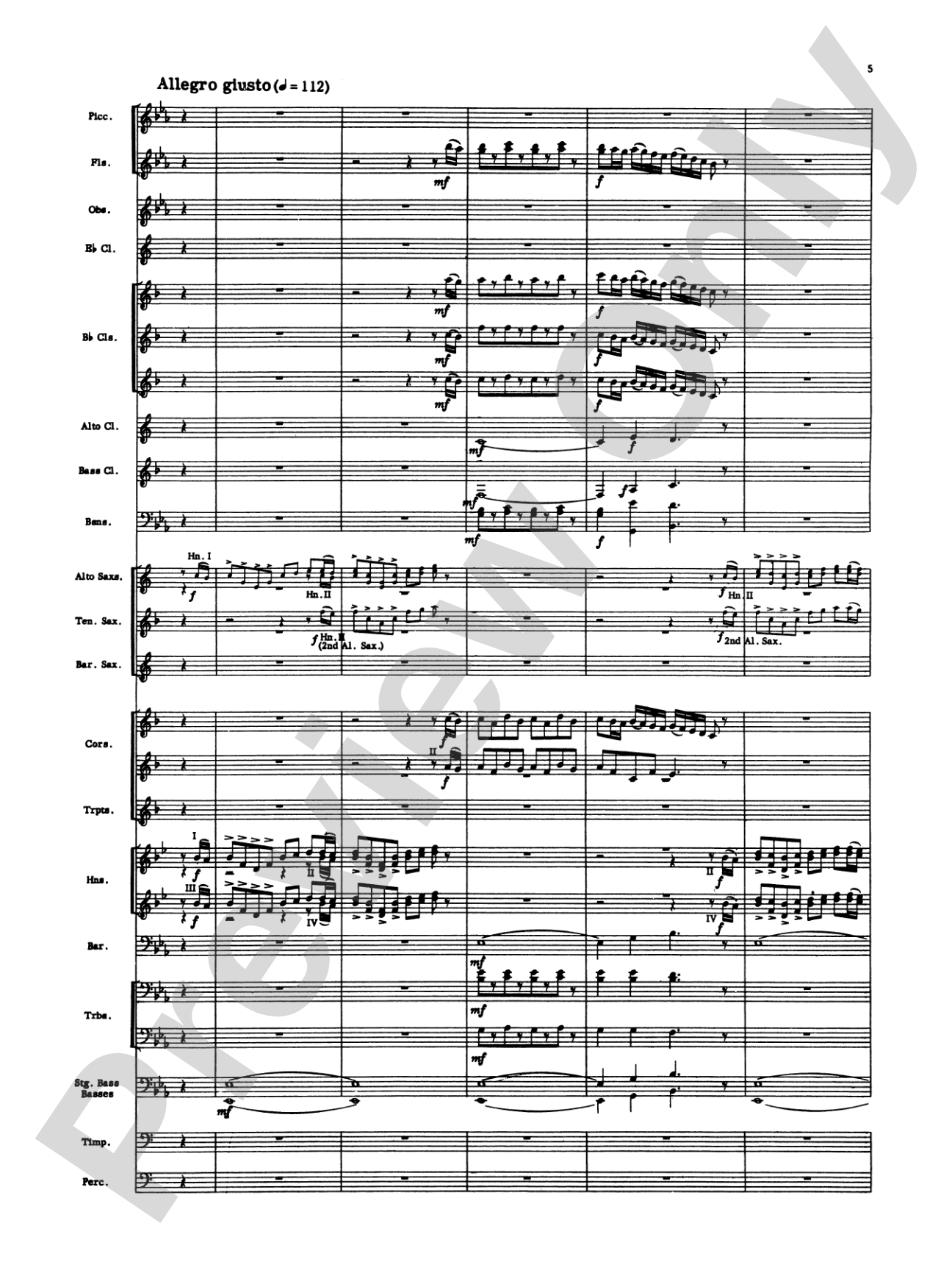
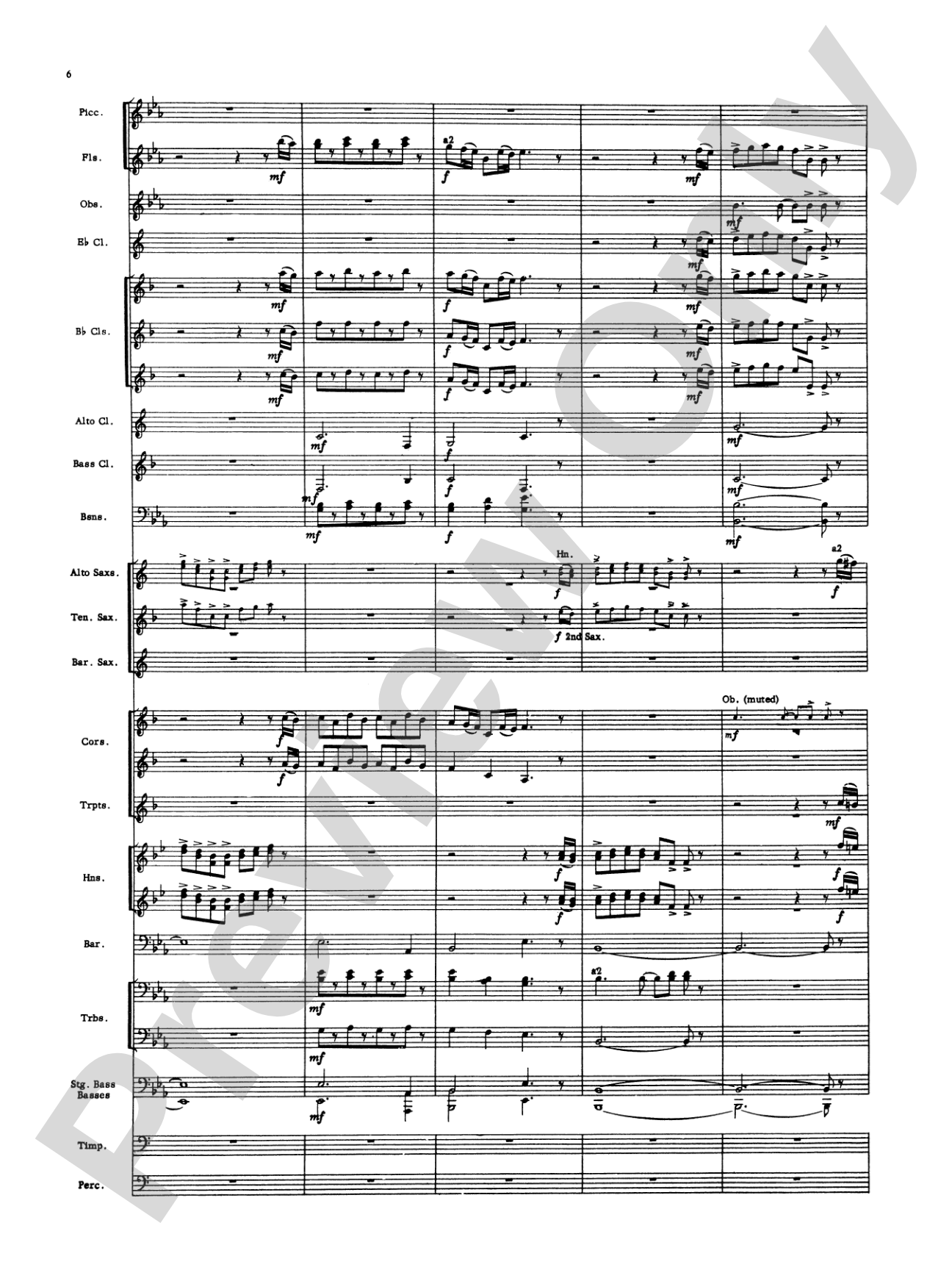
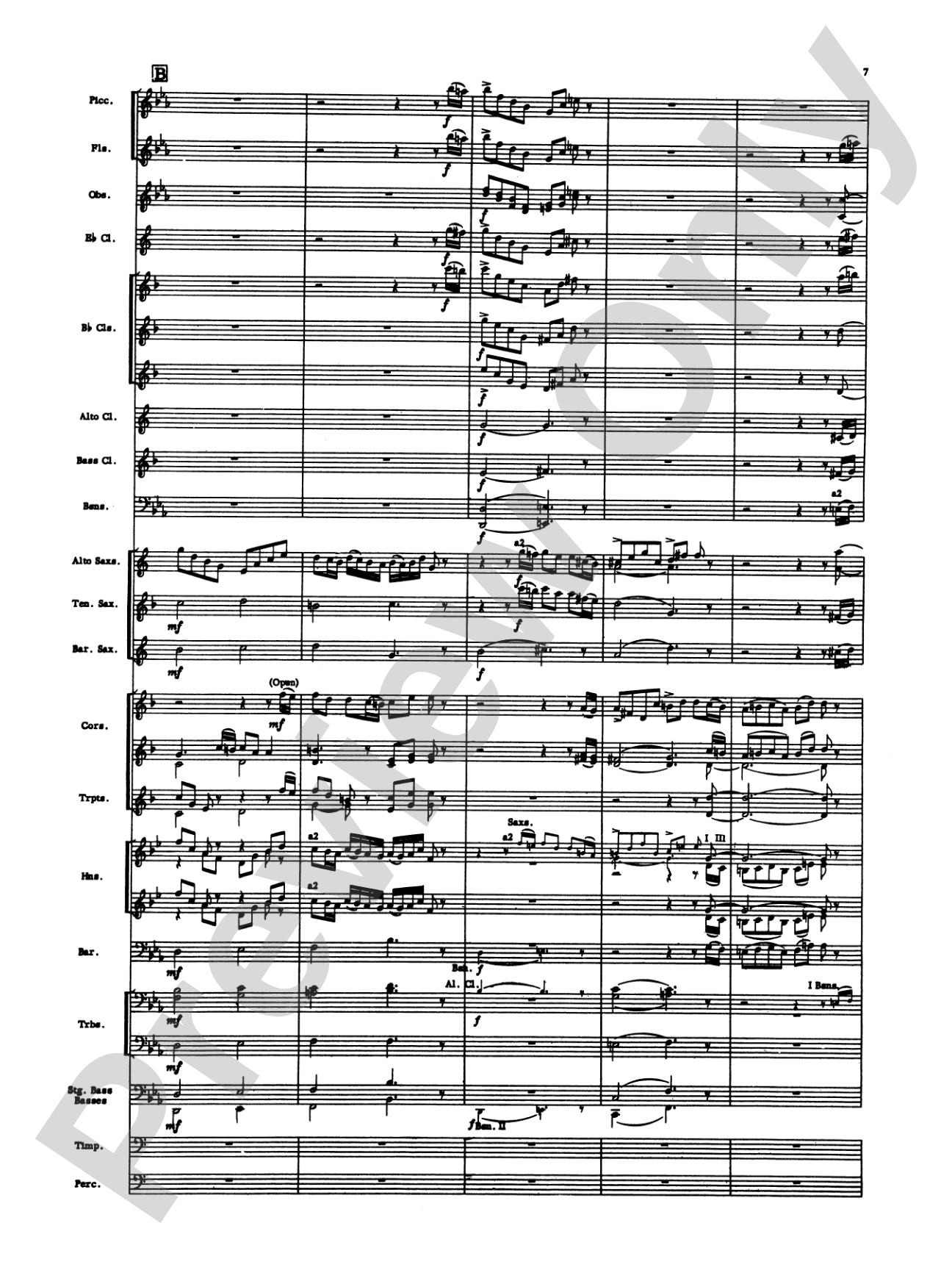
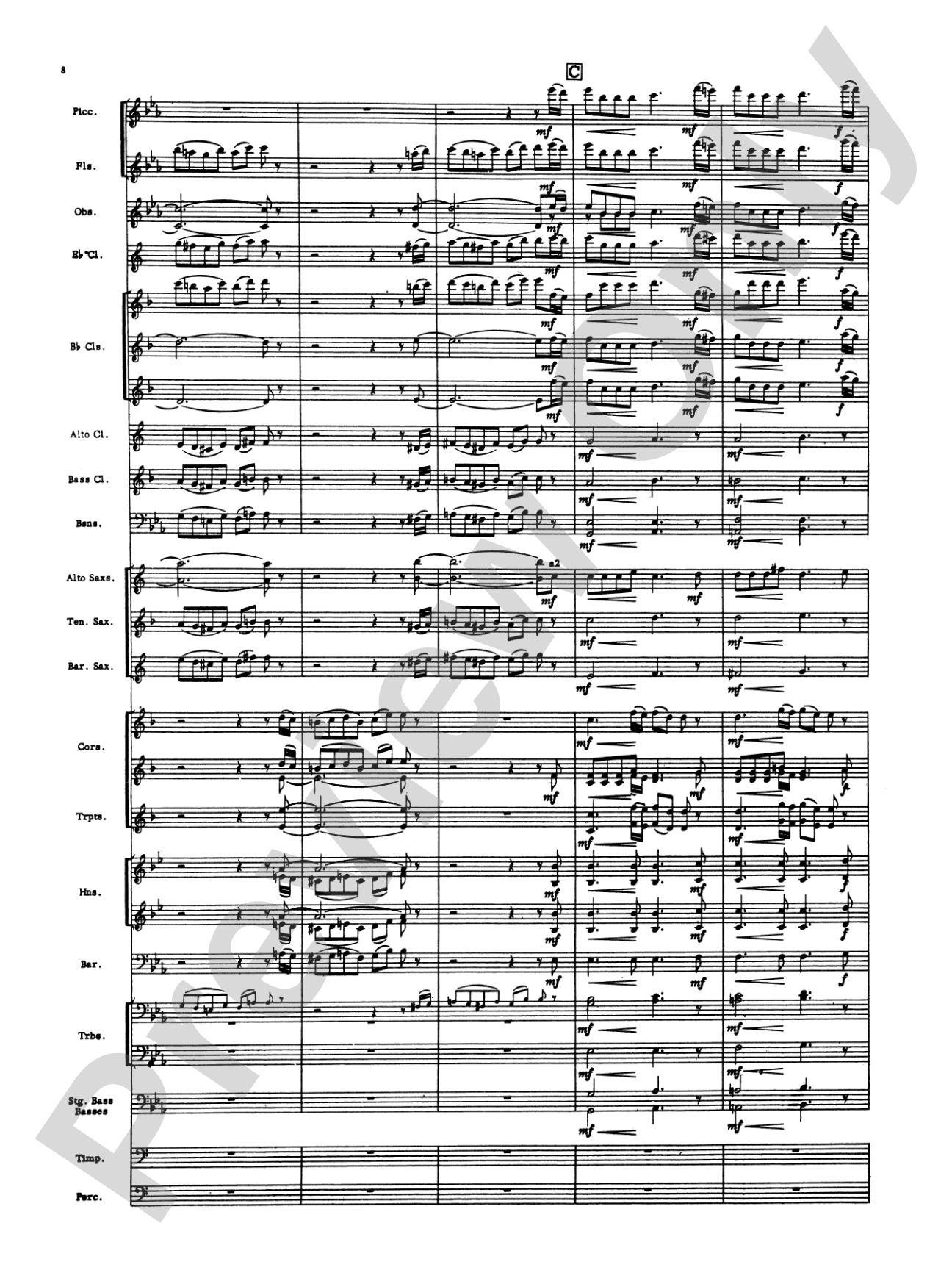
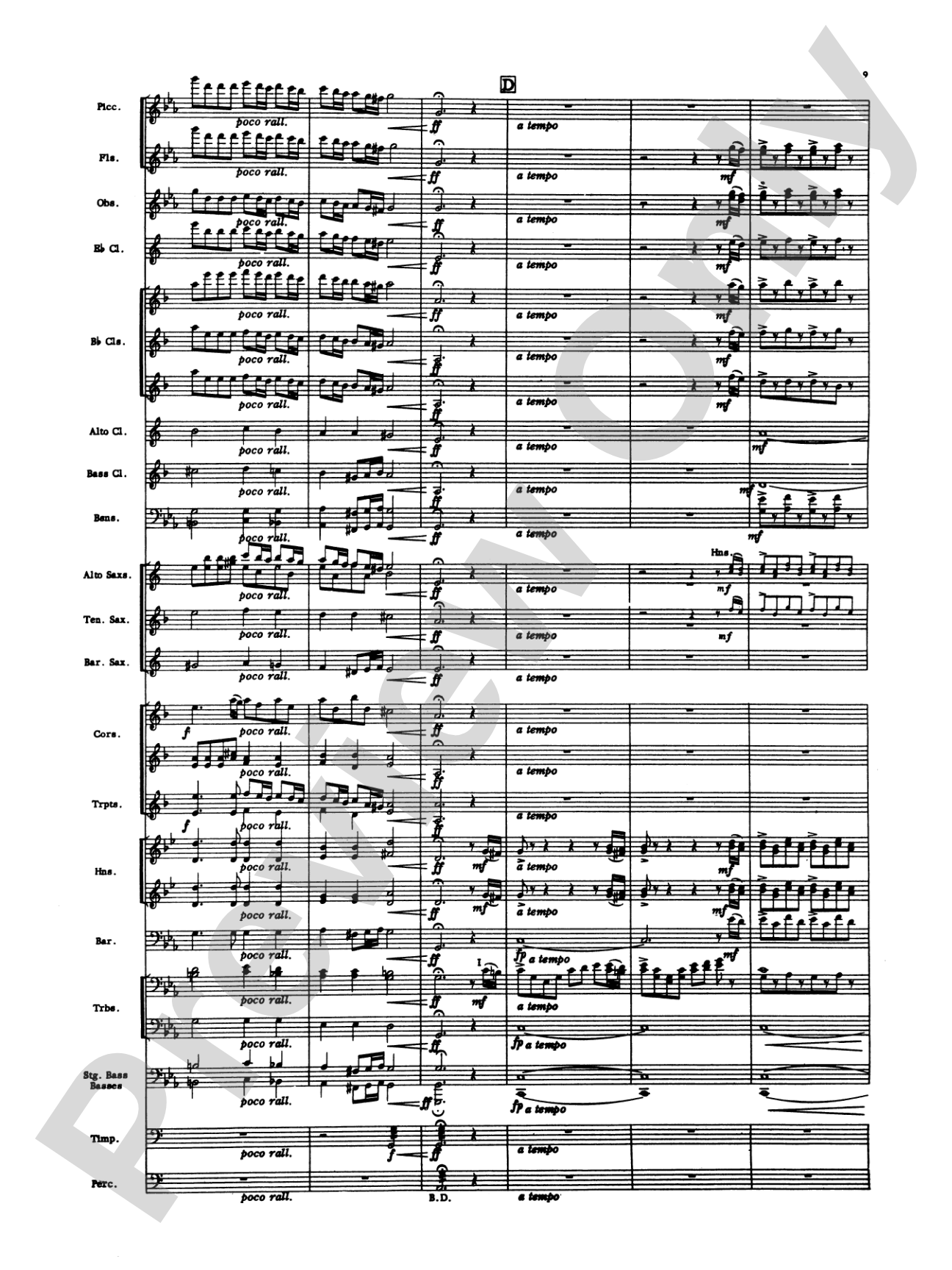
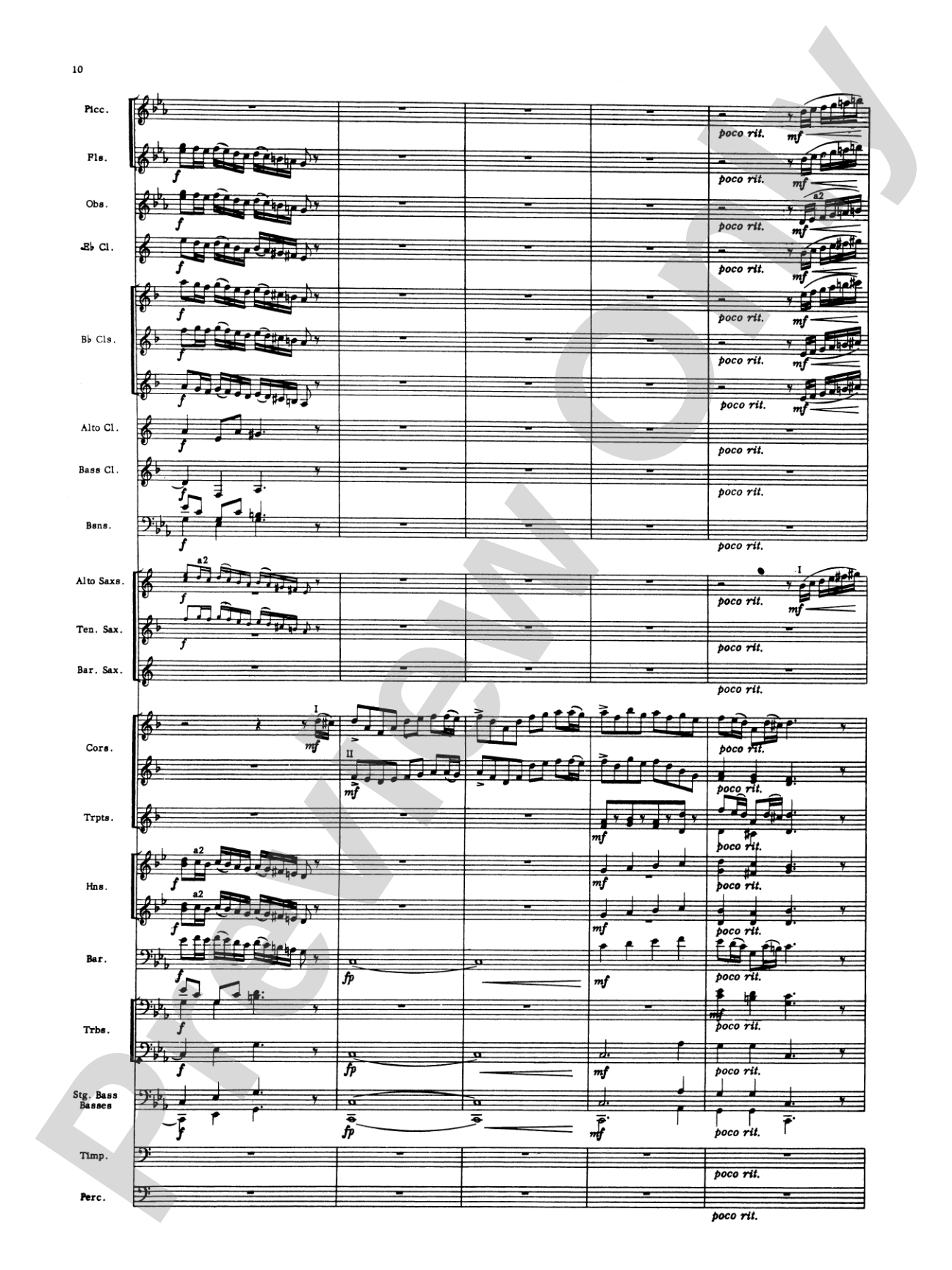
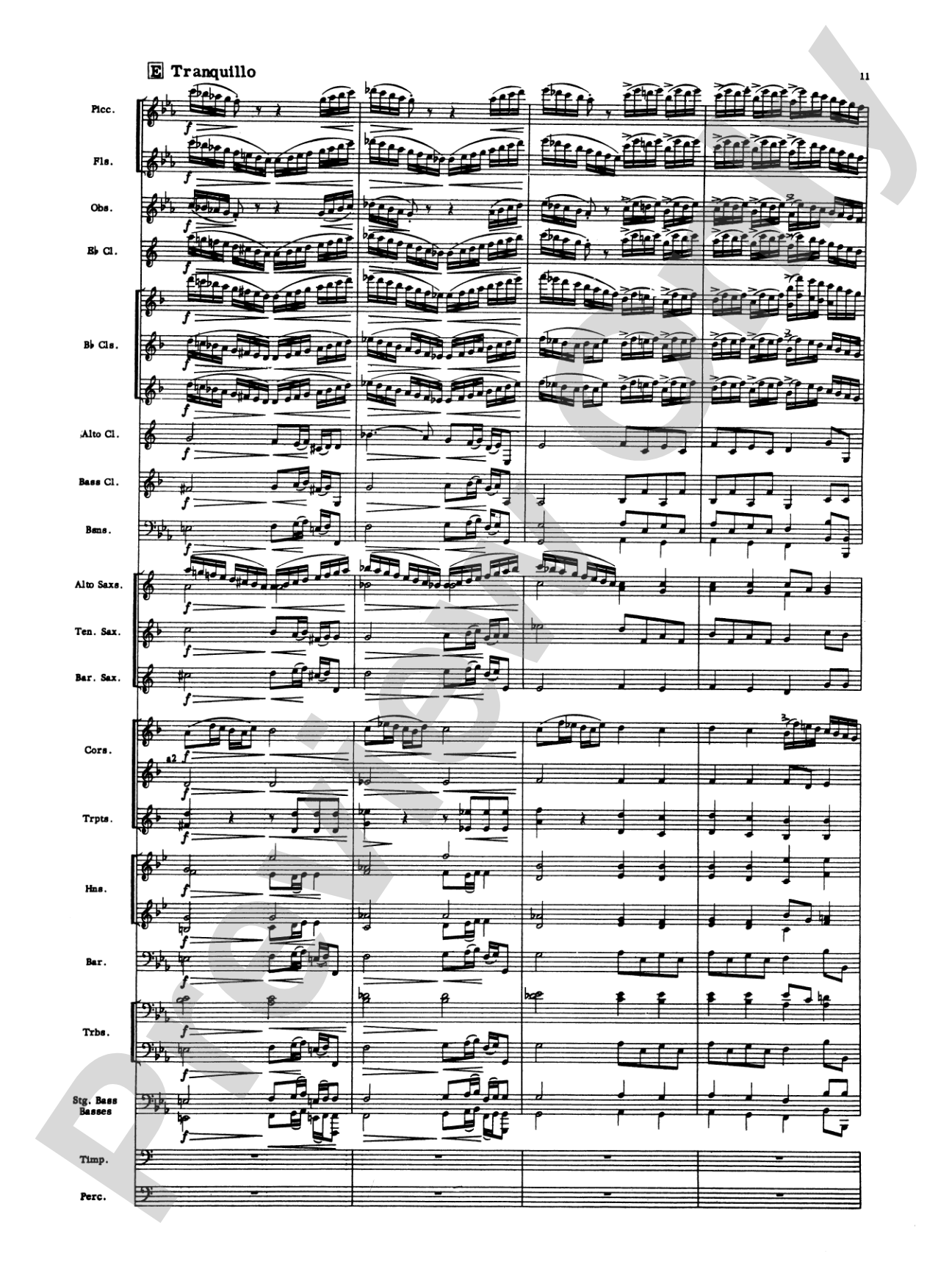
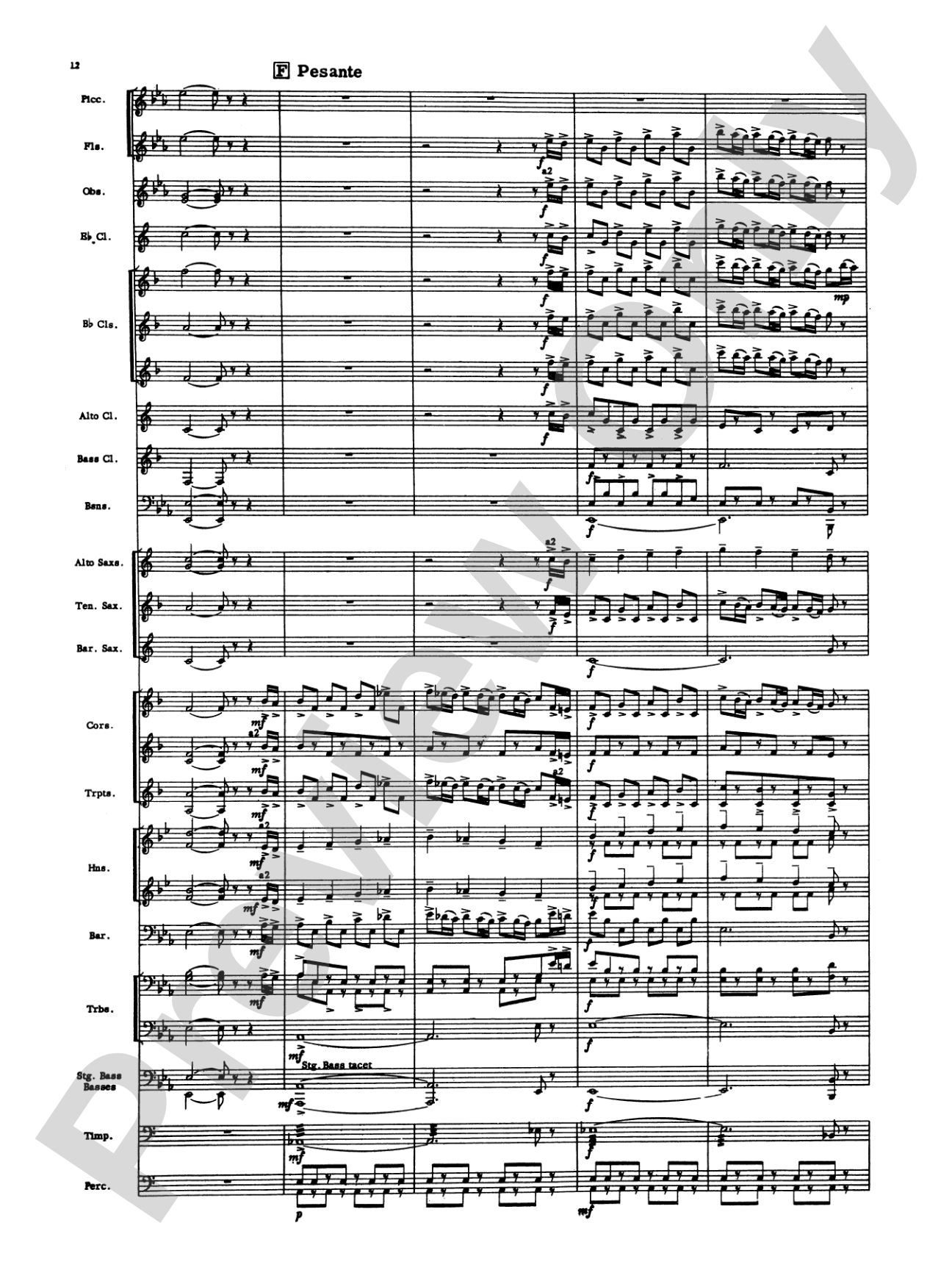
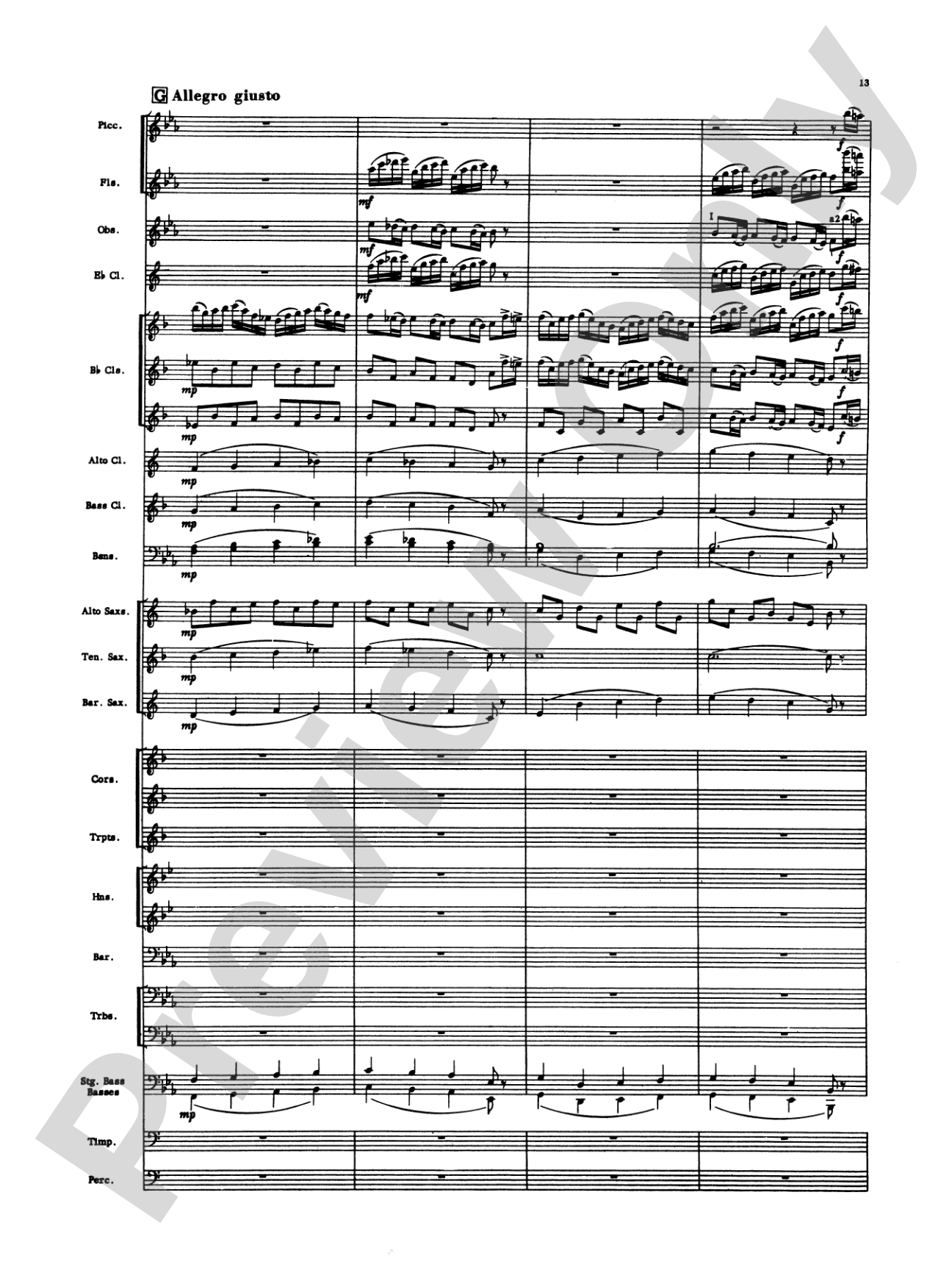
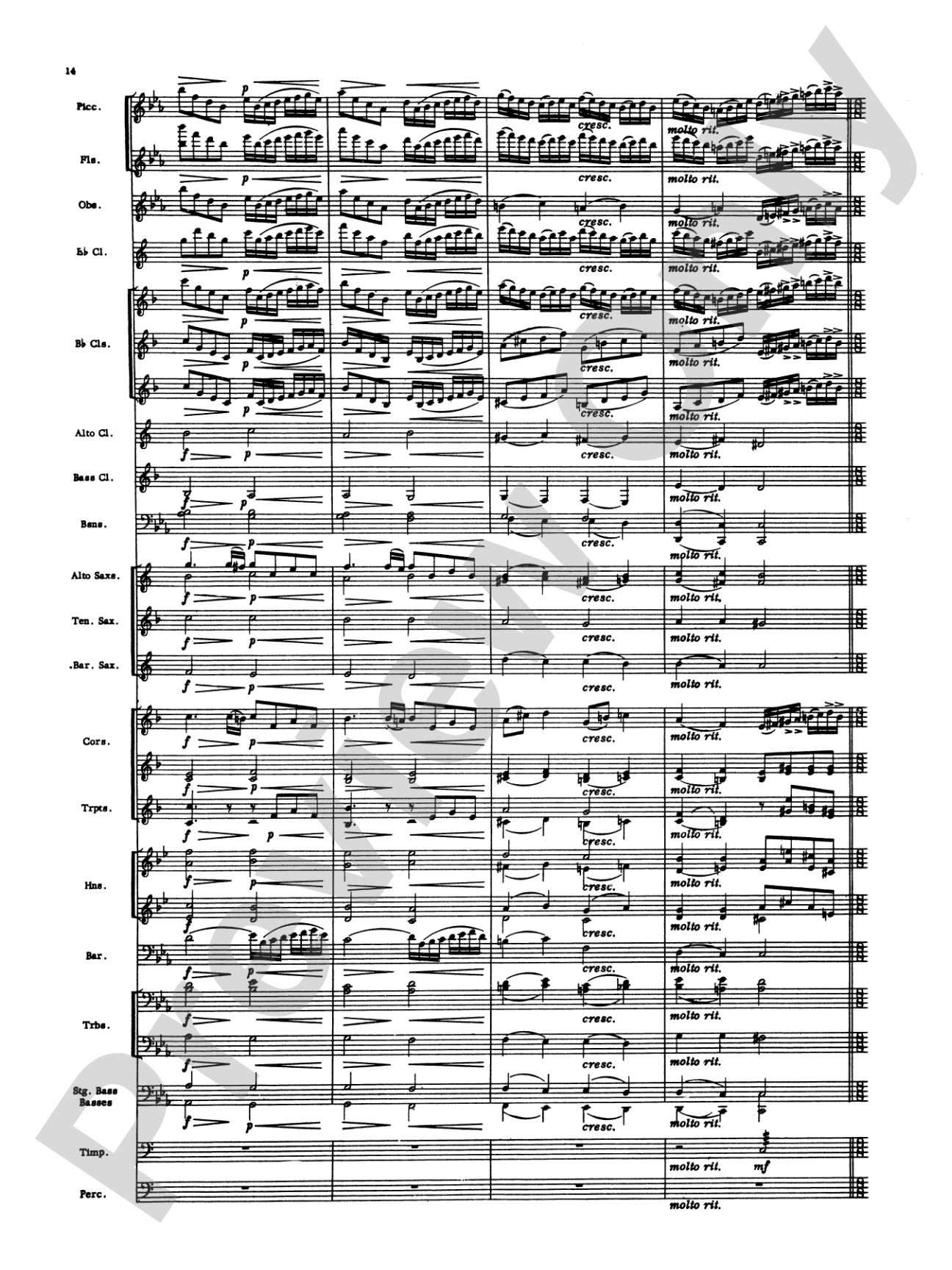
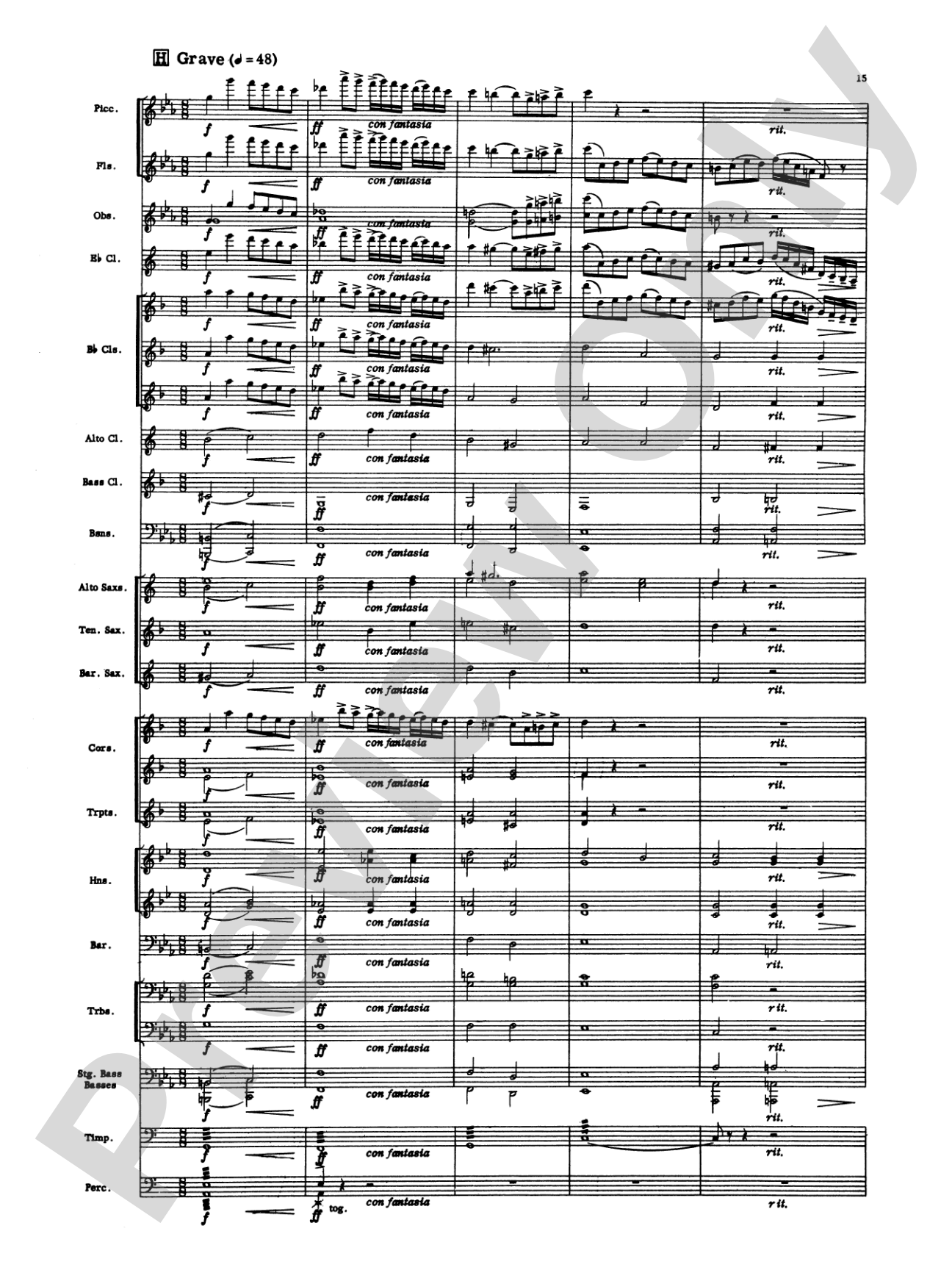
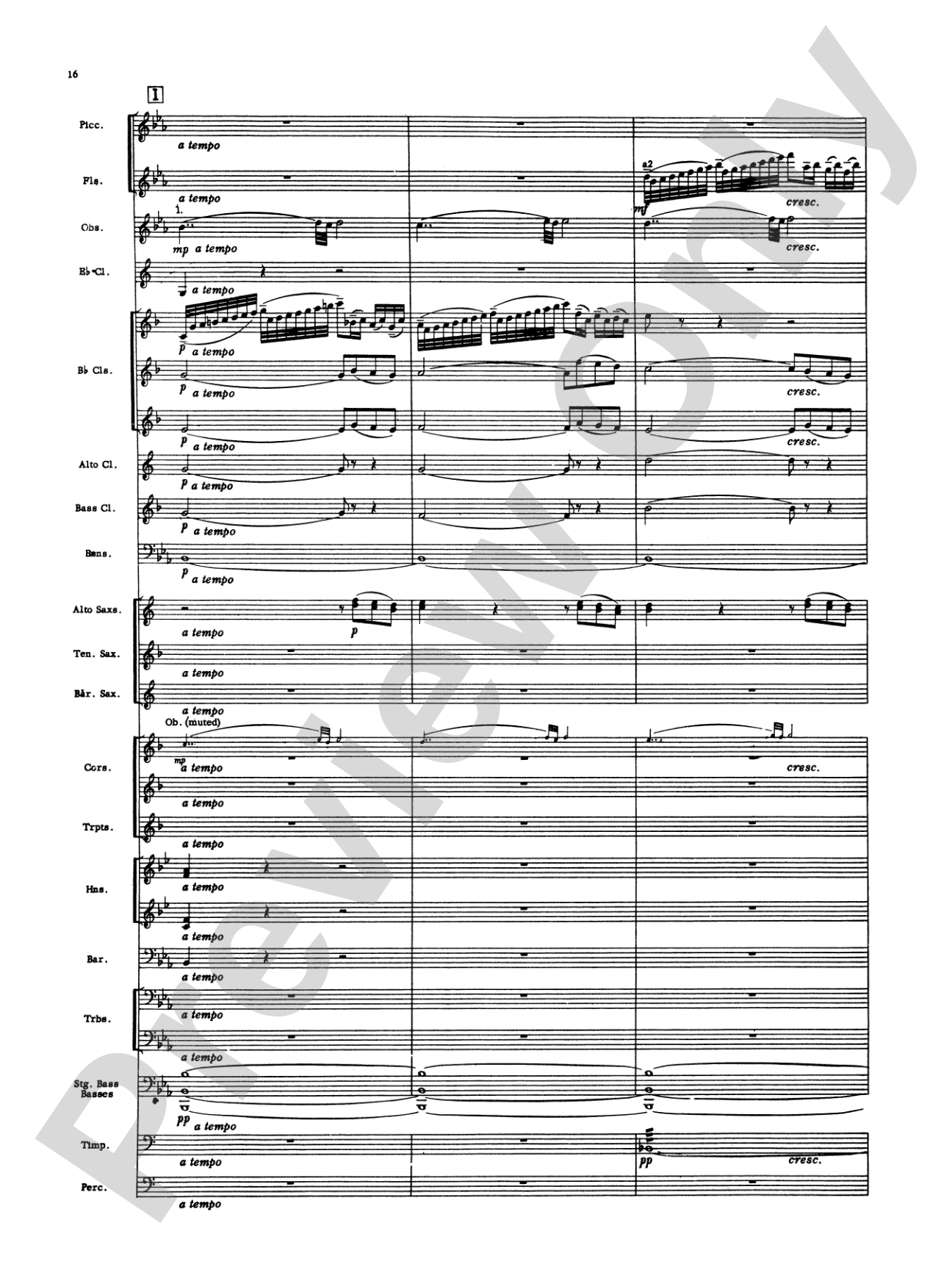
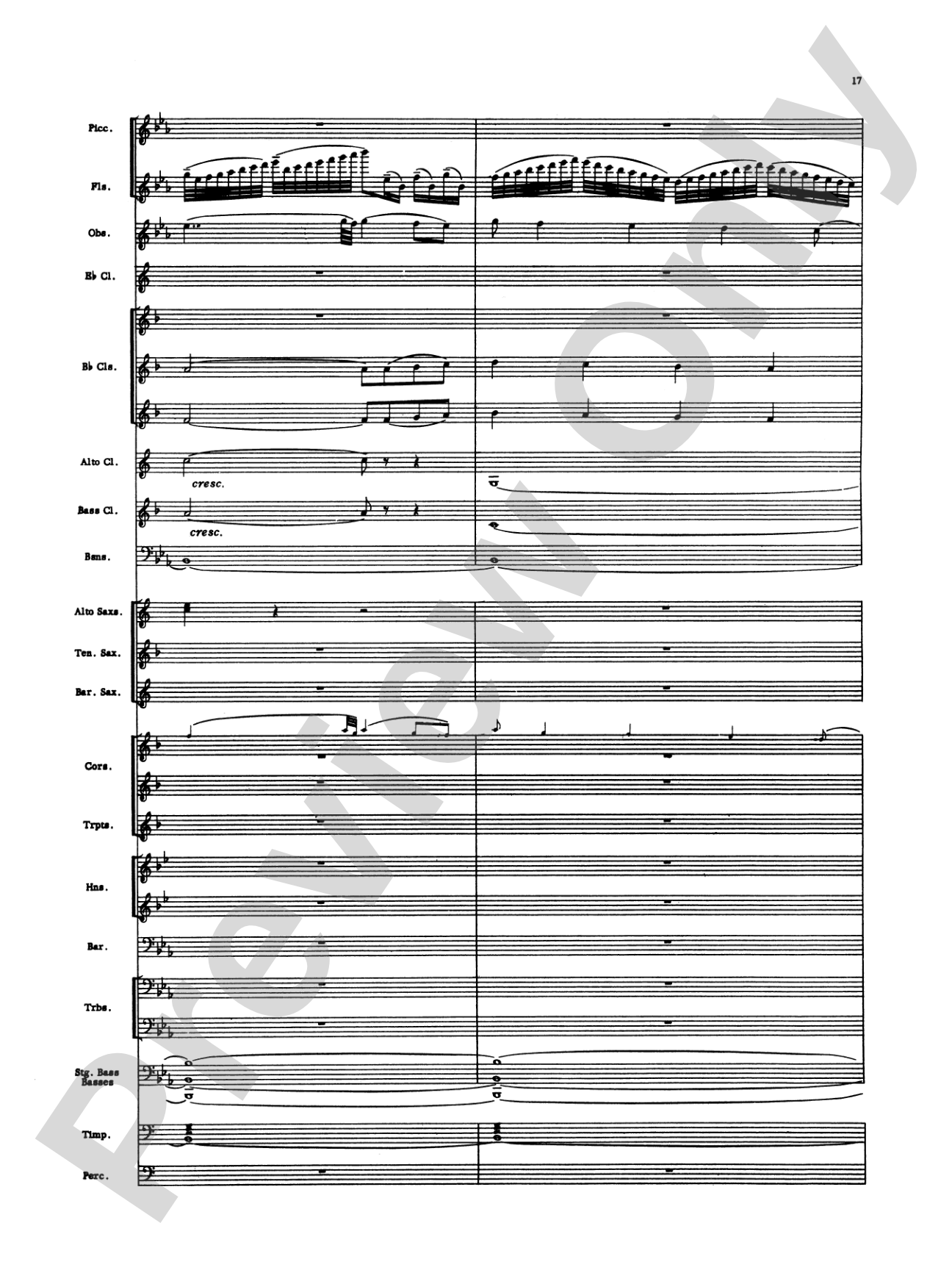
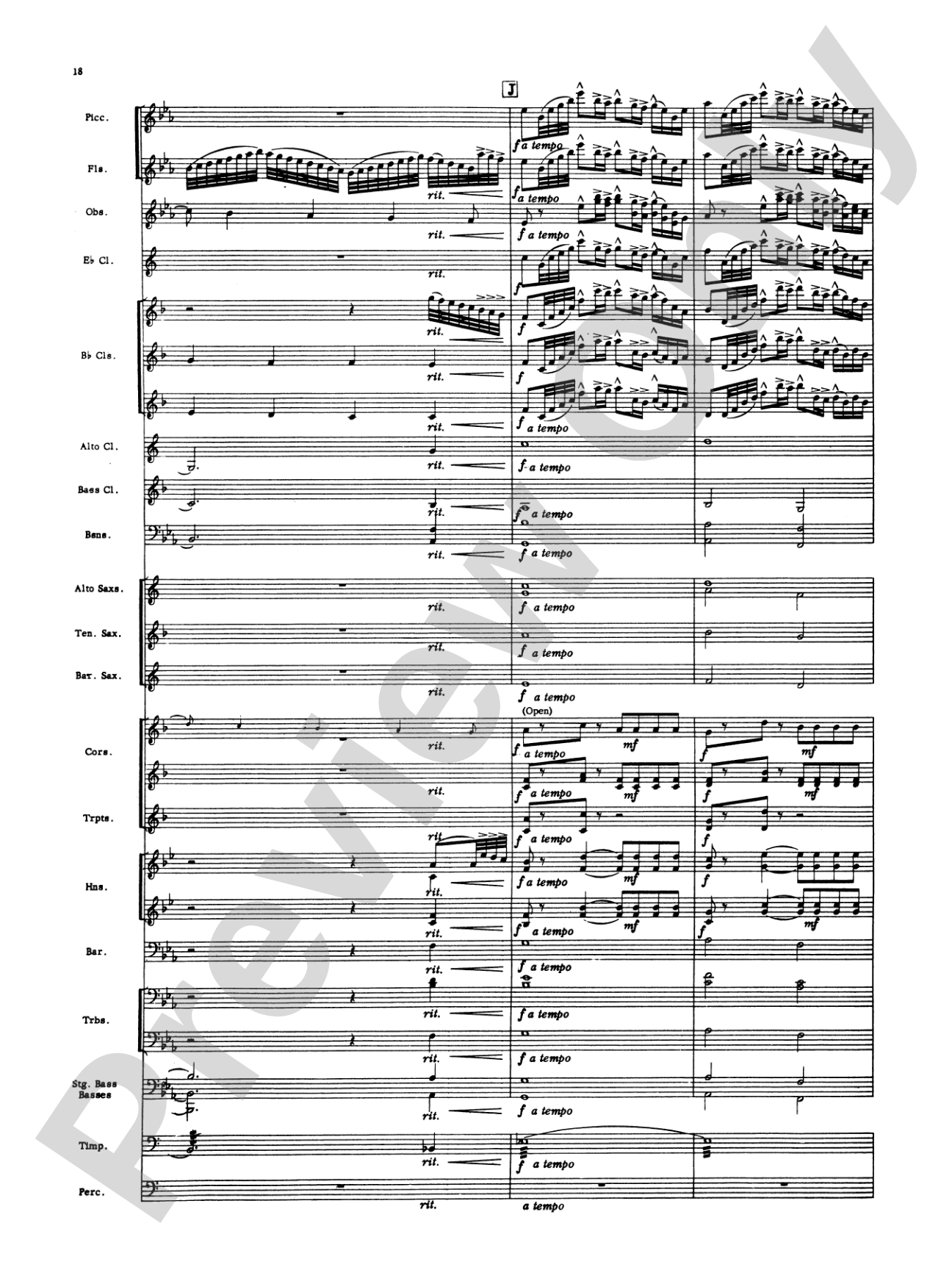
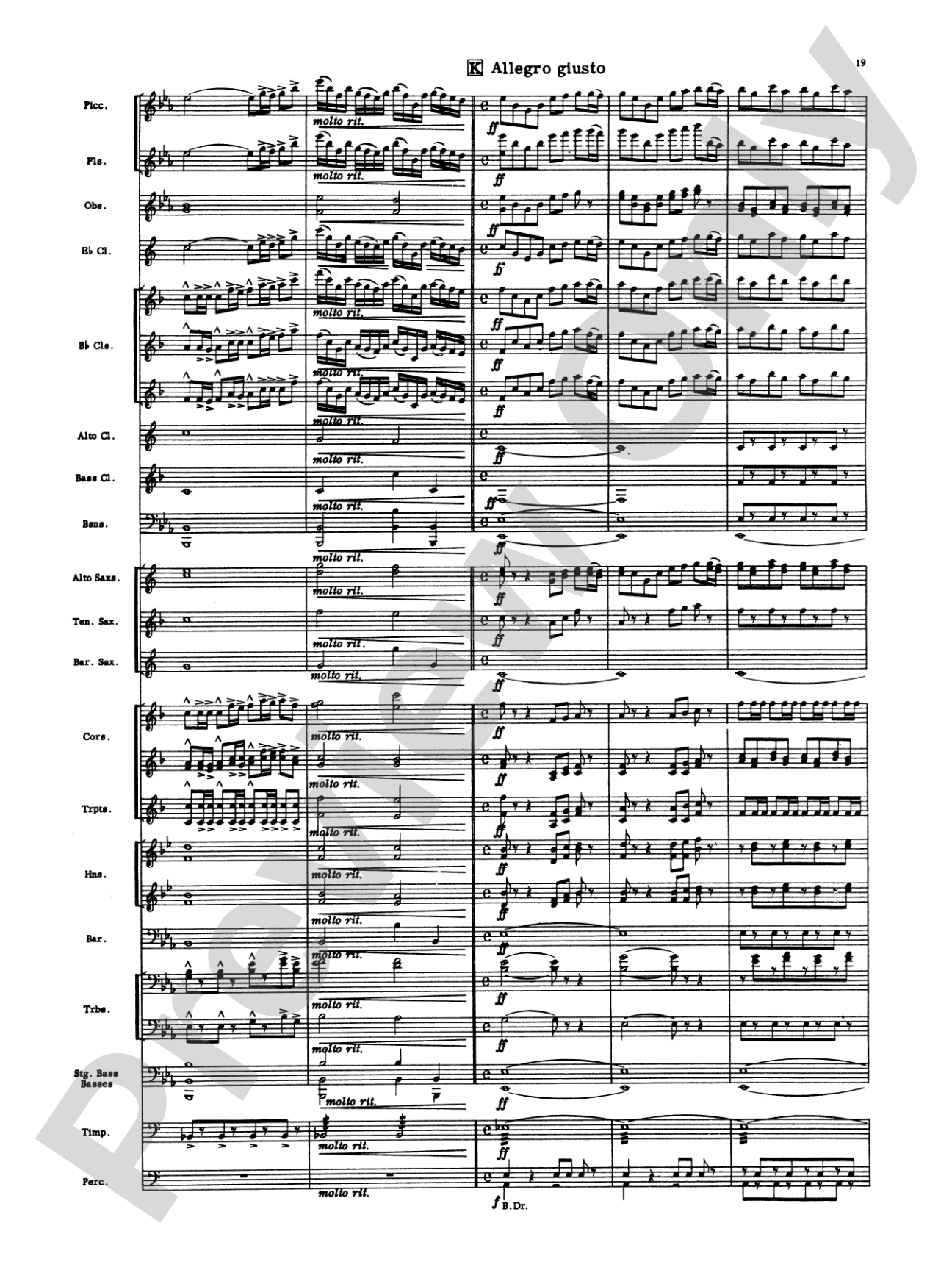
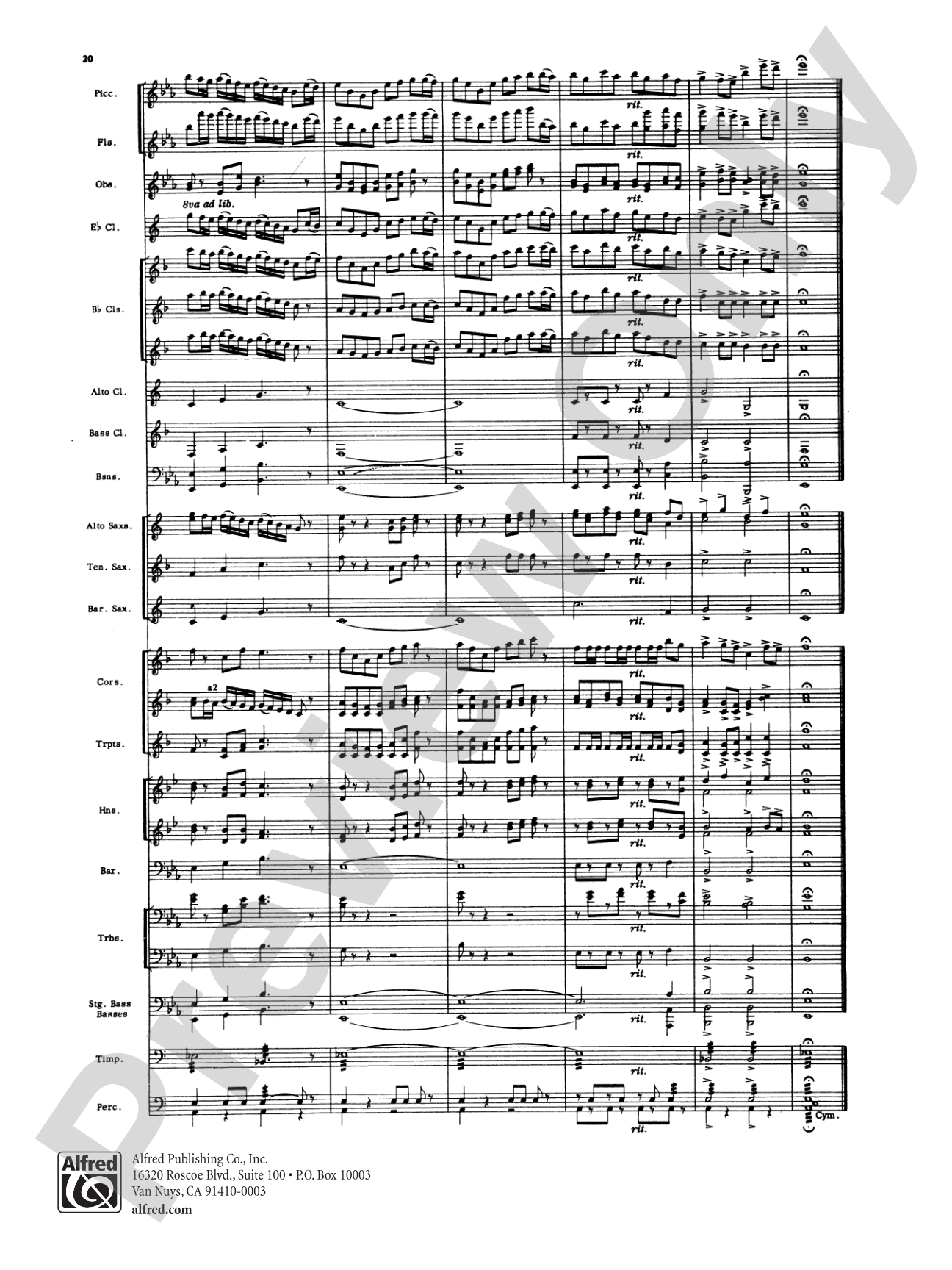

Toccata: Concert Band Conductor Score & Parts
By Girolamo Frescobaldi / arr. Earl Slocum
Grade: 3 (Medium Easy)
Item: 00-PK-0001957

$75.00
Pickup currently not available
Buy Extra Parts (Digital PDF Download)
Parts Added to Cart!
Description
This Earl Slocum arrangement of a major Frescobaldi composition commands a place reserved for a special few. It remains true to the style of the compositional period and presents a powerful statement in its concept and execution. (5:55) This title is available in MakeMusic Cloud.


Don't just read it, hear it, play along with it, and watch your students grow with it. In MakeMusic Cloud, Toccata: Concert Band Conductor Score & Parts comes alive with professional accompaniment, adjustable tempo, and built-in practice tools that turn solo practice into real progress.
Open in the Player
Jump straight in and assign it today.
Start Your Free Trial
Open this title and explore the full library in minutes.
Sample Audio
1
Audio File
--:--
0:00
0:00
Sample Video
No sample videos found.
Additional Details
Series:
Belwin Concert Band
Publisher:
Alfred Music
Page Count:
170
SKU:
00-PK-0001957
More about this title
About the Composer: Girolamo Frescobaldi
Girolamo Frescobaldi (1583–1643) stands among the most influential keyboard composers of the Baroque era. Working primarily in Rome as organist at St. Peter's Basilica, he developed a virtuosic, improvisatory style that expanded the technical and expressive possibilities of keyboard music. His toccatas established conventions that shaped keyboard writing for generations.
Frescobaldi's music balances structural clarity with moments of free, almost cadenza-like passage work. His mastery of counterpoint and harmonic language made his compositions essential study for musicians throughout Europe. For modern ensembles, his works offer rich material for exploring Baroque compositional principles and the grandeur of the period's musical language.
Why we love this
Slocum's arrangement honors Frescobaldi's keyboard mastery while distributing the music across the concert band palette in ways that feel natural and idiomatic. The Grade 3 accessibility means you can program a genuine Baroque masterwork without the transcription feeling simplified. This is repertoire with real historical weight and musical substance, perfect for bands ready to move beyond contemporary show pieces.
What to expect
Ornate, architectural, and alive with energy. The music unfolds with the intricate momentum of an Baroque keyboard improvisation, balancing moments of repose with passages of brilliant figuration. There's a sense of formal grandeur paired with intimate contrapuntal detail.
Who it's for
Concert bands at the intermediate level (Grade 3) that want to develop musicianship through repertoire with historical depth. This arrangement works for groups seeking contest and festival material with genuine artistic merit, or for conductors who program intentionally to expose students to music beyond the contemporary concert band canon.
How to get the most out of it
- Balance the contrapuntal voices so that thematic material emerges clearly across different sections; the intricate inner lines that defined keyboard idiom need careful attention from woodwinds and brass.
- Shape phrases with the harmonic rhythm rather than metronomic regularity. Baroque music breathes in ways that modern meters can obscure; allow slight space at cadences and before new sections.
- Honor the registration approach implied by the arrangement. Transitions between instrumental groupings reflect the way Frescobaldi might have used manual changes on the organ; these shifts matter for clarity and color.
- Approach the faster passage work with rhythmic precision and articulation clarity, letting the virtuosity speak without becoming rushed or breathless.
How to use it
Open a concert with this piece to signal serious musical intent, or use it as a centerpiece that anchors a program exploring Baroque influences in later works. The 5:55 duration gives it enough weight to stand alone as a statement piece without dominating a full concert. It pairs naturally with other arrangement-based repertoire or with contemporary pieces that reference historical forms.
Skills your students will build
- Reading and balancing independent contrapuntal lines across different instruments
- Understanding Baroque phrase structure and harmonic function
- Articulation and attack precision in fast passagework
- Dynamic control in sustained harmonic sections
- Shaping musical lines based on harmonic rhythm rather than metric pulse