

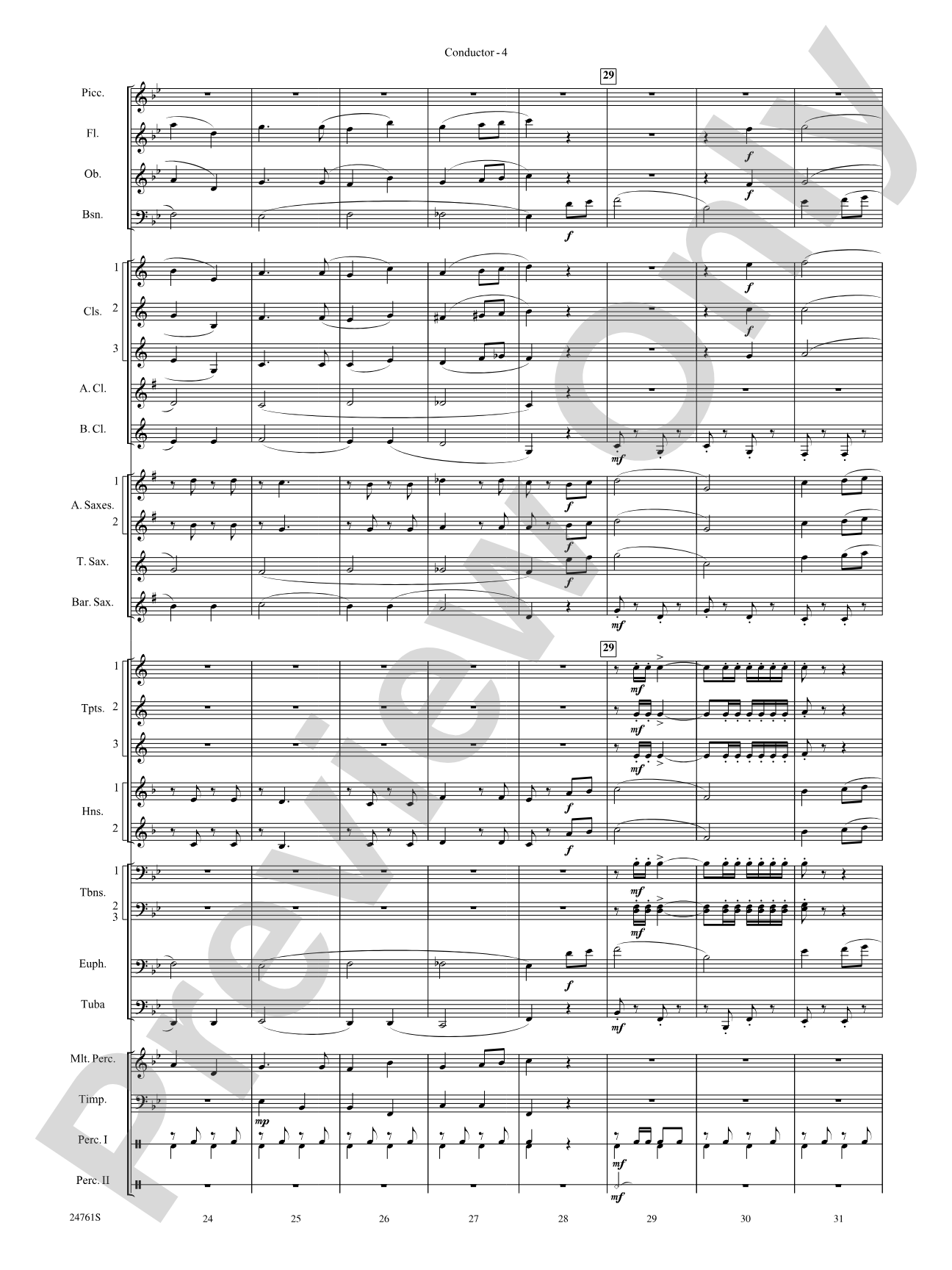
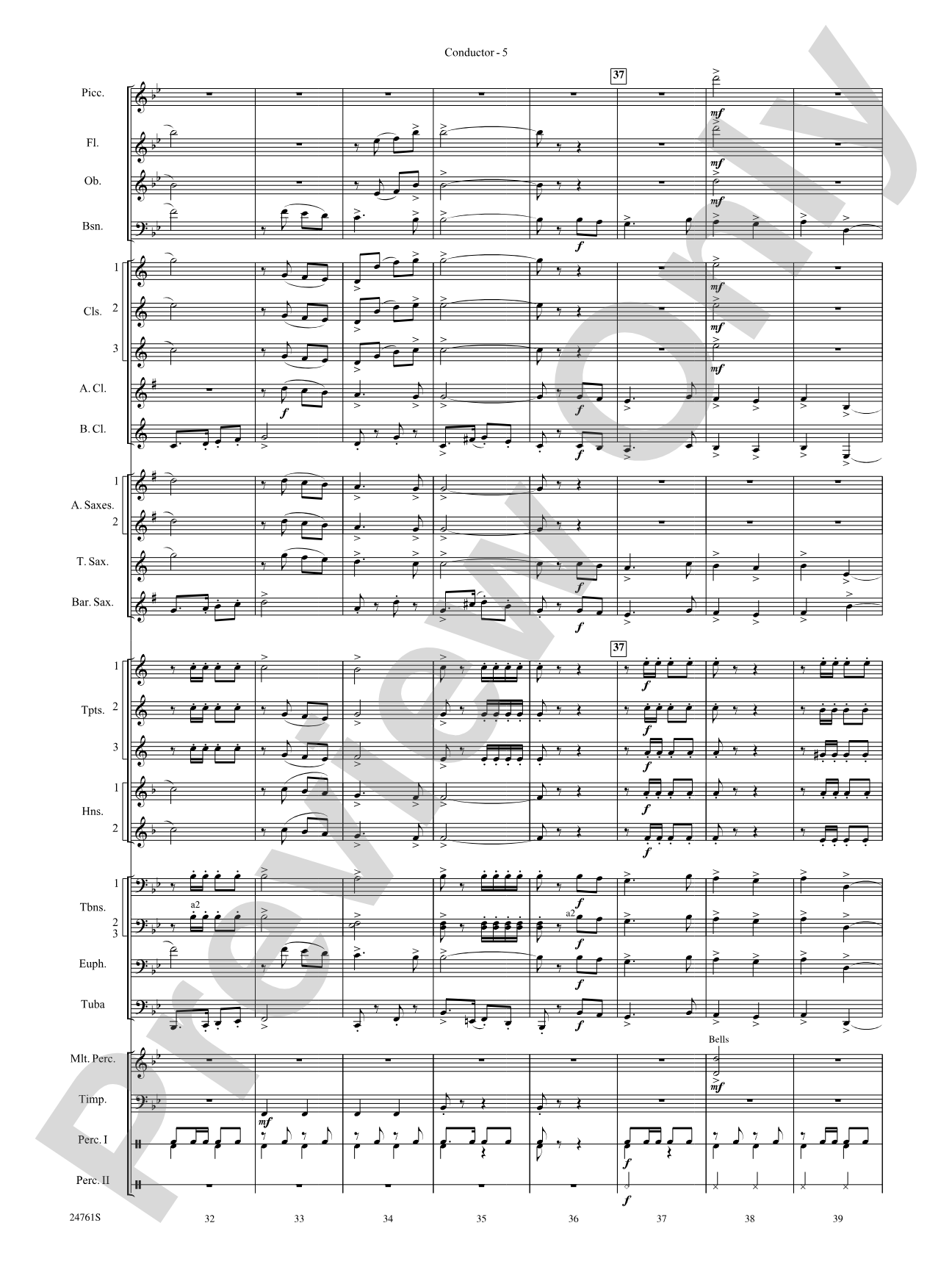
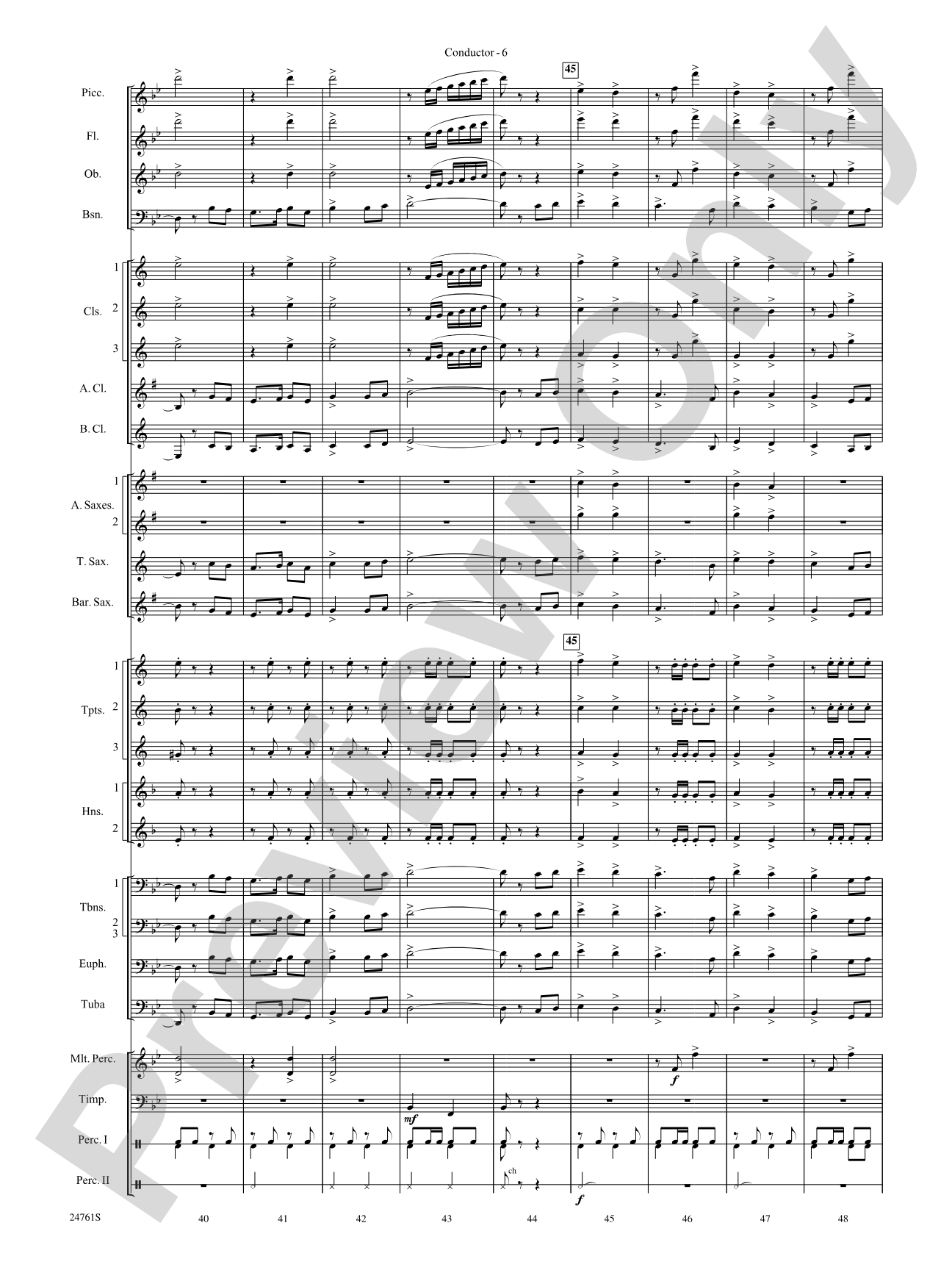
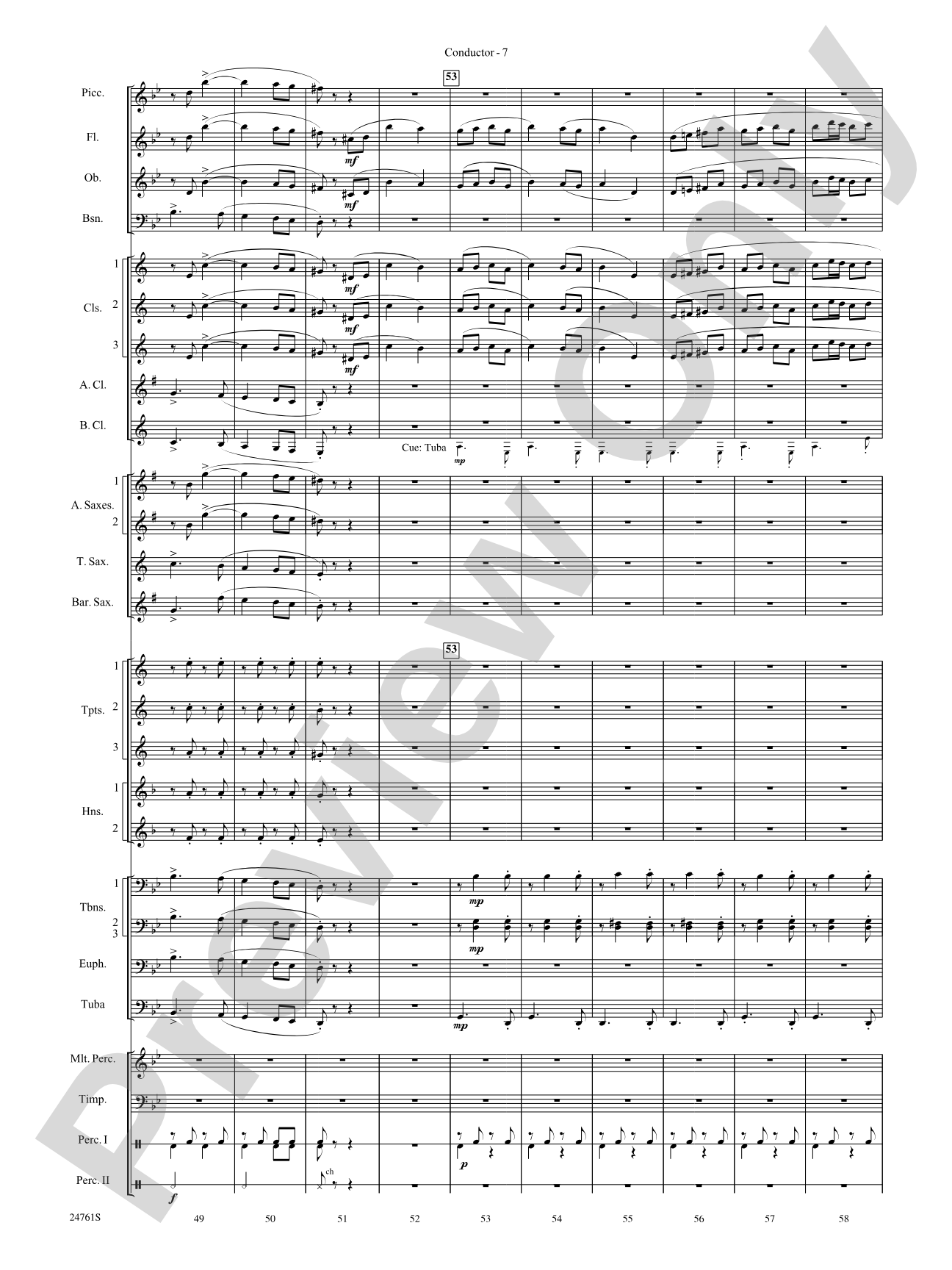
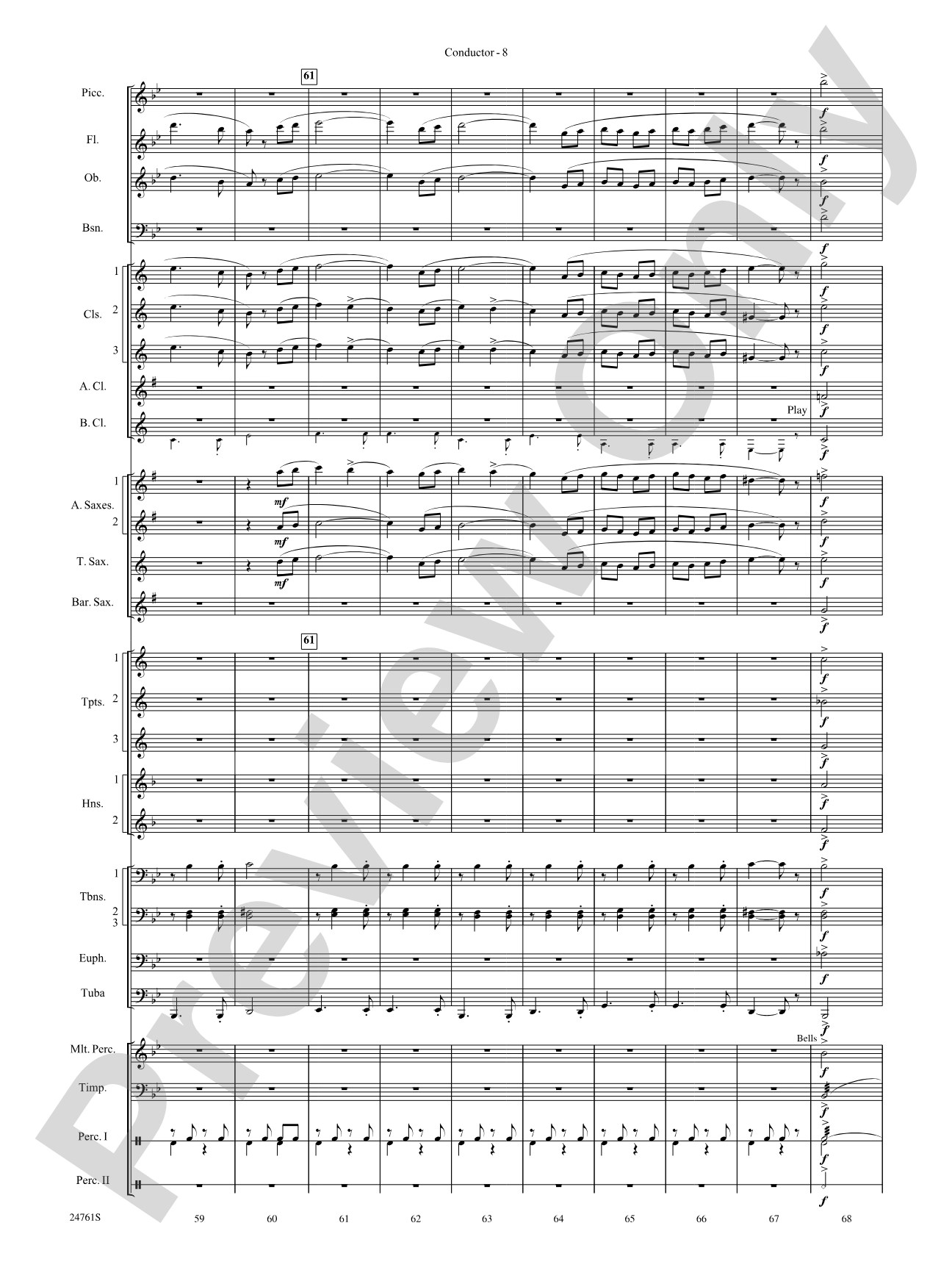
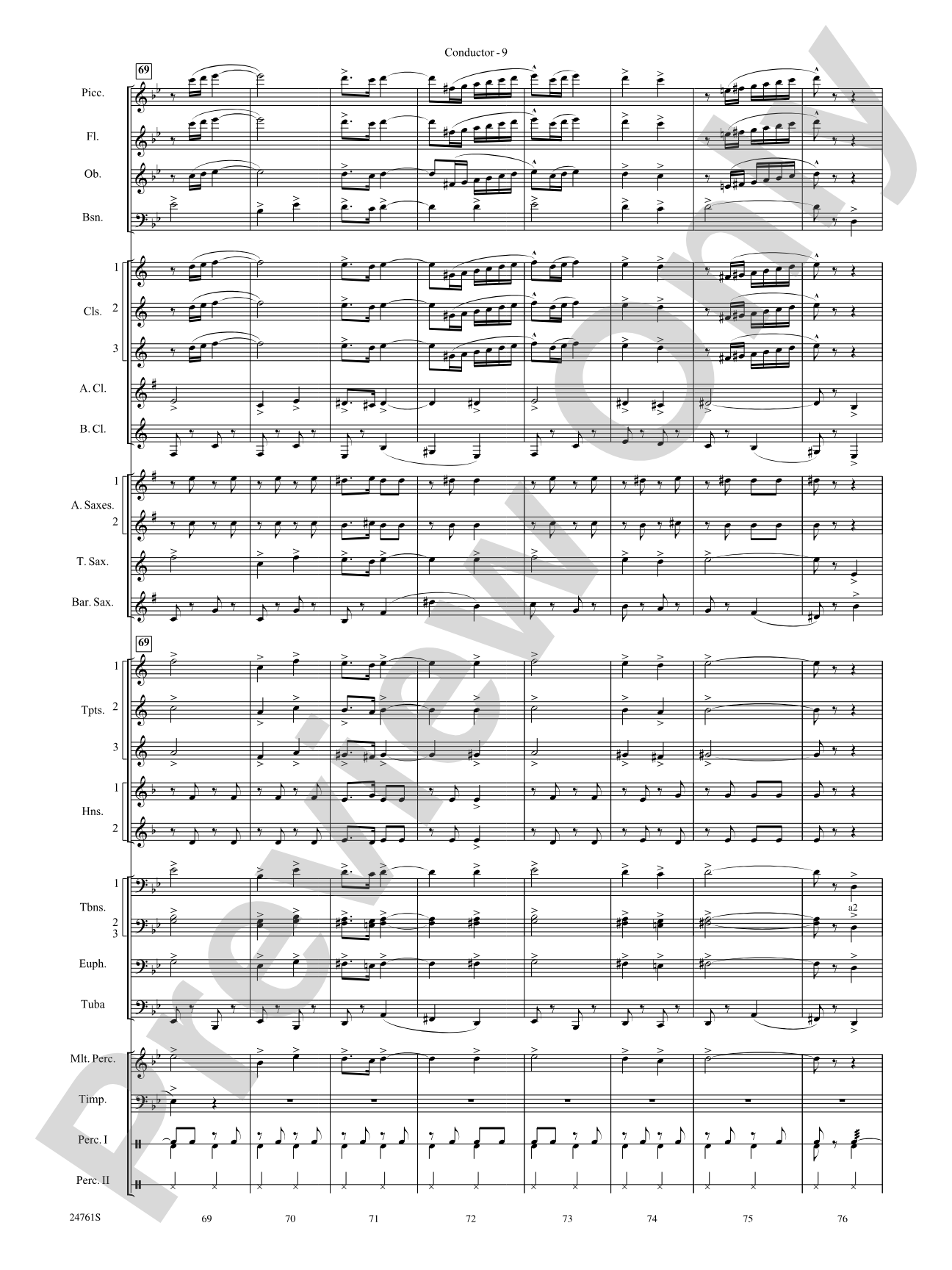
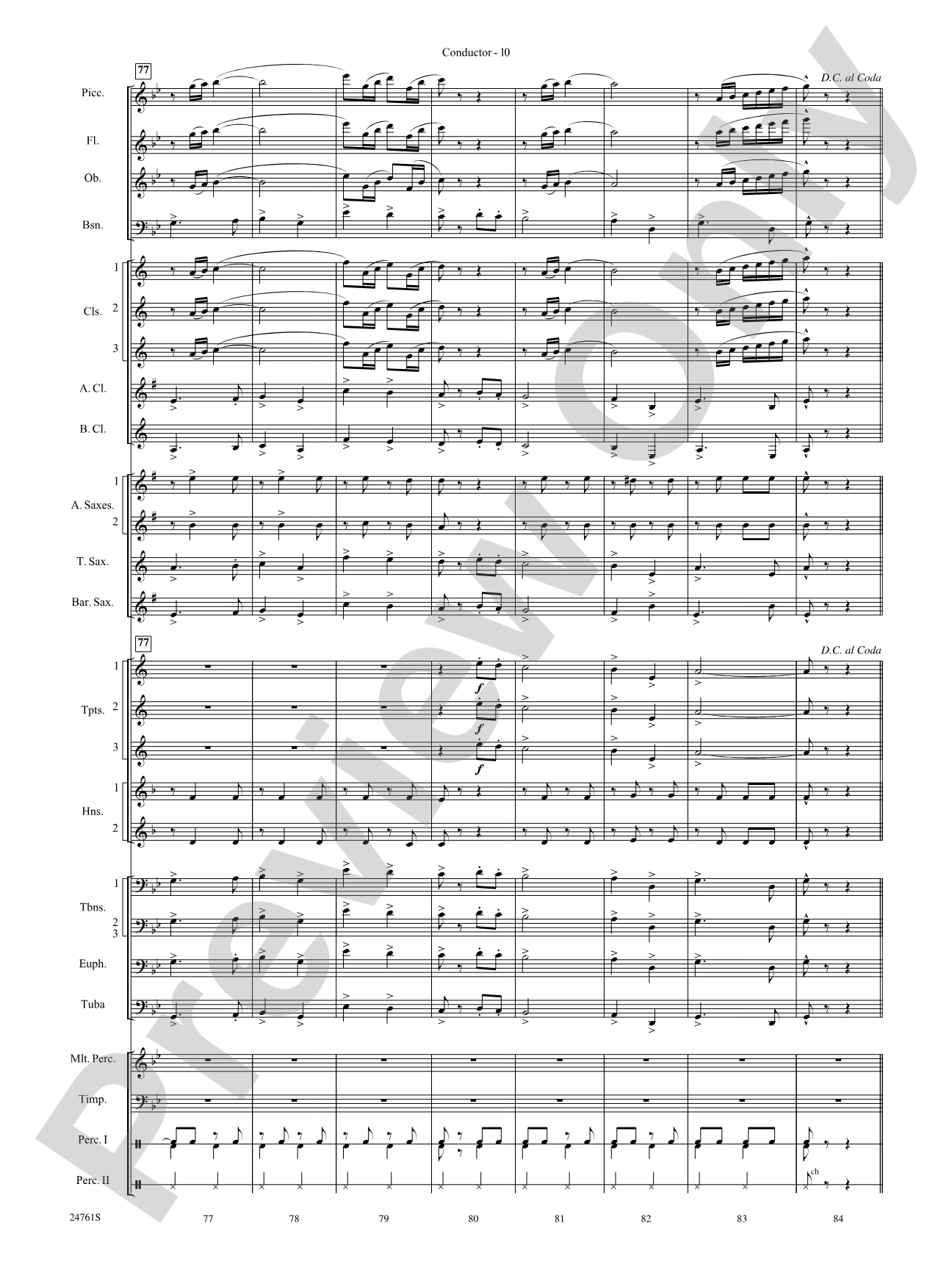
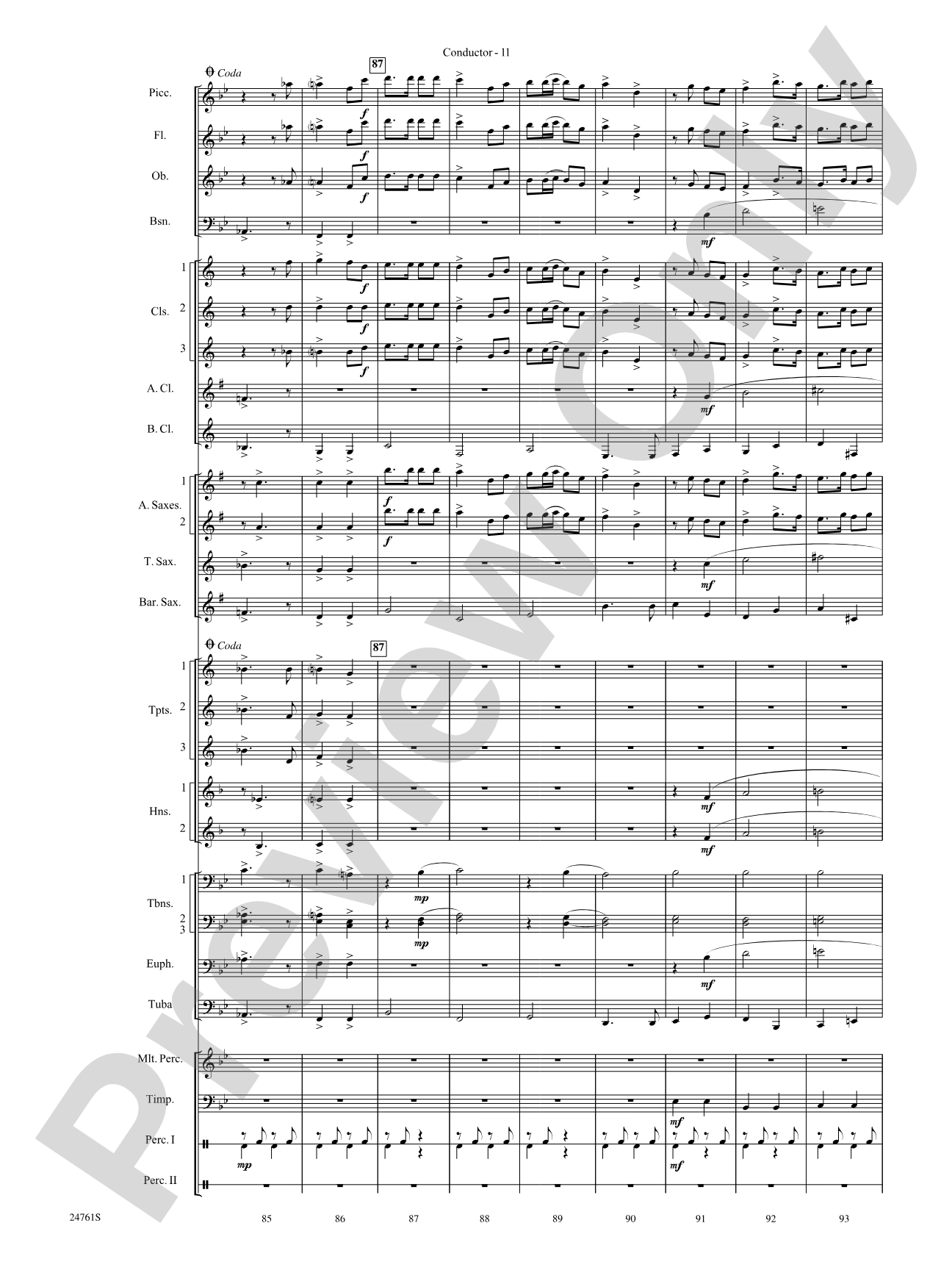



To Those Who Serve: Concert Band Conductor Score & Parts
By Jack Bullock
Grade: 3 (Medium Easy)
Item: 00-PK-0000913

$65.00
Pickup currently not available
Buy Extra Parts (Digital PDF Download)
Parts Added to Cart!
Description
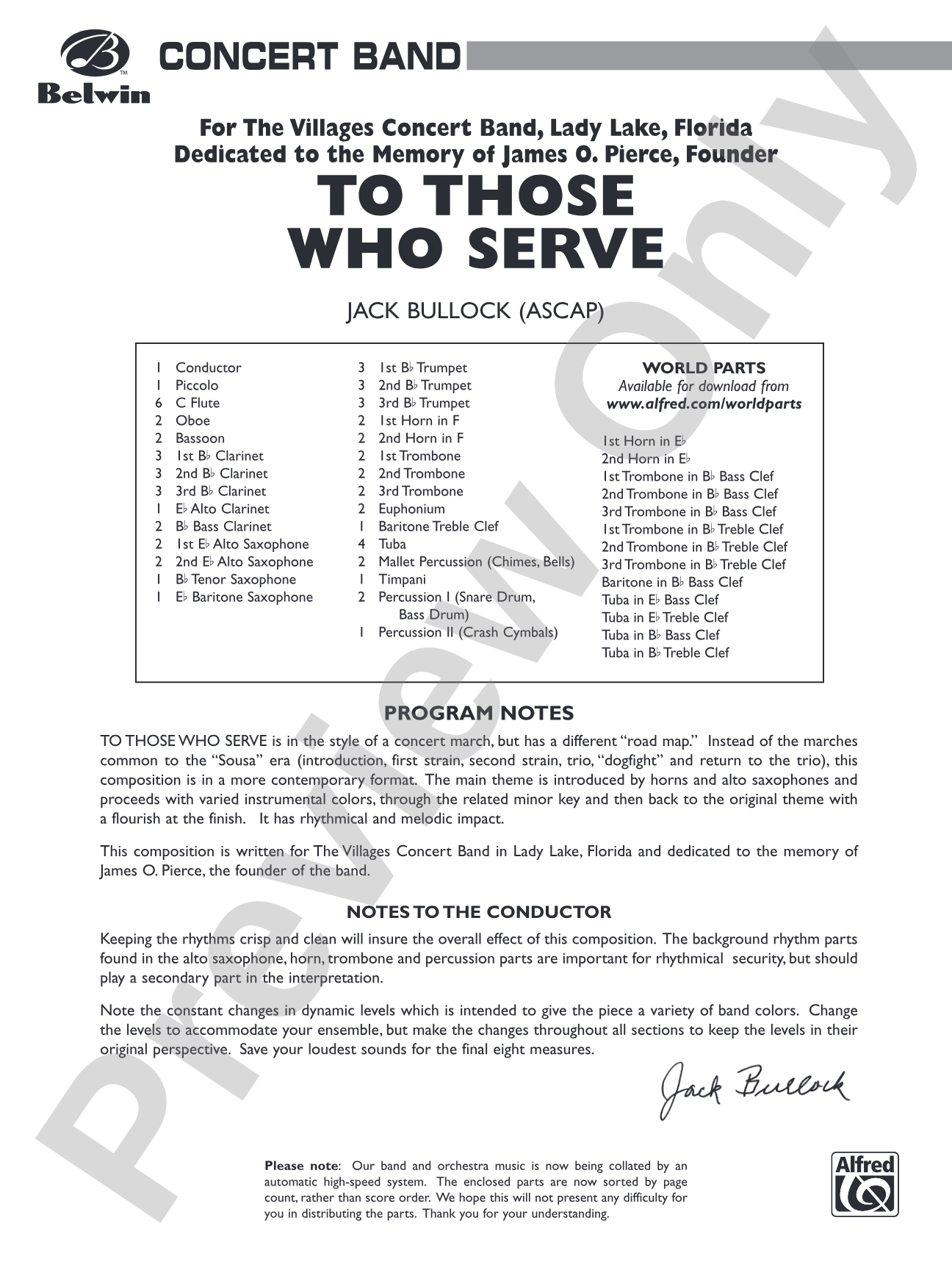
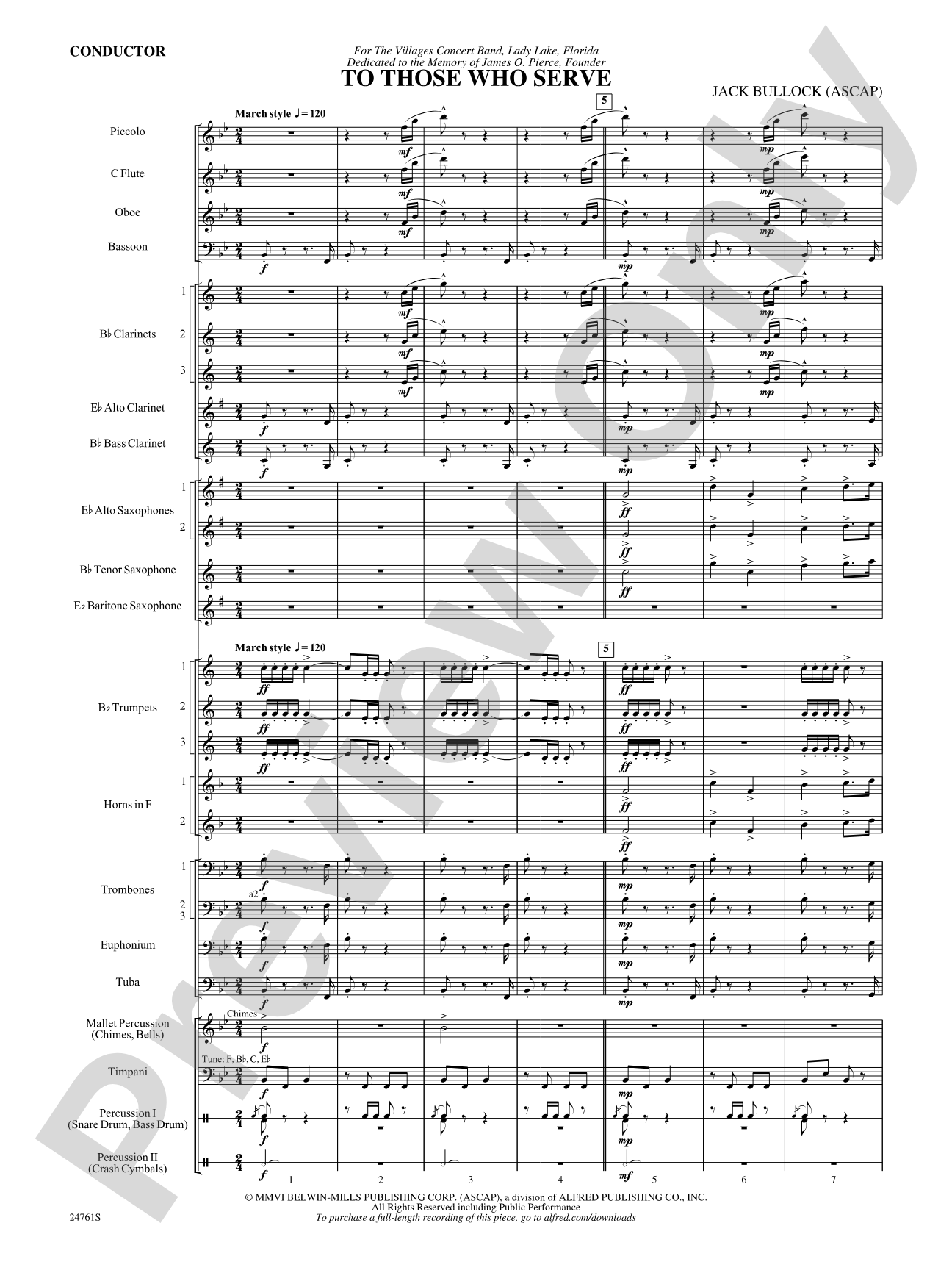
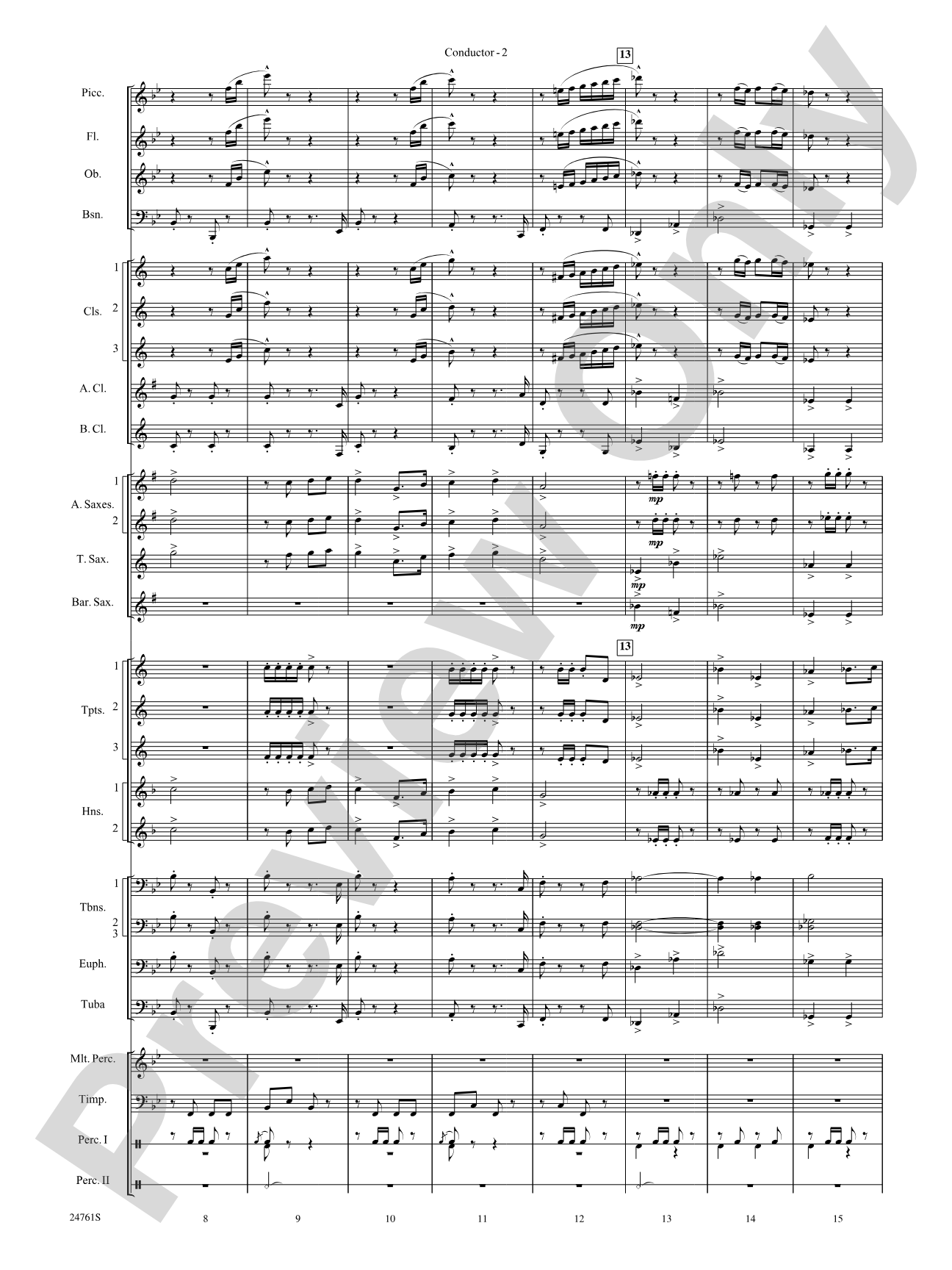
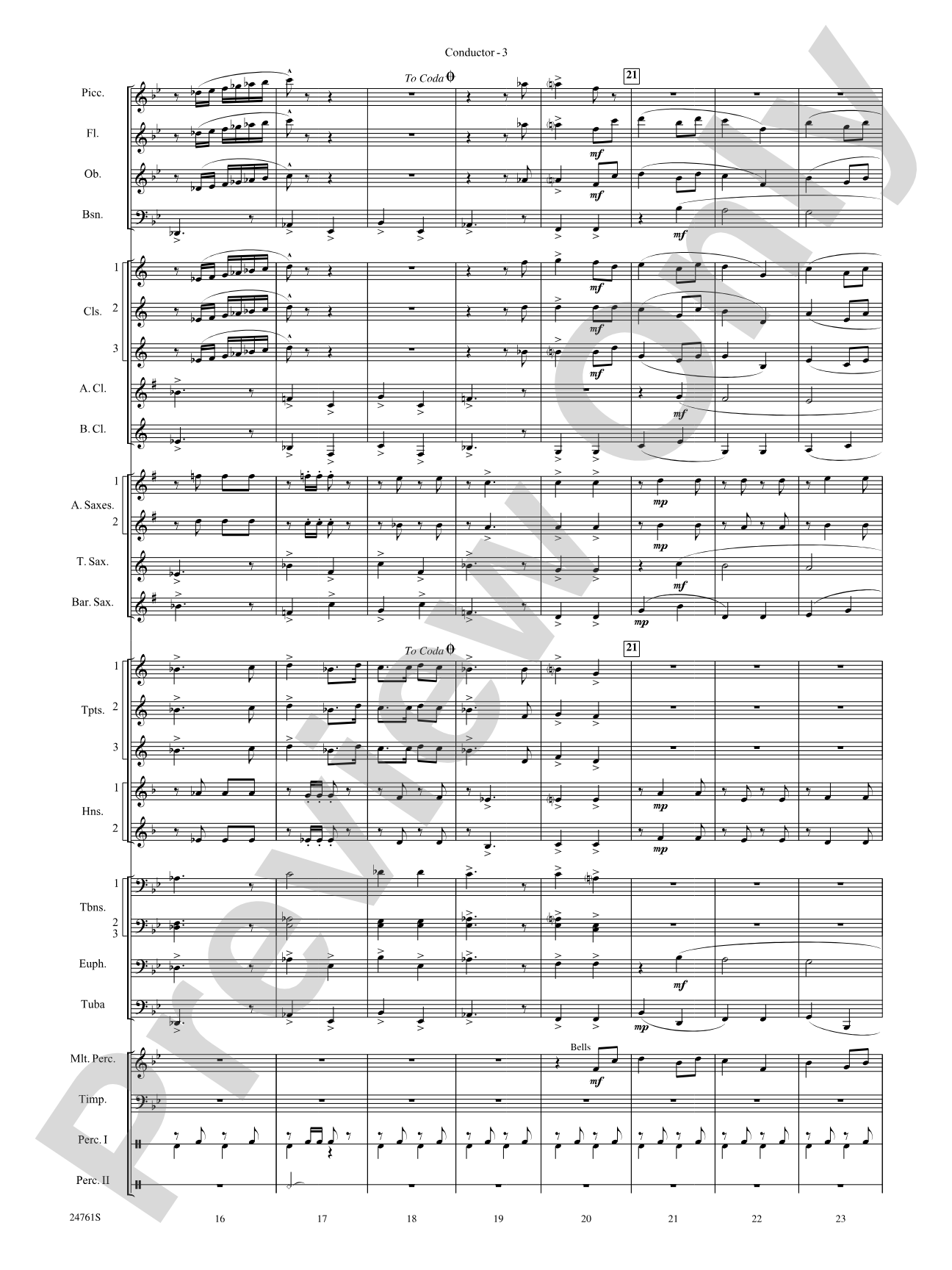
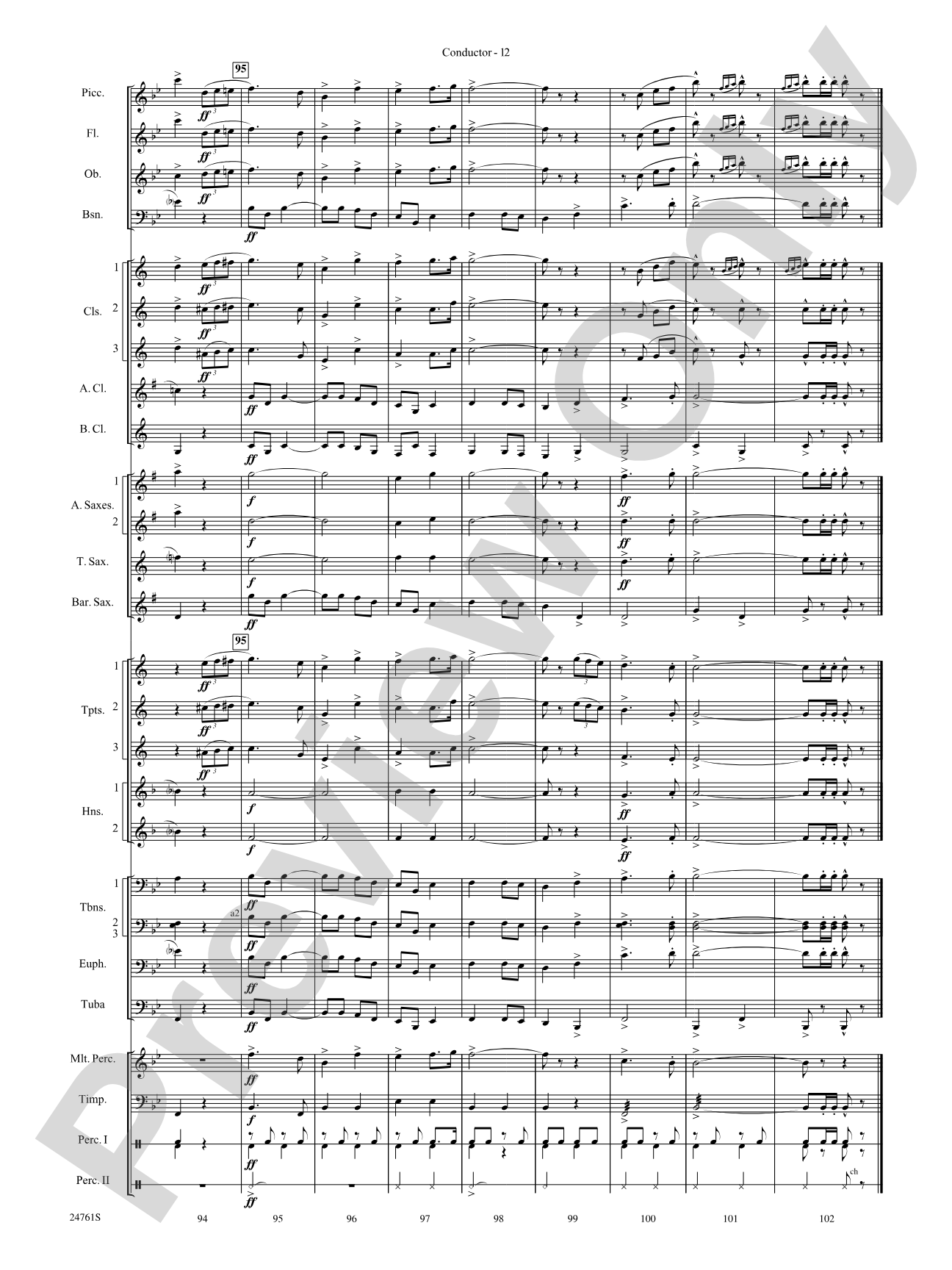
"To Those Who Serve" is in the style of a very contemporary concert march. The main theme is introduced by horns and alto saxophones and proceeds with varied instrumental colors, through the related minor key and then back to the original theme with a bold flourish at the finish. This Jack Bullock original has dynamic rhythmical and melodic impact. The overall effect of this composition is punctuated with the crisp and clean style. A solid choice with a welcoming familiar sound. This title is available in MakeMusic Cloud.


Don't just read it, hear it, play along with it, and watch your students grow with it. In MakeMusic Cloud, To Those Who Serve: Concert Band Conductor Score & Parts comes alive with professional accompaniment, adjustable tempo, and built-in practice tools that turn solo practice into real progress.
Open in the Player
Jump straight in and assign it today.
Start Your Free Trial
Open this title and explore the full library in minutes.
Sample Audio
1
Audio File
--:--
0:00
0:00
Sample Video
No sample videos found.
Additional Details
Series:
Belwin Concert Band
Publisher:
Alfred Music
Page Count:
126
SKU:
00-PK-0000913
More about this title
About the Composer: Jack Bullock

Jack Bullock brings decades of practical experience across performance, composition, and teaching to his prolific output of more than 600 published works. His background spans trumpet performance with major regional orchestras and national touring ensembles, combined with formal training through undergraduate, graduate, and doctoral degrees in Music Education. He has taught instrumental music in secondary schools for 20 years and served as an assistant band director at Ithaca College's School of Music, where he also chaired the Music Education Department.
Beyond the classroom, Bullock has shaped music education at scale through co-authoring the Belwin 21st Century Band Method and contributing arrangements for Alfred Music's Music Expressions curriculum. His work has been recognized through inclusion in Marquis Who's Who publications, and he has conducted clinics across North America and internationally. A member of ASCAP since 1980, his compositions and arrangements span concert band, orchestra, jazz ensemble, and marching band repertoire.
Why we love this
This march strikes an uncommon balance: contemporary in its harmonic language and orchestration yet immediately recognizable as a march in the concert band tradition. Bullock's varied instrumental colors and rhythmic momentum create a piece that sounds fresh without alienating players or audiences familiar with the march genre. It fits neatly into patriotic programming or general concert contexts, with a Grade 3 difficulty that lets solid community bands and high school groups tackle it successfully.
What to expect
Crisp and energetic, with the measured dignity of a march paired with modern harmonic language that keeps it from feeling dated. The piece moves through different emotional colors as key areas shift and recolor, but always returns to the main theme with confidence and drive.
Who it's for
Directors of Grade 3 concert bands looking for contemporary march literature with solid programming appeal. This works equally well for community bands seeking fresh patriotic repertoire and high school bands wanting an accessible contest or concert piece that won't overwhelm rehearsal time.
How to get the most out of it
- Balance the horn and alto saxophone introduction carefully; this theme is the heart of the piece, so clarity matters more than volume.
- Treat the transition to the related minor key as a genuine key change, not a harmonic shift. Adjust articulation and tone to highlight the character change.
- Support the final bold flourish with a unified approach from the full band. Secure the rhythmic momentum here; the ending sells the piece.
- Use dynamic contrast to showcase the varied instrumental colors throughout. The compositional architecture depends on listeners hearing each color change.
How to use it
Open a fourth of July concert or patriotic program with this, or place it mid-program as a palate cleanser between heavier works. Its contemporary styling pairs well alongside other modern band compositions, and its moderate length (126 pages in full score) keeps it efficient for rehearsal schedules.
Skills your students will build
- Sustaining lyrical horn passages while maintaining musical direction
- Balance and blend across varied instrumental colors and homophonic textures
- Harmonic understanding through key modulation and return to tonal center
- Ensemble precision in rhythmically driven marchlike passages
- Dynamic control from soft, introduced themes to full-band climaxes