
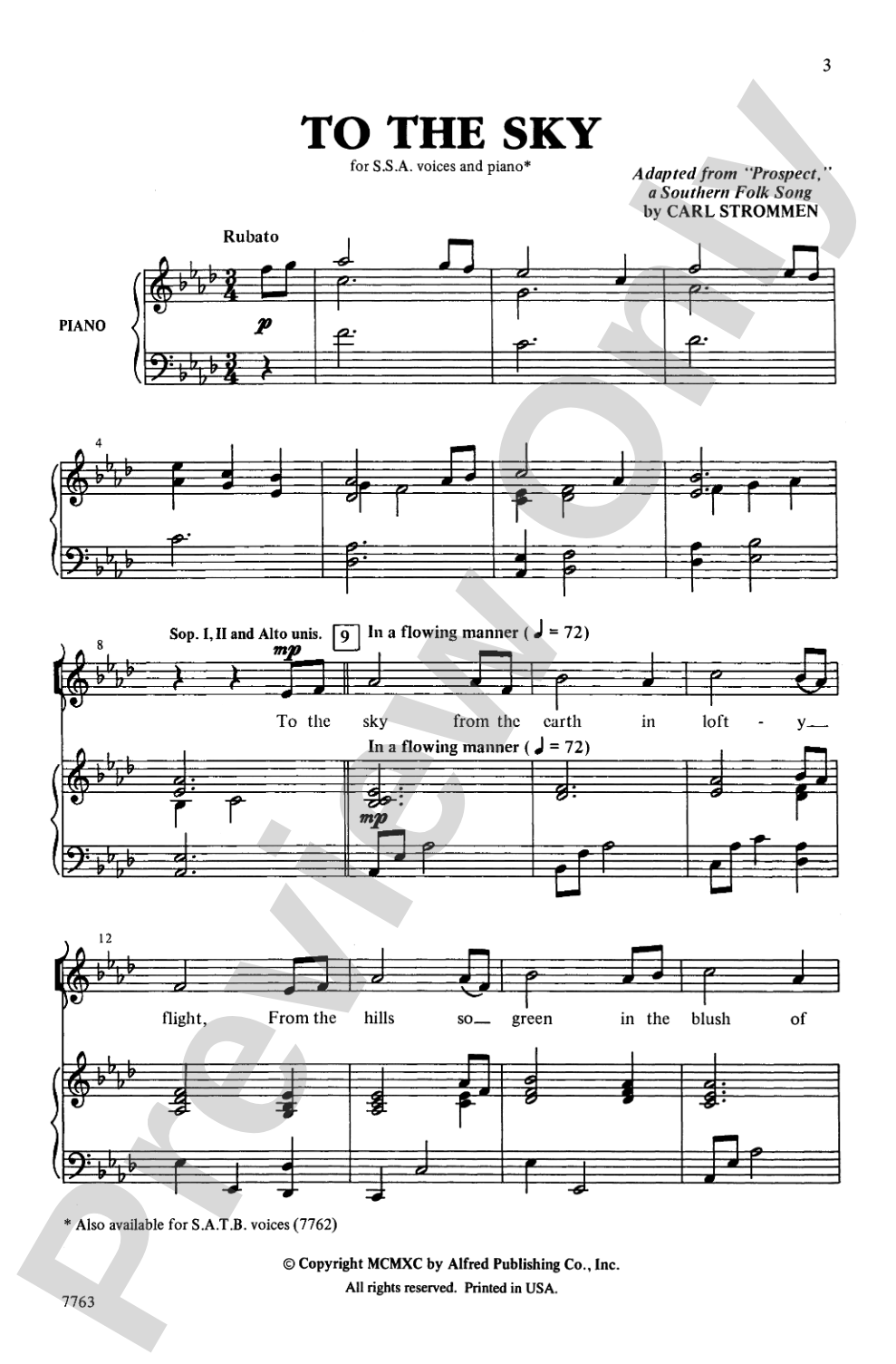

To the Sky: SSA Choral Octavo
Music by Carl Strommen
Item: 00-PO-0004581
$2.25
Minimum order quantity: 20 copies
Pickup currently not available
Description
A simple, but so effective setting of a beautiful, yet seldom heard Southern folk song. Carl Strommen knows how to write for voices and this sensitive work shows off all his talents---just as it will show off the talents of your singers. Simply an outstanding choral arrangement.


To the Sky: SSA Choral Octavo isn't in MakeMusic Cloud just yet...but it could be. Let us know you'd like to see it, and you'll help shape what comes next. In the meantime, start a free trial and dive into thousands of interactive titles your students can play along with today.
Request This Title
Tell us you want it.
Start Your Free Trial
Explore everything that's ready to play right now.
Sample Audio
No sample audio found.
Sample Video
No sample videos found.
Additional Details
Series:
Alfred Archive Edition: Alfred Choral Designs
Publisher:
Alfred Music
Page Count:
8
SKU:
00-PO-0004581
More about this title
About the Composer: Carl Strommen
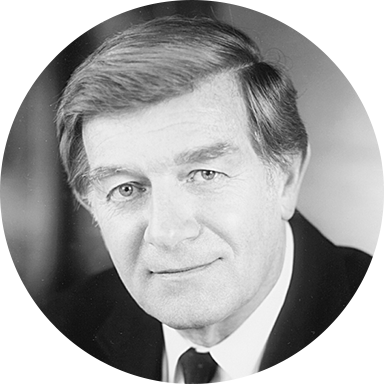
Carl Strommen's work spans band, orchestra, jazz ensemble, and choral literature, making him one of the most frequently performed composers and arrangers in the United States and abroad. His music appears regularly in concert halls, on television, and in film scores. He has earned the ASCAP Standard Writers Award annually throughout his career and maintains an active schedule as both a clinician and commission composer.
Strommen holds a degree from the City College of New York and serves as an adjunct professor of orchestration and composition at the C.W. Post Campus of Long Island University. He splits his time between Long Island and the Colorado Front Range, where he spends extended periods with his family.
Why we love this
Strommen demonstrates a genuine ear for voice leading in this arrangement. The piece respects the folk melody while building genuine harmonic interest, and the eight-page length makes it substantial enough to matter on a program without demanding weeks of rehearsal. Choirs at this level will feel accomplished performing it.
What to expect
The music unfolds with quiet dignity, honoring the folk song's roots while adding harmonic warmth. There is tenderness here without sentimentality; the piece respects both the text and the voices singing it. By the final page, what began as simple becomes layered and expressive, a natural arc that feels earned rather than imposed.
Who it's for
This octavo suits treble choirs at the high school, community, and collegiate levels, as well as adult ensembles seeking accessible, well-crafted repertoire. Singers with solid fundamentals but limited experience with complex harmonies will find the writing supportive and encouraging. Directors looking for a folk-based piece that avoids arrangement clichés will recognize Strommen's craftsmanship immediately.
How to get the most out of it
- Shape the phrase endings with gentle releases rather than abrupt cutoffs; the folk melody will breathe better and sustain its lyrical quality.
- Balance the three voices so the soprano line carries the tune without dominating the texture; encourage middle voices to blend their harmonies fully.
- Approach dynamics as a tool for storytelling rather than simply following markings on the page; let the emotional arc of the text guide your expressive choices.
- Spend rehearsal time on vowel consistency across the parts, especially in sustained sections; unification will reveal the richness of Strommen's harmonic writing.
How to use it
Pair this with other folk-based work to create a thematic concert section, or program it as a contrasting piece after something more complex or contemporary. Its eight pages and moderate difficulty make it an ideal choice for spring concerts or as part of a lighter, community-oriented program. The piece also stands well as a standalone selection in a recital context where emotional authenticity matters more than spectacle.
Skills your students will build
- Part independence and listening in three-part texture
- Sustaining focus through lyrical, melody-driven writing
- Blending harmonies with attention to vowel unification
- Phrasing and text interpretation in folk arrangements
- Balance of individual voice lines within ensemble sound